


 购物车
购物车 个人中心
个人中心
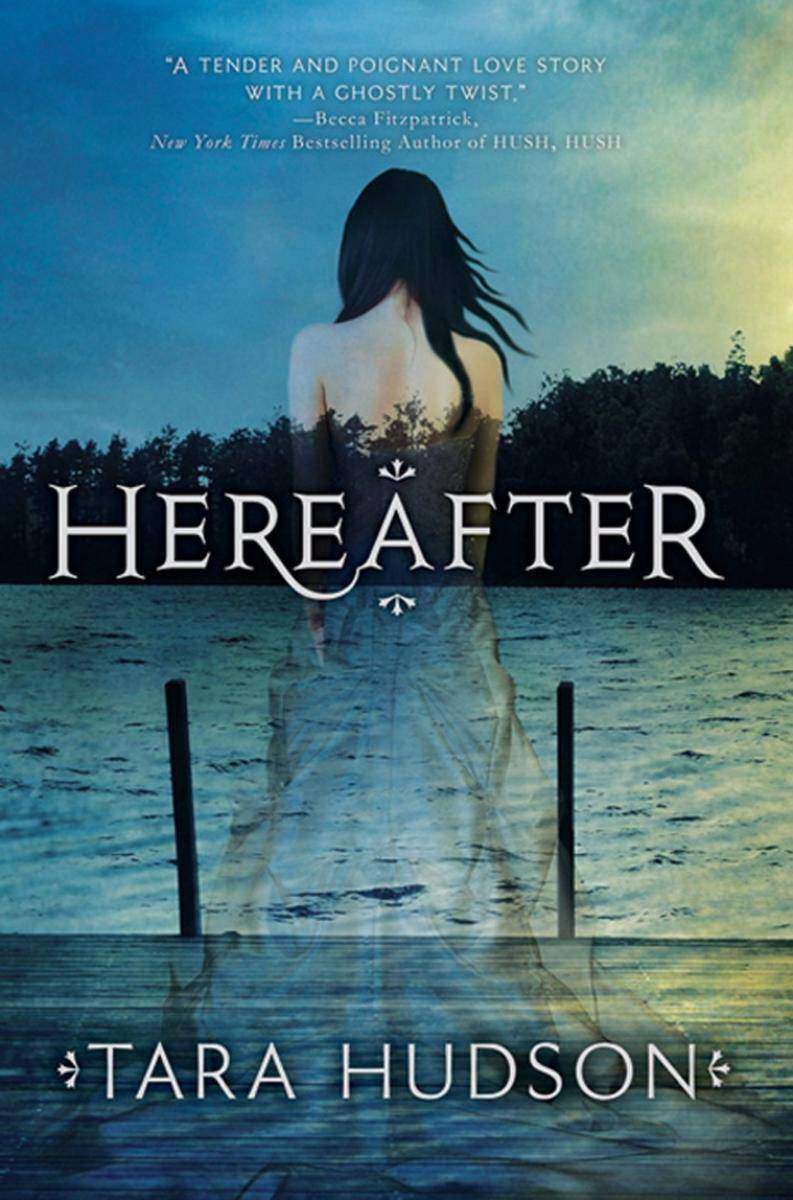
Hereafter
¥55.93
Can there truly be love after death?Drifting in the dark waters of a mysterious river, the only thing Amelia knows for sure is that she's dead. With no recollection of her past life—or her actual death—she's trapped alone in a nightmarish existence. All of this changes when she tries to rescue a boy, , from drowning in her river. As a ghost, she can do nothing but will him to live. Yet in an unforgettable moment of connection, she helps him survive. Amelia and grow ever closer as they begin to uncover the strange circumstances of her death and the secrets of the dark river that held her captive for so long. But even while they struggle to keep their bond hidden from the living world, a frightening spirit named Eli is doing everything in his power to destroy their newfound happiness and drag Amelia back into the ghost world . . . forever. Thrilling and evocative, with moments of pure pleasure, Hereafter is a sensation you won't want to miss.

A Need So Beautiful
¥50.84
We all want to be remembered. Charlotte's destiny is to be forgotten.Charlotte's best friend thinks Charlotte might be psychic. Her boyfriend thinks she's cheating on him. But Charlotte knows what's really wrong: She is one of the Forgotten, a kind of angel on earth who feels the Need—a powerful, uncontrollable draw to help someone, usually a stranger.But Charlotte never wanted this responsibility. What she wants is to help her best friend, whose life is spiraling out of control. She wants to lie in her boyfriend's arms forever. But as the Need grows stronger, it begins to take a dangerous toll on Charlotte. And who she was, is, and will become—her mark on this earth, her very existence—is in jeopardy of disappearing completely.Charlotte will be forced to choose: Should she embrace her fate as a Forgotten, a fate that promises to rip her from the lives of those she loves foreverOr is she willing to fight against her destiny—no matter how dark the consequences?
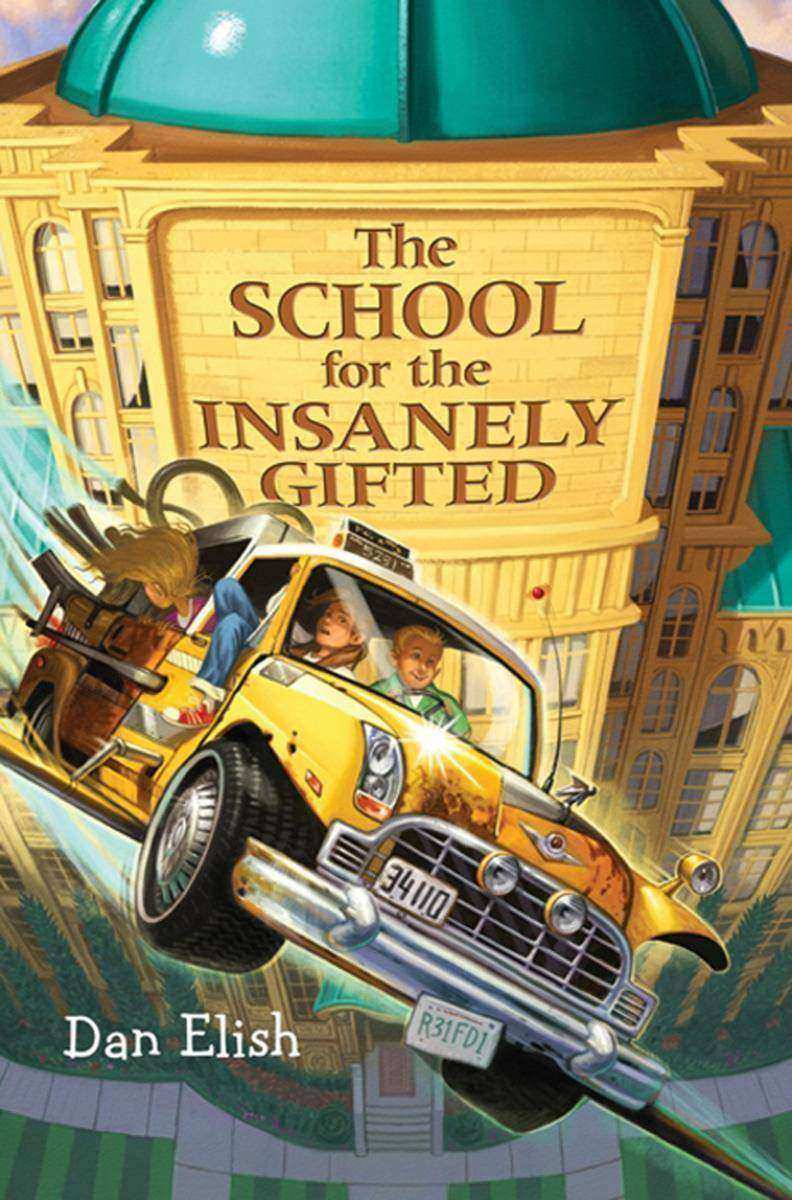
The School for the Insanely Gifted
¥90.77
Daphna Whispers is insanely gifted.At age two and a half, she composed her first sonata.At age eight, she completed an opera.And now, at eleven and three-quarters, she is orchestrating a piano rhapsody.With a résumé like that, it's no wonder she is a student at the prestigious Blatt School for the Insanely Gifted. But as sixth grade draws to a close, Daphna's mind is far from the upcoming "Insanity Cup" competition. She's preoccupied by her mother's disappearance two months ago. When a mysterious man breaks into Daphna's small New York apartment, Daphna discovers that her mother's disappearance wasn't a random accident. Her mother knew something—and now somebody is after Daphna. What starts out as a simple fact-finding trip to the basement with her friends spirals into an international expedition. And while Daphna hopes to uncover the secret of her mother's disappearance on her global trek, the last thing she expects to uncover is an outrageous secret about the Blatt School.And one insanely shocking secret about herself.

Shadowcry
¥50.47
The Night of Souls—when the veil between the living and the dead is thinnest—is only days away.Albion is at war . . . and losing.The wardens have descended, kidnapping innocent citizens for their army, but looking for one in particular.And fifteen-year-old Kate Winters has just raised a blackbird from the dead.As her home is torn apart by the wardens, Kate's discovery that she is one of the Skilled—the rare people who can cross the veil between life and death—makes her the most hunted person in all of Albion. Only she can unlock the secrets of Wintercraft, the ancient book of dangerous knowledge. Captured and taken to the graveyard city of Fume—with its secret tunnels and underground villages, and where her own parents met their deaths ten years ago—Kate must harness her extraordinary powers to save herself, her country, and the two men she cares for most. And she'll make a pact with a murderer to do it.Those who wish to see the dark, be ready to pay your price.
Bite Me!
¥50.47
AJ Ashe isn't your typical seventeen-year-old vampire—as if there is such a thing! She's stuck in the middle of a huge fight between her two BFFs. Her ex-boyfriend—whom she's still totally in love with, by the way—is now her stepbrother. A former classmate—who, um, she may or may not have turned into a vampire—is stalking her. And now, apparently, the fate of humankind lies in her little undead hands. What ever happened to the good old days, when all a vampire girl had to worry about was the occasional zit and hiding her taste for blood?
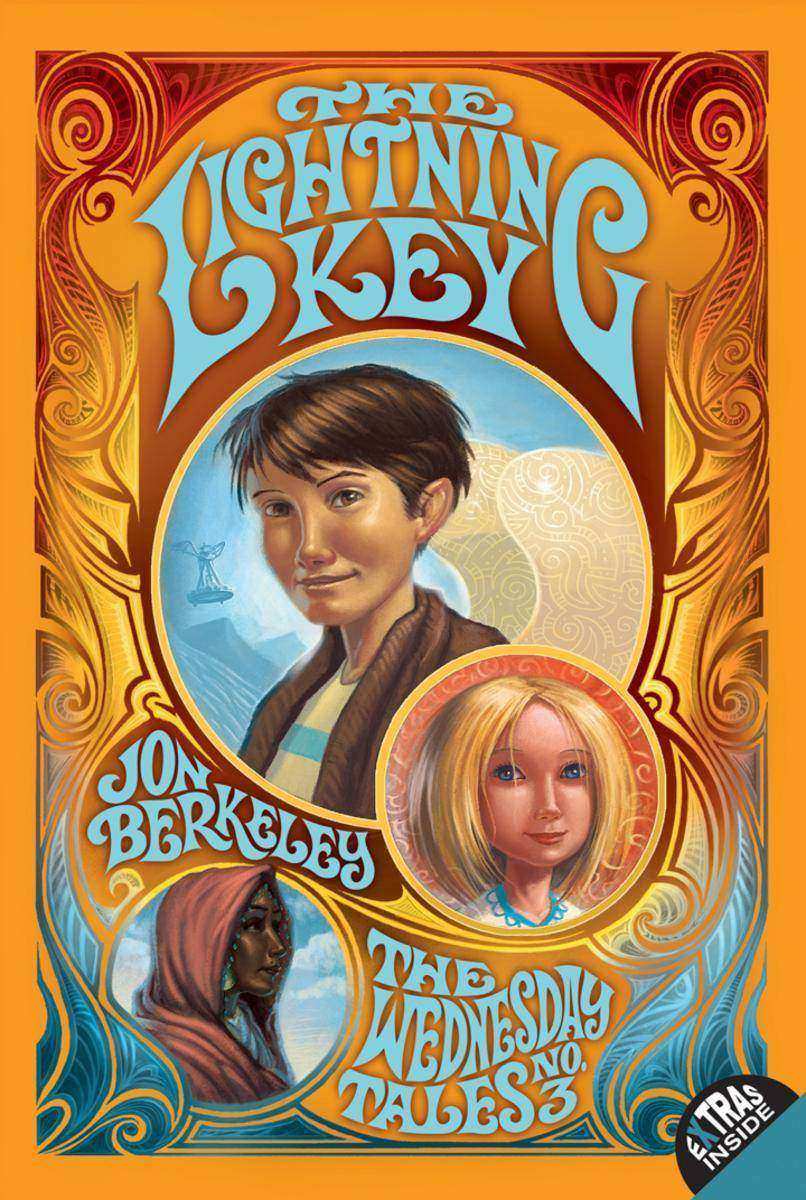
The Lightning Key
¥44.85
The grand finale to Miles's spectacular adventures Miles Wednesday is suddenly at the wheel of a great voyage. Determined to recover the stolen Tiger's Egg and free the trapped soul within, Miles sets off with his Song Angel friend, Little, and the wisecracking blind explorer Baltinglass of Araby across sea and desert to the home of Miles's aunt Nura, who may be their only hope in releasing the stone's true power. Their travels are riddled with thrills and near catastrophes, but most threatening is a dark Sleep Angel who's descended from the Realm to seize the Egg or forfeit Miles's life. Will Miles crack the secrets of the Egg and stand up to the Realm before he faces grave dangerAnd, above all, will he ever be able to bring back his father?

Lily B. on the Brink of Paris
¥87.18
Mulgrew Middle School Summer Trip to ParisMadame Chavotte: French Teacher and Chaperone. Built like a tank, with only one eyebrow.Charlotte McGrath: Vault of European Information.In Command of All Details.Bonnie Roberts: Astral Traveler and Channeler of Messages from the Universe.Janet Graham: Obsessed with All That Is French. Insists on pronouncing own name Jah-nay.Lewis Pilsky: Computer God. Walking Pillar of Geekdom. Bud and Chaz: The Football Guys. Heads suspiciously jar shaped.Tim: Last name unknown. To everyone's knowledge, has never spoken.And, of course . . .Lily B.: Self-Appointed Official Diarist of the Trip and Writer Extraordinaire.
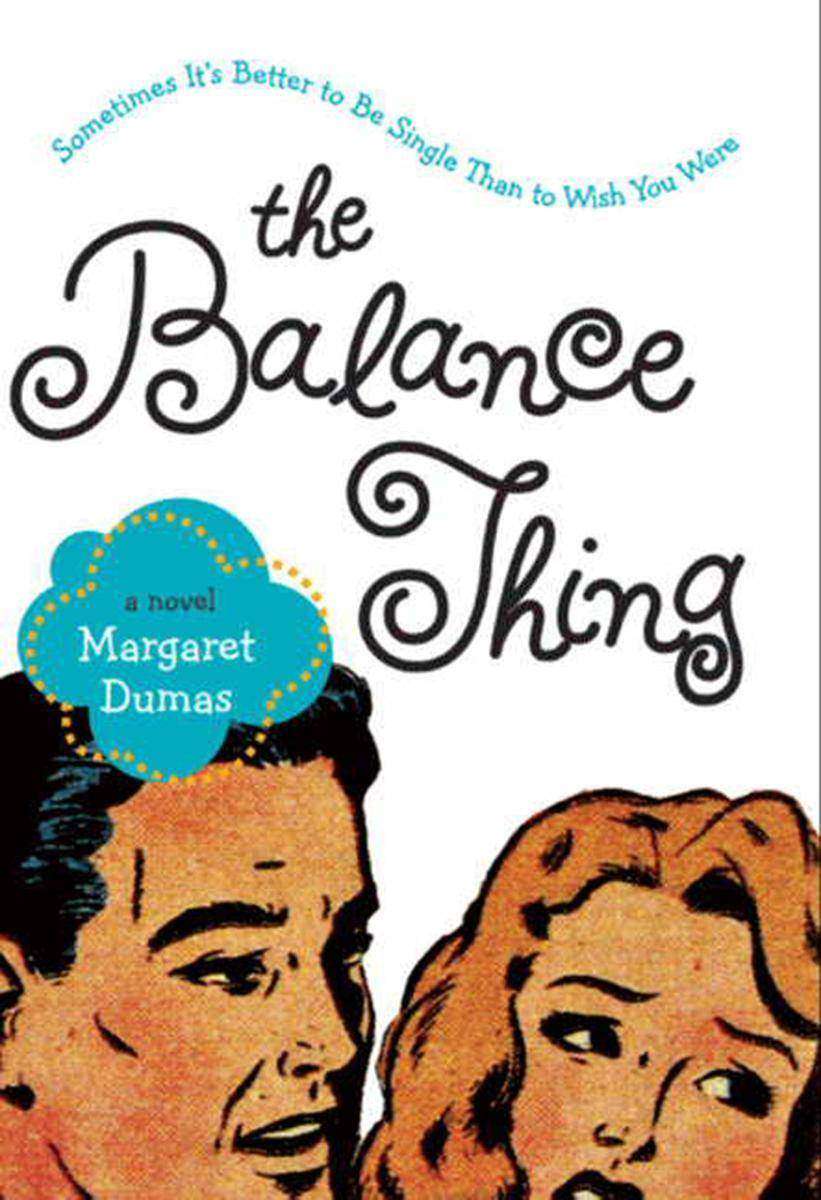
The Balance Thing
¥78.32
Rebecca "Becks" Mansfield has a boyfriend who sets her on the edge, a job catering to the whims of a cartoon vampire, and she's shortly to be a bridesmaid in the fairy-tale wedding from hell. How could this have happened to the brilliant, brash-talking, rising star of marketingHer three best friends tell her she's "date lazy," settling for the men who require the least effort. Maybe Becks isn't trying hard enough, but the "one" she's looking for isn't the perfect man—it's the perfect job.Of course, you can't always get what you want—a fact that's about to become crystal clear to Becks Mansfield. But sometimes you get what you need.
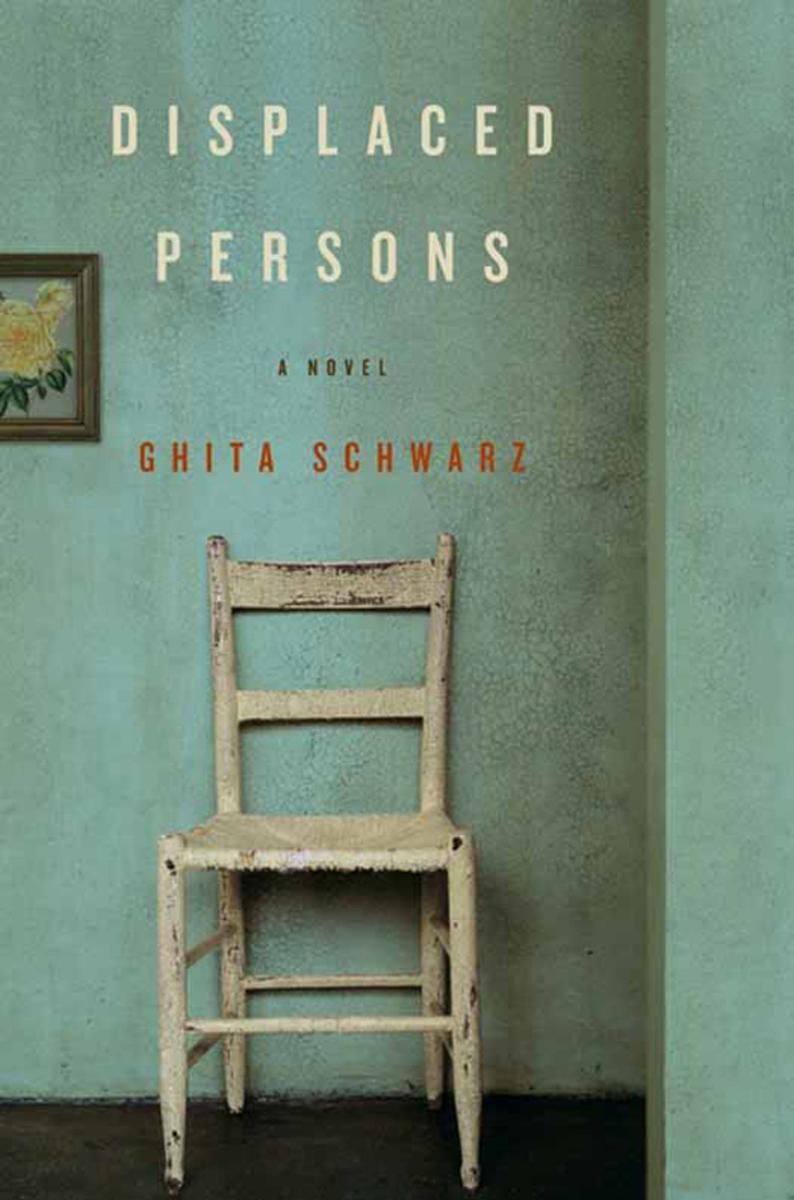
Displaced Persons
¥84.16
Moving from the Allied zones of postwar Germany to New York City, an astonishing novel of grief and anger, memory and survival witnessed through the experiences of "displaced persons" struggling to remake their lives in the decades after World War II In May 1945, Pavel Mandl, a Polish Jew recently liberated from a concentration camp, lands near a displaced persons camp in the British occupation zone of newly defeated Germany. Alone, possessing nothing but a map, a few tins of food, a toothbrush, and his identity papers, he must scrape together a new life in a chaotic community of refugees, civilians, and soldiers. Gifted with a talent for black-market trading, Pavel soon procures clothing, false documents, and a modest house, where he installs himself and a pair of fellow refugees—Fela, a young widow who fled Poland for Russia at the outset of the war, and Chaim, a resourceful teenage boy whose smuggling skills have brought him to the Western zones. The trio soon form a makeshift family, searching for surviving relatives, railing against their circumscribed existence, and dreaming of visas to America.Fifteen years later, haunted by decisions they made as "DPs," Pavel and Fela are married and living in Queens with their young son and daughter, and Chaim has recently emigrated from Israel with his wife, Sima. Pavel opens a small tailoring shop with his scheming brother-in-law while Fela struggles to establish peace in a loosely traditional household; Chaim and Sima adapt cheerfully to American life and its promise of freedom from a brutal past. Their lives are no longer dominated by the need to endure, fight, hide, or escape. Instead, they grapple with past trauma in everyday moments: taking the children to the municipal pool, shopping for liquor, arguing with landlords.For decades, Pavel, Fela, and Chaim battle over memory and identity on the sly, within private groups of survivors. But as the Iron Curtain falls in the 1990s, American society starts to embrace the tragedy as a cultural commodity, and survivor politics go public. Clever and stubborn, tyrannical and generous, Pavel, Fela, and Chaim articulate the self-conscious strivings of an immigrant community determined to write its own history, on its own terms.In Displaced Persons, Ghita Schwarz reveals the interior despairs and joys of immigrants shaped by war—ordinary men and women who have lived through cataclysmic times—and illuminates changing cultural understandings of trauma and remembrance.
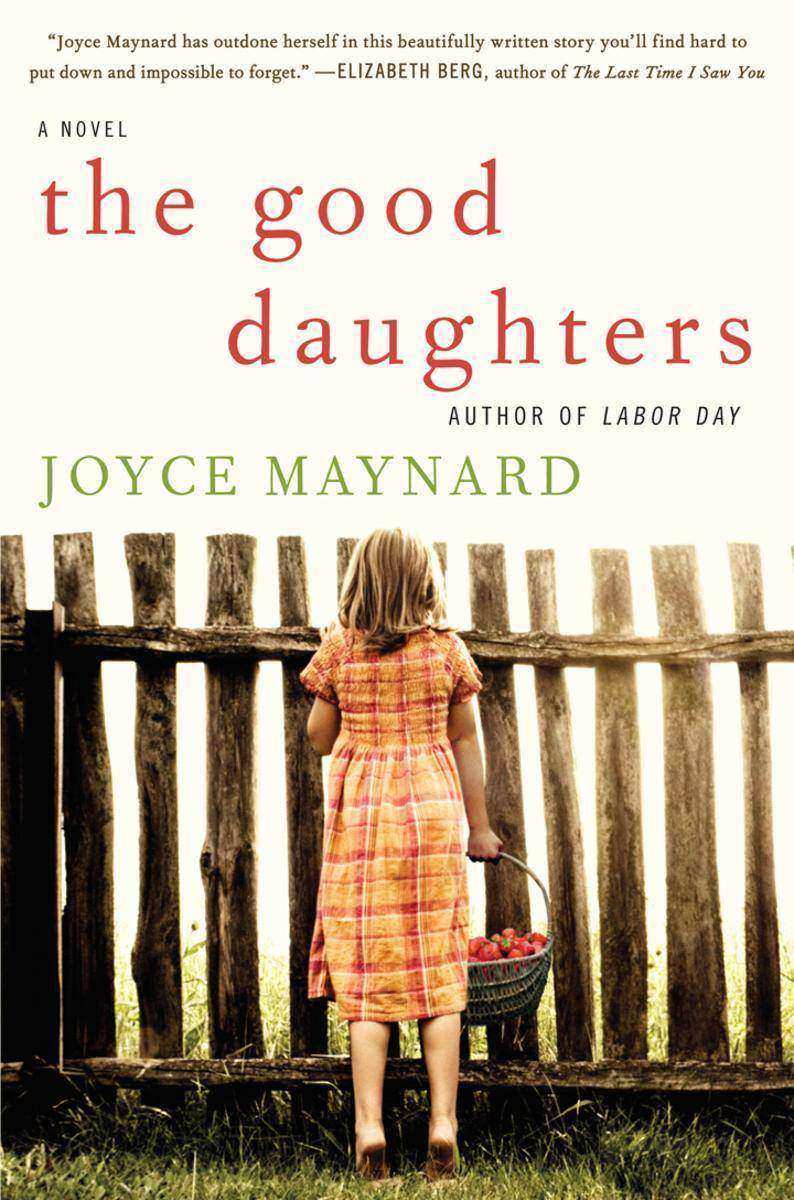
The Good Daughters
¥83.03
The bestselling author of Labor Day returns with a spellbinding novel about friendship, family secrets, and the strange twists of fate that shape our livesThe Good DaughtersThey were born on the same day, in the same small New Hampshire hospital, into families that could hardly have been less alike.Ruth Plank is an artist and a romantic with a rich, passionate, imaginative life. The last of five girls born to a gentle, caring farmer and his stolid wife, she yearns to soar beyond the confines of the land that has been her family's birthright for generations. Dana Dickerson is a scientist and realist whose faith is firmly planted in the natural world. Raised by a pair of capricious drifters who waste their lives on failed dreams, she longs for stability and rootedness.Different in nearly every way, Ruth and Dana share a need to make sense of who they are and to find their places in a world in which neither has ever truly felt she belonged. They also share a love for Dana's wild and beautiful older brother, Ray, who will leave an indelible mark on both their hearts.Told in the alternating voices of Ruth and Dana, The Good Daughters follows these "birthday sisters" as they make their way from the 1950s to the present. Master storyteller Joyce Maynard chronicles the unlikely ways the two women's lives parallel and intersect—from childhood and adolescence to first loves, first sex, marriage, and parenthood; from the deaths of parents to divorce, the loss of home, and the loss of a beloved partner—until past secrets and forgotten memories unexpectedly come to light, forcing them to reevaluate themselves and each other.Moving from rural New Hampshire to a remote island in British Columbia to the '70s Boston art-school scene, The Good Daughters is an unforgettable story about the ties of home and family, the devastating force of love, the healing power of forgiveness, and the desire to know who we are.
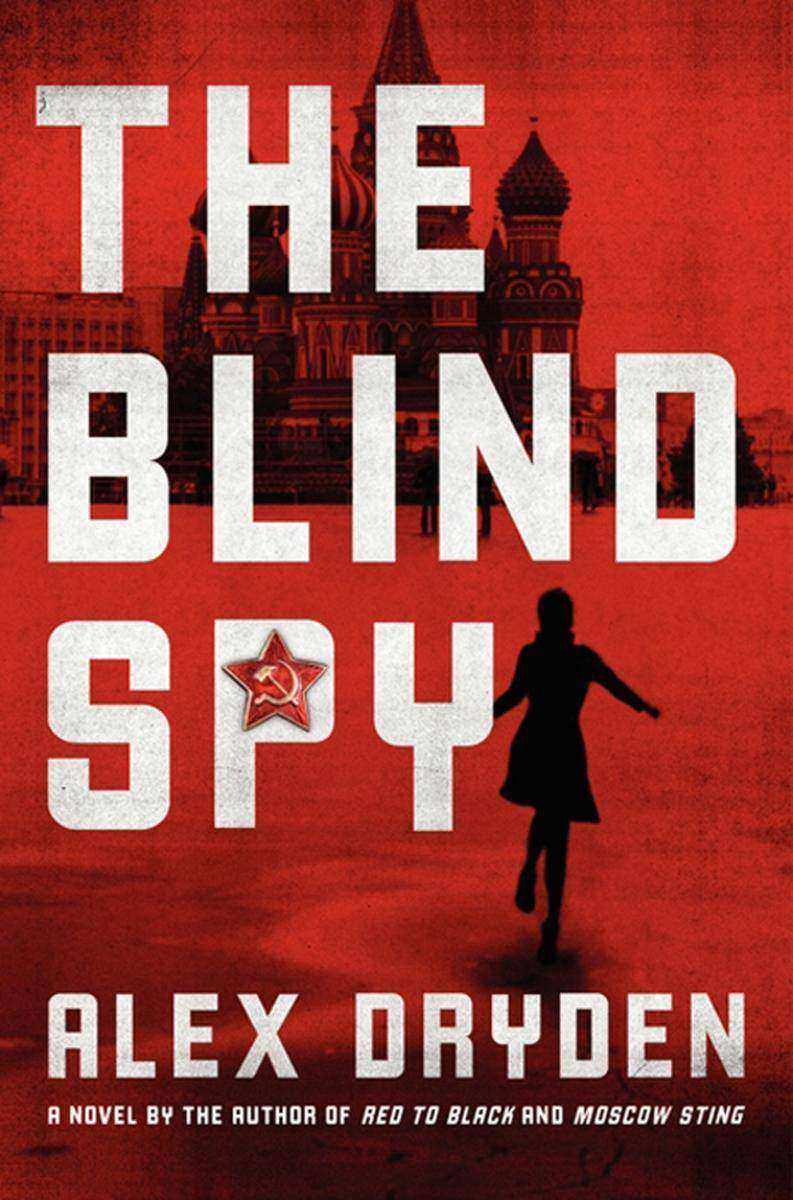
The Blind Spy
¥140.29
Superspy Anna Resnikov is back in Alex Dryden's latest, masterful international thriller—The Blind SpyRussia has never accepted Ukraine's independence and now the Patrioti—Putin, his elder statesmen, and seasoned generals dedicated to rebuilding their fallen empire—are using the KGB's controversial elite and clandestine forces of Department S to destabilize the young democratic nation and bring it back under Russian control.But Cougar, the powerful private intelligence company that overshadows even the CIA in its reach, learns of Russia's plans and strikes at the heart of its plot with its own lethal weapon—the gorgeous ex–KGB colonel Anna Resnikov. More than a gifted spy and expert killer, Anna lost the love of her life and the father of her child at the hands of her former countrymen. Her defection to Cougar has made her the most wanted woman in Russia, but she'll risk any danger to herself for the chance to destroy the evil that rules her homeland. And on the ground in Ukraine, she meets a formidable foe, a mysterious KGB spy whose aims are suspiciously unclear but whose power is unmistakably deadly.New York Times bestselling author James Grippando raves, "Alex Dryden...can please everyone from fans of old le Carré to students of current affairs." The Blind Spy is another killer cocktail of page-turning suspense, high-octane action, and riveting intrigue that will hold you captive from beginning to end.

Windmills of the Gods
¥127.10
Our newest ambassador to an Iron Curtain country, Mary Ashley has been marked for death by the world's most proficient assassin. Only two people can offer her help. And one of them wants to kill her.

The Attack of the Frozen Woodchucks
¥87.18
Frozen woodchucks are attacking the galaxy! But they're no match for Jimmy and his crew of space travelers . . . or are they?Meet our heroes:Jimmy Weathers An average fifth grader living in New York City who never suspected that the fate of the world would be resting squarely on his ten-year-old shoulders.William H. Taft VJimmy's best friend—the great-great-great-great-nephew of the fattest man who was ever president.Janice Claytooth A ten-year-old rocket scientist whose bestselling book Light Speed and You has sold only one copy on earth but millions throughout the galaxy.Imogene Weathers A feisty two-year-old inventor with a penchant for turning the ordinary into the extraordinary.Will this unlikely quartet discover the mastermind behind the frozen woodchuck attacks before it's too late?
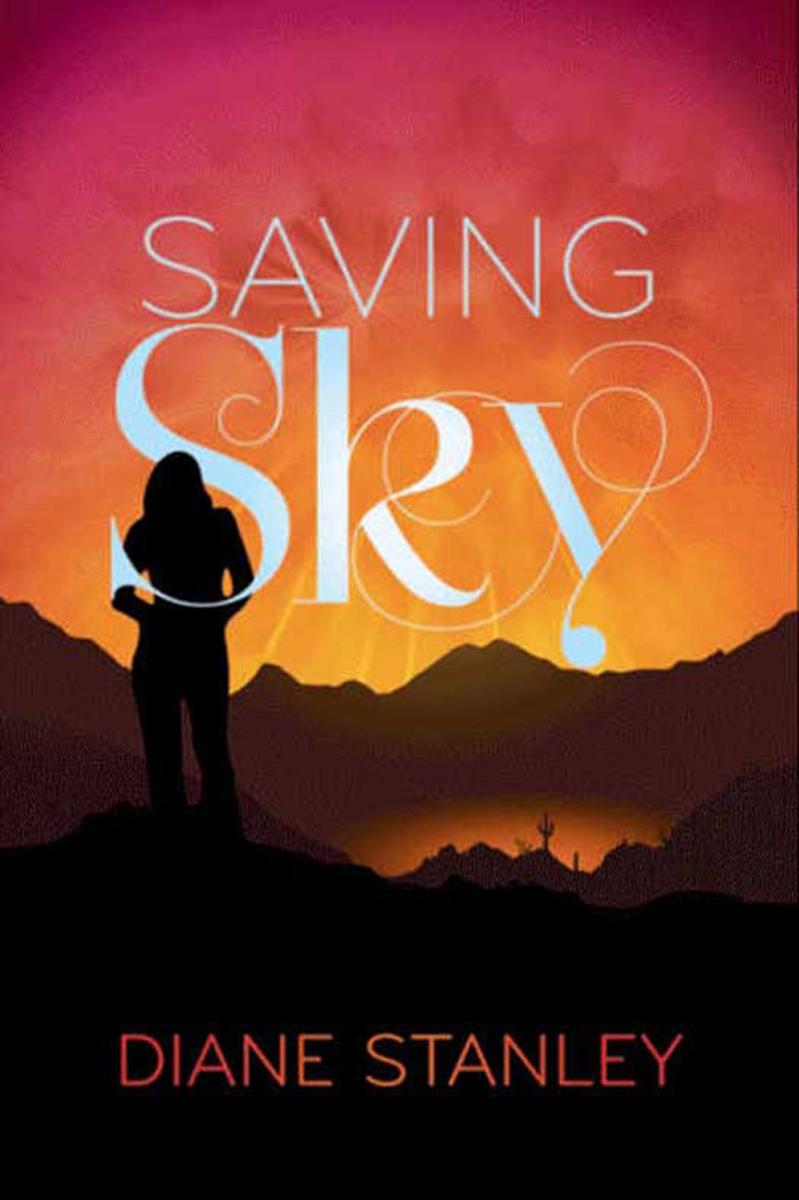
Saving Sky
¥39.24
The country is at war, terrorists strike at random, widespread rationing is in effect, and the power grid is down. But thirteen-year-old Sky Brightman is remarkably untouched by it all. She lives off the grid on sixty acres of rural New Mexico ranch land with chores to do and horses to ride and no television or internet to bring disturbing news into her family's adobe house. Sky's schoolmates think she's a little weird. Then a string of mysterious arrests begins, and her new friend, Kareem, becomes a target. Sky is finally forced to confront the world in all its complexity. Summoning her considerable courage and ingenuity, she takes a stand against injustice. With humor, hope, and fierce determination, she proves that even a child can change the world.
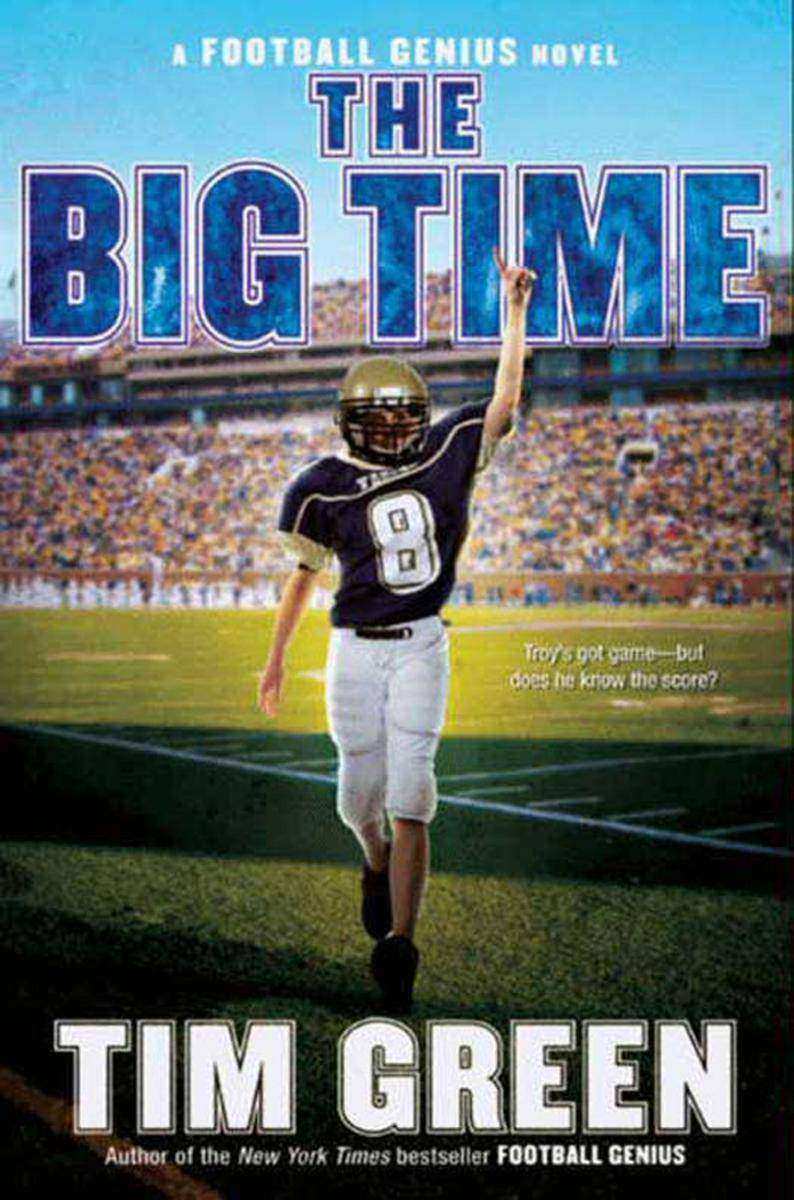
The Big Time
¥44.73
Things couldn't be going better for Troy White. The Atlanta Falcons' football genius is at the top of his game, helping the team get to the playoffs. Agents and lawyers are knocking on his door with big-money offers for the upcoming season. And his own football team has just won the Georgia State Championship! Troy's celebrating with his friends at linebacker Seth Halloway's mansion when another lawyer comes knocking—and he says, "I think I'm your father."In that instant, Troy's life is changed.Powerfully charged from start to finish, this is an amazing portrayal of Troy's struggle to make his lifetime dreams of being with his father come true. Filled with page-turning excitement as a high-stakes deal increases the clash of family tension, The Big Time is an unforgettable experience.
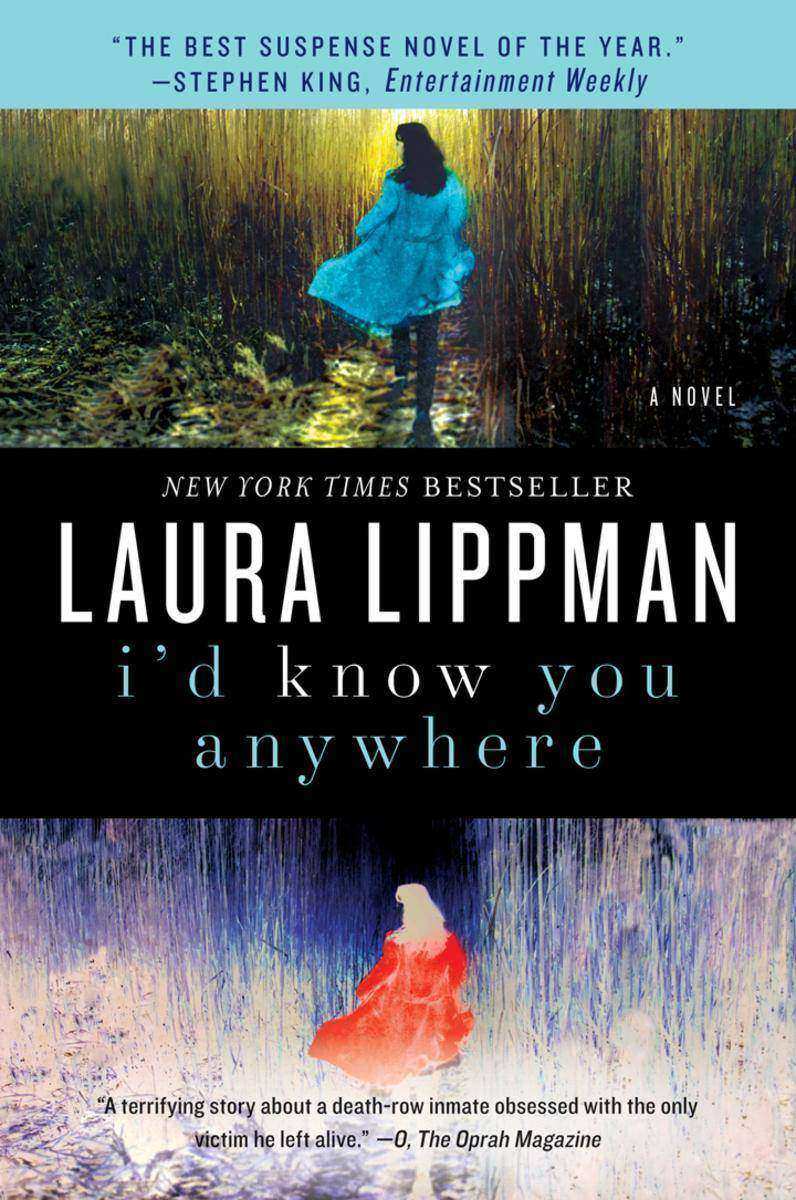
I'd Know You Anywhere
¥83.03
The acclaimed New York Times bestselling author returns with a new stand-alone novel—a powerful and utterly riveting tale that skillfully moves between past and present to explore the lasting effects of crime on a victim's life....I'd Know You AnywhereEliza Benedict cherishes her peaceful, ordinary suburban life with her successful husband and children, thirteen-year-old Iso and eight-year-old Albie. But her tranquillity is shattered when she receives a letter from the last person she ever expects—or wants—to hear from: Walter Bowman. There was your photo, in a magazine. Of course, you are older now. Still, I'd know you anywhere.In the summer of 1985, when she was fifteen, Eliza was kidnapped by Walter and held hostage for almost six weeks. He had killed at least one girl and Eliza always suspected he had other victims as well. Now on death row in Virginia for the rape and murder of his final victim, Walter seems to be making a heartfelt act of contrition as his execution nears. Though Eliza wants nothing to do with him, she's never forgotten that Walter was most unpredictable when ignored. Desperate to shelter her children from this undisclosed trauma in her past, she cautiously makes contact with Walter. She's always wondered why Walter let her live, and perhaps now he'll tell her—and share the truth about his other victims.Yet as Walter presses her for more and deeper contact, it becomes clear that he is after something greater than forgiveness. He wants Eliza to remember what really happened that long-ago summer. He wants her to save his life. And Eliza, who has worked hard for her comfortable, cocooned life, will do anything to protect it—even if it means finally facing the events of that horrifying summer and the terrible truth she's kept buried inside.An edgy, utterly gripping tale of psychological manipulation that will leave readers racing to the final page, I'd Know You Anywhere is a virtuoso performance from acclaimed, award-winning author Laura Lippman that is sure to be her biggest hit yet.
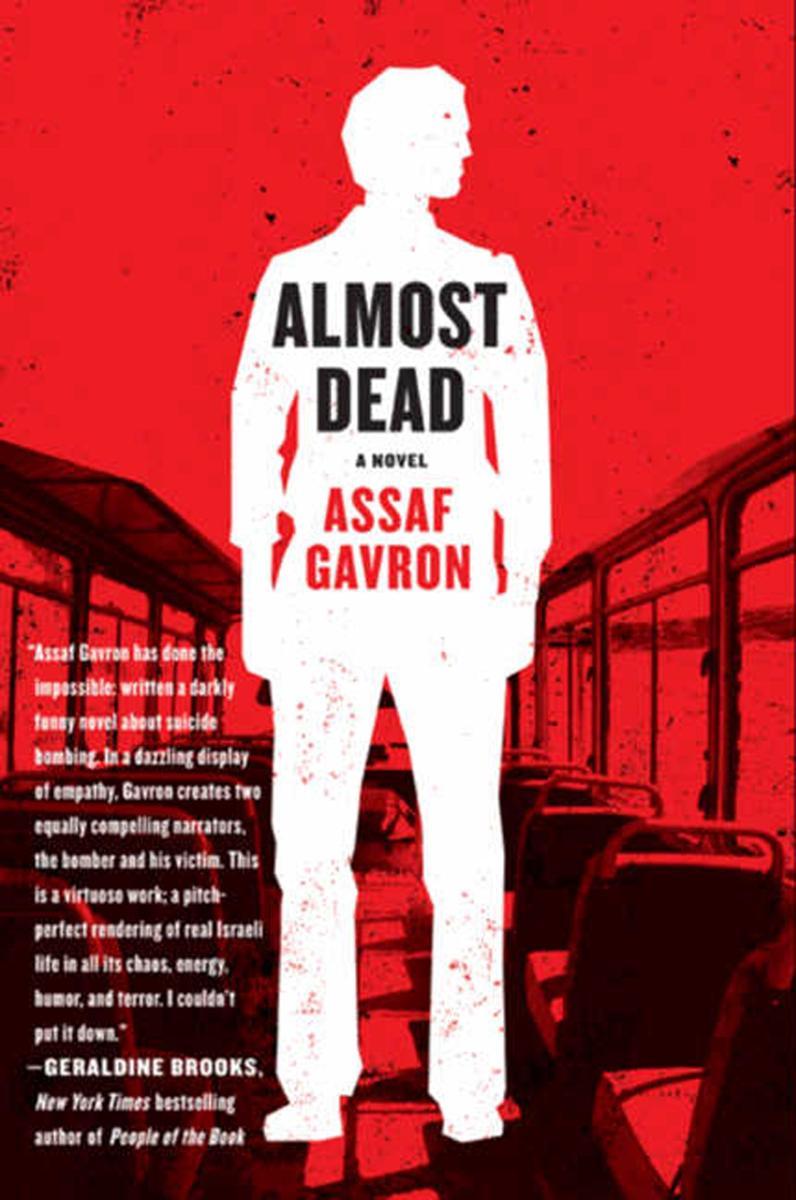
Almost Dead
¥90.77
Politically incorrect, provocative, and steeped in wit and irony, a fast-paced tragicomedy about the perfectly ordinary madness in today's Middle EastA thirtysomething Tel Aviv businessman, Eitan "Croc" Einoch's life is turned upside down when he narrowly escapes a suicide bombing on the minibus he rides to work. When he lives through a second attack, and then a third, he becomes, reluctantly, a national media celebrity. Naturally, the Palestinian terrorists responsible for the attacks are less than happy. This embarrassing symbol of their failure—this "CrocAttack"—must be neutralized. Meanwhile, Fahmi Sabih lies in a coma, quarrelling with his conscience. The young Palestinian suicide bomber has learned everything he knows about bombs, targets, and revenge from his brother. So why has Einoch survivedAs Fahmi's story unfolds, it becomes clear that their paths are destined to cross again—for there is another bombing still to come—and then luck will change drastically for one or both of them. But who, if anyone, has right on his side?
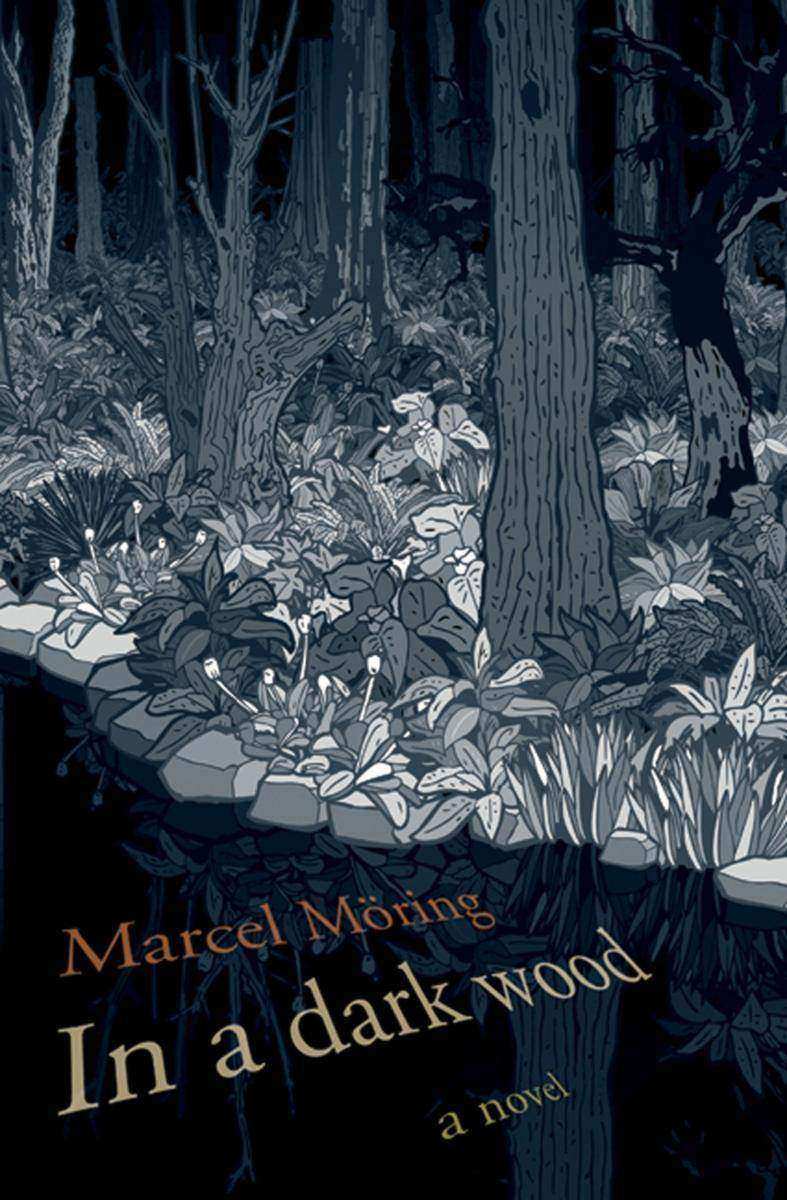
In a Dark Wood
¥139.90
In a rich tapestry of styles, fantasy, and philosophical speculations, Marcel M?ring leads us on a voyage through the dark heart of the twentieth century and through a vivid exploration of loss and guilt. Loosely based on Dante's Inferno, this ambitious and enthralling novel—an in-depth study of Europeans' angst and fear after the Holocaust—confirms M?ring's place among "the ranks of the most important European writers of his generation" (Die Welt).1945. Jacob Noah emerges from hiding to discover that his family has perished under the Nazis. Rebuilding his life, Noah becomes a shoemaker in the Dutch town of Assen. Over the years, he patiently expands his business and eventually becomes the city's most influential entrepreneur. Yet success cannot alleviate his loneliness and suffering nor the tragedy of history.Nearly forty years later, this dispirited, loveless man veers off the road in a tragic accident. But instead of entering death's abyss, Noah finds himself on a journey through his soul. Guided by a peddler, he descends into the town's smoky center, a manmade hell reminiscent of Dante's Inferno. But it is not until he encounters a young man named Marcus Kolpa, a respected intellectual struggling with the implications of his Jewish identity and the shared history of his people, that Noah is able to truly understand the meaning of his own life and the tragedies he has experienced.
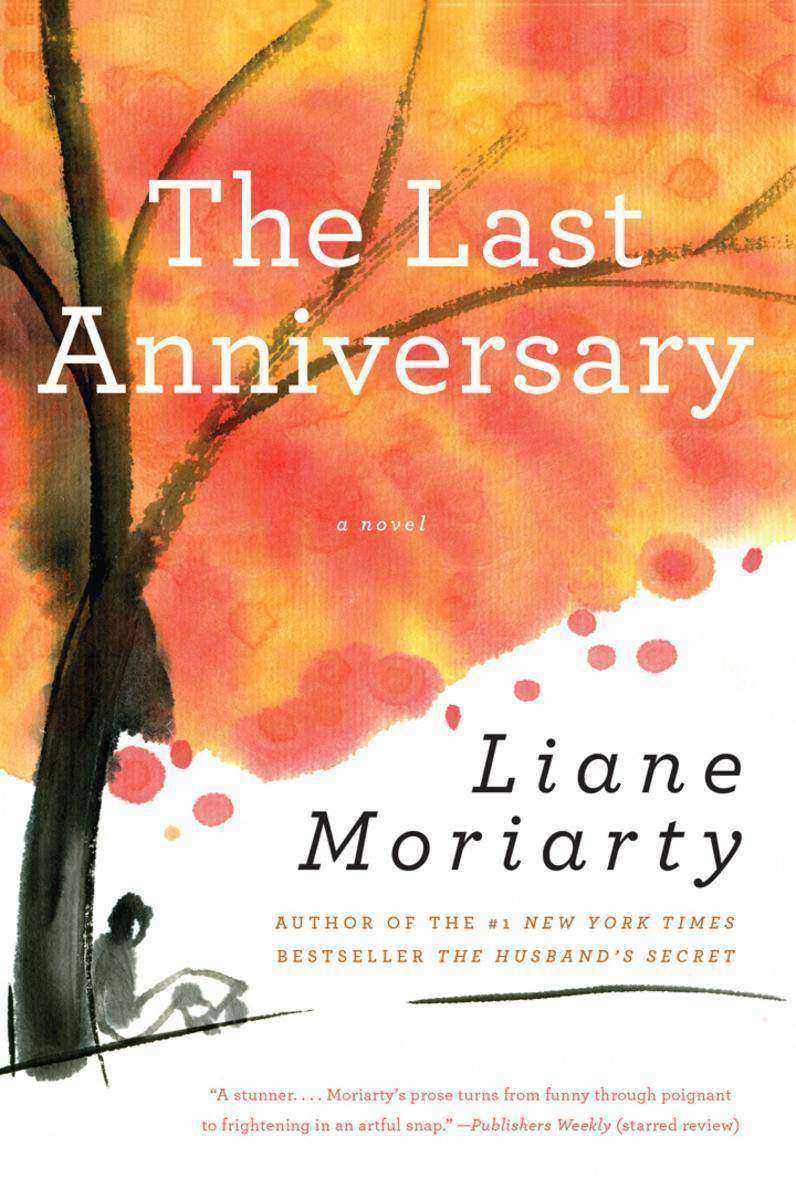
The Last Anniversary
¥95.11
Sophie Honeywell always wondered if Thomas Gordon was the one she let get away. He was the perfect boyfriend, but on the day he was to propose, she broke his heart. A year later he married his travel agent, while Sophie has been mortifyingly single ever since. Now Thomas is back in her life because Sophie has unexpectedly inherited his aunt Connie's house on Scribbly Gum Island -- home of the famously unsolved MunroBabymystery.Sophie moves onto the island and begins a new life as part of an unconventional family where it seems everyone has a secret. Grace, a beautiful young mother, is feverishly planning a shocking escape from her perfect life. Margie, a frumpy housewife, has made a pact with a stranger, while dreamy Aunt Rose wonders if maybe it's about time she started making her own decisions.As Sophie's life becomes increasingly complicated, she discovers that sometimes you have to stop waiting around -- and come up with your own fairy-tale ending. As she so adroitly did in her smashing debut novel, Three Wishes, the incomparable Liane Moriarty once again combines sharp wit, lovable and eccentric characters, and a page-turning story for an unforgettable Last Anniversary.
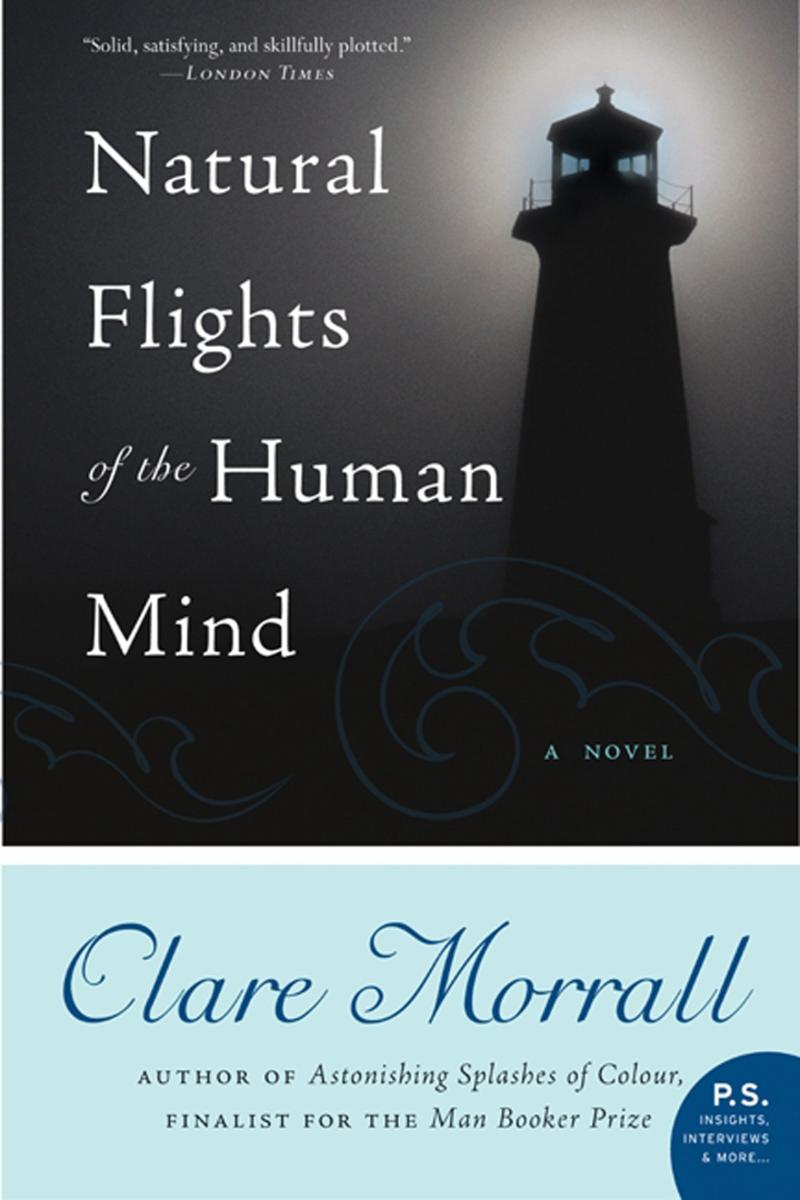
Natural Flights of the Human Mind
¥83.92
Peter Straker lives in a converted lighthouse on the Devon coast with a fine view of the sea, two cats, and no neighbors. That's just the way he likes it. He speaks to no one except in his dreams, where he converses with some of the seventy-eight people he believes he killed nearly a quarter-century earlier -- though he can't quite remember how it happened. But Straker's carefully preserved solitude is about to be invaded by Imogen Doody, a prickly and unapproachable school caretaker with a painful history herself. Against his will -- and hers -- Straker soon finds himself helping Imogen repair the run-down cottage she's inherited. There are forces gathering, however, as the twenty-fifth anniversary of Straker's crime approaches, and they're intent upon disturbing his precarious peace.
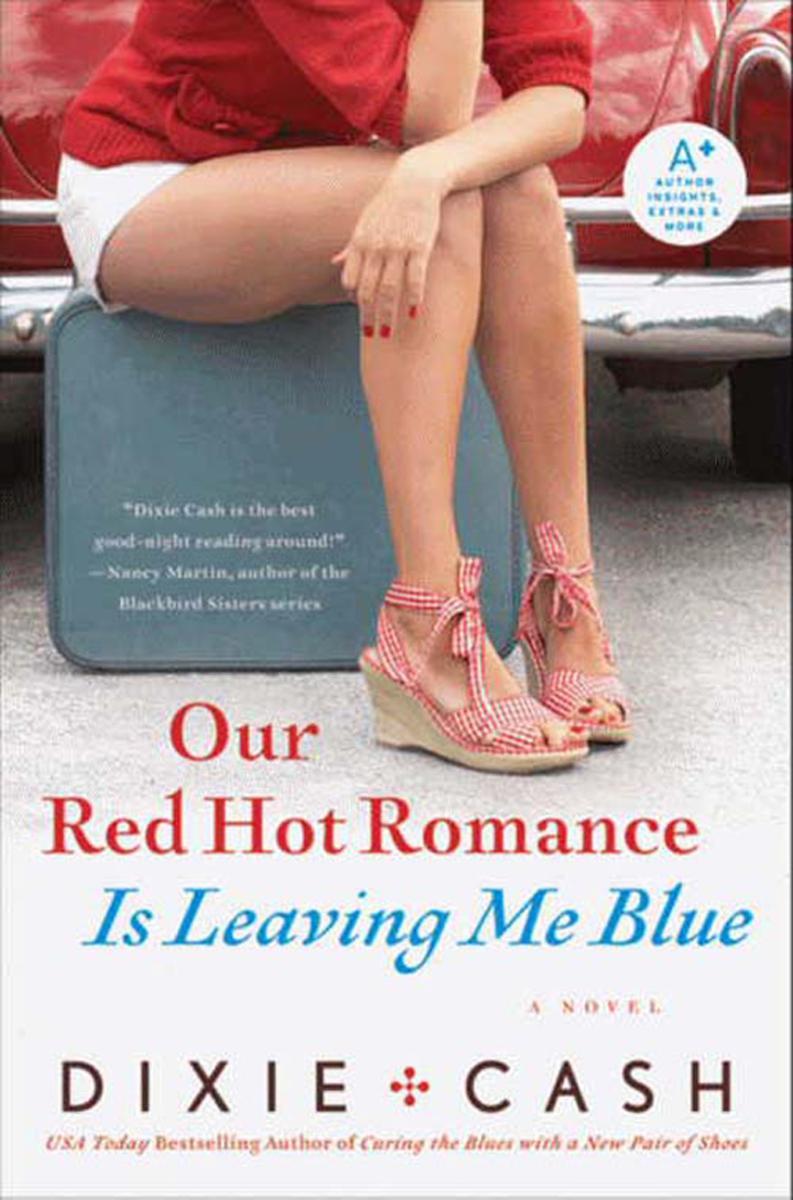
Our Red Hot Romance Is Leaving Me Blue
¥83.03
Full-time hairdressers and part-time private detectives, Debbie Sue Overstreet and Edwina Perkins-Martin—the Domestic Equalizers—have dealt with cheating spouses, shady business deals, Elvis-obsessed shoe thieves, even murder. But ghostsThat's a whole new rodeo!Justin Sadler's just coming to terms with the absence of his dear departed Rachel—but now he's not so sure she's departed! Every time he goes home he knows someone's been there—and if it's not Rachel trying to communicate from beyond, it's someone else who's trying to drive him stark raving bonkers. So the Equalizers are on the case, with the help of an El Paso psychic who's so dead-on, it's scary. It's enough to make any good ol' gal's big hair stand on end!The investigation leads them toward one of their tiny West Texas town's more unsavory characters—and, all things considered, Debbie Sue would much rather be cuddling in the arms of her hubby, the sexiest cop in the whole nation of Texas. But the Equalizers will never say die . . . even when dealing with the restless dead.


