


 购物车
购物车 个人中心
个人中心
The New Naturalists (Collins New Naturalist Library, Book 82)
¥228.28
A history of the most successful, significant and long-running natural history series in the world. A history of the most successful, significant and long-running natural history series in the world. In 1995 Collins published the 82nd volume in the New Naturalist series to coincide with its 50th anniversary. Ten years on, Peter Marren has revised this fascinating account of the series. He covers the illustrious careers of its authors, how each title was conceived and received, and includes plates of the sketches and roughs of the jackets. It also gives behind-the-scenes details of the also-rans and the books-that-never-were. This will appeal to the collector's market - it has a lengthy appendix dedicated to collecting the series with advice on how to spot a good edition, and a star rating according to scarcity - and will mark the 60th anniversary of the publication of the first new naturalist title. Peter Marren is a trained ecologist who worked as a woodland scientist, conservation officer and author-editor with the Natural Conservancy Council between 1977 and 1992. He has written numerous book and articles and contributes regularly to British Wildlife.
The Natural History of Orkney (Collins New Naturalist Library, Book 70)
¥456.66
This is the first survey of the islands' natural history, complete in one volume. Because Orkney is exceptional, it is vital reading for the serious naturalist, as well as for being a comprehensive and absorbing guide for every visitor. This edition is exclusive to newnaturalists.com Orkney is a very special place for naturalists. Closer to Oslo than to London, its geography and climate create quite distinct environmental conditions - even though it is only six miles from the Scottish mainland. On these islands of fierce gales, long summer days and long winter nights, the wildlife has adapted in intriguing ways… Starlings adapt to ground-nesting…local sheep eat seaweed…and there are voles exclusive to Orkney. Here is one of the very few areas where the rare and delicate Scottish Primrose thrives…where you find the British stronghold of the Hen Harrier, and vast colonies of seabirds and seals. This is the first - and long-needed - survey of the islands' natural history, complete in one volume. Because Orkney is exceptional, it is vital reading for the serious naturalist, as well as for being a comprehensive and absorbing guide for every visitor. In his tracing of the island's evolution from its geological creation to the effects of oil technology; in the detailed, yet fascinating exploration of the plants and animals (and where best to see them), Professor Berry's expertise and enthusiasm is backed by that of local specialists, and Orkney's long tradition of natural history study. Appendices include definitive lists of all the species of flora and fauna on record, and an extensive bibliography.
The Folklore of Birds (Collins New Naturalist Library, Book 39)
¥456.66
Tracing the magico-religious beliefs surrounding birds as far back in time as is possible, to the cultures in which these beliefs arose. This edition is exclusive to newnaturalists.com Edward A Armstrong is already known to readers of the New Naturalist as the author of the remarkable study on the wren. His wide scholarship and talents have fitted him outstandingly for this book, which could only have been written by a man with his deep understanding, not only of ornithology, but of social anthropology, psychology and comparative religion. Mr Amstrong has selected a number of familiar birds - such as the swan, the raven, the owl, the robin and the wren - and has traced magico-religious beliefs concerning them as far back as possible to the cultures in which these beliefs arose. With the scientist’s eye and methods of analysis he has examined the development of myth and ritual with originality and ingenuity. Many odd and interesting facts are cited, and explanations are given, for example of the customs of breaking the wish-bone, and of fables concerning weather-prophet birds and the generation of the Barnacle Goose from shell-fish. This book is the first treatment of a group of folklore beliefs as a series of artefacts are treated by an archaeologist, classifying them in order according to epochs. Archaeological data, as well as oral and literary traditions, have been used to illustrate the origins and significance of the current folklore. The illustrations are of exceptional quality and consist of over 140 carefully chosen photographs and line drawings from worldwide sources.
A History of Food in 100 Recipes
¥114.48
The ingredients, cooks, techniques and tools that have shaped our love of food. We all love to eat and most of us have a favourite ingredient or dish. In today's world we can get the food we want, when we want it, but how many of us really know where our much-loved recipes come from, who invented them and how they were originally cooked? In this book William Sitwell, culinary expert on BBC2's 'A Question of Taste' and editor of Waitrose Kitchen magazine, takes us on a colourful, whirlwind journey as he explores the fascinating history of cuisine. This book is a celebration of the great dishes, techniques and above all brilliant cooks who have, over the centuries, created the culinary landscape we now enjoy. Any lover of fine food who has ever wondered about the origins of the methods and recipes we now take for granted will find A History of Food in 100 Recipes required reading. As well as shining a light on food's glorious past, there are contributions from a glittering array of stars of British cuisine, including Marco Pierre White, Delia Smith, Heston Blumenthal, Nigella Lawson and Jamie Oliver. In an incisive and humorous narrative, Sitwell enters an Egyptian tomb to reveal the earliest recipe for bread and discovers the greatest party planner of the Middle Ages. He uncovers the extraordinary and poetic roots of the roast dinner and tells the heart-rending story of the forgotten genius who invented the pressure cooker. And much, much more.
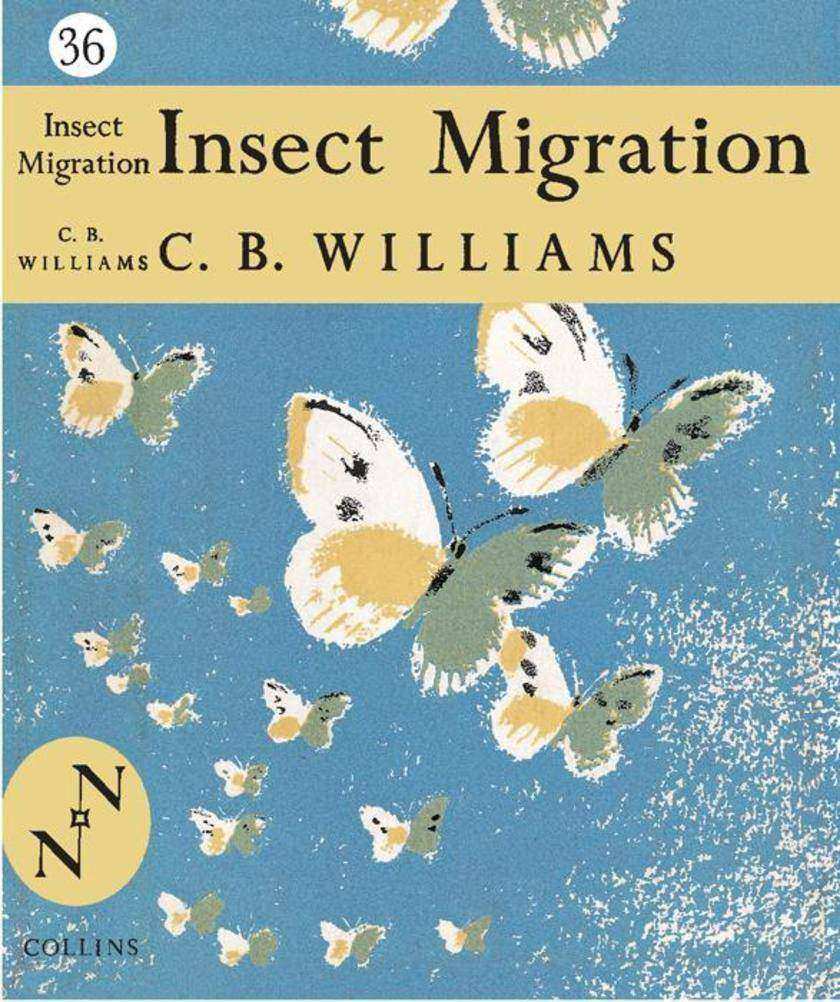
Insect Migration (Collins New Naturalist Library, Book 36)
¥456.66
Highlighting the significance of the widespread distribution of the migratory habit throughout the insect world. This edition is exclusive to newnaturalists.com This is a pioneer book, a real milestone in the progress of biology. Only in recent years have the scientists begun to realise the significance of the widespread distribution of the migratory habit throughout the insect world. Dr. Williams's own personal observations and adventures have played a fundamental part in the wakening of human consciousness to the extent to which insects migrate. His opportunities of studying the problem in remote corners of the world - such as British Guiana, Costa Rica, Egypt, Tanganyika and the Pyrenees - make the book as exciting as a world detective story. For Insect Migration deals with the subject on an international basis, with Britain - the home of the development of the present theories - as the natural peg on which a biological problem belonging to the world can properly be hung. From 1932 to 1955 C. B. Williams was chief entomologist at the Rothamsted Experimental Station. This book is the distillation of a subject which has occupied him for nearly the whole of his life. His theories are marshalled and summarised with modesty, economy and skill. The New Naturalist is honoured to publish what will certainly prove to be, above all things, the stimulus for new search and fresh discoveries.
Moths (Collins New Naturalist Library, Book 90)
¥114.48
Moths provides a comprehensive account of the diverse natural history of these fascinating and popular insects. This edition is exclusive to newnaturalists.com Another volume in the popular New Naturalist series, this book is a comprehensive account of the diverse natural history of these fascinating and popular insects. Michael Majerus, author of the popular New Naturalist Ladybirds, examines all aspects of moths, from their life histories to their role as pests to humans. He covers their reproduction, feeding, evolution, habitats and conservation. New Naturalist Moths also discusses the enemies of moths, and the ways they have evolved to avoid detection, including camouflage, warning coloration, and mimicry. This is the definitive text for the study of these insects, written by an established New Naturalist author.
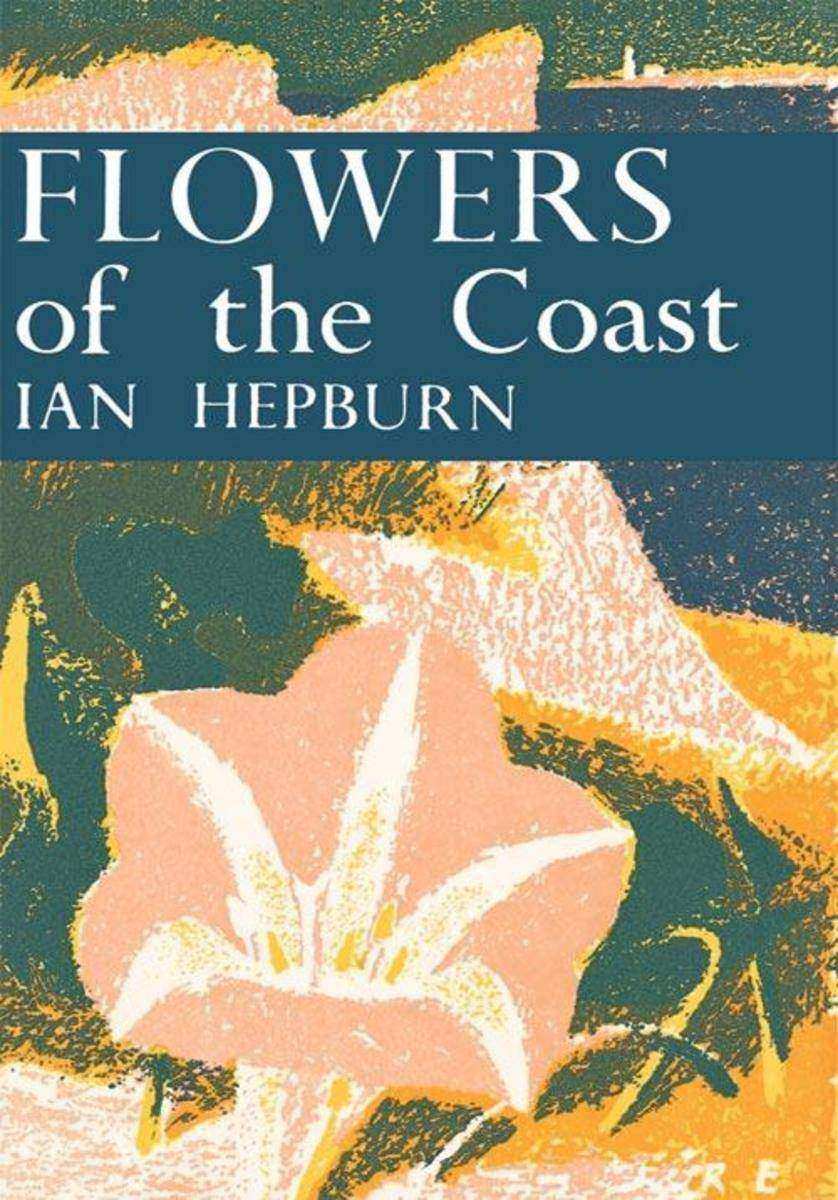
Flowers of the Coast (Collins New Naturalist Library, Book 24)
¥456.66
Few parts of our British islands can compare with our sea coasts as plant hunting ground. Flowers of the Coast takes us on a search across sand dune, cliff, shingle and rock. This edition is produced from an original copy by William Collins.
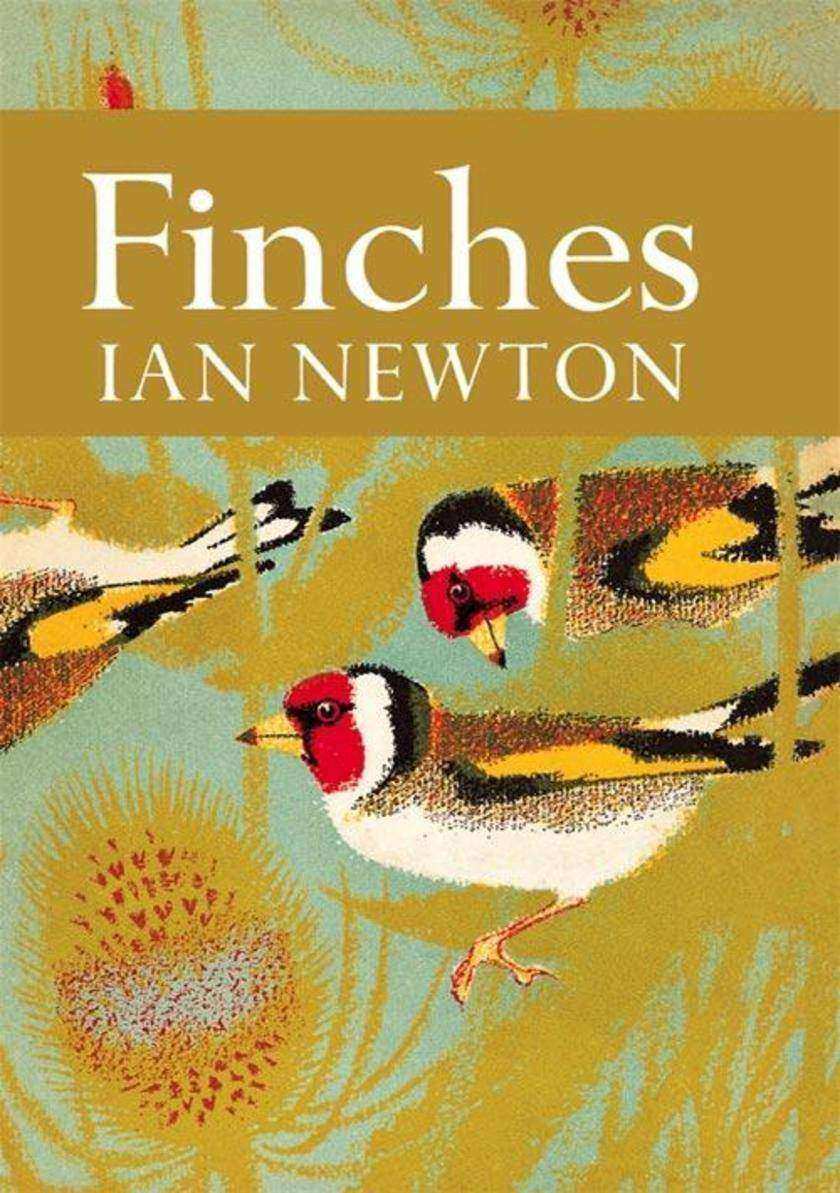
Finches (Collins New Naturalist Library, Book 55)
¥456.66
This illustrated survey of finch behaviour is a thorough, non-technical account of the habits of these birds throughout the world. Greenfinches nest in plantations, large shrubby gardens and churchyards with lots of evergreens, thickets and tall hedges. After breeding, goldfinches forage on waste land, overgrown rubbish dumps, neglected allotments of food, and rough pastures. Bullfinches, in their breeding season, develop in the floor of their mouths special pouches in which food for the young is retained. These pouches open, one on each side of the tongue and, when full, extend back under the jaws as far as the neck, when they together hold about one cubic centimetre of food. Cocks of the Chaffinch and Brambling species sing in the breeding season to repel other cocks and attract hens. This illustrated survey of finch behaviour is a thorough, non-technical account of the habits of these birds throughout the world. Dr. Newton uses his extensive bird-watching experience and knowledge of the published literature to document the main patterns of feeding, development of feathers, breeding, and migration. As a result, he presents the changing relationship of the birds to their environment. The author is on the staff of the Nature Conservancy at Edinburgh, Scotland. His several scientific papers on finches have appeared in Birds, Journal of Animal Ecology and other scholarly periodicals.
Dragonflies (Collins New Naturalist Library, Book 106)
¥192.67
Dragonflies are among the most ancient of living creatures – few insect groups fascinate as much or are more immediately recognisable. In this seminal new work, Philip Corbet and Stephen Brooks examine the behaviour, ecology and distribution of dragonflies in Britain and Ireland, placing emphasis on the insects' habitats and also on measures needed to conserve them. Published in 1960 – with Philip Corbet as contributing author – volume 41 of the New Naturalist series provided the first in-depth study of the biology of British dragonflies, helping to inspire many people to take an interest in these intriguing insects. In this new volume, Corbet has teamed up with Stephen Brooks, offering a fascinating new outlook on the natural history of dragonflies. The authors have combined their knowledge and experience to help illuminate the relevance of British dragonfly species, placing them in the overall context of natural history from a broader, worldwide perspective. Illustrated with beautiful photography throughout, New Naturalist Dragonflies explores all aspects of the biological significance of dragonfly behaviour, thus revealing the beauty and hidden complexity of these powerful, agile, flying predators.
Loch Lomondside (Collins New Naturalist Library, Book 88)
¥182.47
Loch Lomondside is celebrated for its outstanding scenery. The area supports a rich tapestry of water and wild land, forest and woodland, farmland and settlement. This edition is exclusive to newnaturalists.com Another volume in the popular New Naturalist series, this book is a comprehensive account of the history and natural history of this internationally famous area, which is soon to become one of the first National Parks in Scotland. For centuries, Loch Lomondside has been celebrated for its outstanding scenery. The area supports a rich tapestry of water and wild land, forest and woodland, farmland and settlement. It includes architectural and archaeological features of considerable importance, and has been celebrated by many great writers including Walter Scott, John Ruskin and William Wordsworth. Loch Lomondside is the most popular countryside destination in Scotland, attracting more than 2 million visitors each year. Over 70 percent of the population of Scotland are less than 1 hour's travelling time from the area. This book covers the history of the Loch and its people, forestry, agriculture and fisheries, the natural history, recreational activities, and conservation, past, present and future. It complements other regional volumes in the New Naturalist series which include the Hebrides, Orkney and the Shetland Islands.
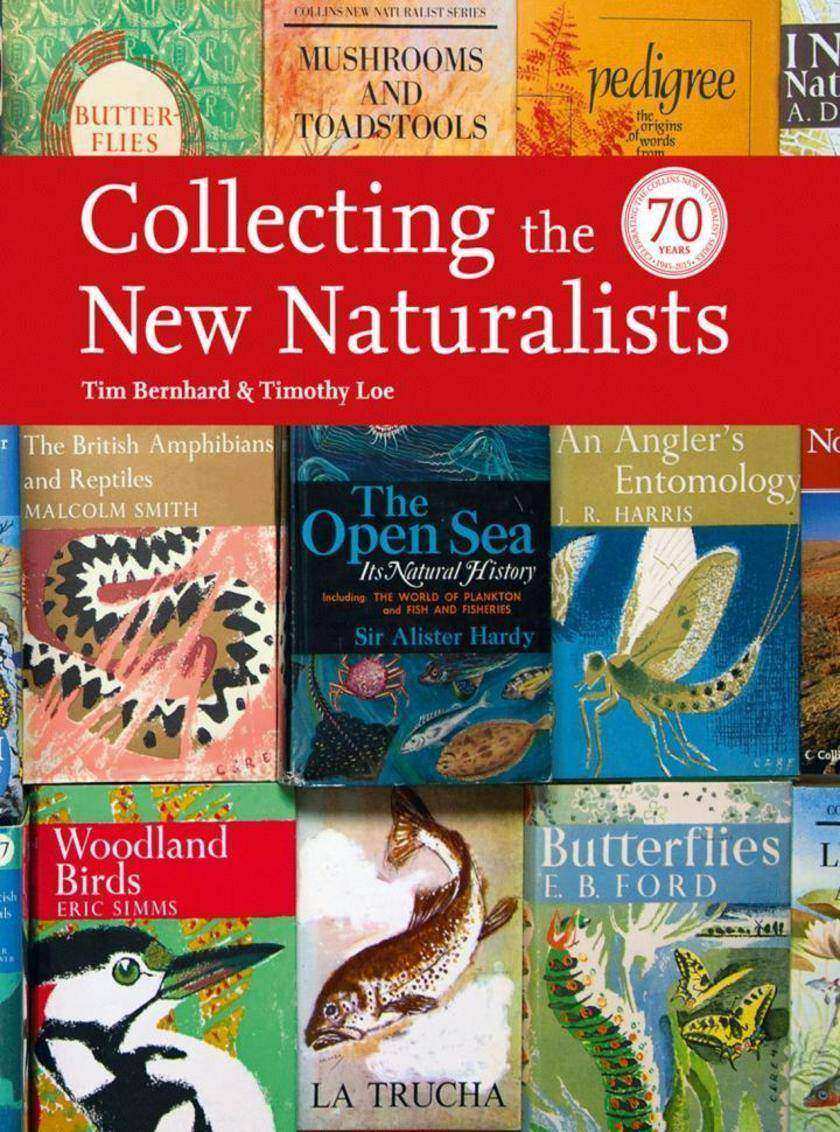
Collecting the New Naturalists (Collins New Naturalist Library)
¥442.14
Recommended for viewing on a colour tablet. The Collins New Naturalist series is the longest-running and arguably the most influential natural history series in the world with over 120 volumes published in nearly 70 years. Being a numbered series, with a very low print run for some volumes, New Naturalist publications have been and continue to be highly collectable. Second-hand copies of the rarer volumes, in very good condition, can command high prices. As such, there is considerable interest in a detailed bibliography and history of the series. Collecting the New Naturalists offers a detailed insight into the fascinating phenomenon that has gripped Britain since just after World War II and which reflects the country’s continued enthusiasm for wildlife and nature publishing generally. With previously unpublished in-depth insight into the workings of the series and its collectors, the book will comprehensively cover every aspect of the New Naturalists, from rare editions produced for Bloomsbury and the Reader’s Union to foreign editions, interviews with the iconic cover artists and well-known naturalists such as Nick Baker and Alan Titchmarsh telling the story of their own fascination with the series.

Grass and Grassland (Collins New Naturalist Library, Book 48)
¥456.66
The use of natural and seeded grass pastures for the feeding of livestock and other unfamiliar uses for the ubiquitous grass family are described in this succinct and beautifully illustrated work. This edition is exclusive to newnaturalists.com The New Naturalist series has already covered many facets of the interrelationship between man and nature, but the grass family is probably the most important man in the whole plant kingdom - just how important is shown in this book. Dr. Moore, the Principal of Seale Hayne Agricultural College in Devon, is our leading authority on grasses and their utilization. His special interest is the use of natural and seeded grass pastures for the feeding of livestock. Striking advances have been made in recent years in the improvement of such pastures and Dr. Moore deals very fully with this vital link in the feeding of the human race; but he also covers that other equally important role of the grass family in our economy, the cultivation of cereal crops for the production of grain. Grass lawns and playing fields form a centre-piece in most British gardens and public parks and there is a chapter on these, but the horticultural value of grasses as ornamental plants in herbaceous borders and woodland gardens is less well known. These and many other unfamiliar uses for the ubiquitous grass family are described in this succinct and beautifully illustrated work.
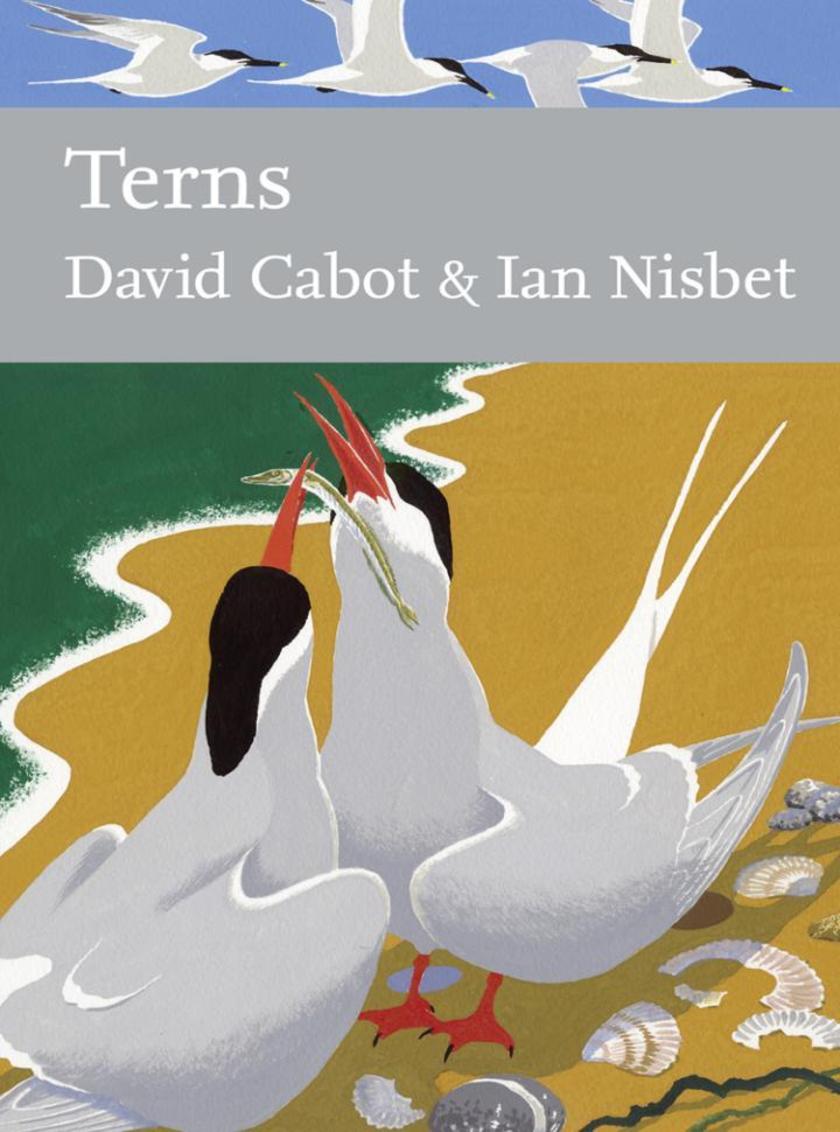
Terns (Collins New Naturalist Library, Book 123)
¥257.90
This New Naturalist volume provides a much-anticipated overview of these fascinating birds – the first book on the natural history of British and Irish terns since 1934. Terns are small seabirds that are commonly seen along coastlines and estuaries in the summer months – their graceful flight and command of the air are among their most attractive features. Most of the five species of terns breeding in Britain and Ireland today are under intensive management, involving protection from predators, human interference, egg-collecting, recreational activities, land-use changes, and a range of issues concerning climate change, including rising sea levels and flooding of low-lying colonies. If these protective measures were abandoned then the numbers of terns would inevitably decline, with the possibility of several species ending up on the endangered list. Covering the history of terns in Britain and Ireland, David Cabot and Ian Nisbet explore these diverse issues as well as offering a comprehensive natural history of these stunning seabirds. Drawing on a wealth of new information and research, the authors focus on migrations, food and feeding ecology as well as breeding biology and behaviour. Perhaps most importantly, they highlight recent conservation issues and prospects, and what this means for the future of terns.
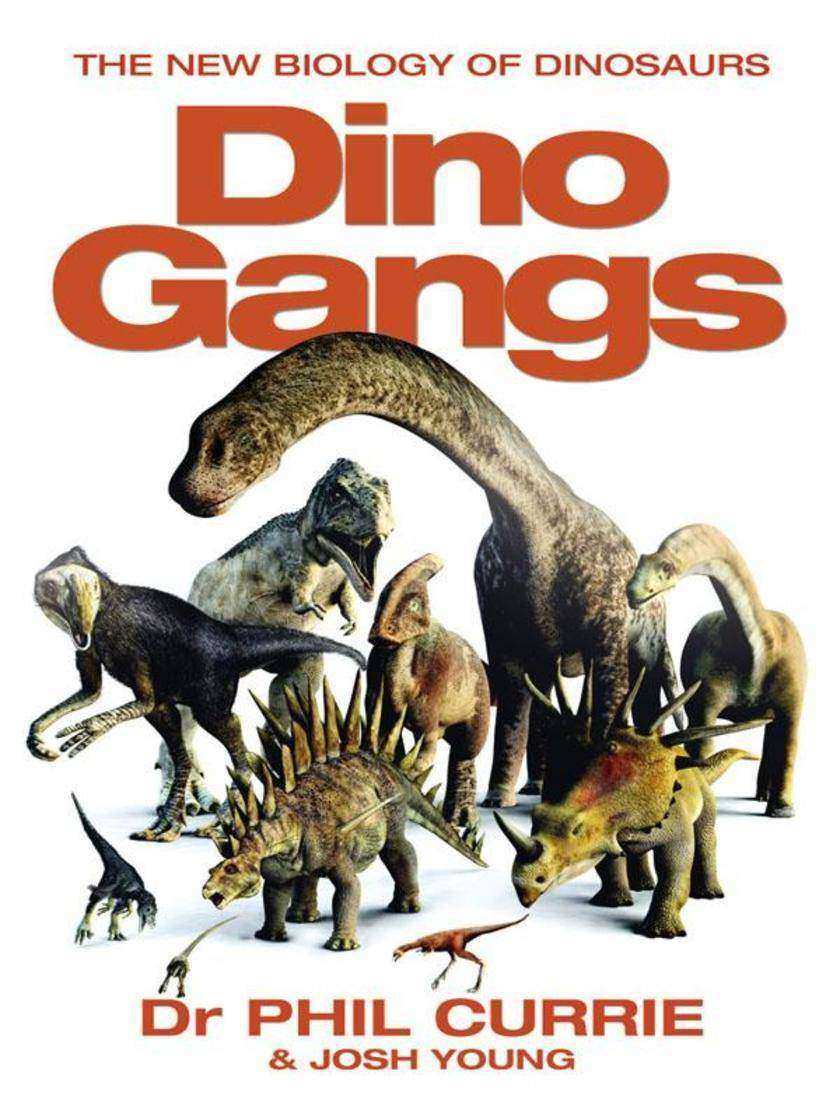
Dino Gangs: Dr Philip J Currie’s New Science of Dinosaurs
¥114.48
With his groundbreaking findings and extensive research, palaeontologist and dino hunter Dr Phil Currie challenges the very foundations of traditional dinosaur theories. Seventy million years ago the Mongolian desert was home to the world's biggest, most dangerous carnivores – 5 meters tall, 12 meters long and weighing over 4 tonnes, the Tyrannosaurs were the most formidable hunters to walk the earth. Now, new research emerges that threatens to challenge the foundation of many traditional theories on the biology of these fascinating creatures. Palaeontologist and dino hunter Dr Phil Currie is out to prove how dinosaurs actually lived. He and his team have been searching for the fossilised truth about dinosaurs in the most extreme conditions; searing 40 degree heat, intense sandstorms and the constant threat of illegal poachers. Currie's groundbreaking investigation takes him from Mongolia to Canada and Patagonia in search of new evidence. He is looking for one dinosaur in particular, the ‘Tarbosaurus bataar’ which he believes will lead him to prove that the world's first pack hunters existed millions of years ago, but he also stumbles upon the many new truths behind these mythical animals. ‘Dino Gangs’ contains their exclusive, groundbreaking scientific research that has finally resolved the extraordinary biology of these awe-inspiring creatures.
Extreme Insects
¥120.47
Insects are the most extreme organisms on Earth and, despite their diminutive size, they wield inordinate power. With the exception of the polar icecaps, every terrestrial ecosystem on earth is colonized by them, and they account for almost three-quarters of all named animals – that's one million species at the last count! This book is a celebration of the insect universe, exploring their amazing forms and functions, their fascinating behaviour and the enormous impact they have on our lives. With its lively and informative text, it looks at insects in all their extremes, from the biggest, fastest and fiercest to the best nest builder, most devious hunter and deadliest bride. Insects are extreme in numbers – a single leaf-cutter ant nest, the size of a large camper van, may contain seven million individuals working together as a single giant super-organism. Insects are extreme in their bizarre forms – the stalk-eyed fly, as its name suggests, carries its eyes on the end of two ludicrously long stalks. And insects are invariably extreme in behaviour – take for instance the giraffe-necked weevil that holds head-bobbing contests to win a mate. Yet there is always method in their apparent madness, as each strange form and function is an adaptation designed to solve the extreme pressures that arise through the struggle to survive in a world that is always dangerous, competitive and unforgiving.

Birds Britannia
¥132.53
Birds and bird lore provide a fascinating window onto our social and cultural history, and can tell us much about our changing relationship with the British landscape, our people and society. We Brits love our birds. They hold a special place in our hearts – whether it's the sound of birdsong on a spring morning, the sight of a Barn Owl hunting on a summer's evening, or a Robin perched on our garden spade. In this book, Stephen Moss focusses on some of our most beloved and charismatic birds. He explores their fascinating biology, and their place in the evolving culture and history of the British people. The author delves into the worlds of Sea Birds (Puffin, Sea Eagle and Gannet), Water Birds (Kingfisher, Swan and Avocet), Countryside Birds (Red Grouse, Nightingale and Skylark ) and Town & Garden Birds (Robin, House Sparrow and Magpie), weaving their stories together to tell four very different stories about the changing face of Britain.

A Country Parish (Collins New Naturalist Library, Book 9)
¥456.66
The natural history of an ordinary English country parish was one of the first subjects that suggested themselves when the New Naturalist series was planned. Collins are delighted to announce the republication in facsimile form of the first editions of the very first volumes in the New Naturalist Library. Originally planned in the darkest days of World War II and first published in 1945, this series is the longest running nature series in the world. It is a reflection of the quality of the authors and the books they wrote, that they are still sought after 73 years later. The books will be identical in every way to the original first editions, including the iconic jackets by Clifford and Rosemary Ellis. The natural history of an ordinary English country parish was one of the first subjects that suggested themselves when the New Naturalist series was planned. Being chiefly farmland and therefore practically all man-made, most country parishes are extremely complex from the naturalist's point of view and also inevitably contain a vast amount of human history. Any attempt to describe their plants and animals has to be closely related with the ways of man himself, who must be regarded as the chief element in the community - a fact which has been obvious enough to naturalists ever since the days of Gilbert White. For this book we were fortunate to find an author who combined a thorough all-round knowledge of natural history with a sound insight into human customs, history, pastimes and farming methods. Arnold Boyd lived in Cheshire all his life - and in keeping with the best tradition of English amateur naturalists, he excelled as a collector of facts, as is apparent from his previous books, his writing in the Manchester Guardian and other journals, and in his assistant editorship of British Birds. By weaving together his collection of facts he presents us with a book of remarkable unity and which shows a wide grasp of every aspect of the living communities. This charming yet erudite portrait will protect his beloved parish for ever from the ravages of human forgetfulness.
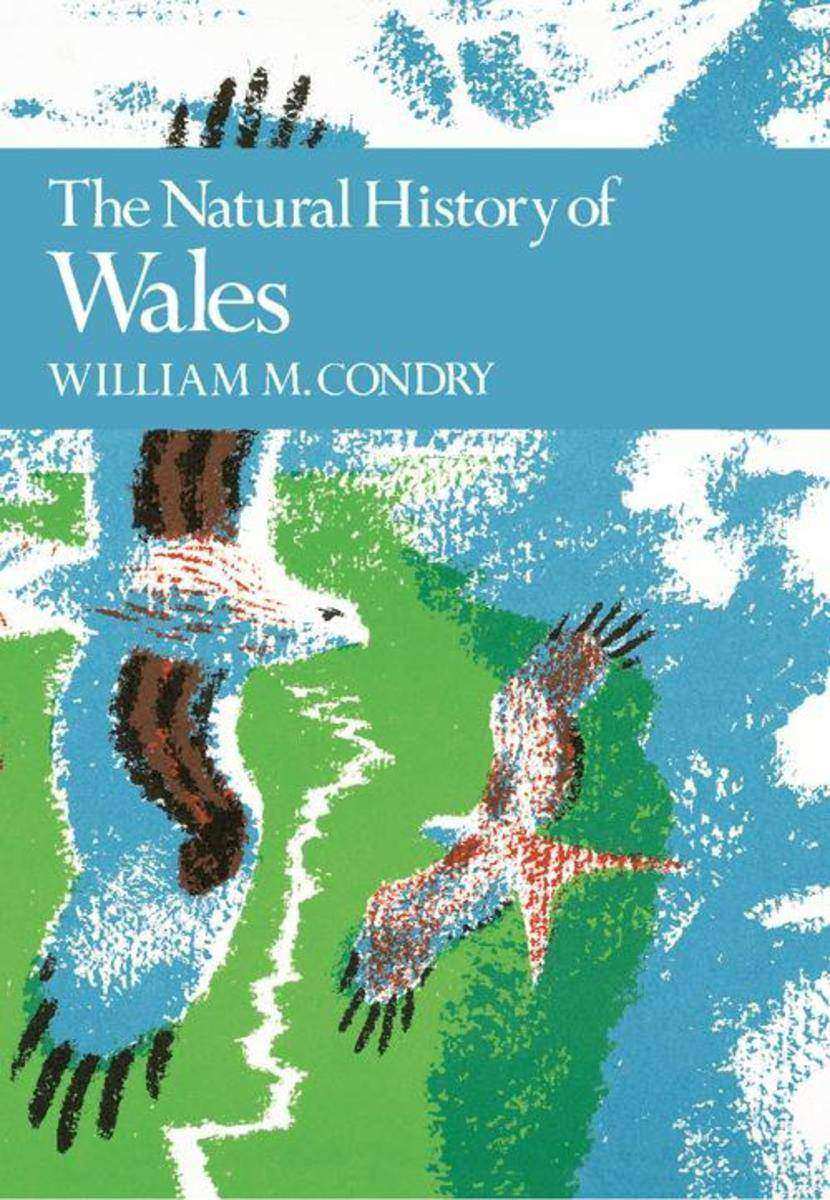
The Natural History of Wales (Collins New Naturalist Library, Book 66)
¥456.66
This book is an attempt to survey the natural history of the whole of Wales. It therefore covers such areas as Snowdonia and the Brecon Beacons as well as the spectacularly beautiful Pembrokeshire coast and the less well-known but no less interesting areas of mid-Wales. Wales is a country of great geographical and biological diversity, a largely mountainous land whose eastern scarps overlook the richer plains of Mercia. William Condry is an acute observer of the potentialities of terrain, and particularly in respect of wildlife habitats. The author of the distinguished volume on Snowdonia in the New Naturalist series, he is the ideal person to write about one of the best-known and best-loved parts of Great Britain. This book is an attempt to survey the natural history of the whole of Wales. It therefore covers such areas as Snowdonia and the Brecon Beacons as well as the spectacularly beautiful Pembrokeshire coast and the less well-known but no less interesting areas of mid-Wales. Describing each kind of terrain in turn, William Condry has explored and surveyed the face of this unique land as few others have done. Beginning with corries, crags and summits, he goes on to consider moorlands, mires and conifers. There then follow rivers, lakes and marshes; the native woodlands; limestone flora; farmlands, villages and estates; the industrial scene; and finally perhaps the most striking terrain of all, the coast. This encompasses polders, peatlands, beaches, dunes and estuaries as well as cliffs, headlands and island. Within each of these areas William Condry brings a wealth of experience to bear on the more obvious aspects of wildlife - flowering plants and ferns, mammals, birds, fish, reptiles and amphibians. Important rarities such as the Snowdon lily or the red kite are, of course, included, but always with the intention of establishing a proper respect for their conservation. Affectionate and thoroughly informative, full of insights into local history and always a delight to read, this is a magnificent introduction to Wales and its countryside.
Lichens (Collins New Naturalist Library, Book 86)
¥447.14
Lichens are fascinating and beautiful organisms able to colonise a vast range of habitats, including seemingly impossible places such as bare icy mountain tops and sun-scorched coastal rocks. This book discusses all aspects of British lichens, revealing the secrets of their success. This edition is exclusive to newnaturalists.com Lichens are fascinating and beautiful organisms able to colonise a vast range of habitats, including seemingly impossible places such as bare icy mountain tops and sun-scorched coastal rocks. This book discusses all aspects of British lichens, revealing the secrets of their success. The book begins by looking at how lichens have been used throughout history in medicines, dyes, food and perfumes. It then goes on to describe what lichens are, and how they grow and reproduce. A detailed survey is given of the range of habitats in which lichens can be found: on trees, rocks, heaths and moors, chalk and limestone, mountains, rivers, lakes, the coast, walls and buildings, most famously on churches and in churchyards. Gilbert also discusses the susceptibility of lichens to air pollution, and how they can be used to detect environmental pollution. The comprehensive, reader-friendly text, over 150 illustrations and 16 pages of colour, combine to make Lichens the definitive work on this subject of great natural history interest.
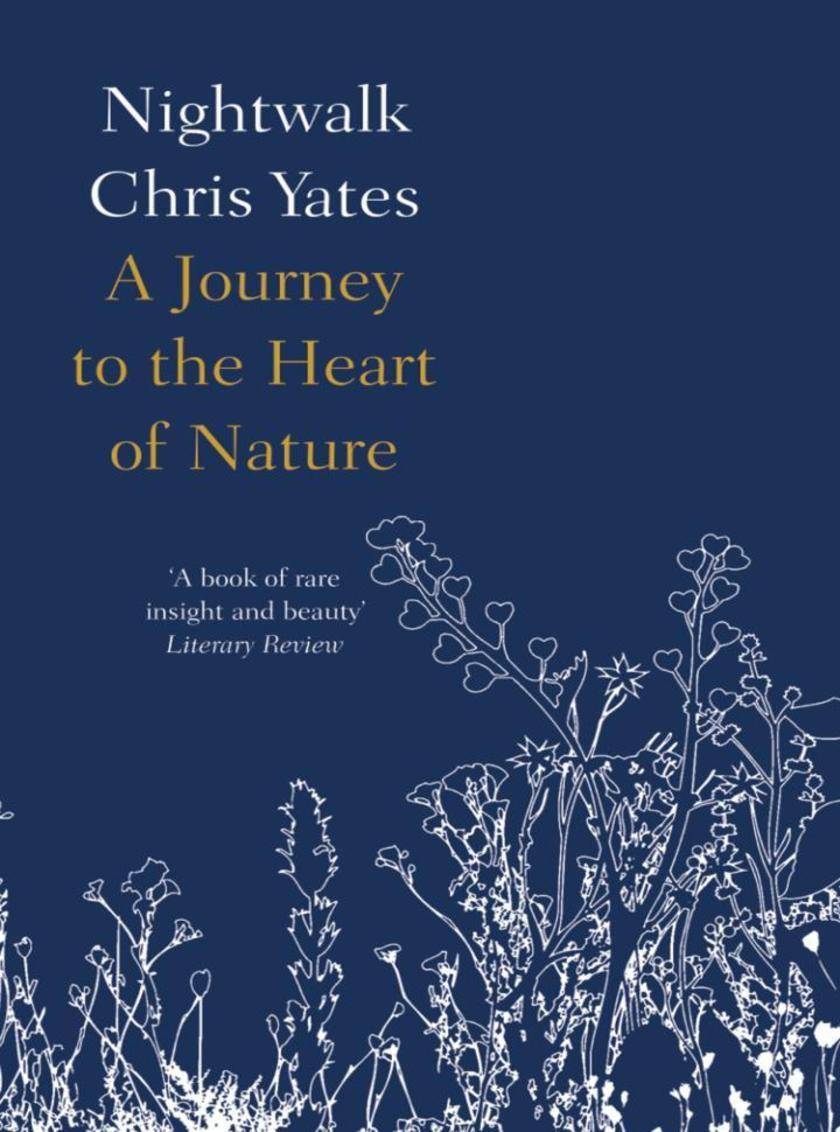
Nightwalk: A journey to the heart of nature
¥66.22
Chris Yates, one of Britain’s most insightful and lyrical writers, raises his gaze from his beloved rivers and ponds and takes us on a mesmerizing tour of the British countryside. “Last November, the sudden appearance of a hundred wintering ravens in a wood in Cranborne Chase, where I have lived for twenty-five years without seeing more than a few solitary specimens, reminded me that there is always something ready to flame up again in the landscape, just when it seemed the fire had gone out.” In Nightwalk we accompany Chris Yates on the most magical of journeys into the very heart of the British countryside. His acute observation of the natural world and ability to transcend it exquisitely sets Chris apart from his contemporaries. Time slows down for a deeper intimacy with nature, and through Chris’s writing we hear every rustle of a leaf, every call of a bird. He widens the power of our imagination, heightening our senses and revealing beauty in the smallest details.

Pesticides and Pollution (Collins New Naturalist Library, Book 50)
¥456.66
Pesticides and Pollution examines the problems of pollution of air, land, river, and the sea, by herbicides, pesticides, sewage, industrial effluents, gases, radiation, leakages, over-drainage, mistakes and mismanagement, in Britain today. From an objective and scientific standpoint, Dr. Mellanby examines the problems of pollution of air, land, river, and the sea, by herbicides, pesticides, sewage, industrial effluents, gases, radiation, leakages, over-drainage, mistakes and mismanagement, in Britain to-day. He sets out to placate neither farmers nor naturalists, but to explain in each case what is happening, to point to both dangers and practical necessities, and to discuss what steps should be taken. Dr. Mellanby is Director of the Nature Conservancy's Monks Wood Experimental Station, was head of the Entomology department at Rothamsted, and for many years before that did research in medical entomology both in Britain and the tropics.


