


 购物车
购物车 个人中心
个人中心
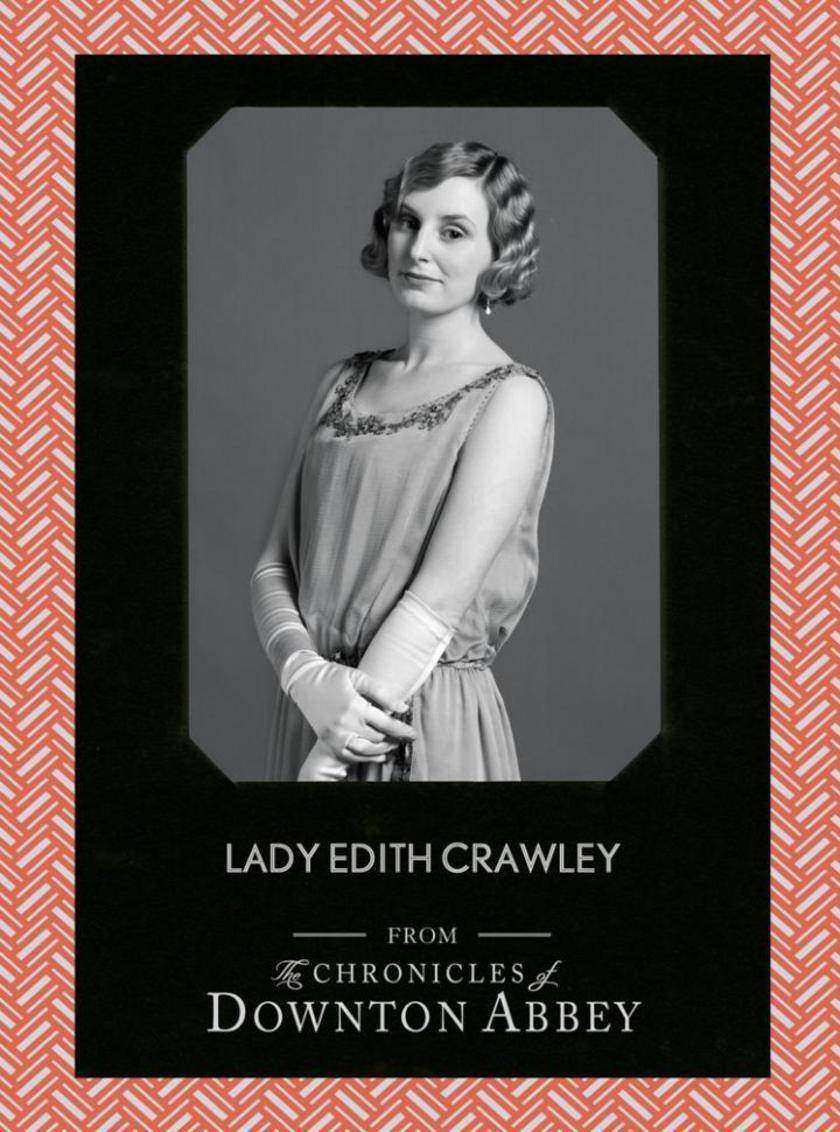
Lady Edith Crawley (Downton Abbey Shorts, Book 5)
¥11.77
This richly illustrated short, extracted from the official book The Chronicles of Downton Abbey, focuses on the characters individually, examining their motivations, their actions and the inspirations behind them. Forwarded by Downton Abbey creator Julian Fellowes. Edith Crawley, the middle daughter of the Granthams, sandwiched between her elder, beautiful and fiery sister Mary, and Sybil, the younger, worthy one, struggles to find her position in life. She is caught between acting tough and being on the defensive. ‘She’s vulnerable,’ says Laura Carmichael, who plays her. ‘She’s the disappointing daughter. And she feels that very keenly – she so wants to be loved and accepted, rather than rejected. And she throws herself into things to try and achieve that.’ Purchase this ebook short and the others in the series to get closer still to the characters at Downton Abbey and to understand more about their social context – from the changing role of the aristocracy to fashion and beauty, American Anglophiles, the Suffragette movement and life below stairs in a big country house like Downton. Search for The Chronicles of Downton Abbey to purchase all shorts combined.
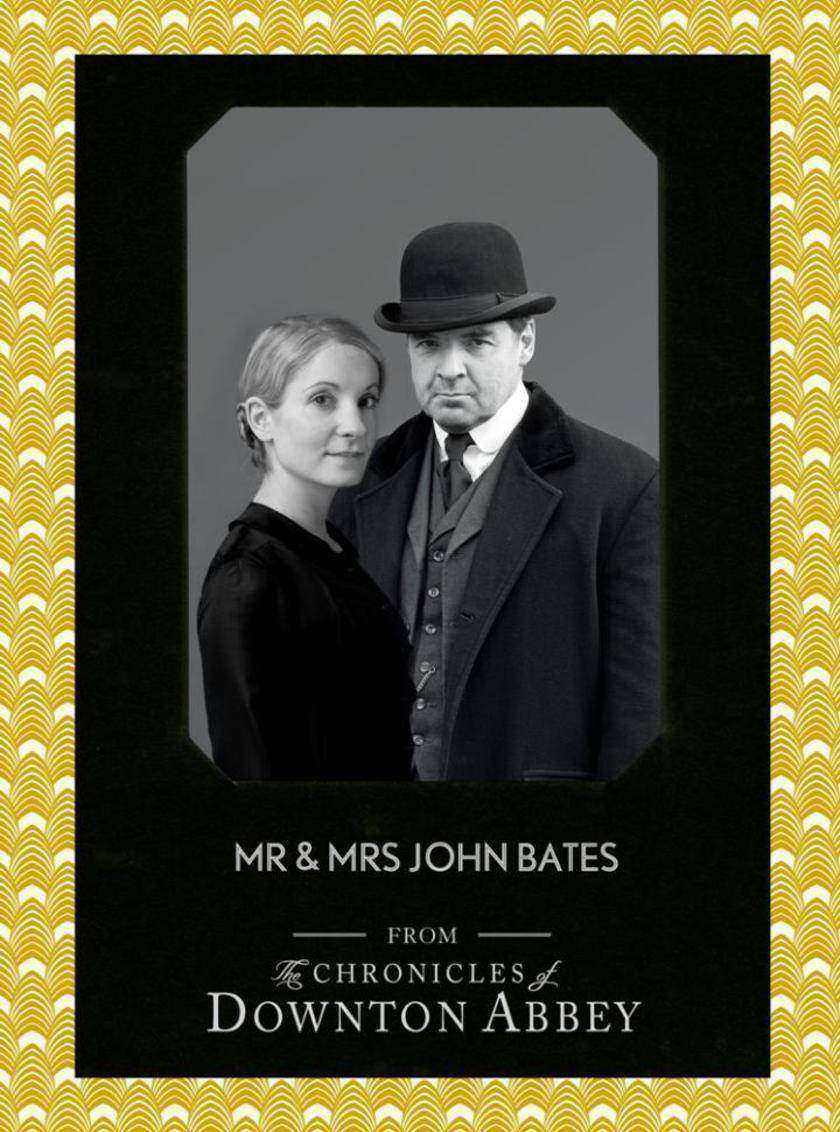
Mr and Mrs John Bates (Downton Abbey Shorts, Book 9)
¥11.77
This richly illustrated short, extracted from the official book The Chronicles of Downton Abbey, focuses on the characters individually, examining their motivations, their actions and the inspirations behind them. Forwarded by Downton Abbey creator Julian Fellowes. Living under the threat of death for some weeks until his reprieve was obtained would have been enormously traumatic for Bates. At least, we must imagine that it was. Bates is a man who has been so opaque and guarded in his emotions that even those closest to him have had to patiently and slowly tease out details about his past. Anna Bates is a rare creature; utterly sure of herself, dependable, sympathetic and steadfastly loyal. Although having a convicted murderer for a husband is not quite every newlywed’s dream, Anna is unwavering in her belief that he is innocent. Anna puts her loyalty to her husband first and foremost, and her love for him could be as dangerous as it is steadfast. Purchase this ebook short and the others in the series to get closer still to the characters at Downton Abbey and to understand more about their social context – from the changing role of the aristocracy to fashion and beauty, life in prison, American Anglophiles, the Suffragette movement and life below stairs in a big country house like Downton. Search for The Chronicles of Downton Abbey to purchase all shorts combined.
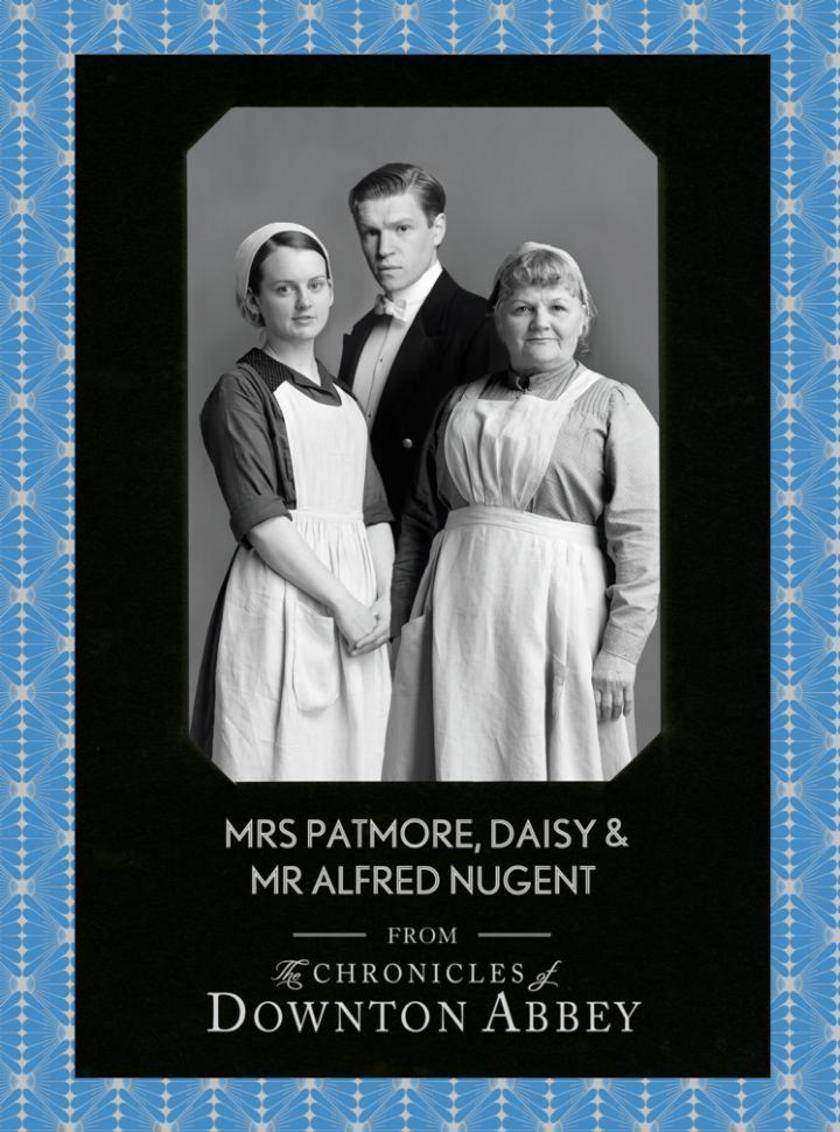
Mrs Patmore, Daisy and Mr Alfred Nugent
¥11.77
This richly illustrated short, extracted from the official book The Chronicles of Downton Abbey, focuses on the characters individually, examining their motivations, their actions and the inspirations behind them. Forwarded by Downton Abbey creator Julian Fellowes. The outside world and its changes only rarely affect Mrs Patmore. ‘She is a product of her time,’ says Lesley Nicol, the actress who plays her, ‘loyal to the family, and to the household. She is very proud of her job and good at it, too, I think.’ As the meek protégée of the cook, Daisy, fuelled by a desire to improve her situation, has started to find her voice and is defiantly answering back to make sure she gets what she believes is her due. She’s also a romantic, prone to crushes: Thomas (futile, for obvious reasons) and now the new footman, Alfred Nugent. We can see that it’s hard for her to conjure up the courage to do anything about it. Fortunately, Alfred is not cunning like his aunt but rather guileless and sweet. As Matt Milne, the actor playing him, says: ‘He is determined to make it work. It’s a big opportunity, and he is just going to keep his head down and work hard.’ Even Lady Mary thinks he’s nice, albeit that he looks ‘like a puppy who’s been rescued from a puddle’. Purchase this ebook short and the others in the series to get closer still to the characters at Downton Abbey and to understand more about their social context – from the changing role of the aristocracy to fashion and beauty, American Anglophiles, the Suffragette movement and life below stairs in a big country house like Downton. Search for The Chronicles of Downton Abbey to purchase all shorts combined.
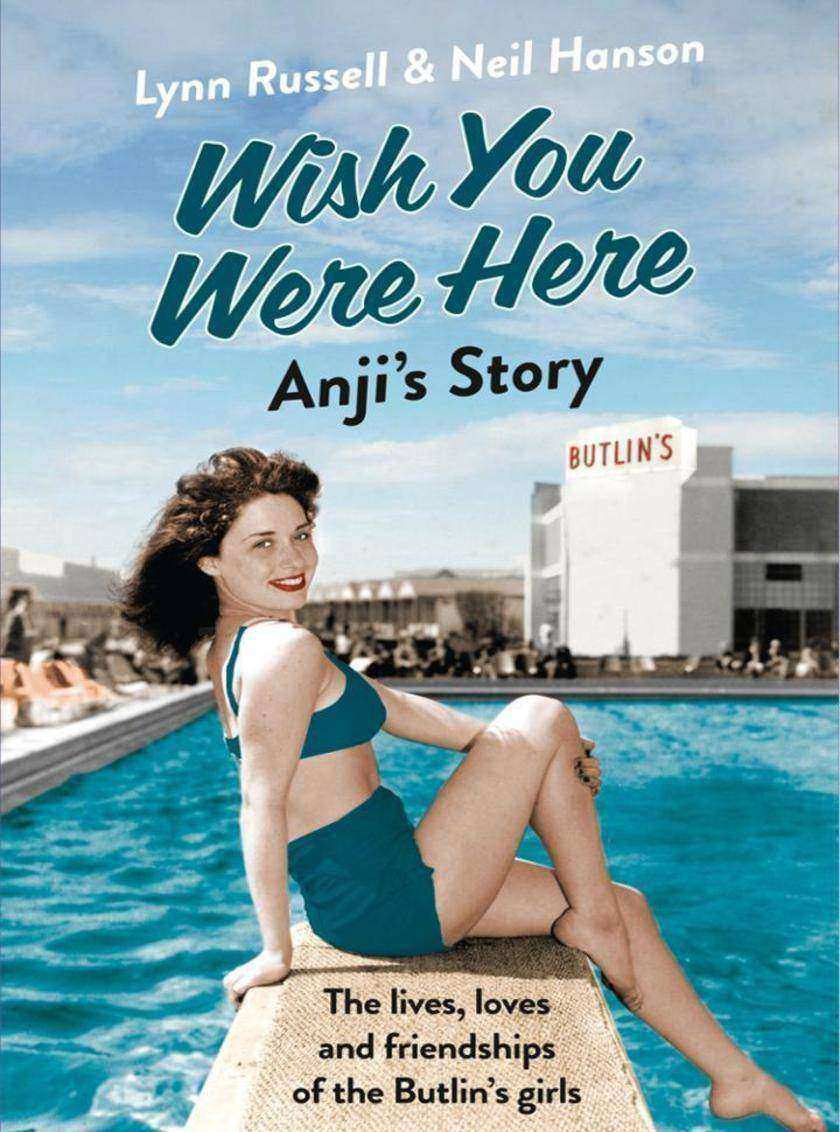
Anji’s Story (Individual stories from WISH YOU WERE HERE!, Book 6)
¥11.77
One of seven touching true stories from Wish You Were Here!, the tale of Butlin’s holiday camps. ‘When I got to the camp I felt as if I’d suddenly walked into Utopia – it was so colourful, so warm, so friendly. There were lights across the roads, there were banners fluttering in the breeze… There seemed to be laughter coming from every building.’ With grey post-WWII skies hanging low over Britain, factories lining the streets and smoke stacks dotting the horizon, there was one way that ordinary families could escape: the ever-cheerful holiday camps of Butlin’s. When Billy Butlin founded his holiday camps in 1936, they were bastions of community spirit and havens of luxury. Here, for one week, wives and mothers were freed from the toil and drudgery of housework, children ran free through the grounds, fathers and husbands hung up their work clothes. Ever-helpful redcoats were on hand all hours of the day, dinner halls ready with plentiful food for old and young alike, bars stocked to quench any level of thirst, ballrooms waiting to be flooded with shiny shoes, rustling dresses and peals of laughter. And, as the sun went down on another exhausting, happy day, a chorus line was ready to sing holidaymakers back to their beds. Rich in period detail and highly evocative, Wish You Were Here! follows the lives of seven of the camps’ key figures through the highs and lows of the holiday season: from redcoats searching for stardom to young families who returned year after year, to pensioners who rediscovered an inner youth. The laughter and tears, the loves and losses, and the fun and friendships that have lasted a lifetime – it's all here. Funny, moving and heartwarming, they are tales of swimming pools and sing-a-longs, Glamorous Grannies and bicycle rides, and of a community spirit that burned brightly in a much-loved British institution.
Trusted Mole: A Soldier’s Journey into Bosnia’s Heart of Darkness
¥73.58
A high-octane account by a decorated major in the British Army of his high-level dealings with the Bosnian Serb leadership, of his running a ‘Schindler’s List’ operation in Sarajevo, and of his extraordinary subsequent arrest by Ministry of Defence police on suspicion of betraying secrets to the Serbs. Trusted Mole is the powerful and disturbing first-hand account of a British soldier of part Yugoslav origin painfully caught up in the savage maelstrom of the Bosnian war. Armed only with the pseudonym ‘Mike Stanley’ and an antiquated Serbo-Croat vocabulary, Milos Stankovic – an officer in the Parachute Regiment – worked as interpreter and go-between for two British brigadiers and two British UN generals, Mike Rose and Rupert Smith. His experiences plunged him deeper and deeper into Bosnia’s heart of darkness, where all human life was lived in extremis. His own Balkan heritage likewise drew him in: his Scottish grandmother had been a nurse on the Salonika front in the First World War; his father was a former Royalist Yugoslav who had fought in the Second World War; and his mother in 1945 had driven one of the first UN ambulances around Bosnia and Montenegro. In helping to negotiate ceasefires between rival warlords, securing the release of UN hostages and organising the escape from Sarajevo of stricken families, Milos Stankovic was propelled from one nerve-wracking crisis to another. Throughout he was engaged in the highly dangerous game of bridging the gap between alien Balkan and Western mentalities. His was a role for which there was no military rule-book, and in the general climate of suspicion and paranoia his close contacts with the Bosnian Serb leadership of Dr Karadzic and General Ratko Mladic caused him to be branded by the Americans and the Bosnian Muslims as a Serb spy in the UN and later as a British spy – General Rose’s ‘trusted mole’. In a final, horrific twist, the author was arrested by the British authorities on suspicion of being a Serb spy. At journey’s end, Milos Stankovic was now confronted with the awful and inescapable truth of ‘Mike Stanley’.
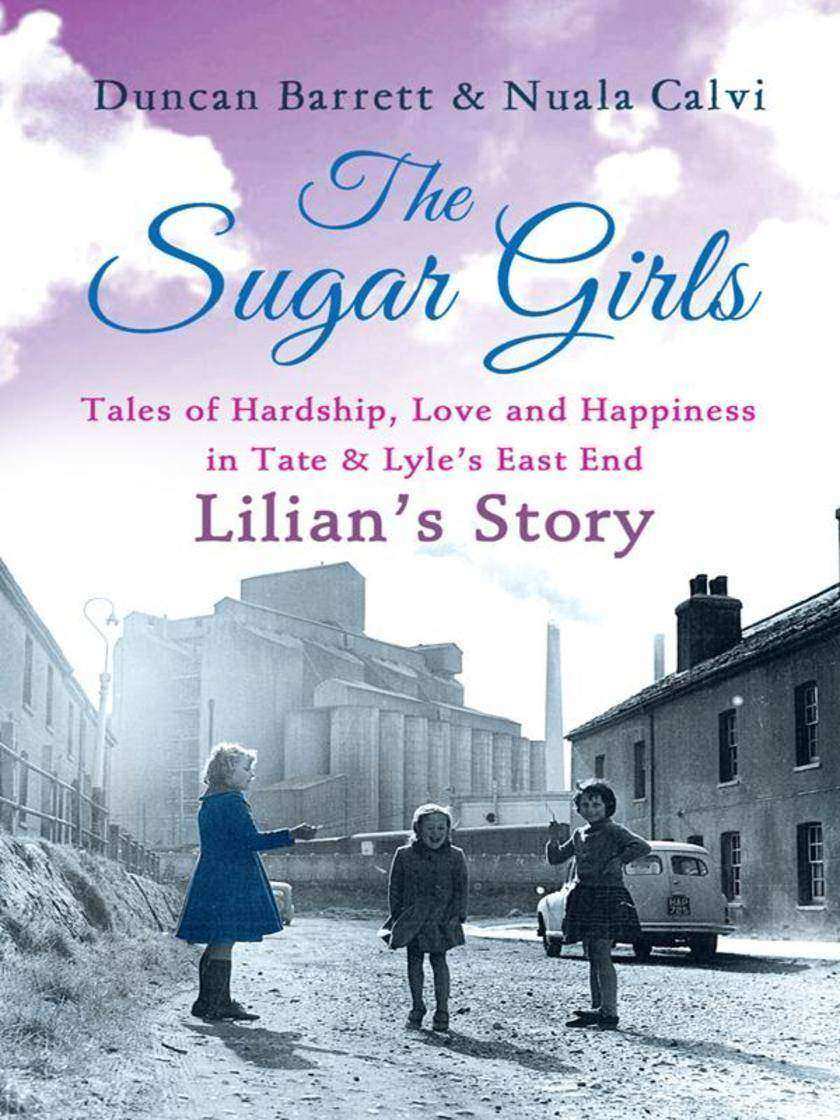
The Sugar Girls - Lilian’s Story
¥63.77
This is Lilian’s story, one of four stories from The Sugar Girls. During the Blitz and the years of rationing, the Sugar Girls kept Britain sweet. The work was back-breakingly hard, but the Tate & Lyle factory was more than just a workplace - it was a community, a calling, a place of love and support and an uproarious, tribal part of East London. ‘When Lilian Tull came to Tate & Lyle shortly after the end of the war, she was older than most new arrivals. A lanky, fairhaired woman of 23, she worked in the can-making department, where the Golden Syrup tins were assembled. Lilian had arrived on the job with a heavy heart, and her colleagues noticed a sad, far-away look in her eyes.’ In the years leading up to and after the Second World War thousands of women left school at fourteen to work in the bustling factories of London’s East End. Despite long hours, hard and often hazardous work, factory life afforded exciting opportunities for independence, friendship and romance. Of all the factories that lined the docks, it was at Tate & Lyle’s where you could earn the most generous wages and enjoy the best social life, and it was here where The Sugar Girls worked. This is an evocative, moving story of hunger, hardship and happiness, providing a moving insight into a lost way of life, as well as a timeless testament to the experience of being young and female. Includes Lilian’s own personal photographs of life as a sugar girl.

The Red Line:The Gripping Story of the RAF’s Bloodiest Raid on Hitler’s Germany
¥66.22
From best-selling author of Tail-End Charlie and Tornado Down comes this powerful and deeply moving account of Bomber Command’s 1944 Nuremberg Raid – the RAF’s bloodiest night of the Second World War More men from Royal Air Force Bomber Command died on one single night of the Second World War than the total RAF aircrew losses during the whole of the four-month-long Battle of Britain. This is the story of the air raid intended to be the climax of Sir Arthur ‘Bomber’ Harris’s relentless campaign to defeat Nazi Germany. The target was Nuremberg: 795 aircraft set out, nearly 700 men did not return. In ‘The Red Line’, we meet the young aircrew who flew on the night of 30 March 1944. John Nichol has interviewed the few surviving veterans, British and German, in the air and on the ground, to record the voices of a diminishing generation. While the airmen of Bomber Command were among the greatest heroes of the conflict, their contribution and sacrifice has been sidelined in the face of post-war criticism of Bomber Command’s tactics. John Nichol’s dramatic tribute to the men who flew on the RAF’s bloodiest raid has provided the surviving veterans with the chance to tell the story of that terrible night – the night they flew to Nuremberg.
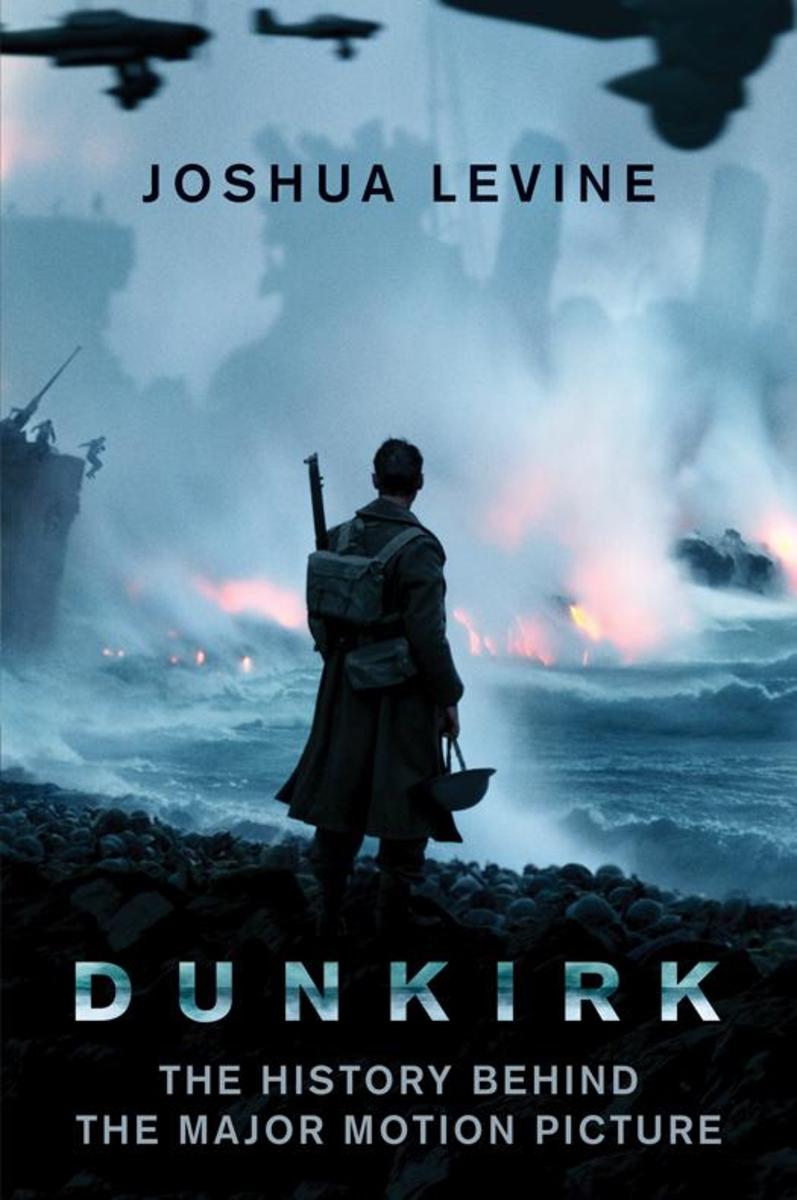
Dunkirk
¥95.11
New York Times Bestseller THE EPIC TRUE STORY OF DUNKIRK NOW A MAJOR MOTION PICTURE, WRITTEN AND DIRECTED BY CHRISTOPHER NOLAN, AND STARRING KENNETH BRANAGH, TOM HARDY, AND MARK RYLANCE The Battle of Dunkirk, in May/June 1940, is remembered as a stunning defeat, yet a major victory as well. The Nazis had beaten back the Allies and pushed them across France to the northern port of Dunkirk. In the ultimate race against time, more than 300,000 Allied soldiers were daringly evacuated across the Channel. This moment of German aggression was used by Winston Churchill as a call to Franklin Roosevelt to enter the war. Now, historian Levine explores the real lives of those soldiers, bombed and strafed on the beaches for days on end, without food or ammunition; the civilians whose boats were overloaded; the airmen who risked their lives to buy their companions on the ground precious time; and those who did not escape.

The Life and Times of Call the Midwife:The Official Companion to Series One and
¥114.48
The stories and secrets behind BBC television’s most-loved show. The official companion to series 1 and 2, as well as the forthcoming Christmas special. The Life and Times of Call the Midwife takes you behind the scenes of the small-screen sensation that has brought to life Jennifer Worth’s experiences as a midwife among the slums and buzzing dockyards of London’s East End in the Fifties. Find out how Fifties fashions, make-up and homes were flawlessly recreated. Discover the hidden secrets of the nurses and nuns of Nonnatus House and what flavour cake ruled in the kitchen when war-time rationing finally came to an end. Immerse yourself in a world that’s been fondly revived to celebrate a glimpse of history that, like today, has childbirth at its heart.
The Lighthouse Stevensons (Stranger Than…)
¥46.11
Bella Bathurst’s epic story of Robert Louis Stevenson’s ancestors and the building of the Scottish coastal lighthouses against impossible odds. ‘Whenever I smell salt water, I know that I am not far from one of the works of my ancestors,’ wrote Robert Louis Stevenson in 1880. ‘When the lights come out at sundown along the shores of Scotland, I am proud to think they burn more brightly for the genius of my father!’ Robert Louis Stevenson was the most famous of the Stevensons, but not by any means the most productive. The Lighthouse Stevensons, all four generations of them, built every lighthouse round Scotland, were responsible for a slew of inventions in both construction and optics, and achieved feats of engineering in conditions that would be forbidding even today. The same driven energy which Robert Louis Stevenson put into writing, his ancestors put into lighting the darkness of the seas. ‘The Lighthouse Stevensons’ is a story of high endeavour, beautifully told; indeed, is was one of the most celebrated works of historical biography in recent memory. ‘My own interest in the Lighthouse Stevensons is threefold. Firstly, from the writings of Robert Louis Stevenson, who turned his family’s trade into the raw gold of all his best fiction. Secondly, from various trips around Scotland. The country’s coast is a mass of storm-beaten rocks and treacherous headlands on which even the seagulls have trouble landing. It is impossible not to speculate what combination of courage and skill built the lighthouses around such an environment. And thirdly, because somewhere in there, unrecognised and unsung, is the most wonderful story!’
Ten Fighter Boys
¥66.22
The extraordinary stories of ten fighter pilots, told in their very own words during the Second World War. First published by Collins in 1942, this utterly compelling collection of first-hand accounts of ten fighter pilots’ experiences at the helm of the Spitfires of 66 Squadron paints one of the most realistic depictions of the battle for the skies over wartime Europe. Offering incredible personal insights into the wartime experience – both in the air and on the ground – the stories are told with unaffected zest, by men who were living in the constant presence of death. Five of the original contributors were killed before the book was originally printed, including the books editors, Wing Commander Athol Forbes and Squadron Leader Hubert Allen. Jimmy Corbin, the last surviving contributor and author of the foreword, passed away in December 2012. Written right in the middle of the war, in the pilots’ own words, Ten Fighter Pilots is a truly original and unique account of a terrifying time.

More Than Just a Game: Football v Apartheid
¥58.86
The most important football story ever told. `It is amazing to think that a game that people take for granted all around the world, was the very same game that gave a group of prisoners sanity – and in a way, gave us the resolve to carry on the struggle'. Anthony Suze, Robben Island Prisoner. This is the astonishing story of a unique group of political prisoners and freedom fighters who found a sense of dignity in one of the ugliest hellholes on Earth: South Africa’s infamous Robben Island, where Nelson Mandela was famously incarderated. Despite all odds and regular torture, beatings and daily backbreaking hard labour, these extraordinary men turned soccer into an active force in the struggle for freedom. For nearly 20 years, these prisoners found the energy, spirit and resolve to organise a 1400 prisoner-strong, eight club football league which was played with strict adherance to FIFA rules. The prisoners themselves represented a broad array of political beliefs and backgrounds, yet football became an impassioned and unified symbol of resistance against apartheid. They refused to let their own political differences sway their devotion to the sport, which allowed them to organise and maintain leadership right under the noses of their captors. This league not only provided sanctuary and respite from the prisoners’ cruel surroundings, it kept their minds active and many credit it with keeping them alive. More Than Just a Game chronicles their story, the politics of the time, the extraordinary characters, their heroism and the thrilling matches themselves.
The Number Mysteries: A Mathematical Odyssey through Everyday Life
¥66.22
From the author of The Music of the Primes and Finding Moonshine comes a short, lively book on five mathematical problems that just refuse be solved – and on how many everyday problems can be solved by maths. Every time we download a song from i-tunes, take a flight across the Atlantic or talk on our mobile phones, we are relying on great mathematical inventions. Maths may fail to provide answers to various of its own problems, but it can provide answers to problems that don't seem to be its own – how prime numbers are the key to Real Madrid's success, to secrets on the Internet and to the survival of insects in the forests of North America. In The Num8er My5teries, Marcus du Sautoy explains how to fake a Jackson Pollock; how to work out whether or not the universe has a hole in the middle of it; how to make the world's roundest football. He shows us how to see shapes in four dimensions – and how maths makes you a better gambler. He tells us about the quest to predict the future – from the flight of asteroids to an impending storm, from bending a ball like Beckham to predicting population growth. It's a book to dip in to; a book to challenge and puzzle – and a book that gives us answers.
Men of War: The Changing Face of Heroism in the 19th Century Navy (Text Only)
¥221.12
Through the lives of three outstanding naval officers – each considered the most brilliant commander of his generation – David Crane offers a unique portrait of the Royal Navy at a time when it held unchallenged dominion over the world's oceans. Although all three died young, their careers covered virtually every war of significance in which the navy was involved during the nineteenth century. They fought against French and Americans, Russians, Turks, Egyptians, Indians and Chinese, in fleet engagements and naval bombardments, on the walls of Canton and the banks of the Mississippi, against Malay pirates and sepoy mutineers. As an eleven-year-old volunteer, Frank Hastings saw action at Trafalgar, and he went on to be revered as a hero of the Greek War of Independence. Yet, as the architect and captain of the first successful steam warship and the champion of gunnery and total war, he unwittingly prepared the way for much that would be bloodiest in the century ahead. Nobody who saw him in the trenches of the Crimea would ever forget William Peel's air of inviolable self-mastery under fire, and it was the same in India, where he could ride through a landscape of decomposing corpses as if it were some mythological world conjured up to try his knightly resolve. What was it that enabled a man of his intelligence, temperament, piety and background to fight with such brilliance in defence of an Ottoman Empire that was repugnant to every tenet he held most strongly? If James Goodenough chased Glory as assiduously as Hastings and Peel had done, it was the Glory of the next world, and not this. Throughout his career he strove to reconcile the demands of his faith and his profession, but when he finally met his martyrdom at the hands of the 'savages' of the Pacific islands, a shocked nation was left to face up to the inconsistencies, hypocrisies and self-deceptions on which floated its vision of divine election. Combining thrilling scenes of battle with acute psychological insight, Men of War provides a remarkable picture of the nature of courage, command and warfare. Note that it has not been possible to include the same picture content that appeared in the original print version.
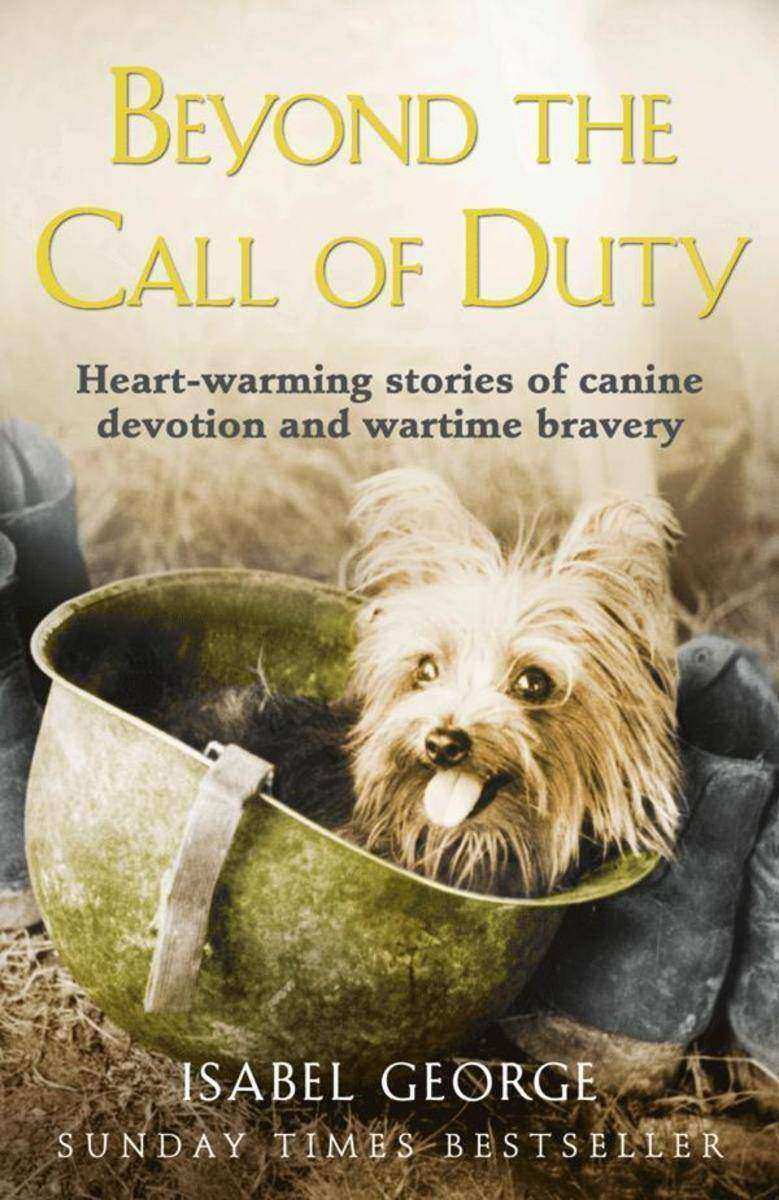
Beyond the Call of Duty: Heart-warming stories of canine devotion and bravery
¥63.77
A second collection of incredible and heart-warming canine stories from around the world, from the bestselling author of The Dog That Saved My Life. Animals have accompanied man into battle since war first waged. Since those times, many stories have been told of the bears, camels, cats, dolphins, monkeys, mules, rats and other creatures that have served with the Armed Forces during both world wars and beyond. The four stories in this book represent the devotion and unquestioning loyalty of the canine companion in the darkest days of war. From the stub-tailed Bull Terrier that became a hero of the First World War, and the most decorated dog in history, after his bravery in the trenches of Flanders, to the remarkable loyalty of an Iraqi stray dog who attached himself to British troops in North Port and then patrolled their camp every night, protecting them from being attacked by the vicious packs of dogs living in the desert, each is an incredible tale of wartime bravery as well as an example of inspiring commitment and courage.

Dusty Warriors: Modern Soldiers at War (Text Only)
¥72.30
Foremost military historian Richard Holmes offers us a compelling and at times terrifying account of what it means to be a contemporary soldier. In this remarkable book, Holmes draws on the testimonies and personal photographs of the 700 soldiers of the Princess of Wales Royal Regiment in Iraq to vividly capture their day-to-day experiences of the conflict, from camp kitchens to the heart of an armoured convey barrelling out across the desert. As colonel-in-chief of the Princess of Wales Royal Regiment himself from 1999 until 2007, Holmes combines acute observation with heartfelt experience to produce a gripping and deeply moving vision of his regiment at war.
The Trial: A History from Socrates to O. J. Simpson
¥94.67
In an extraordinary history of the criminal trial, Sadakat Kadri shows with wit, legal insight and a travel writer’s eye for detail, how the irrationality of the past lives on in the legal systems of the present. A bold and brilliant debut from a prize-winning writer. ‘The Trial’ spans a vast distance in time, opening in the dread silence of the Egyptian Hall of the Dead and ending with the melodramas and hubbub of the 21st-century trial circus. Reconciliation and vengeance, secrecy and spectacle, superstition and reason all intertwine continually. The book crosses from the marbled courtrooms of Athens through the ordeal pits of Anglo-Saxon England, past the torture chambers of the Inquisition to the judicial theatres of 17th-century Salem, and from 1930s Moscow and post-war Nuremberg to the virtual courtrooms of modern Hollywood. Kadri shows throughout how the trial has always been concerned with doing more than guaranteeing fairness and holding human beings to account for their deliberate crimes. He recounts how insentient and irrational defendants from caterpillars to corpses were once summonsed to court, before being exiled for their failure to attend or sentenced to die again – and argues that the same urge to punish lives on in today's trials of children and the mentally ill. But although Justice’s sword has always been double-edged – as ready to destroy a community’s enemies as to defend its dreams of due process – the judicial contest also operates to enshrine some of the western world’s most cherished values. The show trials of Stalin's Soviet Union were shams, but Guantanamo Bay and Abu Ghraib are a reminder that a lack of a trial is equally unjust, and at a time when our constitutional landscape seems to be melting away, an appreciation of the criminal courtroom’s history is more necessary than ever. As the Labour government launches an almost annual attempt to truncate trial by jury, and as authorities on both sides of the Atlantic are indefinitely detaining people in the name of an endless war on terror, ‘The Trial’ could hardly be more timely. Note that it has not been possible to include the same picture content that appeared in the original print version.

Carbon Counter (Collins Gem)
¥36.79
What effect are you having on the environment? If you buy Kenyan green beans what is the CO2 cost? What about your journey to work, your fridge or your clothes? The Gem Carbon Counter is your portable instant green reckoner. This handy little book includes: ? Introduction by Mark Lynas author of Hide Tide: News from a Warming World ? Welcome to the Greenhouse: Explains what the Greenhouse effect actually is, all the issues surrounding global warming and your carbon footprint? ? Your Carbon Footprint: Measure your own carbon footprint covering all aspects of your life from your food shopping to your work, holidays and clothes. Starting with your home gas and electricity supplies and usage, the handy green reckoner takes you through each part of your life and helps you add up the impact you are making on the environment. So, in turn, it allows you to identify the key parts of your life which you’ll need to adapt to reduce your carbon footprint: from which coffee you drink to how often you go on holiday. ? Sustainability: How do you measure up in comparison to the average person’s carbon footprint? What can you do to generate your own energy and therefore reduce your footprint and what sort of targets can you set yourself? ? Helpful Appendices: Includes information on carbon emissions for journeys by car, train and plane. A list of corporate companies, their emissions and what they are doing to reduce their carbon footprint so that as a consumer, you can make decisions on who you support. A helpful carbon diary where you can record your carbon footprint for the year. Useful websites where you can read more about green issues.

Britain BC: Life in Britain and Ireland Before the Romans (Text Only)
¥80.25
An authoritative and radical rethinking of the history of Ancient Britain and Ancient Ireland, based on remarkable new archaeological finds. British history is traditionally regarded as having started with the Roman Conquest. But this is to ignore half a million years of prehistory that still exert a profound influence. Here Francis Pryor examines the great ceremonial landscapes of Ancient Britain and Ireland – Stonehenge, Seahenge, Avebury and the Bend of the Boyne – as well as the discarded artefacts of day-to-day life, to create an astonishing portrait of our ancestors. This major re-revaluation of pre-Roman Britain, made possible in part by aerial photography and coastal erosion, reveals a much more sophisticated life in Ancient Britain and Ireland than has previously been supposed. This edition does not include illustrations.
A Model Victory
¥66.22
A vivid retelling of the Battle of Waterloo, based on unpublished soldiers’ written accounts. When a patriotic model-maker recorded the days’ events for posterity he left us with a glorified version of an English victory. Malcolm Balen brings us the muddy truth. More than fifty thousand died or were wounded on the single bloody day of the Battle of Waterloo. This was killing on the scale of the First World War, and yet the glory of the British victory soon came to overshadow any notion of its gore. In this electrifying account of the day itself, Malcolm Balen combines extraordinary first-hand accounts of the battle with the story of William Siborne, a model-maker who, in the wake of the battle, wanted to leave to posterity a perfect and accurate representation of the crucial moment in the battle. The question was: Who won it? Was it Wellington’s forces or Blucher’s Prussians, or a combination of the two? The accounts Siborne used to piece the muddy truth together read as if Waterloo had been fought yesterday. But the accuracy he relentlessly pursued came up against the British establishment and the Duke of Wellington’s desire to control the narrative of the day. In this fascinating and refreshing account of one of the bloodiest days in history, Malcolm Balen interweaves two battles fought: one in the muddy fields of Belgium, and the other over history itself.
Empire’s Children: Trace Your Family History Across the World (Text only)
¥76.91
From the makers of 'Who Do You Think You Are?' comes 'Empire's Children' – a tie-in edition to a six part TV series for Channel 4 – which tells the story of Empire, and follows the personal journeys of six British celebrities as they retrace their steps through their multicultural past. British society is in every way defined by its Imperial past. It is home to 2.3 million British Asians, 570,000 Caribbeans and 250,000 Chinese. Not to mention Cypriots, Australians and southern Africans. These people represent different cultures and divergent experiences but they all share a common heritage: they are the children (grandchildren, or great grandchildren) of Empire; and their lives have been shaped by that legacy. In the second part of the 20th century, Britain relinquished control of 64 countries and half a billion subjects. During that period, many thousands of those same former British subjects fled their homes to build new lives here. What were they hoping to find? Why did they want to come to the very country they'd fought so hard to free themselves from? What kinds of lives were they leaving behind? What was the reality of their new life here? And how was British society itself shaped by their arrival and assimilation here? Real concerns that are very much in forefront of our minds in the multicultural melting pot that Britain is today. ‘Empire’s Children’ seeks to answer these questions by concentrating on the personal and emotive journeys of six chosen celebrities as they retrace the steps which they – or their parents or grandparents – took in order to reach this country for the first time. The stories will cover post colonial histories of Africa, the subcontinent, the West Indies, Australasia, South East Asia and Cyprus. In some cases, they will spend some time in the former colony and experience the motivations as well as the drama of the journey itself.


