


 购物车
购物车 个人中心
个人中心
Scara din bibliotec?
¥65.32
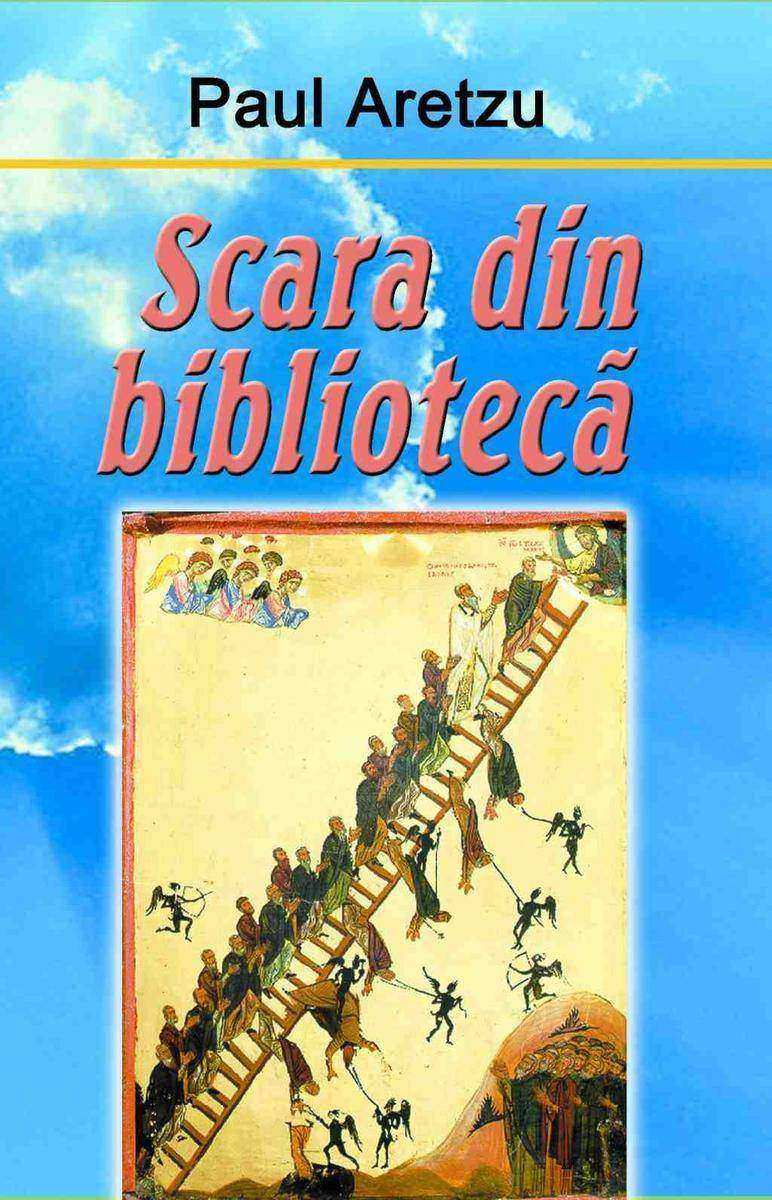
Problema fiinei romneti nu s-a rezolvat. Dei ea a reprezentat o mistic a ntregii generaii, motivaia principal a existenei acesteia, datorita conflictului dintre Occident si Orient, dintre cele dou doctrine sociale fundamentale, datorit Cortinei de Fier care a czut la finele celui de-al doilea rzboi mondial, care a separat lumea n dou lagre etane, problema a rmas nerezolvat. Ce a nsemnat de fapt problema fiinei romneti Conturarea unei identiti naionale, obsesie a naionalismului romnesc interbelic i a tinerei generaii“ care s-a confundat mai mult sau mai puin cu aceast epoc. Utopia generaiei a fost aceea de a scoate Romnia din anonimat. Totul a rmas la nivelul iluziei i al scepticismului. Din ntreaga generaie care a supravieuit exilului intern sau extern, doi reprezentani fideli ai acesteia au conturat prin preocuprile lor foarte bine ideea fiinei romneti sau mai bine zis modalitatea ei de manifestare n lume. Acetia sunt Cioran i Noica. Aceast carte – dreapt, radical, exact, ntunecat – trateaz rtcirile i mplinirile acestora n contextul n care ntregul continent, n perioada interbelic, prea ca a luat-o razna.“ – Mara Magda Maftei
Doamna Ataturk
¥81.67
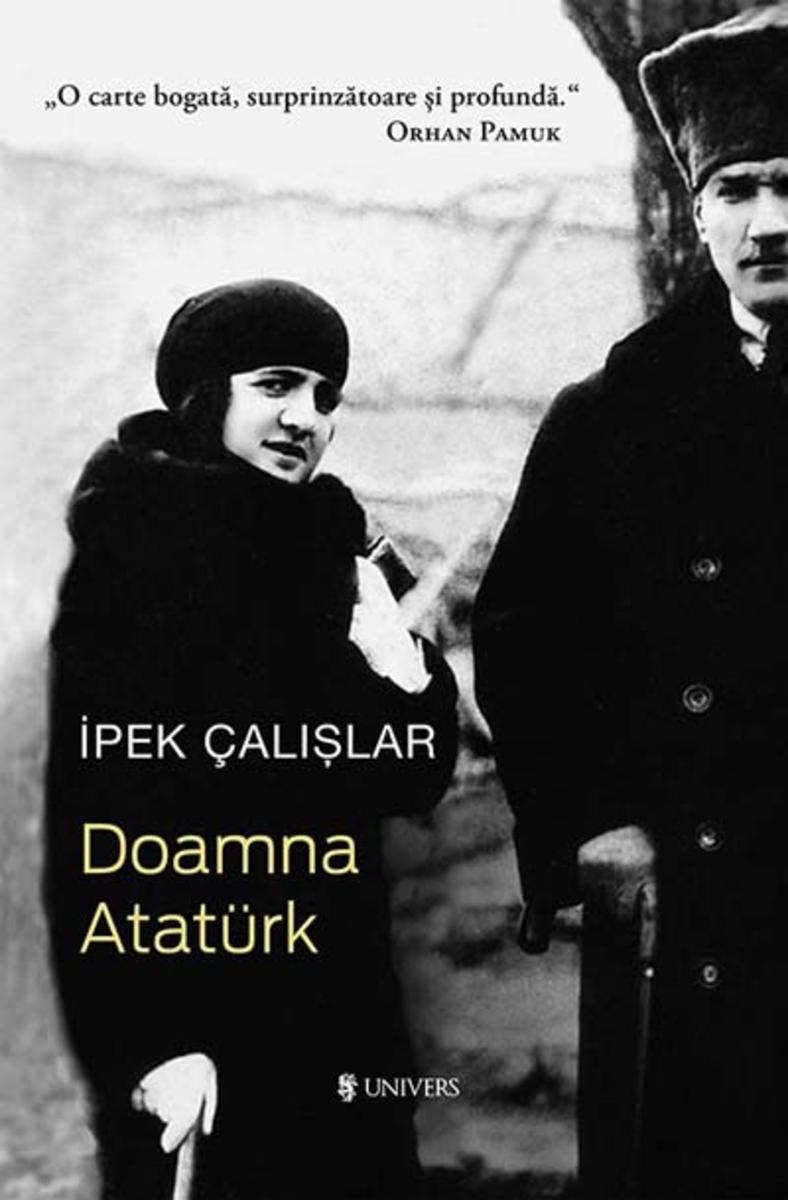
Cartea aceasta reprezint o confesiune sincer despre tririle, sentimentele, nvmintele i convingerile mele. Am depnat aici amintiri din ntreaga mea via, cu bune i cu mai puin bune, cu frumoase i mai puin frumoase. Dragostea, acest sentiment minunat, este cea care mi-a ghidat destinul, ncepnd cu dragostea pentru prini, apoi cu cea pentru alesul inimii, continund cu dragostea pentru copii, pentru familia toat, pentru oameni n general i, alturi de toate acestea, dragostea pentru cntec.“ Maria Dragomiroiu
Oh My God! ?n 6 s?pt?m?ni. Sl?be?te rapid ?i uime?te-?i prietenii
¥57.14
Cucamonga este o carte de avangard?, experimental?, care cuprinde texte din zonele poeziei, prozei ?i filozofiei. Cele cinci capitole ale c?r?ii s?nt urm?toarele:1) Best Sailor. Este un poem ?n proz?, polemic ?i critic la adresa societ??ii de consum ?i a pie?ei de carte dominate de bestselleruri. Arm?tura fiec?ruia dintre cele ?apte capitole ale acestui poem este alc?tuit? din scurte descrieri ale c?r?ilor prezente ?n topurile de v?nz?ri din Statele Unite ale Americii, topuri publicate ?n revista The New York Times Book Review (nr. 11 din 24 martie 2008). Unul dintre personajele cele mai sonore care apar ?n acest text este Barack Obama.Best Sailor este probabil singurul poem din lume cu bibliografie (lista cuprinde ?n jur de 100 de c?r?i).2) 19 pove?ti despre orice. Este un capitol care cuprinde 19 poeme scrise ?n registre diferite, fiecare fiind despre ceva anume: Despre visele unora pl?tite de al?ii; Despre importan?a ficu?ilor ?n via?a c?l?torilor; Despre pas?rea care ??i ia zborul din om; Despre pescuitul alternativ; Despre cum se pleac? ?n luna de miere; Despre cum ajunge privirea s? vad?; Despre orbirea vorbirii; Despre pompierul care ??i incendia ?ig?rile; Despre rolul menghinei ?n deprinderea tehnicii zborului; Despre legile rescrise ale ospitalit??ii termodinamice; Despre c?l?toria p?m?ntului ?n jurul omului; Despre mor?i numai de bine; Despre teorema pesc?ru?ului cu cap de lup; Despre fatalitatea de a urm?ri ?tirile la televizor; Despre anatomia valurilor; Despre garderoba incandescent? a lui Dumnezeu; Despre con?inutul de metal al picioarelor; Despre lumina care ne calc? pe urme; Despre categoriile aristotelice ale liniei orizontului. Ultimele cinci poeme-pove?ti au la baz? c?te o ipotez? ?tiin?ific? ?i s?nt scrise ?ntr-o manier? inovatoare.3) Iubita mea vitreg? ?i 4) Unul dintre domni?oara W ?i doamna Kuttare s?nt dou? poeme ?n proz?, cu personaje ?i ?nt?mpl?ri stranii. (Aceste poeme s?nt relu?ri din c?r?i mai vechi, ap?rute ?n urm? cu 8-9 ani.)5) Demonadologia este o lucrare de filozofie, o scurt? introducere ?n metafizica r?ului, alc?tuit? din 90 de paragrafe, care parodiaz? Monadologia, celebrul tratat de metafizic? al lui G. W. Leibniz. Monadei leibniziene i-a fost aici substituit? demonada, ?n locul lui Dumnezeu apare Demonezeu, iar cea mai bun? dintre lumile posibile a fost ?nlocuit? de cea mai rea dintre lumile posibile. De?i trateaz? despre principiile care stau la baza r?ului din lume, Demonadologia se ?ncheie ?ntr-o not? optimist?, cu happy-end.
Jocurile Daniei
¥0.01
Cartea de fa surprinde momente de libertate, arcuiri de libertate, zvcniri libere, explozii spre frumos, notate n fragmente lirice. n esen ei ncape i mulumirea pentru aceste momente, pentru minunea coninut n ele. Iar bucuriei acestei liberti i dau o orientare n sus i spre rsrit, c mrturisire i c recunotina pentru putin de a o fi trit-o.Din punct de vedere muzical, poeziile se acordeaz i cu muzica pe care o interpretez i studiez – muzica psaltic – prelund multe din elementele ntlnite n acest gen muzical. sub aspectul formei, n multe situaii am pstrat varianta cea mai brut, considernd c pstreaz cel mai bine culoarea momentului poeziei.“ –Cristian Boro
The Book of Dragons
¥8.18
Un b?ie?el singuratic ?i f?r? prieteni Un b?rbat secretos care a petrecut ani de zile ?ncerc?nd s? transforme metalele ?n aur Unul dintre cele mai mari genii ale tuturor timpurilor Toate cele de mai sus! ? Afl? mai multe despre adev?ratul Isaac Newton ?n aceast? biografie amuzant? ?i minunat ilustrat?!
Era m?ritat? ?i se plicitisea
¥32.62
Nicolae Breban este stpnit de – i ajunge s stpneasc el nsui – voina de putere creatoare. Creaia este, dup Fr. Nietzsche, adevrata voin de putere. Ct pot crea – att exist“, iat relaia definitorie i poate chiar sensul vieii, raliat adnc unei ontologii a artei literare. Scriitorul se teme cel mai mult de insuficiena voinei. ntotdeauna a fost ngrozit de un succes de mna a doua. Un succes a fost faptul c n Frana i-au fost publicate romane dificile“, ntr-un context literar i istoric defavorabil. (…) Breban triete cu luciditate abisal; vis estetic“. Urmeaz, aadar, i nu contrazice autonomia esteticului. Omul i cultura sunt artificioase, nu naturale. El crede c, n esen, literatura nu s-a schimbat niciodat de la Homer ncoace.“ (Marian Victor Buciu) Un romancier pentru o generaie a literaturii. Nici un prozator romn nu a trit, dup 1960, o evoluie att de rapid. Succesul fulgertor al lui Nicolae Breban nu poate i nici nu trebuie s fie judecat independent de momentul 1965 al literaturii tinere. O generaie de povestitori i de poei avea nevoie de un adevrat romancier pentru a-i consacra, aa cum se cuvine, strlucirea. Nu de un romancier fcut prin aglomerarea povestirilor, strlucitor pe fiecare pagin, spectaculos prin fiecare personaj al su; generaia reclam nu un autor care tie s povesteasc, ci un scriitor nzestrat cu vocaie de romancier: de adevrat constructor.“ (Cornel Ungureanu)

R?zboaiele PSI. O istorie a manipul?rii min?ii
¥57.14
Cartea se adreseaz? elevilor, studen?ilor, precum ?i publicului larg de cititori, monografia ?n cauz? – semnat? de marele c?rturar Ion Iano?i, membru al Academiei Rom?ne – constituind una dintre lucr?rile de v?rf despre uria?ul romancier de la Iasnaia Poliana.
Vasco da Gama navigheaz?
¥40.79
Parodicul nu este doar unul dintre modurile comice; el este rezultatul variatelor ncercri pe care literatura le face spre a se rennoi prin autonegare. Asumndu-i acest rol, literatura parodic are luciditatea de a-i etala mecanismul auto-producerii, analizndu-i exagerrile, dar i constitutivele convenii. Aceast ntoarcere spre literaritatea literaturii pe care mizeaz orice demers parodic este camuflat prin aparena orientare spre diferii autori, texte sau stiluri. Orice parodist este, simultan, explorator prin textele altora, dar i autorul ce-i analizeaz lucid teritoriul propriului text. Una dintre aceste dou dimensiuni poate fi dominant ntr-o parodie, oscilaiile fiind generate att de parodist, ct i de contextul estetic cruia acesta i aparine. Dac, n mod normal, principiile critice urmeaz dezvoltrii formelor literare, discursul parodic este un discurs critic contient deghizat n form literar sau un discurs literar cu finalitate critic. Vorbim de parodia studiat estetic i nu de parodia ca simpl deformare, comis din ignoran.“ O fenomenologie a parodicului din Evul Mediu, epoc modern i postmodern, aceast carte ofer i analiza parodicului n operele unor scriitori ca Urmuz, Caragiale, Crtrescu .a.
Din mansarda lui Cioran
¥57.14
Deopotriv? cronica vivant? a tranzi?iei, aide-memoire, jurnal ?i anti-jurnal, foileton pamflet, addenda, Pe muchie de h?rtie ??i propune o radiografiere a st?rii literaturii rom?ne de azi, folosind ?n permanen?? oglinda retrovizoare."Tipic, scrie despre autoare Constantin C?lin, ?n critica actual?, e, cel mai adesea, s? coexi?ti, s? superi c?t mai pu?in? lume, s? te rezemi de grup, s? te pliezi pe ideile celor mai bine plasa?i ?n ierarhie, s? fii amuzant ca un comis-voiajor, s? te adaptezi la orice "canon", s? te aranjezi cu oricine. Atipic a devenit s? ?ncerci s? spui adev?rul integral, s? nu ui?i, s? nu fii la?, s? nu fii oportunist."
Uncle Tom's Cabin
¥8.09
Eram ?n Her?str?u, la parcul de distrac?ii, ?Luna-parc“, cum i se spunea pe atunci, ?ase b?ie?i ?i o fat?: Vintil? Iv?nceanu, Virgil Mazilescu, Daniel Turcea, Mihai Teclu, George Almosnino, Iulian Neac?u ?i Nora Iuga. Infatua?ii, arogan?ii, scandalagii, cosmopoli?ii – ONIRICII. B?ie?ii trecuser? un pic de dou?zeci, ?fata“ trecuse bini?or de treizeci, important era c? nu se vedea. Ne d?deam ?n ma?inu?e; caramboluri ?i chiote! Pe urm?, la bere, Pur?i – a?a ?i spuneam eu lui Vintil? – se ia de Iulian: ?Da’ neagra ta, cum ?i zice, dactilografa de noapte, te mai viziteaz??“... ?i urechea mea p?lnie se f?cu ?i la dou? noaptea, la ma?ina mea, am b?tut eu mai departe ce-mi dicta ea. (Nora Iuga, iulie 2010)
Ie?irea la suprafa??
¥106.19
Critic? literar? Editura ALLFA inaugureaz? seria de volume ?Eminescu, poem cu poem”, care va cuprinde ?ntreaga oper? poetic? antum? a marelui poet analizat? de scriitorul ?i criticul literar Alex. ?tef?nescu. Lucrarea ?Eminescu, poem cu poem. C?lin (file din poveste)” ne dezva?? de toate vechile obiceiuri de interpretare care au prezentat ?n limbaj de lemn poezia eminescian?. Alex. ?tef?nescu ne face din nou cuno?tin??, de data aceasta ?n cuvinte simple ?i idei proaspete, cu una dintre cele mai cunoscute poezii din literatura rom?n?. Analiza sa cuprinde observa?ii fresh ?i referin?e culturale pe gustul elevilor, tinerilor ?i iubitorilor de literatur? care (re)descoper? ast?zi poezia eminescian?. C?lin, ?voinicul” din basmele populare rom?ne?ti, ?i face o vizit? nocturn?, neanun?at?, fetei de ?mp?rat. Alex. ?tef?nescu scoate ?n eviden?? capacitatea poetului de a p?stra ritmul, de a nu precipita relatarea, de?i evenimentele se precipit?. Marii poe?i ai lumii, Homer ?i Dante, st?p?neau acelea?i mijloace. Mai mult dec?t at?t, o dezvoltare calm? a ideilor, cu toate nuan??rile necesare, se reg?se?te ?i ?n interiorul replicilor personajelor lui Shakespeare. Un mare scriitor ?tie c? spectacolul existen?ei este mai important dec?t succesul sau insuccesul ?ntreprinderilor omene?ti. Volumul cuprinde poemul ?C?lin (file din poveste)” ?nso?it de textul critic al lui Alex. ?tef?nescu.

莎士比亚戏剧典藏:哈姆雷特
¥15.99
《哈姆雷特》由英国剧作家威廉•莎士比亚创作,是莎士比亚所有戏剧中篇幅非常长、非常负盛名的剧本。戏剧讲述了叔叔克劳狄斯谋害了哈姆雷特的父亲,篡取了王位,并娶了国王的遗孀乔特鲁德,哈姆雷特王子因此为父王向叔叔复仇的故事。《哈姆雷特》同《麦克白》《李尔王》《奥赛罗》被公认为莎士比亚“四大悲剧”。
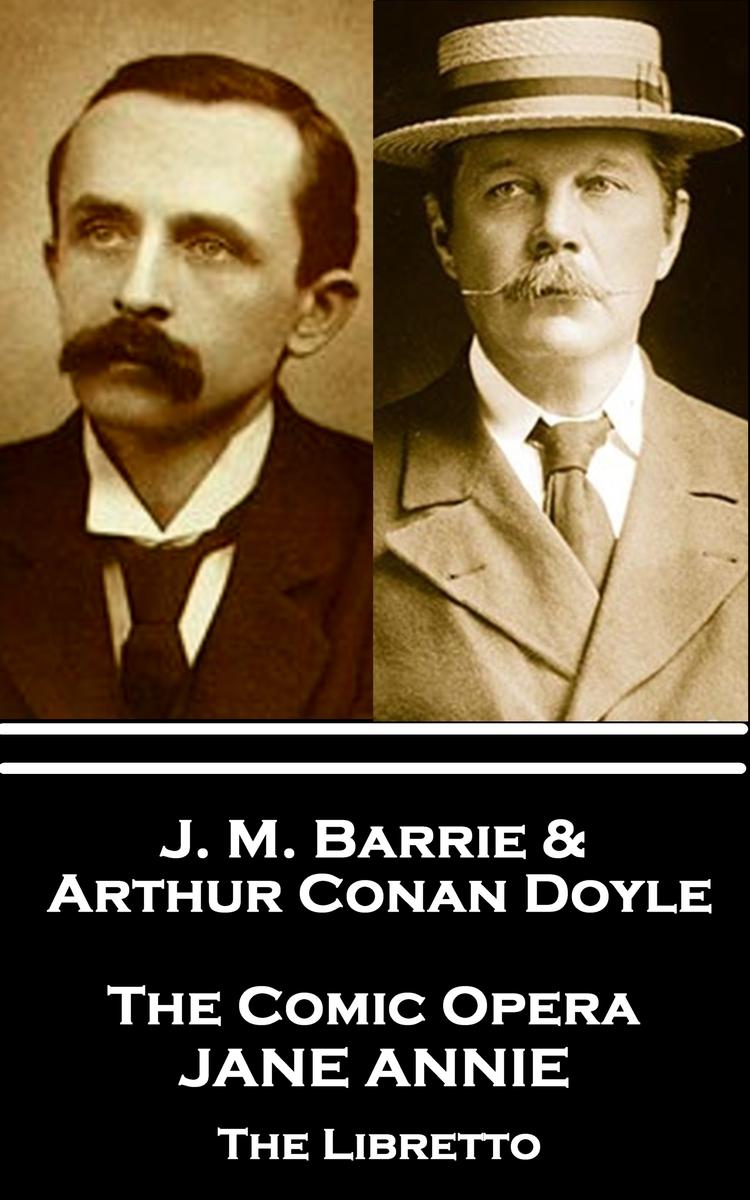
Jane Annie - Or, The Good Conduct Prize. A Comic Opera in Two Acts
¥16.38
Sir James Matthew Barrie, 1st Baronet, OM, was born in Kirriemuir, Angus the ninth of ten children on May 9th, 1860. From early formative experiences, Barrie knew that he wished to follow a career as an author. His family wished otherwise and sought to persuade him to choose a profession, such as the ministry. The compromise was that he would attend university to study literature at the University of Edinburgh. He graduated with an M.A. on April 21st, 1882. His first job was as a staff journalist for the Nottingham Journal. The London editor of the St. James's Gazette "e;liked that Scotch thing"e; in Barrie's short stories about his mother's early life. They also served as the basis for his first novels. Barrie though was increasingly drawn to working in the theatre. His first play, a biography of Richard Savage, was only performed once and critically panned. Undaunted he immediately followed this with Ibsen's Ghost in 1891, a parody of Ibsen's plays Hedda Gabler and Ghosts. Barrie's third play, Walker, London, in 1892 led to an introduction to his future wife, a young actress by the name of Mary Ansell. The two became friends, and she helped his family to care for him when he fell very ill in 1893 and 1894. Barrie proposed and they were married, in Kirriemuir, on July 9th, 1894. By some accounts the relationship was unconsummated and indeed the couple had no children. The story of Peter Pan had begun to formulate when Barrie became acquainted with the Llewelyn Davis family in 1897, meeting George, Jack and baby Peter with their nanny in London's Kensington Gardens. In 1901 and 1902, Barrie had back-to-back theatre successes with Quality Street and The Admirable Crichton. The character of "e;Peter Pan"e; first appeared in The Little White Bird in 1902. This most famous and enduring of his works; Peter Pan, or The Boy Who Wouldn't Grow Up had its first stage performance on December 27th, 1904. Peter Pan would overshadow everything written during his career. He continued to write for the rest of his life contributing many other fine and important works. Sir James Matthew Barrie, 1st Baronet, OM, died of pneumonia on June 19th,1937 and was buried at Kirriemuir next to his parents and two of his siblings.
Arraignment of Paris
¥15.21
George Peele was born in July 1556 and baptised on the 25th at St James Garlickhythe in the City of London.A completely accurate record of his life is not possible but enough accounts and records exist to provide some background. His father, James was a clerk at Christ's Hospital, then a central London school, and authored two treatises on bookkeeping. Peele himself was initially educated at Christ's Hospital before entering Broadgates Hall, Oxford, in 1571. Three years after in 1574 he moved to Christ Church and took his B.A. there in 1577, and then his M.A. in 1579. Something appears to have so upset the Governors that they requested their clerk to 'discharge his house of his son, George Peele.' His mother, Anne, died on July 1st, 1580, and his father remarried to Christian Widers, a nurse at the hospital a few months later. Peele himself appears to have married, around this time, Ann Cooke, a heiress. He appears to have been rather reckless with her assets and they were soon gone.What he did appear to be hard at work on was his writing. His pastoral comedy 'The Arraignment of Paris' was presented by the Children of the Chapel Royal before Queen Elizabeth perhaps by 1581, and was printed anonymously in 1584. He was praised in 1585 for his translation from the Greek of one of the 'Iphigenias of Euripides'. That same year, 1585, he was employed to write the 'Device of the Pageant', and in 1591 he devised a pageant in honour of another Lord Mayor, Sir William Webbe. This was the 'Descensus Astraeae', in which Queen Elizabeth is honoured as Astraea.Much of the rest of his life is not certain and various facts, accounts and information is in dispute.He may have married for a second time but what happened to Ann is not recorded. He was also awarded the authorship of several plays many of which have now fallen away although modern research methods. However, knowing the collaboration between many of the dramatists of that time his hand has been detected and confirmed in some other plays.Perhaps the most famous of these is Shakespeare's 'Titus Andronicus'. It is now thought that Peele wrote the first act as well as the first two scenes in Act II, with Shakespeare responsible for the rest. The exact measure of each is difficult to ascertain any further. As a writer he is acknowledged to be one of the era's finest and ranked alongside Marlowe, Spenser, and Shakespeare.The other plays for which Peele can reliably be given authorship are 'Edward I', (printed 1593) 'The Old Wives' Tale', 'The Battle of Alcazar' (printed 1594) and David and Bethsabe (printed 1599). 'The Troublesome Reign of John, King of England', the immediate source for Shakespeare's King John, has been published under Peele's name.George Peel died, accounts say of the pox, and was buried on the 9th November 1596 in St James's Church, Clerkenwell.
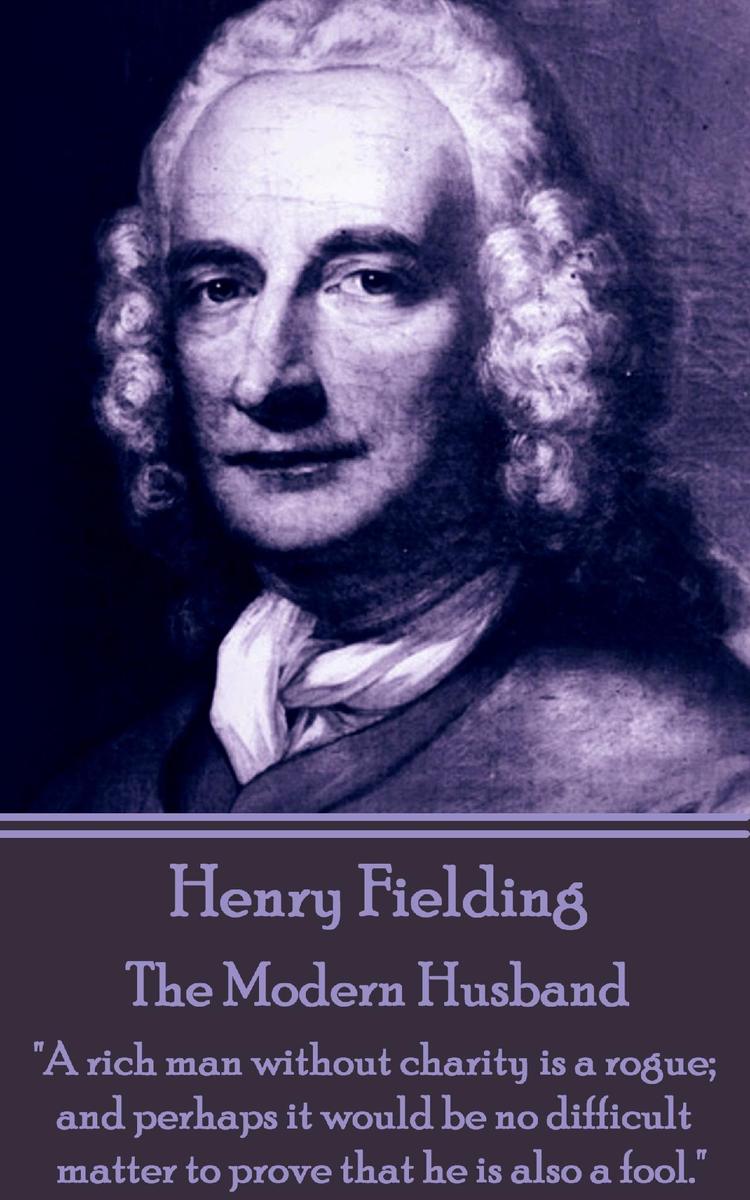
Modern Husband
¥21.09
Henry Fielding was born at Sharpham Park, near Glastonbury, in Somerset on April 22nd 1707. His early years were spent on his parents' farm in Dorset before being educated at Eton. An early romance ended disastrously and with it his removal to London and the beginnings of a glittering literary career; he published his first play, at age 21, in 1728. He was prolific, sometimes writing six plays a year, but he did like to poke fun at the authorities. His plays were thought to be the final straw for the authorities in their attempts to bring in a new law. In 1737 The Theatrical Licensing Act was passed. At a stroke political satire was almost impossible. Fielding was rendered mute. Any playwright who was viewed with suspicion by the Government now found an audience difficult to find and therefore Theatre owners now toed the Government line. Fielding was practical with the circumstances and ironically stopped writing to once again take up his career in the practice of law and became a barrister after studying at Middle Temple. By this time he had married Charlotte Craddock, his first wife, and they would go on to have five children. Charlotte died in 1744 but was immortalised as the heroine in both Tom Jones and Amelia. Fielding was put out by the success of Samuel Richardson's Pamela, or Virtue Rewarded. His reaction was to spur him into writing a novel. In 1741 his first novel was published; the successful Shamela, an anonymous parody of Richardson's novel. Undoubtedly the masterpiece of Fielding's career was the novel Tom Jones, published in 1749. It is a wonderfully and carefully constructed picaresque novel following the convoluted and hilarious tale of how a foundling came into a fortune. Fielding was a consistent anti-Jacobite and a keen supporter of the Church of England. This led to him now being richly rewarded with the position of London's Chief Magistrate. Fielding continued to write and his career both literary and professional continued to climb. In 1749 he joined with his younger half-brother John, to help found what was the nascent forerunner to a London police force, the Bow Street Runners. Fielding's ardent commitment to the cause of justice in the 1750s unfortunately coincided with a rapid deterioration in his health. Such was his decline that in the summer of 1754 he travelled, with Mary and his daughter, to Portugal in search of a cure. Gout, asthma, dropsy and other afflictions forced him to use crutches. His health continued to fail alarmingly. Henry Fielding died in Lisbon two months later on October 8th, 1754.
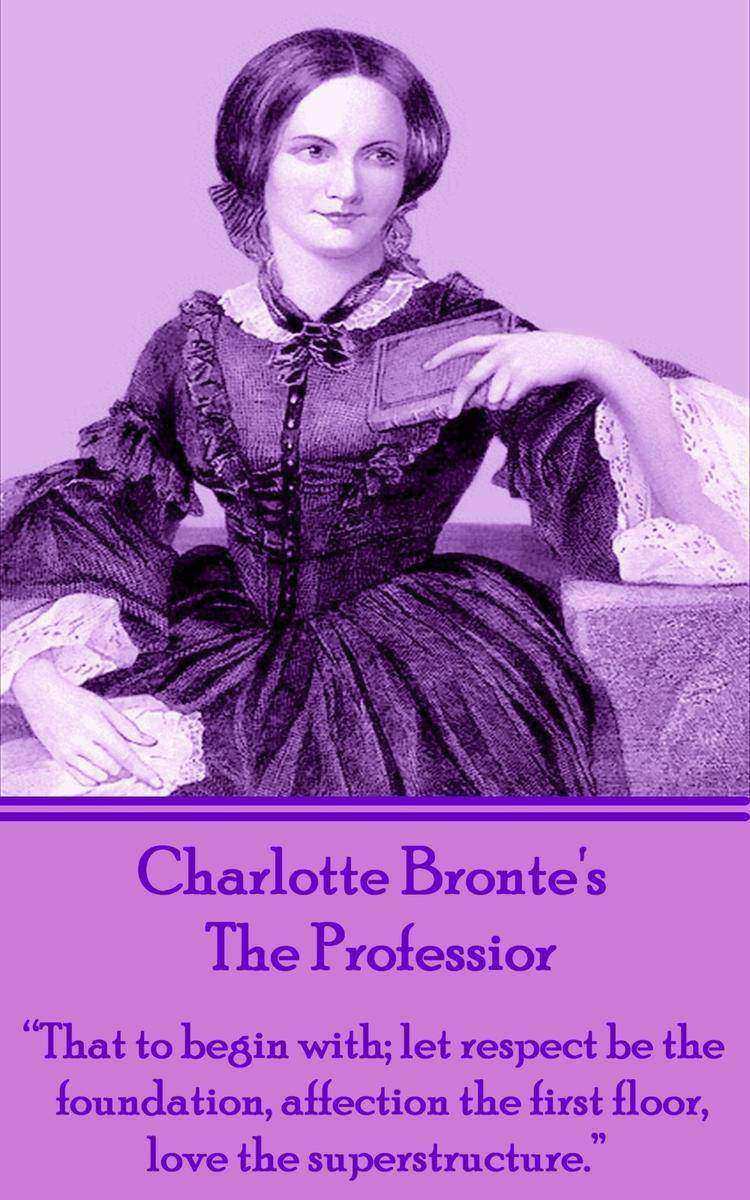
Professor - That to begin with; let respect be the foundation
¥15.21
The Professor is Charlotte Bronte's first novel, even though it was only published posthumously. The novel's protagonist and first-person narrator is the orphan William Crimsworth, a young educated man who rejects the career of a clergyman proposed by his adoptive uncle. He first decides to work as a clerk for his wealthy brother who owns a mill in the north of the country. However, his brother's jealousy of his superior education and intelligence eventually pushes him to quit the job and travel to Brussels where he is hired as a professor of English at a girls' school. In Brussels, he falls in love with a younger colleague, Frances Henri, yet he has to endure the wickedness of the Catholic headmistress, Mr. Reuter. Coveting their nascent love, the latter ends up dismissing Frances from her school and hiding her whereabouts from William. The professor leaves the establishment and luckily comes across her beloved in a graveyard. Thanks to a new job with a very high wage, the couple are eventually allowed to open their own school, marry and have a child. The narrative closes as they succeed in making a little fortune and decide to settle in the English countryside.

Mikado - or The Town of Titipu
¥26.98
The partnership between William Schwenck Gilbert and Arthur Seymour Sullivan and their canon of Savoy Operas is rightly lauded by all lovers of comic opera the world over. Gilbert's sharp, funny words and Sullivan's deliciously lively and hummable tunes create a world that is distinctly British in view but has the world as its audience. Both men were exceptionally talented and gifted in their own right and wrote much, often with other partners, that still stands the test of time. However, together as a team they created Light or Comic Operas of a standard that have had no rivals equal to their standard, before or since. That's quite an achievement. To be recognised by the critics is one thing but their commercial success was incredible. The profits were astronomical, allowing for the building of their own purpose built theatre - The Savoy Theatre. Beginning with the first of their fourteen collaborations, Thespis in 1871 and travelling through many classics including The Sorcerer (1877), H.M.S. Pinafore (1878), The Pirates of Penzance (1879), The Mikado (1885), The Gondoliers (1889) to their finale in 1896 with The Grand Duke, Gilbert & Sullivan created a legacy that is constantly revived and admired in theatres and other media to this very day.
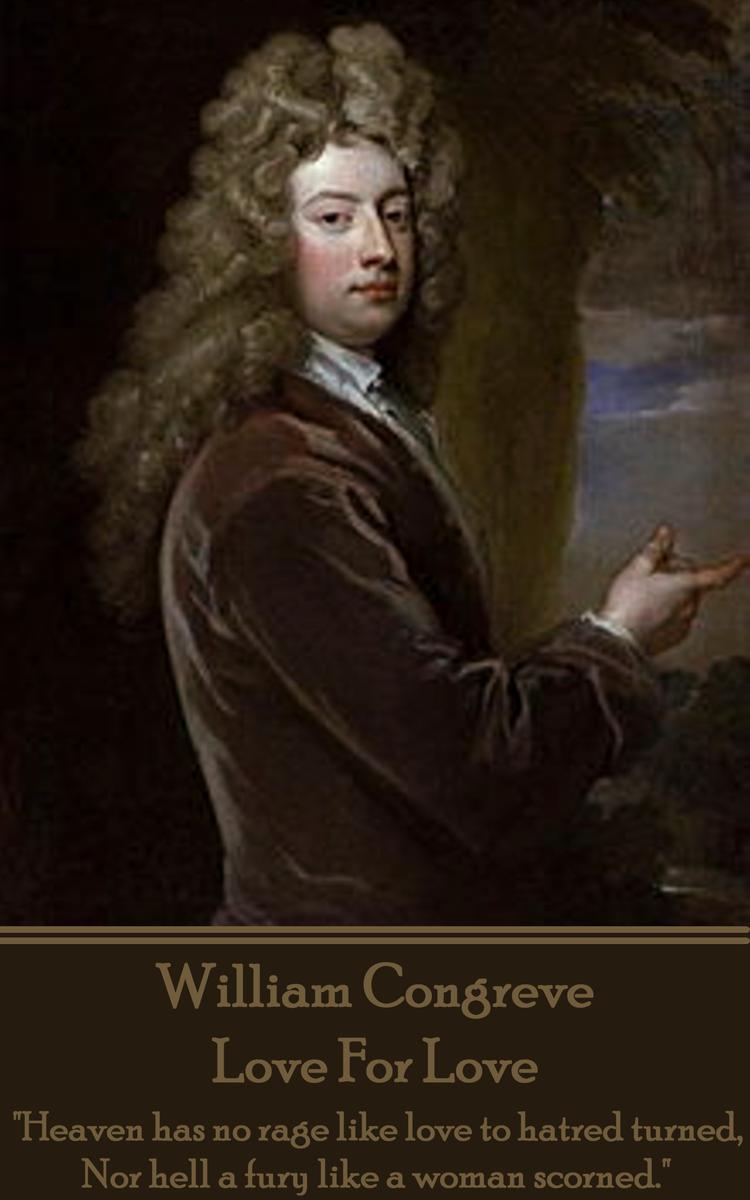
Love For Love - Heaven has no rage like love to hatred turned, Nor hell a fury l
¥21.09
William Congreve was born on January 24th, 1670 in Bardsey, West Yorkshire. Congreve's childhood was spent in Ireland (his father, a Lieutenant in the British Army had received a posting there). He was educated at Kilkenny College and then Trinity College in Dublin. After graduating he returned to London to study law at Middle Temple. However his interest in studying law soon lessened as the attraction of literature, drama, and the fashionable life began to exert its pull. This first play, The Old Bachelor, was written, to amuse himself during convalescence, and was produced at the Drury Lane Theatre in 1693. It was an enormous success. Although his playwrighting career was successful it was also very brief. Five plays authored from 1693 to 1700 would prove the entirety of his output. Although no further plays were to flow from his pen Congreve did write librettos for two operas and to begin translating the works of Moliere as well as Homer, Ovid and Horace and to write poetry. He also took an interest in politics and obtained various minor political posts, including being named Secretary of the Island of Jamaica by George I in 1714. Congreve suffered a carriage accident in late September 1728, from which he never recovered (having probably received an internal injury); William Congreve died in London on January 19th, 1729, and was buried in Poets' Corner in Westminster Abbey.
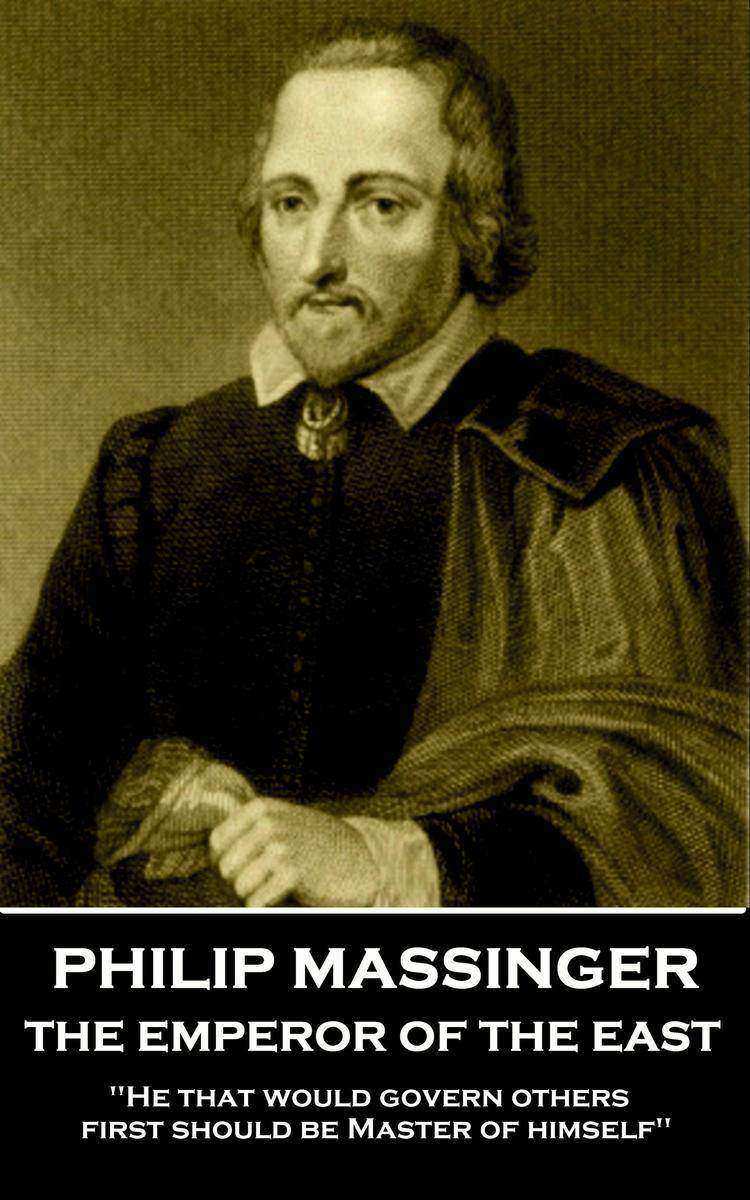
Emperor of the East - He that would govern others, first should be Master of him
¥23.45
Philip Massinger was baptized at St. Thomas's in Salisbury on November 24th, 1583.Massinger is described in his matriculation entry at St. Alban Hall, Oxford (1602), as the son of a gentleman. His father, who had also been educated there, was a member of parliament, and attached to the household of Henry Herbert, 2nd Earl of Pembroke. The Earl was later seen as a potential patron for Massinger.He left Oxford in 1606 without a degree. His father had died in 1603, and accounts suggest that Massinger was left with no financial support this, together with rumours that he had converted to Catholicism, meant the next stage of his career needed to provide an income.Massinger went to London to make his living as a dramatist, but he is only recorded as author some fifteen years later, when The Virgin Martyr (1621) is given as the work of Massinger and Thomas Dekker.During those early years as a playwright he wrote for the Elizabethan stage entrepreneur, Philip Henslowe. It was a difficult existence. Poverty was always close and there was constant pleading for advance payments on forthcoming works merely to survive.After Henslowe died in 1616 Massinger and John Fletcher began to write primarily for the King's Men and Massinger would write regularly for them until his death.The tone of the dedications in later plays suggests evidence of his continued poverty. In the preface of The Maid of Honour (1632) he wrote, addressing Sir Francis Foljambe and Sir Thomas Bland: "e;I had not to this time subsisted, but that I was supported by your frequent courtesies and favours."e;The prologue to The Guardian (1633) refers to two unsuccessful plays and two years of silence, when the author feared he had lost popular favour although, from the little evidence that survives, it also seems he had involved some of his plays with political characters which would have cast shadows upon England's alliances.Philip Massinger died suddenly at his house near the Globe Theatre on March 17th, 1640. He was buried the next day in the churchyard of St. Saviour's, Southwark, on March 18th, 1640. In the entry in the parish register he is described as a "e;stranger,"e; which, however, implies nothing more than that he belonged to another parish.
Rover - Part II - or, The Banish'd Cavaliers
¥23.45
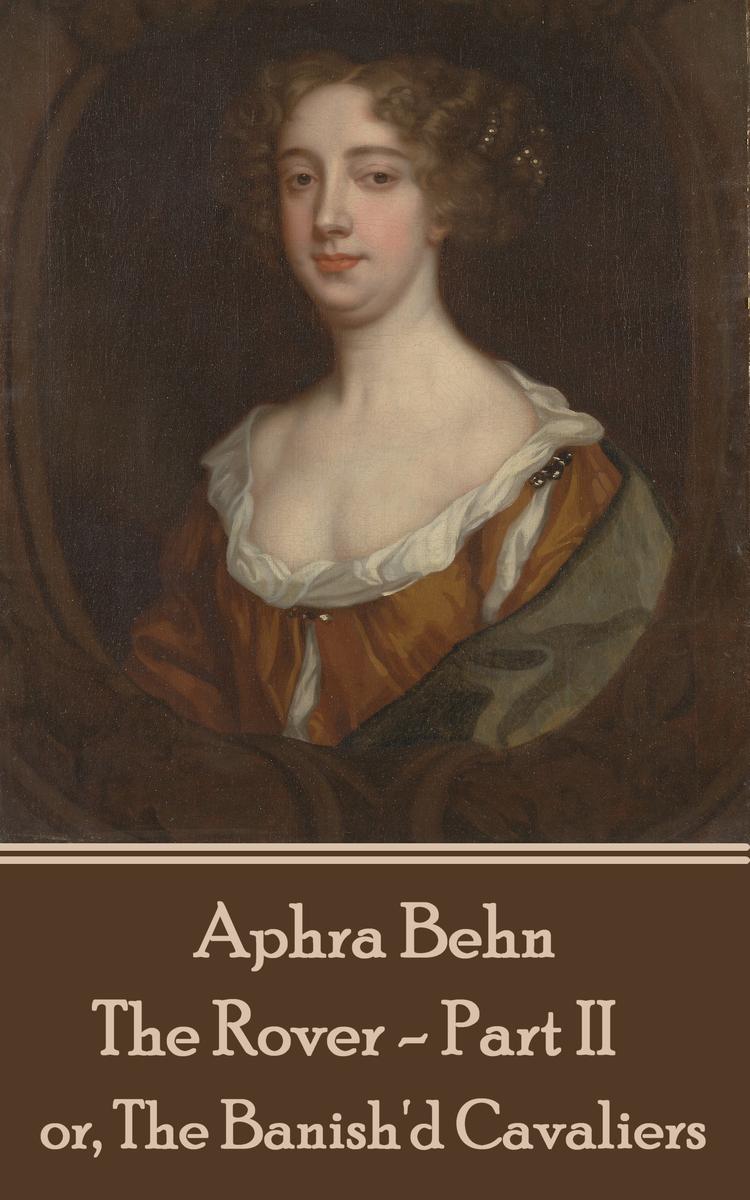
Aphra Behn was a prolific and well established writer but facts about her remain scant and difficult to confirm. What can safely be said though is that Aphra Behn is now regarded as a key English playwright and a major figure in Restoration theatre. Aphra was born into the rising tensions to the English Civil War. Obviously a time of much division and difficulty as the King and Parliament, and their respective forces, came ever closer to conflict. There are claims she was a spy, that she travelled abroad, possibly as far as Surinam. By 1664 her marriage was over (though by death or separation is not known but presumably the former as it occurred in the year of their marriage) and she now used Mrs Behn as her professional name. Aphra now moved towards pursuing a more sustainable and substantial career and began work for the King's Company and the Duke's Company players as a scribe. Previously her only writing had been poetry but now she would become a playwright. Her first, "e;The Forc'd Marriage"e;, was staged in 1670, followed by "e;The Amorous Prince"e; (1671). After her third play, "e;The Dutch Lover"e;, Aphra had a three year lull in her writing career. Again it is speculated that she went travelling again, possibly once again as a spy. After this sojourn her writing moves towards comic works, which prove commercially more successful. Her most popular works included "e;The Rover"e; and "e;Love-Letters Between a Nobleman and His Sister"e; (1684-87). With her growing reputation Aphra became friends with many of the most notable writers of the day. This is The Age of Dryden and his literary dominance. From the mid 1680's Aphra's health began to decline. This was exacerbated by her continual state of debt and descent into poverty. Aphra Behn died on April 16th 1689, and is buried in the East Cloister of Westminster Abbey. The inscription on her tombstone reads: "e;Here lies a Proof that Wit can never be Defence enough against Mortality."e; She was quoted as stating that she had led a "e;life dedicated to pleasure and poetry."e;
Witch of Edmonton
¥19.91
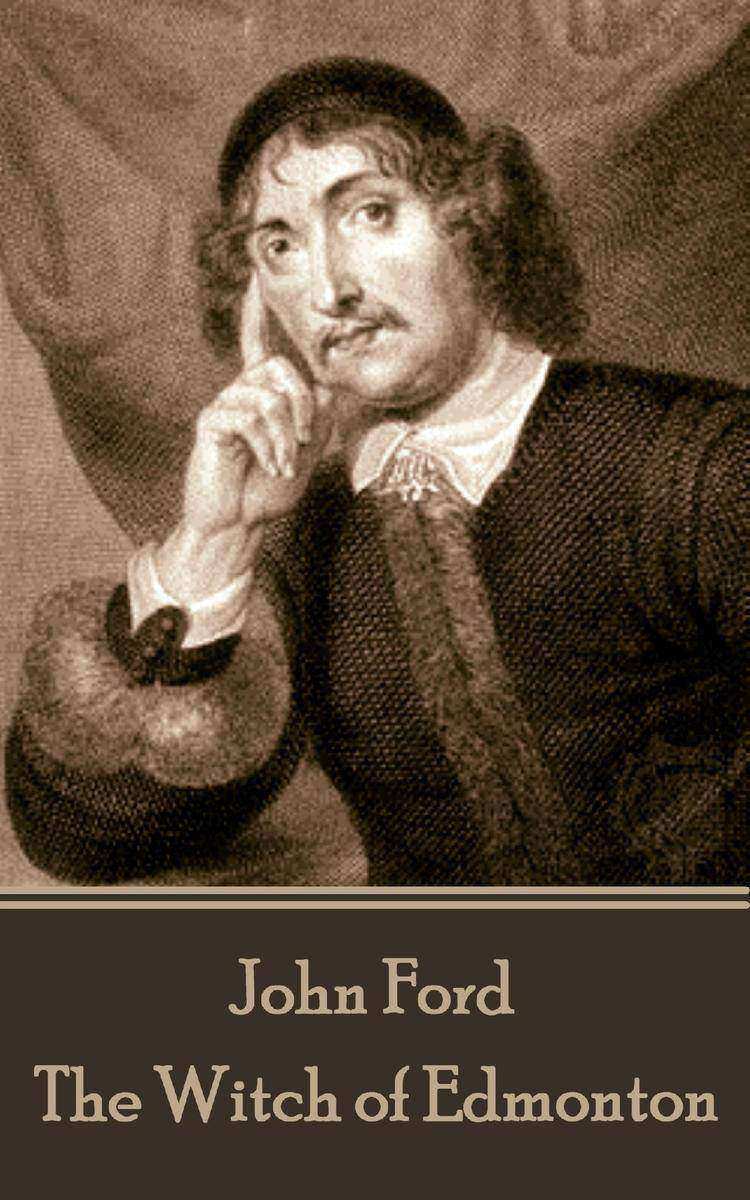
John Ford is another of England's famed literary masters. A Playwright and Poet, he was the most important writer of Tragedies during the reign of King Charles I (1625-49). His works are beautifully poetic even whilst tackling subjects from incest to the choice between true love or forced marriage. Ford's work has endured down the centuries although little is known of his life, or, in some cases, even his contributions to his own plays when written with others. As a whole though it is a legacy of classics; powerful persuasions from driven characters and compelling narratives.


