


 购物车
购物车 个人中心
个人中心
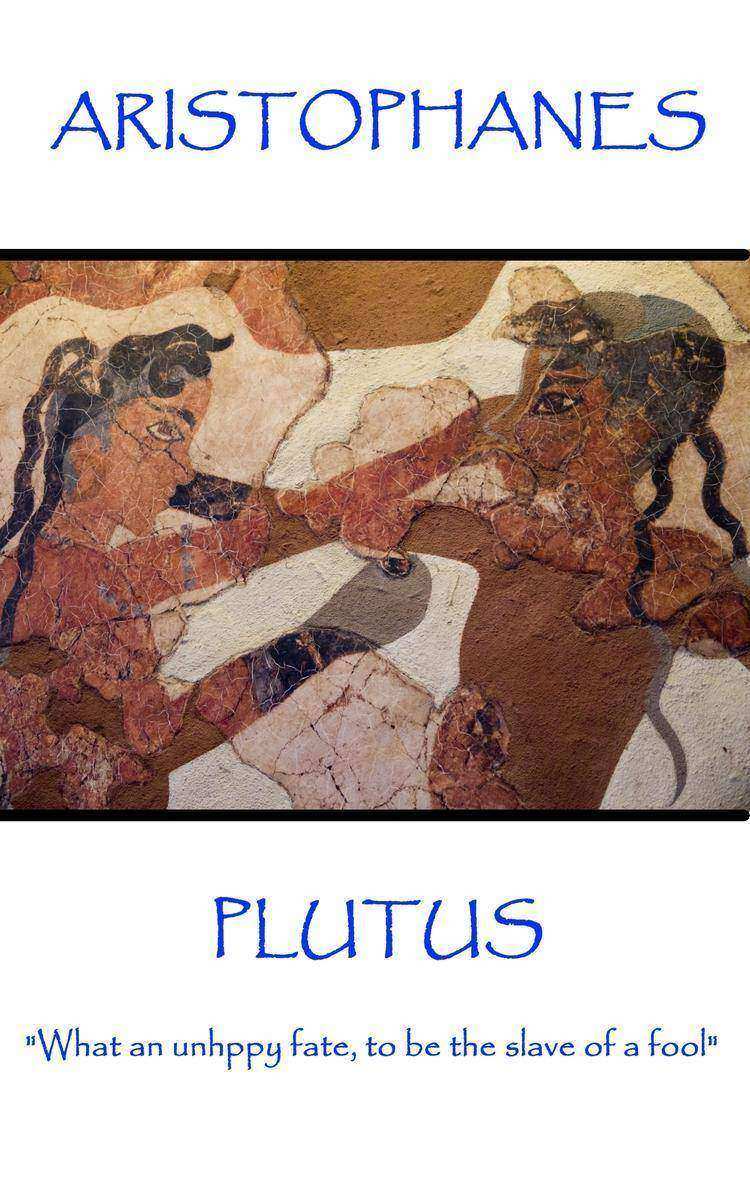
Plutus - What an unhppy fate, to be the slave of a fool
¥11.67
The reality is that little is known of Aristophanes actual life but eleven of his forty plays survive intact and upon those rest his deserved reputation as the Father of Comedy or, The Prince of Ancient Comedy. Accounts agree that he was born sometime between 456BC and 446 BC. Many cities claim the honor of his birthplace and the most probable story makes him the son of Philippus of gina, and therefore only an adopted citizen of Athens, a distinction which, at times could be cruel, though he was raised and educated in Athens. His plays are said to recreate the life of ancient Athens more realistically than any other author could. Intellectually his powers of ridicule were feared by his influential contemporaries; Plato himself singled out Aristophanes' play The Clouds as a slander that contributed to the trial and condemning to death of Socrates and although other satirical playwrights had also caricatured the philosopher his carried the most weight. His now lost play, The Babylonians, was denounced by the demagogue Cleon as a slander against the Athenian polis. Aristophanes seems to have taken this criticism to heart and thereafter caricatured Cleon mercilessly in his subsequent plays, especially The Knights. His life and playwriting years were undoubtedly long though again accounts as to the year of his death vary quite widely. What can be certain is that his legacy of surviving plays is in effect both a treasured legacy but also in itself the only surviving texts of Ancient Greek comedy.
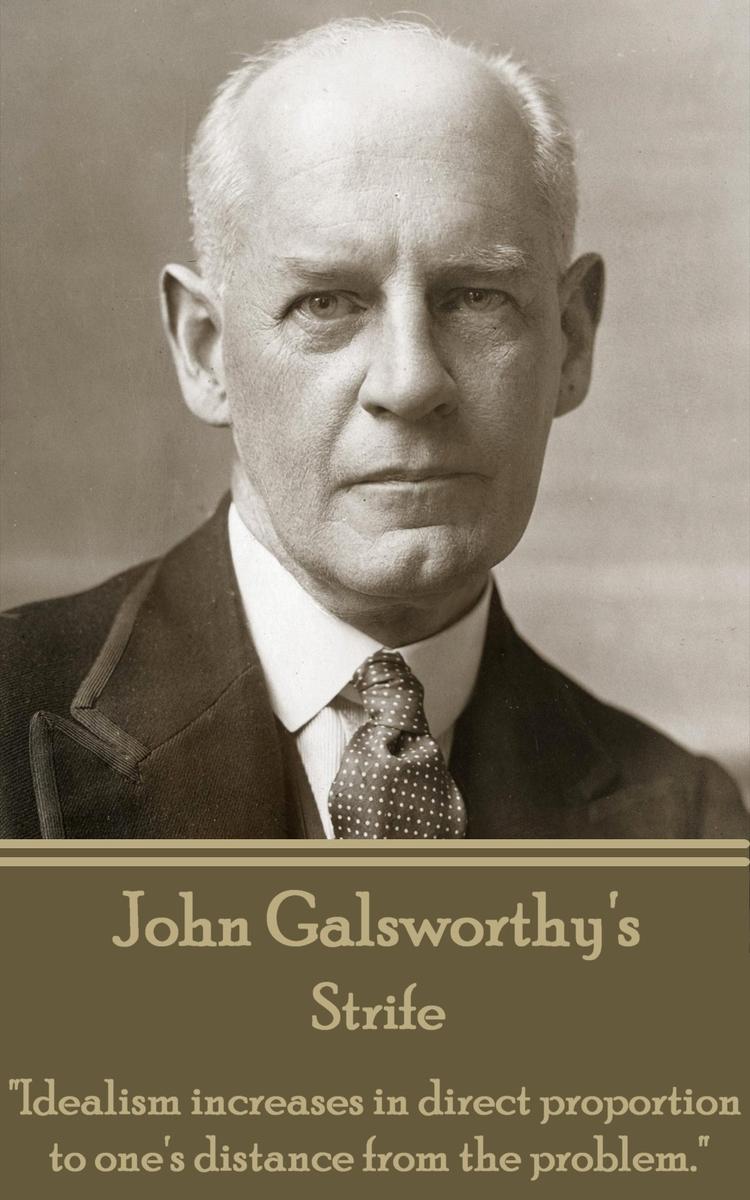
Strife - Idealism increases in direct proportion to one's distance from the prob
¥29.33
John Galsworthy first published in 1897 with a collection of short stories entitled "e;The Four Winds"e;. For the next 7 years he published these and all works under his pen name John Sinjohn. It was only upon the death of his father and the publication of "e;The Island Pharisees"e; in 1904 that he published as John Galsworthy. His first play was The Silver Box, an immediate success when it debuted in 1906 and was followed by "e;The Man of Property"e; later that same year and was the first in the Forsyte trilogy. Whilst today he is far more well know as a Nobel Prize winning novelist then he was considered a playwright dealing with social issues and the class system. We publish here 'Strife' a great example of both his writing and his demonstration of how the class system worked at the time. He was appointed to the Order of Merit in 1929, after earlier turning down a knighthood, and awarded the Nobel Prize in 1932 though he was too ill to attend. John Galsworthy died from a brain tumour at his London home, Grove Lodge, Hampstead on January 31st 1933. In accordance with his will he was cremated at Woking with his ashes then being scattered over the South Downs from an aeroplane.
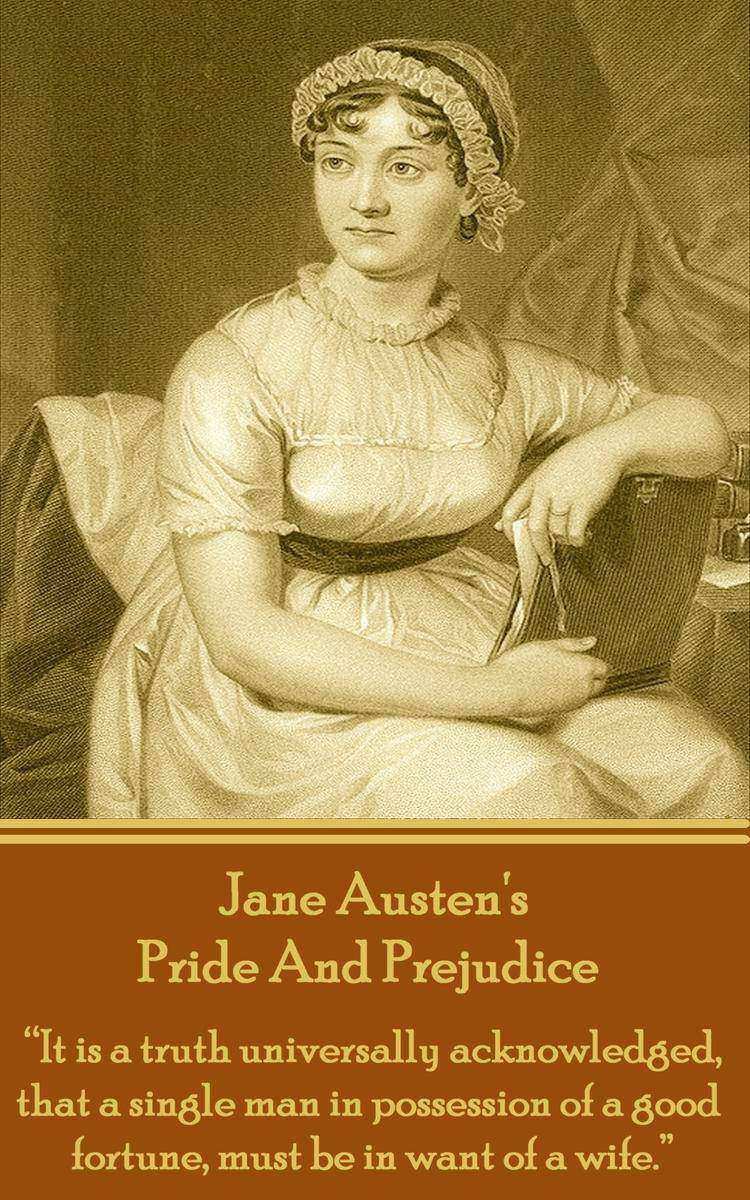
Pride And Prejudice
¥23.45
Pride and Prejudice (1813) is one of the most popular novels of the English tongue in which Jane Austen tells the story of Elizabeth Bennet, a beautiful twenty-year-old woman whose liveliness and intelligence do not prevent her from having false impressions and prejudgments about the people surrounding her. The young woman lives with her middle-class family and her best friend Charlotte Lucas. As the plot unfolds, Elizabeth develops a romantic relationship with a man from a higher social rank and a much wealthier background named Mr. Darcy. The latter gentleman is intelligent, handsome and well-mannered. Nonetheless, he generally leaves a negative impression on strangers who do not know his true nature by showing a proud and haughty attitude, refusing to dance at balls and behaving in a reserved manner. Austen gradually elucidates, nonetheless, that what is often seen by strangers as a condescending behavior is just the awkward appearance of a kind and virtuous gentleman. After numerous bursts of rather childish big-headedness and misunderstanding, Elizabeth and Mr. Darcy eventually overcome their pride and prejudice. By the very end of the narrative, Elizabeth accepts Mr. Darcy's proposal when their love for each other succeeds in vanquishing their self-love. We've also included a concise and informative biography of Jane's works and life at the end of the book. We hope it helps to give a little context and colour about how her life interacted with her art.
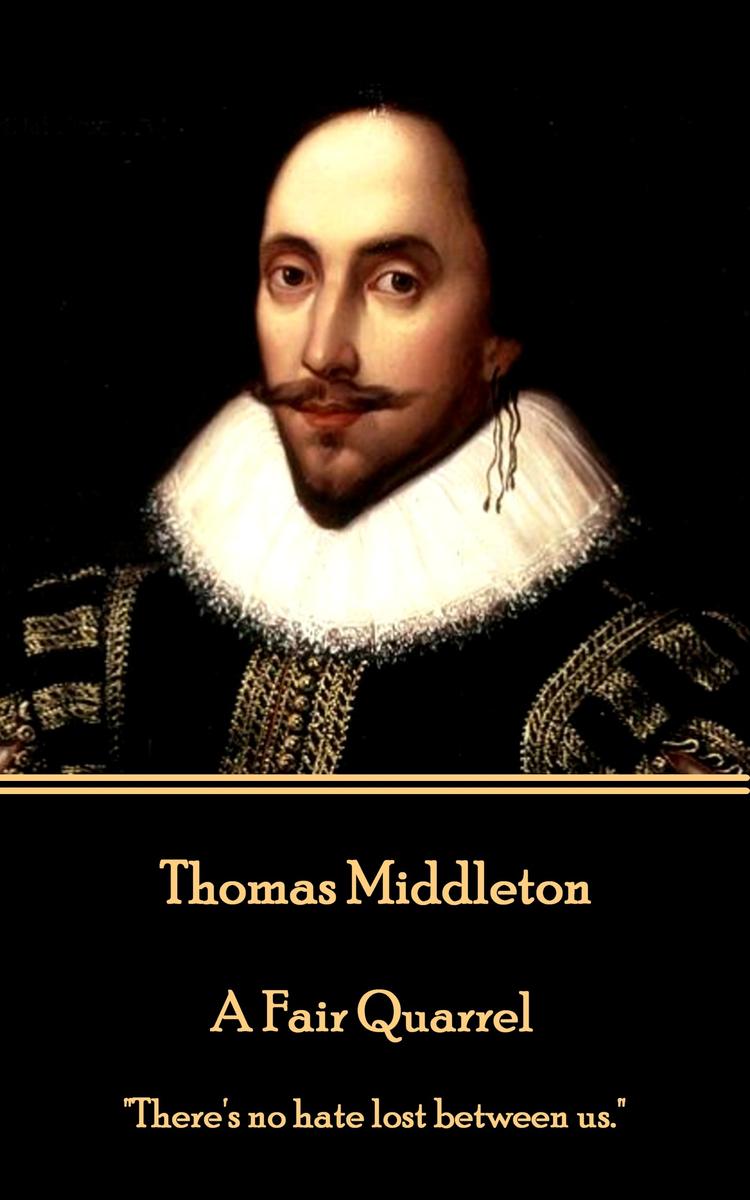
Fair Quarrel - There's no hate lost between us.
¥23.45
Thomas Middleton was born in London in April 1580 and baptised on 18th April. Middleton was aged only five when his father died. His mother remarried but this unfortunately fell apart into a fifteen year legal dispute regarding the inheritance due Thomas and his younger sister. By the time he left Oxford, at the turn of the Century, Middleton had and published Microcynicon: Six Snarling Satirese which was denounced by the Archbishop of Canterbury and publicly burned. In the early years of the 17th century, Middleton wrote topical pamphlets. One - Penniless Parliament of Threadbare Poets was reprinted several times and the subject of a parliamentary inquiry. These early years writing plays continued to attract controversy. His writing partnership with Thomas Dekker brought him into conflict with Ben Jonson and George Chapman in the so-called War of the Theatres. His finest work with Dekker was undoubtedly The Roaring Girl, a biography of the notorious Mary Frith. In the 1610s, Middleton began another playwriting partnership, this time with the actor William Rowley, producing another slew of plays including Wit at Several Weapons and A Fair Quarrel. The ever adaptable Middleton seemed at ease working with others or by himself. His solo writing credits include the comic masterpiece, A Chaste Maid in Cheapside, in 1613. In 1620 he was officially appointed as chronologer of the City of London, a post he held until his death. The 1620s saw the production of his and Rowley's tragedy, and continual favourite, The Changeling, and of several other tragicomedies. However in 1624, he reached a peak of notoriety when his dramatic allegory A Game at Chess was staged by the King's Men. Though Middleton's approach was strongly patriotic, the Privy Council silenced the play after only nine performances at the Globe theatre, having received a complaint from the Spanish ambassador. What happened next is a mystery. It is the last play recorded as having being written by Middleton. Thomas Middleton died at his home at Newington Butts in Southwark in the summer of 1627, and was buried on July 4th, in St Mary's churchyard which today survives as a public park in Elephant and Castle.
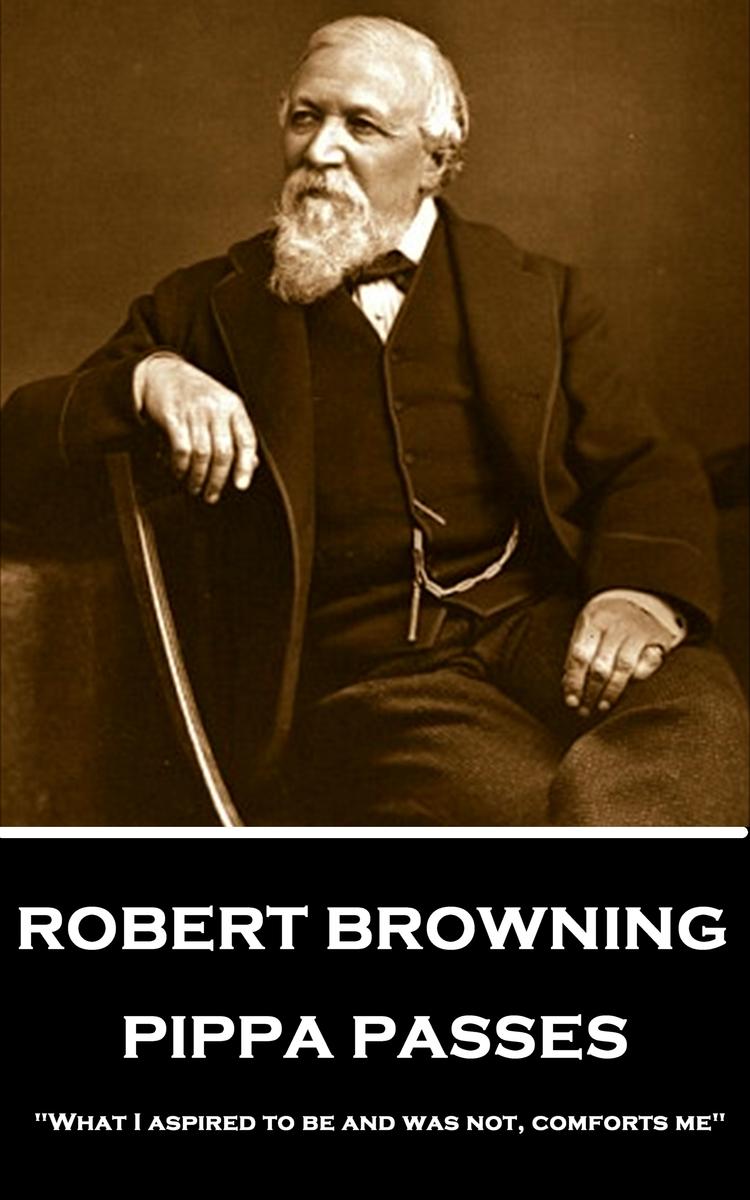
Pippa Passes - What I aspired to be and was not, comforts me
¥14.03
Robert Browning is one of the most significant Victorian Poets and, of course, English Poetry.Much of his reputation is based upon his mastery of the dramatic monologue although his talents encompassed verse plays and even a well-regarded essay on Shelley during a long and prolific career. He was born on May 7th, 1812 in Walmouth, London. Much of his education was home based and Browning was an eclectic and studious student, learning several languages and much else across a myriad of subjects, interests and passions. Browning's early career began promisingly. The fragment from his intended long poem Pauline brought him to the attention of Dante Gabriel Rossetti, and was followed by Paracelsus, which was praised by both William Wordsworth and Charles Dickens. In 1840 the difficult Sordello, which was seen as willfully obscure, brought his career almost to a standstill. Despite these artistic and professional difficulties his personal life was about to become immensely fulfilling. He began a relationship with, and then married, the older and better known Elizabeth Barrett. This new foundation served to energise his writings, his life and his career. During their time in Italy they both wrote much of their best work. With her untimely death in 1861 he returned to London and thereafter began several further major projects. The collection Dramatis Personae (1864) and the book-length epic poem The Ring and the Book (1868-69) were published and well received; his reputation as a venerated English poet now assured. Robert Browning died in Venice on December 12th, 1889.
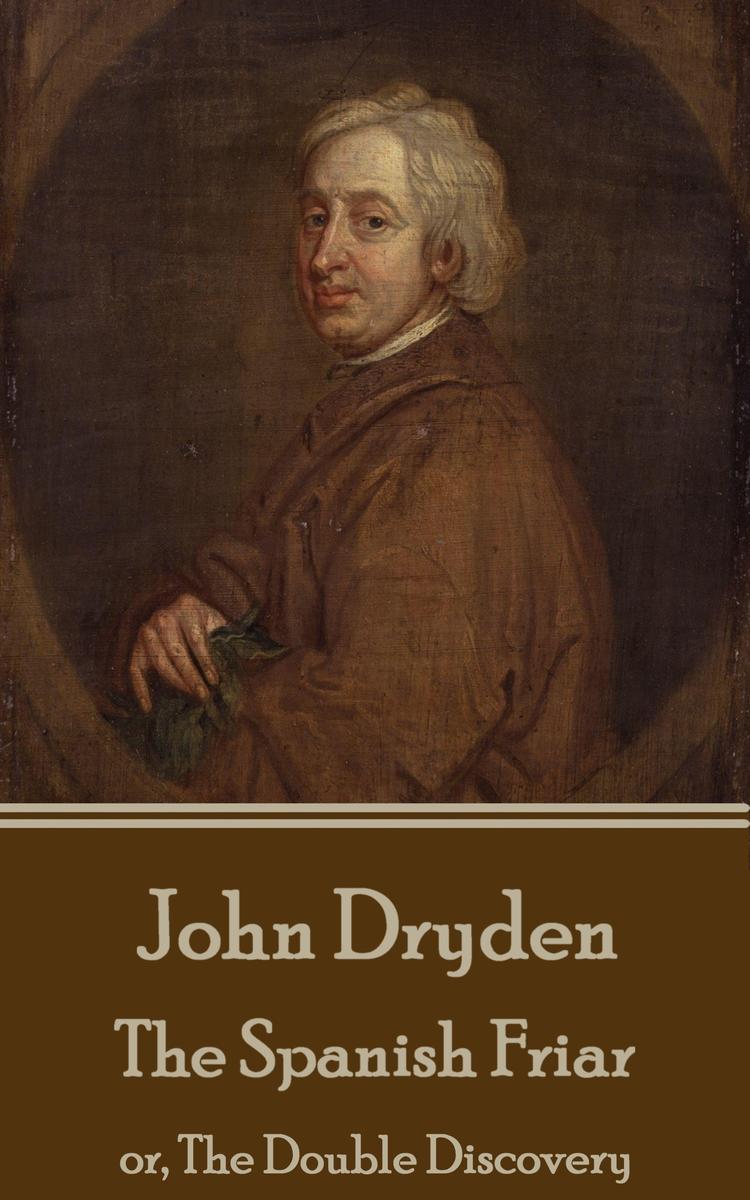
Spanish Friar - or, The Double Discovery
¥21.09
John Dryden was born on August 9th, 1631 in the village rectory of Aldwincle near Thrapston in Northamptonshire. As a boy Dryden lived in the nearby village of Titchmarsh, Northamptonshire. In 1644 he was sent to Westminster School as a King's Scholar. Dryden obtained his BA in 1654, graduating top of the list for Trinity College, Cambridge that year. Returning to London during The Protectorate, Dryden now obtained work with Cromwell's Secretary of State, John Thurloe. At Cromwell's funeral on 23 November 1658 Dryden was in the company of the Puritan poets John Milton and Andrew Marvell. The setting was to be a sea change in English history. From Republic to Monarchy and from one set of lauded poets to what would soon become the Age of Dryden. The start began later that year when Dryden published the first of his great poems, Heroic Stanzas (1658), a eulogy on Cromwell's death. With the Restoration of the Monarchy in 1660 Dryden celebrated in verse with Astraea Redux, an authentic royalist panegyric. With the re-opening of the theatres after the Puritan ban, Dryden began to also write plays. His first play, The Wild Gallant, appeared in 1663 but was not successful. From 1668 on he was contracted to produce three plays a year for the King's Company, in which he became a shareholder. During the 1660s and '70s, theatrical writing was his main source of income. In 1667, he published Annus Mirabilis, a lengthy historical poem which described the English defeat of the Dutch naval fleet and the Great Fire of London in 1666. It established him as the pre-eminent poet of his generation, and was crucial in his attaining the posts of Poet Laureate (1668) and then historiographer royal (1670). This was truly the Age of Dryden, he was the foremost English Literary figure in Poetry, Plays, translations and other forms. In 1694 he began work on what would be his most ambitious and defining work as translator, The Works of Virgil (1697), which was published by subscription. It was a national event. John Dryden died on May 12th, 1700, and was initially buried in St. Anne's cemetery in Soho, before being exhumed and reburied in Westminster Abbey ten days later.
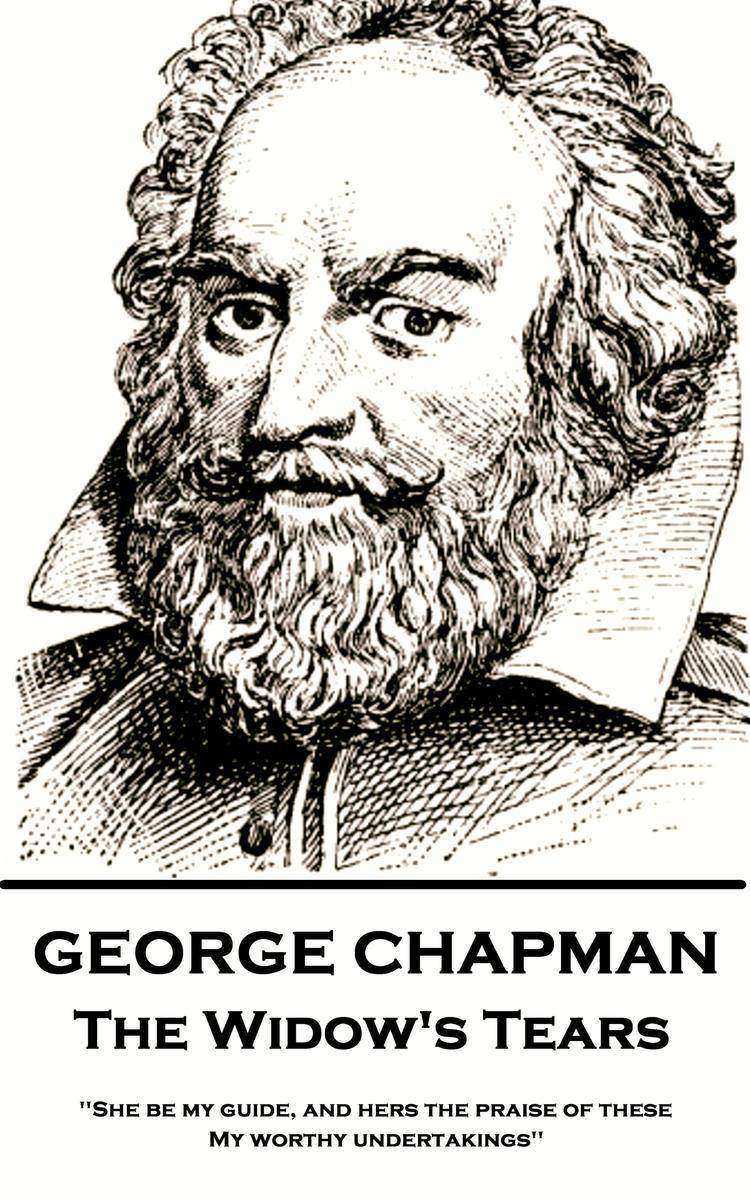
Widow's Tears - 'She be my guide, and hers the praise of these, My worthy undert
¥15.21
George Chapman was born at Hitchin in Hertfordshire in about 1559. There is some evidence that Chapman attended Oxford University but did not obtain a degree, but the evidence is rather scant.During the first part of the early 1590s Chapman was in Europe, in military action in the Low Countries fighting under the famed English general Sir Francis Vere. It is from this period that his earliest published works are found including the obscure philosophical poems The Shadow of Night (1594) and Ovid's Banquet of Sense (1595). By the end of the 1590s, Chapman had become a successful playwright, working for the Elizabethan Theatrical entrepreneur, Philip Henslowe, and later for the Children of the Chapel.From 1598 he published his translation of the Iliad in installments. In 1616 the complete Iliad and Odyssey appeared in The Whole Works of Homer, the first complete English translation, which until Alexander Pope's, was the most popular in the English language and was the entry point for most English readers of these magnificent poems. The great Ben Jonson was also using Chapman's talents in the play Eastward Ho (1605), co-written with John Marston. Both Chapman and Jonson landed in jail over some satirical references to the Scots in the play but both were quick to say that Marston was the culprit.Chapman also wrote one of the most successful masques of the Jacobean era, The Memorable Masque of the Middle Temple and Lincoln's Inn, performed on February 15th, 1613. Another masque, The Masque of the Twelve Months, performed on Twelfth Night 1619 is also now given as Chapman's.George Chapman died in London on May 12th, 1634 having lived his latter years in poverty and debt. He was buried at St Giles in the Fields.

Pilgrim - Speak boldly and speak truly, shame the devil
¥26.98
John Fletcher was born in December, 1579 in Rye, Sussex. He was baptised on December 20th. As can be imagined details of much of his life and career have not survived and, accordingly, only a very brief indication of his life and works can be given. Young Fletcher appears at the very young age of eleven to have entered Corpus Christi College at Cambridge University in 1591. There are no records that he ever took a degree but there is some small evidence that he was being prepared for a career in the church. However what is clear is that this was soon abandoned as he joined the stream of people who would leave University and decamp to the more bohemian life of commercial theatre in London. The upbringing of the now teenage Fletcher and his seven siblings now passed to his paternal uncle, the poet and minor official Giles Fletcher. Giles, who had the patronage of the Earl of Essex may have been a liability rather than an advantage to the young Fletcher. With Essex involved in the failed rebellion against Elizabeth Giles was also tainted. By 1606 John Fletcher appears to have equipped himself with the talents to become a playwright. Initially this appears to have been for the Children of the Queen's Revels, then performing at the Blackfriars Theatre. Fletcher's early career was marked by one significant failure; The Faithful Shepherdess, his adaptation of Giovanni Battista Guarini's Il Pastor Fido, which was performed by the Blackfriars Children in 1608. By 1609, however, he had found his stride. With his collaborator John Beaumont, he wrote Philaster, which became a hit for the King's Men and began a profitable association between Fletcher and that company. Philaster appears also to have begun a trend for tragicomedy. By the middle of the 1610s, Fletcher's plays had achieved a popularity that rivalled Shakespeare's and cemented the pre-eminence of the King's Men in Jacobean London. After his frequent early collaborator John Beaumont's early death in 1616, Fletcher continued working, both singly and in collaboration, until his own death in 1625. By that time, he had produced, or had been credited with, close to fifty plays.
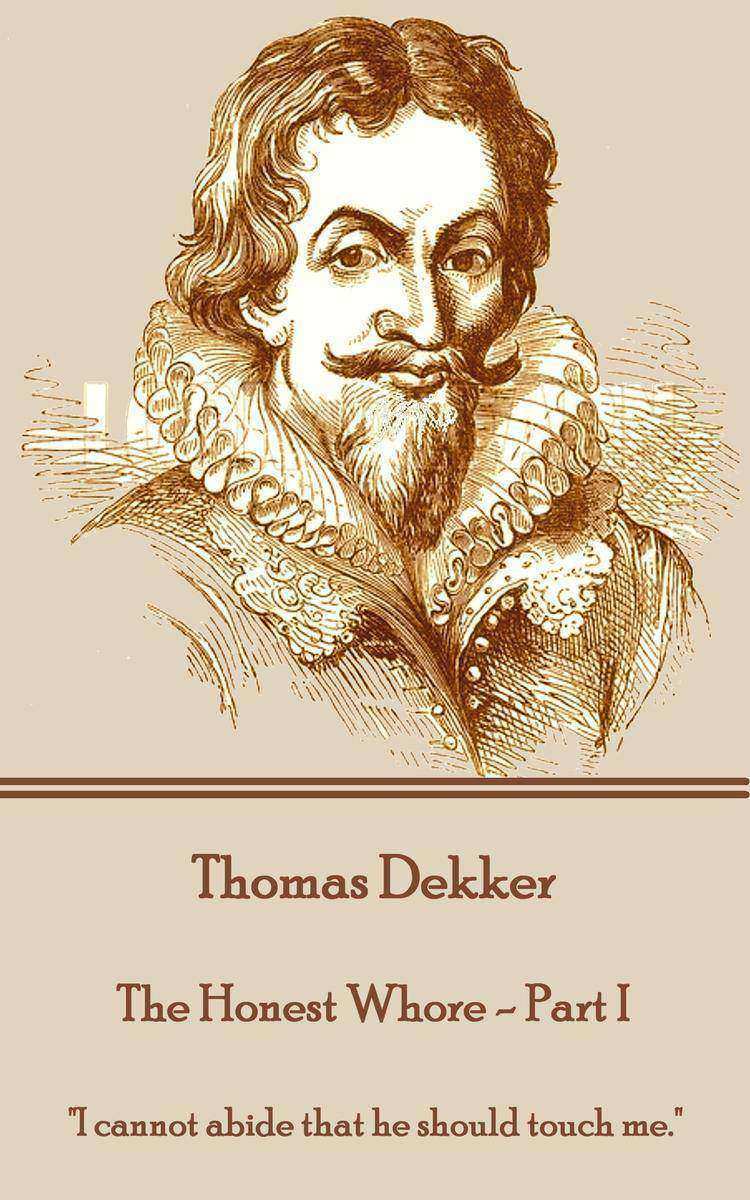
Honest Whore - Part I - I cannot abide that he should touch me.
¥26.98
Thomas Dekker was a playwright, pamphleteer and poet who, perhaps, deserves greater recognition than he has so far gained. Despite the fact only perhaps twenty of his plays were published, and fewer still survive, he was far more prolific than that. Born around 1572 his peak years were the mid 1590's to the 1620's - seven of which he spent in a debtor's prison. His works span the late Elizabethan and Caroline eras and his numerous collaborations with Ford, Middleton, Webster and Jonson say much about his work. His pamphlets detail much of the life in these times, times of great change, of plague and of course that great capital city London a swirling mass of people, power, intrigue.
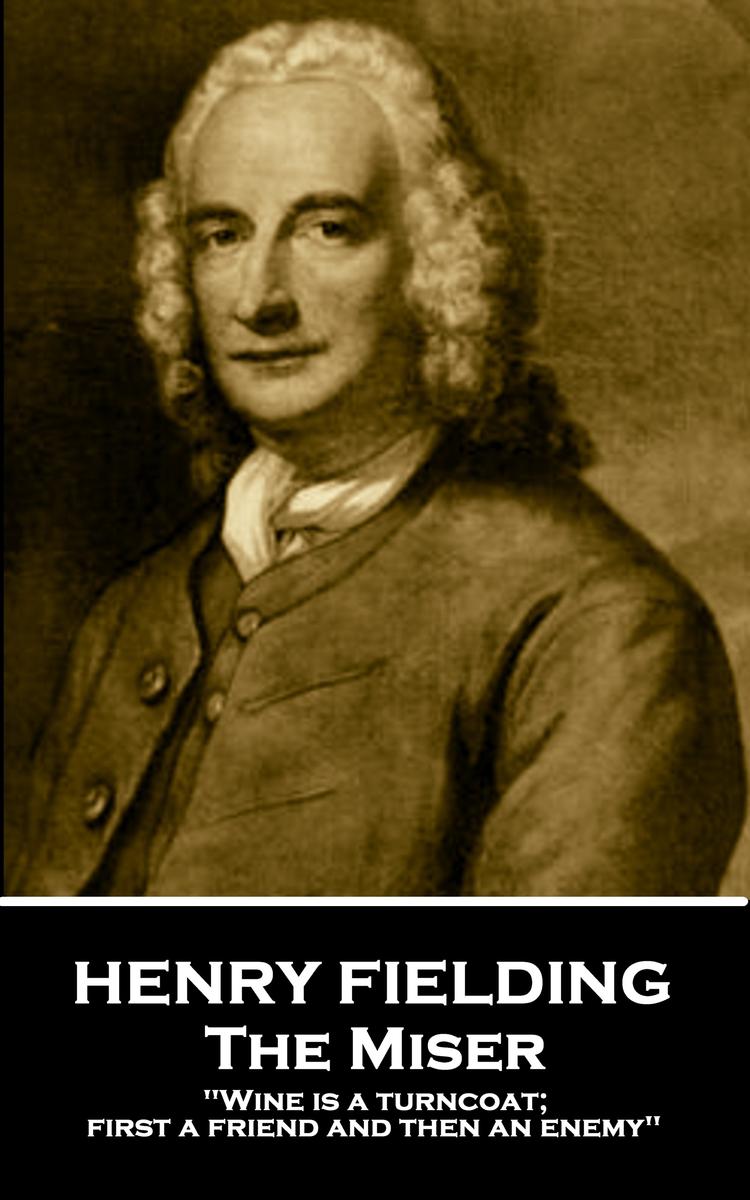
Miser - Wine is a turncoat; first a friend and then an enemy
¥14.03
Henry Fielding was born at Sharpham Park, near Glastonbury, in Somerset on April 22nd 1707. His early years were spent on his parents' farm in Dorset before being educated at Eton.An early romance ended disastrously and with it his removal to London and the beginnings of a glittering literary career; he published his first play, at age 21, in 1728.He was prolific, sometimes writing six plays a year, but he did like to poke fun at the authorities. His plays were thought to be the final straw for the authorities in their attempts to bring in a new law. In 1737 The Theatrical Licensing Act was passed. At a stroke political satire was almost impossible. Fielding was rendered mute. Any playwright who was viewed with suspicion by the Government now found an audience difficult to find and therefore Theatre owners now toed the Government line.Fielding was practical with the circumstances and ironically stopped writing to once again take up his career in the practice of law and became a barrister after studying at Middle Temple. By this time he had married Charlotte Craddock, his first wife, and they would go on to have five children. Charlotte died in 1744 but was immortalised as the heroine in both Tom Jones and Amelia.Fielding was put out by the success of Samuel Richardson's Pamela, or Virtue Rewarded. His reaction was to spur him into writing a novel. In 1741 his first novel was published; the successful Shamela, an anonymous parody of Richardson's novel.Undoubtedly the masterpiece of Fielding's career was the novel Tom Jones, published in 1749. It is a wonderfully and carefully constructed picaresque novel following the convoluted and hilarious tale of how a foundling came into a fortune.Fielding was a consistent anti-Jacobite and a keen supporter of the Church of England. This led to him now being richly rewarded with the position of London's Chief Magistrate. Fielding continued to write and his career both literary and professional continued to climb.In 1749 he joined with his younger half-brother John, to help found what was the nascent forerunner to a London police force, the Bow Street Runners. Fielding's ardent commitment to the cause of justice in the 1750s unfortunately coincided with a rapid deterioration in his health. Such was his decline that in the summer of 1754 he travelled, with Mary and his daughter, to Portugal in search of a cure. Gout, asthma, dropsy and other afflictions forced him to use crutches. His health continued to fail alarmingly.Henry Fielding died in Lisbon two months later on October 8th, 1754.
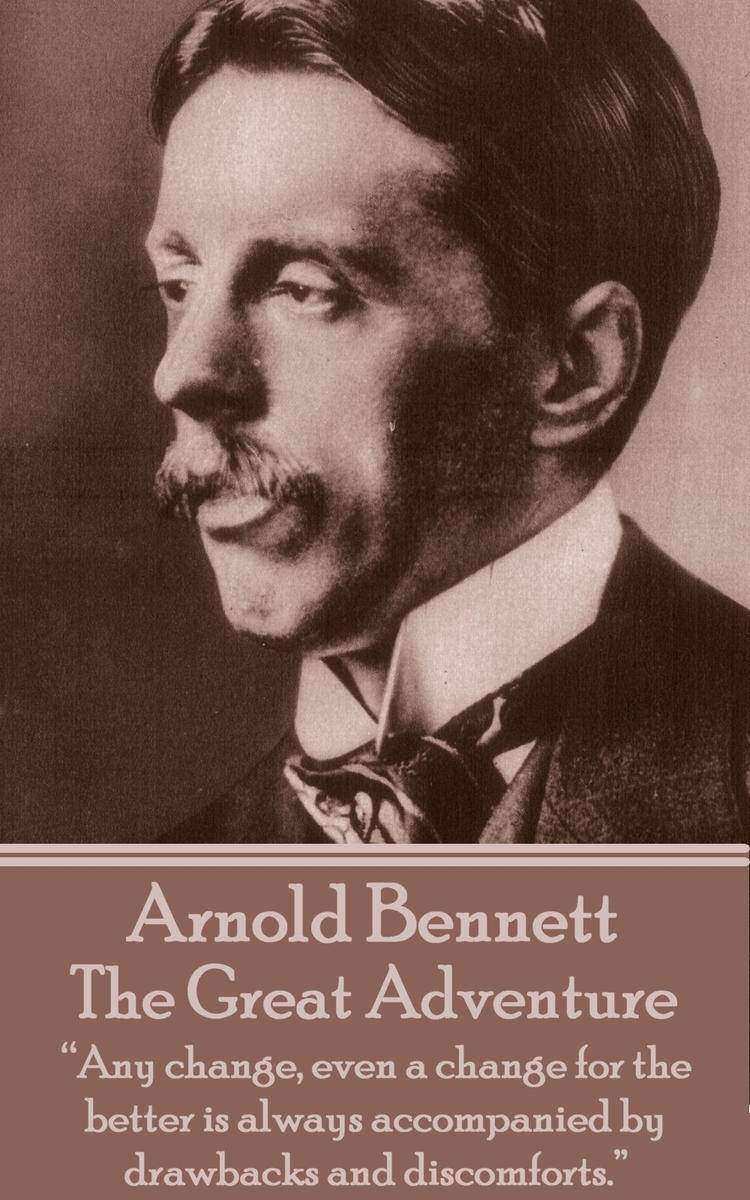
Great Adventure - Any change
¥29.33
Arnold Bennett was born in 1867 in Hanley, one of the six towns that formed the Potteries that later joined together to become Stoke-on-Trent - the area in which most of his works are located. For a short time he worked for his solicitor father before realising that to advance his life he would need to become his own man. Moving to London at 21, he obtained work as a solicitor's clerk and gradually moved into a career of Journalism. At the turn of the century he turned full time to writing and shortly thereafter, in 1903, he moved to Paris. In 1908 Bennett published The Old Wives' Tale, to great acclaim. With this, his reputation was set. Clayhanger and The Old Wives' Tale are perhaps his greatest and most lauded novels. But standing next to these are many fine short stories. Bennett bathes us in vignettes of life, replete with characters that are easy to immerse ourselves in, whatever their ambitions may be. Here we publish his play 'The Great Adventure'. As with anything written by Bennett it's a fabulous showcase for his literary talents.
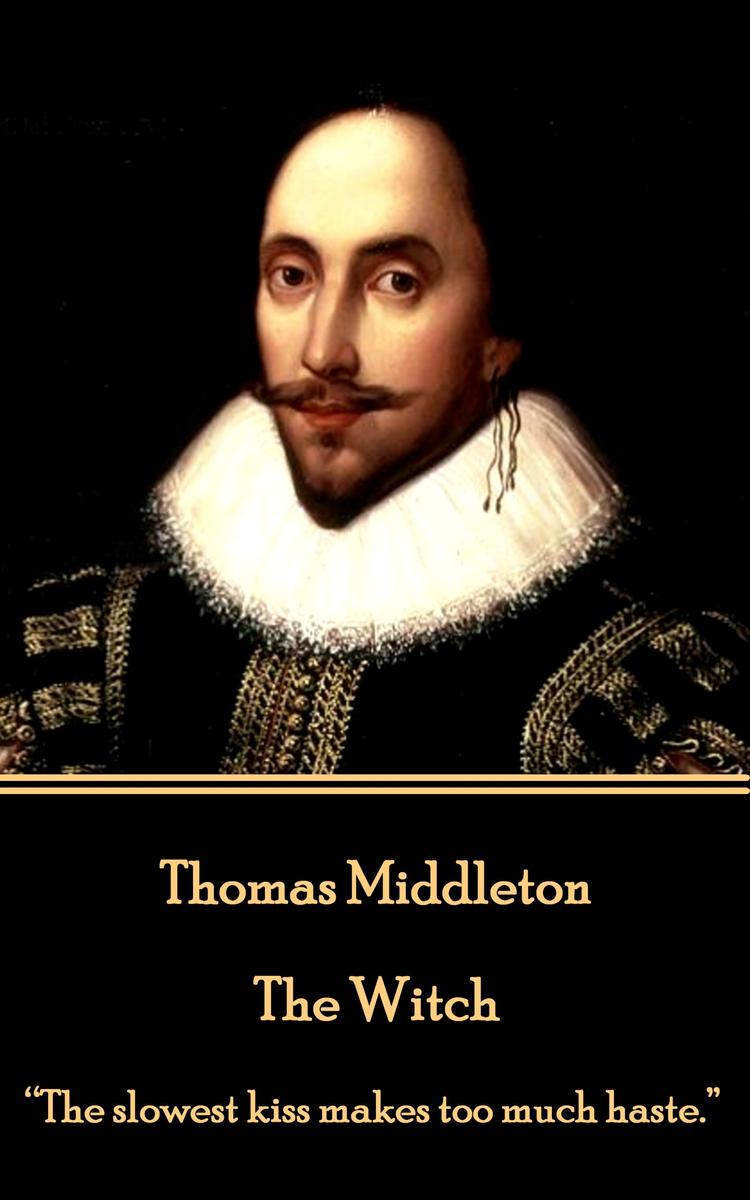
Witch - The slowest kiss makes too much haste.
¥23.45
Thomas Middleton was born in London in April 1580 and baptised on 18th April. Middleton was aged only five when his father died. His mother remarried but this unfortunately fell apart into a fifteen year legal dispute regarding the inheritance due Thomas and his younger sister. By the time he left Oxford, at the turn of the Century, Middleton had and published Microcynicon: Six Snarling Satirese which was denounced by the Archbishop of Canterbury and publicly burned. In the early years of the 17th century, Middleton wrote topical pamphlets. One - Penniless Parliament of Threadbare Poets was reprinted several times and the subject of a parliamentary inquiry. These early years writing plays continued to attract controversy. His writing partnership with Thomas Dekker brought him into conflict with Ben Jonson and George Chapman in the so-called War of the Theatres. His finest work with Dekker was undoubtedly The Roaring Girl, a biography of the notorious Mary Frith. In the 1610s, Middleton began another playwriting partnership, this time with the actor William Rowley, producing another slew of plays including Wit at Several Weapons and A Fair Quarrel. The ever adaptable Middleton seemed at ease working with others or by himself. His solo writing credits include the comic masterpiece, A Chaste Maid in Cheapside, in 1613. In 1620 he was officially appointed as chronologer of the City of London, a post he held until his death. The 1620s saw the production of his and Rowley's tragedy, and continual favourite, The Changeling, and of several other tragicomedies. However in 1624, he reached a peak of notoriety when his dramatic allegory A Game at Chess was staged by the King's Men. Though Middleton's approach was strongly patriotic, the Privy Council silenced the play after only nine performances at the Globe theatre, having received a complaint from the Spanish ambassador. What happened next is a mystery. It is the last play recorded as having being written by Middleton. Thomas Middleton died at his home at Newington Butts in Southwark in the summer of 1627, and was buried on July 4th, in St Mary's churchyard which today survives as a public park in Elephant and Castle.
Moonstone (Mermaids Classics)
¥35.22
The Moonstone (1868) by Wilkie Collins follows the story of Rachel Verinder who inherits a large diamond (which is the moonstone) from her corrupt uncle and wears it to her birthday party. The moonstone is extremely valuable and religious figures have searched for it their entire lives. On the night of the party, the moonstone goes missing and the search begins in solving the mystery as to what had happened to it. The Moonstone story was believed to have been one of the first English detective stories.Mermaids Classics, an imprint of Mermaids Publishing brings the very best of old classic literature to a modern era of digital reading by producing high quality books in ebook format. All of the Mermaids Classics epublications are reproductions of classic antique books that were originally published in print format, mostly over a century ago and are now republished in digital format as ebooks. Begin to build your collection of digital books by looking for more literary gems from Mermaids Classics.
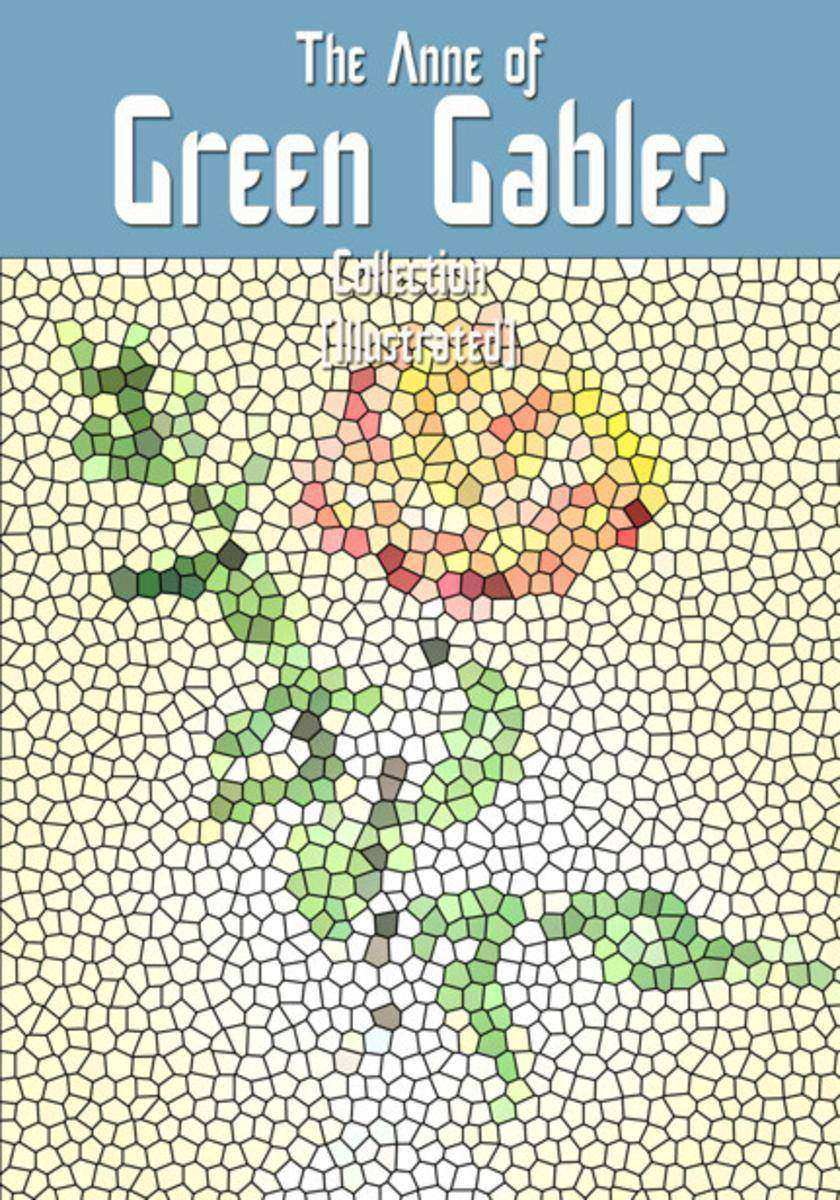
Anne of Green Gables Collection (Illustrated)
¥23.45
Table Of ContentsANNE OF GREEN GABLESANNE of the ISLANDAnnes House of DreamsCHRONICLES OF AVONLEAFURTHER CHRONICLES OF AVONLEATHE GOLDEN ROADKILMENY OF THE ORCHARDLucy Maud Montgomery Short Stories, 1896 to 1901Lucy Maud Montgomery Short Stories, 1902 to 1903Lucy Maud Montgomery Short Stories, 1904Lucy Maud Montgomery Short Stories, 1905 to 1906Lucy Maud Montgomery Short Stories, 1907 to 1908Short Stories 1909 to 1922RAINBOW VALLEYRilla of Ingleside
Pride and Prejudice
¥11.67
Pride and Prejudice by Jane Austen, is considered as one of the worlds top book classics. It was initially published in 1813 and was the authors second novel which also became her most popular novel. The scene is set in England in early 19th century with 20 year old Elizabeth Bennett, the second eldest of five daughters developing a relationship with the single, handsome and wealthy gentleman, Mr Darcy. Elizabeth endures issues of upbringing, independence, social manners, morality, education and marriage within a high aristocrat society. As their love unfolds, Mr Darcy overcomes his pride of being with someone of a lower social class and Elizabeth overcomes her prejudice of Mr Darcy. A classic love story and one of the most famous novels in English literature.This digital edition is beautifully formatted with an active Table of Contents that goes directly to each chapter. Mermaids Classics, an imprint of Mermaids Publishing brings the very best of old book classics to a modern era of digital reading by producing high quality books in ebook format.
Wuthering Heights (Mermaids Classics)
¥35.22
Wuthering Heights (1847) by Emily Bronte (1818 -1848) is a classic novel initially published under the pen name Ellis Bell. The story is about the love between Catherine Earnshaw and Heathcliff who is her fathers adopted son and the controversies that arise as a result. Mermaids Classics, an imprint of Mermaids Publishing brings the very best of old classic literature to a modern era of digital reading by producing high quality books in ebook format. All of the Mermaids Classics epublications are reproductions of classic antique books that were originally published in print format, mostly over a century ago and are now republished in digital format as ebooks. Begin to build your collection of digital books by looking for more literary gems from Mermaids Classics.
More Blood, More Sweat and Another Cup of Tea
¥63.18
The sequel to the bestselling memoir Blood, Sweat & Tea. Tom Reynolds is an ambulance worker. On any given day he can be attacked by strangers, sworn at by motorists, puked on, covered in blood and other much more unpleasant substances. He could help to deliver a baby in the morning and witness the last moments of a dying man in the afternoon. He deals with road accidents, knife attacks, domestic violence, drug overdoses, neglect and suffering. And you think you’re having a bad day at work? Tom blogs about his experiences at the end of each shift. His Random Acts of Reality website has a huge following with over 30,000 visitors every day. He is an internet legend and a remarkable writer. His first book, Blood, Sweat & Tea came out of nowhere to be a surprise bestseller in 2006. Readers were stunned by the stories he had to tell and impressed by the sheer quality of his writing. Critics who sneer at blogs-to-books have never read this one. More Blood, More Sweat and Another Cup of Tea charts the past two years of Tom’s life as an ambulance worker. He is tired, he is frustrated and he is more pissed off than ever but he still manages to capture the more moving, heartwarming and inspirational moments alongside the chaos.
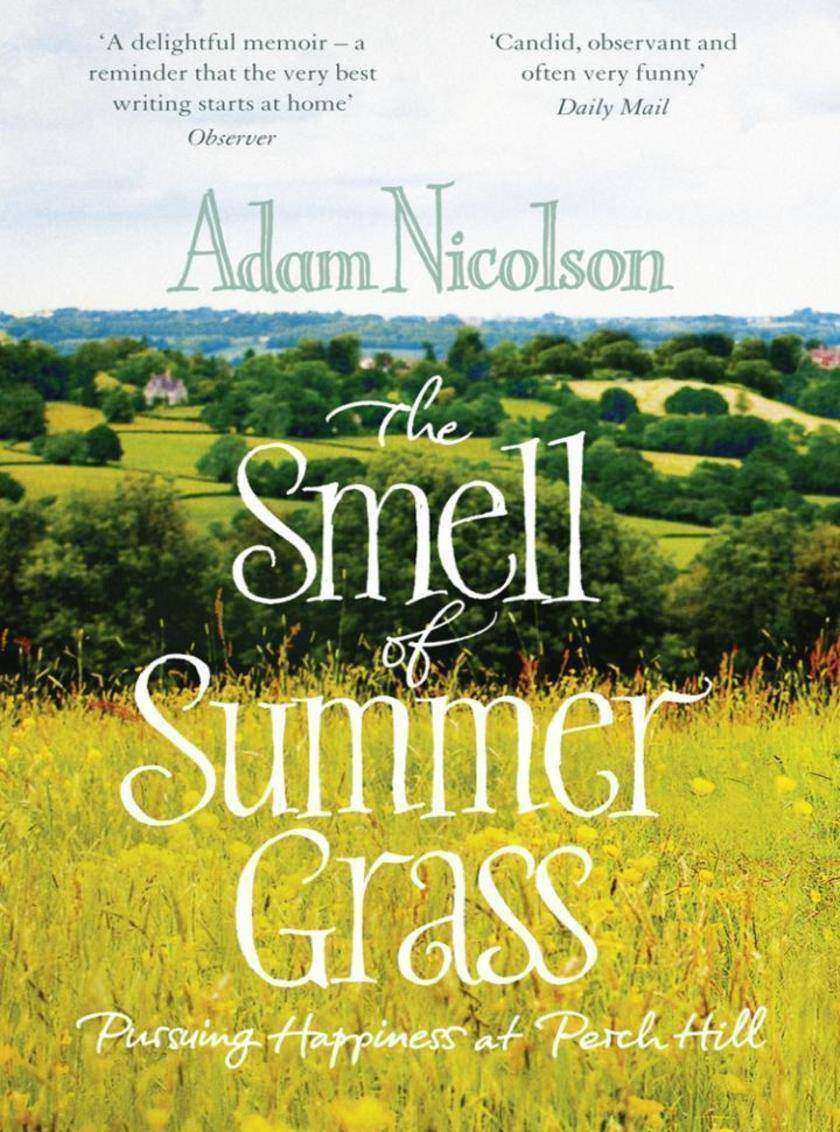
Smell of Summer Grass: Pursuing Happiness at Perch Hill
¥73.58
The Smell of Summer Grass is the story of the years spent in finding and building a personal idyll, sometimes a dream, sometimes a nightmare, by writer Adam Nicolson and his wife, cook and gardener, Sarah Raven. Without knowing one end of a hay baler from the other, Adam Nicolson and Sarah Raven, fed up with London and with life, escaped with his family to a run-down farm in the Sussex Weald. Looking for Arcadia, they found a mixture of intense beauty and profound chaos. Over three years they struggled with dock leaves, spring flowers, bloody-minded sheep and neighbours before eventually arriving at some kind of equilibrium. Funny, poetic, ironic and wise, ‘The Smell of Summer Grass’ is based partly on the long out of print 'Perch Hill'. It traces the growing intimacy between man and his chosen place, his love affair with it and his frustrations with its intractable realities. As an attempt to live out the pastoral vision, it makes one heartfelt plea: we should never abandon our dreams.
Just a Little Run Around the World
¥63.18
After her husband died of cancer, 57-year-old Rosie set off to run around the world, raising money in memory of the man she loved. Followed by wolves, knocked down by a bus, confronted by bears, chased by a naked man with a gun and stranded with severe frostbite, Rosie's breathtaking 20,000-mile solo journey is as gripping as it is inspiring. Rosie's solo run around the world started out of sorrow and heartache and a wish to turn something around. Heartbroken when she lost her husband to cancer, Rosie set off from Wales with nothing but a small backpack of food and equipment, and funded by the rent from her little cottage. So began her epic 5-year journey that would take her 20,000 miles around the world, crossing Europe, Russia, Asia, Alaska, North America, Greenland, Iceland, and back into the UK. On a good day she'd run 30 miles, on a bad day she'd only manage 500 yards, digging herself out of the snow at -62 degrees C, moving her cart inches at a time. Every inch, every mile, was a triumph, a celebration of life, and 53 pairs of shoes later Rosie arrived home to jubilant crowds in Tenby, Wales. Rosie's incredible story is a mesmerizing page-turner of the run of her life. It will wake up the sleeping adventurer in you; it will inspire hope, courage and determination in you; but most of all it will convince you to live your life to the full and make every day count.
Escaping Daddy
¥63.77
The sequel to Daddy’s Little Earner tells Maria’s story as she tries to rebuild her life. Determined to escape from her past and be the best wife and mother she could possibly be, Maria throws herself into her marriage. But it is never that easy to escape from such a traumatic start in life. Maria tells the story of her marriage into the gypsy community and the emotional demons that rise up from her childhood to haunt her as she becomes the victim of violence once more. She leads the reader through her own personal and inspiring journey out of a nervous breakdown, through two marriages and on to becoming a personal development teacher, helping many others to overcome their pasts, and a strong, empowered single mother of two boys.
Taking le Tiss
¥68.67
The fascinating, insightful and at times hilarious memoirs of one of the most gifted and enigmatic British footballers of the last 25 years. Nicknamed "Le God" by the Southampton faithful, Matt Le Tissier was not cast from the same mould as 99% of other professional footballers. A real "one-off" if every there was one, he was a one-club man in a 16-year career that brought little in the way of trophies but countless plaudits from footballs fans and commentators alike. To the old school brigade he was a "luxury player", someone with a less than ideal work rate and waistline who simply wouldn't conform to the blueprint of a typically hard-working, unsophisticated British player. Terry Venables and Glenn Hoddle found it all too easy to leave him out of their England squads. But to the vast majority Le Tissier was a maverick to be treasured, a flair player who lit up every match he played in and delighted fans with his sumptuous technique and élan for the beautiful game. In fact, the kind of skilful, inventive player and scorer of wonderful goals this country produces all too rarely. Did he simply enjoy the comfort zone of being a big fish in a small pond? Or did he display commendable loyalty in staying with Southampton for his entire career? Did he shun opportunities to move on? Were England managers right not to pick him so many times? Would Fabio Capello pick him for England now? Does the British game discourage his style of play? And how much would he be worth in today's transfer market? Taking Le Tiss is the great man's first chance to answer all these questions and many more. It is also a delightfully self-deprecating and witty story from a player who was more of a Big-Mac-and-fries than a chicken-and-beans man.


