


 购物车
购物车 个人中心
个人中心

Real Estate: Ultimate Beginner's Guide to Real Estate Investing
¥24.44
Real Estate: Ultimate Beginner's Guide to Real Estate Investing
Пегаси перебудови: Парод??, поез??, полем?ка 1985–1991 рок?в.
¥5.80
Пегаси перебудови: Парод??, поез??, полем?ка 1985–1991 рок?в.
Ma?triser l'Art de la Lettre de Motivation: ...et décrocher plus d'entretiens d'
¥130.72
Ma?triser l'Art de la Lettre de Motivation: ...et décrocher plus d'entretiens d'embauche
Courage of the Spirit
¥31.10
Courage of the Spirit

Management of Motivation
¥40.79
Management of Motivation
Hamlet: Bilingual Edition (English – Russian)
¥40.88
Hamlet: Bilingual Edition (English – Russian)
Dini Bir Vecibeyle Pis Bir Ucube
¥18.56
Gerek aklara gerek insanlara yazmtm iirlerimi... Bana pis bir ucubeymiim gibi davranan ucubeye... nsan hi ucubeye iir yazar m demeyin! Benimki gerek bir ak hikayesiydi... yle sandm...Küüktüm.... Aldandm... Hani bize hep anlatlan kurbaa prens hikayesi var ya; Ben hep kurbaann prens olacan düünmütüm, ama nereden bilebilirdim prensimin kurbaa kacan... Kurbaamn da yok olacan... Bu kitabm benim gibi kurbaay prens zanneden gen kzlara, incinmi aldatlm tüm kadnlara, terk edilmi aklara ve ak ararken insann nasl ac ektiini, her eyini kaybetmiliini anlamak isteyen ak hrszlarna gelsin... ve tüm iir dostlarna.... Ben küük bir kzdm, ok incindim... Lütfen siz incinmeyin ve sizi kimsenin incitmesine izin vermeyin... UCUBEYE... Bugün tam on iki sene oldu gidiinin ardndan.. Uzun uzun yolunu gzleyiimle, hala bana bunu nasl yapt deyiimle geen on iki sene... On iki senedir hi grmedim seni... Belki yüzünü bile unuttum; zaten sesini hi hatrlamyorum. Karma ksan tanmam bile. Sadece benden aldn ak, güven, huzur, mutluluk duygularn bulmaya alyorum. Yalnzlm iimde gibi büyürken braktn korkularla adm atmaya ekindim her ak araymda... Ve yllarca yazdm sen bilmesen de sana...

The Garden of Divine Songs and Collected Poetry of Hryhory Skovoroda
¥90.03
Hryhory Skovoroda is considered by many as the first great Slavic philosopher and poet. Written over a period stretching from the 1750s until 1785, his The Garden of Divine Songs is a unique collection of 30 poems, featuring a complex system of strophic structures and with only a few of the songs written in a traditional way. Skovoroda never repeats one and the same strophic structure; this being the case, his Garden of Divine Songs according to writer-scholar Valery Shevchuk functions as a “practical guide to the art of poetry”, exemplifying all the meters and strophic patterns that were possible in Ukrainian poetry of that time. The poet makes masterful use of the accomplishments of academic poetry; the so-called “songs of the world” are the most prominent poems in this collection. These songs are an expression of Skovoroda's views in poetic form, and many ideas from The Garden of Divine Songs, such as the search for happiness in the world in song 21, would later form the basis for some of Skovoroda’s philosophical treatises. Skovoroda’s originality, and his ability to approach the most cardinal problems of human existence, stem from his capacity to combine known motifs, borrowed from literary sources such as classical texts, the Bible, and ancient Ukrainian poetic works, with his own system of thinking that focuses on his philosophy of the heart. The complete poems of Skovoroda are appearing in their entirety here in English for the first time, accompanied by a guest introduction by prominent Ukrainian writer Valery Shevchuk. This title has been realised by a team of the following dedicated professionals: Translated by Michael M. Naydan with an introduction by Valery Shevchuk Translations Edited by Olha Tytarenko Maxim Hodak - Максим Ходак (Publisher), Max Mendor - Макс Мендор (Director), Ksenia Papazova (Managing Editor).

Jeff Bezos: La Forza Dietro il Marchio
¥32.62
Che cos'è che lo rende un uomo di super successo? Che cosa gli ha permesso di trasformare un'idea in una mega-compagnia che ha cambiato il mondo?? Che cosa, in lui, puoi rivedere in te, e cosa ti manca? Che cosa potresti imparare da lui?Leggi, e scoprilo. Il bisogno di capire coloro che ci circondano e ce l'hanno fatta in modi che superano la nostra immaginazione è insito in tutti noi. Questo desiderio innato è guidato dal nostro bisogno profondo e fondamentale di trovare modi migliori che ci permettano di raggiungere i nostri obiettivi, comprendere i nostri sogni e superare le sfide che ci si presentano. Questo libro parla degli eventi di fondo nella vita di Jeff Bezos e dei modi in cui hanno influenzato la sua vita, del modo in cui ha reagito ad essi e li ha usati a suo vantaggio. Il libro non pretende di conoscere le fibre di cui è composto il suo cuore - nessun uomo può conoscerle. Ma quello che fa è mettere insieme eventi e vedere le ombre che proiettano. Tutto ciò affinché tu possa trovare dentro di te gli elementi che potrebbero essere il seme del tuo successo, della tua realizzazione e grandezza. La storia di Bezos traccia un percorso attraverso la sua vita da giovane e osserva le sue azioni e conquiste, decifrando l'esistenza del suo più grande successo - Amazon - in un modo che riflette il suo carattere, il suo intelletto e la sua educazione. La sua storia è diversa da quella di altre persone di successo nella storia. Il suo marchio di etica del lavoro è familiare ma differente. Non aspettare un altro minuto! Scorri verso l'alto e clicca il pulsante

Vrtoglave godine: Europa, 1900.–1914.
¥207.99
Biografia sugereaz?, ?n chip aproape inevitabil, prin relatarea cronologic? a faptelor vie?ii acelui individ, ?ncep?nd de la na?tere ?i continu?nd cu experien?ele tr?ite pe parcursul anilor, c? evenimentele respective au avut o importan?? mai larg?, mai cuprinz?toare dec?t cele ale unui om oarecare, c? au contribuit, ?ntr-un fel sau altul, la scrierea istoriei acelor vremuri. ?n cazul lui Napoleon Bonaparte, merit? s? ne aplec?m ?i asupra mitologiei, ad?ug?nd-o impresiei generale, create de-a lungul deceniilor de nenum?ra?i istorici ?i biografi, conform c?reia ceea ce a contat ?n principal a fost omul ?nsu?i, viziunile ?i ambi?iile sale, ?i nu vremurile ?n care a tr?it ori circumstan?ele ?nt?lnite ?n cale. Pu?ine personaje istorice s-au bucurat de at?ta notorietate ?i de at?tea scrieri dedicate ?i pu?ine au fost descrise ?ntr-o manier? at?t de subiectiv?, prezent?nd ?ntrega istorie a epocii de parc? ar fi fost o reflectare a voin?ei ?i a dorin?ei de putere ?i de glorie a unui singur om. Din acest motiv poate c? ar fi mai ?n?elept ca, ?nainte de orice, s? ne oprim un pic ?i s? ?ncepem aceast? carte cu un soi de avertisment.
Codul Jefferson
¥73.41
Al Doilea R?zboi Mondial nu va ajunge niciodat? s?-?i dezv?luie ?ntreaga groz?vie. ?n spatele faptelor de arme, al atrocit??ilor ?i al crimelor monstruoase comise ?mpotriva civililor se ascunde o alt? realitate. Aceea a miilor de femei sovietice trimise pe front ?mpotriva inamicului nazist. Svetlana Aleksievici ?i-a dedicat ?apte ani din via?? colect?rii m?rturiilor unor femei care, multe dintre ele, la momentul acela erau abia ie?ite din copil?rie. Dup? primele sentimente de euforie, asist?m la o schimbare radical? de ton, pe m?sur? ce ajungem la ?ncercarea fatal? a luptei, ?nso?it? de partea sa de ?ntreb?ri ?i de suferin??. Abandon?nd t?cerea ?n care ?i-au g?sit refugiul, aceste femei ?ndr?znesc, ?n sf?r?it, s? prezinte r?zboiul a?a cum l-au tr?it. ?Svetlana Aleksievici este unul dintre cei mai valoro?i scriitori ai vremurilor noastre. Proza ei nu este feminin?, ci aspr? precum r?zboiul […], dar, prin expresivitatea ei, devine artistic?, palpabil?, profund emo?ionant?.” – Vladimir Voinovici
Dieta de 17 zile. Rezultate rapide cu un plan medical special conceput
¥73.49
Poemele lui Marius Aldea sunt inteligent-fanteziste i dau o senzaie de prospeime, dei refolosete, frecvent, i mijloace de seducie inventate de Nichita Stnescu, Emil Brumaru, Mircea Dinescu. Marius Aldea are o plcere de a scrie care face ca tot ce mprumut s devin al lui.“ – Alex tefnescu Marius tefan Aldea face parte din plutonul tinerilor poei crora li se flfie de generaia imediat anterioar, ns nu li se deloc de generaiile vechi. Vd i prevd o promoie de poei lucizi i cultivai printre care compozitorul Simfoniei frnei va strluci. Pentru c are umor, deci i permite s fie cinic, i pentru c izbutete nite metafore trsnite, dar fluente, nu rscutate. Apoi ochiul su este flmnd i precis, nu hoinrete pe firmament pn se ntoarce cu albul n sus. Viteza, claritatea i subtilitatea artei lui monteaz un spectacol inteligent – un deliciu pentru durii ca el, care, de fapt, ascund un suflet sensibil n spatele rictusului sceptic. Un romantic de factur excelent este Marius, adic dintre aceia cu witz, care muc tot, iar apoi se muc pe ei nii. Irezistibil poezia asta ca un roman scris la col de strad de un designer care tie exact ce vrea de la manechinele lui.“ – Felix Nicolau Marius tefan Aldea are atta energie poetic, nct exist riscul s supratensioneze Sistemul Naional de Distribuie a Literaturii. Dar cum SNDL nu exist dect n imaginaia noastr, nu v rmne, dragi cititori, dect s v conectai singuri la aceast surs de energie. E simplu: deschidei cartea lui Marius i citii puin. Dac nu suntei purttori de mnui izolante i cizme de cauciuc, ar trebui ca n secunda a doua s fii scuturai zdravn, iar minile s vi se ncleteze pe carte. E doar unul dintre efectele pe care l are poezia bun asupra omului.“ – Robert erban
Ghid pentru femeia ner?bd?toare s? devin? mam?
¥57.14
Zece basarabeni pentru cultura rom?n? face parte dintr-un proiect mai amplu numit Interviuri cu tinerii dintre milenii. Anul 2000 era considerat unul mistic ?i chiar apocaliptic, s-a vorbit ?i s-a scris foarte mult despre aceast? cifr? plin? de simboluri, oricum, atunci treceam nu doar dintr-un secol ?n altul, ci ?i dintr-un mileniu ?n altul. Cum erau tinerii care au tr?it aceste momente, ce f?ceau, cum g?ndeau, ce proiecte de viitor aveau? – cartea aceasta ne r?spunde la aceste ?ntreb?ri-st?ri. Tinerii ale?i pentru dialoguri erau ?n focul ac?iunii, ?n v?rf, iar acum fiecare e o certitudine, nici unul nu a tr?dat speran?a investit? ?n ei, chiar dac? soarta lor – inevitabil – s-a schimbat de atunci.Dumitru Crudu nu mai scrie poezie, ?n schimb, acum a debutat ?i ca romancier ?i e unul din cei mai aprecia?i dramaturgi contemporani, piesele sale fiind puse ?n scen? pe toate continentele, ceea ce se ?nt?mpl? ?i cu piesele Nicoletei Esinencu, care atunci ?nc? nu debutase ?n volum, de?i textele ei erau jucate pe scena unor teatre de prestigiu at?t din Rom?nia, c?t ?i din Rusia, SUA, Germania, iar acum are c?r?i publicate ?i aici, ?i peste hotare. ?tefan Ba?tovoi a devenit ieromonahul Savatie, poetul deosebit de talentat dintre milenii s-a c?lug?rit, ?i-a f?cut o editur? ?i a ?nfiin?at ?i o revist?, iar c?r?ile sale de dup? c?lug?rire, romane ?i eseuri existen?iale, sunt poate cele mai citite c?r?i, cel pu?in asta spun v?nz?rile. Alexandru Vakulovski nu mai e debutantul furios care demonstreaz? prin c?r?ile sale de debut (3!) c? se poate scrie ?i altfel, revolu?ion?nd limbajul ?n literatura rom?n?. ?ntre timp, trilogia Letopizde? a fost publicat?, scriitorul edit?nd ?i c?teva c?r?i de poezie, iar piesele sale de teatru au fost traduse ?i editate ?n antologii din str?in?tate, unde au fost dramatizate, poeziile sale fiind selectate ?i pentru antologia de poezie din SUA, New European Poets, cea mai recent? carte a sa fiind romanul 157 de trepte spre iad sau Salva?i-m? la Ro?ia Montan? (Editura Cartier, 2010). Vasile Ernu a lucrat la una dintre cele mai mari edituri din Rom?nia, a editat o carte de mare succes (N?scut ?n URSS, Editura Polirom, 2007), tradus? ?n mai multe limbi, iar pe a doua a publicat-o direct ?n str?in?tate. Pavel P?duraru ??i continu? lupta ziaristic?, dar ?ntre timp s-a afirmat ca poet ?i a publicat ?i un roman destul de controversat, care a provocat multe discu?ii. Mito? Micleu?anu este, al?turi de Florin Braghi?, fondatorul ?i realizatorul ?Planetei Moldova“. ?ntre timp, Florin s-a concentrat pe munca de designer, iar Mito? pe literatur?, edit?nd trei c?r?i ?i devenind una dintre cele mai sigure voci literare. Roman Tolici este unul dintre cei mai aprecia?i arti?ti plastici tineri, expun?nd mai mult ?n str?in?tate dec?t acas? – la Praga, Strausberg, Celje, Berlin. Super-boxerul Octavian ??cu a devenit un om de ?tiin?? la fel de st?p?n pe noile instrumente de munc?, care scrie c?r?i de istorie ?i lucreaz? la multe proiecte valoroase. Iar Zdob ?i Zdub este una dintre cele mai populare ?i mai originale forma?ii de limb? rom?n?, c?nt?nd la prestigioase festivaluri europene, ?n turnee de promovare a albumelor sau pur ?i simplu ?n concerte, purt?nd marca unui nou stil: hardcore moldovenesc.Ce-i une?te pe ace?ti arti?ti ?nc? tineri? ?n primul r?nd, locul na?terii, to?i fiind rom?ni basarabeni, apoi limba ?n care creeaz?, to?i cei ?zece“ intervieva?i trec?nd Prutul ?i activ?nd ?n cultura rom?n?. Interviurile sunt splendide, Mihail Vakulovski fiind un maestru ?n domeniu, iar r?spunsurile sunt deschise, directe, lipsite de orice fel de inhibi?ii. O carte cu siguran?? interesant? ?i pentru cititorii dintre mileniile trei ?i patru. Lectur? pl?cut?!
Singurul lucru care conteaz?
¥57.14
Volum nominalizat la sec?iunea ?Critic?. Istorie ?i Teorie Literar?“ – Premiile ?Observator cultural“, edi?ia a VI-a, 2012 Acest al doilea volum abordeaz?, tot din perspectiva experimentalismului, care sufer? ?n contextul postdecembrist anumite ?radicaliz?ri“, poezia autorilor intra?i ?n literatur? dup? 1990. Asemenea ?radicaliz?ri“ (care pot fi subordonate unei ideologii/retorici a excesului) sunt privite din perspectiva conceptului de ?hiper?modernitate“ teoretizat de Gilles Lipovetsky, pe care autorul ?l propune ?n locul celui (consacrat) de postmodernism. Plec?nd de aici, sunt luate ?n discu?ie abord?rile teoretice ale ultimelor dou? promo?ii poetice, ca ?i ?manifestele literare“ (fracturist, utilitarist etc.) ale acestora ?i sunt analizate c?teva direc?ii poetice, situate ?n continuitatea experien?elor experimentaliste discutate ?n volumul anterior.

Vineri
¥32.62
Un caleidoscop ?n care se rotesc ?ncet imagini din copil?ria cu mineri, decantoare ?i benzi care transport? c?rbunele sau din adolescen?a ?ntr-o uniform? albastr?. Textele astea spun, ?n fond, pove?ti despre oameni dragi. (Ana Pu?ca?u)Ce-?i r?m?ne de f?cut atunci c?nd e?ti num?rat ?dup? gloan?e“, c?nd ajungi s? asociezi cele mai bune vremuri cu ?primele defil?ri“, prin fa?a ochilor ?i se deruleaz? ?toate marile filme ale indiferen?ei“, iar ?n loc de cer nu mai reu?e?ti s? vezi dec?t ?sute/de mii de c?m??i albastre cu epole?i“? Nu-?i r?m?ne altceva dec?t s? ratezi ?tot ce se putea rata“, asta e lec?ia pe care o ?nva?? at?t de bine ?i o pred?, iat?, mai departe, f?r? gre?eal?, fosta elev? a L(iceului) M(ilitar). De?i pare imprimat pe o band? magnetic?, iar limbajul este ?n esen?? unul sever, discursul ?pedagogic“ din te a?tept ca pe un glonte las? s? se strecoare printre r?nduri suficient din emo?iile, respira?iile sau ezit?rile instan?ei emitente, astfel ?nc?t abilitatea celei aflate la pupitru s? devin? de necontestat. Pentru c?, da, Ana Pu?ca?u convinge f?r? probleme, indiferent dac? scrie despre identit??i furate, manevre sterile, r?zboi, iubire sau ratare. (Cristina Ispas)Un spa?iu disciplinar, depresiv, amenin?at de gloan?e, p?ndit de moarte – o zon? biografic? marcat? de absolvirea LM-ului. Prezen?a semnificativ? a conjunctivelor ?i condi?ional-optativelor m? face s? cred c? totul ar putea fi ?ntocmai, iar rezultatul, exact cel b?nuit, c? oricine poate juca rolul principal propus de Ana Pu?ca?u. Concrete?ea spa?iilor nu se dezminte nici un moment, poeta r?m?n?nd fidel? geografiei ?i istoriei imediate, realiz?nd astfel un sumbru decor al lumii la ?nceput de mileniu; cu fabrici dezafectate, baruri, camioane ?i, de ce nu, cu Bosnia sau Basarabia. Teama care str?bate volumul, ca o ven? sub?ire, tr?deaz? fragilitatea de care literatura ultimelor decenii are at?ta nevoie. Debutul poetic al Anei Pu?ca?u este – probabil – cel mai a?teptat (?i mai reu?it) din zona Timi?oarei, ?n ultima vreme. (Moni St?nil?)

Despre dragoste - Anatomia unui sentiment
¥30.88
Edi?ia de fa?? o reproduce ?ntocmai pe cea din 1966 care a v?zut lumina tiparului la Editura pentru literatura ?i este menit? s? repun? – laolalt? cu alte titluri editate de noi – ?n circula?ie numele ?i opera unui mare profesor de filosofie ?i a unui important om de cultur? din perioada interbelice. Edi?ia este structurat? pe c?teva capitole, cum ar fi bun?oar? ?Amintiri din copil?rie ?i tinere?e“, ?Amintiri culturale, didactice ?i politice“, cuprinz?nd, ?ntre altele, ?i coresponden?a cu Titu Maiorescu, conferin?e ?i cursuri ?inute la Viena, Paris, Geneva, Praga, Oslo ?i Bruxelles. ?Petrovici a avut o via?? fracturat?. ?ntr-o vreme, a urcat n? pe Everestul performan?ei ?i al recunoa?terii publice, de unde, atunci c?nd istoria s-a virusat de o ideologie apocaliptic?, s-a pr?bu?it direct ?n groapa Marianelor, b?ntuit? de tot felul de silnicii ?i nes?buin?e. Mult? vreme s-a am?git cu in?elesul m?ng?ietor al filosofiei, a?a cum i-l h?r?zise cei vechi, dar s-a ?i ?nfiorat de mizeriile ei, atunci c?nd a v?zut-o dec?zut? ?n condi?ia de surogat ideologic. Oare trebuia, dup? ce a privit lumea prin sp?rtura pe?terii lui Platon, s-o p?ndeasc? ?i din spatele gra?iilor ?i ale z?voarelor trase? Vremurile noi, rascolnice, l-au g?sit total nepreg?tit. Glasul s?u, obi?nuit s? peroreze ?n aule universitare, ?n Camera, ?n Academie, ?n cadrul unor fastuoase reuniuni interna?ionale a fost, pentru multe decenii, obligat la t?cere.“ (Ionel Necula)
O inim? de Broscu??. Volumul 3. Valsul stelar al vie?ii
¥65.32
Un fast spectacol despre feminitate, moarte ?i alte teme eterne, ne ofer? de ast? dat? redutabilul eseist, istoric ?i critic literar Irina Petra?, despre care Marin Mincu scria c? este ?cel mai “b?rbat“ critic al nostru“. ?Demersul constituie o modalitate de a-?i apropia moartea, propria moarte, de a o studia sub lupa m?ritoare, de a o ?ine deliberat, zi de zi, ceas de ceas, al?turi, ?n imediata proximitate, pentru a te impulsiona s? fii c?t mai mult, c?t mai decis ?n spirit, pentru a te determina s? te investe?ti ?n toate cu ?ntreaga-?i fiin??, una dintre limitele c?reia e moartea-cea-cotidian?, pentru a te remodela, sim?ind atingerea botului mor?ii, pentru a recurge la travaliul dep??irii de sine prin crea?ie. A nu te obi?nui cu vecin?tatea mor?ii, obi?nuindu-te ?n acela?i timp, a realiza eficienta ei, adun?ndu-te, sporindu-?i eficien?a, a fi, ?n pofida con?tiin?ei tragice a finitudinii umane – iat? o piatr? de ?ncercare, iat? un examen major, la care au c?zut nu pu?ini. Cei ce-au rezistat constituie pentru Irina Petra? un fast obiect de studiu, care, fiind cercetat cu acribia unui colec?ionar, nelipsit de o redutabil? experien?? ?n domeniu, alc?tuiesc o galerie acoperit? cu oglinzi, ?n care, v?z?nd reflectat propriul univers, propriile spaime, frici, angoase, nelini?ti, autorul se supune, el ?nsu?i, din spirit de fair play, dar ?i dintr-un subtil, rafinat amestec de sado-masochism intelectual, unui examen: ?i va rezista co?ul pieptului? va ?ti sa r?spund?? dar s? reziste? Ei, mon?trii sacri… au rezistat, descriind modul ?n care se men?in pe muchia abisului, ?n care ?i-au v?zut propriul chip, contemplat de cineva…“ (Aura Christi)
Dic?ionar de literatur? rom?n?
¥61.83
Editorul, criticul ?i istoricul literar clujean Irina Petra? propune lectorilor un studiu despre locurile favorite din literatura rom?n? ?i cea universal?, paginile de teorie literar? oferind nu pu?ine repere asupra predilec?iilor clasicilor autohtoni de la Eminescu ?i Creang? p?n? la Norman Manea ?i Marta Petreu. Cartea se adreseaz? elevilor, studen?ilor, precum ?i publicului larg de cititori.
?nt?mpl?ri din p?dure
¥46.36
Lidia Lazu semneaz? o poezie delicat-confesiv?, parcelat? pe momente distincte, cu o structur? de jurnal. De?i termenul structur? e oarecum inadecvat acestei materii de fr?gezimi ce se transcriu ca atare, f?r? grija unei osaturi, a unui tipar ce i-ar st?njeni fluiditatea, evanescent?. Fiin?a respir? neconstr?ns? de nimic, supus? doar clipei, ?nc?nta?iei tranzitoriului. A?tept?rile sale sunt naiv-fabuloase, ?n continuitatea unei copil?rii care nu s-a epuizat, care-?i tr?ie?te intens uimirile, dezvolt?ndu-le fin imaginativ... O atare autoscopie fantezista este rodul unei virtuozit??i a simplit??ii. Coeziunea textului se produce ?n jurul acestei neputin?e de a accepta ordinea pragmatic?, meschin?ria, ?n numele unei candori funciare. La polul opus criticismului luciferic, poeta se d?ruie lumii nu doar prin contempla?ie, ci ?i printr-un soi de automatism existen?ial, l?s?ndu-se ?n voia lui, sublim lipsit? de voin??. Ceea ce e o moral? a extazului. (Gheorghe Grigurcu)
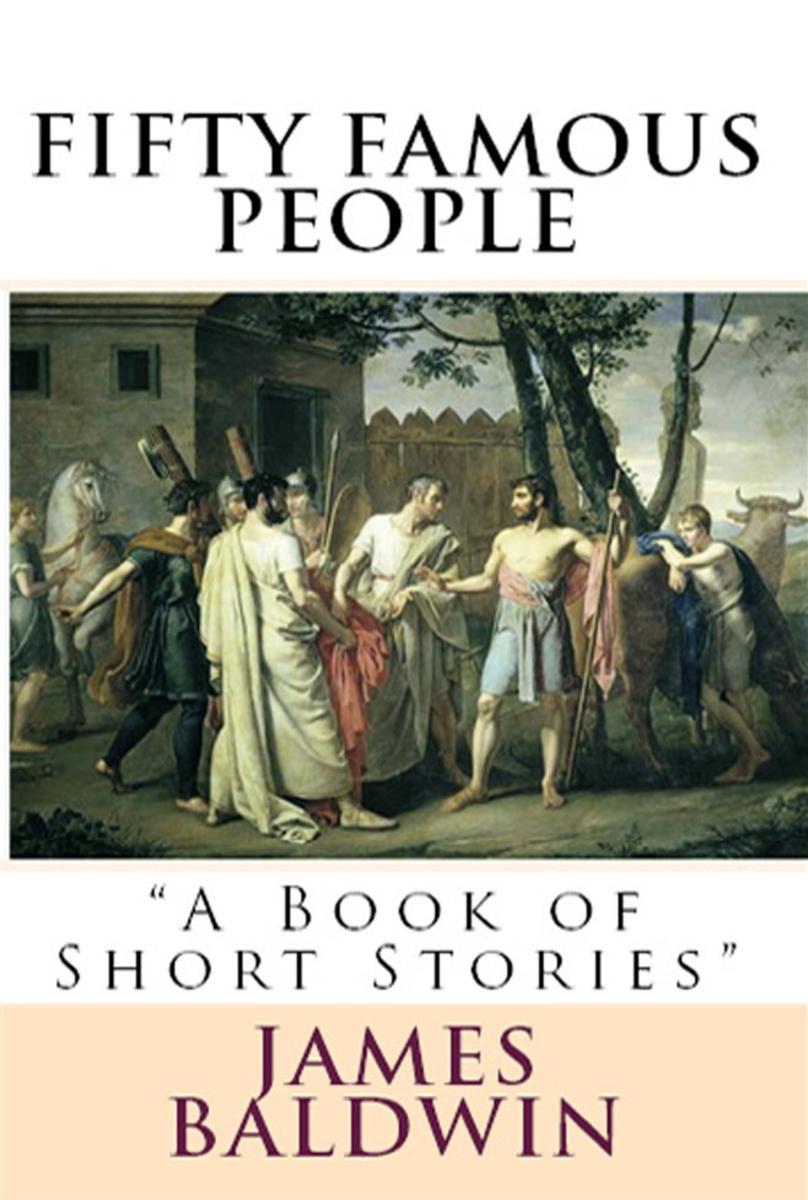
Fifty Famous People: "A Book of Short Stories"
¥28.29
ONE of the best things to be said of the stories in this volume is that, although they are not biographical, they are about real persons who actually lived and performed their parts in the great drama of the world's history. Some of these persons were more famous than others, yet all have left enduring "footprints on the sands of time" and their names will not cease to be remembered. ??In each of the stories there is a basis of truth and an ethical lesson which cannot fail to have a wholesome influence; and each possesses elements of interest which, it is believed, will go far towards proving the fallibility of the doctrine that children find delight only in tales of the imaginative and unreal. The fact that there are a few more than fifty famous people mentioned in the volume may be credited to the author's wish to give good measure.??SAVING THE BIRDS?ONE day in spring four men were riding on horseback along a country road. These men were lawyers, and they were going to the next town to attend court.?There had been a rain, and the ground was very soft. Water was dripping from the trees, and the grass was wet.?The four lawyers rode along, one behind another; for the pathway was narrow, and the mud on each side of it was deep. They rode slowly, and talked and laughed and were very jolly.?As they were passing through a grove of small trees, they heard a great fluttering over their heads and a feeble chirping in the grass by the roadside.? "Stith! stith! stith!" came from the leafy branches above them.?"Cheep! cheep! cheep!" came from the wet grass.?"What is the matter here?" asked the first lawyer, whose name was Speed.?"Oh, it's only some old robins!" said the second lawyer, whose name was Hardin. "The storm has blown two of the little ones out of the nest. They are too young to fly, and the mother bird is making a great fuss about it."?"What a pity! They'll die down there in the grass," said the third lawyer, whose name I forget.?"Oh, well! They're nothing but birds," said Mr. Hardin. "Why should we bother?"? "Yes, why should we?" said Mr. Speed.?The three men, as they passed, looked down and saw the little birds fluttering in the cold, wet grass. They saw the mother robin flying about, and crying to her mate.?Then they rode on, talking and laughing as before. In a few minutes they had forgotten about the birds.?But the fourth lawyer, whose name was Abraham Lincoln, stopped. He got down from his horse and very gently took the little ones up in his big warm hands.
![Faraday As A Discoverer: [Illustrated & Biography Added]](https://platform-permanent.ddimg.cn/pt-media-info-soa-resource/digital/product/47/24/1901164724_ii_cover.jpg?version=eff250ca-e17f-4718-971c-9a91a135e3e1)
Faraday As A Discoverer: [Illustrated & Biography Added]
¥27.80
Michael Faraday (1791 –1867) was an English scientist who contributed to the fields of electromagnetism and electrochemistry. His main discoveries include those of electromagnetic induction, diamagnetism and electrolysis. Although Faraday received little formal education, he was one of the most influential scientists in history. It was by his research on the magnetic field around a conductor carrying a direct current that Faraday established the basis for the concept of the electromagnetic field in physics. Faraday also established that magnetism could affect rays of light and that there was an underlying relationship between the two phenomena. He similarly discovered the principle of electromagnetic induction, diamagnetism, and the laws of electrolysis. His inventions of electromagnetic rotary devices formed the foundation of electric motor technology, and it was largely due to his efforts that electricity became practical for use in technology. As a chemist, Faraday discovered benzene, investigated the clathrate hydrate of chlorine, invented an early form of the Bunsen burner and the system ofoxidation numbers, and popularised terminology such as anode, cathode, electrode, and ion. Faraday ultimately became the first and foremost Fullerian Professor of Chemistry at the Royal Institution of Great Britain, a life-time position.. Faraday was an excellent experimentalist who conveyed his ideas in clear and simple language; his mathematical abilities, however, did not extend as far as trigonometry or any but the simplest algebra. James Clerk Maxwell took the work of Faraday and others, and summarized it in a set of equations that is accepted as the basis of all modern theories of electromagnetic phenomena. On Faraday's uses of the lines of force, Maxwell wrote that they show Faraday "to have been in reality a mathematician of a very high order – one from whom the mathematicians of the future may derive valuable and fertile methods." The SI unit of capacitance is named in his honour: the farad. Albert Einstein kept a picture of Faraday on his study wall, alongside pictures of Isaac Newton and James Clerk Maxwell. Physicist Ernest Rutherford stated; "When we consider the magnitude and extent of his discoveries and their influence on the progress of science and of industry, there is no honour too great to pay to the memory of Faraday, one of the greatest scientific discoverers of all time". ABOUT AUTHOR: John Tyndall (1820 – 1893) was a prominent 19th-century Irish physicist. His initial scientific fame arose in the 1850s from his study of diamagnetism. Later he made discoveries in the realms of infrared radiation and the physical properties of air. Tyndall also published more than a dozen science books which brought state-of-the-art 19th century experimental physics to a wide audience. From 1853 to 1887 he was professor of physics at the Royal Institution of Great Britain in London. Tyndall was born in Leighlinbridge, County Carlow, Ireland. His father was a local police constable, descended from Gloucestershire emigrants who settled in southeast Ireland around 1670. Tyndall attended the local schools in County Carlow until his late teens, and was probably an assistant teacher near the end of his time there. Subjects learned at school notably included technical drawing and mathematics with some applications of those subjects to land surveying. He was hired as a draftsman by the Ordnance Survey of Ireland in his late teens in 1839, and moved to work for the Ordnance Survey for Great Britain in 1842. In the decade of the 1840s, a railroad-building boom was in progress, and Tyndall's land surveying experience was valuable and in demand by the railway companies. Between 1844 and 1847, he was lucratively employed in railway construction planning. In 1847 Tyndall opted to become a mathematics and surveying teacher at a boarding school (Queenwood College) in Hampshire. Recalling this decision later, he wrote: "the desire to grow intellectually did not forsake me; and, when railway work slackened, I accepted in 1847 a post as master in Queenwood College." Another recently arrived young teacher at Queenwood was Edward Frankland, who had previously worked as a chemical laboratory assistant for the British Geological Survey. Frankland and Tyndall became good friends. On the strength of Frankland's prior knowledge, they decided to go to Germany to further their education in science. Among other things, Frankland knew that certain German universities were ahead of any in Britain in expe-rimental chemistry and physics. (British universities were still focused on classics and mathematics and not laboratory science.)The pair moved to Germany in summer 1848 and enrolled at the University of Marburg, where Robert Bunsen was an influential teacher. Tyndall studied under Bunsen for two years.


