


 购物车
购物车 个人中心
个人中心
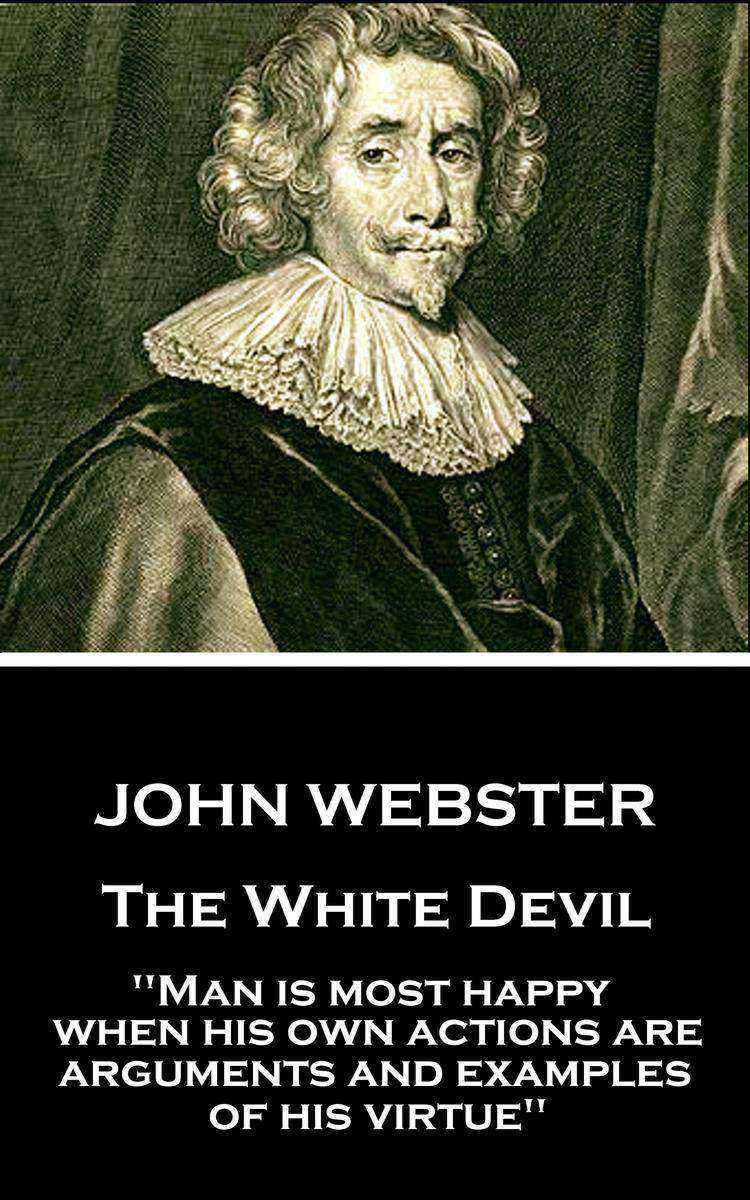
White Devil - Man is most happy, when his own actions are arguments and examples
¥25.80
John Webster is known primarily for his two Jacobean tragedies, The Duchess of Malfi and The White Devil. Much of the detail and chronology of his life that led to these two pivotal works is, however, unknown. His father, a carriage maker also named John Webster, married a blacksmith's daughter, Elizabeth Coates, on November 4th, 1577, and it is likely that Webster was born within a year or two in or near London. The family lived in St. Sepulchre's parish. Both his father and his uncle, Edward Webster, were Freemen of the Merchant Taylors' Company and Webster attended Merchant Taylors' School in Suffolk Lane, London. Some accounts say he began to study law but nothing is certain although there are some legal aspects to his later works to suggest this may have been so. By 1602, Webster was employed working as part of various teams of playwrights on history plays, though unfortunately most were never printed and therefore do not survive. These include a tragedy Caesar's Fall (written with Michael Drayton, Thomas Dekker, Thomas Middleton and Anthony Munday), and a collaboration with Thomas Dekker; Christmas Comes but Once a Year (1602). This factory line assembly of plays may seem rather odd to us today but plays then ran for much shorter durations and consequently a steady supply had to be assured. Webster's relationship with Dekker seems to have been a good one. Together they wrote Sir Thomas Wyatt, printed in 1607, although it is thought first performed in 1602 and two city comedies, Westward Ho! in 1604 and Northward Ho! in 1605. It seems Webster also adapted, in 1604, John Marston's The Malcontent for staging by the King's Men. On March 18th, 1606 Webster married the 17-year-old Sara Peniall at St Mary's Church, Islington. Sara was 7 months pregnant and marrying during Lent required the issuing of a special permit, hence the certainty of the date. Their first child, John, was baptised at the parish of St Dunstan-in-the-West on March 8th, 1606. Records show that on the death of a neighbour, who died in 1617, several bequests were made to the Webster family and it is therefore thought that other children were born to the couple. Despite his ability to write comedy, and to collaborate with others, Webster is remembered best for his sole authorship on two brooding English tragedies based on Italian sources. The White Devil, retells the intrigues involving Vittoria Accoramboni, an Italian woman assassinated at the age of 28. It was performed at the open-air Red Bull Theatre in 1612 but was unsuccessful, perhaps being too high brow for a working-class audience. In 1614 The Duchess of Malfi was first performed by the King's Men, most probably in the indoor Blackfriars Theatre and to a more high-brow audience. It proved to be more successful. The play Guise, based on French history, was also written but him but no text has survived. Webster wrote one more play on his own: The Devil's Law Case (c. 1617-1619), a tragicomedy. He continued to write thereafter but always in collaboration and usually city comedies; Anything for a Quiet Life (c. 1621), with Thomas Middleton, and A Cure for a Cuckold (c. 1624), with William Rowley. In 1624, he also co-wrote a topical play about a recent scandal, Keep the Widow Waking (with John Ford, Rowley and Dekker). The play itself is lost, although its plot is known from a court case. There is also some certainty that he contributed to the tragicomedy The Fair Maid of the Inn with John Fletcher, John Ford, and Phillip Massinger. His Appius and Virginia, was probably written with Thomas Heywood, and is of uncertain date. It is believed, mainly from Thomas Heywood's Hierarchie of the Blessed Angels (licensed 7 November 1634) that speaks of him in the past tense that John Webster had died at some point in that year of 1634.
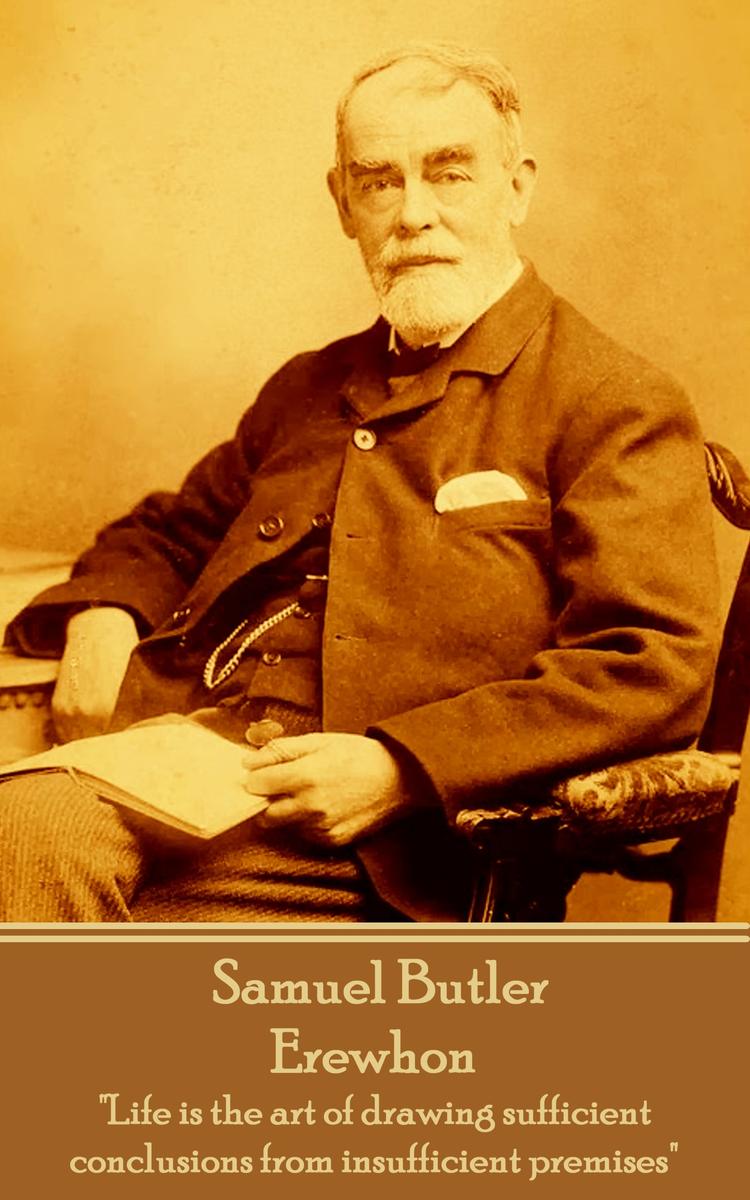
Erewhon - Life is the art of drawing sufficient conclusions from insufficient pr
¥38.75
Samuel Butler was born on 4th December 1835 at the village rectory in Langar, Nottinghamshire.His relationship with his parents, especially his father, was largely antagonistic. His education began at home and included frequent beatings, as was all too common at the time.Under his parents' influence, he was set to follow his father into the priesthood. He was schooled at Shrewsbury and then St John's College, Cambridge, where he obtained a first in Classics in 1858.After Cambridge he went to live in a low-income parish in London 1858-59 as preparation for his ordination into the Anglican clergy; there he discovered that baptism made no apparent difference to the morals and behaviour of his new peers. He began to question his faith. Correspondence with his father about the issue failed to set his mind at peace, inciting instead his father's wrath.As a result, the young Butler emigrated in September 1859 to New Zealand. He was determined to change his life.He wrote of his arrival and life as a sheep farmer on Mesopotamia Station in 'A First Year in Canterbury Settlement' (1863). After a few years he sold his farm and made a handsome profit. But the chief achievement of these years were the drafts and source material for much of his masterpiece 'Erewhon'.Butler returned to England in 1864, settling in rooms in Clifford's Inn, near Fleet Street, where he would live for the rest of his life.In 1872, he published his Utopian novel 'Erewhon' which made him a well-known figure.He wrote a number of other books, including a moderately successful sequel, 'Erewhon Revisited' before his masterpiece and semi-autobiographical novel 'The Way of All Flesh' appeared after his death. Butler thought its tone of satirical attack on Victorian morality too contentious to publish during his life time and thereby shied away from further potential problems.Samuel Butler died aged 66 on 18th June 1902 at a nursing home in St John's Wood Road, London. He was cremated at Woking Crematorium, and accounts say his ashes were either dispersed or buried in an unmarked grave.
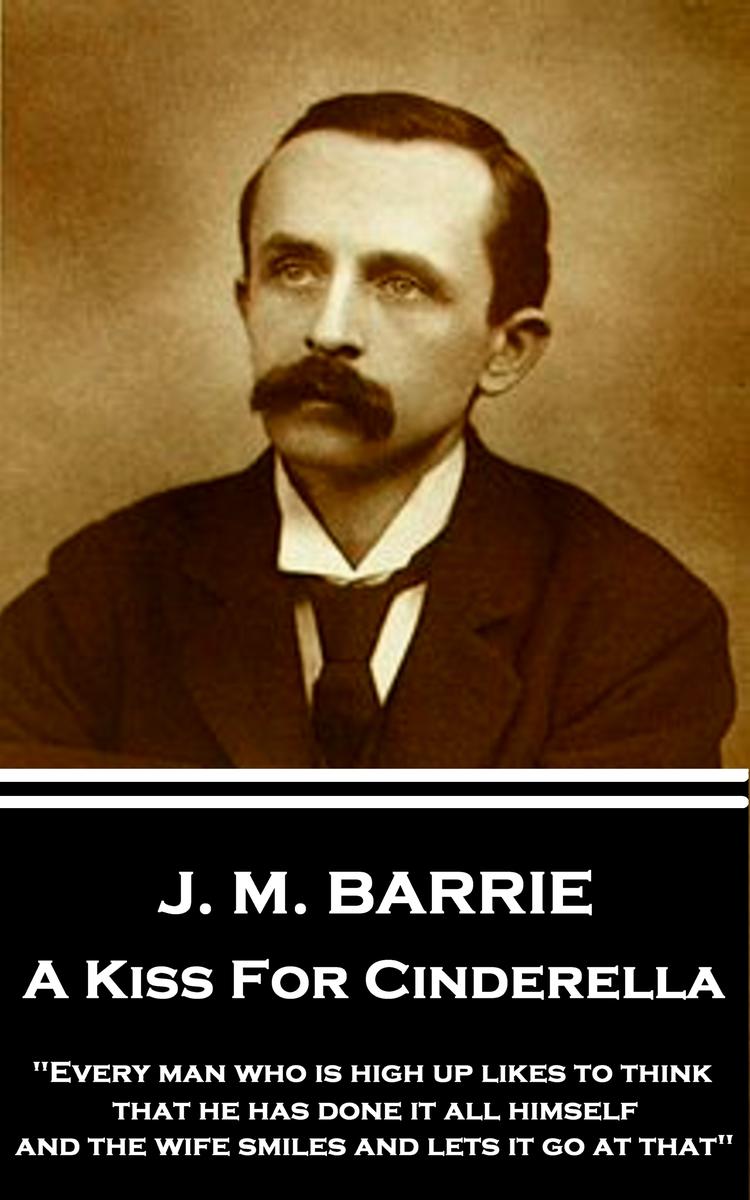
Kiss for Cinderella
¥16.38
Sir James Matthew Barrie, 1st Baronet, OM, was born in Kirriemuir, Angus the ninth of ten children on May 9th, 1860. From early formative experiences, Barrie knew that he wished to follow a career as an author. His family wished otherwise and sought to persuade him to choose a profession, such as the ministry. The compromise was that he would attend university to study literature at the University of Edinburgh. He graduated with an M.A. on April 21st, 1882. His first job was as a staff journalist for the Nottingham Journal. The London editor of the St. James's Gazette "e;liked that Scotch thing"e; in Barrie's short stories about his mother's early life. They also served as the basis for his first novels. Barrie though was increasingly drawn to working in the theatre. His first play, a biography of Richard Savage, was only performed once and critically panned. Undaunted he immediately followed this with Ibsen's Ghost in 1891, a parody of Ibsen's plays Hedda Gabler and Ghosts. Barrie's third play, Walker, London, in 1892 led to an introduction to his future wife, a young actress by the name of Mary Ansell. The two became friends, and she helped his family to care for him when he fell very ill in 1893 and 1894. Barrie proposed and they were married, in Kirriemuir, on July 9th, 1894. By some accounts the relationship was unconsummated and indeed the couple had no children. The story of Peter Pan had begun to formulate when Barrie became acquainted with the Llewelyn Davis family in 1897, meeting George, Jack and baby Peter with their nanny in London's Kensington Gardens. In 1901 and 1902, Barrie had back-to-back theatre successes with Quality Street and The Admirable Crichton. The character of "e;Peter Pan"e; first appeared in The Little White Bird in 1902. This most famous and enduring of his works; Peter Pan, or The Boy Who Wouldn't Grow Up had its first stage performance on December 27th, 1904. Peter Pan would overshadow everything written during his career. He continued to write for the rest of his life contributing many other fine and important works. Sir James Matthew Barrie, 1st Baronet, OM, died of pneumonia on June 19th,1937 and was buried at Kirriemuir next to his parents and two of his siblings.

Machine - Fascism is capitalism plus murder.
¥26.98
Upton Sinclair (1878-1968) was a prolific American novelist and a political activist. Apart from his bestselling novels, which told in black and white, illuminated the realities of the United States at the turn of the twentieth century, he is remembered today for championing socialist causes that were naturally unpopular in conservative America. In classics like 'The Jungle' his work had considerable effects on American politics and legislation. Sinclair's socialist ideals and dreams found their way to his fiction as he believed that no art can be practiced for art's sake as long as humanity still suffers from persistent dangers and evils. Such orientations have often subjected Sinclair to harsh criticism and even to demonization from numerous critics and politicians of his time, the most distinguished among which was probably President Theodore Roosevelt. However his legacy is that of a successful and established novelist and activist who if not always righting the balance was able to bring an incisive mind and mass exposure to many areas and industries.
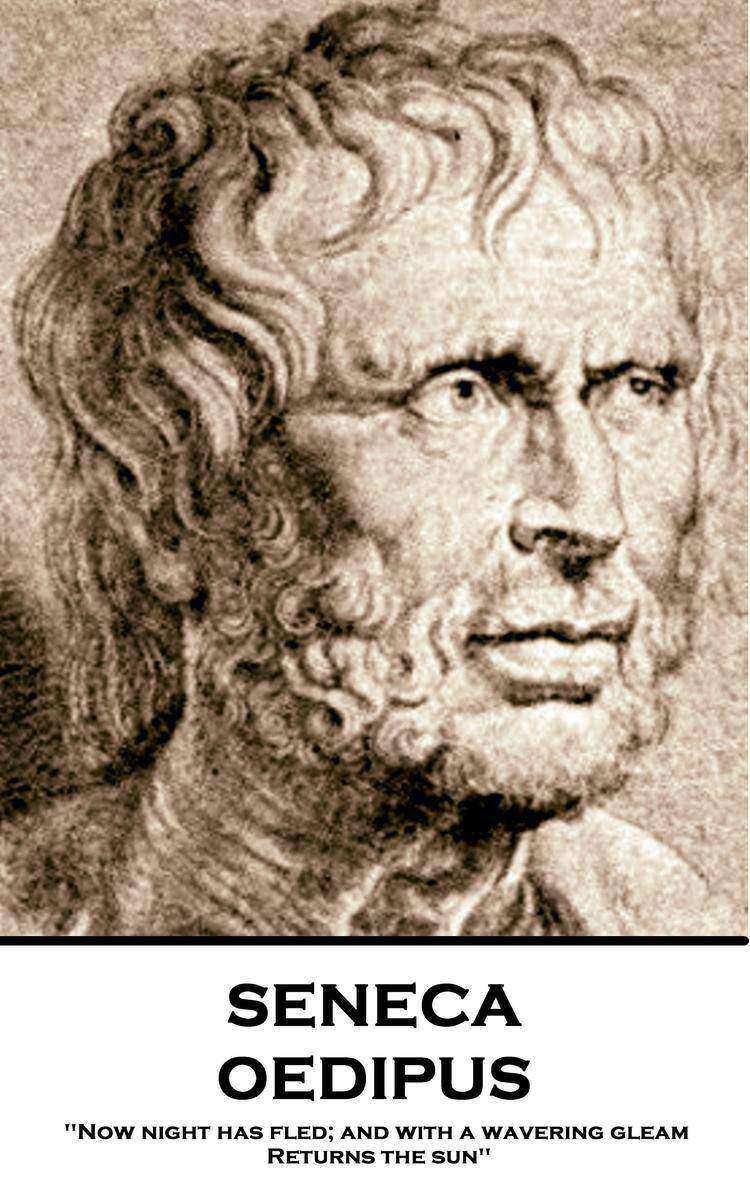
Oedipus - 'Now night has fled; and with a wavering gleam Returns the sun''
¥14.03
Lucius Annaeus Seneca, more readily known as Seneca the Younger, was born at Cordoba in the Roman province of Baetica in Hispania in approx 4 BC.Seneca attests that he was taken to Rome at a young age and educated in literature, grammar, and rhetoric; the standard education of high-born Romans. He also received philosophical training.Much of his life is not well documented but accounts do lean towards a pattern of ill-health at times. His breathing difficulties are thought to be the result of asthma and during his mid-twenties he contracted tuberculosis.He was sent to Egypt to live with his aunt, whose husband, Gaius Galerius, was Prefect of Egypt. In 31 AD he returned to Rome with her and, with her influence, was elected quaestor and with it the right to sit in the Roman Senate.Seneca's early career as a senator was successful and he was fulsomely praised for his oratory. A story related that emperor Caligula was so offended by Seneca's oratorical success that he ordered him to commit suicide. Seneca's ill-health prevented that.In 41 AD, Claudius became emperor, and Seneca was promptly cited by the new empress Messalina of adultery with Julia Livilla, the sister of Caligula and Agrippina.After trial the Senate pronounced a death sentence, which Claudius then commuted to exile. Seneca was to now spend the next eight years in Corsica. From this period of exile survive two of his earliest works-both consolations.In 49 AD Agrippina married her uncle Claudius, and through her Seneca was recalled to Rome. Agrippina appointed him, as tutor to her son, the future emperor Nero.Nero's early rule, during which he followed the advice of Seneca and Burrus, was competent. However, within a few years both Seneca and Burrus had lost their influence.In 58 AD the senator Publius Suillius Rufus made a series of public attacks on him saying that, Seneca had acquired a personal fortune of three hundred million sestertii. In response, Seneca brought a series of prosecutions for corruption against him. Suillius was dispatched into exile.After Burrus's death in 62 AD, Seneca's influence further declined. He adopted a quiet lifestyle at his country estates, concentrating on his studies and seldom visiting Rome. It was during these final few years that he composed two of his greatest works: 'Naturales Quaestiones'-an encyclopedia of the natural world; and his 'Letters to Lucilius'-which document his philosophical thoughts.In AD 65, Seneca was caught up in the aftermath of the Pisonian plot to kill Nero. Nero ordered him to kill himself. Seneca followed tradition by opening several veins in order to bleed to death. It was a sad conclusion for a man who has been called the first great Western thinker on the complex nature and role of gratitude in human relationships.
Tempest
¥17.56
William Shakespeare was born in Stratford-upon-Avon in late April 1565 and baptised there on 26th April. He was one of eight children. Little is known about his life but what is evident is the enormous contribution he has made to world literature. His writing was progressive, magnificent in scope and breathtaking in execution. His plays and sonnets helped enable the English language to speak with a voice unmatched by any other. William Shakespeare died on April 23rd 1616, survived by his wife and two daughters. He was buried two days after his death in the chancel of the Holy Trinity Church. The epitaph on the slab which covers his grave includes the following passage, Good friend, for Jesus's sake forbear, To dig the dust enclosed here. Blessed me the man that spares these stones, And cursed be he that moves my bones. Here we publish his comedy from 1611 'The Tempest'.
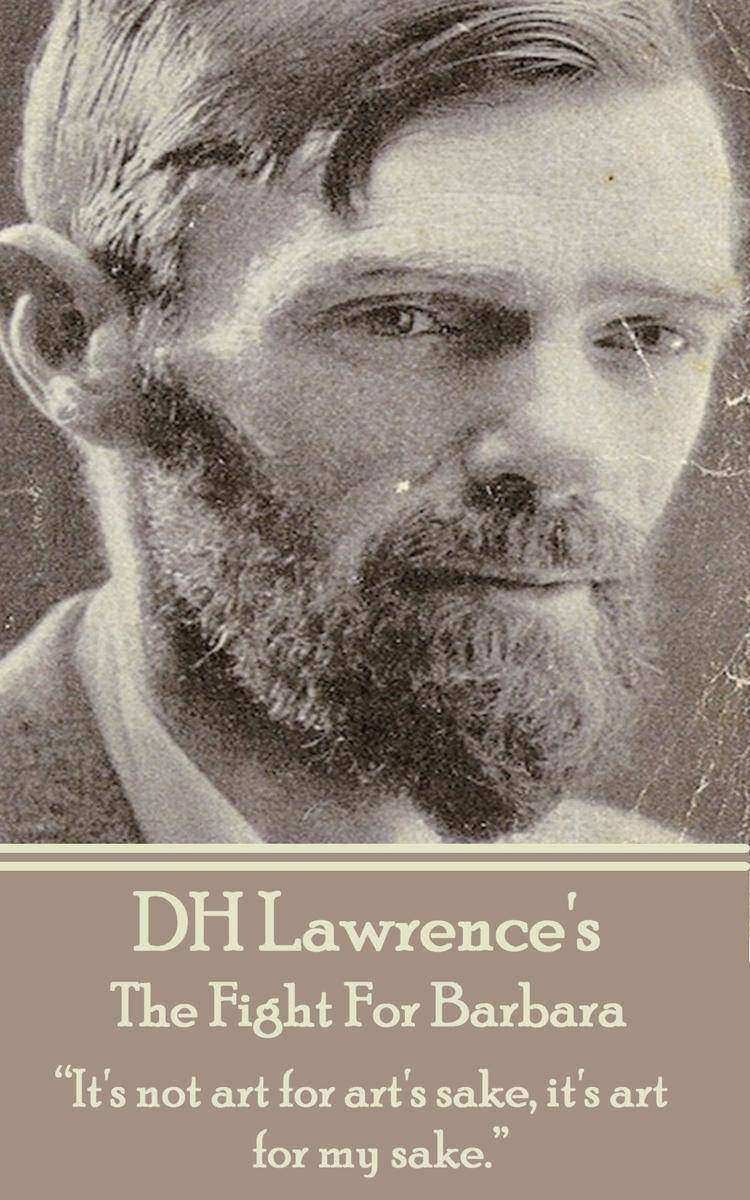
Fight For Barbara - It's not art for art's sake, it's art for my sake.
¥35.22
For many of us DH Lawrence was a schoolboy hero. Who can forget sniggering in class at the mention of Women In Love or Lady Chatterley's Lover? Lawrence was a talented if nomadic writer whose novels were passionately received, suppressed at times and generally at odds with Establishment values. This of course did not deter him. At his death in 1930 at the young age of 44 he was more often thought of as a pornographer but in the ensuing years he has come to be more rightly regarded as one of the most imaginative writers these shores have produced. As well as his novels and of course his poetry - he wrote in excess of 800 of them he was also a very talented playwright. These works have not been given quite the attention they deserve. Here we publish 'The Fight For Barbara'.
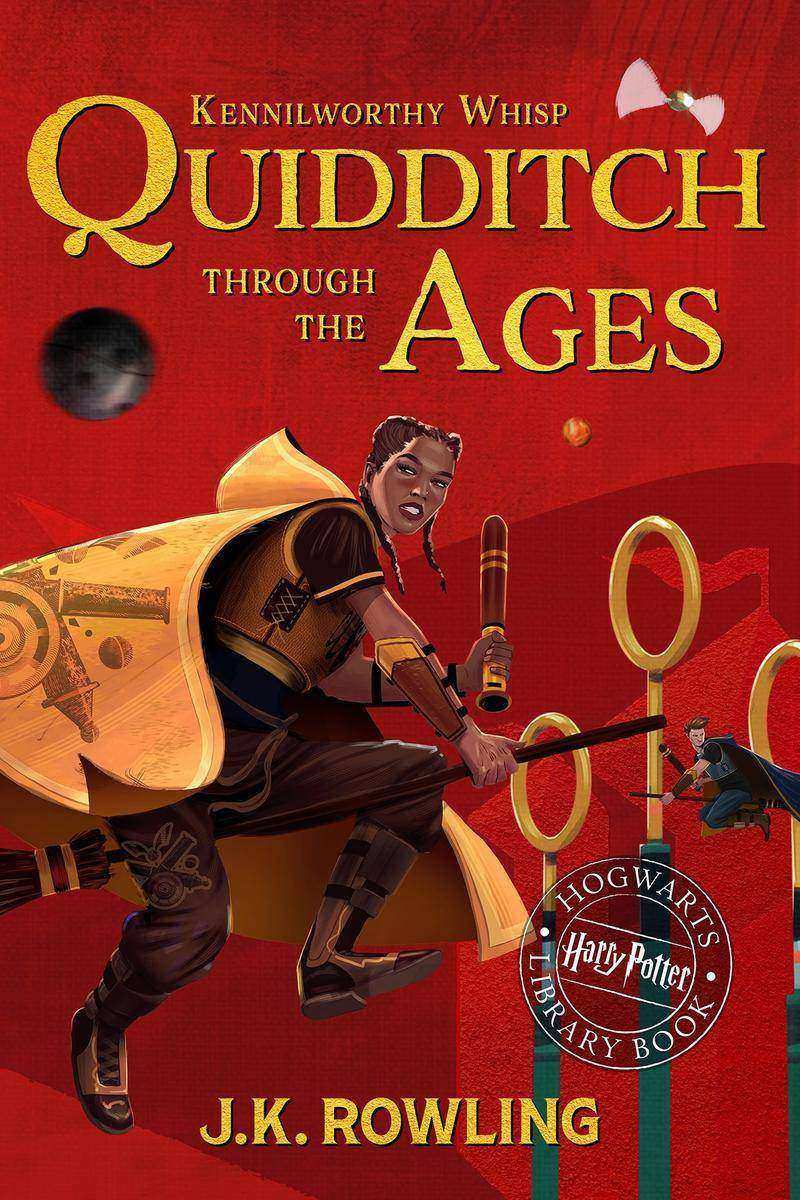
Quidditch Through the Ages
¥20.00
A perennial bestseller in the wizarding world and one of the most popular books in the Hogwarts School library, Quidditch Through the Ages contains all you will ever need to know about the history, the rules - and the breaking of the rules - of the noble sport of Quidditch. Packed with fascinating facts, this definitive guide by the esteemed Quidditch writer Kennilworthy Whisp charts the game's history from its early origins in the medieval mists on Queerditch Marsh, through to the modern-day sport loved by so many wizard and Muggle families around the world. With comprehensive coverage of famous Quidditch teams, the commonest fouls, the development of racing brooms, and much more, this is a must-have sporting bible for all Harry Potter fans, Quidditch lovers and players, whether the weekend amateur or the seasoned Chudley Cannons season-ticket holder.At least 15% of the net retail price* of this eBook will be available to Comic Relief and Lumos Foundation for their work with children and young people to help them have a better life. 20% of these monies will be used by Comic Relief and 80% will be used by Lumos Foundation.Comic Relief is a registered charity in the UK with charity nos. 326568 (England/Wales) and SC039730 (Scotland). Lumos Foundation is a registered charity in the UK with no. 1112575.* The net retail price means the price paid by the consumer less applicable sales taxes
Beyond: The Stars
¥26.07
Three thrilling short stories of adventure among the stars: Node Of Thought A spaceship pilot on a solo mission between the stars begins to see visions of other people. Are they trace thoughts from others who’ve passed that way? It’s not just an academic question when the ship’s computer starts to obey commands that aren’t his. ? Marathon of the Devil In a death-defying marathon on a desert planet, Eli Marone has managed to get lost. It’s now a race for survival, especially when the barren world might not be so lifeless after all. ? The Rift Twenty-seven years after a reckless experiment created a vast rift across the galaxy, a survey ship’s crew encounters a being with strange abilities and an even stranger disability. What they learn will test every belief they’ve ever had. Praise for Scott Overton: “A storyteller of boundless skill…a writer to watch.” “A gifted wordsmith.”
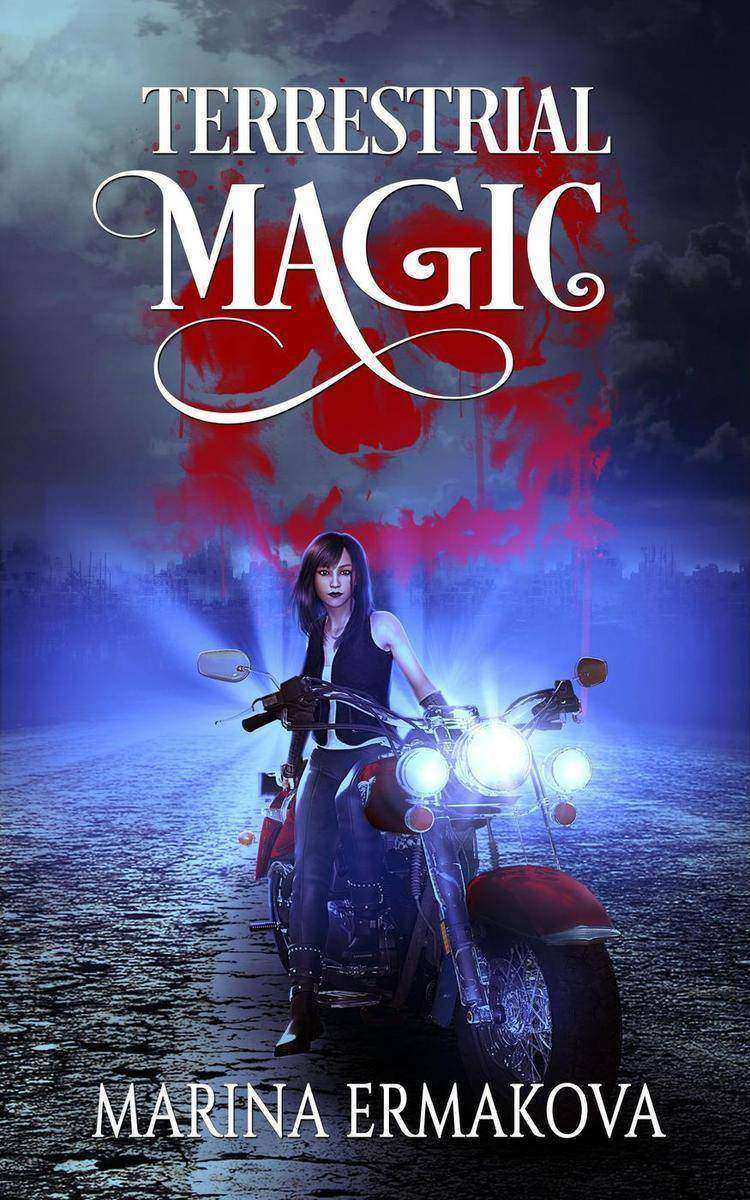
Terrestrial Magic
¥34.79
Most sensible people avoid fire-breathing carnivores that prey on humans. But Jordan has built a career out of studying such legendary animals, creatures thought mythological until their reemergence in the world three decades ago. She and researchers like her believe that knowledge is the key to reclaiming the land they'd lost back then, when humanity retreated into designated safety zones.? But when the humans moved out, the legends moved in. They were the descendants of mythical heroes, inheriting the powers of their ancestors, and they weren't afraid of the monsters. Jordan never expected to run into a legend, but when a field expedition turns into a trap for her team, she realizes that one deliberately tried to kill her. It's a diplomatic nightmare the Roman authorities might happily sweep under the rug. But if Jordan doesn't figure out who attacked her and why, they could try again. Yet even if she does solve the mystery, what could one stubborn scientist possibly do to stop a powerful legend? Almost 7,000 words of bonus content included. Embark on this urban fantasy/post-apocalyptic adventure today!

Autism Questions Parents Ask: Autism Help Series - Book One
¥52.23
Your child has an autism diagnosis. Now what??First, do no harm. Well, that’s a no-brainer, right??When your child receives an autism diagnosis, the research begins. You want to learn all that you can and find the best ways to help him or her.You will receive advice from specialists that makes sense to you - that fits with your life philosophy and with what you know of your child. You will receive advice that does not sit so well with you, the needs of your family and what you believe are the needs of your child.?Trust your instincts. You know your child the best and no one has his well-being at heart as much as you.Whether or not you feel prepared right now, you as the parent will be your child's primary therapist. You spend the most time with him and have the biggest impact on his life.?This book is for you. It's written by a parent who is also a special ed teacher, counselor, school psychologist, district consultant and autism consultant. The language won't require that you sit with a dictionary in your other hand but when you do find something that makes you want to research further, links and provided to help you with your search.Helping your autistic child be the best he can be is doable. It's within your reach and this is the book to guide you.
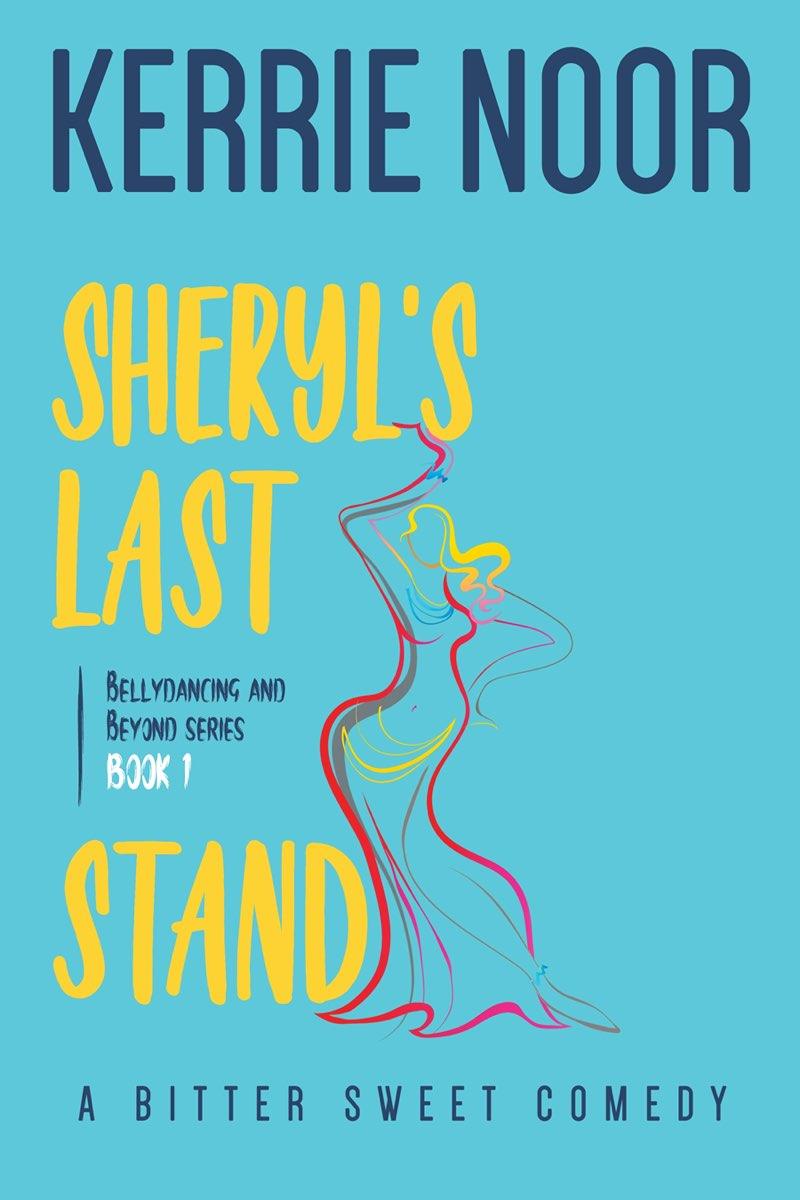
Sheryl's Last Stand: Bitter Sweet Comedy
¥26.07
Thirty Shades of Red Sheryl has lost her mojo Sheryl has seen better days, and now, on the wrong side of thirty-five she has lost it all and must start again. Not alone; but under the watchful eye of her mother. A woman with as much sensitivity as a comedian at a hen do.? Where does she start? With a newly discovered passion for belly dancing, Sheryl sets out to chase her fantasies. But, with a teacher like Nefertiti, and mother like Beatrice chasing your fantasies is easier said than done… Sheryl’s Last Stand is a Bridget Jones type comedy with a heroine we can all relate to and a great read if you’re having one of those "stick your head in the sand-I don’t want to get out of bed" days. Sheryl makes you laugh, cry but most of all not give up. She is the first in the Belly Dancing and Beyond series- laugh out loud stories about a group of women who have at one time or another danced with the great Nefertiti.? Each book is a stand-alone tale jam packed with familiar characters you will grow to love, maybe hate but will definitely want to read about again.? ?
Secrets in the Land
¥34.79
Mark Hersch’s life changed for the better when he met Beth Azen. Except for those long drives from Richmond to Hartstown, Virginia, to see her. Mark jumps at a surprise trip for a routine investigation of a polluted stream, never expecting anything out of the ordinary. But a bizarre secret from before the town’s founding awaits. Can Mark, Beth, and their shared magic solve the deadly mystery before all of Hartstown runs out of time? An excerpt from Secrets in the Land: Sometimes, you need to leave the bad things in the past. Art smiled, but it didn’t get anywhere within a mile of his eyes. “I have to ask if this is something you’re willing to take on, Mark. I’m not fibbing or lying or anything else when I say I’d understand if you’re not. Whatever’s up there half scared the life out of me. You ever feel that way about a place?” This time Mark did shiver, and he didn’t try to hide it. Maybe it was time he admitted at least a bit of what he and Beth (and Clina) had actually gotten into back in December. “Just one time. When we were taking your lost miner’s bones out of that old house pit. I was sure then and I’m more sure now that he dropped the rock that hit Beth on purpose. Thing is, I know in my bones that the rock was really aimed at me.”
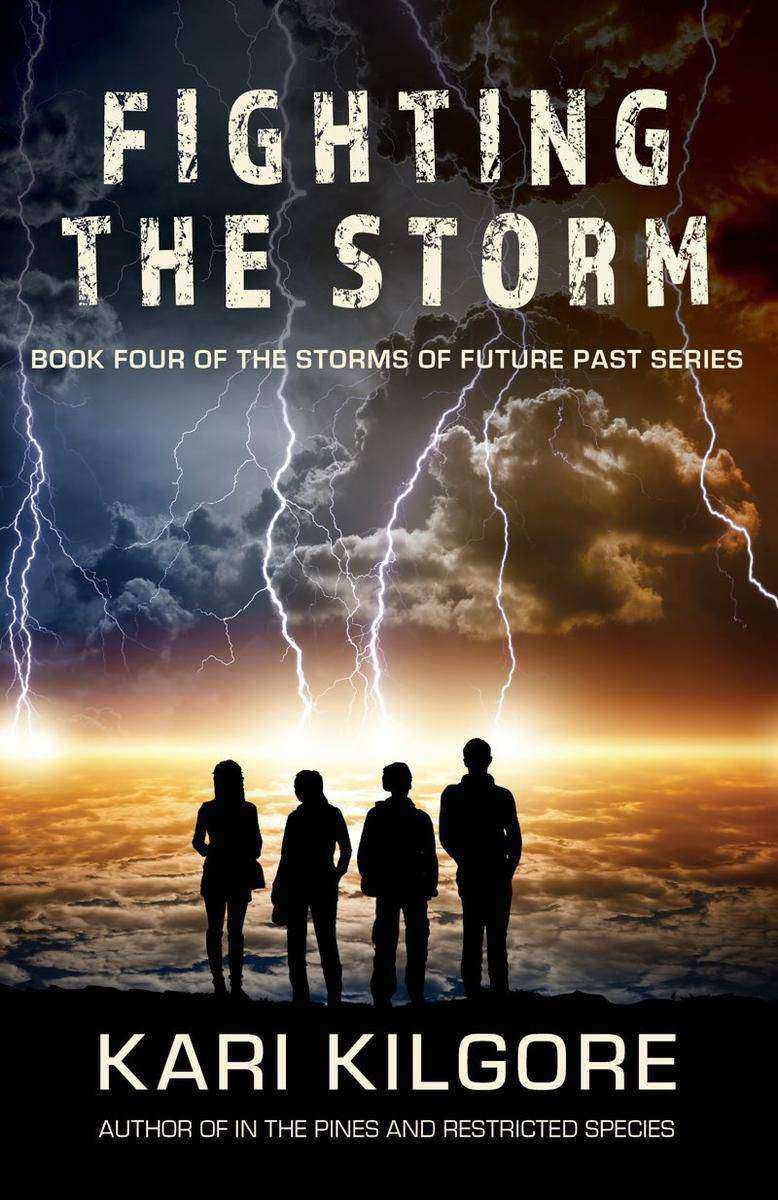
Fighting the Storm
¥43.51
The Storm Breaks Alex Collins and Etan Griffith thought love, hard work, and magic protected them from the end of the world. Until heartbreak struck much closer to home. Picking up the pieces brings new friends and new challenges. Threats unseen and unexpected. Will the power of family bring them all through, together? An excerpt from Fighting the Storm: Etan didn’t have to look at Alex to know he was biting his tongue, dying to say something. He could feel how tense Alex’s leg was against his own, could just about hear?his agitation. “What are you wanting to say, Alex?” “I don’t want to be an asshole, but if we have to set you up as a prophet, that’s what we need to do. I hated what happened in Maple Ridge and everywhere else. But we can’t have gone through so much hell to get here and let everything fall apart again. If people will follow the Great Prophet Etan and that lets us survive, then that’s who you need to be.” Etan did groan then, closing his eyes for a second. Not only because this was what he’d been afraid of. Because the words and the ideas sounded true. They felt?true, no matter how much he might dislike them. “I don’t know if I can agree to that, not right now. I have no idea how to do any?of this, much less create a new religion. I’m scared to death of making a hard situation worse.”
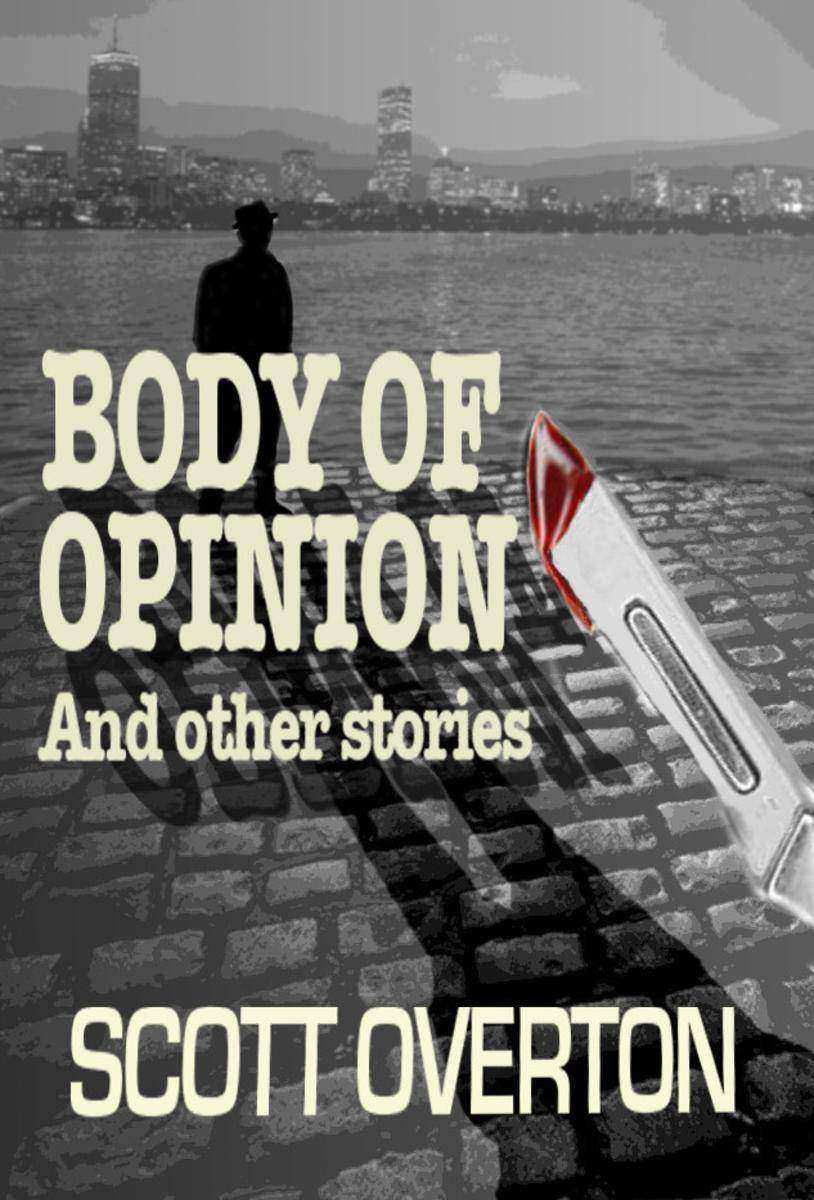
Body Of Opinion and other stories
¥19.88
Looking for a walk on the dark side? These three suspenseful tales of the future might be best read with all of the lights on. No Walls A man discovers that he has the ability to pass through walls, but finds it’s more of a curse than a gift, only useful for petty crime. Then a secret intelligence organization gets its hooks into him, and his troubles have only begun. (First published in “Neo-opsis” Issue #18, 2009.) ? Lockdown In a future society, criminals on parole don’t even dare to think about committing a crime or their bodies could go into complete lockdown. So how does a guy get revenge on those who’ve wronged him? ? Body Of Opinion For a dying man, a replacement body is a godsend. Unless the body turns out to be a used model with some serious glitches. Can the new “tenant” discover what killed its first owner before it fails completely? Praise for Scott Overton: “A storyteller of boundless skill…a writer to watch.” “A gifted wordsmith.”
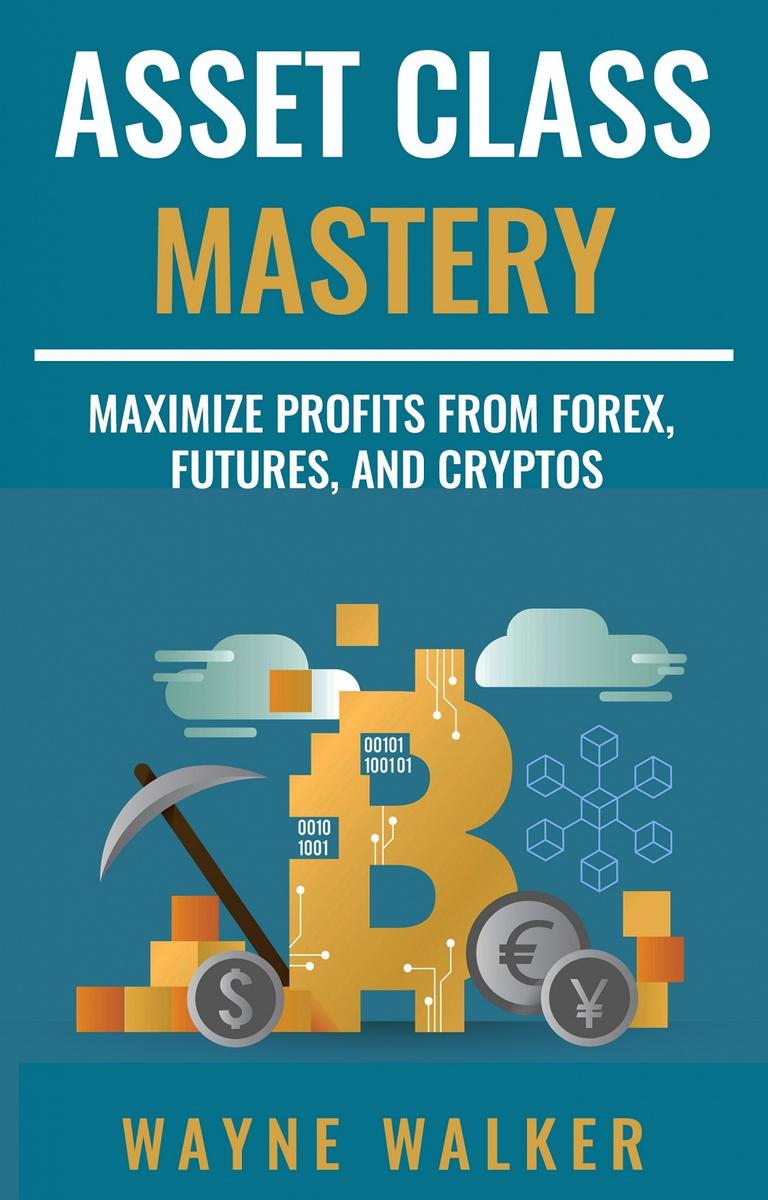
Asset Class Mastery: Maximize Profits From Forex, Futures, and Cryptos
¥34.79
This unique book is an intensive combination of three asset classes, forex, futures, and cryptocurrencies. You begin in the world of currencies, travel to commodities and ending?in cryptocurrencies.?As with all of Wayne's books, the emphasis is on practical applications with a personal touch.?The results from past students and readers confirms their effectiveness. The book includes the following and much more! - Step-by-step guide to understanding from beginner forex into?advanced technical analysis indicators - Strategic trading tactics - Using crops and energy sector seasonality to your advantage - Beginner to advanced commodities trading strategies - Bitcoin and Cryptocurrency Trading Tactics - Trader psychology (bonus chapter) - Using multiple time frames -Selecting the correct trading partner This is a combination of?Wayne's books: Tested Forex Strategies, Futures Trading Strategies, and The Guide To Mastering Bitcoin & Cryptocurrencies.

Grey Squirrels London
¥17.35
Born under mysterious circumstances, Grey, Pocket, Roots, Dew, Nuts, and Titch are not your ordinary squirrels. Using a tourist map and led by the charismatic Grey, the teenage squirrels embark on a breathtakingly hilarious adventure as they make their way from London’s Greenwich Park to Hyde Park to meet the Wise Owl.But the squirrels are not alone. As time ticks and darkness beckons, they are being stalked by the dangerous Rat King and his vicious sewer army.What is the secret of their origins? What did the Wise Owl tell them? And, most importantly, will they make it back to Greenwich Park in time to save their families?
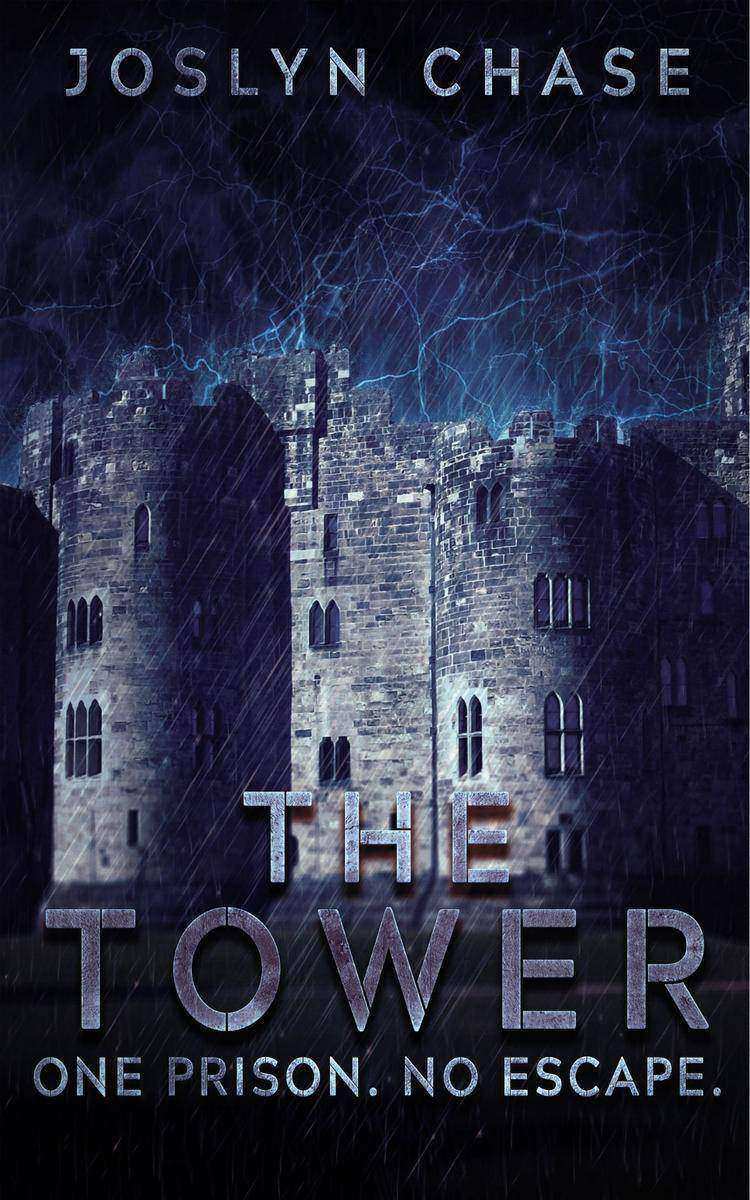
The Tower: One prison. No escape.
¥26.07
In the uneasy aftermath of WWII in Bavaria, Laura Schreiner must choose whether to help her father nurse an American GI back to health.The decision she makes changes the course of her life, drawing her into a web of evil spun by a man who learned from the masters.In the face of his cruel obsession, can she free herself from the entanglement of the tower and embrace a life of love and freedom? If you love suspense steeped in romance, you’ll revel in The Tower. Get your copy today!"Superb with beautiful imagery, and so much tension it hurt to swallow." ~ MC Dalton, author of Epona and Iron Heart"In the movie Field of Dreams, there is a now famous line, “If you build it, they will come."?Apply this sentiment to Joslyn Chase--if she writes it, we will come and read it.? A marvelous journey." ~ William DeProspo, author of Unlikely Outcome"The flow of her writing is a delight to me, elegant and soothing, woven like fine linen." ~ Margherita Crystal Lotus, author of The Color Game

MR. ROBOT: Red Wheelbarrow - (eps1.91_redwheelbarr0w.txt)
¥211.41
The only tie-in book for USA's award-winning series MR. ROBOT, Elliot's journalRed Wheelbarrowis written by show creator Sam Esmail and show writer Courtney Looney. Before and during the events of season two, Elliot recorded his most private thoughts in this journaland now you can hold this piece of the series in your hands. Experience Elliot's battles to gain control of his life and his struggles to survive increasingly dangerous circumstances, in a brand-new story rendered in his own words. The notebook also holds seven removable artifactsa ripped-out page, a newspaper clipping, a mysterious envelope, and morealong with sketches throughout the book. You'll discover the story behind MR. ROBOT season two and hints of what is to come. This book is the ultimate journey into the world of the showand a key to hacking the mind of its main character. MR. ROBOT is a psychological thriller that follows Elliot (Rami Malek, The Pacific), a young programmer, who works as a cyber-security engineer by day and as a vigilante hacker by night. Elliot finds himself at a crossroads when the mysterious leader (Christian Slater, Adderall Diaries) of an underground hacker group recruits him to destroy the firm he is paid to protect.Praise for MR. ROBOT: ';Relentless, sensational, and unabashedly suspenseful' TheNew York Times ';. . . most narratively and visually daring drama series on television . . .' Entertainment Weekly ';Terrific' The New Yorker ';Sam Esmail is one of the most innovative creators to make his mark on television in a long time.' Rolling Stone ';A modern classic' Forbes ';MR. ROBOT has the potential to be one of the defining shows of our age.' TIME ';Brilliant' The Huffington Post Golden Globe Awards for Best Television Series, Drama, and Best Performance by an Actor in a Supporting Role in a Series, Mini-Series or Motion Picture Made for Television (Christian Slater) Critics' Choice(R) Awards for Best Drama Series, Best Actor in a Drama Series (Rami Malek), and Best Supporting Actor in a Drama Series (Christian Slater) Emmy Award(R) for Outstanding Lead Actor in a Drama Series (Rami Malek) Five Emmy(R) nominations, including for Outstanding Drama Series

莎士比亚戏剧典藏:皆大欢喜
¥12.99
弗莱德里克不顾兄弟情谊,篡夺同胞兄弟的公爵头衔,把公爵赶走,使他被迫流亡在森林里。不久公爵的女儿罗瑟琳也被驱逐到森林,遇到了受兄长奥列佛虐待的奥兰多,两人相爱。奥兰多宽恕了奥列佛,使奥列佛悔过,并与罗瑟琳的堂妹西莉娅产生了爱情。他们一起生活在森林里,罗瑟琳终于在森林里找到了父亲,弗莱德里克受隐士拨,对自己的行为十分懊悔,将权位归还给了胞兄,奥兰多与罗瑟琳、奥列佛与西莉娅、牧人西尔维斯与牧女菲必、小丑试金石与村姑奥德雷四对恋人喜结良缘,收获了大团圆的结局。
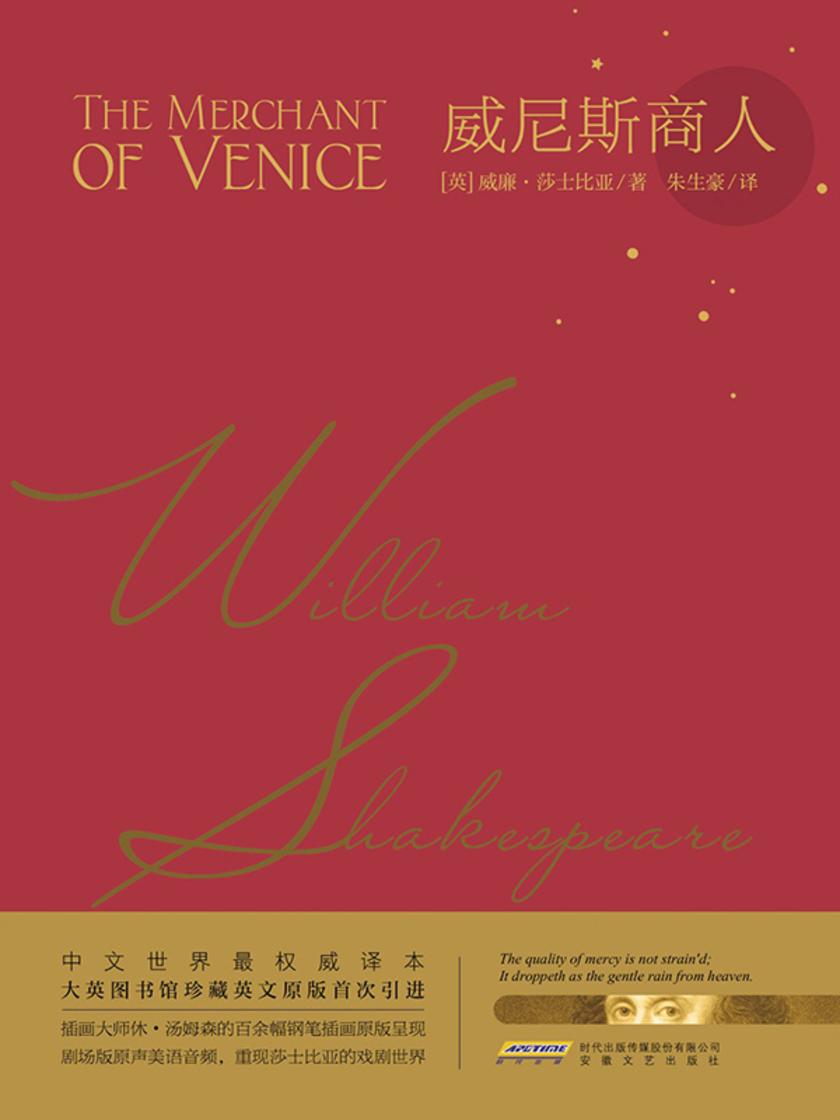
莎士比亚戏剧典藏:威尼斯商人
¥12.99
《威尼斯商人》 是莎士比亚早期的重要作品,是一部具有极大讽刺性的喜剧。主要讲述了威尼斯商人安东尼奥为了帮助好友巴萨尼奥成婚,向犹太人高利贷者夏洛克借了三千金币。夏洛克因为安东尼奥借给别人钱不要利息,影响了他的生意,又侮辱过他,所以借机报复,在借约上戏言三个月期满还不上钱,就从安东尼奥身上割下一磅肉抵债。安东尼奥因船失事,不能如期还钱,夏洛克就提起公诉,要安东尼奥履行借约。 为救安东尼奥的性命,巴萨尼奥的未婚妻鲍西亚假扮律师,利用智慧巧妙地让夏洛克无法执行割一磅肉而败诉,害人不成反而失去财产。


