


 购物车
购物车 个人中心
个人中心

The Divergent Series Complete Collection 分歧者系列(套装共3册)
¥320.56
All three books in the #1?New York Times?bestselling Divergent trilogy are available together for the first time! Perfect for gift givers, collectors, and fans new to the series, the collection includes Divergent, Insurgent, and Allegiant, as well as bonus content: a 48-page guide to the series, including Faction Manifestos, a Faction Quiz and Results, a Q&A with Veronica Roth, playlists, discussion questions, series inspirations, and much more!Divergent: One choice can transform you. Veronica Roth's #1?New York Times?bestselling debut is a gripping dystopian tale of electrifying choices, powerful consequences, unexpected romance, and a deeply flawed "perfect society."Insurgent: One choice can destroy you. Veronica Roth's second #1?New York Times?bestseller continues the dystopian thrill ride. As war surges in the factions all around her, Tris attempts to save those she loves—and herself—while grappling with haunting questions of grief and forgiveness, identity and loyalty, politics and love.Allegiant: The explosive conclusion to Veronica Roth's #1?New York Times?bestselling Divergent trilogy reveals the secrets of the dystopian world that has captivated millions of readers.
The Year of Billy Miller
¥44.85
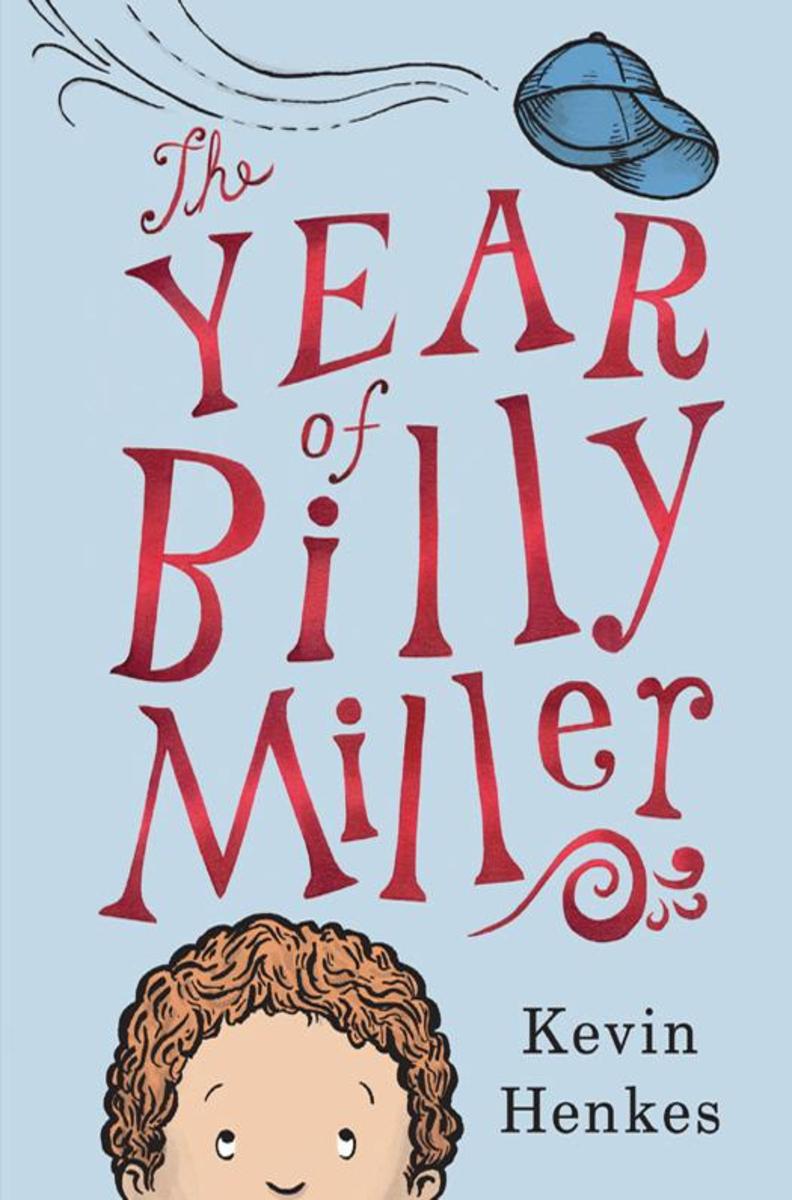
A 2014 Newbery Honor BookA New York Times BestsellerAward-winning, nationally bestselling author Kevin Henkes introduces second-grader Billy Miller in this fast-paced and funny story about friendship, sibling rivalry, and elementary school. The Year of Billy Miller includes black-and-white art by Kevin Henkes and is perfect for fans of the Ramona books; Frindle, by Andrew Clements; and the Clementine series.The New York Times declared: "Henkes's delightful story is restrained and vivid . . . forgoing the overdramatic or zany, it shows the substance, warmth and adaptability of beautifully common family love." When Billy Miller has a mishap at the statue of the Jolly Green Giant at the end of summer vacation, he ends up with a big lump on his head. What a way to start second grade, with a lump on your head! As the year goes by, though, Billy figures out how to navigate elementary school, how to appreciate his little sister, and how to be a more grown up and responsible member of the family and a help to his busy working mom and stay-at-home dad. Newbery Honor author and Caldecott Medalist Kevin Henkes delivers a short, satisfying, laugh-out-loud-funny school and family story that features a diorama homework assignment, a school poetry slam, cancelled sleepovers, and epic sibling temper tantrums. This is a perfect short novel for the early elementary grades.

Epic Reads Impulse
¥107.82
The enticing world of Valkyrie Rising, Ingrid Paulson's debut teen novel, is introduced in Valkyrie Symptoms, a prequel short story.This twenty-page original story introduces the characters from the perspective of the ever-flippant, if undeniably alluring, Tucker Halloway. It also includes a teaser to Valkyrie Rising, a novel in which deadly legends, hidden identities, and tentative romance swirl together into an unexpectedly epic adventure when seventeen-year-old Ellie travels to Norway with her big brother and Tuck, his best friend, and encounters Valkyries: the legendary women warriors of Norse mythology.Epic Reads Impulse is a digital imprint with new releases each month.

The End Is Here: Teen Romance Sampler
¥38.06
The end is here! At least, the end of these popular series is almost here. Before they reach their conclusion, read selections from the first books. You'll fall in love with the paranormal worlds of Angelfire by Courtney Allison Moulton, Once in a Full Moon by Ellen Schreiber, A Touch Mortal by Leah Clifford, and Unearthly by Cynthia Hand.
Say What You Will
¥55.33
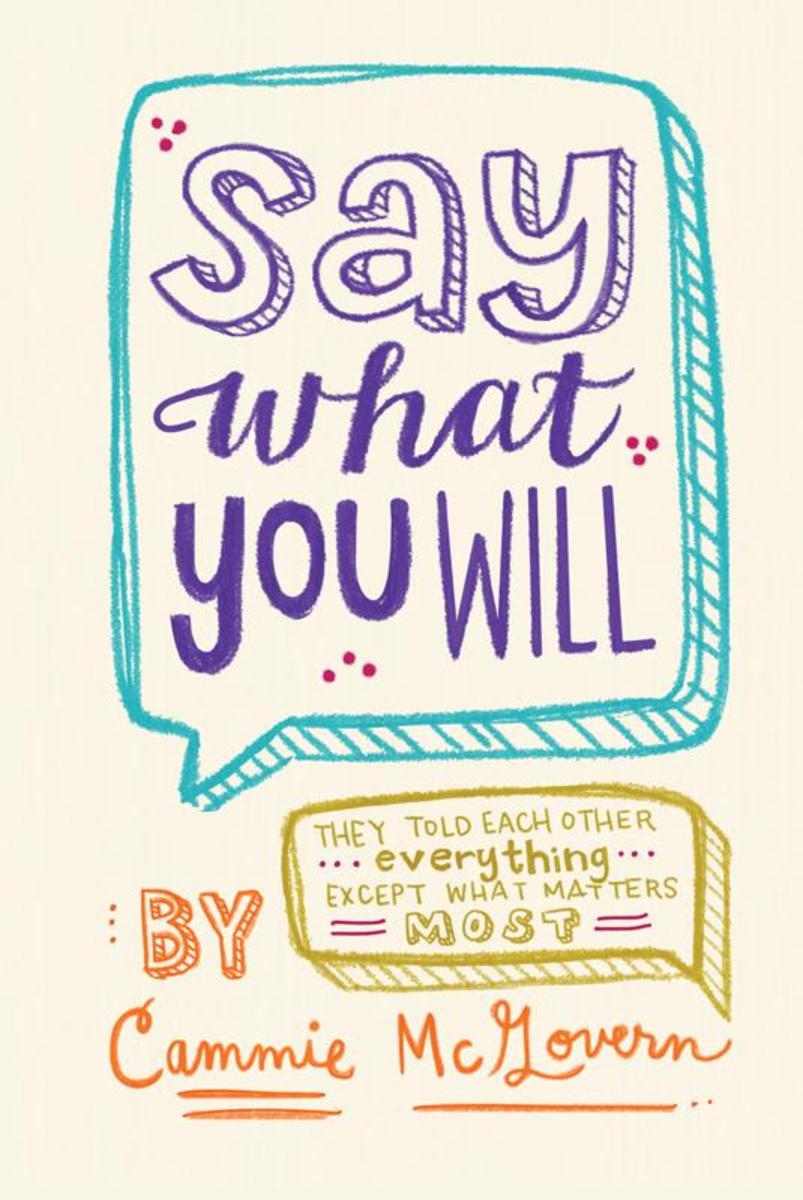
John Green's The Fault in Our Stars meets Rainbow Rowell's Eleanor & Park in this beautifully written, incredibly honest, and emotionally poignant novel. Cammie McGovern's insightful young adult debut is a heartfelt and heartbreaking story about how we can all feel lost until we find someone who loves us because of our faults, not in spite of them.Born with cerebral palsy, Amy can't walk without a walker, talk without a voice box, or even fully control her facial expressions. Plagued by obsessive-compulsive disorder, Matthew is consumed with repeated thoughts, neurotic rituals, and crippling fear. Both in desperate need of someone to help them reach out to the world, Amy and Matthew are more alike than either ever realized.When Amy decides to hire student aides to help her in her senior year at Coral Hills High School, these two teens are thrust into each other's lives. As they begin to spend time with each other, what started as a blossoming friendship eventually grows into something neither expected.
Luck Uglies #2: Fork-Tongue Charmers
¥44.25
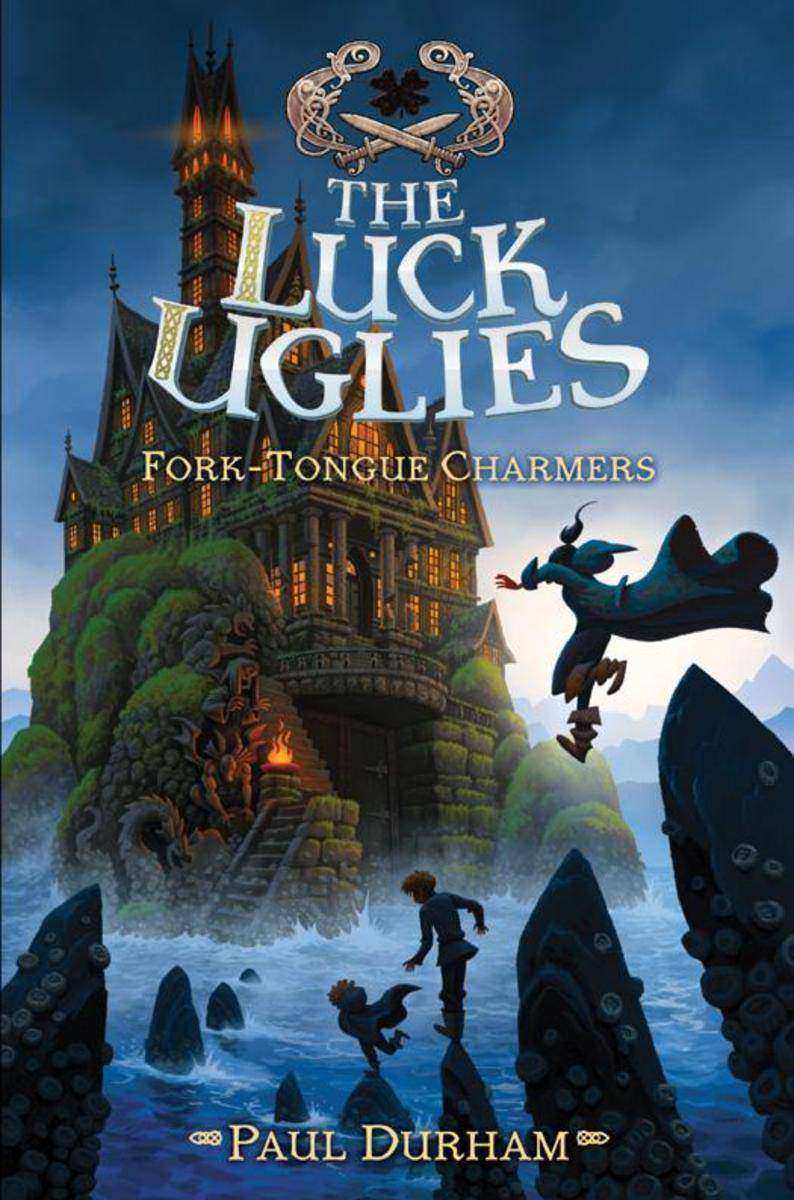
The Luck Uglies face their greatest enemies in this thrilling sequel to the critically acclaimed first book in the series, hailed by Kirkus in a starred review as “a sparkling must-read”! The Luck Uglies is a perfect match for fans of Chris Colfer's Land of Stories books and Joseph Delaney's Last Apprentice series. This second installment ratchets up the humor, charm, and adventure, taking the series to brand-new heights!Rye O’Chanter was shocked to discover that her father was the leader of the notorious band of outlaws known as the Luck Uglies. Now she too has been declared a criminal in her own village, and she must flee to the strange and remote Isle of Pest while her father faces off against the Luck Uglies’ bitter rivals, the Fork-Tongue-Charmers, on the mainland.But all bets are off when the battle moves to the shores of Pest. To defeat the Fork-Tongue Charmers, Rye must defy a deranged earl, survive a test meant to judge the grit of the fiercest men, and lead the charge in defending the island against a strangely familiar enemy, which means uncovering some long-buried family secrets….The first Luck Uglies book was named an ALA Notable Children’s Book as well as a New York Public Library Title for Reading and Sharing, and it won the Cybil Award for Middle Grade Speculative Fiction.

A Desire So Deadly
¥21.73
In this 50-page digital original novella, Suzanne Young extends the dazzling world of A Need So Beautiful and A Want So Wicked.Eighteen-year-old Claire Becks leads a charmed life surrounded by her loving family, great friends, and sexy boyfriend, Ezra. Claire is known for her great advice—and for how easily she puts others at ease. And although she feels occasional bouts of sadness she can't quite place, she is otherwise happy.Then one day a mysterious stranger walks into her family's bakery. Claire immediately senses something about Harlin—something tortured and dark. Even after he leaves, she can't stop thinking about him, inexplicably feeling like there is unfinished business between them.When Lucy, the new girl in town, starts to draw Claire into her world of darkness, Harlin realizes who Claire really is. But Claire will have to realize it too if she hopes to escape the fate of the Shadows.Epic Reads Impulse is a digital imprint with new releases each month.
The King's Guard
¥10.71
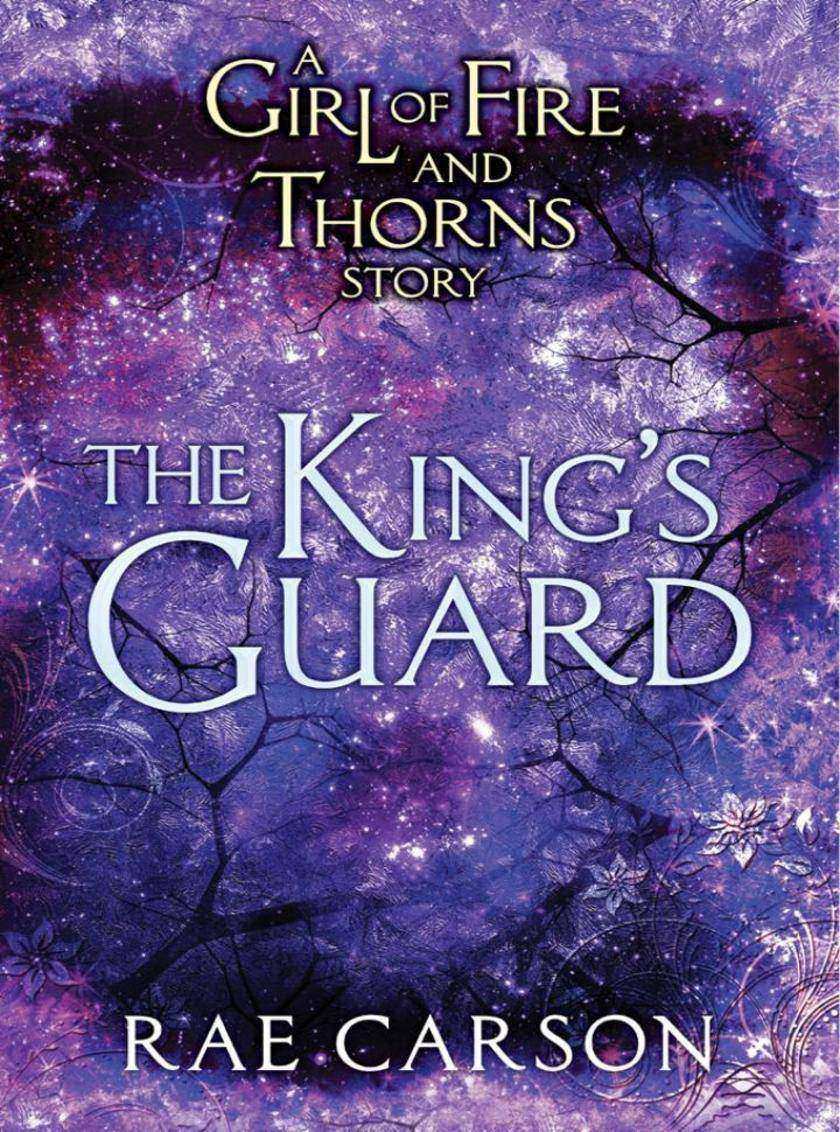
Hector of Ventierra is the youngest commander of the Royal Guard in his kingdom's history. But before he was lord commander, he was a lowly squire. In this short fantasy novella, set in the world of The Girl of Fire and Thorns, Rae Carson introduces readers to Hector before he became the man Queen Elisa fell in love with. The King's Guard also includes a teaser chapter for The Bitter Kingdom, the conclusion to the Fire and Thorns trilogy.At fifteen years old, Hector is the youngest squire in the most elite military force in the country. And his first day is disastrous. Everyone assumes the only reason he was recruited is his close personal association with King Alejandro, not because he's really earned it.But Alejandro needs Hector for a secret mission, one that gives him the chance to prove to everyone—including himself—that he is worthy to be a Royal Guard. Hector must break into the ancient Fortress of Wind to retrieve something so important that the kingdom's future depends on it. What Hector finds in the fortress will stretch his bond of friendship with his king near to breaking. And it will prepare him to become the fearsome warrior and lord commander Elisa will never let go.A riveting prequel to Rae Carson's epic and acclaimed Fire and Thorns series.
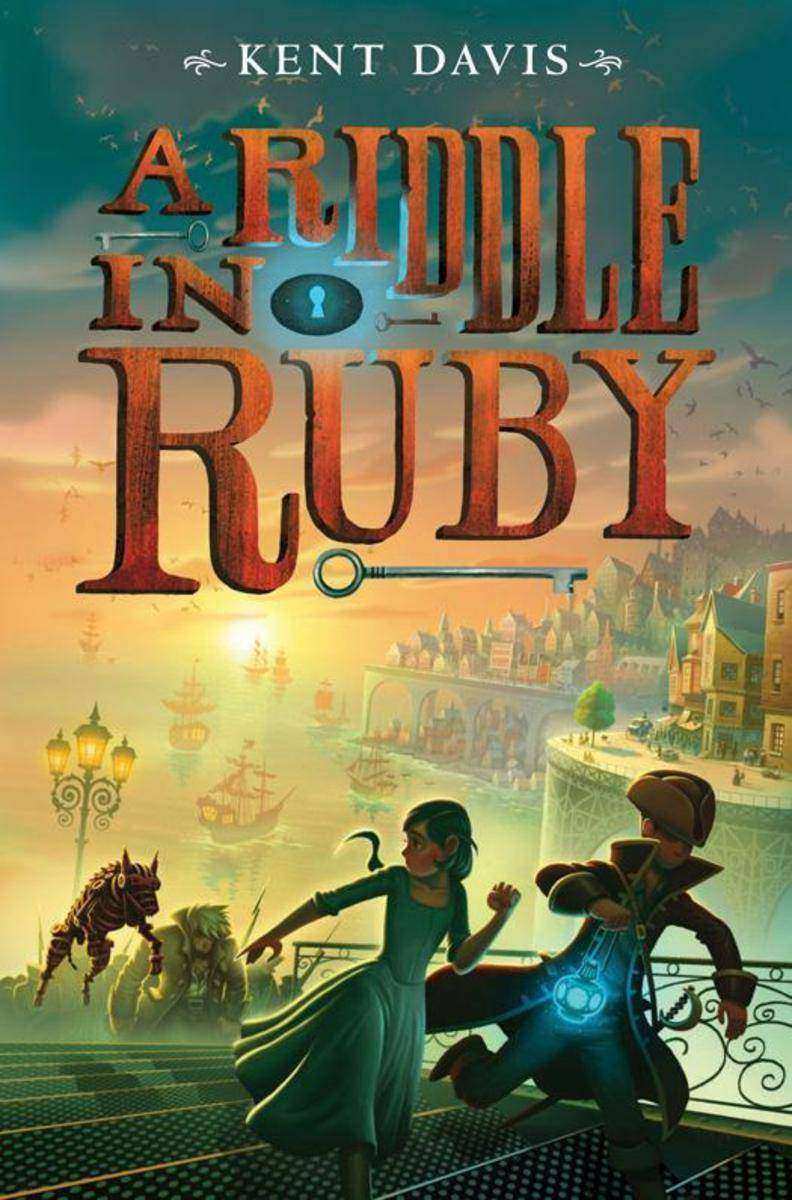
A Riddle in Ruby
¥44.85
Ruby is a thief-in-training and a keeper of secrets—ones she doesn't even know herself. A Riddle in Ruby is the first book in a witty and fast-paced fantasy-adventure trilogy for fans for Jonathan Stroud, Septimus Heap, and The Very Nearly Honorable League of Pirates.Ruby Teach, daughter of a smuggler and pirate, has been learning how to swindle and steal and pick the most complex locks for as long as she can remember. But a collision with aristocratic young lord Athen sends her spinning into chaos. Little did she know that her whole life has been spent in hiding from nefarious secret societies and the Royal Navy . . . who are both now on her trail. In this debut middle grade adventure, Kent Davis weaves a rip-roaring tale through an alternate colonial Philadelphia. A world where alchemy—that peculiar mix of magic and science—has fueled the industrial revolution. With this highly original setting, a cast of fully rounded characters and rapid-fire, funny dialogue, A Riddle in Ruby will call to mind fantasy greats like Diana Wynne Jones and Terry Pratchett.
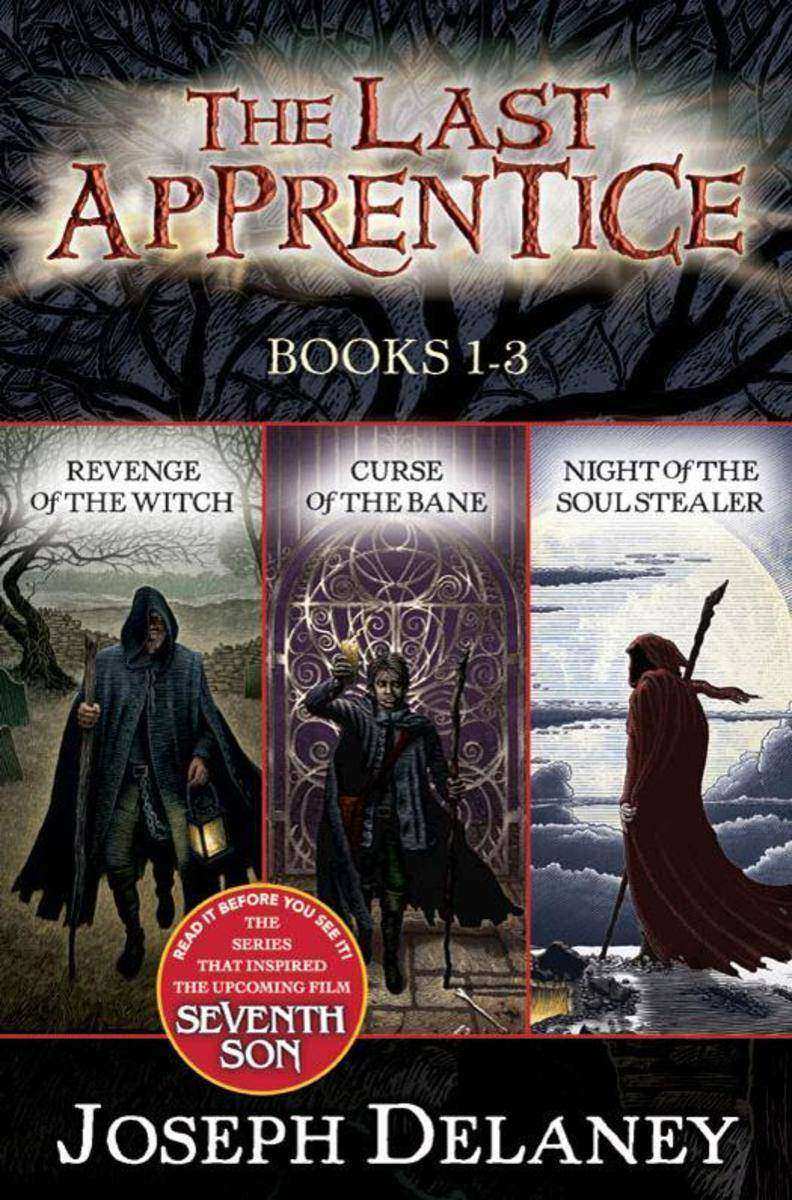
Last Apprentice 3-Book Collection
¥183.36
The first three volumes of the internationally bestselling Last Apprentice series! Thomas Ward is the seventh son of a seventh son. He is destined to battle the creatures of the dark: witches, boggarts, ghosts, and more. And he will, as the apprentice to the local Spook. But can he survive when so many apprentices have failedThis ebook collection of the acclaimed series that inspired the major motion picture Seventh Son includes Book One: Revenge of the Witch; Book Two: Curse of the Bane; and Book Three: Night of the Soul Stealer.
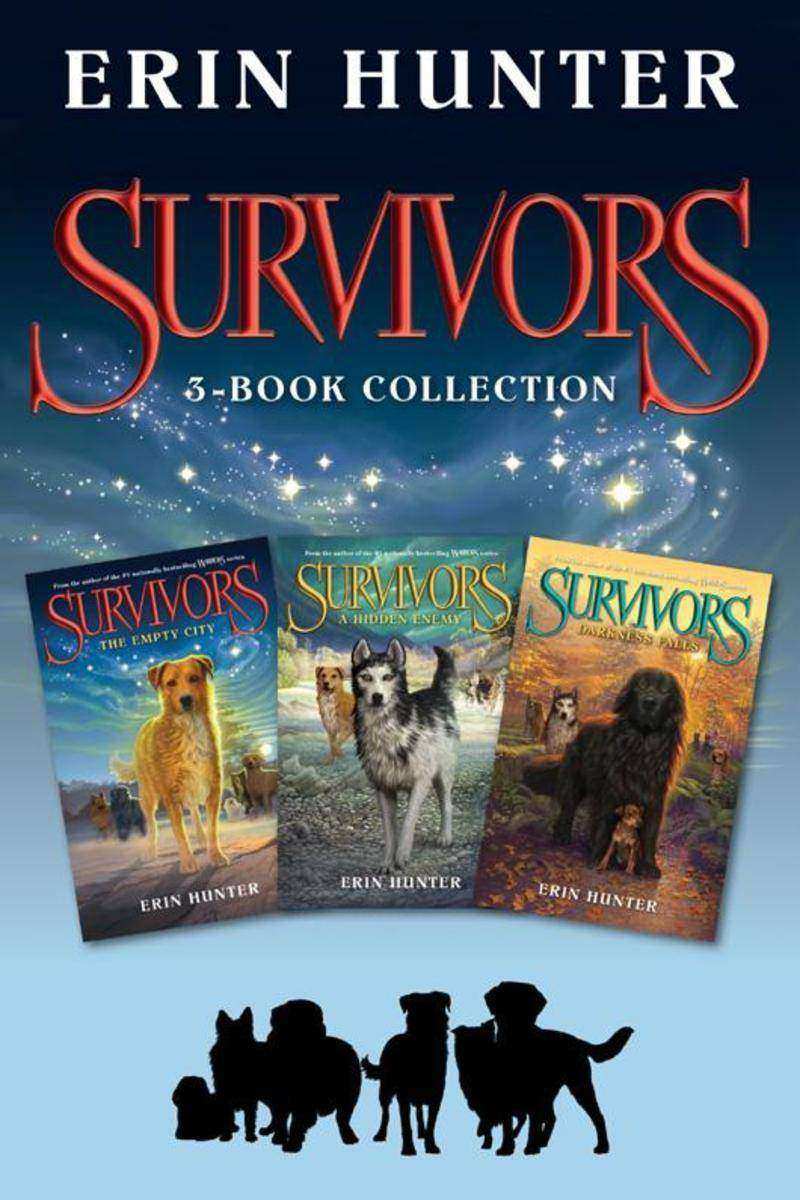
Survivors 3-Book Collection
¥137.29
The time has come for dogs to rule the wild. The collection includes the first three books in this thrilling New York Times bestselling series:Survivors #1: The Empty City: Lucky has always been a Lone Dog, but now he needs a Pack in order to stay alive. Relying on other dogs brings new dangers that Lucky isn't prepared for. Can Lucky ever be a true Pack Dog?Survivors #2: A Hidden Enemy: Bella and the Leashed Dogs have finally settled in the forest. But a fierce Pack of Wild Dogs has laid claim to the land, and their menacing Alpha will stop at nothing to ensure that it is his alone.Survivors #3: Darkness Falls: After an attack threatened both the Wild and Leashed Packs, Lucky knows that the dogs' only hope is to unite. For the first time since the Big Growl, Lucky is desperate to have other dogs by his side. But it might be too late. . . .

HarperCollins
¥150.99
This collection is perfect for anyone looking to try out three bestselling series that are fun, easy-to-read, loaded with humor and art, and just right for young independent readers. In includes:Roscoe Riley Rules #1: Never Glue Your Friends to Chairs: If the kids can't sit still for the class performance, Roscoe's teacher could be in big trouble. Fortunately Roscoe has a plan to save her—a super, mega, gonzo plan! What could go wrong?My Weird School #1: Miss Daisy Is Crazy!: In this first book in the outrageously funny series that has reached millions of readers around the world, second-grade teacher Miss Daisy is in over her head. She doesn't even know how to add or subtract! But the kids have other things on their minds. Principal Klutz has promised that if they read a million pages in books, they can turn the school into a video-game arcade for one whole night!Alien in My Pocket #1: Blast Off!: When a four-inch-tall alien crash-lands through Zack McGee's bedroom window, Zack is sure he's about to become the first victim in a new War of the Worlds. But when the alien turns out to have weapons that are more ticklish than terrifying, Zack realizes that rather than protect the world from the alien it's up to him to protect the alien in his pocket from the world.

InterWorld 2-Book Collection
¥107.82
Teens—and tweens and adults—who obsessively read the His Dark Materials and Harry Potter series will be riveted by Neil Gaiman and Michael Reaves's InterWorld and its sequel, The Silver Dream.InterWorld tells the story of Joey Harker, a very average kid who discovers that his world is only one of a trillion alternate earths. Some of these earths are ruled by magic. Some are ruled by science. All are at war. Joey teams up with alternate versions of himself from an array of these worlds. Together, the army of Joeys must battle evil magicians Lord Dogknife and Lady Indigo to keep the balance of power between all the earths stable.The Silver Dream: After mastering the ability to walk between dimensions, Joey Harker and his fellow InterWorld freedom fighters are now on a mission to maintain peace between the rival powers of magic and science who seek to control all worlds. When a stranger named Acacia somehow follows Joey back to InterWorld's base, things get complicated. No one knows who she is or where she's from—or how she knows so much about InterWorld.

The Genius Files 4-Book Collection
¥218.05
With the real-kid humor that has earned Dan Gutman millions of fans around the world, and featuring weird-but-true American tourist destinations, The Genius Files is a one-of-a-kind mix of geography and fun. This collection includes the first four novels in this bestselling series.The Genius Files: Mission Unstoppable: The most exciting road trip in history begins! In this action-packed, New York Times bestselling adventure, twelve-year-old twins Coke and Pepsi McDonald embark on a family vacation you'll have to read to believe. As Coke and Pepsi dodge nefarious villains from the Pez museum in California all the way to the Infinity Room in Wisconsin, black-and-white photographs and maps put young readers right into the action.The Genius Files #2: Never Say Genius: Coke and Pepsi McDonald never asked to be geniuses. They never asked to get lowered into a basket of boiling French fries, either. And they certainly never asked to be frozen in soft-serve ice cream, stampeded in a wild stadium riot, or kidnapped on a high-speed roller coaster. But that's what happens when a red-haired villain named Archie Clone is chasing you across America. This just might be the most dangerous road trip in history—and the most awesome!The Genius Files #3: You Only Die Twice: As the twins continue their family road trip from Washington D.C. through the South, it will take every bit of their genius abilities to outwit their wacky enemies. It doesn't help that their parents remain totally oblivious! When they finally get to Graceland, Elvis's home in Memphis, Tennessee, Coke and Pepsi come to an explosive conclusion you'll have to read to believe!The Genius Files #4: From Texas with Love: After their explosive escape at Graceland, twins Coke and Pepsi are ready to resume their trip across America. They travel through Arkansas and Oklahoma, visiting weird-but-true tourist stops along the way, and finally end up in Texas, home of the Weird Capital of the Country, Austin. The twins' many enemies—the bowler dudes, Mrs. Higgins, and Dr. Warsaw—all swear that they're done chasing Coke and Pepsi for good. But when the twins start receiving more codes and ciphers from a mysterious robotic voice, they know someone's after them. They just have to figure out who before the mystery villain finds them first.
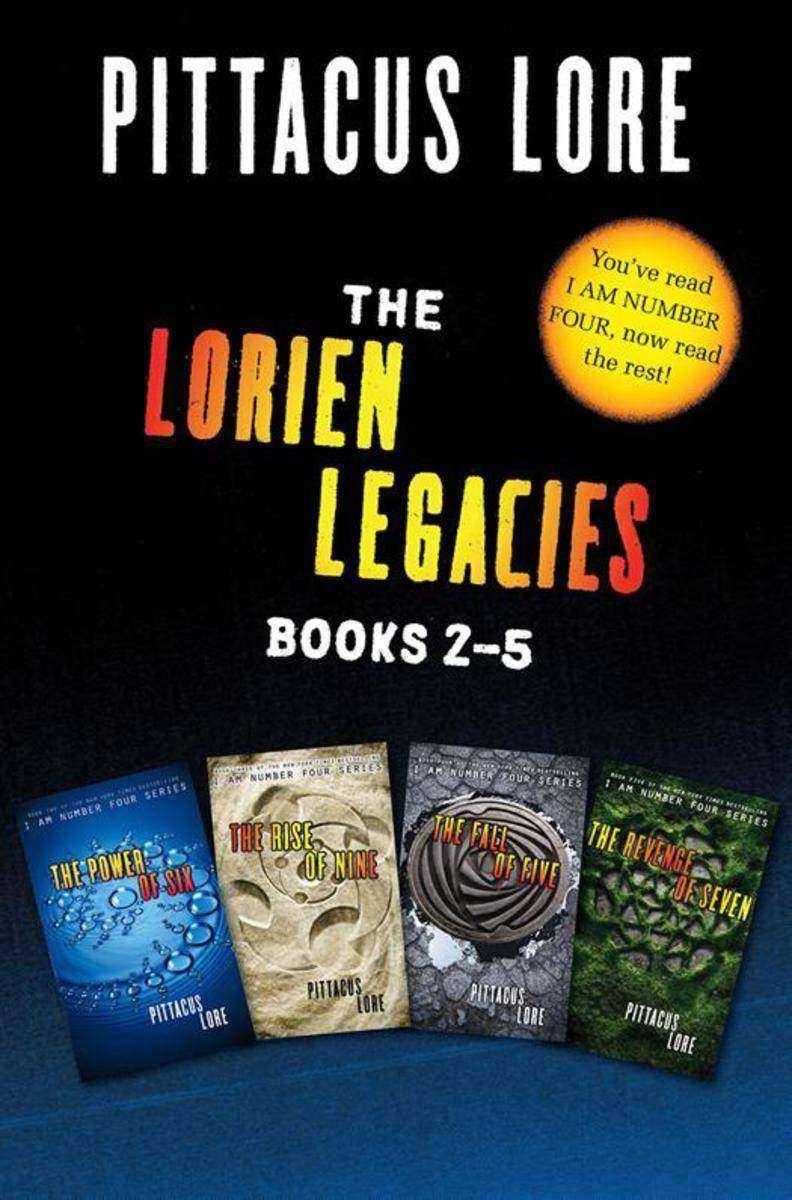
The Lorien Legacies: Books 2-5 Collection
¥381.65
Four thrilling bestselling novels are included in this collection:The Power of Six: I've seen him on the news. Followed the stories about what happened in Ohio. John Smith, out there, on the run. To the world, he's a mystery. But to me . . . he's one of us.There are six of us left. We're hiding, blending in, avoiding contact with one another . . . but our Legacies are developing, and soon we'll be equipped to fight. Is John Number Four, and is his appearance the sign I've been waiting forAnd what about Number Five and SixI am Number Seven. One of six still alive.And I'm ready to fight.The Rise of Nine: The stakes are higher than ever as John, Six, and Seven try desperately to find the rest of the Garde before it's too late. During the dangerous mission at the Mogadorian base in West Virginia, John found and rescued Nine. But even with their combined powers, special abilities known as Legacies, the pair barely escaped with their lives—and they lost Sam in the process. In order to save our world and their own, John and Nine must join forces with Six and Seven who have been battling the Mogadorians in Spain, and who are now trying to locate Number Eight in India.The Fall of Five: To defeat their enemy, the Garde must master their Legacies and learn to work together as a team. When the Garde receive a sign from Number Five—a crop circle in the shape of a Lorien symbol—they know they are close to being reunited. But could it be a trapTime is running out, and the only thing they know for certain is that they have to get to Five before it's too late.The Revenge of Seven: The fifth book in the New York Times bestselling I Am Number Four series! The Garde have suffered an unbearable loss. Number Five has betrayed them. Eight is gone forever. Ella has been kidnapped. The others are now scattered. The Garde are broken and divided once again, but they will not be defeated. As long as one still stands, the battle for Earth's survival is not lost.
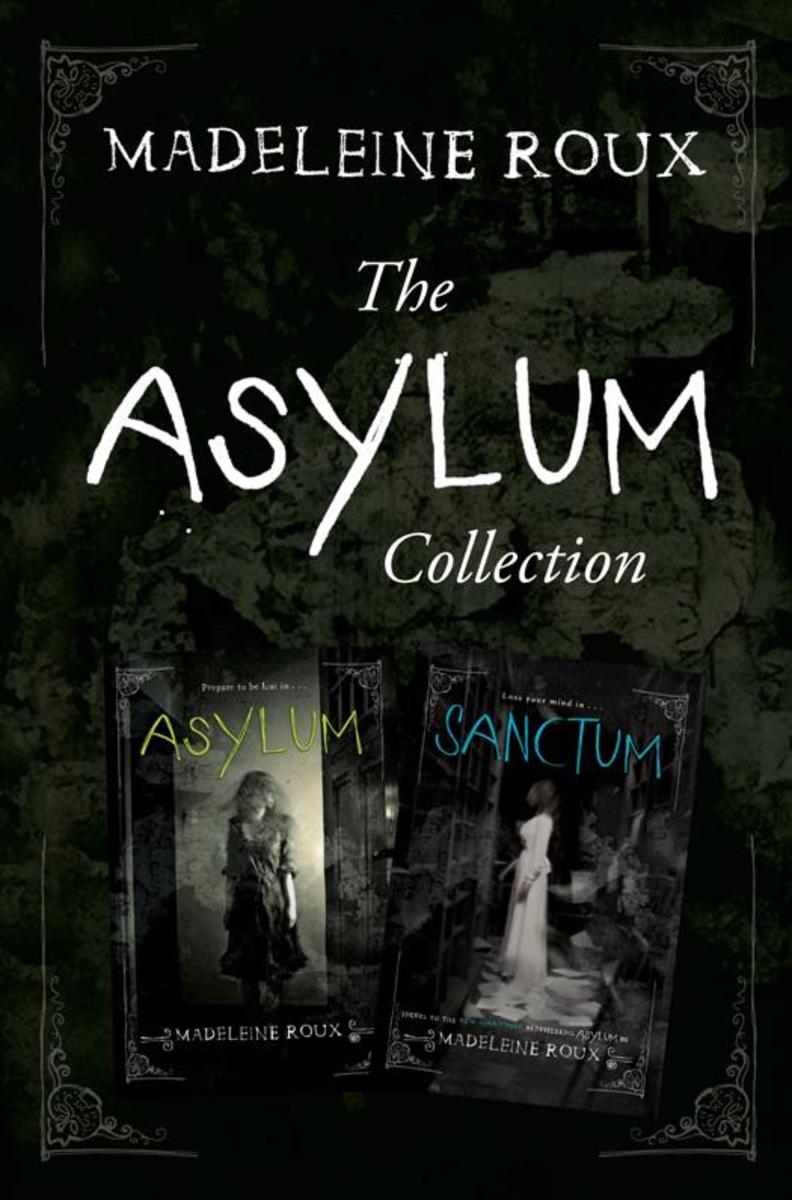
The Asylum Two-Book Collection
¥185.33
Here's a haunting two-book collection that's perfect for fans of Miss Peregrine's Home for Peculiar Children.Asylum: Madeleine Roux's New York Times bestselling Asylum is a thrilling and creepy photo-illustrated novel that Publishers Weekly called "a strong YA debut that reveals the enduring impact of buried trauma on a place." Featuring found photographs from real asylums and filled with chilling mystery and page-turning suspense, Asylum is a horror story that treads the line between genius and insanity.Sanctum: An Asylum Novel: In this haunting, fast-paced sequel to the New York Times bestselling photo-illustrated novel Asylum, three teens must unlock some long-buried secrets from the past before the past comes back to get them first. Featuring found photographs, many from real vintage carnivals, Sanctum is a mind-bending reading experience that blurs the lines between past and present, genius and insanity
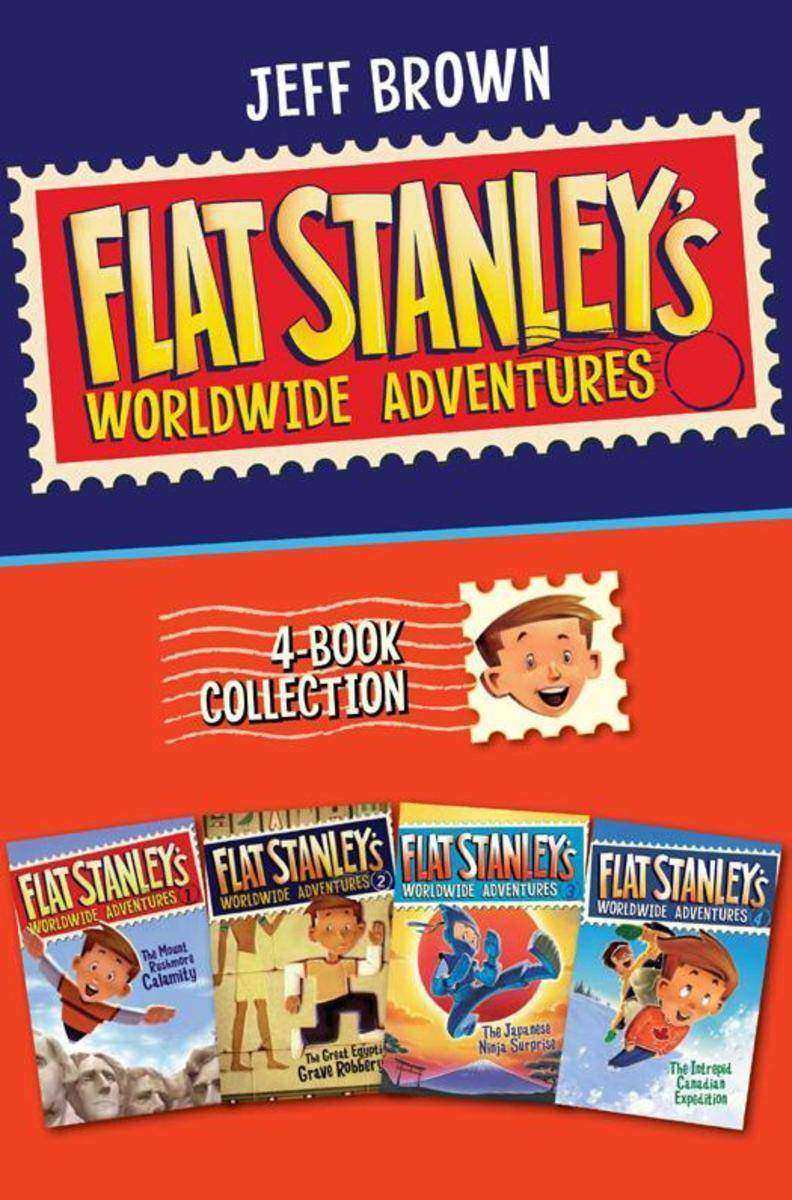
Flat Stanley's Worldwide Adventures 4-Book Collection
¥103.33
With this collection of the first four novels in Flat Stanley's Worldwide Adventures, readers will soar through unforgettable adventure, witness friendship at its best, and learn tons of fun facts about the place Stanley visits! And for parents and teachers, each Flat Stanley book is aligned to the Common Core State Standards, including multicultural adventure, plot and character development story elements, and compare and contrast.Includes:#1: The Mount Rushmore Calamity: The whole Lambchop family is off to see Mount Rushmore. But when Flat Stanley and his brother, Arthur, team up with a scrappy cowgirl named Calamity Jasper, their vacation turns into the Wild West experience of a lifetime.#2: The Great Egyptian Grave Robbery: Ever since Stanley was flattened by a bulletin board, there are places he can get to that no one else can. So when Stanley receives a letter from an archaeologist, he travels by airmail to Egypt to help find an ancient treasure deep in the heart of a great pyramid. But what if even the flattest boy on earth can't wriggle out of this dark tomb—and the terrible mess he finds himself in?#3: The Japanese Ninja Surprise: Stanley and his brother, Arthur, are such huge fans of the movie star ninja Oda Nobu that they decide to send him something even better than fan mail—Stanley himself! But when trouble surprises them, it will take a real hero to save the day.#4: The Intrepid Canadian Expedition: Stanley Lambchop and his family are in British Columbia, Canada, for some skiing and winter fun. But when Stanley and his new friend Nick go snowboarding—with Stanley as the snowboard, of course—they take a midair tumble just as the wind picks up . . . and find themselves floating in an amazing Canadian cross-country journey that might just be Stanley's wildest adventure yet!

Flat Stanley's Worldwide Adventures Complete Collection
¥545.24
With this collection of all twelve novels in Flat Stanley's Worldwide Adventures, readers will soar through unforgettable adventure, witness friendship at its best, and learn tons of fun facts about the place Stanley visits! And for parents and teachers, each Flat Stanley book is aligned to the Common Core State Standards, including multicultural adventure, plot and character development story elements, and compare and contrast.Includes:#1: The Mount Rushmore Calamity#2: The Great Egyptian Grave Robbery#3: The Japanese Ninja Surprise#4: The Intrepid Canadian Expedition#5: The Amazing Mexican Secret#6: The African Safari Discovery#7: The Flying Chinese Wonders#8: The Australian Boomerang Bonanza#9: The US Capital Commotion#10: Showdown at the Alamo#11: Framed in France#12: Escape to California

Vampire Diaries: The First Bite 4-Book Collection
¥348.93
Sink your teeth into the Vampire Diaries! This collection includes the first four can't-miss volumes from L. J. Smith.The Vampire Diaries: The Awakening: A deadly love triangle:Elena: beautiful and popular, the girl who can have any guy she wantsStefan: brooding and mysterious, desperately trying to resist his desire for Elena . . . for her own good.Damon: sexy, dangerous, and driven by an urge for revenge against Stefan, the brother who betrayed himElena finds herself drawn to both brothers . . . who will she choose?The Vampire Diaries: The Struggle: Torn between two vampire brothers:Damon: determined to make Elena his, he'd kill his own brother to possess herStefan: desperate for the power to destroy Damon, and protect Elena, he gives in to his thirst for human bloodElena: the girl who can have anyone finds herself in the middle of a love triangle . . . one that might turn deadlyThe Vampire Diaries: The Fury: Love can kill:Elena: with Damon at her side, and wild with her craving for blood, the changed Elena struggles to control her desiresDamon: his hunger for the golden girl wars with his hunger for revenge against StefanStefan: tormented after losing Elena, he will do anything to get her back. Even if it means becoming what he once despised. . . .Getting what they want may come at a deadly cost.The Vampire Diaries: Dark Reunion: The Final Conflict...The Last Deadly Kiss:Elena: now she rises from the dead to recreate the powerful vampire trioStefan: summoned by Elena, he keeps a promise to her and fights the most terrifying evil he's ever facedDamon: joining the brother he once called enemy, Damon battles this new horror with strength, cunning, and deadly charm.

Epic Reads Impulse
¥107.82
A short stand-alone digital novella set in the world of Leah Cypess's Nightspell, where ghosts exist alongside humans and nearly every lavish ball is part murder mystery.In the kingdom of Ghostland, every murdered soul comes back as a ghost, and every ghost has only one desire—vengeance. Emilie had everything she'd ever wanted—beautiful dresses, a perfectly decorated room, a party every night, and the eye of a nobleman. But then she's killed. And now she'll stop at nothing to find out who did it. No one in the palace of Ghostland is above suspicion—not even the people closest to her. This haunting fantasy novella is filled with supernatural thrills and surprising plot twists.Epic Reads Impulse is a digital imprint with new releases each month.
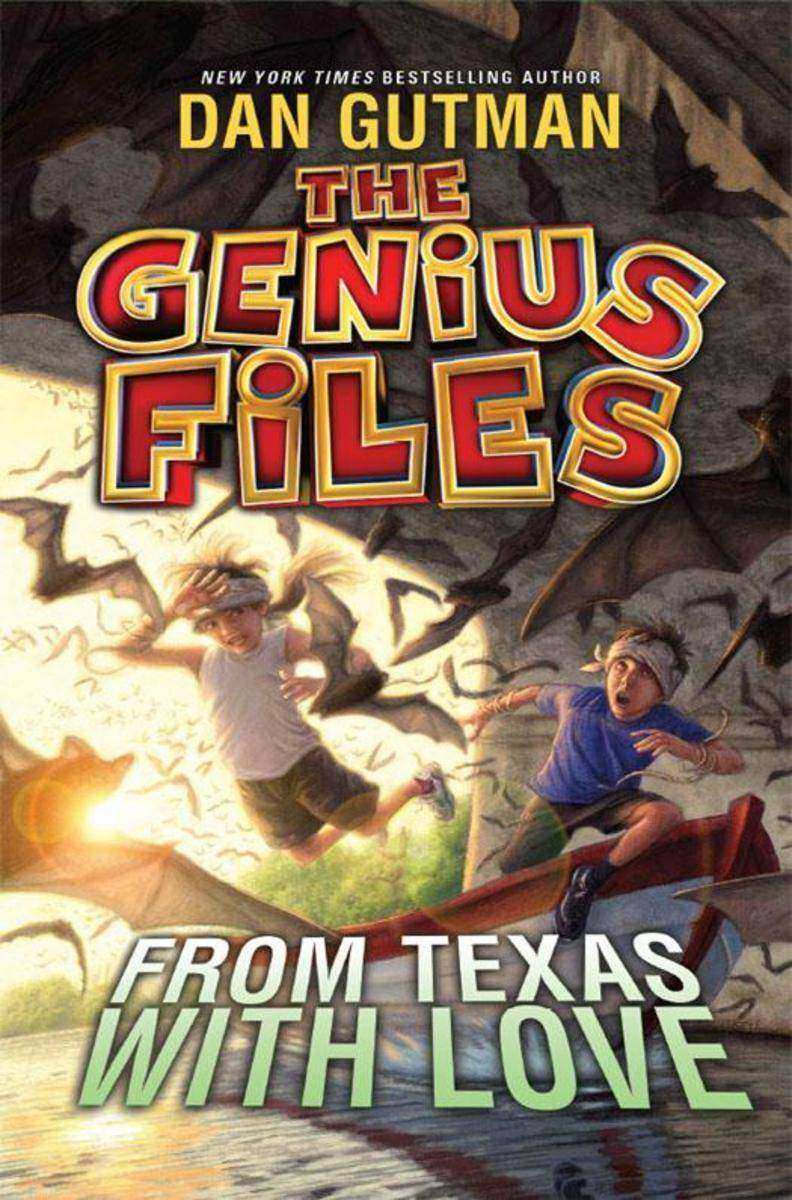
The Genius Files #4: From Texas with Love
¥39.13
The wackiest road trip in history continues in book four of the New York Times bestselling Genius Files series, following twins Coke and Pepsi as they dodge villains and visit weird-but-true landmarks from Texas all the way to Roswell, New Mexico!After their explosive escape at Graceland, twins Coke and Pepsi are ready to resume their trip across America—only now in a convertible instead of the RV. They travel through Arkansas and Oklahoma, visiting weird-but-true tourist stops along the way, and finally end up in Texas, home of the Weird Capital of the Country, Austin. The twins' many enemies—the bowler dudes, Mrs. Higgins, and Dr. Warsaw—all swear that they're done chasing Coke and Pepsi for good. But when the twins start receiving more codes and ciphers from a mysterious robotic voice, they know someone's after them. They just have to figure out who before the mystery villain finds them first.With the real-kid humor that has earned him millions of readers around the world, and featuring all new weird-but-true locations around America, this fourth book in the New York Times bestselling Genius Files series is absolutely batty!


