


 购物车
购物车 个人中心
个人中心

The Garden of Divine Songs and Collected Poetry of Hryhory Skovoroda
¥90.03
Hryhory Skovoroda is considered by many as the first great Slavic philosopher and poet. Written over a period stretching from the 1750s until 1785, his The Garden of Divine Songs is a unique collection of 30 poems, featuring a complex system of strophic structures and with only a few of the songs written in a traditional way. Skovoroda never repeats one and the same strophic structure; this being the case, his Garden of Divine Songs according to writer-scholar Valery Shevchuk functions as a “practical guide to the art of poetry”, exemplifying all the meters and strophic patterns that were possible in Ukrainian poetry of that time. The poet makes masterful use of the accomplishments of academic poetry; the so-called “songs of the world” are the most prominent poems in this collection. These songs are an expression of Skovoroda's views in poetic form, and many ideas from The Garden of Divine Songs, such as the search for happiness in the world in song 21, would later form the basis for some of Skovoroda’s philosophical treatises. Skovoroda’s originality, and his ability to approach the most cardinal problems of human existence, stem from his capacity to combine known motifs, borrowed from literary sources such as classical texts, the Bible, and ancient Ukrainian poetic works, with his own system of thinking that focuses on his philosophy of the heart. The complete poems of Skovoroda are appearing in their entirety here in English for the first time, accompanied by a guest introduction by prominent Ukrainian writer Valery Shevchuk. This title has been realised by a team of the following dedicated professionals: Translated by Michael M. Naydan with an introduction by Valery Shevchuk Translations Edited by Olha Tytarenko Maxim Hodak - Максим Ходак (Publisher), Max Mendor - Макс Мендор (Director), Ksenia Papazova (Managing Editor).
Poezii
¥23.14
ncercarea de a ptrunde n magmele clocotirilor artistice este o ispitire mai veche a mea. Adncimile au n ele murmur de siren. Sigur a fost semea ncercarea mea i, probabil, neinspirat. Germinarea crii de fa mi pare acum un experiment al bucuriei. Doi preoi i doi slujitori ai literei, totodat doi duhovnici fiecare cu ucenicul su, au vrut s cltoreasc pentru o clip n inefabilul chenozelor, al deertrilor de sine. Nu tiu dac are armonie, mi este greu acum s precizez. Atunci prea c rezonm. Depun doar mrturie i gnd mulumitor c a fost o sear unic. (Preot Niculae Constantin)

A Kis Herceg
¥8.18
La ora la care scriu aceste r?nduri, revista Contemporanul se apropie de aniversarea a 130 de ani de la fondare, si ne ?ntreb?m, cu to?ii, iar??i ?i iar??i, ce schimb?ri s-au produs ?n peisajul cultural, literar, social ?n ultimii 20 de ani? Ce viitor vor avea cultura, literatura rom?n? vie ?n contextul acestor schimb?ri? Cum ??i va reveni din criza actuala, mai grav?, mai dramatic? dec?t criza economic? propriu-zisa fiind, f?r? ?ndoiala, profunda criz? moral? de care este cuprins? societatea rom?neasc?? R?spunsurile formulate de participan?ii la anchet? – precum ?i celelalte articole, eseuri, reportaje etc. – cuprinse ?n acest supliment aniversar vizeaz? ?i aceste aspecte, greu de neglijat, din v?rtejul evenimentelor istorice, din acest dramatic prezent, rezist?nd, spre gloria na?iunii rom?ne, Excelen?a Sa, cultura, literatur? rom?n? vie. (Aura Christi)
Rū?ītis
¥9.32
Cartea e ca o pies? de teatru alc?tuit? din personaje, parantezele autorului, dialoguri, secven?e, scene, acte, cu leg?tura necesar?, intre acestea. ?n treac?t fie spus, critica poate s? ?ntre?in? longevitatea operei, dac? are destul? vigoare ?i dac? opera e de calitate. Sunt vorbe optimiste la vremea Internetului care, deocamdat?, nu de?ine puterea controlului critic ?i nici nu se ?ntrev?d ?anse de aceast? natur?. Tocmai de aceea pericolul dispari?iei c?rt?ii de h?rtie pare anun?area unui cataclism. Noi mai credem ?n ceva. R?m?ne hot?r?t c? interpretarea critic?, pentru a fi c?t mai aproape de text, trebuie s? se asocieze cu "partea estetic?" a demersului, care e scriitura, citatul, descrierea ?i altele. O "conversa?ie", pe c?t posibil neretoric?.
Mirror Sand: An Anthology of Russian Short Poems in English Translation
¥98.02
Edited, translated, and introduced by Anatoly Kudryavitsky, this bilingual anthology presents Russian short poems of the last half-century. It showcases thirty poets from Russia, and displays a variety of works by authors who all come from different backgrounds. Some of them are well-known not only locally but also internationally due to festival appearances and translations into European languages; among them are Gennady Aigi, Gennady Alexeyev, Vladimir Aristov, Sergey Biryukov, Konstantin Kedrov, Igor Kholin, Viktor Krivulin, Vsevolod Nekrasov, Genrikh Sapgir, and Sergey Stratanovsky. The next Russian poetic generation also features prominently in the collection. Such poets as Tatyana Grauz, Dmitri Grigoriev, Alexander Makarov-Krotkov, Yuri Milorava, Asya Shneiderman and Alina Vitukhnovskaya are the ones Russians like to read today. This anthology shows Russia looking back at itself, and reveals the post-World-War Russian reality from the perspective of some of the best Russian creative minds. Here we find a poetry of dissent and of quiet observation, of fierce emotions, and of deep inner thoughts.
Jeff Bezos: Die Macht hinter der Marke
¥32.62
Was ist es an ihm, dass ihn zu einem Superhelden macht? Was ist mit ihm, wenn er eine Idee in ein Mega-Unternehmen verwandeln kann? Was ist an ihm wie bei Ihnen und was nicht? Was k?nnen Sie von ihm lernen? Lesen Sie es und finden es heraus. Das Bedürfnis, diejenigen um uns herum zu verstehen, die jenseits unserer eigenen Vorstellungskraft Erfolg haben, ist uns allen inh?rent. Der angeborene Wunsch wird von unserem tiefen und grundlegenden Bedürfnis getrieben, bessere Wege zu finden, um unsere eigenen Ziele zu erreichen, unsere eigenen Tr?ume zu verstehen und uns unseren einzigartigen Herausforderungen zu stellen. In diesem Buch geht es um die zugrundeliegenden Ereignisse im Leben von Jeff Bezos und die Art und Weise, wie es sein Leben beeinflusste, wie er auf sie reagierte und wie er sie zu seinem Vorteil nutzte. Das Buch behauptet nicht, die Ideen zu kennen, die sein Herz füllen – das kann kein Mensch wissen. Aber wir schauen auf mehrere aneinander gereihte Ereignisse und sehen die Schatten, die sie werfen. All das, damit Sie eben jene Elemente in sich selbst finden k?nnen, die der Keim für Erfolg, Leistung und Gr??e sein werden. Die Geschichte von Bezos zeichnet seinen Weg durchs Leben als Jugendlicher nach, betrachtet sein Handeln und seine Leistungen und entschlüsselt die Existenz seiner gr??ten Leistung – Amazon – in einer Weise, die seinen Charakter, seinen Intellekt und seine Erziehung widerspiegelt. Seine Geschichte ist anders als jene, anderer erfolgreicher Menschen in der Geschichte. Seine Arbeitsmoral ist vertraut, aber anders. Warten Sie nicht l?nger! Scrollen Sie nach oben und klicken Sie auf
![Faraday As A Discoverer: [Illustrated & Biography Added]](https://platform-permanent.ddimg.cn/pt-media-info-soa-resource/digital/product/47/24/1901164724_ii_cover.jpg?version=eff250ca-e17f-4718-971c-9a91a135e3e1)
Faraday As A Discoverer: [Illustrated & Biography Added]
¥27.80
Michael Faraday (1791 –1867) was an English scientist who contributed to the fields of electromagnetism and electrochemistry. His main discoveries include those of electromagnetic induction, diamagnetism and electrolysis. Although Faraday received little formal education, he was one of the most influential scientists in history. It was by his research on the magnetic field around a conductor carrying a direct current that Faraday established the basis for the concept of the electromagnetic field in physics. Faraday also established that magnetism could affect rays of light and that there was an underlying relationship between the two phenomena. He similarly discovered the principle of electromagnetic induction, diamagnetism, and the laws of electrolysis. His inventions of electromagnetic rotary devices formed the foundation of electric motor technology, and it was largely due to his efforts that electricity became practical for use in technology. As a chemist, Faraday discovered benzene, investigated the clathrate hydrate of chlorine, invented an early form of the Bunsen burner and the system ofoxidation numbers, and popularised terminology such as anode, cathode, electrode, and ion. Faraday ultimately became the first and foremost Fullerian Professor of Chemistry at the Royal Institution of Great Britain, a life-time position.. Faraday was an excellent experimentalist who conveyed his ideas in clear and simple language; his mathematical abilities, however, did not extend as far as trigonometry or any but the simplest algebra. James Clerk Maxwell took the work of Faraday and others, and summarized it in a set of equations that is accepted as the basis of all modern theories of electromagnetic phenomena. On Faraday's uses of the lines of force, Maxwell wrote that they show Faraday "to have been in reality a mathematician of a very high order – one from whom the mathematicians of the future may derive valuable and fertile methods." The SI unit of capacitance is named in his honour: the farad. Albert Einstein kept a picture of Faraday on his study wall, alongside pictures of Isaac Newton and James Clerk Maxwell. Physicist Ernest Rutherford stated; "When we consider the magnitude and extent of his discoveries and their influence on the progress of science and of industry, there is no honour too great to pay to the memory of Faraday, one of the greatest scientific discoverers of all time". ABOUT AUTHOR: John Tyndall (1820 – 1893) was a prominent 19th-century Irish physicist. His initial scientific fame arose in the 1850s from his study of diamagnetism. Later he made discoveries in the realms of infrared radiation and the physical properties of air. Tyndall also published more than a dozen science books which brought state-of-the-art 19th century experimental physics to a wide audience. From 1853 to 1887 he was professor of physics at the Royal Institution of Great Britain in London. Tyndall was born in Leighlinbridge, County Carlow, Ireland. His father was a local police constable, descended from Gloucestershire emigrants who settled in southeast Ireland around 1670. Tyndall attended the local schools in County Carlow until his late teens, and was probably an assistant teacher near the end of his time there. Subjects learned at school notably included technical drawing and mathematics with some applications of those subjects to land surveying. He was hired as a draftsman by the Ordnance Survey of Ireland in his late teens in 1839, and moved to work for the Ordnance Survey for Great Britain in 1842. In the decade of the 1840s, a railroad-building boom was in progress, and Tyndall's land surveying experience was valuable and in demand by the railway companies. Between 1844 and 1847, he was lucratively employed in railway construction planning. In 1847 Tyndall opted to become a mathematics and surveying teacher at a boarding school (Queenwood College) in Hampshire. Recalling this decision later, he wrote: "the desire to grow intellectually did not forsake me; and, when railway work slackened, I accepted in 1847 a post as master in Queenwood College." Another recently arrived young teacher at Queenwood was Edward Frankland, who had previously worked as a chemical laboratory assistant for the British Geological Survey. Frankland and Tyndall became good friends. On the strength of Frankland's prior knowledge, they decided to go to Germany to further their education in science. Among other things, Frankland knew that certain German universities were ahead of any in Britain in expe-rimental chemistry and physics. (British universities were still focused on classics and mathematics and not laboratory science.)The pair moved to Germany in summer 1848 and enrolled at the University of Marburg, where Robert Bunsen was an influential teacher. Tyndall studied under Bunsen for two years.

Supravie?uirea sufletului
¥57.14
O sut? cincizeci de mii la peluze e una dintre cele mai puternice c?r?i scrise ?n perioada postsocialist?. E o carte care, la fel ca ?i Tratat de Tanatofobie sau ?oboloniada (de Steliana Grama) va bulversa, cu siguran??, clasamentele literaturii contemporane. Doar c?, spre deosebire de celelalte dou? c?r?i, tragem n?dejdea c? cei care fac critic? literar? nu vor str?mba din nas ?i o vor citi acum. Iar dac? acest lucru nu se va ?nt?mpla, suntem siguri c? peste ani se va g?si cineva care o va descoperi ?i o va aprecia la justa valoare. (Dumitru Crudu)Diana Iepure e o poet? matur? ?i complet?, textele ei sunt scrise bine ?i controlate, iar cartea unitar? adun? ?i formeaz? o lume proprie, ceea ce e foarte important pentru un poet, o lume contradictorie ?n raport cu titlul c?r?ii. Un experiment interesant, cu r?d?cini ad?nci ?n .md, care m? face curios ?n leg?tur? cu urm?torul proiect al Dianei Iepure. (Mihail Vakulovski)Poezii ca ni?te scrisorele sau file de jurnal simulat adolescentin. Cele mai bune mostre, ?lefuite ?i frizate exact c?t s? nu par? prea aranjate, sunt parc? inspirate de noua sinceritate sau, ?i mai bine, de experien?ele holistice, intime ale performatismului. Diana Iepure este valoroas? pentru c? reu?e?te s? scape influen?elor. Uneori, e bine ca poe?ii s? stea mai mult ?n cas?, s? c?nte la pian, s? vad? c?t mai rar al?i poe?i. (Felix Nicolau)
Ghid pentru femeia ner?bd?toare s? devin? mam?
¥57.14
Zece basarabeni pentru cultura rom?n? face parte dintr-un proiect mai amplu numit Interviuri cu tinerii dintre milenii. Anul 2000 era considerat unul mistic ?i chiar apocaliptic, s-a vorbit ?i s-a scris foarte mult despre aceast? cifr? plin? de simboluri, oricum, atunci treceam nu doar dintr-un secol ?n altul, ci ?i dintr-un mileniu ?n altul. Cum erau tinerii care au tr?it aceste momente, ce f?ceau, cum g?ndeau, ce proiecte de viitor aveau? – cartea aceasta ne r?spunde la aceste ?ntreb?ri-st?ri. Tinerii ale?i pentru dialoguri erau ?n focul ac?iunii, ?n v?rf, iar acum fiecare e o certitudine, nici unul nu a tr?dat speran?a investit? ?n ei, chiar dac? soarta lor – inevitabil – s-a schimbat de atunci.Dumitru Crudu nu mai scrie poezie, ?n schimb, acum a debutat ?i ca romancier ?i e unul din cei mai aprecia?i dramaturgi contemporani, piesele sale fiind puse ?n scen? pe toate continentele, ceea ce se ?nt?mpl? ?i cu piesele Nicoletei Esinencu, care atunci ?nc? nu debutase ?n volum, de?i textele ei erau jucate pe scena unor teatre de prestigiu at?t din Rom?nia, c?t ?i din Rusia, SUA, Germania, iar acum are c?r?i publicate ?i aici, ?i peste hotare. ?tefan Ba?tovoi a devenit ieromonahul Savatie, poetul deosebit de talentat dintre milenii s-a c?lug?rit, ?i-a f?cut o editur? ?i a ?nfiin?at ?i o revist?, iar c?r?ile sale de dup? c?lug?rire, romane ?i eseuri existen?iale, sunt poate cele mai citite c?r?i, cel pu?in asta spun v?nz?rile. Alexandru Vakulovski nu mai e debutantul furios care demonstreaz? prin c?r?ile sale de debut (3!) c? se poate scrie ?i altfel, revolu?ion?nd limbajul ?n literatura rom?n?. ?ntre timp, trilogia Letopizde? a fost publicat?, scriitorul edit?nd ?i c?teva c?r?i de poezie, iar piesele sale de teatru au fost traduse ?i editate ?n antologii din str?in?tate, unde au fost dramatizate, poeziile sale fiind selectate ?i pentru antologia de poezie din SUA, New European Poets, cea mai recent? carte a sa fiind romanul 157 de trepte spre iad sau Salva?i-m? la Ro?ia Montan? (Editura Cartier, 2010). Vasile Ernu a lucrat la una dintre cele mai mari edituri din Rom?nia, a editat o carte de mare succes (N?scut ?n URSS, Editura Polirom, 2007), tradus? ?n mai multe limbi, iar pe a doua a publicat-o direct ?n str?in?tate. Pavel P?duraru ??i continu? lupta ziaristic?, dar ?ntre timp s-a afirmat ca poet ?i a publicat ?i un roman destul de controversat, care a provocat multe discu?ii. Mito? Micleu?anu este, al?turi de Florin Braghi?, fondatorul ?i realizatorul ?Planetei Moldova“. ?ntre timp, Florin s-a concentrat pe munca de designer, iar Mito? pe literatur?, edit?nd trei c?r?i ?i devenind una dintre cele mai sigure voci literare. Roman Tolici este unul dintre cei mai aprecia?i arti?ti plastici tineri, expun?nd mai mult ?n str?in?tate dec?t acas? – la Praga, Strausberg, Celje, Berlin. Super-boxerul Octavian ??cu a devenit un om de ?tiin?? la fel de st?p?n pe noile instrumente de munc?, care scrie c?r?i de istorie ?i lucreaz? la multe proiecte valoroase. Iar Zdob ?i Zdub este una dintre cele mai populare ?i mai originale forma?ii de limb? rom?n?, c?nt?nd la prestigioase festivaluri europene, ?n turnee de promovare a albumelor sau pur ?i simplu ?n concerte, purt?nd marca unui nou stil: hardcore moldovenesc.Ce-i une?te pe ace?ti arti?ti ?nc? tineri? ?n primul r?nd, locul na?terii, to?i fiind rom?ni basarabeni, apoi limba ?n care creeaz?, to?i cei ?zece“ intervieva?i trec?nd Prutul ?i activ?nd ?n cultura rom?n?. Interviurile sunt splendide, Mihail Vakulovski fiind un maestru ?n domeniu, iar r?spunsurile sunt deschise, directe, lipsite de orice fel de inhibi?ii. O carte cu siguran?? interesant? ?i pentru cititorii dintre mileniile trei ?i patru. Lectur? pl?cut?!
Singurul lucru care conteaz?
¥57.14
Volum nominalizat la sec?iunea ?Critic?. Istorie ?i Teorie Literar?“ – Premiile ?Observator cultural“, edi?ia a VI-a, 2012 Acest al doilea volum abordeaz?, tot din perspectiva experimentalismului, care sufer? ?n contextul postdecembrist anumite ?radicaliz?ri“, poezia autorilor intra?i ?n literatur? dup? 1990. Asemenea ?radicaliz?ri“ (care pot fi subordonate unei ideologii/retorici a excesului) sunt privite din perspectiva conceptului de ?hiper?modernitate“ teoretizat de Gilles Lipovetsky, pe care autorul ?l propune ?n locul celui (consacrat) de postmodernism. Plec?nd de aici, sunt luate ?n discu?ie abord?rile teoretice ale ultimelor dou? promo?ii poetice, ca ?i ?manifestele literare“ (fracturist, utilitarist etc.) ale acestora ?i sunt analizate c?teva direc?ii poetice, situate ?n continuitatea experien?elor experimentaliste discutate ?n volumul anterior.

Povestiri, nu pove?ti!
¥40.79
Nihilismul lui tefan Bolea este o masc n spatele creia se ascunde o inocen perpetuu incandescent. Revolta blasfematorie a poetului marcheaz un ritual de trecere spre iniiere, degajnd, n mod paradoxal, o nemrginit sete de via. Muzicalitatea incantatorie a textelor n limbile german, englez i romn plonjeaz cititorul n viziunea lumii reale.“ (Basarab Nicolescu)
Jeff Bezos: La Forza Dietro il Marchio
¥32.62
Che cos'è che lo rende un uomo di super successo? Che cosa gli ha permesso di trasformare un'idea in una mega-compagnia che ha cambiato il mondo?? Che cosa, in lui, puoi rivedere in te, e cosa ti manca? Che cosa potresti imparare da lui?Leggi, e scoprilo. Il bisogno di capire coloro che ci circondano e ce l'hanno fatta in modi che superano la nostra immaginazione è insito in tutti noi. Questo desiderio innato è guidato dal nostro bisogno profondo e fondamentale di trovare modi migliori che ci permettano di raggiungere i nostri obiettivi, comprendere i nostri sogni e superare le sfide che ci si presentano. Questo libro parla degli eventi di fondo nella vita di Jeff Bezos e dei modi in cui hanno influenzato la sua vita, del modo in cui ha reagito ad essi e li ha usati a suo vantaggio. Il libro non pretende di conoscere le fibre di cui è composto il suo cuore - nessun uomo può conoscerle. Ma quello che fa è mettere insieme eventi e vedere le ombre che proiettano. Tutto ciò affinché tu possa trovare dentro di te gli elementi che potrebbero essere il seme del tuo successo, della tua realizzazione e grandezza. La storia di Bezos traccia un percorso attraverso la sua vita da giovane e osserva le sue azioni e conquiste, decifrando l'esistenza del suo più grande successo - Amazon - in un modo che riflette il suo carattere, il suo intelletto e la sua educazione. La sua storia è diversa da quella di altre persone di successo nella storia. Il suo marchio di etica del lavoro è familiare ma differente. Non aspettare un altro minuto! Scorri verso l'alto e clicca il pulsante
Banchetul de litere
¥61.83
Romanul e captivant, bine scris, n ciuda unor efuziuni retorice prea lungi pe alocuri, care puteau fi scurtate. Un text elaborat de ctre un crturar, cu lecturi din Schopenhauer, Nietzsche, Jung sau Dostoievski fcute n profunzime, temeinic. n consecin, e un roman n care simbolurile apar la tot pasul, incifrate n text, n tehnica unui modernism hermeneutic care nu poate fi scos din ecuaie (…). Strict tehnic, ne aflm n faa unui Bildungsroman construit pe un scenariu clasic, de iniiere: tnrul Matei (toate numele sunt luate din Biblie…) interiorizeaz sfietor, dramatic moartea prematur a tatlui su, David, pierdut ntr-un accident de main pe Valea Oltului, se afl n conflict deschis cu mama sa, Riri, femeie pragmatic, dar intrat n faza unui deficit de cldura uman, mascat prin nervozitate, i i fixeaz ntreaga afeciune pe fiina compensativ a bunicului, Grig, mort i el spre sfritul romanului, i pe aceea a profesorului universitar Semion Ruda, stilat, elevat, aristorcatic, un concitadin de ocazie i tat-surogat, cruia, n cele din urm, protagonistul romanului i datoreaz relansarea intelectuala – viitor student n filosofie – i formarea literar, ca romancier, talentul compensativ al scrisului descoperindu-i-l oarecum fr premeditare sau ndemnuri din afar, ca pe o efervescen intern a propriei sale fiine. (tefan Borbély)Viaa cotidian este transferat n interioritate, iar tensiunile generatoare de suspans sunt direcionate ctre aceeai nevoie urgent de a deveni. Eroii Aurei Christi sunt fpturi aflate ntre lumi, ntre vrste, ntre maluri. (Irina Ciobotaru)Intenia vdit a autoarei este aceea de a explora personajele pn n adncul firii lor, astfel nct nu aciunea s stea n prim-plan, ci caracterele. (Bogdan Mihai Dasclu)
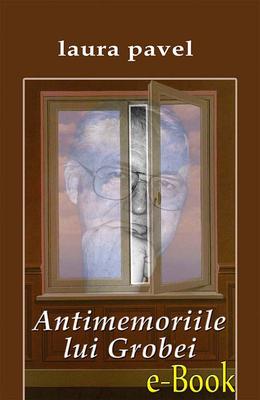
Antimemoriile lui Grobei
¥38.62
Aceasta nu este o arc? a salv?rii, a speran?ei, a regener?rii suflete?ti, nici locul ?n care personaje-kamikaze arunc? ?n jur ?n timpul sacrificiului lor, bun?tate, generozitate, bl?nde?e, ?n?elepciune, cump?tare. E o arc? simbolic?. Fictiv?, sau e chiar lumea noastr? condamnat? s? pluteasc? ?n deriv? pe un ocean sub care p?nde?te un tzunami apocaliptic? Da, ?ntr-adev?r, Breban nu neglijeaz? nici o specie, sunt toate conservate aici, e destul s? ?nl?turi dificila, fragila ?i totu?i rezistenta perdea ?esut? din mii de pagini de carte, ca s? descoperi o umanitate crud?, pe care mul?i dintre noi, dintre cititori sau autori avem tendin?a de a o evita, tendin?a de a o machia, de a-i face opera?ii estetice… Arca are capaciatatea de a re?nvia din cenu?a ?i de a ne propune o c?l?torie imaginar? spre o alt? dimensiune, ?ncerc?nd s?-i salveze deopotriv? pe credincio?i ?i pe atei, pe puternici ?i pe cei slabi, pe victime ?i pe c?l?i, pe mae?tri ?i pe discipoli, pe slugi ?i pe st?p?ni. Tu alegi de care parte vrei s? te afli, ?n afara arcei, pe arc? sau ?n structura ei intim? fragil? ?i totu?i rezistent?, capabil? s? te duc? spre cele mai insolite teritorii care ?nc? nu au fost inventate ?i pe care doar acul busolei lui Breban le indic? ?i le plaseaz? pe o hart? altfel inaccesibil?.

Despre dragoste - Anatomia unui sentiment
¥30.88
Edi?ia de fa?? o reproduce ?ntocmai pe cea din 1966 care a v?zut lumina tiparului la Editura pentru literatura ?i este menit? s? repun? – laolalt? cu alte titluri editate de noi – ?n circula?ie numele ?i opera unui mare profesor de filosofie ?i a unui important om de cultur? din perioada interbelice. Edi?ia este structurat? pe c?teva capitole, cum ar fi bun?oar? ?Amintiri din copil?rie ?i tinere?e“, ?Amintiri culturale, didactice ?i politice“, cuprinz?nd, ?ntre altele, ?i coresponden?a cu Titu Maiorescu, conferin?e ?i cursuri ?inute la Viena, Paris, Geneva, Praga, Oslo ?i Bruxelles. ?Petrovici a avut o via?? fracturat?. ?ntr-o vreme, a urcat n? pe Everestul performan?ei ?i al recunoa?terii publice, de unde, atunci c?nd istoria s-a virusat de o ideologie apocaliptic?, s-a pr?bu?it direct ?n groapa Marianelor, b?ntuit? de tot felul de silnicii ?i nes?buin?e. Mult? vreme s-a am?git cu in?elesul m?ng?ietor al filosofiei, a?a cum i-l h?r?zise cei vechi, dar s-a ?i ?nfiorat de mizeriile ei, atunci c?nd a v?zut-o dec?zut? ?n condi?ia de surogat ideologic. Oare trebuia, dup? ce a privit lumea prin sp?rtura pe?terii lui Platon, s-o p?ndeasc? ?i din spatele gra?iilor ?i ale z?voarelor trase? Vremurile noi, rascolnice, l-au g?sit total nepreg?tit. Glasul s?u, obi?nuit s? peroreze ?n aule universitare, ?n Camera, ?n Academie, ?n cadrul unor fastuoase reuniuni interna?ionale a fost, pentru multe decenii, obligat la t?cere.“ (Ionel Necula)
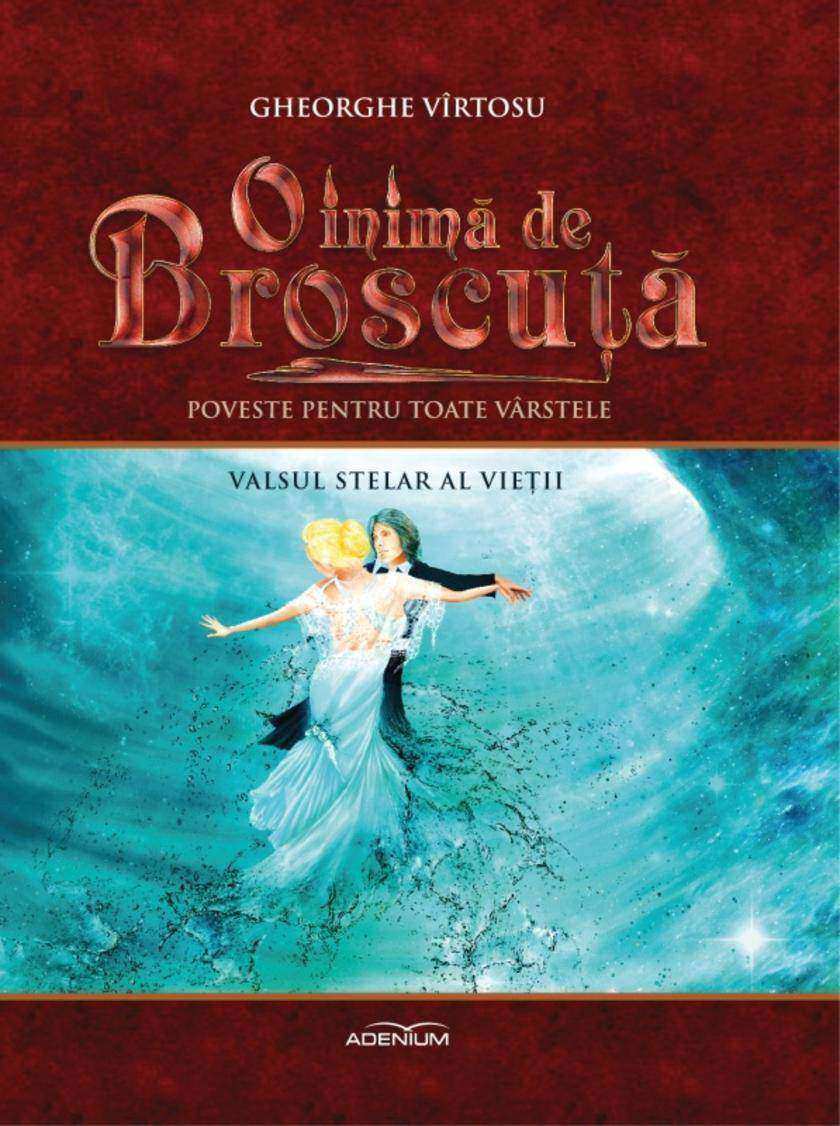
O inim? de Broscu??. Volumul 3. Valsul stelar al vie?ii
¥65.32
Un fast spectacol despre feminitate, moarte ?i alte teme eterne, ne ofer? de ast? dat? redutabilul eseist, istoric ?i critic literar Irina Petra?, despre care Marin Mincu scria c? este ?cel mai “b?rbat“ critic al nostru“. ?Demersul constituie o modalitate de a-?i apropia moartea, propria moarte, de a o studia sub lupa m?ritoare, de a o ?ine deliberat, zi de zi, ceas de ceas, al?turi, ?n imediata proximitate, pentru a te impulsiona s? fii c?t mai mult, c?t mai decis ?n spirit, pentru a te determina s? te investe?ti ?n toate cu ?ntreaga-?i fiin??, una dintre limitele c?reia e moartea-cea-cotidian?, pentru a te remodela, sim?ind atingerea botului mor?ii, pentru a recurge la travaliul dep??irii de sine prin crea?ie. A nu te obi?nui cu vecin?tatea mor?ii, obi?nuindu-te ?n acela?i timp, a realiza eficienta ei, adun?ndu-te, sporindu-?i eficien?a, a fi, ?n pofida con?tiin?ei tragice a finitudinii umane – iat? o piatr? de ?ncercare, iat? un examen major, la care au c?zut nu pu?ini. Cei ce-au rezistat constituie pentru Irina Petra? un fast obiect de studiu, care, fiind cercetat cu acribia unui colec?ionar, nelipsit de o redutabil? experien?? ?n domeniu, alc?tuiesc o galerie acoperit? cu oglinzi, ?n care, v?z?nd reflectat propriul univers, propriile spaime, frici, angoase, nelini?ti, autorul se supune, el ?nsu?i, din spirit de fair play, dar ?i dintr-un subtil, rafinat amestec de sado-masochism intelectual, unui examen: ?i va rezista co?ul pieptului? va ?ti sa r?spund?? dar s? reziste? Ei, mon?trii sacri… au rezistat, descriind modul ?n care se men?in pe muchia abisului, ?n care ?i-au v?zut propriul chip, contemplat de cineva…“ (Aura Christi)
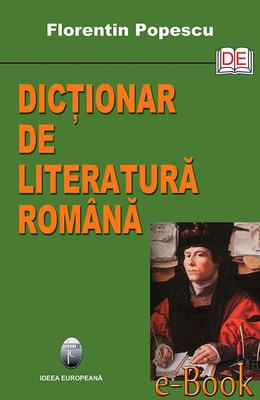
Dic?ionar de literatur? rom?n?
¥61.83
Editorul, criticul ?i istoricul literar clujean Irina Petra? propune lectorilor un studiu despre locurile favorite din literatura rom?n? ?i cea universal?, paginile de teorie literar? oferind nu pu?ine repere asupra predilec?iilor clasicilor autohtoni de la Eminescu ?i Creang? p?n? la Norman Manea ?i Marta Petreu. Cartea se adreseaz? elevilor, studen?ilor, precum ?i publicului larg de cititori.
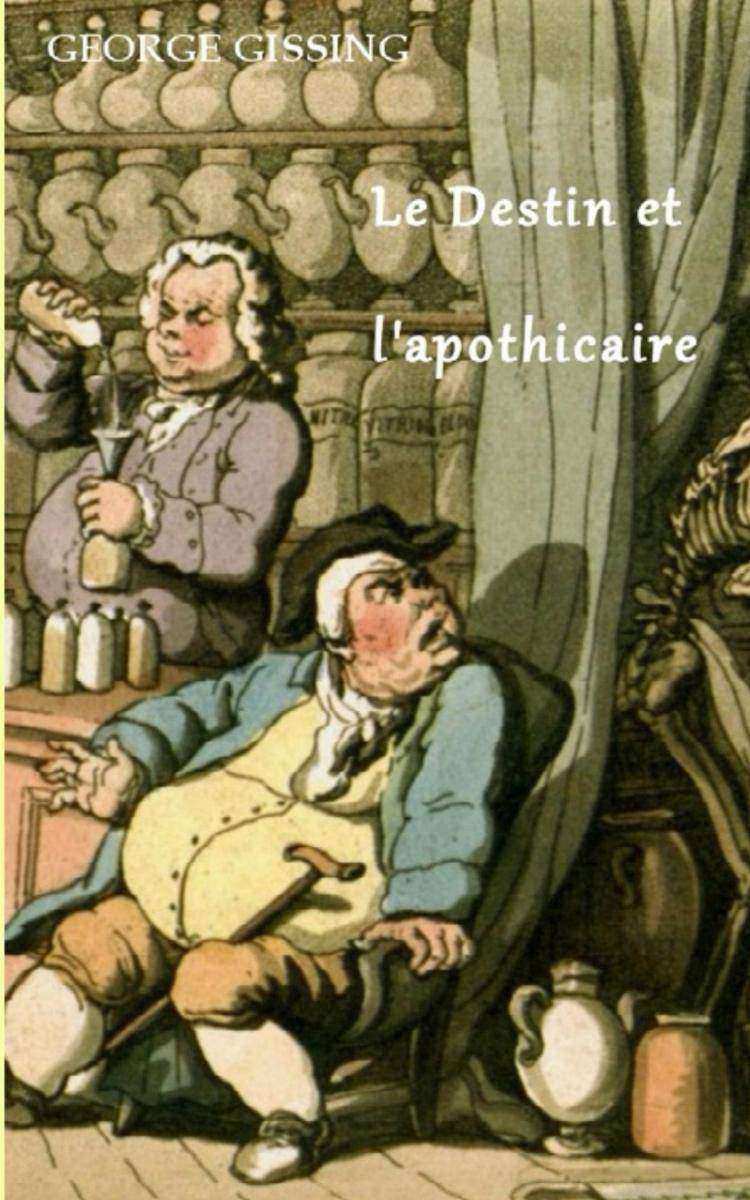
Le Destin et l'apothicaire
¥1.74
George Gissing est un auteur anglais estimé, dont les livres ont cependant été peu traduits et, souvent, relativement peu vendus, y compris dans sa contrée d'origine. Son ?uvre, comme sa biographie, est restée marginale, comme la plupart des écrivains, dont il a régulièrement décrit l'existence dans ses romans. Pourtant, il entretenait et dans une certaine mesure, en tant que sujet d'études, de recherche, entretient toujours des liens privilégiés avec la France, où il a passé les dernières années de sa vie. Revitrans fait revivre par la traduction en langue fran?aise des auteurs oubliés ou en marge, dont l'oeuvre ne trouve pas sa place dans l'édition classique. Cette brève nouvelle de Gissing, qu'on peut interpréter comme une forme de danse macabre, est sa première expérience, dont les suites dépendront des capacités du traducteur et des éventuelles réactions des lecteurs.

Love Poems
¥15.40
A book of love poems.? I Have Loved You Through the yearsI have loved youSince the painting of the skyEmerald, redStratus cloudsThe horse's maneCreated for you on that beautiful day Let the scroll of the heavens unwrapShowing an approbation for you and I;Let not the rays of the sun obstruct our viewWhen it is displayed Then, I will know the time has comeFor us to marry

Dela: Gorski vijenac, Lu?a Mikrokozma, Slobodijada...
¥37.20
Dvestotu godi?njicu Njego?evog ro?enja 2013. Knji?evna radionica Ra?i? obele?ila je objavljivanjem elektronske knjige pod naslovom Dela Njego?eva. Ova knjiga sadr?i obiman izbor Njego?evih najva?nijih dela: Gorski Vijenac, Lu?a mikrokozma, La?ni car ??epan Mali, Slobodijada, Glas kamen?taka, Pustinjak cetinski, Kula ?uri?i?a -- ?ardak Aleksi?a, Prozni zapisi, No? skuplja vijeka, te Izabrana pisma.
Funeral of hearts
¥24.44
Nebunul indian este al treilea volum semnat de Ovidiu Raul Vasiliu ?i marcheaz? maturitatea liric? a t?n?rului poet ie?ean. Cartea con?ine peste 60 de poeme scrise ?n ultima perioad?, autorul exers?nd cu succes diverse registre stilistice ?i prozodice, ?n versuri ?sub a c?ror dexteritate formal? se ?ntrez?re?te ceea ce niciodat? nu poate fi exprimat p?n? la cap?t“ (Daniel Cristea-Enache).


