


 购物车
购物车 个人中心
个人中心
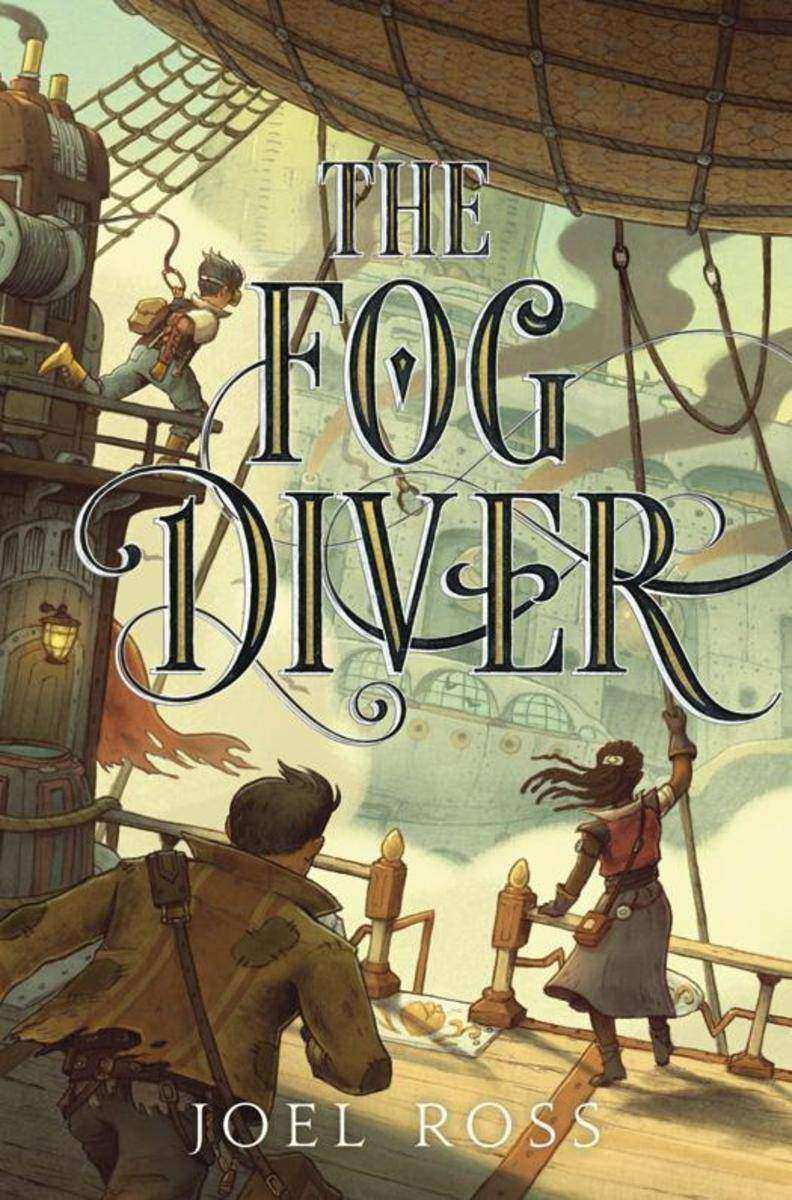
The Fog Diver
¥38.72
Joel Ross debuts a thrilling adventure series in which living in the sky is the new reality and a few determined slum kids just might become heroes. Perfect for fans of Rick Riordan and Brandon Mull, this fantasy is filled with daring and hope and a wonderfully imaginative world.Once the Fog started rising, the earth was covered with a deadly white mist until nothing remained but the mountaintops. Now humanity clings to its highest peaks, called the Rooftop, where the wealthy Five Families rule over the lower slopes and floating junkyards.Thirteen-year-old Chess and his friends Hazel, Bea, and Swedish sail their rickety air raft over the deadly Fog, scavenging the ruins for anything they can sell to survive. But now survival isn't enough. They must risk everything to get to the miraculous city of Port Oro, the only place where their beloved Mrs. E can be cured of fogsickness. Yet the ruthless Lord Kodoc is hot on their trail, for Chess has a precious secret, one that Kodoc is desperate to use against him. Now Chess will face any danger to protect his friends, even if it means confronting what he fears the most.

The Divergent Series Complete Collection 分歧者系列(套装共3册)
¥320.56
All three books in the #1?New York Times?bestselling Divergent trilogy are available together for the first time! Perfect for gift givers, collectors, and fans new to the series, the collection includes Divergent, Insurgent, and Allegiant, as well as bonus content: a 48-page guide to the series, including Faction Manifestos, a Faction Quiz and Results, a Q&A with Veronica Roth, playlists, discussion questions, series inspirations, and much more!Divergent: One choice can transform you. Veronica Roth's #1?New York Times?bestselling debut is a gripping dystopian tale of electrifying choices, powerful consequences, unexpected romance, and a deeply flawed "perfect society."Insurgent: One choice can destroy you. Veronica Roth's second #1?New York Times?bestseller continues the dystopian thrill ride. As war surges in the factions all around her, Tris attempts to save those she loves—and herself—while grappling with haunting questions of grief and forgiveness, identity and loyalty, politics and love.Allegiant: The explosive conclusion to Veronica Roth's #1?New York Times?bestselling Divergent trilogy reveals the secrets of the dystopian world that has captivated millions of readers.
The Replaced
¥55.33
The gripping second installment in the Taking trilogy is perfect for fans of The Fifth Wave and the Body Finder series. Explosive and romantic, with creepy, otherworldly elements and twisty, psychological thrills, The Replaced will have you questioning what exactly it means to be human. Kyra hasn't been the same since she returned from her mysterious five-year disappearance. Now, on the run from the NSA, Kyra is forced to hide out with others who, like her, have been Returned. Yet she is determined to find Tyler, the boy she loves who was also abducted . . . all because of her. When her group intercepts a message that Tyler might still be alive, Kyra risks everything to get him back. But he is being held by a shadowy government organization that experiments on the Returned, and going after him puts the rest of the group in danger. Even if Kyra gets Tyler back, the fight to save him—and the rest of the Returned—is just beginning.
Resurrection Bay
¥32.65
From New York Times bestselling author Neal Shusterman comes a thrilling, spine-tingling 32-page original short story that's perfect for fans of Unwind and UnWholly.Bones. They know the call of the ice.Anika knows the call of the ice, too. Living in an isolated port town in Alaska with her father and younger brother, Anika is practically steps away from the Harding Icefield, and Exit Glacier has always been her favorite place.But after a couple tragically dies there, Exit Glacier seems to come alive and begins moving toward the town with unnatural speed. Anika feels deep in her bones that the ice wants something. . . .After the glacier finally stops in the town's cemetery, Anika and her on-again, off-again boyfriend, Rav, face a sinister truth: The soul of the glacier is looking for bodies to inhabit . . . and where better to find them than the graveyard?This fast-paced, eerie short story is a deft blend of suspense and horror that will leave readers breathless . . . and chilled to the bone.Epic Reads Impulse is a digital imprint with new releases each month.
Everything That Makes You
¥56.08
Ever wonder "What if?" Everything That Makes You is a romantic, epic story about one girl—and her two possible lives after an accident changes her fate.Fiona Doyle's face was horribly scarred as a child. She writes about her frustrations and dreams in notebooks, penning song lyrics. But she'd never be brave enough to sing those songs in public. Fi Doyle never had an accident. She's the best lacrosse player in the state and can't be distracted by her friend who wants to be more than that. But then her luck on the field goes south.Alternating chapters between Fiona and Fi tell two stories about the same girl—hopes and dreams and crushes, fears and failures and loss. This beautifully written realistic contemporary novel with a twist is perfect for fans of If I Stay by Gayle Forman and Before I Fall by Lauren Oliver.
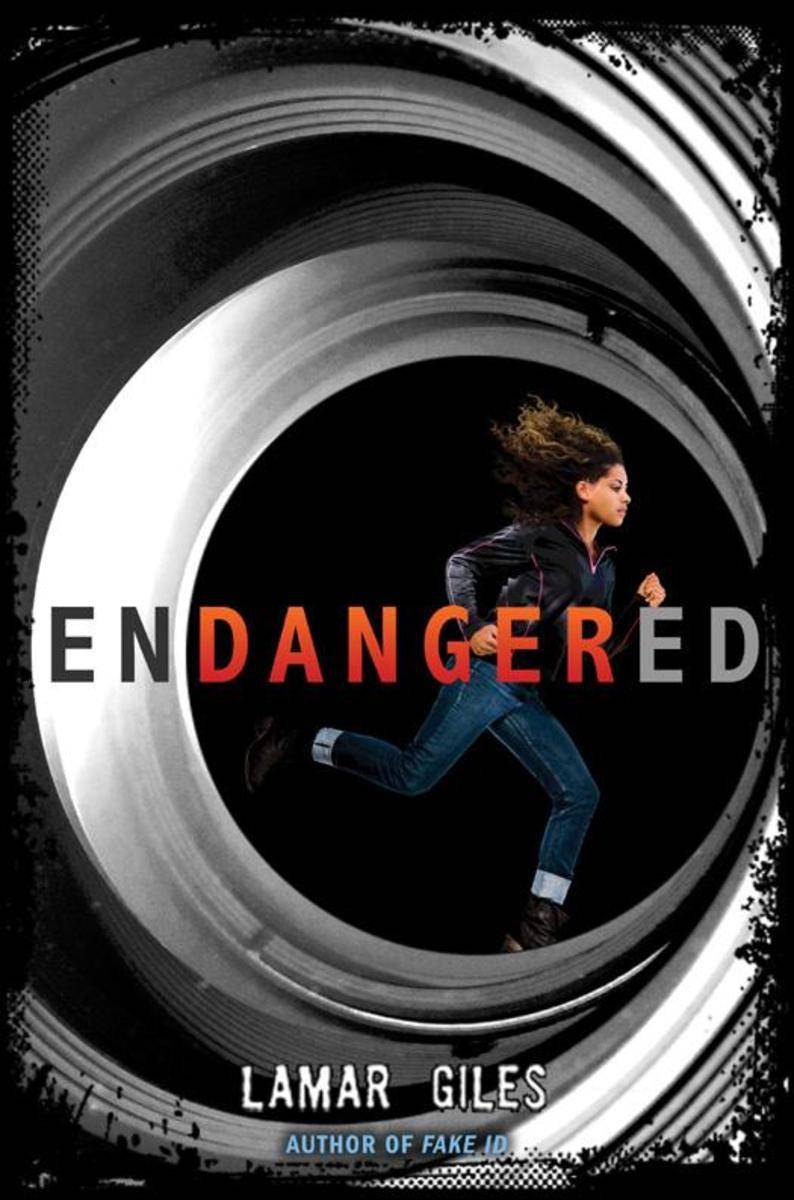
Endangered
¥100.71
Her name is Lauren, but everyone calls her Panda.What they don't know is that behind their backs, she also goes by Gray. As in Gray Scales, the photoblog that her classmates are addicted to because of the secrets Gray exposes: a jock buying drugs, a teacher in a compromising position, a rich girl shoplifting. But no one knows Panda's the vigilante photographer behind it all. At least, she thinks no one knows—until she gets a note from the Admirer, who's not only caught her red-handed acting as Gray but also threatens to reveal everything unless Panda plays a little game of Dare or . . . Dare.Panda plays along. Anything to keep the secret she's protected for years.But when the game turns deadly, Panda doesn't know what to do. And she might need to step out of the shadows to save herself . . . and everyone else on the Admirer's hit list, including some of the classmates she's loathed and exposed for years.
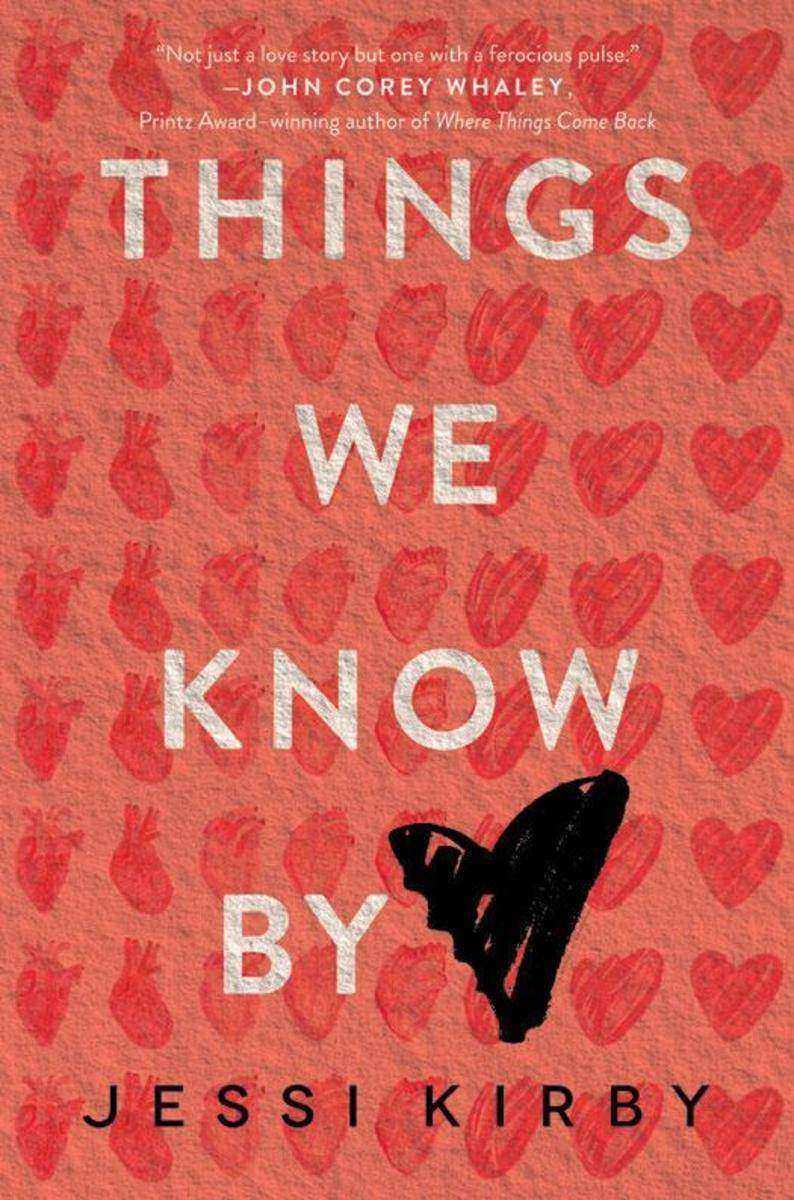
Things We Know by Heart
¥55.33
In this unforgettable teen romance that fans of Sarah Dessen and Susane Colasanti will devour, Quinn Sullivan falls for the recipient of her boyfriend's donated heart, forming an unexpected connection that will leave readers utterly breathless.After Quinn's boyfriend, Trent, dies in an accident their junior year, she reaches out to the recipients of his donated organs in hopes of picking up the fragments of her now-unrecognizable life. But whoever received Trent's heart has mysteriously remained silent. The essence of a person, Quinn has always believed, is in the heart. If she finds Trent's, then in a way she still has a piece of him.Risking everything to find peace once and for all, Quinn goes outside the system to track down nineteen-year-old Colton Thomas—a guy whose life has been forever changed by this priceless gift. But what starts as an accidental run-in quickly develops into more, sparking an undeniable attraction. She doesn't want to give in to it—especially since he has no idea how they're connected—but their time together has made Quinn feel alive again. No matter how hard she's falling for Colton, each beat of his heart reminds her of all she's lost . . . and all that remains at stake.
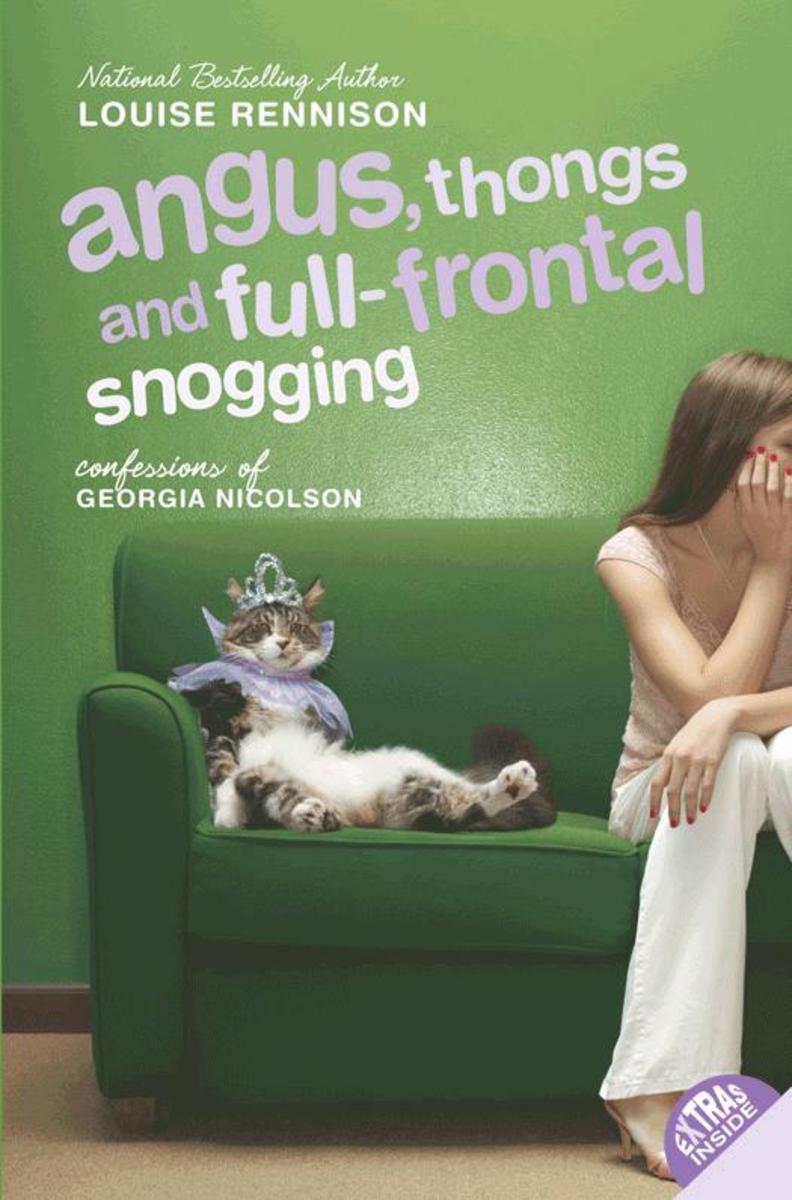
Angus, Thongs and Full-Frontal Snogging
¥60.87
Angus:My mixed-breed cat, half domestic tabby, half Scottish wildcat. The size of a small Labrador, only mad.Thongs:Stupid underwear. What's the point of them, anywayThey just go up your bum, as far as I can tell.Full-Frontal Snogging:Kissing with all the trimmings, lip to lip, open mouth, tongues ... everything.Her dad's got the mentality of a Teletubby (only not so developed). Her cat, Angus, is trying to eat the poodle next door. And her best friend thinks she looks like an alien -- just because she accidentally shaved off her eyebrows. Ergghhhlack. Still, add a little boy-stalking, teacher-baiting, and full-frontal snogging with a Sex God, and Georgia's year just might turn out to be the most fabbitty fab fab ever!
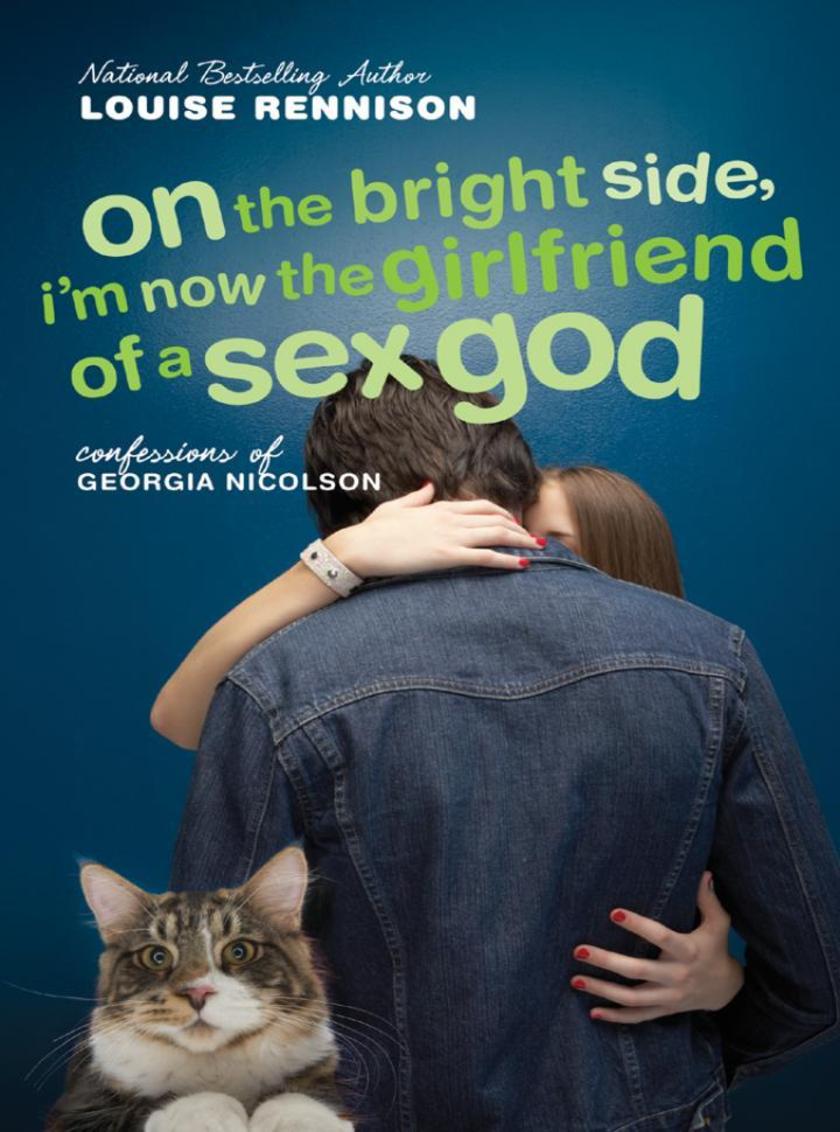
On the Bright Side, I'm Now the Girlfriend of a Sex God
¥55.33
Georgia Nicolson has started dating the Sex God (aka Robbie). So life should be perfect . . . except in Georgia's life, nothing is ever perfect. Her cat, Angus (the size of a small Labrador), is terrorizing the neighborhood. Her sister, Libby (who is slightly mad), hides her pooey knickers at the bottom of Georgia's bed.Then the Sex God breaks it off because she's too young. It's time for a plan. It's time for a Red Herring. It's time for Georgia to become a "heartless boy magnet!"
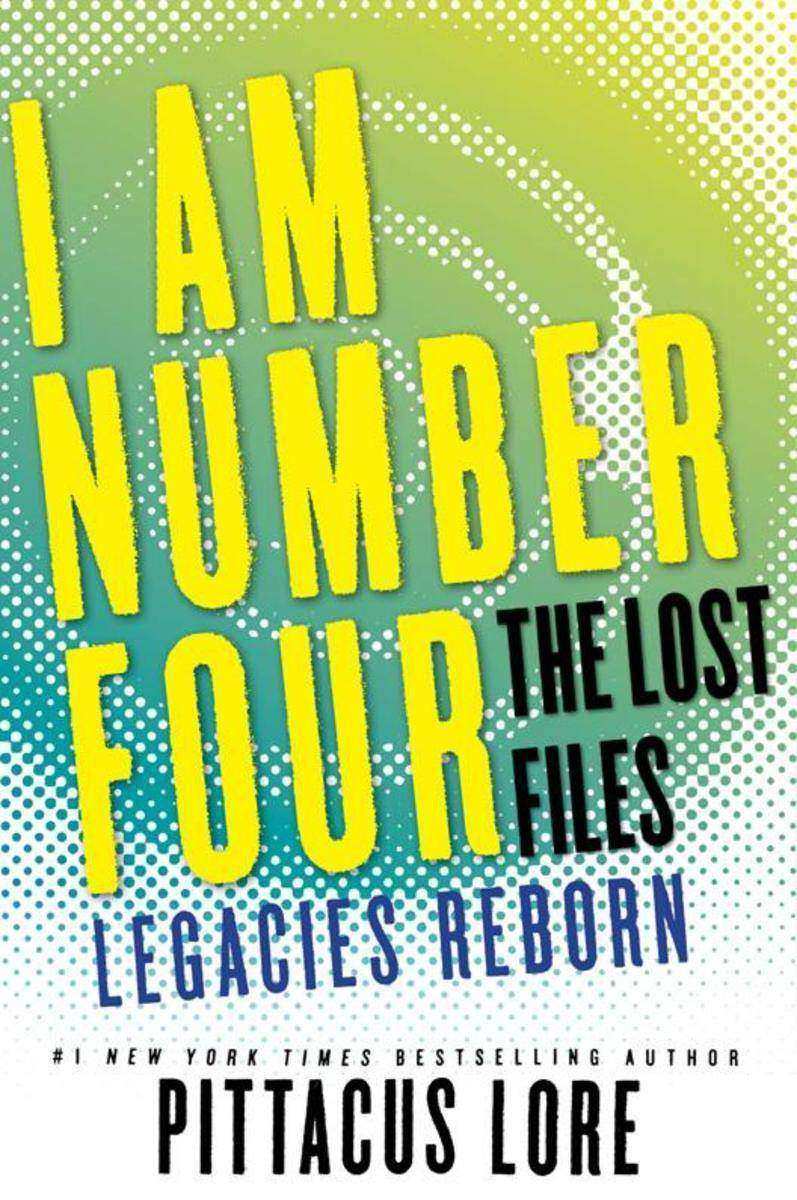
I Am Number Four: The Lost Files: Legacies Reborn
¥87.15
In this game-changing 100-page companion novella to the New York Times bestselling I Am Number Four series, the Mogadorian invasion of Earth has begun and one teenager's life will be forever changed.At first, Daniela Morales thought the spaceship attacking New York City on the television was just part of some science fiction movie. Then the horrible truth became clear: it was happening in real life. Aliens do exist, and they were invading the planet. Unable to reach her mother, Daniela makes it her mission to get to her mom's job downtown to find her. But with the city under fire, trying to make it from her apartment in Harlem to the Financial District proves nearly impossible—until Daniela makes an incredible discovery. When a squad of Mogs get the jump on her, she is somehow able to throw them across the street, using telekinesis. Daniela doesn't know where this power came from or why she suddenly has it, but she is sure as hell going to use it. Aliens are tearing up her city and she'll destroy every last one of them that gets in her way. But when she comes face-to-face with the Garde, will she be a friend or a foe?
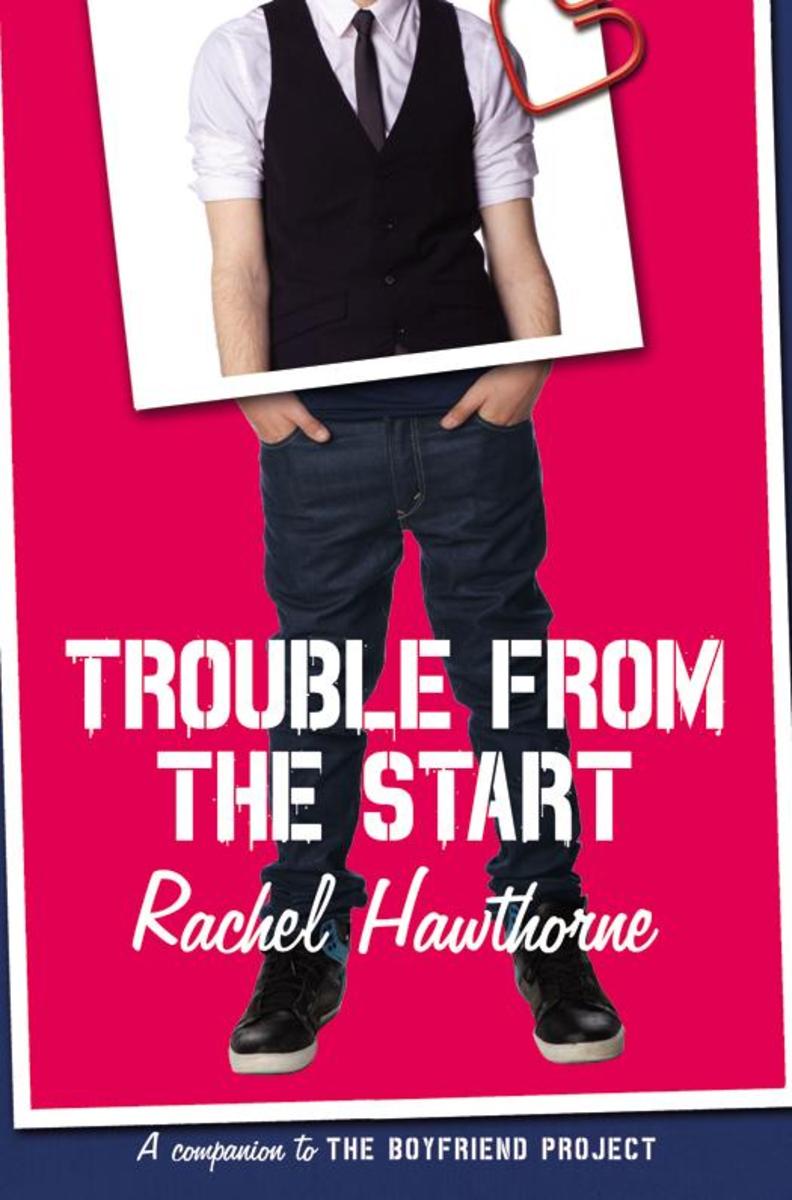
Trouble from the Start
¥55.33
Perfect for fans of Stephanie Perkins, Lauren Barnholdt, and Susane Colasanti, Trouble from the Start is a sweet and romantic read about a good girl who falls for a bad boy.Avery knows better than to fall for Fletcher, the local bad boy who can't seem to outrun his reputation. Fletcher knows he shouldn't bother with college-bound, daughter-of-a-cop Avery. But when their paths cross, neither can deny the spark. Are they willing to go against everything and let their hearts lead the wayOr are they just flirting with disaster?A companion novel to Rachel Hawthorne's paperback original The Boyfriend Project, this title is perfect for fans of summer beach reads and sweet treats.
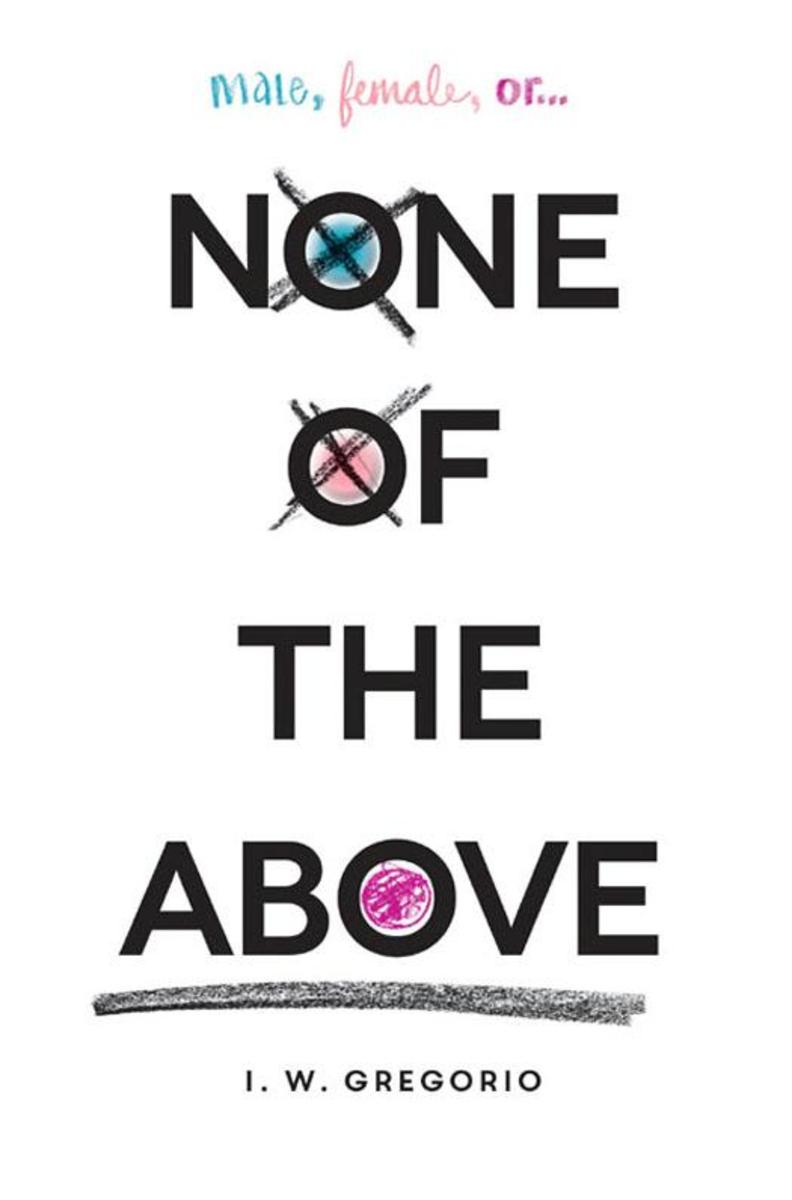
None of the Above
¥55.33
A groundbreaking story about a teenage girl who discovers she's intersex . . . and what happens when her secret is revealed to the entire school. Incredibly compelling and sensitively told, None of the Above is a thought-provoking novel that explores what it means to be a boy, a girl, or something in between.What if everything you knew about yourself changed in an instant?When Kristin Lattimer is voted homecoming queen, it seems like another piece of her ideal life has fallen into place. She's a champion hurdler with a full scholarship to college and she's madly in love with her boyfriend. In fact, she's decided that she's ready to take things to the next level with him.But Kristin's first time isn't the perfect moment she's planned—something is very wrong. A visit to the doctor reveals the truth: Kristin is intersex, which means that though she outwardly looks like a girl, she has male chromosomes, not to mention boy "parts."Dealing with her body is difficult enough, but when her diagnosis is leaked to the whole school, Kristin's entire identity is thrown into question. As her world unravels, can she come to terms with her new self?
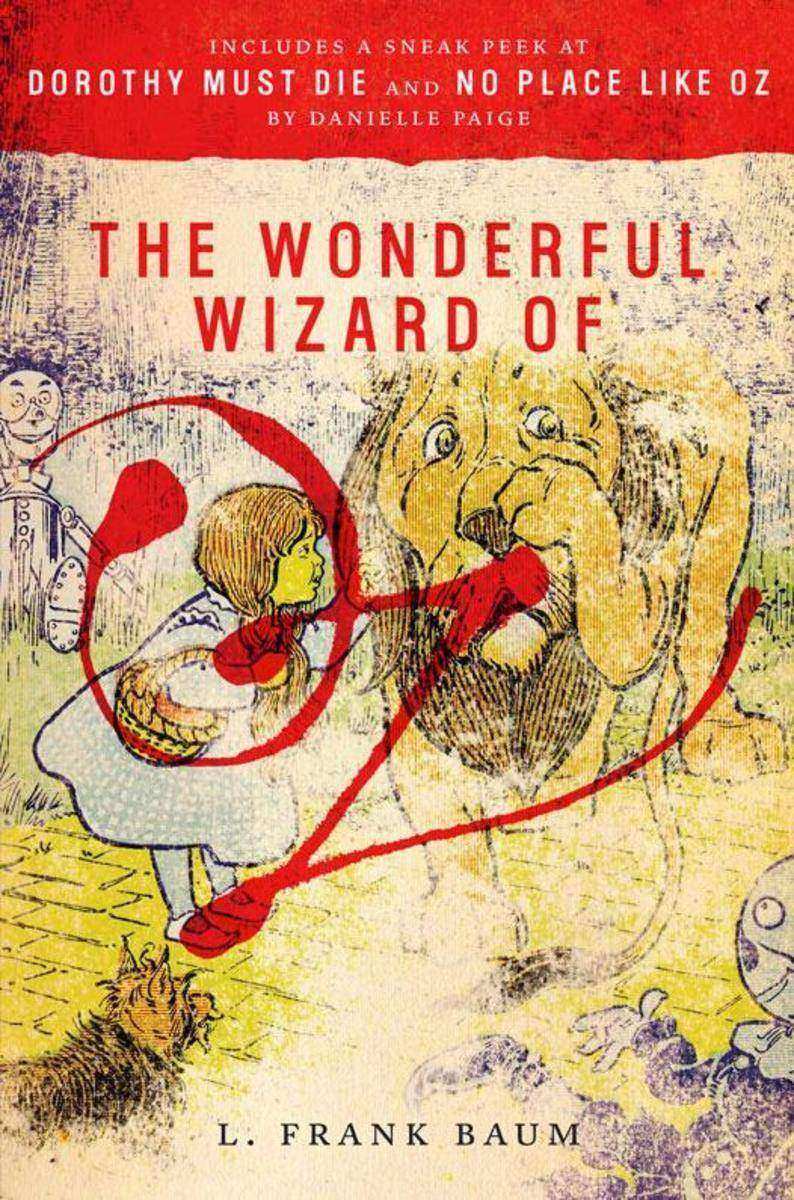
The Wonderful Wizard of Oz
¥21.73
The Wonderful Wizard of Oz is a true classic of American literature, and now it is strikingly repackaged for a modern teen audience! This must-have edition of the beloved, timeless classic also features previews of No Place Like Oz and Dorothy Must Die by Danielle Paige—edgy, reimagined sequels to L. Frank Baum's original story that are perfect for fans of Cinder by Marissa Meyer, Beastly by Alex Flinn, and Wicked by Gregory Maguire.Dorothy Gale found life as dull as the gray prairies that surrounded her Kansas home—until a cyclone transported her to a strange fairy-tale land known as Oz. There, Dorothy discovers a wondrous place filled with Munchkins, flying monkeys, witches, and magic. The only way for her and her dog, Toto, to return home to dear Uncle Henry and Aunt Em is to travel along the road of yellow brick to the Emerald City, where the all-powerful Wizard of Oz may be able to help her. Along the way, Dorothy befriends the Scarecrow, the Tin Woodman, and the Cowardly Lion, who also need the Wizard's help. But while Dorothy desperately tries to find her way back home, the Wicked Witch of the West will do whatever it takes to stop her.
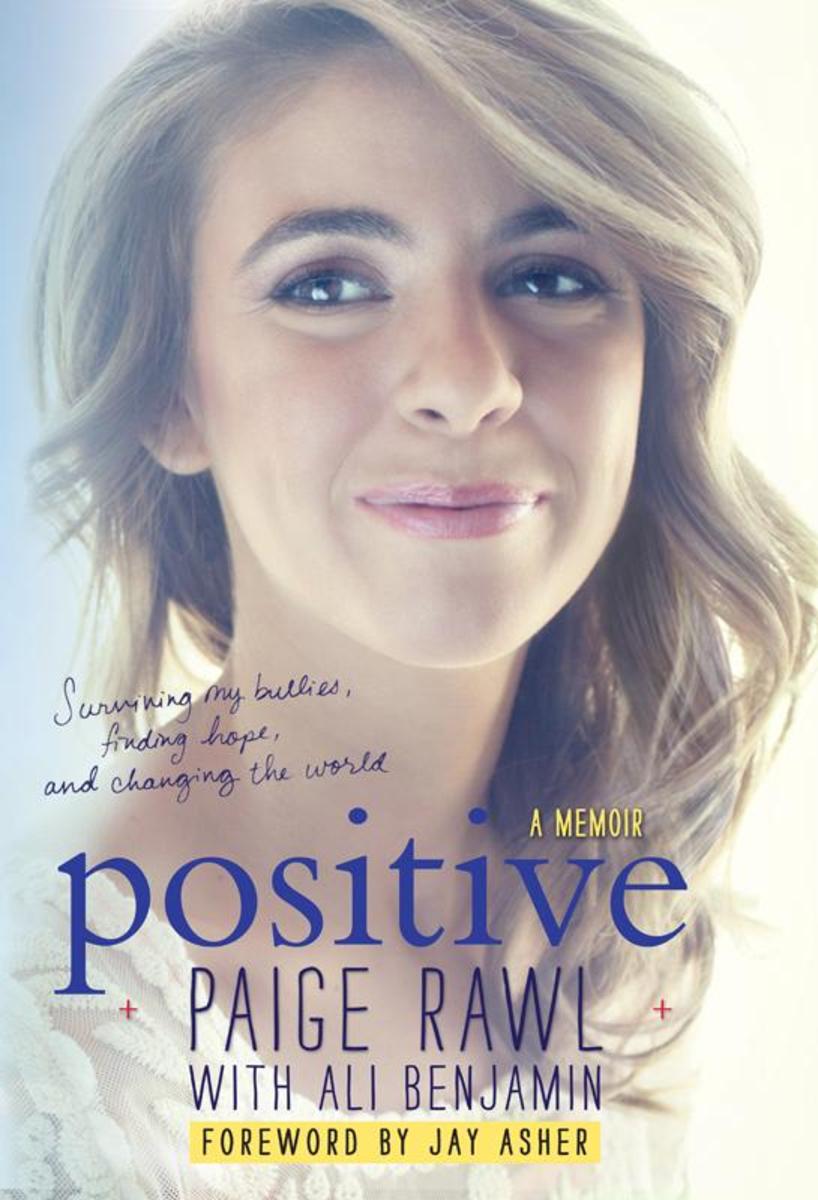
Positive
¥106.31
An astonishing memoir for the untold number of children whose lives have been touched by bullying. Positive is a must-read for teens, their parents, educators, and administrators—a brave, visceral work that will save lives and resonate deeply.Paige Rawl has been HIV positive since birth, but growing up, she never felt like her illness defined her. On an unremarkable day in middle school, she disclosed to a friend her HIV-positive status—and within hours the bullying began. From that moment forward, every day was like walking through a minefield. Paige was never sure when or from where the next text, taunt, or hateful message would come. Then one night, desperate for escape, fifteen-year-old Paige found herself in her bathroom staring at a bottle of sleeping pills.That could have been the end of her story. Instead, it was only the beginning. Paige's memoir calls for readers to choose action over complacency, compassion over cruelty—and above all, to be Positive.Includes twenty-five photos from Paige's personal collection throughout.Supports the Common Core State Standards
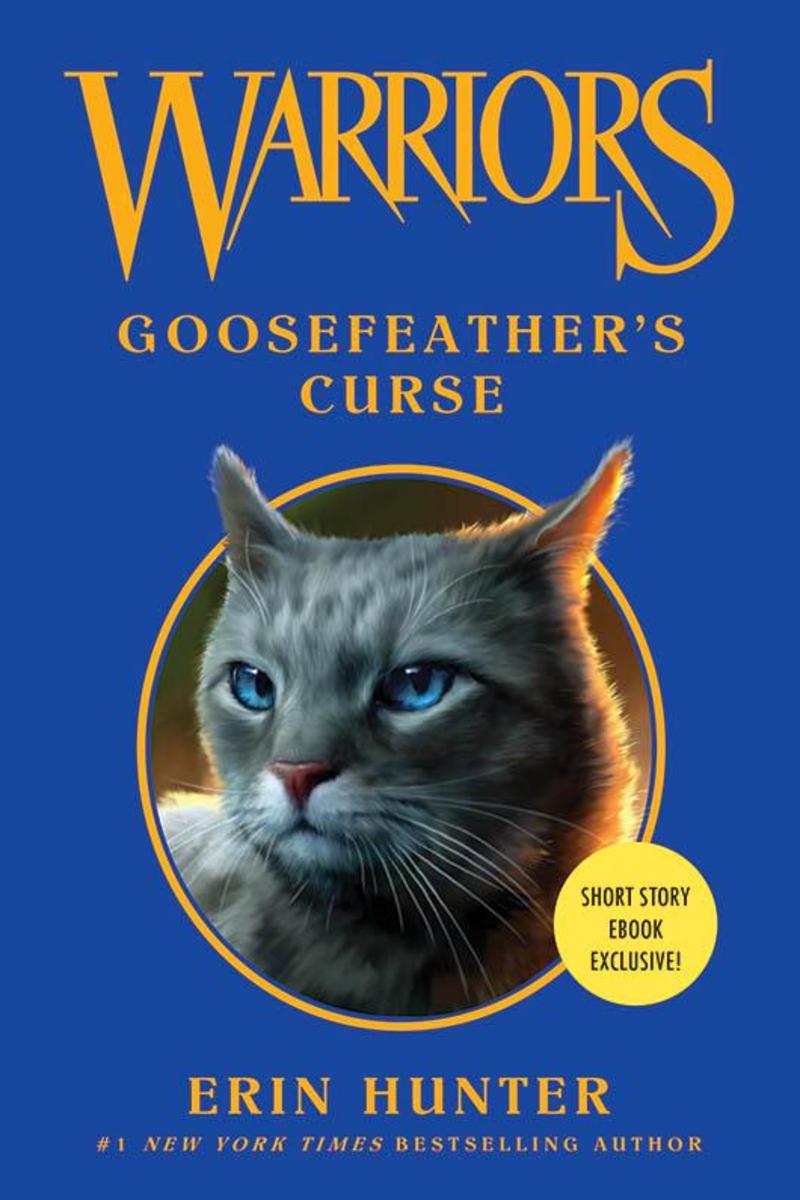
Warriors: Goosefeather's Curse
¥87.15
In this novella from the world of Erin Hunter's #1 nationally bestselling Warriors series, discover how Goosefeather learned of his dark and terrible future.Goosefeather is destined to be a medicine cat unlike any ThunderClan has ever known—but will he ever come to terms with a gift that feels like a curse?Warriors: Goosefeather's Curse also includes a teaser to Warriors Super Edition: Bluestar's Prophecy.
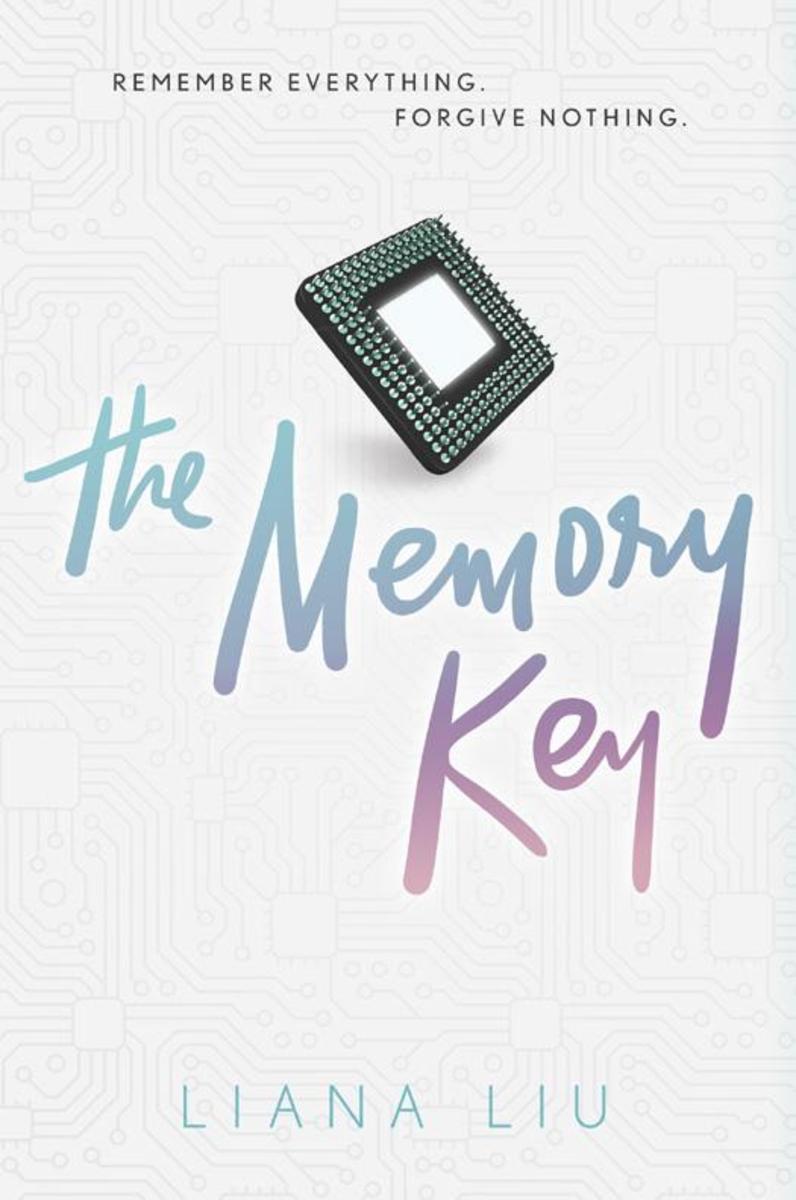
The Memory Key
¥56.08
Lora Mint is determined not to forget.Though her mother's been dead for five years, Lora struggles to remember every detail about her—most important, the specific events that occurred the night she sped off in her car, never to return.But in a world ravaged by Vergets disease, a viral form of Alzheimer's, that isn't easy. Usually Lora is aided by her memory key, a standard-issue chip embedded in her brain that preserves memories just the way a human brain would. Then a minor accident damages Lora's key, and her memories go haywire. Suddenly Lora remembers a moment from the night of her mother's disappearance that indicates her death was no accident. Can she trust these formerly forgotten memoriesOr is her ability to remember every painful part of her past driving her slowly mad—burying the truth forever?Lora's story of longing for her lost mother—and for the truth behind her broken memories—takes readers on a twisty ride. The authentic, emotional narrative sparks fascinating questions about memory and privacy in a world that increasingly relies on electronic recall.
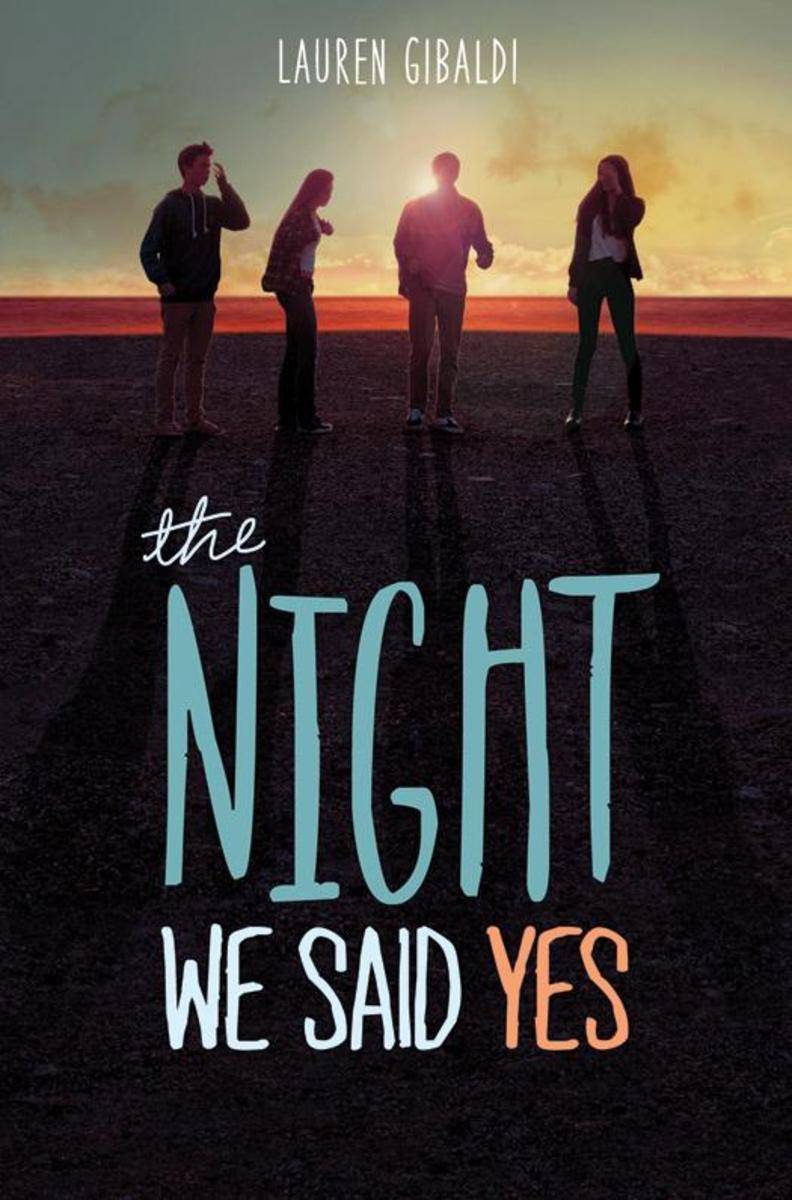
The Night We Said Yes
¥55.93
A fun, romantic read, perfect for fans of Sarah Dessen and Susane Colasanti! What happens when Matt and Ella reunite one year after their breakupAre second chances really possible?Before Matt, Ella had a plan. Get over her ex-boyfriend and graduate high school—simple as that. But Matt—the cute, shy, bespectacled bass player—was never part of that plan. And neither was attending a party that was crashed by the cops just minutes after they arrived. Or spending an entire night saying "yes" to every crazy, fun thing they could think of.But then Matt leaves town, breaking Ella's heart. And when he shows up a year later—wanting to relive the night that brought them together—Ella isn't sure whether Matt's worth a second chance. Or if re-creating the past can help them create a different future.
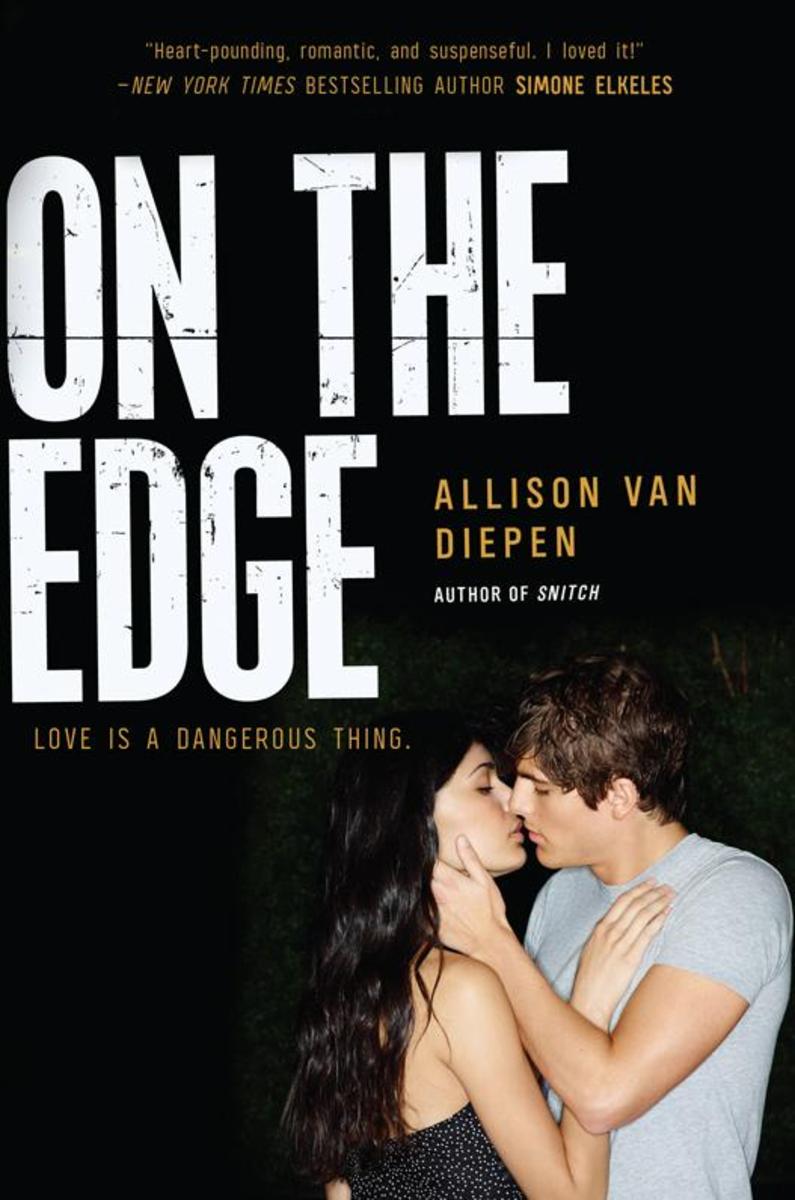
On the Edge
¥55.33
From Allison van Diepen, author of Light of Day, Snitch, and Street Pharm, comes a sexy, dangerous novel—perfect for fans of Simone Elkeles and Paul Griffin—about a teen who witnesses a murder and gets caught up in the seedy world of Miami's gangs.Maddie Diaz never should have taken that shortcut through the park. If she hadn't, she wouldn't have seen two members of the Reyes gang attacking a homeless man. Now, as the only witness, she knows there's a target on her back.But when the Reyes jump her on the street, Maddie is protected by a second gang and their secretive leader, Lobo, who is determined to take down the Reyes himself. Lobo is mysterious and passionate, and Maddie begins to fall for him. But when they live this close to the edge, can their love survive?
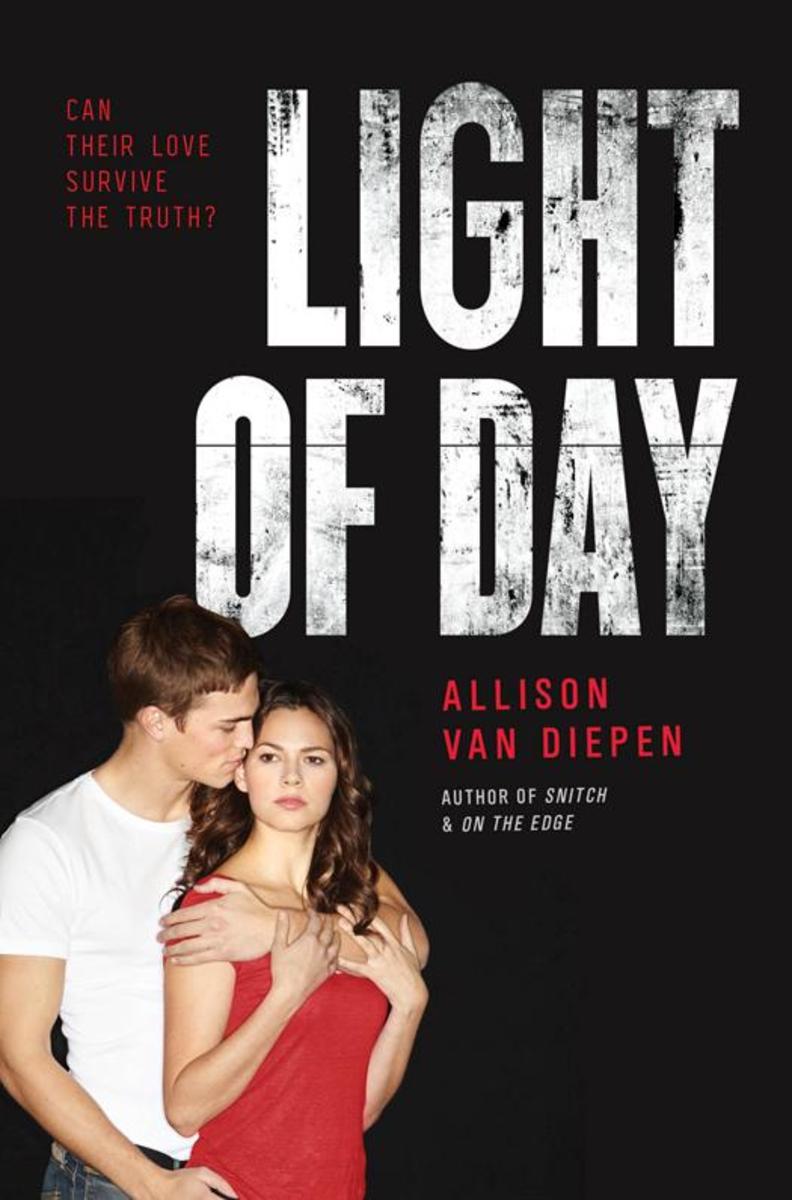
Light of Day
¥101.00
From the author of On the Edge and Snitch comes a dangerous, sexy novel perfect for fans of Simone Elkeles.When Gabby Perez is almost drugged at a nightclub, she decides to take action. Teaming up with a mysterious stranger known as X, the two go after a gang who is drugging and kidnapping innocent girls off the Miami streets and forcing them into prostitution. As their search deepens, Gabby and X can't ignore their undeniable attraction to each other. Then Gabby discovers the truth about who X really is and the danger that surrounds him. Can their love survive the light of day?Light of Day is set in the same world as On the Edge (readers will recognize some of their favorite characters in this book) and features a diverse cast. With romance, action, and realistic friendships, this is a gripping story about finding out where you belong, discovering the power to make a difference, and finding true love along the way.
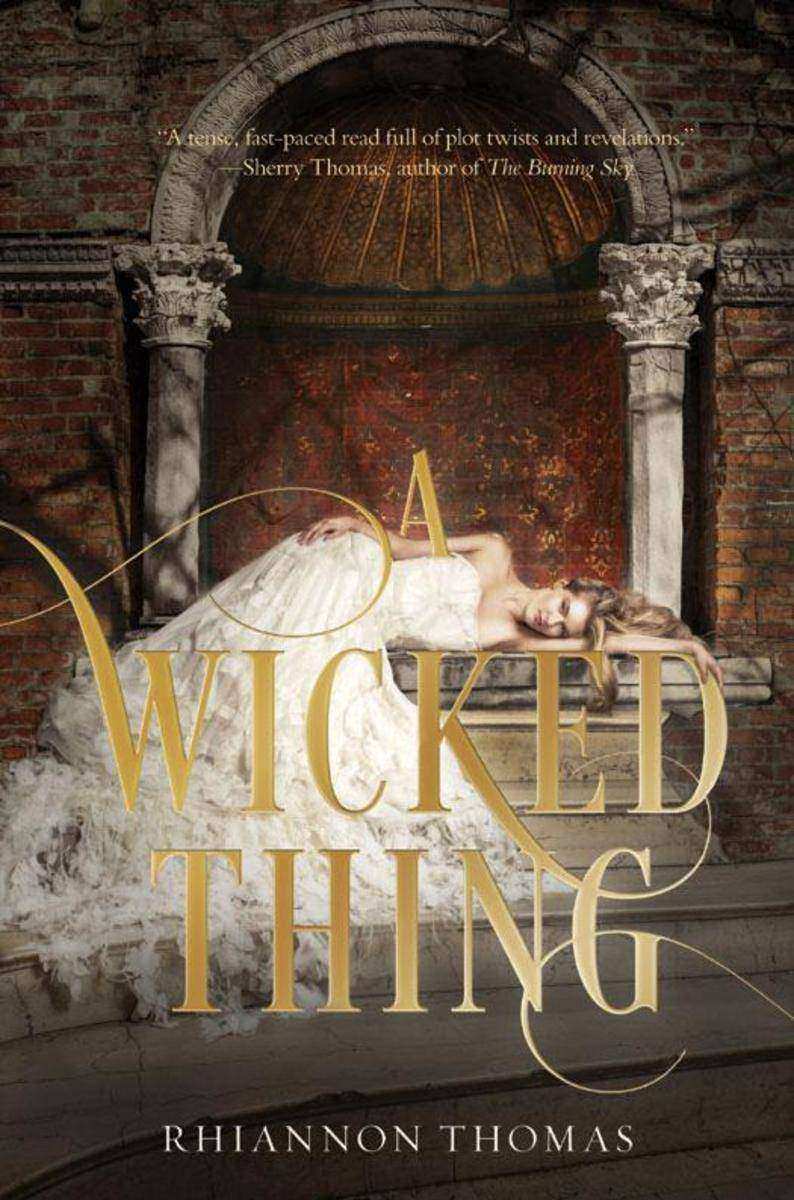
A Wicked Thing
¥55.33
Rhiannon Thomas's dazzling debut novel is a spellbinding reimagining of what happens after happily ever after. Vividly imagined scenes of action, romance, and political intrigue are seamlessly woven together to reveal a richly created world . . . and Sleeping Beauty as she's never been seen before.One hundred years after falling asleep, Princess Aurora wakes up to the kiss of a handsome prince and a broken kingdom that has been dreaming of her return. All the books say that she should be living happily ever after. But as Aurora understands all too well, the truth is nothing like the fairy tale.Her family is long dead. Her "true love" is a kind stranger. And her whole life has been planned out by political foes while she slept.As Aurora struggles to make sense of her new world, she begins to fear that the curse has left its mark on her, a fiery and dangerous thing that might be as wicked as the witch who once ensnared her. With her wedding day drawing near, Aurora must make the ultimate decision on how to save her kingdom: marry the prince or run.
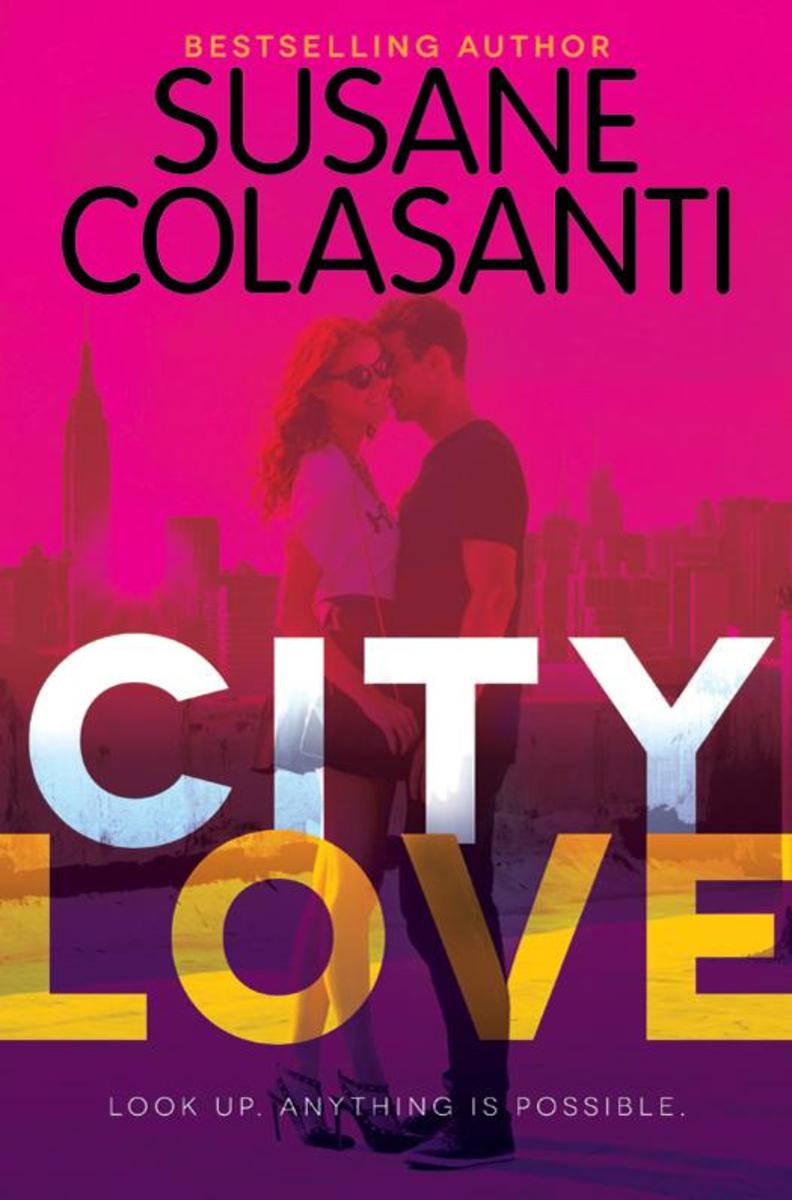
City Love
¥56.08
Three teenage girls learn how to navigate their hearts and NYC. Book one of the trilogy, City Love, is the start of a romantic new series for fans of Sarah Dessen, Stephanie Perkins, and the Carrie Diaries, from bestselling author Susane Colasanti.Roommates Sadie, Darcy, and Rosanna have big plans for their summer before college. Sadie is looking for love, Darcy is living for the next adventure, and Rosanna is reinventing herself. There will be plenty of distractions—irresistible guys, wrong guys, awkward encounters, 2 a.m. breakfasts, fangirl moments, Nasty Girl, and more—but if they look up they will discover the true meaning of city love.


