


 购物车
 个人中心

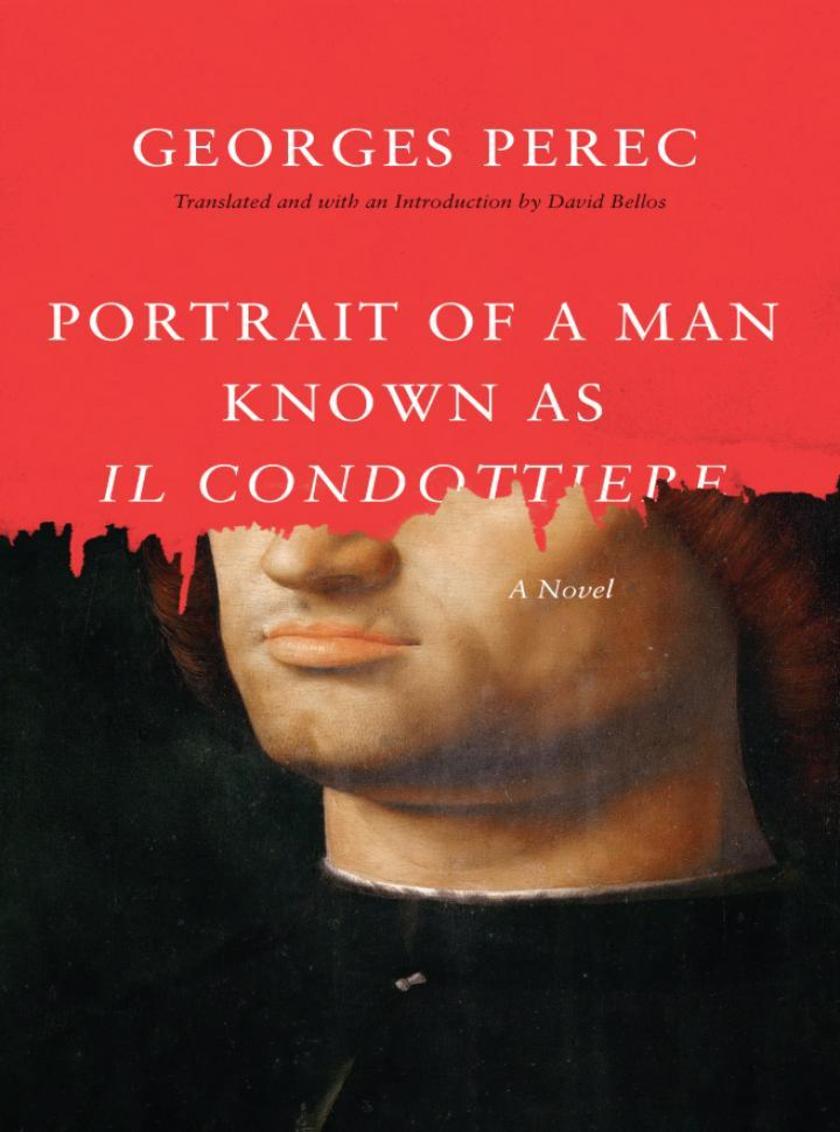
Portrait of a Man Known as Il Condottiere
¥147.15
Puckish and playful, Georges Perec infused avant-garde and experimental fiction with a wit and wonder that belied the serious concerns and concepts that underpinned it. A prominent member of the OuLiPo, and an abiding influence on fiction writers today, Perec used formal constraints to dazzling effect in such works as A Void-a murder mystery that contains nary an "e;e"e;-and Life A User's Manual, in which an apartment building, systematically canvassed, unfolds secrets and, ultimately offers a reflection on creation, destruction, and the devotion to art.?Before embarking on these experiments, however, Perec tried his hand at a relatively straightforward novel, Portrait of a Man. His first book, it was rejected by publishers when he submitted it in 1960, after which he filed it away. Decades after Perec's death, David Bellos discovered the manu*, and through his translation we have a chance to enjoy it in English for the first time. What fans will find here is a thriller that combines themes that would remain prominent in Perec's later work, such as art forgery, authenticity, and murder, as well as craftsman Gaspard Winckler, who whose namesakes play major roles in Life A User's Manual and W or The Memory of Childhood.?Engaging and entertaining on its own merits, and gaining additional interest when set in the context of Perec's career, Portrait of a Man is sure to charm the many fans of this postmodern master.
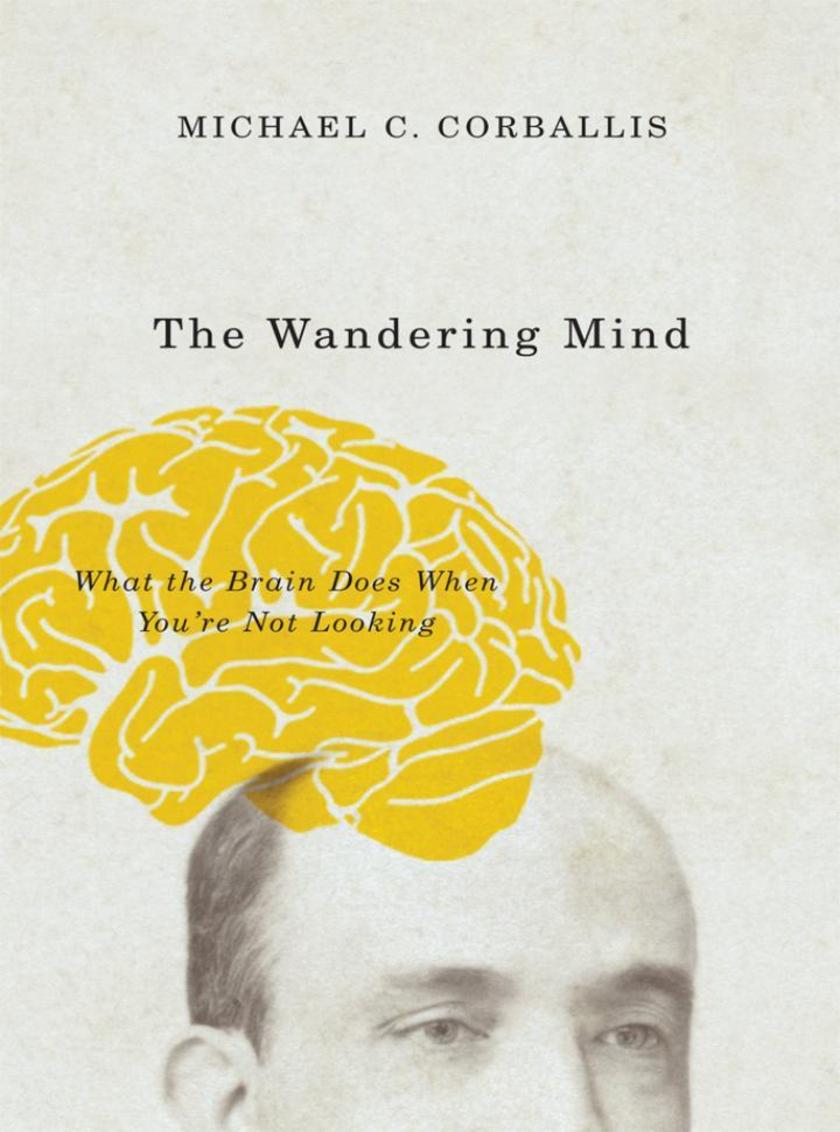
Wandering Mind
¥147.15
If we've done our job well-and, let's be honest, if we're lucky-you'll read to the end of this de*ion. Most likely, however, you won't. Somewhere in the middle of the next paragraph, your mind will wander off. Minds wander. That's just how it is.?That may be bad news for me, but is it bad news for people in generalDoes the fact that as much as fifty percent of our waking hours find us failing to focus on the task at hand represent a problemMichael Corballis doesn't think so, and with The Wandering Mind, he shows us why, rehabilitating woolgathering and revealing its incredibly useful effects. Drawing on the latest research from cognitive science and evolutionary biology, Corballis shows us how mind-wandering not only frees us from moment-to-moment drudgery, but also from the limitations of our immediate selves. Mind-wandering strengthens our imagination, fueling the flights of invention, storytelling, and empathy that underlie our shared humanity; furthermore, he explains, our tendency to wander back and forth through the timeline of our lives is fundamental to our very sense of ourselves as coherent, continuing personalities.?Full of unusual examples and surprising discoveries, The Wandering Mind mounts a vigorous defense of inattentioneven as it never fails to hold the reader's.
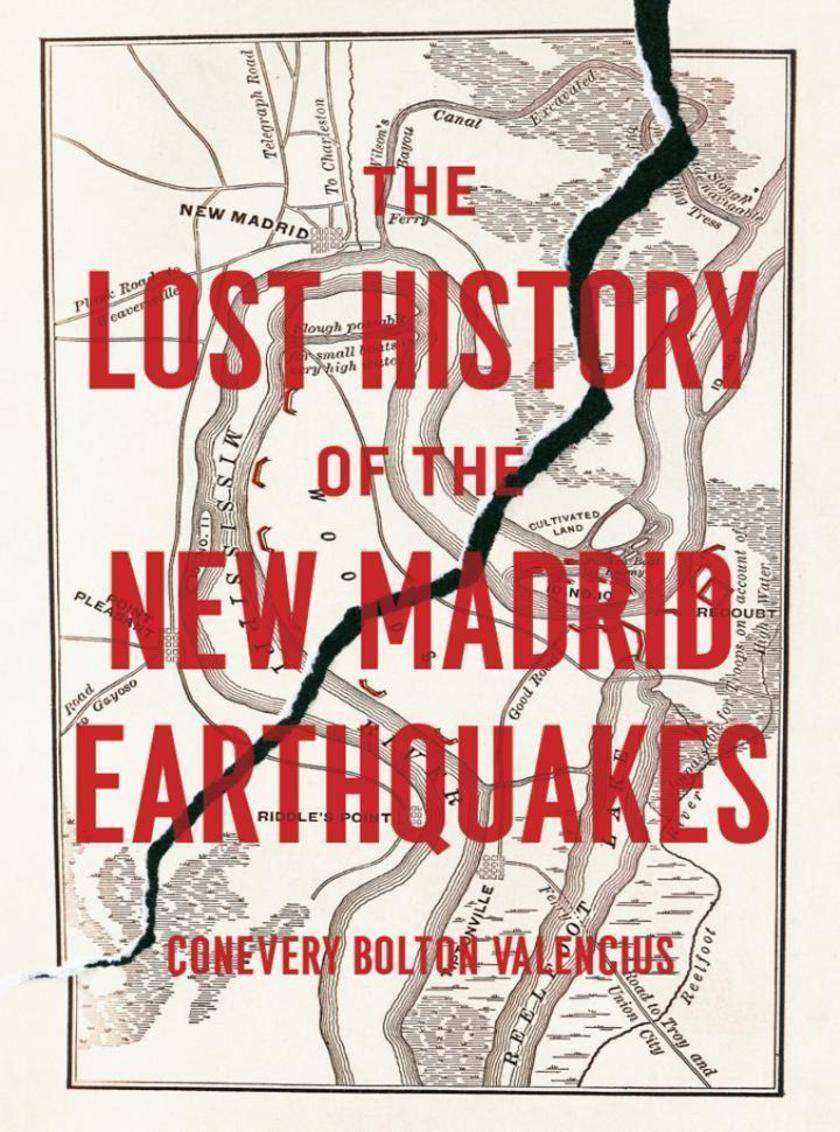
Lost History of the New Madrid Earthquakes
¥247.21
From December 1811 to February 1812, massive earthquakes shook the middle Mississippi Valley, collapsing homes, snapping large trees midtrunk, and briefly but dramatically reversing the flow of the continent's mightiest river. For decades, people puzzled over the causes of the quakes, but by the time the nation began to recover from the Civil War, the New Madrid earthquakes had been essentially forgotten.?In The Lost History of the New Madrid Earthquakes, Conevery Bolton Valencius remembers this major environmental disaster, demonstrating how events that have been long forgotten, even denied and ridiculed as tall tales, were in fact enormously important at the time of their occurrence, and continue to affect us today. Valencius weaves together scientific and historical evidence to demonstrate the vast role the New Madrid earthquakes played in the United States in the early nineteenth century, shaping the settlement patterns of early western Cherokees and other Indians, heightening the credibility of Tecumseh and Tenskwatawa for their Indian League in the War of 1812, giving force to frontier religious revival, and spreading scientific inquiry. Moving into the present, Valencius explores the intertwined reasons-environmental, scientific, social, and economic-why something as consequential as major earthquakes can be lost from public knowledge, offering a cautionary tale in a world struggling to respond to global climate change amid widespread willful denial.Engagingly written and ambitiously researched-both in the scientific literature and the writings of the time-The Lost History of the New Madrid Earthquakes will be an important resource in environmental history, geology, and seismology, as well as history of science and medicine and early American and Native American history.
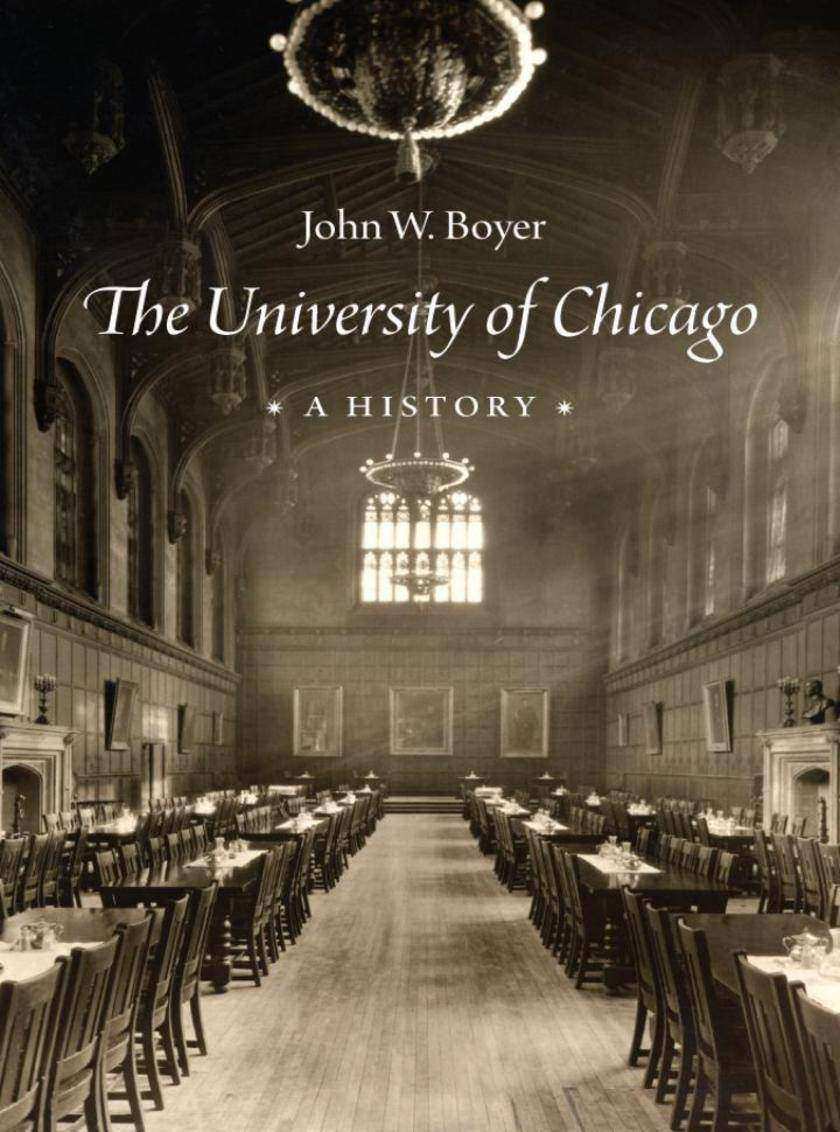
University of Chicago
¥247.21
One of the most influential institutions of higher learning in the world, the University of Chicago has a powerful and distinct identity, and its name is synonymous with intellectual rigor. With nearly 170,000 alumni living and working in more than 150 countries, its impact is far-reaching and long-lasting.With The University of Chicago: A History, John W. Boyer, Dean of the College since 1992, presents a deeply researched and comprehensive history of the university. Boyer has mined the archives, exploring the school's complex and sometimes controversial past to set myth and hearsay apart from fact. The result is a fascinating narrative of a legendary academic community, one that brings to light the nature of its academic culture and curricula, the experience of its students, its engagement with Chicago's civic community, and the conditions that have enabled the university to survive and sustain itself through decades of change.Boyer's extensive research shows that the University of Chicago's identity is profoundly interwoven with its history, and that history is unique in the annals of American higher education. After a little-known false start in the mid-nineteenth century, it achieved remarkable early successes, yet in the 1950s it faced a collapse of undergraduate enrollment, which proved fiscally debilitating for decades. Throughout, the university retained its fierce commitment to a distinctive, intense academic culture marked by intellectual merit and free debate, allowing it to rise to international acclaim. Today it maintains a strong obligation to serve the larger community through its connections to alumni, to the city of Chicago, and increasingly to its global community.Published to coincide with the 125th anniversary of the university, this must-have reference will appeal to alumni and anyone interested in the history of higher education of the United States.
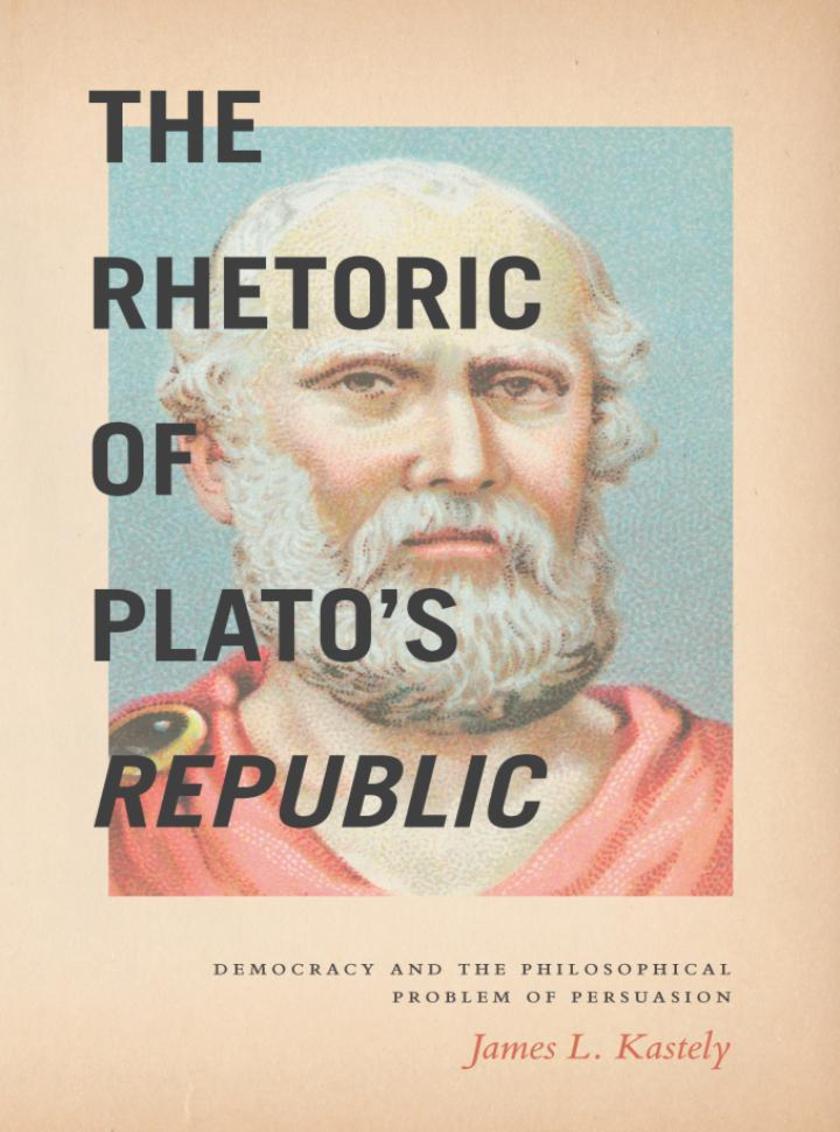
Rhetoric of Plato's Republic
¥247.21
Plato isn't exactly thought of as a champion of democracy, and perhaps even less as an important rhetorical theorist. In this book, James L. Kastely recasts Plato in just these lights, offering a vivid new reading of one of Plato's most important works: the Republic. At heart, Kastely demonstrates, the Republic is a democratic epic poem and pioneering work in rhetorical theory. Examining issues of justice, communication, persuasion, and audience, he uncovers a seedbed of theoretical ideas that resonate all the way up to our contemporary democratic practices. As Kastely shows, the Republic begins with two interrelated crises: one rhetorical, one philosophical. In the first, democracy is defended by a discourse of justice, but no one can take this discourse seriously because no one can see-in a world where the powerful dominate the weak-how justice is a value in itself. That value must be found philosophically, but philosophy, as Plato and Socrates understand it, can reach only the very few. In order to reach its larger political audience, it must become rhetoric; it must become a persuasive part of the larger culture-which, at that time, meant epic poetry. Tracing how Plato and Socrates formulate this transformation in the Republic, Kastely isolates a crucial theory of persuasion that is central to how we talk together about justice and organize ourselves according to democratic principles.?
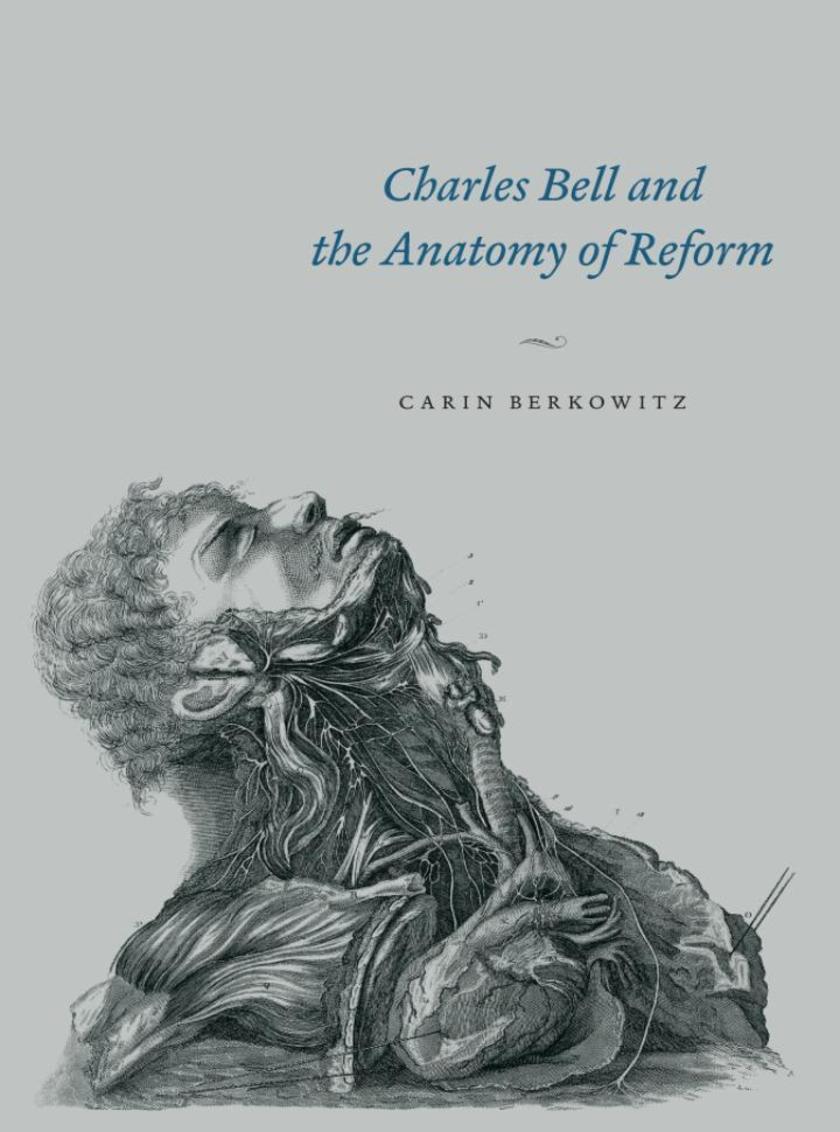
Charles Bell and the Anatomy of Reform
¥247.21
Sir Charles Bell (1774-1842) was a medical reformer in a great age of reform-an occasional and reluctant vivisectionist, a theistic popularizer of natural science, a Fellow of the Royal Society, a surgeon, an artist, and a teacher. He was among the last of a generation of medical men who strove to fashion a particularly British science of medicine; who formed their careers, their research, and their publications through the private classrooms of nineteenth-century London; and whose politics were shaped by the exigencies of developing a living through patronage in a time when careers in medical science simply did not exist. A decade after Bell's death, that world was gone, replaced by professionalism, standardized education, and regular career paths.?In Charles Bell and the Anatomy of Reform, Carin Berkowitz takes readers into Bell's world, helping us understand the life of medicine before the modern separation of classroom, laboratory, and clinic. Through Bell's story, we witness the age when modern medical science, with its practical universities, set curricula, and medical professionals, was born.
Hidden Game of Baseball
¥147.15
Long before Moneyball became a sensation or Nate Silver turned the knowledge he'd honed on baseball into electoral gold, John Thorn and Pete Palmer were using statistics to shake the foundations of the game. First published in 1984, The Hidden Game of Baseball ushered in the sabermetric revolution by demonstrating that we were thinking about baseball stats-and thus the game itself-all wrong. Instead of praising sluggers for gaudy RBI totals or pitchers for wins, Thorn and Palmer argued in favor of more subtle measurements that correlated much more closely to the ultimate goal: winning baseball games.The new gospel promulgated by Thorn and Palmer opened the door for a flood of new questions, such as how a ballpark's layout helps or hinders offense or whether a strikeout really is worse than another kind of out. Taking questions like these seriously-and backing up the answers with data-launched a new era, showing fans, journalists, scouts, executives, and even players themselves a new, better way to look at the game.This brand-new edition retains the body of the original, with its rich, accessible analysis rooted in a deep love of baseball, while adding a new introduction by the authors tracing the book's influence over the years. A foreword by ESPN's lead baseball analyst, Keith Law, details The Hidden Game's central role in the transformation of baseball coverage and team management and shows how teams continue to reap the benefits of Thorn and Palmer's insights today. Thirty years after its original publication, The Hidden Game is still bringing the high heat-a true classic of baseball literature.
Democratic Art
¥370.82
Throughout the Great Recession American artists and public art endowments have had to fight for government support to keep themselves afloat. It wasn't always this way. At its height in 1935, the New Deal devoted $27 million-roughly $461 million today-to supporting tens of thousands of needy artists, who used that support to create more than 100,000 works. Why did the government become so involved with these artists, and why weren't these projects considered a frivolous waste of funds, as surely many would be today?In Democratic Art, Sharon Musher explores these questions and uses them as a springboard for an examination of the role art can and should play in contemporary society. Drawing on close readings of government-funded architecture, murals, plays, writing, and photographs, Democratic Art examines the New Deal's diverse cultural initiatives and outlines five perspectives on art that were prominent at the time: art as grandeur, enrichment, weapon, experience, and subversion. Musher argues that those engaged in New Deal art were part of an explicitly cultural agenda that sought not just to create art but to democratize and Americanize it as well. By tracing a range of aesthetic visions that flourished during the 1930s, this highly original book outlines the successes, shortcomings, and lessons of the golden age of government funding for the arts.
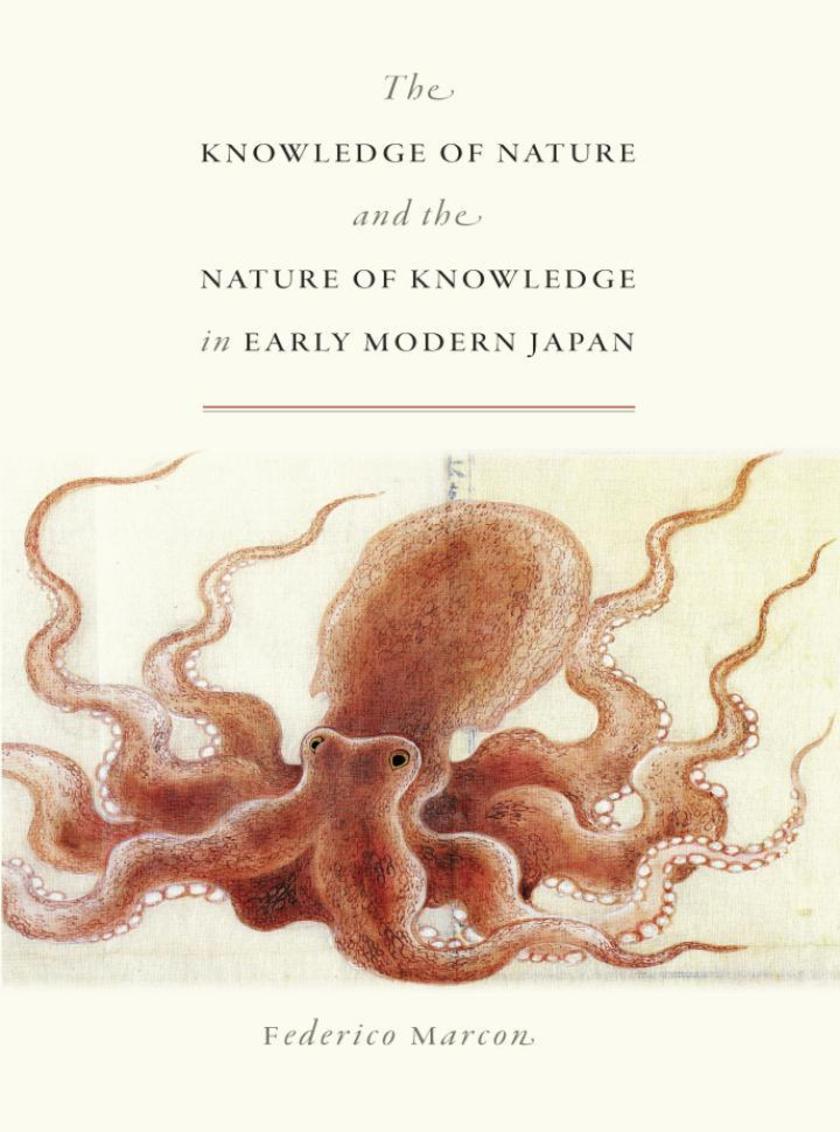
Knowledge of Nature and the Nature of Knowledge in Early Modern Japan
¥370.82
Between the early seventeenth and the mid-nineteenth century, the field of natural history in Japan separated itself from the discipline of medicine, produced knowledge that questioned the traditional religious and philosophical understandings of the world, developed into a system (called honzogaku) that rivaled Western science in complexity-and then seemingly disappeared. Or did itIn The Knowledge of Nature and the Nature of Knowledge in Early Modern Japan, Federico Marcon recounts how Japanese scholars developed a sophisticated discipline of natural history analogous to Europe's but created independently, without direct influence, and argues convincingly that Japanese natural history succumbed to Western science not because of suppression and substitution, as scholars traditionally have contended, but by adaptation and transformation.?The first book-length English-language study devoted to the important field of honzogaku, The Knowledge of Nature and the Nature of Knowledge in Early Modern Japan will be an essential text for historians of Japanese and East Asian science, and a fascinating read for anyone interested in the development of science in the early modern era.
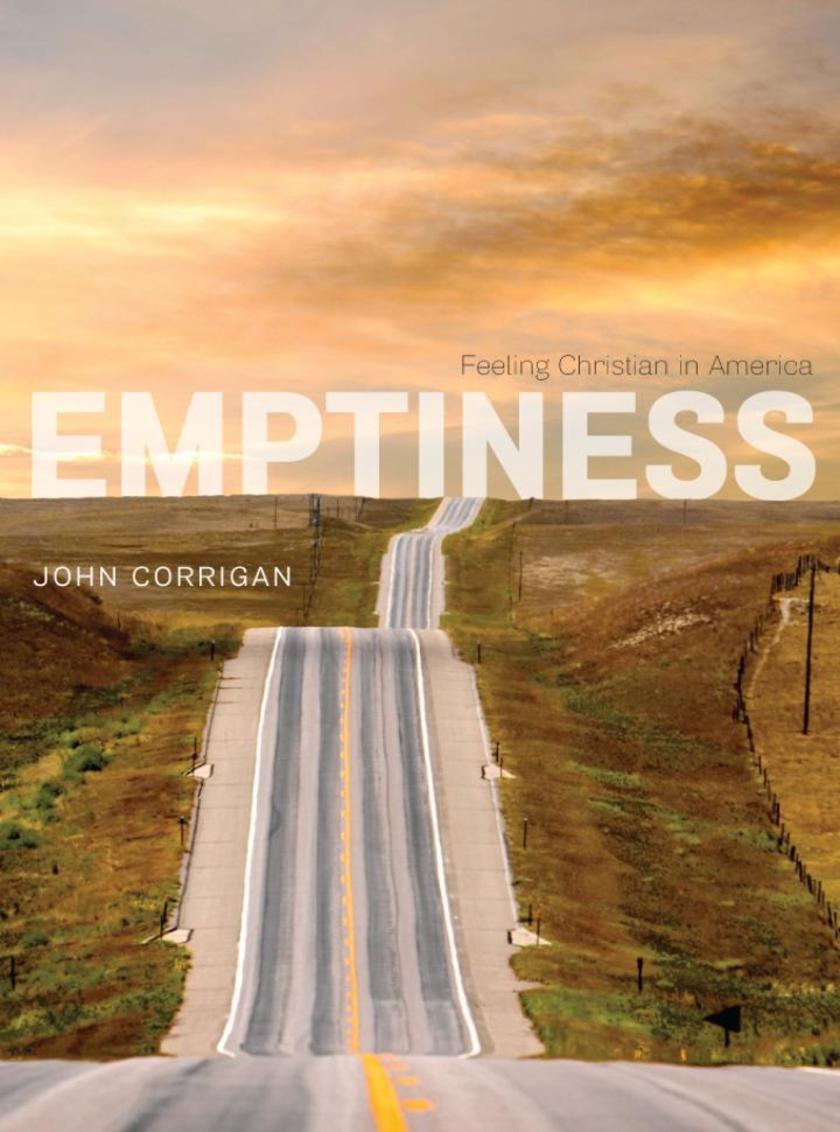
Emptiness
¥288.41
For many Christians in America, becoming filled with Christ first requires being empty of themselves-a quality often overlooked in religious histories. In Emptiness, John Corrigan highlights for the first time the various ways that American Christianity has systematically promoted the cultivation of this feeling. ?Corrigan examines different kinds of emptiness essential to American Christianity, such as the emptiness of deep longing, the emptying of the body through fasting or weeping, the emptiness of the wilderness, and the emptiness of historical time itself. He argues, furthermore, that emptiness is closely connected to the ways Christian groups differentiate themselves: many groups foster a sense of belonging not through affirmation, but rather avowal of what they and their doctrines are not. Through emptiness, American Christians are able to assert their identities as members of a religious community.Drawing much-needed attention to a crucial aspect of American Christianity, Emptiness expands our understanding of historical and contemporary Christian practices.?
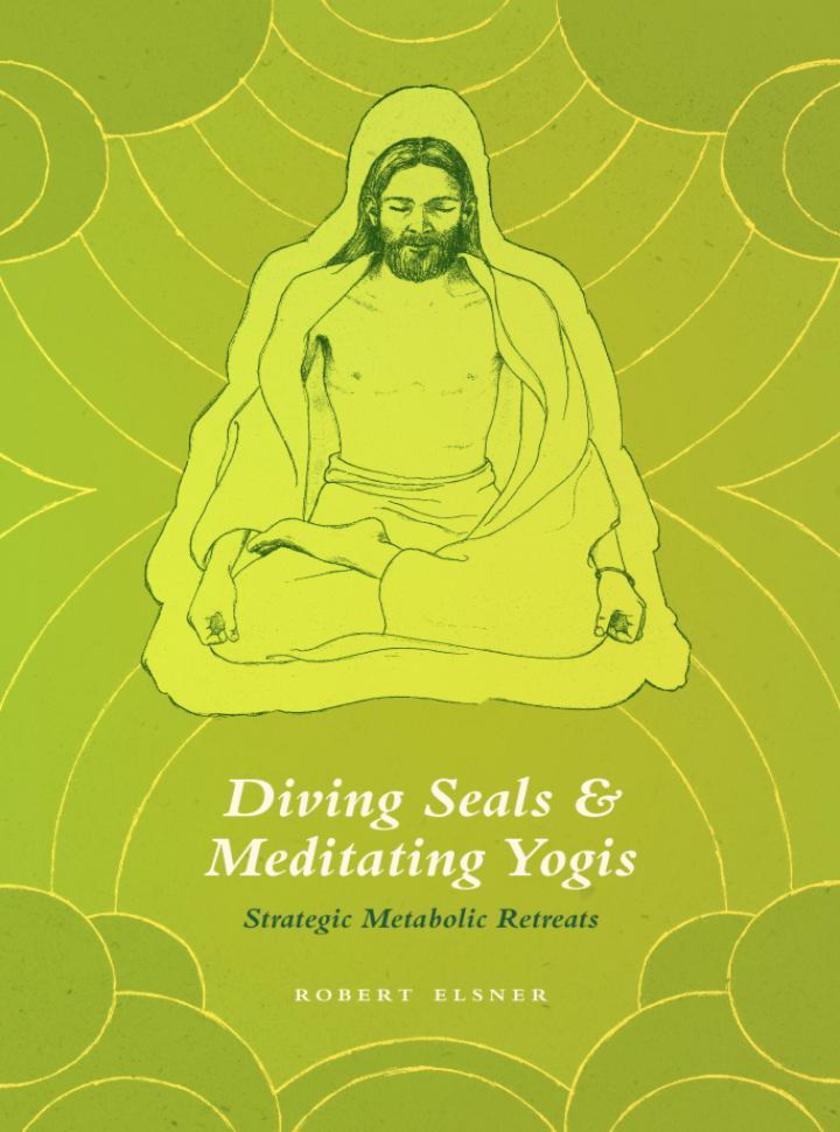
Diving Seals and Meditating Yogis
¥265.87
The comparative physiology of seemingly disparate organisms often serves as a surprising pathway to biological enlightenment. How appropriate, then, that Robert Elsner sheds new light on the remarkable physiology of diving seals through comparison with members of our own species on quests toward enlightenment: meditating yogis.As Elsner reveals, survival in extreme conditions such as those faced by seals is often not about running for cover or coming up for air, but rather about working within the confines of an environment and suppressing normal bodily function. Animals in this withdrawn state display reduced resting metabolic rates and are temporarily less dependent upon customary levels of oxygen. For diving seals-creatures especially well-adapted to prolonged submergence in the ocean's cold depths-such periods of rest lengthen dive endurance. But while human divers share modest, brief adjustments of suppressed metabolism with diving seals, it is the practiced response achieved during deep meditation that is characterized by metabolic rates well below normal levels, sometimes even approaching those of non-exercising diving seals. And the comparison does not end here: hibernating animals, infants during birth, near-drowning victims, and clams at low tide all also display similarly reduced metabolisms.By investigating these states-and the regulatory functions that help maintain them-across a range of species, Elsner offers suggestive insight into the linked biology of survival and well-being.
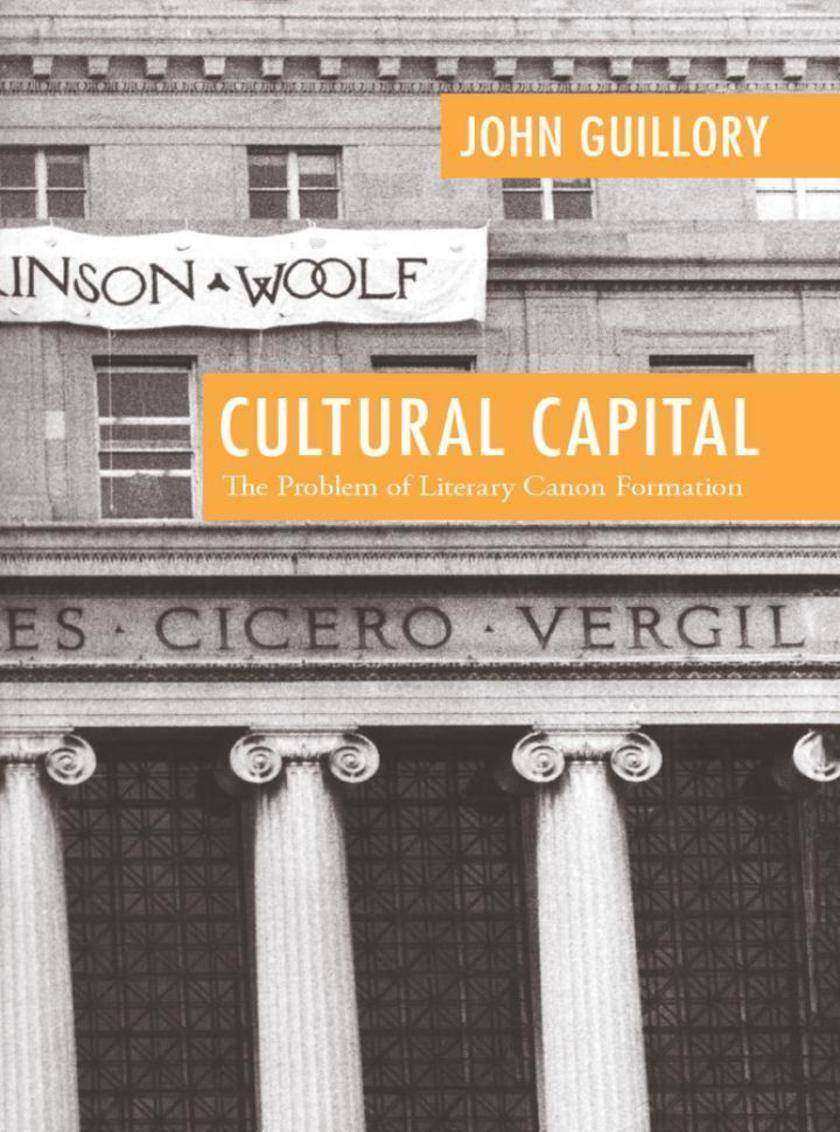
Cultural Capital
¥247.21
John Guillory challenges the most fundamental premises of the canon debate by resituating the problem of canon formation in an entirely new theoretical framework. The result is a book that promises to recast not only the debate about the literary curriculum but also the controversy over "e;multiculturalism"e; and the current "e;crisis of the humanities."e; Employing concepts drawn from Pierre Bourdieu's sociology, Guillory argues that canon formation must be understood less as a question of the representation of social groups than as a question of the distribution of "e;cultural capital"e; in the schools, which regulate access to literacy, to the practices of reading and writing.
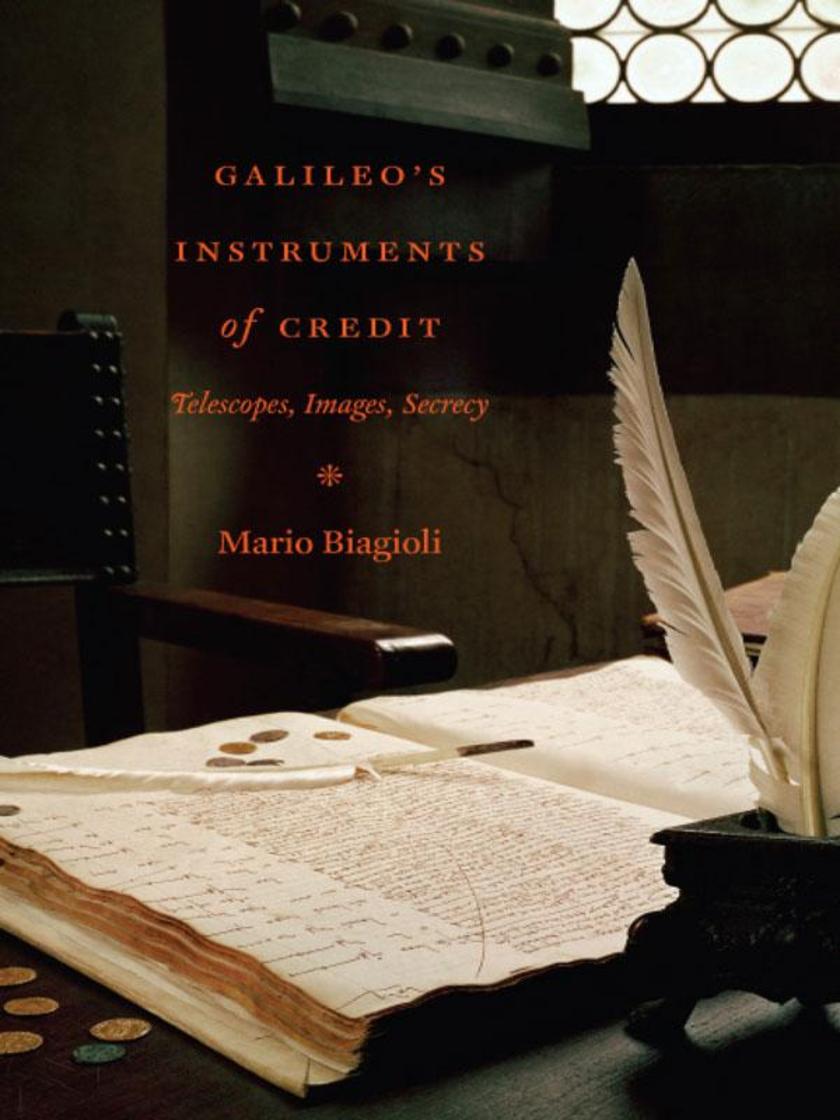
Galileo's Instruments of Credit
¥229.55
In six short years, Galileo Galilei went from being a somewhat obscure mathematics professor running a student boarding house in Padua to a star in the court of Florence to the recipient of dangerous attention from the Inquisition for his support of Copernicanism. In that brief period, Galileo made a series of astronomical discoveries that reshaped the debate over the physical nature of the heavens: he deeply modified the practices and status of astronomy with the introduction of the telescope and pictorial evidence, proposed a radical reconfiguration of the relationship between theology and astronomy, and transformed himself from university mathematician into court philosopher.Galileo's Instruments of Credit proposes radical new interpretations of several key episodes of Galileo's career, including his early telescopic discoveries of 1610, the dispute over sunspots, and the conflict with the Holy Office over the relationship between Copernicanism and Scripture. Galileo's tactics during this time shifted as rapidly as his circumstances, argues Mario Biagioli, and the pace of these changes forced him to respond swiftly to the opportunities and risks posed by unforeseen inventions, further discoveries, and the interventions of his opponents.Focusing on the aspects of Galileo's scientific life that extend beyond the framework of court culture and patronage, Biagioli offers a revisionist account of the different systems of exchanges, communication, and credibility at work in various phases of Galileo's career. Galileo's Instruments of Credit will find grateful readers among scholars of science studies, historical epistemology, visual studies, Galilean science, and late Renaissance astronomy.

Desperately Seeking Certainty
¥229.55
Irreverent, provocative, and engaging, Desperately Seeking Certainty attacks the current legal vogue for grand unified theories of constitutional interpretation. On both the Right and the Left, prominent legal scholars are attempting to build all of constitutional law from a single foundational idea. Dan Farber and Suzanna Sherry find that in the end no single, all-encompassing theory can successfully guide judges or provide definitive or even sensible answers to every constitutional question. Their book brilliantly reveals how problematic foundationalism is and shows how the pragmatic, multifaceted common law methods already used by the Court provide a far better means of reaching sound decisions and controlling judicial discretion than do any of the grand theories.
How Does Analysis Cure?
¥211.90
The Austro-American psychoanalyst Heinz Kohut was one of the foremost leaders in his field and developed the school of self-psychology, which sets aside the Freudian explanations for behavior and looks instead at self/object relationships and empathy in order to shed light on human behavior. In How Does Analysis CureKohut presents the theoretical framework for self-psychology, and carefully lays out how the self develops over the course of time. Kohut also specifically defines healthy and unhealthy cases of Oedipal complexes and narcissism, while investigating the nature of analysis itself as treatment for pathologies. This in-depth examination of "e;the talking cure"e; explores the lesser studied phenomena of psychoanalysis, including when it is beneficial for analyses to be left unfinished, and the changing definition of "e;normal."e;An important work for working psychoanalysts, this book is important not only for psychologists, but also for anyone interested in the complex inner workings of the human psyche.
American Evangelicalism
¥211.90
Evangelicalism is one of the strongest religious traditions in America today; 20 million Americans identify themselves with the evangelical movement. Given the modern pluralistic world we live in, why is evangelicalism so popular?Based on a national telephone survey and more than three hundred personal interviews with evangelicals and other churchgoing Protestants, this study provides a detailed analysis of the commitments, beliefs, concerns, and practices of this thriving group. Examining how evangelicals interact with and attempt to influence secular society, this book argues that traditional, orthodox evangelicalism endures not despite, but precisely because of, the challenges and structures of our modern pluralistic environment. This work also looks beyond evangelicalism to explore more broadly the problems of traditional religious belief and practice in the modern world.With its impressive empirical evidence, innovative theory, and substantive conclusions, American Evangelicalism will provoke lively debate over the state of religious practice in contemporary America.

Poetry and Its Others
¥206.01
What is poetryOften it is understood as a largely self-enclosed verbal system-"e;suspended from any mutual interaction with alien discourse,"e; in the words of Mikhail Bakhtin. But in Poetry and Its Others, Jahan Ramazani reveals modern and contemporary poetry's animated dialogue with other genres and discourses. Poetry generates rich new possibilities, he argues, by absorbing and contending with its near verbal relatives. ?Exploring poetry's vibrant exchanges with other forms of writing, Ramazani shows how poetry assimilates features of prose fiction but differentiates itself from novelistic realism; metabolizes aspects of theory and philosophy but refuses their abstract procedures; and recognizes itself in the verbal precision of the law even as it separates itself from the law's rationalism. But poetry's most frequent interlocutors, he demonstrates, are news, prayer, and song. Poets such as William Carlos Williams and W. H. Auden refashioned poetry to absorb the news while expanding its contexts; T. S. Eliot and Charles Wright drew on the intimacy of prayer though resisting its limits; and Paul Muldoon, Rae Armantrout, and Patience Agbabi have played with and against song lyrics and techniques. Encompassing a cultural and stylistic range of writing unsurpassed by other studies of poetry, Poetry and Its Others shows that we understand what poetry is by examining its interplay with what it is not.
Political Theory of The Federalist
¥188.35
In The Political Theory of"e;The Federalist,"e; David F. Epstein offers a guide to the fundamental principles of American government as they were understood by the framers of the Constitution. Epstein here demonstrates the remarkable depth and clarity of The Federalist's argument, reveals its specifically political (not merely economic) view of human nature, and describes how and why the American regime combines liberal and republican values."e;While it is a model of scholarly care and clarity, this study deserves an audience outside the academy. . . . David F. Epstein's book is a fine demonstration of just how much a close reading can accomplish, free of any flights of theory or fancy references."e;-New Republic"e;Epstein's strength lies in two aspects of his own approach. One is that he reads the text with uncommon closeness and sensitivity; the other is an extensive knowledge of the European political thought which itself forms an indispensable background to the minds of the authors."e;-Times Literary Supplement

Darkness Visible
¥188.35
One of the best books ever written on one of humanity's greatest epics, W. R. Johnson's classic study of Vergil's Aeneid challenges centuries of received wisdom. Johnson rejects the political and historical reading of the epic as a record of the glorious prehistory of Rome and instead foregrounds Vergil's enigmatic style and questioning of the heroic myths.With an approach to the text that is both grounded in scholarship and intensely personal, and in a style both rhetorically elegant and passionate, Johnson offers readings of specific passages that are nuanced and suggestive as he focuses on the "e;somber and nourishing fictions"e; in Vergil's poem. A timeless work of scholarship, Darkness Visible will enthrall classicists as well as students and scholars of the history of criticism-specifically the way in which politics influence modern readings of the classics-and of poetry and literature.
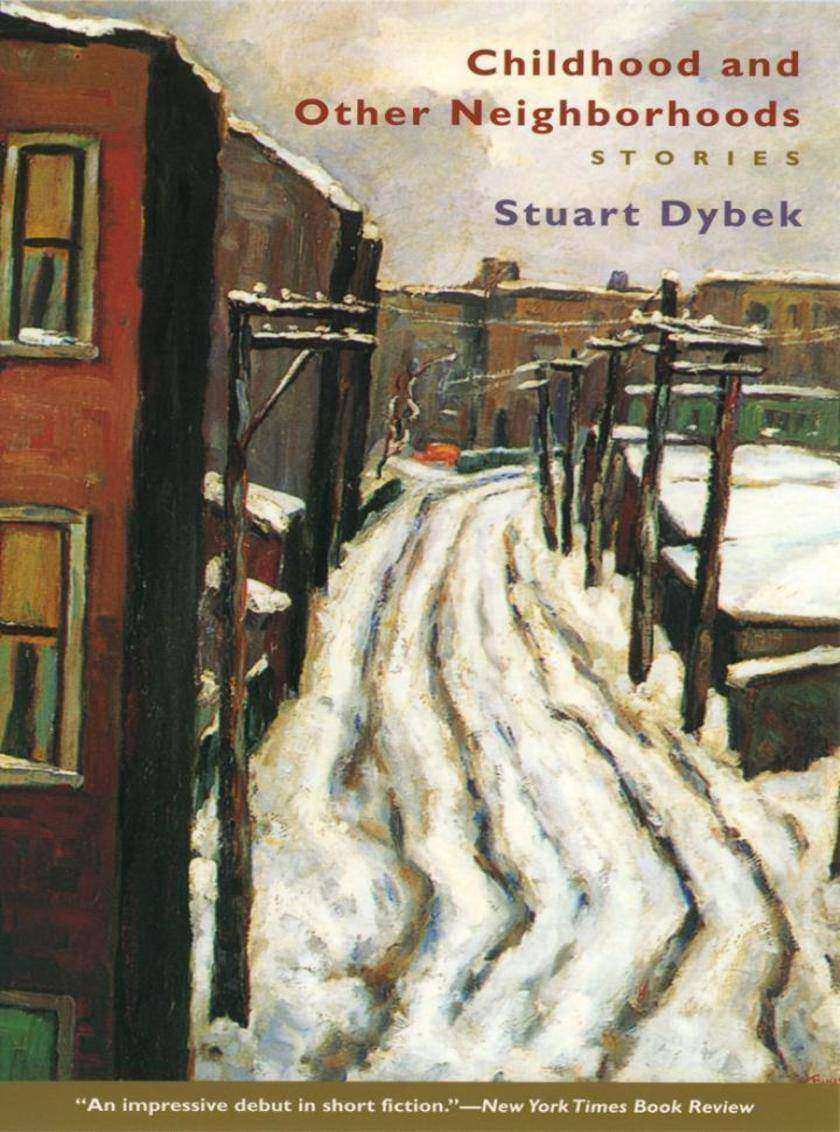
Childhood and Other Neighborhoods
¥188.35
In Stuart Dybek's Chicago, wonder lurks in unexpected places-in garbage-strewn alleys, gloomy basement apartments, abandoned rooms at the top of rickety stairs periodically rumbled by passing el trains. Transformed through the wide eyes of Dybek's adolescent heroes, these grimy urban backwaters become exotic landscapes of fear-filled possibility, of dreams not yet turned to nightmares. Chronicling what happens when Old World faith meets the dark side of the American dream, Dybek's poignant stories of coming of age in Chicago alternately appall, amaze, and just simply entertain.

Crossing Ocean Parkway
¥170.69
Growing up an Italian-American in the Bensonhurst neighborhood of New York city, Marianna De Marco longed for college, culture, and upward mobility. Her daydreams circled around WASP (White Anglo Saxon Protestant) heroes on television-like Robin Hood and the Cartwright family-but in Brooklyn she never encountered any. So she associated moving up with Ocean Parkway, a street that divides the working-class Italian neighborhood where she was born from the middle-class Jewish neighborhood into which she married. This book is Torgovnick's unflinching account of crossing cultural boundaries in American life, of what it means to be an Italian American woman who became a scholar and literary critic.Included are autobiographical moments interwoven with engrossing interpretations of American cultural icons from Dr. Dolittle to Lionel Trilling, The Godfather to Camille Paglia. Her experiences allow her to probe the cultural tensions in America caused by competing ideas of individuality and community, upward mobility and ethnic loyalty, acquisitiveness and spirituality.


