


 购物车
购物车 个人中心
个人中心
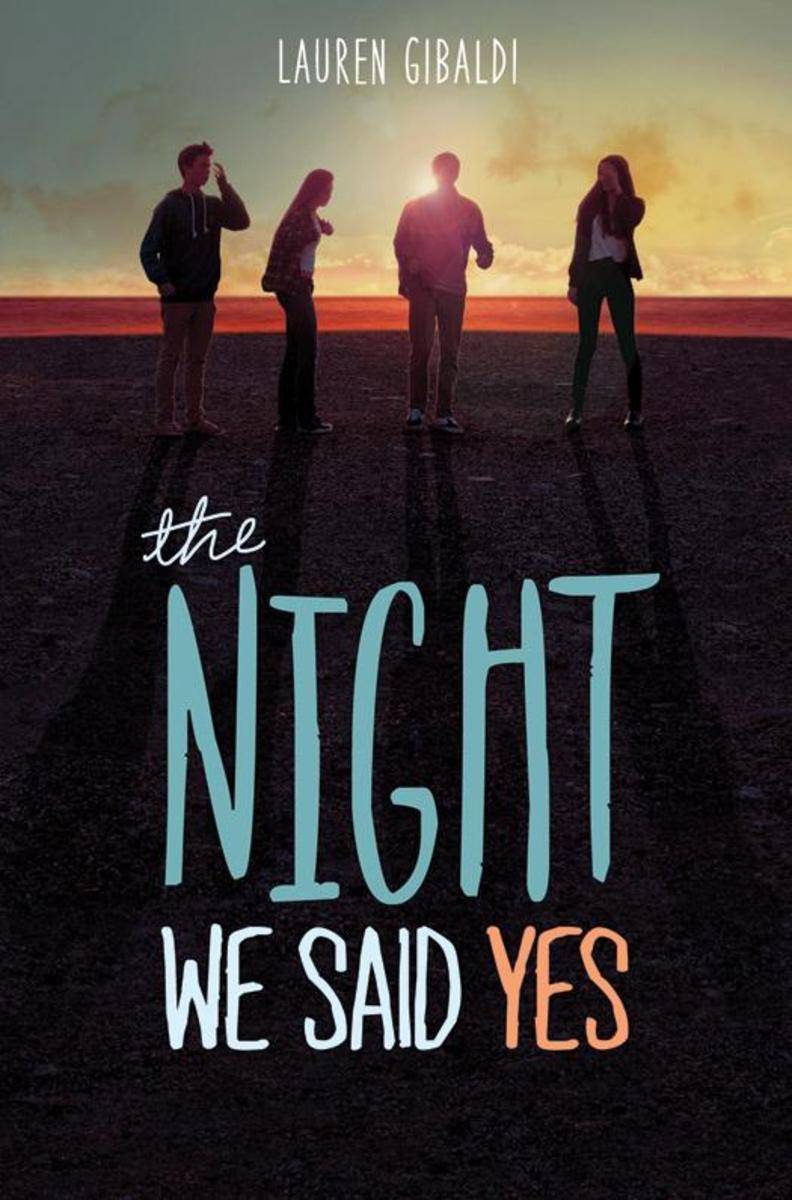
The Night We Said Yes
¥55.93
A fun, romantic read, perfect for fans of Sarah Dessen and Susane Colasanti! What happens when Matt and Ella reunite one year after their breakupAre second chances really possible?Before Matt, Ella had a plan. Get over her ex-boyfriend and graduate high school—simple as that. But Matt—the cute, shy, bespectacled bass player—was never part of that plan. And neither was attending a party that was crashed by the cops just minutes after they arrived. Or spending an entire night saying "yes" to every crazy, fun thing they could think of.But then Matt leaves town, breaking Ella's heart. And when he shows up a year later—wanting to relive the night that brought them together—Ella isn't sure whether Matt's worth a second chance. Or if re-creating the past can help them create a different future.
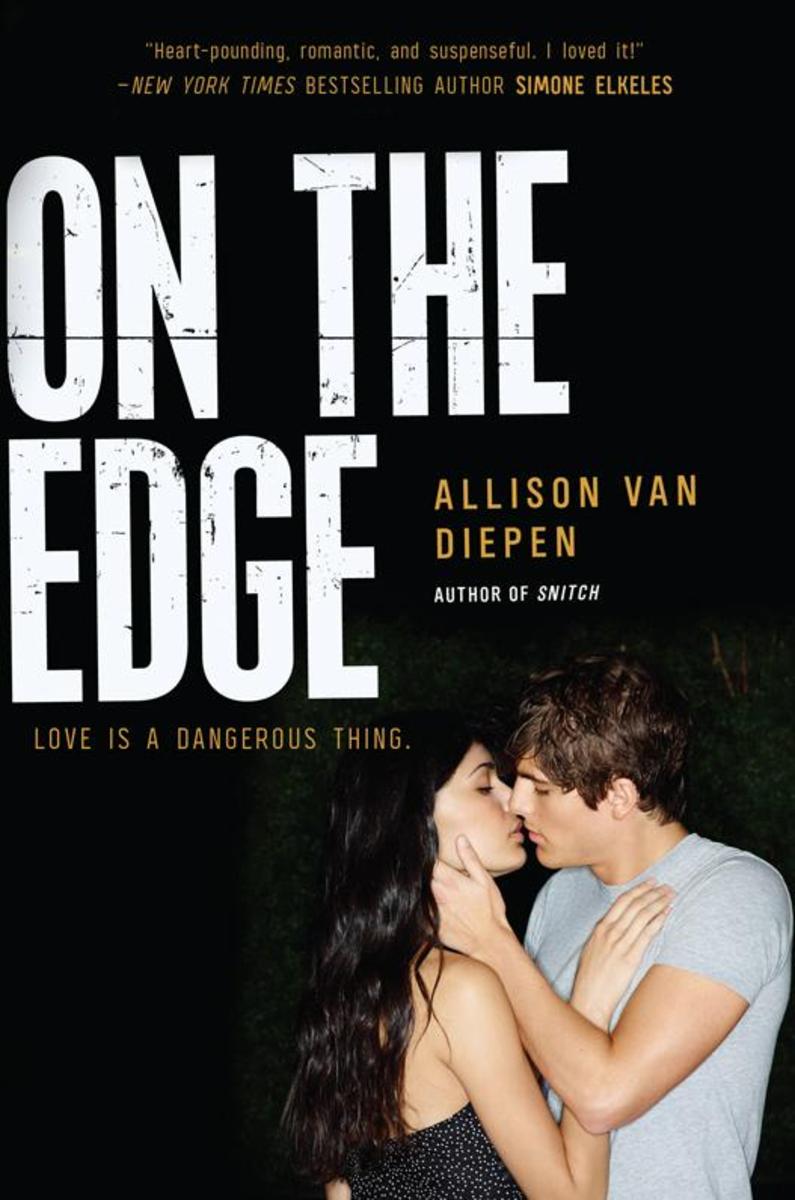
On the Edge
¥55.33
From Allison van Diepen, author of Light of Day, Snitch, and Street Pharm, comes a sexy, dangerous novel—perfect for fans of Simone Elkeles and Paul Griffin—about a teen who witnesses a murder and gets caught up in the seedy world of Miami's gangs.Maddie Diaz never should have taken that shortcut through the park. If she hadn't, she wouldn't have seen two members of the Reyes gang attacking a homeless man. Now, as the only witness, she knows there's a target on her back.But when the Reyes jump her on the street, Maddie is protected by a second gang and their secretive leader, Lobo, who is determined to take down the Reyes himself. Lobo is mysterious and passionate, and Maddie begins to fall for him. But when they live this close to the edge, can their love survive?
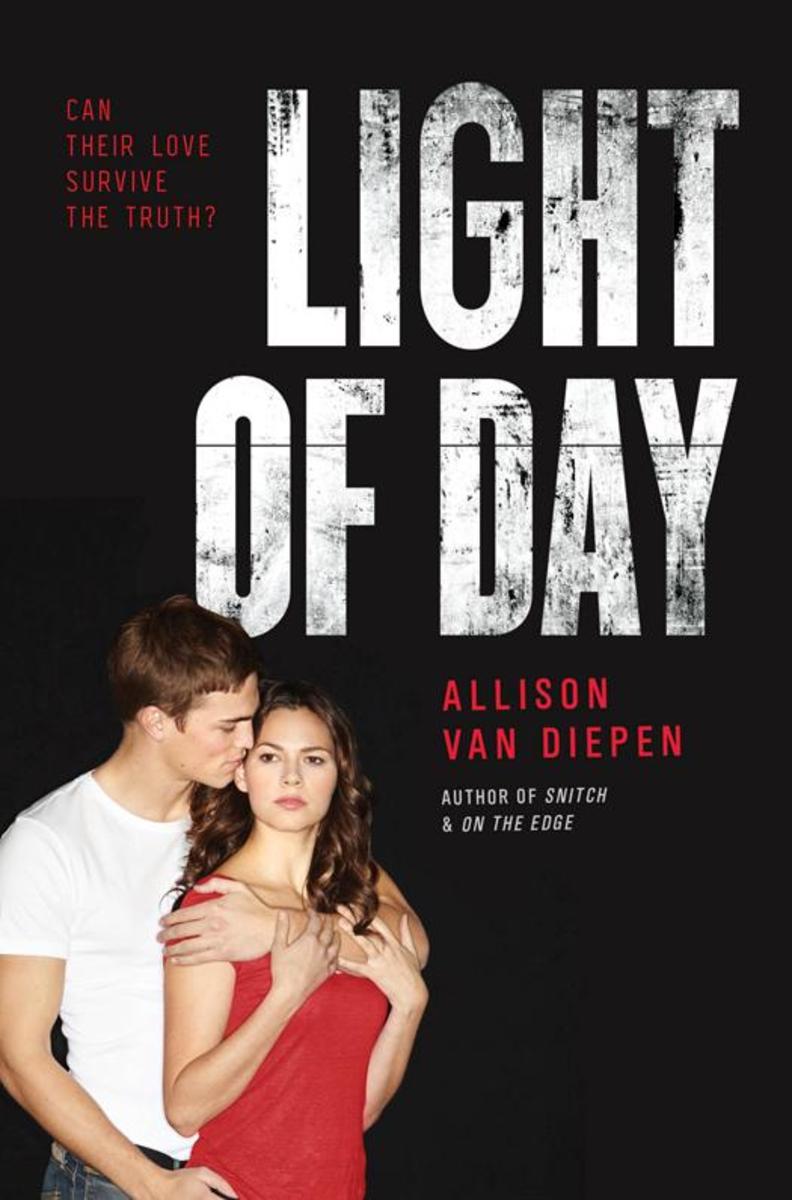
Light of Day
¥101.00
From the author of On the Edge and Snitch comes a dangerous, sexy novel perfect for fans of Simone Elkeles.When Gabby Perez is almost drugged at a nightclub, she decides to take action. Teaming up with a mysterious stranger known as X, the two go after a gang who is drugging and kidnapping innocent girls off the Miami streets and forcing them into prostitution. As their search deepens, Gabby and X can't ignore their undeniable attraction to each other. Then Gabby discovers the truth about who X really is and the danger that surrounds him. Can their love survive the light of day?Light of Day is set in the same world as On the Edge (readers will recognize some of their favorite characters in this book) and features a diverse cast. With romance, action, and realistic friendships, this is a gripping story about finding out where you belong, discovering the power to make a difference, and finding true love along the way.
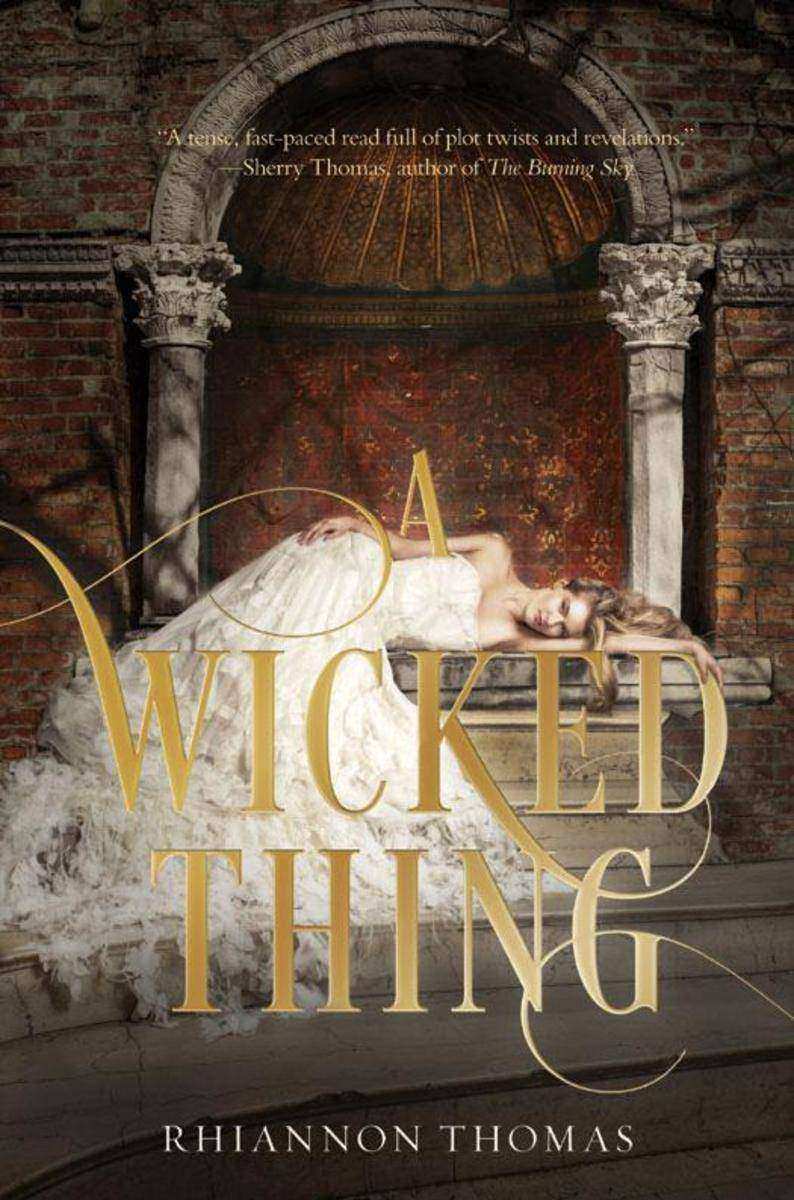
A Wicked Thing
¥55.33
Rhiannon Thomas's dazzling debut novel is a spellbinding reimagining of what happens after happily ever after. Vividly imagined scenes of action, romance, and political intrigue are seamlessly woven together to reveal a richly created world . . . and Sleeping Beauty as she's never been seen before.One hundred years after falling asleep, Princess Aurora wakes up to the kiss of a handsome prince and a broken kingdom that has been dreaming of her return. All the books say that she should be living happily ever after. But as Aurora understands all too well, the truth is nothing like the fairy tale.Her family is long dead. Her "true love" is a kind stranger. And her whole life has been planned out by political foes while she slept.As Aurora struggles to make sense of her new world, she begins to fear that the curse has left its mark on her, a fiery and dangerous thing that might be as wicked as the witch who once ensnared her. With her wedding day drawing near, Aurora must make the ultimate decision on how to save her kingdom: marry the prince or run.
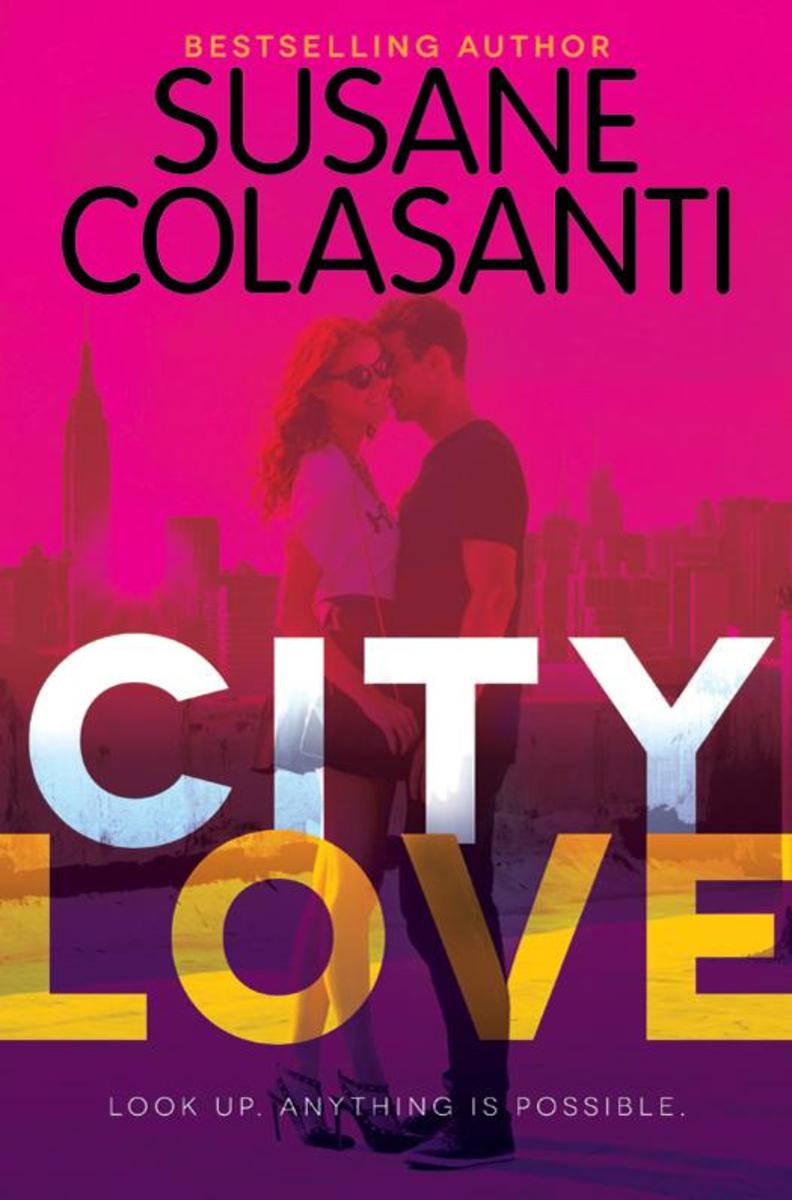
City Love
¥56.08
Three teenage girls learn how to navigate their hearts and NYC. Book one of the trilogy, City Love, is the start of a romantic new series for fans of Sarah Dessen, Stephanie Perkins, and the Carrie Diaries, from bestselling author Susane Colasanti.Roommates Sadie, Darcy, and Rosanna have big plans for their summer before college. Sadie is looking for love, Darcy is living for the next adventure, and Rosanna is reinventing herself. There will be plenty of distractions—irresistible guys, wrong guys, awkward encounters, 2 a.m. breakfasts, fangirl moments, Nasty Girl, and more—but if they look up they will discover the true meaning of city love.
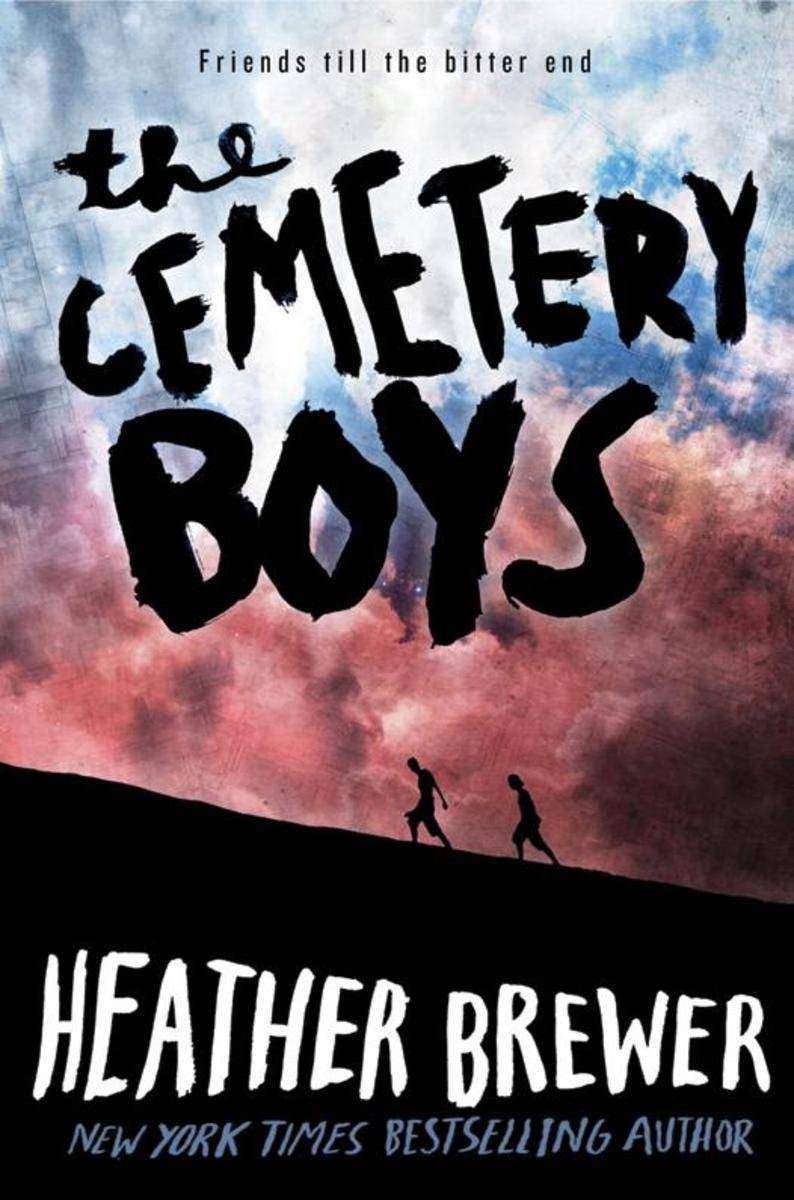
The Cemetery Boys
¥99.65
Welcome to Spencer. Population: 814. It's a backward town—and it's hiding a terrible secret.When Stephen's dad says they're moving, Stephen knows it's pointless to argue. They're broke from paying Mom's hospital bills, and now the only option left is to live with Stephen's grandmother, a woman as bitter and stuck as the town of Spencer itself.Stephen's summer starts looking up when he meets punk girl Cara and her charismatic twin brother, Devon. The twins have family problems of their own and aren't exactly close, but Stephen is drawn to them, each for different reasons. With Cara, he feels safe and understood—and yeah, okay, she's totally hot. In Devon and his group, he sees a chance at making real friends.Only, as the summer presses on, and harmless nights hanging out in the cemetery take a darker turn, Stephen starts to suspect that Devon is less a friend than a leader. And he might be leading them to a very sinister end.Mixing classic horror elements with a darkly funny coming-of-age story, New York Times bestselling author Heather Brewer brings her razor-sharp edge to a story about the dangerous power of belief and the cost of blind loyalty, taking readers to the brink of madness and past the point of no return.
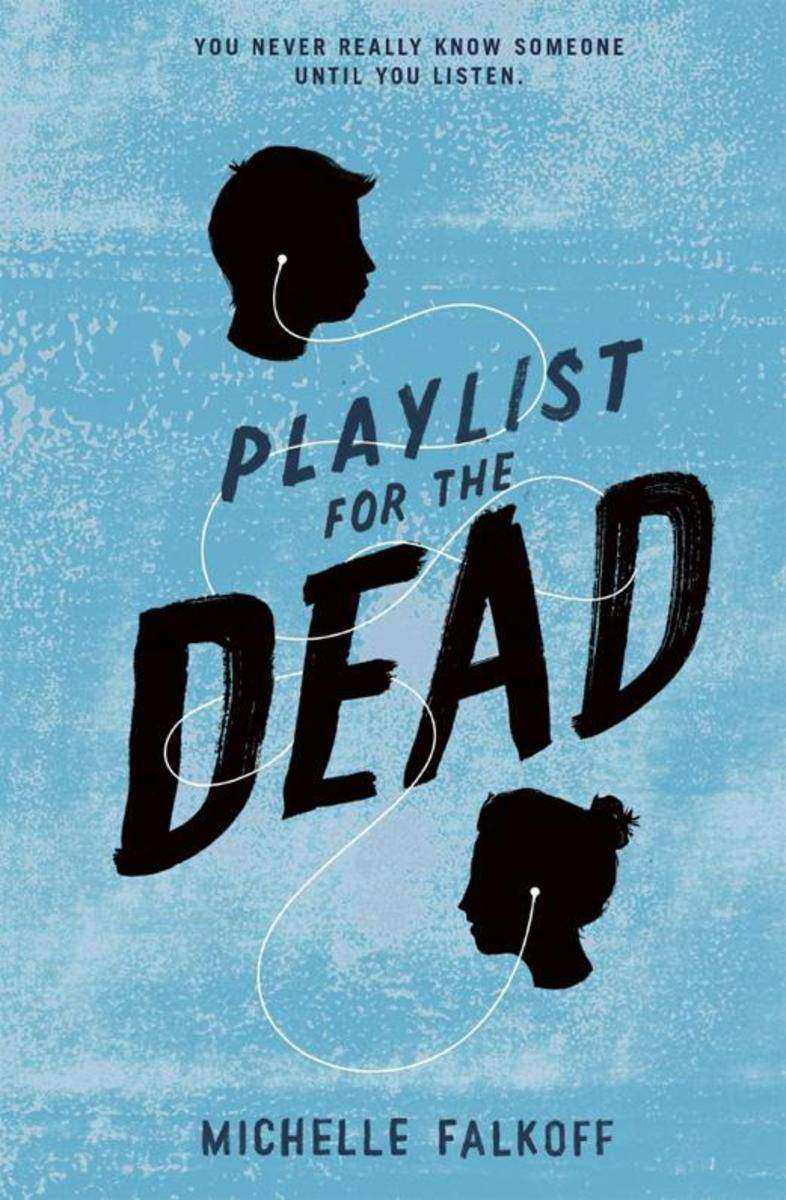
Playlist for the Dead
¥55.93
Part mystery, part love story, and part coming-of-age tale in the vein of The Perks of Being a Wallflower and The Spectacular Now.There was a party. There was a fight. The next morning, Sam's best friend, Hayden, was dead. And all he left Sam was a playlist of songs and a suicide note: For Sam—listen and you'll understand. To figure out what happened, Sam has to rely on the playlist and his own memory. But the more he listens, the more he realizes that his memory isn't as reliable as he thought. And it might only be by taking out his earbuds and opening his eyes to the people around him that he'll finally be able to piece together his best friend's story. And maybe have a chance to change his own.Playlist for the Dead is an honest and gut-wrenching first novel about loss, rage, what it feels like to outgrow a friendship that's always defined you—and the struggle to redefine yourself. But above all, it's about finding hope when hope seems like the hardest thing to find.
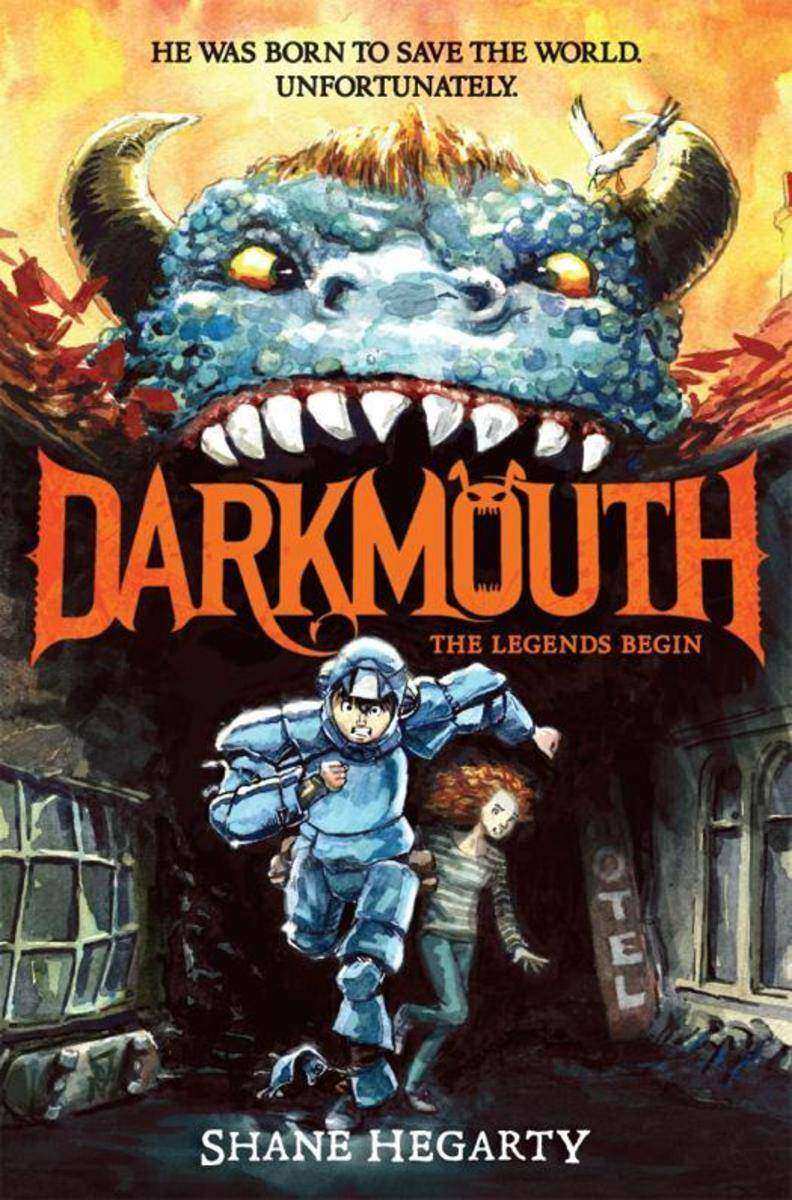
Darkmouth #1: The Legends Begin
¥44.85
Discover a new middle grade series full of madcap adventure, mythological creatures, humor, and heart. The world's unlikeliest hero is also its only hope in this spirited tween fantasy debut, perfect for fans of How to Train Your Dragon and The Hero's Guide to Saving Your Kingdom.For generations, Finn's family has protected Darkmouth from the fierce magical creatures known as Legends. Now the Legends are plotting a major attack, and it's Finn's turn to defend his hometown. So it's too bad he's the worst Legend Hunter in history.
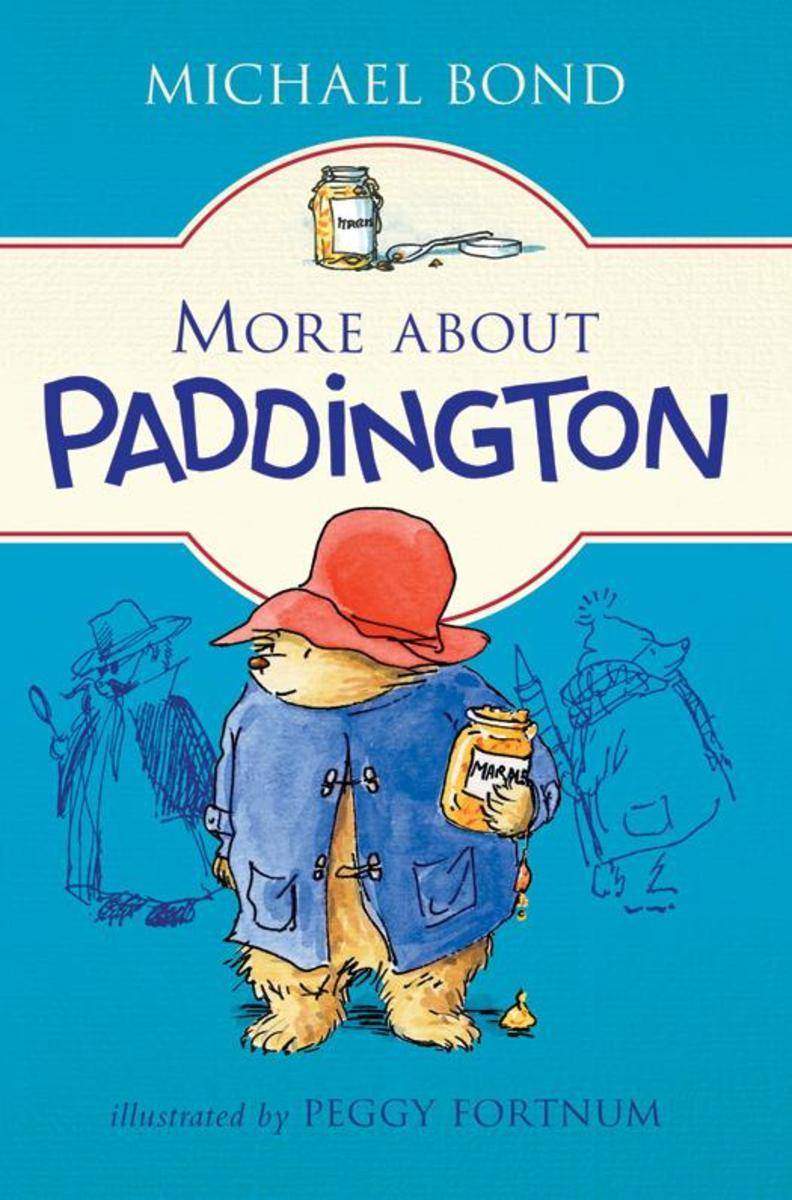
More about Paddington
¥33.63
Paddington Bear becomes a celebrity when he takes portraits of the Brown family with a very old camera. Thanks to the unique results, a local shop puts the photos on display. And that's just the first adventure this extraordinary bear finds himself in. From wallpapering to mystery-solving, Paddington does it all with the sense of wonder and playful charm that readers have come to love.First published in 1959, More about Paddington is the second novel by Michael Bond chronicling the adventures of this classic character. Paddington has warmed the hearts of generations of readers with his earnest good intentions and humorous misadventures. This brand-new paper-over-board edition of the classic novel contains the original text by Michael Bond and illustrations by Peggy Fortnum.
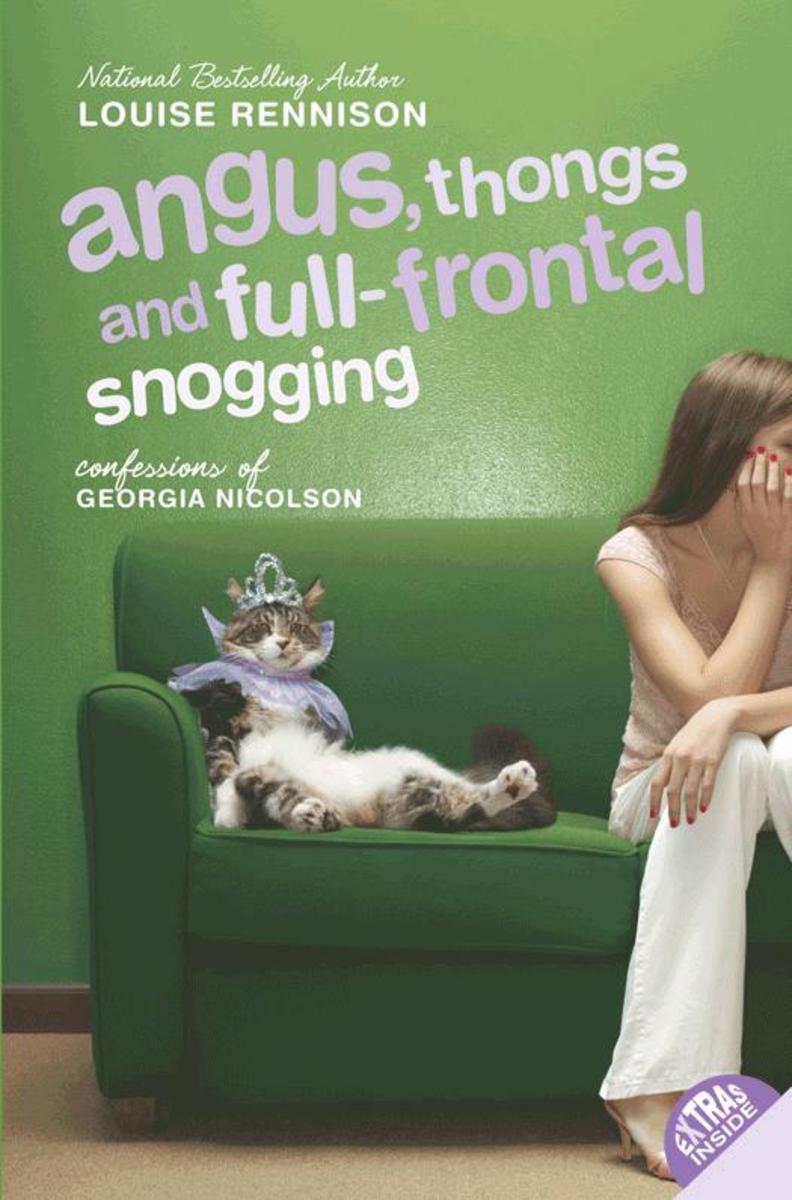
Angus, Thongs and Full-Frontal Snogging
¥60.87
Angus:My mixed-breed cat, half domestic tabby, half Scottish wildcat. The size of a small Labrador, only mad.Thongs:Stupid underwear. What's the point of them, anywayThey just go up your bum, as far as I can tell.Full-Frontal Snogging:Kissing with all the trimmings, lip to lip, open mouth, tongues ... everything.Her dad's got the mentality of a Teletubby (only not so developed). Her cat, Angus, is trying to eat the poodle next door. And her best friend thinks she looks like an alien -- just because she accidentally shaved off her eyebrows. Ergghhhlack. Still, add a little boy-stalking, teacher-baiting, and full-frontal snogging with a Sex God, and Georgia's year just might turn out to be the most fabbitty fab fab ever!
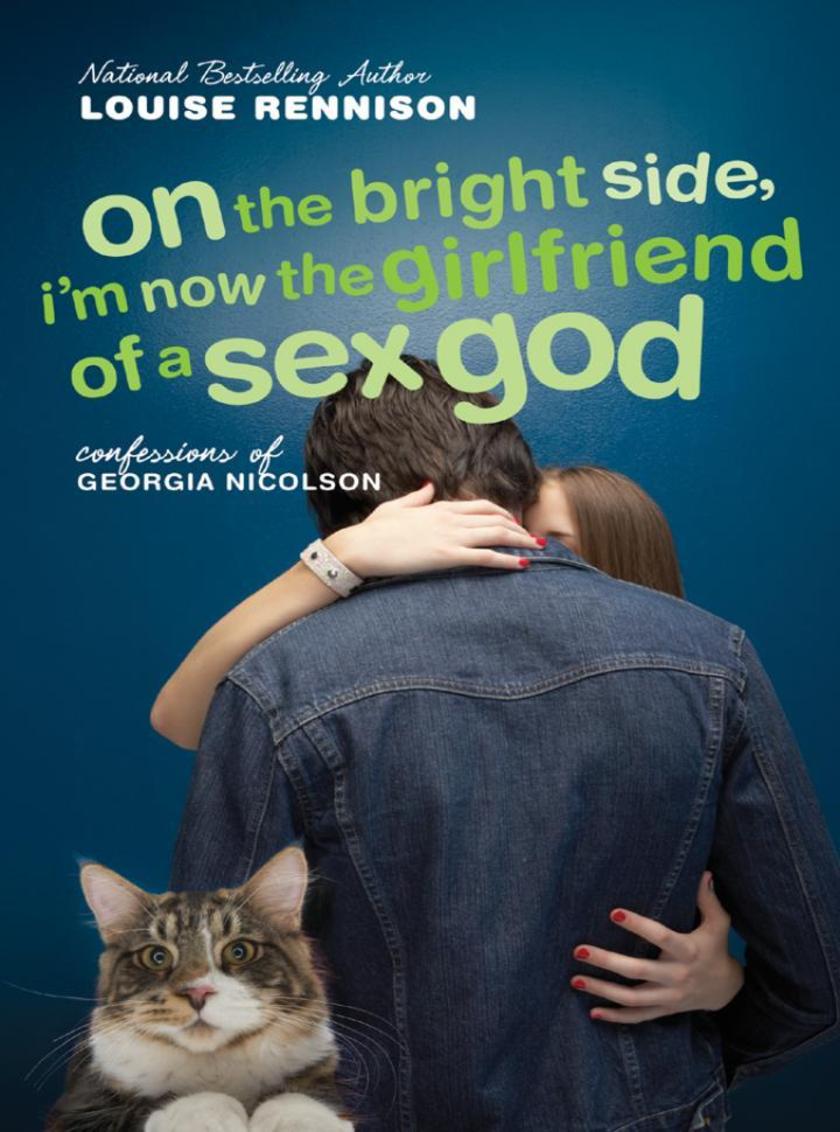
On the Bright Side, I'm Now the Girlfriend of a Sex God
¥55.33
Georgia Nicolson has started dating the Sex God (aka Robbie). So life should be perfect . . . except in Georgia's life, nothing is ever perfect. Her cat, Angus (the size of a small Labrador), is terrorizing the neighborhood. Her sister, Libby (who is slightly mad), hides her pooey knickers at the bottom of Georgia's bed.Then the Sex God breaks it off because she's too young. It's time for a plan. It's time for a Red Herring. It's time for Georgia to become a "heartless boy magnet!"
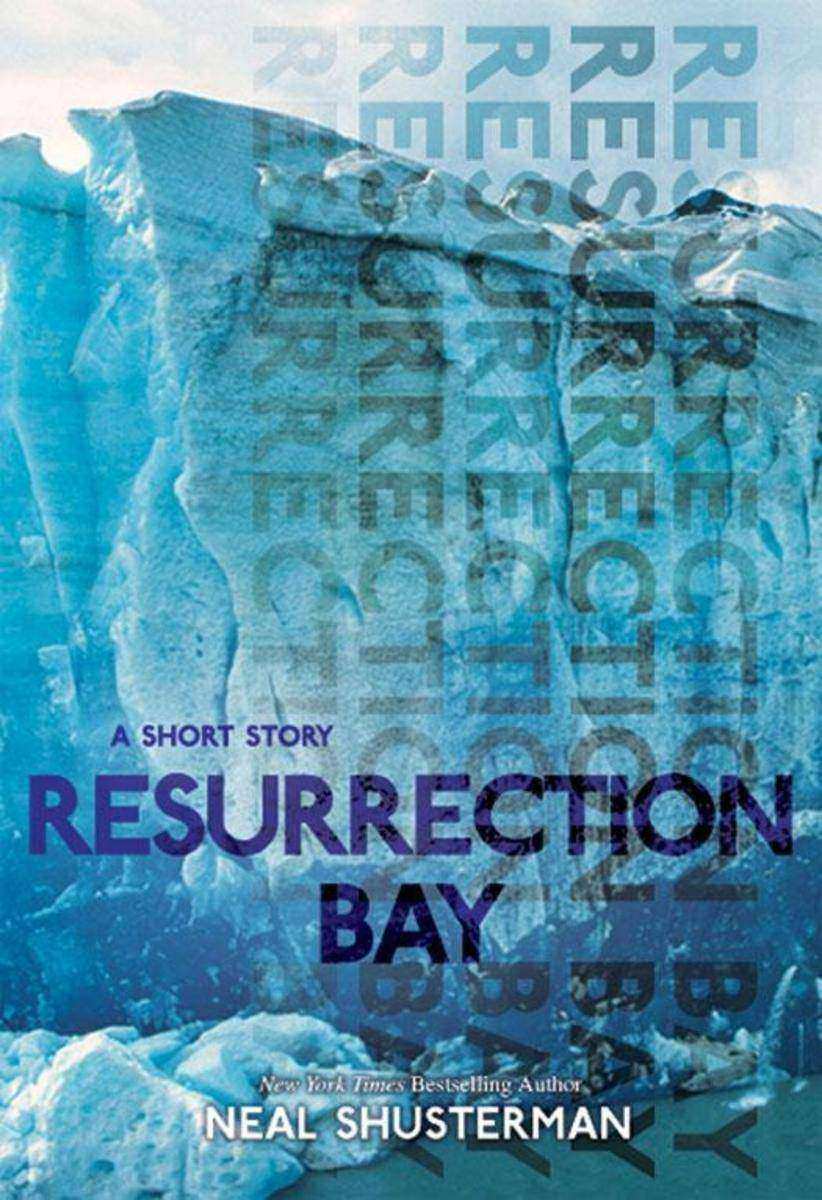
Resurrection Bay
¥32.65
From New York Times bestselling author Neal Shusterman comes a thrilling, spine-tingling 32-page original short story that's perfect for fans of Unwind and UnWholly.Bones. They know the call of the ice.Anika knows the call of the ice, too. Living in an isolated port town in Alaska with her father and younger brother, Anika is practically steps away from the Harding Icefield, and Exit Glacier has always been her favorite place.But after a couple tragically dies there, Exit Glacier seems to come alive and begins moving toward the town with unnatural speed. Anika feels deep in her bones that the ice wants something. . . .After the glacier finally stops in the town's cemetery, Anika and her on-again, off-again boyfriend, Rav, face a sinister truth: The soul of the glacier is looking for bodies to inhabit . . . and where better to find them than the graveyard?This fast-paced, eerie short story is a deft blend of suspense and horror that will leave readers breathless . . . and chilled to the bone.Epic Reads Impulse is a digital imprint with new releases each month.
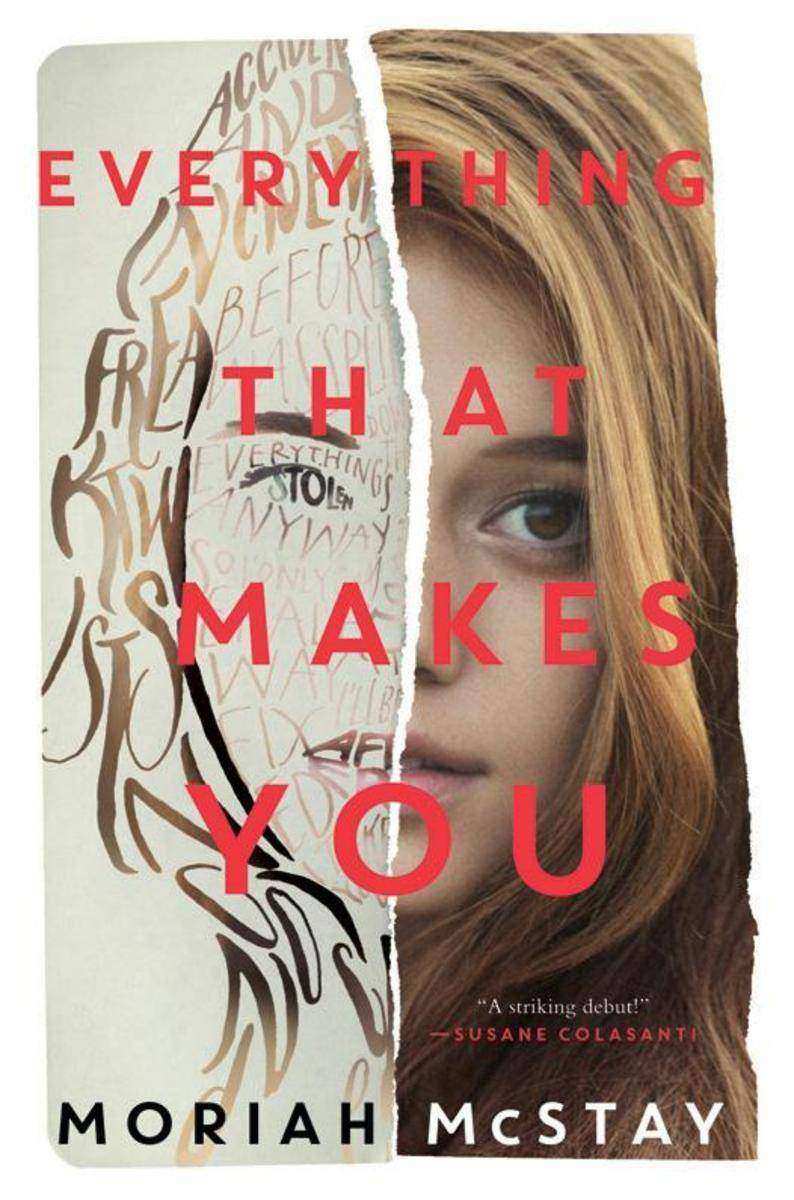
Everything That Makes You
¥56.08
Ever wonder "What if?" Everything That Makes You is a romantic, epic story about one girl—and her two possible lives after an accident changes her fate.Fiona Doyle's face was horribly scarred as a child. She writes about her frustrations and dreams in notebooks, penning song lyrics. But she'd never be brave enough to sing those songs in public. Fi Doyle never had an accident. She's the best lacrosse player in the state and can't be distracted by her friend who wants to be more than that. But then her luck on the field goes south.Alternating chapters between Fiona and Fi tell two stories about the same girl—hopes and dreams and crushes, fears and failures and loss. This beautifully written realistic contemporary novel with a twist is perfect for fans of If I Stay by Gayle Forman and Before I Fall by Lauren Oliver.
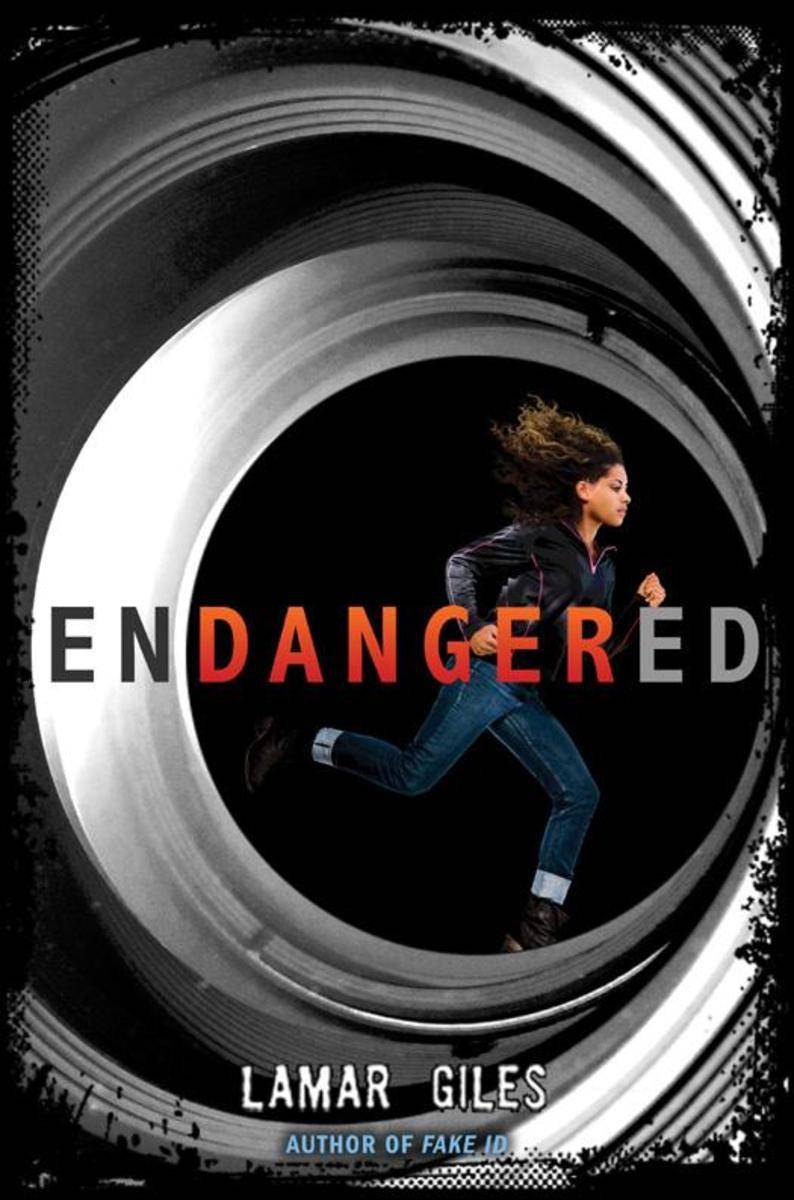
Endangered
¥100.71
Her name is Lauren, but everyone calls her Panda.What they don't know is that behind their backs, she also goes by Gray. As in Gray Scales, the photoblog that her classmates are addicted to because of the secrets Gray exposes: a jock buying drugs, a teacher in a compromising position, a rich girl shoplifting. But no one knows Panda's the vigilante photographer behind it all. At least, she thinks no one knows—until she gets a note from the Admirer, who's not only caught her red-handed acting as Gray but also threatens to reveal everything unless Panda plays a little game of Dare or . . . Dare.Panda plays along. Anything to keep the secret she's protected for years.But when the game turns deadly, Panda doesn't know what to do. And she might need to step out of the shadows to save herself . . . and everyone else on the Admirer's hit list, including some of the classmates she's loathed and exposed for years.
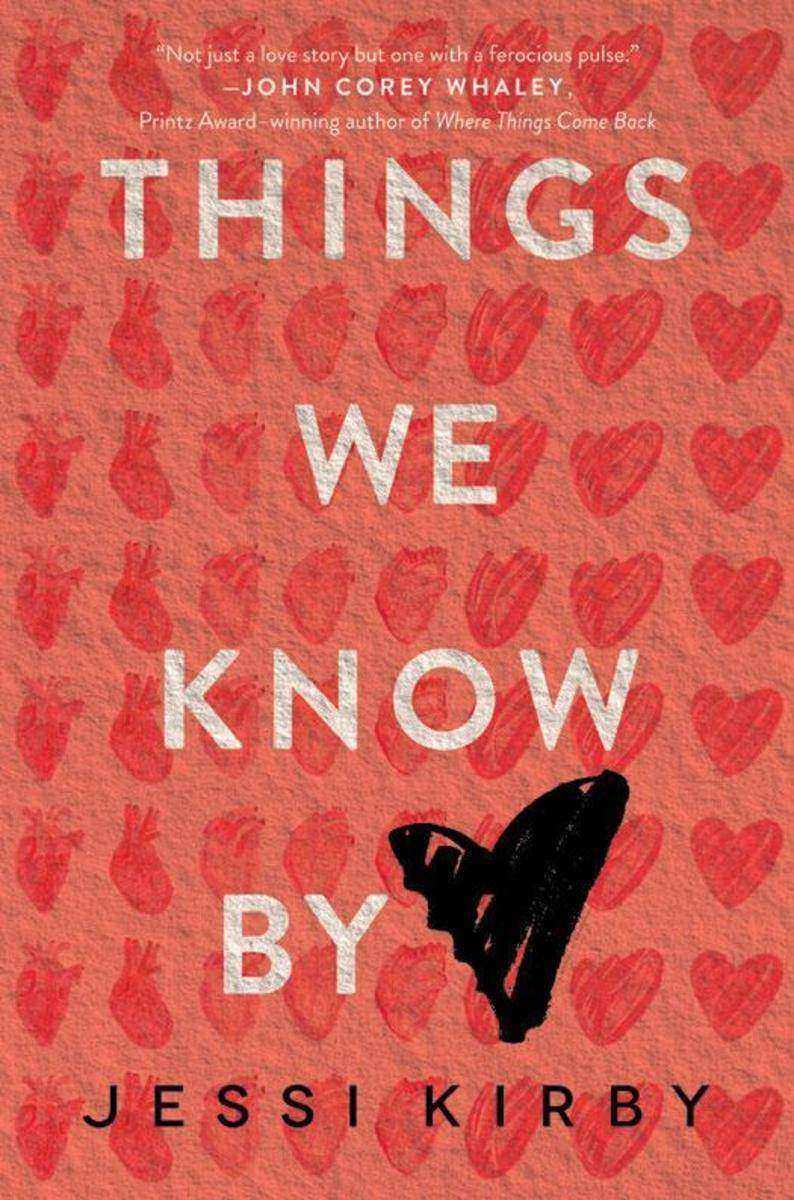
Things We Know by Heart
¥55.33
In this unforgettable teen romance that fans of Sarah Dessen and Susane Colasanti will devour, Quinn Sullivan falls for the recipient of her boyfriend's donated heart, forming an unexpected connection that will leave readers utterly breathless.After Quinn's boyfriend, Trent, dies in an accident their junior year, she reaches out to the recipients of his donated organs in hopes of picking up the fragments of her now-unrecognizable life. But whoever received Trent's heart has mysteriously remained silent. The essence of a person, Quinn has always believed, is in the heart. If she finds Trent's, then in a way she still has a piece of him.Risking everything to find peace once and for all, Quinn goes outside the system to track down nineteen-year-old Colton Thomas—a guy whose life has been forever changed by this priceless gift. But what starts as an accidental run-in quickly develops into more, sparking an undeniable attraction. She doesn't want to give in to it—especially since he has no idea how they're connected—but their time together has made Quinn feel alive again. No matter how hard she's falling for Colton, each beat of his heart reminds her of all she's lost . . . and all that remains at stake.
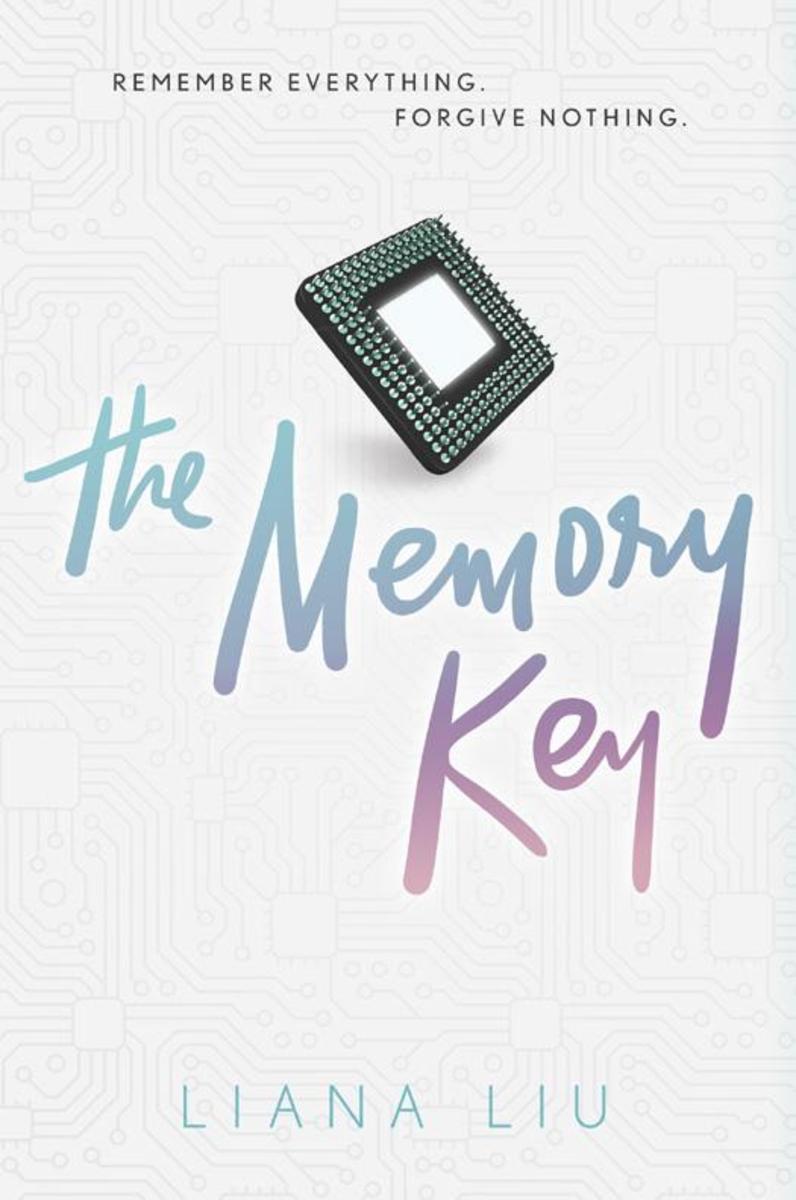
The Memory Key
¥56.08
Lora Mint is determined not to forget.Though her mother's been dead for five years, Lora struggles to remember every detail about her—most important, the specific events that occurred the night she sped off in her car, never to return.But in a world ravaged by Vergets disease, a viral form of Alzheimer's, that isn't easy. Usually Lora is aided by her memory key, a standard-issue chip embedded in her brain that preserves memories just the way a human brain would. Then a minor accident damages Lora's key, and her memories go haywire. Suddenly Lora remembers a moment from the night of her mother's disappearance that indicates her death was no accident. Can she trust these formerly forgotten memoriesOr is her ability to remember every painful part of her past driving her slowly mad—burying the truth forever?Lora's story of longing for her lost mother—and for the truth behind her broken memories—takes readers on a twisty ride. The authentic, emotional narrative sparks fascinating questions about memory and privacy in a world that increasingly relies on electronic recall.
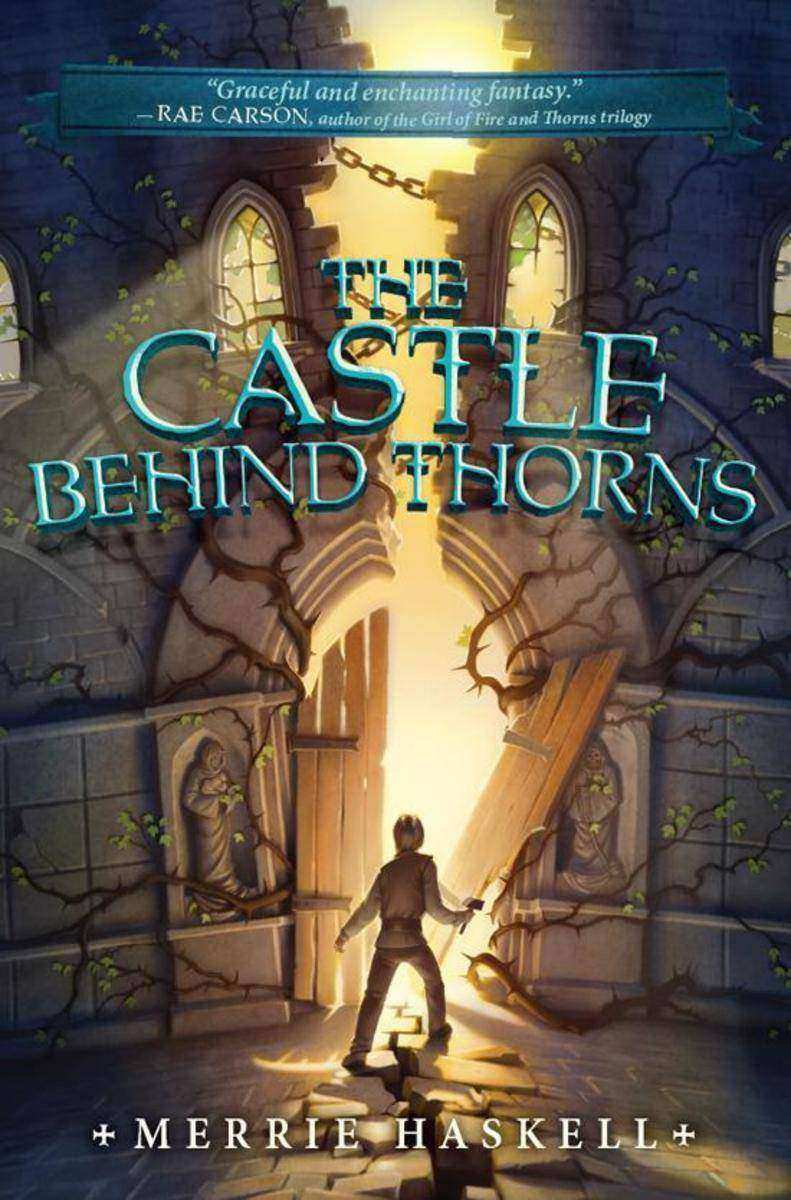
The Castle Behind Thorns
¥39.24
This magical adventure set in an enchanted castle surrounded by thorns tells a tale of the power of memory and story, forgiveness and strength, and the true gifts of craft and imagination. By the acclaimed author of?The Princess Curse?and?Handbook for Dragon Slayers, this original fantasy is perfect for fans of Gail Carson Levine, Karen Cushman, and Shannon Hale.When blacksmith apprentice Sand wakes up in a ruined castle, he has no idea how he got there, but the thorny brambles that surround the walls prevent him from leaving. As he begins to fix up the castle in order to survive, everything he touches somehow works better than it should. Then, as he continues to explore, Sand discovers the castle’s secrets, including its long lost heir, Perrotte. Together they must fully repair the broken castle if they ever want to leave.

D.V.
¥94.10
Brilliant, funny, charming, imperious, Diana Vreeland the fashion editor of Harper's Bazaar and editor-in-chief of Vogue was a woman whose passion and genius for style helped define the world of high fashion for fifty years. Among her eclectic circle of friends were some of the most renowned and famous figures of the twentieth century artists and princes, movie stars and international legends, including Chanel, the Duke and Duchess of Windsor, Isak Dinesen, Clark Gable, and Swifty Lazar. Moving from English palaces to the nightclubs of 1930s Paris, the wilds of Wyoming to the exclusive venues of New York high society, D.V. takes readers into this iconic woman's dazzling life, evoking the luxury and brio of an era that encompassed Josephine Baker, England's Queen Mary, Buffalo Bill, and Diaghilev. Vibrant with the vivid, irresistible voice that elevated every tête-à-tête and dinner party, D.V. brings this renowned and uninhibited raconteur alive, whether recalling herself as a young girl, her search for the perfect red, her piquant observations about her world, or her abhorrence for nostalgia. Like her legacy, Vreeland's story, told in her own words, is a classic to be celebrated by both loyal admirers and a new generation of culture mavens and style savants.
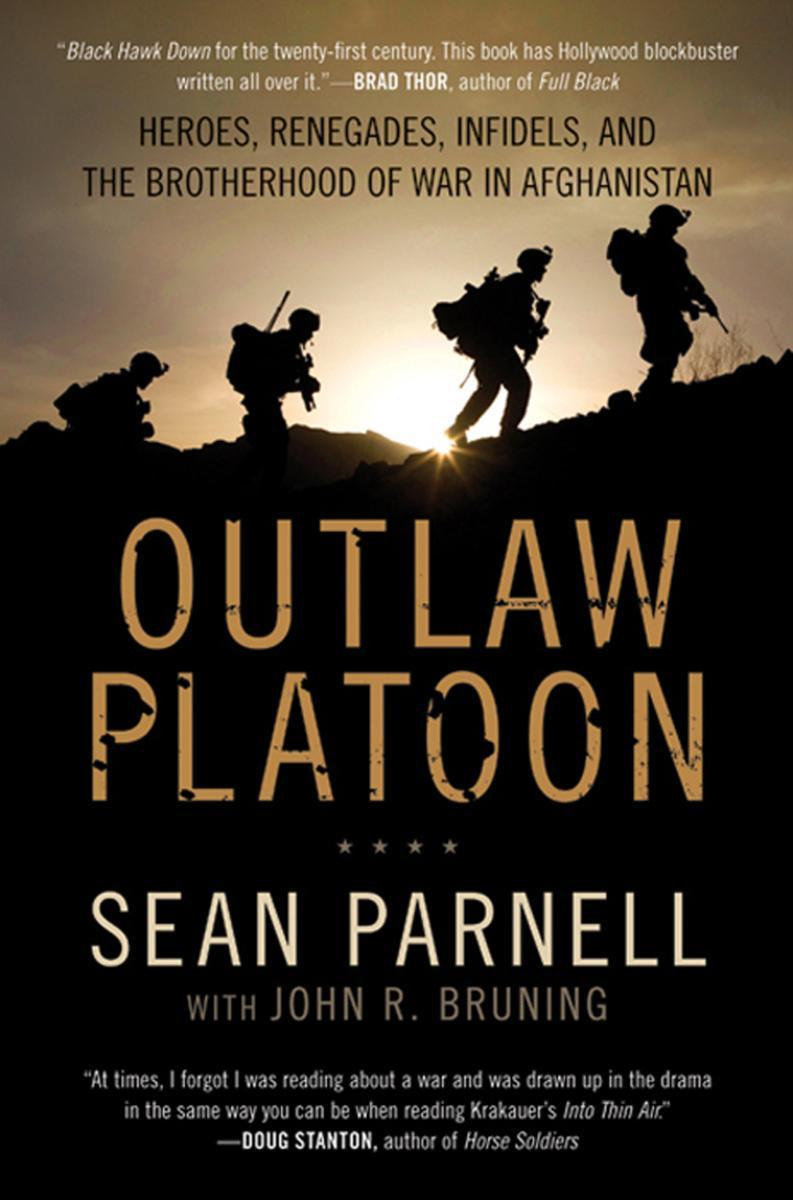
Outlaw Platoon
¥95.11
In combat, men measure up. Or don't. There are no second chances. In this vivid account of the U.S. Army's legendary 10th Mountain Division's heroic stand in the mountains of Afghanistan, Captain Sean Parnell shares an action-packed and highly emotional true story of triumph, tragedy, and the extraordinary bonds forged in battle. At twenty-four years of age, U.S. Army Ranger Sean Parnell was named commander of a forty-man elite infantry platoon a unit that came to be known as the Outlaws and was tasked with rooting out Pakistan-based insurgents from a mountain valley along Afghanistan's eastern frontier. Parnell and his men assumed they would be facing a ragtag bunch of civilians, but in May 2006 what started out as a routine patrol through the lower mountains of the Hindu Kush became a brutal ambush. Barely surviving the attack, Parnell's men now realized that they faced the most professional and seasoned force of light infantry the U.S. Army had encountered since the end of World War II. What followed was sixteen months of close combat, over the course of which the platoon became Parnell's family: from Staff Sergeant Greg Greeson, the wise, chain-smoking veteran who never lost his cool; to Specialist Robert Pinholt, a buttoned-down conservative with the heart of a warrior and the mind of an economist; to Staff Sergeant Phil Baldwin, the platoon's voice of calm and reason, a man who sacrificed everything following the events of 9/11 career, home, financial stability to serve his country. But the cost of battle was high for these men: Over 80 percent were wounded in action, putting their casualty rate among the highest since Gettysburg, and not all of them made it home. A searing and unforgettable story of friendship in battle, Outlaw Platoon brings to life the intensity and raw emotion of those sixteen months, showing how the fight reshaped the lives of Parnell and his men and how the love and faith they found in one another ultimately kept them alive.

150 Best Terrace and Balcony Ideas
¥167.88
150 Best Terrace and Balcony Ideas is the ultimate resource for innovative terrace, roof garden, patio, and balcony design ideas for outdoor spaces of all shapes and sizes. Featured inside this lavish guidebook are 150 never-before-shared tips and techniques provided by internationally renowned architects and designers, along with full-color photographs and diagrams of sixty-five uniquely beautiful projects from around the world. The design ideas reveal how to create exterior spaces that are clean, modern, and comfortable, as well as how to use cutting-edge materials that are practical, cost-effective, and environmentally friendly. Best of all, the design ideas featured inside are easy to follow and can be tailored to the unique tastes and needs of individual homeowners.

John Clare
¥24.44
John Clare (1793-1864) was born at a time of great social upheaval, just months after the beheading of Louis XVI and the outbreak of war with France which was to last till the defeat of Napoleon at Waterloo in 1815. He also lived through the upheavals of the land enclosure movement and agricultural revolution which changed the face of the countryside and the way of life in rural England. His father was a farm worker who managed to pay for his son’s schooling, though this was cut short as conditions worsened, but at least Clare had by then learnt to read and write so he could continue his own education, reading whatever books he could lay his hands on. At the age of sixteen he witnessed the social dislocation caused by the local enclosure Act and observed how the landscape was gradually transformed. Drawing on Clare’s writing, this extensively researched study gives the modern reader an appreciation of the divisive effects of these policies. Structured chronologically, this exploration of John Clare’s life highlights the socio-economic and environmental aspects of his observations and includes his reports on an insidious revolution taking place in the English countryside. Parliament, dominated by landowners, authorised the enclosure of large tracts of common land by private acts without considering the effect on those who had enjoyed rights of use and pasturage for centuries. Land enclosures, and the improved agricultural techniques which this permitted, was important in increasing food production at a time when the population of England was growing rapidly. While additional work was initially provided for agricultural labourers in the fencing and walling needed, this was temporary. The introduction of new, labour-saving machinery further reduced the opportunities for work. Insufficient attention, the author argues, has been given to the consequences. Those driven out of their homes in the country were left with no option but to migrate to the towns and sell their labour to whoever would pay for it. In effect, land enclosure created a market in land; landlessness created a market in labour. These are the foundations of our modern market economy. The author asserts that the harshness of the early years of the industrial revolution were the product of land enclosure which the welfare state has to some extent mitigated, although at the cost of creating a dependency culture in contrast to the sturdy independence of Clare’s parents’ generation of farm workers.


