


 购物车
购物车 个人中心
个人中心
Autobuzul de noapte
¥55.59
Este o carte care adun? ?n acela?i loc ?i-n acela?i timp, o diversitate de informa?ii ?i mesaje pozitive, energie ?i ?nv???minte care vin din istoria ?i cultura na?ional? ?i universal?, din tradi?iile ?i folclorul poporului rom?n dar ?i din lumea "necuv?nt?toarelor". Trebuie doar s-o "deschide?i" ?i ?sigur v? va cuprinde pasional? curiozitate. Primi?i ?n casele?domniilor voastre, "Pic?tura ?de ?n?elepciune" ?i "naviga?i" prin?"apele" ei lini?tite sau ?nvolburate ! S-ave?i "c?l?torie ?frumoas?"!
Cosmos
¥18.56
Cosmos I Go search the ?ons an you willWhere withered leaves of Doubt are whirled,And who hath solved this riddle, Life,Or Death - that moves with sails unfurled,Beyond the straining eyes of manMarooned upon an unknown world. II Nor tongue hath told, nor vision caughtThat paradox. Primeval Cause;Each age has had some parableEach age succeeding marked the flaws;While shifted, with the calendar,What men have termed generic laws. III Creed after creed behold them nowLike Etna on Vesuvius piled;Till, scaled to earth by drifting sandsThey lie in later days reviled,And pushed aside by Time's rough handAs toys are, by a peevish child.
Cuore. Inim? de copil
¥34.25
Un roman textualist, un roman-experiment propus de o scriitoare care are un stil aparte, abrupt, dens, av?nd for?a de a recurge la mari desf??ur?ri epice, situate ?n siajul textuali?tilor europeni. ?Hidrapulper este o metafor? terifiant?, o bolgie ?n care se f?r?m?, se topesc deopotriv? destine, cuvinte, c?r?i, momente istorice, natura ?ns??i... toate trec?nd ?ntr-o past? inform?. Un roman "negru", unic, al adev?ratei atmosfere de “fabric?““. (Christian Cr?ciun)Cartea este destinat? unui public larg, iubitorilor de romane ce fac parte din onorabila tradi?ie a romanelor de citit ?n tren.
?n misiune cu Marian: Eu nu-s pitic, am ghiozdanul mare!
¥65.32
Monumentala monografie dedicat? unuia dintre cei mai mari romancieri ai lumii are avantajul de a sintetiza o bun? parte din bibliografia scris? pe marginea operei uria?ului care a semnat, ?ntre altele, capodopera Crima ?i pedeaps?. Ion Iano?i plaseaz? ?ac?iunea“, firul epic al cercet?rii ?ntreprinse ?n contextul secolului al XIX-lea, astfel ?nc?t eroii vie?ii literare de atunci se contureaz? pregnant, provoc?tor de viu.
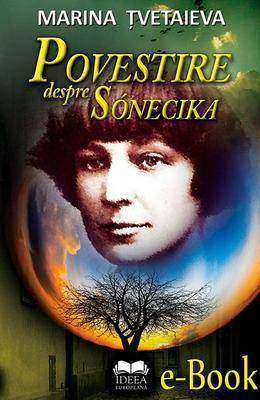
Povestire despre Sonecika
¥54.10
Lirica Aurei Christi s-a format i s-a modelat iute, ferm, cu o ndrzneal i o gravitate rar a tonului, mai ales n jurul poeziei de meditaie post-romantic, de la Rilke la vetaieva, de la Blaga la Nichita Stnescu. Necznd prad ispitelor culturale i mondene post-decembriste, ntre care aa-zisul post-modernism romnesc, ce afia cu o anume suficien refuzul valorilor clasice i moderne n favoarea unei lirici descompuse i uneori barbar improvizate sub scuza autenticismului, poeta noastr a uimit critica de specialitate prin ample volute metaforice, calde, ndrznee, abordnd, n cteva volume, printr-o splendid frond, clasicul sonet poetic i dovedind o excelent stpnire a limbii, a mijloacelor specifice, ntr-o liric a meditaiei grave, adnci, exprimat n metafore, n care modernitatea i sensibilitatea secolului se confund, cu vigoare clar, de o marcat originalitate, tumultuos i muzical aproape, ntr-o subtil rezonan eufonic, cu trimiteri, accente i imagini simbolice, cu marele torent al liricii europene de nalt nivel, de la Rimbaud i Baudelaire, la Rilke i Blaga. i, nc odat, la vetaieva i Nichita Stnescu.“ (Nicolae Breban)A scrie cderea apocaliptic nu e uor. E un merit al Aurei Christi faptul de a gsi singura soluie la aceast cdere fatal, dat din pornire: cel care o scrie o i oprete, incitnd rigoarea/ celui din urm frig. Doar un fel de zeu al poeziei, o divinitate descoperit cu greu, contient de destrmarea mitului, poate s impun din nou mitul: instituirea mai viului este cu putin doar datorit morii. nvierea nu e posibil dect datorit ei. Sensul celei mai mari dintre taine se dezleag, astfel, paradoxal, prin rsturnarea negativitii generale a sensului. (...) Descoperirea fcut de poet este c realul nsui are origine poetic (nu real!), prin cderea n emisfera cealalt, de parc Dante nsui ar fi acum reeditat n alt semantic: Ah, calul e fiu al pegailor dintotdeauna. Fiinele existente i au obria n himere, iar realitatea ia fiin din metafor. (...) Alt descoperire poetic: ntreg mitul temporal al omenirii poate fi ranversat. (…) Iat, deci, cum se poate recupera mitul ntr-o epoc n care toat lumea postmodern a visat la demitizare i dez-iluzionare pentru a se apropia de realul ca atare.“ (tefania Mincu)http://aurachristi.ro/

1914.–1918.: Povijest Prvoga svjetskog rata
¥255.39
Iat?, ?n cuvintele Aurei Christi, curg?nd abundent, din surse ascunse, fluidul vivifiant al poeziei, s? nu ne temem de retorica majusculelor, al marei Poezii. (Nicolae Balota).Aici totul e grav. Nici ludicul, nici parodicul, nici oboseala contextului postindustrial ?i nici tendin?ele destructurante ale postmodernilor nu au trecere. Modernitatea Aurei Christi e una esen?ial?, organic?, refractar? modelor, n?zuind spre reinterpretarea semnelor ?i universaliilor; ?ntreb?rile pe care ?i le pune ea au fost ?i ale inainta?ilor, iar r?spunsurile transcend achizi?iile, relev?nd evolu?ia con?tiin?ei ?n mers, relev?nd evolu?ia unei creatoare de m?na ?nt?i, cu totul personal?. Scrieri mai noi, Labirintul exilului (2000), Elegii nordice (2002) ?i altele confirma consecven?a cu sine a unei con?tiin?e exemplare. (Constantin Ciopraga)M? auzi tu, oare, ?nstr?inato? Am citit poeziile tale la ceas de sear?, pe o teras?, av?nd ?n fa?? colinele Ierusalimului. Eu nu sunt un bun comentator de poezie, cei care au scris despre poezia ta te-au “prins“ foarte bine, ai for??, un sim? rar al tragicului ?i antene pentru transcenden??, f?r? s? cazi (din fericire) ?n ceea ce se cheam? “poezie religioas?“. E un instinct p?g?n care te fere?te de o excesiva “cre?tinare“ a poeziei chiar ?i ?n Psalmi. (Leon Volovici). (fragment dintr-o scrisoare)E simplu: ?l vad pe Dumnezeu ca pe un partener de dialog, cu care ma cert nu rareori. Citesc adesea serile din Noul Testament mai ales; ei, ?i atunci ?ncepe fierberea... Nu prea merg la biseric? dec?t atunci c?nd simt imperios nevoia – adev?r pentru care Mama de pilda m? ceart? c?teodat?. Duc biserica mea cu mine; a?a pot s? m? rog oriunde, oric?nd. Spre deosebire de Cioran, eu cred ca nu Diavolul a f?cut lumea, ci Dumnezeu; doar c? spre sf?r?itul Facerii a obosit un pic; se ?nt?mpl? ?ntruc?tva c? ?ntr-o proza a lui Rilke, ?n care cele doua m?ini ale Domnului se iau la ?ntrecere ?i se pare ca st?nga profit? de oboseala dreptei... M? ?i ?ntreb uneori, pe urmele lui Unamuno: cine sunt eu s?-i cer socoteala lui Dumnezeu pentru ca lumea ?n care tr?im e a?a cum e? (Are dreptul, oare, o g?nganie s?-?i aroge obr?znicia de a se ciond?ni cu El, cu nimeni altcineva dec?t cu El?!!) ?i tot ca Unamuno, invoc?ndu-l pe Oberman, ?mi r?spund: da, c?ci pentru lume, pentru univers eu sunt nimeni, nu ?nsemn nimic, pentru mine ?ns? sunt totul.Gr?dini austere a stat – da, incredibil – ?n sertarele c?torva edituri circa ?apte ani; ani de izolare atroce, de singur?tate dorit?, iubit?, hulit? ?i, iar ?i iar, iubit?... E un volum publicat dup? o perioada de secet?, c?nd mi se p?rea – p?n? la o neagr? m?nie! – ca nu voi mai scrie niciodat? poezie... Nici cartea de debut n-am a?teptat-o at?tea... secole. E un volum care a circulat pe internet, prietenii trimi??ndu-mi mesaje, scrisori, cronici ad-hoc despre cartea mea de psalmi ?n r?sp?r. (Aura Christi)Faptul c? Gr?dinile austere au trecut prin PC-ul meu mi-a prilejuit o bucurie, o tulburare de zile aurorale. Nu m-am putut ab?ine ?i am citit c?teva poeme. N-am mai putut apoi s-o las din mana. M-a ?nv?luit ?i m-a luat pe sus cutremurata spiritualitate vital? care str?bate versurile. Asta nu mi se ?nt?mpl? prea des, citind poezie contemporan?. (Zoltan Terner)Mignona ?i b?t?ioas?, cheltuind pasionalitate, r?zboinic? ?n pofida fragilit??ii, ?mpr??tiind texte curajoase pe care amicii internau?i nu ezit? a le califica “dinamit? curat?“, sup?r?nd pe mul?i, scriind febril, asum?ndu-?i riscurile Balcaniei (“lin?at?“, pedepsit?, izolat? etc.), Aura Christi, cit?nd “vorbele atroce“ ale iubitului Nietzsche, vrea s? devin? ceea ce este: poet?. (...) Metamorfoza e izbitoare; discursul a devenit sincopat, auster, de o incanta?ie adumbrit?, celebr?nd “via?a de vis“, test?nd – prin “poemele de iubire“ – temele grave (rela?ia cu maestrul, divinitatea, moartea, poezia) pentru a conchide c?, doar povestit?, via?a e tr?it?. Mul?i dintre exege?ii Aurei Christi au subliniat “fulminant? ascensiune“ a poetei. Penetrant?, Aura Christi a avut ?ansa de a fi fost v?zut? ?n mediile bucure?tene. Dar meritele poetei, dincolo de suportul valoric, stau ?i ?n tenacitatea autoconstruc?iei, promov?nd – programatic – “ruptura“. (Adrian Dinu Rachieru)
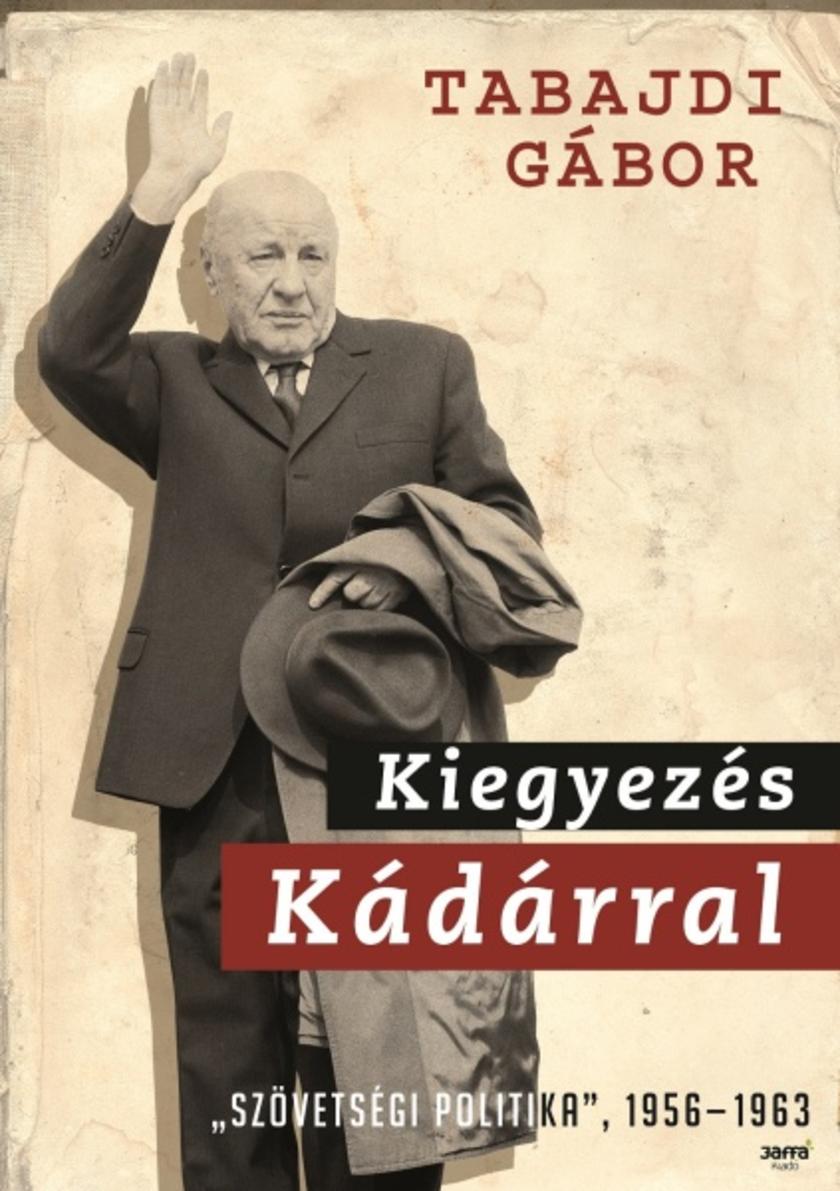
Kiegyezés Kádárral
¥57.31
Poeta, eseista ?i prozatoarea Aura Christi propune o radiografie a vie?ii literare ?i a celor mai interesante c?r?i ap?rute ?n ultimul deceniu literar. Cartea se adreseaz? elevilor, studen?ilor, precum ?i publicului larg de cititori.
Eclipsa
¥108.27
La zece ani de la moartea lui Emil Cioran – un studiu aplicat ?i incitant despre viata ?i opera sa, rela?ia filosofului de la R??inari cu marii g?nditori ai lumii, dar ?i cu ?ara ce l-a d?ruit lumii, cu care parisianul nu ?nceteaz? niciodat? controversele. Un studiu de teorie ?i istorie literar? extrem de interesant ?i util ce se adreseaz? elevilor, studen?ilor, precum ?i publicului larg de cititori.
Elegiile romane
¥54.10
Volumul de versuri Elegii parisiene este scris ?n anii 1986-1987, la Paris, reprezent?nd – conform confesiunii autorului – ?alcoolul unei veri“. Este un volum dens, scris ?n siajul Elegiilor… rilkeene, de factur? expresionist?, volumul fiind menit sa ne aduc? ?n fa?? o alt? posibil? imagine a romancierului Nicolae Breban.

Existen?a diafan?
¥77.31
De la fulminantul s?u debut ca poet ?i teoretician al futurismului, Vladimir Maiakovski s-a dovedit a fi un n?valnic emanator de energii artistice, ideatice, un generos creator de metafore surprinz?toare, ?nc?t cople?ea, hipnotiza o parte a publicului; las? cu gura cascat? sute ?i sute de in?i… Era un adev?rat retor (cu ?glas de arhidiacon“, cum scria Pasternak) al noii literaturi, al futurismului rus; retor clam?nd ?n gura mare!… Acest poem tot Pasternak l-a definit ca fiind un ?nemuritor document din preclipele mor?ii“… Vladimir Maiakovski face parte din spi?a nu prea numero?ilor poe?i c?rora li se potrive?te calificativul de uria?. (Leo Butnaru)
Rapsodie ?n alb-negru cu Leonard Berstein
¥61.83
Pata-Tata. ?ah nu este o carte de critic? literar?, nu este un experiment critific?ional hibrid, nu este nici o fic?iune pur?, ci este, ?n cel mai autentic sens pe care ?l permite literatura ast?zi, confesiunea unei sensibilit??i ?b?ntuite“. Despre paginile care ??i ?ntind umbrele prelungi asupra propriei vie?i ?i despre absen?ele care se strecoar? imperceptibil din autobiografic ?n c?r?ile pe care le cite?te, Diana Adamek scrie ?ntr-o tonalitate silen?ioas?, hipnotic?, cu talentul incontestabil al unui romancier. Evit?nd conven?iile obosite ale textualismului, sau problematiz?rile conceptuale ale teoriei literare, Pata-Tata. ?ah este romanul unei credin?e poetice care configureaz? deopotriv? spa?iul clipei vii ?i cel al memoriei livre?ti ?n liniile de for?? ale unei vibra?ii pasionale. ?ntre c?r?ile rom?ne?ti ale primului deceniu, acest eseu confesiv al Dianei Adamek r?m?ne cea mai patima?? ?i mai provocatoare m?rturie de credin?? a unui cititor avizat, ?i, dup? cum avea s? se dovedeasc? c??iva ani mai t?rziu, a unui excep?ional prozator.Ovidiu Mircean
Red Eve
¥8.01
rülk, hogy úgy dntttél, belenézel a knyvembe. Tudod, ez az hely, ahol a szerzk ismert emberektl idéznek arról, hogy milyen nagyszer ez a knyv. De én ezt nem igazán szeretem. Olcsó trükknek tartom, ami csak arra jó, hogy bepalizza az embereket. Nem hiszek benne. Te ennél úgyis okosabb vagy, és szebb úgysem dlnél be. Nagyon tetszik a blúzod jól megy a knyvemhez! ELLEN DEGENERES Imádom, ahogy fogod ezt a knyvet. Látszik, hogy erre születtél Vedd meg és el se engedd! ELLEN DEGENERES Tudod, mi tetszik nekem a legjobban benned Az, hogy így egymásra találtunk. Na meg a szemed! ELLEN DEGENERES Te vagy a legkedvesebb olvasóm! Minden idk abszolút kedvence. De psszt... meg ne mondd a tbbieknek! ELLEN DEGENERES

Péntek? Csajok!
¥51.83
Conor McGregor a küzd?sportok legragyogóbb csillaga. A dublini három év alatt t?bbet ért el a The Ultimate Fighting Championship-ben, mint bárki más a szervezet húsz éve íródó t?rténelmében. 2013-ban ? volt az els?, aki egyidej?leg birtokolt két világbajnoki címet, kiütésekkel tarkított menetelése el?bb pehelysúlyban, majd k?nny?súlyban, megrengette a világot. De bármilyen k?nnyednek is t?ntek McGregor h?stettei, útja k?zel sem volt sima, ahogy sikere sem volt el?zetesen biztosra vehet?. Ez nem egy újabb t?rténet egy újabb kivételesen tehetséges és sikerre született sportolóról. Ez a sztori egy elképeszt?en elszánt és legy?rhetetlen lelkierej? fiatalemberr?l szól, aki megváltoztatott egy egész sportágat. A Notorious: Conor McGregor élete és harcai Crumlintól Las Vegasig, a ketrect?l a luxusautókig nemcsak azt vesézi ki, miként változtatta meg az MMA Conor McGregort, hanem azt is, hogy Conor McGregor miként forradalmasította a küzd?sportok világát.

Bradley Tamás visszaüt
¥14.39
me, egy zenéldoboz, és benne a táncospár: már halljuk is a monoton muzsikát, amelynek dallamára lassan, szertartásosan, ugyanarra a koreográfiára perdülnek-fordulnak a táncosok. Amikor a dallam lejár, egy láthatatlan kéz újra felhúzza a dobozt a kulccsal, és a férfi és a n végtelen tánca folytatódhat – a szabadulás reménye nélkül. Hiába van az arcukon mosoly, a lelkük, kiváltképpen a né, zilált; rks kzttük a feszültség, és az áldozat sebei talán sohasem gyógyulnak be. Ismers a helyzet Nem véletlenül, hiszen gyakrabban fordul el, mint gondolnánk, hogy társas kapcsolatainkban áldozattá válik az egyik fél, és helyzetébl nemhogy a kiutat nem találja, de sérült nbecsülése folytán azt sem érzékeli: ez nem természetes állapot. RADOS VIRG pszichológiai témájú regénye azt boncolgatja, hogy milyen mélységekig süllyedhet a férfi és n kztti kapcsolat, és trténete lapjain kibomlanak a bántalmazás lélektanának súlyos titkai. A szép és intelligens, ám a szíve mélyén súlyos nbizalomhiánnyal küszkd Kárpáti Anna ügyetlenül csetlik-botlik a partnerkapcsolatok világában. Már-már feladja a társkeresést, amikor találkozik Ferkóval. Eleinte minden szép és jó, de egy napon robban a bomba. Ferkóról kiderül, hogy korántsem az a kedves, szeretetteljes férfi, akinek addig mutatta magát, hanem rideg, goromba, erszakos ember. Szinte nap mint nap szóval és tettel, lelkileg és fizikailag bántalmazza Annát. mégsem tud hátat fordítani neki, ellenkezleg: egyre mélyebbre merül a kapcsolatba, remélve, hogy a férfi megváltozik a kedvéért. Van-e kiút ebbl az rdgi krbl Mi minden trténik Annával, amíg ráébred: saját testi és lelki épsége érdekében ki kell lépnie az életét megkeserít, egészségtelen viszonyból Vajon sikerül-e neki Mi, olvasóként végigkísérhetjük a táncát”; tanúi lehetünk, ahogyan – az t megillet támogatással – sikerül megtalálnia nmagát… A mben a trténet és a szereplk is kitaláltak. Bármilyen hasonlóság valóságos eseményekkel vagy személyekkel csupán a véletlen mve.

A n? élete
¥71.69
Bihari Péternek láthatóan az a szándéka, hogy ?személyes t?rténeteken” keresztül mondja el, milyen is volt a világháború. Tudja és érti, hogy a háború t?rténete nem csak hadt?rténet, hanem társadalomt?rténet. Ezért nagyon sok oldalról ad pillanatfelvételeket a háborús létr?l – arról, hogyan élte meg az emberiség egy bizonyos része a háború állapotát.

November lánya
¥78.07
A bájos, v?r?s hajú Répássy Rebeka szereti a magas sarkú cip?ket, a drágak?veket és a bécsi kávét. Nem szereti viszont a tenger gyüm?lcseit, a tolakodó pasikat és a felt?nést. A sors szeszélye folytán mégis egyik pillanatról a másikra az osztrák tévé képerny?jén találja magát, és a Kísérletkastély cím? valóságshow ígéretes szerepl?jeként egy ország kíséri figyelemmel minden mozdulatát. A tét Rebeka számára százezer euró, a hírnév, és váratlan ráadásként a szívfájdítóan jókép? producer, Marcus szerelme. A Bécsben dolgozó magyar lány igyekszik megállni a helyét a kereskedelmi tévék számára ismeretlen világában, ahol semmi sem az, aminek látszik: az ellenfelek barátnak álcázzák magukat, a segítség kerül? utakon jár, és még az igazi szerelem is álruhába bújik. Vajon ki mozgatja a szálakat a háttérben? Mi a szerepe az eseményekben a titokzatos újságírón?nek, Fr?ulein Lemkének? ?s vajon megtartja-e Rebeka kezdeti elhatározását, miszerint nem hajlandó szerelmeskedni a kamerák el?tt? Aki a rokonszenves Rebekához hasonlóan kedveli az osztrák f?várost, a karácsonyi hangulatot és a bécsi kávét, az kül?n?sen élvezni fogja PALOT?S PETRA izgalmakban és fordulatokban nem sz?k?lk?d? regényét.

R?zboaiele PSI. O istorie a manipul?rii min?ii
¥57.14
Cartea se adreseaz? elevilor, studen?ilor, precum ?i publicului larg de cititori, monografia ?n cauz? – semnat? de marele c?rturar Ion Iano?i, membru al Academiei Rom?ne – constituind una dintre lucr?rile de v?rf despre uria?ul romancier de la Iasnaia Poliana.
Scara din bibliotec?
¥65.32
Problema fiinei romneti nu s-a rezolvat. Dei ea a reprezentat o mistic a ntregii generaii, motivaia principal a existenei acesteia, datorita conflictului dintre Occident si Orient, dintre cele dou doctrine sociale fundamentale, datorit Cortinei de Fier care a czut la finele celui de-al doilea rzboi mondial, care a separat lumea n dou lagre etane, problema a rmas nerezolvat. Ce a nsemnat de fapt problema fiinei romneti Conturarea unei identiti naionale, obsesie a naionalismului romnesc interbelic i a tinerei generaii“ care s-a confundat mai mult sau mai puin cu aceast epoc. Utopia generaiei a fost aceea de a scoate Romnia din anonimat. Totul a rmas la nivelul iluziei i al scepticismului. Din ntreaga generaie care a supravieuit exilului intern sau extern, doi reprezentani fideli ai acesteia au conturat prin preocuprile lor foarte bine ideea fiinei romneti sau mai bine zis modalitatea ei de manifestare n lume. Acetia sunt Cioran i Noica. Aceast carte – dreapt, radical, exact, ntunecat – trateaz rtcirile i mplinirile acestora n contextul n care ntregul continent, n perioada interbelic, prea ca a luat-o razna.“ – Mara Magda Maftei

Cum s? fii o fat? rea
¥65.32
B?rba?ii vin de pe Marte, femeile de la coafor este urmarea best-sellerului Femeile vin de pe Venus, b?rba?ii de la b?ut. Ambele volume s-au n?scut ?n paginile s?pt?m?nalului satiric Ca?avencii. De?i pare c? e vorba de un ?r?zboi ?ntre sexe“, ?n realitate, autorii n-au dus niciodat? un r?zboi, ci un dialog. R?nd pe r?nd, toate stereotipurile care circul? despre via?a de cuplu au fost puse ?ntr-o lumin? umoristic?, eliberatoare. Primul volum s-a bucurat de o primire extraordinar? din partea publicului, ating?nd ?n mai pu?in de doi ani de la lansare un tiraj de aproape 20.000 de exemplare. Ne face pl?cere s? v? oferim acum continuarea lui, const?nd ?ntr-o nou? colec?ie de texte pline de umor, inteligen?? ?i autoironie. * * * De unde naiba s? ?tie b?rbatul care-i sunt hainele murdare??? ??i miroase, timp de dou? ore, toate c?rpele de pe scaunul-cuier. Le ?mparte ?n dou? gr?mezi, unele curate ?i altele murdare. C?nd, transpirat, anun?? c? a terminat, bestia de so?ie se ?nfiin?eaz? ?i ia ambele mormane la sp?lat. — De ce le iei ?i pe-alea curate? o ?ntreab?, confuz. — Pentru c? sunt jegoase. ?i d?-le ?i pe toate alea de pe tine, c? put. — Dar sunt proasp?t sp?late, le-am luat de-abia acum o s?pt?m?n?. Vr?jitoarea e ?ns? de neclintit. ?i ?ntoarce spatele ?i iese, l?s?ndu-l gol, dezorientat, umilit ?i mirosindu-se la subra?. * * * C?nd e o hain? murdar?? C?nd te-ai uitat la ea. Ai p?ng?rit-o cu privirea ta. E ca ?i cum s-a frecat un pechinez ?n c?lduri pe ea, trebuie aruncat? la sp?lat. Multe femei stau la u?a ?ifonierului ?i te urm?resc c?nd ??i alegi haine: — Haaaa, tricou atins, tricou ?mbr?cat, tricou ?mpu?iiiiit!

Királyok vagy zsarnokok?: ?gyfélpanasz 2.0
¥116.33
Végh Sándor életútja tbb mint teljes volt. Miután letette a vonót egy végtelenül gazdag hegeds pálya után, ahol univerzális egyéniségét a legnagyobb mértékben és a legsokoldalúbban tudta kifejezni, a Camerata Academica élén tapasztalatai sszegzése mellett olyan megújulásnak voltunk a tanúi, amely párját ritkítja.” - Várjon Dénes. Száz esztendeje született a 20. század egyik legkiemelkedbb, világszerte ismert és elismert magyar eladómvésze, Végh Sándor. A ktet a centenárium alkalmából állít emléket a muzsikusnak, aki egy személyben volt hegedmvész, kvartettprimárius, karmester és pedagógus. Lwenberg Dániel végigkíséri a trténelmi okokból viharos, mvészi szempontból roppant változatos és termékeny életutat. A ktet ismerteti a mvész életrajzát, de a legnagyobb súlyt szakmai tevékenységére és zenei rkségére helyezi.
Scriitorii ?i puterea
¥65.32
Talán ismered azt az érzést, amikor van két barátod, akik nem ismerik a másikat, de biztos vagy benne, hogy jól kijnnének egymással, és minden vágyad, hogy végre sszeismerkedjenek - hogy aztán reményeid szerint els látásra megkedveljék egymást. Nos, ez volt az igazi oka annak, hogy megírtam ezt a knyvet. n magam elég szerencsés voltam, hogy gyerekkoromban >>találkozhattam<< ezekkel a zeneszerzkkel - e zseniális, olykor hihetetlenül nehéz természet, máskor nagyon szórakoztató, de mindig csodálatosan elevennek ható emberekkel. s azt akartam, hogy te is megismerd ket, és életre szóló barátságot kss velük. A knyvben megpróbáltam a lehet leghitelesebb lenni. Szerencsére semmi szükség nincs rá, hogy a zeneszerzkkel kapcsolatban a fantáziámra hagyatkozzak - k maguk sokkal meglepbb dolgokat produkáltak, mint bármi, amit ki tudnék találni.” Nagyon rülk, hogy a knyvem magyarul is megjelenik. Magyarország simán pályázhatna manapság a világ legzeneibb országának címére - és maradjon is ez így még jó sokáig! Boldog leszek, ha a knyv révén kicsit tbben kezdenek érdekldni ez iránt a hat nagy zeneszerz iránt, hiszen zsenialitással áldotta meg ket a sors, külnleges életet éltek és elképeszt figurák voltak. rm volt megírni a knyvet - remélem, olvasni is az lesz.” Steven Isserlis


