


 购物车
购物车 个人中心
个人中心
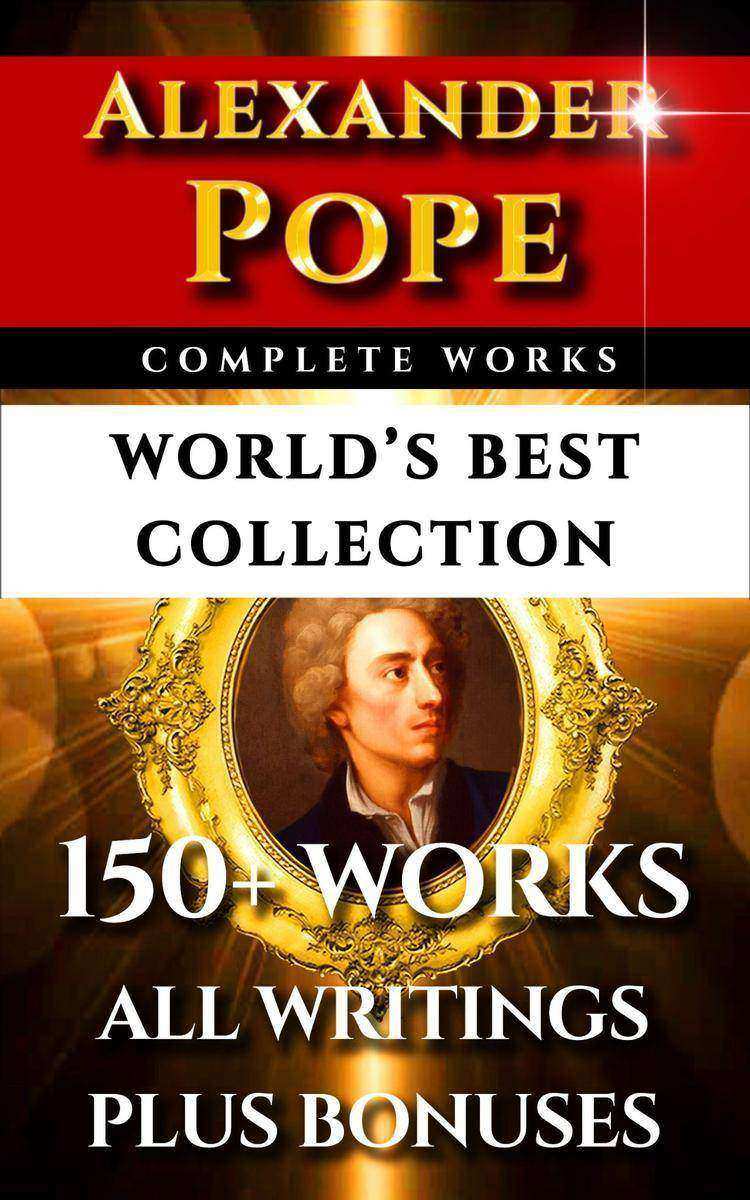
Alexander Pope Complete Works – World’s Best Collection
¥8.09
Alexander Pope Complete Works World's Best Collection This is the world’s best Alexander Pope collection, including the most complete set of Pope’s works available plus many free bonus materials. Alexander Pope Alexander Pope was an 18th-century English poet, best known for his satirical verse and for his translation of Homer. After Shakespeare and Tennyson, he is the third-most frequently quoted writer in The Oxford Dictionary of Quotations. The ‘Must-Have’ Complete Collection In this irresistible collection you get a full set of Pope’s work, All his poems, All his plays, All his legendary translations, Famous satires, Rarities and all his other works. Plus a bonus biography. Works Included: An Essay On Criticism An Essay On Man Moral Essays To Several Persons Satires Poems?Including: The Rape Of The LockOde On Solitude The Temple Of Fame Translations From Ovid Sappho To Phaon The Dying Christian To His Soul Elegy To The Memory Of An Unfortunate Lady Messiah To A Lady, With The Temple Of Fame The Looking-Glass Poems Suggested By Gulliver Epitaphs On Two Lovers Struck Dead By Lightning Universal Prayer Longer Works?Including: The Dunciad The Iliad The Odyssey Three Hours After Marriage Your Free Special Bonus Alexander Pope Biography - a full length biography about Pope’s intriguing and fascinating life. Get This Collection Right Now This is the best Pope collection you can get, so get it now and start enjoying and being inspired by his world like never before!
Complete Works Of Edgar Allan Poe: The New Raven Edition
¥8.75
This volume collects the complete works of Edgar Allan Poe (Wikipedia). It started out as a restructuring and reformatting of the 1903 “Raven Edition” of his works—and then it grew.I have rearranged the texts according to genres in the order of first publications (though still using the later revised versions). I added all the stories, poems, essays, and some miscellanea that were missing in the “Raven Edition”. Thus, you’ll find in this collection: THE TALESMetzengerstein, The Duc de L’Omelette, A Tale of Jerusalem, Loss of Breath, Bon-Bon, Ms. Found in a Bottle, The Assignation, Berenice, Morella, Lionizing, The Unparalleled Adventures of One Hans Pfaal, King Pest, Shadow—A Parable, Four Beasts in One—The Homo-Cameleopard, Mystification, Silence—A Fable, Ligeia, How to Write a Blackwood Article, A Predicament, The Devil in the Belfry, The Man that Was Used Up, The Fall of the House of Usher, William Wilson, The Conversation of Eiros and Charmion, Why the Little Frenchman Wears his Hand in a Sling, The Business Man, The Man of the Crowd, The Murders in the Rue Morgue, A Descent into the Maelstr?m, The Island of the Fay, The Colloquy of Monos and Una, Never Bet the Devil Your Head, Eleonora, Three Sundays in a Week, The Oval Portrait, The Masque of the Red Death, The Landscape Garden, The Mystery of Marie Rogêt, The Pit and the Pendulum, The Tell-Tale Heart, The Gold-Bug, The Black Cat, Diddling, The Spectacles, A Tale of the Ragged Mountains, The Premature Burial, Mesmeric Revelation, The Oblong Box, The Angel of the Odd, Thou Art the Man, The Literary Life of Thingum Bob, Esq, The Purloined Letter, The Thousand-and-Second Tale of Scheherazade, Some Words with a Mummy, The Power of Words, The Imp of the Perverse, The System of Doctor Tarr and Professor Fether, The Facts in the Case of M. Valdemar, The Sphinx, The Cask of Amontillado, The Domain of Arnheim, Mellonta Tauta, Hop-Frog, Von Kempelen and his Discovery, X-ing a Paragrab, Landor’s Cottage.THE POEMSPoetry, O, Tempora! O, Mores!, Tamerlane, Song, Dreams, Spirits of the Dead, Evening Star, Imitation, Stanzas, A Dream, The Happiest Day, The Lake —— to ——, To Margaret, Alone, Sonnet—to Science, Al Aaraaf, Romance, To ——, To the River——, To M——, Fairy-Land, To Isaac Lea, An Acrostic, Elizabeth, To Helen, Israfel, The City in the Sea, The Sleeper, A P?an, The Valley of Unrest, Enigma, Fanny, The Coliseum, Serenade, To One in Paradise, Hymn, May Queen Ode, Spiritual Song, Latin Hymn, Bridal Ballad, To Zante, The Haunted Palace, Silence, Lines On Joe Locke, The Conqueror Worm, Lenore, A Campaign Song, Dream-Land, Impromptu. To Kate Carol, To F——, Eulalie, Epigram for Wall Street, The Raven, The Divine Right of Kings, To Frances S. Osgood, A Valentine, Beloved Physician, Deep in Earth, To Marie Louise (Shew), Ulalume, Lines on Ale, To Marie Louise (Shew), An Enigma, To Helen, A Dream within a Dream, Eldorado, For Annie, To My Mother, Annabel Lee, The Bells.THE NOVELSNarrative of A. Gordon Pym, The Journal of Julius Rodman.THE ESSAYSPal?stine, Maelzel’s Chess-Player, Letter to B——, American Novel-Writing, The Capitol at Washington, Instinct vs Reason—A Black Cat, The Philosophy of Furniture, Morning on the Wissahiccon, Some Account of Stonehenge, The Giant’s Dance, A Druidical Ruin in England, A Few Words on Secret Writing, Exordium, Harper’s Ferry, The Balloon-Hoax, Byron and Miss Chaworth, Pay of American Authors, Some Secrets of the Magazine Prison-House, Anastatic Printing, Street-Paving, American Poetry, The Philosophy of Composition, A Few Words on Etiquette, Eureka: A Prose Poem, The Rationale of Verse, The Poetic Principle.THE MISCELLANEAAutography, Pinakidia, Literary Small Talk, Intemperance, A Chapter on Science and Art, Cabs, Omniana, Prospectus of The Penn Magazine, Autobiographical Note, A Chapter on Autography, Prospectus of The Stylus, Souvenirs of Youth, The Head of St. John The Baptist, Doings of Gotham, A Moving Chapter, Desultory Notes on Cats, A Chapter of Suggestions, Marginalia, The Literati, Mr. Poe’s Reply to Mr. English and Others, Fifty Suggestions, Preface to “Tamerlane And Minor Poems,” Prologue to “The Folio Club”, Prefaces and Introduction to “The Conchologist’s First Book,” Preface to “Tales of the Grotesque and Arabesque,” Preface to “The Raven and Other Poems.”THE PLAYPolitian.THE CRITICISMThe Complete Works of Edgar Allan Poe, vols. 8-13, ed. by James A. Harrison, Thomas Y. Crowell & Company 1902.THE LETTERSThe Letters of Edgar Allan Poe, 2nd edition, 2 vols., ed. by J. W. Ostrom, The Gordian Press 1966.
Burhan Bey
¥0.01
Mevsim, k?? ortas?yd?! Günlerce ya?murla ?slanm??t? ?stanbul! Bütün hafta f?rt?nayla, karla, so?ukla insanlar?n can?n ??kar. Sonra da insanlara ?ektirdi?ine pi?man olmu? gibi bir sevimlili?e büründü. ?stanbul bu, bir bakm??s?n?z f?rt?na dinmi?, güne? a?m??, bir bakm??s?n?z aniden kar ya?m??. ?stanbul b?yledir i?te… Parlayan güne?i f?rsat bilen binlerce insan sokaklara d?külür. Kimi bo?azda, kimi k?prüde, kimi deniz k?y?s?nda oltas?yla bal?k tutuyor, kimileri vapurla adalara gidiyor, kimi Emin?nü’ne, kimi al?? veri? merkezlerine, ya da kar?n tad?n? ??karmak i?in Belgrat ormanlar?na gidiyor… Bu gün hava karl?yd? ve tipik ?stanbul hali i?te! Zalim bir ?ehirdir ?u ?stanbul! Tehlike ?ok ama, bir o kadar da güzeldir. Sana hep ihanet eder ve sen yine onu sevmeye devam edersin. “?stanbul’u sevmeyen g?nül, a?k? ne anlar!” demi?ler ?airler ve bu s?zü bo?una s?ylememi?ler! Bir bakm??s?n?z güzel bir gün ge?irirken onu bozacak birisi mutlaka ??kar. Sanki ?stanbul’un de?i?mez bir kurald?r bu! Onu o kadar iyi tan?m?? durumday?m ki, hakk?nda ciltler dolusu kitap bile yazabilirim... ? ? ? Halit Fuat Be?ik kimdir? 1952 y?l?nda Fatsa'da do?du. ?lk ve orta ??renimini Fatsa'da, üniversite ??renimini ise ?stanbul'da tamamlad?. Kapal? ?ar??da ticaret hayat?na at?ld?. Bu arada dünyan?n pek ?ok ülkesini gezme f?rsat? buldu. ?nceleri rezaletten ka?mayan ve "Hep ben" mant???yla maceral? bir hayat ya?ad?. Okumay? ve not almay? ?ok sevdi?i i?in pek ?ok kitap ve notlara sahiptir… Yazar?n ?al??malar?; "TALAN MEVS?M?NDE ADAM G?B? YA?AMAK", "SOKRATES’?N ?SYANI", "HA?LILAR ?ANAKKALEDE", "Y?Z ELL? YA?INDAK? ADAM", "TEVRATIN ?OCUKLARI VE KURAN", "AR?F’?N ?L?M?", "???RLE A?LAMAK", "K???K MAHMUT ?LE KOCA BAYRAM", "VEN?S GEZEGEN?NDE ?SYAN", "ADEME MEKTUPLAR" gibi Kur-an ahlak?na dayal?, ama daha cüretk?r ve farkl? konuda yaz?lm?? kitaplard?r. ?Yazmak konusuna otuz y?ll?k bir emek vermesine ra?men, bu konuda daha pek ?ok ?ey yapmas? gerekti?ine inan?yor. “Talan Mevsiminde Adam gibi ya?amak”, “Sokrates’in ?syan?”, “Ha?l?lar ?anakkale’de”, “Tevrat’?n ?ocuklar? ve Kur-an”, “Yüz Elli Ya??ndaki Adam”, “?iirle A?lamak”, “Kü?ük Mahmut ile Koca Bayram”, “Venüs Gezegeninde ?syan” ve “Adem’e Mektuplar” isimli kitaplar? yay?nlanm??t?r. ?nan?, Adalet, ?nsan sevgisi ve Kuran ahlak?na dayal? o muhte?em denge i?inde eserler vermeye ?al???yor. Ger?ek eserlerini bundan sonra size sunaca??na inan?yor... ?imdilik, ya??yor i?te…
The Old Curiosity Shop
¥28.29
The grandfather of Nell Trent wants to make sure his granddaughter is provided for when he dies. His memory of his daughter’s suffering and premature death gives him a fear of poverty. This obsession results in his financial and physical ruin. Nell and her grandfather flee and embark on a journey that has no destination. For Nell, all she wants is a peaceful existence with enough to subsist on.??They come across many interesting people in their travels and are often met with the kindness of strangers. Yet, underneath an animated and colorful world, they also encounter the bleak reality of the industrial age. From simple villages and fields of flowers, they cross into a dirty city full of mass unemployment and plague victims—where children die from starvation and are left on the curb.??The story isn’t just about Nell and her grandfather, but the people who are connected to them directly or indirectly. There is Richard Swiveller, a careless young man who is a friend of Nell’s plotting brother, who wants Swiveller to marry Nell for the fortune he thinks she has. Daniel Quilp, the malicious dwarf, has a vendetta against the grandfather—who was the one person who managed to fool him. There is honest Kit, who finds himself the victim of spite of people he never harmed. Kit desires to help Nell, whoM he worships as a personal angel that has always inspired the best in him. The mysterious Bevis Marks, who is a generous patron to some and an enemy to others, also has his own reasons for finding Nell and her grandfather.??Unique to this book, unlike Dickens other works, is a fairy tale quality to the story. It is certainly a book of contrasts: the purity of Nell compared to the sadistic depravity of Quilp, fresh air and scenic villages to the polluted, stone covered city, etc. Even people’s reactions to the book revealed a stark contrast. At first, Nell Trent was praised as the most perfect Dickens character. Later, she was ridiculed and criticized by many well-known people like Oscar Wilde. While characters in other Dickens books are moving towards a better future, Nell and her grandfather are fleeing their life—and their story is moving towards an ending.??The Old Curiosity Shop was inspired by a personal tragedy in Dickens life. Nell Trent is based on the seventeen year old sister-in-law of Dickens who lived with him and whom he was fond of. The girl collapsed and died suddenly after the family had come home from the theater, probably due to undiagnosed heart disease. The story is a time capsule—full of references of popular songs, literature, and scandals of the period. As to be expected of a Dickens novel, there is social commentary on the plight of the poor. The Old Curiosity Shop delves into the unknown world of freak shows and other traveling entertainers—showing a magical world, yet one with a dark underside to it.

The Road Home. Filip-Lucian Iorga In dialogue with Prince Nicholas of Romania
¥81.67
“Prima edi?ie din Jurnalul lui Lev Tolstoi a ap?rut la Editura Univers, ?n dou? volume (?n anii 1975 ?i 1976 – vol. I: 1847-1895, vol. II: 1896-1910), incluse ?n colec?ia ?Coresponden??, memorii, jurnale“. Traducerea a realizat-o Janina Iano?i; prefa??, tabelul cronologic, notele ?i comentariile – Ion Iano?i. Respectiva edi?ie a reprezentat o selec?ie din textul integral al edi?iei academice ruse?ti Polnoe sobranie socinenii (iubileinoe izdanie), Opere complete (edi?ie jubiliar?). Din volumele 1-90 (Moscova-Leningrad, 1928-1958), am folosit cele treisprezece volume de jurnal, 46-58 (ap?rute ?ntre 1934 ?i 1958). Orientativ, am consultat ?i o edi?ie de Opere ?n dou?zeci de volume (din 1965) – volumele 19 ?i 20. ?n alegerea textelor am urm?rit devenirea ?i dominantele cople?itoarei personalit??i a marelui scriitor, ?in?nd seama ?i de interesele publicului cititor rom?nesc. Edi?ia a II-a i s-a datorat Editurii Elit (tip?rit?, f?r? specificarea datei, ?n 2000). Ea a urmat, cu unele renun??ri ?i c?teva complet?ri, varianta ini?ial?, dar ?i pe baza confrunt?rii textelor cu cele re?inute ?ntr-o selec?ie ruseasc? ulterioar?, ?n dou?zeci ?i dou? de volume, Sobranie socinenii v dvadtati dvux tomah (Moscova, 1985), Opere ?n dou?zeci ?i dou? de volume, volumele 21 ?i 22. Am constatat cu acel prilej coinciden?a ?ntre majoritatea textelor re?inute ini?ial de noi ?i de alc?tuitorul respectivei edi?ii ruse?ti, dar ?i unele deosebiri: sunt acolo prezente fie pasaje ?teoretice“ mai ample, fie altele cu adres? recognoscibil? doar de c?tre cititorii autohtoni familiariza?i cu mediul specific vremii – ?n schimb, sunt omise at?t detalii biografice considerate a fi prea intime (mai ales erotice, ?n genere legate de starea corporal?, de s?n?tate ori boal?), c?t ?i multe accente sociale considerate de editorul rus de atunci ca indezirabile prin ascutisul lor critic (cu deosebire, cele la adresa revolu?iei, marxismului, socialismului). ?n ceea ce ne prive?te, le-am p?strat ?i pe unele, ?i pe celelalte, ?n schimb nu am dorit – cu rare excep?ii – s? ?nc?rcam selec?ia noastr? cu expozeuri lungite, care oricum variaza idei cunoscute. Amintita edi?ie rus? ne-a servit, mai degrab?, pentru suplimentarea acribiei de care am ?ncercat s? d?m dovada ?nc? din anii ?aptezeci ai secolului trecut. Am urmat aceea?i cale ?i la revederea ?i ?mbun?ta?irea textului pentru prezenta edi?ie, a III-a, finalizat?, dup? al?i cinci ani, prin bun?voin?a Editurii Ideea European?.“ (Ion Iano?i)
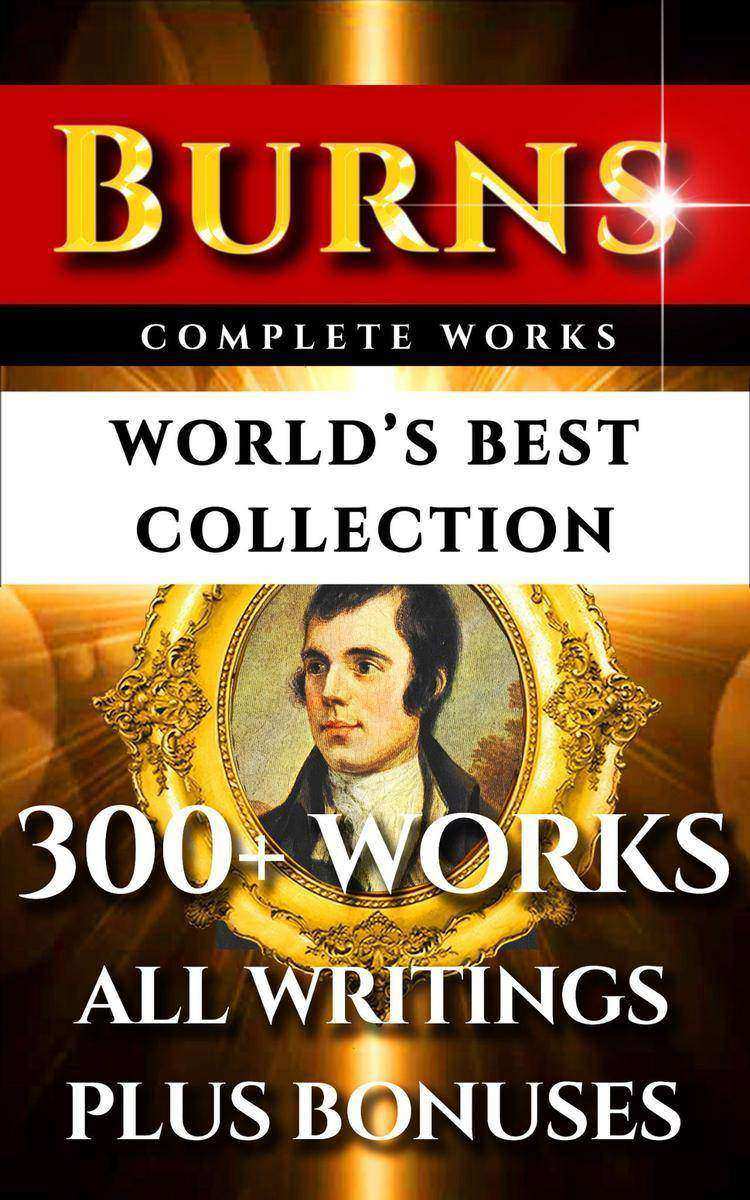
Robert Burns Complete Works – World’s Best Collection
¥8.09
Robert Burns Complete Works World's Best Collection This is the world's best Robert Burns collection, including the most complete set of Burns' works available plus many free bonus materials. Robert Burns Robert Burns, also known as the Scotland's Favorite Son, the Bard of Ayrshire and the Ploughman Poet, was a Scottish poet and lyricist, widely regarded as the national poet of Scotland. He is regarded as a pioneer of the Romantic movement, and after his death he became a great source of inspiration to the founders of both liberalism and socialism The ‘Must-Have' Complete Collection In this irresistible collection you get a full set of Burns' work, with more than 300 works - All his poems, All poetry, All his songs, ballads, rarities, epigrams; and a full length biography. Plus a rare collection of his letters and bonus extra material. There are countless must reads, ranging from the well-known pieces to fantastic and startling new works to discover.. Works Included: Poetical Works -?Over 300 Poems, songs, epigrams and ballads, including among others: A Red, Red Rose A Man's A Man for A' That To a Louse To a Mouse The Battle of Sherramuir Tam o' Shanter Ae Fond Kiss Full Collection Of Burns' Letters Life Of Robert Burns -?A fascinating, ful length biography of Scotland's favourite son, detailing his life from childhood. Your Free Bonuses Glossary?- A glossary of all the terms, phrases and words used in Burns' work Burns And His School?- Literary essay from Charles Kinglsey Historical Context and Literary Context Notes?- Detailed explanations of the Regency Era and Romanticism, written specially for this collection Robert Burns?- the poem about Burns written by Henry Wadsworth Longfellow Get This Collection Right Now This is the best Burns collection you can get, so get it now and start enjoying and being inspired by his words like never before.
Pachamama Peaches: Poetry Collection
¥84.28
Pachamama Peaches a is a collection of poetry and prose about life. The poems explore femininity, friendship, relationships, nature, beauty and art imitating life. Each poem serves an individual purpose that is subject to the minds of each reader.

Milliárdos fiú
¥58.94
Aura Christi posed numeroase virtui. Fora compoziiei pe multe planuri. Impactul personal ntre lecturi bogate i o viguroas inventivitate. Mijloace suple de caracterizare. O stilistic adaptat nevoilor expresive.” (Ion Ianoi) Corpul romanesc conine originalitate i – cel mai mare ctig – un timbru numai al su. E inclasificabil, n termenii triadei manolesciene doric-ionic-corintic. Dar, spre deosebire de alte scrieri tinere, i face s zvcneasc pe toi trei.” (Nicoleta Slcudeanu)
Turnul col?ei - ?ntre vreme ?i ve?nicie
¥39.24
Nout??ile critice sunt devastatoare: realul realului nu mai poate fi decodat, reinventat etc. dup? ?nt?lnirile sale repetate cu textul, dup? deform?rile sale repetate, dup? transfigur?rile ?i metamorfozele acestuia; cel mult, critica face posibil un real inventat, o inven?ie recombinatorie a ceea ce ar mai fi r?mas din realul realului dup? deform?rile sale repetate ?i multiplele ?ncifr?ri ?n text ale acestuia; o decodare a realului nu este posibil? nici m?car prin textul critic, odat? ce acesta se folose?te de un pattern similar celui literar ?n naiva sa tentativ? de a demola toate barierele ce ?l separ? de lumea realului; textul critic nu (mai) poate nici explica textul literar din perspectiva modului propriu ?n care acesta recombin?, inventeaz? sau numai deformeaz? realul ?i nici opera asupra lumii realului, a c?rei reinventare dup? dramatica ei suferin?? din tr?nta cu textul devine utopic?.Textul critic propune/ instituie un real propriu, un real critic, care nu este dec?t o form? (particular?) inventat? a tuturor ?nt?lnirilor anterioare dintre real ?i texte ca obiecte critice. El este o recompunere, o inven?ie, o masc?, o fantasm? care, spre deosebire de inven?iile literare (care au notorietatea de a deforma realul), mizeaz? pe minciuna cultural? (ori numai naivitatea) de a pretinde c? dispune de instrumente ?tiin?ifice (performante) de recuperare a realului din text ?i c? de?ine ?ntreg inventarul de recuperare a realului din cle?tii prea str?n?i ai corsetelor sale textuale. (Dorin Popescu)
Un vis al inteligen?ei libere
¥53.40
Apreciat? la vremea ei pentru angajamentul ?i talentul de a media ?ntre culturi, Regina Elisabeta a Rom?niei (1843-1916) este considerat? p?n? ?n zilele noastre drept una dintre cele mai importante mediatoare ale literaturii ?i culturii rom?ne?ti ?n spa?iul de limb? german? de la sf?r?itul secolului al XIX-lea. Prin apari?ia sa neconven?ional? ca scriitoare, sub pseudonimul literar Carmen Sylva, angajat? ?n prop??irea dinastiei rom?ne, prima regin? a Rom?niei, Elisabeta, a demonstrat ?n fa?a publicului semnifica?ia modern? a ?profesiei“ de so?ie de monarh, un exemplu pe care succesoarea sa, Regina Maria a Rom?niei ?l va des?v?r?i.
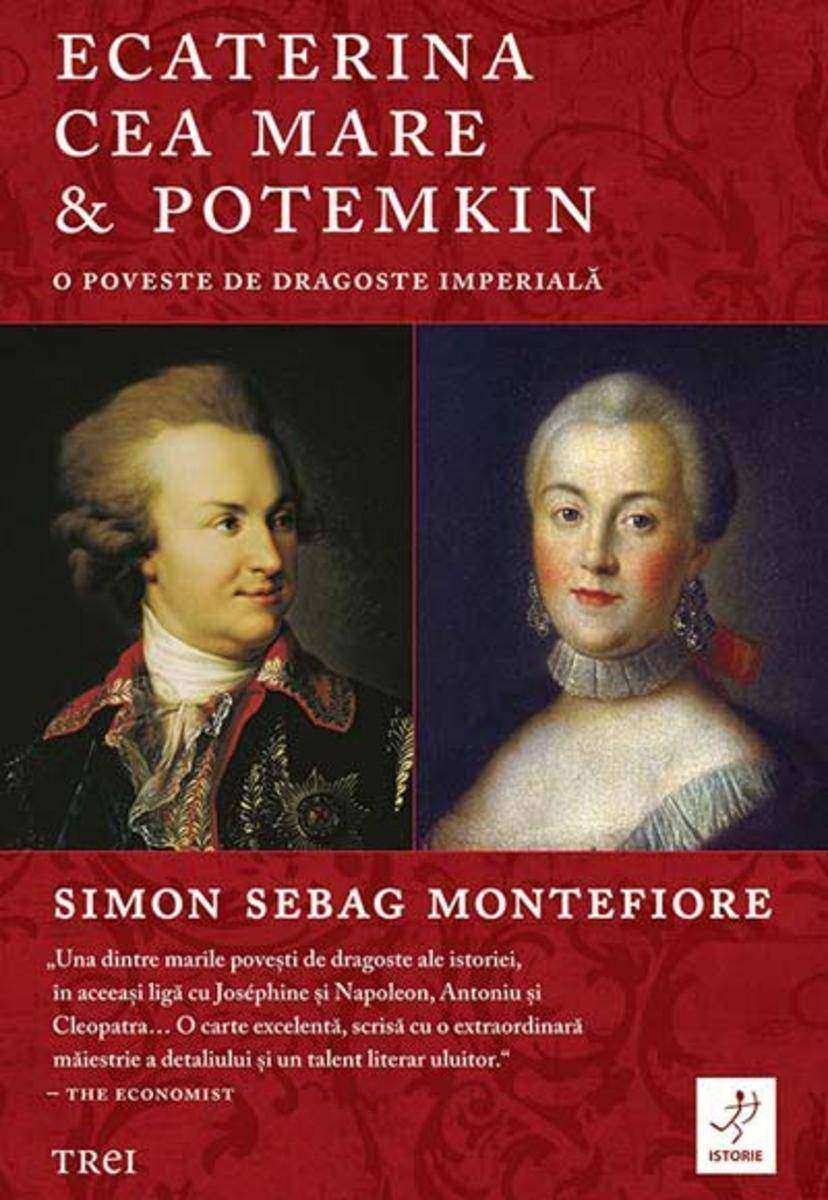
Ecaterina cea Mare & Potemkin: O poveste de dragoste imperial?
¥130.72
Actorii ne druiesc generos gnduri despre viaa pe care i ei o triesc ca orice oameni, cu necazuri i bucurii. Alexandru Arinel – fiind definit n timp de Marele Public drept o valoare artistic naional – se destinuie acum, cu privire la drumul parcurs din satul de batin Dolhasca pn pe Calea Victoriei. Citind amintirile sale sincere, vei cunoate un om, nu numai un artist, care evoc trei epoci istorice prin care a trecut, fiind prin argumentele invocate mai convingtor dect orice carte de istorie banal. i pune pe tav sufletul prin relatarea unei biografii netiute de nimeni. n aceste destinuiri, Alexandru Arinel ne propune discret s gndim atent la calea profesiei alese, de actor sau de orice fel, i s nu uitm nicio clip de cei din preajma noastr, de familie.“ – Ileana Lucaciu
Napoleon
¥116.01
Mitul felin ?n literatura universal? este o lucrare ?n care s-a ?ncercat sintetizarea ?ntr-o form? accesibil?, ?ns? f?r? a fi superficial?, a unei cantit??i impresionante de material, material g?sit at?t ?n publicistica rom?n? c?t ?i cea str?in?. Subiectul lucr?rii a fost o alegere subiectiv?, fiind aproapiat de sufletul autoarei. Fiecare capitol ?n parte trateaz? un aspect al temei dezv?luite ?n titlu, respect?nd ?n acela?i timp o linie cronologic?, acest lucru facilit?nd ?n mod semnificativ ?n?elegerea ?i asimilarea informa?iei. ?ns? ?ntreaga lucrare are ca punct comun permanenta oscilare ?ntre planul real ?i cel fantastic, fabulos, ?ntre documente oficiale (precum cronicile) ?i m?rturiile oferite de supersti?iile populare. ?n primul capitol observam ?ara de origine a pisicii, Egiptul, ?i modul ?n care aceasta era tratat? ca o zeitate cu atribu?ii contradictorii (uneori benefice, alteori sinistre). De?i exportul lor a fost interzis de catre egipteni din motive religioase, acest lucru nu a ?mpiedicat r?sp?ndirea lor ?n toate culturile lumii. Sunt analizate de asemenea ?i diversele legende legate de na?terea pisicii la diferite popoare. Al doilea capitol trateaz? ?n detaliu o tr?s?tur? principal? a mitului felin ?i anume aspectul s?u, parc? implicit, feminin. Feminitatea, tandre?ea, instinctele materne, capriciile, viclenia, elegan?a, independen?a sunt doar c?teva dintre calit??ile comune ale femeii ?i pisicii, calit??i ?nf??i?ate de nenum?ra?i scriitori ?i arti?ti din toate timpurile ?i culturile.Capitolul al treilea ne ?nf??i?eaz? eternele conflicte dintre pisici ?i c?ini (lupt?ndu-se pentru ?ncrederea ?i afec?iunea omului), dintre pisici ?i ?oareci (o ?lupt?“ milenar? ?ntre Bine ?i R?u, unde binele, reprezentat de pisic?, nu ??i poate p?stra mereu puritatea). Aceste ?lupte“ au avut ca rezultat obsesia multor popoare pentru pisici. Dar cu toate acestea, pisicile au fost ?i vor r?m?ne fiin?e independente, niciodat? accept?nd un ?st?p?n“. Nu sunt pu?ini scriitori care ?n operele lor au ?nf??i?at pisicile asemenea unor oameni, capabile de absolut orice: a scrie, a citi, a c?nta, a juca teatru ba chiar ?i a vorbi. Ele au ?i unele dintre calit??ile omului (compasiune, abilitatea de a iubi) dar ?i c?teva dintre defectele acestuia (egoism, violen??, indiferen??). De asemenea li se atribuie puteri supranaturale cum ar fi clarviziunea.
Ora?ul alb
¥69.57
Opera lui N. Steinhardt are ?capacitatea“ de a descuraja tentativele de sistematizare ?i analiz? critic?. Apar?in?nd unui intelectual evreu erudit, spirit febril, avid de limpezire ?i afirmare, aceasta se ramifica at?t ?n planul literaturii, c?t ?i ?n cel al teologiei, al ideologiilor politice sau al dreptului constitu?ional. ?n perioada interbelic?, cea a formarii intelectual-spirituale, N. Steinhardt publica, ?n doar ca?iva ani, o lucrare de drept constitu?ional, dou? studii despre iudaism, un volum de parodii ?i peste o suta de studii literare ?i articole de ideologie liberal-conservatoare. ?n perioada postbelic?, ?ncepand cu finalul anilor '60, el scrie memorialistic? ?i microromane, traduce, re?ncepe o activitate publicistic? sus?inut?, care va dura p?n? ?n 1989, ?i scrie predici ?i eseuri teologice erudite. Volumele de eseuri critice din anii '70 ?i '80 ale lui N. Steinhardt, singurele apari?ii editoriale din perioada comunist?, s-au bucurat de o receptare pozitiv?, ?ns? pozi?ia contestatara a scriitorului fa?? de regim a condus la marginalizarea sa. Abia odat? cu apari?ia postum? a Jurnalului fericirii (1991), a Cuvintelor de credin?? (1992) ?i a Primejdiei m?rturisirii (1993) au fost recunoscute de c?tre publicul larg valoarea intelectual? ?i morala a scriitorului N. Steinhardt ?i particularitatea locului ocupat de acesta ?n deceniile totalitare.Irina Ciobotaru (Suceava, 2 mai 1978), absolvent? a Facult??ii de Litere din cadrul Universit??ii ??tefan cel Mare“ din Suceava, doctor ?n filologie al aceleia?i universit??i, cu o tez? despre opera lui N. Steinhardt, coordonata de Prof. univ. dr. Mircea A. Diaconu. Colaboreaz? la reviste precum ?Contemporanul. Ideea European?“, ?Verso“, ?Tabor“, ?Dacia literar?“, ?Hyperion“, ?Transilvania“, ?Bucovina literar?“. Este profesor de limba ?i literatura rom?n?.
P?nd? ?i seduc?ie
¥108.27
Un roman al c?ut?rii de sine, al c?ut?rii eului, o spectaculoas? excavare ?n ad?ncurile fiin?ei, ne ofer? Irina Boca, revenind ?n aten?ia publicului rom?nesc cu un story fascinant, scris ?ntr-un stil alert, cu fraz? scurt?, ml?dioas?, casant?. O sondare ?n ad?ncurile ?eului profund“ (M. Proust), asupra experien?ei naratoarei l?s?ndu-?i amprenta, ?n chip cert, exilul, ?nstr?inarea, dorin?a vie, ascu?it?, de a se rea?eza ?n matca esen?elor. Aura Christi
Pata tata. ?ah
¥38.62
Demersul interpretativ al Constantinei Buleu pare stimulat (ca sa nu spunem: ??ndr?gostit“...) tocmai de caracterul la limita non-definibil, misterios, ireductibil mitopetic al ?puterii“ ?i al reprezent?rilor sale din secolul al XIX-lea. Fie c? ne prezint? metodologii de obedien?? structuralist?, neomarxist?, jungian?, lacanian?, func?ionalist-simbolic? sau fenomenologic?, autoarea e constant fascinat? de un fenomen care, la un cap?t al s?u, presupune ordine, alegere ra?ional?, logic? instrumental?, iar, la celalalt, revela?ie, intensitate, magnetism, charism?, ?ntr-un cuv?nt: magie. Cartea are darul de a ?nf??isa, mai degraba dec?t o ?paradigma“, o panoram? a spiritului secolului al XIX-lea, ?n rela?ie cu tema puterii. Deschiderea curajoas? c?tre un fenomen de o asemenea amploare aminte?te de aura eroic? a unor faimoase ?ntreprinderi intelectuale (Peter Gay, de pild?), deseori invocate, cu implicita admira?ie ?i pricepere, ?n lucrarea Constantinei Buleu. Curiozitatea intelectual? mereu vie, claritatea g?ndirii, larga deschidere bibliografic? ?i, nu ?n ultimul r?nd, expresivitatea foarte personal? a stilului plaseaz? acest demers ?n categoria lucr?rilor de referin??.

O inim? de Broscu??. Volumul IX. ?arpele de aur
¥43.98
Gina Sebastian este o foarte autentic prozatoare. Chiar rnile, dezamgirile, nemplinirile au lsat urme ce dau sensibilitii care se exprim n scrisul ei, nota lor particular, tonul lor, parfumul lor“.Nicolae BalotUn scriitor profesionist de prim mn… O construcie de carte extraordinar, nemaintlnita n carile altor scriitori“.Alex tefnescuEste o carte de meditaii, meditaii asupra unor teme i asupra unor personaliti. Rareori n lumea noastr, n sensul de lumea contemporan, mai poi gsi un spirit att de echilibrat i cu o asemenea scar de valori morale i culturale“.Ana Blandiana
Mamac broj 1
¥18.74
asopis za kulturu i drutvena pitanja, bavi se socijalno angaovanim temama. Izlazi kvartalno. Prvi broj posveen je Oskaru Daviu
Pia?a sfatului
¥23.14
Aceast? carte a fost, este ?i va fi o fabuloas? c?l?torie spre centrul fiin?ei mele, chiar ?i la mul?i ani dup? ce voi fi terminat-o. V? mai aminti?i problemele de aritmetic? din clasele primare? Un tren pleac? cu viteza H, Y, Z (?tiind c? viteza este variabil?) din punctul A ?i ajunge ?n punctul B dup? un num?r de ore. Ei bine, povestea care urmeaz? este acea problem? de aritmetic?. Dac? trenul sunt eu, ?nseamn? c? Dumnezeu este o problem? de aritmetic?. Grea. ?i de rezolvat. (Daniela Lungu)
Cum se fabric? o emo?ie
¥32.62
n paginile acestei cri, am redat situaia general din Paradisul Vestului“ i a exilatului romn venit aici, vzut n dublu avantaj de persoana particular i jurnalist. Majoritatea celor venii n perioada tranziiei romne“, dar i o buna parte din ceilali au fost i sunt buni aici – cu preponderen n Germania – la muncile de jos“ (…) Romnia nu e cunoscut n Occident dect ca zona srciei, a copiilor orfani, a hoilor i a corupiei“!

Zanna Bianca
¥32.54
Astfel de dic?ionare care s? te edifice asupra autorului, a operelor ?i a personajelor principale ale acestora n-au mai ap?rut p?n? acum la noi (desigur, ?n ce prive?te literatura universal?). Aici g?se?ti nu numai cuno?tin?ele necesare la orele rezervate lecturii obligatorii sau suplimentare din literatura universal?, ci ?i suficiente informa?ii care s? te incite la noi ?aventuri“ ale lecturii ?i, firesc, la l?rgirea universului intelectual.
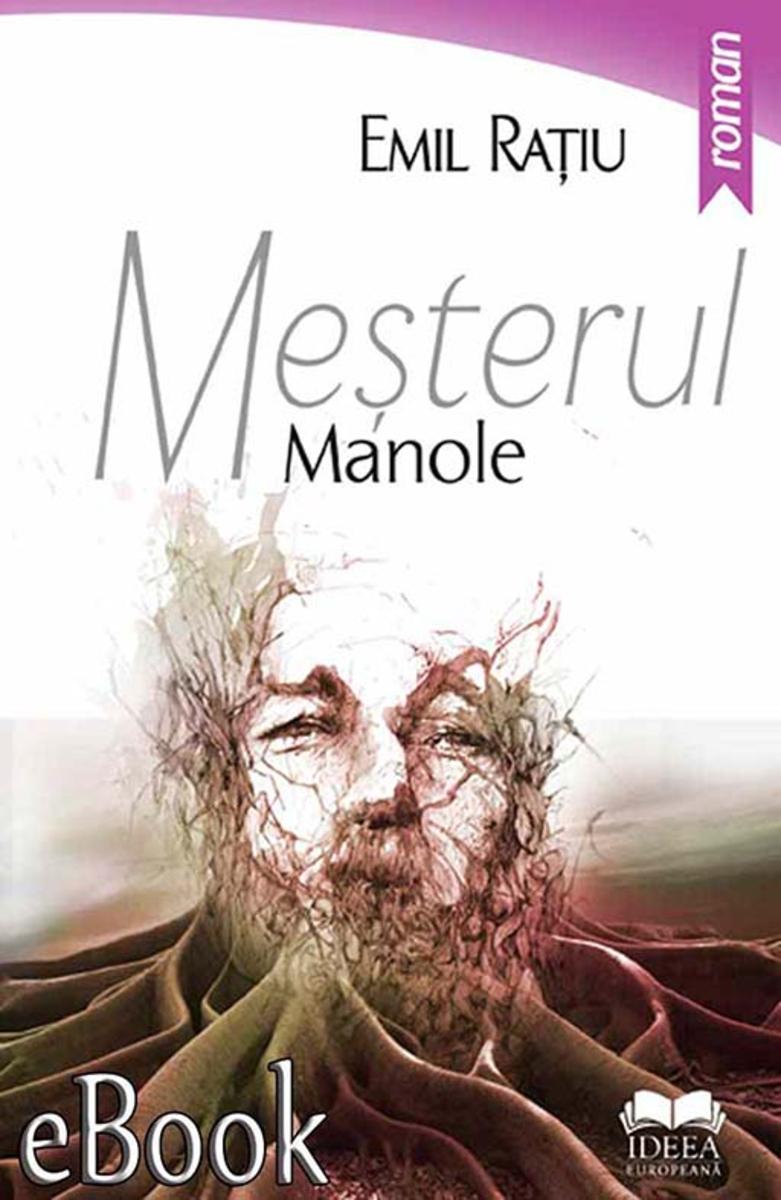
Me?terul Manole
¥77.66
Dac? spun un adev?r incomod sunt tratat? ca un trouble-fête. Dac? regret radicalismul sau lipsa de tact de a emite un adev?r nepl?cut, mi se sugereaz? c? sunt la??. Dac? sunt vis?toare sau patetic?, mi se spune c? sunt dep??it?. C?nd sunt trist? ?i m? ascund dup? masca unei veselii debordante, mi se z?mbe?te insidios: ei, ascunde ea ceva. C?nd spun ?n gura mare ceea ce cred, sunt ?fichiuit? cu sarcasme. Iar atunci c?nd abordez teme majore, mi se sugereaz? c? sunt expirat?. Nu, nu exist? nici un fel de comunicare. La mijloc sunt, mai degrab?, ni?te savante mecanisme menite s?-?i deformeze faptele, iar, ?n ultim? instan??, imaginea, ?i s?-?i taie orice elan, pentru ca, ?ntr-un t?rziu, s? te fac? s? alegi, iar??i, singur?tatea – mam? bun?, aspr?, cald? – ?n iadul-raiul de fiecare zi.S? te re?ntorci ?n subterana ta mereu acela?i, mereu altul, tu, cel care e?ti ?i devii ceea ce e?ti. Aici e marea judecat?. ?ntre pere?ii acoperi?i cu c?r?i ?ncepe cunoa?terea. Restul sunt vorbe, fantezii, toane, divaga?ii, ?nt?mpl?ri m?runte, scurse dinspre realitatea de fum, a c?rei amintire e proasp?t? ?i-at?t de vie. Orgoliul, smerenia ?i asprimea ?ndreptat? ?mpotriva ta ??i vor fi sfetnici.Carnea trec?toare a cui sunt, Doamne? (Aura Christi)


