


 购物车
购物车 个人中心
个人中心
Végkifejlet
¥66.79
Végkifejlet
A ferde ház
¥49.30
A ferde ház
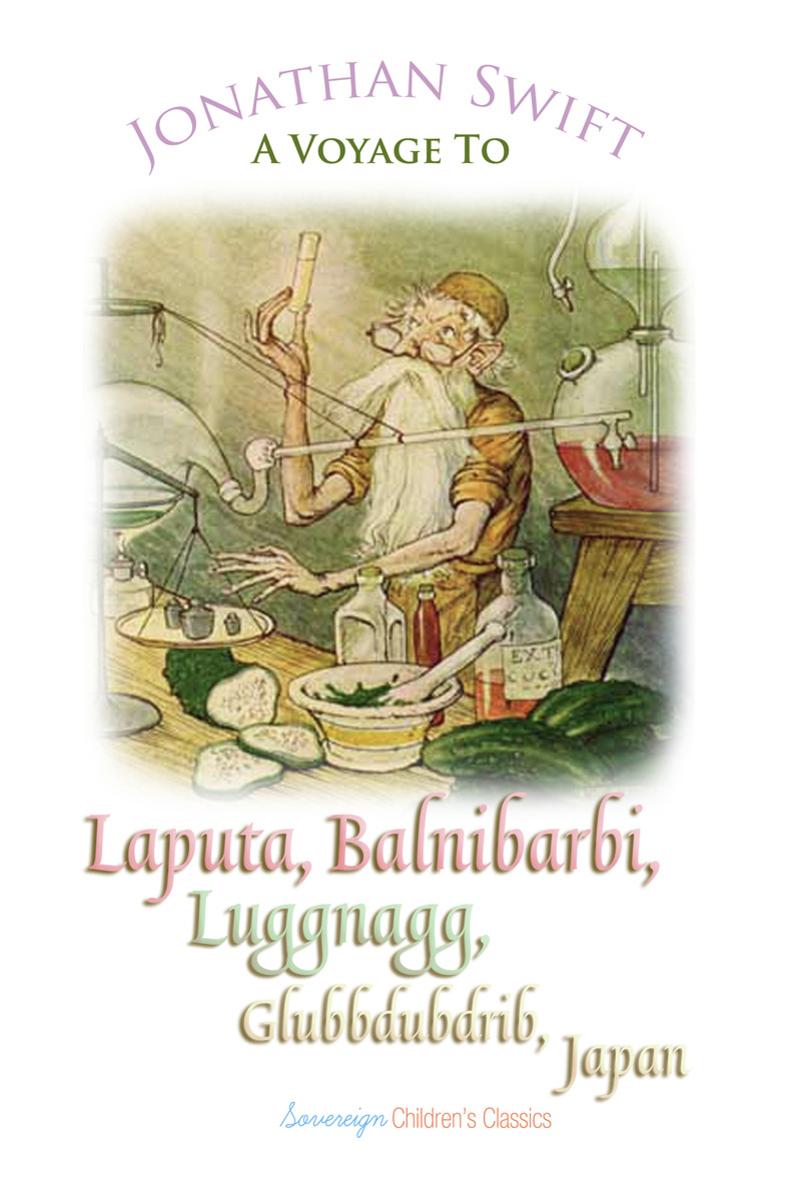
A Voyage to Laputa, Balnibarbi, Luggnagg, Glubbdubdrib and Japan
¥40.79
Gulliver sets sail again and, after an attack by pirates, ends up in Laputa, where a floating island inhabited by theoreticians and academics oppresses the land below, called Balnibarbi. The scientific research undertaken in Laputa and in Balnibarbi seems totally inane and impractical, and its residents too appear wholly out of touch with reality. Taking a short side trip to Glubbdubdrib, Gulliver is able to witness the conjuring up of figures from history, such as Julius Caesar and other military leaders, whom he finds much less impressive than in books. After visiting the Luggnaggians and the Struldbrugs, the latter of which are senile immortals who prove that age does not bring wisdom, he is able to sail to Japan and from there back to England.
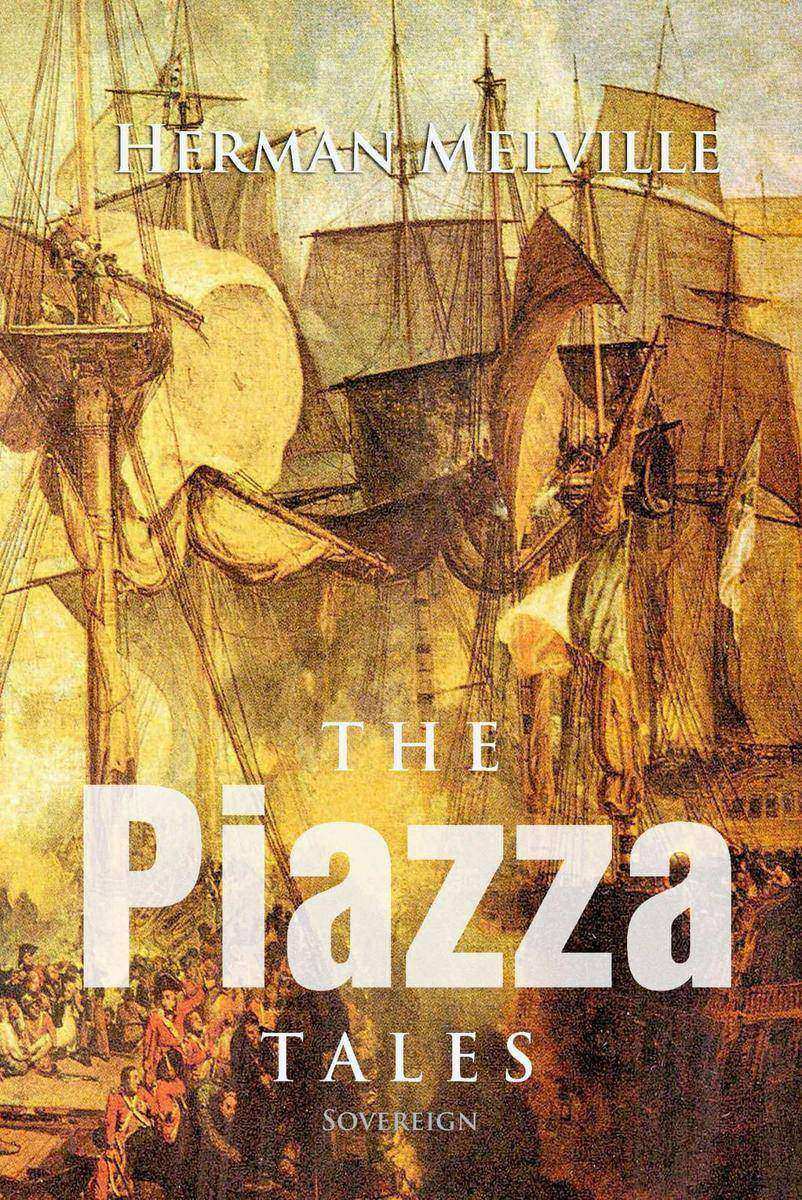
The Piazza Tales
¥40.79
The Piazza Tales is the only collection of short stories by Herman Melville including: The Piazza, Bartleby, Benito Cereno, The Lightning-Rod Man, The Encantadas, The Bell-Tower.
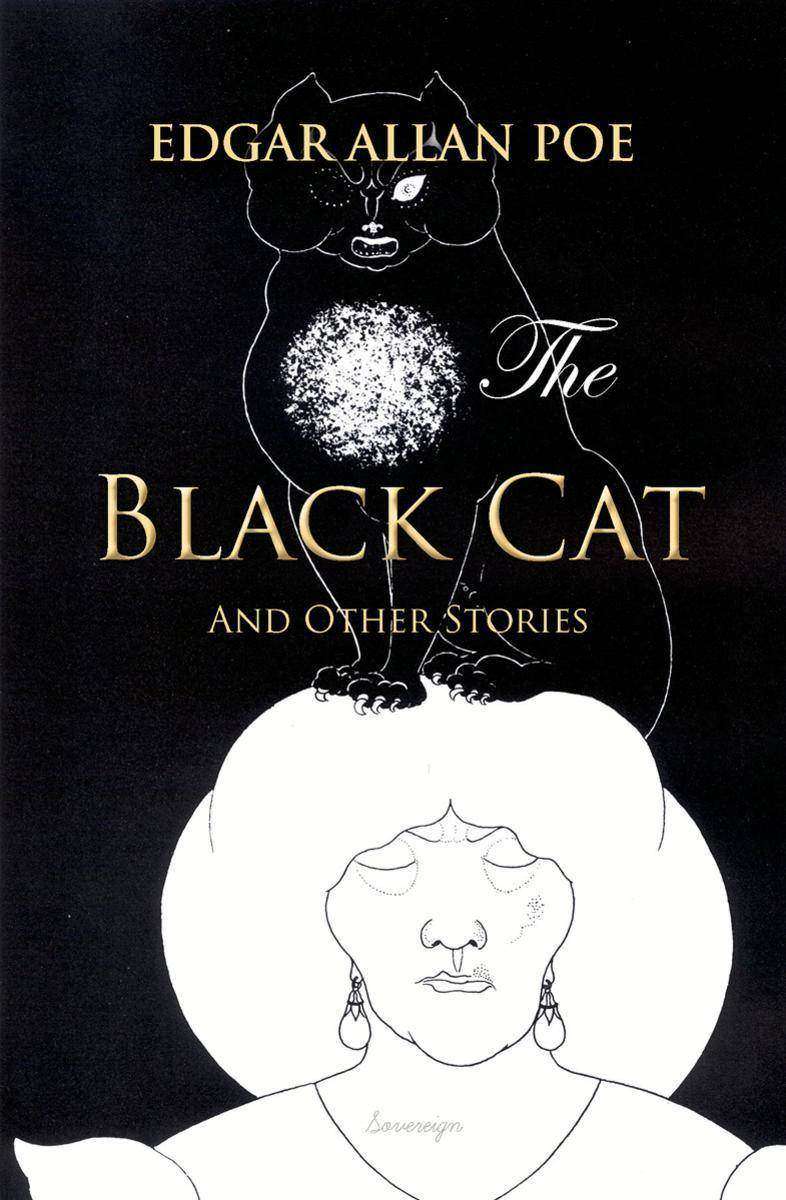
The Black Cat and Other Stories
¥40.79
Our pet-loving narrator injures his black cat under heavy influence of alcohol. From that moment onward, the cat flees in terror at his master's approach but this does not save Pluto from his master and eventually leads to Pluto's death and a mysterious house fire. The mystery does not end there and leads to even more unexpected events. The book features twenty other stories including: The Fall of the House of Usher, The Masque of the Red Death, The Imp of the Perverse.
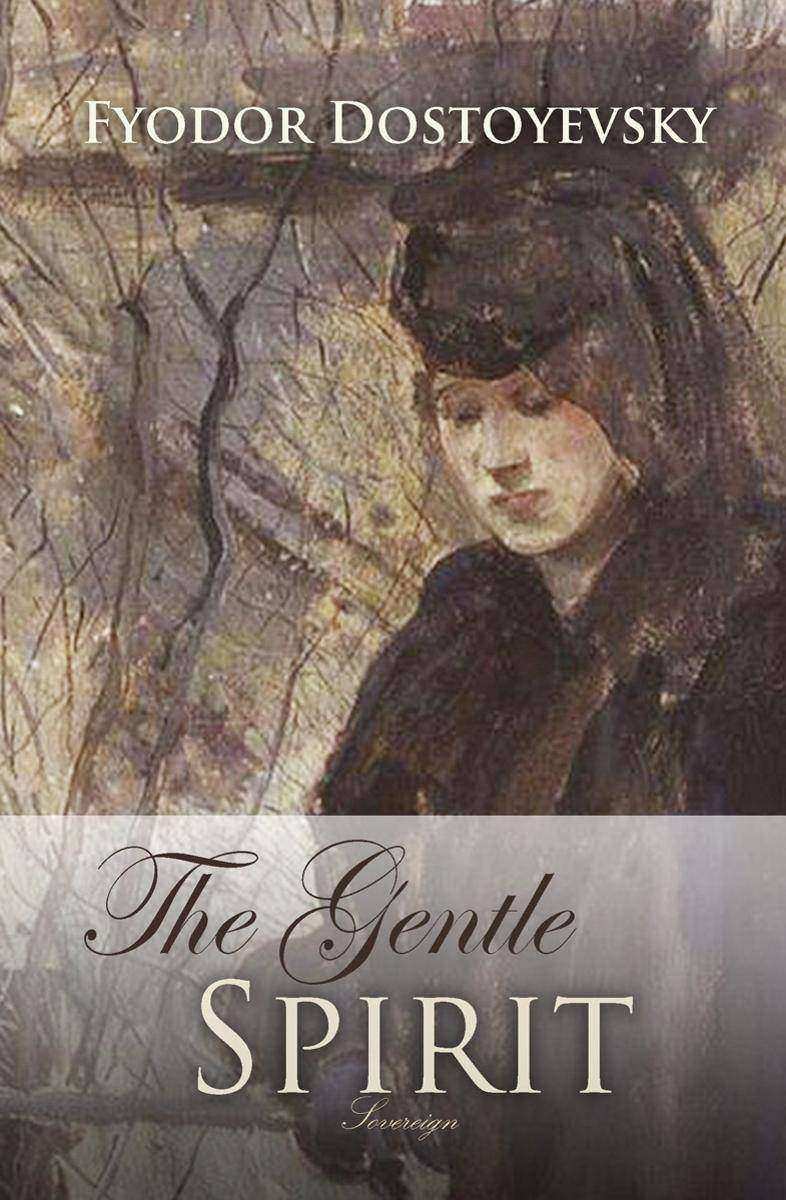
The Gentle Spirit: A Fantastic Story
¥40.79
Can too much love be fatal? You are about to find out in this exquisite psychological drama between the owner of a pawnshop and his wife. The narrator's marriage started out cordially enough, but his miserly and reserved ways are taxing to his young wife. A dearth of communication and disagreements about how the pawnshop should be run result in arguments, though the narrator insists that they never quarrelled. One fine morning the narrator opens his eyes to see that his wife is standing over him with the revolver pointed at his temple.

The Autobiography of Benjamin Franklin
¥8.09
Space and Time are pleased to bring you this classic presented as a wonderfully presented edition with a fully interactive table of contents.

The Blue Hotel and Other Stories
¥40.79
Three visitors find shelter from a blizzard at Pat Scully's hotel: a nervous New Yorker known as the Swede, a rambunctious Westerner named Bill, and a reserved Easterner called Mr. Blanc. The Swede becomes increasingly drunk, defensive, and reckless. He is later murdered at the bar.
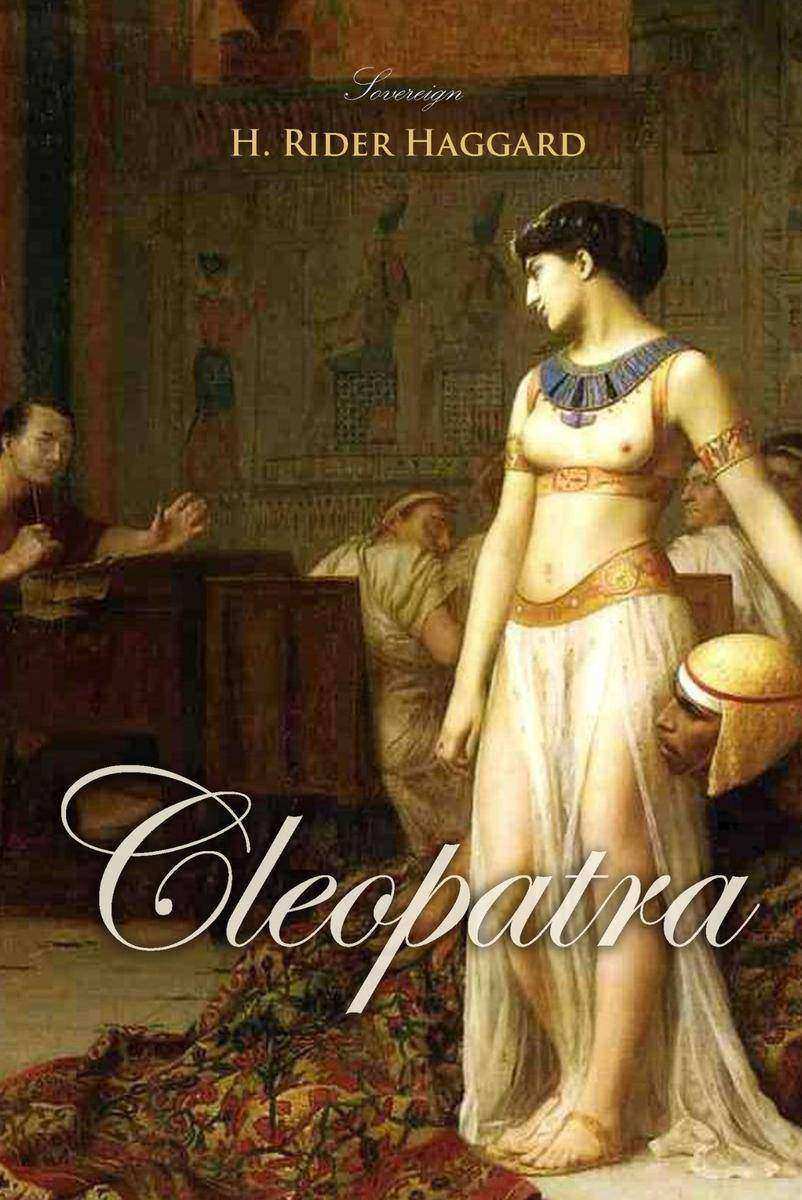
Cleopatra
¥40.79
The story of the survival of a dynasty bloodline protected by the Priesthood of Isis, setin the Ptolemaic era of Ancient Egyptian history. The main character Harmachis is charged by the Priesthood to overthrow the supposed impostor Cleopatra, drive out the Romans and restore Egypt to its golden era.
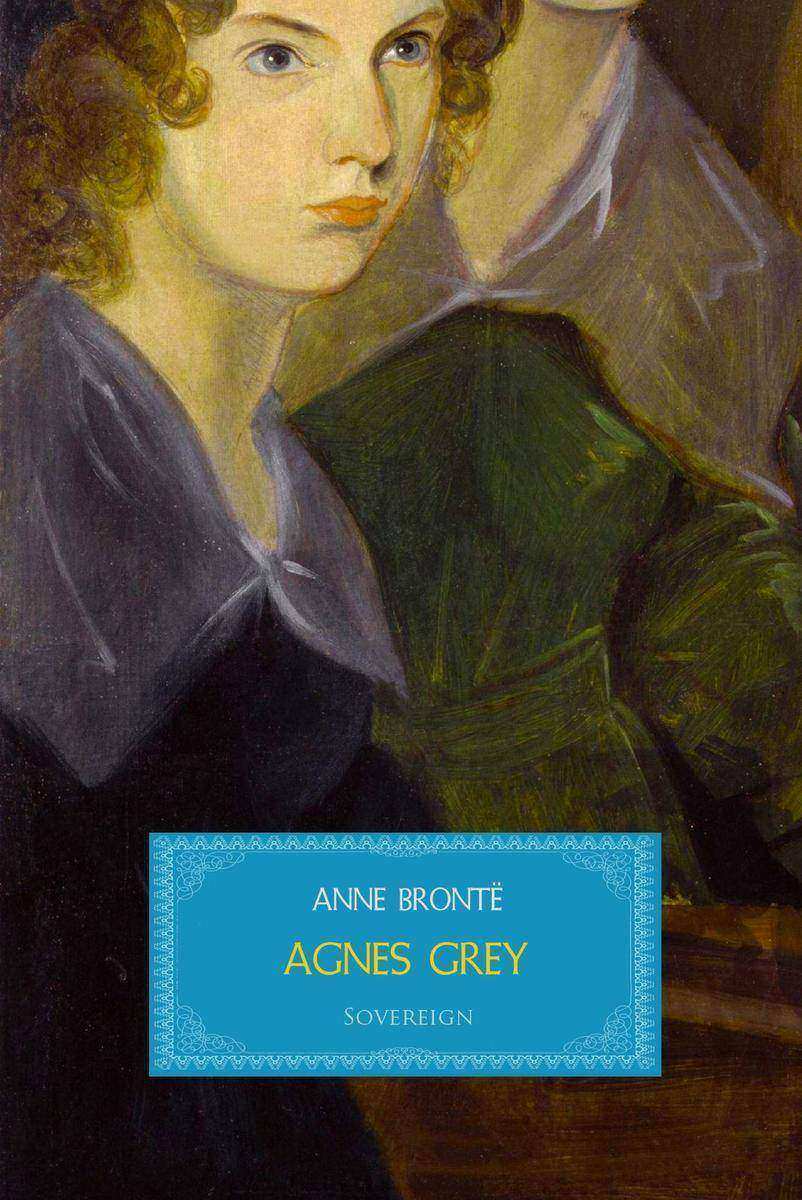
Agnes Grey
¥40.79
The novel follows Anges and her uneasy path to personal happiness and a romance with Mr. Weston. Agnes, her sister, Mary, and their mother all try to keep expenses low and to bring in extra money, but Agnes is frustrated that everyone treats her like a child. To prove herself and to earn money, she starts working as a governess, teaching children of rich families. Agnes Grey is an autobiographical novel with strong parallels between its events and Anne Bronte's own life as a governess.
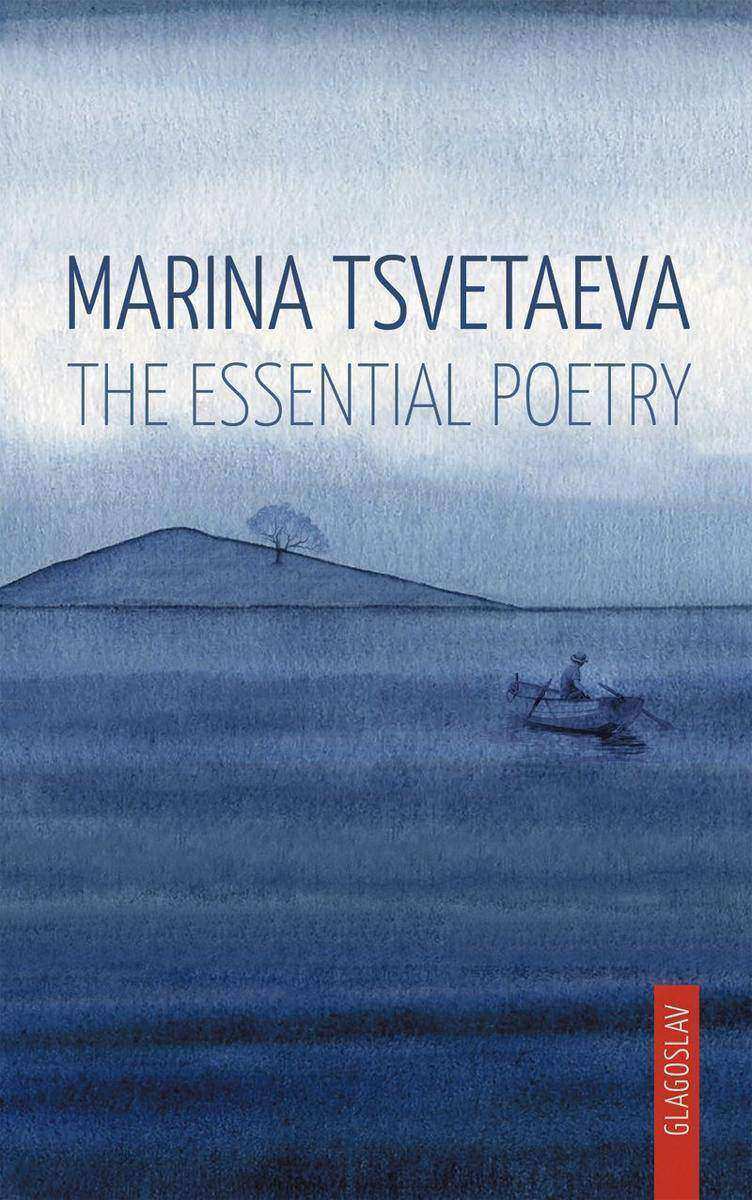
The Essential Poetry
¥90.03
Marina Tsvetaeva: The Essential Poetry includes translations by Michael M. Naydan and Slava I. Yastremski of lyric poetry from all of great Modernist Russian poet Marina Tsvetaeva’s published collections and from all periods of her life. It also includes a translation of two of Tsvetaeva’s masterpieces in the genre of the long poem, “Poem of the End” and “Poem of the Mountain.” The collection strives to present the best of Tsvetaeva’s poetry in a small single volume and to give a representative overview of Tsvetaeva’s high art and development of different poetic styles over the course of her creative lifetime. Also included in the volume are a guest introduction by eminent American poet Tess Gallagher, a translator’s introduction and extensive endnotes. Naydan and Yastremski have previously published a well-received annotated translation of Tsvetaeva’s collection After Russia with Ardis Publishers. The fourteen previously published translations from the After Russia collection have been revised for this volume.
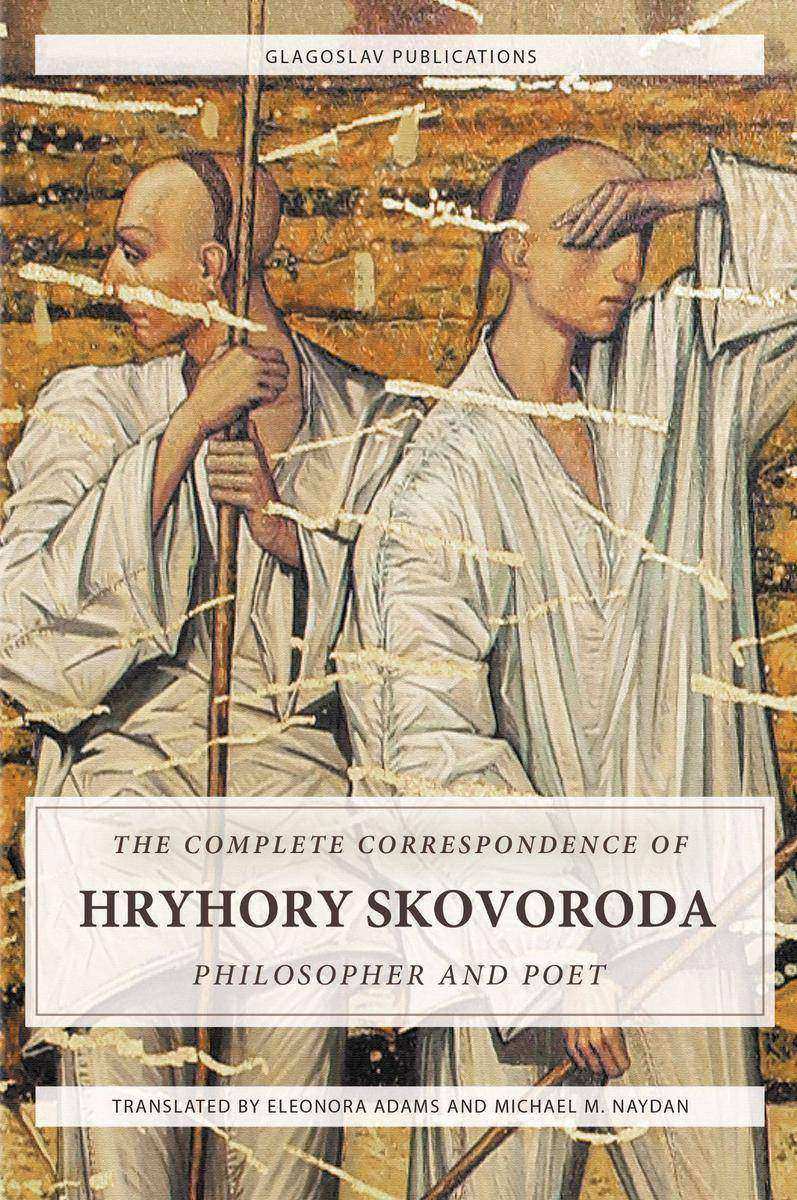
The Complete Correspondence of Hryhory Skovoroda:Philosopher And Poet
¥90.03
The religious philosopher and poet Hryhory Skovoroda (1722-1794) is described by many as the Ukrainian Socrates and was one of the most learned men of his time. He was a polyglot who knew the Bible virtually by heart, as well as the writings of the Church Fathers and the literature of Greek and Roman antiquity. The eminent literary critic Ivan Dziuba considers Skovoroda the greatest Ukrainian mind ever. And Yuri Andrukhovych, one of the most prominent Ukrainian writers of today, calls him “the first Ukrainian hippie” on account of his itinerant lifestyle and rejection of worldly life. The impact of Skovoroda’s life and works has been well documented on major writers in future generations, such as Leo Tolstoy, Andrei Bely and Pavlo Tychyna, to name but a few. None of Skovoroda’s works appeared during his lifetime – they were first published in 1837 in Moscow. The texts of Skovoroda’s writings were preserved mostly by Skovoroda’s lifelong friend Mykhailo Kovalynsky, to whom he had given the manuscripts. Skovoroda’s extant writings consist of a collection of thirty poems entitled The Garden of Divine Songs along with other occasional poems, a collection of fables entitled Kharkiv Fables, which was published in 1990, and seventeen philosophical treatises. Most of the treatises were composed during the latter part of his life. The letters of Skovoroda are appearing in their entirety here in English for the first time, accompanied by a guest introduction by Leonid Rudnytzky. This title has been realised by a team of the following dedicated professionals: Translated by Eleonora Adams and Michael M. Naydan, Edited by Liliana M. Naydan, The cover shows a detail from Blessing of the Road, by Mykola Kumanovsky from the Woskob Private Collection, Interior Design by Dmytro Podolyanchuck, Guest Introduction by Leonid Rudnytzky, Maxim Hodak - Максим Ходак (Publisher), Max Mendor - Макс Мендор (Director), Ksenia Papazova.

Andrei Tarkovsky:A Life on the Cross
¥90.03
Andrei Tarkovsky died in a Paris hospital in 1986, aged just 54. An internationally acclaimed icon of the film industry, the legacy Tarkovsky left for his fans included Andrei Rublev, Stalker, Nostalgia and a host of other brilliant works. In the Soviet Union, however, Tarkovsky was a persona non grata. Longing to be accepted in his homeland, Tarkovsky distanced himself from all forms of political and social engagement, yet endured one fiasco after another in his relations with the Soviet regime. The Soviet authorities regarded the law-abiding, ideologically moderate Tarkovsky as an outsider and a nuisance, due to his impenetrable personal nature. The documentary novel A Life on the Cross provides a unique insight into the life of Andrey Tarkovsky, the infamous film director and a man whose life was by no means free of unedifying behaviour and errors of judgement. Lyudmila Boyadzhieva sets out to reveal his innate talent, and explain why the cost of such talent can sometimes be life itself.
Legende urbane. Saga lui Mathias Coback
¥40.79
O poezie de o stranietate izbitoare, o lume postapocaliptic cldit pe datele unui imediat nstrinat. O poezie rece, tioas, ritmat (ritmul i aduce aportul formal la respectiva stranietate) care pune n dialog un Eu bntuit de moarte, pe care o citete, o palpeaz n toate detaliile unui univers cvasimitologic pe care-l construiete tocmai pentru a o putea circumscrie. Eul acesta al lui Kemény se afl ntr-o continu stare de asediu pe care o transfer asupra cititorului ideal adoptnd de multe ori structura narativ a mitului, a povestirii legendare (...)Materia are o greutate sufocant n poemele lui Kemény, contrastnd parc cu imaginile aflate n continu micare i transformare. Un vag suprarealism care aduce oarecum, vizual, cu acele videoclipuri ale anilor ’90 trzii, care mizau, pentru a obine stranietatea, pe ocul dat de alternarea dintre accelerarea brusc a micrii i aspectul static al temei mitologice (m gndesc n special la Metallica, clipul de la Until it sleeps)Un volum excelent, un adevrat manual de poezie care sun, datorit lui Andrei Dósa, impecabil.“ – Bogdan Alexandru Stanescu

B?tr?na canapea albastr? ?i alte povestiri
¥32.62
eu rd ca s nu gndesc,tu rzi de mutrele mele,de lustra din tavan,de piciorul mesei.sunt att de mic sub tinenct nu m vede nimeni de pe marte.dac big brother triete,pe tine te observ primul.“

O s? m? ?tii de undeva
¥48.97
Cum se vede orbirea. ?ntr-o colec?ie de eseuri ?n care studiul biografic se ?mbin? p?n? la indistinc?ie cu fic?iunea, Julián Fuks face o incursiune puternic subiectiv? ?n via?a ?i opera a trei dintre cei mai cunoscu?i scriitori ai secolului XX. Inova?ia ?n literatur? nu este singurul punct comun al celor trei biografii, cel asupra c?ruia Fucks se va opri fiind orbirea, ca incident care ?i va afecta pe to?i. Trecerea de la lumea perceput? cu toate cele cinci sim?uri la universul ?n care culorile sunt proiec?ii ale min?ii ?i vagi amintiri difer? de la un autor la altul, iar Fucks va descrie ?i completa prin propria imagina?ie creatoare felul ?n care Borges, Jo?o Cabral ?i Joyce – deveni?i personaje – aleg s?-?i gestioneze limitele senzoriale.

Cum s? fii o fat? rea
¥65.32
B?rba?ii vin de pe Marte, femeile de la coafor este urmarea best-sellerului Femeile vin de pe Venus, b?rba?ii de la b?ut. Ambele volume s-au n?scut ?n paginile s?pt?m?nalului satiric Ca?avencii. De?i pare c? e vorba de un ?r?zboi ?ntre sexe“, ?n realitate, autorii n-au dus niciodat? un r?zboi, ci un dialog. R?nd pe r?nd, toate stereotipurile care circul? despre via?a de cuplu au fost puse ?ntr-o lumin? umoristic?, eliberatoare. Primul volum s-a bucurat de o primire extraordinar? din partea publicului, ating?nd ?n mai pu?in de doi ani de la lansare un tiraj de aproape 20.000 de exemplare. Ne face pl?cere s? v? oferim acum continuarea lui, const?nd ?ntr-o nou? colec?ie de texte pline de umor, inteligen?? ?i autoironie. * * * De unde naiba s? ?tie b?rbatul care-i sunt hainele murdare??? ??i miroase, timp de dou? ore, toate c?rpele de pe scaunul-cuier. Le ?mparte ?n dou? gr?mezi, unele curate ?i altele murdare. C?nd, transpirat, anun?? c? a terminat, bestia de so?ie se ?nfiin?eaz? ?i ia ambele mormane la sp?lat. — De ce le iei ?i pe-alea curate? o ?ntreab?, confuz. — Pentru c? sunt jegoase. ?i d?-le ?i pe toate alea de pe tine, c? put. — Dar sunt proasp?t sp?late, le-am luat de-abia acum o s?pt?m?n?. Vr?jitoarea e ?ns? de neclintit. ?i ?ntoarce spatele ?i iese, l?s?ndu-l gol, dezorientat, umilit ?i mirosindu-se la subra?. * * * C?nd e o hain? murdar?? C?nd te-ai uitat la ea. Ai p?ng?rit-o cu privirea ta. E ca ?i cum s-a frecat un pechinez ?n c?lduri pe ea, trebuie aruncat? la sp?lat. Multe femei stau la u?a ?ifonierului ?i te urm?resc c?nd ??i alegi haine: — Haaaa, tricou atins, tricou ?mbr?cat, tricou ?mpu?iiiiit!
Nietzsche ?i muzica
¥48.97
De ce fr minotaur Fiindc literatura, din perspectiva mea, este un labirint, iar naintarea n ea, una plin de pericole, topite ns n pura iridiscen. Un labirint, dar unul radios, menit s atrag atenia asupra infinitii de jocuri ascunse n textul literar. Jocuri care te prind (mai bine-zis te seduc), doar ca s te poi elibera, s fii vzut n mijloc, schind un salut triumfator – poate spre nite prieteni nevzui. Cu nimic altceva n jur dect pietre ncinse, ncrustate cu nestemate. Nevoit s mergi mereu nainte, lai averea asta altcuiva, n-o poi lua cu tine – sensul e s iei din labirint cu totul nud (neatins de prejudeci ori de cliee), fr cicatrici literare, literatura s fie pentru tine o poart, nu o temni. Ea poart, ntr-adevr, n sine, aceast imens generozitate. Niciun minotaur care s te sfie, doar picurul de miere al bucuriei lecturii, pe lespezile arse de soare: suntem la amiaz, ateni, vigili (minotaurul ar fi doar creaia noastr). Senzaia de deschidere druit de literatur st deci la originea acestei cri, mai degrab un sinuos autoportret de cititor (nu att narcisiac, ct fidel siei) dect o lucrare sistematic. Un chip caleidoscopic, conturat din capricii reunite, firesc, ca rsplata pentru a fi urmrit cu ncredere traiectoria neregulat a lecturii – sinuozitate nelipsit totui de un sim al unitii, tradus n meditaia continu asupra unor noiuni precum familiaritate i alteritate, a relaiona ori a insolita.“ – Simona Grazia Dima
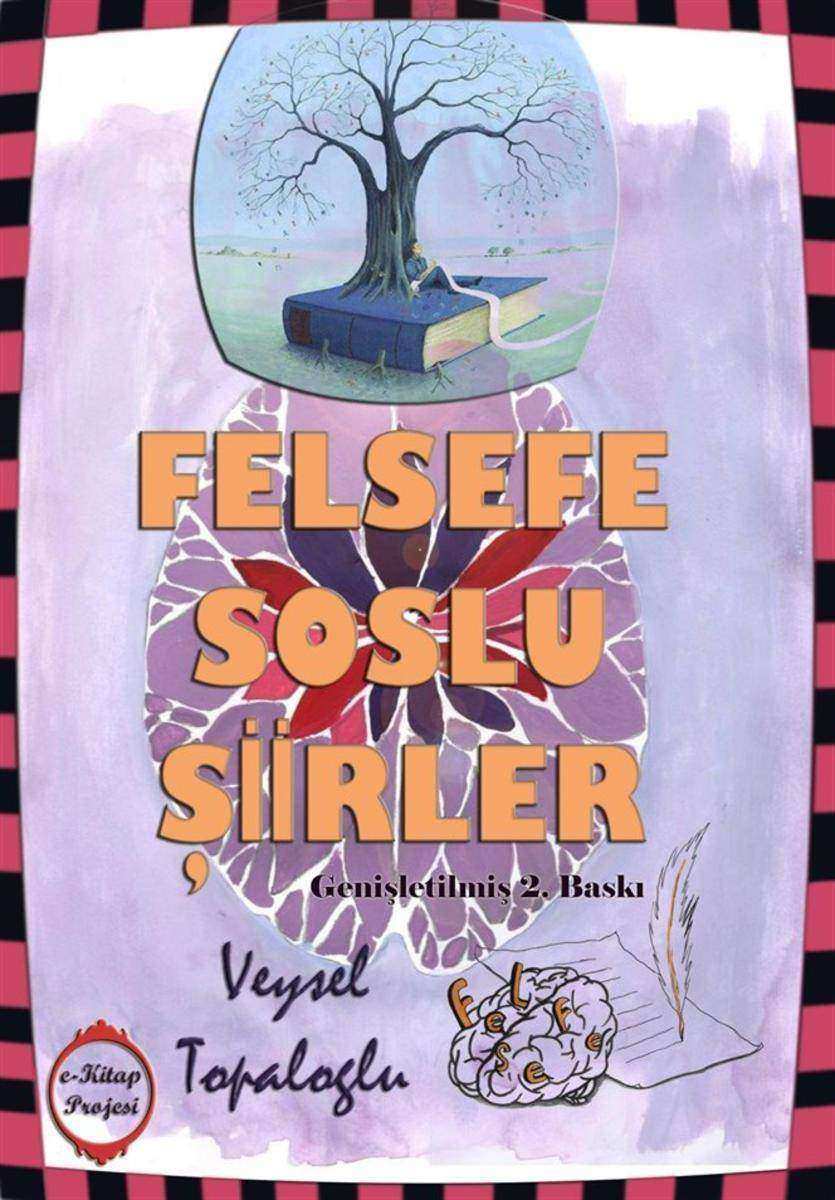
Felsefe Soslu ?iirler: (Geni?letilmi? 2. Bask?)
¥23.14
YAKINDA SIRA G?KY?Z?NE DE GELECEK! ? ?ilahi nizama(Yarat?l?? Yasalar?na) g?re, yeryüzünün hi? bir yeri; hi? bir insana ve zümreye ait de?ildir. ?nsani düzene g?re ise ger?ek tamamen farkl? olup yeryüzü parsel, parsel ya?malanm?? olup nehirler, g?ller, denizler ve hatta k?talar bir avu? az?nl??a ya da zümreye hizmet etmektedir. S?z konusu bu az?nl?klar dünyan?n kaynaklar?n? ?e?itli y?ntemlerle dev?irip s?mürmektedirler. ??S?mürü sadece do?al kaynaklarla s?n?rl? olmay?p dünya üzerinde ya?ayan tüm canl?lar? da kapsamaktad?r. Bundan, tek hücreli organizmalar da nasibini almakta ve efendilerinin ahlaks?z ama?lar?na hizmet etmeye mecbur kalmaktad?r. Bu azg?n küresel s?mürgeciler, insanlar?n beden ve beyin gü?lerini s?mürdükleri yetmezmi? gibi ?imdilerde zihinlerini de ele ge?irmeye y?nelik yo?un bir gayret i?indedirler. ??S?mürgeciler, kaynaklardan dev?irdikleri de?erleri ?nce paraya daha sonra ise parayla birlikte bu kaynaklar? da kullanarak gü? dev?irmekte olup ?bu b?yle katlanarak devam etmektedir. Küresel emperyalistler, s?mürü düzenini hepimizin iyi bildi?i yedi(S) arac?l???yla, yani onlar? de?er dev?irmekte kullanarak ger?ekle?tirir. ? Bunlar s?ras?yla: Su (G?da),Sa?l?k, Seks, Silah, Sanat, Spor ve Siyaset olarak s?ralanabilmektedir. S?ra gü? dev?irmeye gelince bu s?ralamada siyaset birinci s?raya ge?mektedir. Sebebine gelince s?mürgeci en ?ok siyaseti ?veya baz? siyaset?iyi, ?baz? siyaset?iler ise bu sayd?klar?m?z?n tümünü birden kullanmaktad?rlar. ??Birde s?mürgecilerin elinde, onlar?n ?ok sevdikleri bir ba?ka (S) olan ad?na Sava? denilen alt?n (S) vard?r. Sava?lar?n ara?lar? ise sizlerin de ?ok iyi bildi?i gibi temel iki unsura dayanmaktad?r. Bunlar, dindarl?k ve kindarl?k olup toplumlar ayr??t?r?l?p dü?man kamplara b?lüne bilmeleri i?in; ya inan? farkl?l?klar?, ya da tarihin bir d?neminde atalar?n?n birbirlerine yapt?klar? yanl?? davran??lar? k?rükleyerek dü?manl?klar? yaratmaktalar. Sonras?nda da dü?manla?t?r?lan toplumlara gaz verirler, onlar sava??rken bunlar bir yandan silah satarken bir yandan da ya?malar?n?(has?latlar?n?) hazinelerine katarlar? ???nsanlar?, insanl???ndan ??karan, herkesi paran?n pe?inden ko?turan; en ac?s? da para i?in her türlü de?erlerinden vazge?ebilmeyi ba?ar? gibi sunan bu ?arp?k sisteme kar??: Bizler akl?m?z? ba??m?za toplamaz ve s?mürgecilerin de?irmenine su ta??maya devam etmeyi sürdürürsek; ?o zaman g?kyüzüne iyi bakal?m! ?ünkü; korkar?m :Torunlar?m?z g?kyüzünü b?yle mavi olarak bir daha zor g?rebilecekler !!! ?SADEKUL ? Y ? Z L E ? M E ( MAN?FESTO ) ?- G ? R ? ? ?TOPLUMSAL PAST?R?ZASYONLAR VE SAKINCALARI "Sosyolojik Past?rizasyon ve Yeni Bir Düzen ?zerine ?zgün Yakla??m" Hepimizin ?ok iyi?bildi?i gibi; kurals?z ya?ayan insan topluluklar? tarih i?erisinde kurall? ya?ama ge?erek; birer düzen toplumlar? haline gelmi?lerdir ??te: Toplumlar?n egemen oldu?u bu topraklar üzerinde ya?ayan bireylerinin hak ve ?zgürlüklerinin s?n?rlar?n? belirleyen bu tek siyasi erkin ad?na devlet denilmektedir. Bu ?rgütün, en temel g?revi yurtta?lar?n?n i? ve d?? güvenli?ini sa?lamak olmakla birlikte; devlet bu sorumlu?unu yerine getirirken ise her zaman herkese kar?? tarafs?z ve e?itlik?i olmak mecburiyetindedir. ?zellikle de i? güvenli?i sa?larken; hem kendisinden yurtta?lar?n?, hem de yurtta?lar?n? yurtta?lar?ndan korumakla yükümlüdür. Ayr?ca bireylerin beden ve ruh sa?l??? da tamamen bu ?rgütün güvencesinde olup devletler her ko?ulda ki?ilerin beden bütünlü?ü ile zihin sa?l???n? da korumaktan da soruludurlar.
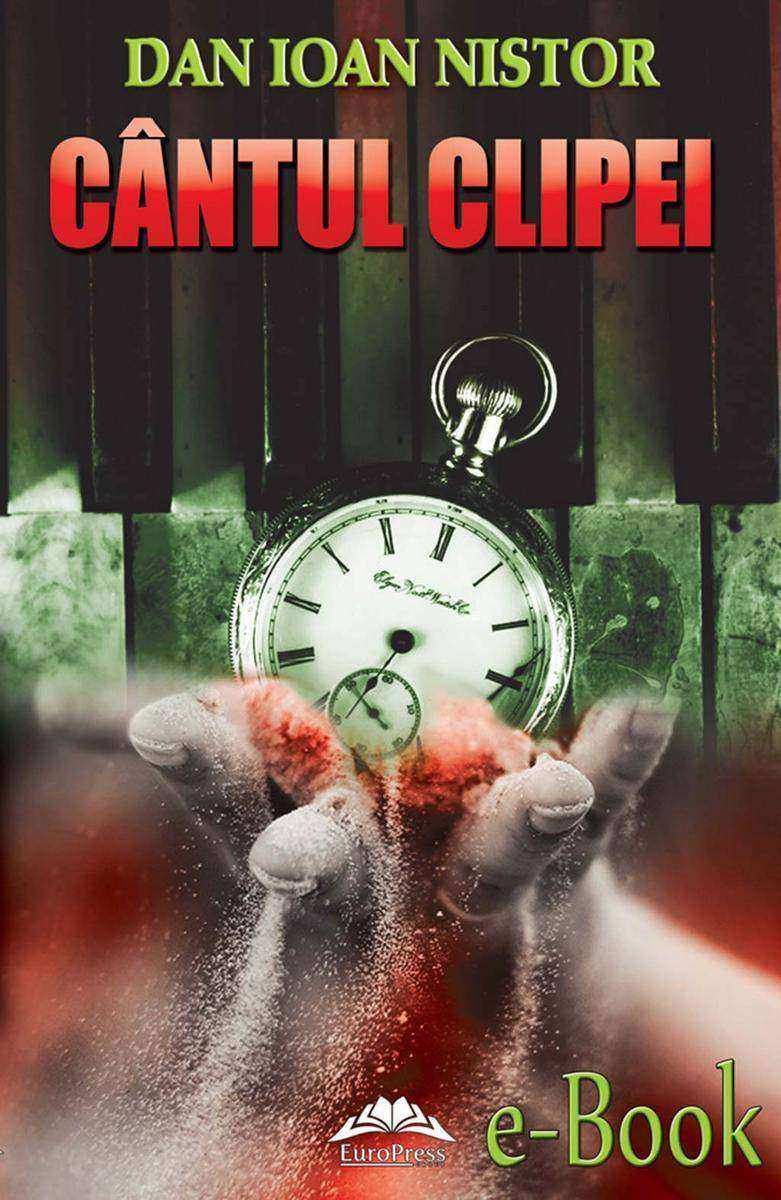
C?ntul clipei
¥24.44
Marieta Rdoi Mihi face parte din acea restrns categorie de poei a cror creaie este lipsit de metafora spectaculoas (glgioas!), beneficiind ns de taina cuvintelor, dnd alturrii acestora acea imprevizibilitate, venind parc dinspre Mallarmé sau, i mai aproape de noi, de la Ion Barbu, acest farmec al imprecisului care asigur autoarei o indiscutabil originalitate i esenializare a acestei poetici.“ – Radu Crneci
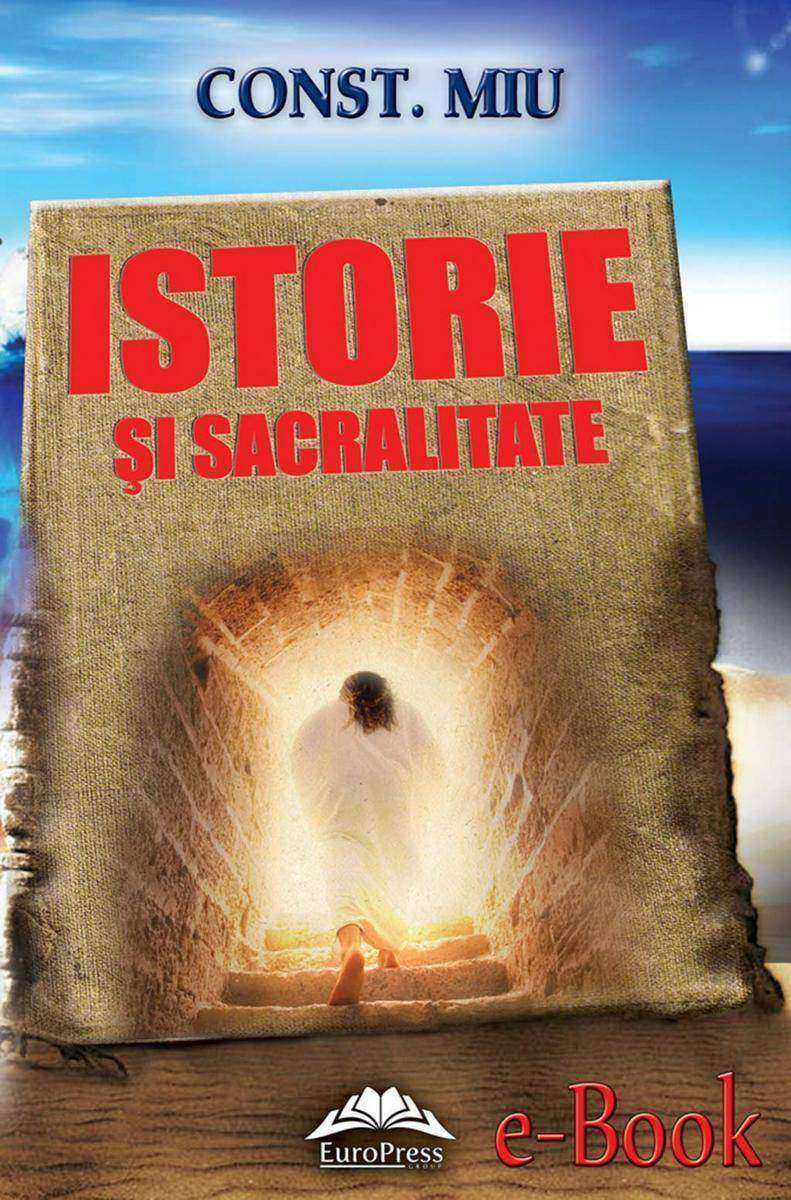
Istorie ?i sacralitate
¥16.27
Cartea v? propune spre lectur? o sum? de eseuri inedite, inspirate de la chestiuni cvasi-cotidiene sau rezultate din c?ut?ri la care ne ducem mai rar cu gândul. În plus, atât pentru condimentarea experien?ei de lectur?, cât mai ales pentru democratizarea conceptului de antropologie (în jurul c?ruia graviteaz? prozele din cuprins), seria de eseuri – fuzionând idei de psihologie, sociologie ori de filosofie – este punctat? (ini?ial, median ?i final) cu câte o proz? fic?ional? din seria interpret?rilor speculativ-antropologice de mituri ?i legende populare (aici fiind vizate baladele "Monastirea Arge?ului" ?i "Miori?a"), serie de autor început? odat? cu cartea "Întoarcerea fratelui risipitor" (Editura Europress, Bucure?ti, 2014). Volumul de fa?? aduce cititorului un amalgam de provoc?ri pentru minte ?i pentru inim?, într-un melanj pastelat, sus?inut pe tot parcursul de împletitura a trei filoane esen?iale: auto-ironie, umilin?? ?i duio?ie. De altfel, ideea de smerenie – atât cea subiectiv? cât ?i cea extins? la întreaga specie – constituie aici o reiterare definitorie. Parcurgerea c?r?ii se poate dovedi o experien?? deosebit? atât pentru cititorul pasionat de beletristic? cât ?i pentru cel atras de eseistica de idei. Profunzimile ?i perspectivele vor surprinde adesea.


