


 购物车
 个人中心

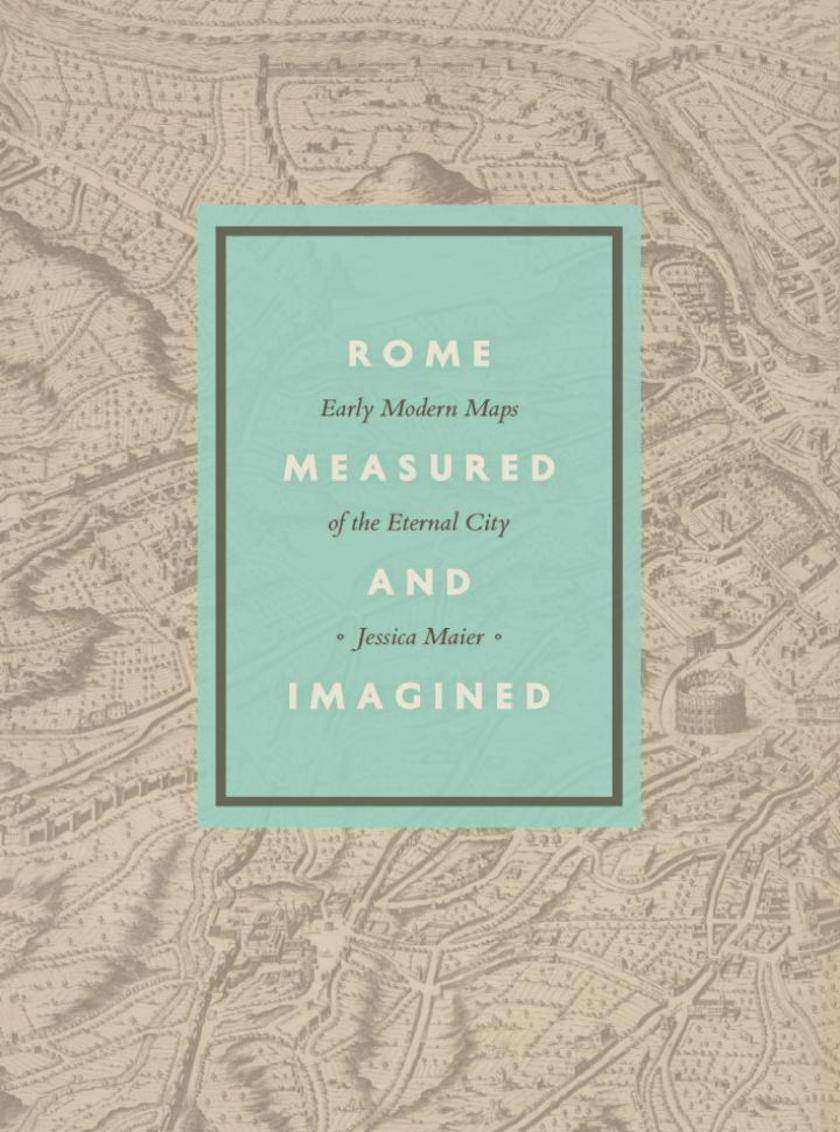
Rome Measured and Imagined
¥412.02
At the turn of the fifteenth century, Rome was in the midst of a dramatic transformation from what the fourteenth-century poet Petrarch had termed a "e;crumbling city"e; populated by "e;broken ruins"e; into a prosperous Christian capital. Scholars, artists, architects, and engineers fascinated by Rome were spurred to develop new graphic modes for depicting the city-and the genre known as the city portrait exploded.In Rome Measured and Imagined, Jessica Maier explores the history of this genre-which merged the accuracy of scientific endeavor with the imaginative aspects of art-during the rise of Renaissance print culture. Through an exploration of works dating from the fifteenth to the eighteenth centuries, her book interweaves the story of the city portrait with that of Rome itself.Highly interdisciplinary and beautifully illustrated with nearly one hundred city portraits, Rome Measured and Imagined advances the scholarship on Renaissance Rome and print culture in fascinating ways.
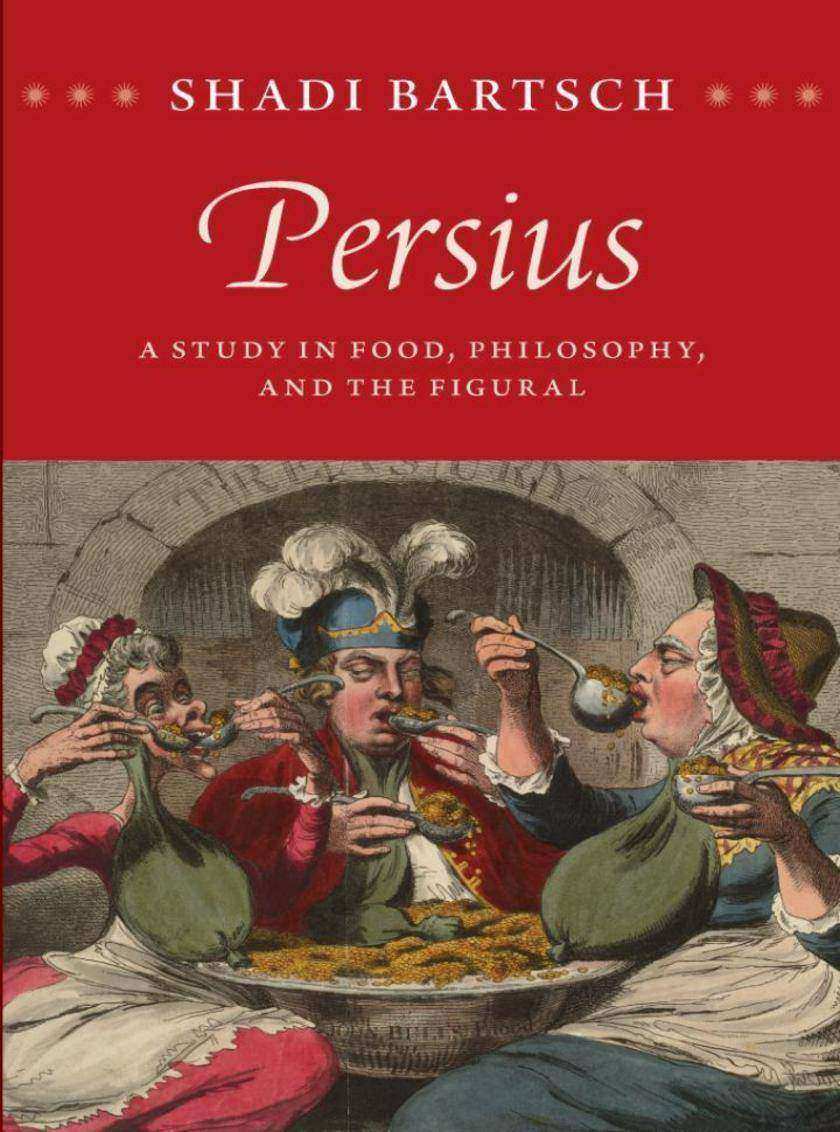
Persius
¥412.02
The Roman poet and satirist Persius (34-62 CE) was unique among his peers for lampooning literary and social conventions from a distinctly Stoic point of view. A curious amalgam of mocking wit and philosophy, his Satires are rife with violent metaphors and unpleasant imagery and show little concern for the reader's enjoyment or understanding.In Persius, Shadi Bartsch explores this Stoic framework and argues that Persius sets his own bizarre metaphors of food, digestion, and sexuality against more appealing imagery to show that the latter-and the poetry containing ?it-harms rather than helps its audience. Ultimately, he encourages us to abandon metaphor altogether in favor of the non-emotive abstract truths of Stoic philosophy, to live in a world where neither alluring poetry, nor rich food, nor sexual charm play a role in philosophical teaching.

Culture of Disaster
¥394.36
From antiquity through the Enlightenment, disasters were attributed to the obscure power of the stars or the vengeance of angry gods. As philosophers sought to reassess the origins of natural disasters, they also made it clear that humans shared responsibility for the damages caused by a violent universe. This far-ranging book explores the way writers, thinkers, and artists have responded to the increasingly political concept of disaster from the Enlightenment until today.?Marie-Hlne Huet argues that post-Enlightenment culture has been haunted by the sense of emergency that made natural catastrophes and human deeds both a collective crisis and a personal tragedy. From the plague of 1720 to the cholera of 1832, from shipwrecks to film dystopias, disasters raise questions about identity and memory, technology, control, and liability. In her analysis, Huet considers anew the mythical figures of Medusa and Apollo, theories of epidemics, earthquakes, political crises, and films such as Blow-Up and Blade Runner. With its scope and precision, The Culture of Disaster will appeal to a wide public interested in modern culture, philosophy, and intellectual history.

Man Who Thought He Was Napoleon
¥370.82
The Man Who Thought He Was Napoleon?is built around a bizarre historical event and an off-hand challenge. The eventIn December 1840, nearly twenty years after his death, the remains of Napoleon were returned to Paris for burial-and the next day, the director of a Paris hospital for the insane admitted fourteen men who claimed to be Napoleon. The challenge, meanwhile, is the claim by great French psychiatrist Jean-Etienne-Dominique Esquirol (1772-1840) that he could recount the history of France through asylum registries.From those two components, Laure Murat embarks on an exploration of the surprising relationship between history and madness. She uncovers countless stories of patients whose delusions seem to be rooted in the historical or political traumas of their time, like the watchmaker who believed he lived with a new head, his original having been removed at the guillotine. In the troubled wake of the Revolution, meanwhile, French physicians diagnosed a number of mental illnesses tied to current events, from "e;revolutionary neuroses"e; and "e;democratic disease"e; to the "e;ambitious monomania"e; of the Restoration. How, Murat asks, do history and psychiatry, the nation and the individual psyche, interface?A fascinating history of psychiatry-but of a wholly new sort-The Man Who Thought He Was Napoleon?offers the first sustained analysis of the intertwined discourses of madness, psychiatry, history, and political theory.

Islanded
¥370.82
How did the British come to conquer South Asia in the late eighteenth and early nineteenth centuriesAnswers to this question usually start in northern India, neglecting the dramatic events that marked Britain's contemporaneous subjugation of the island of Sri Lanka. In Islanded, Sujit Sivasundaram reconsiders the arrival of British rule in South Asia as a dynamic and unfinished process of territorialization and state building, revealing that the British colonial project was framed by the island's traditions and maritime placement and built in part on the model they provided.?Using palm-leaf manu*s from Sri Lanka to read the official colonial archive, Sivasundaram tells the story of two sets of islanders in combat and collaboration. He explores how the British organized the process of "e;islanding"e;: they aimed to create a separable unit of colonial governance and trade in keeping with conceptions of ethnology, culture, and geography. But rather than serving as a radical rupture, he reveals, islanding recycled traditions the British learned from Kandy, a kingdom in the Sri Lankan highlands whose customs-from strategies of war to views of nature-fascinated the British. Picking up a range of unusual themes, from migration, orientalism, and ethnography to botany, medicine, and education, Islanded is an engaging retelling of the advent of British rule.

Life Atomic
¥247.21
After World War II, the US Atomic Energy Commission (AEC) began mass-producing radioisotopes, sending out nearly 64,000 shipments of radioactive materials to scientists and physicians by 1955. Even as the atomic bomb became the focus of Cold War anxiety, radioisotopes represented the government's efforts to harness the power of the atom for peace-advancing medicine, domestic energy, and foreign relations.?In Life Atomic, Angela N. H. Creager tells the story of how these radioisotopes, which were simultaneously scientific tools and political icons, transformed biomedicine and ecology. Government-produced radioisotopes provided physicians with new tools for diagnosis and therapy, specifically cancer therapy, and enabled biologists to trace molecular transformations. Yet the government's attempt to present radioisotopes as marvelous dividends of the atomic age was undercut in the 1950s by the fallout debates, as scientists and citizens recognized the hazards of low-level radiation. Creager reveals that growing consciousness of the danger of radioactivity did not reduce the demand for radioisotopes at hospitals and laboratories, but it did change their popular representation from a therapeutic agent to an environmental poison. She then demonstrates how, by the late twentieth century, public fear of radioactivity overshadowed any appreciation of the positive consequences of the AEC's provision of radioisotopes for research and medicine.
How Reason Almost Lost Its Mind
¥170.69
In the United States at the height of the Cold War, roughly between the end of World War II and the early 1980s, a new project of redefining rationality commanded the attention of sharp minds, powerful politicians, wealthy foundations, and top military brass. Its home was the human sciences-psychology, sociology, political science, and economics, among others-and its participants enlisted in an intellectual campaign to figure out what rationality should mean and how it could be deployed.?How Reason Almost Lost Its Mind brings to life the people-Herbert Simon, Oskar Morgenstern, Herman Kahn, Anatol Rapoport, Thomas Schelling, and many others-and places, including the RAND Corporation, the Center for Advanced Study in the Behavioral Sciences, the Cowles Commission for Research and Economics, and the Council on Foreign Relations, that played a key role in putting forth a "e;Cold War rationality."e; Decision makers harnessed this picture of rationality-optimizing, formal, algorithmic, and mechanical-in their quest to understand phenomena as diverse as economic transactions, biological evolution, political elections, international relations, and military strategy. The authors chronicle and illuminate what it meant to be rational in the age of nuclear brinkmanship.
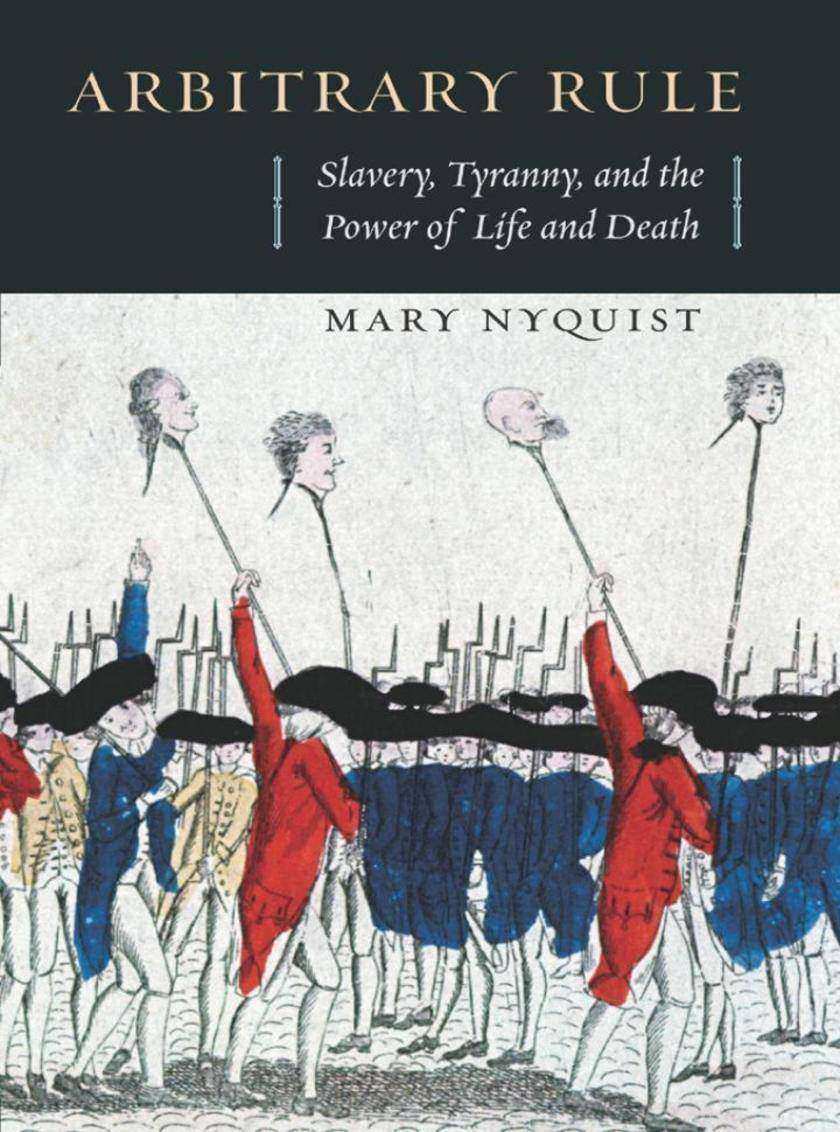
Arbitrary Rule
¥223.67
Slavery appears as a figurative construct during the English revolution of the mid-seventeenth century, and again in the American and French revolutions, when radicals represent their treatment as a form of political slavery. What, if anything, does figurative, political slavery have to do with transatlantic slaveryIn Arbitrary Rule, Mary Nyquist explores connections between political and chattel slavery by excavating the tradition of Western political thought that justifies actively opposing tyranny. She argues that as powerful rhetorical and conceptual constructs, Greco-Roman political liberty and slavery reemerge at the time of early modern Eurocolonial expansion; they help to create racialized "e;free"e; national identities and their "e;unfree"e; counterparts in non-European nations represented as inhabiting an earlier, privative age.?Arbitrary Rule is the first book to tackle political slavery's discursive complexity, engaging Eurocolonialism, political philosophy, and literary studies, areas of study too often kept apart. Nyquist proceeds through analyses not only of texts that are canonical in political thought-by Aristotle, Cicero, Hobbes, and Locke-but also of literary works by Euripides, Buchanan, Vondel, Montaigne, and Milton, together with a variety of colonialist and political writings, with special emphasis on tracts written during the English revolution. She illustrates how "e;antityranny discourse,"e; which originated in democratic Athens, was adopted by republican Rome, and revived in early modern Western Europe, provided members of a "e;free"e; community with a means of protesting a threatened reduction of privileges or of consolidating a collective, political identity. Its semantic complexity, however, also enabled it to legitimize racialized enslavement and imperial expansion.?Throughout, Nyquist demonstrates how principles relating to political slavery and tyranny are bound up with a Roman jurisprudential doctrine that sanctions the power of life and death held by the slaveholder over slaves and, by extension, the state, its representatives, or its laws over its citizenry.
Kant's Organicism
¥223.67
Because it laid the foundation for nearly all subsequent epistemologies, Immanuel Kant's Critique of Pure Reason has overshadowed his other interests in natural history and the life sciences, which scholars have long considered as separate from his rigorous theoretical philosophy-until now. In Kant's Organicism, Jennifer Mensch draws a crucial link between these spheres by showing how the concept of epigenesis-a radical theory of biological formation-lies at the heart of Kant's conception of reason.?As Mensch argues, epigenesis was not simply a metaphor for Kant but centrally guided his critical philosophy, especially the relationship between reason and the categories of the understanding. Offsetting a study of Kant's highly technical theory of cognition with a mixture of intellectual history and biography, she situates the epigenesis of reason within broader investigations into theories of generation, genealogy, and classification, and against later writers and thinkers such as Goethe and Darwin. Distilling vast amounts of research on the scientific literature of the time into a concise and readable book, Mensch offers one of the most refreshing looks not only at Kant's famous first Critique but at the history of philosophy and the life sciences as well.
Petrarch
¥311.96
Although Francesco Petrarca (1304-74) is best known today for cementing the sonnet's place in literary history, he was also a philosopher, historian, orator, and one of the foremost classical scholars of his age. Petrarch: A Critical Guide to the Complete Works is the only comprehensive, single-volume source to which anyone-scholar, student, or general reader-can turn for information on each of Petrarch's works, its place in the poet's oeuvre, and a critical exposition of its defining features.A sophisticated but accessible handbook that illuminates Petrarch's love ofclassical culture, his devout Christianity, his public celebrity, and his struggle for inner peace, this encyclopedic volume covers both Petrarch's Italian and Latin writings and the various genres in which he excelled: poem, tract, dialogue, oration, and letter. A biographical introduction and chronology anchor the book, making Petrarch an invaluable resource for specialists in Italian, comparative literature, history, classics, religious studies, the Middle Ages, and the Renaissance.
In the Watches of the Night
¥223.67
Before skyscrapers and streetlights glowed at all hours, American cities fell into inky blackness with each setting of the sun. But over the course of the nineteenth and early twentieth century, new technologies began to light up streets, sidewalks, buildings, and public spaces. Peter C. Baldwin's evocative book depicts the changing experience of the urban night over this period, visiting a host of actors-scavengers, newsboys, and mashers alike-in the nocturnal city.Baldwin examines work, crime, transportation, and leisure as he moves through the gaslight era, exploring the spread of modern police forces and the emergence of late-night entertainment, to the era of electricity, when social campaigns sought to remove women and children from public areas at night. While many people celebrated the transition from darkness to light as the arrival of twenty-four hours of daytime, Baldwin shows that certain social patterns remained, including the danger of street crime and the skewed gender profile of night work. Sweeping us from concert halls and brothels to streetcars and industrial forges, In the Watches of the Night is an illuminating study of a vital era in American urban history.
Medieval Origins of the Legal Profession
¥353.16
In the aftermath of sixth-century barbarian invasions, the legal profession that had grown and flourished during the Roman Empire vanished. Nonetheless, professional lawyers suddenly reappeared in Western Europe seven hundred years later during the 1230s when church councils and public authorities began to impose a body of ethical obligations on those who practiced law. James Brundage's The Medieval Origins of the Legal Profession traces the history of legal practice from its genesis in ancient Rome to its rebirth in the early Middle Ages and eventual resurgence in the courts of the medieval church.By the end of the eleventh century, Brundage argues, renewed interest in Roman law combined with the rise of canon law of the Western church to trigger a series of consolidations in the profession. New legal procedures emerged, and formal training for proctors and advocates became necessary in order to practice law in the reorganized church courts. Brundage demonstrates that many features?that characterize legal advocacy today were already in place by 1250, as lawyers trained in Roman and canon law became professionals in every sense of the term. A sweeping examination of the centuries-long power struggle between local courts and the Christian church, secular rule and religious edict, The Medieval Origins of the Legal Profession will be a resource for the professional and the student alike.
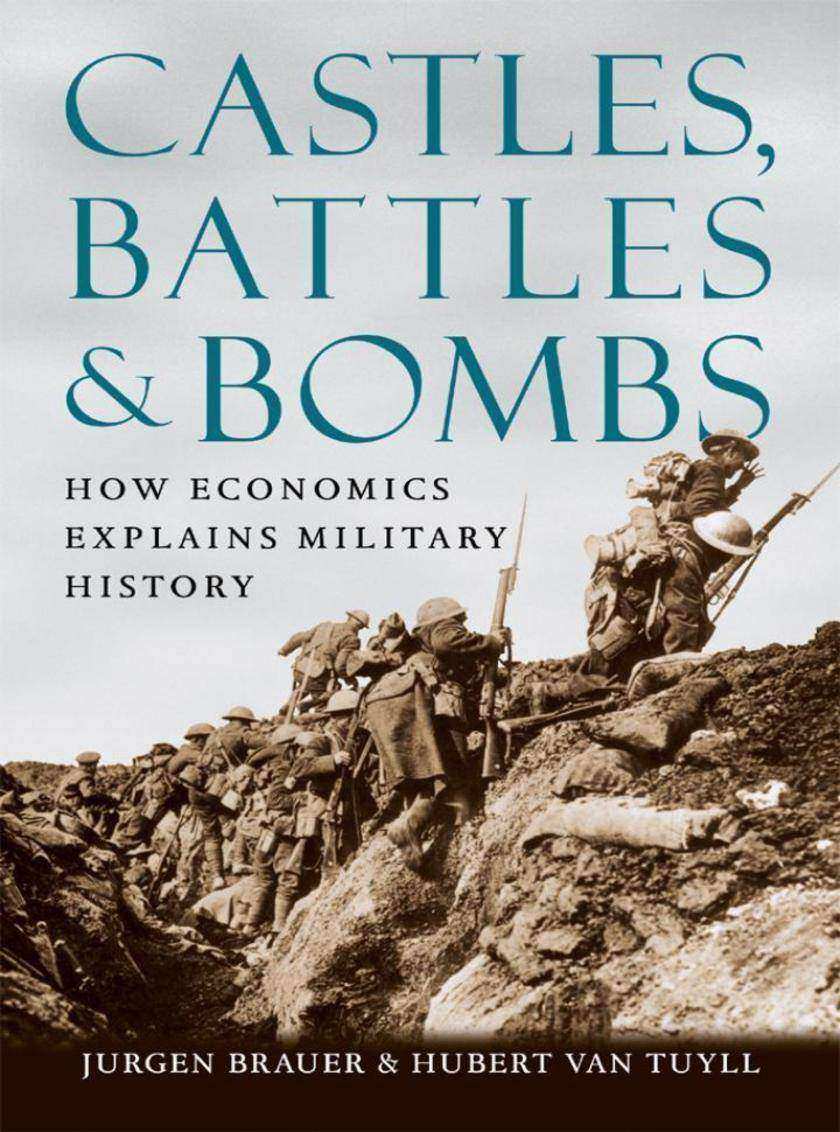
Castles, Battles, and Bombs
¥147.15
Castles, Battles, and Bombs reconsiders key episodes of military history from the point of view of economics-with dramatically insightful results. For example, when looked at as a question of sheer cost, the building of castles in the High Middle Ages seems almost inevitable: though stunningly expensive, a strong castle was far cheaper to maintain than a standing army. The authors also reexamine the strategic bombing of Germany in World War II and provide new insights into France's decision to develop nuclear weapons. Drawing on these examples and more, Brauer and Van Tuyll suggest lessons for today's military, from counterterrorist strategy and military manpower planning to the use of private military companies in Afghanistan and Iraq.?"e;In bringing economics into assessments of military history, [the authors] also bring illumination. . . . [The authors] turn their interdisciplinary lens on the mercenary arrangements of Renaissance Italy; the wars of Marlborough, Frederick the Great, and Napoleon; Grant's campaigns in the Civil War; and the strategic bombings of World War II. The results are invariably stimulating."e;-Martin Walker, Wilson Quarterly?"e;This study is serious, creative, important. As an economist I am happy to see economics so professionally applied to illuminate major decisions in the history of warfare."e;-Thomas C. Schelling, Winner of the 2005 Nobel Prize in Economics
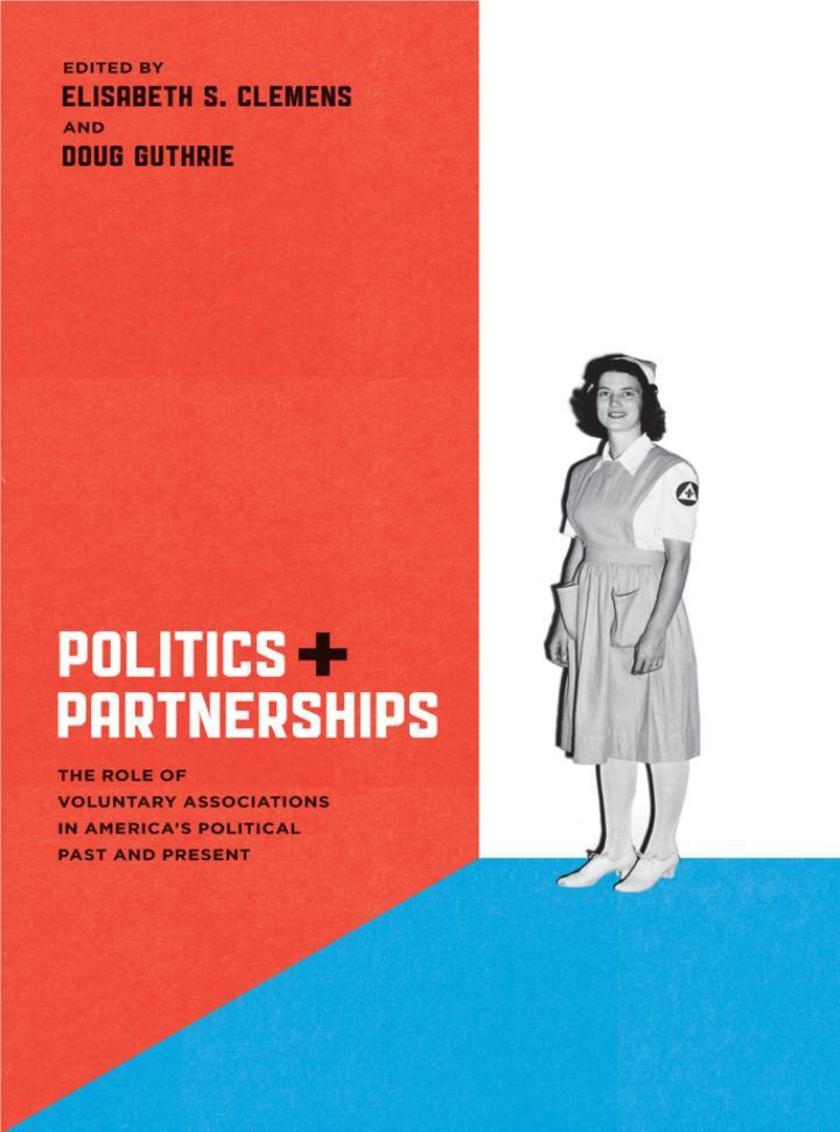
Politics and Partnerships
¥206.01
Exhorting people to volunteer is part of the everyday vocabulary of American politics. Routinely, members of both major parties call for partnerships between government and nonprofit organizations. These entreaties increase dramatically during times of crisis, and the voluntary efforts of ordinary citizens are now seen as a necessary supplement to government intervention.But despite the ubiquity of the idea of volunteerism in public policy debates, analysis of its role in American governance has been fragmented. Bringing together a diverse set of disciplinary approaches, Politics and Partnerships is a thorough examination of the place of voluntary associations in political history and an astute investigation into contemporary experiments in reshaping that role. The essays here reveal the key role nonprofits have played in the evolution of both the workplace and welfare and illuminate the way that government's retreat from welfare has radically altered the relationship between nonprofits and corporations.
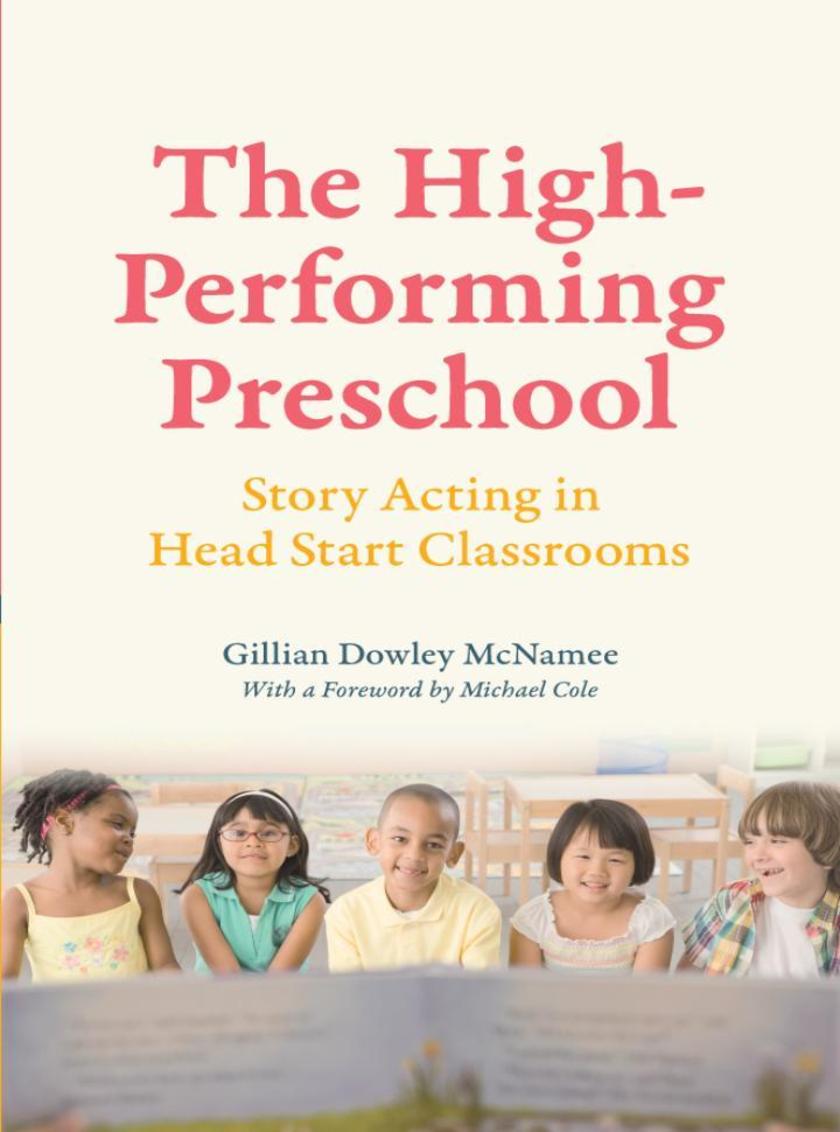
High-Performing Preschool
¥182.47
The High-Performing Preschool takes readers into the lives of three- and four-year-old Head Start students during their first year of school and focuses on the centerpiece of their school day: story acting. In this activity, students act out stories from high-quality children's literature as well as stories dictated by their peers. Drawing on a unique pair of thinkers-Russian psychologist Lev Vygotsky and renowned American teacher and educational writer Vivian G. Paley-Gillian Dowley McNamee elucidates the ways, and reasons, this activity is so successful. She shows how story acting offers a larger blueprint for curricula that helps ensure all preschools-not just those for society's well-to-do-are excellent.McNamee outlines how story acting cultivates children's oral and written language skills. She shows how it creates a crucial opportunity for teachers to guide children inside the interior logic and premises of an idea, and how it fosters the creation of a literary community. Starting with Vygotsky and Paley, McNamee paints a detailed portrait of high-quality preschool teaching, showing how educators can deliver on the promise of Head Start and provide a setting for all young children to become articulate, thoughtful, and literate learners. ?

Houston, We Have a Narrative
¥147.15
Ask a scientist about Hollywood, and you'll probably get eye rolls. But ask someone in Hollywood about science, and they'll see dollar signs: moviemakers know that science can be the source of great stories, with all the drama and action that blockbusters require.?That's a huge mistake, says Randy Olson: Hollywood has a lot to teach scientists about how to tell a story-and, ultimately, how to do science better. With Houston, We Have a Narrative, he lays out a stunningly simple method for turning the dull into the dramatic. Drawing on his unique background, which saw him leave his job as a working scientist to launch a career as a filmmaker, Olson first diagnoses the problem: When scientists tell us about their work, they pile one moment and one detail atop another moment and another detail-a stultifying procession of "e;and, and, and."e; What we need instead is an understanding of the basic elements of story, the narrative structures that our brains are all but hardwired to look for-which Olson boils down, brilliantly, to "e;And, But, Therefore,"e; or ABT. At a stroke, the ABT approach introduces momentum ("e;And"e;), conflict ("e;But"e;), and resolution ("e;Therefore"e;)-the fundamental building blocks of story. As Olson has shown by leading countless workshops worldwide, when scientists' eyes are opened to ABT, the effect is staggering: suddenly, they're not just talking about their work-they're telling stories about it. And audiences are captivated.?Written with an uncommon verve and enthusiasm, and built on principles that are applicable to fields far beyond science, Houston, We Have a Narrative has the power to transform the way science is understood and appreciated, and ultimately how it's done.
Demands of the Day
¥188.35
Demands of the Day asks about the logical standards and forms that should guide ethical and experimental anthropology in the twenty-first century. Anthropologists Paul Rabinow and Anthony Stavrianakis do so by taking up Max Weber's notion of the "e;demands of the day."e; Just as the demand of the day for anthropology decades ago consisted of thinking about fieldwork, today, they argue, the demand is to examine what happens after, how the experiences of fieldwork are gathered, curated, narrated, and ultimately made available for an anthropological practice that moves beyond mere ethnographic de*ion.?Rabinow and Stavrianakis draw on experiences from an innovative set of anthropological experiments that investigated how and whether the human and biological sciences could be brought into a mutually enriching relationship. Conceptualizing the anthropological and philosophic ramifications of these inquiries, they offer a bold challenge to contemporary anthropology to undertake a more rigorous examination of its own practices, blind spots, and capacities, in order to meet the demands of our day.
Fighting Like a Community
¥229.55
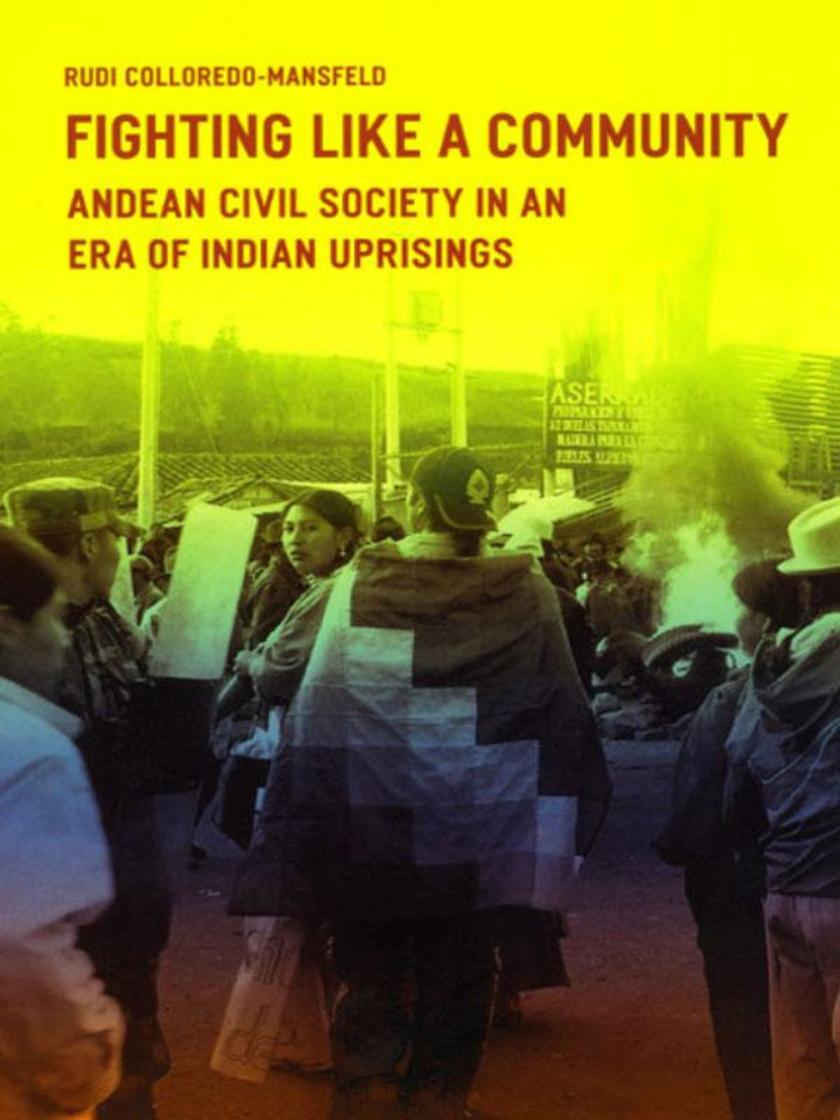
The indigenous population of the Ecuadorian Andes made substantial political gains during the 1990s in the wake of a dynamic wave of local activism. The movement renegotiated land development laws, elected indigenous candidates to national office, and successfully fought for the constitutional redefinition of Ecuador as a nation of many cultures. Fighting Like a Community argues that these remarkable achievements paradoxically grew out of the deep differences-in language, class, education, and location-that began to divide native society in the 1960s.Drawing on fifteen years of fieldwork, Rudi Colloredo-Mansfeld explores these differences and the conflicts they engendered in a variety of communities. From protestors confronting the military during a national strike to a migrant family fighting to get a relative released from prison, Colloredo-Mansfeld recounts dramatic events and private struggles alike to demonstrate how indigenous power in Ecuador is energized by disagreements over values and priorities, eloquently contending that the plurality of Andean communities, not their unity, has been the key to their political success.

When Middle-Class Parents Choose Urban Schools
¥206.01
In recent decades a growing number of middle-class parents have considered sending their children to-and often end up becoming active in-urban public schools. Their presence can bring long-needed material resources to such schools, but, as Linn Posey-Maddox shows in this study, it can also introduce new class and race tensions, and even exacerbate inequalities. Sensitively navigating the pros and cons of middle-class transformation, When Middle-Class Parents Choose Urban Schools asks whether it is possible for our urban public schools to have both financial security and equitable diversity.?Drawing on in-depth research at an urban elementary school, Posey-Maddox examines parents' efforts to support the school through their outreach, marketing, and volunteerism. She shows that when middle-class parents engage in urban school communities, they can bring a host of positive benefits, including new educational opportunities and greater diversity. But their involvement can also unintentionally marginalize less-affluent parents and diminish low-income students' access to the improving schools. In response, Posey-Maddox argues that school reform efforts, which usually equate improvement with rising test scores and increased enrollment, need to have more equity-focused policies in place to ensure that low-income families also benefit from-and participate in-school change.?

Not Tonight
¥229.55
Pain. Vomiting. Hours and days spent lying in the dark. Migraine is an extraordinarily common, disabling, and painful disorder that affects over 36 million Americans and costs the US economy at least $32 billion per year. Nevertheless, it is frequently dismissed, ignored, and delegitimized.In?Not Tonight, Joanna Kempner argues that this general dismissal of migraine can be traced back to the gendered social values embedded in the way we talk about, understand, and make policies for people in pain. Because the symptoms that accompany headache disorders-like head pain, visual auras, and sensitivity to sound-lack an objective marker of distress that can confirm their existence, doctors rely on the perceived moral character of their patients to gauge how serious their complaints are. Kempner shows how this problem plays out in the history of migraine, from nineteenth-century formulations of migraine as a disorder of upper-class intellectual men and hysterical women to the influential concept of "e;migraine personality"e; in the 1940s, in which women with migraine were described as uptight neurotics who withheld sex, to contemporary depictions of people with highly sensitive "e;migraine brains."e;?Not Tonight?casts new light on how cultural beliefs about gender, pain, and the distinction between mind and body influence not only whose suffering we legitimate, but which remedies are marketed, how medicine is practiced, and how knowledge about disease is produced.
Riotous Flesh
¥229.55
Nineteenth-century America saw numerous campaigns against masturbation, which was said to cause illness, insanity, and even death. Riotous Flesh explores women's leadership of those movements, with a specific focus on their rhetorical, social, and political effects, showing how a desire to transform the politics of sex created unexpected alliances between groups that otherwise had very different goals.As April R. Haynes shows, the crusade against female masturbation was rooted in a generally shared agreement on some major points: that girls and women were as susceptible to masturbation as boys and men; that "e;self-abuse"e; was rooted in a lack of sexual information; and that sex education could empower women and girls to master their own bodies. Yet the groups who made this education their goal ranged widely, from "e;ultra"e; utopians and nascent feminists to black abolitionists. Riotous Flesh explains how and why diverse women came together to popularize, then institutionalize, the condemnation of masturbation, well before the advent of sexology or the professionalization of medicine.


