


 购物车
 个人中心

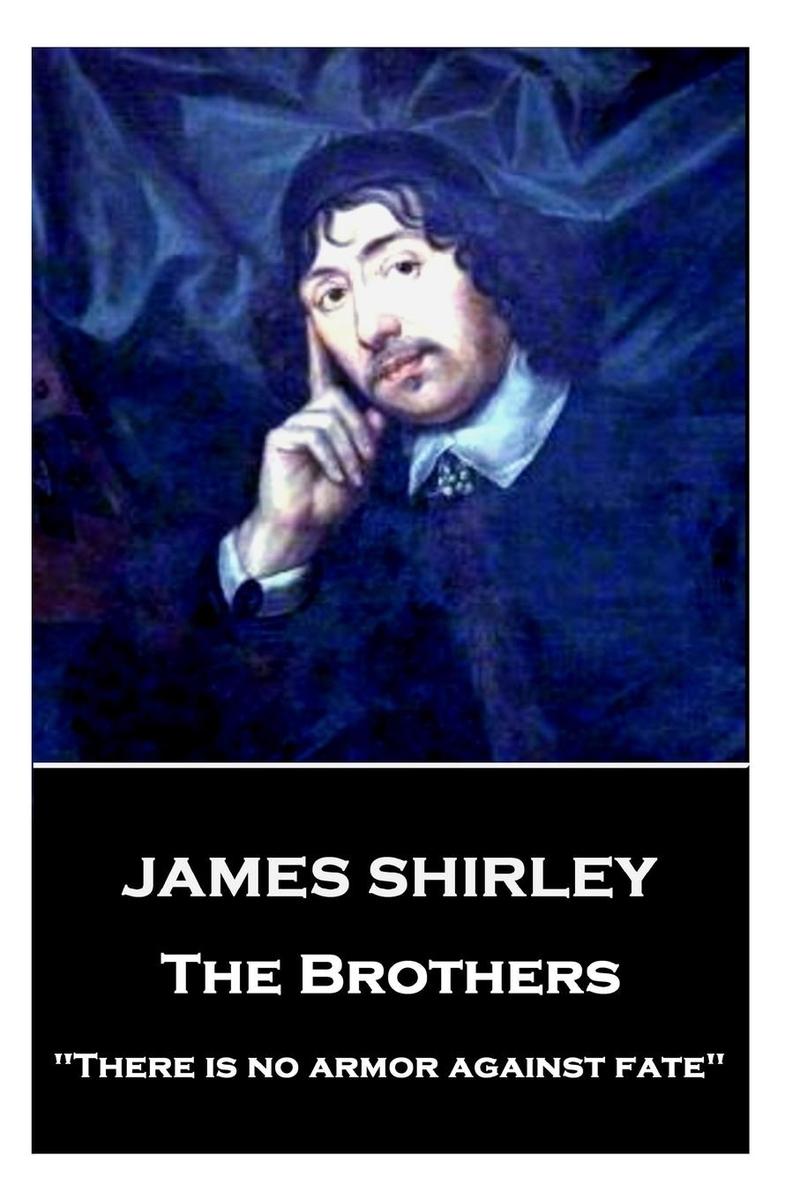
Brothers - There is no armor against fate
¥25.80
James Shirley was born in London in September 1596. His education was through a collection of England's finest establishments: Merchant Taylors' School, London, St John's College, Oxford, and St Catharine's College, Cambridge, where he took his B.A. degree in approximately 1618. He first published in 1618, a poem entitled Echo, or the Unfortunate Lovers. As with many artists of this period full details of his life and career are not recorded. Sources say that after graduating he became "e;a minister of God's word in or near St Albans."e; A conversion to the Catholic faith enabled him to become master of St Albans School from 1623-25. He wrote his first play, Love Tricks, or the School of Complement, which was licensed on February 10th, 1625. From the given date it would seem he wrote this whilst at St Albans but, after its production, he moved to London and to live in Gray's Inn. For the next two decades, he would write prolifically and with great quality, across a spectrum of thirty plays; through tragedies and comedies to tragicomedies as well as several books of poetry. Unfortunately, his talents were left to wither when Parliament passed the Puritan edict in 1642, forbidding all stage plays and closing the theatres. Most of his early plays were performed by Queen Henrietta's Men, the acting company for which Shirley was engaged as house dramatist. Shirley's sympathies lay with the King in battles with Parliament and he received marks of special favor from the Queen. He made a bitter attack on William Prynne, who had attacked the stage in Histriomastix, and, when in 1634 a special masque was presented at Whitehall by the gentlemen of the Inns of Court as a practical reply to Prynne, Shirley wrote the text-The Triumph of Peace. Shirley spent the years 1636 to 1640 in Ireland, under the patronage of the Earl of Kildare. Several of his plays were produced by his friend John Ogilby in Dublin in the first ever constructed Irish theatre; The Werburgh Street Theatre. During his years in Dublin he wrote The Doubtful Heir, The Royal Master, The Constant Maid, and St. Patrick for Ireland. In his absence from London, Queen Henrietta's Men sold off a dozen of his plays to the stationers, who naturally, enough published them. When Shirley returned to London in 1640, he finished with the Queen Henrietta's company and his final plays in London were acted by the King's Men. On the outbreak of the English Civil War Shirley served with the Earl of Newcastle. However when the King's fortunes began to decline he returned to London. There his friend Thomas Stanley gave him help and thereafter Shirley supported himself in the main by teaching and publishing some educational works under the Commonwealth. In addition to these he published during the period of dramatic eclipse four small volumes of poems and plays, in 1646, 1653, 1655, and 1659. It is said that he was "e;a drudge"e; for John Ogilby in his translations of Homer's Iliad and the Odyssey, and survived into the reign of Charles II, but, though some of his comedies were revived, his days as a playwright were over. His death, at age seventy, along with that of his wife, in 1666, is described as one of fright and exposure due to the Great Fire of London which had raged through parts of London from September 2nd to the 5th. He was buried at St Giles in the Fields, in London, on October 29th, 1666.

Hecuba - He was a wise man who originated the idea of God
¥14.03
Euripides is rightly lauded as one of the great dramatists of all time. In his lifetime, he wrote over 90 plays and although only 18 have survived they reveal the scope and reach of his genius. Euripides is identified with many theatrical innovations that have influenced drama all the way down to modern times, especially in the representation of traditional, mythical heroes as ordinary people in extraordinary circumstances. As would be expected from a life lived 2,500 years ago, details of it are few and far between. Accounts of his life, written down the ages, do exist but whether much is reliable or surmised is open to debate. Most accounts agree that he was born on Salamis Island around 480 BC, to mother Cleito and father Mnesarchus, a retailer who lived in a village near Athens. Upon the receipt of an oracle saying that his son was fated to win "e;crowns of victory"e;, Mnesarchus insisted that the boy should train for a career in athletics. However, what is clear is that athletics was not to be the way to win crowns of victory. Euripides had been lucky enough to have been born in the era as the other two masters of Greek Tragedy; Sophocles and schylus. It was in their footsteps that he was destined to follow. His first play was performed some thirteen years after the first of Socrates plays and a mere three years after schylus had written his classic The Oristria. Theatre was becoming a very important part of the Greek culture. The Dionysia, held annually, was the most important festival of theatre and second only to the fore-runner of the Olympic games, the Panathenia, held every four years, in appeal. Euripides first competed in the City Dionysia, in 455 BC, one year after the death of schylus, and, incredibly, it was not until 441 BC that he won first prize. His final competition in Athens was in 408 BC. The Bacchae and Iphigenia in Aulis were performed after his death in 405 BC and first prize was awarded posthumously. Altogether his plays won first prize only five times. Euripides was also a great lyric poet. In Medea, for example, he composed for his city, Athens, "e;the noblest of her songs of praise"e;. His lyric skills however are not just confined to individual poems: "e;A play of Euripides is a musical whole....one song echoes motifs from the preceding song, while introducing new ones."e; Much of his life and his whole career coincided with the struggle between Athens and Sparta for hegemony in Greece but he didn't live to see the final defeat of his city. Euripides fell out of favour with his fellow Athenian citizens and retired to the court of Archelaus, king of Macedon, who treated him with consideration and affection. At his death, in around 406BC, he was mourned by the king, who, refusing the request of the Athenians that his remains be carried back to the Greek city, buried him with much splendor within his own dominions. His tomb was placed at the confluence of two streams, near Arethusa in Macedonia, and a cenotaph was built to his memory on the road from Athens towards the Piraeus.
Little Women (Mermaids Classics)
¥35.22
Little Women by Louisa May Alcott (1832 - 1888) is a classic novel based on the four sisters named Meg, Jo, Beth and Amy March. The scene is set in New England during the civil war and the story follows the lives of these sisters growing up to become woman. Little Women was first published in two volumes in the years 1868 and 1869 and later as a single volume in 1880. It was a novel initially intended for girls and it steered away from the usual novels written for girls at the time but it was also considered a romance novel. Although the three major themes include domesticity, work and true love, the novel also contains issues of poverty, fear and pride. The novel became an instant success once it was first published and is considered today as one of the worlds best classics!Mermaids Classics, an imprint of Mermaids Publishing brings the very best of old classic literature to a modern era of digital reading by producing high quality books in ebook format. All of the Mermaids Classics epublications are reproductions of classic antique books that were originally published in print format, mostly over a century ago and are now republished in digital format as ebooks. Begin to build your collection of digital books by looking for more literary gems from Mermaids Classics.
Northanger Abbey
¥11.67
Northanger Abbey by Jane Austen (1775-1817) was published after the authors death in (1818). The main character is Catherine Morland, a young heroine 17 year old who loves to read gothic novels. Whilst staying in Bath, she meets John Thorpe and Henry Tilney and is one day invited by Henrys father to his estate, Northanger Abbey. Catherines love of gothic novels makes her unrealistic towards the world around her by envisioning life through fictional eyes and becomes frightened within the house by believing something dark is occurring within its mysterious rooms which no one has ever been seen to enter. John and Henry both develop a romantic interest towards Catherine but she has only one real love interest and that is towards Henry. This digital edition is beautifully formatted with an active Table of Contents that goes directly to each chapter of the story. Mermaids Classics, an imprint of Mermaids Publishing brings the very best of old book classics to a modern era of digital reading by producing high quality books in ebook format.
Lord Jim (Mermaids Classics)
¥35.22
Lord Jim by Joseph Conrad (1857-1924): ....a young British seaman, becomes first mate on the Patna, a ship full of pilgrims travelling to Mecca for the hajj. When the ship starts rapidly taking on water and disaster seems imminent, Jim joins his captain and other crew members in abandoning the ship and its passengers. A few days later, they are picked up by a British ship. However, the Patna and its passengers are later also saved, and the reprehensible actions of the crew are exposed (Citation from Wikipedia: The free Encyclopaedia)Mermaids Classics, an imprint of Mermaids Publishing brings the very best of old classic literature to a modern era of digital reading by producing high quality books in ebook format. All of the Mermaids Classics epublications are reproductions of classic antique books that were originally published in print format, mostly over a century ago and are now republished in digital format as ebooks. Begin to build your collection of digital books by looking for more literary gems from Mermaids Classics.
Secret Garden (Mermaids Classics)
¥35.22
The Secret Garden (1911) by Frances Hodgson Burnett (1849-1924) is a classic childrens novel based on a young ten year old rude and spoiled girl named Mary Lennox who is the child of wealthy parents. Her parents end up dying and she is orphaned in her house all alone in India until she is sent to live with her uncle who is based in England. Whilst living in England with her cousins, Mary discovers a key that unlocks a neglected garden and also hears crying and finds a little boy named Colin who lives all alone in a hidden room of the house. Colin cannot walk and has not been outside of the house in years so Mary decides to escort Colin in his wheelchair out into the secret garden for some fresh air. With the help of her cousins, Colin learns to walk in the garden and they rebuild it by nurturing it until it flourishes to become a beautiful in-bloom garden.Mermaids Classics, an imprint of Mermaids Publishing brings the very best of old classic literature to a modern era of digital reading by producing high quality books in ebook format. All of the Mermaids Classics epublications are reproductions of classic antique books that were originally published in print format, mostly over a century ago and are now republished in digital format as ebooks. Begin to build your collection of digital books by looking for more literary gems from Mermaids Classics.
Lorna Doone (Mermaids Classics)
¥35.22
Lorna Doone: A Romance of Exmoor (1869) by Richard Doddridge Blackmore (1825- 1900) is a romance novel set in 17th century England in the region of Exmoor. The story follows a farmer named John Ridd who falls in love with Lorna Doone (the granddaughter of the Lord of the Doones). The Doones are considered to be the most notorious and outlawed clan in the region and who also had murdered his father when he was just a boy. As John tries to prevent his feelings developing any further towards Lorna, he later learns that Lorna is not actually related to the Doone family but the long lost girl whos mother was robbed and murdered by the Doone family.Mermaids Classics, an imprint of Mermaids Publishing brings the very best of old classic literature to a modern era of digital reading by producing high quality books in ebook format. All of the Mermaids Classics epublications are reproductions of classic antique books that were originally published in print format, mostly over a century ago and are now republished in digital format as ebooks. Begin to build your collection of digital books by looking for more literary gems from Mermaids Classics.

Long Haul (Diary of a Wimpy Kid #9)
¥158.82
A family road trip is supposed to be a lot of fun . . . unless, of course, you’re the Heffleys. The journey starts off full of promise, then quickly takes several wrong turns. Gas station bathrooms, crazed seagulls, a fender bender, and a runaway pig—not exactly Greg Heffley’s idea of a good time. But even the worst road trip can turn into an adventure—and this is one the Heffleys won’t soon forget.
Arthur Conan Doyle
¥21.09
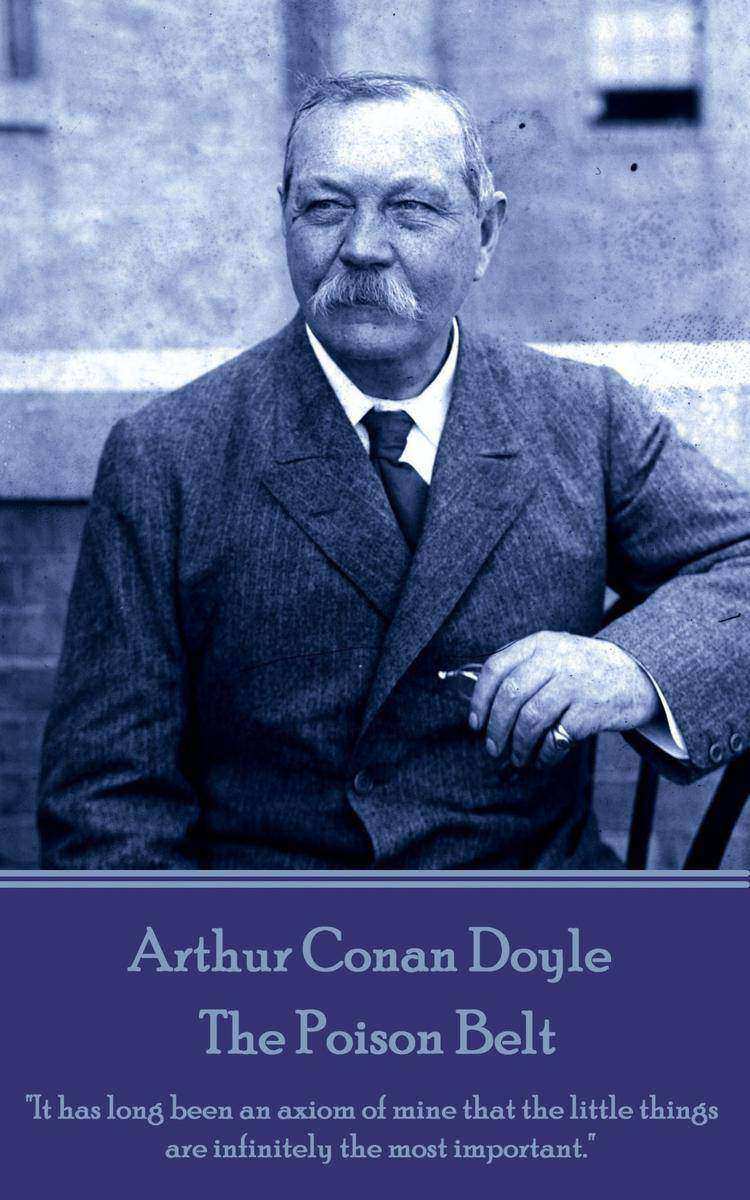
Arthur Conan Doyle's The Poison Belt is another work of fiction by the author of the celebrated masterpiece The Adventures of Sherlock Holmes. The novella centers around apocalyptic disasters that threaten to end human existence on Earth. Professor Challenger, an English scientist who is interested in preserving nature and human life, anticipates the Earth's contact with a poison belt of ether. The dangerous gas is believed to have the power to suffocate all living beings to death. Professor Challenger invites his closest companions, Malone, Roxton and Summerlee, to join him and his wife in his house. They are asked to bring oxygen tanks with them to find that Challenger has prepared a sealed room to protect their lives. Later, from their little shelter, Challenger's team watch the destruction of the outside world and the dying of almost everything. When they finally run out of oxygen, they are pushed to get out of the sealed room. Yet, to their surprise, they do not die. The Earth has passed through the poison belt and humanity has survived.
Intriguing Chambermaid - What's vice today may be virtue, tomorrow
¥14.03
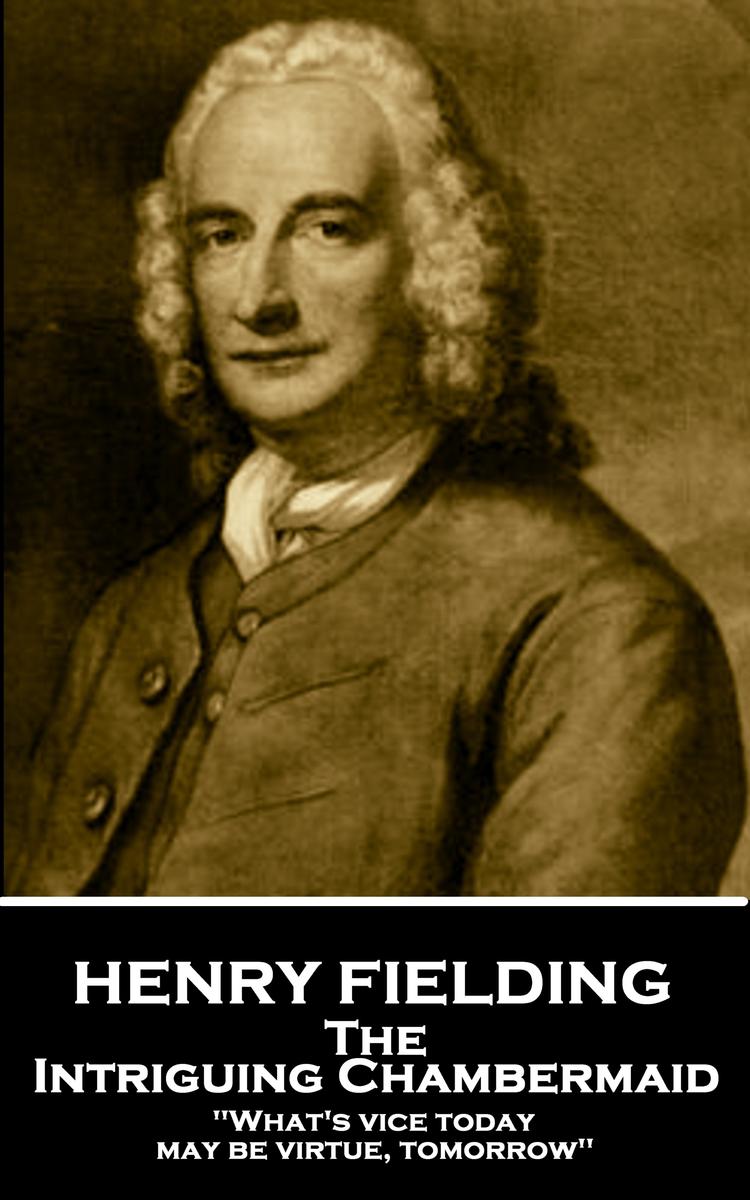
Henry Fielding was born at Sharpham Park, near Glastonbury, in Somerset on April 22nd 1707. His early years were spent on his parents' farm in Dorset before being educated at Eton.An early romance ended disastrously and with it his removal to London and the beginnings of a glittering literary career; he published his first play, at age 21, in 1728.He was prolific, sometimes writing six plays a year, but he did like to poke fun at the authorities. His plays were thought to be the final straw for the authorities in their attempts to bring in a new law. In 1737 The Theatrical Licensing Act was passed. At a stroke political satire was almost impossible. Fielding was rendered mute. Any playwright who was viewed with suspicion by the Government now found an audience difficult to find and therefore Theatre owners now toed the Government line.Fielding was practical with the circumstances and ironically stopped writing to once again take up his career in the practice of law and became a barrister after studying at Middle Temple. By this time he had married Charlotte Craddock, his first wife, and they would go on to have five children. Charlotte died in 1744 but was immortalised as the heroine in both Tom Jones and Amelia.Fielding was put out by the success of Samuel Richardson's Pamela, or Virtue Rewarded. His reaction was to spur him into writing a novel. In 1741 his first novel was published; the successful Shamela, an anonymous parody of Richardson's novel.Undoubtedly the masterpiece of Fielding's career was the novel Tom Jones, published in 1749. It is a wonderfully and carefully constructed picaresque novel following the convoluted and hilarious tale of how a foundling came into a fortune.Fielding was a consistent anti-Jacobite and a keen supporter of the Church of England. This led to him now being richly rewarded with the position of London's Chief Magistrate. Fielding continued to write and his career both literary and professional continued to climb.In 1749 he joined with his younger half-brother John, to help found what was the nascent forerunner to a London police force, the Bow Street Runners. Fielding's ardent commitment to the cause of justice in the 1750s unfortunately coincided with a rapid deterioration in his health. Such was his decline that in the summer of 1754 he travelled, with Mary and his daughter, to Portugal in search of a cure. Gout, asthma, dropsy and other afflictions forced him to use crutches. His health continued to fail alarmingly.Henry Fielding died in Lisbon two months later on October 8th, 1754.
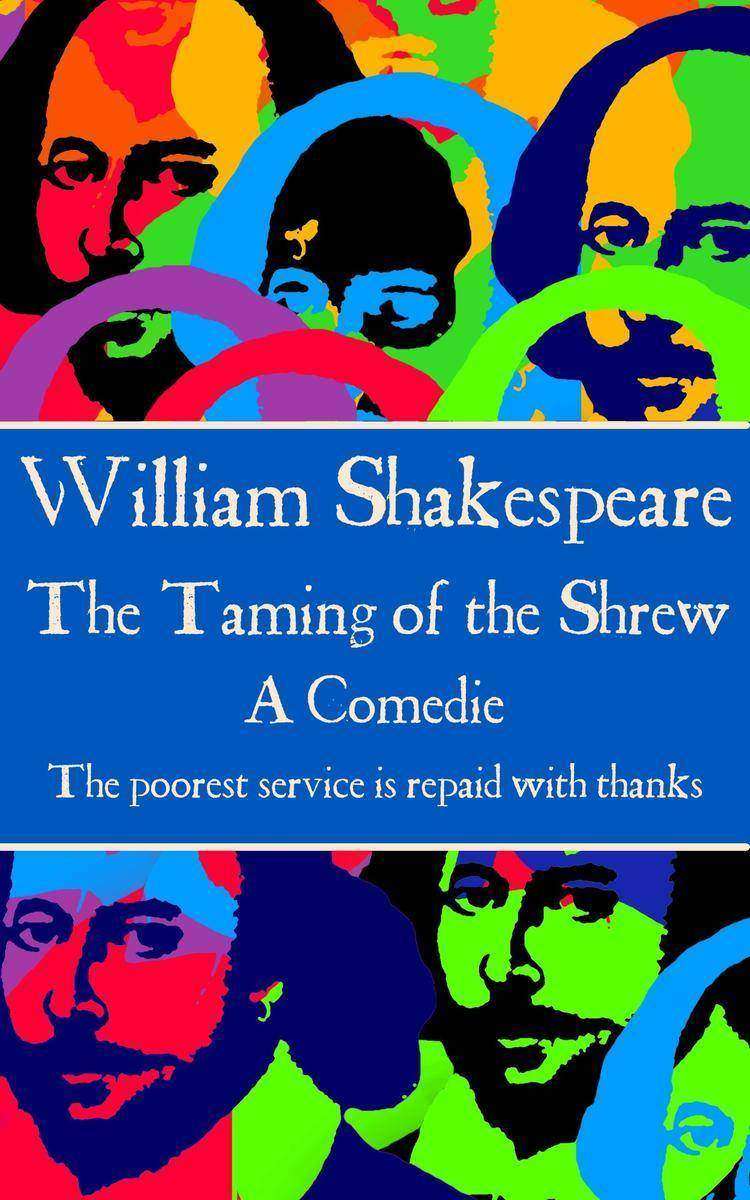
Taming of the Shrew - The poorest service is repaid with thanks.
¥11.67
The life of William Shakespeare, arguably the most significant figure in the Western literary canon, is relatively unknown. Shakespeare was born in Stratford-upon-Avon in 1565, possibly on the 23rd April, St. George's Day, and baptised there on 26th April. Little is known of his education and the first firm facts to his life relate to his marriage, aged 18, to Anne Hathaway, who was 26 and from the nearby village of Shottery. Anne gave birth to their first son six months later. Shakespeare's first play, The Comedy of Errors began a procession of real heavyweights that were to emanate from his pen in a career of just over twenty years in which 37 plays were written and his reputation forever established. This early skill was recognised by many and by 1594 the Lord Chamberlain's Men were performing his works. With the advantage of Shakespeare's progressive writing they rapidly became London's leading company of players, affording him more exposure and, following the death of Queen Elizabeth in 1603, a royal patent by the new king, James I, at which point they changed their name to the King's Men. By 1598, and despite efforts to pirate his work, Shakespeare's name was well known and had become a selling point in its own right on title pages. No plays are attributed to Shakespeare after 1613, and the last few plays he wrote before this time were in collaboration with other writers, one of whom is likely to be John Fletcher who succeeded him as the house playwright for the King's Men. William Shakespeare died two months later on April 23rd, 1616, survived by his wife, two daughters and a legacy of writing that none have since yet eclipsed.
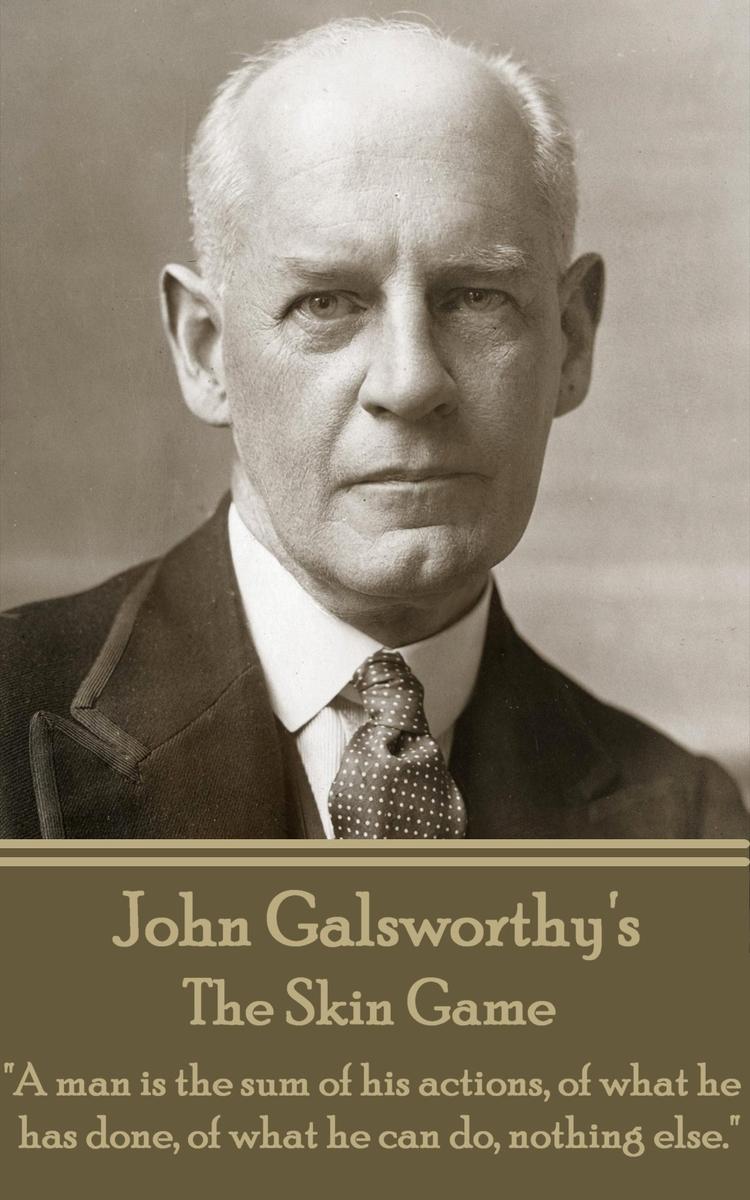
Skin Game - A man is the sum of his actions, of what he has done, of what he can
¥29.33
John Galsworthy first published in 1897 with a collection of short stories entitled "e;The Four Winds"e;. For the next 7 years he published these and all works under his pen name John Sinjohn. It was only upon the death of his father and the publication of "e;The Island Pharisees"e; in 1904 that he published as John Galsworthy. His first play was The Silver Box, an immediate success when it debuted in 1906 and was followed by "e;The Man of Property"e; later that same year and was the first in the Forsyte trilogy. Whilst today he is far more well know as a Nobel Prize winning novelist then he was considered a playwright dealing with social issues and the class system. We publish here 'The Skin Game' a great example of both his writing and his demonstration of how the class system worked at the time. He was appointed to the Order of Merit in 1929, after earlier turning down a knighthood, and awarded the Nobel Prize in 1932 though he was too ill to attend. John Galsworthy died from a brain tumour at his London home, Grove Lodge, Hampstead on January 31st 1933. In accordance with his will he was cremated at Woking with his ashes then being scattered over the South Downs from an aeroplane.
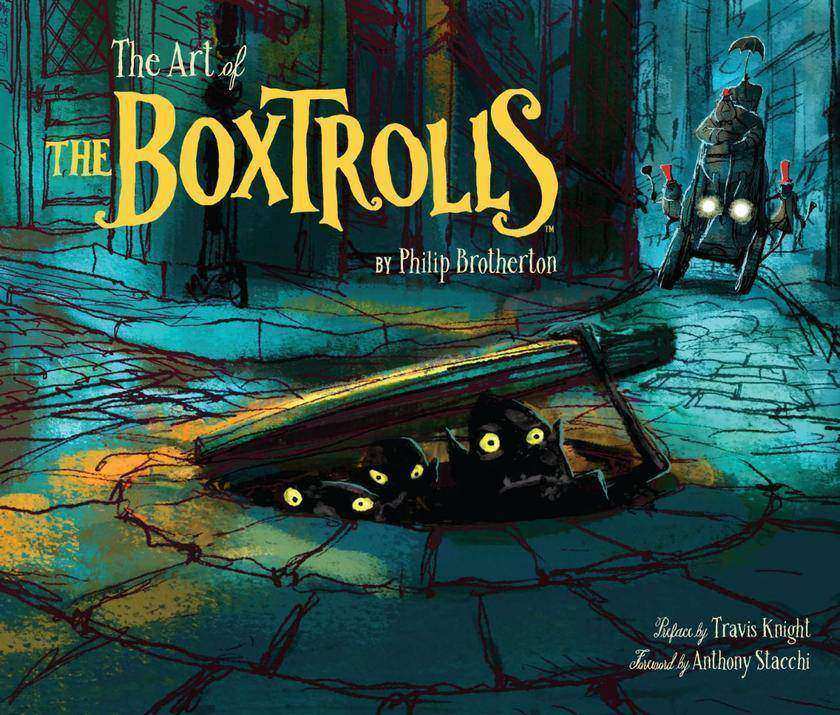
Art of The Boxtrolls
¥305.97
LAIKA, the studio behind the hit films Coraline and ParaNorman, introduces audiences to a new breed of family: the Boxtrolls, a community of quirky, mischievous creatures who have lovingly raised an orphaned human boy named Eggs in the amazing cavernous home they've built beneath the streets of Cheesebridge. When the town's villain, Archibald Snatcher, comes up with a plot to get rid of the Boxtrolls, Eggs decides to venture above ground where he meets and teams up with fabulously feisty Winnie to devise a daring plan to save Eggs' family. The Art of The Boxtrolls features the amazingly detailed artwork that went into this film's creation, including character sketches, puppets, textiles, set dressing, and 3-D printed facial models, alongside the story of the film's development.
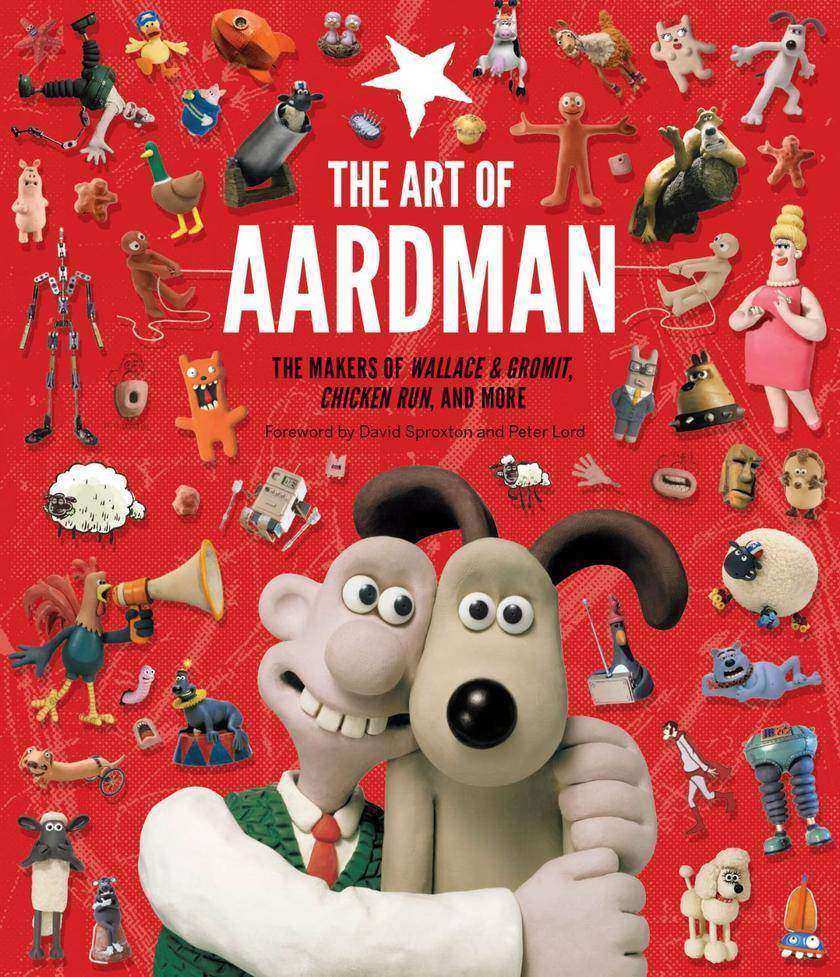
Art of Aardman - The Makers of Wallace & Gromit, Chicken Run, and More
¥188.25
See the iconic, energetic art of Aardman Animations like never before! The Art of Aardman takes readers on an unforgettable, behind-the-scenes journey through the studio's archives. This collection features original character sketches and never-before-seen concept art, offering a unique look inside the studio that created Chicken Run, Morph, and, of course, Wallace & Gromit. Kicking things off with forewords from founders Peter Lord and David Sproxton, this celebration of all-things Aardman is a must-have for all animation fans.

Art of Planes
¥305.97
In Disney's Planes and Planes: Fire and Rescue, the big-hearted crop duster Dusty Crophopper is full of dreams. In the first film, he overcomes his fear of heights to win the Wings Around The Globe Rally. In the second, Dusty learns his damaged engine will keep him from racing, but he finds the true hero within himself working alongside firefighting aircraft on a courageous wildfire air attack team.The Art of Planes explores the beautiful concept art that went into the development of these two inspiring stories, including colorscripts, storyboards, character studies, sculpts, background art, and more. Insider insights from the films' artists and filmmakers, a preface by directors Bobs Gannaway and Klay Hall, and a foreword by Chief Creative Officer John Lasseter offer an invaluable and fascinating glimpse into the creative thinking involved in the making of these companion films.Copyright ©2014 Disney Enterprises, Inc. All rights reserved.

Art of Toy Story 4
¥282.43
With a story that's spanned more than 20 years, the adventures of Woody, Buzz Lightyear, and the gang have captured the hearts of millions. The Art of Toy Story 4 invites readers to explore the next installment of Pixar's beloved franchise through never-before-seen concept art, character studies, process animation, storyboards, colorscripts, and more. Featuring exclusive interviews with the production team on the making of the film and insights into their creative vision, The Art of Toy Story 4 reveals the vivid imagination that brought this story to life.Copyright 2019 Disney Enterprises, Inc. and Pixar. All rights reserved.
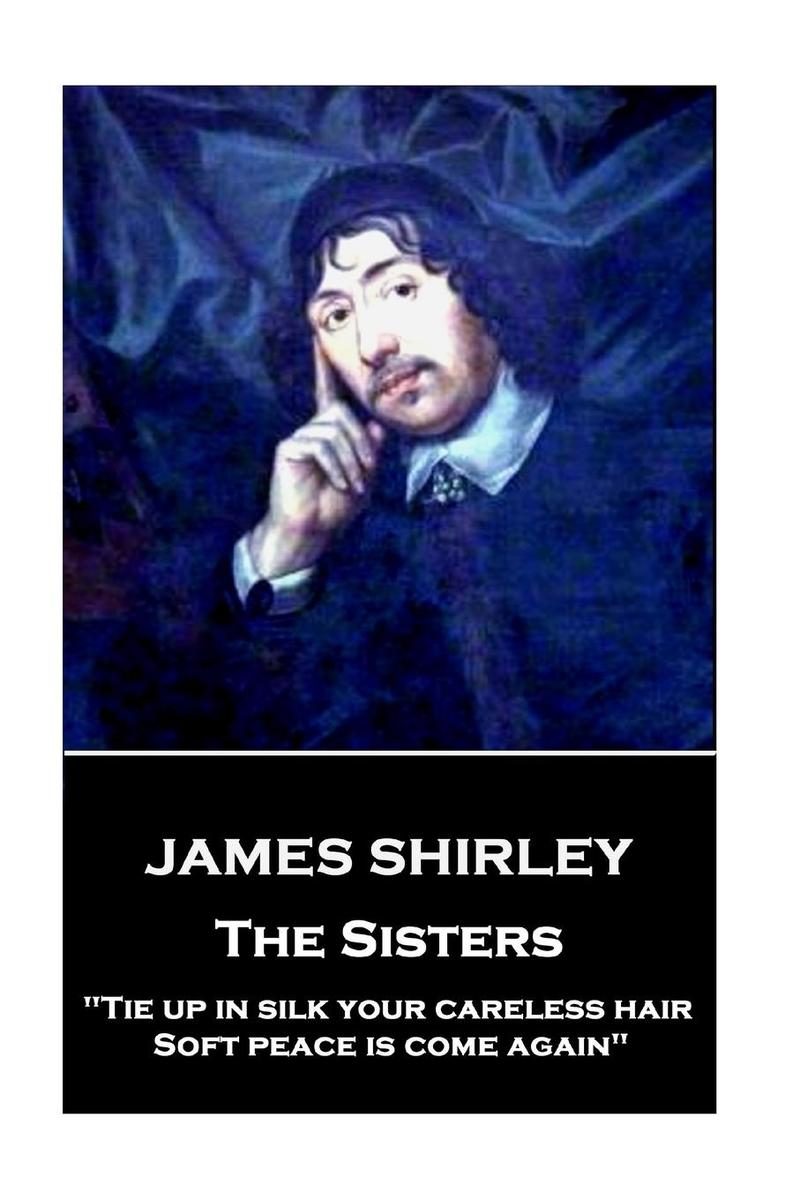
Sisters - Tie up in silk your careless hair: Soft peace is come again
¥25.80
James Shirley was born in London in September 1596. His education was through a collection of England's finest establishments: Merchant Taylors' School, London, St John's College, Oxford, and St Catharine's College, Cambridge, where he took his B.A. degree in approximately 1618. He first published in 1618, a poem entitled Echo, or the Unfortunate Lovers. As with many artists of this period full details of his life and career are not recorded. Sources say that after graduating he became "e;a minister of God's word in or near St Albans."e; A conversion to the Catholic faith enabled him to become master of St Albans School from 1623-25. He wrote his first play, Love Tricks, or the School of Complement, which was licensed on February 10th, 1625. From the given date it would seem he wrote this whilst at St Albans but, after its production, he moved to London and to live in Gray's Inn. For the next two decades, he would write prolifically and with great quality, across a spectrum of thirty plays; through tragedies and comedies to tragicomedies as well as several books of poetry. Unfortunately, his talents were left to wither when Parliament passed the Puritan edict in 1642, forbidding all stage plays and closing the theatres. Most of his early plays were performed by Queen Henrietta's Men, the acting company for which Shirley was engaged as house dramatist. Shirley's sympathies lay with the King in battles with Parliament and he received marks of special favor from the Queen. He made a bitter attack on William Prynne, who had attacked the stage in Histriomastix, and, when in 1634 a special masque was presented at Whitehall by the gentlemen of the Inns of Court as a practical reply to Prynne, Shirley wrote the text-The Triumph of Peace. Shirley spent the years 1636 to 1640 in Ireland, under the patronage of the Earl of Kildare. Several of his plays were produced by his friend John Ogilby in Dublin in the first ever constructed Irish theatre; The Werburgh Street Theatre. During his years in Dublin he wrote The Doubtful Heir, The Royal Master, The Constant Maid, and St. Patrick for Ireland. In his absence from London, Queen Henrietta's Men sold off a dozen of his plays to the stationers, who naturally, enough published them. When Shirley returned to London in 1640, he finished with the Queen Henrietta's company and his final plays in London were acted by the King's Men. On the outbreak of the English Civil War Shirley served with the Earl of Newcastle. However when the King's fortunes began to decline he returned to London. There his friend Thomas Stanley gave him help and thereafter Shirley supported himself in the main by teaching and publishing some educational works under the Commonwealth. In addition to these he published during the period of dramatic eclipse four small volumes of poems and plays, in 1646, 1653, 1655, and 1659. It is said that he was "e;a drudge"e; for John Ogilby in his translations of Homer's Iliad and the Odyssey, and survived into the reign of Charles II, but, though some of his comedies were revived, his days as a playwright were over. His death, at age seventy, along with that of his wife, in 1666, is described as one of fright and exposure due to the Great Fire of London which had raged through parts of London from September 2nd to the 5th. He was buried at St Giles in the Fields, in London, on October 29th, 1666.
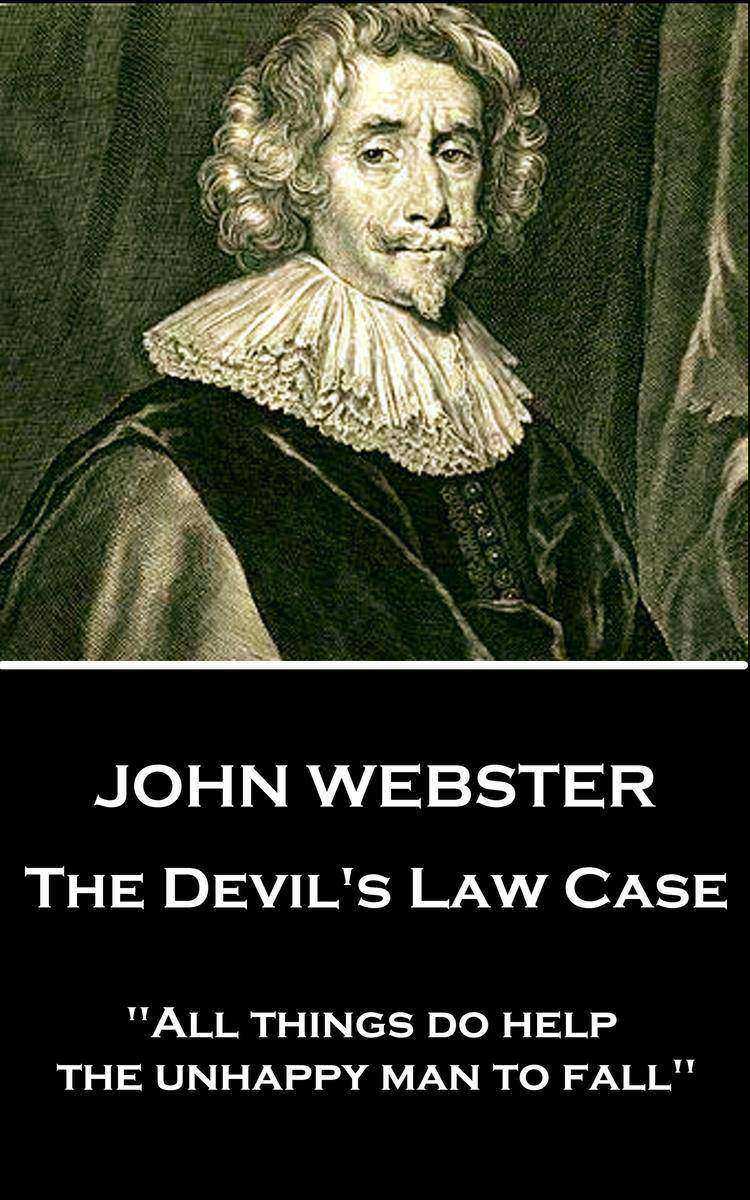
Devil's Law Case - All things do help the unhappy man to fall
¥25.80
John Webster is known primarily for his two Jacobean tragedies, The Duchess of Malfi and The White Devil. Much of the detail and chronology of his life that led to these two pivotal works is, however, unknown. His father, a carriage maker also named John Webster, married a blacksmith's daughter, Elizabeth Coates, on November 4th, 1577, and it is likely that Webster was born within a year or two in or near London. The family lived in St. Sepulchre's parish. Both his father and his uncle, Edward Webster, were Freemen of the Merchant Taylors' Company and Webster attended Merchant Taylors' School in Suffolk Lane, London. Some accounts say he began to study law but nothing is certain although there are some legal aspects to his later works to suggest this may have been so. By 1602, Webster was employed working as part of various teams of playwrights on history plays, though unfortunately most were never printed and therefore do not survive. These include a tragedy Caesar's Fall (written with Michael Drayton, Thomas Dekker, Thomas Middleton and Anthony Munday), and a collaboration with Thomas Dekker; Christmas Comes but Once a Year (1602). This factory line assembly of plays may seem rather odd to us today but plays then ran for much shorter durations and consequently a steady supply had to be assured. Webster's relationship with Dekker seems to have been a good one. Together they wrote Sir Thomas Wyatt, printed in 1607, although it is thought first performed in 1602 and two city comedies, Westward Ho! in 1604 and Northward Ho! in 1605. It seems Webster also adapted, in 1604, John Marston's The Malcontent for staging by the King's Men. On March 18th, 1606 Webster married the 17-year-old Sara Peniall at St Mary's Church, Islington. Sara was 7 months pregnant and marrying during Lent required the issuing of a special permit, hence the certainty of the date. Their first child, John, was baptised at the parish of St Dunstan-in-the-West on March 8th, 1606. Records show that on the death of a neighbour, who died in 1617, several bequests were made to the Webster family and it is therefore thought that other children were born to the couple. Despite his ability to write comedy, and to collaborate with others, Webster is remembered best for his sole authorship on two brooding English tragedies based on Italian sources. The White Devil, retells the intrigues involving Vittoria Accoramboni, an Italian woman assassinated at the age of 28. It was performed at the open-air Red Bull Theatre in 1612 but was unsuccessful, perhaps being too high brow for a working-class audience. In 1614 The Duchess of Malfi was first performed by the King's Men, most probably in the indoor Blackfriars Theatre and to a more high-brow audience. It proved to be more successful. The play Guise, based on French history, was also written but him but no text has survived. Webster wrote one more play on his own: The Devil's Law Case (c. 1617-1619), a tragicomedy. He continued to write thereafter but always in collaboration and usually city comedies; Anything for a Quiet Life (c. 1621), with Thomas Middleton, and A Cure for a Cuckold (c. 1624), with William Rowley. In 1624, he also co-wrote a topical play about a recent scandal, Keep the Widow Waking (with John Ford, Rowley and Dekker). The play itself is lost, although its plot is known from a court case. There is also some certainty that he contributed to the tragicomedy The Fair Maid of the Inn with John Fletcher, John Ford, and Phillip Massinger. His Appius and Virginia, was probably written with Thomas Heywood, and is of uncertain date. It is believed, mainly from Thomas Heywood's Hierarchie of the Blessed Angels (licensed 7 November 1634) that speaks of him in the past tense that John Webster had died at some point in that year of 1634.
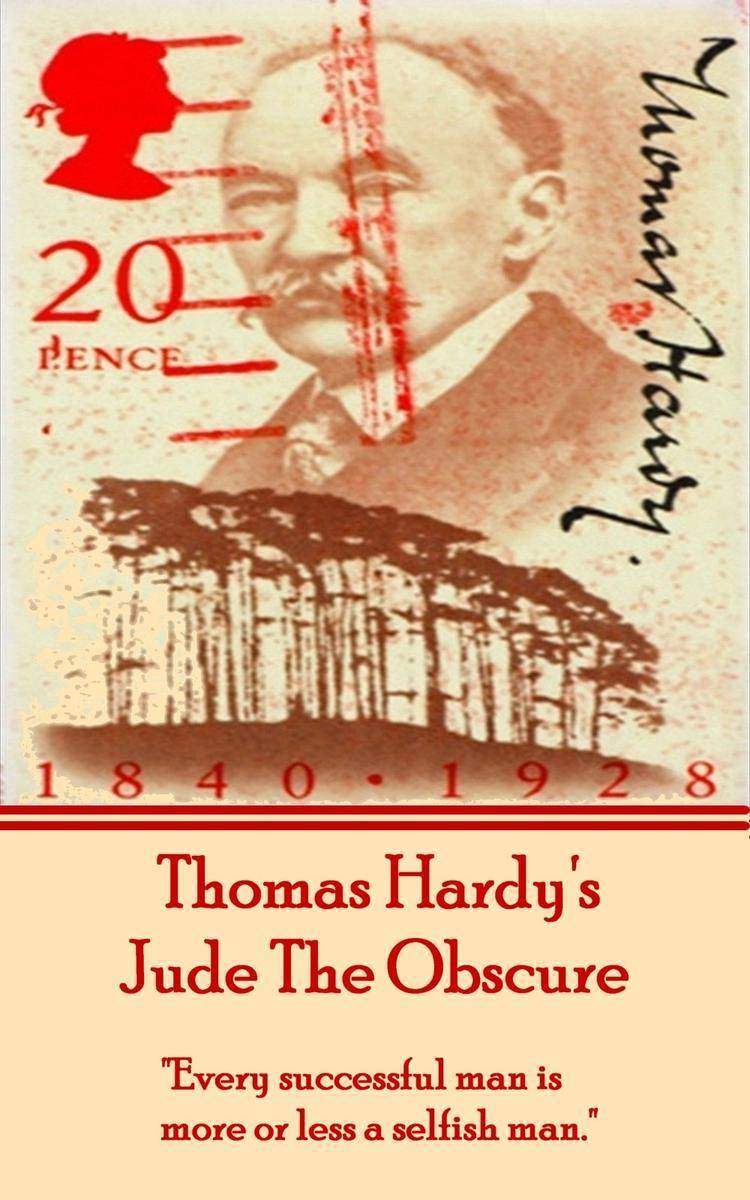
Jude The Obscure, By Thomas Hardy - Every successful man is more or less a selfi
¥23.45
Thomas Hardy (2nd June 1840 - 11th January 1928), celebrated poet and writer, was born in a modest thatched cottage near Dorchester in the West country, to a builder father. His mother came from a line of intelligent, lively and ambitious women so ensured her son had the best formal education available for their modest means although this ended when he was 16. He became a draughtsman specialising in the building of churches was able to give it up to be a full time writer and poet with the publication of Far From the Madding Crown which became a bestseller and like much of his work was serialised. His writing reflects his passionate beliefs for social reform and exposes the hypocrisy of the rules of the Victorian age which constrained many freedoms with convention and restricted the transcending of class boundaries. His novels are almost entirely set in rural Wessex which although fictional is clearly rooted in the SW counties of England where he was born and lived most of his life. Hardy's writing caused controversy in his lifetime but despite this he was highly praised and showered with honorary doctorates from many universities, a knighthood, which he refused and in 1910 the prestigious Order of the Merit. Jude the Obscure is "e;the sort of man who was born to ache a good deal."e; He is desperate to study at Christminster, the fictionalised Oxford University, and whilst self educated to a sufficient standard, his humble rural background prevents admission. Furthermore, he is distracted by the sensual Arabella and falls in love with the educated. emancipated new woman, Sue creating as Hardy states "e;a deadly war waged between flesh and spirit"e;. Whilst doomed love and unfulfilled ambition are the dominant themes, the frank criticism of marriage and fearless exploration of sexuality caused so much protest for its supposed indecency and the ensuing bitter criticism, made this Hardy's final novel and many agree also his finest. The novel continues to inspire the modern mind as the recent film directed by Michael Winterbottom and starring Christopher Eccleston and Kate Winslet as Jude and Sue attests.

Loves Labours Lost - Beauty is bought by judgement of the eye.
¥11.67
The life of William Shakespeare, arguably the most significant figure in the Western literary canon, is relatively unknown. Shakespeare was born in Stratford-upon-Avon in 1565, possibly on the 23rd April, St. George's Day, and baptised there on 26th April. Little is known of his education and the first firm facts to his life relate to his marriage, aged 18, to Anne Hathaway, who was 26 and from the nearby village of Shottery. Anne gave birth to their first son six months later. Shakespeare's first play, The Comedy of Errors began a procession of real heavyweights that were to emanate from his pen in a career of just over twenty years in which 37 plays were written and his reputation forever established. This early skill was recognised by many and by 1594 the Lord Chamberlain's Men were performing his works. With the advantage of Shakespeare's progressive writing they rapidly became London's leading company of players, affording him more exposure and, following the death of Queen Elizabeth in 1603, a royal patent by the new king, James I, at which point they changed their name to the King's Men. By 1598, and despite efforts to pirate his work, Shakespeare's name was well known and had become a selling point in its own right on title pages. No plays are attributed to Shakespeare after 1613, and the last few plays he wrote before this time were in collaboration with other writers, one of whom is likely to be John Fletcher who succeeded him as the house playwright for the King's Men. William Shakespeare died two months later on April 23rd, 1616, survived by his wife, two daughters and a legacy of writing that none have since yet eclipsed.
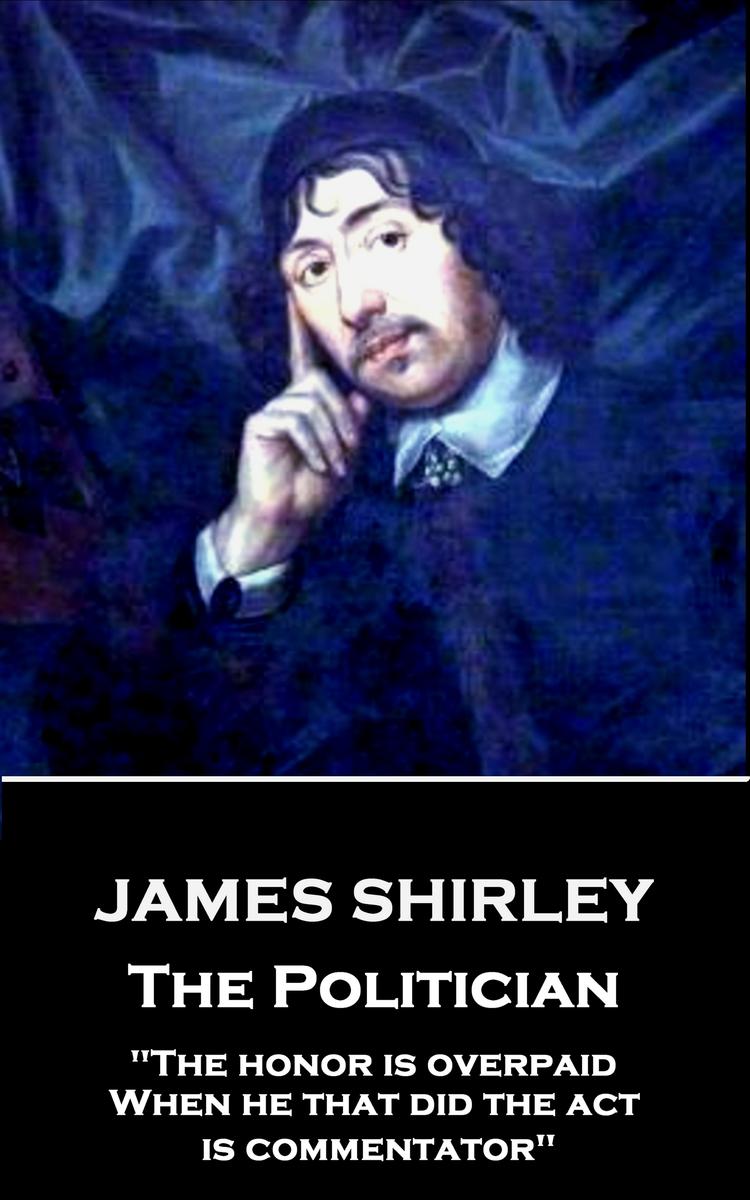
Politician - The honor is overpaid, When he that did the act is commentator
¥25.80
James Shirley was born in London in September 1596. His education was through a collection of England's finest establishments: Merchant Taylors' School, London, St John's College, Oxford, and St Catharine's College, Cambridge, where he took his B.A. degree in approximately 1618. He first published in 1618, a poem entitled Echo, or the Unfortunate Lovers. As with many artists of this period full details of his life and career are not recorded. Sources say that after graduating he became "e;a minister of God's word in or near St Albans."e; A conversion to the Catholic faith enabled him to become master of St Albans School from 1623-25. He wrote his first play, Love Tricks, or the School of Complement, which was licensed on February 10th, 1625. From the given date it would seem he wrote this whilst at St Albans but, after its production, he moved to London and to live in Gray's Inn. For the next two decades, he would write prolifically and with great quality, across a spectrum of thirty plays; through tragedies and comedies to tragicomedies as well as several books of poetry. Unfortunately, his talents were left to wither when Parliament passed the Puritan edict in 1642, forbidding all stage plays and closing the theatres. Most of his early plays were performed by Queen Henrietta's Men, the acting company for which Shirley was engaged as house dramatist. Shirley's sympathies lay with the King in battles with Parliament and he received marks of special favor from the Queen. He made a bitter attack on William Prynne, who had attacked the stage in Histriomastix, and, when in 1634 a special masque was presented at Whitehall by the gentlemen of the Inns of Court as a practical reply to Prynne, Shirley wrote the text-The Triumph of Peace. Shirley spent the years 1636 to 1640 in Ireland, under the patronage of the Earl of Kildare. Several of his plays were produced by his friend John Ogilby in Dublin in the first ever constructed Irish theatre; The Werburgh Street Theatre. During his years in Dublin he wrote The Doubtful Heir, The Royal Master, The Constant Maid, and St. Patrick for Ireland. In his absence from London, Queen Henrietta's Men sold off a dozen of his plays to the stationers, who naturally, enough published them. When Shirley returned to London in 1640, he finished with the Queen Henrietta's company and his final plays in London were acted by the King's Men. On the outbreak of the English Civil War Shirley served with the Earl of Newcastle. However when the King's fortunes began to decline he returned to London. There his friend Thomas Stanley gave him help and thereafter Shirley supported himself in the main by teaching and publishing some educational works under the Commonwealth. In addition to these he published during the period of dramatic eclipse four small volumes of poems and plays, in 1646, 1653, 1655, and 1659. It is said that he was "e;a drudge"e; for John Ogilby in his translations of Homer's Iliad and the Odyssey, and survived into the reign of Charles II, but, though some of his comedies were revived, his days as a playwright were over. His death, at age seventy, along with that of his wife, in 1666, is described as one of fright and exposure due to the Great Fire of London which had raged through parts of London from September 2nd to the 5th. He was buried at St Giles in the Fields, in London, on October 29th, 1666.


