


 购物车
购物车 个人中心
个人中心
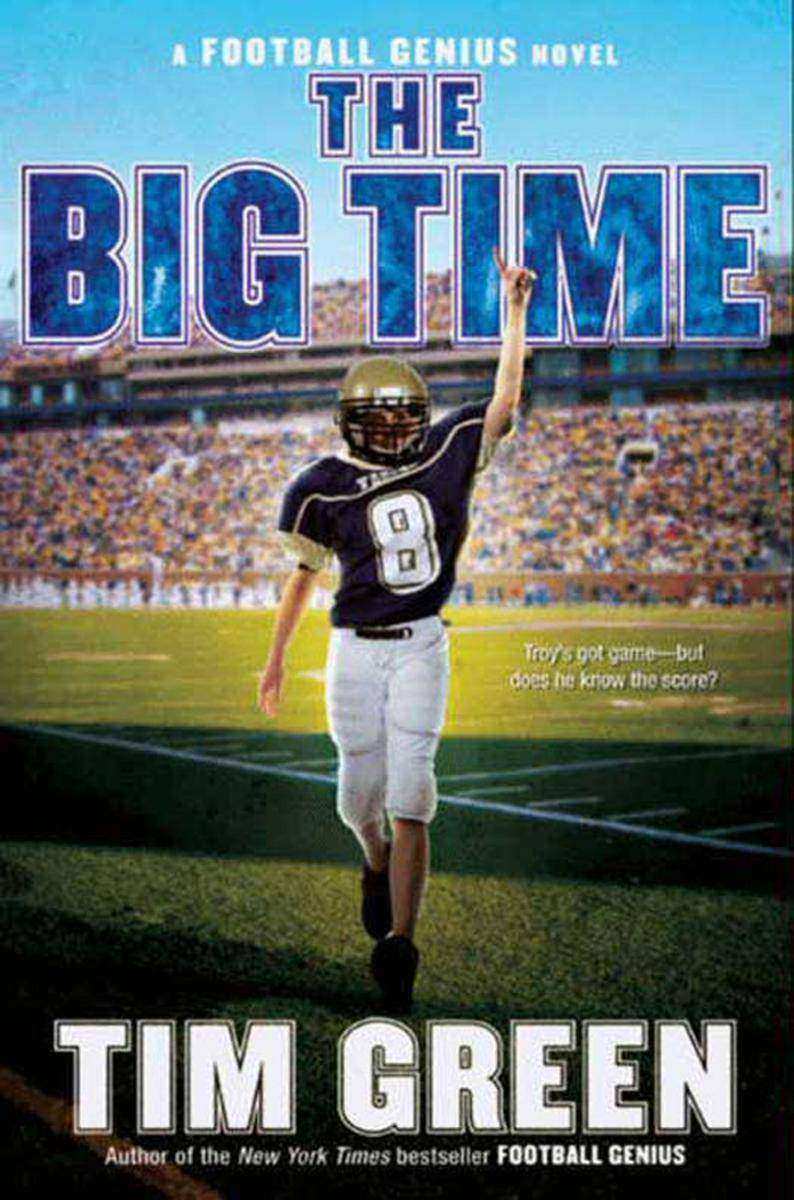
The Big Time
¥44.73
Things couldn't be going better for Troy White. The Atlanta Falcons' football genius is at the top of his game, helping the team get to the playoffs. Agents and lawyers are knocking on his door with big-money offers for the upcoming season. And his own football team has just won the Georgia State Championship! Troy's celebrating with his friends at linebacker Seth Halloway's mansion when another lawyer comes knocking—and he says, "I think I'm your father."In that instant, Troy's life is changed.Powerfully charged from start to finish, this is an amazing portrayal of Troy's struggle to make his lifetime dreams of being with his father come true. Filled with page-turning excitement as a high-stakes deal increases the clash of family tension, The Big Time is an unforgettable experience.
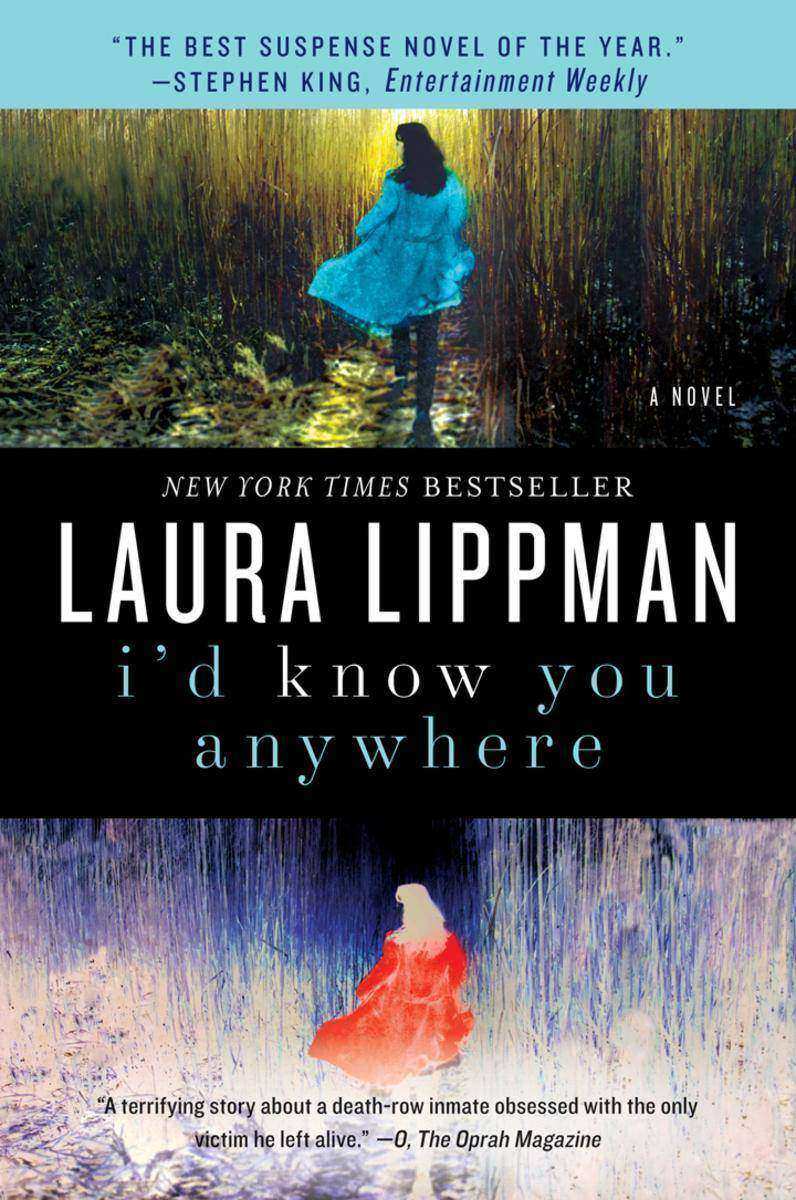
I'd Know You Anywhere
¥83.03
The acclaimed New York Times bestselling author returns with a new stand-alone novel—a powerful and utterly riveting tale that skillfully moves between past and present to explore the lasting effects of crime on a victim's life....I'd Know You AnywhereEliza Benedict cherishes her peaceful, ordinary suburban life with her successful husband and children, thirteen-year-old Iso and eight-year-old Albie. But her tranquillity is shattered when she receives a letter from the last person she ever expects—or wants—to hear from: Walter Bowman. There was your photo, in a magazine. Of course, you are older now. Still, I'd know you anywhere.In the summer of 1985, when she was fifteen, Eliza was kidnapped by Walter and held hostage for almost six weeks. He had killed at least one girl and Eliza always suspected he had other victims as well. Now on death row in Virginia for the rape and murder of his final victim, Walter seems to be making a heartfelt act of contrition as his execution nears. Though Eliza wants nothing to do with him, she's never forgotten that Walter was most unpredictable when ignored. Desperate to shelter her children from this undisclosed trauma in her past, she cautiously makes contact with Walter. She's always wondered why Walter let her live, and perhaps now he'll tell her—and share the truth about his other victims.Yet as Walter presses her for more and deeper contact, it becomes clear that he is after something greater than forgiveness. He wants Eliza to remember what really happened that long-ago summer. He wants her to save his life. And Eliza, who has worked hard for her comfortable, cocooned life, will do anything to protect it—even if it means finally facing the events of that horrifying summer and the terrible truth she's kept buried inside.An edgy, utterly gripping tale of psychological manipulation that will leave readers racing to the final page, I'd Know You Anywhere is a virtuoso performance from acclaimed, award-winning author Laura Lippman that is sure to be her biggest hit yet.
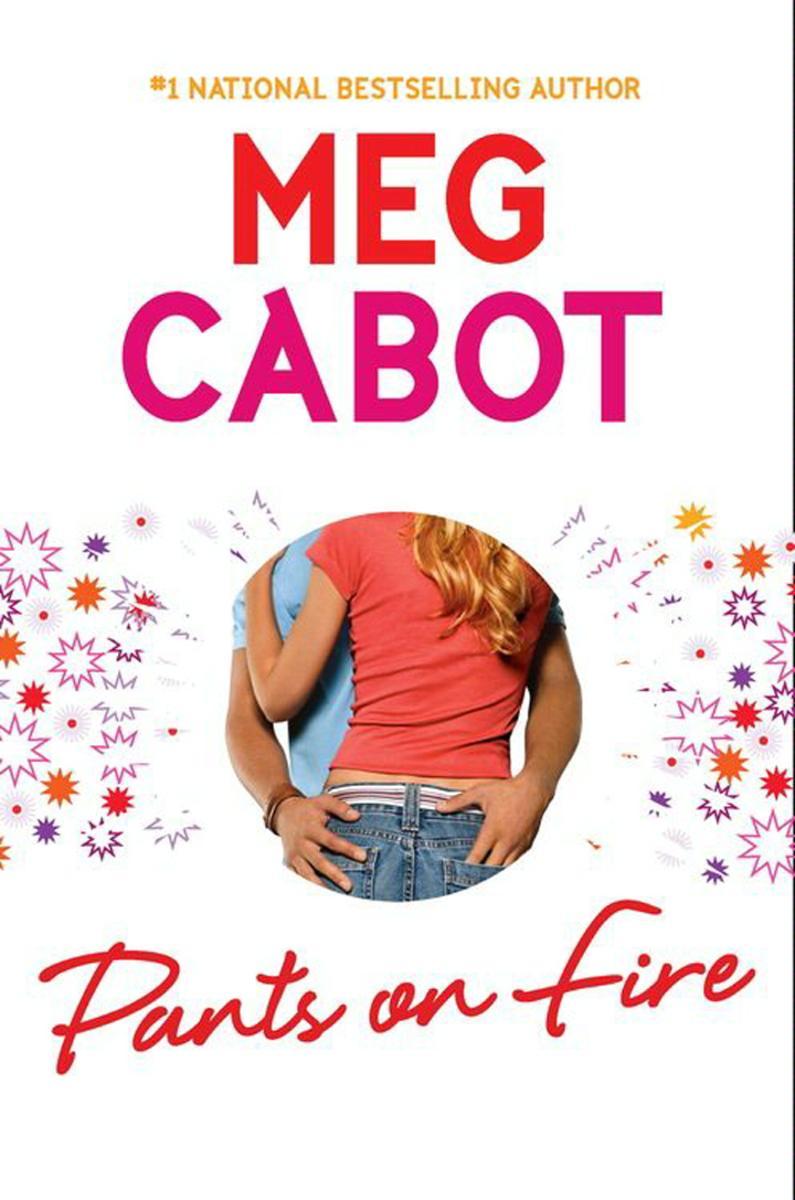
Pants on Fire
¥55.33
Katie Ellison is not a liar.It's just that telling the truth is so . . . tricky. She knows she shouldn't be making out with a drama club hottie behind her football-player boyfriend's back. She should probably admit that she can't stand eating quahogs (clams), especially since she's running for Quahog Princess in her hometown's annual Quahog Festival. And it would be a relief to finally tell someone what really happened the night Tommy Sullivan is a freak was spray-painted on the new wall outside the junior high school gymnasium—in neon orange, which still hasn't been sandblasted off. After all, everyone knows that's what drove Tommy out of town four years ago.But now Tommy Sullivan has come back. Katie is sure he's out for revenge, and she'll do anything to hang on to her perfect (if slightly dishonest) existence. Even if it means telling more lies than ever. Even if, now that Tommy's around, she's actually—no lie—having the time of her life.
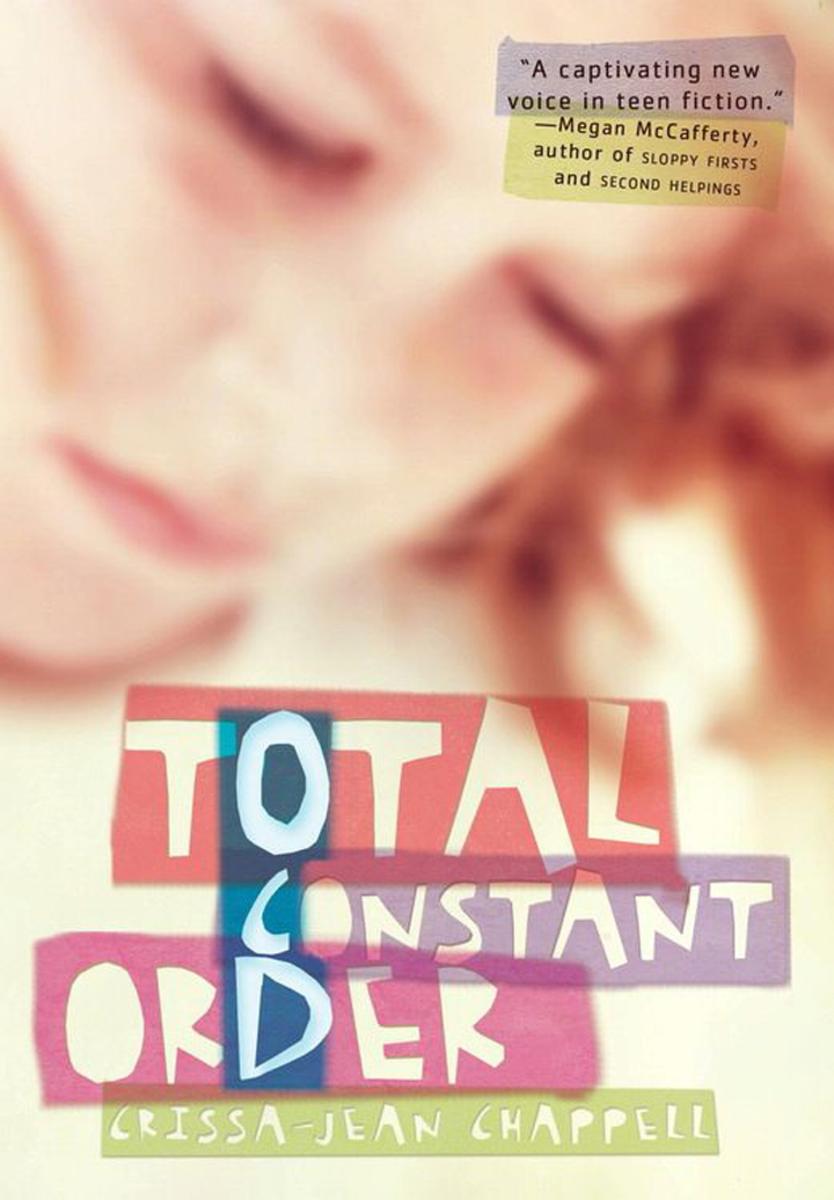
Total Constant Order
¥43.09
Fin can't stop counting. She's always heard a voice inside her head, ordering her to listen, but ever since she's moved to the Sunshine State and her parents split up, numbers thump like a metronome, rhythmically keeping things in control. When a new doctor introduces terms such as "clinical depression" and "OCD" and offers a pre*ion for medication, the chemical effects make Fin feel even more messed up. Until she meets Thayer, a doodling, rule-bending skater who buzzes to his own beat—and who might just understand Fin's hunger to belong, and her struggle for total constant order. Crissa-Jean Chappell's candid and vividly told debut novel shares the story of a young teen's experience with obsessive compulsive disorder and her remarkable resolve to find her own inner strength.

Vamps
¥49.70
When the sun goes down, New York's true elite all head to one place: Bathory Academy, where the young ladies of the finest vampire families are trained in shapeshifting and luring their prey. Bathory's reigning queen, Lilith Todd, is the daughter of a powerful vampire businessman, and she knows exactly what she wants from life. She wants to look beautiful for eternity and party till the sun comes up with her gorgeous boyfriend, Jules. And she doesn't want any New Blood upstarts standing in her way.Enter Cally Monture, an unexpected threat from a trash zip code. When their first meeting leads to tragic results, Lilith is hungry for revenge.
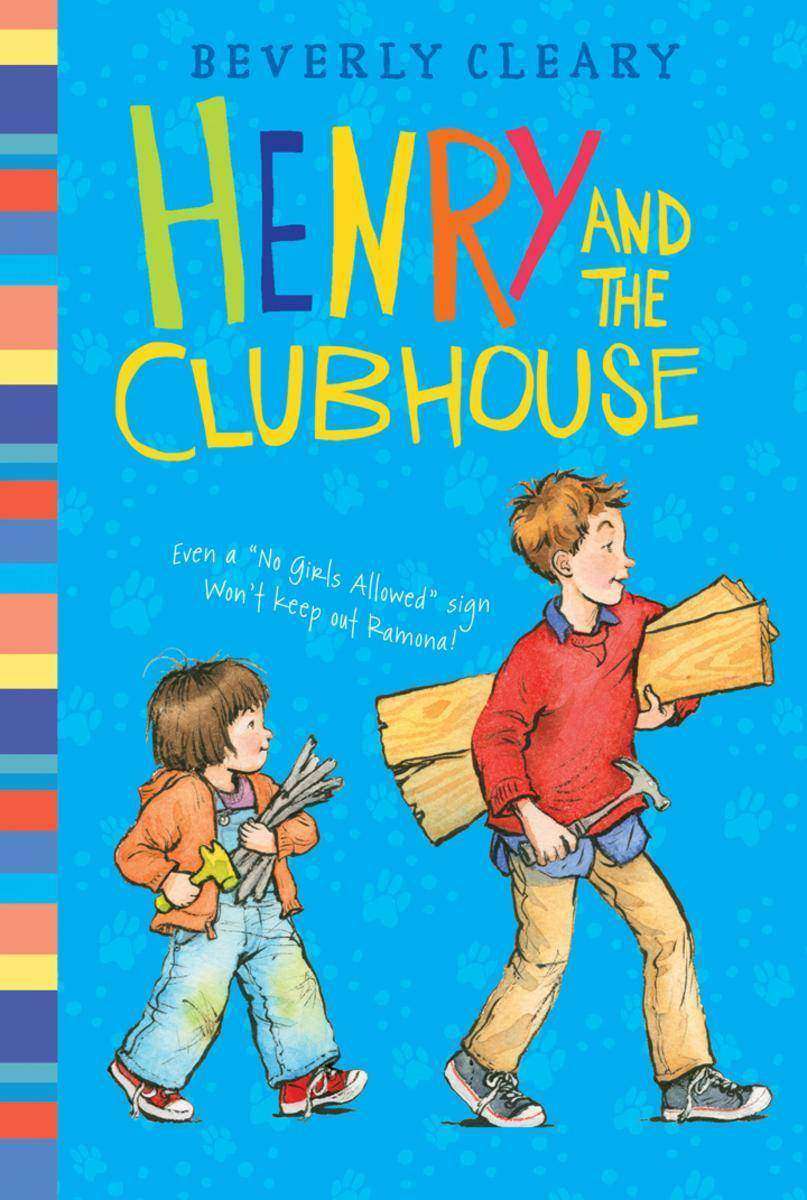
Henry and the Clubhouse
¥44.73
Fiery Ramona Quimby and the well-meaning Henry Huggins may clash, but in this delightful and hilariously told novel by Newbery Medal-winning author Beverly Cleary, an unlikely compromise wins the day.Henry and his friends are building a no-girls-allowed clubhouse. With a private space of their own away from everyone else—and even a top secret entry password—they're all thrilled with their boy fort. But Henry's about to find out that nothing—not even a sign—will keep gutsy Ramona out of their clubhouse…and her retaliation may just ruin Henry's newspaper career.
Jean and Johnny
¥60.87
First DateFifteen-year-old Jean is astonished when a handsome Johnny whirls her ‘round the dance floor. She's never given much thought to boys before; now Johnny is all that's on her mind. Finally she finds the courage to invite him to a dance. But the excitement of a new dress and a scheme to take Johnny's photograph cannot stop jean's growing uneasiness that she likes Johnny a lot more than he likes her . . .This high-school story, which is both funny and touching, is about a girl who lacks self-confidence, and a boy who has too much.
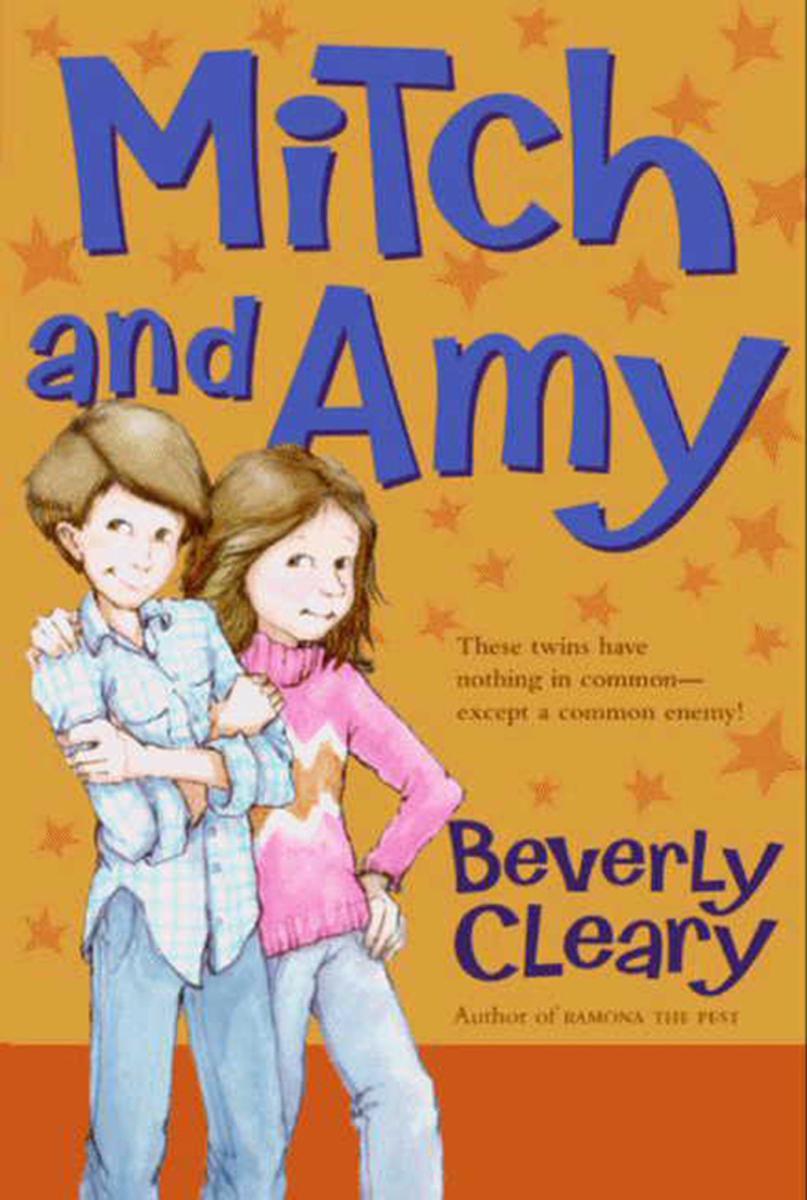
Mitch and Amy
¥38.72
Mitch and Amy both think being twins is fun, but that doesn't stop them from squabbling. Amy is good at reading. Mitch is a math whiz. Amy likes to play pretend. Mitch would rather skateboard. They never want to watch the same television show. And they always try to get the better of each other.Then the school bully starts picking on Mitch-and on Amy, too. Now the twins have something rotten in common: Alan Hibbler. This twosome must set aside their squabbles and band together to defeat a bully!

Replay
¥38.72
Newbery Medal winner Sharon Creech's inspired novel tells the story of a boy who fantasizes about who he is in order to discover who he will become. Now with fresh and gorgeous new cover art, this touching tale has received many starred reviews, and was called a "warm, funny, philosophical novel" by Kirkus Reviews.With the backdrop of a large family and a theater as its frame, this is a story about twelve-year-old Leo, who has a talent for transforming the ordinary into the extraordinary. That's why he's called "fog boy." He's always dreaming, always replaying things in his brain. As an actor in the school play, he is poised and ready for the curtain to open. But in the play that is his life, he is eager to discover what part will be his.With the universal theme of finding one's true identity, and set amid a loud, noisy, memorable family, Leo's story is one that all kids will relate to. And there's a full play at the end of the book that kids and teachers can perform!
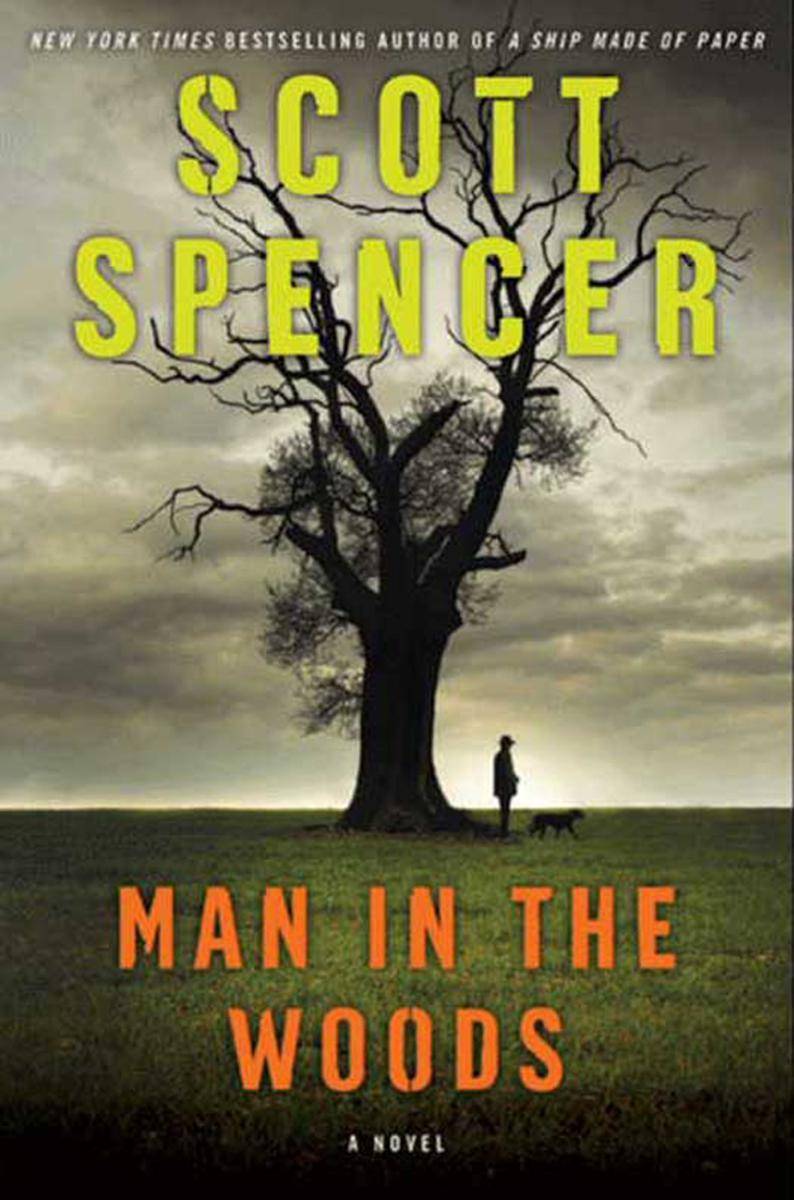
Man in the Woods
¥83.92
One of the most acclaimed modern American novelists, Scott Spencer captures the intensity of human passion—and its capacity to both destroy and redeem—with unparalleled precision and insight. Now, in his most stunning novel yet, this wry, witty, and deeply sensitive writer returns to the territory of his New York Times bestseller A Ship Made of Paper, in a gripping and provocative psychological thriller of morality and manhood, choice and fate.Paul has been on his own since he was a teenager, leading a life of freedom and independence, beholden to no one and nothing. Fearless, resolute, and guided by his own private moral code, he has hunted for food in Alaska, fought forest fires, and been deputized in a manhunt for a kidnapper in South Dakota.Once he thought his life would have no particular rhyme or reason, touched only by transient strangers. Then he meets the beautiful, intelligent, loving Kate Ellis and her daughter, Ruby, who offer order and constancy. But Paul is a man of deep convictions, and the compromises we all make to get along in the world elude him.On his way home after rejecting a job remodeling a luxurious Manhattan apartment, Paul stops to gather his thoughts at a state park just off the highway. Instead of peace, he finds a man savagely beating a dog, and in a few fateful moments Paul is plunged into a world of violence and onto a tumultuous journey of self-knowledge, guilt, and redemption.With the psychological acuity and razor-sharp prose for which he has been celebrated, award-winning, bestselling novelist Scott Spencer once again takes us on an unforgettable journey of manhood lost and found.

Walking on Glass
¥107.82
Your mother's suicide attempt has left her in a coma from which she's never waking up. You know that she wouldn't want to live like this, but could you really help her dieHere you are, making the hardest decision of your life and there's no one to help you: Your father has disappeared into depression. Your best friend is becoming someone you no longer want to know. There is a girl who could help, maybe, if you'd let her. But in the end, it's all up to you. A free-verse novel from debut author Alma Fullerton plunges deep inside the psyche of a young man faced with a life-and-death decision.
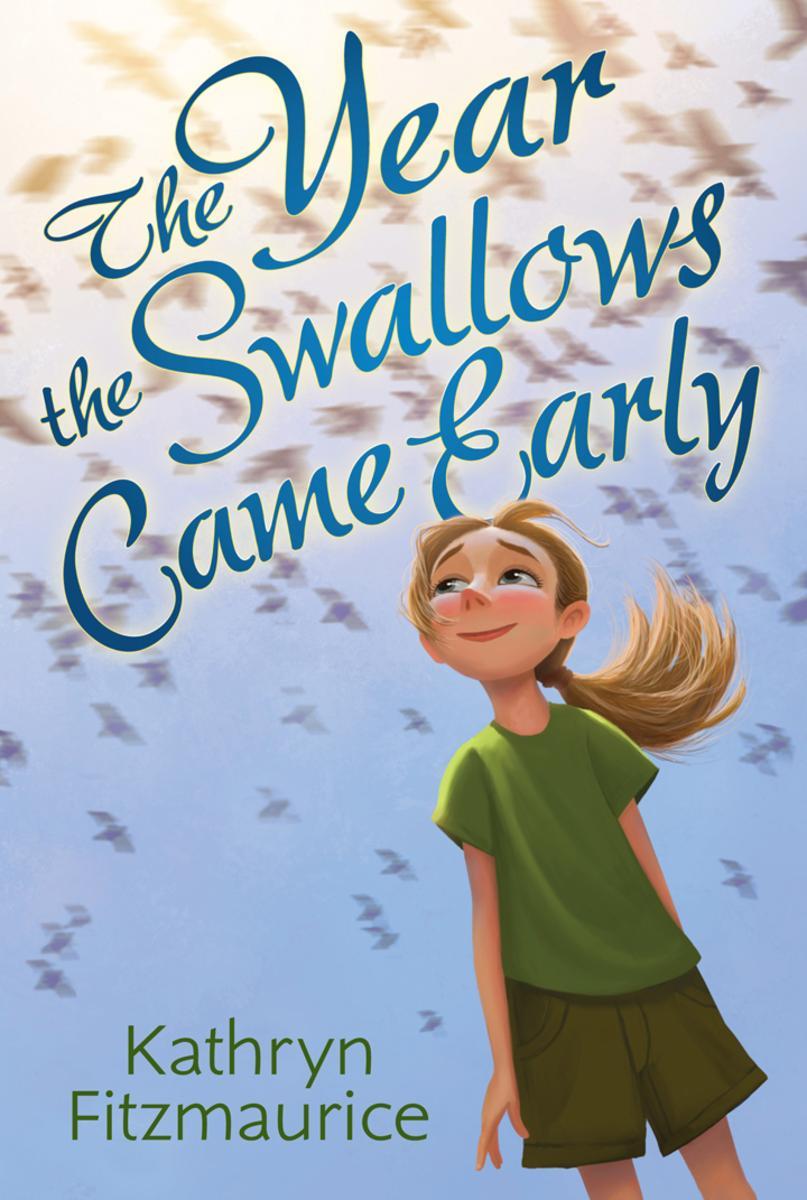
The Year the Swallows Came Early
¥39.24
Eleanor "Groovy" Robinson loves cooking and plans to go to culinary school just as soon as she's old enough. But even Groovy's thoughtfully—planned menus won't fix the things that start to go wrong the year she turns eleven—suddenly, her father is in jail, her best friend's long-absent mother reappears, and the swallows that make their annual migration to her hometown arrive surprisingly early. As Groovy begins to expect the unexpected, she learns about the importance of forgiveness, understands the complex stories of the people around her, and realizes that even an earthquake can't get in the way of a family that needs to come together. Kathryn Fitzmaurice's lovely debut novel is distinctively Californian in its flavor. Her rich characters and strong sense of place feel both familiar and fresh at first meeting—and worth revisiting, again and again.
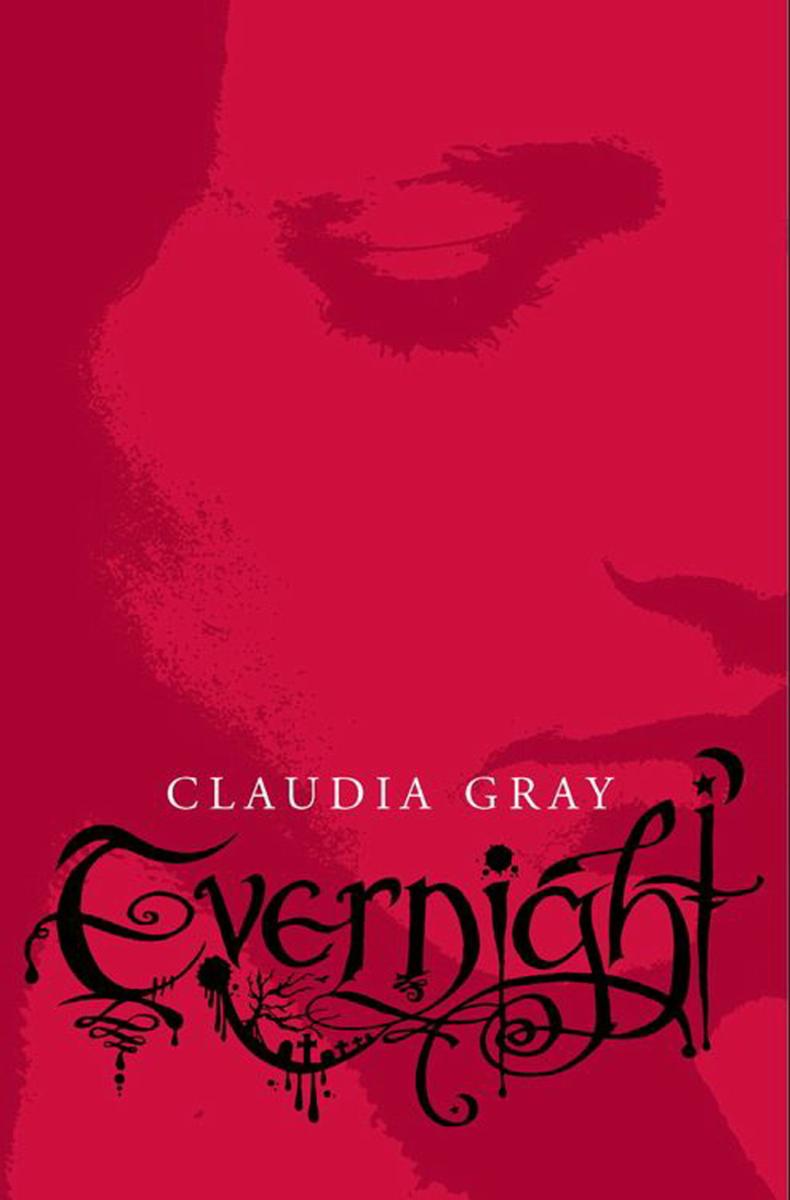
Evernight
¥50.33
Bianca wants to escape.She's been uprooted from her small hometown and enrolled at Evernight Academy, an eerie Gothic boarding school where the students are somehow too perfect: smart, sleek, and almost predatory. Bianca knows she doesn't fit in.Then she meets Lucas. He's not the "Evernight type" either, and he likes it that way. Lucas ignores the rules, stands up to the snobs, and warns Bianca to be careful—even when it comes to caring about him."I couldn't stand it if they took it out on you," he tells Bianca, "and eventually they would." But the connection between Bianca and Lucas can't be denied. Bianca will risk anything to be with Lucas, but dark secrets are fated to tear them apart . . . and to make Bianca question everything she's ever believed.

Can I Freeze It?
¥105.17
Freezers are one of the most useful––and most neglected––tools in the kitchen. Particularly great for those dark winter months when you want to get dinner on the table 15 minutes after you get home from work––think lasagna, stews, curries, and soups––freezers are also useful for entertaining friends when time is short. In Can I Freeze ItSusie Theodorou explains the tips, tricks, and rules of freezing food, from containers and wrappers (foil or Tupperware?), to the best methods for retaining moisture and flavor, to what ingredients and dishes can and can't be frozen. She provides a wealth of recipes, along with color photographs, for whole and part dishes. Some are completely pre–assembled (think chicken in a marinade) and then frozen and cooked later. Still others combine frozen ingredients with fresh ones–pair a pastry from the freezer with berries from the farm stand, or defrost a sauce and use it to top fish straight from the market. Can I Freeze Itis the ultimate guide to saving time and money in the kitchen.

Don't Look Twice
¥69.16
In this dramatic new novel following the bestselling The Dark Tide, a drive-by shooting rocks the posh suburb of Greenwich, Connecticut, and an innocent bystander is left dead. Detective Ty Hauck plunges into what seems like a vicious case of retribution and follows the trail to a sinister gambling scheme at an upstate casino. Until Annie Fletcher, a young restaurateur in the midst of rebuilding her life, witnesses something she shouldn't have—and immediately runs to him with what she knows. Suddenly, Hauck is pulled into a rising storm far greater than it first appeared—a storm wide enough to encompass corruption inside Greenwich's circle of wealthy and powerful citizens. And punishing enough to consume Hauck's own family, and tear brothers apart forever . . . if it doesn't kill them first.Don't Look Twice is a gripping story of profiteering on an international scale and an emotionally resonant domestic thriller from one of the hottest new talents in suspense fiction.
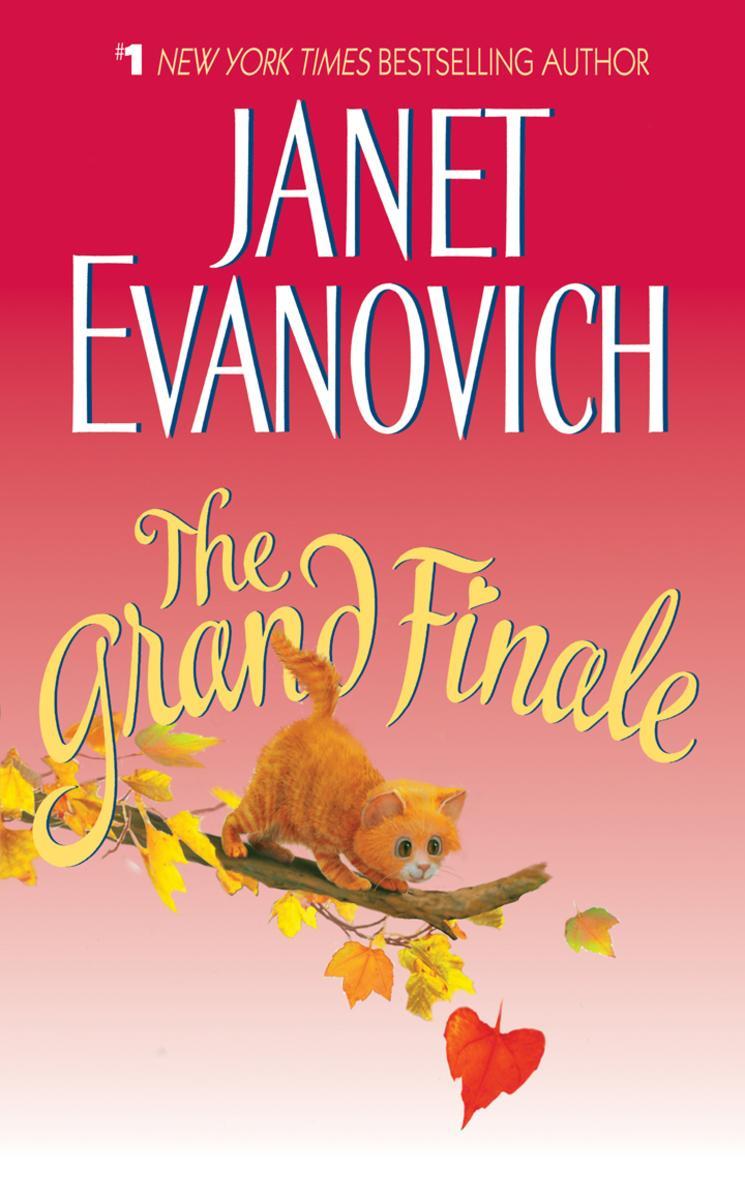
The Grand Finale
¥55.31
From the #1 New York Times bestselling author comes a revised, repackaged novel sure to please her many fans. She writes "high speed comic mayhem" (Detroit Free Press); she's "a blast of fresh air" (Washington Post); "side-splitting funny" (Publishers Weekly) and "a winner" (Glamour). In other words, she's Janet Evanovich.Berry Knudson had a talent for disaster, but when she climbed a tree to rescue a kitten, she wasn't prepared for the scrumptious hunk undressing in a nearby window, or her dive downward that smashed Jake Sawyer's pizza and won his heart! But was there room in her chaotic schedule for a risk-taking inventor with dreamsShe took classes, delivered pizzas, and cared for three eccentric old ladies she rescued from the train station. But Jake thrived on a challenge, and he could be very inventive. Could he teach her there was time to make butterscotch pudding and let herself be loved?
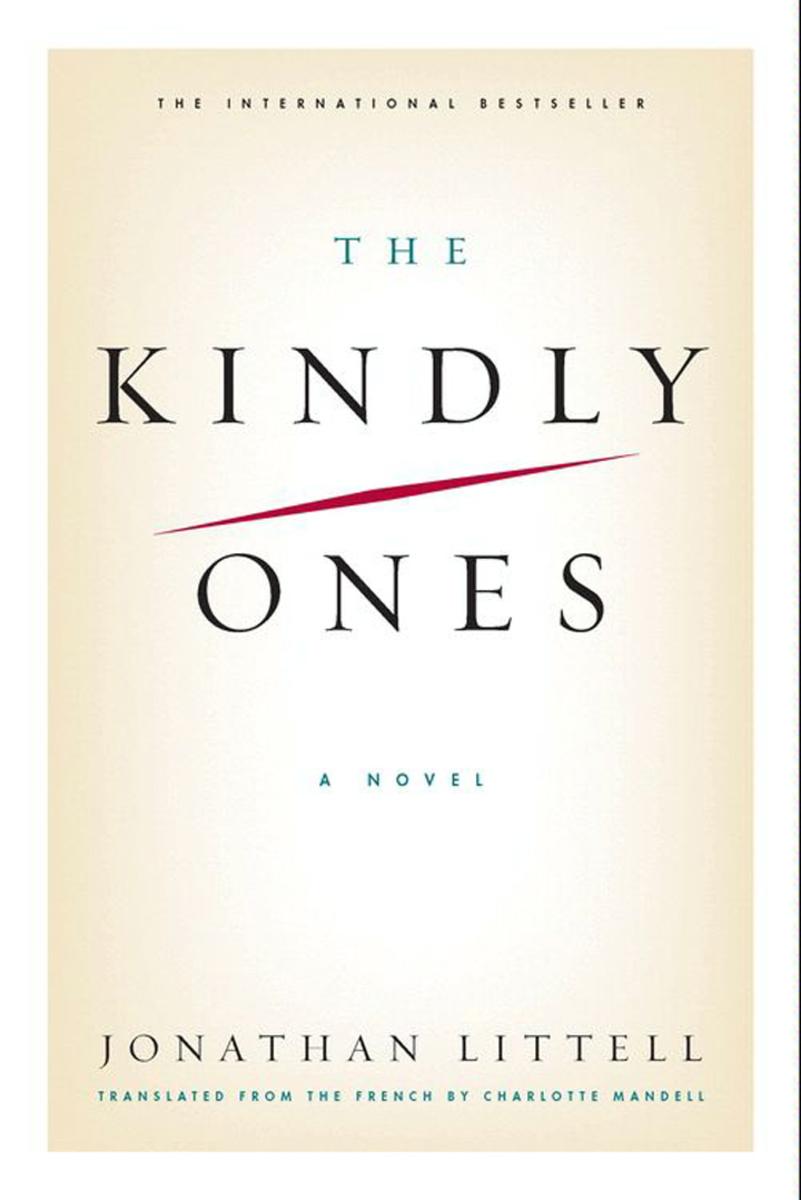
The Kindly Ones
¥95.11
Named one of the "100 Best Books of the Decade" by The Times of London "Oh my human brothers, let me tell you how it happened."A former Nazi officer, Dr. Maximilien Aue has reinvented himself, many years after the war, as a middle-class family man and factory owner in France. An intellectual steeped in philosophy, literature, and classical music, he is also a cold-blooded assassin and the consummate bureaucrat. Through the eyes of this cultivated yet monstrous man we experience in disturbingly precise detail the horrors of the Second World War and the Nazi genocide of the Jews. Eichmann, Himmler, G?ring, Speer, Heydrich, H?ss—even Hitler himself—play a role in Max's story. An intense and hallucinatory historical epic, The Kindly Ones is also a morally challenging read. It holds a mirror up to humanity—and the reader cannot look away.
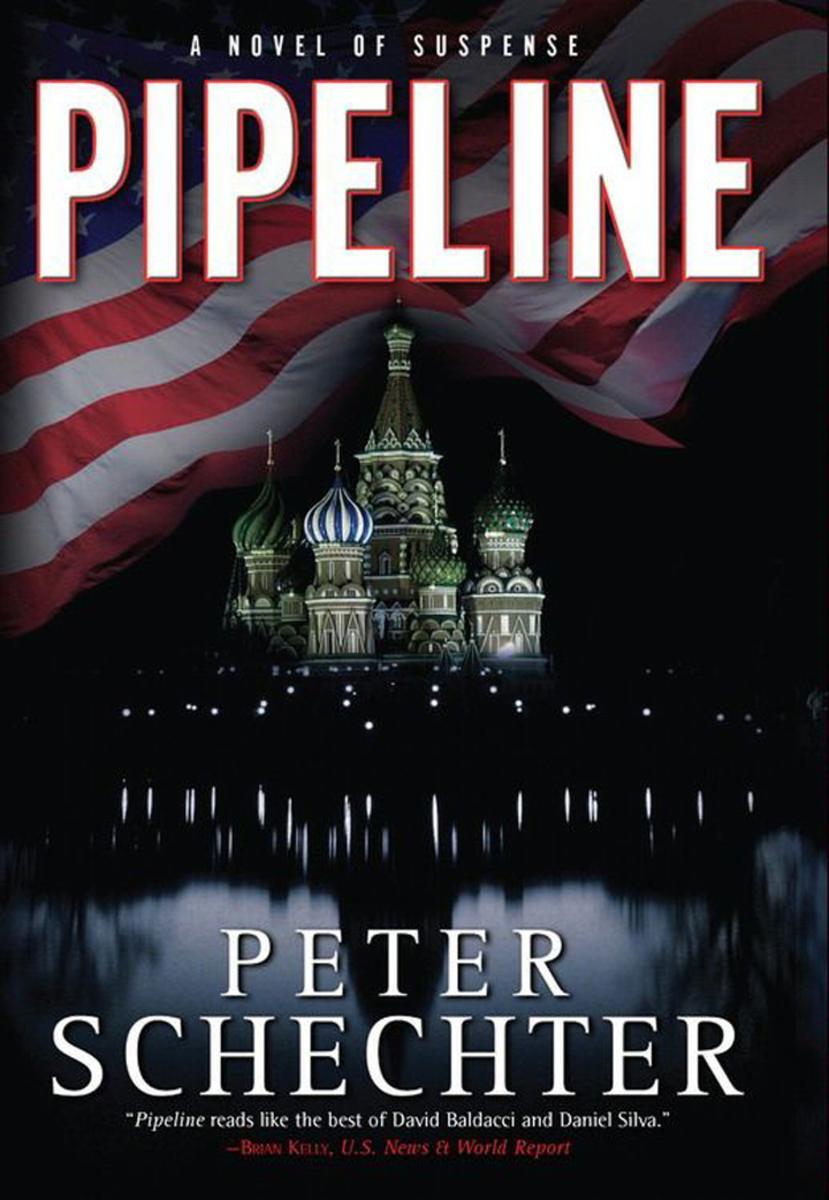
Pipeline
¥56.67
A new Cold War has arrived, posing deep threats to our national security. Country after country is bending to the will of a newly resurgent Russia willing to use its vast natural gas reserves as a foreign policy sword. Suddenly the United States also finds itself needing energy from an increasingly hostile Russia. And only a handful of unsuspecting insiders can save America from ruthless Moscow oligarchs who seek to ensnare our country in ever-deeper energy dependence. In a small apartment, in the middle of a damp D.C. summer night, Tony Ruiz, special assistant to the president, gets a phone call from the White House. Blackouts in California are causing panic, the electric fences at the prison in Sacramento have powered down and prisoners are escaping, California is being plunged into a hellish nightmare. . .In a hotel room in Germany, the brilliant and feared American environmental activist Blaise Ryan is relieved to be away from the steady deterioration in her home state of California. A heated dinner argument with a powerful Russian energy executive lays bare the new alignments of world power. . .On an ordinary evening in an upscale neighborhood in Lima, a powerful Peruvian senator has a backseat conversation with managers from one of the world's most powerful natural gas companies. The senator's conversation could change the balance of power in the Western Hemisphere, and threaten the national security of the United States. . .With a master's touch for capturing the essence of the day's more dangerous scenarios, Peter Schechter's Pipeline will leave readers questioning the possibilities of what our future holds, and who has the true power to harm the world.
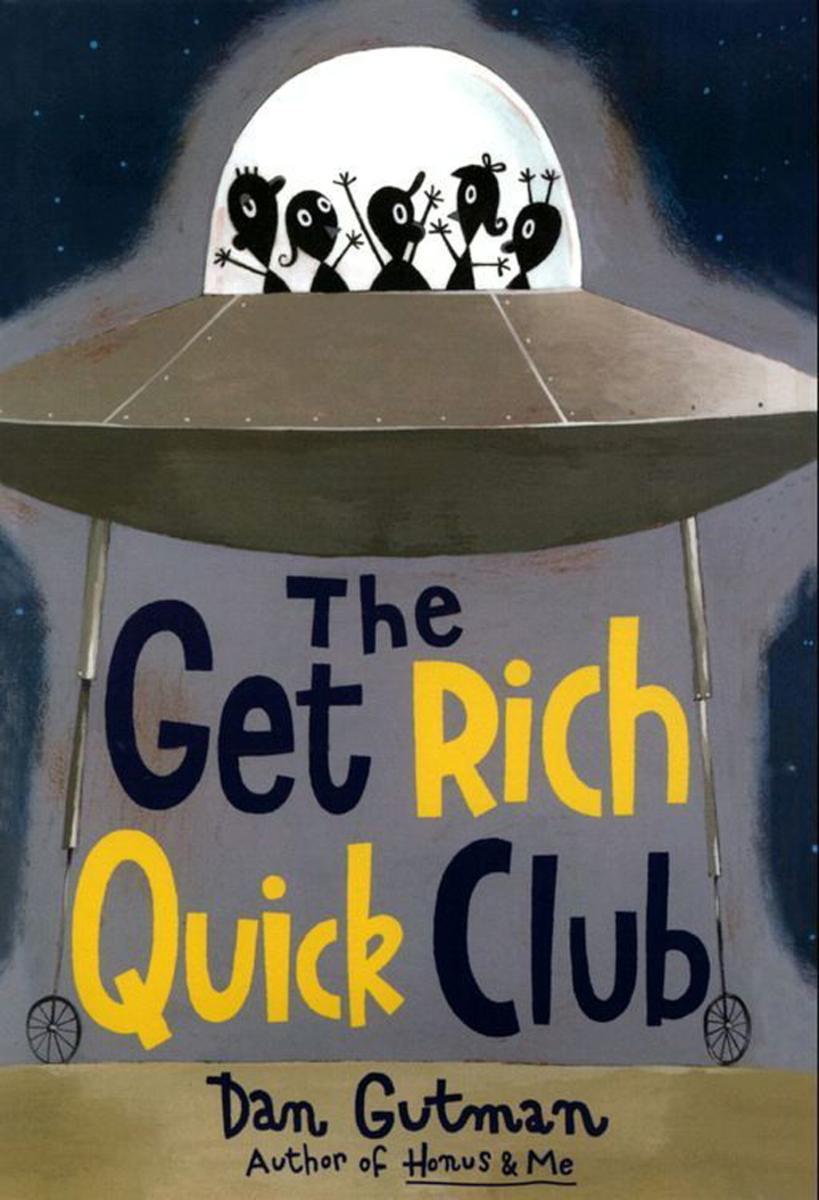
The Get Rich Quick Club
¥33.53
We, the members of the Get Rich Quick Club, in order to form a more perfect summer, vow that we will figure out a way to make a million dollars by September. We agree that neither rain nor snow nor gloom of night will prevent us from achieving our stated goal, till death do us part.Gina Tumolo and her Get Rich Quick Club are determined to make their summer pay off. They're going to make a pact and hatch a scheme, and their small-town life will never be the same again.

Justin and the Best Biscuits in the World
¥39.24
Ten-year-old Justin hates that his sisters and his mama are always fussing at him. They make him feel stupid because he can't clean his room or cook. But why should heHe'd rather be outside playing. After all, cooking and cleaning is just “women's work.” That's why Justin is glad when his grandfather invites him back to his ranch for the summer. Justin is sure he can get away from all the women and do some actual “men's work,” such as cleaning fish, mending fences, and riding horses. But back at the ranch, Justin learns some unexpected lessons and soon realizes that anyone can do anything once they learn how.
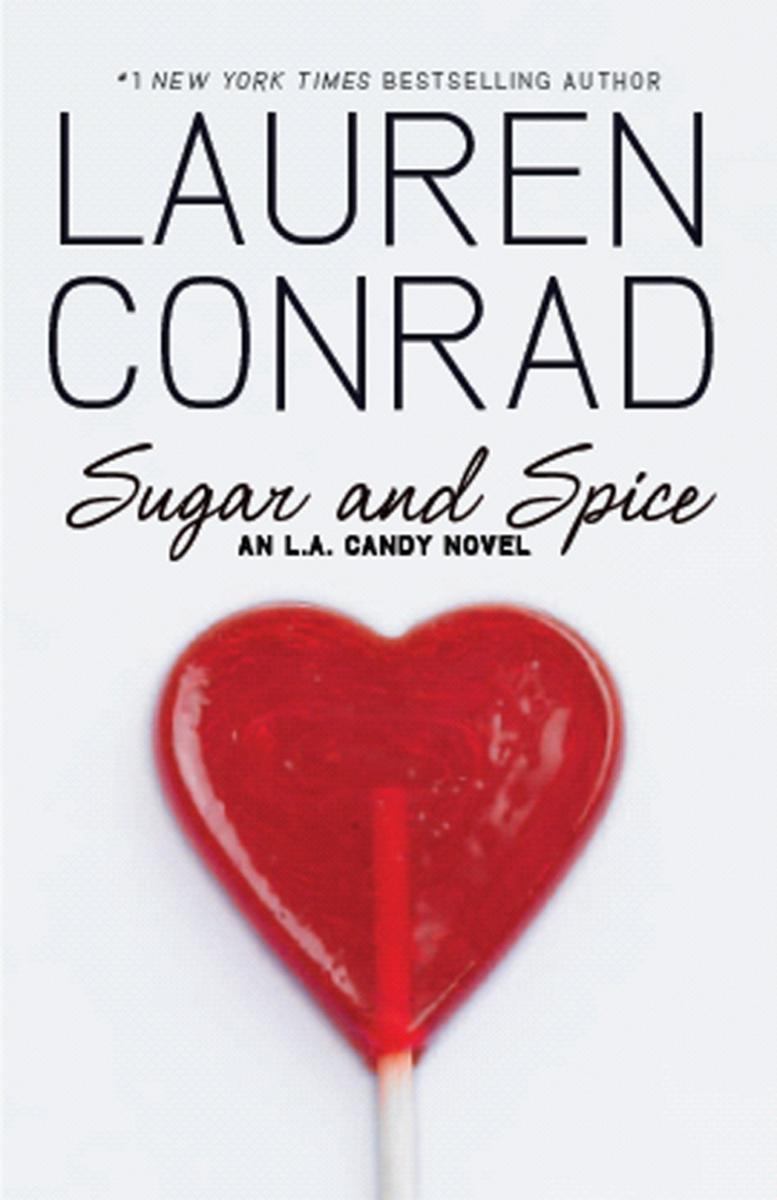
Sugar and Spice
¥55.93
Sugar and Spice . . . Not everyone's nice.Fresh from being betrayed by one of her closest friends, new reality-television celebrity Jane Roberts has learned a few lessons. Most important: know who to trust. And inHollywood, that list is short.Although the press is intent on creating a tabloid war between her and ex-friend/current-costar Madison Parker, Jane just wants to take control of her life. She’s started by swearing off guys and the drama that comes with them. But when her high school sweetheart Caleb and her unrequited L.A. crush Braden show up, both acting sweeter than ever, Jane has a hard timeremembering her no-boys rule. . . .Her best friend, Scarlett, has only one guy on her mind: her new boyfriend, Liam. The girl who once thought love was a four-letter word is now head over heels. The problem is, being ona hit reality show means hanging out with other guys on-camera, and Liam isn’t too happy with pretending to play a bit part in her love life.Just when everything feels out of control, Jane makes a shocking discovery—one that changes everyone’s definition of “reality” forever.In her deliciously entertaining novel, television star Lauren Conrad pulls back the curtain on young Hollywood and shows that sometimes the real drama is behind the scenes.


