


 购物车
购物车 个人中心
个人中心
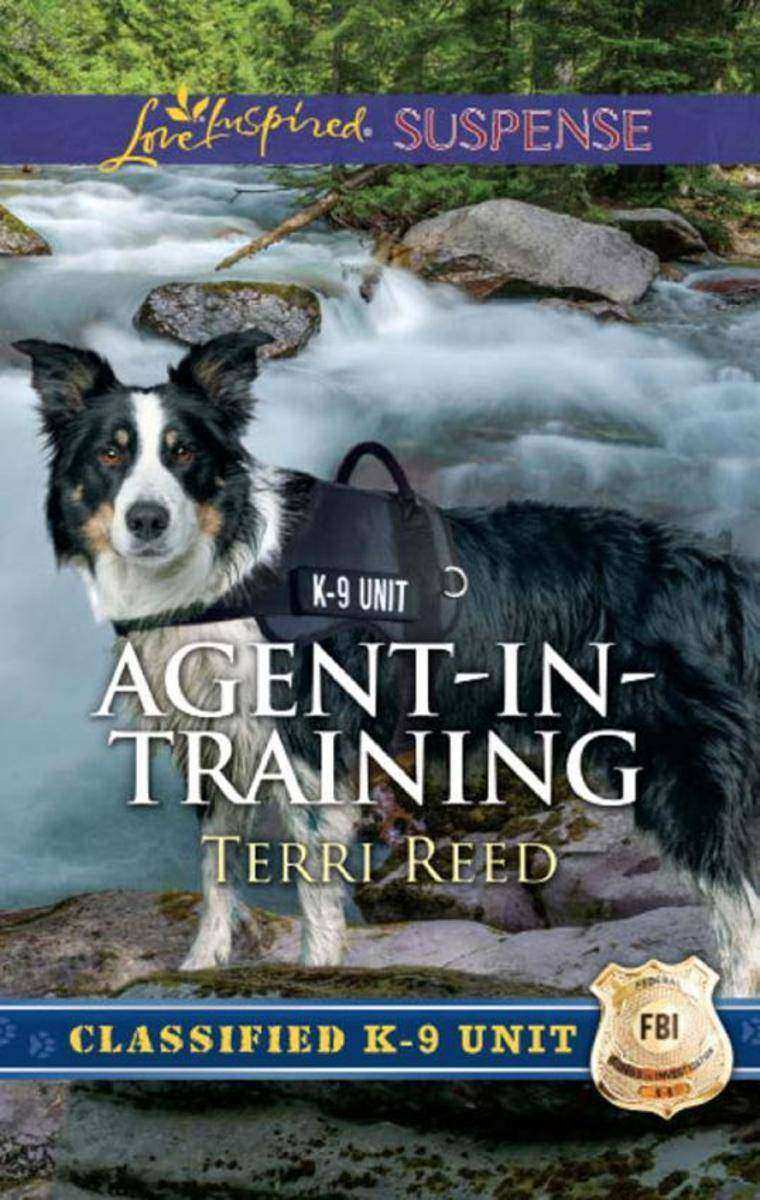
Agent-In-Training (Mills & Boon Love Inspired Suspense) (Classified K-9 Unit, Bo
¥22.07
Meet the FBI special agents of the elite Classified K-9 Unit in this exciting new novella! Classified K-9 Unit: These FBI agents solve the toughest cases with the help of their brave canine partners FBI intern Zara Fielding and her K-9 partner, Radar, stumble across a robbery gone wrong and put themselves in the criminals’ crosshairs. Her childhood friend FBI computer guru Dylan O’Leary works for the secretive FBI unit she longs to join, and he vows not to let anything happen to her. As they work to stay one step ahead of the bad guys, new feelings ignite. When she goes missing, it’s only Dylan—and Radar—who can track her down. Will they arrive in time to save her and the future she and Dylan have started dreaming about? Look for more books in the Classified K-9 Unit series from Love Inspired Suspense.

Her Lakeside Family (Mills & Boon Love Inspired) (Men of Millbrook Lake, Book 5)
¥22.07
A Home for the Single Dad Landing a renovation job for a wealthy Millbrook Lake client is a coup for contractor Davina “Dani” Connell—one that could give her business a much needed boost. But Santo Alvanetti could be trouble in more ways than one. Dark, brooding and distractingly handsome, this recently widowed father of three is surrounded by sadness and shadows, much like his home. All good reasons not to become emotionally involved. They may be complete opposites, but there’s something irresistible about Santo. Dani’s determined to give him and his children the new home and future they deserve. But could she also be the wife and mom they need?
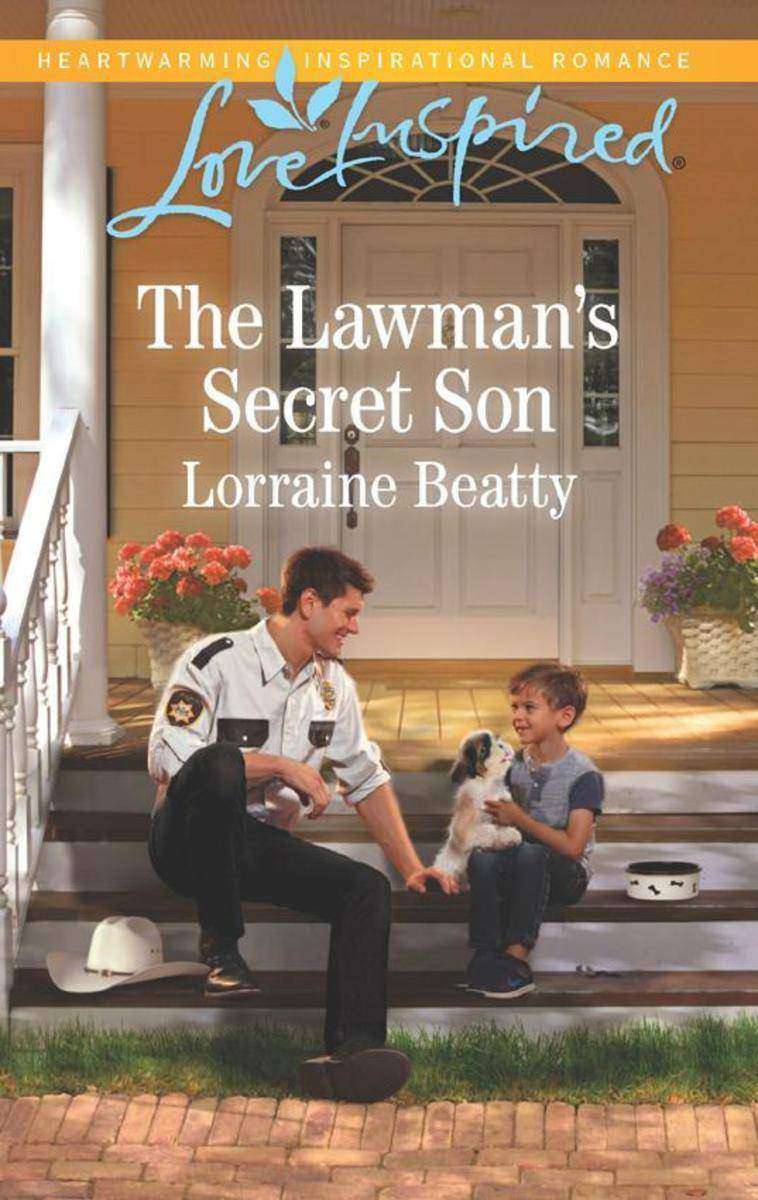
The Lawman's Secret Son (Mills & Boon Love Inspired) (Home to Dover, Book 9)
¥22.07
THE LAWMAN'S SECRET SON Police officer Seth Montgomery knows all about order—but his world is thrown into chaos when he learns he has a five-year-old son. With little Jack suddenly in his care, Seth turns to neighbour Carrie Fletcher for help. Given her checkered past, Carrie prefers to keep to herself, but there’s no denying she cares for the boy—and her feelings for charming Seth are rapidly developing, too. When someone from Carrie’s past shows up threatening to jeopardise the life she’s worked so hard to build, Carrie will have to fight for her future with the new family she’s found…or risk losing everything.
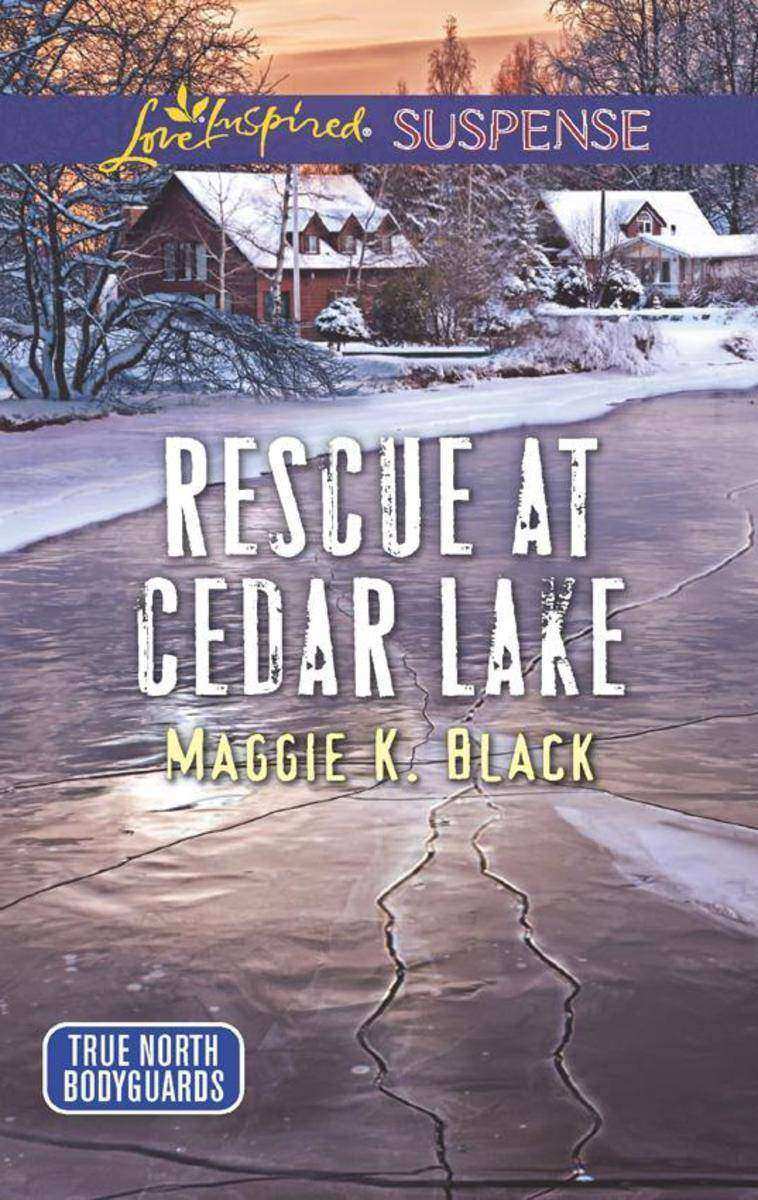
Rescue At Cedar Lake (Mills & Boon Love Inspired Suspense) (True North Bodyg
¥22.07
SNOWBOUND WITH A KILLER Called in to work with a patient, therapist Theresa Vaughan didn't anticipate being held hostage by a killer in a snowbound lake cottage…or rescued by her former fiancé. But now bodyguard Alex Dean is the only thing standing between Theresa and certain death, and her patient—who was supposed to be under Alex’s sister’s protection—has disappeared. Alex can't fail on this mission, or in the eyes of the woman he once loved, so he has to convince her to trust him. With his sister's client missing, a blizzard raging and a killer closing in, he must make a choice. Will he look to the future and focus on locating the missing charge…or remember the past and save Theresa?

Perilous Homecoming (Mills & Boon Love Inspired Suspense)
¥22.07
FATAL BOUNTY When former Treasure Point police officer Kelsey Jackson witnesses a murder while temporarily back in her hometown, the killer is dead set on silencing her. The antiques insurance agent didn’t see enough to know who killed the museum’s curator…but she plans to find out. And the only person offering to assist in her investigation is Sawyer Hamilton—the last man Kelsey ever thought she’d rely on. The handsome marine biologist was once Kelsey’s biggest rival, but now he’s determined to make up for the past by protecting her. And when the clues lead to shipwrecks and treasure, Sawyer will risk everything to keep Kelsey out of the hands of modern day pirates.
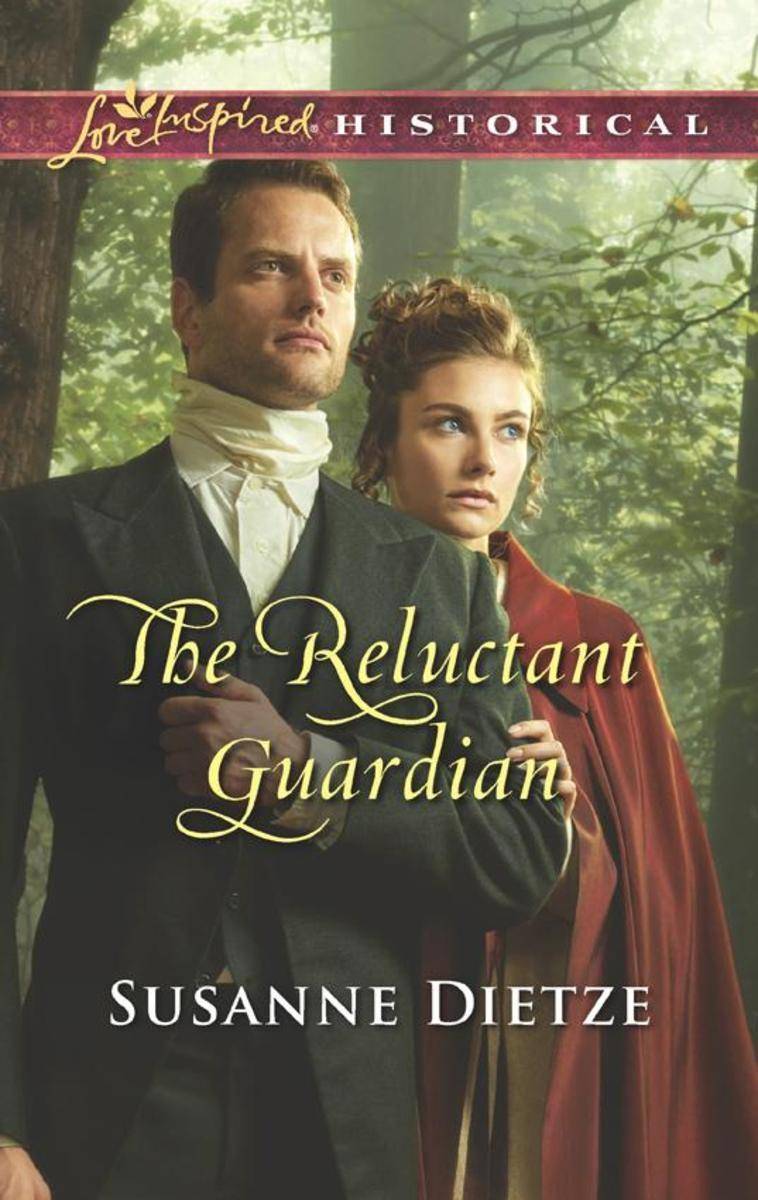
The Reluctant Guardian (Mills & Boon Love Inspired Historical)
¥14.62
Under the Spy’s Protection When Gemma Lyfeld inadvertently interrupts a dangerous smuggling operation in her English village, she’s rescued by a mysterious Scottish spy. Now with criminals after her and her hopes for an expected marriage proposal recently dashed, she will make her society debut in London. But not without the man tasked with protecting her… Covert government agent Tavin Knox must keep Gemma safe from the criminals who think she can identify them—a mission he never wanted. But as he escorts her and her rascally nephews around London, the lovely English lass proves braver than he ever imagined. Suddenly, the spy who works alone has one season to become the family man he never dreamed he’d be.
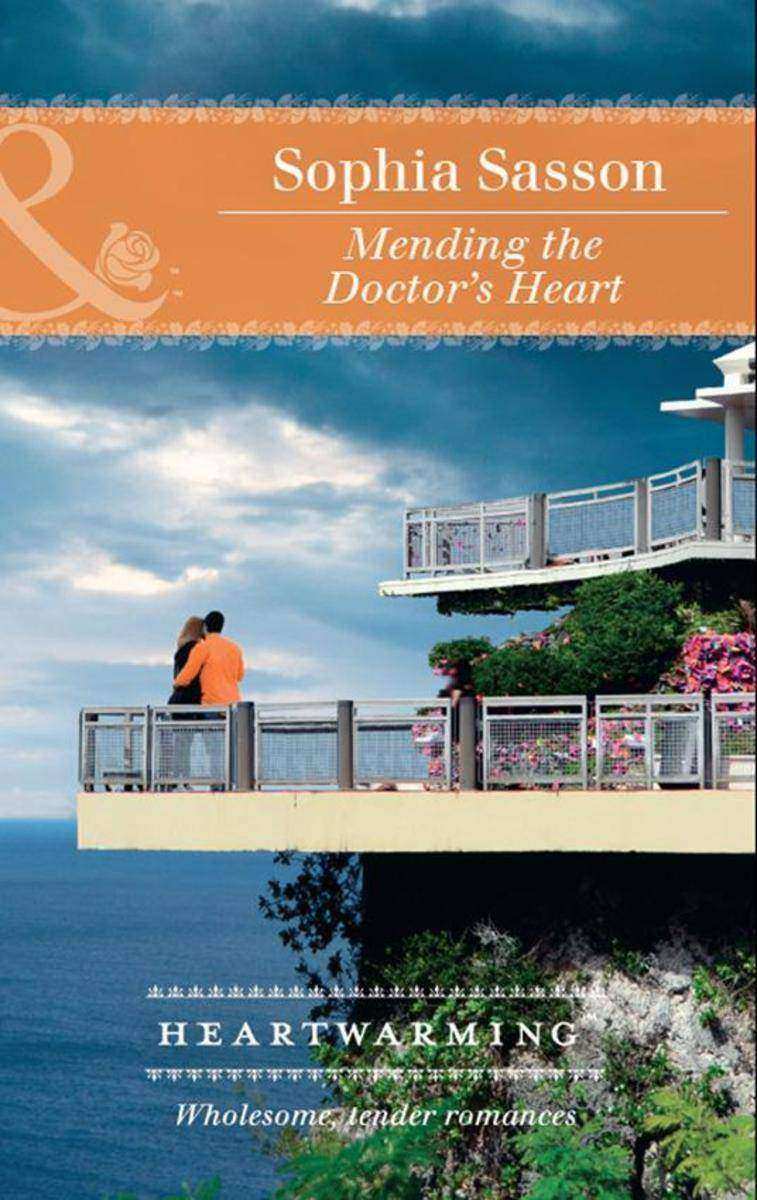
Mending The Doctor's Heart (Mills & Boon Heartwarming) (State of the Union, Book
¥22.07
She thought she could handle any disaster… Responding to a tsunami on the tiny island of Guam should be a routine assignment for Dr. Anna Atao. From epidemics to earthquakes, she’s treated patients in the most dangerous and remote places on earth. Except Anna hasn’t been back to Guam since a tragedy there tore her life apart—and she left behind the man she loved. Seeing Nico brings back all the pain and joy of their time together, but Anna knows he’ll never leave the island. And once her deployment ends, she plans to catch the first helicopter back to the mainland. Anna may be an expert in survival, but without Nico, can she ever truly heal?

His Best Friend's Wife (Mills & Boon Heartwarming) (The Finnegan Sisters)
¥22.07
A second chance for his first love Paul Woodward has always known Annie Finnegan was the one. But when she married his best friend, he moved away from their tiny hometown to try to forget the woman he could never have. When her husband passes away, Paul is heartbroken and wants to be there for the love of his life—but how can he, given the way he feels? As he returns to take over his ill father's medical practice, though, it's clear that Annie and her son are the family Paul longs for. As Annie heals and their connection grows, Paul will wait to find out if love really gives second chances…
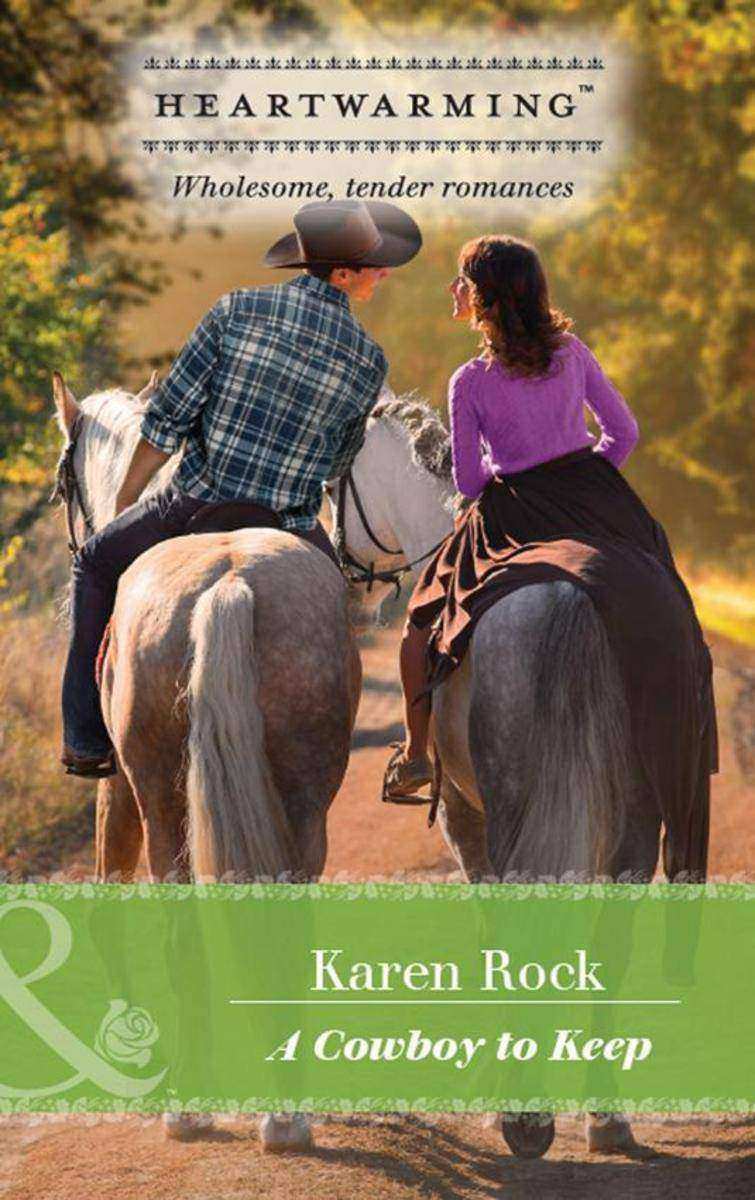
A Cowboy To Keep (Mills & Boon Heartwarming)
¥14.62
Can't stop running from the past Dani Crawford has a secret…and if bounty hunter Jackson Cade finds out, he could ruin everything. The scarred yet handsome cowboy has tracked a dangerous criminal to the dude ranch Dani manages, and to get rid of Jack she’ll have to help him catch his man. But the closer they get to cornering their quarry the more Dani wants Jack to stay. Spending time with him is making her long for things she can never have thanks to her past mistake. And if the truth comes out she may be spending her future behind bars rather than safe in her cowboy's arms…
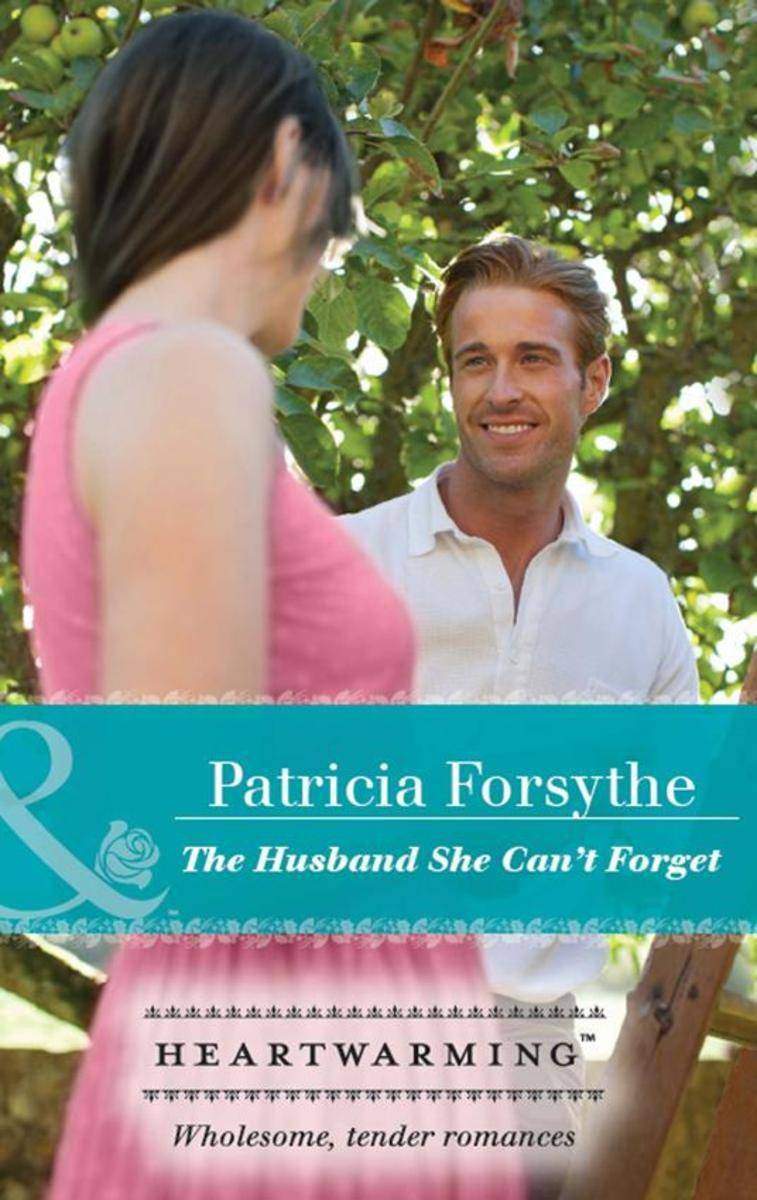
The Husband She Can't Forget (Mills & Boon Heartwarming) (Oklahoma Girls, Book 2
¥22.07
She thought she’d never see him again… In the past twelve years, Carly Joslin has made a new life for herself. She moved back home to Reston, Oklahoma, and started a successful organic farming business. So she's not about to let her ex-husband, Luke Sanderson, take all that away. Luke’s oil extraction operation—right next door to Carly—is a real threat to her livelihood…and her peace of mind. Carly had buried the bittersweet memories of their young love, whirlwind marriage and terrible loss. But not deep enough. And now Luke is back in town, unearthing the past and shaking the very foundations of the life she’s built.

A Home Come True (Mills & Boon Heartwarming) (Lucky Numbers, Book 4)
¥22.07
He's the one with a family plan Relocating his sprawling family to this small Texas town wasn't the career move Austin cop Luke Hollister planned. Especially when the case he's working involves one of Holly Heights's own. Just ask his new neighbor Jennifer Neil, the high school math teacher who's fiercely protective of her community and personal space. Luke's here to serve, too. He's got a foster mom, siblings and little niece to keep safe. Yet the more he and Jen are thrown together, the more Luke wants to settle here for good-with the fiery redhead. But can he convince Jen to turn the dream house for one she’s building into a real home?

The Lone Cowboy of River Bend (The Men of Fir Mountain, Book 3)
¥38.06
The man they’re all talking about… Gossip has spread far and wide about the broken-hearted recluse of River’s Bend – and who will be the lucky girl to heal him! But Nate Rolfe knows his isolated homestead offers no life for a woman. Plus, he has more pressing matters on his mind than unwanted female attention, such as tracking the elusive band of cattle rustlers plaguing Fir Mountain, and the plight of his family’s determined new housekeeper, Hannah Brooks, who is like no woman he’s ever met before. …and the woman who could win his love! Hannah will do anything to protect her illegitimate daughter, but with no family, no job and soon no home, the future looks bleak for a woman of her reputation. So now she has no choice but to turn to the family her outlaw lover warned her against contacting before he died. Only, Nate is nothing but kind to her and little Jemma. As she is drawn into Nate’s life – and tempted into his arms – Hannah must decide if she can trust him with both the truth of Jemma’s birth, and her own bruised and wary heart…

Never Out of Sight: The chilling psychological thriller you don’t want to miss!
¥38.06
‘Addictive. Fast-paced. Thrilling. It kept me on the edge of my seat!’ – Angel Erin’s Book Obsession A daughter’s secret. A mother’s betrayal. Every mother knows never to let their child out of their sight. But Freya has been distracted recently, and now her teenage daughter, Zoe, is missing. Freya knows that the only way to bring Zoe back is to tell the truth, but when your whole life is built on secrets and lies, the truth could destroy everything. Surely there’s no harm in telling just one more little white lie? A gripping psychological thriller, perfect for fans of Louise Jensen, Linda Green and Claire Seeber. What readers are saying about Never Out of Sight: ‘Addictive. Fast-paced. Thrilling. It kept me on the edge of my seat!’ –Angel Erin’s Book Obsession ‘A real page-turner packed to the brim with twists and turns. An absolute must-read for fans of this genre, one of the best books of this year.’ – Julia Beales (NetGalley Reviewer) ‘WARNING. Do not start this book unless you are planning to read it in one sitting because once you start, you will be completely hooked!’ – Nicki Richards (NetGalley Reviewer) ‘A gripping page-turner. I couldn’t put it down until I finished it!’ – Lu Dex (NetGalley Reviewer) ‘A wicked little story that will shock and entertain in equal measure!’ – Rosemary Smith (NetGalley Reviewer) ‘Readers, strap yourselves in, because this book will take you on a ride unlike any you have taken before!’ – Denise Sharp (NetGalley Reviewer) ‘A fast-paced story of love, lies and family with a surprising ending…you won’t be able to put it down.’ – Wendy Haines (NetGalley Review)

Love Among the Treetops: A feel good holiday read for summer 2018
¥38.06
Can love flourish amongst the tree tops? When pastry chef Twilight Wilson was a young girl, she would hide from school bullies up in the treehouse at the bottom of her garden in her family home in Sussex. It was her special place, and even as an adult she still loves it. So when her family tell her they can’t afford to live there any more, Twilight is devastated. Not only will they lose their home – but the treehouse too! She comes up with a plan to save the family home – she’ll start up a cafe in the treehouse! It’s a brilliant idea, and excitement builds as she starts planning the menus, with the help of Theo – a rather attractive man from the gym. But when former school bully Lucy finds out the plan, she starts plotting – and opens her own rival cafe in the village! Can Twilight save her family home? Will her friendship with Theo ever be anything more? And who will win the cafe wars? Catherine Ferguson is back in this hilarious, heartwarming read perfect for summer.
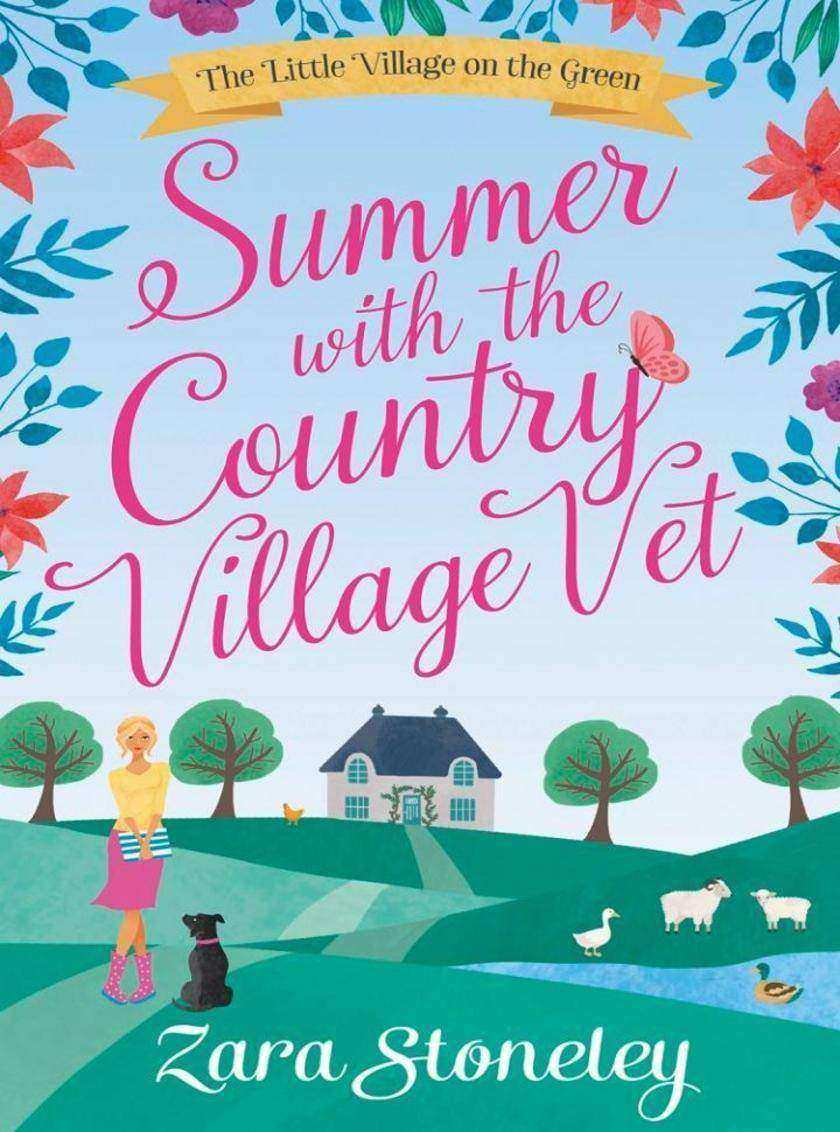
Summer with the Country Village Vet (The Little Village on the Green, Book 1)
¥38.06
‘All the ingredients for a perfect, summery read…it really captured my heart’ Cressida McLaughlin ‘Sprinkled with oodles of charm…I simply adored this book’ Christie Barlow Fall in love with a brand new cosy romance series from bestselling author Zara Stoneley When Lucy Jacobs is made redundant from her inner-city teaching job she fears her career is over. Teaching is all Lucy knows and she's determined to get back in the classroom as fast as she can. Except the only job on offer is at an idyllic village school in the middle of nowhere – Lucy's idea of hell. Where are the disadvantaged kids who need saving, where is the challenge? But as Lucy finds herself welcomed into the warm-hearted community of Langtry Meadows, she begins to realise new challenges await – like frogs in the classroom, a rather difficult donkey, and a very brooding local vet… Local boy Charlie Davenport has his own issues about living in the close-knit village of Langtry Meadows. His private life is already fuel for the well-meaning gossips and the very last thing he needs is to get close to the new school teacher…no matter how lovely she is. But as summer days drift away Langtry Meadows weaves its magic, Charlie and Lucy both get the chance to turn over a new leaf and start anew…maybe with each other? A fun, romantic story to make you smile and long for your own country escape. Praise for Summer with the Country Village Vet: ‘Beautifully written tale straight from the author’s heart’ The Writing Garnet ‘Like a summer breeze, gently warming your heart…be prepared for love, laughter and escapism’ My Chestnut Reading Tree ‘A zingy, romantic and fabulously heartwarming book … My ultimate summer read’ Petra Pippa Q
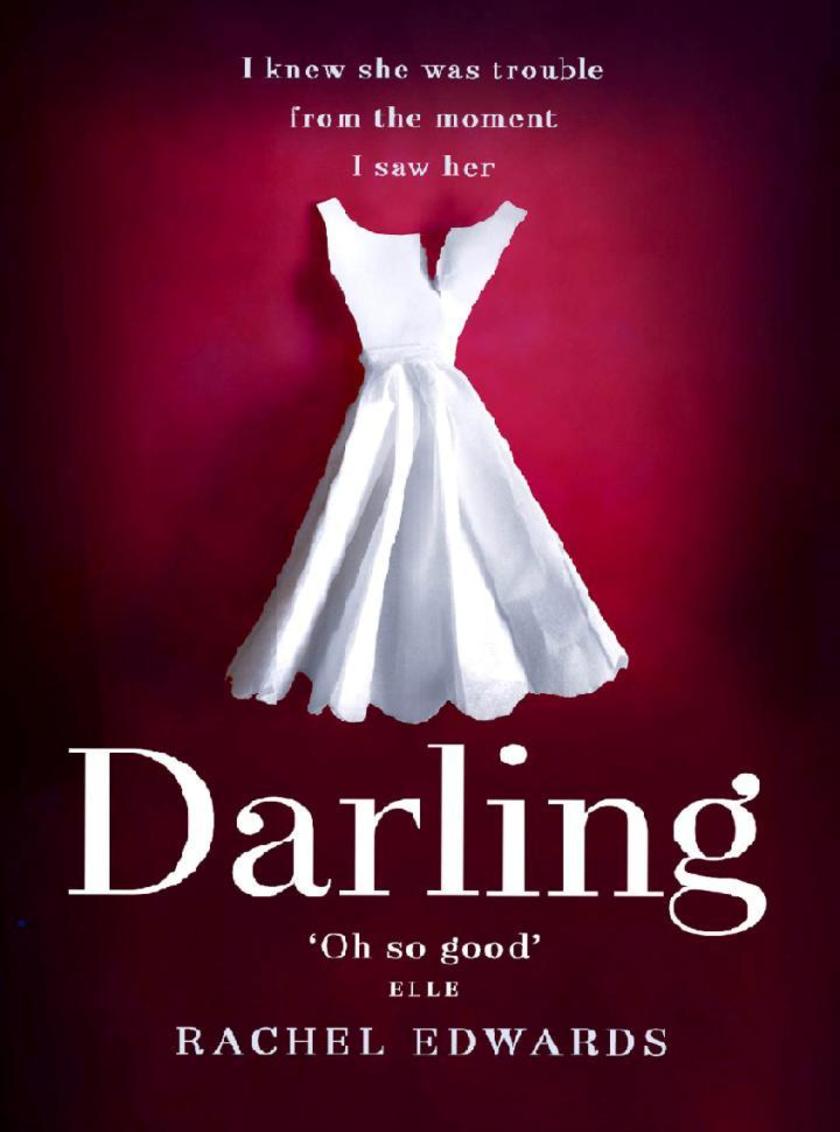
Darling: The controversial thriller with a shocking twist
¥95.75
A white teenage girl clashes with her new black stepmother in this debut thriller with an unforgettable twist ‘Grips the reader with its twisty exploration of the complex relationship between step mother and step daughter’ Kate Hamer, author of The Girl in the Red Coat ‘Oh so good’Elle ‘Told by two unforgettable female narrators, it's urgent, original and genuinely unputdownable’ Clare Fisher, author of All the Good Things ‘Similar in spirit to We Need to Talk About Kevin’ Sunday Times ‘Sure to be a reading group favourite’ Metro ‘Stunning’ Laura Marshall, author of Friend Request ‘Brilliant … the twists and turns left me reeling’ Eleanor Wasserberg, author of Foxlowe ‘Dark, provocative and a refreshing take on the psychological thriller genre. Darling and Lola are both brilliant creations’ Emma Curtis, author of One Little Mistake I knew she was trouble from the moment I saw her. I felt it as she stood in the doorway that day: disaster. Not just because she was so different, that skin and that hair, as different from me as it’s possible to be. There was something wrong about her. Wrong for us. It was never going to work. Now she is dead and only I am left to love him. She is dead, and it’s all my fault.
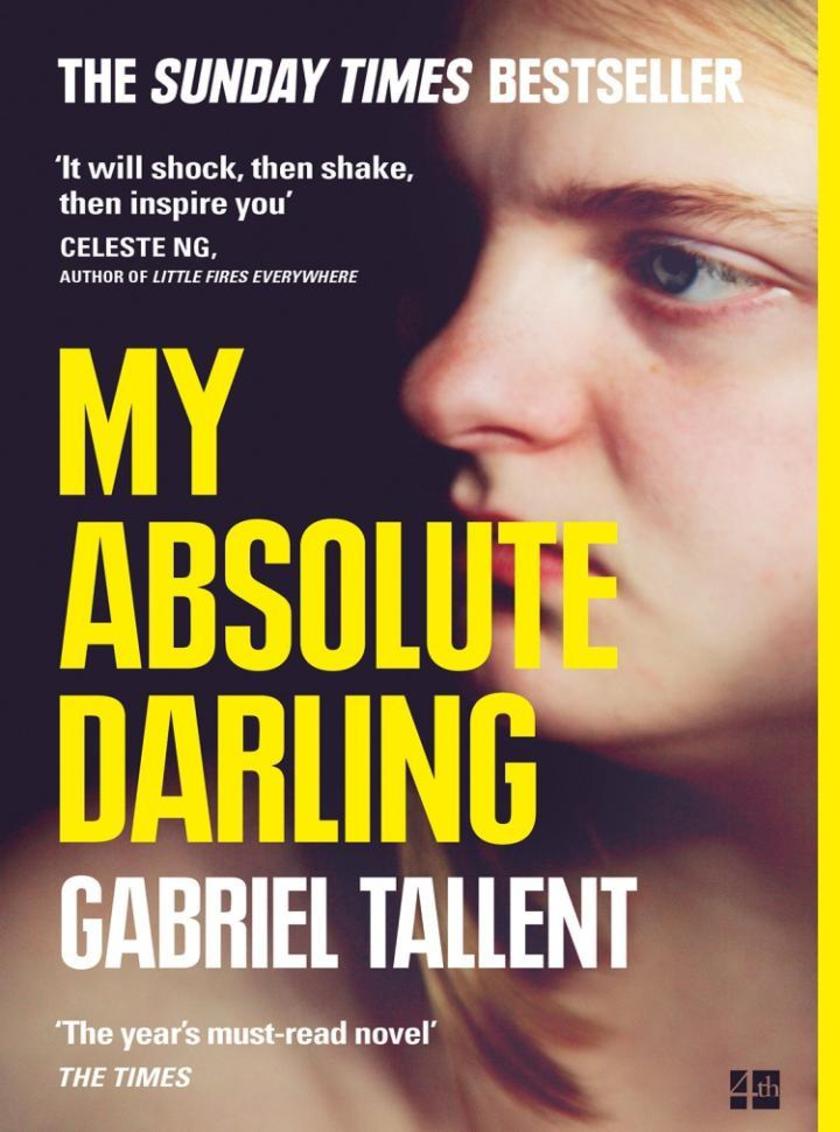
My Absolute Darling: The Sunday Times bestseller
¥66.22
A TIMES BOOK OF THE YEAR ? A GUARDIAN BOOK OF THE YEAR ? A METRO BOOK OF THE YEAR ‘The year’s must read novel’ The Times ‘One of the most important books you’ll pick up this decade’ Harper’s Bazaar ‘An outstanding book that could be this year’s A Little Life’ Guardian ‘You think you’re invincible. You think you won’t ever miss. We need to put the fear on you. You need to surrender yourself to death before you ever begin, and accept your life as a state of grace, and then and only then will you be good enough.’ At 14, Turtle Alveston knows the use of every gun on her wall; That chaos is coming and only the strong will survive it; That her daddy loves her more than anything else in this world. And he’ll do whatever it takes to keep her with him. She doesn’t know why she feels so different from the other girls at school; Why the line between love and pain can be so hard to see; Why making a friend may be the bravest and most terrifying thing she has ever done And what her daddy will do when he finds out … Sometimes strength is not the same as courage. Sometimes leaving is not the only way to escape. Sometimes surviving isn't enough. ‘This book has challenged me like no other. It’s a masterpiece. A work of art on a page. I guarantee this book will take your breath away’ Joanna Cannon, author of The Trouble with Goats and Sheep ‘Brutal yet beautiful, My Absolute Darling has floored me. Dear Turtle, a heroine amidst the horror. Exceptional, unflinching storytelling’ Ali Land?, author of Good Me Bad Me ‘An incandescent novel with an extraordinary, unforgettable heroine, both deeply contemplative and utterly thrilling’ Observer – Thriller of the month ‘There are echoes of Ma’s bravery in Emma Donoghue’s Room, or the resilience of Cormac McCarthy’s protagonists as they struggle to stay alive. Tallent’s world is shocking in the truest sense of the word’ Irish Times ‘An utterly fantastic read. Every page is brimming with energy. And Turtle Alveston is as enthralling a character as I’ve encountered in a good long while’ Kevin Powers, author of The Yellow Birds
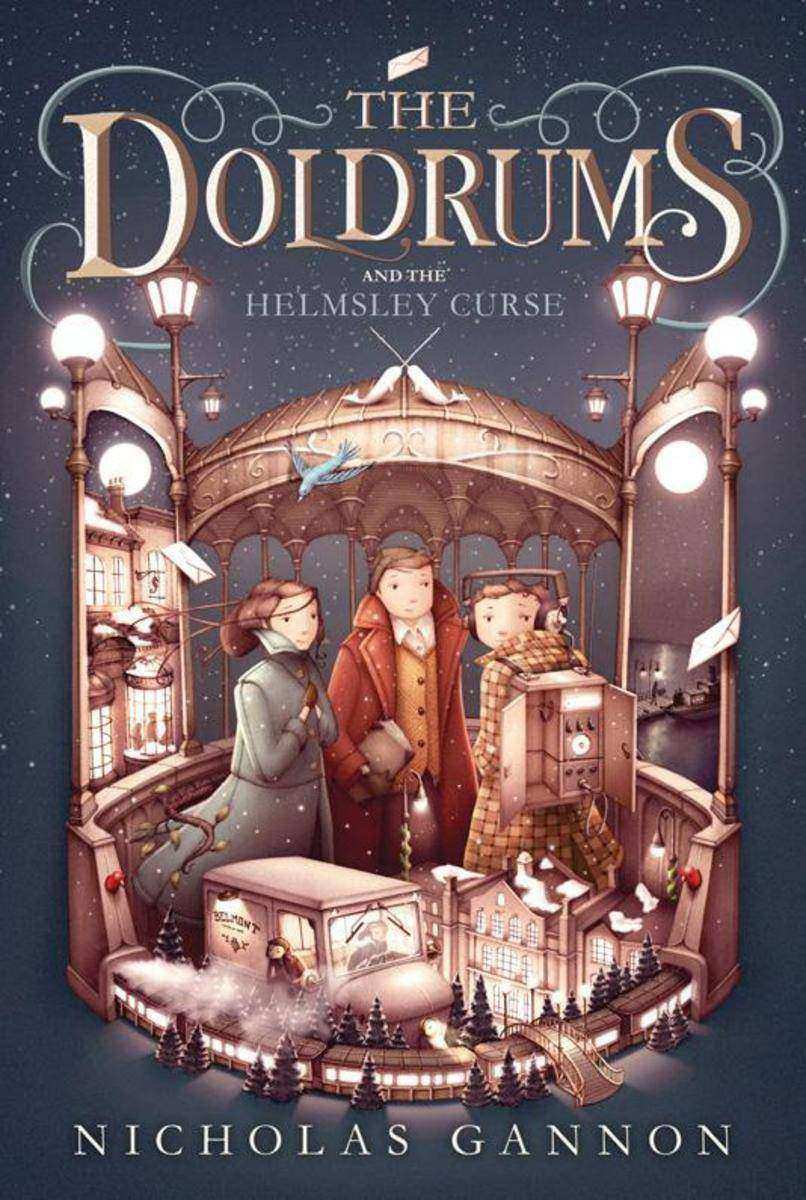
The Doldrums and the Helmsley Curse (The Doldrums, Book 2)
¥51.50
Archer B. Hemsley and friends are back and yearning for adventure in this second beautifully told, stunningly-illustrated story from author-illustrator Nicholas Gannon. After two years, Archer B. Helmsley’s famous explorer grandparents are finally coming home. They had been missing – abandoned on an iceberg – and Archer and his best friends, Adéla?de L. Belmont and Oliver Grub led an adventurous mission to rescue them. Archer is overjoyed by his grandparents return. However, he seems to be the only one. Rumours begin to surface that Archer’s grandparents weren’t abandoned after all. People are claiming that they made it all up. Well, Archer knows those rumours are false, and with the help of his best friends and new neighbour, Kana, he is going to prove it. Off the foursome set, into a snowstorm and beyond, to restore his grandparent’s reputation.

The Secret Heir Of Alazar (Mills & Boon Modern) (Seduced by a Sheikh, Book 1)
¥29.43
One stolen night with the Sultan… Virginal Gracie Jones longs for adventure—and one incredible evening in Rome, she finds it in the arms of charismatic Malik al Bahjat. But morning reveals he’s next in line to Alazar’s throne! Driven away by his royal family, Gracie discovers too late that their forbidden night left her pregnant… When Malik learns the truth a decade later, he explodes back into Gracie’s life. He sweeps her from her small hometown to his splendid kingdom where, kiss by scorching kiss, he’s intent on legitimising his heir—and satisfying his cravings—by crowning Gracie his desert queen!
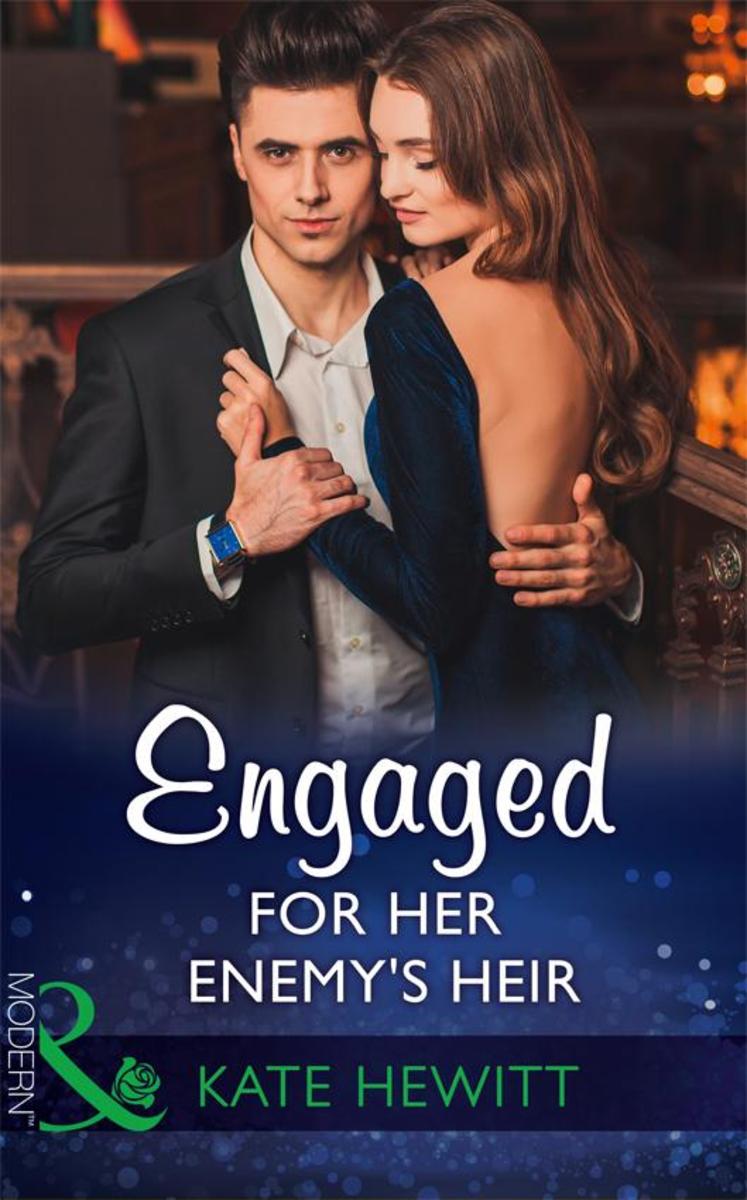
Engaged For Her Enemy's Heir (Mills & Boon Modern) (One Night With Consequences,
¥29.43
Surrendering to the Italian billionaire When ruthless Rafael Vitali learns the woman in his bed is the daughter of his sworn enemy, he can’t get her out of his penthouse quick enough. But when Allegra reveals she’s pregnant, Rafael seizes the opportunity to assert his control. He insists Allegra move to Sicily… as his wife! Allegra’s night of abandon with Rafael shattered the life she once knew. His claim over her body, and their unborn child, is undeniable but giving him a claim over her fragile heart is beyond foolish…yet the temptation he poses is wildly, wickedly irresistible… When one night…leads to pregnancy!

The Cook's Secret Ingredient (Mills & Boon Cherish) (Hurley's Homestyle Kitchen,
¥25.21
Stir two hearts…and let simmer PI Carson Ford believes the fortune-teller who promised his father a second great love was a fraud. He wants the fortune-teller's daughter, Olivia Hurley, to explain that to his dad. But the mystery ‘great love’ sounds very much like Olivia’s missing aunt; finding her just might be a journey to love for themselves!


