


 购物车
购物车 个人中心
个人中心
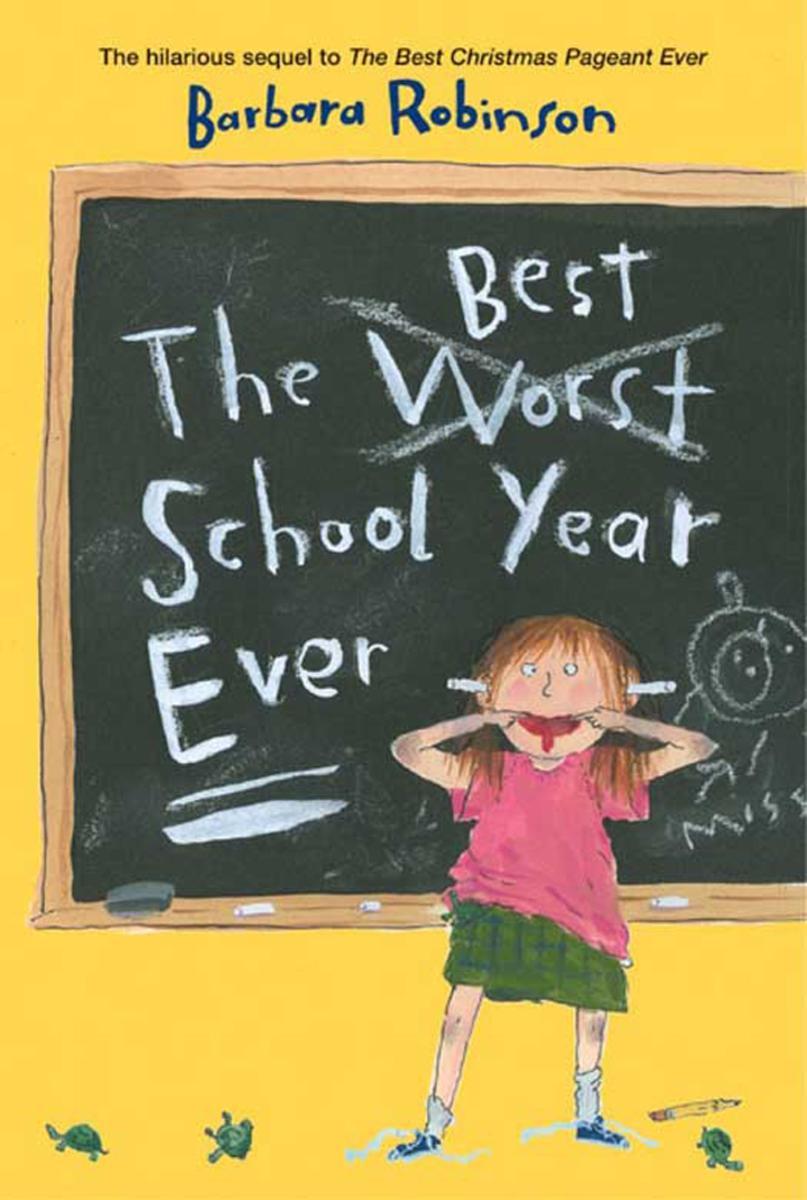
The Best School Year Ever
¥39.13
The Worst Kids in the History of the World!When anything goes wrong at Woodrow Wilson Elementary School, from the hexing of Bus Six to the mysterious disappearance of the kindergarten gerbil, it's sure to have a Herdman behind it. The Herdmans are more than famous -- they're outlaws. They smoke cigars, lie, and set fire to things, and that's only when they bother to come to school!Then a school project forces the students to think of compliments for all their classmates -- including the Herdmans. Is it possible that behind their outrageous pranks there may be something good about this crazy clan after all?
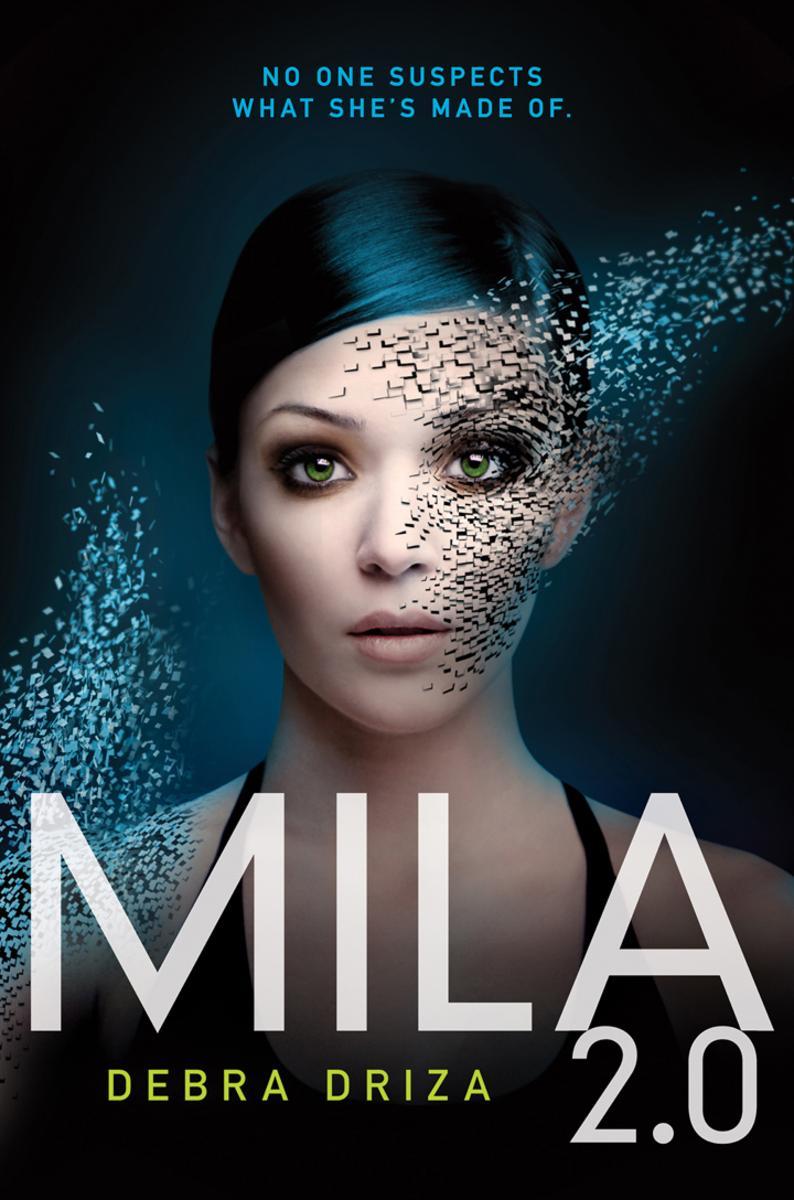
MILA 2.0
¥55.93
Debra Driza's MILA 2.0 is the first book in a gripping Bourne Identity–style trilogy about a girl who discovers she is actually an android.Mila was never supposed to remember her past, or know what lurked beneath her synthetic skin. She was never meant to learn that she was "born" in a secret computer science lab and programmed with superhuman skills. But when a group of hooded men show up on her doorstep, hoping to strip her of her advanced technology, she has no choice but to run for her life. In every direction there are dangerous people, hunting her down. They will do whatever it takes to capture Mila, including hurting the people she cares about most.Filled with secrets, action, and even romance, MILA 2.0 is perfect for readers who love sci-fi thrillers like the Partials series and I Am Number Four.
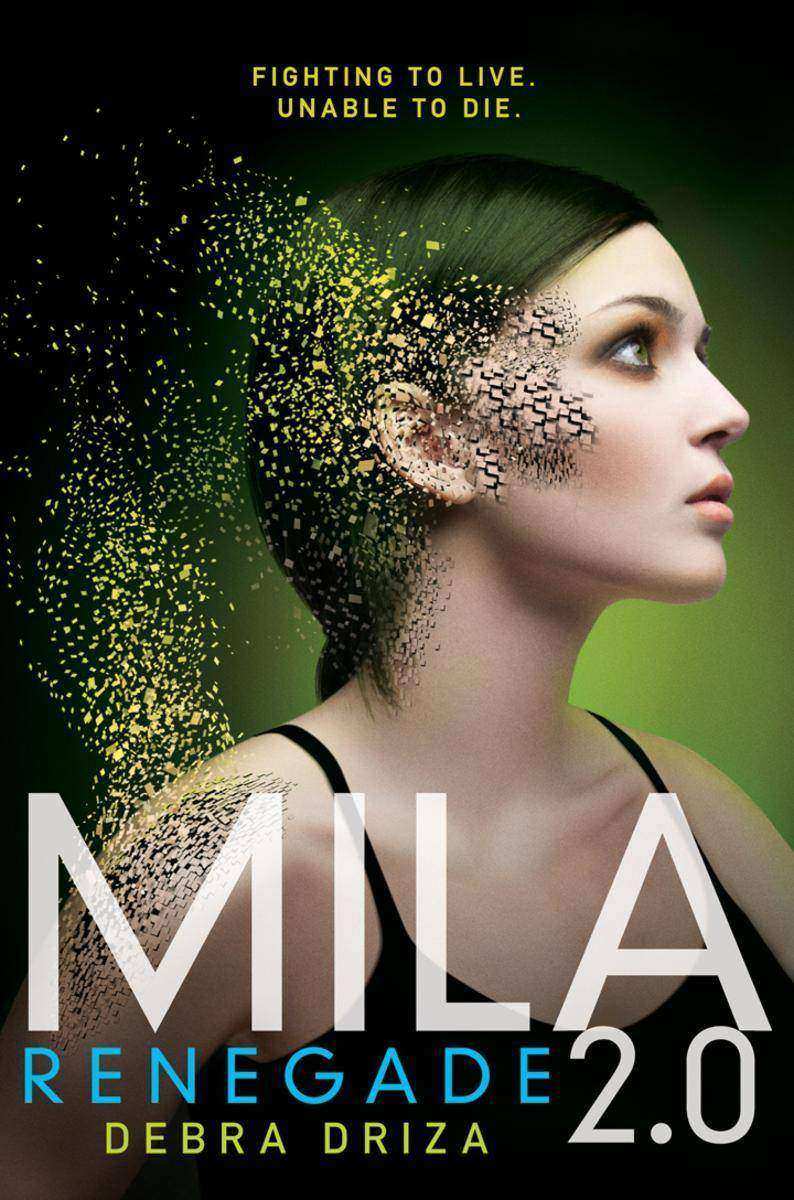
MILA 2.0: Renegade
¥100.71
This suspenseful, heart-wrenching follow-up to Debra Driza's MILA 2.0 will leave readers racing to turn the last page.Mila is back on the run—this time with potential boyfriend Hunter by her side. As they search for a man who might know more about her mysterious past, Mila must rely on her android abilities to protect them from the people who want her dead. But embracing her identity as a machine leads her to question the state of her humanity, as well as Hunter's true intentions.Fans of books filled with mystery and intrigue, like The Bourne Identity and I Am Number Four, will find everything they're looking for in this exciting series, including several unexpected surprises.
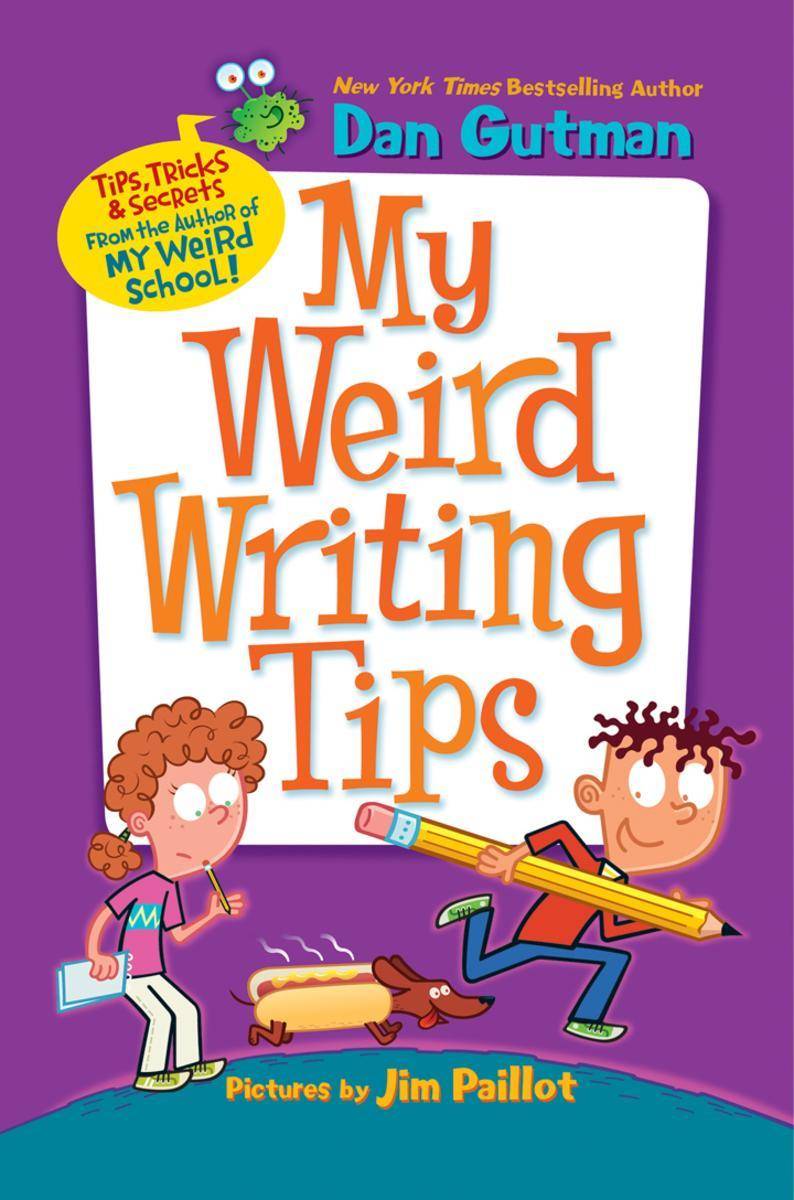
My Weird Writing Tips
¥39.13
The ability to put thoughts into writing is an essential skill vital to success in school—from elementary school through college. Bestselling author Dan Gutman helps kids master this important skill with his fun, informative writing guide, My Weird Writing Tips.?Dan offers tricks for spelling hard words, understanding the difference between similar words like “its” and “it’s,” and conquering grammar stumbling blocks like commas and apostrophes. He also teaches readers how to write an engaging story, in line with the grades 2–5 Common Core goals for writing a narrative.?With illustrated appearances from A.J. and Andrea, stars of his bestselling My Weird School series, and with his trademark wacky sense of humor, Dan makes learning the writing and storytelling basics so fun kids will forget they’re learning.

Vanishing Girls
¥56.07
For two years the "Working Girl Killer" hunted in Manhattan, brutally slaughtering nine city prostitutes. And now the fiend has crossed the river.Former cop-turned-p.i. Karin Schaeffer receives the call meant for her detective husband Mac on a Sunday night: two females found on a Brooklyn street. The first is an eleven-year-old girl, the apparent victim of a hit-and-run. But it's the second body that truly chills the blood—a young corpse bearing the grisly, unmistakable signature of a serial slayer who has eluded the NYPD for years.But there's something frighteningly different about these latest atrocities—a kink that is leading Schaeffer's unofficial investigation down strange and twisting alleys where nothing is as it originally seems. And the haunted p.i., who once lost everything to a psychopath, is suddenly facing the darkness once again . . . when the horror strikes too close to home and those she loves are in danger of vanishing forever.
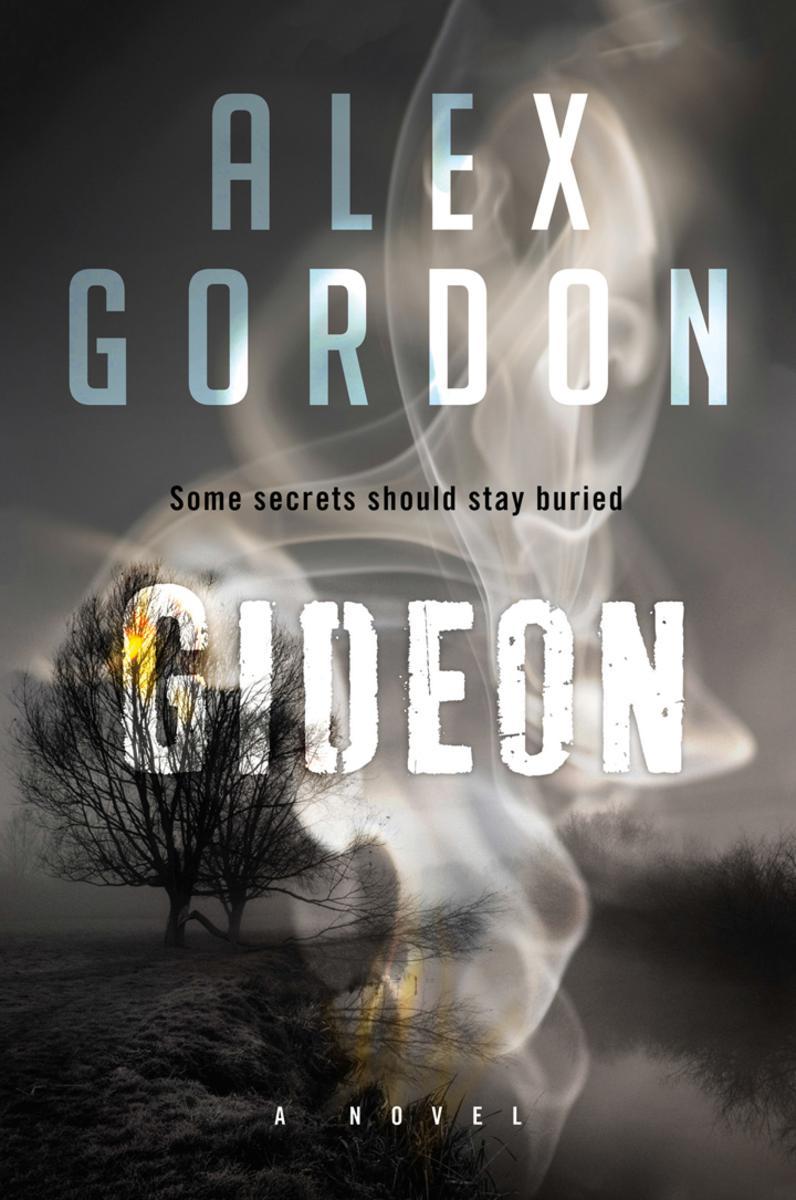
Gideon
¥83.92
Deborah Harkness meets Preston & Child in this edge-of-your-seat debut thriller—a superb blend of mystery, fantasy, horror, and the supernaturalWhen Lauren's father dies, she makes a shocking discovery. The man she knew as John Reardon was once a completely different person, with a different name. Now she's determined to find out who he really was, even though her only clues are an old photograph and the name of a town: Gideon.But someone—or something—doesn't want her to discover the truth. A strange man is stalking her, appearing everywhere she turns, and those who try to help her end up dead. Neither a shadowy enemy nor her own fear will prevent her from solving the mystery of her father—and unlocking the secrets of her own life. Making her way to Gideon, Lauren finds herself more confused than ever. Nothing in this small midwestern town is what it seems, including time itself. Residents start going missing, and Lauren is threatened by almost everyone she encounters. Two hundred years ago, a witch was burned at the stake, but in Gideon the past feels all too chillingly present. . . .

A Girl's Best Friend
¥83.03
Dogs Are Better Than MenThey never brag about their ex's stunning cleavage.They don't moan or sulk if you're a half-hour late.They never tell you a Brazilian would really turn them on.After her most recent disaster with the King of the Unrepentant Jerks, Isabel "Izzy" Palmer is finally convinced that the only male she truly needs in her life is Henry, her lovable part wolfhound, part who-knows-what. Henry's faithful, he adores her madly, and he's great fun to sleep with. So who needs the additional heartache?But even armed with powerful knowledge and a new resolve, Izzy starts to feel that familiar itch ... and it's all because of Nick. He's a vet for goodness sake -- confident, handsome and compassionate -- if a bit rough around the edges. After teasing her about Henry's unusual looks and questioning her most recent choice in men, Nick then has the gall to turn halfway charming. But he doesn't stop at halfway, and though she already has a best friend, Izzy realizes it doesn't preclude her from having a perfect match, too.
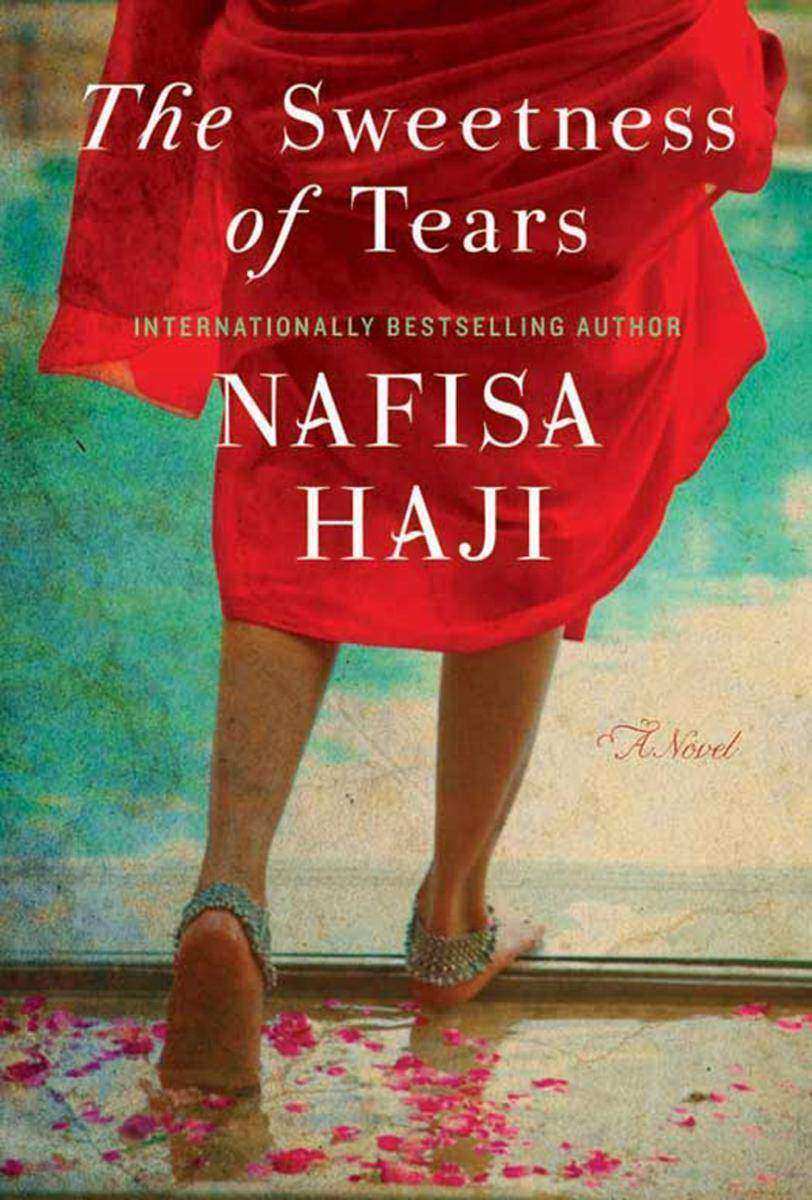
The Sweetness of Tears
¥83.92
When faith and facts collide, Jo March—a young woman born into an Evangelical Christian dynasty—wrestles with questions about who she is and how she fits into the weave of her faithful family. Chasing loose threads that she hopes will lead to the truth, Jo sets off on an unlikely quest across boundaries of language and religion, through chasms of sectarian divides in the Muslim world. Against the backdrop of the War on Terror—travelling from California to Chicago, Pakistan to Iraq—she delves deeply into the past, encountering relatives, often for the first time, whose histories are intricately intertwined with her own . . . only to learn that true spiritual devotion is a broken field riddled with doubt and that nothing is ever as it seems. A story of forbidden love and familial dysfunction that interweaves multiple generational and cultural viewpoints, The Sweetness of Tears is a powerful reminder of the ties that bind us, the choices that divide us, and the universal joys and tragedies that shape us all.

Men, Women & Children
¥83.03
Chad Kultgen, cult hero and author of the buzz-generating illicit classics The Average American Male and The Lie, cuts to the quick of the American psyche like no other author writing today. In Men, Women & Children he explores the sexual pressures at work on a handful of troubled, conflicted junior-high students and their equally dysfunctional parents. From porn-surfing fathers to World of Warcraft-obsessed sons, from competitive cheerleaders to their dissatisfied, misguided mothers, Kultgen clicks open the emotionally treacherous culture in which we live—in his most ambitious and surprising book yet.
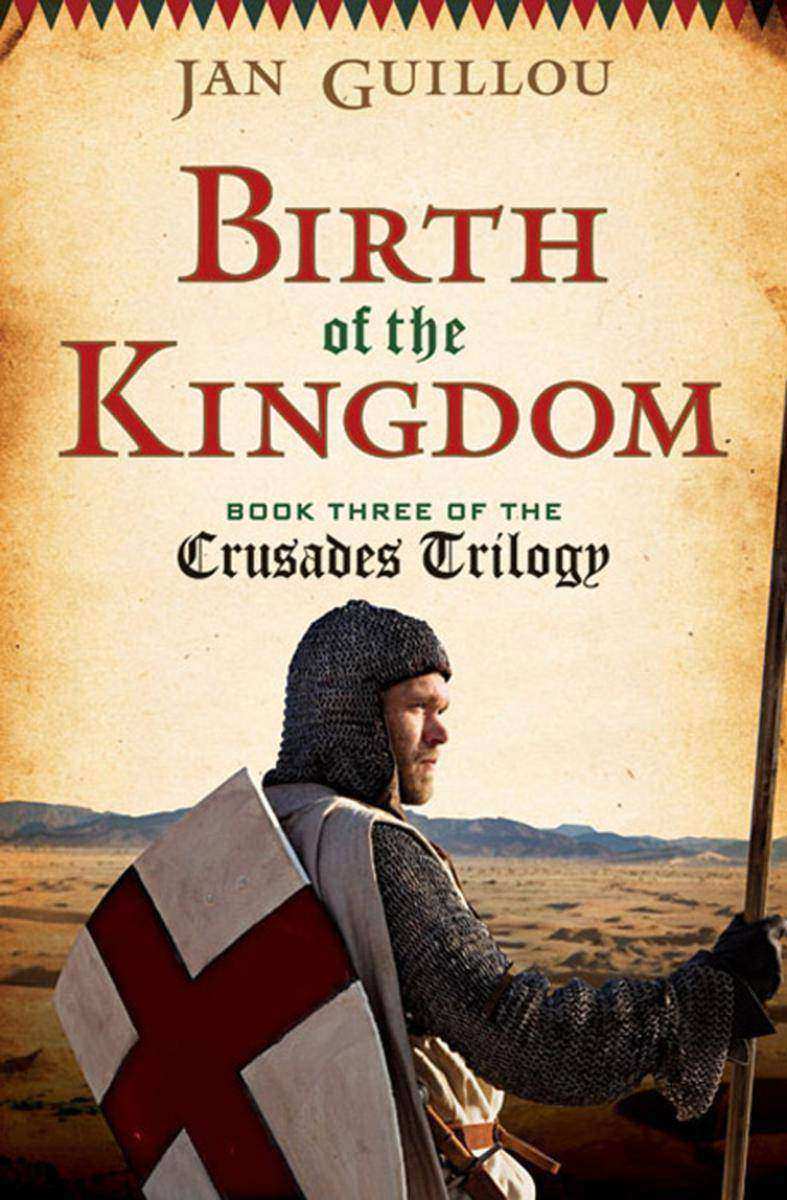
Birth of the Kingdom
¥88.56
One of the fiercest and most feared warriors of the Knights Templar, Arn de Gotha can finally return home to his beloved Sweden, now that Jerusalem has been lost to Saladin. But during his twenty years of exile, Arn's homeland has been torn apart by warring clans—and the brave nobleman soldier is determined to reunite it and establish lasting peace.Waiting for him is his beloved Cecilia, emerging from a convent to join him after their unfathomably long separation, against the stern demands of her clan. Their reunion could incite a war unless they can convince the clan that love ranks higher than politics, and that it can sustain a new quest: to create a new people, a new society, with Arn at its helm.
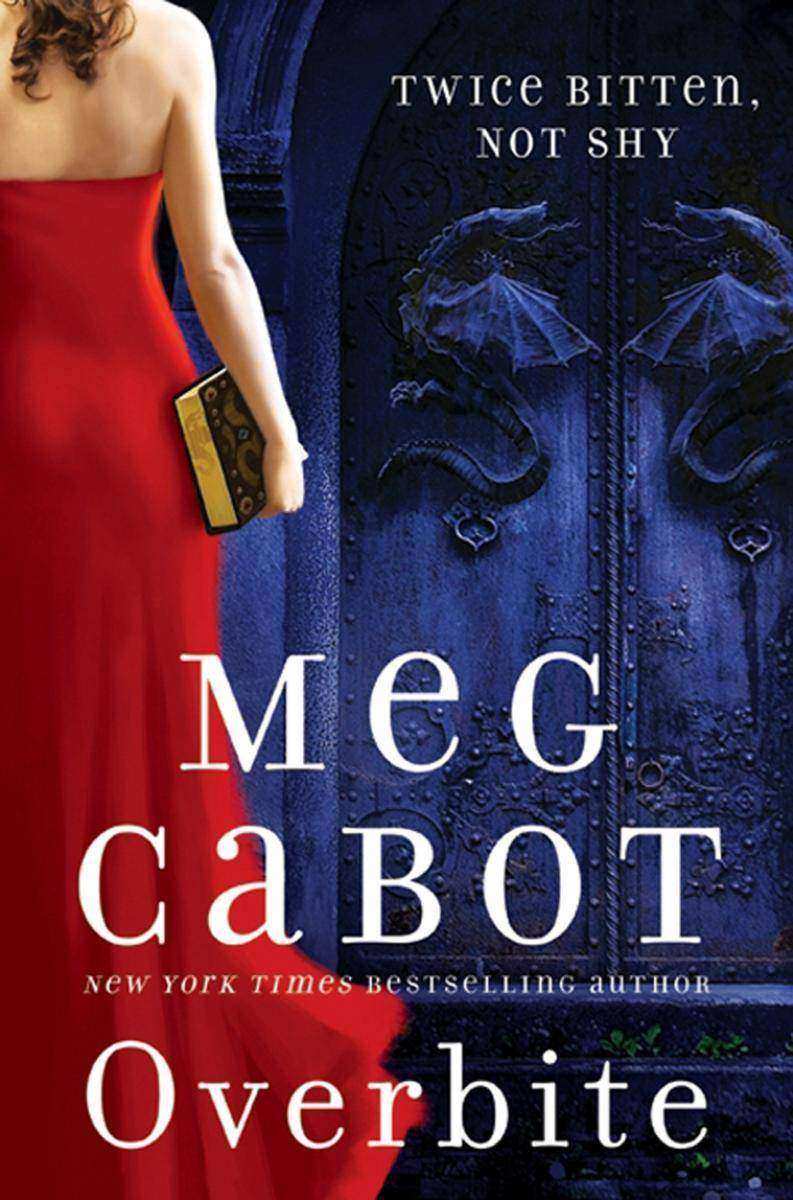
Overbite
¥83.92
Meena Harper has a special gift, but it’s only now that anyone’s ever appreciated it. The Palatine Guard—a powerful secret demon-hunting unit of the Vatican—has hired her to work at their new branch in Lower Manhattan. With Meena’s ability to predict how everyone she meets will die, the Palatine finally has a chance against the undead.Sure, her ex-boyfriend was Lucien Anton?escu, son of Dracula, the prince of darkness. But that was before he (and their relationship) went up in flames. Now Meena’s sworn off vampires for good . . . at least until she can prove her theory that just because they’ve lost their souls doesn’t mean demons have lost the ability to love. Meena knows convincing her co-workers—including her partner, über-demon-hunter Alaric Wulf—that vampires can be redeemed won’t be easy . . . especially when a deadly new threat seems to be endangering not just lives of the Palatine, but Meena’s friends and family as well.But Meena isn’t the Palatine’s only hope. Father Henrique—aka Padre Caliente—New York City’s youngest, most charming priest, has also been assigned to the case. So why doesn’t Meena—or Alaric—trust him?As she begins unraveling the truth, Meena finds her loyalties tested, her true feelings laid bare . . . and temptations she never even imagined existed impossible to resist.This time, Meena may finally have bitten off more than she can chew.
Blood Brothers
¥84.16
Though they were raised by the same decent and well-respected parents, two brothers could not be more different than Frank and Joe Arnold. The pair have nothing in common but blood . . . and Alice Jacobs. Joe has fallen hard for the shy, kindhearted young woman. But it is Frank, a devious schemer, who is determined to have her. He sees Alice as the key to his fortune, and will do everything, including hide his brutal nature, to succeed.When Frank and Alice announce their engagement, Joe leaves home, determined to put distance between himself and temptation. Despite his best efforts, the inevitable happens when Joe returns for the wedding. And though Alice is drawn to Joe too, she ultimately chooses duty and Frank—a decision that will have dark and violent repercussions for them all.From number one Times of London bestselling author Josephine Cox comes a powerful and dramatic story of a love triangle gone terribly wrong.
The Survivor
¥71.94
Mattie’s body has healed from the cancer that nearly took her life . . . but can she find the man who can mend her lonely heart?Mattie has faced more in her twenty-three years than she ever imagined possible. Having successfully battled cancer, she’s ready to reenter the world with hopes for her future. But while she was in and out of hospitals, other Amish girls her age were courting and finding the men they would marry. The only man who’s ever made her heart beat faster is Graham Weaver, her best friend, who has always been there to comfort her, in good times and bad. Is it finally time for their friendship to become something moreBut cruel gossip is spreading, claiming that Graham’s the father of the baby Jenna Yoder’s carrying. Will Mattie’s dreams of a happily-ever-after be crushed before they’ve left the ground?
Insignia
¥56.08
"Insignia expertly combines humor with a disarming and highly realistic view of the future. The characters are real, funny, and memorable. You won't be able to put this book down."—Veronica Roth, #1 New York Times bestselling author of Divergent and InsurgentThe earth is in the middle of WWIII in Insignia, the first entry in S. J. Kincaid's fast-paced sci-fi adventure trilogy perfect for fans of Ender's Game.The planet's natural resources are almost gone, and war is being fought to control the assets of the solar system. The enemy is winning. The salvation may be Tom Raines. Tom doesn't seem like a hero. He's a short fourteen-year-old with bad skin. But he has the virtual-reality gaming skills that make him a phenom behind the controls of the battle drones.As a new member of the Intrasolar Forces, Tom's life completely changes. Suddenly, he's someone important. He has new opportunities, friends, and a shot at having a girlfriend. But there's a price to pay. . . .
Vortex
¥55.33
S. J. Kincaid has created a fascinating dystopian world for Insignia, her futuristic science-fiction adventure series perfect for fans of Ender's Game. Earth is in the middle of WWIII, a war to determine which governments and corporations will control the resources of the solar system.Teen Tom Raines grew up with nothing—some days without even a roof over his head. Then his exceptional gaming skills earned him a spot in the Intrasolar Forces, the country's elite military training program, and his life completely changed.Now in Vortex, the second book in the series, Tom discovers that the Pentagonal Spire, where he and his friends are being trained as superhuman weapons, is filled with corruption. He is asked to betray his friends—the first real friends he's ever had—for the sake of his country.Will he sacrifice his new life to do what he believes is right?

Always Neverland
¥39.24
School has only been out for one whole day, and Ashley can already tell her vacation is going to bore her to tears. With her friends out of town and her parents working nonstop, she finds herself alone and with nothing to do—until one night she wakes up and discovers Peter Pan in her bedroom, wrestling with his shadow. Since his original adventure with the Darlings, Peter Pan has been bringing new “Wendy girls” to Neverland to take care of the Lost Boys. But Ashley’s made of much tougher stuff than the Wendy girls before her—she’d rather befriend the mermaids or fight Captain Hook and his pirate crew. Creating new adventures for her friends, Ashley is bringing change to Neverland . . . and not everyone is happy about it.
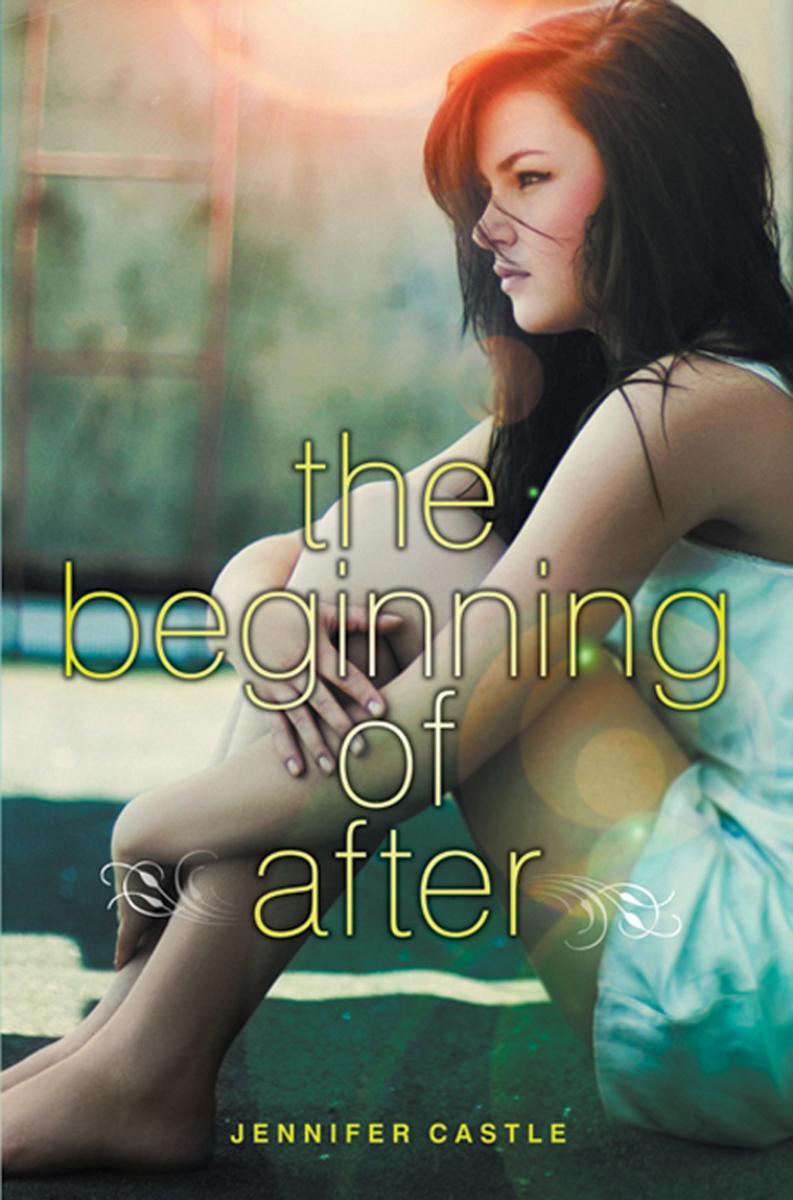
The Beginning of After
¥55.93
The Beginning of After is a story of hope and healing from Jennifer Castle, a powerful new voice in teen fiction.When Laurel’s family dies in a horrific car accident, she struggles to put her life back together. She is now connected to David Kaufman, who lives down the block, and who lost his mother in the same crash. Both of their lives change—but not in the ways that they thought…Castle blends tragedy with romance, teen angst, and wit in The Beginning of After, a bittersweet, powerful debut novel that stands as a testament to how people can survive the unthinkable.
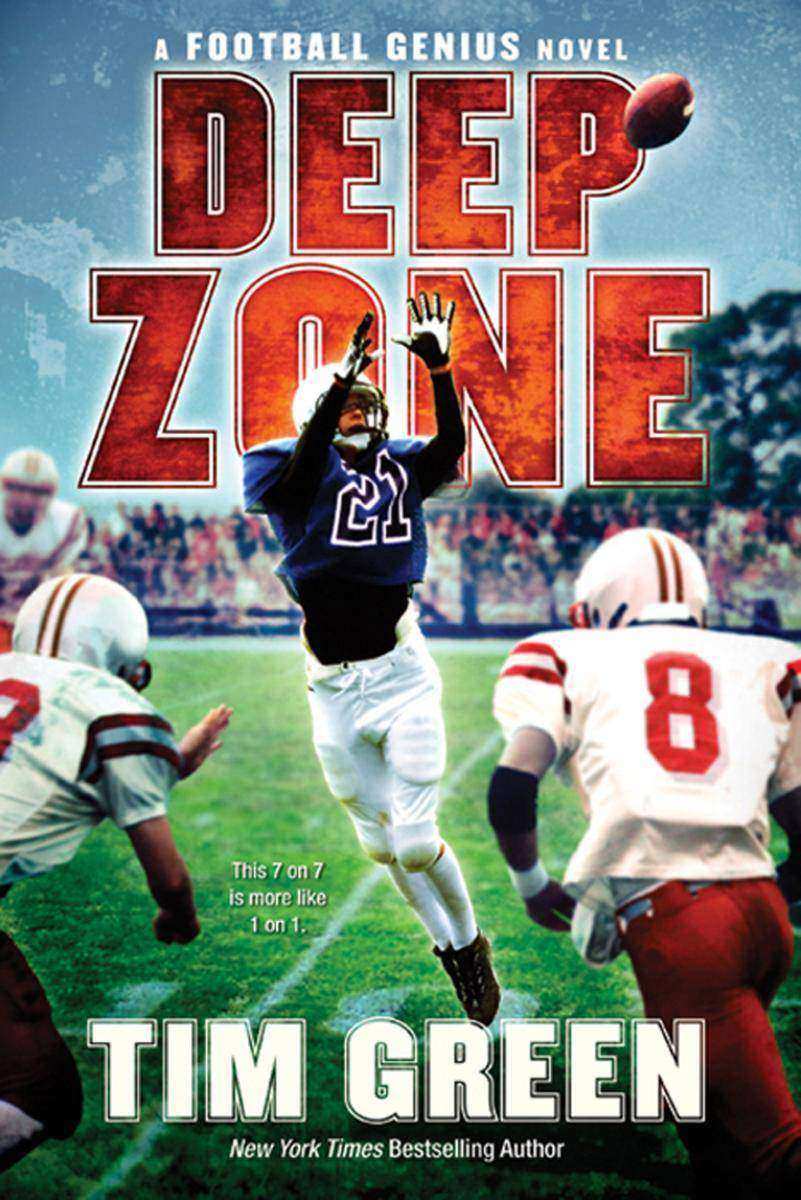
Deep Zone
¥44.73
In the deep zone, even the very best player can find it impossible to beat a foe who’s hungry and waiting. . . . Troy White can predict a play before it happens. Star quarterback on his state football team, Troy’s a natural for the 7-on-7 tournament that’s being held at the Super Bowl in Miami. With any luck, his “football genius” will also be working for the Atlanta Falcons on that big day.Ty Lewis is a wide receiver with exceptional speed. His brother, an NFL star, says getting on a 7-on-7 team will prove Ty’s a winner.From the moment the two football champs cross paths, Troy and Ty begin to size each other up. Troy is suspicious of Ty’s interest in his friend Tate, while Ty worries his speed will never be a match for Troy’s game smarts. But when the two rivals find themselves somehow tangled in the same dangerous web of deceit, they discover that they have more in common than their skill at football.Uniting Troy, first seen in the New York Times bestselling Football Genius, and Ty, who was chased by the Mafia in Football Hero, Tim Green’s Deep Zone delivers it all—vivid settings, dynamic characters, and high-stakes action on and off the field.
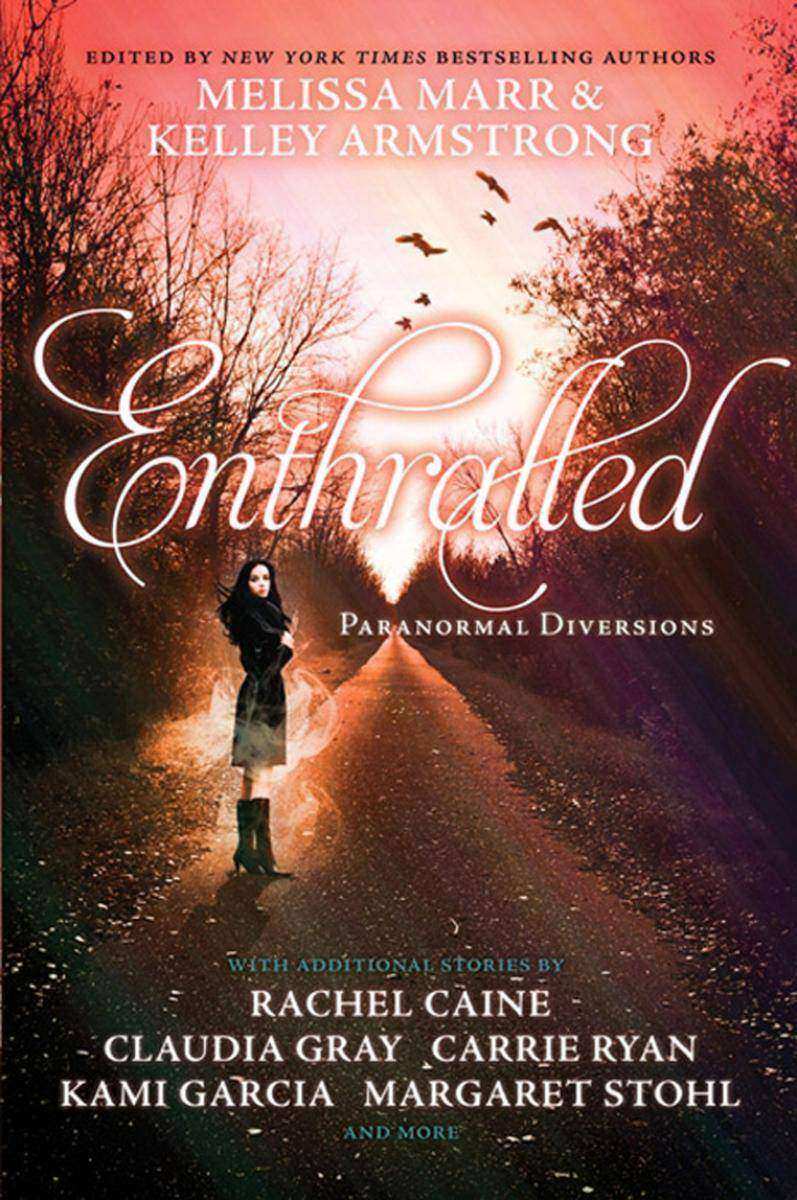
Enthralled
¥55.93
A journey may take hundreds of miles, or it may cover the distance between duty and desire. Sixteen of today’s hottest writers of paranormal tales weave stories on a common theme of journeying. Authors such as Kelley Armstrong, Rachel Caine, and Melissa Marr return to the beloved worlds of their bestselling series, while others, like Claudia Gray, Kami Garcia, and Margaret Stohl, create new land-scapes and characters. But whether they’re writing about vampires, faeries, angels, or other magical beings, each author explores the strength and resilience of the human heart. Suspenseful, funny, or romantic, the stories in Enthralled will leave you moved.

Eternal
¥55.33
I am not like Evie. I don’t belong in some great romance. I’m just the best friend in the background. Always there, always reliable, down-to-earth. Good old Sarah. That’s how it’s always been. Until now.At Wyldcliffe Abbey School for Young Ladies, Sarah is the faithful friend to Evie and Helen, her sisters in the Mystic Way. But this term Sarah finds that their friendship is tested. Evie is turning her back on the Mystic Way after laying her beloved Sebastian’s soul to rest; Helen is distracted by her tormented relationship with her mother. Sarah struggles to keep the sisterhood together as the threat of attack looms from the dark coven and the Unconquered lords.All that keeps Sarah going is her connection with her earth powers and a promise she cannot break. When she must step out of the shadows and fight the eternal darkness, will her sisters join her, or will help come from unexpected sources, like her Romany ancestors and a love she’d only just dared hope for?In this companion to the dazzling Immortal and heart-stopping Betrayal, the suspense and magic are as strong as stone and as deep as the earth.

The Family Hitchcock
¥95.39
Finances are tight for theHitchcock family this year,which means no summervacation! But siblings Maddy andBenji are secretly delighted to escapethe annual torturous ritual of familybonding. Then Dad announces bignews: a cost-effective weeklong houseswap in Paris, trading places with aFrench family named the Vadims.But instead of a relaxing Europeanvacation, it quickly becomes clearthat something is very off about thishouse swap. The facts about theVadims don’t quite add up. Thenthreatening characters start showingup, demanding a mysterious object.Soon the Hitchcocks are caught ina whirl of intrigue and running fortheir lives through the streets andover the rooftops of Paris, withouteven knowing why.Mark Levin and Jennifer Flackett,a Hollywood writer-director-producerteam, make their children’s bookdebut with this hilarious, actionpackedcaper.


