


 购物车
购物车 个人中心
个人中心
The Flying Man
¥40.79
Here am I, come four hundred miles out of my way to get what is left of the folk-lore of these people, before they are utterly demoralised by missionaries and the military, and all I find are a lot of impossible legends about a sandy-haired scrub of an infantry lieutenant. How he is invulnerable—how he can jump over elephants—how he can fly.
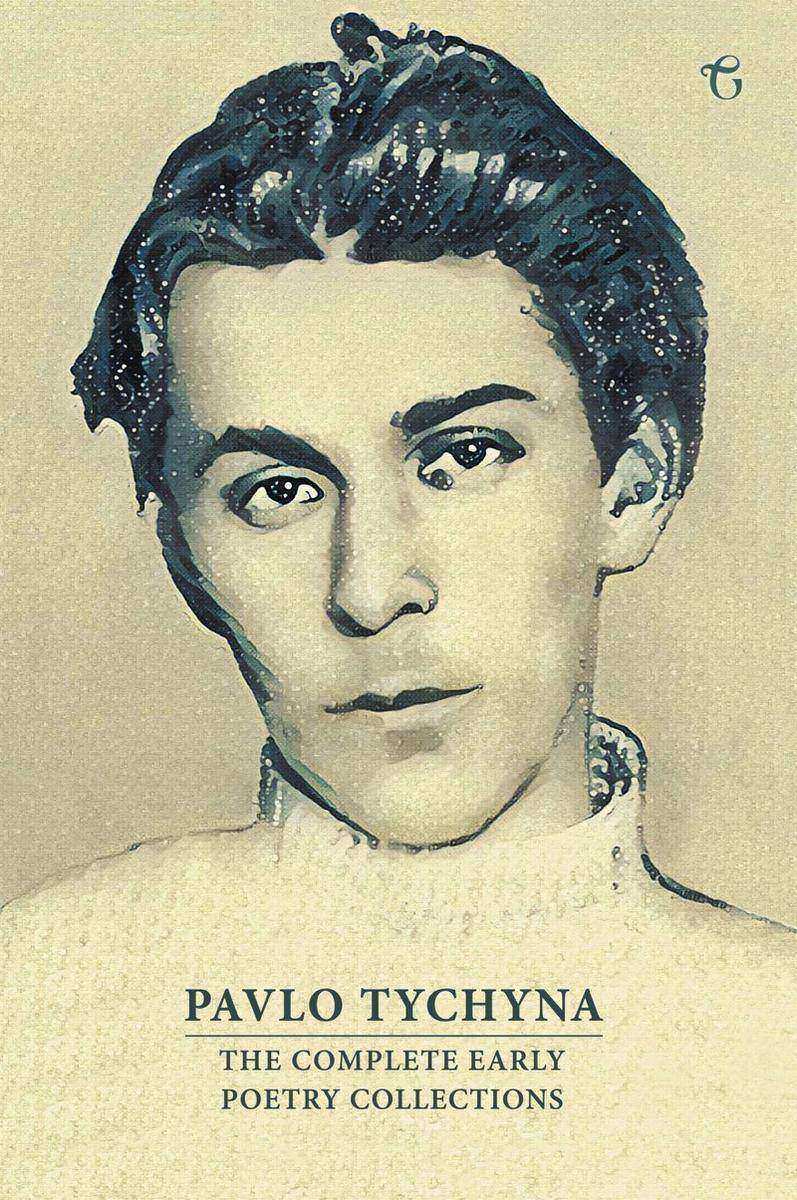
Pavlo Tychyna: The Complete Early Poetry Collections
¥90.03
Pavlo Tychyna (1891-1967) is arguably the greatest Ukrainian poet of the twentieth century and has been described as a “tillerman’s Orpheus” by Ukrainian poet and literary critic Vasyl Barka. With his innovative poetics, deep spirituality and creative word play, Tychyna deserves a place among the pantheon of his European contemporaries such as T.S. Eliot, Ezra Pound, Rainer Maria Rilke, Federico Garcia Lorca, and Osip Mandelstam. His early collections Clarinets of the Sun (1918), The Plow (1920), Instead of Sonnets and Octaves (1920), The Wind from Ukraine (1924), and his poetic cycle In the Orchestra of the Cosmos (1921) mark the pinnacle of his creativity and poetically document the emotional and spiritual toll of the Revolution of 1917 as well as the Civil War and its aftermath in Ukraine. Tychyna coined the term “Clarinetism” to describe his earliest works, which intrinsically exhibit the clarity and the haunting sound of a clarinet. He harkens back to ancient Greek literature to form what has been called the “tragic lyric” in his short collection Instead of Sonnets and Octaves, which gives a personal, humanistic understanding to the tragic events of the Revolution. John Fizer has noted Tychyna’s close affinity with Walt Whitman’s cosmism, particularly in his cycle In the Orchestra of the Cosmos. While Tychyna in may ways displays the moral conscience of his times in his early works, later in his life he acquiesced to Soviet authorities in order to survive the horrors of Stalin’s regime. He was forced by authorities to refuse a nomination for the Nobel Prize, the only reason for which would have been his Ukrainian ethnicity. This edition of Tychyna’s complete early works includes translations of all his major early collections as well as his poetic masterpieces “Mother was Pealing Potatoes,” “Funeral of My Friend,” and his highly patriotic “In Memory of the Thirty.” The volume includes a guest introduction by eminent Ukrainian poet Viktor Neborak. Translated by Michael M. Naydan.
The Secret History of my Sojourn in Russia
¥90.03
Jaroslav Ha?ek is known by readers around the world as the author of The Good Soldier ?vejk, one of the greatest comic novels of all time. Not all of his fans are aware of his six year anabasis in Russia, however, which began with his capture on the front lines of Galicia during the First World War. The Secret History of My Sojourn in Russia, translated by Charles S. Kraszewski, brings that fascinating period in Ha?ek's life to the attention of the English reader. Comprised of fifty-two short stories and other writings from Ha?ek's stay in Sovietising Russia, The Secret History collects the Bugulma stories, in which Ha?ek trains his satirical eye on the infant communist utopia, as well as non-fiction works by Ha?ek, who played a not insignificant role in the progress of the Soviet Revolution in Siberia, before his return to his native Czechoslovakia in the early 1920s. These include propagandistic pamphlets and newspaper articles, letters, and official scripts dating from his agitation as a communist operative among Austro-Hungarian citizens stranded in the Soviet Union, all of which provide a fascinating context for his good-humoured fiction, which rivals his great novel in rollicking fun. The Secret History of My Sojourn in Russia presents the reader with 52 of the most entertaining, and chilling, examples of his Russian period, containing both humorous fiction and deadly serious propaganda. Translation of this book was supported by the Ministry of Culture of the Czech Republic.
Maybe We’re Leaving
¥98.02
A young boy from the housing estates comes across a copse of old oaks to which he can escape, as to an oasis of calm. Although he may forget about it once he becomes an adult and “puts aside the things of childhood,” it will remain a locus of balance, decades later, for a single mother struggling with the difficulties of raising the child she loves. A husband, on the lip of an ugly divorce, drives across town in the middle of the night to rescue his wife, abandoned by her lover, and then — as she falls asleep in the car — takes the long way home, to prolong a moment such as he has not experienced in years. An elderly doctor, self-diagnosed with Alzheimer’s disease, makes use of the few precious moments of consciousness granted him each morning to pass on to his grandson what he has learned about life and living responsibly. Loss, and permanence, the ephemeral and the eternal, are common themes of Jan?Balabán’s collection of short stories?Maybe We’re Leaving, presented here in the English translation of Charles S. Kraszewski. With psychological insight that rivals the great novels of Fyodor Dostoevsky, the twenty-one linked narratives that make up the collection present us with everyday people, with everyday problems — and teach us to love and respect the former, and bear the latter. Translation of this book was supported by the Ministry of Culture of the Czech Republic.
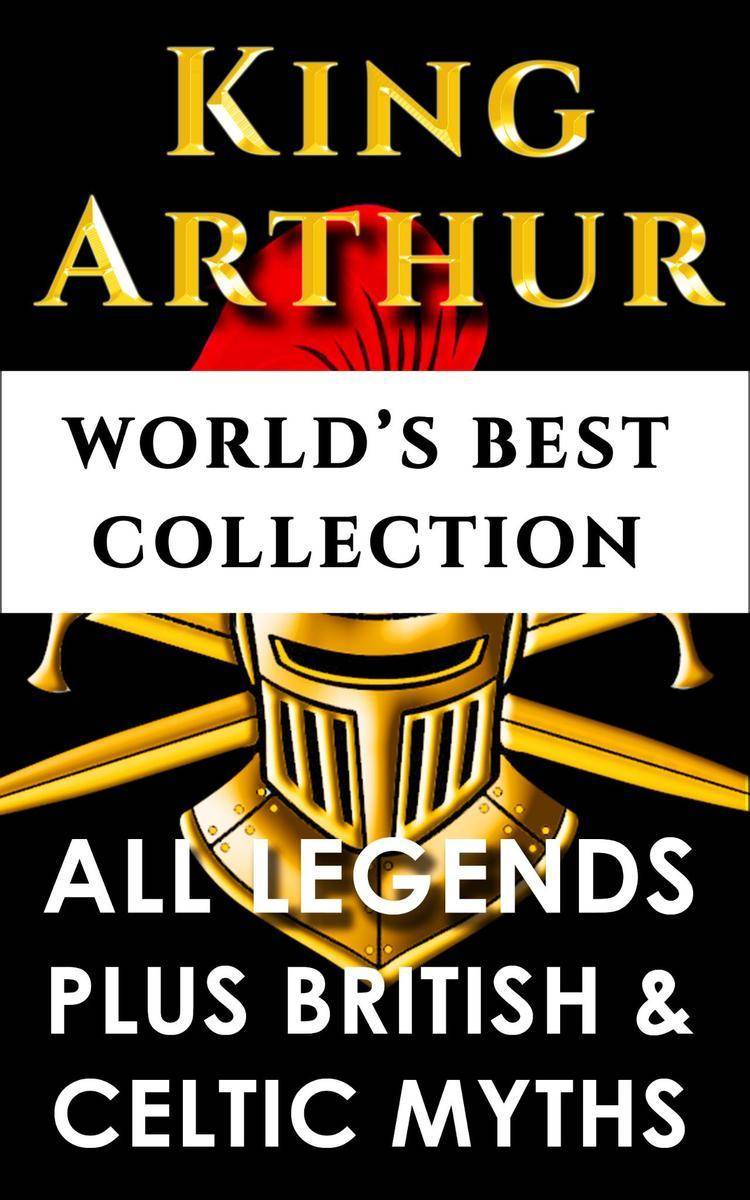
King Arthur and The Knights Of The Round Table
¥8.09
King Arthur and the Kinghts of the Round Table Complete Works World's Best Collection This is the best King Arthur Collection available, including the most complete set of the Arthurian legends plus many extra free bonus materials. The Most Complete Collection Available In this irresistible collection we include all 11 complete Books (more than 130 chapters) from Thomas Malory (published by William Caxton) of the legendary epic ‘Le Morte D’ Arthur’. We also give you all the other, rare stories of the other famous Knights of the Round Table. Plus, we include additional bonuses covering Arthur related mythologies, including Celtic Mythology and other British and European Legends. Everything Arthur related in one, amazing comprehensive compilation. Works Included: Le Morte D’ Arthur -The legendary, famous compilation by Sir Thomas Malory of romance? tales about the legendary King Arthur. One of the best-known works of the English language and Arthurian literature. It coves the grand adventures and complete stories of the beloved characters, from Arthur himself, to Merlin, to Tristram, Launcelot and Guinevere, Morgan le Fay, Arthur’s sister, and even Mordred, Arthur’s villainous son. Who was the Real King Arthur? -?A special analysis of the 'suspects', written specifically for this collection. Additional Sir Gawayne Stories -?Additional stories of the popular Sir Gawayne, including the well known fairy tale: ‘Sir Gawayne and the Green Knight’ The Mabinogion -?11 classic stories from Welsh and Celtic mythology, known as prime examples of folktales, and early medieval and Iron age narratives, even including more stories of King Arthur. Myths And Legends Of The Celtic Race -?Devoted to explaining the fascinating and expansive Celtic mythology, as well as chapters on Celtic history and information on the Druids. Hero-Myths Of The British Race And Legends Of The Middle Ages -?A rich exploration into more British, as well as European and Middle Age mythology. It includes chapters about many Heroic Sagas, such as Charlemagne, Beowulf, and Robin Hood. Get This Collection Right Now This is the best King Arthur and Arthurian Legends collection you can get, so get it now and start enjoying and being drawn into the magnificent world of myth and legend like never before!
Rouletabille chez le Tsar
¥8.82
Et, cette nuit, cette nuit où elle sent Rouletabille quelque part, autour d’elle… voilà, vraiment, qu’elle est moins inquiète… et pourtant les policiers ne sont plus là !… Aurait-il raison, ce petit ?… Il est certain (elle ne saurait se le dissimuler) qu’elle est beaucoup plus tranquille… plus tranquille maintenant que les policiers ne sont plus là… elle ne passe pas son temps à rechercher leurs ombres, dans l’ombre… à t?ter l’ombre… les fauteuils… les canapés… à secouer leur torpeur… à les appeler tout bas, par leur petit nom et le petit nom de leur père… à leur promettre le natcha? important s’ils veillent bien… à les compter, pour savoir où ils sont tous… et, tout à coup, à leur jeter en plein visage le jet de lumière de sa petite lanterne sourde pour être s?re, bien s?re, qu’elle a en face d’elle, un de la police… et non point un autre… un autre avec une petite bo?te infernale sous le bras !…
Le Parfum de la dame en noir
¥8.82
Une cérémonie de mariage réunit tous les protagonistes du célèbre Mystère de la chambre jaune.
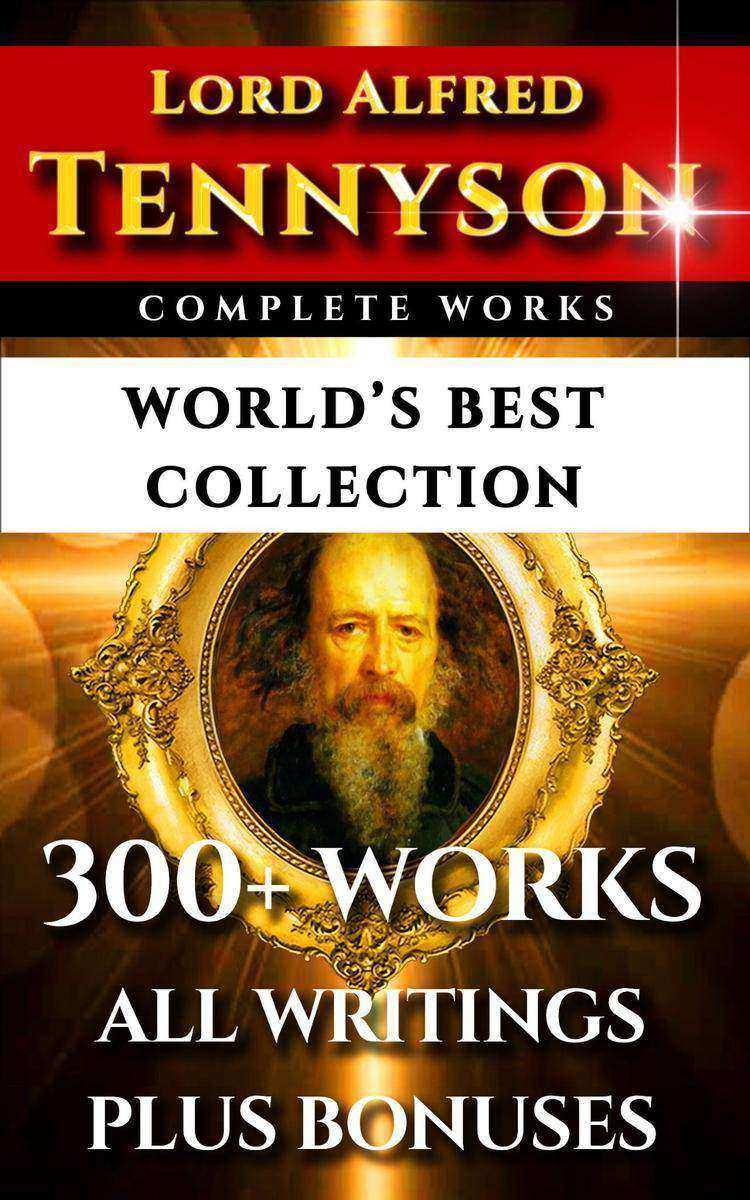
Tennyson Complete Works – World’s Best Collection
¥8.09
Tennyson Complete Works World's Best Collection This is the world’s best Alfred Lord Tennyson collection, including the most complete set of Tennyson’s works available plus many free bonus materials. Lord Tennyson Alfred Lord Tennyson was Poet Laureate of Great Britain and Ireland during much of Queen Victoria’s reign and remains one of the most popular British poets. He is the ninth most frequently quoted writer in The Oxford Dictionary of Quotations and responsible for many common phrases such as: ‘tis better to have loved and lost than never to have loved at all’ and ‘to strive, to seek, to find, and not to yield’ among many others The ‘Must-Have’ Complete Collection In this irresistible collection you get a full set of Tennyson’s works, both his well-known as well as his rare, with more than 400 different works - All Tennyson’s poetry, All his plays, All major and minor works, All his poetry collections, Plus his rare early poems. With a Biography and More Extra Bonus material. Works Included: The Plays Of Tennyson: Queen Mary: A Drama Harold: A Drama Becket The Cup - A Tragedy The Falcon The Promise Of May The Foresters The Poetry Collections: Maud, And Other Poems The Lady Of Shalott And Other Poems Demeter And Other Poems Idylls Of The King English Idyls, And Other Poems Ballads And Other Poems The Death Of ?none, And Other Poems Tiresias, And Other Poems Juvenilia - Tennyson’s Early Poems Enoch Arden, And Other Poems The Princess Your Free Special Bonuses Tennyson’s Life And Poetry - A biography of Tennyson’s intriguing life. Literary Essay On Tennyson – a comprehensive essay about Tennyson and his works Historical Context and Literary Context Notes?- Detailed explanations of the Victorian Era and Victorian Literature, written specially for this collection. Get This Collection Right Now This is the best Tennyson collection you can get, so get it now and start enjoying and being inspired by his world like never before!
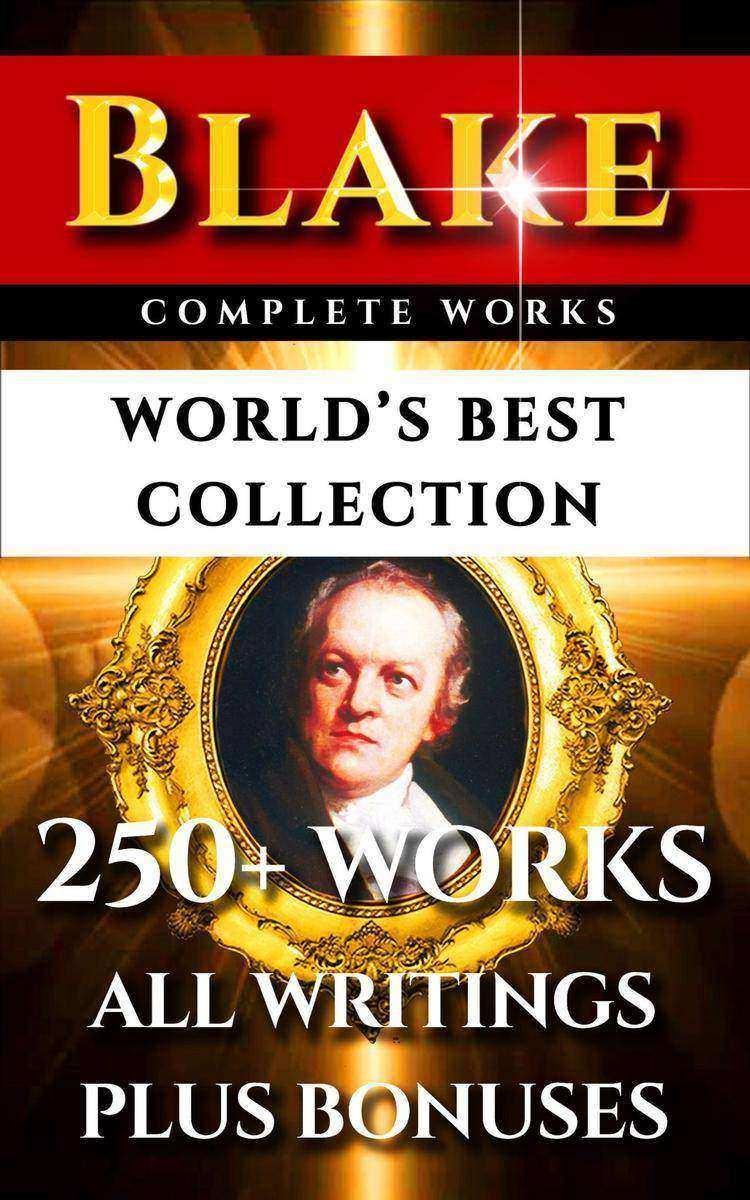
William Blake Complete Works – World’s Best Collection: 250+ Works
¥8.09
William Blake Complete Works World's Best Collection This is the world’s best William Blake collection, including the most complete set of Blake’s works available plus many free bonus materials. William Blake William Blake was an English poet and painter. Although unrecognized during his lifetime, Blake is now considered a seminal figure in the history of the poetry of the Romantic Age, and in 2002, Blake was placed at number 38 in the Bbc’s poll of the 100 Greatest Britons. During his lifetime, Blake was largely considered mad by contemporaries for his idiosyncratic views, but he is held in high regard by later critics for his expressiveness and creativity, and for the philosophical and mystical undercurrents within his work. The 19th-century scholar William Rossetti characterized him as a "glorious luminary” The ‘Must-Have’ Complete Collection In this irresistible collection you get a full set of Blake’s pieces, with more than 250 works - All his poems, All poetry, All his prose and the full length definitive biography. Plus Free Bonus material. There are countless must reads, ranging from the well-known pieces to fantastic and startling new works to discover. Including Among Many Others: Poetical Sketches Songs Of Innocence Tiriel All Religions Are One The Marriage Of Heaven And Hell The Gates Of Paradise America: A Prophecy Europe: A Prophecy Songs Of Experience The Book Of Ahania The Song Of Los Vala, Or The Four Zoas A Vision Of The Last Judgment. The Ghost Of Abel The Rossetti Manuscript The Pickering Manuscript Auguries of Innocence The Laocoon Satiric Verses And Epigrams Full Collection Of Blake’s Letters Your Free Special Bonuses Historical Context and Literary Context Notes?- Detailed explanations of the Regency Era and Romanticism, written specially for this collection. Annotations?- a collection of notes taken from hand written texts Blake made in the margins of his own favourite books. William Blake, A Critical Essay?- a intriguing essay from the famous literature scholar Algernon Charles Swinburne Life Of William Blake Pictor Ignotus?- Used in colleges worldwide,known as the definitive biography of Blake, from Alexander Gilchrist, a fascinating account of Blake’s colourful life, including chapters, amongst others, about his work, his changing views on the world and his trial for sedition. Get This Collection Right Now This is the best William Blake collection you can get, so get it now and start enjoying and being inspired by the words inside like never before!
The Merchant of Venice
¥8.82
The Merchant of Venice is a play by William Shakespeare, believed to have been written between 1596 and 1598. Although classified as a comedy in the First Folio, and while it shares certain aspects with Shakespeare's other romantic comedies, the play is perhaps more remembered for its dramatic scenes, and is best known for the character of Shylock. The title character is the merchant Antonio, not the Jewish moneylender Shylock, who is the play's most prominent and more famous villain. Though Shylock is a tormented character, he is also a tormentor, so whether he is to be viewed with disdain or sympathy is up to the audience (as influenced by the interpretation of the play's director and lead actors). As a result, The Merchant of Venice is often classified as one of Shakespeare's problem plays.
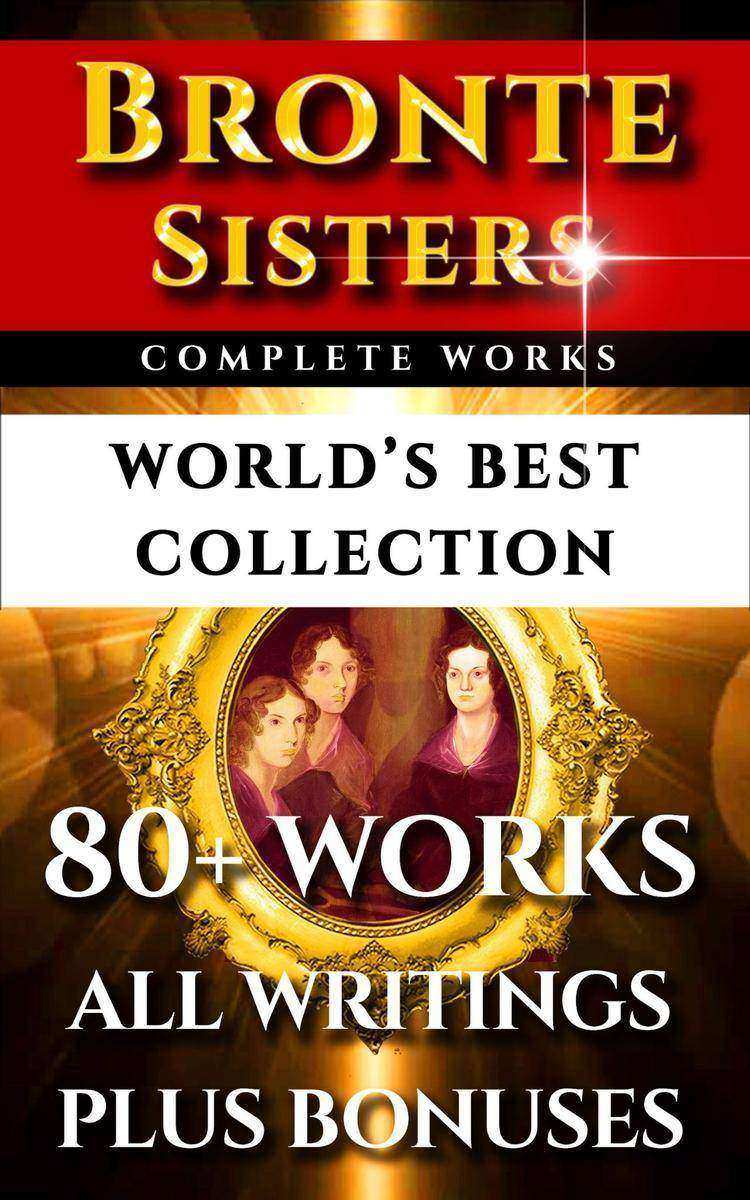
Bronte Sisters Complete Works – World’s Best Collection: 80+ Works of Charlotte
¥8.09
Bronte Sisters Complete Works World's Best Collection This is the world’s best Bronte Sisters collection, including the most complete set of Bronte’s works available plus many free bonus materials. Bronte Sisters The Bront?s were a nineteenth-century literary family consisting of Charlotte, Emily and Anne, all well known as poets and novelists. They originally published their poems and novels under masculine pseudonyms, following the custom of the times. Their stories immediately attracted attention for their passion and originality The ‘Must-Have’ Complete Collection In this irresistible collection you get the complete collection of all three Bronte’s work, with All of Charlotte Bronte, All of Anne Bronte and All of Emily Bronte, including All their novels and poetry. Plus Bonus Materials. Works Included:By Anne Bronte (as Acton Bell) Agnes Grey The Tenant Of Wildfell Hall By Charlotte Bronte (as Currer Bell) Jane Eyre Shirley Villette Professor By Emily Bronte (as Ellis Bell) Wuthering Heights Your Free Special Bonuses Historical Context and Literary Context Notes?- Detailed explanations of the Victorian Era and Victorian Literature written specially for this collection. Life Of Charlotte Bronte?By Elizabeth Gaskell Poetry Of All Three Bronte Sisters Scraps And Literary Remains?of Charlotte, Anne and Emily Bronte Get This Collection Right Now This is the best Bronte Sisters collection you can get, so get it now and start enjoying and being inspired by their world like never before!
The Winter's Tale
¥9.00
The Winter's Tale is a play by William Shakespeare, first published in the First Folio in 1623. Although it was listed as a comedy when it first appeared, some modern editors have relabeled the play a romance. Some critics, among them W. W. Lawrence (Lawrence, 9-13), consider it to be one of Shakespeare's "problem plays", because the first three acts are filled with intense psychological drama, while the last two acts are comedic and supply a happy ending.

Speaking of Poetry...
¥15.40
A book of poetry on various themes. Springtime I shall wait for you springtimeWhen winter has passed awayRosebuds will be dancing in the nightBeneath the Milky Way Lovers kissing and holding handsWaltzing a brisk and lively danceUnderneath the crescent moon that shownAs Orpheus sings a joyful song Mockingbirds will send forth merry soundsAwakening nature's dreary brownChildren playing games while folksLaugh and tell their silly jokes
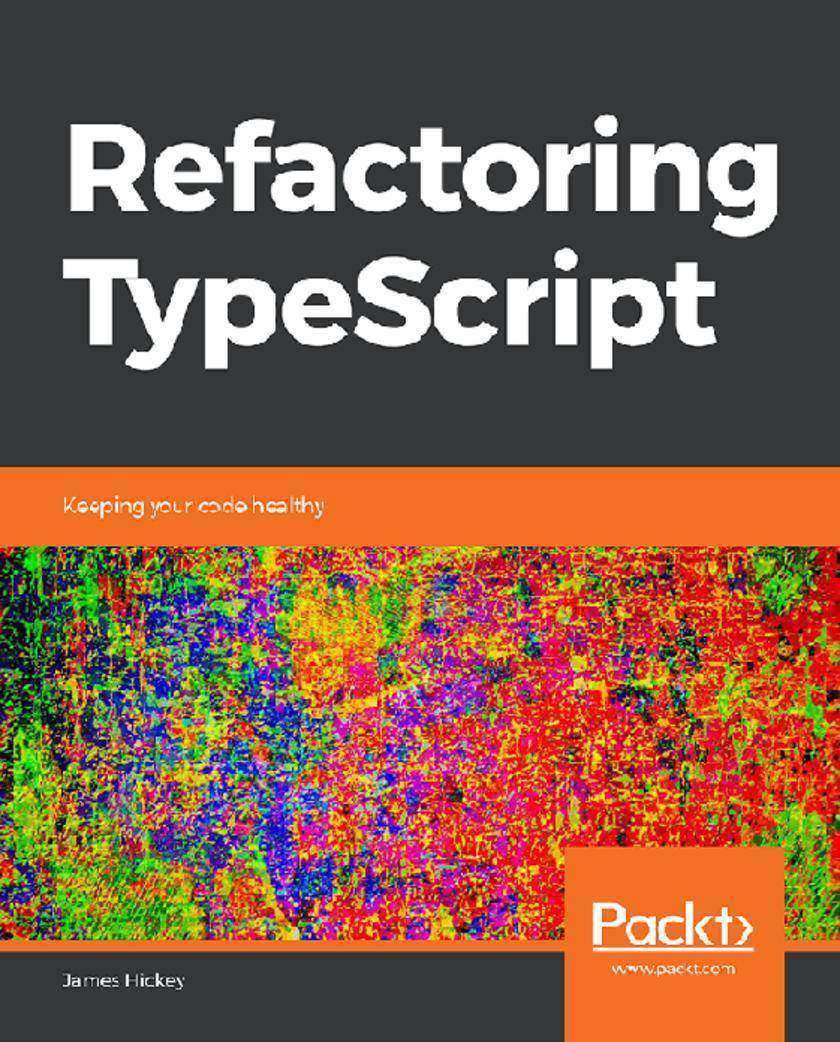
Refactoring TypeScript
¥54.49
Discover various techniques to develop maintainable code and keep it in shape. Key Features * Learn all about refactoring - why it is important and how to do it * Discover easy ways to refactor code with examples * Explore techniques that can be applied to most other programming languages Book Description Refactoring improves your code without changing its behavior. With refactoring, the best approach is to apply small targeted changes to a codebase. Instead of doing a huge sweeping change to your code, refactoring is better as a long-term and continuous enterprise. Refactoring TypeScript explains how to spot bugs and remove them from your code. You’ll start by seeing how wordy conditionals, methods, and null checks make code unhealthy and unstable. Whether it is identifying messy nested conditionals or removing unnecessary methods, this book will show various techniques to avoid these pitfalls and write code that is easier to understand, maintain, and test. By the end of the book, you’ll have learned some of the main causes of unhealthy code, tips to identify them and techniques to address them. What you will learn * Spot and fix common code smells to create code that is easier to read and understand * Discover ways to identify long methods and refactor them * Create objects that keep your code flexible, maintainable, and testable * Apply the Single Responsibility Principle to develop less-coupled code * Discover how to combine different refactoring techniques * Learn ways to solve the issues caused by overusing primitives Who this book is for This book is designed for programmers who are looking to explore various refactoring techniques to develop healthy and maintainable code. Some experience in JavaScript and TypeScript can help you easily grasp the concepts explained in this book.
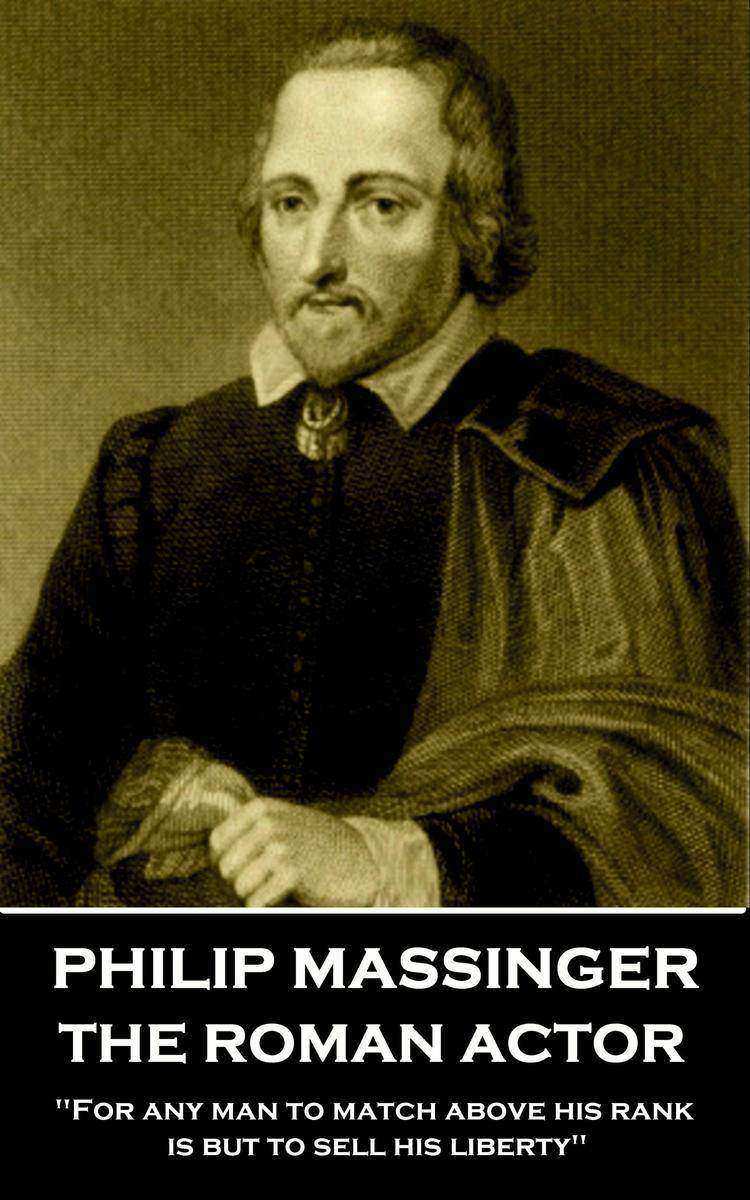
Roman Actor - For any man to match above his rank is but to sell his liberty
¥23.45
Philip Massinger was baptized at St. Thomas's in Salisbury on November 24th, 1583.Massinger is described in his matriculation entry at St. Alban Hall, Oxford (1602), as the son of a gentleman. His father, who had also been educated there, was a member of parliament, and attached to the household of Henry Herbert, 2nd Earl of Pembroke. The Earl was later seen as a potential patron for Massinger.He left Oxford in 1606 without a degree. His father had died in 1603, and accounts suggest that Massinger was left with no financial support this, together with rumours that he had converted to Catholicism, meant the next stage of his career needed to provide an income.Massinger went to London to make his living as a dramatist, but he is only recorded as author some fifteen years later, when The Virgin Martyr (1621) is given as the work of Massinger and Thomas Dekker.During those early years as a playwright he wrote for the Elizabethan stage entrepreneur, Philip Henslowe. It was a difficult existence. Poverty was always close and there was constant pleading for advance payments on forthcoming works merely to survive.After Henslowe died in 1616 Massinger and John Fletcher began to write primarily for the King's Men and Massinger would write regularly for them until his death.The tone of the dedications in later plays suggests evidence of his continued poverty. In the preface of The Maid of Honour (1632) he wrote, addressing Sir Francis Foljambe and Sir Thomas Bland: "e;I had not to this time subsisted, but that I was supported by your frequent courtesies and favours."e;The prologue to The Guardian (1633) refers to two unsuccessful plays and two years of silence, when the author feared he had lost popular favour although, from the little evidence that survives, it also seems he had involved some of his plays with political characters which would have cast shadows upon England's alliances.Philip Massinger died suddenly at his house near the Globe Theatre on March 17th, 1640. He was buried the next day in the churchyard of St. Saviour's, Southwark, on March 18th, 1640. In the entry in the parish register he is described as a "e;stranger,"e; which, however, implies nothing more than that he belonged to another parish.
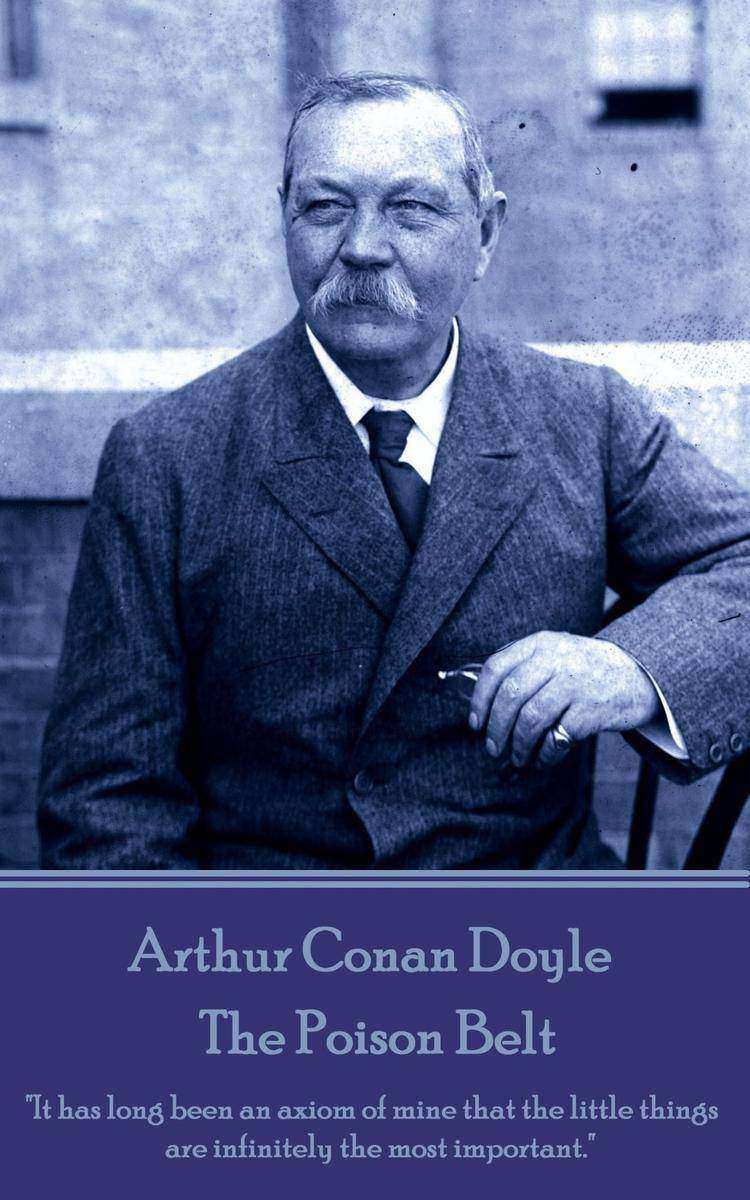
Arthur Conan Doyle
¥21.09
Arthur Conan Doyle's The Poison Belt is another work of fiction by the author of the celebrated masterpiece The Adventures of Sherlock Holmes. The novella centers around apocalyptic disasters that threaten to end human existence on Earth. Professor Challenger, an English scientist who is interested in preserving nature and human life, anticipates the Earth's contact with a poison belt of ether. The dangerous gas is believed to have the power to suffocate all living beings to death. Professor Challenger invites his closest companions, Malone, Roxton and Summerlee, to join him and his wife in his house. They are asked to bring oxygen tanks with them to find that Challenger has prepared a sealed room to protect their lives. Later, from their little shelter, Challenger's team watch the destruction of the outside world and the dying of almost everything. When they finally run out of oxygen, they are pushed to get out of the sealed room. Yet, to their surprise, they do not die. The Earth has passed through the poison belt and humanity has survived.
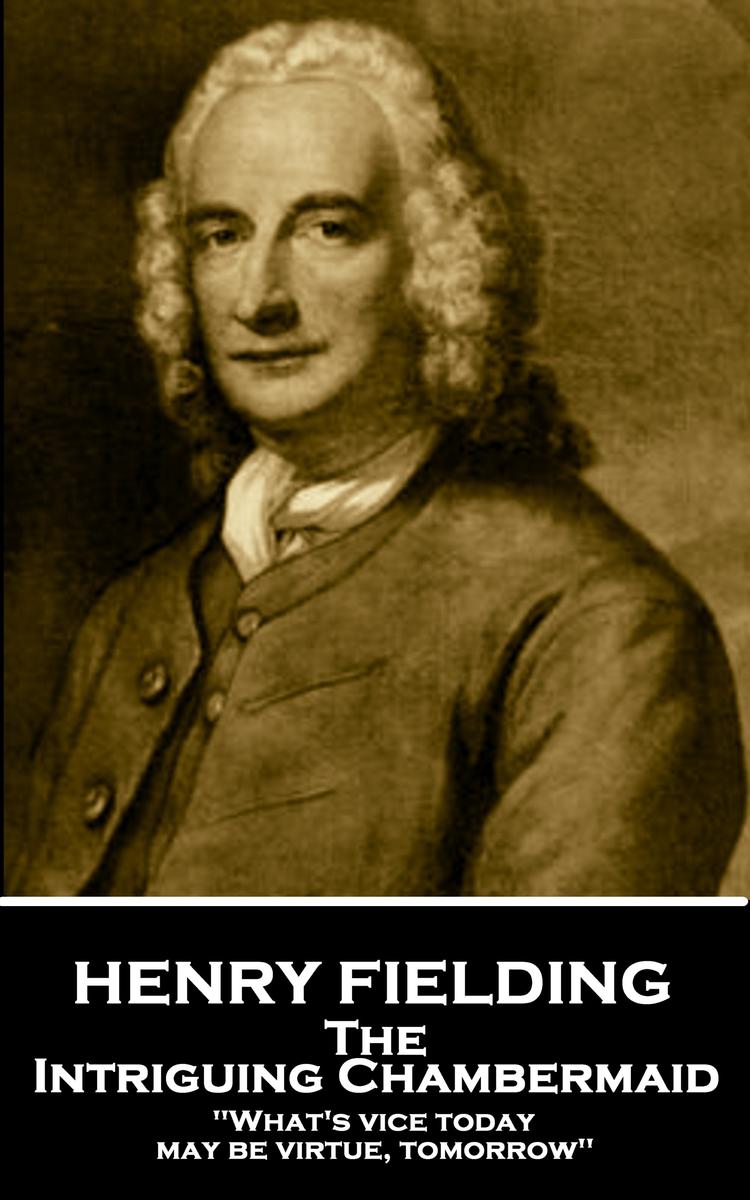
Intriguing Chambermaid - What's vice today may be virtue, tomorrow
¥14.03
Henry Fielding was born at Sharpham Park, near Glastonbury, in Somerset on April 22nd 1707. His early years were spent on his parents' farm in Dorset before being educated at Eton.An early romance ended disastrously and with it his removal to London and the beginnings of a glittering literary career; he published his first play, at age 21, in 1728.He was prolific, sometimes writing six plays a year, but he did like to poke fun at the authorities. His plays were thought to be the final straw for the authorities in their attempts to bring in a new law. In 1737 The Theatrical Licensing Act was passed. At a stroke political satire was almost impossible. Fielding was rendered mute. Any playwright who was viewed with suspicion by the Government now found an audience difficult to find and therefore Theatre owners now toed the Government line.Fielding was practical with the circumstances and ironically stopped writing to once again take up his career in the practice of law and became a barrister after studying at Middle Temple. By this time he had married Charlotte Craddock, his first wife, and they would go on to have five children. Charlotte died in 1744 but was immortalised as the heroine in both Tom Jones and Amelia.Fielding was put out by the success of Samuel Richardson's Pamela, or Virtue Rewarded. His reaction was to spur him into writing a novel. In 1741 his first novel was published; the successful Shamela, an anonymous parody of Richardson's novel.Undoubtedly the masterpiece of Fielding's career was the novel Tom Jones, published in 1749. It is a wonderfully and carefully constructed picaresque novel following the convoluted and hilarious tale of how a foundling came into a fortune.Fielding was a consistent anti-Jacobite and a keen supporter of the Church of England. This led to him now being richly rewarded with the position of London's Chief Magistrate. Fielding continued to write and his career both literary and professional continued to climb.In 1749 he joined with his younger half-brother John, to help found what was the nascent forerunner to a London police force, the Bow Street Runners. Fielding's ardent commitment to the cause of justice in the 1750s unfortunately coincided with a rapid deterioration in his health. Such was his decline that in the summer of 1754 he travelled, with Mary and his daughter, to Portugal in search of a cure. Gout, asthma, dropsy and other afflictions forced him to use crutches. His health continued to fail alarmingly.Henry Fielding died in Lisbon two months later on October 8th, 1754.
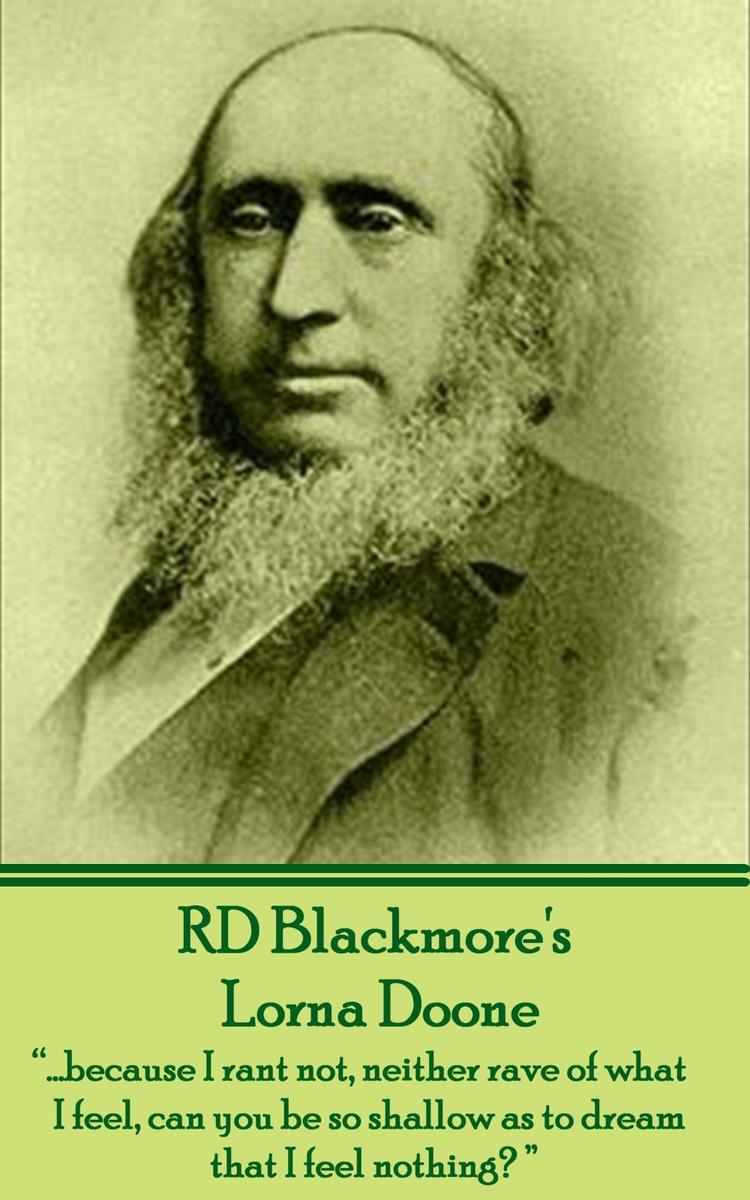
Lorna Doone - ....because I rant not, neither rave of what I feel
¥23.45
Lorna Doone is a romance that tells the story of a seventeenth-century successful farmer, John Ridd, whose father is killed by the Doones, a clan of unruly brigands living in the wilderness. When John once accidently ventures into the clan's area, he meets the beautiful Lorna and falls in love with her. In order to rescue his beloved from the life that she hates, he has to go through a long and violent struggle with his rival Carver Doone who also claims Lorna's hand. He eventually succeeds in helping her escape from the clan to his family's home which is later attacked by Carver. Later, a family friend reveals to them that Lorna does not really belong to the Doone clan and that she was kidnapped after a raid during which her noble and extremely wealthy mother was murdered. As an heiress to her mother's fortunes, Lorna is now legally asked to leave for London and become her great-uncle's ward. Political upheaval shakes the whole kingdom and John is arrested for false accusations. After being brought to London and absolved from guilt, he meets Lorna who is still in love with him. Lorna is eventually allowed to go back to the country and marry John. In the midst of their wedding ceremony, Carver suddenly enters the church and hits Lorna. John follows him and they engage in a fight that ends in Carver's death.
Wounds of Civil War
¥21.09
As can be easily understood presenting an exact chronicle of the facts in the life of a 16th Century playwright is often difficult. Thomas Lodge is no exception. Thomas Lodge, born around 1558 in west Ham, was the second son of Sir Thomas Lodge, the Lord Mayor of London, and his third wife Anne. Lodge was educated at Merchant Taylors' School and thence to Trinity College, Oxford; taking his BA in 1577 and his MA in 1581. Lodge, disregarded his parents career wishes in order to take up literature. When the penitent Stephen Gosson published his Schoole of Abuse in 1579, Lodge responded with Defence of Poetry, Music and Stage Plays (1579 or 1580). His pamphlet was banned, but appears to have been circulated privately. Already in 1580 Lodge had published a volume of poems entitled Scillaes Metamorphosis, Enterlaced with the Unfortunate Love of Glaucus, also more briefly known as Glaucus and Scilla. Lodge seems to have married his first wife Joan in or shortly before 1583, when, "e;impressed with the uncertainty of human life"e;, he made a will. That his family viewed his conduct at the time with disdain may be noted by the absence of his name from his father's will in 1583. The marriage of Lodge and Joan produced a daughter, Mary. However, without an income from his family Lodge would have to provide it by other means. The debate in pamphlets between Lodge and Gosson continued with Gosson's Playes Confuted in Five Actions; and Lodge retorting with his Alarum Against Usurers (1585)-a "e;tract for the times"e;. That same year, 1585, he produced his first tale written in prose and verse, The Delectable History of Forbonius and Prisceria. Lodge appears to have been at sea on a number of long voyages. Usually these are described as 'freebooting voyages', an interchangeable term also used for piracy and plunder. Many nations endorsed these tactics and it seems fairly safe to suggest that these voyages were a source of revenue which would keep Joan and Mary with their heads above water. These long voyages also provided something else that Lodge would have been keen to gather and usefully use; time. During the expedition to Terceira and the Canaries (around 1586), to set aside the tedium of his voyage, Lodge composed his prose tale of Rosalynde, Euphues Golden Legacie, which, printed in 1590, would later be used by Shakespeare as the basis for As You Like It. Before starting on his next voyage, this time to South America, Lodge published a historical romance, The History of Robert, Second Duke of Normandy, surnamed Robert the Devil; and he left behind him for publication Catharos Diogenes in his Singularity, a discourse on the immorality of Athens (London). Both appeared in 1591. By now Lodge was on a voyage with Thomas Cavendish to Brazil and the Straits of Magellan and would only be able to return home in 1593. Whilst he was travelling another romance in the manner of Lyly, Euphues Shadow, the Battaile of the Sences, appeared in 1592. At either end of this voyage Lodge appears to have worked on some dramas, most notably with Robert Greene. It is thought that in 1590, together with Greene, he wrote A Looking Glass for London and England (published 1594). He had already written The Wounds of Civil War (produced perhaps as early as 1587, and published in 1594, and put on as a play reading at the Globe Theatre on 7 February 1606), a good second-rate piece in the half-chronicle fashion of its age. His second historical romance, the Life and Death of William Longbeard (1593), was more successful than the first. Lodge also brought back with him from the new world voyage A Margarite of America (published 1596), a romance between a Peruvian prince and a daughter of the king of Muscovy interspersed with many lyrics. The composition of Phillis, a volume and an early sonnet cycle sequence (an increasingly popular format in Elizabethan times), was published with the narrative poem, The Complaynte of Elsired, in 1593. A Fig for Momus was published in 1595 and gained him the accolade of being the earliest English satirist. This work contains eclogues addressed to Daniel and others as well as an epistle addressed to Michael Drayton. In the latter part of his life-possibly about 1596, when he published his Wits Miserie and the World's Madnesse, which is dated from Low Leyton in Essex, and the religious tract Prosopopeia (if, as seems probable, it was his), in which he repents of his "e;lewd lines"e; of other days-he became a Catholic and engaged in the practice of medicine, for which Wood says he qualified himself by a degree at Avignon, in France, in 1600. Two years later he received the degree of M.D. from Oxford University. Early in 1606 he seems to have left England, to escape the persecution then directed against the Catholics; and a letter from him dated 1610 thanks the English ambassador in Paris for enabling him to return in safety. At some point in his later life Lodge appears to have married again. T
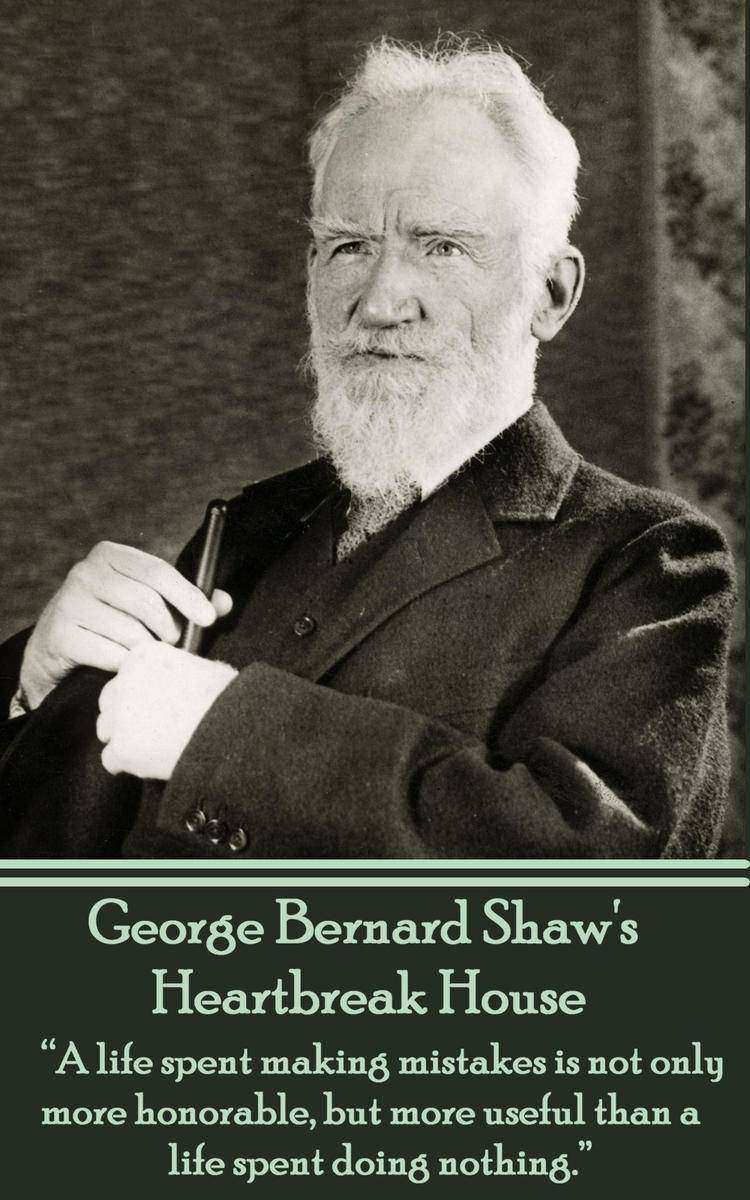
Heartbreak House (Nobel Prize)
¥23.45
Heartbreak House is a play written by George Bernard Shaw one of the truly great literary figures of our age. First published in 1919 and first played at the New York's Garrick Theatre in 1920. It is not often performed due to its complex structure. Based around a dinner party it's a mixture of farce, social manners and British Society's sad decline with their indifferent self-indulgent attitude. As the play progresses Shaw reveals each character as somewhat different to their starting position.
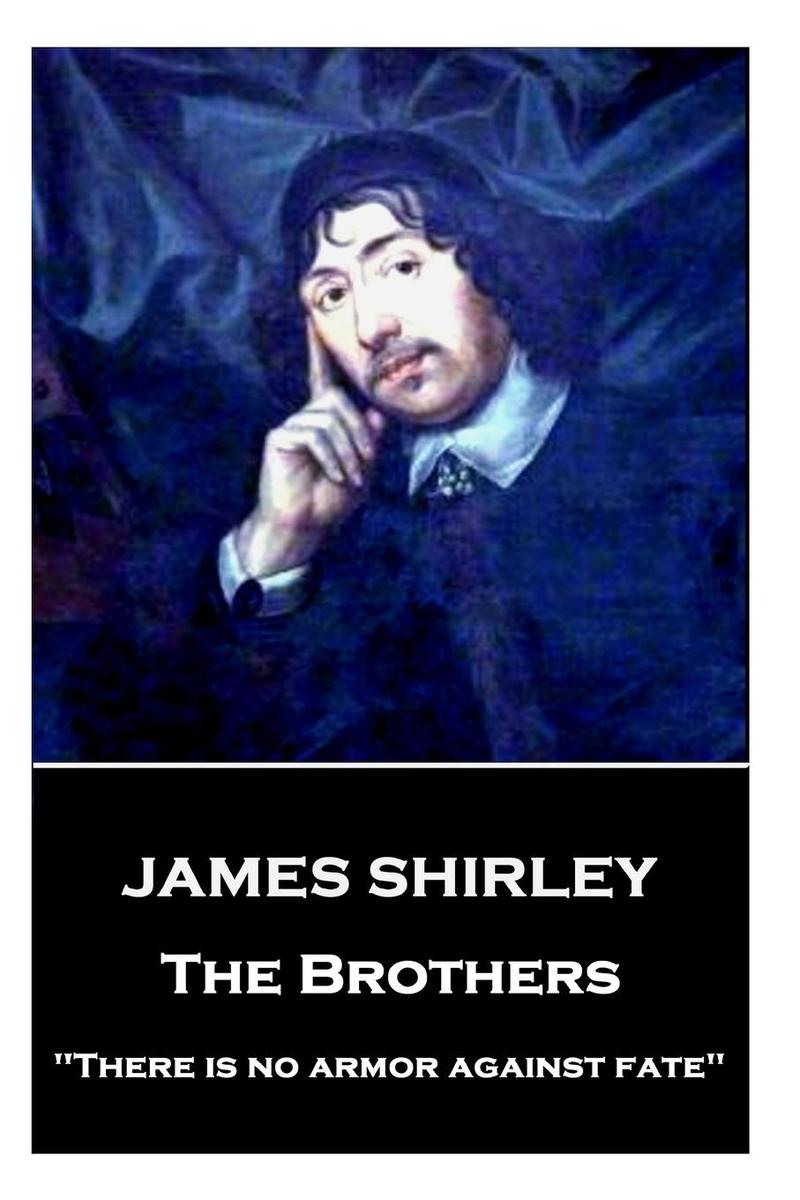
Brothers - There is no armor against fate
¥25.80
James Shirley was born in London in September 1596. His education was through a collection of England's finest establishments: Merchant Taylors' School, London, St John's College, Oxford, and St Catharine's College, Cambridge, where he took his B.A. degree in approximately 1618. He first published in 1618, a poem entitled Echo, or the Unfortunate Lovers. As with many artists of this period full details of his life and career are not recorded. Sources say that after graduating he became "e;a minister of God's word in or near St Albans."e; A conversion to the Catholic faith enabled him to become master of St Albans School from 1623-25. He wrote his first play, Love Tricks, or the School of Complement, which was licensed on February 10th, 1625. From the given date it would seem he wrote this whilst at St Albans but, after its production, he moved to London and to live in Gray's Inn. For the next two decades, he would write prolifically and with great quality, across a spectrum of thirty plays; through tragedies and comedies to tragicomedies as well as several books of poetry. Unfortunately, his talents were left to wither when Parliament passed the Puritan edict in 1642, forbidding all stage plays and closing the theatres. Most of his early plays were performed by Queen Henrietta's Men, the acting company for which Shirley was engaged as house dramatist. Shirley's sympathies lay with the King in battles with Parliament and he received marks of special favor from the Queen. He made a bitter attack on William Prynne, who had attacked the stage in Histriomastix, and, when in 1634 a special masque was presented at Whitehall by the gentlemen of the Inns of Court as a practical reply to Prynne, Shirley wrote the text-The Triumph of Peace. Shirley spent the years 1636 to 1640 in Ireland, under the patronage of the Earl of Kildare. Several of his plays were produced by his friend John Ogilby in Dublin in the first ever constructed Irish theatre; The Werburgh Street Theatre. During his years in Dublin he wrote The Doubtful Heir, The Royal Master, The Constant Maid, and St. Patrick for Ireland. In his absence from London, Queen Henrietta's Men sold off a dozen of his plays to the stationers, who naturally, enough published them. When Shirley returned to London in 1640, he finished with the Queen Henrietta's company and his final plays in London were acted by the King's Men. On the outbreak of the English Civil War Shirley served with the Earl of Newcastle. However when the King's fortunes began to decline he returned to London. There his friend Thomas Stanley gave him help and thereafter Shirley supported himself in the main by teaching and publishing some educational works under the Commonwealth. In addition to these he published during the period of dramatic eclipse four small volumes of poems and plays, in 1646, 1653, 1655, and 1659. It is said that he was "e;a drudge"e; for John Ogilby in his translations of Homer's Iliad and the Odyssey, and survived into the reign of Charles II, but, though some of his comedies were revived, his days as a playwright were over. His death, at age seventy, along with that of his wife, in 1666, is described as one of fright and exposure due to the Great Fire of London which had raged through parts of London from September 2nd to the 5th. He was buried at St Giles in the Fields, in London, on October 29th, 1666.


