


 购物车
购物车 个人中心
个人中心
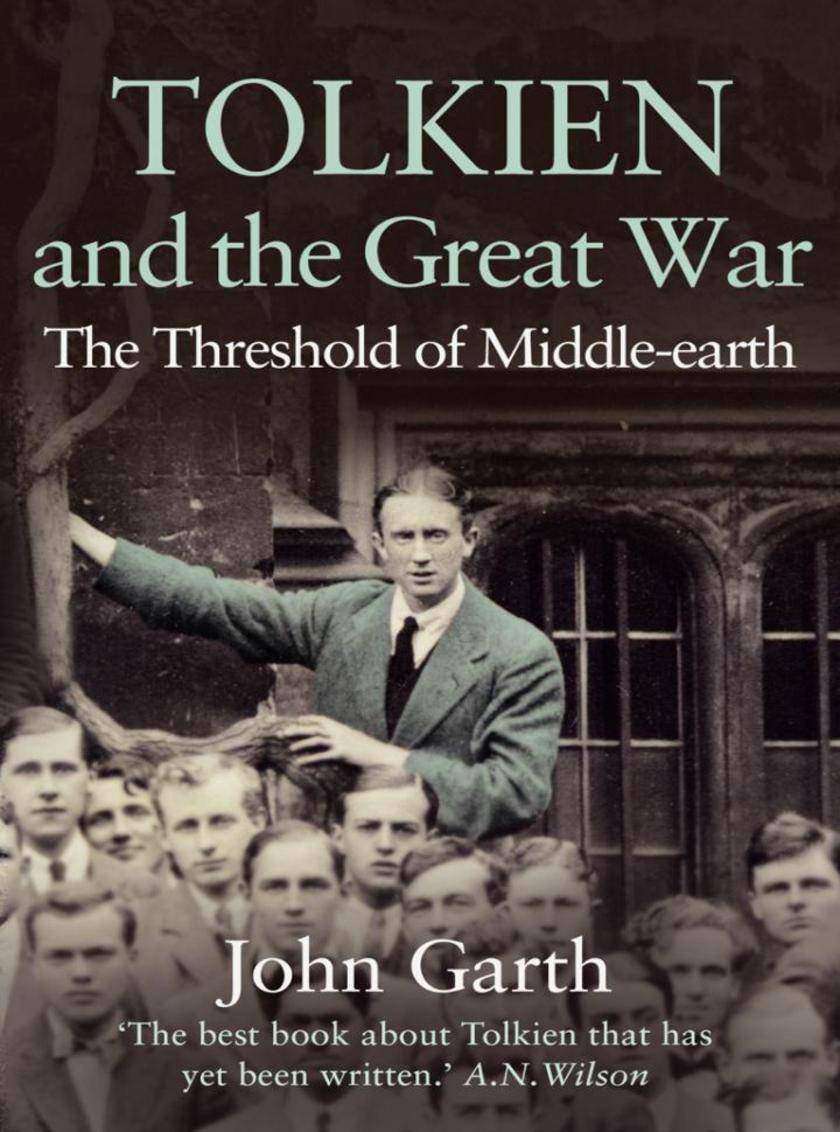
Tolkien and the Great War: The Threshold of Middle-earth
¥73.58
A biography exploring J.R.R. Tolkien’s wartime experiences and their impact on his life and his writing of The Lord of The Rings. “To be caught in youth by 1914 was no less hideous an experience than in 1939 … by 1918 all but one of my close friends were dead.” So J.R.R. Tolkien responded to critics who saw The Lord of the Rings as a reaction to the Second World War. Tolkien and the Great War tells for the first time the full story of how he embarked on the creation of Middle-earth in his youth as the world around him was plunged into catastrophe. This biography reveals the horror and heroism that he experienced as a signals officer in the Battle of the Somme and introduces the circle of friends who spurred his mythology to life. It shows how, after two of these brilliant young men were killed, Tolkien pursued the dream they had all shared by launching his epic of good and evil. John Garth argues that the foundation of tragic experience in the First World War is the key to Middle-earth’s enduring power. Tolkien used his mythic imagination not to escape from reality but to reflect and transform the cataclysm of his generatuion. While his contemporaries surrendered to disillusionment, he kept enchantment alive, reshaping an entire literary tradition into a form that resonates to this day. This is the first substantially new biography of Tolkien since 1977, meticulously researched and distilled from his personal wartime papers and a multitude of other sources.
A Witch Alone: Thirteen moons to master natural magic
¥80.25
This book carries on the tradition of the solo village witch emphasizing white rather than black magic. It is a practical manual of instruction for those who choose the solo path of study and particularly stresses the importance of being in tune with nature. As there are approximately 13 moons each year – the book is divided into 13 parts. Each section is aimed at lasting from the new moon to the dark to make the student fully aware of the changing power in the tides of the sea and the tides of the self. The moon-long sections deal with a variety of traditional arts, skills and mental exercises which enables the aspiring witch to discover the inner world of magic inside him/herself. Note that it has not been possible to include the same picture content that appeared in the original print version.
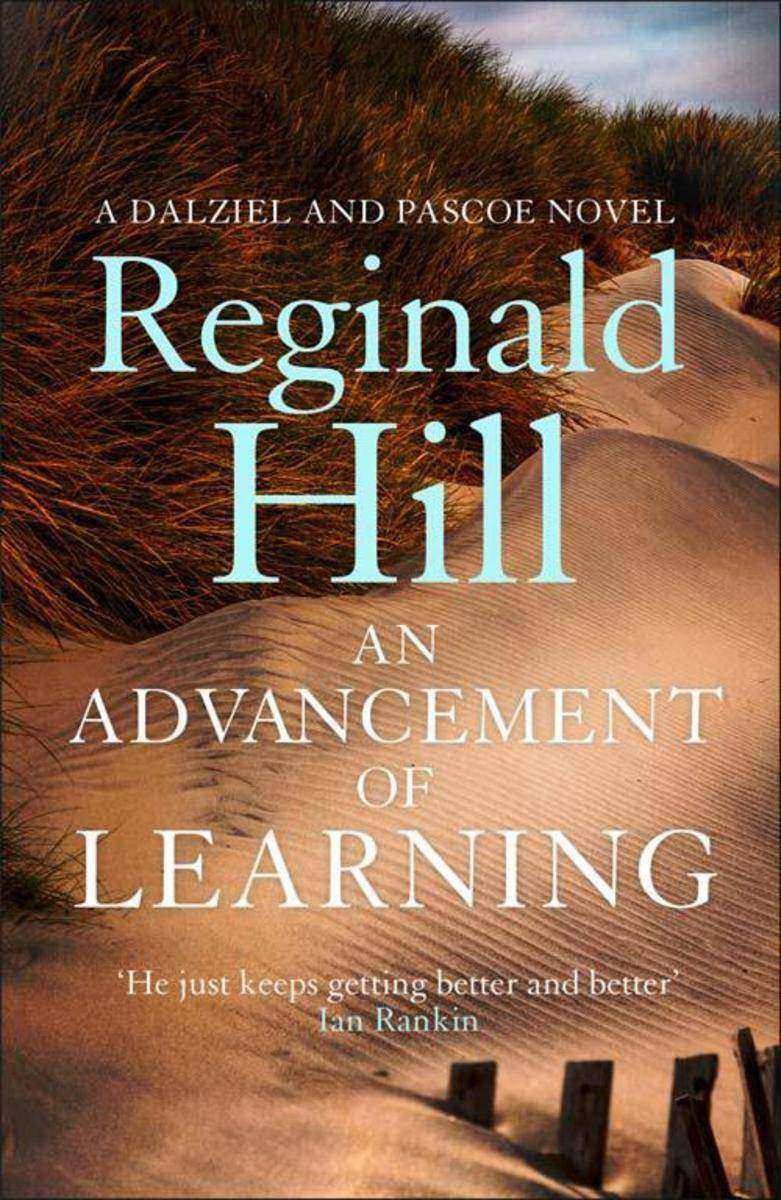
An Advancement of Learning (Dalziel & Pascoe, Book 2)
¥59.35
All is not well at Holm Coultram College. All is not well at Holm Coultram College: lecturers having affairs with students, witches’ sabbaths, a body buried under a statue. Detective Superintendent Dalziel, despite his cynical view of academics, doesn’t feel murder fits in here – let alone a rash of killings. But when he and DS Pascoe are sent to investigate a disinterred corpse at Holm Coultram College, that’s exactly what they find…
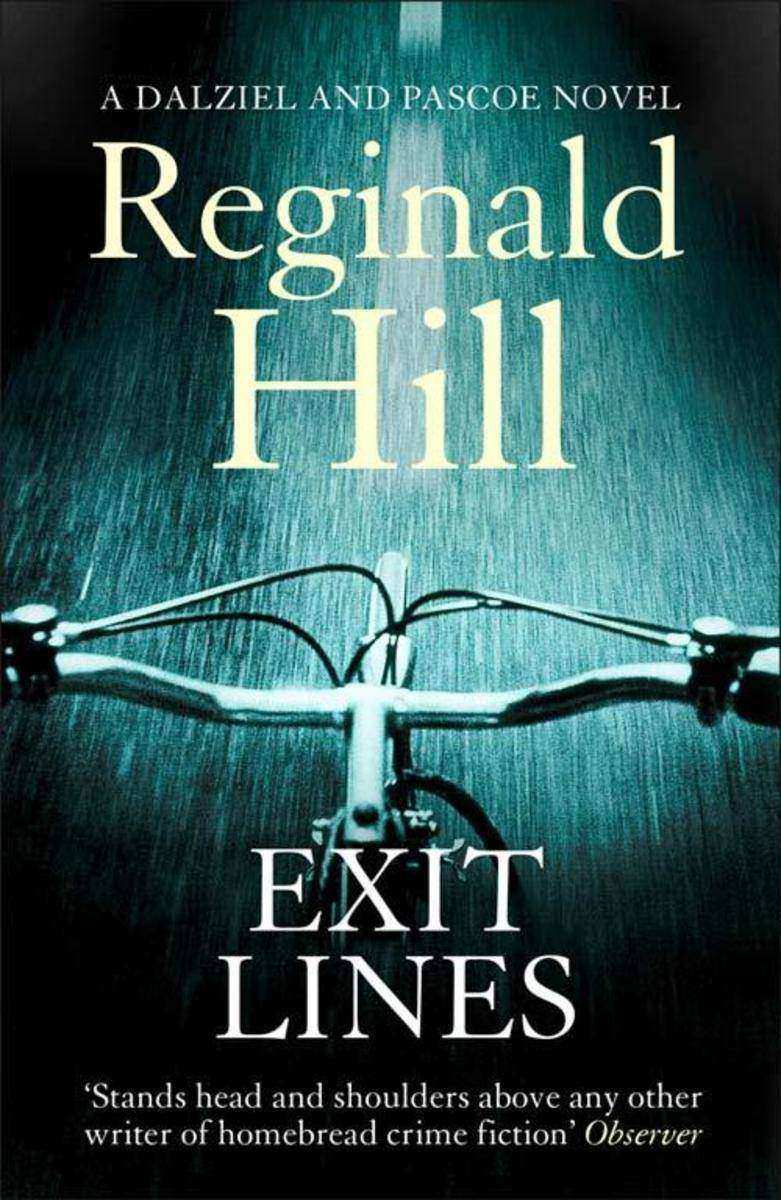
Exit Lines (Dalziel & Pascoe, Book 8)
¥56.11
Another excellent Dalziel and Pascoe story from the master of the British crime novel Three old men die on a stormy November night: one by deliberate violence, one in a road accident and one by an unknown cause. Inspector Pascoe is called in to investigate the first death, but when the dying words of the accident victim suggest that a drunken Superintendent Dalziel had been behind the wheel, the integrity of the entire Mid-Yorkshire constabulary is called into question. Helped by the bright but wayward DC Seymour, hindered by ‘Maggie’s Moron’, the half-witted Constable Hector, Peter Pascoe enters the twilight and vulnerable world of the senior citizen – to discover that the beckoning darkness at the end of the tunnel holds few comforts.
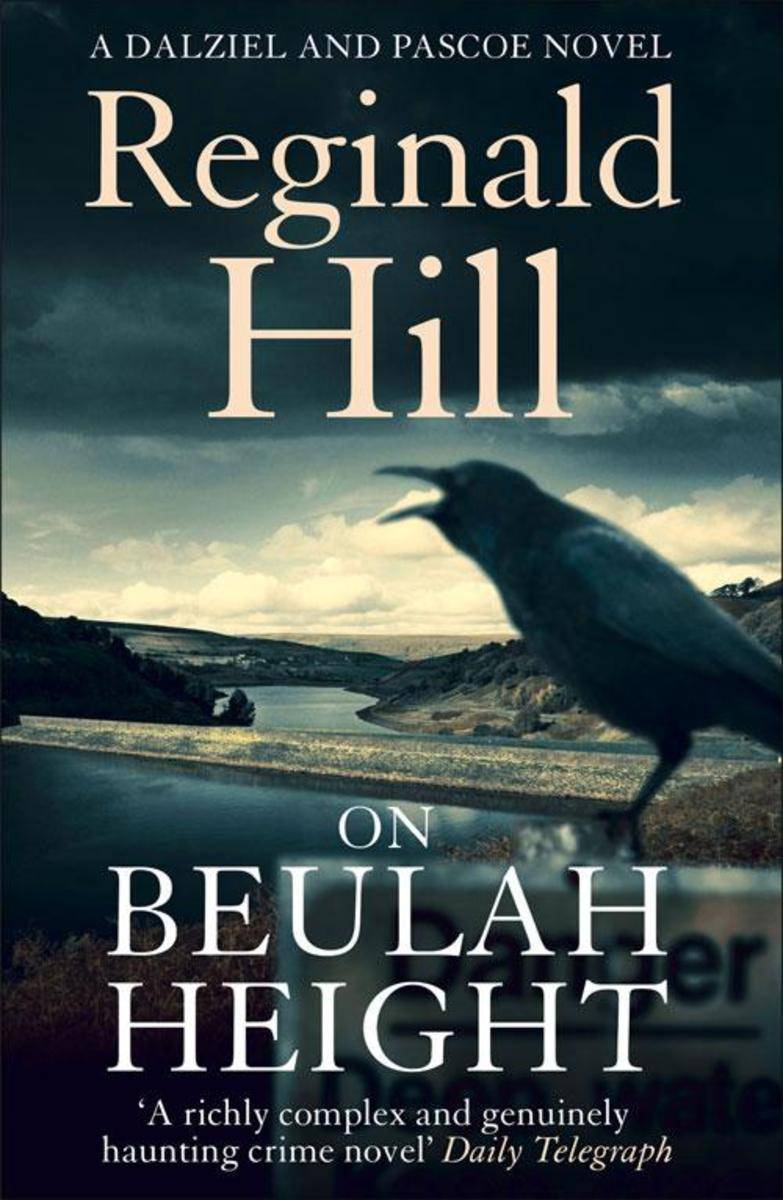
On Beulah Height (Dalziel & Pascoe, Book 15)
¥59.35
‘Hill is an instinctive and complete novelist who is blessed with a spontaneous storytelling gift’ Frances Fyfield, Mail on Sunday Fifteen years ago they moved everyone out of Dendale. They needed a new reservoir and an old community seemed a cheap price to pay. But four inhabitants of the valley could not be moved, for nobody knew where they were: three little girls who had gone missing, and the prime suspect in their disappearance, Benny Lightfoot. This was Andy Dalziel’s worst case and now he looks set to relive it. Another child goes missing in the next valley, and old fears arise as someone sprays the deadly message on Danby bridge: BENNY’S BACK!
Redcoat: The British Soldier in the Age of Horse and Musket
¥80.25
Redcoat is the brilliant story of the common British soldier from 1700 to 1900, based on the letters and diaries of the men who served and the women who followed them. Delving into the history of the period – charting events including Wolfe's victory and death at Quebec, Wellington's Peninsular War, Waterloo, the retreat from Kabul and the Sikh wars – celebrated military historian Richard Holmes provides a comprehensive portrait of a fallible but extraordinarily successful fighting force.
Amedeo: The True Story of an Italian’s War in Abyssinia
¥80.25
War-time love story set in Abyssinia, Eritrea and the Yemen 1935-1945. Amedeo Guillet is still alive and living in County Meath, Ireland. Khadija is lost. This is the story of Amedeo Guillet – an Italian calvary officer who was sent out to Abyssinia as part of Mussolini’s army to establish and command a troupe of 2,000 Spahis – or Arabic calvary. He met and fell in love with Khadija – a beautiful Ethiopian Muslim. Together they held up the British lorries heaving up the mountain road to Asmara and blew up the important Ponte Aosta. Eventually captured, Amedeo went on the run disguised as an Arab, eventually making it to Yemen, only to be thrown in jail. This is a rare view of the Second World War from an Italian perpective; particularly valuable are the chapters that tell the story of Italian resistance to the Nazis, and their subsequent withdrawal from Italy in 1943. There are few stories more cinemagraphic than this – Fascist Italy, his early years in Ethiopia commanding the Cossack-like Spahis, the brutal Abyssinian war waged by the Duce, Italian and British colonial rivalry; Amedeo led the last ever cavalry charge the British army faced (Eritrea 1941 – they were massacred by tanks and sub-machine guns), defeat and guerrilla warfare against the British; then flight, disguised as an Arab, imprisonment in the Yemen and a great love lost as he leaves his beloved Khadija behind to face her future alone and returns to Italy, to his fiancée and a career as a distinguished Italian diplomat and Arabist. Amedeo is still alive and living in County Meath, Ireland. Sebastian O’Kelly is a journalist for the Mail and Telegraph and has Amedeo’s full co-operation in writing this book. This is a very valuable and absolutely stunning story, beautifully told by O’Kelly.
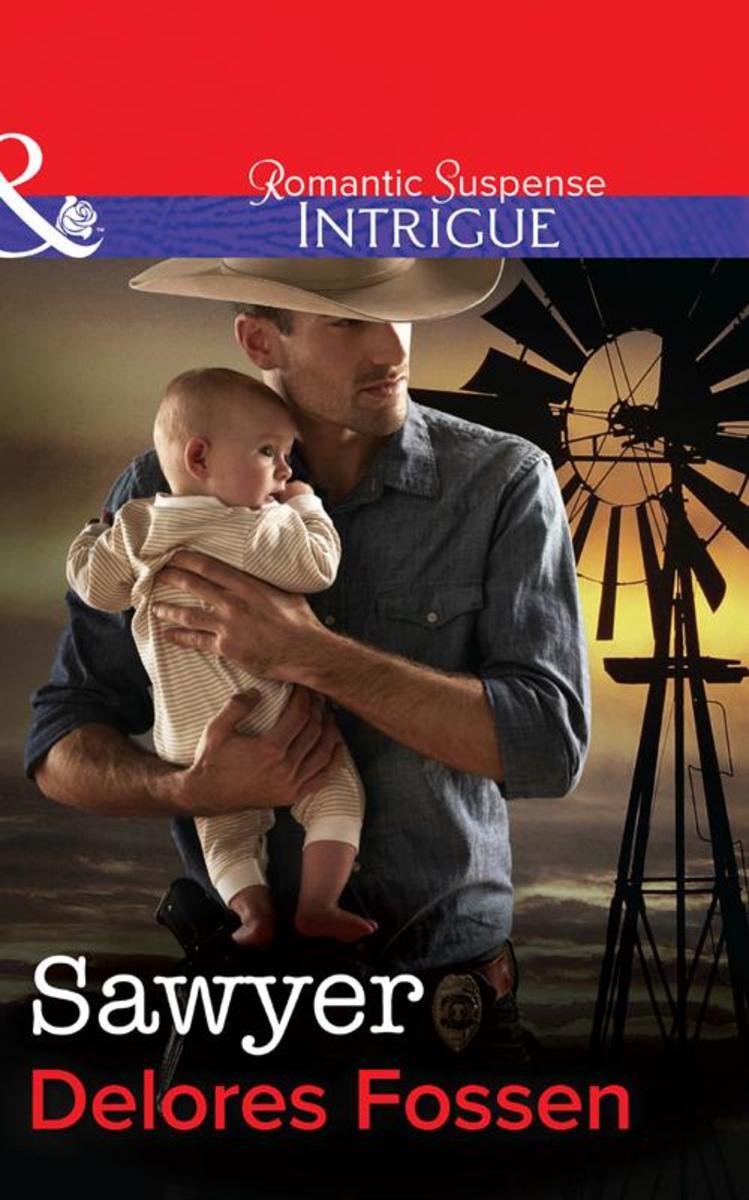
Sawyer (Mills & Boon Intrigue)
¥31.10
Sawyer Ryland would know her anywhere: the beautiful blonde who briefly shared his bed only to deceive him in the end. He vowed never to trust her again, but Cassidy O’Neal is on the run from kidnappers…with a newborn in her arms who could belong to Sawyer!
Silver Linings (Mills & Boon Superromance) (The Legend of Bailey's Cove, Book 2)
¥31.10
Fate has reunited them…but for how long? Life took a detour when Delainey Talbot became a mother. There's no better job but that doesn't mean she isn't excited about finally becoming a lawyer–a dream she's this close to fulfilling. So when the partnership at Bailey's Cove's only law firm goes to Hunter Morrison, she's devastated. Hunter and Deelee haven't seen each other since their ill-fated romance ended suddenly–he doesn't even know about six-year-old Brianna! Deelee wants him out of her town and her job. Too bad her heart says this could be their chance at the life they were meant to have.

The Bachelor Doctor's Bride (Mills & Boon Cherish)
¥26.78
Paging Dr Love! Cardiologist Quinn MacDowell has no time for affairs of the heart--especially those not related to his job. But when a black tie affair throws him together with bubbly Diana Connor, she gets underneath his white coat like no woman has before. Quinn is determined not to let this chance at happiness dance out of his reach. Opposites may attract, but Diana doesn't believe they make permanent matches. If the hunky doctor with the icy fa?ade knew how much baggage she actually came with, he'd run the other direction. When her plan to keep things cool gets blown away by a Texas storm, these polar opposites must decide if the heat between them will burn for a summer, or forever.

The Fireman Finds a Wife (Mills & Boon Love Inspired) (Cedar Springs, Book 1)
¥31.10
Her Unexpected Hero Widow Summer Spencer is eager for a quiet life–without the worry of loving a man who lives life in the fast lane. But when fire chief Cameron Jackson starts to woo her, it's tough to resist his charms. Chief Cam can't ignore the sparks between him and the stately beauty. But when he learns she's from the richest family in town, he's not sure he can ever measure up to her expectations. Can he set aside his fears and give true love another chance?

The Horseman's Frontier Family (Mills & Boon Love Inspired Historical) (Bridegro
¥31.10
The Cowboy Meets His Match Everything Gideon Thornton has worked for is in jeopardy, all because of one stubborn woman. Evelyn Montgomery insists that Gideon's new claim from the Oklahoma Land Rush legally belongs to her. Both refuse to budge–even when the law says that until their dispute is settled, they must share the land. Their family feud has taught Evelyn that Thortons can't be trusted. Yet day by day Gideon's thoughtfulness to Evelyn, and especially to her young son, shows the real truth. A truth that may mean the end of her claim…and the start of a future big enough to encompass both their dreams. Bridegroom Brothers: True love awaits three siblings in the Oklahoma Land Rush

The Millionaire's Homecoming (Mills & Boon Cherish)
¥11.77
Returning home to Blossom Valley was the last thing millionaire David Blaze wanted to do, but his family must come first. And seeing widow Kayla Jaffrey, as beautiful as ever, caused David to wonder if maybe they were being given a chance to rewrite history…this time together…
The Sarantos Baby Bargain (Mills & Boon Desire)
¥31.10
Greek venture capitalist Andreas Sarantos let Naomi Sinclair get away once. But adopting his best friend’s baby gives him the leverage he needs to bring his unwilling ex-wife back to his bed. Will having the only woman he’s ever wanted erase the scars of his dark past? Or will he risk driving Naomi away again?
The Perfect Distraction
¥39.24
“Have you met Madeline Maguire?” Sure have, Spike thought. I saw her last night in my dreams. As far as sexy bad boy Spike Moriarty was concerned, Madeline Maguire defined female perfection. When they’d met, she’d walked up and asked to see his tattoos as if she wasn’t the most gorgeous thing on the planet. He – a tough guy who’d make grown men run – had just about passed out. Their connection was definitely two-way…it had to be. But could he ever be the man in a million she was looking for? Surely not with the things he’d done and seen. Still, for as long as she’d let him, he’d give her whatever she wanted, whatever she needed…
Brides And Blessings (Mills & Boon Vintage Love Inspired)
¥31.10
FROM MOVIE STAR…TO A PASTOR'S WIFE? Actress Suzann Condry took on a tough role when she traded lives with her twin sister, Holly. Suzann needed to get away from Hollywood…and Holly believed Suzann might find both peace and faith in charming Oak Valley. Anything can happen when twin sisters trade lives! Could Suzann convince everyone she was the sweet church librarian? Especially Josh Gallagher, the handsome assistant pastor who looked like a rugged rancher. Suzann feared he suspected her…until he asked for a date. She soon dreamed of an "ordinary" life as Josh's wife. But would Josh still love her once he learned her true identity?

Daddy's Home (Mills & Boon Vintage Love Inspired)
¥31.10
WHAT KIND OF MAN WAS HE? Dr. Jasmine Enderlin had once loved Christopher Jordan with her whole heart. And he'd betrayed that love by marrying her sister and then abandoning his pregnant bride. Christopher's actions had made her question her faith. But now her sister was dead, Jasmine was the mother of their child and the prodigal daddy had returned to claim his son…. Christopher wanted to explain what he had done, but Jasmine's hurt and anger prevented her from listening. Until she found her sister's well-worn Bible and learned that appearances could be deceiving. Was God trying to tell her that Christopher deserved a second chance?

Decidedly Married (Mills & Boon Vintage Love Inspired)
¥31.10
BLESSINGS IN DISGUISE? Her life looked perfect, but Julie Ryan wondered why she felt so empty inside. Why did her charming husband and teenage daughter seem so distant? Julie whispered a simple prayer, asking that her family grow closer. Suddenly her world went into a tailspin. First, a shocking suspicion about her husband, Michael. Then, just as the couple were weathering stormy emotions, their daughter made a startling confession. As Julie fought to save her family, she looked to the Lord for a helping hand…and prayed for the wisdom to understand His answers…. Welcome to Love Inspired?–stories that will lift your spirits and gladden your heart. Meet men and women facing the challenges of today's world and learning important lessons about life, faith and love.
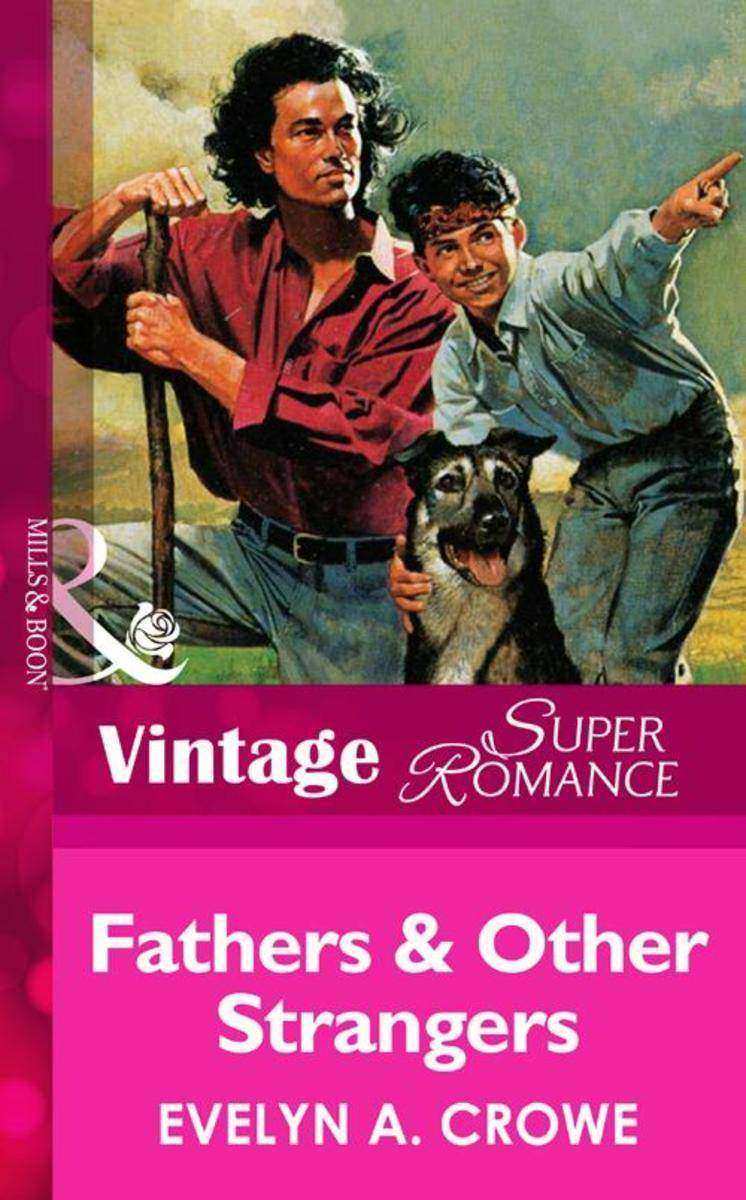
Fathers and Other Strangers (Mills & Boon Vintage Superromance)
¥25.60
A Family of Strangers Matt Bolt. A top homicide detective before he made one–almost fatal–mistake and ended up with a bullet in his chest, another in his leg. And not to complicate matters, his son–a child he's seen only twice in ten years–is placed in his care. Bolt's life is a shambles, his house a wreck–and he can't cook. Worse, his son seems to hate him. Then, as if he doesn't have enough. troubles, he's suddenly stuck with Virginia Carney, a woman running from her past. Running for her life. Matt Bolt's a stubborn man; even he admits that. He's never asked anyone for help, but he needs it now. Still, he has two questions: First, is Ginny's presence in his home likely to be a danger to his son? Second, can she cook?
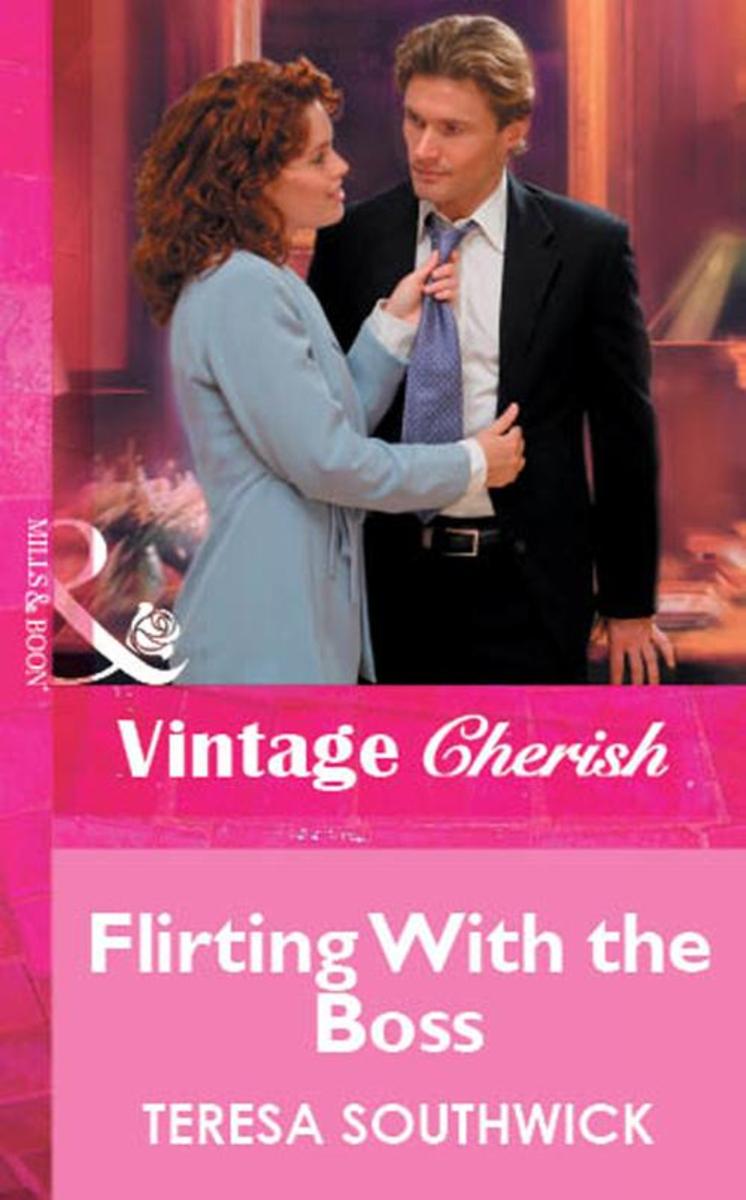
Flirting With the Boss (Mills & Boon Cherish)
¥21.09
Ashley Gallagher had wished for money and power, then she received a promotion… and a new boss: Max Caine, corporate shark and the first man to break her heart. But Ashley knew better than to trust a bad boy, even one in a suit. Was he in town to destroy his grandfather's company? She'd find out–no matter what it took, even if it meant wining and dining Max while resisting his potent half smiles and sizzling glances. But then the riches of his love began to glitter more temptingly than gold….

Heiress (Mills & Boon Vintage Love Inspired)
¥31.10
HER LIFE CHANGED OVERNIGHT…. Unbelievable…but true! Allison Sayre woke one day to learn she was a millionaire. Yet Allison never dreamed that her legacy would include a shocking secret about her own identity. Or a reunion with Benton Lockhart, the man whose powerful spiritual convictions had inspired her faith. But Allison knew that all the money in the world could never soothe Benton's troubled soul–or heal his battered spirit. She prayed to understand the meaning of her new life–and to find a way to touch Benton's heart.


