


 购物车
 个人中心


The Man Who Would Be Daddy (Mills & Boon Vintage Cherish)
¥31.10
Bundles of Joy TWENTY POUNDS OF PERFECTION The moment Malcolm Evans laid eyes on tiny Robin Winslow, he was hooked. An enchantress in pink cotton rompers, she brought back feelings Malcolm would have sworn he'd buried for good. AND A MOMMY TO MATCH Christa Winslow had her baby daughter's blue eyes and blond hair–and the same indefinable spirit. And when Malcolm saw mother and child together, it made him wish for a family, something a man like him could only dream of…. WOULD LOVE TURN MALCOLM INTO MR. DADDY? Sometimes small packages lead to the biggest surprises!

The Marriage Beat (Mills & Boon Vintage Cherish)
¥31.10
He's My Hero A protector, a provider, a friend–he's every woman's hero…. FROM THE DESK OF Officer Tyler Jackson Central Precinct I don't know why these hardheaded females think they're invincible. Women like Megan Summers make my job three times as hard. I told the chief that giving this lady self-defense lessons would be a mistake. Now look at what's happened. She's laid up with her arm in a sling! That's the only reason I'm playing nursemaid. It has nothing to do with her blond hair, or her beautiful smile or the way she looks at me when she thinks I can't see….

The Marriage Pact (Mills & Boon Vintage Cherish)
¥31.10
Bride for hire? Money couldn't buy love, but would it buy Adam Tate a wife? Claire needed a plane ticket home, and money to help her sister. Adam promised to help–on the condition that Claire became his wife and mother to his two-year-old son, Jamie! Adam was rich, charming and gorgeous. And the deal was simple: one short wedding ceremony, and Claire's problems would be over! Financially, at least. But she knew Adam would be a hard man to walk away from. Was Claire ready to promise her heart for better, for worse…forever? "Ms Duke captivates readers with…intense passion, a strong emotional conflict and endearing characters." –Romantic Times
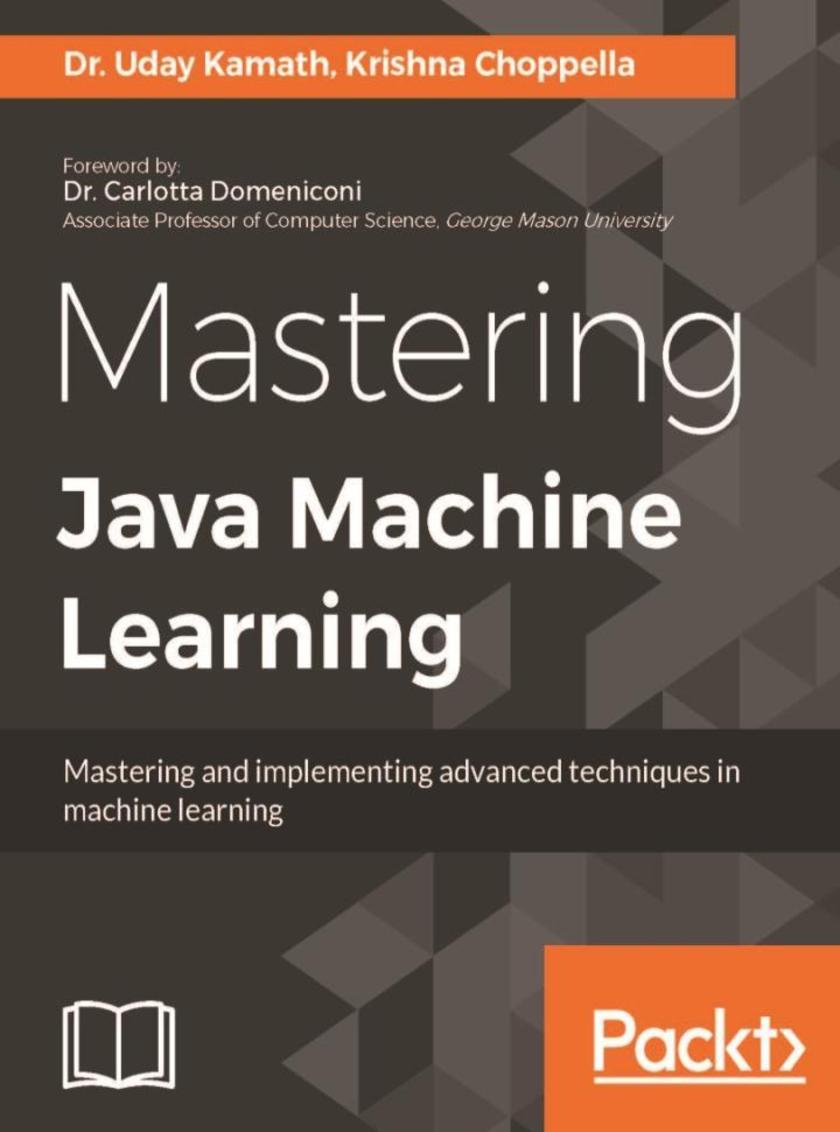
Mastering Java Machine Learning
¥99.18
Become an advanced practitioner with this progressive set of master classes on application-oriented machine learning About This Book ? Comprehensive coverage of key topics in machine learning with an emphasis on both the theoretical and practical aspects ? More than 15 open source Java tools in a wide range of techniques, with code and practical usage. ? More than 10 real-world case studies in machine learning highlighting techniques ranging from data ingestion up to analyzing the results of experiments, all preparing the user for the practical, real-world use of tools and data analysis. Who This Book Is For This book will appeal to anyone with a serious interest in topics in Data Science or those already working in related areas: ideally, intermediate-level data analysts and data scientists with experience in Java. Preferably, you will have experience with the fundamentals of machine learning and now have a desire to explore the area further, are up to grappling with the mathematical complexities of its algorithms, and you wish to learn the complete ins and outs of practical machine learning. What You Will Learn ? Master key Java machine learning libraries, and what kind of problem each can solve, with theory and practical guidance. ? Explore powerful techniques in each major category of machine learning such as classification, clustering, anomaly detection, graph modeling, and text mining. ? Apply machine learning to real-world data with methodologies, processes, applications, and analysis. ? Techniques and experiments developed around the latest specializations in machine learning, such as deep learning, stream data mining, and active and semi-supervised learning. ? Build high-performing, real-time, adaptive predictive models for batch- and stream-based big data learning using the latest tools and methodologies. ? Get a deeper understanding of technologies leading towards a more powerful AI applicable in various domains such as Security, Financial Crime, Internet of Things, social networking, and so on. In Detail Java is one of the main languages used by practicing data scientists; much of the Hadoop ecosystem is Java-based, and it is certainly the language that most production systems in Data Science are written in. If you know Java, Mastering Machine Learning with Java is your next step on the path to becoming an advanced practitioner in Data Science. This book aims to introduce you to an array of advanced techniques in machine learning, including classification, clustering, anomaly detection, stream learning, active learning, semi-supervised learning, probabilistic graph modeling, text mining, deep learning, and big data batch and stream machine learning. Accompanying each chapter are illustrative examples and real-world case studies that show how to apply the newly learned techniques using sound methodologies and the best Java-based tools available today. On completing this book, you will have an understanding of the tools and techniques for building powerful machine learning models to solve data science problems in just about any domain. Style and approach A practical guide to help you explore machine learning—and an array of Java-based tools and frameworks—with the help of practical examples and real-world use cases.
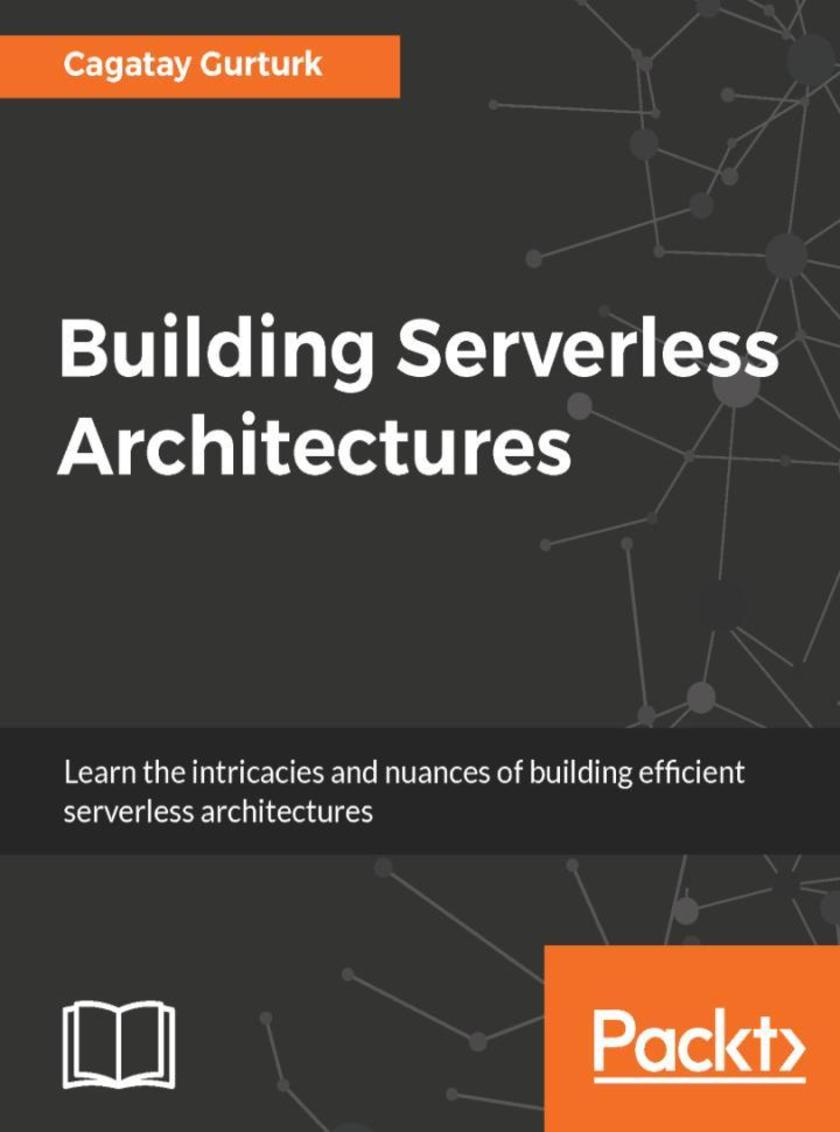
Building Serverless Architectures
¥80.65
Build scalable, reliable, and cost-effective applications with a serverless architecture About This Book ? Design a real-world serverless application from scratch ? Learn about AWS Lambda function and how to use Lambda functions to glue other AWS Services ? Use the Java programming language and well-known design patterns. Although Java is used for the examples in this book, the concept is applicable across all languages ? Learn to migrate your JAX-RS application to AWS Lambda and API Gateway Who This Book Is For This book is for developers and software architects who are interested in designing on the back end. Since the book uses Java to teach concepts, knowledge of Java is required. What You Will Learn ? Learn to form microservices from bigger Softwares ? Orchestrate and scale microservices ? Design and set up the data flow between cloud services and custom business logic ? Get to grips with cloud provider’s APIs, limitations, and known issues ? Migrate existing Java applications to a serverless architecture ? Acquire deployment strategies ? Build a highly available and scalable data persistence layer ? Unravel cost optimization techniques In Detail Over the past years, all kind of companies from start-ups to giant enterprises started their move to public cloud providers in order to save their costs and reduce the operation effort needed to keep their shops open. Now it is even possible to craft a complex software system consisting of many independent micro-functions that will run only when they are needed without needing to maintain individual servers. The focus of this book is to design serverless architectures, and weigh the advantages and disadvantages of this approach, along with decision factors to consider. You will learn how to design a serverless application, get to know that key points of services that serverless applications are based on, and known issues and solutions. The book addresses key challenges such as how to slice out the core functionality of the software to be distributed in different cloud services and cloud functions. It covers basic and advanced usage of these services, testing and securing the serverless software, automating deployment, and more. By the end of the book, you will be equipped with knowledge of new tools and techniques to keep up with this evolution in the IT industry. Style and approach The book takes a pragmatic approach, showing you all the examples you need to build efficient serverless applications.

Performance Testing with JMeter 3 - Third Edition
¥63.21
A practical guide to help you undertand the ability of Apache jMeter to load and performance test various server types in a more efficient way. About This Book ? Use jMeter to create and run tests to improve the performance of your webpages and applications ? Learn to build a test plan for your websites and analyze the results ? Unleash the power of various features and changes introduced in Apache jMeter 3.0 Who This Book Is For This book is for software professionals who want to understand and improve the performance of their applications with Apache jMeter. What You Will Learn ? See why performance testing is necessary and learn how to set up JMeter ? Record and test with JMeter ? Handle various form inputs in JMeter and parse results during testing ? Manage user sessions in web applications in the context of a JMeter test ? Monitor JMeter results in real time ? Perform distributed testing with JMeter ? Get acquainted with helpful tips and best practices for working with JMeter In Detail JMeter is a Java application designed to load and test performance for web application. JMeter extends to improve the functioning of various other static and dynamic resources. This book is a great starting point to learn about JMeter. It covers the new features introduced with JMeter 3 and enables you to dive deep into the new techniques needed for measuring your website performance. The book starts with the basics of performance testing and guides you through recording your first test scenario, before diving deeper into JMeter. You will also learn how to configure JMeter and browsers to help record test plans. Moving on, you will learn how to capture form submission in JMeter, dive into managing sessions with JMeter and see how to leverage some of the components provided by JMeter to handle web application HTTP sessions. You will also learn how JMeter can help monitor tests in real-time. Further, you will go in depth into distributed testing and see how to leverage the capabilities of JMeter to accomplish this. You will get acquainted with some tips and best practices with regard to performance testing. By the end of the book, you will have learned how to take full advantage of the real power behind Apache JMeter. Style and approach The book is a practical guide starting with introducing the readers to the importance of automated testing. It will then be a beginner’s journey from getting introduced to Apache jMeter to an in-detail discussion of more advanced features and possibilities with it.
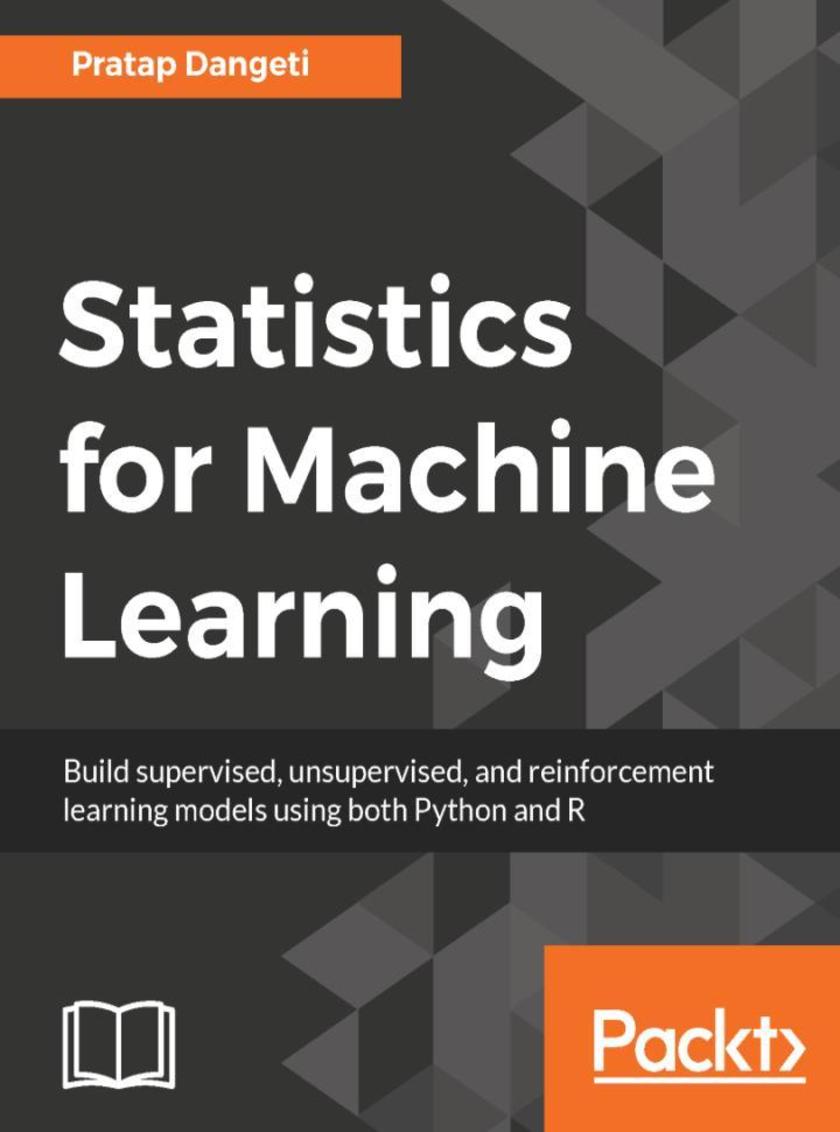
Statistics for Machine Learning
¥90.46
Build Machine Learning models with a sound statistical understanding. About This Book ? Learn about the statistics behind powerful predictive models with p-value, ANOVA, and F- statistics. ? Implement statistical computations programmatically for supervised and unsupervised learning through K-means clustering. ? Master the statistical aspect of Machine Learning with the help of this example-rich guide to R and Python. Who This Book Is For This book is intended for developers with little to no background in statistics, who want to implement Machine Learning in their systems. Some programming knowledge in R or Python will be useful. What You Will Learn ? Understand the Statistical and Machine Learning fundamentals necessary to build models ? Understand the major differences and parallels between the statistical way and the Machine Learning way to solve problems ? Learn how to prepare data and feed models by using the appropriate Machine Learning algorithms from the more-than-adequate R and Python packages ? Analyze the results and tune the model appropriately to your own predictive goals ? Understand the concepts of required statistics for Machine Learning ? Introduce yourself to necessary fundamentals required for building supervised & unsupervised deep learning models ? Learn reinforcement learning and its application in the field of artificial intelligence domain In Detail Complex statistics in Machine Learning worry a lot of developers. Knowing statistics helps you build strong Machine Learning models that are optimized for a given problem statement. This book will teach you all it takes to perform complex statistical computations required for Machine Learning. You will gain information on statistics behind supervised learning, unsupervised learning, reinforcement learning, and more. Understand the real-world examples that discuss the statistical side of Machine Learning and familiarize yourself with it. You will also design programs for performing tasks such as model, parameter fitting, regression, classification, density collection, and more. By the end of the book, you will have mastered the required statistics for Machine Learning and will be able to apply your new skills to any sort of industry problem. Style and approach This practical, step-by-step guide will give you an understanding of the Statistical and Machine Learning fundamentals you'll need to build models.
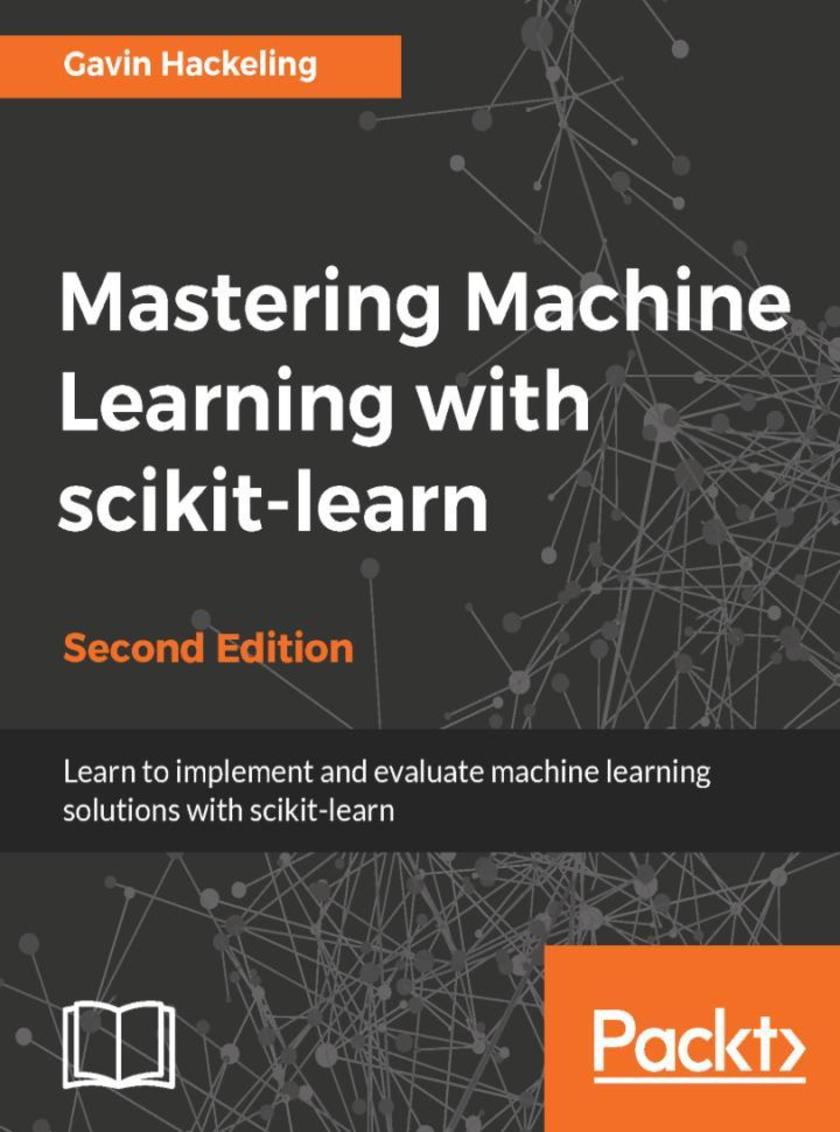
Mastering Machine Learning with scikit-learn - Second Edition
¥80.65
Use scikit-learn to apply machine learning to real-world problems About This Book ? Master popular machine learning models including k-nearest neighbors, random forests, logistic regression, k-means, naive Bayes, and artificial neural networks ? Learn how to build and evaluate performance of efficient models using scikit-learn ? Practical guide to master your basics and learn from real life applications of machine learning Who This Book Is For This book is intended for software engineers who want to understand how common machine learning algorithms work and develop an intuition for how to use them, and for data scientists who want to learn about the scikit-learn API. Familiarity with machine learning fundamentals and Python are helpful, but not required. What You Will Learn ? Review fundamental concepts such as bias and variance ? Extract features from categorical variables, text, and images ? Predict the values of continuous variables using linear regression and K Nearest Neighbors ? Classify documents and images using logistic regression and support vector machines ? Create ensembles of estimators using bagging and boosting techniques ? Discover hidden structures in data using K-Means clustering ? Evaluate the performance of machine learning systems in common tasks In Detail Machine learning is the buzzword bringing computer science and statistics together to build smart and efficient models. Using powerful algorithms and techniques offered by machine learning you can automate any analytical model. This book examines a variety of machine learning models including popular machine learning algorithms such as k-nearest neighbors, logistic regression, naive Bayes, k-means, decision trees, and artificial neural networks. It discusses data preprocessing, hyperparameter optimization, and ensemble methods. You will build systems that classify documents, recognize images, detect ads, and more. You will learn to use scikit-learn’s API to extract features from categorical variables, text and images; evaluate model performance, and develop an intuition for how to improve your model’s performance. By the end of this book, you will master all required concepts of scikit-learn to build efficient models at work to carry out advanced tasks with the practical approach. Style and approach This book is motivated by the belief that you do not understand something until you can describe it simply. Work through toy problems to develop your understanding of the learning algorithms and models, then apply your learnings to real-life problems.
Scala and Spark for Big Data Analytics
¥116.62
Harness the power of Scala to program Spark and analyze tonnes of data in the blink of an eye! About This Book ? Learn Scala’s sophisticated type system that combines Functional Programming and object-oriented concepts ? Work on a wide array of applications, from simple batch jobs to stream processing and machine learning ? Explore the most common as well as some complex use-cases to perform large-scale data analysis with Spark Who This Book Is For Anyone who wishes to learn how to perform data analysis by harnessing the power of Spark will find this book extremely useful. No knowledge of Spark or Scala is assumed, although prior programming experience (especially with other JVM languages) will be useful to pick up concepts quicker. What You Will Learn ? Understand object-oriented & functional programming concepts of Scala ? In-depth understanding of Scala collection APIs ? Work with RDD and DataFrame to learn Spark’s core abstractions ? Analysing structured and unstructured data using SparkSQL and GraphX ? Scalable and fault-tolerant streaming application development using Spark structured streaming ? Learn machine-learning best practices for classification, regression, dimensionality reduction, and recommendation system to build predictive models with widely used algorithms in Spark MLlib & ML ? Build clustering models to cluster a vast amount of data ? Understand tuning, debugging, and monitoring Spark applications ? Deploy Spark applications on real clusters in Standalone, Mesos, and YARN In Detail Scala has been observing wide adoption over the past few years, especially in the field of data science and analytics. Spark, built on Scala, has gained a lot of recognition and is being used widely in productions. Thus, if you want to leverage the power of Scala and Spark to make sense of big data, this book is for you. The first part introduces you to Scala, helping you understand the object-oriented and functional programming concepts needed for Spark application development. It then moves on to Spark to cover the basic abstractions using RDD and DataFrame. This will help you develop scalable and fault-tolerant streaming applications by analyzing structured and unstructured data using SparkSQL, GraphX, and Spark structured streaming. Finally, the book moves on to some advanced topics, such as monitoring, configuration, debugging, testing, and deployment. You will also learn how to develop Spark applications using SparkR and PySpark APIs, interactive data analytics using Zeppelin, and in-memory data processing with Alluxio. By the end of this book, you will have a thorough understanding of Spark, and you will be able to perform full-stack data analytics with a feel that no amount of data is too big. Style and approach Filled with practical examples and use cases, this book will hot only help you get up and running with Spark, but will also take you farther down the road to becoming a data scientist.
Mastering Apache Spark 2.x - Second Edition
¥90.46
Advanced analytics on your Big Data with latest Apache Spark 2.x About This Book ? An advanced guide with a combination of instructions and practical examples to extend the most up-to date Spark functionalities. ? Extend your data processing capabilities to process huge chunk of data in minimum time using advanced concepts in Spark. ? Master the art of real-time processing with the help of Apache Spark 2.x Who This Book Is For If you are a developer with some experience with Spark and want to strengthen your knowledge of how to get around in the world of Spark, then this book is ideal for you. Basic knowledge of Linux, Hadoop and Spark is assumed. Reasonable knowledge of Scala is expected. What You Will Learn ? Examine Advanced Machine Learning and DeepLearning with MLlib, SparkML, SystemML, H2O and DeepLearning4J ? Study highly optimised unified batch and real-time data processing using SparkSQL and Structured Streaming ? Evaluate large-scale Graph Processing and Analysis using GraphX and GraphFrames ? Apply Apache Spark in Elastic deployments using Jupyter and Zeppelin Notebooks, Docker, Kubernetes and the IBM Cloud ? Understand internal details of cost based optimizers used in Catalyst, SystemML and GraphFrames ? Learn how specific parameter settings affect overall performance of an Apache Spark cluster ? Leverage Scala, R and python for your data science projects In Detail Apache Spark is an in-memory cluster-based parallel processing system that provides a wide range of functionalities such as graph processing, machine learning, stream processing, and SQL. This book aims to take your knowledge of Spark to the next level by teaching you how to expand Spark’s functionality and implement your data flows and machine/deep learning programs on top of the platform. The book commences with an overview of the Spark ecosystem. It will introduce you to Project Tungsten and Catalyst, two of the major advancements of Apache Spark 2.x. You will understand how memory management and binary processing, cache-aware computation, and code generation are used to speed things up dramatically. The book extends to show how to incorporate H20, SystemML, and Deeplearning4j for machine learning, and Jupyter Notebooks and Kubernetes/Docker for cloud-based Spark. During the course of the book, you will learn about the latest enhancements to Apache Spark 2.x, such as interactive querying of live data and unifying DataFrames and Datasets. You will also learn about the updates on the APIs and how DataFrames and Datasets affect SQL, machine learning, graph processing, and streaming. You will learn to use Spark as a big data operating system, understand how to implement advanced analytics on the new APIs, and explore how easy it is to use Spark in day-to-day tasks. Style and approach This book is an extensive guide to Apache Spark modules and tools and shows how Spark's functionality can be extended for real-time processing and storage with worked examples.
PowerShell for Office 365
¥71.93
Learn the art of leveraging PowerShell to automate Office 365 repetitive tasks About This Book ? Master the fundamentals of PowerShell to automate Office 365 tasks. ? Easily administer scenarios such as user management, reporting, cloud services, and many more. ? A fast-paced guide that leverages PowerShell commands to increase your productivity. Who This Book Is For The book is aimed at sys admins who are administering office 365 tasks and looking forward to automate the manual tasks. They have no knowledge about PowerShell however basic understanding of PowerShell would be advantageous. What You Will Learn ? Understand the benefits of *ing and automation and get started using Powershell with Office 365 ? Explore various PowerShell packages and permissions required to manage Office 365 through PowerShell ? Create, manage, and remove Office 365 accounts and licenses using PowerShell and the Azure AD ? Learn about using powershell on other platforms and how to use Office 365 APIs through remoting ? Work with Exchange Online and SharePoint Online using PowerShell ? Automate your tasks and build easy-to-read reports using PowerShell In Detail While most common administrative tasks are available via the Office 365 admin center, many IT professionals are unaware of the real power that is available to them below the surface. This book aims to educate readers on how learning PowerShell for Office 365 can simplify repetitive and complex administrative tasks, and enable greater control than is available on the surface. The book starts by teaching readers how to access Office 365 through PowerShell and then explains the PowerShell fundamentals required for automating Office 365 tasks. You will then walk through common administrative cmdlets to manage accounts, licensing, and other scenarios such as automating the importing of multiple users,assigning licenses in Office 365, distribution groups, passwords, and so on. Using practical examples, you will learn to enhance your current functionality by working with Exchange Online, and SharePoint Online using PowerShell. Finally, the book will help you effectively manage complex and repetitive tasks (such as license and account management) and build productive reports. By the end of the book, you will have automated major repetitive tasks in Office 365 using PowerShell. Style and approach This step by step guide focuses on teaching the fundamentals of working with PowerShell for Office 365. It covers practical usage examples such as managing user accounts, licensing, and administering common Office 365 services. You will be able to leverage the processes laid out in the book so that you can move forward and explore other less common administrative tasks or functions.
Machine Learning With Go
¥90.46
Build simple, maintainable, and easy to deploy machine learning applications. About This Book ? Build simple, but powerful, machine learning applications that leverage Go’s standard library along with popular Go packages. ? Learn the statistics, algorithms, and techniques needed to successfully implement machine learning in Go ? Understand when and how to integrate certain types of machine learning model in Go applications. Who This Book Is For This book is for Go developers who are familiar with the Go syntax and can develop, build, and run basic Go programs. If you want to explore the field of machine learning and you love Go, then this book is for you! Machine Learning with Go will give readers the practical skills to perform the most common machine learning tasks with Go. Familiarity with some statistics and math topics is necessary. What You Will Learn ? Learn about data gathering, organization, parsing, and cleaning. ? Explore matrices, linear algebra, statistics, and probability. ? See how to evaluate and validate models. ? Look at regression, classification, clustering. ? Learn about neural networks and deep learning ? Utilize times series models and anomaly detection. ? Get to grip with techniques for deploying and distributing analyses and models. ? Optimize machine learning workflow techniques In Detail The mission of this book is to turn readers into productive, innovative data analysts who leverage Go to build robust and valuable applications. To this end, the book clearly introduces the technical aspects of building predictive models in Go, but it also helps the reader understand how machine learning workflows are being applied in real-world scenarios. Machine Learning with Go shows readers how to be productive in machine learning while also producing applications that maintain a high level of integrity. It also gives readers patterns to overcome challenges that are often encountered when trying to integrate machine learning in an engineering organization. The readers will begin by gaining a solid understanding of how to gather, organize, and parse real-work data from a variety of sources. Readers will then develop a solid statistical toolkit that will allow them to quickly understand gain intuition about the content of a dataset. Finally, the readers will gain hands-on experience implementing essential machine learning techniques (regression, classification, clustering, and so on) with the relevant Go packages. Finally, the reader will have a solid machine learning mindset and a powerful Go toolkit of techniques, packages, and example implementations. Style and approach This book connects the fundamental, theoretical concepts behind Machine Learning to practical implementations using the Go programming language.
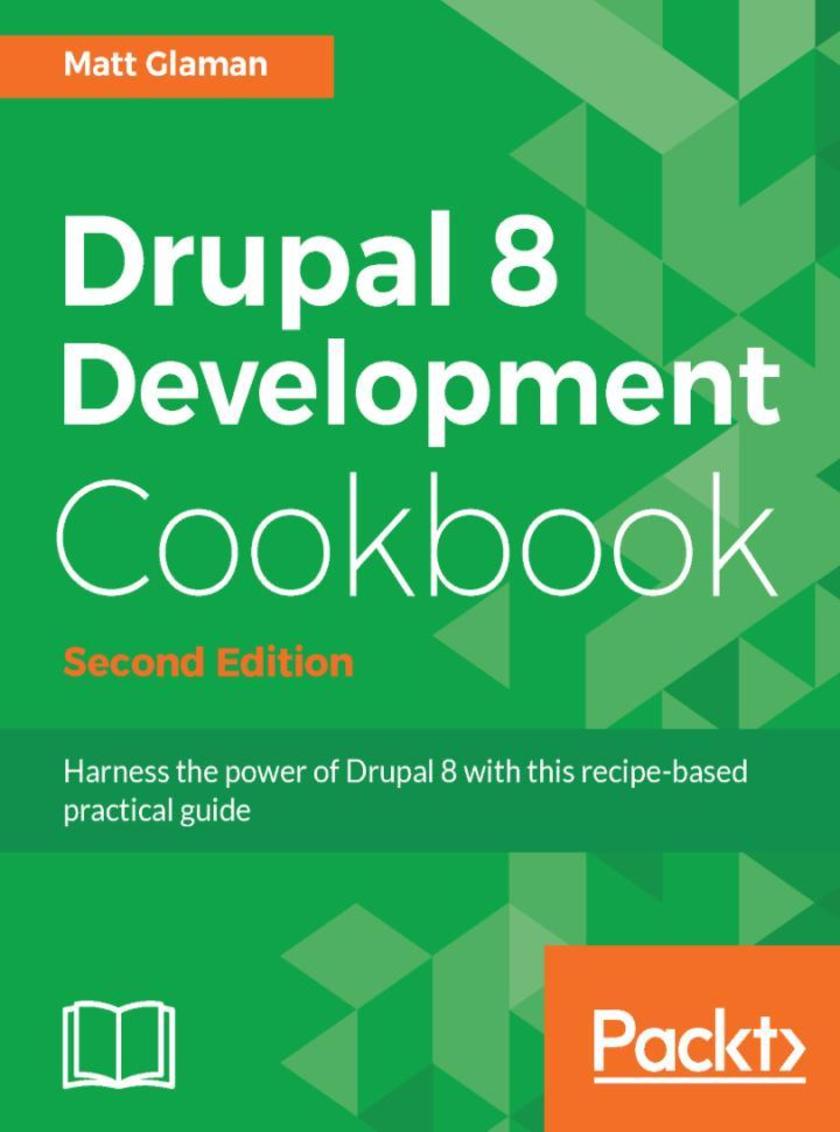
Drupal 8 Development Cookbook - Second Edition
¥80.65
Over 60 hands-on recipes that get you acquainted with Drupal 8's features and help you harness its power About This Book ? Discover the enhanced content authoring experience that comes with Drupal 8 and how to customize it ? Take advantage of the broadened multilingual and tools of the new version to provide an internationalized website ? This step-by-step guide will show you how to deploy from development, staging, and production of a website with Drupal 8's brand new configuration management system Who This Book Is For The audience of the Drupal 8 Cookbook have been using Drupal and are ready to get a grasp of what to expect in Drupal 8. They have worked with Drupal as site builders, back-end developers, and front-end developers and are eager to see what awaits when they start using Drupal 8. This book will be a resource that allows them to get started and have a reference to building new applications with Drupal. What You Will Learn ? Extend Drupal through contributed or custom modules and themes ? Develop an internationalized website with Drupal's multilingual tools ? Integrate third-party front-end and back-end libraries with Drupal ? Turn Drupal into a web services provider using REST ? Create a mobile-first responsive Drupal application ? Run SimpleTest and PHPUnit to test Drupal ? Understand the plugin system that powers many of Drupal 8's new APIs to extend its functionality ? Get to grips with the mechanics of the configuration management system and the ability to import and export site configuration In Detail Began as a message board, Drupal today is open source software maintained and developed by a community of over 1,000,000 users and developers. Drupal is used by numerous local businesses to global corporations and diverse organizations all across the globe. With Drupal 8’s exciting features it brings, this book will be your go-to guide to experimenting with all of these features through helpful recipes. We’ll start by showing you how to customize and configure the Drupal environment as per your requirements, as well as how to install third-party libraries and then use them in the Drupal environment. Then we will move on to creating blocks and custom modules with the help of libraries. We will show you how to use the latest mobile-first feature of Drupal 8, which will help you make your apps responsive across all the major platforms. This book will also show you how to incorporate multilingual facilities in your sites, use web services and third-party plugins with your applications from inside Drupal 8, and test and deploy your apps. Style and approach This practical, recipe-based book will provide you with actionable techniques and methods to improve your existing Drupal development skills.
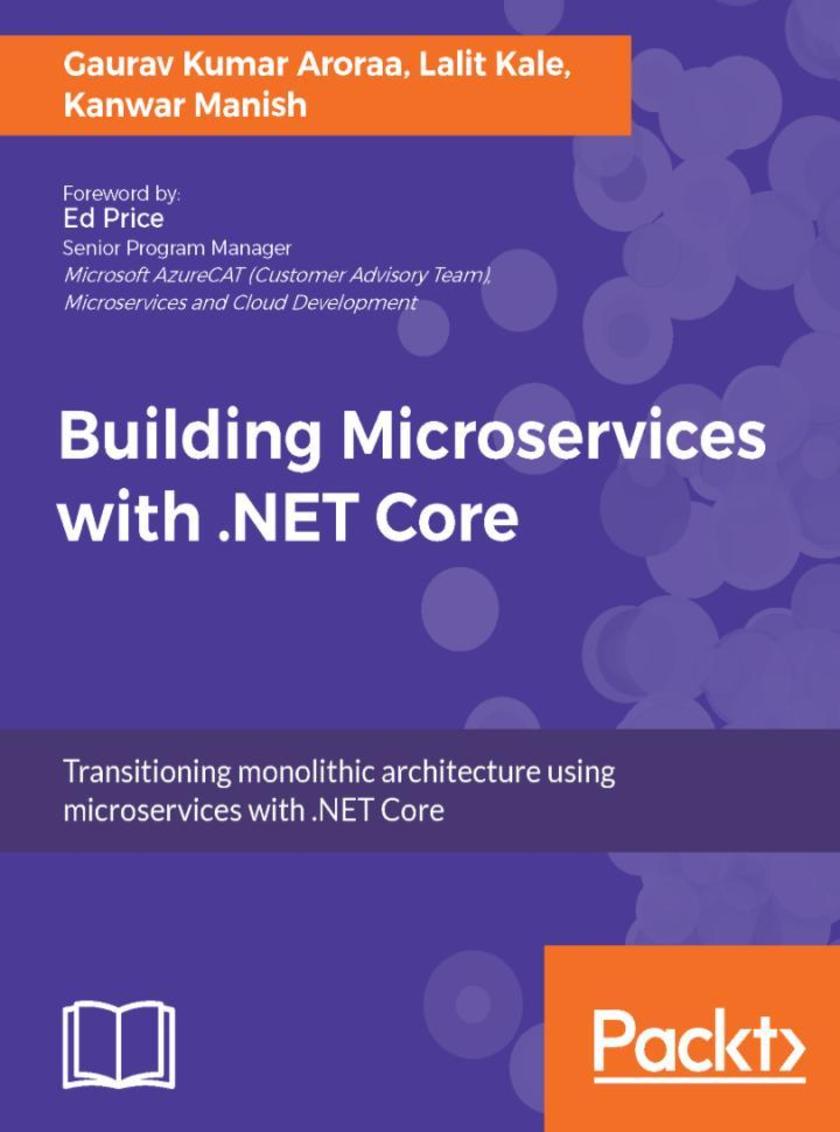
Building Microservices with .NET Core
¥80.65
Architect your .NET applications by breaking them into really small pieces—microservices—using this practical, example-based guide About This Book ? Start your microservices journey and understand a broader perspective of microservices development ? Build, deploy, and test microservices using ASP.Net MVC, Web API, and Microsoft Azure Cloud ? Get started with reactive microservices and understand the fundamentals behind it Who This Book Is For This book is for .NET Core developers who want to learn and understand microservices architecture and implement it in their .NET Core applications. It’s ideal for developers who are completely new to microservices or have just a theoretical understanding of this architectural approach and want to gain a practical perspective in order to better manage application complexity. What You Will Learn ? Compare microservices with monolithic applications and SOA ? Identify the appropriate service boundaries by mapping them to the relevant bounded contexts ? Define the service interface and implement the APIs using ASP.NET Web API ? Integrate the services via synchronous and asynchronous mechanisms ? Implement microservices security using Azure Active Directory, OpenID Connect, and OAuth 2.0 ? Understand the operations and scaling of microservices in .NET Core ? Understand the testing pyramid and implement consumer-driven contract using pact net core ? Understand what the key features of reactive microservices are and implement them using reactive extension In Detail Microservices is an architectural style that promotes the development of complex applications as a suite of small services based on business capabilities. This book will help you identify the appropriate service boundaries within the business. We'll start by looking at what microservices are, and what the main characteristics are. Moving forward, you will be introduced to real-life application scenarios, and after assessing the current issues, we will begin the journey of transforming this application by splitting it into a suite of microservices. You will identify the service boundaries, split the application into multiple microservices, and define the service contracts. You will find out how to configure, deploy, and monitor microservices, and configure scaling to allow the application to quickly adapt to increased demand in the future. With an introduction to the reactive microservices, you strategically gain further value to keep your code base simple, focusing on what is more important rather than the messy asynchronous calls. Style and approach This guide serves as a stepping stone that helps .NET Core developers in their microservices architecture. This book provides just enough theory to understand the concepts and apply the examples.
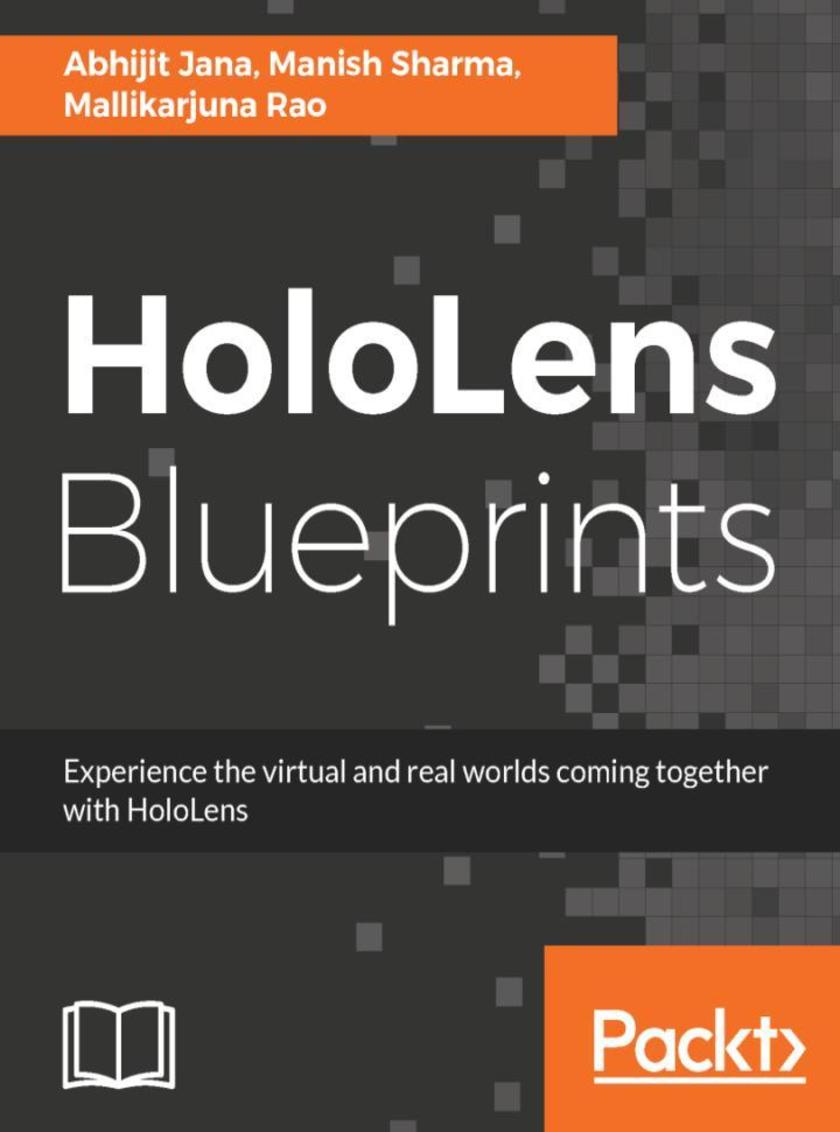
HoloLens Blueprints
¥80.65
Unveil the world of mixed reality with HoloLens About This Book ? Bring holographic insights to existing line-of-business applications, tools, and workflows ? Focus on developing end-to-end realistic holographic application. ? Build interactive model *s and test them in Unity3D and holographic emulators Who This Book Is For This book is targeted at developers and designers working on mixed-reality developments for complex integrated scenarios using HoloLens. What You Will Learn ? Interact with holograms using different interaction models ? Develop your first holographic app ? Integrate holographic applications with cloud systems ? Visualize data feeds coming from the cloud through holograms ? Manage the application distribution of enterprise-enabled HoloLens ? Integrate HoloLens applications with services deployed on Azure ? Identify and create 3D Assets and Scenes ? Use HoloLens to explore the Internet of Things In Detail Do you want to create stunning applications with HoloLens? Are you a developer who is fascinated with Microsoft HoloLens and its capabilities? If so, this is the book for you. This book introduces and demystifies the HoloLens platform and shows you different ways of interaction with computers (mixed-reality). You will start your mixed-reality journey by understanding different types of digital reality. You will learn to build your first holographic app. Also, you will understand holographic application integration possibilities within Line of Business Applications using Azure. Moving ahead, you will create Integrated Solutions using IoT with HoloLens. Gradually you'll learn how to create and deploy apps on a device. You will learn to publish application to the store; if you are an enterprise developer, you will also manage and distribute applications for enterprise-enabled or domain-joined HoloLens. Finally, you will develop an end-to-end realistic holographic app, ranging from scenario identification to sketching, development, deployment, and, finally, production. Style and approach The book is a project-based guide to help you to create some really astonishing mixed-reality applications. It will provide end-to-end solutions and enable you to build stunning applications for HoloLens.
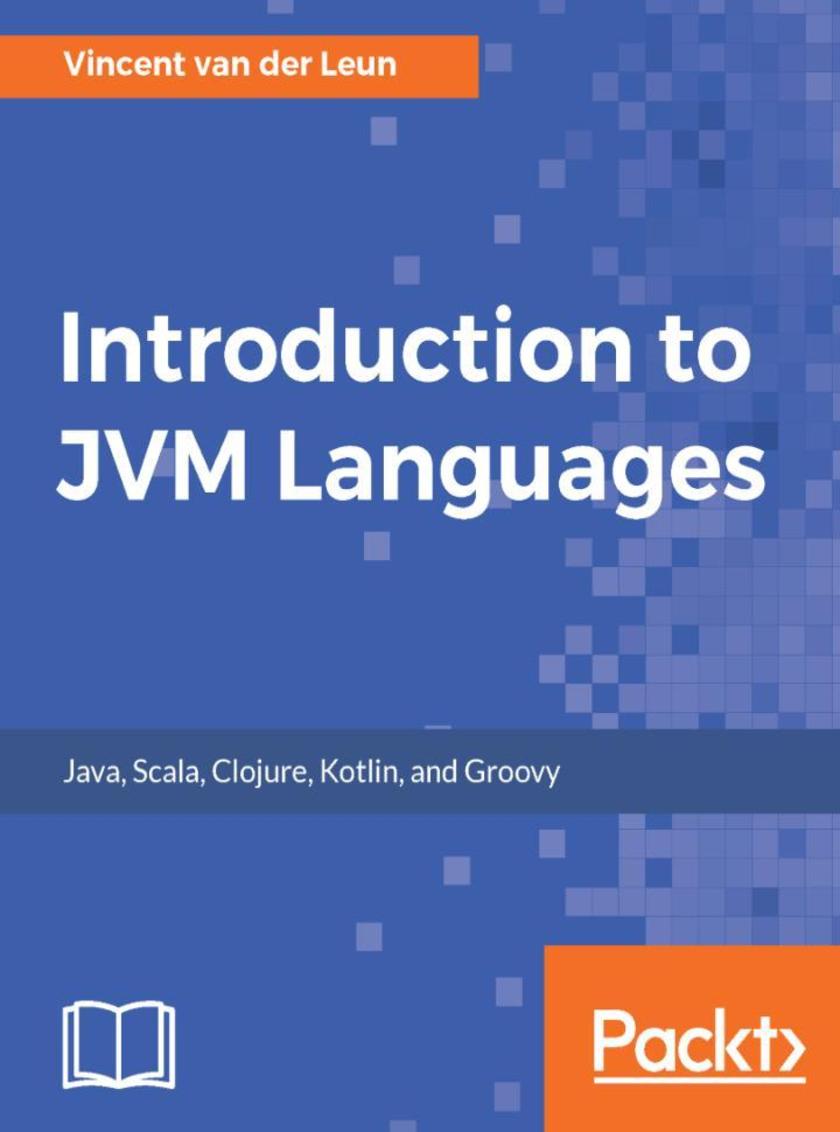
Introduction to JVM Languages
¥80.65
Explore the Java Virtual Machine with modern programming languages About This Book ? This guide provides in-depth coverage of the Java Virtual Machine and its features ? Filled with practical examples, this book will help you understand the core concepts of Java, Scala, Clojure, Kotlin, and Groovy ? Work with various programming paradigms and gain knowledge about imperative, object-oriented and functional programming Who This Book Is For This book is meant for programmers who are interested in the Java Virtual Machine (JVM) and want to learn more about the most popular programming languages that can be used for JVM development. Basic practical knowledge of a modern programming language that supports object-oriented programming (JavaScript, Python, C#, VB.NET, and C++) is assumed. What You Will Learn ? Gain practical information about the Java Virtual Machine ? Understand the popular JVM languages and the Java Class Library ? Get to know about various programming paradigms such as imperative, object-oriented, and functional ? Work with common JVM tools such as Eclipse IDE, Gradle, and Maven ? Explore frameworks such as SparkJava, Vert.x, Akka and JavaFX ? Boost your knowledge about dialects of other well-known programming languages that run on the JVM, including JavaScript, Python, and Ruby In Detail Anyone who knows software development knows about the Java Virtual Machine. The Java Virtual Machine is responsible for interpreting Java byte code and translating it into actions. In the beginning, Java was the only programming language used for the JVM. But increasing complexity of the language and the remarkable performance of the JVM created an opening for a new generation of programming languages. If you want to build a strong foundation with the Java Virtual Machine and get started with popular modern programming languages, then this book is for you. The book will begin with a general introduction of the JVM and its features, which are common to the JVM languages, helping you get abreast with its concepts. It will then dive into explaining languages such as Java, Scala, Clojure, Kotlin, and Groovy and will show how to work with each language, their features, use cases, and pros and cons. By writing example projects in those languages and focusing on each language’s strong points, it will help you find the programming language that is most appropriate for your particular needs. By the end of the book, you will have written multiple programs that run on the Java Virtual Machine and know about the differences between the various languages. Style and approach This practical, example-filled guide will help you get started with the JVM and some of its most popular languages.
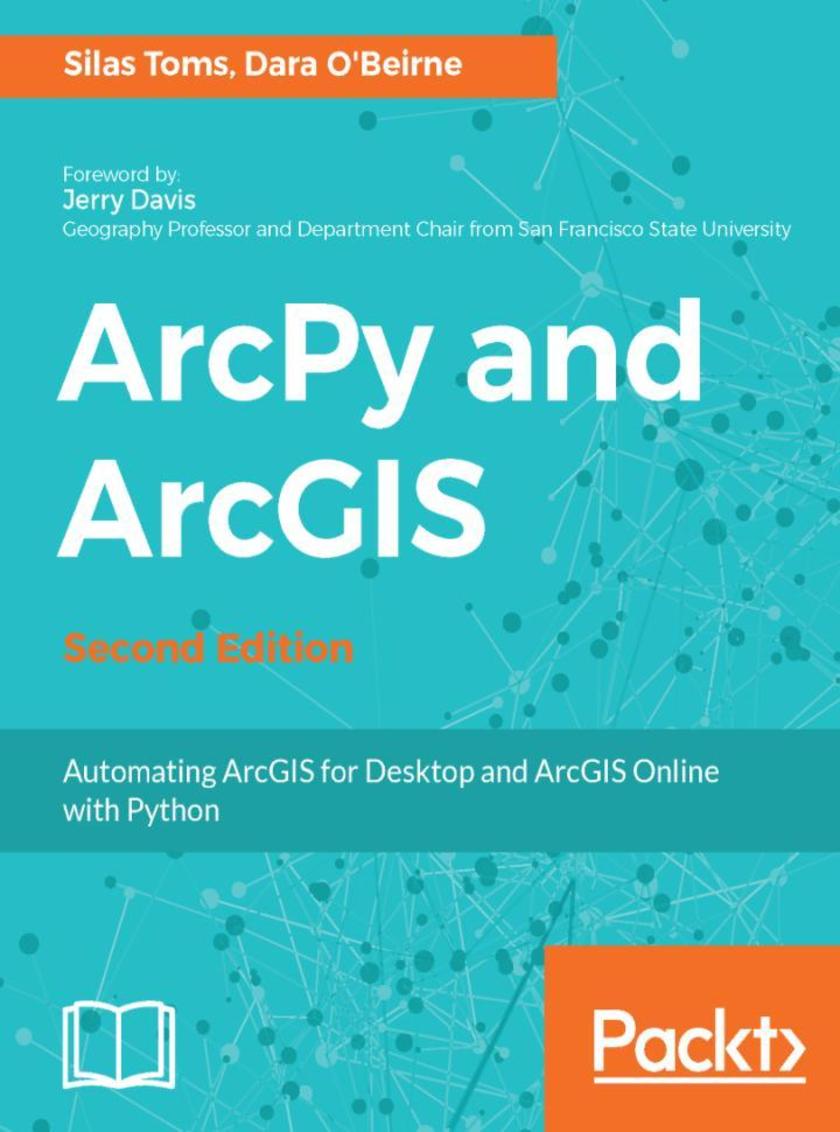
ArcPy and ArcGIS - Second Edition
¥90.46
Use Python modules such as ArcPy, ArcREST and the ArcGIS API for Python to automate the analysis and mapping of geospatial data. About This Book ? Perform GIS analysis faster by automating tasks. ? Access the spatial data contained within shapefiles and geodatabases and transform between spatial reference systems. ? Automate the mapping of geospatial analyses and production of map books. Who This Book Is For If you are a GIS student or professional who needs an understanding of how to use ArcPy to reduce repetitive tasks and perform analysis faster, this book is for you. It is also a valuable book for Python programmers who want to understand how to automate geospatial analyses and implement ArcGIS Online data management. What You Will Learn ? Understand how to integrate Python into ArcGIS and make GIS analysis faster and easier. ? Create Python * using ArcGIS ModelBuilder. ? Learn to use ArcGIS online feature services and the basics of the ArcGIS REST API ? Understand the unique Python environment that is new with ArcGIS Pro ? Learn about the new ArcGIS Python API and how to use Anaconda and Jupyter with it ? Learn to control ArcGIS Enterprise using ArcPy In Detail ArcGIS allows for complex analyses of geographic information. The ArcPy module is used to * these ArcGIS analyses, providing a productive way to perform geo-analyses and automate map production. The second edition of the book focuses on new Python tools, such as the ArcGIS API for Python. Using Python, this book will guide you from basic Python *ing to advanced ArcPy * tools. This book starts off with setting up your Python environment for ArcGIS automation. Then you will learn how to output maps using ArcPy in MXD and update feature class in a geodatabase using arcpy and ArcGIS Online. Next, you will be introduced to ArcREST library followed by examples on querying, updating and manipulating ArcGIS Online feature services. Further, you will be enabling your *s in the browser and directly interacting with ArcGIS Online using Jupyter notebook. Finally, you can learn ways to use of ArcPy to control ArcGIS Enterprise and explore topics on deployments, data quality assurances, data updates, version control, and editing safeguards. By the end of the book, you will be equipped with the knowledge required to create automated analysis with administration reducing the time-consuming nature of GIS. Style and approach The book takes a pragmatic approach, showing ways to automate repetitive tasks and utilizing features of ArcPy with ArcGIS Pro and ArcGIS online.
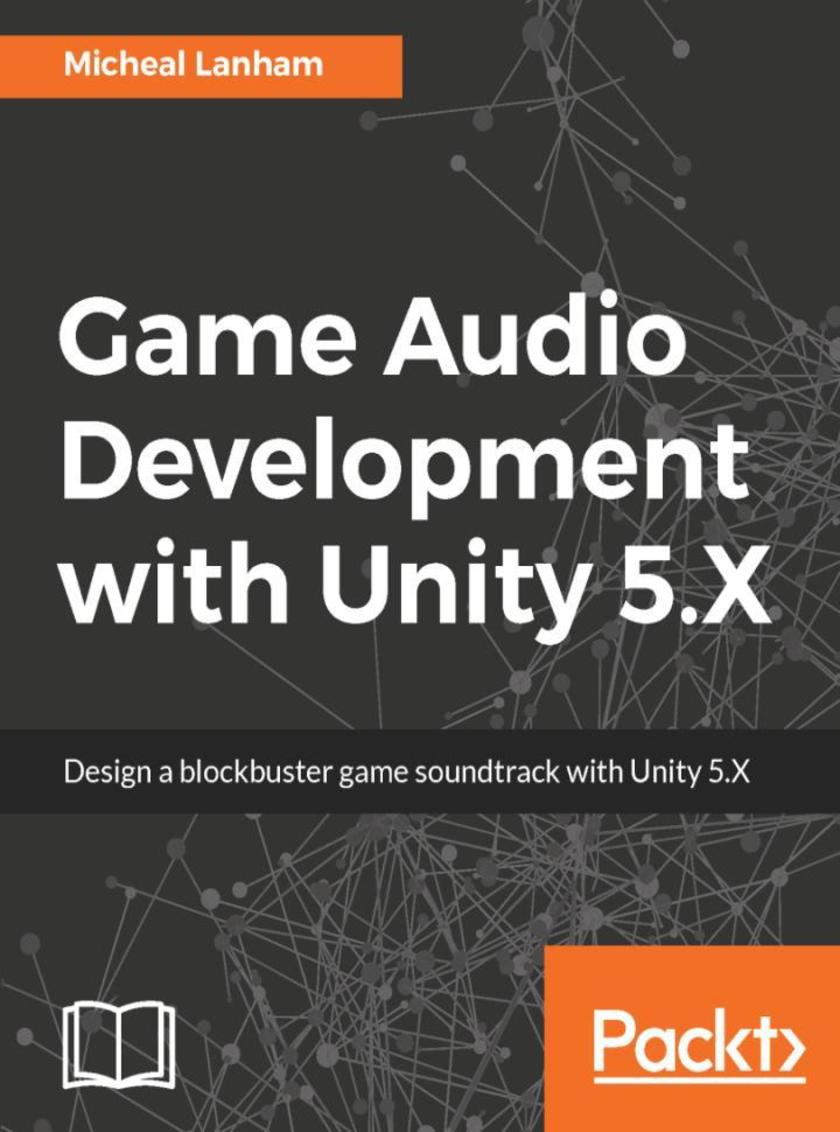
Game Audio Development with Unity 5.X
¥80.65
Create ‘AAA’ quality game audio with new features and tools built for Unity About This Book ? Explore the basics of audio development in Unity to create spatial sound, mixing, effects, composition, adaptive audio and more. ? Leverage the Audio Mixer of Unity 5.x to create blockbuster sound and music for your game. ? Learn about developing professional audio for games with FMOD Studio and composing original music with Reaper. ? Build amazing audio synchronized graphic visualizations with Unity. ? Understand how real-time character lip syncing can be implemented. Who This Book Is For The ideal target audience for this book will be game developers, both Indie as well as semi pro. No prior knowledge of Unity and audio development is assumed, What You Will Learn ? Develop game audio and other audio effects with Unity ? Getting familiar with the new Audio Mixer introduced in Unity 5 ? Implement dynamic and adaptive audio using various tools and strategies ? Explore interesting ways to incorporate audio into a game with sound visualization ? Use 3rd party professional audio development tools like FMOD ? Compose original music and record vocals ? Understand and troubleshoot audio performance issues In Detail Game Audio is one of the key components in making a game successful and it is quite popular in the gaming industry. So if you are a game developer with an eye on capturing the gamer market then this book is the right solution for you. In this book, we will take you through a step by step journey which will teach you to implement original and engaging soundtracks and SFX with Unity 5.x. You will be firstly introduced to the basics of game audio and sound development in Unity. After going through the core topics of audio development: audio sources, spatial sound, mixing, effects, and more; you will then have the option of delving deeper into more advanced topics like dynamic and adaptive audio. You will also learn to develop dynamic and adaptive audio using the Unity Audio Mixer. Further, you will learn how professional third party tools like FMOD are used for audio development in Unity. You will then go through the creation of sound visualization techniques and creating your own original music using the simple yet powerful audio workstation Reaper. Lastly, you will go through tips, techniques and strategies to help you optimize game audio performance or troubleshoot issues. At the end of the book, you’ll have gained the skills to implement professional sound and music. Along with a good base knowledge audio and music principles you can apply across a range of other game development tools. Style and approach This book will have a step by step practical approach where downloadable free games will be given with the book and readers will be free to work with them.
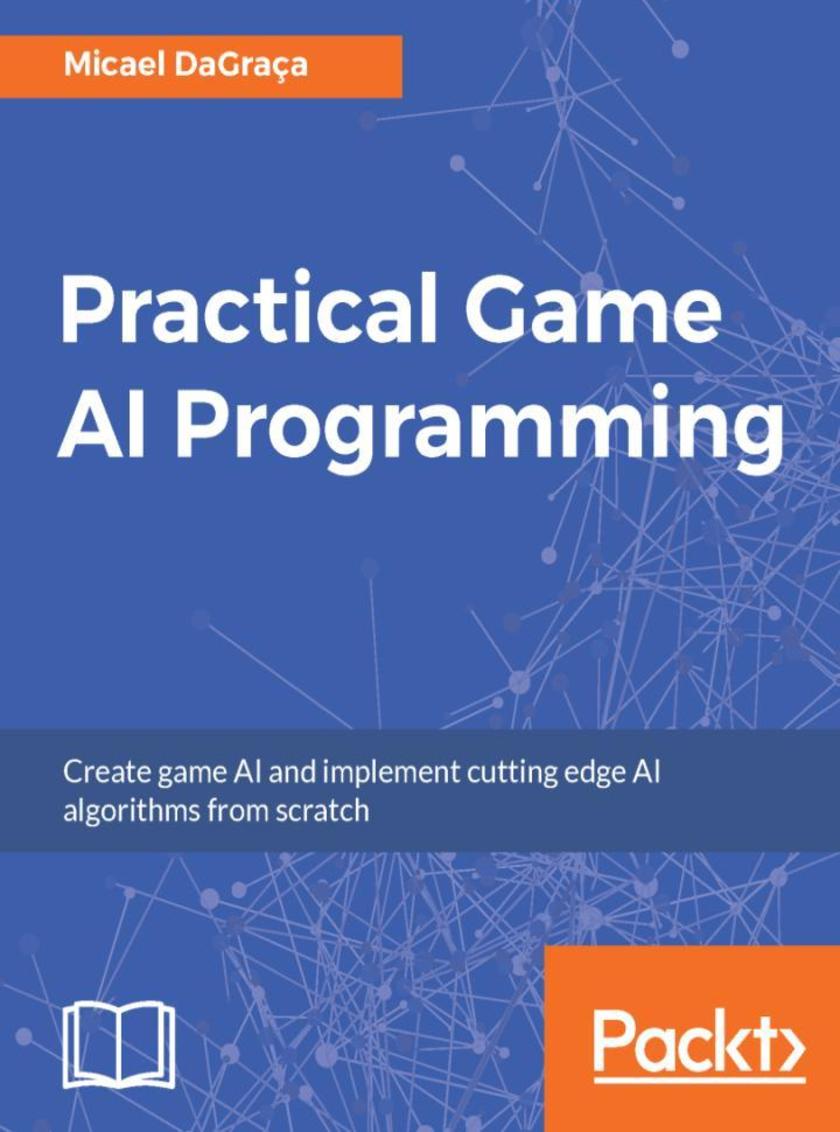
Practical Game AI Programming
¥90.46
Jump into the world of Game AI development About This Book ? Move beyond using libraries to create smart game AI, and create your own AI projects from scratch ? Implement the latest algorithms for AI development and in-game interaction ? Customize your existing game AI and make it better and more efficient to improve your overall game performance Who This Book Is For This book is for game developers with a basic knowledge of game development techniques and some basic programming techniques in C# or C++. What You Will Learn ? Get to know the basics of how to create different AI for different type of games ? Know what to do when something interferes with the AI choices and how the AI should behave if that happens ? Plan the interaction between the AI character and the environment using Smart Zones or Triggering Events ? Use animations correctly, blending one animation into another and rather than stopping one animation and starting another ? Calculate the best options for the AI to move using Pruning Strategies, Wall Distances, Map Preprocess Implementation, and Forced Neighbours ? Create Theta algorithms to the AI to find short and realistic looking paths ? Add many characters into the same scene and make them behave like a realistic crowd In Detail The book starts with the basics examples of AI for different game genres and directly jumps into defining the probabilities and possibilities of the AI character to determine character movement. Next, you’ll learn how AI characters should behave within the environment created. Moving on, you’ll explore how to work with animations. You’ll also plan and create pruning strategies, and create Theta algorithms to find short and realistic looking game paths. Next, you’ll learn how the AI should behave when there is a lot of characters in the same scene. You'll explore which methods and algorithms, such as possibility maps, Forward Chaining Plan, Rete Algorithm, Pruning Strategies, Wall Distances, and Map Preprocess Implementation should be used on different occasions. You’ll discover how to overcome some limitations, and how to deliver a better experience to the player. By the end of the book, you think differently about AI. Style and approach The book has a step-by-step tutorial style approach. The algorithms are explained by implementing them in #.
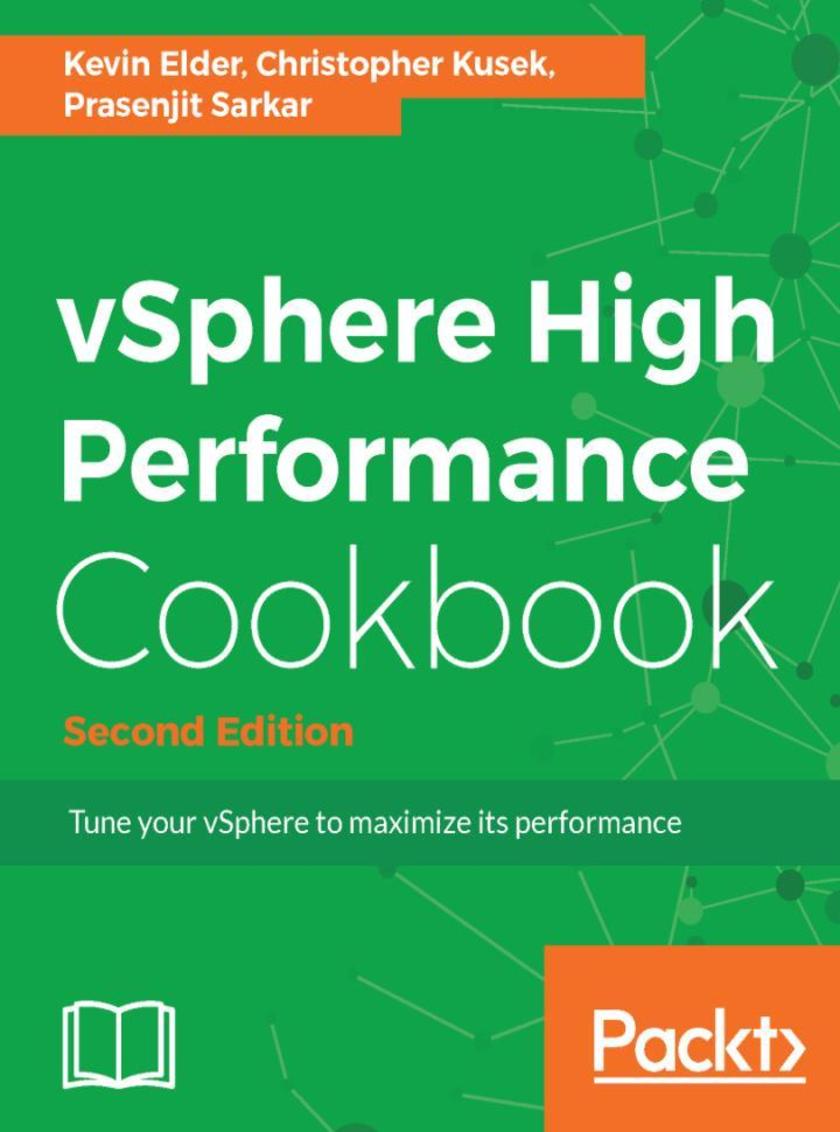
vSphere High Performance Cookbook - Second Edition
¥90.46
Over 80 recipes to help you improve vSphere 6.5's performance and solve problems before they arise About This Book ? The practical recipes provide cost-effective and high performance for any application running in a virtual machine ? Contains best practices and troubleshooting techniques to resolve vSphere 6.5 performance issues ? Get a comprehensive coverage of performance issues and solutions including vCenter Server design and virtual machine and application tuning Who This Book Is For If you are a system administrator and are planning to deploy vSphere 6.5 in your organization and want to maximize its performance, then this book is for you. Prior knowledge of the vSphere 6.5 concepts is essential. What You Will Learn ? Understand the VMM Scheduler, cache aware CPU Scheduler, NUMA aware CPU Scheduler, and more during the CPU Performance Design phase ? Get to know the virtual memory reclamation technique, host ballooning monitoring, and swapping activity ? Choose the right platform while designing your vCenter Server, redundant vCenter design, and vCenter SSO and its deployment ? Learn how to use various performance simulation tools ? Design VCSA Server Certificates to minimize security threats ? Use health check tools for storage and boost vSphere 6.5's performance with VAAI and VASA In Detail vSphere is a mission-critical piece of software for many businesses. It is a complex tool, and incorrect design and deployment can create performance related issues that can negatively affect the business. This book is focused on solving these problems as well as providing best practices and performance-enhancing techniques. This edition is fully updated to include all the new features in version 6.5 as well as the latest tools and techniques to keep vSphere performing at its best. This book starts with interesting recipes, such as the interaction of vSphere 6.5 components with physical layers such as CPU, memory, and networking. Then we focus on DRS, resource control design, and vSphere cluster design. Next, you'll learn about storage performance design and how it works with VMware vSphere 6.5. Moving on, you will learn about the two types of vCenter installation and the benefits of each. Lastly, the book covers performance tools that help you get the most out of your vSphere installation. By the end of this book, you will be able to identify, diagnose, and troubleshoot operational faults and critical performance issues in vSphere 6.5. Style and approach This cookbook is written in a practical, helpful style with numerous recipes focusing on answering and providing solutions to common and not-so-common performance issues and problems.
Practical Predictive Analytics
¥90.46
Make sense of your data and predict the unpredictable About This Book ? A unique book that centers around develop six key practical skills needed to develop and implement predictive analytics ? Apply the principles and techniques of predictive analytics to effectively interpret big data ? Solve real-world analytical problems with the help of practical case studies and real-world scenarios taken from the world of healthcare, marketing, and other business domains Who This Book Is For This book is for those with a mathematical/statistics background who wish to understand the concepts, techniques, and implementation of predictive analytics to resolve complex analytical issues. Basic familiarity with a programming language of R is expected. What You Will Learn ? Master the core predictive analytics algorithm which are used today in business ? Learn to implement the six steps for a successful analytics project ? Classify the right algorithm for your requirements ? Use and apply predictive analytics to research problems in healthcare ? Implement predictive analytics to retain and acquire your customers ? Use text mining to understand unstructured data ? Develop models on your own PC or in Spark/Hadoop environments ? Implement predictive analytics products for customers In Detail This is the go-to book for anyone interested in the steps needed to develop predictive analytics solutions with examples from the world of marketing, healthcare, and retail. We'll get started with a brief history of predictive analytics and learn about different roles and functions people play within a predictive analytics project. Then, we will learn about various ways of installing R along with their pros and cons, combined with a step-by-step installation of RStudio, and a de*ion of the best practices for organizing your projects. On completing the installation, we will begin to acquire the skills necessary to input, clean, and prepare your data for modeling. We will learn the six specific steps needed to implement and successfully deploy a predictive model starting from asking the right questions through model development and ending with deploying your predictive model into production. We will learn why collaboration is important and how agile iterative modeling cycles can increase your chances of developing and deploying the best successful model. We will continue your journey in the cloud by extending your skill set by learning about Databricks and SparkR, which allow you to develop predictive models on vast gigabytes of data. Style and Approach This book takes a practical hands-on approach wherein the algorithms will be explained with the help of real-world use cases. It is written in a well-researched academic style which is a great mix of theoretical and practical information. Code examples are supplied for both theoretical concepts as well as for the case studies. Key references and summaries will be provided at the end of each chapter so that you can explore those topics on their own.


