


 购物车
购物车 个人中心
个人中心
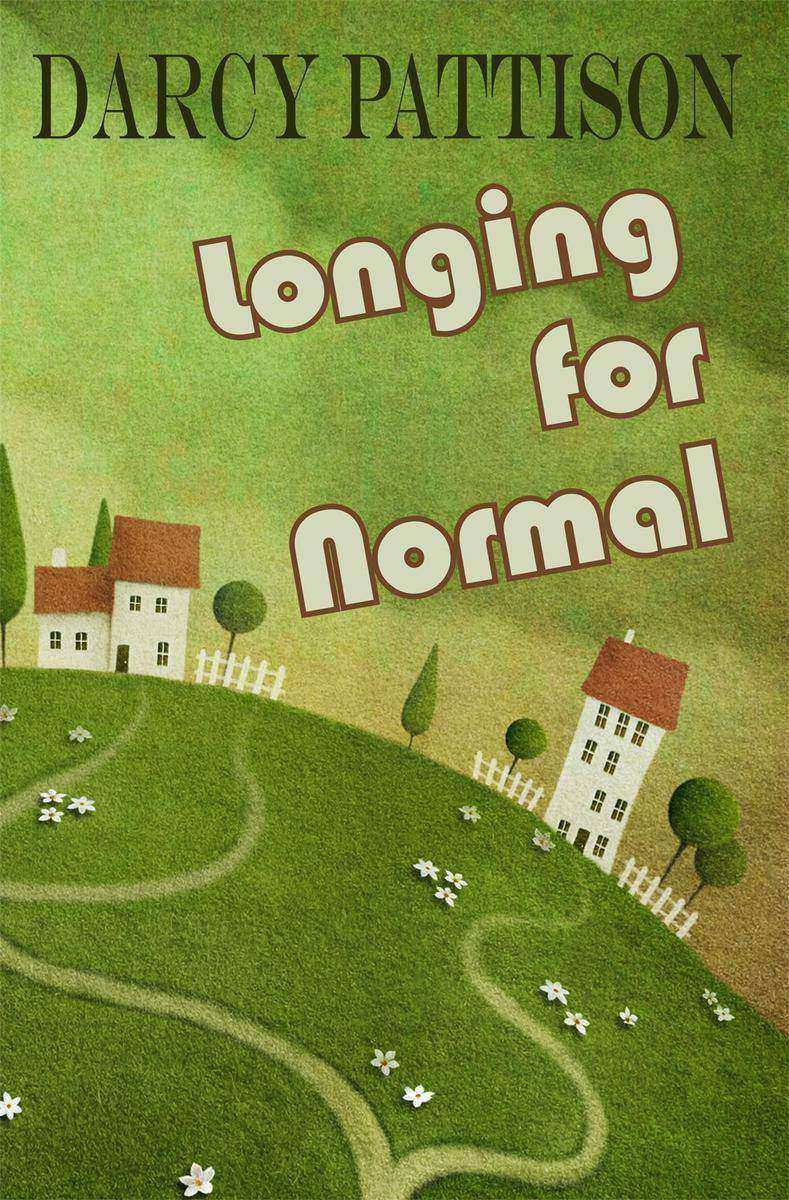
Longing for Normal
¥40.79
A boy unites an immigrant community and rebuilds his family–using a simple sourdough bread recipe. Eliot Winston, a grieving son, must convince his new step-mother – now Griff Winston’s widow – to adopt him. But when she married Griff Winston, Marj hadn’t bargained on being the single mother of a twelve-year-old boy. Alli Flynn, a foster child new to the school, convinces Eliot that he must fight to keep his family intact and the best way to do that is to help Mrs. Winston with the Bread Project, a fund raising project for the school. With his whole future at stake, Eliot tries hard to please Marj; but as the deadlines near for the Bread Project and for Marj to sign his adoption papers, Eliot finds it harder and harder to hang on to hope. In the tradition of Dicey’s Song by Cynthia Voigt, this story follows two kids who search for a family and a home. About the Author At family gatherings, Darcy Pattison was known for baking great breads until she discovered she needed a gluten-free diet. Now she only bakes bread in her stories instead. Published in eight languages, her middle grade novels include: Saucy and Bubba: A Hansel and Gretel Tale; The Girl, the Gypsy and the Gargoyle; and Vagabond. Recent nature books for children include: Abayomi, the Brazilian Puma: The True Story of an Orphaned Cub, a 2015 NSTA Outstanding Science Trade Book; Wisdom, the Midway Albatross, a Starred Review in Publisher’s Weekly; Desert Baths (Arbordale), a 2013 NSTA Outstanding Science Trade Book; and, Prairie Storms (Arbordale). Her series, The ALIEN, INC. CHAPTER BOOK SERIES includes Kell, the Alien; Kell and the Horse Apple Parade; Kell and the Giants; and Kell and the Detectives. For more, see darcypattison.com/about
My Crazy Dog:My Narrative Essay
¥24.44
When Dennis has to write a narrative essay, he naturally turns to his dog for something to write about. Recently, Mom asked Dennis to put a leash on Clark Kent so they could take the dog to the veterinarian for shots. Clark gave them all a merry chase! There’s lots of action to love here—and great verbs for Dennis’s narrative essay.?

Wild
¥90.52
These traditional reads are brimming with spirited characters and positive values--but with a little extra excitement and bite, so hold on to your hats! Written expressly for the middle grade struggling reader, the series does not contain strong language, edgy themes, or dysfunctional families. In fact, family is the main theme of these titles. And one particular Latino family is the focus with their uncanny knack for finding humor, hope, and colorful personalities--even in unusual circumstances. Written at the lowest reading levels, the 50-page story structure is straightforward and moves the reader through the text quickly and efficiently. There was a pride of lions lying in the grass. All the lions were looking at the wildebeests. The Silvas took out their cameras. "I think they're hungry"
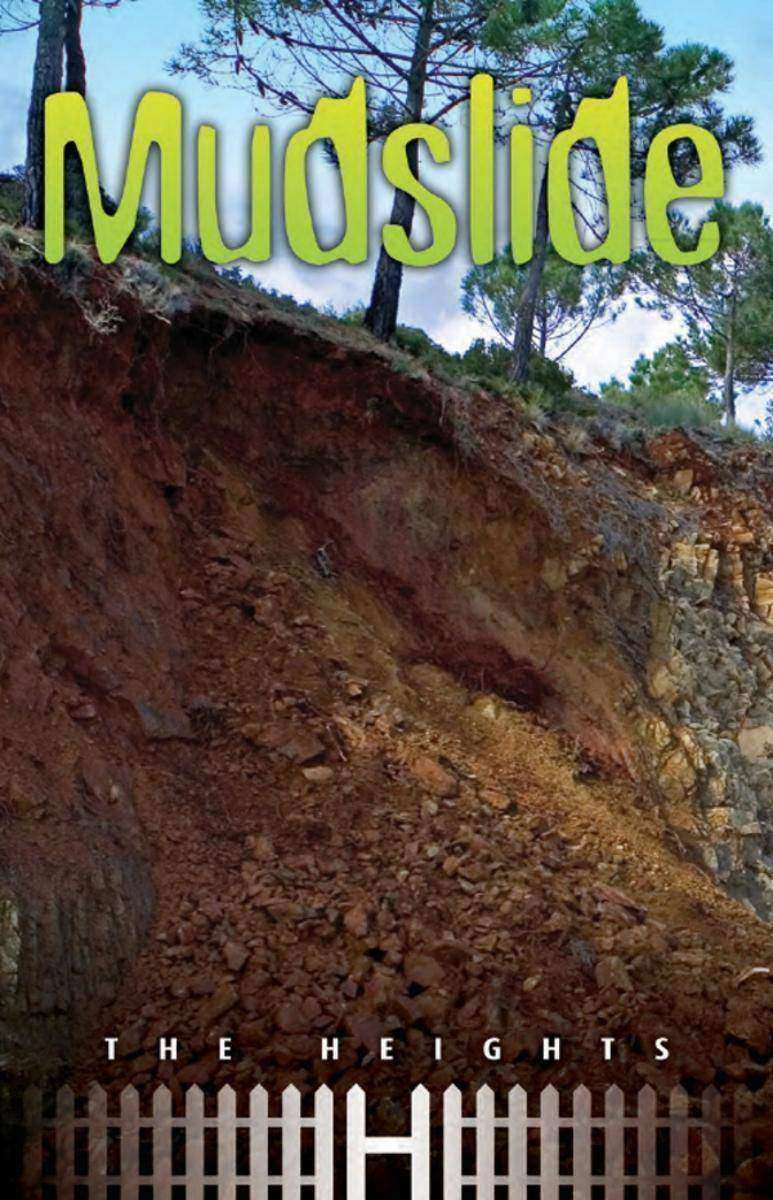
Mudslide
¥84.74
These traditional reads are brimming with spirited characters and positive values--but with a little extra excitement and bite, so hold on to your hats! Written expressly for the middle grade struggling reader, the series does not contain strong language, edgy themes, or dysfunctional families. In fact, family is the main theme of these titles. And one particular Latino family is the focus with their uncanny knack for finding humor, hope, and colorful personalities--even in unusual circumstances. Written at the lowest reading levels, the 50-page story structure is straightforward and moves the reader through the text quickly and efficiently. "Mom? Mom! Can you hear me?" Lilia cried. But there was no answer. The only sound Lilia could hear were pebbles rolling down the mountain.
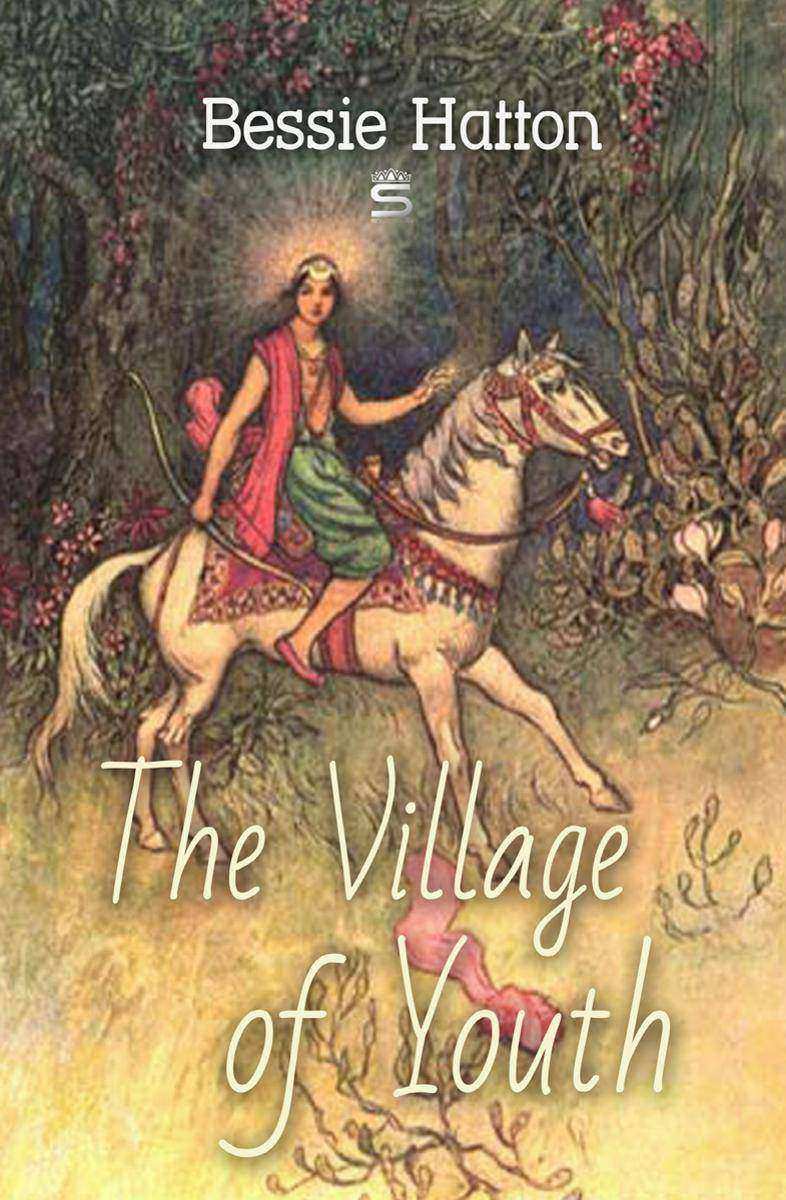
The Village of Youth
¥40.79
There was a young King who ought to have been the happiest monarch in the world. He was blessed with everything a mortal could desire. His palace might have been designed by the Divine architect Himself, so perfect was it in all its parts; and it stood amidst gardens with its dependent village at its gates, like a dream of feudal beauty in a story of romance. Notwithstanding his good fortune, the King was oppressed with what he conceived to be a great trouble.

The Food of the Gods and How It Came to Earth by H. G. Wells (Illustrated)
¥8.09
This eBook features the unabridged text of ‘The Food of the Gods and How It Came to Earth’ from the bestselling edition of ‘The Complete Works of H. G. Wells’. Having established their name as the leading publisher of classic literature and art, Delphi Classics produce publications that are individually crafted with superior formatting, while introducing many rare texts for the first time in digital print. The Delphi Classics edition of Wells includes original annotations and illustrations relating to the life and works of the author, as well as individual tables of contents, allowing you to navigate eBooks quickly and easily.eBook features:* The complete unabridged text of ‘The Food of the Gods and How It Came to Earth’* Beautifully illustrated with images related to Wells’s works* Individual contents table, allowing easy navigation around the eBook* Excellent formatting of the textPlease visit www.delphiclassics.com to learn more about our wide range of titles

The Merry Men and Other Tales and Fables by Robert Louis Stevenson (Illustrated)
¥8.09
This eBook features the unabridged text of ‘The Merry Men and Other Tales and Fables’ from the bestselling edition of ‘The Complete Works of Robert Louis Stevenson’. Having established their name as the leading publisher of classic literature and art, Delphi Classics produce publications that are individually crafted with superior formatting, while introducing many rare texts for the first time in digital print. The Delphi Classics edition of Stevenson includes original annotations and illustrations relating to the life and works of the author, as well as individual tables of contents, allowing you to navigate eBooks quickly and easily.eBook features:* The complete unabridged text of ‘The Merry Men and Other Tales and Fables’* Beautifully illustrated with images related to Stevenson’s works* Individual contents table, allowing easy navigation around the eBook* Excellent formatting of the textPlease visit www.delphiclassics.com to learn more about our wide range of titles
The Neapolitan Lovers by Alexandre Dumas (Illustrated)
¥8.09
This eBook features the unabridged text of ‘The Neapolitan Lovers’ from the bestselling edition of ‘The Collected Works of Alexandre Dumas’. Having established their name as the leading publisher of classic literature and art, Delphi Classics produce publications that are individually crafted with superior formatting, while introducing many rare texts for the first time in digital print. The Delphi Classics edition of Dumas includes original annotations and illustrations relating to the life and works of the author, as well as individual tables of contents, allowing you to navigate eBooks quickly and easily.eBook features:* The complete unabridged text of ‘The Neapolitan Lovers’* Beautifully illustrated with images related to Dumas’s works* Individual contents table, allowing easy navigation around the eBook* Excellent formatting of the textPlease visit www.delphiclassics.com to learn more about our wide range of titles
The Mouth of Hell by Alexandre Dumas (Illustrated)
¥8.09
This eBook features the unabridged text of ‘The Mouth of Hell’ from the bestselling edition of ‘The Collected Works of Alexandre Dumas’. Having established their name as the leading publisher of classic literature and art, Delphi Classics produce publications that are individually crafted with superior formatting, while introducing many rare texts for the first time in digital print. The Delphi Classics edition of Dumas includes original annotations and illustrations relating to the life and works of the author, as well as individual tables of contents, allowing you to navigate eBooks quickly and easily.eBook features:* The complete unabridged text of ‘The Mouth of Hell’* Beautifully illustrated with images related to Dumas’s works* Individual contents table, allowing easy navigation around the eBook* Excellent formatting of the textPlease visit www.delphiclassics.com to learn more about our wide range of titles
Ange Pitou by Alexandre Dumas (Illustrated)
¥8.09
This eBook features the unabridged text of ‘Ange Pitou’ from the bestselling edition of ‘The Collected Works of Alexandre Dumas’. Having established their name as the leading publisher of classic literature and art, Delphi Classics produce publications that are individually crafted with superior formatting, while introducing many rare texts for the first time in digital print. The Delphi Classics edition of Dumas includes original annotations and illustrations relating to the life and works of the author, as well as individual tables of contents, allowing you to navigate eBooks quickly and easily.eBook features:* The complete unabridged text of ‘Ange Pitou’* Beautifully illustrated with images related to Dumas’s works* Individual contents table, allowing easy navigation around the eBook* Excellent formatting of the textPlease visit www.delphiclassics.com to learn more about our wide range of titles

Finnegans Wake by James Joyce (Illustrated)
¥8.09
This eBook features the unabridged text of ‘Finnegans Wake’ from the bestselling edition of ‘The Complete Works of James Joyce’. Having established their name as the leading publisher of classic literature and art, Delphi Classics produce publications that are individually crafted with superior formatting, while introducing many rare texts for the first time in digital print. The Delphi Classics edition of Joyce includes original annotations and illustrations relating to the life and works of the author, as well as individual tables of contents, allowing you to navigate eBooks quickly and easily.eBook features:* The complete unabridged text of ‘Finnegans Wake’* Beautifully illustrated with images related to Joyce’s works* Individual contents table, allowing easy navigation around the eBook* Excellent formatting of the textPlease visit www.delphiclassics.com to learn more about our wide range of titles

The Innocence of Father Brown by G. K. Chesterton (Illustrated)
¥8.09
This eBook features the unabridged text of ‘The Innocence of Father Brown’ from the bestselling edition of ‘The Complete Works of G. K. Chesterton’. Having established their name as the leading publisher of classic literature and art, Delphi Classics produce publications that are individually crafted with superior formatting, while introducing many rare texts for the first time in digital print. The Delphi Classics edition of Chesterton includes original annotations and illustrations relating to the life and works of the author, as well as individual tables of contents, allowing you to navigate eBooks quickly and easily.eBook features:* The complete unabridged text of ‘The Innocence of Father Brown’* Beautifully illustrated with images related to Chesterton’s works* Individual contents table, allowing easy navigation around the eBook* Excellent formatting of the textPlease visit www.delphiclassics.com to learn more about our wide range of titles

The Scandal of Father Brown by G. K. Chesterton (Illustrated)
¥8.09
This eBook features the unabridged text of ‘The Scandal of Father Brown’ from the bestselling edition of ‘The Complete Works of G. K. Chesterton’. Having established their name as the leading publisher of classic literature and art, Delphi Classics produce publications that are individually crafted with superior formatting, while introducing many rare texts for the first time in digital print. The Delphi Classics edition of Chesterton includes original annotations and illustrations relating to the life and works of the author, as well as individual tables of contents, allowing you to navigate eBooks quickly and easily.eBook features:* The complete unabridged text of ‘The Scandal of Father Brown’* Beautifully illustrated with images related to Chesterton’s works* Individual contents table, allowing easy navigation around the eBook* Excellent formatting of the textPlease visit www.delphiclassics.com to learn more about our wide range of titles

Bleak House
¥24.44
The central theme of Bleak House is satirical exposure of the English Chancery court system. Chancery or equity courts were one half of the English civil justice system, existing side-by-side with law courts. Chancery courts heard actions having to do with wills and estates, or with the uses of private property and were notoriously slow and inefficient. The novel has many characters and several sub-plots, and the story is told partly by the novel's heroine, Esther Summerson, and partly by an omniscient narrator. At the centre of Bleak House is a long-running legal case, Jarndyce and Jarndyce, which came about because someone wrote several conflicting wills. This novel helped support a judicial reform movement, which culminated in the enactment of legal reform in the 1870s.

Вишнёвый сад
¥24.44
Вишнёвый сад — лирическая пьеса в четырёх действиях Антона Павловича Чехова, жанр которой сам автор определил как комедия. Вишнёвый сад — последняя пьеса Чехова, завершённая на пороге первой русской революции, за год до его ранней смерти.Действие начинается весной в имении Любови Андреевны Раневской, которая после нескольких лет проживания во Франции возвращается со своей семнадцатилетней дочерью Аней в Россию. На станции их уже ждут Гаев, брат Раневской, и Варя, её приемная дочь.Денег у Раневской практически не осталось, а имение с его прекрасным вишнёвым садом в скором времени может быть продано за долги.

The Hound of the Baskervilles
¥24.44
The story unfolds in foggy region of Dartmoor in Devon in England's West Country. The mysterious attempted murder may have been inspired by the legend of a fearsome, diabolical hound of supernatural origin. Sherlock Holmes and his companion Dr. Watson investigate the case. This was the first appearance of Holmes since his apparent death in 'The Final Problem', and the success of The Hound of the Baskervilles led to the character's eventual revival.

Typhoon by Joseph Conrad (Illustrated)
¥8.09
This eBook features the unabridged text of ‘Typhoon’ from the bestselling edition of ‘The Complete Works of Joseph Conrad’. Having established their name as the leading publisher of classic literature and art, Delphi Classics produce publications that are individually crafted with superior formatting, while introducing many rare texts for the first time in digital print. The Delphi Classics edition of Conrad includes original annotations and illustrations relating to the life and works of the author, as well as individual tables of contents, allowing you to navigate eBooks quickly and easily.eBook features:* The complete unabridged text of ‘Typhoon’* Beautifully illustrated with images related to Conrad’s works* Individual contents table, allowing easy navigation around the eBook* Excellent formatting of the textPlease visit www.delphiclassics.com to learn more about our wide range of titles
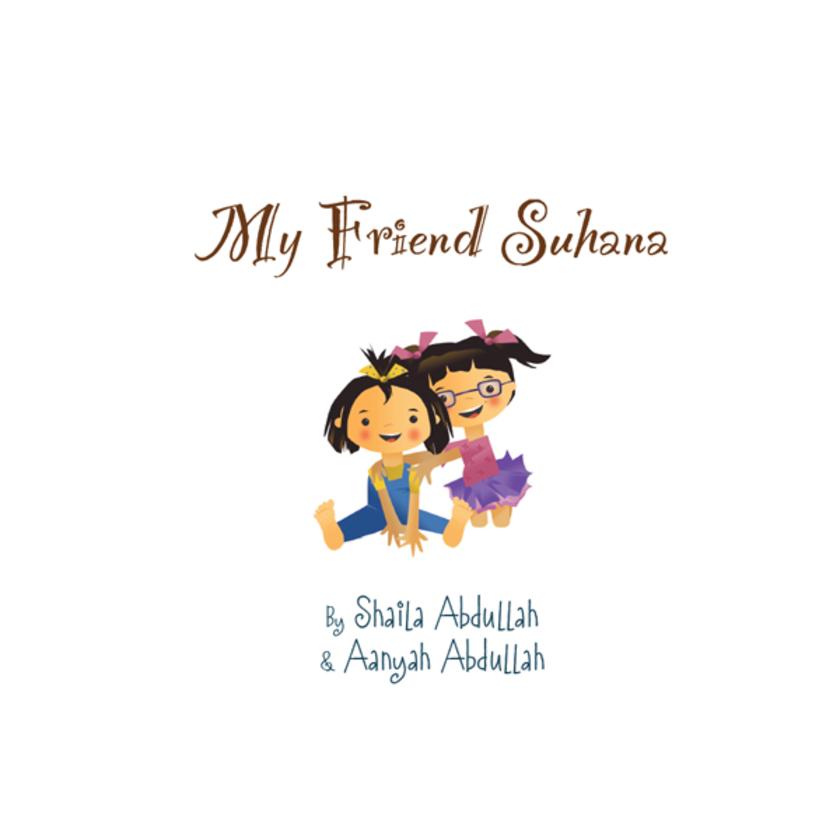
My Friend Suhana:A Story of Friendship and Cerebral Palsy
¥48.74
A simple tale of love and friendship to warm your heart Award-winning author and designer Shaila Abdullah teams up with her 10-year-old daughter Aanyah to bring you this heartwarming tale of a little girl who forms a close bond with a child with cerebral palsy. The girl finds that through her art, she can reach her special friend Suhana. "My Friend Suhana is a delightful read for a children's book. Very well illustrated with respect, friendship, and advocacy all in mind at the same time." --Dawn Cruzan, President, Camp Craig Allen for all abilities "This is the story of a seven-year-old's first attempt at unconditional love. Tough but tender, inspirational yet utterly real, this is a small gem of a tale. Highly recommended for anyone in the position of mentoring a beloved child through the hard places of life." --Paula Huston, author of A Season of Mystery and A Land Without Sin "My Friend Suhana is a charming and perceptive book that will draw its readers into empathy while allowing them to enjoy this heartwarming story of two uncommon friends." --Chitra Divakaruni, author of Grandma and the Great Gourd Learn more at www.MyFriendSuhana.com From the Growing With Love Series at www.LHPress.com
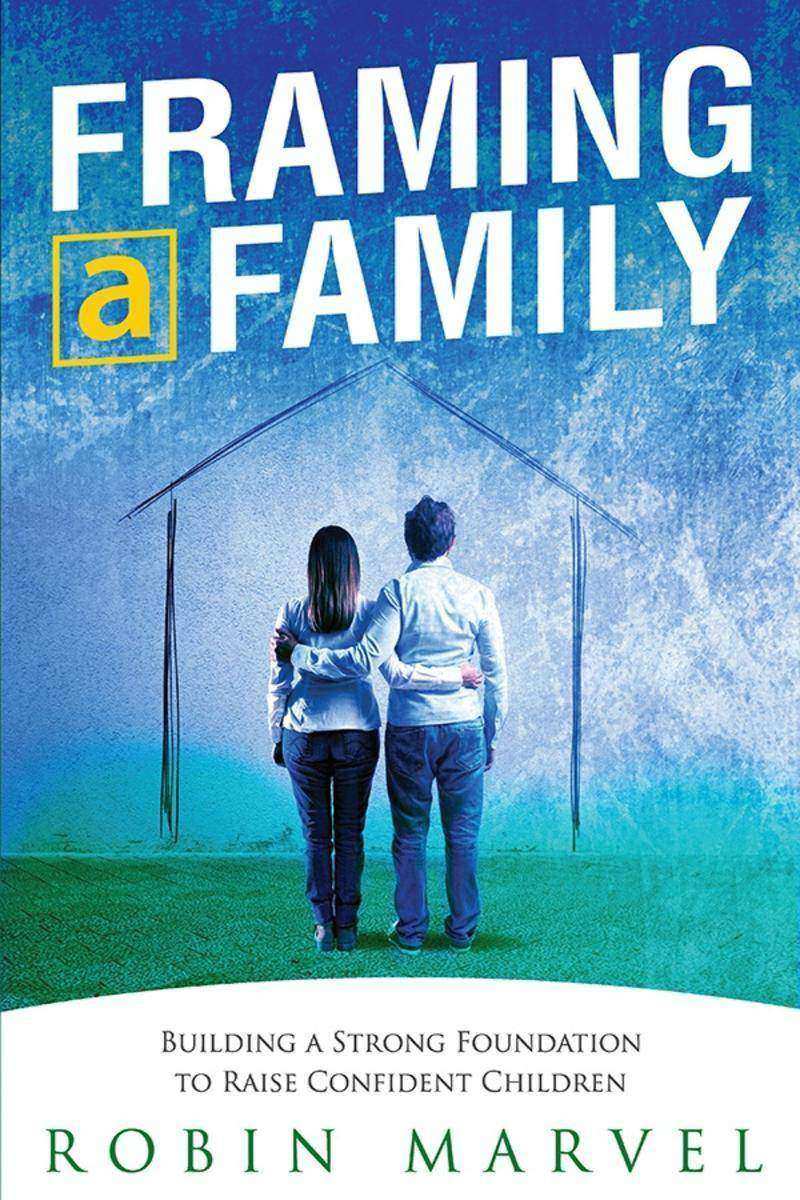
Framing a Family:Building a Foundation to Raise Confident Children
¥48.74
Framing A Family will guide you to giving your children a childhood they do not need to recover from! This book will strengthen your family, inspiring you to build your home with encouragement, empowerment, forgiveness, and most important love. You will: ·Gain proven tips and tools to empower, encourage, and strengthen your family ·Let go of your expectations and embrace the hard times and the good times with an open mind ·Build your confidence as you raise the self esteem of each family member creating an unshakable unit ·Forgive, heal and move forward in the present moment with action steps that build family ·Learn tried and true methods to build a foundation, raising confident children "Robin's wonderful stories illustrate her challenges and how she has been able to turn these challenges into personal victories and inspirational nuggets of hope for other people. I am happy to recommend this book to anyone who needs encouragement, hope, and direction to take their lives to the next level, to live life to the fullest with love, empowerment, and integrity." --Stacey Toupin, Life and Career Coach "Framing a Family teaches parents around the world the value of family, union, and unity. She both guides us and gives us tools and skills. The way she raises her children is a inspiration and we can all learn valuable lessons from her experiences. Robin is a hardworking, fun-loving, wise mother. I have found all of Robin's books and talks to be empowering and uplifting." --Mia Bredenkamp, Bultfontein, FS, South Africa Robin Marvel is a multi-published author and speaker in the field of self-development. Despite a childhood filled with abuse, homelessness, and teen pregnancy, Robin has overcome many challenges to make her life one of purpose. Today she has devoted her life to show others how to do the same. Using her story, books, and workshops as tools, she is inspiring others to break cycles and choose to live the life they desire. Learn more at www.RobinMarvel.com Another empowering book from Marvelous Spirit Press
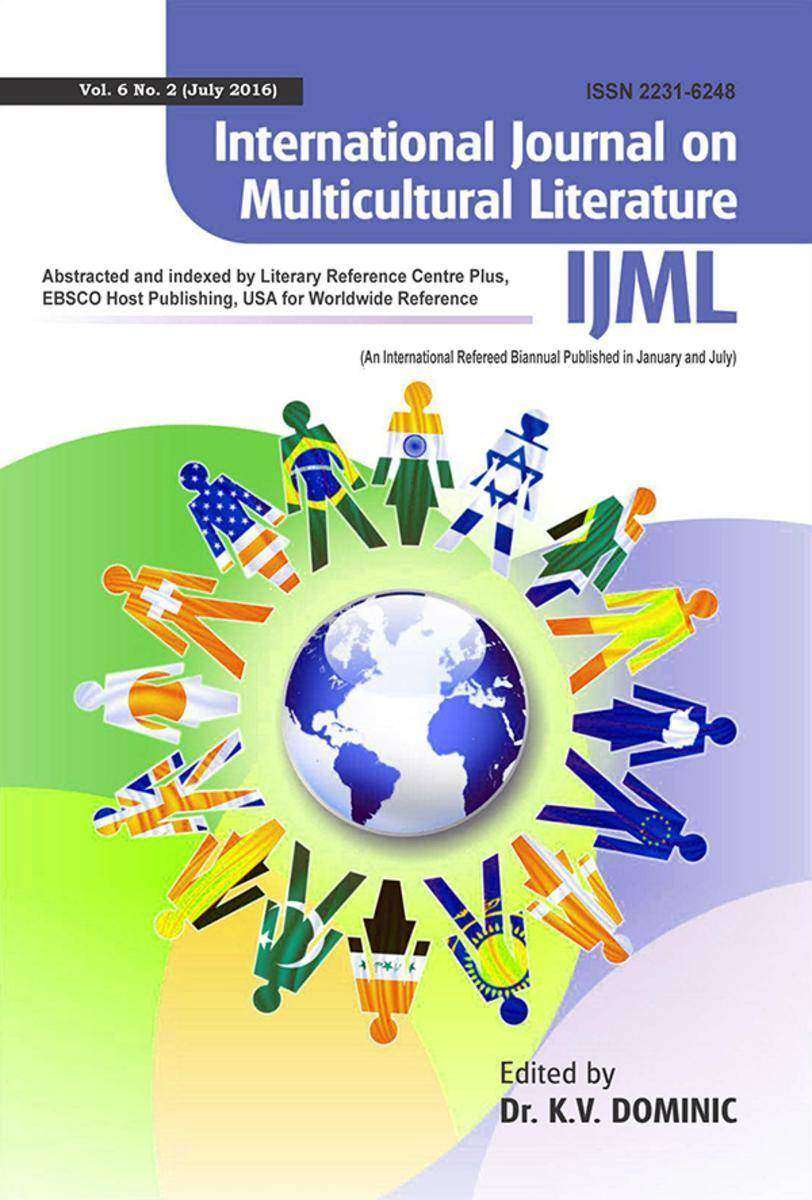
International Journal on Multicultural Literature (IJML):Vol. 6, No. 2 (July 201
¥48.74
International Journal on Multicultural Literature (IJML) Volume 6 Number 2 (July 2016)ISSN 2231-6248 Highlights include: ·"Portrayal of Man-Woman Pairs in the Fictional World of D. H. Lawrence: An Analysis" --S. Chelliah ·"Feminism and Feminist Literary Theory: A Brief Note" --C. Ramya ·"Portrayal of Feminine Spaces and Sensibilities in the Short-fiction of Alice Munro" --Syed Mir Hassim & M. Revathi ·"Violence, Memory and Identity in Indian English Fiction" --Barinder Kumar Sharma ·"Relevance of Neo-Slave Narrative Technique in Toni Morrison's Beloved" --Jaya Singh ·"'Mangalamkali' of Mavilan Tribe: An Ecocritical Reading" --Lillykutty Abraham & Sr. Marykutty Alex IJML is a peer-reviewed research journal in English literature published from Thodupuzha, Kerala, India. The publisher and editor is Prof. Dr. K. V. Dominic, renowned English language poet, critic, short story writer and editor who has to his credit 27 books. He is also the secretary of Guild of Indian English Writers, Editors and Critics (GIEWEC). Since 2010, IJML is a biannual journal published in January and July. The articles are sent first to the referees by the editor and only if they accept, the papers will be published. Although based in India, each issue includes worldwide contributors. Although IJML concentrates on multiculturalism, it also encompasses other literature. Each issue also includes poems, short stories, review articles, book reviews, interviews, general essays etc. under separate sections. IJML is available in paperback, Kindle, ePub, and PDF editions. Distributed by Modern History Press LCO004020 LITERARY COLLECTIONS / Asian / Indic LIT008020 Literary Criticism : Asian - Indic POL035010 Political Science : Political Freedom & Security - Human Rights Learn more at www.profKVDominc.com

Delphi Complete Works of J. M. Synge (Illustrated)
¥24.44
The playwright J. M. Synge was a key figure in the Irish Literary Revival and was one of the co-founders of the Abbey Theatre. Today he is best known for his controversial play ‘The Playboy of the Western World’, which caused riots in Dublin during its opening run. Synge's writings are chiefly concerned with the world of the Roman Catholic peasants of rural Ireland and with what he saw as the essential paganism of their world view. He was a poetic dramatist of great power, whose modern plays are celebrated for their sophisticated craftsmanship. For the first time in digital publishing, this eBook presents Synge’s complete works, with numerous illustrations, rare texts, informative introductions and the usual Delphi bonus material. (Version 1) * Beautifully illustrated with images relating to Synge’s life and works* Concise introductions to the plays* All 6 plays, with individual contents tables* Images of how the books were first published, giving your eReader a taste of the original texts* Excellent formatting of the texts* Rare poetry available in no other collection* Includes Synge’s prose, featuring many essays and reviews– available in no other collection* Features two biographies, including Yeats’ seminal work ‘Synge and the Ireland of His Time’ – discover Synge’s literary life* Scholarly ordering of texts into chronological order and literary genres Please visit www.delphiclassics.com to browse through our range of exciting titles CONTENTS: The PlaysIn the Shadow of the GlenRiders to the SeaThe Well of the SaintsThe Playboy of the Western WorldThe Tinker’s WeddingDeirdre of the Sorrows The Poetry CollectionsCollected Poems The ProseThe Aran IslandsIn Wicklow and West KerryMiscellaneous Essays and Reviews The BiographiesSynge and the Ireland of His Time by W. B. YeatsBrief Biography of John Millington Synge by William Kirkpatrick Magee Please visit www.delphiclassics.com to browse through our range of exciting titles or to purchase this eBook as a Parts Edition of individual eBooks


