


 购物车
购物车 个人中心
个人中心
11 Dramen
¥8.09
Eleven plays in the original German: Die Aufgeregten, Egmont, Faust, Goetz von Berlichingen, Iphigenie, Die Mitschuldigen, Die Naturliche Tochter Torquato Tasso, Satyros, Die Geschwister, and Die Laune des Verliebten. Wikipedia: "Johann Wolfgang von Goethe (* 28. August 1749 in Frankfurt am Main; ? 22. M?rz 1832 in Weimar), geadelt 1782, war ein deutscher Dichter. Er forschte und publizierte au?erdem auf verschiedenen naturwissenschaftlichen Gebieten. Ab 1776 bekleidete er am Hof von Weimar unterschiedliche politische und administrative ?mter. Goethes literarische Produktion umfasst Gedichte, Dramen, erz?hlende Werke (in Vers und Prosa), autobiografische, ?sthetische, kunst- und literaturtheoretische sowie naturwissenschaftliche Schriften. Auch sein umfangreicher Briefwechsel ist von gro?er literarischer Bedeutung. Goethe war ein Vorreiter und der wichtigste Vertreter des Sturm und Drang. Sein Roman Die Leiden des jungen Werthers machte ihn 1774 in ganz Europa berühmt. Sp?ter wandte er sich inhaltlich und formal den Idealen der Antike zu und wurde ab den 1790er Jahren, gemeinsam mit Friedrich Schiller und im Austausch mit diesem, zum wichtigsten Vertreter der Weimarer Klassik. Im Alter galt Goethe auch im Ausland als Repr?sentant des geistigen Deutschland. W?hrend die Wertsch?tzung Goethes nach seinem Tode zun?chst abnahm, wurde er im Deutschen Kaiserreich ab 1871 ?zum Kronzeugen der nationalen Identit?t der Deutschen“ und als solcher für den deutschen Nationalismus vereinnahmt. Es setzte nun eine Verehrung nicht nur des Werks, sondern auch der Pers?nlichkeit des Dichters ein, dessen Lebensführung als vorbildlich empfunden wurde. Bis heute gilt Goethe als bedeutendster deutscher Dichter, sein Werk wird zu den H?hepunkten der Weltliteratur gez?hlt."
Hesiod and Homerica
¥8.09
This volume contains practically all that remains of the post-Homeric and pre-academic epic poetry, including: Works and Days, and Theogony both attributed to Hesiod; Homeric Hymns and Epigrams of Homer both attributed to Homer; plus various fragments such as Fragments of the Epic Cycle. According to Wikipedia: "Homer is a legendary ancient Greek epic poet, traditionally said to be the author of the epic poems the Iliad and the Odyssey. The ancient Greeks generally believed that Homer was a historical individual, but modern scholars are skeptical: no reliable biographical information has been handed down from classical antiquity, and the poems themselves manifestly represent the culmination of many centuries of oral story-telling and a well-developed "formulaic" system of poetic composition." According to Wikipedia: "Hesiod was a Greek oral poet, who may have lived around 700 BCE or earlier. Hesiod and Homer are generally considered the earliest Greek poets whose work has survived since at least Herodotus' time (Histories, 2.53), and they are often paired... Hesiod's writings serve as a major source on Greek mythology, farming techniques, archaic Greek astronomy and ancient time-keeping."
La Comedie des Meprises, Comedy of Errors in French
¥8.09
Traduit par Fran?ois Pierre Guillaume Guizot (1787 - 1874), historien fran?ais et homme d'?tat. Publié en 1862. Selon Wikipedia: "La comédie des erreurs est l'une des premières pièces de William Shakespeare, une de ses comédies les plus courtes et les plus farfelues, avec une part importante de l'humour venant de l'idiotie et de l'erreur. calembours et jeu de mots. "
Le Jour des Rois (Twelfth Night in French)
¥8.09
Comédie de Shakespeare traduite en fran?ais par Fran?ois Pierre Guillaume Guizot (1787 - 1874), historien fran?ais et homme d'?tat. Publié en 1862. Selon Wikipedia: "Twelfth Night, ou, What You Will est une comédie de William Shakespeare, qui aurait été écrite autour de 1601-02 comme divertissement de la Douzième Nuit pour la fin de la saison de No?l. les intermèdes musicaux et le désordre émotif attendu de l'occasion, avec des éléments de l'intrigue tirée de la nouvelle "D'Apollonius et Silla" de Barnabe Rich, basée sur une histoire de Matteo Bandello, dont le premier enregistrement date du 2 février 1602, à Candlemas, la fin formelle de Christmastide dans le calendrier de l'année.La pièce n'a pas été publiée jusqu'à son inclusion dans le First Folio 1623. "
Jules Cesar, Julius Caesar in French
¥8.09
La tragédie de Shakespeare. Selon Wikipedia: "Le fant?me de César raille Brutus au sujet de sa défaite imminente. (Copperplate gravure par Edward Scriven d'un tableau de Richard Westall: Londres, 1802.) La tragédie de Jules César, aussi connu simplement comme Jules César, est une tragédie par William Shakespeare, qui aurait été écrit en 1599. Il décrit la conspiration de 44 avant J.-C. contre le dictateur romain Jules César, son assassinat et la défaite des conspirateurs à la bataille de Philippes, une des nombreuses pièces romaines écrites par Shakespeare, basé sur de vrais événements de l'histoire romaine, qui comprennent également Coriolanus et Antony et Cléop?tre. "
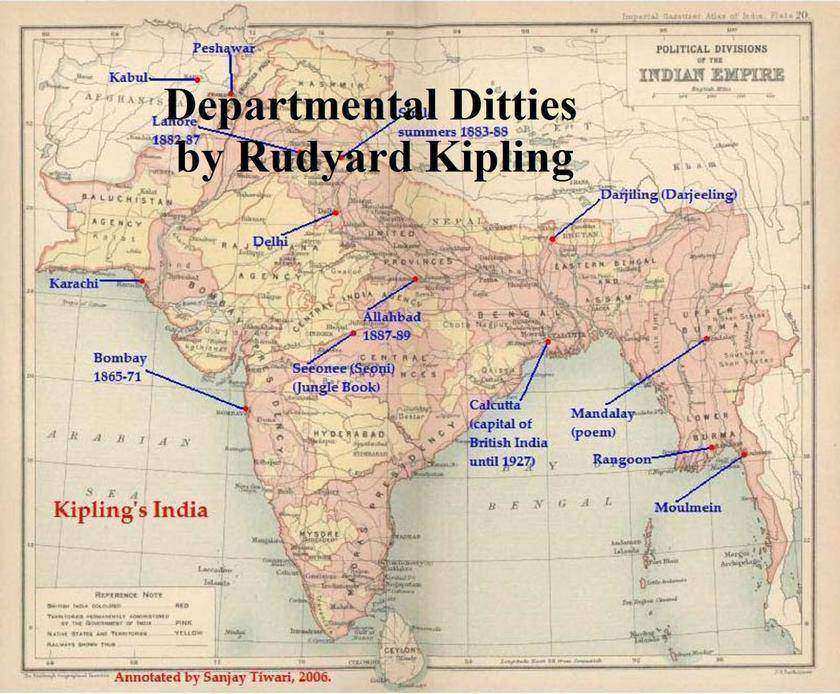
Departmental Ditties
¥8.09
Two volumes of verse in one file. According to Wikipedia: "Joseph Rudyard Kipling (1865 – 1936) was an English author and poet. Born in Bombay, British India (now Mumbai), he is best known for his works The Jungle Book (1894) and Rikki-Tikki-Tavi (1902), his novel, Kim (1901); his poems, including Mandalay (1890), Gunga Din (1890), If— (1910); and his many short stories, including The Man Who Would Be King (1888). He is regarded as a major "innovator in the art of the short story"; his children's books are enduring classics of children's literature; and his best works speak to a versatile and luminous narrative gift. Kipling was one of the most popular writers in English, in both prose and verse, in the late 19th and early 20th centuries.[2] The author Henry James said of him: "Kipling strikes me personally as the most complete man of genius (as distinct from fine intelligence) that I have ever known." In 1907, he was awarded the Nobel Prize in Literature, making him the first English language writer to receive the prize, and to date he remains its youngest recipient. Among other honours, he was sounded out for the British Poet Laureateship and on several occasions for a knighthood, all of which he declined.

The Complete Works of Robert Burns: Containing His Poems, Songs, and Corresponde
¥8.09
Edition of 1855. According to Wikipedia: "Robert Burns (25 January 1759 - 21 July 1796) (also known as Rabbie Burns, Scotland's favourite son, the Ploughman Poet, the Bard of Ayrshire and in Scotland as simply The Bard) was a poet and a lyricist. He is widely regarded as the national poet of Scotland, and is celebrated worldwide. He is the best-known of the poets who have written in the Scots language, although much of his writing is also in English and a 'light' Scots dialect, accessible to an audience beyond Scotland. He also wrote in standard English, and in these pieces, his political or civil commentary is often at its most blunt. He is regarded as a pioneer of the Romantic movement..."
The London Prodigal, Shakespeare Apocrypha
¥8.09
Elizabethan play, sometimes attributed in part to Shakespeare. According to Wikipedia: "William Shakespeare (baptised 26 April 1564 – died 23 April 1616) was an English poet and playwright, widely regarded as the greatest writer in the English language and the world's pre-eminent dramatist. He is often called England's national poet and the "Bard of Avon" (or simply "The Bard"). His surviving works consist of 38 plays, 154 sonnets, two long narrative poems, and several other poems. His plays have been translated into every major living language, and are performed more often than those of any other playwright."
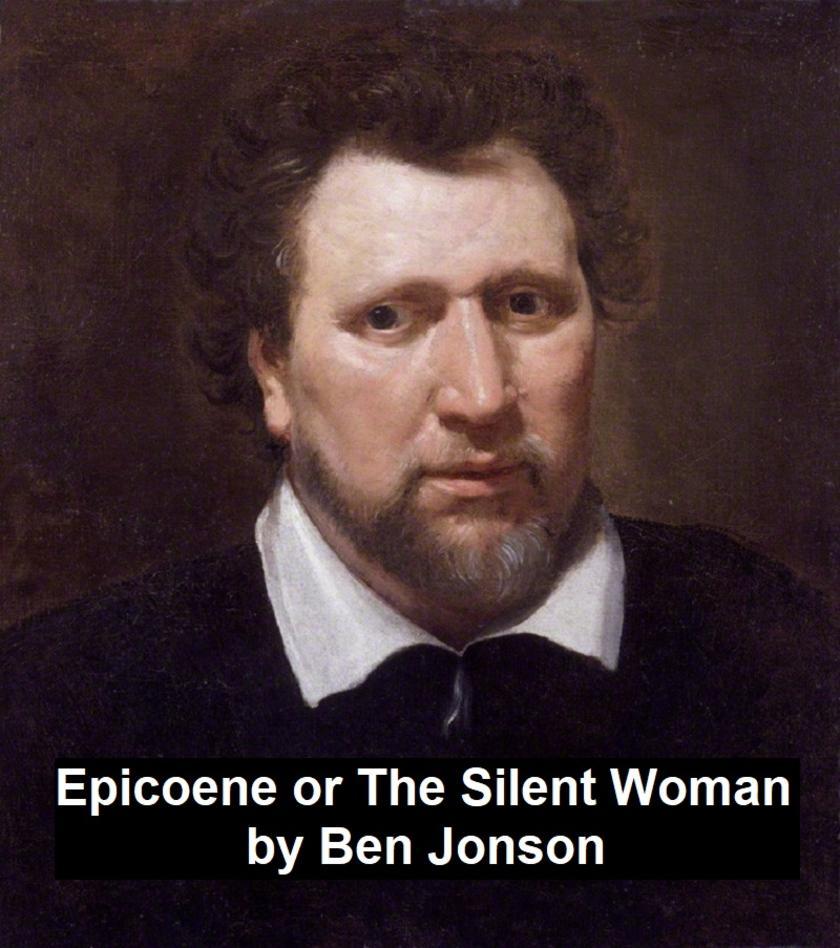
Epicoene, Or the Silent Woman
¥8.09
Classic Elizabethan play. According to Prof. Felix Schelling in his introduction to the Complete Plays of Ben Jonson: "THE greatest of English dramatists except Shakespeare, the first literary dictator and poet-laureate, a writer of verse, prose, satire, and criticism who most potently of all the men of his time affected the subsequent course of English letters: such was Ben Jonson, and as such his strong personality assumes an interest to us almost unparalleled, at least in his age." According to Wikipedia: "Benjamin Jonson (c. 11 June 1572 – 6 August 1637) was an English Renaissance dramatist, poet and actor. A contemporary of William Shakespeare, he is best known for his satirical plays, particularly Volpone, The Alchemist, and Bartholomew Fair, which are considered his best, and his lyric poems. A man of vast reading and a seemingly insatiable appetite for controversy, Jonson had an unparalleled breadth of influence on Jacobean and Caroline playwrights and poets"
Romeo und Juliette
¥8.09
Die Shakespeare-Trag?die, übersetzt von Christoph Martin Wieland. Wikipedia: "Romeo und Julia ist eine Trag?die, die früh in der Karriere von William Shakespeare über zwei jugendliche" Stern-überkreuzte Liebende "geschrieben wurde, deren pl?tzlicher Tod ihre verfeindeten Familien vereint. Es war zu Shakespeares popul?rsten Stücken zu seinen Lebzeiten mit Hamlet, ist eines seiner am h?ufigsten aufgeführten Stücke. Heute gelten die Titelfiguren als archetypische junge Liebhaber. "
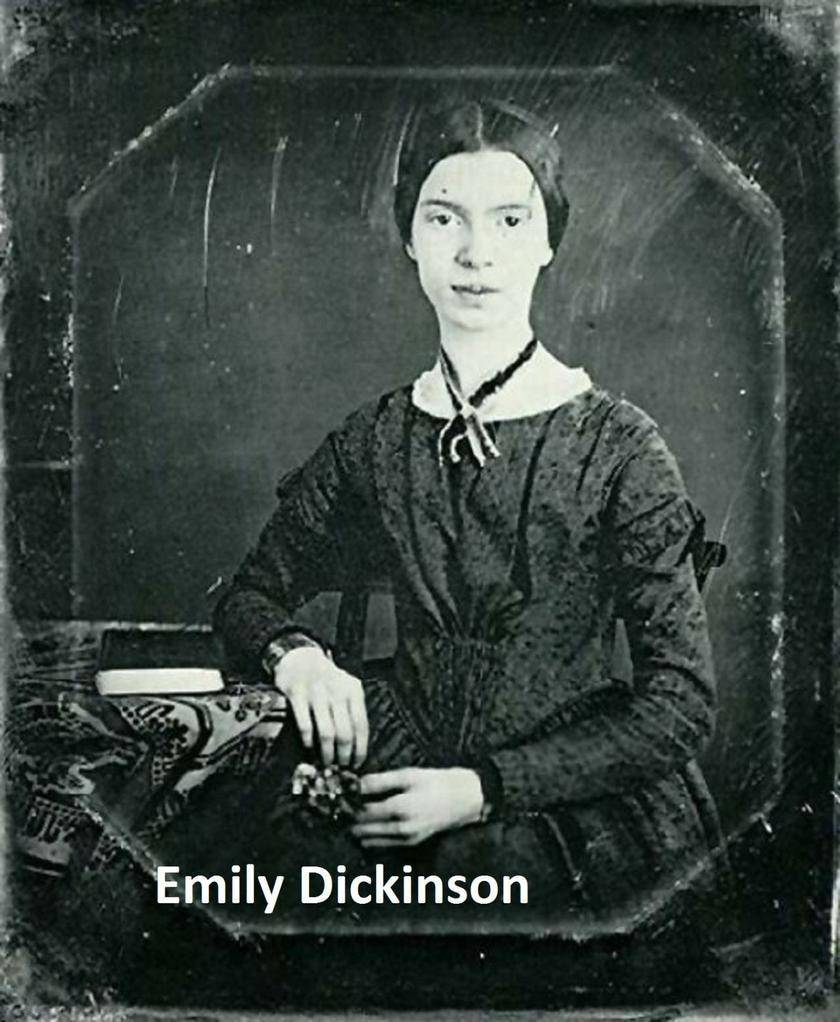
Emily Dickinson
¥8.09
All three series. This edition is based on on the first published collection, edited by Mabel Loomis Todd and T.W. Higginson, which was released in three "series", the first of which appeared in 1890. According to Wikipedia, Mabel Loomis Todd "became friends with the Dickinsons, and though she never met Emily Dickinson in person, the two women exchanged letters. After Emily's death in 1886, hundreds of her unpublished poems were discovered. In 1888, Emily's sister Lavinia asked Todd to copy and organize the poems, which were to be sent to the publisher Thomas Wentworth Higginson. The first volume of Poems by Emily Dickinson was published in 1890. This version included many alterations by Todd. In 1896, Todd and the Dickinson family had a falling-out over a legal battle regarding property owned by Austin Dickinson. As a result, Emily Dickinson's manuscripts were split between the two families. In 1945, Todd's daughter Millicent published some of the poems from Todd's portion of the manuscripts."
Songs of Travel
¥8.09
Short poetry collection. According to Wikipedia: "Robert Louis (Balfour) Stevenson ( 1850 - 1894), was a Scottish novelist, poet, and travel writer, and a leading representative of Neo-romanticism in English literature. He was the man who "seemed to pick the right word up on the point of his pen, like a man playing spillikins", as G. K. Chesterton put it. He was also greatly admired by many authors, including Jorge Luis Borges, Ernest Hemingway, Rudyard Kipling, Vladimir Nabokov, and J. M. Barrie. Most modernist writers dismissed him, however, because he was popular and did not write within their definition of modernism. It is only recently that critics have begun to look beyond Stevenson's popularity and allow him a place in the canon."
Rinkitink in Oz by L. Frank Baum - Delphi Classics (Illustrated)
¥8.09
This eBook features the unabridged text of ‘Rinkitink in Oz by L. Frank Baum - Delphi Classics (Illustrated)’ from the bestselling edition of ‘The Complete Works of L. Frank Baum’. Having established their name as the leading publisher of classic literature and art, Delphi Classics produce publications that are individually crafted with superior formatting, while introducing many rare texts for the first time in digital print. The Delphi Classics edition of Baum includes original annotations and illustrations relating to the life and works of the author, as well as individual tables of contents, allowing you to navigate eBooks quickly and easily. eBook features: * The complete unabridged text of ‘Rinkitink in Oz by L. Frank Baum - Delphi Classics (Illustrated)’ * Beautifully illustrated with images related to Baum’s works * Individual contents table, allowing easy navigation around the eBook * Excellent formatting of the text Please visit www.delphiclassics.com to learn more about our wide range of titles
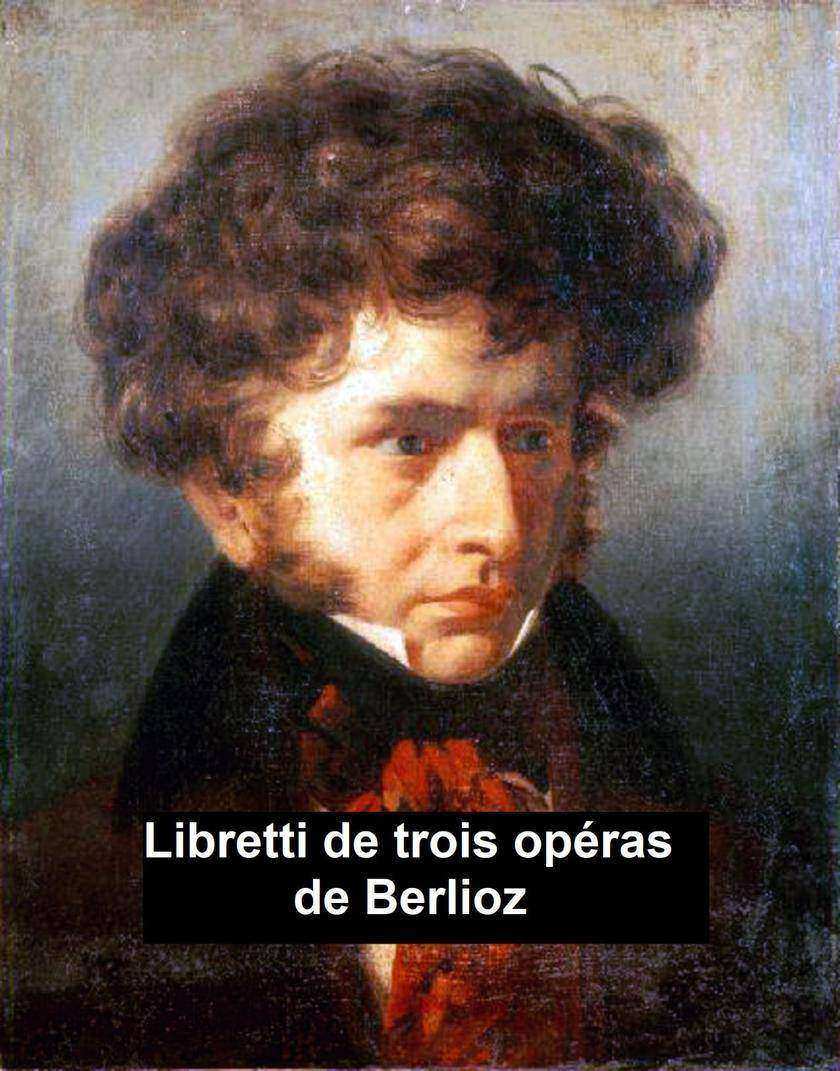
Libretti de Trois Opéras de Berlioz
¥8.09
Ce dossier comprend: Béatrice et Bénédict, La Damnation de Faust, et Lélio ou le Retour à la vie, tous en fran?ais original. Selon Wikipédia: "Hector Berlioz (11 décembre 1803 - 8 mars 1869) était un compositeur romantique fran?ais, connu pour ses compositions Symphonie fantastique et Grande Messe des morts (Berlioz). Traité sur l'instrumentation Il a spécifié d'énormes forces orchestrales pour certaines de ses ?uvres, en tant que chef d'orchestre, il a donné plusieurs concerts avec plus de 1000 musiciens et a composé une cinquantaine de chansons.
The Fire Bird
¥8.09
Long poem about native Americans and their mythology. According to Wikipedia: Gene Stratton-Porter (August 17, 1863 – December 6, 1924) was an American author, amateur naturalist, wildlife photographer, and one of the earliest women to form a movie studio and production company. She wrote some best-selling novels and well-received columns in national magazines, such as McCalls. Her works were translated into several languages, including Braille, and Stratton-Porter was estimated to have had 50 million readers around the world."
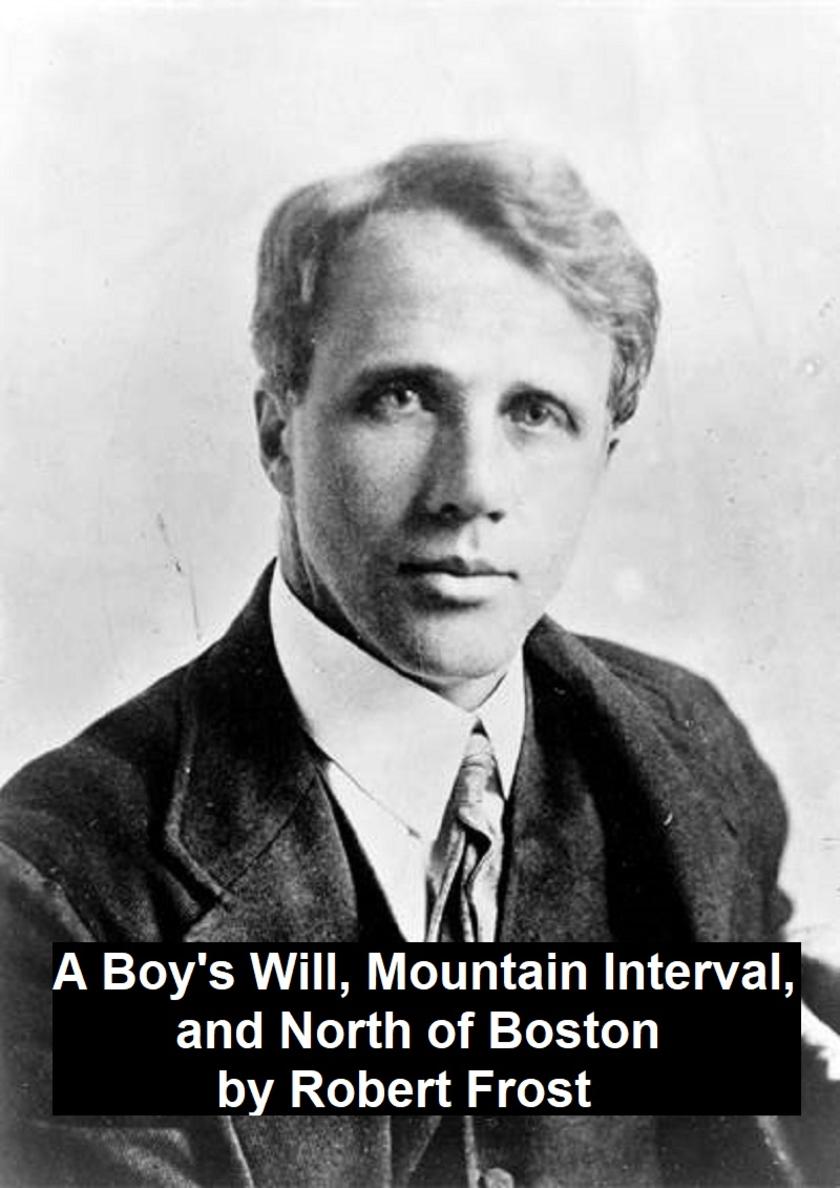
A Boy's Will, Mountain Interval, and North of Boston
¥8.09
This file includes: A Boy's Will, Mountain Interval, and North of Boston. According to Wikipedia: "Robert Lee Frost (March 26, 1874 – January 29, 1963) was an American poet. He is highly regarded for his realistic depictions of rural life and his command of American colloquial speech. His work frequently employed settings from rural life in New England in the early twentieth century, using them to examine complex social and philosophical themes. A popular and often-quoted poet, Frost was honored frequently during his lifetime, receiving four Pulitzer Prizes for Poetry."
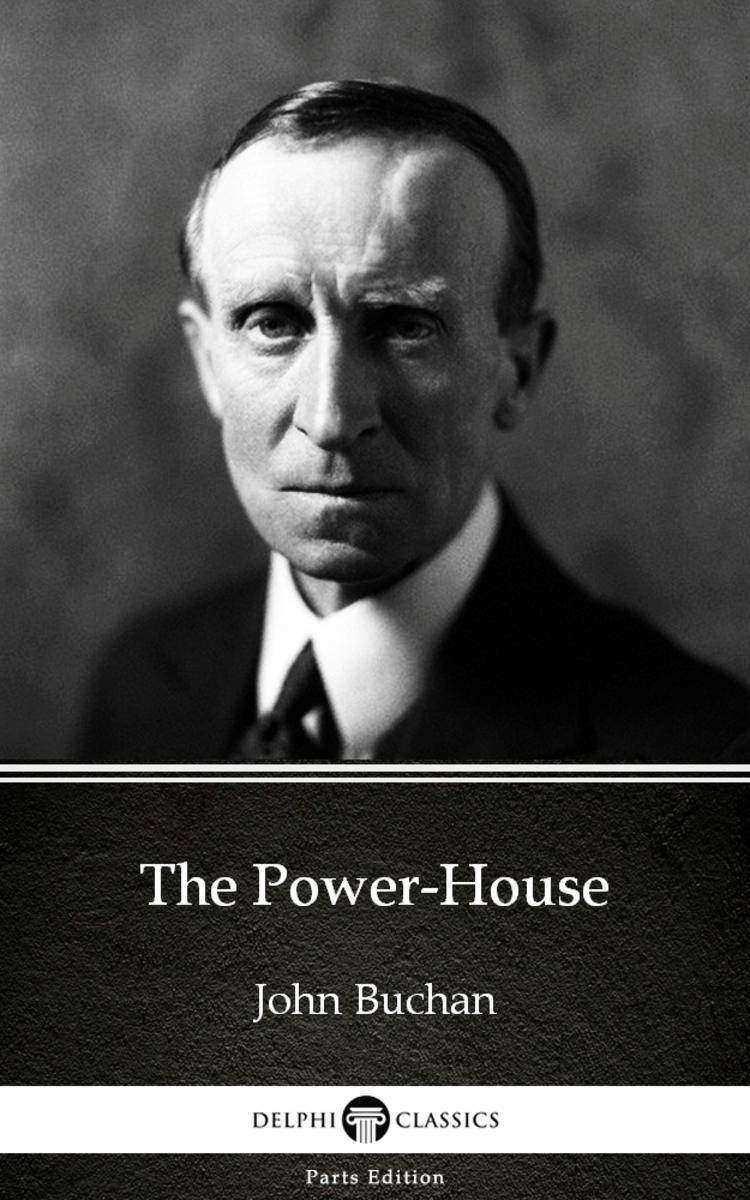
The Power-House by John Buchan - Delphi Classics (Illustrated)
¥8.09
This eBook features the unabridged text of ‘The Power-House by John Buchan - Delphi Classics (Illustrated)’ from the bestselling edition of ‘The Complete Works of John Buchan’. Having established their name as the leading publisher of classic literature and art, Delphi Classics produce publications that are individually crafted with superior formatting, while introducing many rare texts for the first time in digital print. The Delphi Classics edition of Buchan includes original annotations and illustrations relating to the life and works of the author, as well as individual tables of contents, allowing you to navigate eBooks quickly and easily. eBook features: * The complete unabridged text of ‘The Power-House by John Buchan - Delphi Classics (Illustrated)’ * Beautifully illustrated with images related to Buchan’s works * Individual contents table, allowing easy navigation around the eBook * Excellent formatting of the text Please visit www.delphiclassics.com to learn more about our wide range of titles
Tales from Shakespeare
¥8.09
The plots of Shakespeare's plays, told as stories for children.
Delphi Works of G. K. Chesterton (Illustrated)
¥24.44
One of the greatest writers of his time, G. K. Chesterton’s short stories, novels, poetry and essays demonstrate his unparalleled versatility in literature. This comprehensive eBook offers readers the most complete works possible in the US, as well as the usual Delphi bonus texts. Features: * concise introductions to the novels and other works * Father Brown stories, with special index * the original Father Brown illustrations * five novels, with contents tables * images of how the novels first appeared, giving your eReader a taste of the Edwardian texts * short story and poetry collections, with contents tables * special chronological and alphabetical contents tables for the poetry – find that special poem quickly and easily! * features 25 non-fiction books, each with contents tables * unique uncollected essays section, with rare articles by the great essayist * boasts a special criticism section, with four works examining Chesterton’s contribution to literature, including Patrick Braybrooke’s seminal work GILBERT KEITH CHESTERTON * many images relating to Chesterton’s life, works, places and film adaptations * scholarly ordering of texts in chronological order and literary genres, allowing easy navigation around Chesterton’s immense oeuvre Please note: due to US copyright restrictions many of Chesterton’s later works are not available. As soon as more texts become available, they will be added as free updates for customers who have already purchased this eBook. To browse our range of other titles, please visit www.delphiclassics.com. CONTENTS: Father Brown Stories THE INNOCENCE OF FATHER BROWN THE WISDOM OF FATHER BROWN UNCOLLECTED FATHER BROWN STORIES Index of Father Brown Stories The Novels THE NAPOLEON OF NOTTING HILL THE MAN WHO WAS THURSDAY THE BALL AND THE CROSS MANALIVE THE FLYING INN Short Story Collections THE CLUB OF QUEER TRADES THE MAN WHO KNEW TOO MUCH AND OTHER STORIES UNCOLLECTED SHORT STORIES The Short Stories LIST OF SHORT STORIES IN CHRONOLOGICAL ORDER LIST OF SHORT STORIES IN ALPHABETICAL ORDER The Plays MAGIC THE TURKEY AND THE TURK The Poetry Collections GREYBEARDS AT PLAY THE WILD KNIGHT AND OTHER POEMS THE BALLAD OF THE WHITE HORSE The Poems LIST OF POEMS IN CHRONOLOGICAL ORDER LIST OF POEMS IN ALPHABETICAL ORDER The Non-Fiction THE DEFENDANT ROBERT BROWNING TWELVE TYPES HERETICS VARIED TYPES CHARLES DICKENS ALL THINGS CONSIDERED TREMENDOUS TRIFLES ORTHODOXY WHAT’S WRONG WITH THE WORLD GEORGE BERNARD SHAW APPRECIATIONS AND CRITICISMS OF THE WORKS OF CHARLES DICKENS ALARMS AND DISCURSIONS A MISCELLANY OF MEN THE VICTORIAN AGE IN LITERATURE THE APPETITE OF TYRANNY THE CRIMES OF ENGLAND LORD KITCHENER UTOPIA OF USURERS AND OTHER ESSAYS A SHORT HISTORY OF ENGLAND IRISH IMPRESSIONS THE SUPERSTITION OF DIVORCE THE NEW JERUSALEM WHAT I SAW IN AMERICA EUGENICS AND OTHER EVILS UNCOLLECTED ESSAYS The Criticism MR. G.K. CHESTERTON AND MR. HILAIRE BELLOC by Robert Lynd G. K. CHESTERTON, A CRITICAL STUDY by Julius West MR. G.K. CHESTERTON’S POINT OF VIEW by John Kelman GILBERT KEITH CHESTERTON by Patrick Braybrooke

Mental and Physical Endurance: How to reach your physical and mental peak
¥61.83
Most of us know that we are not exercising our minds and bodies as much as we should. The Elite Forces Manual of Mental and Physical Endurance uses techniques developed by special forces units to train their recruits to show how we can improve our mental and physical fitness. The book is a detailed examination of what it takes to become as fit as a special forces soldier, taking a holistic view of the body and mind. It is equally important to focus on diet, rest patterns and mental discipline as it is to concentrate on physical exercises. Using simple steps, the book shows the reader how they can build up their endurance over a matter of weeks and months, and how their quality of life will benefit. Like elite soldiers, top athletes need the spur of competition to achieve their greatest successes, and The Elite Forces Manual of Mental and Physical Endurance demonstrates how you can gain the psychological edge over your opponent. Whether you are competing in unarmed combat sports, running a marathon or just looking to get ahead, the book has helpful and practical advice for you. Using photographs and artworks, The Elite Forces Manual of Mental and Physical Endurance shows how special forces units such as the SAS and Delta Force stretch themselves mentally and physically, giving the reader the opportunity to train as they do in easy-to-follow steps to reach their peak of mental and physical strength.
Northanger Abbey
¥40.79
Catherine Morland, aged seventeen, is addicted to reading Gothic novels. She joins her wealthier neighbours on a trip to Bath to partake in the winter season of balls, and finds herself pursued by the rather rough-mannered, slovenly John Thorpe, and by her real love interest, Henry Tilney. Henry's father invites Catherine to visit their estate, Northanger Abbey, which she expects to be ancient and full of Gothic horrors and fantastical mystery.


