


 购物车
购物车 个人中心
个人中心
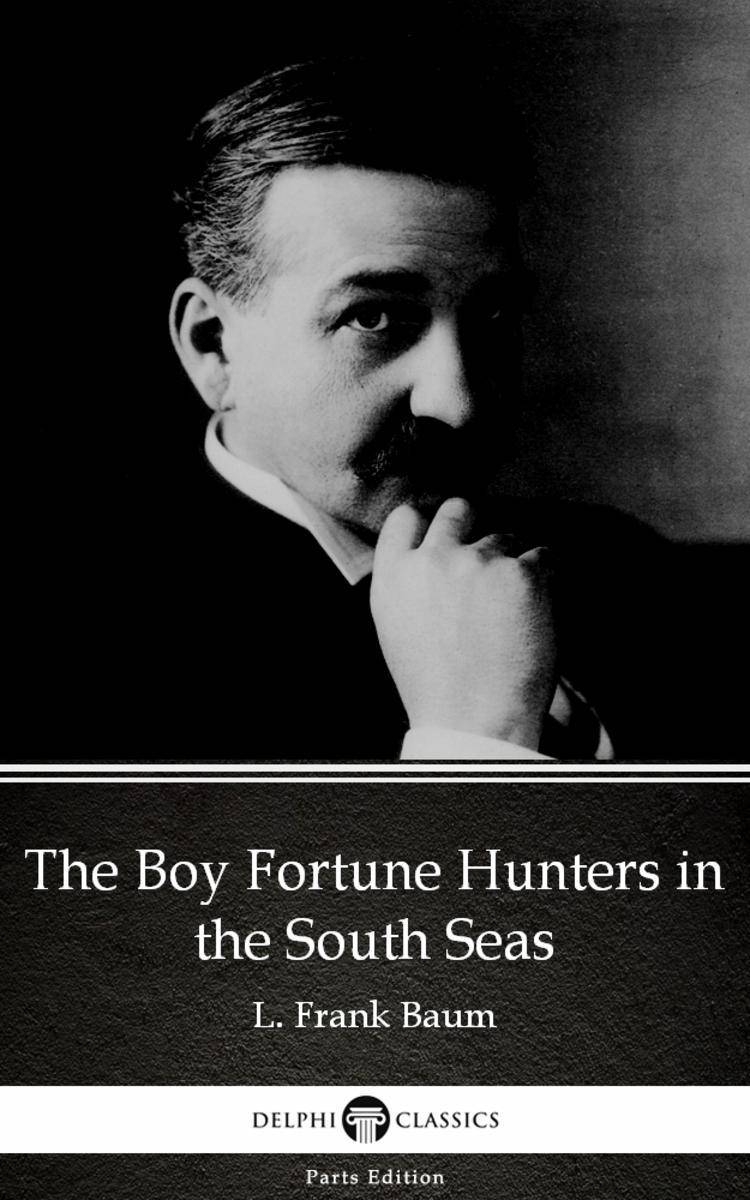
The Boy Fortune Hunters in the South Seas by L. Frank Baum - Delphi Classics (Il
¥8.09
This eBook features the unabridged text of ‘The Boy Fortune Hunters in the South Seas by L. Frank Baum - Delphi Classics (Illustrated)’ from the bestselling edition of ‘The Complete Works of L. Frank Baum’. Having established their name as the leading publisher of classic literature and art, Delphi Classics produce publications that are individually crafted with superior formatting, while introducing many rare texts for the first time in digital print. The Delphi Classics edition of Baum includes original annotations and illustrations relating to the life and works of the author, as well as individual tables of contents, allowing you to navigate eBooks quickly and easily. eBook features: * The complete unabridged text of ‘The Boy Fortune Hunters in the South Seas by L. Frank Baum - Delphi Classics (Illustrated)’ * Beautifully illustrated with images related to Baum’s works * Individual contents table, allowing easy navigation around the eBook * Excellent formatting of the text Please visit www.delphiclassics.com to learn more about our wide range of titles
Shakespeare's Winter's Tale in French
¥8.09
Le conte d'hiver de Shakespeare en traduction fran?aise. "Selon Wikipedia:" The Winter's Tale est une pièce de William Shakespeare, initialement publié dans le premier folio de 1623. Bien qu'il ait été regroupé parmi les comédies, certains éditeurs modernes ont ré-étiqueté la pièce comme une des dernières romances de Shakespeare. Certains critiques, parmi lesquels W. W. Lawrence, considèrent que c'est un des ?problèmes de jeu? de Shakespeare, parce que les trois premiers actes sont remplis de drame psychologique intense, tandis que les deux derniers actes sont comiques et fournissent une fin heureuse.
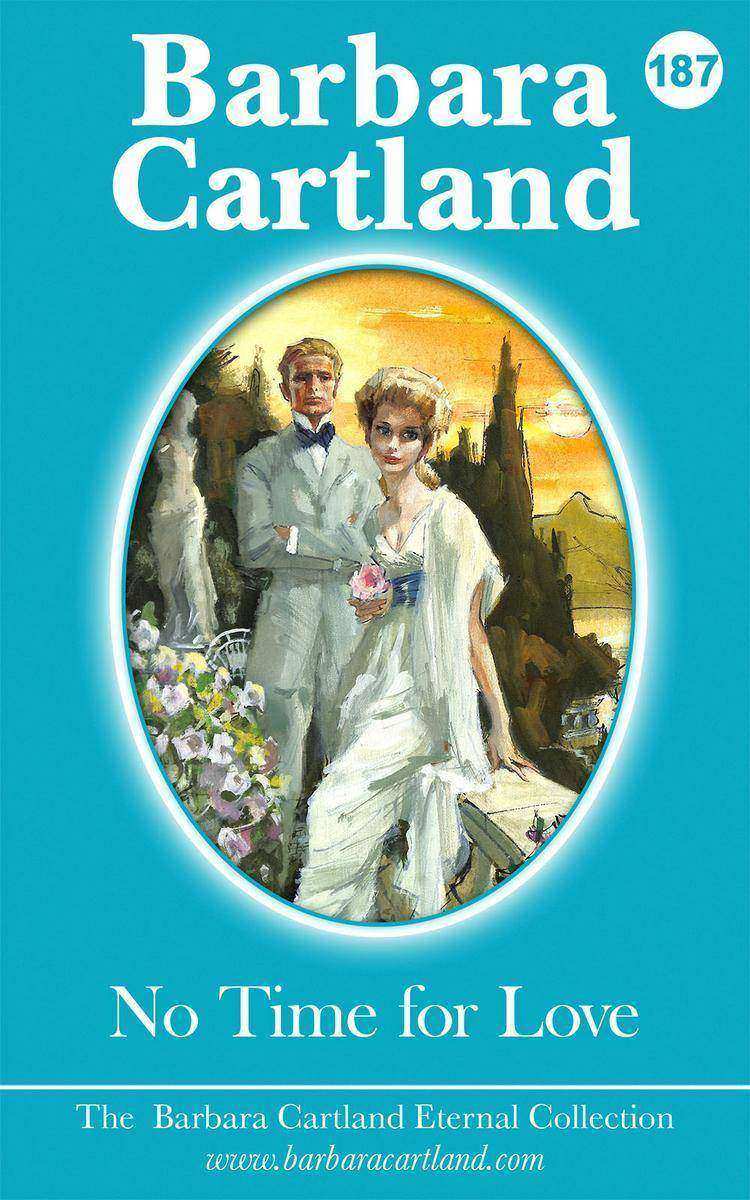
No Time for Love
¥52.48
Alone in the world after her mother dies of consumption in a Swiss sanatorium, the beautiful young Larina Milton’s only comfort was a mortally ill American, Elvin Farren, who befriends her and they have fascinating conversations about the next world and the meaning of life.. But now he has gone back to his home in New York – perhaps forever. Larina’s relief to find that she has not caught her mother’s consumption is short-lived – her doctor delivers the terrible news to her that she has a rare heart disease, which will kill her in just twenty-one days! Desperate, she writes to Elvin, who had promised that alive or dead he would be at her side the moment she called out for him. Larina vows to do the same for him and they form a spiritual pact between them. Little does she know that her friend. Elvin, is one of the four sons of the immensely rich and famous Vanderfeld family of New York City and is abroad under his assumed name of ‘Farren’ Suspecting that she is a gold-digger and could blackmail the family, as his other brother Harvey is running for President of the United States, Wynstan Vanderfeld lures Larina to the family Villa in Sorrento. And there mysteries unfold amid incomparable beauty and both the lovely Larina and the worldly millionaire despite endless problems eventually find time for love.
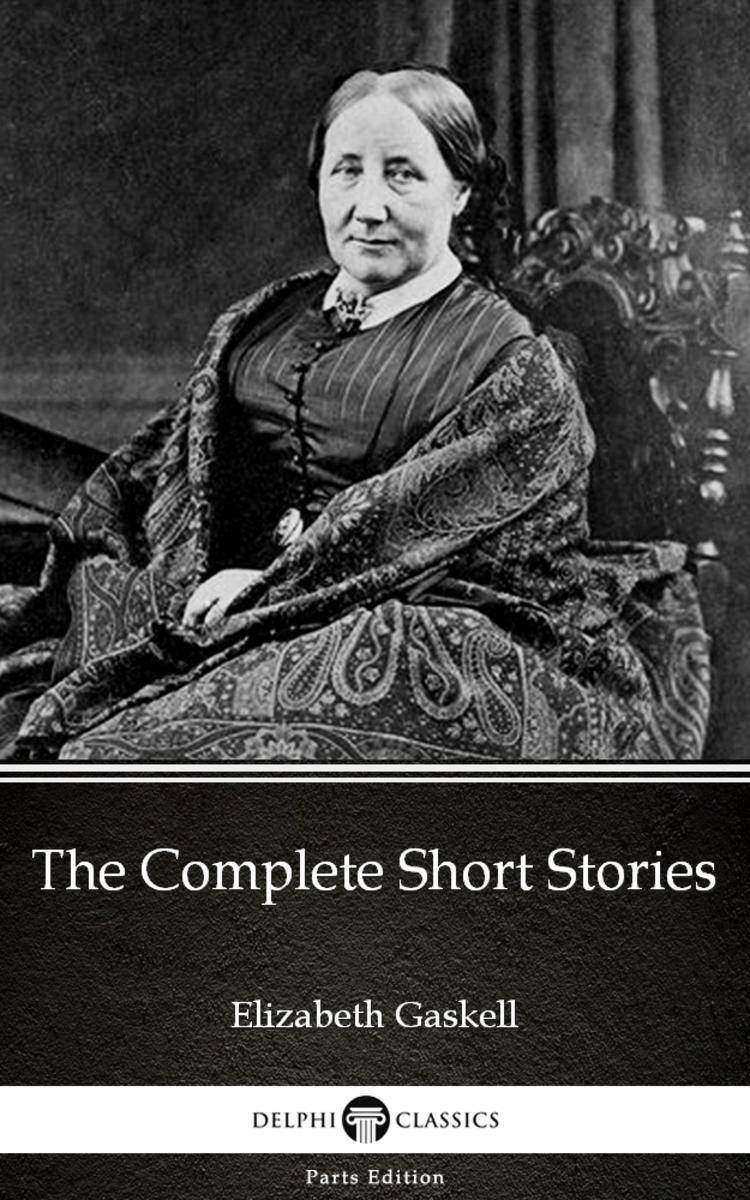
The Complete Short Stories by Elizabeth Gaskell - Delphi Classics (Illustrated)
¥8.09
This eBook features the unabridged text of ‘The Complete Short Stories by Elizabeth Gaskell - Delphi Classics (Illustrated)’ from the bestselling edition of ‘The Complete Works of Elizabeth Gaskell’. Having established their name as the leading publisher of classic literature and art, Delphi Classics produce publications that are individually crafted with superior formatting, while introducing many rare texts for the first time in digital print. The Delphi Classics edition of Gaskell includes original annotations and illustrations relating to the life and works of the author, as well as individual tables of contents, allowing you to navigate eBooks quickly and easily. eBook features: * The complete unabridged text of ‘The Complete Short Stories by Elizabeth Gaskell - Delphi Classics (Illustrated)’ * Beautifully illustrated with images related to Gaskell’s works * Individual contents table, allowing easy navigation around the eBook * Excellent formatting of the text Please visit www.delphiclassics.com to learn more about our wide range of titles

The Darkening
¥84.20
In a world which is full of light, bright and bursting with love, joy, paradise and truth, some choose to hide in the darkness. They prefer to move around in the abyss and to become beasts which terrify the light and devour weak consciences. Some choose to find the one dark part of their soul and to dwell there forever, side by side with blood-soaked apologies which are given to none. They choose the Darkening. IT IS STRICTLY PROHIBITED for this book to be read by anyone suffering from heart conditions, psychological ailments, asthma or ulcers. It is also prohibited to be read by pregnant women and, in general, anyone who is sensitive. If you start to feel unwell, shakiness, heart palpitations, chest pain, nausea, acute pain in the head or eyes, or if you feel yourself losing consciousness or detect bleeding, then you’re on the right path!
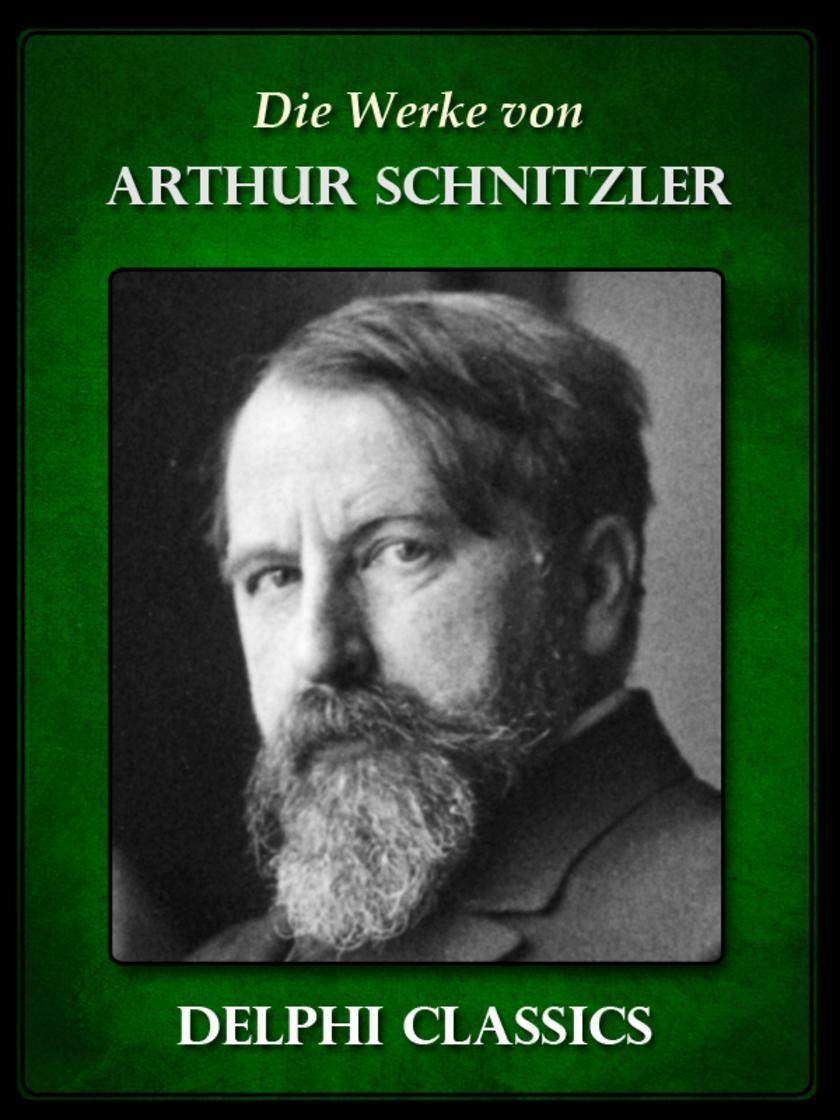
Die Werke von Arthur Schnitzler (Illustrierte)
¥24.44
Arthur Schnitzler gilt als einer der bedeutendsten Vertreter der Wiener Moderne. Diese riesige Sammlung bietet fast s?mtliche Werke dieses berühmten Schriftstellers. (Version 1) * die vollst?ndige Romane und Novellen, mit Inhaltsverzeichnissen * knappe Einleitungen zu den Romanen und anderen Werken * zahlreiche Bilder mit Bezug zu Schnitzler, seinem Leben und seinen Werken * umfasst 22 Theaterstücke * die autobiographischen Werk JUGEND IN WIEN. Erkunden Sie Schnitzlers erstaunliche Leben! * Chronologisch und nach Literaturgattungen geordnete Textreihenfolge, was Ihnen die Steuerung durch Schnitzlers Werke erleichtert. Inhalt: Romane Der Weg ins Freie Therese. Chronik eines Frauenlebens Erz?hlungen und Novellen Dramatische Werke Das M?rchen Anatol Anatols Gr?ssenwahn Liebelei Reigen. Zehn Dialoge Das Verm?chtnis Paracelsus Der grüne Kakadu Die Gef?hrtin Freiwild Der Schleier der Beatrice Lebendige Stunden Die Frau mit dem Dolche Die letzten Masken Literatur Der einsame Weg Zwischenspiel Der Ruf des Lebens Komtesse Mizzi oder der Familientag Das weite Land Professor Bernhardi Marionetten Autobiographisches Jugend in Wien
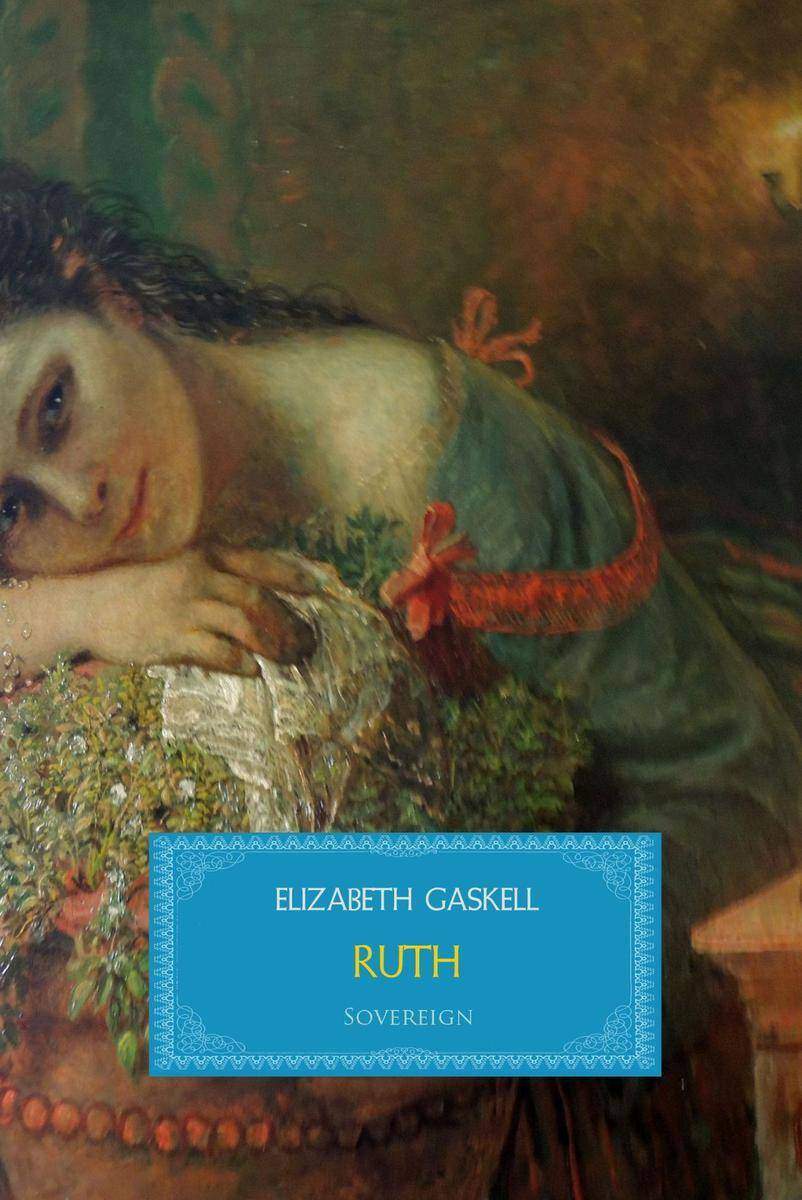
Ruth
¥40.79
Ruth is a young orphan girl working in a respectable sweatshop for the overworked Mrs Mason. She is selected to go to a ball to repair torn dresses. At the ball she meets the aristocratic Henry Bellingham, a rake figure who is instantly attracted to her. They meet again by chance and form a secret friendship; on an outing together they are spotted by Mrs Mason who, fearing for her shop's reputation, dismisses Ruth.

Allan and the Holy Flower
¥40.79
Brother John, who has been wandering in Africa for years, confides to Allan a huge and rare orchid, the largest ever found. Allan arrives to England with the flower and there he meets Mr. Somers, an orchid collector who is willing to finance an expedition to find the plant.
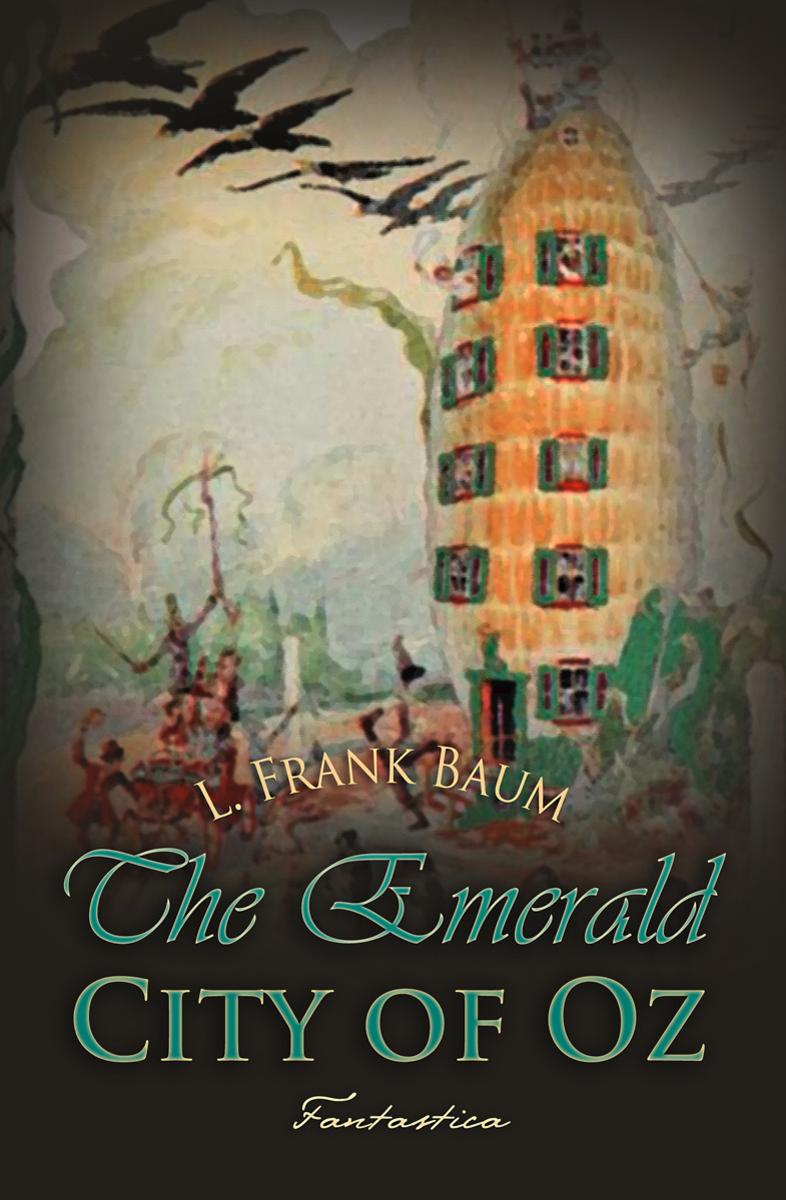
The Emerald City of Oz
¥40.79
In the Emerald City of Oz we continue following adventures of Dorothy Gale and her Uncle Henry and Aunt Em who are now coming to live in Oz permanently. While they are toured through the Quadling Country, the Nome King is assembling allies for an invasion of Oz.
The Secret of Father Brown
¥40.79
Flambeau, once the most famous criminal in France and later a very private detective in England, had long retired from both professions. Some say a career of crime had left him with too many scruples for a career of detection. Anyhow, after a life of romantic escapes and tricks of evasion, he had ended at what some might consider an appropriate address...
Rose in Bloom
¥40.79
The story begins when Rose returns home from a long trip to Europe. Everyone has changed. As a joke, Rose lines up her seven cousins to take a long look at them, just as they did with her when they first met. The youngest accidentally mentions that the aunts want Rose to marry one of her cousins to keep her fortune in the family. Rose is very indignant, for she has decided ideas about what her future holds. From the beginning, she declares that she can manage her property well on her own and that she will focus on philanthropic work. Charlie has already decided she is marked out for him, with the approval of his mother.
The Importance of Being Earnest
¥40.79
The Importance of Being Earnest is one of Wilde's most famous plays. A farcical comedy set in Victorian London, rich in satire and witty dialogue, the play marked the climax of Wilde's career but also heralded his downfall. Wilde reveals the moral hypocrisy at the heart of the Victorian establishment through the literary techniques of dramatic irony parody and reversals.
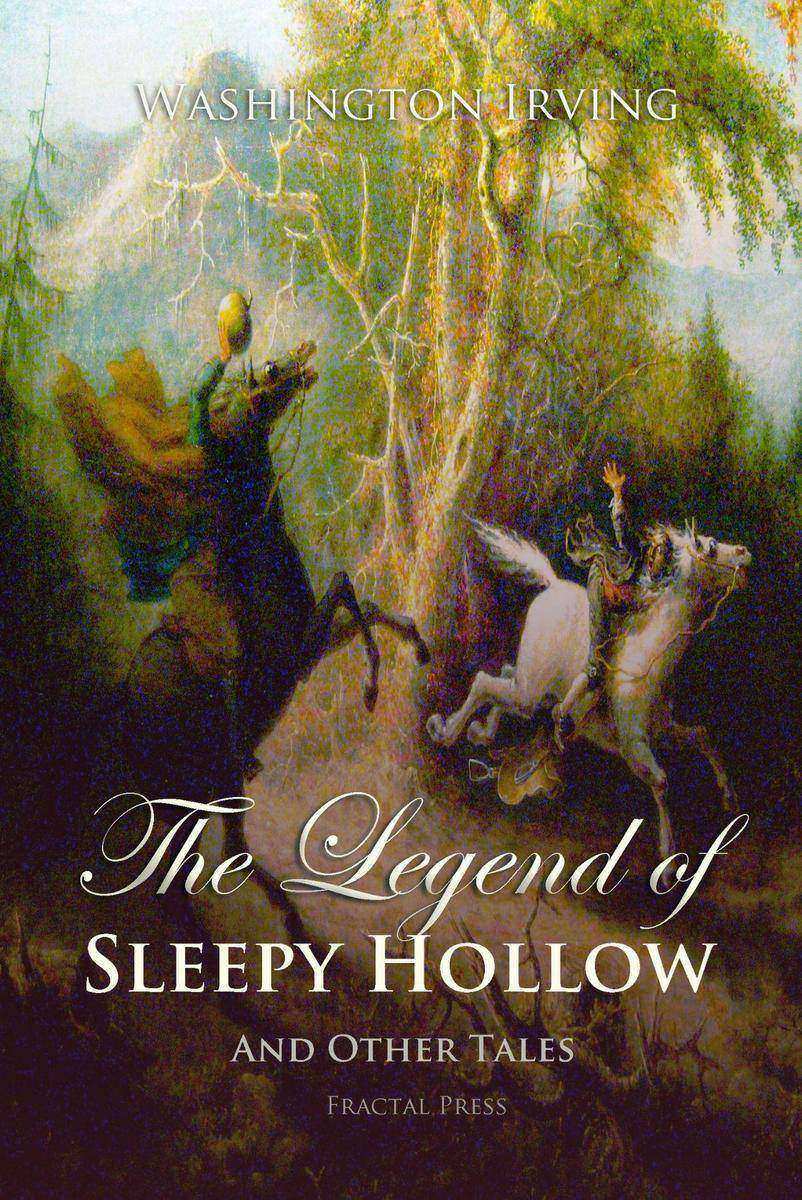
The Legend of Sleepy Hollow and Other Tales
¥40.79
From the listless repose of the place, and the peculiar character of its inhabitants, who are descendants from the original Dutch settlers, this sequestered glen has long been known by the name of Sleepy Hollow... A drowsy, dreamy influence seems to hang over the land, and to pervade the very atmosphere.
The Valley of Fear
¥40.79
Sherlock Holmes and Dr. Watson receive a letter from an informant known by the pseudonym Fred Porlock. Porlock is part of Professor Moriarty's criminal organization. The letter is written in a numeric code, and Holmes decodes the letter, which warns that John Douglas of Birlstone House is about to be murdered.
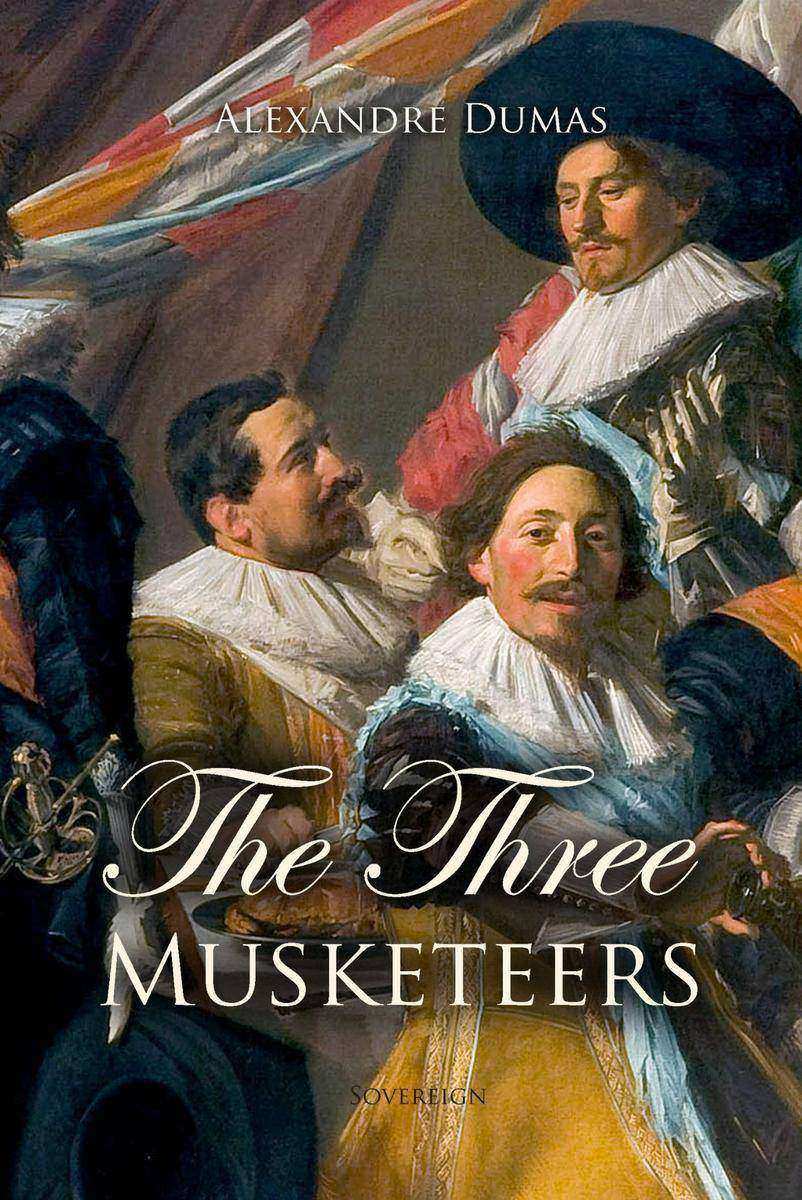
The Three Musketeers
¥40.79
Set in the 17th century France, the novel recounts the adventures of a young man named d'Artagnan after he leaves home to travel to Paris, to join the Musketeers of the Guard. D'Artagnan is not one of the musketeers of the title; those are his friends Athos, Porthos and Aramis, inseparable friends who live by the motto: all for one, one for all (tous pour un, un pour tous), a motto which is first put forth by d'Artagnan.
Cymbeline, with line numbers
¥8.09
The classic Shakespearean romance, with line numbers. According to Wikipedia: "Cymbeline is a play by William Shakespeare, based on legends concerning the early Celtic British King Cunobelinus. Although listed as a tragedy in the First Folio, modern critics often classify Cymbeline as a romance. Like Othello, Measure for Measure, and The Winter's Tale, it deals with the themes of innocence and jealousy. While the precise date of composition remains unknown, the play was certainly produced as early as 1611."
Macbeth, with line numbers
¥8.09
The classic tragedy. According to Wikipedia: "Macbeth is a tragedy by William Shakespeare about a regicide and its aftermath. It is Shakespeare's shortest tragedy, and is believed to have been written some time between 1603 and 1606 with 1607 being the very latest possible date. The earliest account of a performance of what was likely Shakespeare's play is April 1611, when Simon Forman recorded seeing such a play at the Globe Theatre. It was first published in the Folio of 1623, possibly from a prompt book for a specific performance. Shakespeare's principal sources for the tragedy are the accounts of Kings Duff and Duncan in Holinshed's Chronicles (1587), a history of England, Scotland and Ireland familiar to Shakespeare and his contemporaries."
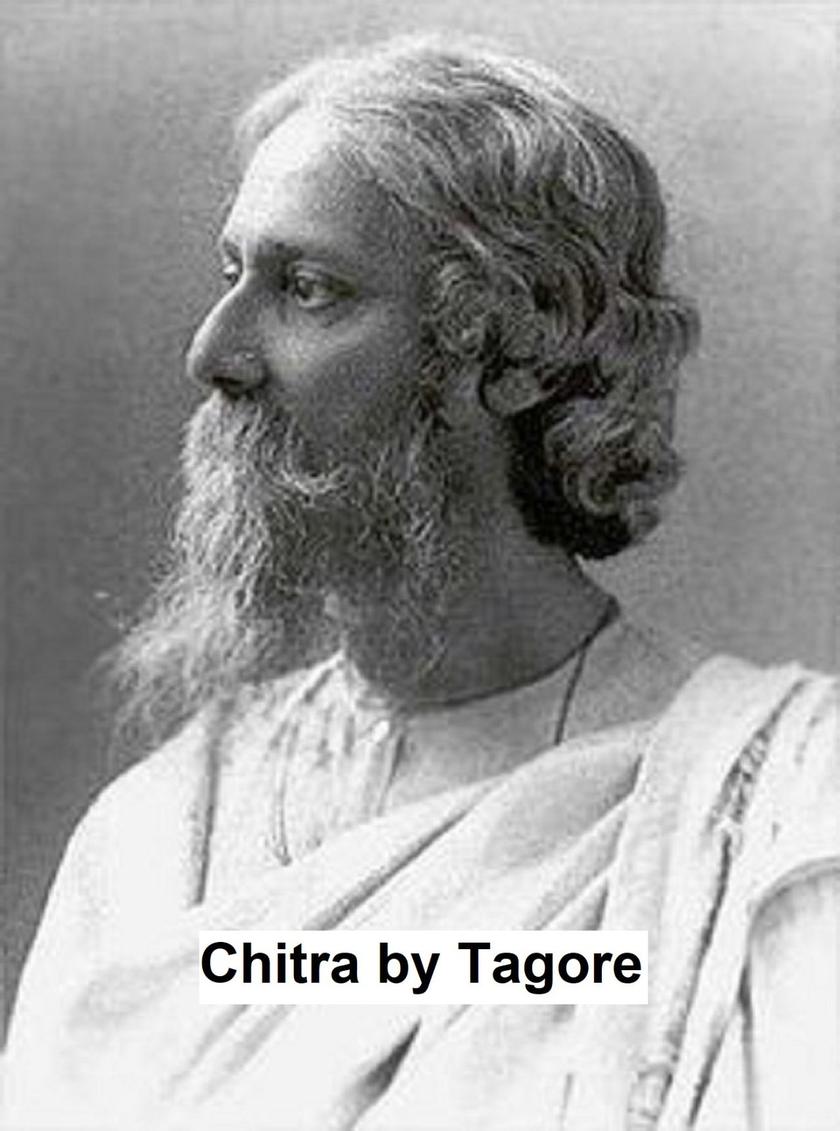
Chitra
¥8.09
Play. According to Wikipedia: "Rabindranath Tagore (7 May 1861 – 7 August 1941), sobriquet Gurudev, was a Bengali poet, novelist, musician, painter and playwright who reshaped Bengali literature and music. As author of Gitanjali and its "profoundly sensitive, fresh and beautiful verse", he was the first non-European who was awarded the Nobel Prize for Literature in 1913. His poetry in translation was viewed as spiritual, and this together with his mesmerizing persona gave him a prophet-like aura in the west. His "elegant prose and magical poetry" still remain largely unknown outside the confines of Bengal."
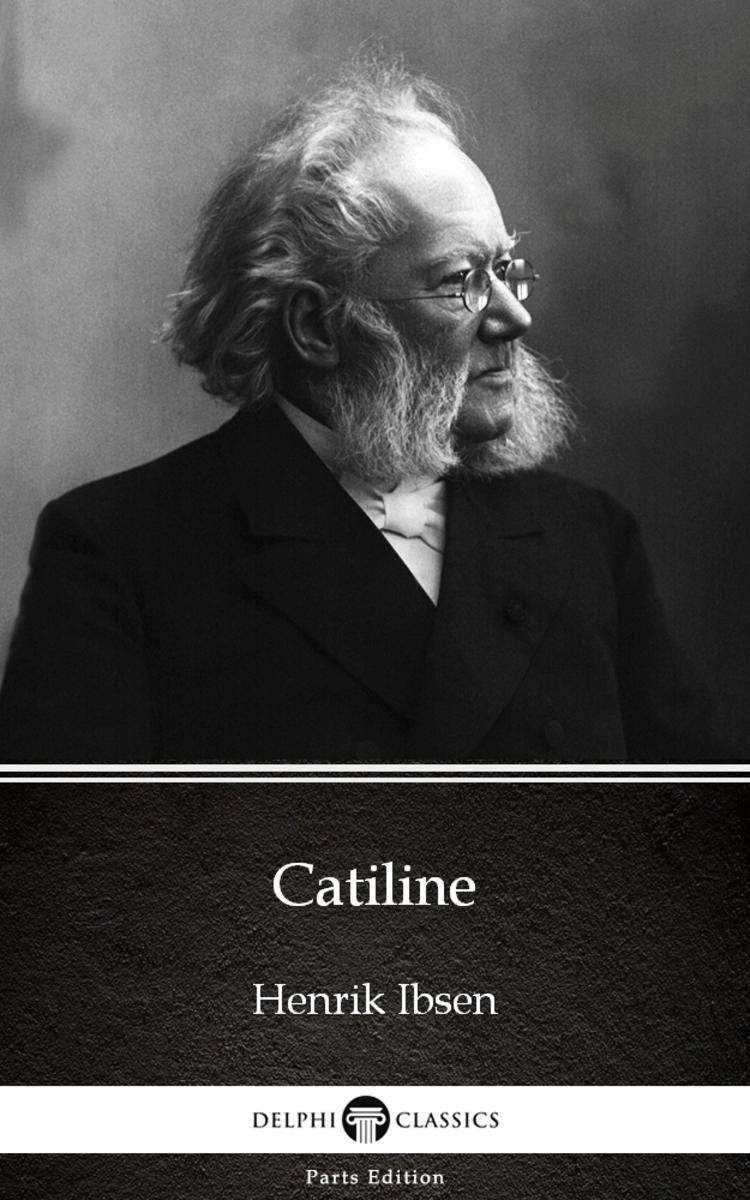
Catiline by Henrik Ibsen - Delphi Classics (Illustrated)
¥8.09
This eBook features the unabridged text of ‘Catiline by Henrik Ibsen - Delphi Classics (Illustrated)’ from the bestselling edition of ‘The Complete Works of Henrik Ibsen’. Having established their name as the leading publisher of classic literature and art, Delphi Classics produce publications that are individually crafted with superior formatting, while introducing many rare texts for the first time in digital print. The Delphi Classics edition of Ibsen includes original annotations and illustrations relating to the life and works of the author, as well as individual tables of contents, allowing you to navigate eBooks quickly and easily. eBook features: * The complete unabridged text of ‘Catiline by Henrik Ibsen - Delphi Classics (Illustrated)’ * Beautifully illustrated with images related to Ibsen’s works * Individual contents table, allowing easy navigation around the eBook * Excellent formatting of the text Please visit www.delphiclassics.com to learn more about our wide range of titles
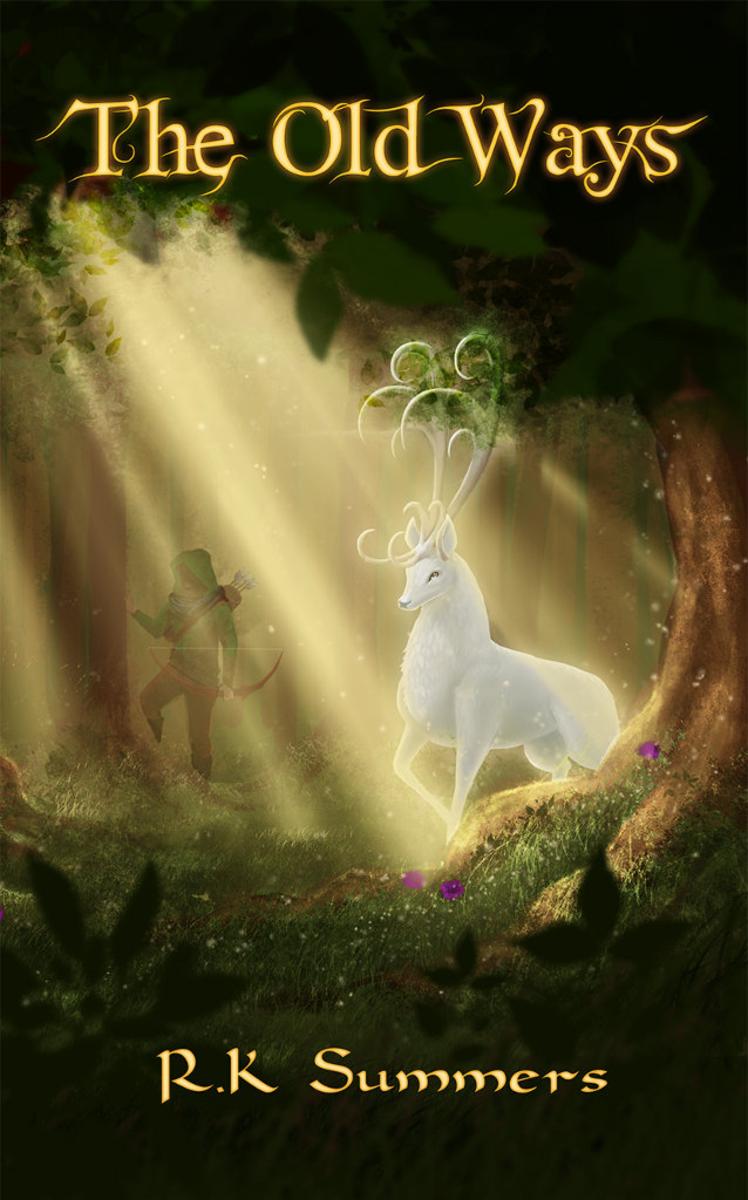
The Old Ways
¥32.62
Something snapped. He let the arrow fly. The night Thomas Rhymer’s young sister is stolen away by shadows and smoke, he discovers there’s more to life than the fields and forests he knows so well. If he has any hope of rescuing Alissa, he must first cross into a realm where magic is lifeblood, and where shadows dance with dragonfire. With the help of the seelie faery Thistledown, Thomas embarks on a treacherous quest, deep into the heart of war-raved Albion. But getting his sister back means pledging aid to Mab, the usurped Queen of the Old Ways, against the tyranny of the Dark Prince. Yet danger and deceit lie around every corner, and some secrets are better left untold.
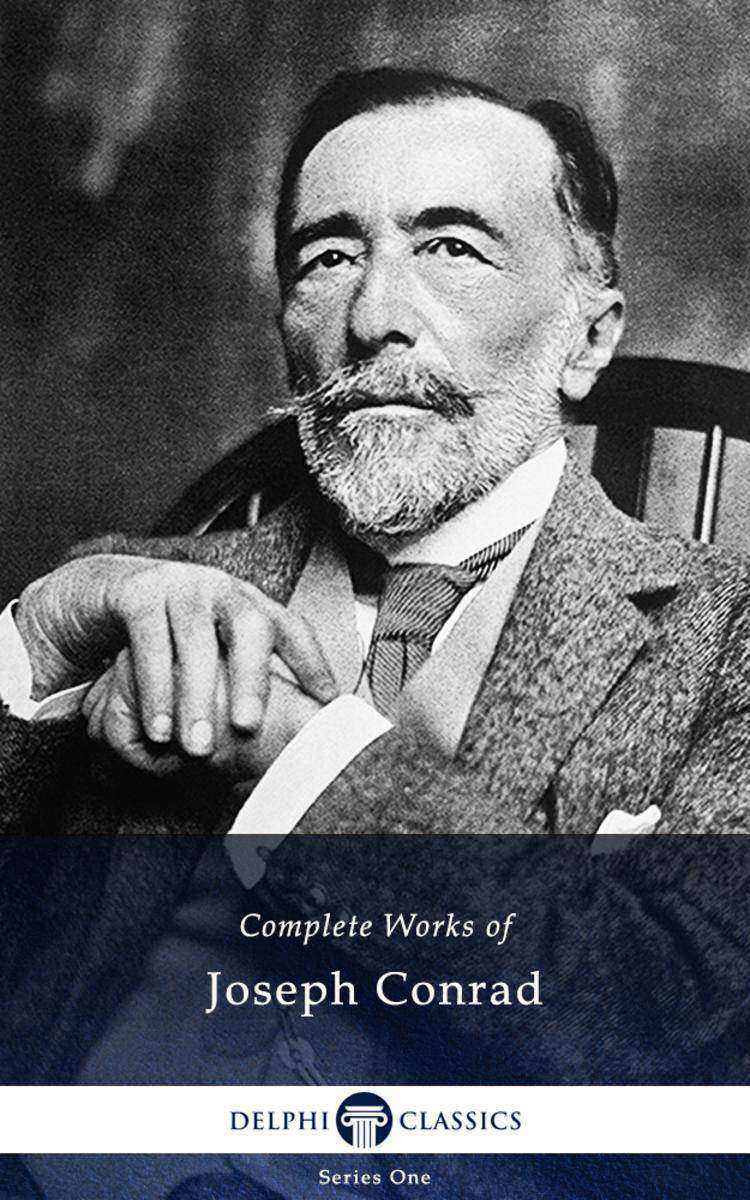
Delphi Complete Works of Joseph Conrad (Illustrated)
¥24.44
Widely regarded as one of the greatest writers of the twentieth century, Joseph Conrad is celebrated as a forerunner of modernist fiction, whose innovative narrative style and anti-heroes had a significant influence on the course of English literature. This comprehensive eBook presents the only complete works of Joseph Conrad in digital format, with numerous illustrations, rare texts appearing for the first time, informative introductions and the usual Delphi bonus material. (Version 1) * Beautifully illustrated with images relating to Conrad's life and works * Concise introductions to the novels and other texts * ALL 19 novels, with individual contents tables * Images of how the books were first printed, giving your eReader a taste of the original texts * Excellent formatting of the texts * All of the collaborative works with Ford Madox Ford * Includes the rare unfinished novel SUSPENSE, available in no other collection * Special chronological ordering of the short stories * Easily locate the short stories you want to read * Includes Conrad's essays - spend hours exploring the author’s critical works * The complete memoirs - explore the author’s life in detail * Special criticism section, with 11 essays by critics such as Virginia Woolf, Henry James and John Galsworthy evaluating Conrad’s contribution to literature * Scholarly ordering of texts into chronological order and literary genres * UPDATED with new introductions, new formatting of ALL the texts and corrections Please visit www.delphiclassics.com to browse through our range of exciting titles CONTENTS: The Novels and Novellas ALMAYER’S FOLLY AN OUTCAST OF THE ISLANDS THE NIGGER OF THE NARCISSUS LORD JIM THE INHERITORS TYPHOON HEART OF DARKNESS ROMANCE NOSTROMO THE SECRET AGENT UNDER WESTERN EYES CHANCE VICTORY THE SHADOW-LINE THE ARROW OF GOLD THE RESCUE THE NATURE OF A CRIME THE ROVER SUSPENSE The Short Stories THE BLACK MATE THE IDIOTS THE LAGOON AN OUTPOST OF PROGRESS THE RETURN KARAIN: A MEMORY YOUTH FALK AMY FOSTER TO-MORROW THE END OF THE TETHER GASPAR RUIZ THE INFORMER THE BRUTE AN ANARCHIST THE DUEL IL CONDE A SMILE OF FORTUNE THE SECRET SHARER FREYA OF THE SEVEN ISLES PRINCE ROMAN THE PLANTER OF MALATA THE PARTNER THE INN OF THE TWO WITCHES BECAUSE OF THE DOLLARS THE WARRIOR’S SOUL THE TALE The Essays NOTES ON LIFE AND LETTERS LAST ESSAYS The Memoirs THE MIRROR OF THE SEA A PERSONAL RECORD The Criticism JOSEPH CONRAD by Virginia Woolf MR. CONRAD: A CONVERSATION by Virginia Woolf Extract from ‘ENGLISH PROSE’ by Virginia Woolf Extract from ‘THE NEW NOVEL: 1914’ by Henry James TRIBUTES TO CONRAD by John Galsworthy REMINISCENCES OF CONRAD by John Galsworthy EXTRACT OF A LETTER by George Gissing JOSEPH CONRAD by John Cowper Powys TWO ARTICLES by Arnold Bennett JOSEPH CONRAD by Robert Lynd JOSEPH CONRAD. A PERSONAL REMEMBRANCE by Ford Madox Ford Please visit www.delphiclassics.com to browse through our range of exciting titles


