


 购物车
购物车 个人中心
个人中心
Mastering Docker Enterprise
¥90.46
A journey toward containerized applications in production with a cloud-portable, secure, robust and highly available Docker Enterprise platform. Key Features * Get an insider’s view into the container movement and Docker Enterprise * Manage the transformation associated with enterprise container adoption * Walk through the enterprise container adoption journey Book Description While known mostly as the open source engine behind tens of millions of server nodes, Docker also offers commercially supported enterprise tooling known as the Docker Enterprise. This platform leverages the deep roots from Docker Engine - Community (formerly Docker CE) and Kubernetes, but adds support and tooling to efficiently operate a secure container platform at scale. With hundreds of enterprises on board, best practices and adoption patterns are emerging rapidly. These learning points can be used to inform adopters and help manage the enterprise transformation associated with enterprise container adoption. This book starts by explaining the case for Docker Enterprise, as well as its structure and reference architecture. From there, we progress through the PoC,pilot and production stages as a working model for adoption, evolving the platform’s design and configuration for each stage and using detailed application examples along the way to clarify and demonstrate important concepts.The book concludes with Docker’s impact on other emerging software technologies, such as Blockchain and Serverless computing. By the end of this book, you’ll have a better understanding of what it takes to get your enterprise up and running with Docker Enterprise and beyond. What you will learn * Understand why containers are important to an enterprise * Understand the features and components of Docker Enterprise 2 * Find out about the PoC, pilot, and production adoption phases * Get to know the best practices for installing and operating Docker Enterprise * Understand what is important for a Docker Enterprise in production * Run Kubernetes on Docker Enterprise Who this book is for This book is for Software Architects, DevOps Engineers, Tech Ops, Docker professionals, or any IT professional working with Docker and containers who wants to move containerized workloads to production. This book discusses the enterprise adoption of Docker and Kubernetes,therefore a basic understanding of Docker concepts will be helpful.
Mastering Windows Server 2019
¥108.99
Enhance and secure your datacenter with the newest Microsoft server platform Key Features * Develop necessary skills to design and implement Microsoft Server 2019 in enterprise environment * Provide support to your medium to large enterprise and leverage your experience in administering Microsoft Server 2019 * Effectively administering Windows server 2019 with the help of practical examples Book Description Mastering Windows Server 2019 – Second Edition covers all of the essential information needed to implement and utilize this latest-and-greatest platform as the core of your data center computing needs. You will begin by installing and managing Windows Server 2019, and by clearing up common points of confusion surrounding the versions and licensing of this new product. Centralized management, monitoring, and configuration of servers is key to an efficient IT department, and you will discover multiple methods for quickly managing all of your servers from a single pane of glass. To this end, you will spend time inside Server Manager, PowerShell, and even the new Windows Admin Center, formerly known as Project Honolulu. Even though this book is focused on Windows Server 2019 LTSC, we will still discuss containers and Nano Server, which are more commonly related to the SAC channel of the server platform, for a well-rounded exposition of all aspects of using Windows Server in your environment. We also discuss the various remote access technologies available in this operating system, as well as guidelines for virtualizing your data center with Hyper-V. By the end of this book, you will have all the ammunition required to start planning for, implementing, and managing Windows. What you will learn * Work with the updated Windows Server 2019 interface, including Server Core and Windows Admin Center * Secure your network and data with new technologies in Windows Server 2019 * Learn about containers and understand the appropriate situations to use Nano Server * Discover new ways to integrate your data center with Microsoft Azure * Harden your Windows Servers to help keep the bad guys out * Virtualize your data center with Hyper-V Who this book is for If you are a System Administrator or an IT professional interested in designing and deploying Windows Server 2019 then this book is for you. Previous experience of Windows Server operating systems and familiarity with networking concepts is required.

Hands-On Dashboard Development with QlikView
¥54.49
A step-by-step approach to building stunning dashboards with QlikView Key Features * Perform effective storytelling through interactive dashboards built with QlikView * Create different types of visualizations from a variety of data sources * Includes tips, tricks, and best practices to perform effective Business Intelligence using QlikView Book Description QlikView is one of the market leaders when it comes to building effective Business Intelligence solutions. This book will show how you can leverage its power to build your own dashboards to tell your own data story. The book starts with showing you how to connect your data to QlikView and create your own QlikView application. You will learn how to add data from multiple sources, create a data model by joining data, and then review it on the front end. You will work with QlikView components such as charts, list boxes, input boxes, and text objects to create stunning visualizations that help give actionable business insights. You will also learn how to perform analysis on your data in QlikView and master the various types of security measures to be taken in QlikView. By the end of this book, you will have all the essential knowledge required for insightful data storytelling and creating useful BI dashboards using QlikView. What you will learn * Learn to use the latest and newest features of QlikView * Connect QlikView to various data sources, such as databases and websites * Create a fully featured data model without circular references * Display your data in maps, charts, and text across multiple sheets * Apply set analysis to your data in QlikView expressions * Secure your data based on the various audience types Who this book is for This book is best suited for BI professionals, data analysts and budding QlikView developers who wish to build effective dashboards using QlikView. Some basic understanding of the data visualization concepts and Business Intelligence is required.
Qt5 C++ GUI Programming Cookbook
¥73.02
Use Qt 5 to design and build functional, appealing, and user-friendly graphical user interfaces (GUIs) for your applications. Key Features * Learn to use Qt 5 to design and customize the look and feel of your application * Improve the visual quality of an application by using graphics rendering and animation * Understand the balance of presentation and web content that will make an application appealing yet functional Book Description With the growing need to develop GUIs for multiple targets and multiple screens, improving the visual quality of your application becomes important so that it stands out from your competitors. With its cross-platform ability and the latest UI paradigms, Qt makes it possible to build intuitive, interactive, and user-friendly user interfaces for your applications. Qt5 C++ GUI Programming Cookbook, Second Edition teaches you how to develop functional and appealing user interfaces using the latest version of QT5 and C++.?This book will help you learn a variety of topics such as GUI customization and animation, graphics rendering, implementing Google Maps, and more. You will also be taken through advanced concepts like asynchronous programming, event handling using signals and slots, network programming, various aspects of optimizing your application. By the end of the book, you will be confident to design and customize GUI applications that meet your clients' expectations and have an understanding of best practice solutions for common problems. What you will learn * Animate GUI elements using Qt5's built-in animation system * Draw shapes and 2D images using Qt5's powerful rendering system * Implement an industry-standard OpenGL library in your project * Build a mobile app that supports touch events and exports it onto devices * Parse and extract data from an XML file and present it on your GUI * Interact with web content by calling JavaScript functions from C++ * Access MySQL and SQLite databases to retrieve data and display it on your GUI Who this book is for This intermediate-level book is designed for those who want to develop software using Qt 5. If you want to improve the visual quality and content presentation of your software application, this book is for you. Prior experience of C++ programming is required.
Applied Unsupervised Learning with R
¥63.21
Design clever algorithms that discover hidden patterns and draw responses from unstructured, unlabeled data. Key Features * Build state-of-the-art algorithms that can solve your business' problems * Learn how to find hidden patterns in your data * Revise key concepts with hands-on exercises using real-world datasets Book Description Starting with the basics, Applied Unsupervised Learning with R explains clustering methods, distribution analysis, data encoders, and features of R that enable you to understand your data better and get answers to your most pressing business questions. This book begins with the most important and commonly used method for unsupervised learning - clustering - and explains the three main clustering algorithms - k-means, divisive, and agglomerative. Following this, you'll study market basket analysis, kernel density estimation, principal component analysis, and anomaly detection. You'll be introduced to these methods using code written in R, with further instructions on how to work with, edit, and improve R code. To help you gain a practical understanding, the book also features useful tips on applying these methods to real business problems, including market segmentation and fraud detection. By working through interesting activities, you'll explore data encoders and latent variable models. By the end of this book, you will have a better understanding of different anomaly detection methods, such as outlier detection, Mahalanobis distances, and contextual and collective anomaly detection. What you will learn * Implement clustering methods such as k-means, agglomerative, and divisive * Write code in R to analyze market segmentation and consumer behavior * Estimate distribution and probabilities of different outcomes * Implement dimension reduction using principal component analysis * Apply anomaly detection methods to identify fraud * Design algorithms with R and learn how to edit or improve code Who this book is for Applied Unsupervised Learning with R is designed for business professionals who want to learn about methods to understand their data better, and developers who have an interest in unsupervised learning. Although the book is for beginners, it will be beneficial to have some basic, beginner-level familiarity with R. This includes an understanding of how to open the R console, how to read data, and how to create a loop. To easily understand the concepts of this book, you should also know basic mathematical concepts, including exponents, square roots, means, and medians.
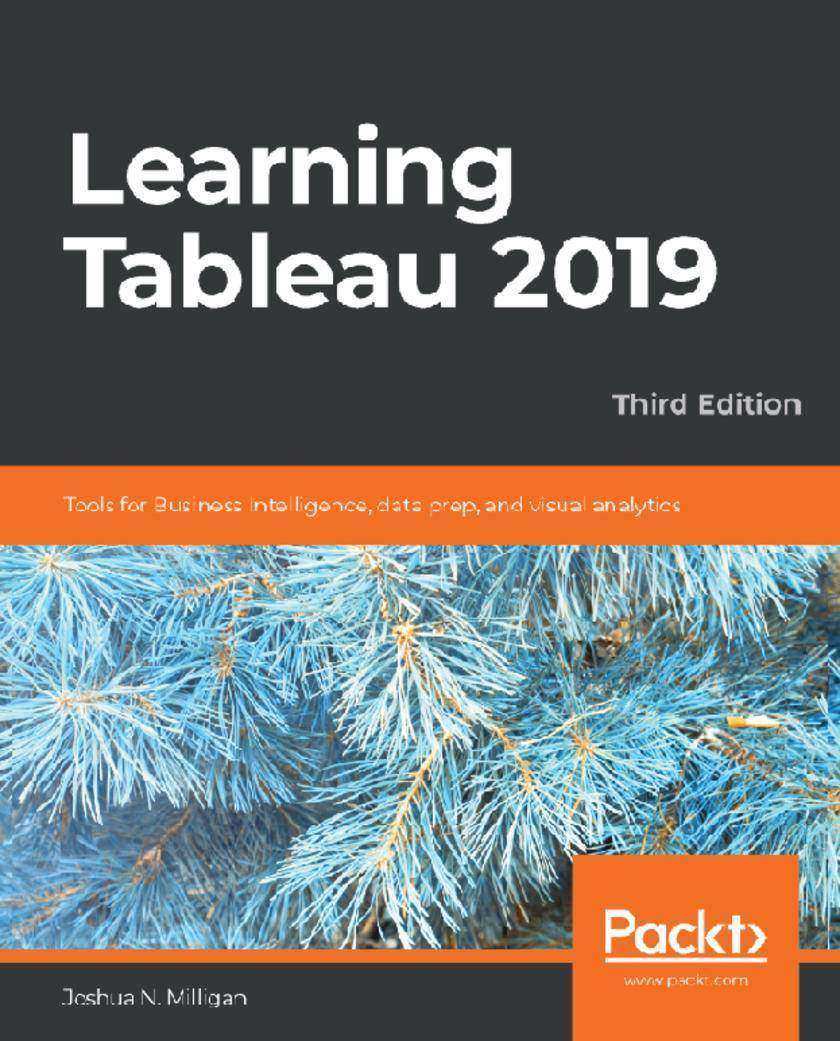
Learning Tableau 2019
¥73.02
Create powerful data visualizations and unlock intelligent business insights with Tableau Key Features * Explore all the latest Tableau 2019 features and redefine business analytics for your organization * Create impressive data visualizations and interactive dashboards to get insights from your data * Learn effective data storytelling to transform how your business leverages data and makes decisions Book Description Tableau is the gold standard of business intelligence and visual analytics tools in every industry. It enables rapid data visualization and interpretation with charts, graphs, dashboards, and much more. Updated with the latest features of Tableau, this book takes you from the foundations of the Tableau 2019 paradigm through to advanced topics. This third edition of the bestselling guide by Tableau Zen Master, Milligan, will help you come to grips with updated features, such as set actions and transparent views. Beginning with installation, you'll create your first visualizations with Tableau and then explore practical examples and advanced techniques. You'll create bar charts, tree maps, scatterplots, time series, and a variety of other visualizations. Next, you'll discover techniques to overcome challenges presented by data structure and quality and engage in effective data storytelling and decision making with business critical information. Finally, you'll be introduced to Tableau Prep, and learn how to use it to integrate and shape data for analysis. By the end of this book, you will be equipped to leverage the powerful features of Tableau 2019 for decision making. What you will learn * Develop stunning visualizations that explain complexity with clarity * Explore the exciting new features of Tableau Desktop and Tableau Prep * Connect to various data sources to bring all your data together * Uncover techniques to prep and structure your data for easy analysis * Create and use calculations to solve problems and enrich analytics * Master advanced topics such as sets, LOD calcs, and much more * Enable smart decisions with clustering, distribution, and forecasting * Share your data stories to build a culture of trust and action Who this book is for This Tableau book is for anyone who wants to understand data. If you’re new to Tableau, don’t worry. This book builds on the foundations to help you understand how Tableau really works and then builds on that knowledge with practical examples before moving on to advanced techniques. Working experience with databases will be useful but is not necessary to get the most out of this book.
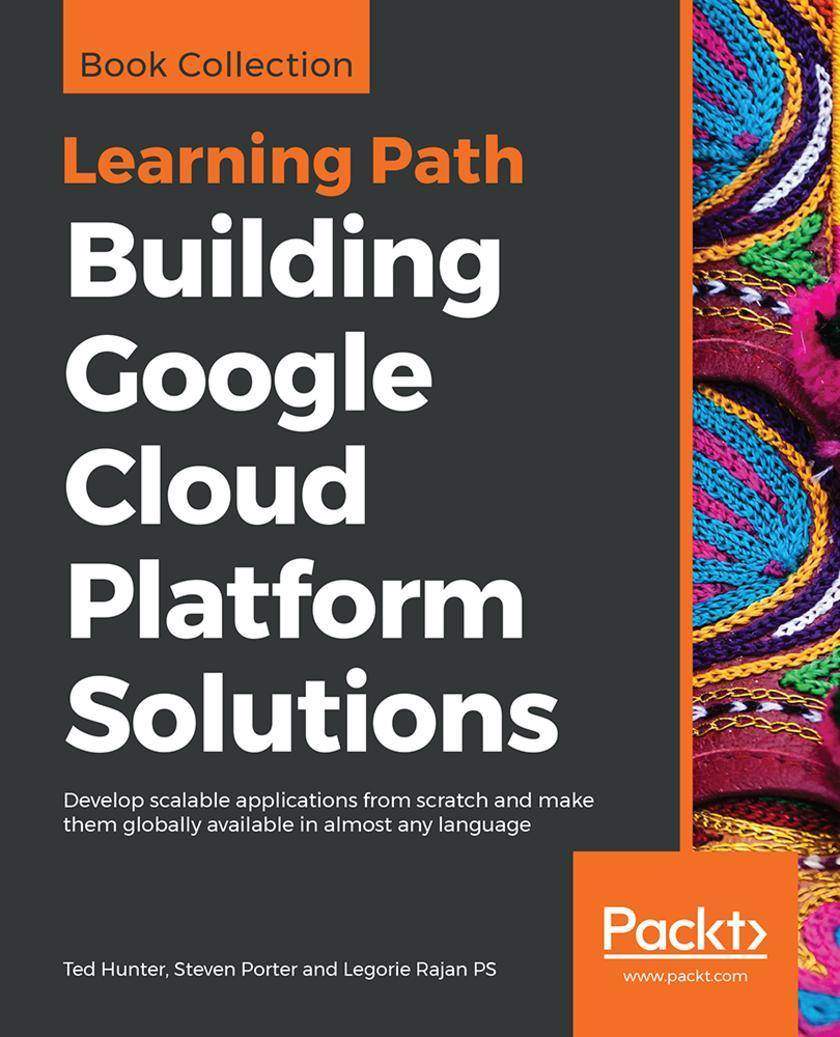
Building Google Cloud Platform Solutions
¥90.46
Build cost-effective and robust cloud solutions with Google Cloud Platform (GCP) using these simple and practical recipes Key Features * Explore the various service offerings of the GCP * Host a Python application on Google Compute Engine * Securely maintain application states with Cloud Storage, Datastore, and Bigtable Book Description GCP is a cloud computing platform with a wide range of products and services that enable you to build and deploy cloud-hosted applications. This Learning Path will guide you in using GCP and designing, deploying, and managing applications on Google Cloud. You will get started by learning how to use App Engine to access Google's scalable hosting and build software that runs on this framework. With the help of Google Compute Engine, you’ll be able to host your workload on virtual machine instances. The later chapters will help you to explore ways to implement authentication and security, Cloud APIs, and command-line and deployment management. As you hone your skills, you’ll understand how to integrate your new applications with various data solutions on GCP, including Cloud SQL, Bigtable, and Cloud Storage. Following this, the book will teach you how to streamline your workflow with tools, including Source Repositories, Container Builder, and Stackdriver. You'll also understand how to deploy and debug services with IntelliJ, implement continuous delivery pipelines, and configure robust monitoring and alerts for your production systems. By the end of this Learning Path, you'll be well versed with GCP’s development tools and be able to develop, deploy, and manage highly scalable and reliable applications. This Learning Path includes content from the following Packt products: * Google Cloud Platform for Developers Ted Hunter and Steven Porter * Google Cloud Platform Cookbook by Legorie Rajan PS What you will learn * Host an application using Google Cloud Functions * Migrate a MySQL database to Cloud Spanner * Configure a network for a highly available application on GCP * Learn simple image processing using Storage and Cloud Functions * Automate security checks using Policy Scanner * Deploy and run services on App Engine and Container Engine * Minimize downtime and mitigate issues with Stackdriver Monitoring and Debugger * Integrate with big data solutions, including BigQuery, Dataflow, and Pub/Sub Who this book is for This Learning Path is for IT professionals, engineers, and developers who want to implement Google Cloud in their organizations. Administrators and architects planning to make their organization more efficient with Google Cloud will also find this Learning Path useful. Basic understanding of GCP and its services is a must.
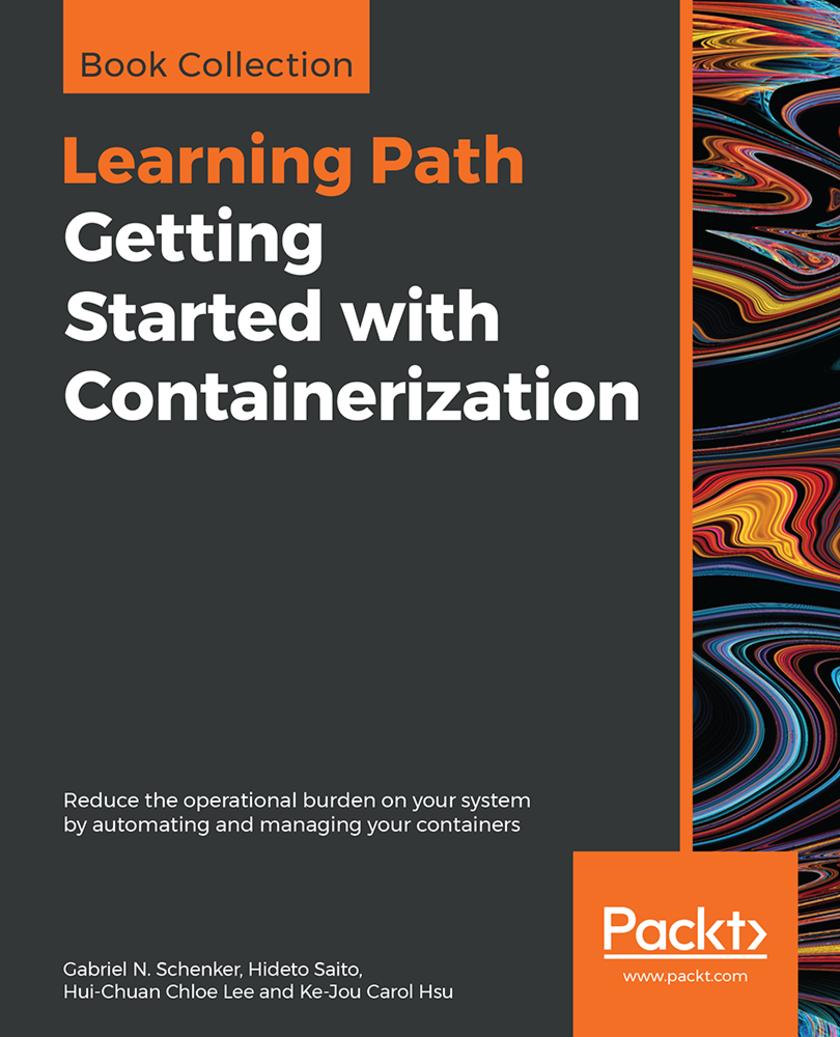
Getting Started with Containerization
¥90.46
Choose the smarter way to learn about containerizing your applications and running them in production. Key Features * Deploy and manage highly scalable, containerized applications with Kubernetes * Build high-availability Kubernetes clusters * Secure your applications via encapsulation, networks, and secrets Book Description Kubernetes is an open source orchestration platform for managing containers in a cluster environment. This Learning Path introduces you to the world of containerization, in addition to providing you with an overview of Docker fundamentals. As you progress, you will be able to understand how Kubernetes works with containers. Starting with creating Kubernetes clusters and running applications with proper authentication and authorization, you'll learn how to create high-availability Kubernetes clusters on Amazon Web Services (AWS), and also learn how to use kubeconfig to manage different clusters. Whether it is learning about Docker containers and Docker Compose, or building a continuous delivery pipeline for your application, this Learning Path will equip you with all the right tools and techniques to get started with containerization. By the end of this Learning Path, you will have gained hands-on experience of working with Docker containers and orchestrators, including SwarmKit and Kubernetes. This Learning Path includes content from the following Packt products: * Kubernetes Cookbook - Second Edition by Hideto Saito, Hui-Chuan Chloe Lee, and Ke-Jou Carol Hsu * Learn Docker - Fundamentals of Docker 18.x by Gabriel N. Schenker What you will learn * Build your own container cluster * Run a highly distributed application with Docker Swarm or Kubernetes * Update or rollback a distributed application with zero downtime * Containerize your traditional or microservice-based application * Build a continuous delivery pipeline for your application * Track metrics and logs for every container in your cluster * Implement container orchestration to streamline deploying and managing applications Who this book is for This beginner-level Learning Path is designed for system administrators, operations engineers, DevOps engineers, and developers who want to get started with Docker and Kubernetes. Although no prior experience with Docker is required, basic knowledge of Kubernetes and containers will be helpful.
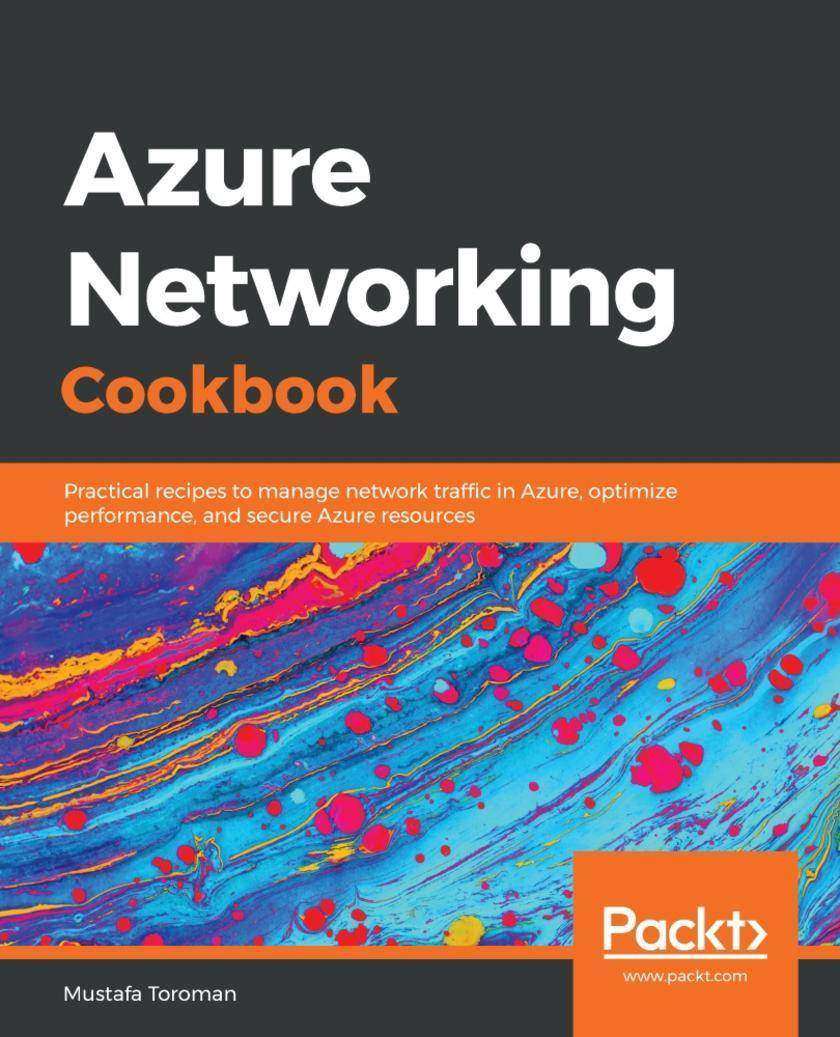
Azure Networking Cookbook
¥63.21
Learn to distribute network traffic, optimize application delivery, and defend network-level threats. Key Features * Quickly get up and running with Azure networking solutions * Level-up your cloud networking skills by planning, implementing, configuring, and securing your infrastructure network with Azure * Leverage Azure networking services to provide applications highly available and fault tolerant environment Book Description Microsoft provides organizations with an effective way of managing their network with Azure's networking services. No matter the size of your organization, Azure provides a way to highly reliable performance and secure connectivity with its networking services. The book starts with an introduction to the Azure networking like creating Azure virtual networks, designing address spaces and subnets. Then you will learn to create and manage network security groups, application security groups, and IP addresses in Azure. Gradually, we move on to various aspects like S2S, P2S, and Vnet2Vnet connections, DNS and routing, load balancers and traffic manager. This book will cover every aspect and function required to deliver practical recipes to help readers learn from basic cloud networking practices to planning, implementing, and securing their infrastructure network with Azure. Readers will not only be able to upscale their current environment but will also learn to monitor, diagnose, and ensure secure connectivity. After learning to deliver a robust environment readers will also gain meaningful insights from recipes on best practices. By the end of this book, readers will gain hands-on experience in providing cost-effective solutions that benefit organizations. What you will learn * Learn to create Azure networking services * Understand how to create and work on hybrid connections * Configure and manage Azure network services * Learn ways to design high availability network solutions in Azure * Discover how to monitor and troubleshoot Azure network resources * Learn different methods of connecting local networks to Azure virtual networks Who this book is for This book is targeted towards cloud architects, cloud solution providers, or any stakeholders dealing with networking on the Azure cloud. Some prior understanding of Microsoft Azure will be a plus point.
Intelligent Automation with VMware
¥73.02
Use self-driven data centers to reduce management complexity by deploying Infrastructure as Code to gain value from investments. Key Features * Add smart capabilities in VMware Workspace ONE to deliver customer insights and improve overall security * Optimize your HPC and big data infrastructure with the help of machine learning * Automate your VMware data center operations with machine learning Book Description This book presents an introductory perspective on how machine learning plays an important role in a VMware environment. It offers a basic understanding of how to leverage machine learning primitives, along with a deeper look into integration with the VMware tools used for automation today. This book begins by highlighting how VMware addresses business issues related to its workforce, customers, and partners with emerging technologies such as machine learning to create new, intelligence-driven, end user experiences. You will learn how to apply machine learning techniques incorporated in VMware solutions for data center operations. You will go through management toolsets with a focus on machine learning techniques. At the end of the book, you will learn how the new vSphere Scale-Out edition can be used to ensure that HPC, big data performance, and other requirements can be met (either through development or by fine-tuning guidelines) with mainstream products. What you will learn * Orchestrate on-demand deployments based on defined policies * Automate away common problems and make life easier by reducing errors * Deliver services to end users rather than to virtual machines * Reduce rework in a multi-layered scalable manner in any cloud * Explore the centralized life cycle management of hybrid clouds * Use common code so you can run it across any cloud Who this book is for This book is intended for those planning, designing, and implementing the virtualization/cloud components of the Software-Defined Data Center foundational infrastructure. It helps users to put intelligence in their automation tasks to get self driving data center. It is assumed that the reader has knowledge of, and some familiarity with, virtualization concepts and related topics, including storage, security, and networking.
React Material-UI Cookbook
¥73.02
Build modern day application by implementing Material Design principles in React applications using Material-UI. Key Features * Grasp the needs React components for UI elements * Master the style and theme of the tools to go along with these components * Get to grips with all the React best practices to build a modern application Book Description Material-UI is a component library for rendering UI elements, using modern best practices from React and Material Design. This book will show you how you can create impressive and captivating modern day web apps by implementing Material Design considerations. The primary objective of this book is to help you use several Material-UI components to build larger UI functionality. We will also focus on React best practices in conjunction with Material-UI components – using state, context, and other new React 16.8 features properly. This book will start with layout and navigation and then dive into presenting the information with Material-UI components. It will then talk about the different components for user interactions. By the end of this book, you will know how to improve the look and feel of your applications using Material-UI components. What you will learn * Learn to build the overall structure and navigation for your Material-UI app * Learn to present simple and complex information in a variety of ways * Build interactive and intuitive controls * Design portable themes and styles for all of your Material-UI apps * Group content into sections using tabs and expansion panels * Learn how to design a general page layout with Material-UI grids * Use lists for complex data, and cards for detailed information Who this book is for They are JavaScript developers who have some basic knowledge of React and would want to implement Material Design principles in React applications using Material-UI. The reader wants to build a user interface using React components but doesn’t want to invent their own style or UX framework.
Data Science for Marketing Analytics
¥73.02
Explore new and more sophisticated tools that reduce your marketing analytics efforts and give you precise results Key Features * Study new techniques for marketing analytics * Explore uses of machine learning to power your marketing analyses * Work through each stage of data analytics with the help of multiple examples and exercises Book Description Data Science for Marketing Analytics covers every stage of data analytics, from working with a raw dataset to segmenting a population and modeling different parts of the population based on the segments. The book starts by teaching you how to use Python libraries, such as pandas and Matplotlib, to read data from Python, manipulate it, and create plots, using both categorical and continuous variables. Then, you'll learn how to segment a population into groups and use different clustering techniques to evaluate customer segmentation. As you make your way through the chapters, you'll explore ways to evaluate and select the best segmentation approach, and go on to create a linear regression model on customer value data to predict lifetime value. In the concluding chapters, you'll gain an understanding of regression techniques and tools for evaluating regression models, and explore ways to predict customer choice using classification algorithms. Finally, you'll apply these techniques to create a churn model for modeling customer product choices. By the end of this book, you will be able to build your own marketing reporting and interactive dashboard solutions. What you will learn * Analyze and visualize data in Python using pandas and Matplotlib * Study clustering techniques, such as hierarchical and k-means clustering * Create customer segments based on manipulated data * Predict customer lifetime value using linear regression * Use classification algorithms to understand customer choice * Optimize classification algorithms to extract maximal information Who this book is for Data Science for Marketing Analytics is designed for developers and marketing analysts looking to use new, more sophisticated tools in their marketing analytics efforts. It'll help if you have prior experience of coding in Python and knowledge of high school level mathematics. Some experience with databases, Excel, statistics, or Tableau is useful but not necessary.
Hands-On Robotics Programming with C++
¥73.02
Enhance your programming skills to build exciting robotic projects Key Features * Build an intelligent robot that can detect and avoid obstacles and respond to voice commands * Detect and track objects and faces using OpenCV * Control your robot with a GUI button designed using Qt5 Book Description C++ is one of the most popular legacy programming languages for robotics, and a combination of C++ and robotics hardware is used in many leading industries. This book will bridge the gap between Raspberry Pi and C/C++ programming and enable you to develop applications for Raspberry Pi. To follow along with the projects covered in the book, you can implement C programs in Raspberry Pi with the wiringPi library. With this book, you’ll develop a fully functional car robot and write programs to move it in different directions. You’ll then create an obstacle - avoiding robot using an ultrasonic sensor. Furthermore, you’ll find out how to control the robot wirelessly using your PC/Mac. This book will also help you work with object detection and tracking using OpenCV, and guide you through exploring face detection techniques. Finally, you will create an Android app and control the robot wirelessly with an Android smartphone. By the end of this book, you will have gained experience in developing a robot using Raspberry Pi and C/C++ programming. What you will learn * Install software in Raspberry Pi compatible with C++ programming * Program the Raspberry Pi in C++ to run a motor * Control RPi-powered robot wirelessly with your laptop or PC * Program an RPi camera using OpenCV Control a Raspberry Pi robot with voice commands * Implement face and object detection with Raspberry Pi Who this book is for This book is for developers, programmers, and robotics enthusiasts interested in leveraging C++ to build exciting robotics applications. Prior knowledge of C++ is necessary to understand the projects covered in this book.
Python Machine Learning Cookbook
¥63.21
Discover powerful ways to effectively solve real-world machine learning problems using key libraries including scikit-learn, TensorFlow, and PyTorch Key Features * Learn and implement machine learning algorithms in a variety of real-life scenarios * Cover a range of tasks catering to supervised, unsupervised and reinforcement learning techniques * Find easy-to-follow code solutions for tackling common and not-so-common challenges Book Description This eagerly anticipated second edition of the popular Python Machine Learning Cookbook will enable you to adopt a fresh approach to dealing with real-world machine learning and deep learning tasks. With the help of over 100 recipes, you will learn to build powerful machine learning applications using modern libraries from the Python ecosystem. The book will also guide you on how to implement various machine learning algorithms for classification, clustering, and recommendation engines, using a recipe-based approach. With emphasis on practical solutions, dedicated sections in the book will help you to apply supervised and unsupervised learning techniques to real-world problems. Toward the concluding chapters, you will get to grips with recipes that teach you advanced techniques including reinforcement learning, deep neural networks, and automated machine learning. By the end of this book, you will be equipped with the skills you need to apply machine learning techniques and leverage the full capabilities of the Python ecosystem through real-world examples. What you will learn * Use predictive modeling and apply it to real-world problems * Explore data visualization techniques to interact with your data * Learn how to build a recommendation engine * Understand how to interact with text data and build models to analyze it * Work with speech data and recognize spoken words using Hidden Markov Models * Get well versed with reinforcement learning, automated ML, and transfer learning * Work with image data and build systems for image recognition and biometric face recognition * Use deep neural networks to build an optical character recognition system Who this book is for This book is for data scientists, machine learning developers, deep learning enthusiasts and Python programmers who want to solve real-world challenges using machine-learning techniques and algorithms. If you are facing challenges at work and want ready-to-use code solutions to cover key tasks in machine learning and the deep learning domain, then this book is what you need. Familiarity with Python programming and machine learning concepts will be useful.
Zabbix 4 Network Monitoring
¥90.46
Gather detailed statistics and deploy impressive business solutions with Zabbix 4.0 Key Features *Experience the full impact of Zabbix 4.0, a useful and increasingly popular tool *Enhance your network’s performance and manage hosts and systems *A step-by-step guide to smarter network monitoring Book Description Zabbix 4 Network Monitoring is the perfect starting point for monitoring the performance of your network devices and applications with Zabbix. Even if you’ve never used a monitoring solution before, this book will get you up and running quickly. You’ll learn to monitor more sophisticated operations with ease and soon feel in complete control of your network, ready to meet any challenges you might face. Starting with the installation, you will discover the new features in Zabbix 4.0. You will then get to grips with native Zabbix agents and Simple Network Management Protocol (SNMP) devices. You will also explore Zabbix's integrated functionality for monitoring Java application servers and VMware. This book also covers notifications, permission management, system maintenance, and troubleshooting, so you can be confident that every potential challenge and task is under your control. If you're working with larger environments, you'll also be able to find out more about distributed data collection using Zabbix proxies. Once you're confident and ready to put these concepts into practice, you will understand how to optimize and improve performance. Troubleshooting network issues is vital for anyone working with Zabbix, so the book also helps you work through any technical snags and glitches you might face. By the end of this book, you will have learned more advanced techniques to fine-tune your system and make sure it is in a healthy state. What you will learn *Install Zabbix server and an agent from source *Manage hosts, users, and permissions while acting upon monitored conditions *Visualize data with the help of ad hoc graphs, custom graphs, and maps *Simplify complex configurations and learn to automate them *Monitor everything from web pages to IPMI devices and Java applications to VMware stats *Configure Zabbix to send alerts including problem severity and time periods *Troubleshoot any network issue Who this book is for If you're new to Zabbix look no further than this book. Zabbix 4 Network Monitoring is for system and network administrators who are looking to put their knowledge to work with Zabbix 4.0.
Hands-On Blockchain for Python Developers
¥81.74
Implement real-world decentralized applications using Python, Vyper, Populus, and Ethereum Key Features * Stay up-to-date with everything you need to know about the blockchain ecosystem * Implement smart contracts, wallets, and decentralized applications(DApps) using Python libraries * Get deeper insights into storing content in a distributed storage platform Book Description Blockchain is seen as the main technological solution that works as a public ledger for all cryptocurrency transactions. This book serves as a practical guide to developing a full-fledged decentralized application with Python to interact with the various building blocks of blockchain applications. Hands-On Blockchain for Python Developers starts by demonstrating how blockchain technology and cryptocurrency hashing works. You will understand the fundamentals and benefits of smart contracts such as censorship resistance and transaction accuracy. As you steadily progress, you'll go on to build smart contracts using Vyper, which has a similar syntax to Python. This experience will further help you unravel the other benefits of smart contracts, including reliable storage and backup, and efficiency. You'll also use web3.py to interact with smart contracts and leverage the power of both the web3.py and Populus framework to build decentralized applications that offer security and seamless integration with cryptocurrencies. As you explore later chapters, you'll learn how to create your own token on top of Ethereum and build a cryptocurrency wallet graphical user interface (GUI) that can handle Ethereum and Ethereum Request for Comments (ERC-20) tokens using the PySide2 library. This will enable users to seamlessly store, send, and receive digital money. Toward the end, you'll implement InterPlanetary File System (IPFS) technology in your decentralized application to provide a peer-to-peer filesystem that can store and expose media. By the end of this book, you'll be well-versed in blockchain programming and be able to build end-to-end decentralized applications on a range of domains using Python. What you will learn * Understand blockchain technology and what makes it an immutable database * Use the features of web3.py API to interact with the smart contract * Create your own cryptocurrency and token in Ethereum using Vyper * Use IPFS features to store content on the decentralized storage platform * Implement a Twitter-like decentralized application with a desktop frontend * Build decentralized applications in the shape of console, web, and desktop applications Who this book is for If you are a Python developer who wants to enter the world of blockchain, Hands-On Blockchain for Python Developers is for you. The book will be your go-to guide to becoming well-versed with the blockchain ecosystem and building your own decentralized applications using Python and library support.
CompTIA Server+ Certification Guide
¥73.02
Master the concepts and techniques that will enable you to succeed on the SK0-004 exam the first time with the help of this study guide Key Features * Explore virtualisation, IPv4 & IPv6 networking, administration and more * Enhancing limited knowledge of server configuration and function * A study guide that covers the objectives for the certification examination Book Description CompTIA Server+ Certification is one of the top 5 IT certifications that is vendor neutral.System administrators opt for CompTIA server+ Certification to gain advanced knowledge of concepts including troubleshooting and networking. This book will initially start with the configuration of a basic network server and the configuration for each of its myriad roles. The next set of chapters will provide an overview of the responsibilities and tasks performed by a system administrator to manage and maintain a network server. Moving ahead, you will learn the basic security technologies, methods, and procedures that can be applied to a server and its network. Next, you will cover the troubleshooting procedures and methods in general, and specifically for hardware, software, networks, storage devices, and security applications. Toward the end of this book, we will cover a number of troubleshooting and security mitigation concepts for running admin servers with ease. This guide will be augmented by test questions and mock papers that will help you obtain the necessary certification. By the end of this book, you will be in a position to clear Server+ Certification with ease. What you will learn * Understand the purpose and role of a server in a computer network * Review computer hardware common to network servers * Detail the function and configuration of network operating systems * Describe the functions and tasks of network operating system administration * Explain the various data storage options on a computer network * Detail the need for, and the functioning and application of, network and server security * Describe the operational elements of a network provided by a server * Explain the processes and methods involved in troubleshooting server issues Who this book is for This book is targeted towards professionals seeking to gain the CompTIA Server+ certification. People coming from a Microsoft background with basic operating system and networking skills will also find this book useful. Basic experience working with system administration is mandatory.
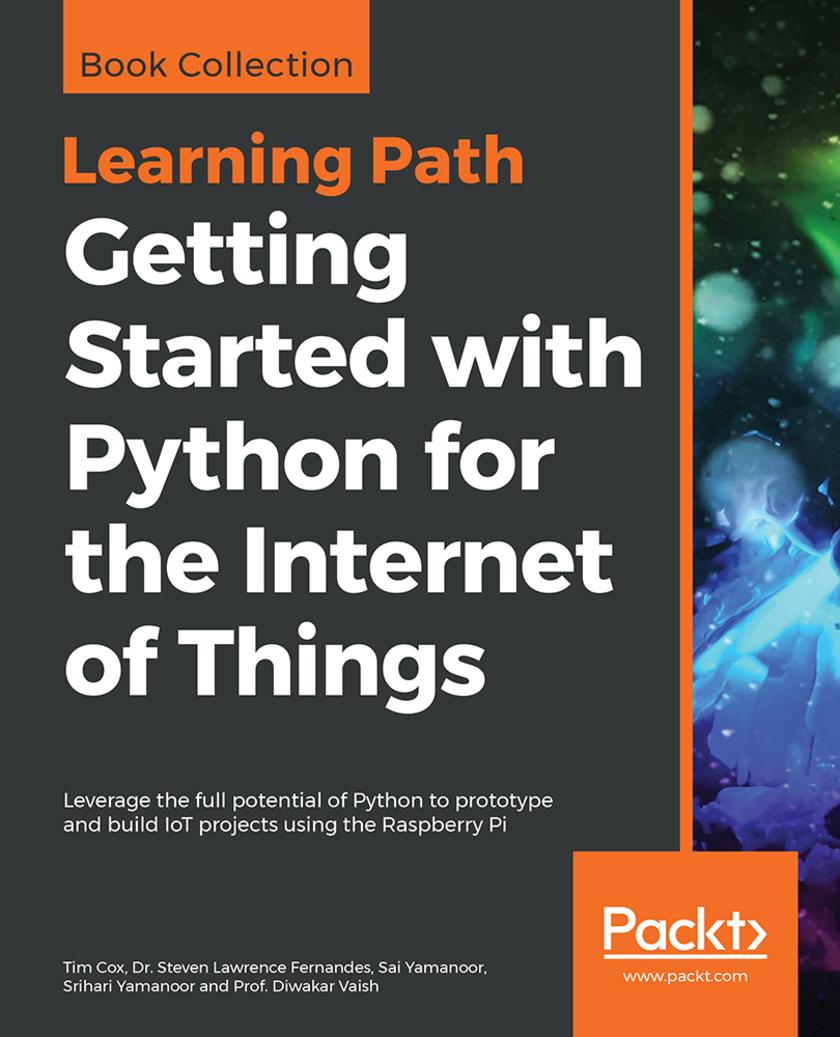
Getting Started with Python for the Internet of Things
¥90.46
Build clever, collaborative, and powerful automation systems with the Raspberry Pi and Python. Key Features * Create your own Pi-Rover or Pi-Hexipod robots * Develop practical applications in Python using Raspberry Pi * Build your own Jarvis, a highly advanced computerized AI Book Description This Learning Path takes you on a journey in the world of robotics and teaches you all that you can achieve with Raspberry Pi and Python. It teaches you to harness the power of Python with the Raspberry Pi 3 and the Raspberry Pi zero to build superlative automation systems that can transform your business. You will learn to create text classifiers, predict sentiment in words, and develop applications with the Tkinter library. Things will get more interesting when you build a human face detection and recognition system and a home automation system in Python, where different appliances are controlled using the Raspberry Pi. With such diverse robotics projects, you'll grasp the basics of robotics and its functions, and understand the integration of robotics with the IoT environment. By the end of this Learning Path, you will have covered everything from configuring a robotic controller, to creating a self-driven robotic vehicle using Python. * Raspberry Pi 3 Cookbook for Python Programmers - Third Edition by Tim Cox, Dr. Steven Lawrence Fernandes * Python Programming with Raspberry Pi by Sai Yamanoor, Srihari Yamanoor * Python Robotics Projects by Prof. Diwakar Vaish What you will learn * Build text classifiers and predict sentiment in words with the Tkinter library * Develop human face detection and recognition systems * Create a neural network module for optical character recognition * Build a mobile robot using the Raspberry Pi as a controller * Understand how to interface sensors, actuators, and LED displays work * Apply machine learning techniques to your models * Interface your robots with Bluetooth Who this book is for This Learning Path is specially designed for Python developers who want to take their skills to the next level by creating robots that can enhance people’s lives. Familiarity with Python and electronics will aid understanding the concepts in this Learning Path.
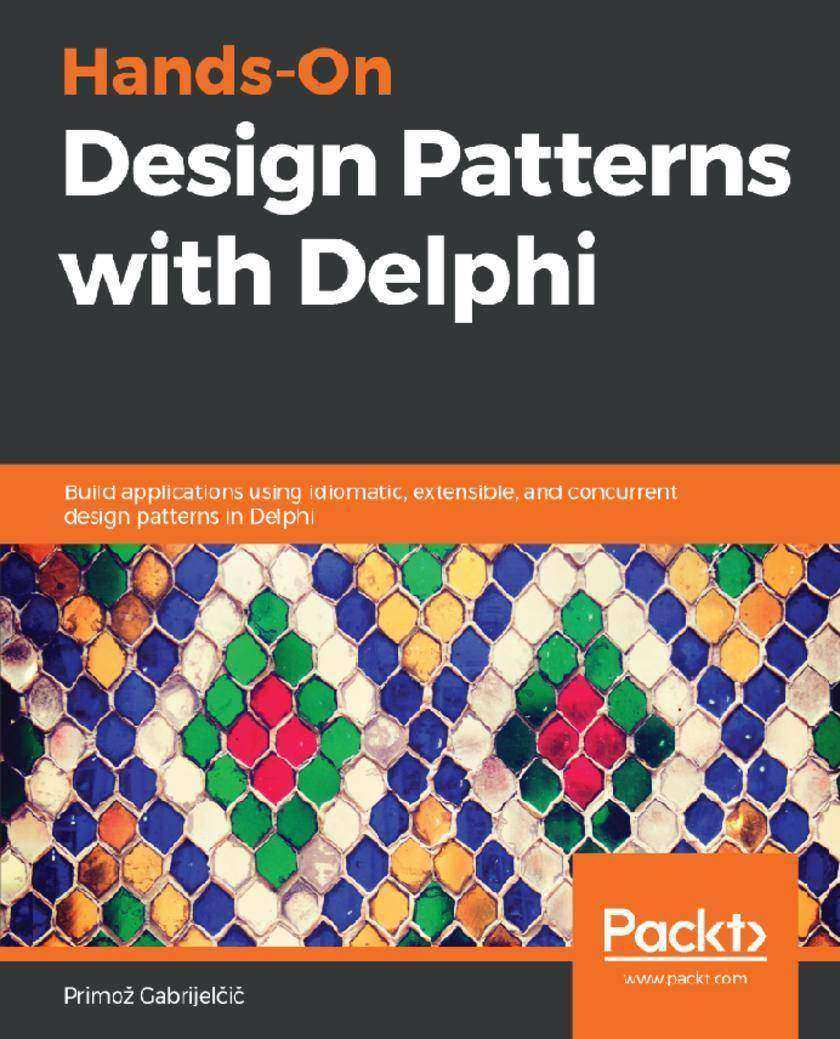
Hands-On Design Patterns with Delphi
¥81.74
Get up to speed with creational, structural, behavioral and concurrent patterns in Delphi to write clear, concise and effective code Key Features * Delve into the core patterns and components of Delphi in order to master your application's design * Brush up on tricks, techniques, and best practices to solve common design and architectural challenges * Choose the right patterns to improve your program’s efficiency and productivity Book Description Design patterns have proven to be the go-to solution for many common programming scenarios. This book focuses on design patterns applied to the Delphi language. The book will provide you with insights into the language and its capabilities of a runtime library. You'll start by exploring a variety of design patterns and understanding them through real-world examples. This will entail a short explanation of the concept of design patterns and the original set of the 'Gang of Four' patterns, which will help you in structuring your designs efficiently. Next, you'll cover the most important 'anti-patterns' (essentially bad software development practices) to aid you in steering clear of problems during programming. You'll then learn about the eight most important patterns for each creational, structural, and behavioral type. After this, you'll be introduced to the concept of 'concurrency' patterns, which are design patterns specifically related to multithreading and parallel computation. These will enable you to develop and improve an interface between items and harmonize shared memories within threads. Toward the concluding chapters, you'll explore design patterns specific to program design and other categories of patterns that do not fall under the 'design' umbrella. By the end of this book, you'll be able to address common design problems encountered while developing applications and feel confident while building scalable projects. What you will learn * Gain insights into the concept of design patterns * Study modern programming techniques with Delphi * Keep up to date with the latest additions and program design techniques in Delphi * Get to grips with various modern multithreading approaches * Discover creational, structural, behavioral, and concurrent patterns * Determine how to break a design problem down into its component parts Who this book is for Hands-On Design Patterns with Delphi is aimed at beginner-level Delphi developers who want to build scalable and robust applications. Basic knowledge of Delphi is a must.
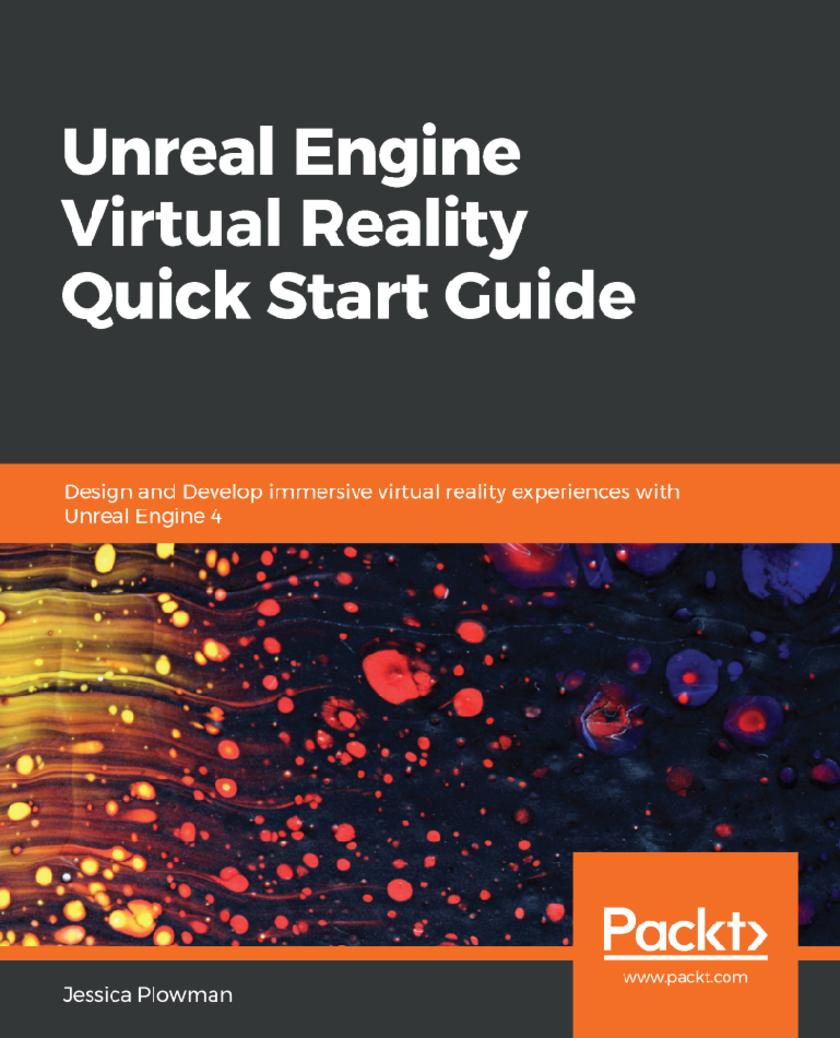
Unreal Engine Virtual Reality Quick Start Guide
¥54.49
Unreal Engine 4 for virtual reality game design, development, User Experience design techniques and Blueprint programming to create virtual reality gameplay for HTC Vive, Oculus Rift, PSVR, and Windows Mixed Reality headsets. Key Features * Build VR games from scratch with the power of Unreal Engine 4 * Learn User Experience design practices to take your VR game to the next level * Understand the best practices to creating art for games on HTC Vive, Oculus Rift, and PSVR Book Description With the ability to put players directly in the game, virtual reality gives users the chance to experience digital worlds directly. Nevertheless, many designers are unsure where to start when working with this amazing technology. With this book, you will learn user experience design processes and create immersive gameplay experiences designed for entertainment and player comfort. Using the power of Unreal Engine 4’s Blueprint visual scripting language, you will build player interaction and locomotion systems from scratch and use these flexible systems to create a sample game, as well as develop functional 2D and 3D user interfaces for players to interact with. And also learn the best practices for creating game art for virtual reality. Finally, you will learn how to test your application with your target audience and finalize your game for distribution. By the end of this book, you will have the knowledge to be able to make the leap from traditional game development to creating immersive virtual reality experiences using Unreal Engine 4. What you will learn * Understand how to get started with VR development in Unreal Engine 4 * Design and create interaction and locomotion systems from scratch * Plan and program a sample game for VR * Understand how VR affects user experience and user interfaces * Discuss what is needed to create optimized art for VR * Test your game with users and prepare for distribution Who this book is for The audience for this book is intermediate or advanced users of Unreal Engine 4 but who have not begun working with VR technology. These users are familiar with the game engine and have an interest in VR technology. They are just beginning to explore the VR features that the game engine has to offer.
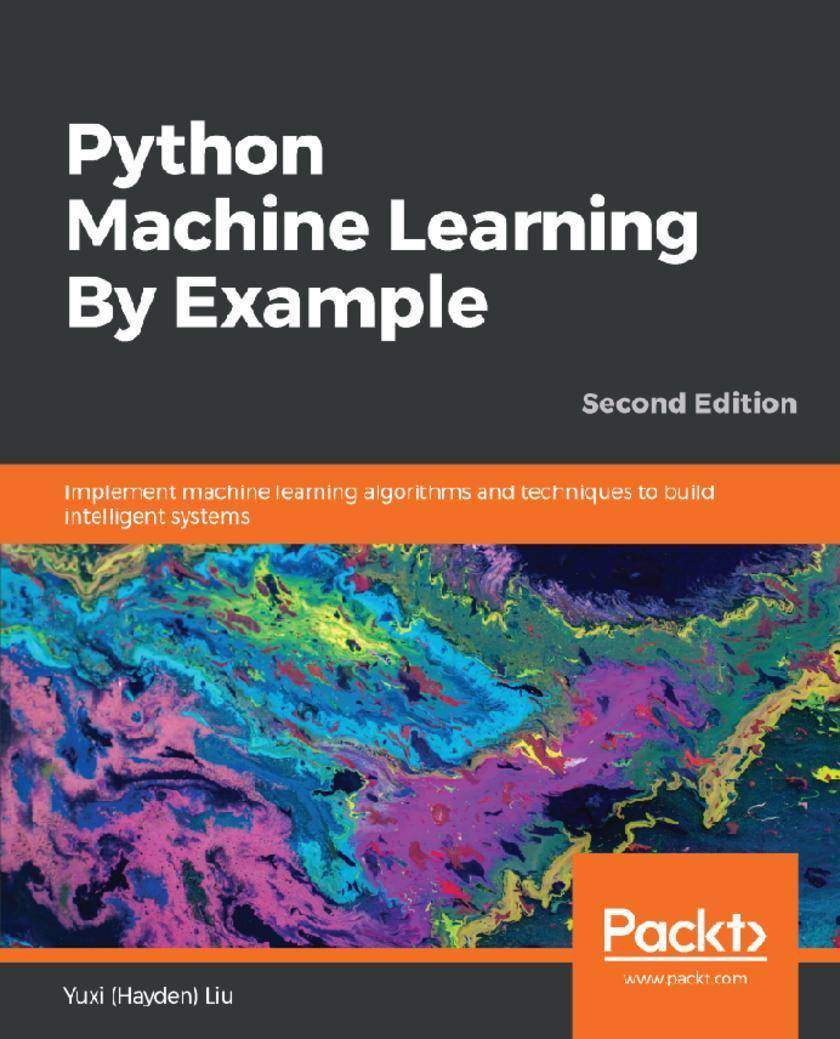
Python Machine Learning By Example
¥63.21
Grasp machine learning concepts, techniques, and algorithms with the help of real-world examples using Python libraries such as TensorFlow and scikit-learn Key Features * Exploit the power of Python to explore the world of data mining and data analytics * Discover machine learning algorithms to solve complex challenges faced by data scientists today * Use Python libraries such as TensorFlow and Keras to create smart cognitive actions for your projects Book Description The surge in interest in machine learning (ML) is due to the fact that it revolutionizes automation by learning patterns in data and using them to make predictions and decisions. If you’re interested in ML, this book will serve as your entry point to ML. Python Machine Learning By Example begins with an introduction to important ML concepts and implementations using Python libraries. Each chapter of the book walks you through an industry adopted application. You’ll implement ML techniques in areas such as exploratory data analysis, feature engineering, and natural language processing (NLP) in a clear and easy-to-follow way. With the help of this extended and updated edition, you’ll understand how to tackle data-driven problems and implement your solutions with the powerful yet simple Python language and popular Python packages and tools such as TensorFlow, scikit-learn, gensim, and Keras. To aid your understanding of popular ML algorithms, the book covers interesting and easy-to-follow examples such as news topic modeling and classification, spam email detection, stock price forecasting, and more. By the end of the book, you’ll have put together a broad picture of the ML ecosystem and will be well-versed with the best practices of applying ML techniques to make the most out of new opportunities. What you will learn * Understand the important concepts in machine learning and data science * Use Python to explore the world of data mining and analytics * Scale up model training using varied data complexities with Apache Spark * Delve deep into text and NLP using Python libraries such NLTK and gensim * Select and build an ML model and evaluate and optimize its performance * Implement ML algorithms from scratch in Python, TensorFlow, and scikit-learn Who this book is for If you’re a machine learning aspirant, data analyst, or data engineer highly passionate about machine learning and want to begin working on ML assignments, this book is for you. Prior knowledge of Python coding is assumed and basic familiarity with statistical concepts will be beneficial although not necessary.


