


 购物车
购物车 个人中心
个人中心
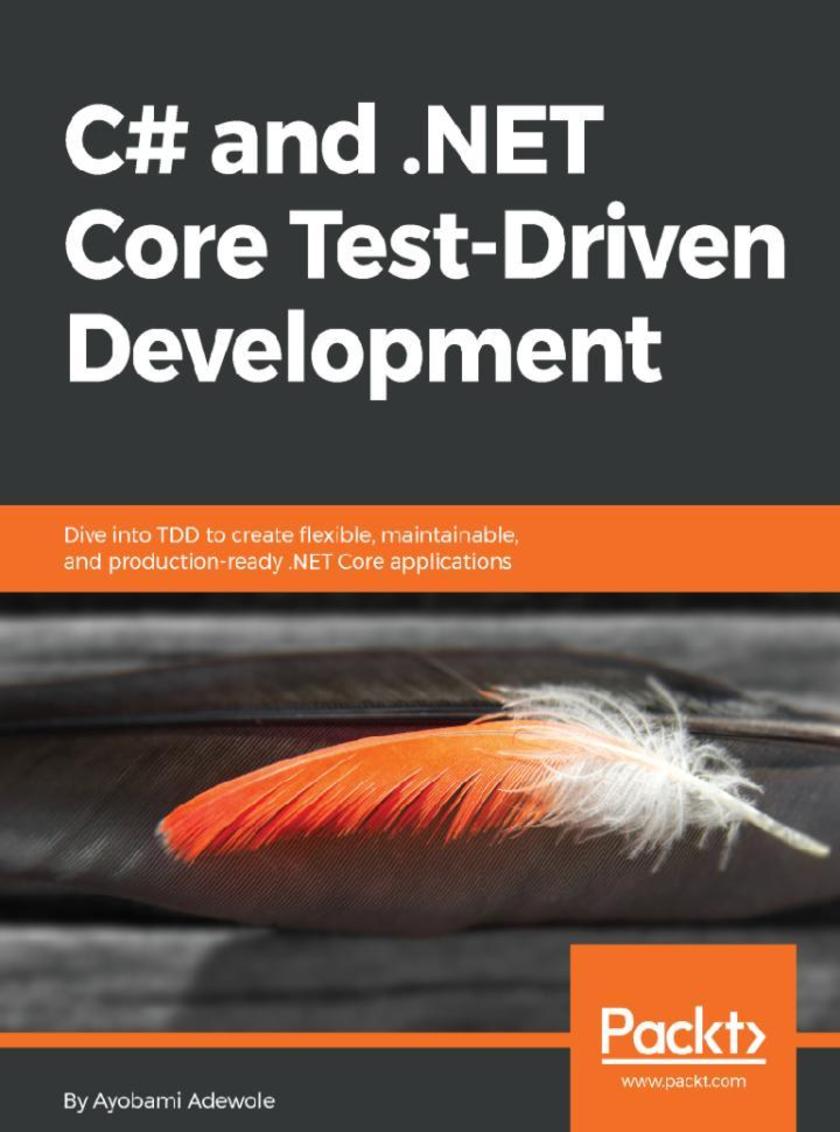
C# and .NET Core Test Driven Development
¥73.02
Learn how to apply a test-driven development process by building ready C# 7 and .NET Core applications. About This Book ? Create tests to quickly detect and resolve issues when writing portable code ? Uncover code integration issues that improve code quality using continuous integration ? Set up and use data-driven unit testing to verify your code Who This Book Is For This book is for .NET developers who would like to build efficient applications by implementing principles of test-driven development. C# programming and working knowledge of VS is assumed. What You Will Learn ? Write flexible, maintainable, and verifiable code for .NET Core ? Write testable code using SOLID principles and dependency injections ? Recognize the characteristics of a good unit test ? Structure and group your unit test ? Use mock objects to handle dependencies ? Set up an end-to-end continuous integration process In Detail This book guides developers to create robust, production-ready C# 7 and .NET Core applications through the practice of test-driven development process. In C# and .NET Core Test-Driven Development, you will learn the different stages of the TDD life cycle, basics of TDD, best practices, and anti-patterns. It will teach you how to create an ASP.NET Core MVC sample application, write testable code with SOLID principles and set up a dependency injection for your sample application. Next, you will learn the xUnit testing framework and learn how to use its attributes and assertions. You’ll see how to create data-driven unit tests and mock dependencies in your code. You will understand the difference between running and debugging your tests on .NET Core on LINUX versus Windows and Visual Studio. As you move forward, you will be able to create a healthy continuous integration process for your sample application using GitHub, TeamCity, Cake, and Microsoft VSTS. By the end of this book, you will have learned how to write clean and robust code through the effective practice of TDD, set up CI build steps to test and build applications as well as how to package application for deployment on NuGet. Style and approach The book explores the concepts of test driven development in depth so readers can apply these proven techniques to build sophisticated software with C# and .NET.
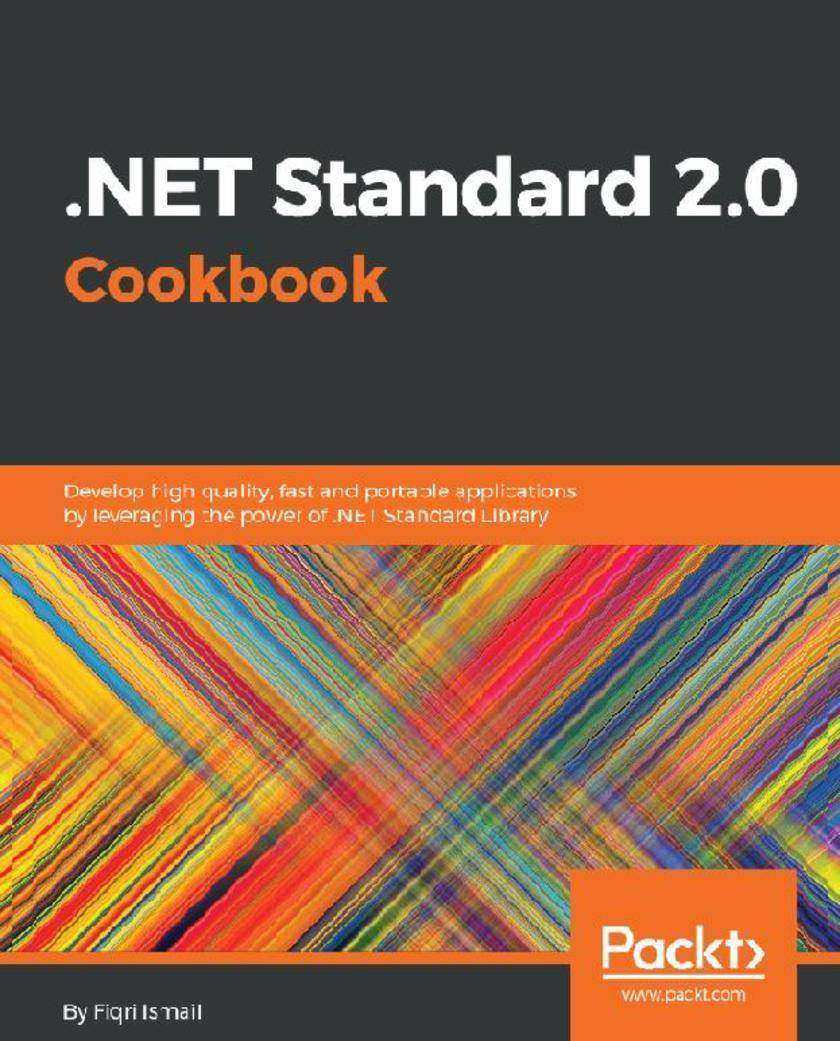
.NET Standard 2.0 Cookbook
¥90.46
Get the most out of .NET framework using standard libraries and create a .NET Standard 2.0 library from scratch About This Book ? Write code once and share within .NET ecosystem in Windows, Linux and macOS ? Give your .NET Libraries a common framework in cloud and on premise with the latest .NET Standard 2.0 ? Build a wide range of applications from Mobile with Xamarin to Web with ASP.NET Who This Book Is For This book is for .NET developers who are looking to build dynamic applications with the latest .NET Standard. C# knowledge is required. What You Will Learn ? Create a .NET Standard 2.0 library ? Use System.IO within the .NET Standard 2.0 ? Make use of your legacy .NET libraries with the new .NET Core standard ? Explore the thread support to create a multithreaded .NET Standard 2.0 library ? Create a .NET Standard 2.0 library and use it with an Android and iOS application ? Implement various Visual Studio 2017 diagnostics and debugging tools ? Create a NuGet Package and submit the package to the NuGet Package Manager ? Use Visual Studio 2017 azure tools to deploy the application to Azure ? Test and deliver a .NET Standard 2.0 library In Detail The .NET Standard is a standard that represents a set of APIs that all .NET platforms have to implement, making it easy for developers to access and use one common library for their development needs. This book begins with a quick refresher, helping you understand the mechanics of the new standard and offering insight into how it works. You’ll explore the core library concepts, such as working with collections, configurations, I/O, security, and multithreading. You’ll explore the iOS and Android libraries of Xamarin and we’ll guide you through creating a .NET Standard 2.0 library, which you’ll use with both Android and iOS applications. In the final chapters, you’ll learn the various debugging and diagnostics tools to deliver quality libraries and create a NuGet package of the .NET Standard 2.0 library. By the end of this book, you’ll be able to expand your current workflow to various .NET flavors and have the essential skills to create a .NET Standard 2.0 library from scratch to package and deliver it to the world. Style and approach A recipe-based approach to help you get the most out of the .NET Standard 2.0 Library that can be implemented to all the .NET Platforms
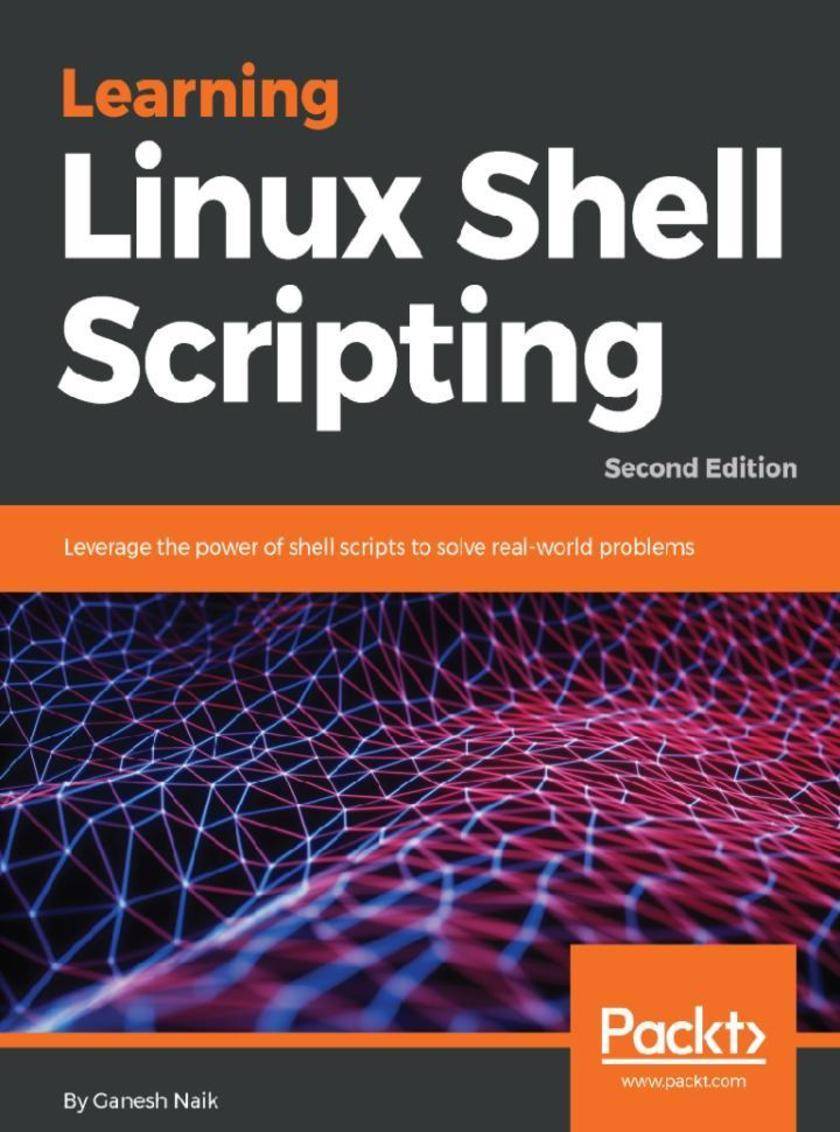
Learning Linux Shell Scripting
¥81.74
Break through the practice of writing tedious code with shell scripts About This Book ? Learn to impeccably build shell scripts and develop advanced applications ? Create smart solutions by writing and debugging scripts ? A step-by-step tutorial to automate routine tasks by developing scripts Who This Book Is For Learning Linux Shell Scripting is ideal for those who are proficient at working with Linux and want to learn about shell scripting to improve their efficiency and practical skills. What You Will Learn ? Familiarize yourself with the various text filtering tools available in Linux ? Understand expressions and variables and how to use them practically ? Automate decision-making and save a lot of time and effort of revisiting code ? Get to grips with advanced functionality such as using traps, dialogs to develop screens & Database administration such as MySQL or Oracle ? Start up a system and customize a Linux system ? Taking backup of local or remote data or important files. ? Use existing other language scripts such as Python, Perl & Ruby in Shell Scripts In Detail Linux is the most powerful and universally adopted OS. Shell is a program that gives the user direct interaction with the operating system. Scripts are collections of commands that are stored in a file. The shell reads this file and acts on commands as if they were typed on the keyboard. Learning Linux Shell Scripting covers Bash, GNU Bourne Again Shell, preparing you to work in the exciting world of Linux shell scripting. CentOS is a popular rpm-based stable and secured Linux distribution. Therefore, we have used CentOS distribution instead of Ubuntu distribution. Linux Shell Scripting is independent of Linux distributions, but we have covered both types of distros. We start with an introduction to the Shell environment and basic commands used. Next, we explore process management in Linux OS, real-world essentials such as debugging and perform Shell arithmetic fluently. You'll then take a step ahead and learn new and advanced topics in Shell scripting, such as decision making, starting up a system, and customizing a Linux environment. You will also learn about grep, stream editor, and AWK, which are very powerful text filters and editors. Finally, you'll get to grips with taking backup, using other language scripts in Shell Scripts as well as automating database administration tasks for MySQL and Oracle. By the end of this book, you will be able to confidently use your own shell scripts in the real world. Style and approach This practical book will go from the very basics of shell scripting to complex, customized automation. The idea behind this book is to be as practical as possible and give you the look and feel of what real-world scripting is like.
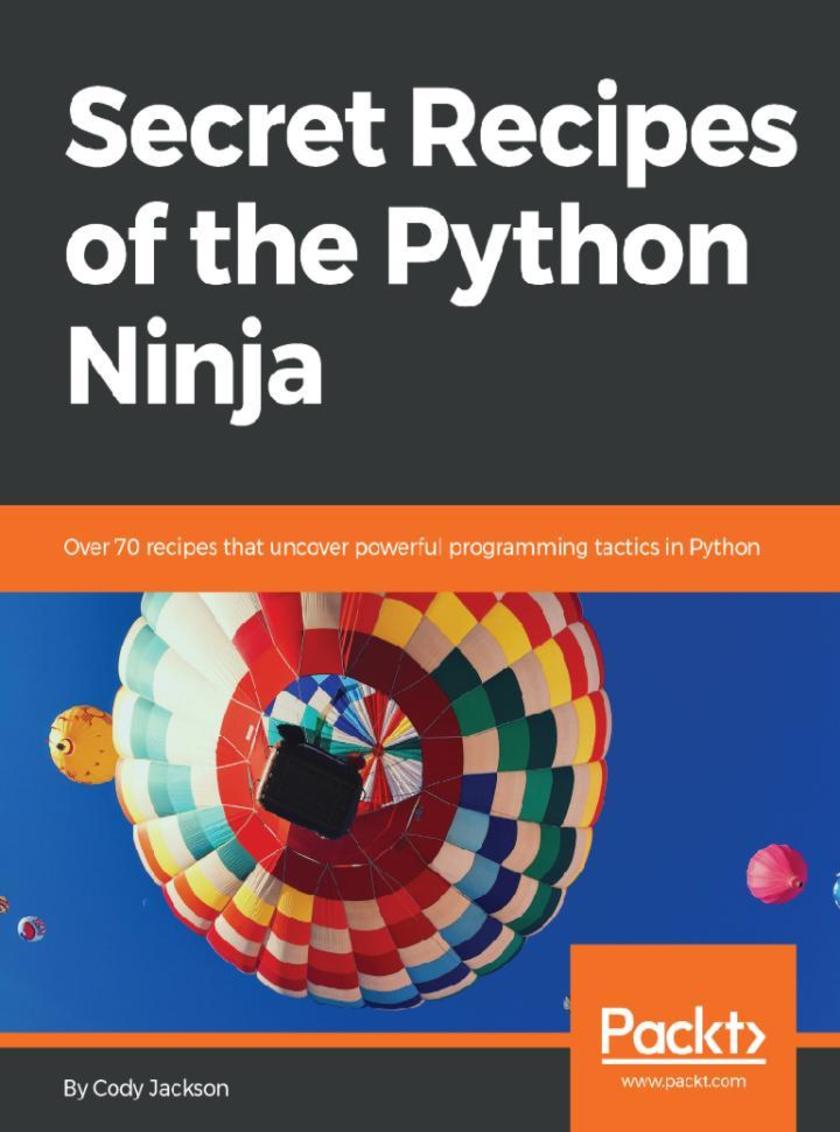
Secret Recipes of the Python Ninja
¥90.46
Test your Python programming skills by solving real-world problems About This Book ? Access built-in documentation tools and improve your code. ? Discover how to make the best use of decorator and generator functions ? Enhance speed and improve concurrency by conjuring tricks from the PyPy project Who This Book Is For Whether you’ve been working with Python for a few years or you’re a seasoned programmer, you’ll have a lot of new tricks to walk away with. What You Will Learn ? Know the differences between .py and .pyc files ? Explore the different ways to install and upgrade Python packages ? Understand the working of the PyPI module that enhances built-in decorators ? See how coroutines are different from generators and how they can simulate multithreading ? Grasp how the decimal module improves floating point numbers and their operations ? Standardize sub interpreters to improve concurrency ? Discover Python’s built-in docstring analyzer In Detail This book covers the unexplored secrets of Python, delve into its depths, and uncover its mysteries. You’ll unearth secrets related to the implementation of the standard library, by looking at how modules actually work. You’ll understand the implementation of collections, decimals, and fraction modules. If you haven’t used decorators, coroutines, and generator functions much before, as you make your way through the recipes, you’ll learn what you’ve been missing out on. We’ll cover internal special methods in detail, so you understand what they are and how they can be used to improve the engineering decisions you make. Next, you’ll explore the CPython interpreter, which is a treasure trove of secret hacks that not many programmers are aware of. We’ll take you through the depths of the PyPy project, where you’ll come across several exciting ways that you can improve speed and concurrency. Finally, we’ll take time to explore the PEPs of the latest versions to discover some interesting hacks. Style and approach Recipe based approach where each problem is solved with the help of step by step instructions.
The Modern C++ Challenge
¥63.21
Test your C++ programming skills by solving real-world programming problems covered in the book About This Book ? Solve a variety of real-world programming and logic problems by leveraging the power of C++17 ? Test your skills in using language features, algorithms, data structures, design patterns, and more ? Explore areas such as cryptography, communication, and image handling in C++ Who This Book Is For This book will appeal to C++ developers of all levels. There's a challenge inside for everyone. What You Will Learn ? Serialize and deserialize JSON and XML data ? Perform encryption and signing to facilitate secure communication between parties ? Embed and use SQLite databases in your applications ? Use threads and asynchronous functions to implement generic purpose parallel algorithms ? Compress and decompress files to/from a ZIP archive ? Implement data structures such as circular buffer and priority queue ? Implement general purpose algorithms as well as algorithms that solve specific problems ? Create client-server applications that communicate over TCP/IP ? Consume HTTP REST services ? Use design patterns to solve real-world problems In Detail C++ is one of the most widely-used programming languages and has applications in a variety of fields, such as gaming, GUI programming, and operating systems, to name a few. Through the years, C++ has evolved into (and remains) one of the top choices for software developers worldwide. This book will show you some notable C++ features and how to implement them to meet your application needs. Each problem is unique and doesn't just test your knowledge of the language; it tests your ability to think out of the box and come up with the best solutions. With varying levels of difficulty, you'll be faced with a wide variety of challenges. And in case you're stumped, you don't have to worry: we've got the best solutions to the problems in the book. So are you up for the challenge? Style and approach A recipe-based approach where each problem is solved with the help of step by step instructions.
Learn Swift by Building Applications
¥73.02
Start building your very own mobile apps with this comprehensive introduction to Swift and object-oriented programming About This Book ? A complete beginner's guide to Swift programming language ? Understand core Swift programming concepts and techniques for creating popular iOS apps ? Start your journey toward building mobile app development with this practical guide Who This Book Is For This book is for beginners who are new to Swift or may have some preliminary knowledge of Objective-C. If you are interested in learning and mastering Swift in Apple’s ecosystem, namely mobile development, then this book is for you. What You Will Learn ? Become a pro at iOS development by creating simple-to-complex iOS mobile applications ? Master Playgrounds, a unique and intuitive approach to teaching Xcode ? Tackle the basics, including variables, if clauses, functions, loops and structures, classes, and inheritance ? Model real-world objects in Swift and have an in-depth understanding of the data structures used, along with OOP concepts and protocols ? Use CocoaPods, an open source Swift package manager to ease your everyday developer requirements ? Develop a wide range of apps, from a simple weather app to an Instagram-like social app ? Get ahead in the industry by learning how to use third-party libraries efficiently in your apps In Detail Swift Language is now more powerful than ever; it has introduced new ways to solve old problems and has gone on to become one of the fastest growing popular languages. It is now a de-facto choice for iOS developers and it powers most of the newly released and popular apps. This practical guide will help you to begin your journey with Swift programming through learning how to build iOS apps. You will learn all about basic variables, if clauses, functions, loops, and other core concepts; then structures, classes, and inheritance will be discussed. Next, you’ll dive into developing a weather app that consumes data from the internet and presents information to the user. The final project is more complex, involving creating an Instagram like app that integrates different external libraries. The app also uses CocoaPods as its package dependency manager, to give you a cutting-edge tool to add to your skillset. By the end of the book, you will have learned how to model real-world apps in Swift. Style and approach This book has a very practical and hands-on approach towards teaching the user the new and advanced features of Swift.

FB Pixel Secrets
¥23.30
FB Pixel Secrets
How To Learn Microsoft SQL Server Quickly!
¥24.44
How To Learn Microsoft SQL Server Quickly!
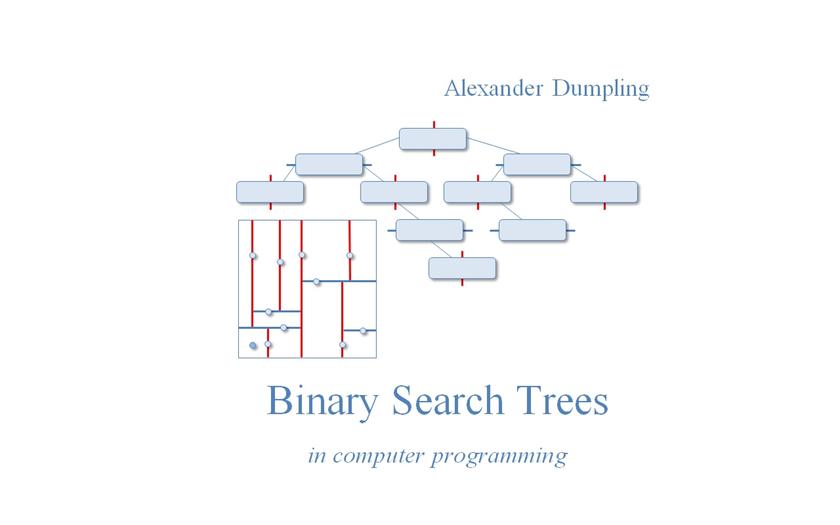
Binary Search Trees in Computer Programming
¥163.50
Binary Search Trees in Computer Programming
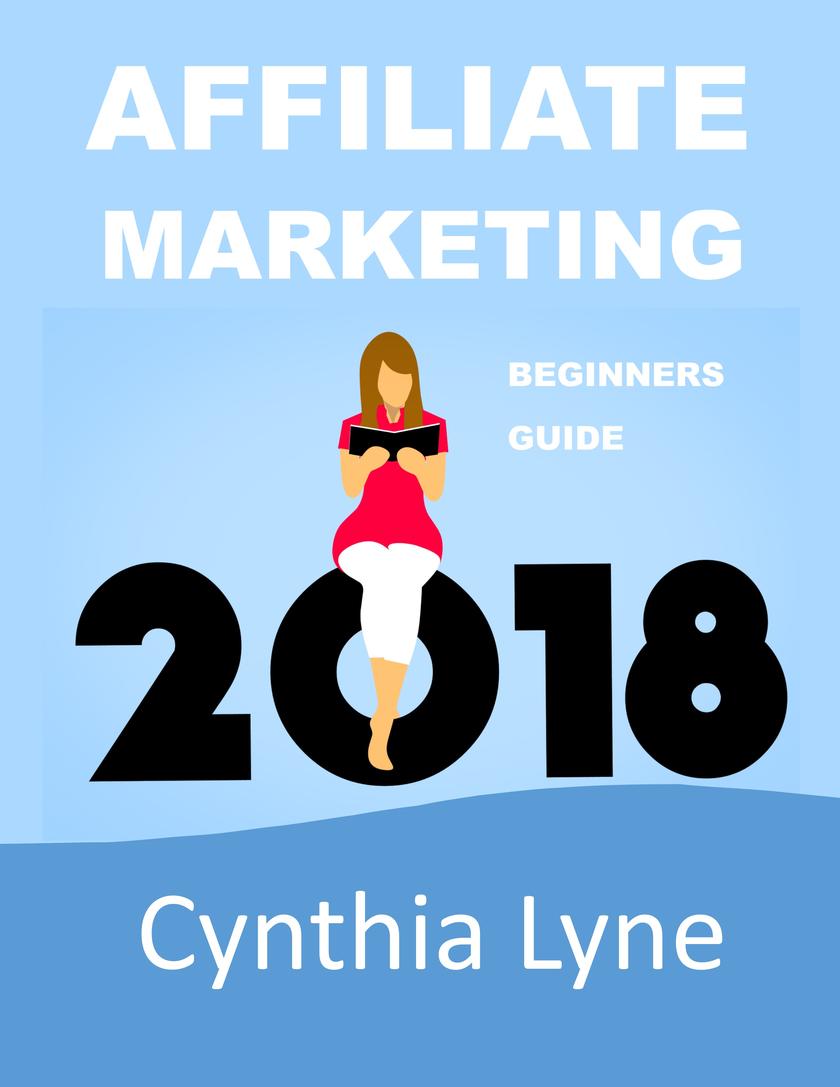
Affiliate Marketing 2018: Beginners Guide Book to Making Money Online
¥24.44
Affiliate Marketing 2018: Beginners Guide Book to Making Money Online
How to Learn Microsoft Publisher Software Quickly
¥24.44
How to Learn Microsoft Publisher Software Quickly
Java: Tips and Tricks to Programming Code with Java
¥24.44
Java: Tips and Tricks to Programming Code with Java
Java: Advanced Guide to Programming Code with Java
¥24.44
Java: Advanced Guide to Programming Code with Java
Microsoft Excel
¥28.61
Microsoft Excel
JavaScript: Tips and Tricks to Programming Code with Javascript
¥24.44
JavaScript: Tips and Tricks to Programming Code with Javascript
Learn Programming by Coding Like a Professional: Create Games, Apps, & Programs
¥40.79
Learn Programming by Coding Like a Professional: Create Games, Apps, & Programs
Blockchain Technology with DevOps and Microservices Architecture: A Non-Programm
¥27.82
Blockchain Technology with DevOps and Microservices Architecture: A Non-Programmer's Handbook
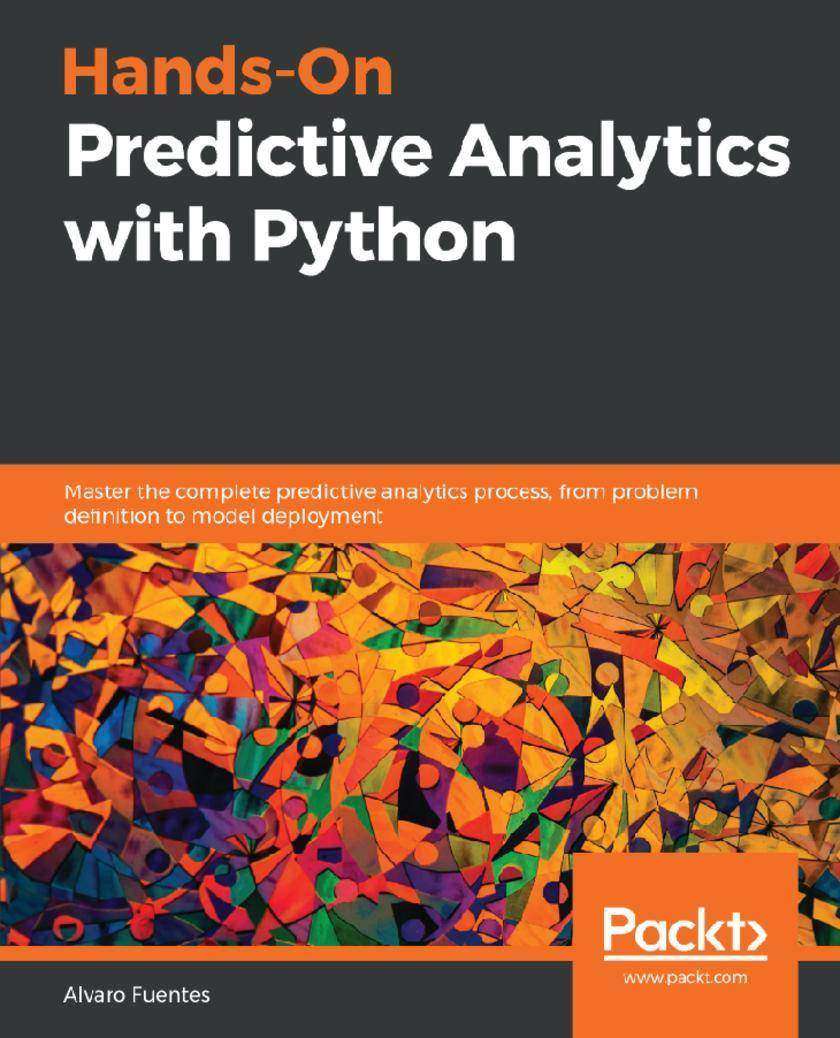
Hands-On Predictive Analytics with Python
¥81.74
Step-by-step guide to build high performing predictive applications Key Features *Use the Python data analytics ecosystem to implement end-to-end predictive analytics projects *Explore advanced predictive modeling algorithms with an emphasis on theory with intuitive explanations *Learn to deploy a predictive model's results as an interactive application Book Description Predictive analytics is an applied field that employs a variety of quantitative methods using data to make predictions. It involves much more than just throwing data onto a computer to build a model. This book provides practical coverage to help you understand the most important concepts of predictive analytics. Using practical, step-by-step examples, we build predictive analytics solutions while using cutting-edge Python tools and packages. The book's step-by-step approach starts by defining the problem and moves on to identifying relevant data. We will also be performing data preparation, exploring and visualizing relationships, building models, tuning, evaluating, and deploying model. Each stage has relevant practical examples and efficient Python code. You will work with models such as KNN, Random Forests, and neural networks using the most important libraries in Python's data science stack: NumPy, Pandas, Matplotlib, Seaborn, Keras, Dash, and so on. In addition to hands-on code examples, you will find intuitive explanations of the inner workings of the main techniques and algorithms used in predictive analytics. By the end of this book, you will be all set to build high-performance predictive analytics solutions using Python programming. What you will learn *Get to grips with the main concepts and principles of predictive analytics *Learn about the stages involved in producing complete predictive analytics solutions *Understand how to define a problem, propose a solution, and prepare a dataset *Use visualizations to explore relationships and gain insights into the dataset *Learn to build regression and classification models using scikit-learn *Use Keras to build powerful neural network models that produce accurate predictions *Learn to serve a model's predictions as a web application Who this book is for This book is for data analysts, data scientists, data engineers, and Python developers who want to learn about predictive modeling and would like to implement predictive analytics solutions using Python's data stack. People from other backgrounds who would like to enter this exciting field will greatly benefit from reading this book. All you need is to be proficient in Python programming and have a basic understanding of statistics and college-level algebra.

DevOps with Kubernetes
¥90.46
Leverage the power of Kubernetes to build an efficient software delivery pipeline. Key Features * Learn about DevOps, containers, and Kubernetes all within one handy book * A practical guide to container management and orchestration * Learn how to monitor, log, and troubleshoot your Kubernetes applications Book Description Kubernetes has been widely adopted across public clouds and on-premise data centers. As we're living in an era of microservices, knowing how to use and manage Kubernetes is an essential skill for everyone in the IT industry. This book is a guide to everything you need to know about Kubernetes—from simply deploying a container to administrating Kubernetes clusters wisely. You'll learn about DevOps fundamentals, as well as deploying a monolithic application as microservices and using Kubernetes to orchestrate them. You will then gain an insight into the Kubernetes network, extensions, authentication and authorization. With the DevOps spirit in mind, you'll learn how to allocate resources to your application and prepare to scale them efficiently. Knowing the status and activity of the application and clusters is crucial, so we’ll learn about monitoring and logging in Kubernetes. Having an improved ability to observe your services means that you will be able to build a continuous delivery pipeline with confidence. At the end of the book, you'll learn how to run managed Kubernetes services on three top cloud providers: Google Cloud Platform, Amazon Web Services, and Microsoft Azure. What you will learn * Learn fundamental and advanced DevOps skills and tools * Get a comprehensive understanding of containers * Dockerize an application * Administrate and manage Kubernetes cluster * Extend the cluster functionality with custom resources * Understand Kubernetes network and service mesh * Implement Kubernetes logging and monitoring * Manage Kubernetes services in Amazon Web Services, Google Cloud Platform,and Microsoft Azure Who this book is for This book is for anyone who wants to learn containerization and clustering in a practical way using Kubernetes. No prerequisite skills are required, however, essential DevOps skill and public/private Cloud knowledge will accelerate the reading speed. If you're advanced, you can get a deeper understanding of all the tools and technique described in the book.
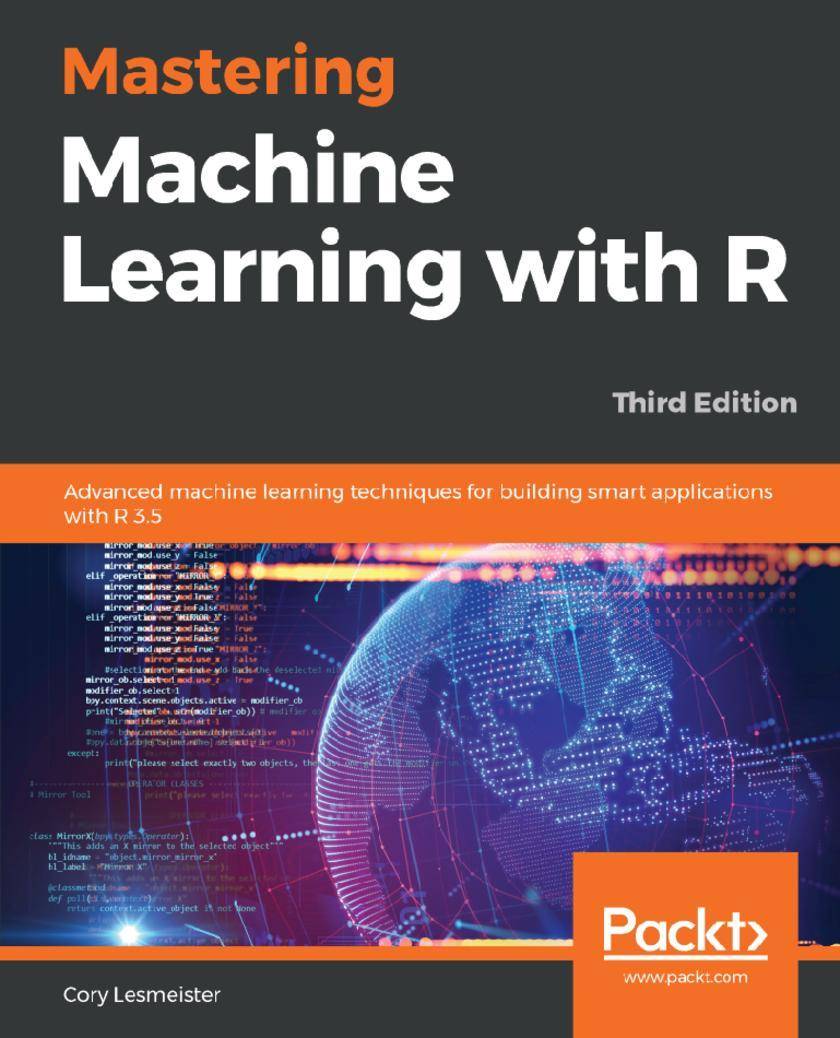
Mastering Machine Learning with R
¥73.02
Stay updated with expert techniques for solving data analytics and machine learning challenges and gain insights from complex projects and power up your applications Key Features * Build independent machine learning (ML) systems leveraging the best features of R 3.5 * Understand and apply different machine learning techniques using real-world examples * Use methods such as multi-class classification, regression, and clustering Book Description Given the growing popularity of the R-zerocost statistical programming environment, there has never been a better time to start applying ML to your data. This book will teach you advanced techniques in ML ,using? the latest code in R 3.5. You will delve into various complex features of supervised learning, unsupervised learning, and reinforcement learning algorithms to design efficient and powerful ML models. This newly updated edition is packed with fresh examples covering a range of tasks from different domains. Mastering Machine Learning with R starts by showing you how to quickly manipulate data and prepare it for analysis. You will explore simple and complex models and understand how to compare them. You’ll also learn to use the latest library support, such as TensorFlow and Keras-R, for performing advanced computations. Additionally, you’ll explore complex topics, such as natural language processing (NLP), time series analysis, and clustering, which will further refine your skills in developing applications. Each chapter will help you implement advanced ML algorithms using real-world examples. You’ll even be introduced to reinforcement learning, along with its various use cases and models. In the concluding chapters, you’ll get a glimpse into how some of these blackbox models can be diagnosed and understood. By the end of this book, you’ll be equipped with the skills to deploy ML techniques in your own projects or at work. What you will learn * Prepare data for machine learning methods with ease * Understand how to write production-ready code and package it for use * Produce simple and effective data visualizations for improved insights * Master advanced methods, such as Boosted Trees and deep neural networks * Use natural language processing to extract insights in relation to text * Implement tree-based classifiers, including Random Forest and Boosted Tree Who this book is for This book is for data science professionals, machine learning engineers, or anyone who is looking for the ideal guide to help them implement advanced machine learning algorithms. The book will help you take your skills to the next level and advance further in this field. Working knowledge of machine learning with R is mandatory.
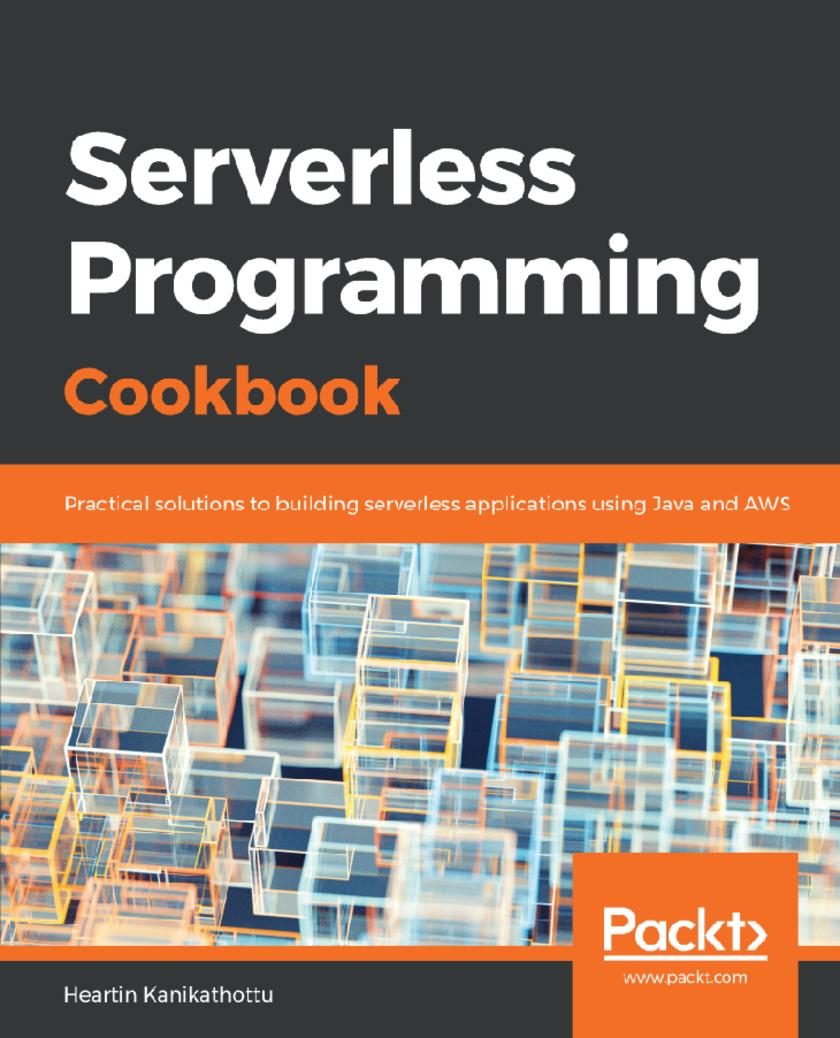
Serverless Programming Cookbook
¥81.74
Build, secure, and deploy real-world serverless applications in AWS and peek into the serverless cloud offerings from Azure, Google Cloud, and IBM Cloud Key Features * Build serverless applications with AWS Lambda, AWS CloudFormation and AWS CloudWatch * Perform data analytics and natural language processing(NLP)on the AWS serverless platform * Explore various design patterns and best practices involved in serverless computing Book Description Managing physical servers will be a thing of the past once you’re able to harness the power of serverless computing. If you’re already prepped with the basics of serverless computing, Serverless Programming Cookbook will help you take the next step ahead. This recipe-based guide provides solutions to problems you might face while building serverless applications. You'll begin by setting up Amazon Web Services (AWS), the primary cloud provider used for most recipes. The next set of recipes will cover various components to build a Serverless application including REST APIs, database, user management, authentication, web hosting, domain registration, DNS management, CDN, messaging, notifications and monitoring. The book also introduces you to the latest technology trends such as Data Streams, Machine Learning and NLP. You will also see patterns and practices for using various services in a real world application. Finally, to broaden your understanding of Serverless computing, you'll also cover getting started guides for other cloud providers such as Azure, Google Cloud Platform and IBM cloud. By the end of this book, you’ll have acquired the skills you need to build serverless applications efficiently using various cloud offerings. What you will learn * Serverless computing in AWS and explore services with other clouds * Develop full-stack apps with API Gateway, Cognito, Lambda and DynamoDB * Web hosting with S3, CloudFront, Route 53 and AWS Certificate Manager * SQS and SNS for effective communication between microservices * Monitoring and troubleshooting with CloudWatch logs and metrics * Explore Kinesis Streams, Amazon ML models and Alexa Skills Kit Who this book is for For developers looking for practical solutions to common problems while building a serverless application, this book provides helpful recipes. To get started with this intermediate-level book, knowledge of basic programming is a must.


