


 购物车
购物车 个人中心
个人中心
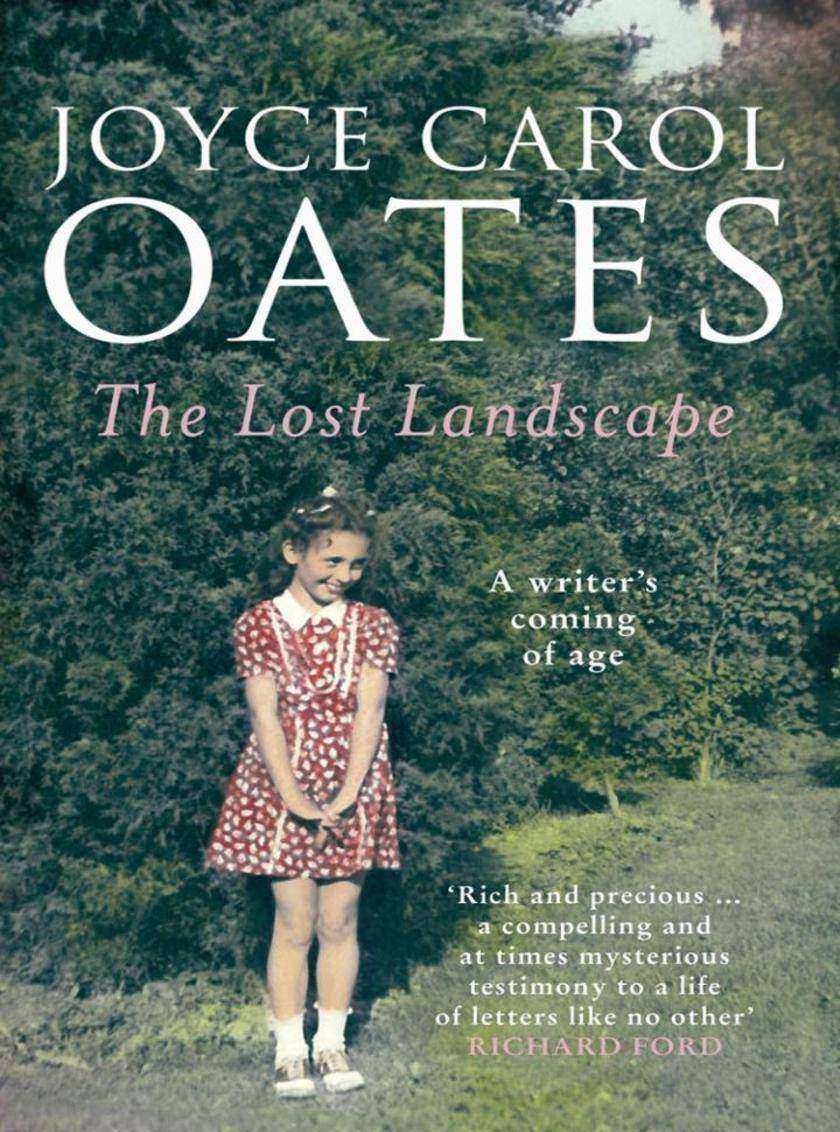
The Lost Landscape
¥73.58
Britain’s World Scrabble Champion reveals the secrets for mastering the world of competitive Scrabble. If you play at home, online, in a club or in competitive tournaments this is the ideal insight into the mind of a Scrabble World Champion. Craig analyses opening positions, middle game scenarios and of course the end game. Walk through common rack and board problems encountered by Craig and other top players so you are ideally prepared for your next match. With an attractive design, and grids and diagrams throughout, this is an invaluable reference for all keen Scrabble? players. Contains complete lists of all the latest valid two and three letter words and their definitions from Collins Scrabble Words 2015.

A Cottage in the Country: Escape to the cosiest little cottage in the country
¥45.42
‘A Cottage in the Country is a real feast for the senses. Get the coffee pot on, grab a pack of biscuits and let Maddie soothe your soul.’ – BestChickLit What do you do when your best friend has an affair with your husband of twenty-five years? Well, you pack your bags, grab half of the equity in the house you've both lovingly restored and run away to an idyllic little cottage in the country. Only, it’s not quite so idyllic when 1) Rustic charm sounds rather romantic, but the reality is something else … 2) The heavens decide to open on moving day and the rain just keeps on coming Maddie Brooks grits her teeth and hires the highly recommended 'man who can', ex-soldier, Lewis Hart. As he rips out the very shabby, and decidedly not-so-chic kitchen, reality sets in. Not only is he the most abrupt person she's ever met, but the man is a Neanderthal! As the flood waters rise, and the village is cut off, everything that could possibly go wrong, does. Hitting the big five-o is the final straw. No presents, family or friends—just infuriating Lewis, who can’t leave because the flood has now cut off his exit. How on earth is she going to get through this and put her life back together? Can Maddie Brooks become that ‘fifty-and-fabulous’ woman of her dreams?

Cover Girl
¥37.08
Powerhouse romance editor Keira Madison is known as “Cover Girl” – because she’s come up with the concepts for the covers of the best selling novels in history. But right now, she’s desperate to replace her best selling author. Wannabe author Alex Bauer has given up hope of ever selling his military thriller, so he takes a shot at writing a romance and sends it to super agent Bella Farentino. She’s blown away by the book, but more shocked to find out the author is a man. So she decides it’s best to keep it a secret when pitching the novel – what does a man know about romance after all? When Keira buys the book, Alex needs a cover story to hide the fact he’s the real author. So he invents a fictional cousin who’s an agoraphobe; too shy to ever leave the house. He agrees to work as “her” intermediary during the editing process while getting a friend to “play” the author on the phone. One major problem. He falls hard for Keira, a spunky redhead who is a dead ringer for the heroine in the book. And she’s smitten with him, as he’s a clone of the novel’s romantic hero, a fictional Mister Right come to life. You see where this is going. As the release date for the book gets closer, their relationship grows stronger while the tale of the fictional author goes over the top. At some point Alex will have to come clean that he’s the real author of the book but worries he’ll risk losing Keira because she won’t be able to trust him. It’s “Tootsie” meets the publishing world… without anyone getting dressed up in drag.

The Boy No One Loved: Free Sampler
¥14.62
Discover the incredible memoirs of internationally bestselling author Casey Watson with this free extended eBook sampler of Casey’s first book, and Sunday Times bestseller, The Boy No One Loved. Justin was five years old; his brothers two and three. Their mother, a heroin addict, had left them alone again. Later that day, after trying to burn down the family home, Justin was taken into care. Six years on, after 20 failed placements, Justin arrives at Casey’s home. Casey and her husband Mike are specialist foster carers. They practice a new style of foster care that focuses on modifying the behaviour of profoundly damaged children. They are Justin’s last hope, and it quickly becomes clear that they are facing a big challenge. Try as they might to make him welcome, he seems determined to strip his life of all the comforts they bring him, violently lashing out at schoolmates and family and throwing any affection they offer him back in their faces. After a childhood filled with hurt and rejection, Justin simply doesn’t want to know. But, as it soon emerges, this is only the tip of a chilling iceberg. A visit to Justin’s mother on Boxing Day reveals that there are some very dark underlying problems that Justin has never spoken about. As the full picture becomes clearer, and the horrific truth of Justin’s early life is revealed, Casey and her family finally start to understand the pain he has suffered…

This Winter (A Solitaire novella)
¥22.66
A short story, based on characters from Solitaire – praised as ‘The Catcher in the Rye for the digital age’ The Times I used to think that difficult was better than boring, but I know better now… I’m not going to think about the past few months, about Charlie and me, and all of the sad. I’m going to block it all out. Just for today. "Happy Christmas, " I say. The festive season isn't always happy for Tori and her brother Charlie. And this year's going to be harder than most.

A Present from Paul Temple: Two Short Stories including Light-Fingers
¥18.65
Two short stories featuring Francis Durbridge’s famous detective, Paul Temple. The perfect winter read, these two short stories follow Paul and Steve through a blustery Christmas and New Year’s Eve to solve two compelling crimes. Also featuring an introduction from Francis Durbridge on how he created his famous detective.

Dog Soldiers: Love, loyalty and sacrifice on the front line
¥66.22
Dog Soldiers tells the story of two brave young ‘dog soldiers’ (Army bomb dog handlers), killed in action in Afghanistan with their dogs by their side, through the inspirational words of their mothers. Lance Corporal Kenneth Rowe and Lance Corporal Liam Tasker were both dog lovers from boyhood and went on to do the job they had always wanted to do. Through the soldiers’ mothers – Lyn Rowe and Jane Duffy – the book will take the reader on a journey and a celebration of the young men’s lives that begins with the two young boys growing up and fulfilling their dream to serve Queen and country as Army dog handlers – Ken Rowe with his dog, Sasha, and Liam Tasker with his canine partner, Theo. Both mothers acknowledge that their sons signed up to do the job they loved best and fell with their loyal and trusted best friend beside them. Jane Duffy said of her son, Liam Tasker: ‘I know my son died doing the job he loved. And he loved that dog as I loved my son, with every ounce of his being. To lose Liam was and still is unbearable. But for Liam to have survived without Theo? Unthinkable.’

The Whitest Flower
¥63.77
Set against the backdrop of the Great Famine, this is the story of the triumph of one woman amidst Ireland's despair. It is August 1845. In Dublin's Botanic Gardens, Phytophora infestans is discovered for the first time. The bacteria was to result in the Great Famine, an event of holocaust proportions that affected every man, woman and child in Ireland. England's shame; Ireland's tragedy . Ellen O'Malley is one such victim. She loses her husband, is duped into going to Australia to lead a better life, leaving three of her beloved children behind. She travels aboard a coffin ship and arrives emaciated and ill with her new baby. But Ellen, a woman with an indomitable spirit, rises above her oppression and eventually returns to wreak revenge on those perpetrators of her misery.

The Last of Us
¥66.22
When a pandemic wipes out the entire population of a remote Scottish island, only a small group of children survive. How will they fend for themselves? Since the last adult died, sensible Elizabeth has been the group leader, testing for a radio signal, playing teacher and keeping an eye on Alex, the littlest, whose insulin can only last so long. There is ‘shopping’ to do in the houses they haven’t yet searched and wrong smells to avoid. For eight-year-old Rona each day brings fresh hope that someone will come back for them, tempered by the reality of their dwindling supplies. With no adults to rebel against, squabbles threaten the fragile family they have formed. And when brothers Calum Ian and Duncan attempt to thwart Elizabeth’s leadership, it prompts a chain of events that will endanger Alex’s life and test them all in unimaginable ways. Reminiscent of The Lord of the Flies and The Cement Garden, The Last of Us is a powerful and heartbreaking novel of aftershock, courage and survival.
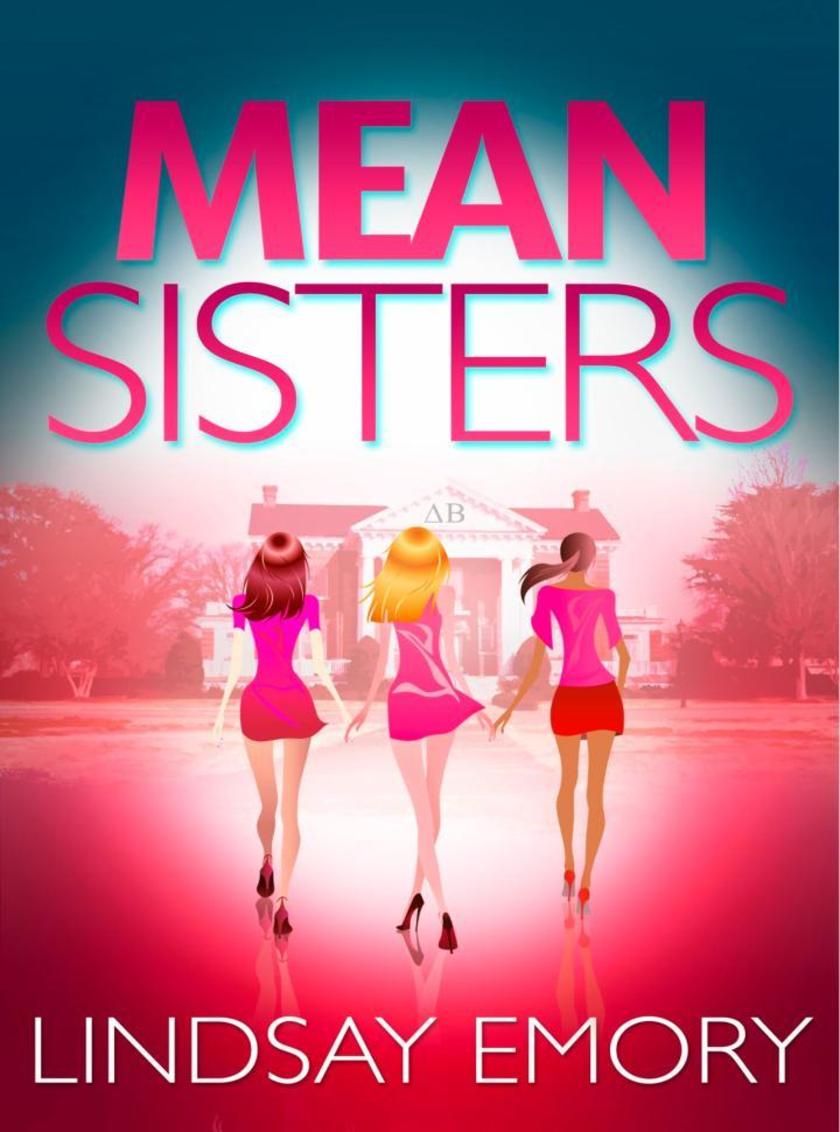
Mean Sisters:A sassy, hilariously funny murder mystery
¥22.27
Perfect for fans of Sophie Kinsella, Lindsey Kelk and Mean Girls. Margot Blythe:20-something, sharp, friendly and totally incapable of letting her college glory days go. When she returns to her old college as an advisor, she can't wait to be reunited with her sorority sisters. But her homecoming reception isn't exactly what she expected. Tragedy strikes, sending shock waves down sorority row, and Margot is forced to step up. She's determined to save her fifty frazzled sisters, keep the suspicious (but dangerously cute) police officer at bay and find out the real truth - could a sister have committed such an unimaginable sin as murder? A sassy, hilariously funny murder mystery where the closest bonds of friendship might just kill you ...

Blind Date with the Boss (Mills & Boon Romance)
¥23.05
From boardroom… Sally Finch has come to Sydney for a fresh start. She’s not looking for a relationship – and she really tries to ignore her attraction to her brooding MD, Logan Black. To ballroom… Logan is absolutely focussed on business, but when he’s roped in to attending a charity ball it’s bubbly, fun-loving Sally who steps in to help him brush up on his dance moves! To bride and groom…? Sally’s falling for Logan, but it takes two to tango! Will Logan put his life plan on hold and make his receptionist his wife?

Rescued by the Magic Of Christmas (Mills & Boon Romance)
¥23.05
Mills & Boon Sweet series promises love affairs to last a lifetime…Carly Bishop hasn't celebrated Christmas for six years not since icy Mount Hood claimed her fiance's life and left her a widow before she was a bride. But this year, handsome Jake Porter is determined she'll enjoy herself. Jake is a mountain rescuer, big-hearted and courageous, but Carly is too scared of loving him in case she loses him. In a whirl of festive fun, sleigh rides and snowball fights, Christmas starts to weave its magic. Though it's Jake who is melting Carly's heart.

Her Millionaire, His Miracle (Mills & Boon Romance) (Heart to Heart, Book 20)
¥23.05
The blind millionaire All his life, rich and powerful Jeremy Fulton had needed no one. Now he was going blind – and he had to reveal his secret to the woman he’d once overlooked: the shy and poor Eden Byars. Accepting her temporary help would be hard – and acting on their unexpected attraction unforgivable… Jeremy claimed he had nothing to offer a woman. But Eden wouldn’t give up on the man she’d loved from afar for so long. Could she find a way to bring light to this proud millionaire’s heart? It would take a miracle…

The First Man You Meet (Mills & Boon Short Stories)
¥11.48
Shelly Hansen was horrified when Great Aunt Milly's infamous wedding dress arrived. Family legend said she'd marry the next man she met. So when she ran into handsome Mark Brady, Shelly told herself - and him - that she wasn't interested. But then she started seeing him everywhere…

A Heavenly Christmas (Mills & Boon Short Stories)
¥11.48
Olivia drops in to see her neighbour, Ethan Sherbourne to deliver a Christmas card…but ends up staying for the festive season to help him look after a tiny abandoned baby! Ethan and Olivia are the perfect couple – but is Ethan the baby’s father? And if so, is he free to get involved with Olivia?

The Temp and the Tycoon (Mills & Boon Short Stories)
¥11.48
Part of the Mills & Boon 100th Birthday Collection After a disastrous first day Talie Calhoun is sure her sexy new boss, Jude Radcliffe, will hate her forever – they’re complete opposites! Jude is married to his work, while Talie believes life is for living. Her real job will be to persuade Jude to live life to the full – with her!
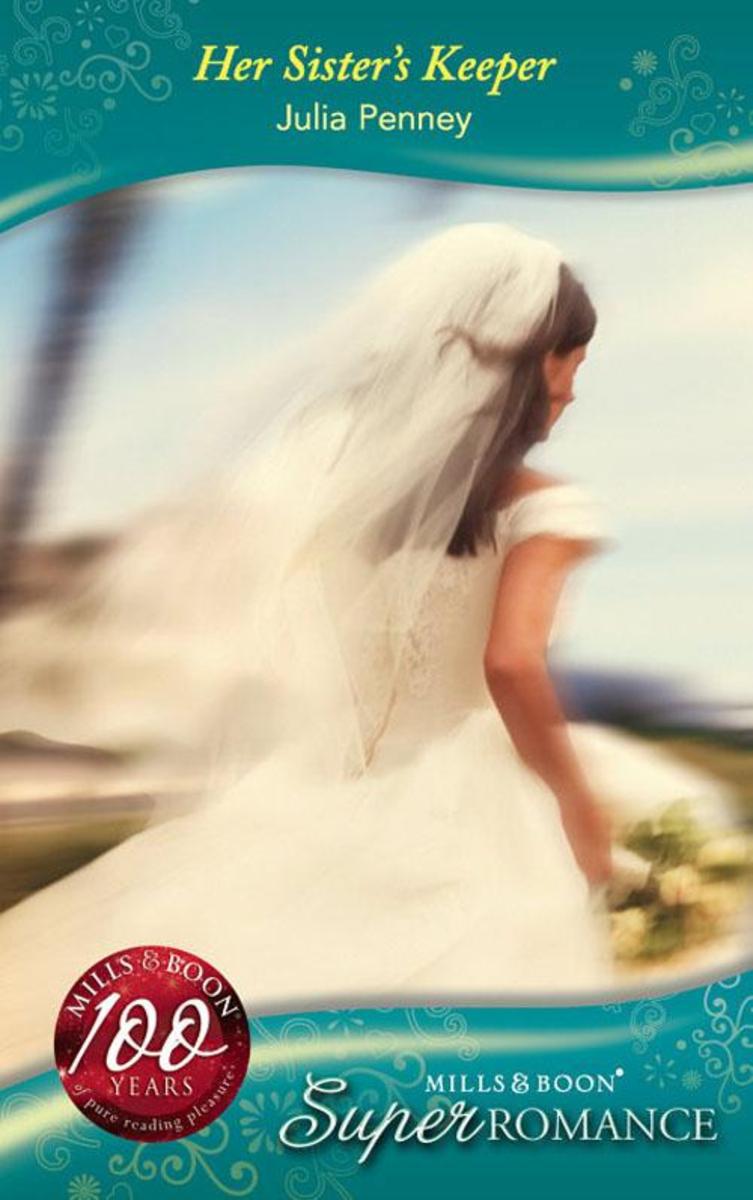
Her Sister's Keeper (Mills & Boon Superromance)
¥28.35
Enjoy the dreams, explore the emotions, experience the relationships. He’ll teach her to trust – and to love. After a crushing betrayal, Melanie Harris is beginning to put her life back together. Dr Kent Mattson wants to help the fragile beauty. But he has pressing problems of his own – two homicide investigations that may be linked. The situation gets complicated when he realises that Melanie knew both victims. Then Melanie’s sister goes missing – and Melanie realises that she needs to let go of the past. To save Ariel, she’ll have to trust Kent, the man who’s shown her how to love again.

Snowbound (Mills & Boon Superromance)
¥28.35
Enjoy the dreams, explore the emotions, experience the relationships. Stranded with a sexy soldier… A mountain blizzard, an enigmatic war veteran and an isolated cabin – not what Fiona MacPherson expected when she set out on a trip into the mountains with her students! Taking shelter from the storm at John Fallon’s lodge, Fiona is drawn to the quietly commanding battle-scarred warrior. When her arrival shatters John’s solitude, his world shifts on its axis. As the storm rages outside, John’s feelings for the sweet teacher get stronger. The ex-soldier faces his hardest fight – finding the courage to reach out to the remarkable woman who has transformed his life!
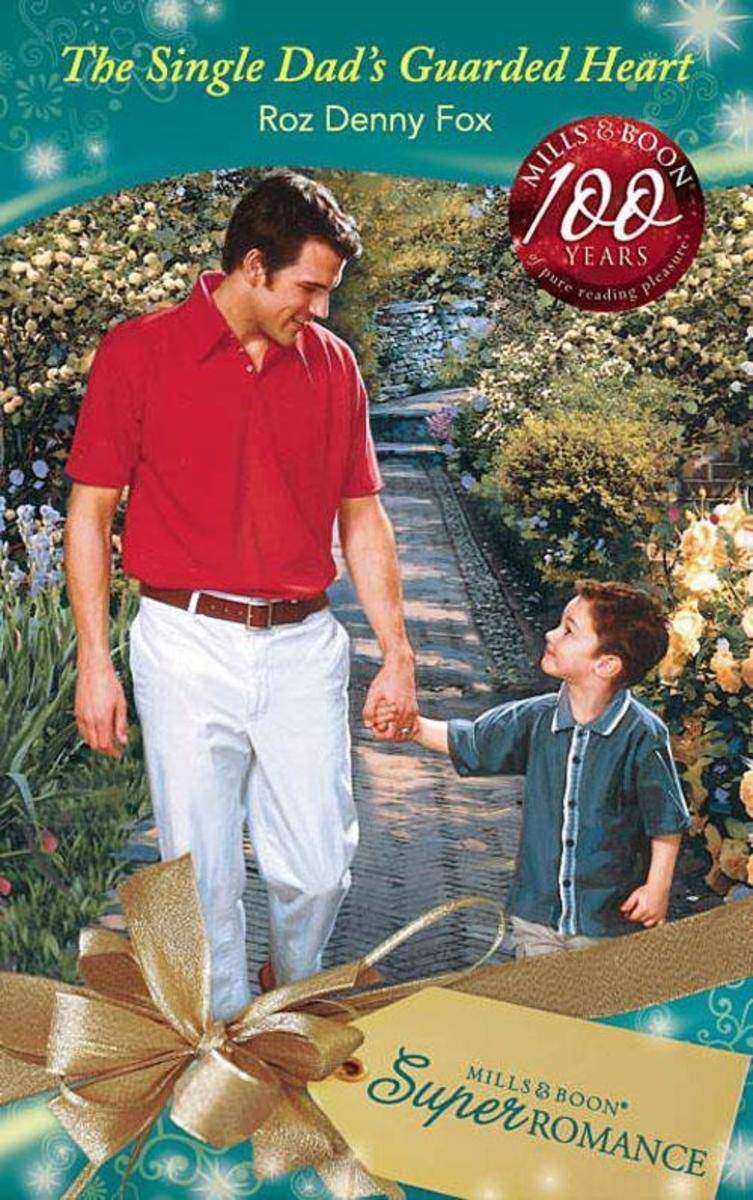
The Single Dad's Guarded Heart (Mills & Boon Superromance)
¥28.35
Enjoy the dreams, explore the emotions, experience the relationships. Fly away home Park ranger Wylie Ames doesn’t want a wife. His son, Dean, and he are getting on just fine on their own. But when Marlee Stein comes home to help run her family’s charter air service, their easy way of life comes crashing to the ground. First Dean falls for Marlee and her little daughter, Jo Beth. Suddenly there’s a distinctly feminine presence in their bachelor lifestyle. Then a tentative friendship forms between Marlee and Wylie. He’s been guarding himself from happiness for so long, Wylie almost doesn’t know how to ask for more – but surprisingly, wonderfully, things start to change between them…
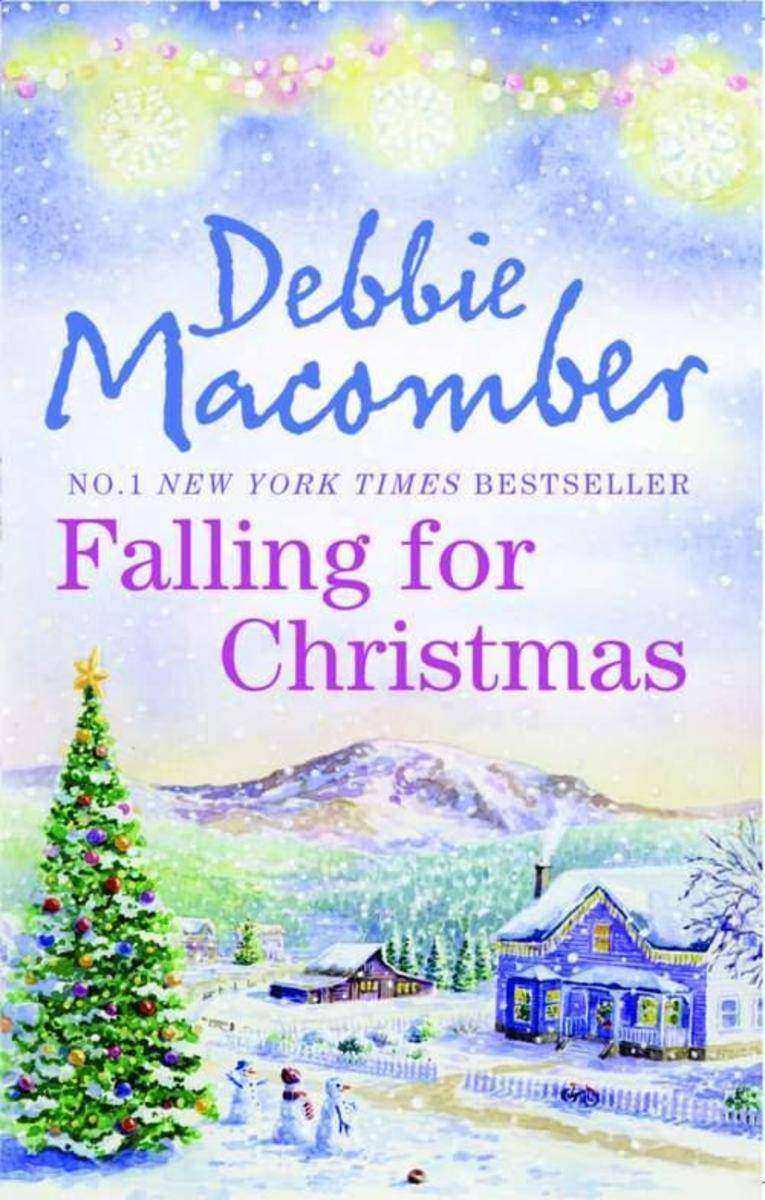
Falling for Christmas:A Cedar Cove Christmas , Call Me Mrs. Miracle
¥58.86
Mother-to-be Mary Jo Wyse arrives in Cedar Cove on Christmas Eve, pregnant and alone. However, the people of Cedar Cove are happy to lend a hand. There’s more than enough hope and love to go round this Christmas!
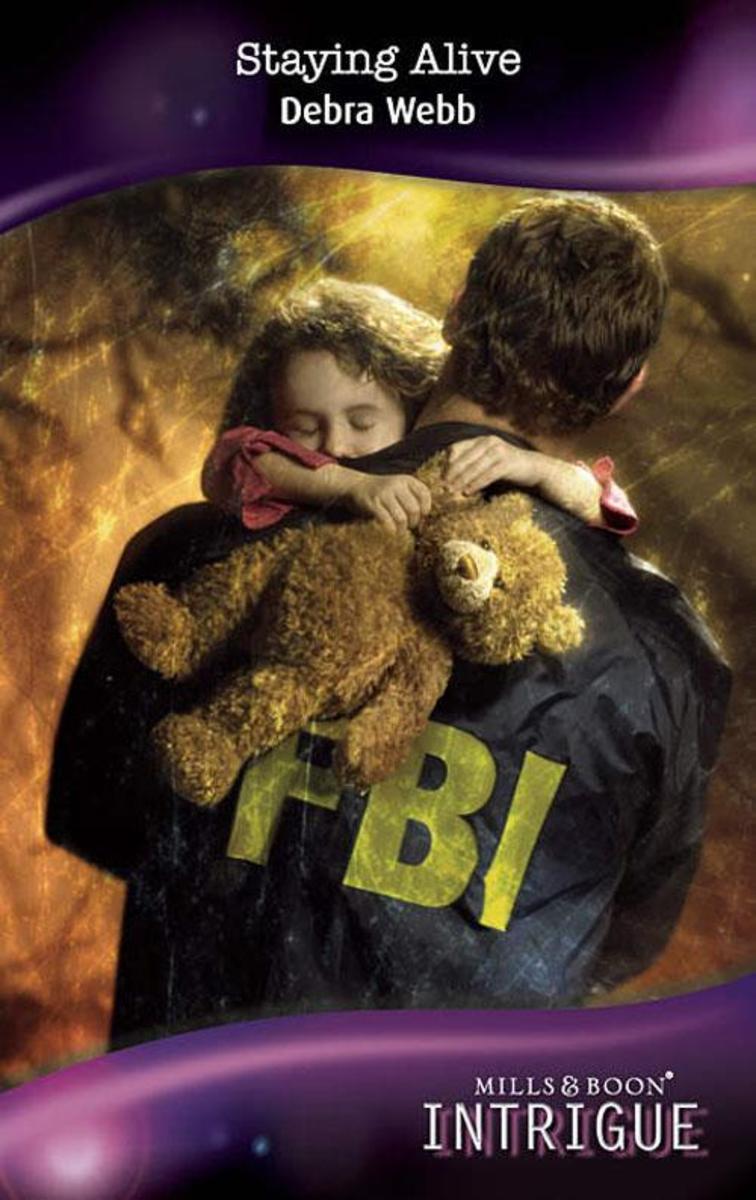
Staying Alive (Mills & Boon Intrigue)
¥24.13
“Claire Grant, you will die. Over and over again. ” A selfless act of bravery propelled Seattle schoolteacher Claire Grant into the centre of a manhunt. Now catching a terrorist depends on her – and her ability to play his deadly revenge game. One wrong move and she’ll die. And so will an innocent child. Her best chance for staying alive is charismatic FBI agent Luke Krueger – a man with his own agenda. Separate, Claire and Luke are pawns. But together, can they uncover the terrorist’s weakness and stop the madman once and for all?


