


 购物车
购物车 个人中心
个人中心

The Tycoon's Proposal (Mills & Boon Cherish)
¥21.58
HAS THE TYCOON MET HIS MATCH…? With the holiday season fast approaching, Lissa Morgan is in dire straits–she's stuck without a job, and the roof over her head is definitely temporary! So when a two-week live-in job is offered to her, Lissa snaps it up. What she doesn't realize is that she'll be in close proximity to Kurt Callahan–the man who broke her heart years before when she discovered he had only dated her for a schoolboy bet! Kurt's now a sexy businessman, and the attraction between them is sparking. Can Lissa forgive, forget and accept this tycoon's new proposal…?
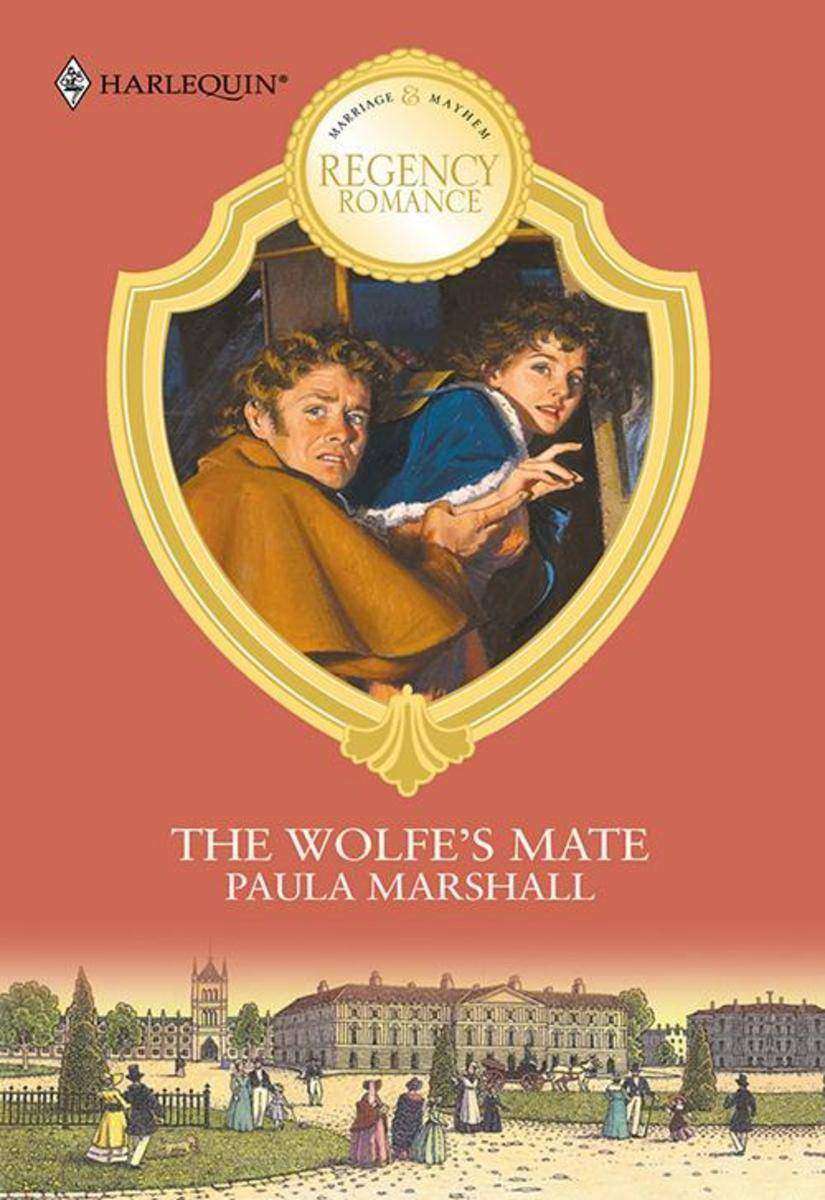
The Wolfe's Mate (Mills & Boon M&B)
¥27.27
MISTAKEN IDENTITY Unbeknownst to Miss Susanna Beverly, her stepfather had cheated her out of her rightful inheritance. Thus she was forced to become the companion of Miss Amelia Western, who was betrothed to Viscount Darlington. Who would have guessed she'd be mistaken for Amelia and kidnapped by Mr. Ben Wolfe's henchmen! Ben's intentions were honorable. He did at least intend to marry Amelia. But his real aim was revenge upon Darlington's family. Kidnapping the wrong woman upset all his plans, but as Ben got to know the forthright Susanna, he couldn't really admit to being sorry….
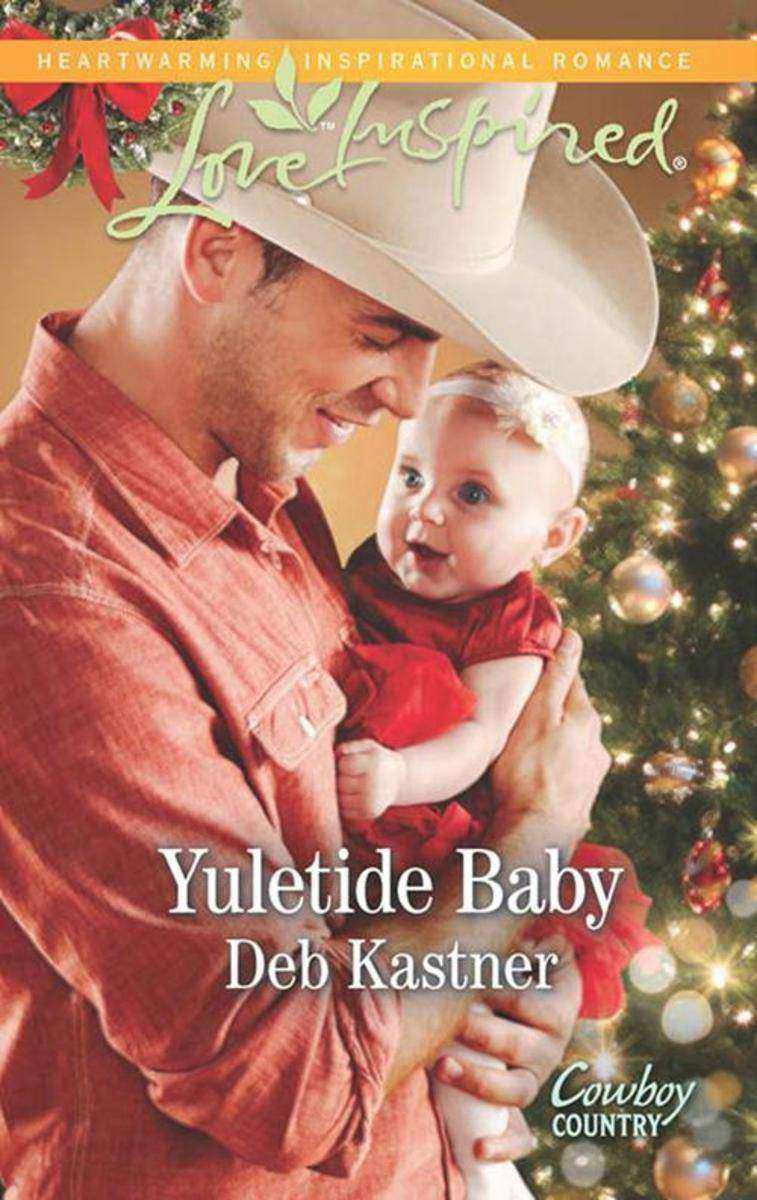
Yuletide Baby (Mills & Boon Love Inspired) (Cowboy Country, Book 1)
¥31.10
A Christmas Surprise Shawn O'Riley is shocked to find a baby girl abandoned at his church on Christmas Eve. He's a pastor and a cowboy–not a daddy! Haunted by family tragedy, he's not sure he can risk his heart to baby Noelle–or to anyone else. But he needs help. Experienced foster mom Heather Lewis was anticipating a quiet holiday. When Shawn pops up at her door, she's happy to show him the ropes of baby care–but isn't prepared for the way he melts the walls around her heart. Can Shawn and Heather give each other the best Christmas gift of all–family and love? Cowboy Country: Surprise babies lead to unexpected love in Texas
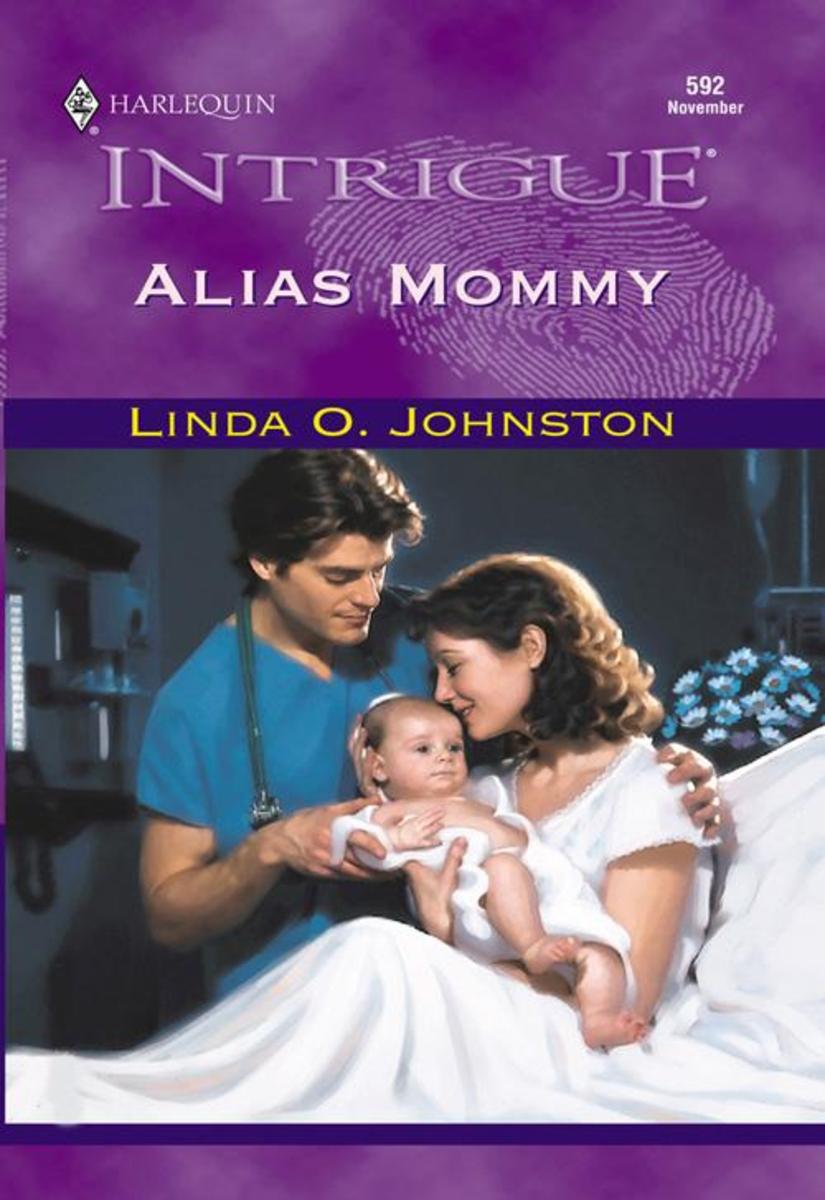
Alias Mommy (Mills & Boon Intrigue)
¥31.10
Rugged doctor Reeve Snyder had saved her and delivered her baby girl. He was her hero–the kind of man she would have liked to have as a friend…a lover…a father for her baby. If only…. Polly Black had been running from something–someone–when the accident had landed her in Reeve's care. He didn't want her gratitude; he wanted the truth, and he wanted her–for the three of them to be a family. Somehow he had to convince Polly that the only place worth running to…was straight into his arms.
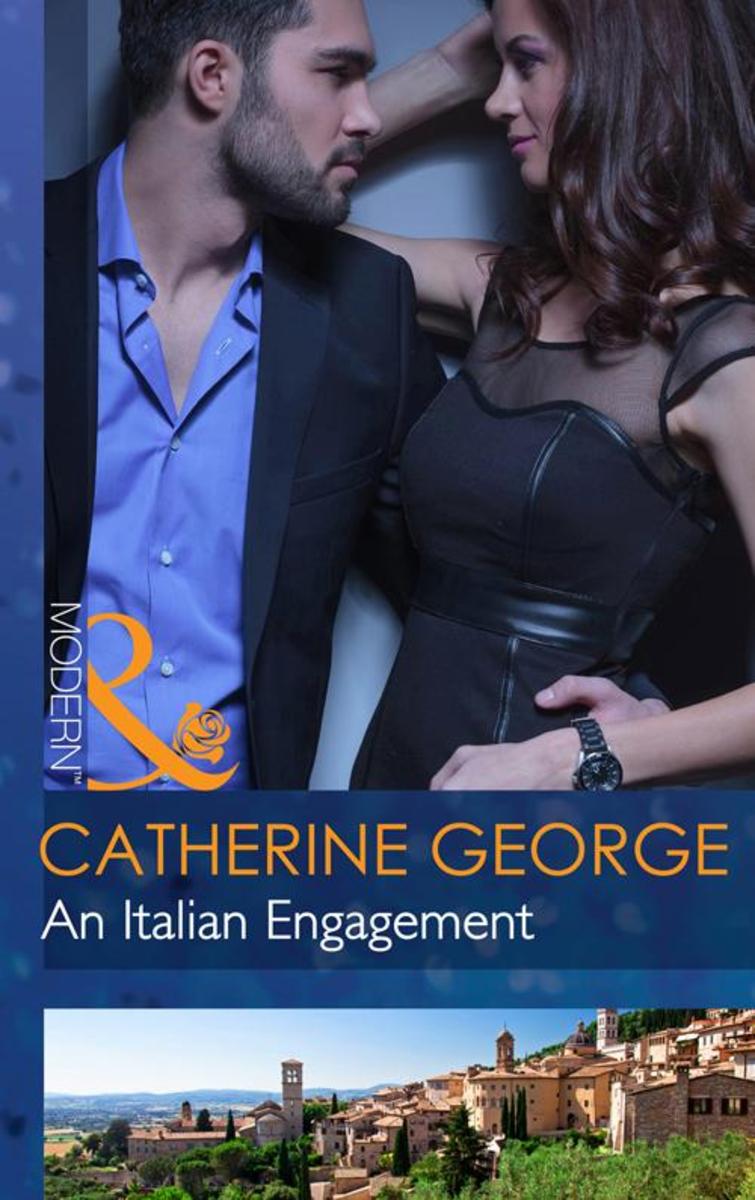
An Italian Engagement (Mills & Boon Modern)
¥21.58
Max Wingate is darkly, broodingly handsome–a perfect fit for his Italian surroundings. But his romantic charm and the fact that he rescues her still isn't enough to persuade Abigail Green to fall headlong into his arms. There's something held-back and vulnerable about Abby, behind her businesslike exterior, but Max is driven by his desire for her to continue his pursuit. He's determined to have her open up, surrender to him, and he'll use any means at his disposal…
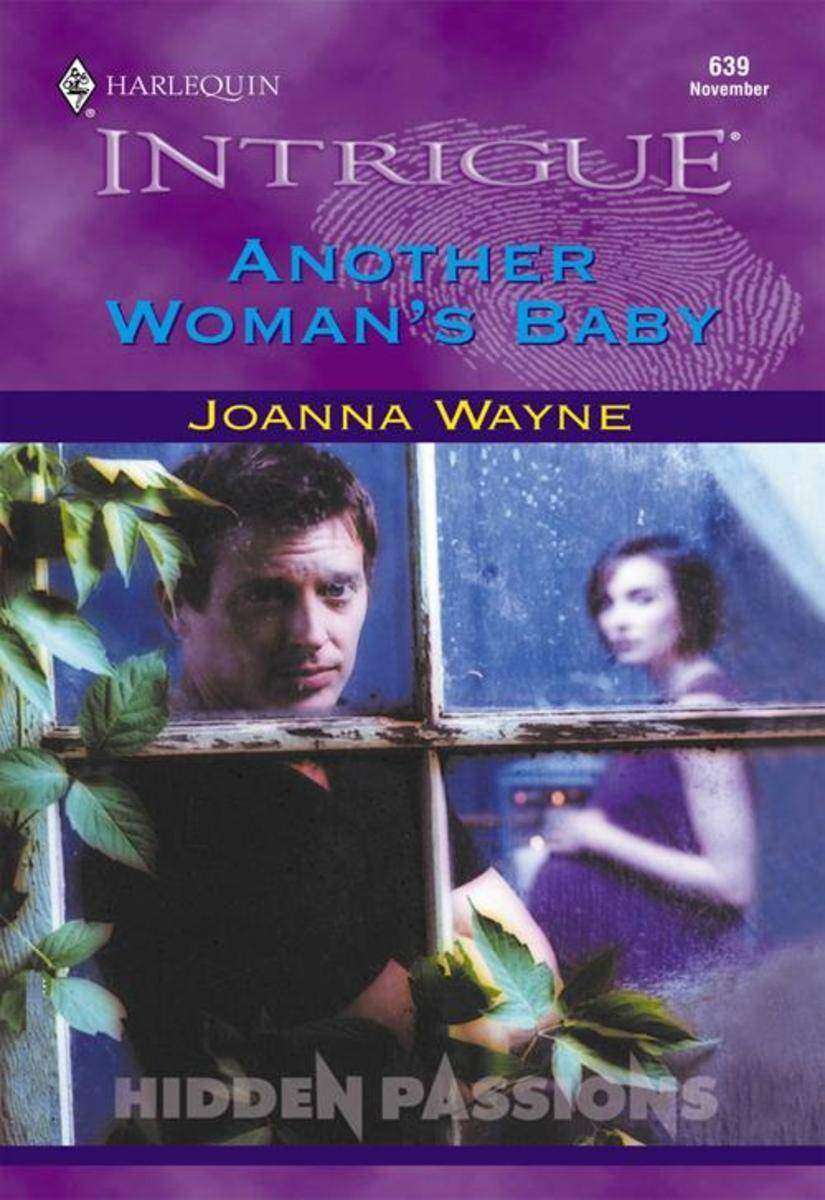
Another Woman's Baby (Mills & Boon Intrigue)
¥25.60
Travel with Joanna Wayne deep into the American South as she unlocks HIDDEN PASSIONS HOME FOR THE HOLIDAYS…WITH A TALL, DARK, SEXY STRANGER Surrogate mother Megan Lancaster had been prepared for what pregnancy would bring–only, an FBI hunk stringing lights on her Christmas tree wasn't one of those things! But her life was in danger, and agent Bart Cromwell, masquerading as her adoring lover, would protect her and her baby. Her baby.The child she carried no longer had parents…unless Megan and the sexy stranger who kept kissing her under the mistletoe were willing to put their hearts on the line and welcome the newborn as a family…for Christmas and forever.
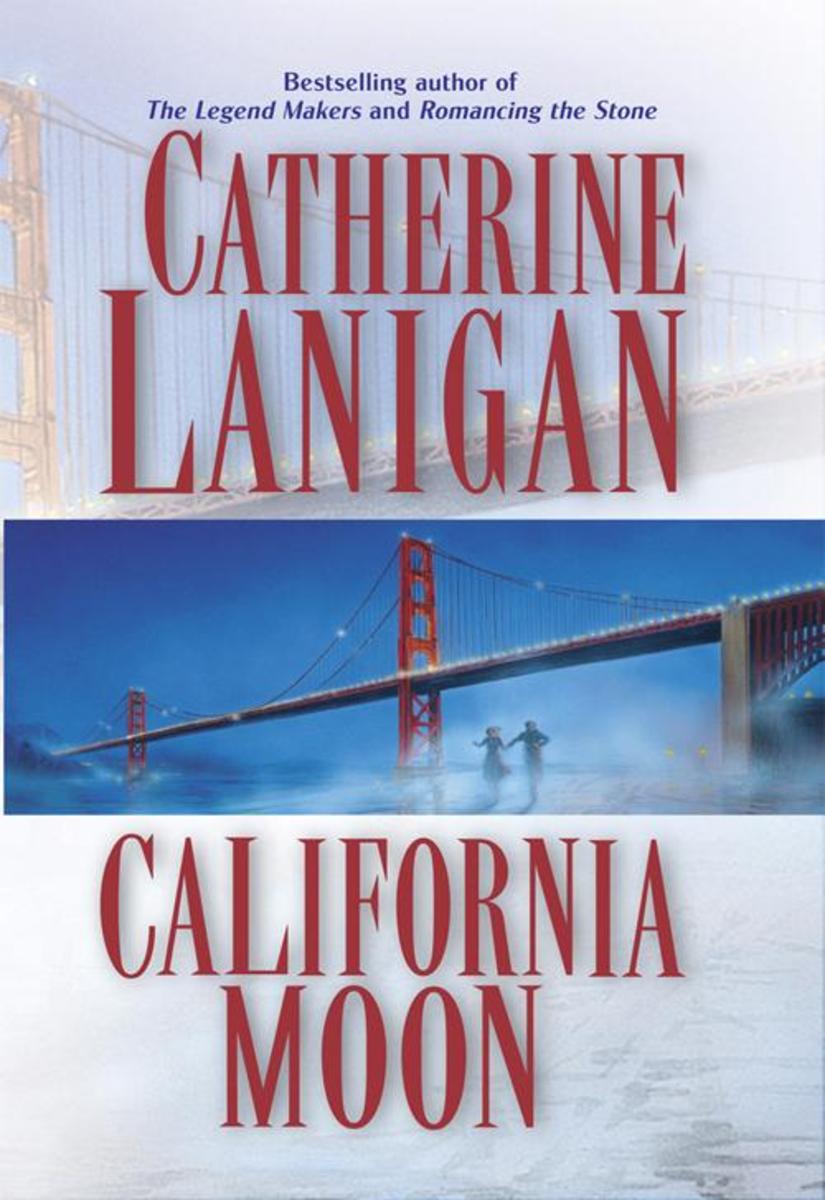
California Moon
¥51.50
Shannon Riley is a dedicated nurse with a secret past. Her patient -- comatose after a deadly beating -- is Gabe Turner, the prime suspect in his friend's drug-related murder. Gabe awakens and flees from the hospital to California, taking Shannon hostage as he tries to understand the mystery threatening his life. Pursued by the law and by ruthless men who want them dead, they play a dangerous game with no clear rules -- but many truths will be revealed under the California moon.
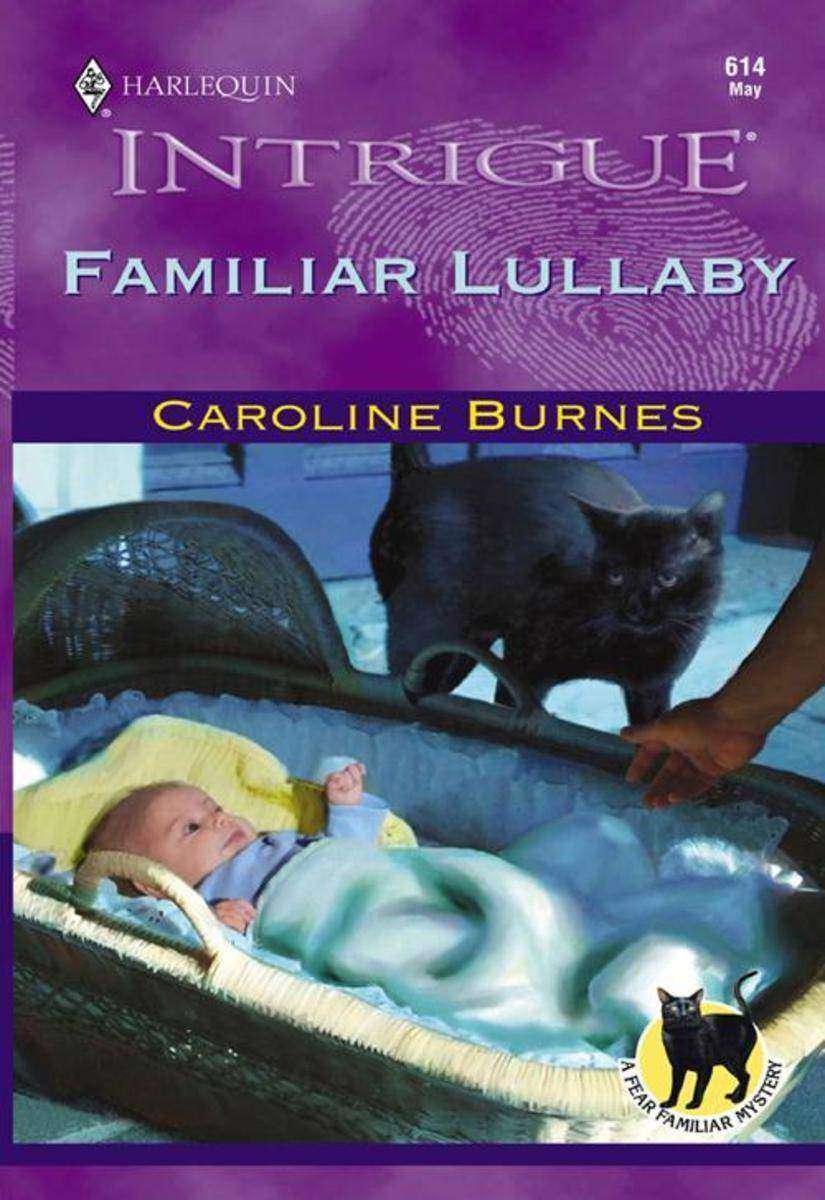
Familiar Lullaby (Mills & Boon Intrigue)
¥31.10
MYSTERY BABY ON THE DOORSTEP! Patience and calmness under fire always got police detective Mel Haskin what he wanted. But he was fast losing both – because of Lily Markey. The fiery-haired, jade-eyed reporter refused to tell him what she knew about the baby boy who'd appeared on a high-society doorstep. And what she knew could get her killed. So Mel vowed to stick to Lily as closely as the black cat who followed her everywhere. Because his badge demanded it… or was it his heart?
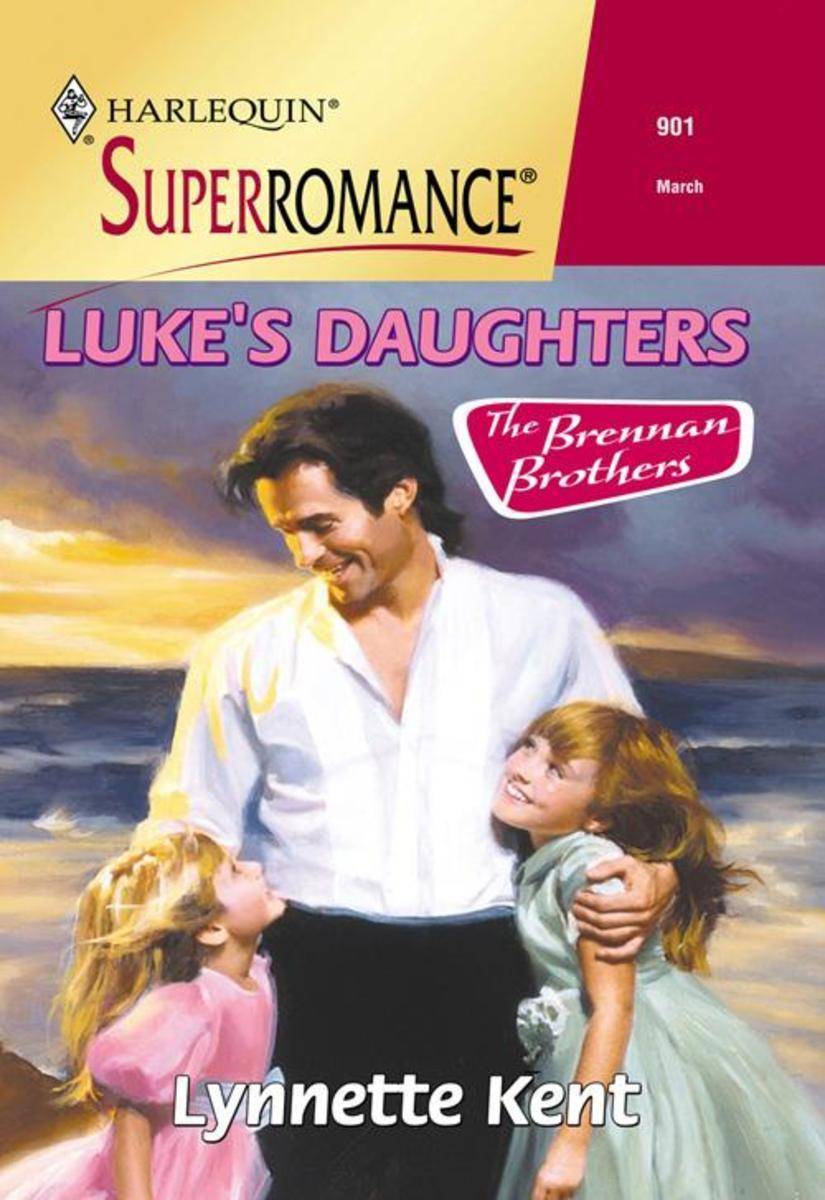
Luke's Daughters (Mills & Boon Vintage Superromance)
¥31.10
The Brennan Brothers His family belong to his brother now… Luke Brennan met Sarah Randolph on the worst day of his life. His brother's wedding day. The bride was Luke's ex-wife; the flower girls, Luke's daughters. Six years ago when Matt Brennan was reported missing in action and presumed dead, Luke had married Matt's heartbroken fiancée to give her unborn child a name. Gradually the marriage of convenience grew into something more…and a second baby was born. Then Matt returned to claim his family. Now only Sarah knows how much effort it takes for Luke to step away from his life–and his daughters. Only she knows how much he hurts. And only she can begin to fill the emptiness in his heart. If he'll let her…
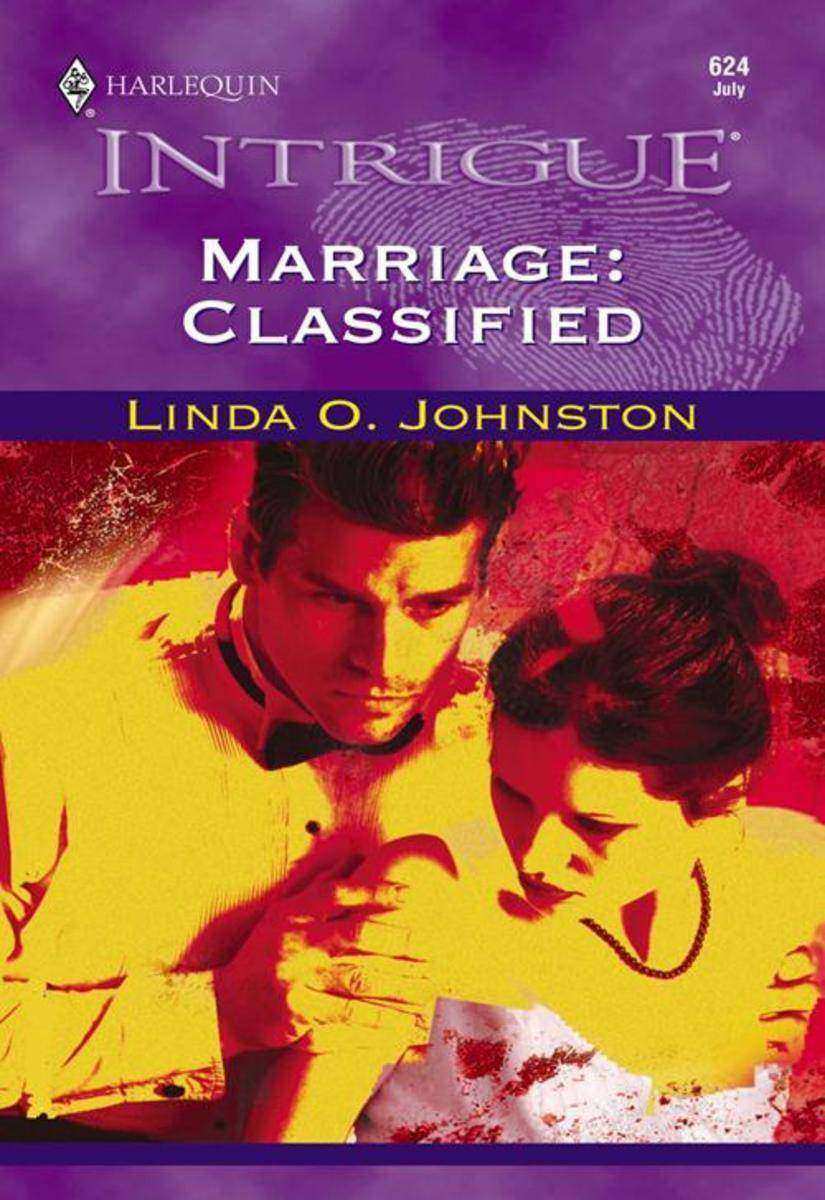
Marriage: Classified (Mills & Boon Intrigue)
¥31.10
Their marriage had been a set-up, their wedded bliss an act… but the feelings Detective Jordan Dawes had for his new bride, Sara, were never part of the plan. Now, thanks to the work of an elusive serial killer, Jordan was coping with an in-name-only wife who couldn't remember her own name and the unpleasant task of telling Sara her father was dead. Not the best way to start off a supposed lifetime of happiness. But was Sara's amnesia for real or just a ploy to keep the killer at bay? Either way, could Jordan keep the danger from infiltrating Sara's hazy world…and from destroying their chances at a real happily-ever-after?
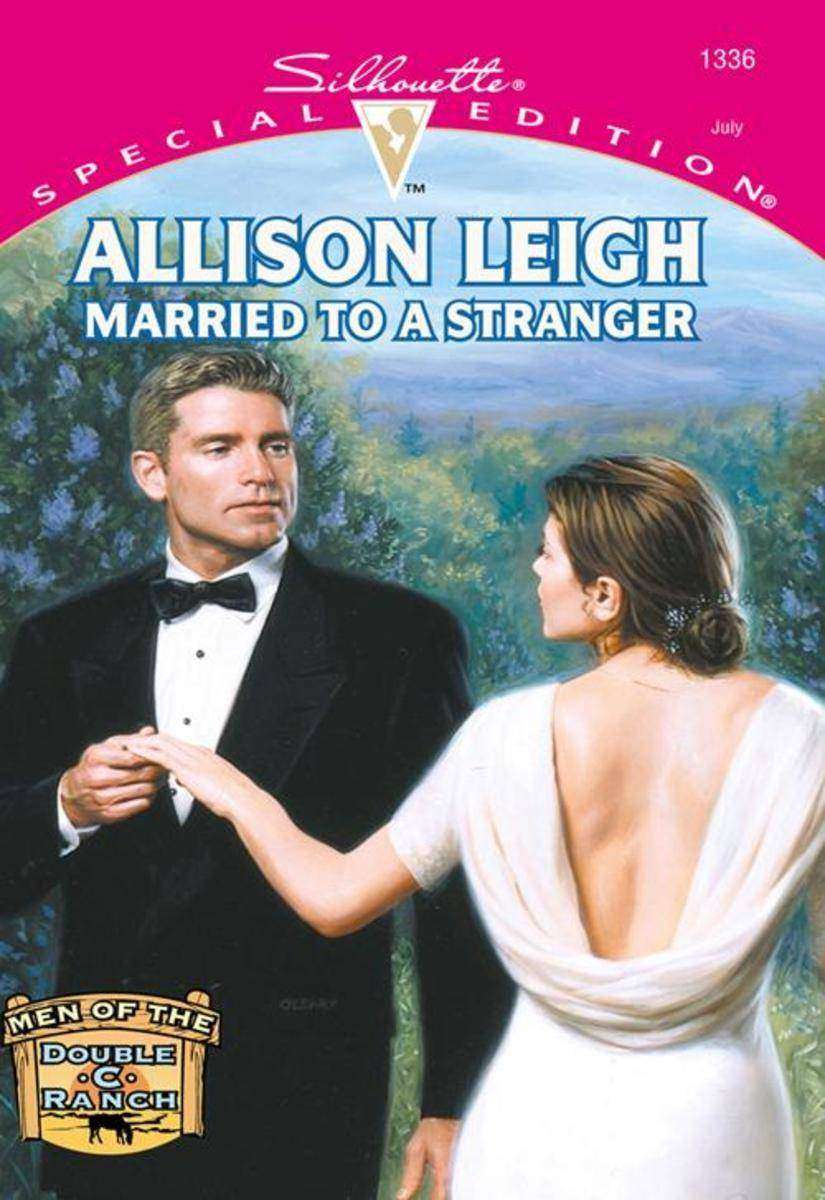
Married To A Stranger (Mills & Boon Cherish)
¥31.10
Back in sleepy Weaver, Wyoming, for his father's wedding, rich and handsome Tristan Clay found himself unaccountably attracted to bespectacled Hope Leoni—a homespun, hometown schoolmarm! With every fiber of his astonished being, he craved her innocent kiss. Just a kiss—nothing more. Tristan knew better to flirt further with such a sweet, virginal temptation… especially in this town. Yet in one short week his sensual attention compromised Hope's hard-won reputation, jeopardizing her job. And suddenly—though wedding bells gave him the willies—the only way to make things right…was to make Hope his wife!
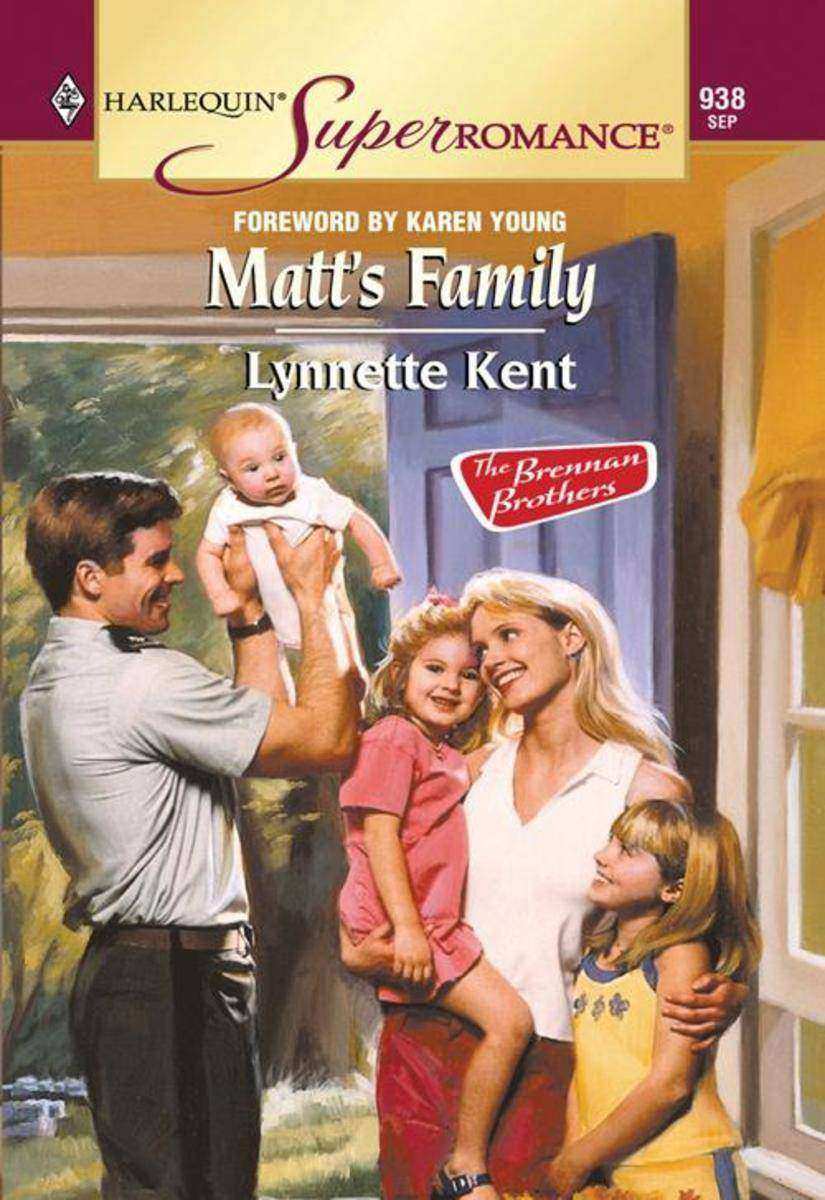
Matt's Family (Mills & Boon Vintage Superromance)
¥31.10
She loved one Brennan–but she married the other… Kristen had known the Brennan boys forever. She'd loved Luke as a friend, but she'd been in love with Matt for as long as she could remember. Then, just before her eighteenth birthday, the army posted Matt to Africa. Months later the dreaded telegram arrived: Missing, presumed dead. Young, scared and pregnant, Kristen turned to her friend Luke. Together they agreed that getting married would be best for her baby. Slowly Luke and Kristen turned their marriage of convenience into a real one, and a second baby was born. Then five years later, Matt Brennan–the man she'd never stopped loving–came home… Matt's Family is the second book in Lynnette Kent's compelling THE BRENNAN BROTHERS family saga.
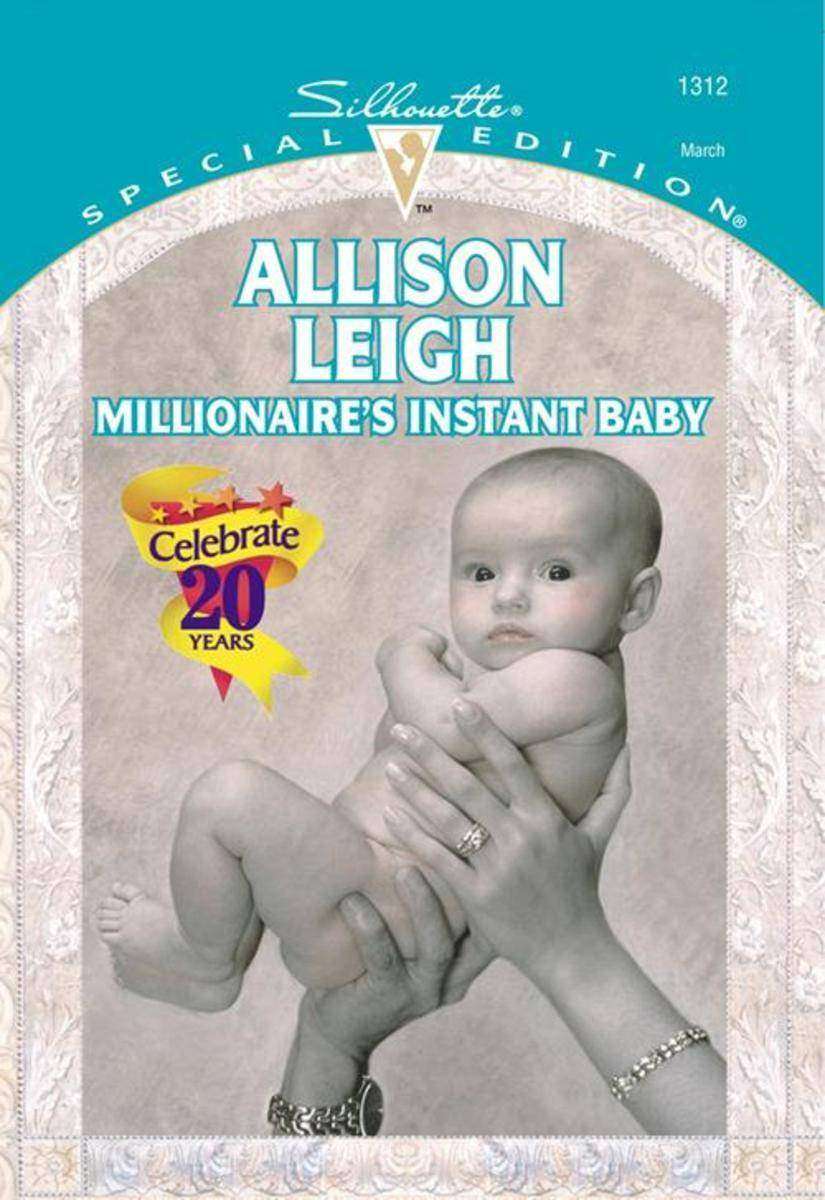
Millionaire's Instant Baby (Mills & Boon Cherish)
¥31.10
WIFE FOR HIRE? Devilishly cool, handsome and clever, tycoon Kyle Montgomery always got what he wanted–and right now it was that Emma Valentine and her newborn pose as his wife and child. Kyle wouldn't take no for an answer–he needed an instant family to close a deal… Though Emma at first found Kyle's arrogance impossible, she couldn't refuse a trust fund for her son. Nor could she deny the sparks that sizzled between "husband" and "wife." Now that Emma was longing to soothe Kyle's embittered heart, could she turn his thoughts from business to happily-ever-after with his baby and bride?

Prince's Love-Child (Mills & Boon Modern)
¥21.09
How can she tell him that she's the mother of his child? Five years ago, Sapphie Benedict lost her virginity to hunky Hollywood screenwriter Rik Prince. Convinced that Rik was really in love with her sister, Sapphie knew she could never see him again or tell him of the consequence of their brief affair! Sapphie unexpectedly meets Rik again in Paris, and realises that she has never stopped loving him. But their lives are more complicated than ever, and there is no way she can declare her feelings…let alone tell Rik that he's the father of their beautiful young son…!
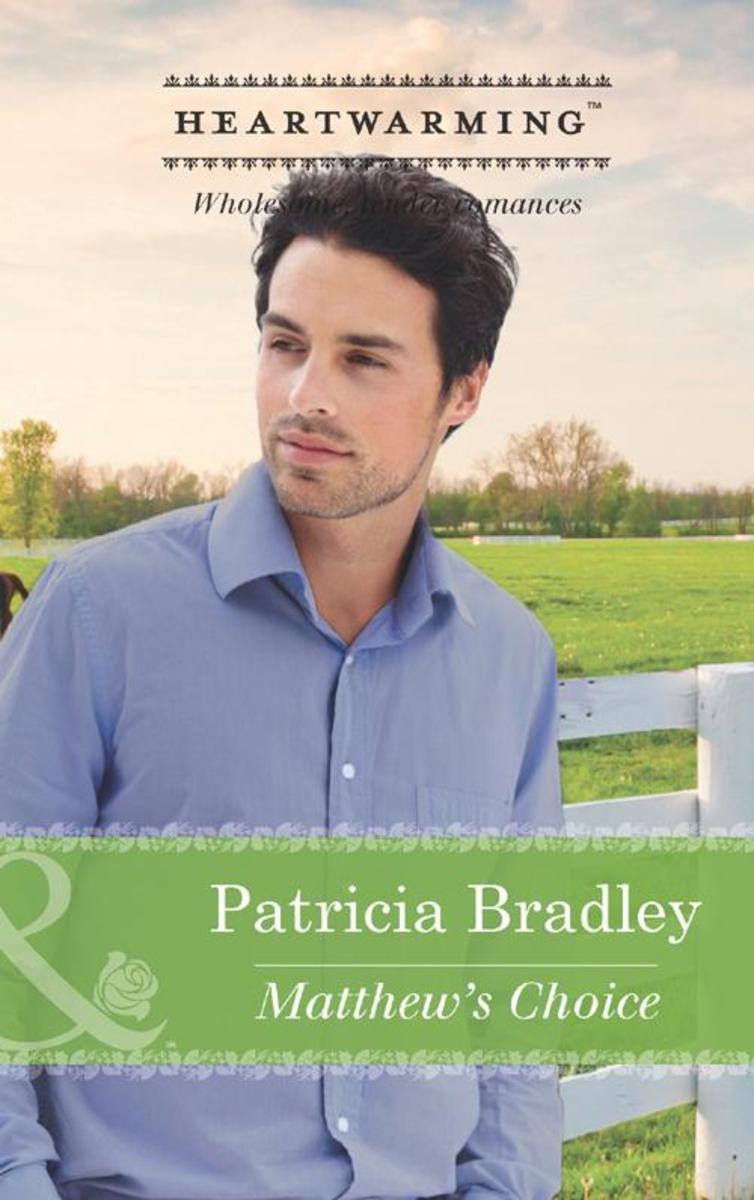
Matthew's Choice (Mills & Boon Heartwarming)
¥31.10
He left it all behind. Until now. It's New Year's Eve, and for Matt Jefferies, life is perfect. The penthouse, the career–even the perfect soon-to-be-fiancée. But then Matt's troubled past knocks on his door. And once Allie Carson says hello, everything changes. Allie broke up with Matt years ago, when he turned "that kid from Beaker Street" into a cold, corporate city slicker. It went against what she loved about him–and the small-town life she could never leave. Now, with Matt's estranged family facing desperate times, it's time for him to come home. And to choose between the man Matt's become…and the woman who never stopped loving him.
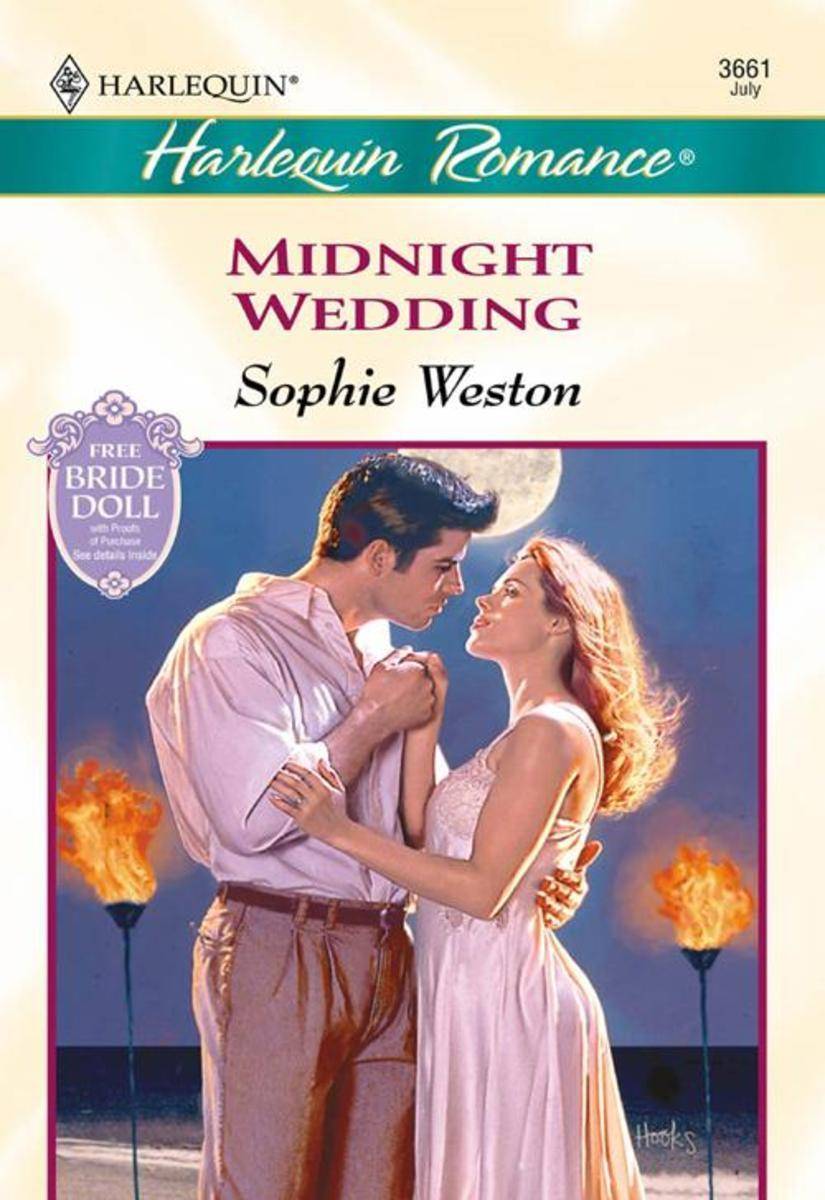
Midnight Wedding (Mills & Boon Cherish)
¥31.10
Holly Dent needs protection–but Jack Armour's suggestion isn't quite what she had in mind. Although they've only just met, Jack insists the best way to keep Holly safe is by making her his wife! He claims his motives are purely chivalrous, that their marriage will be strictly temporary. But is Jack fooling himself? Their secret midnight wedding is followed by a passionate wedding night, and everything becomes a little more complicated….
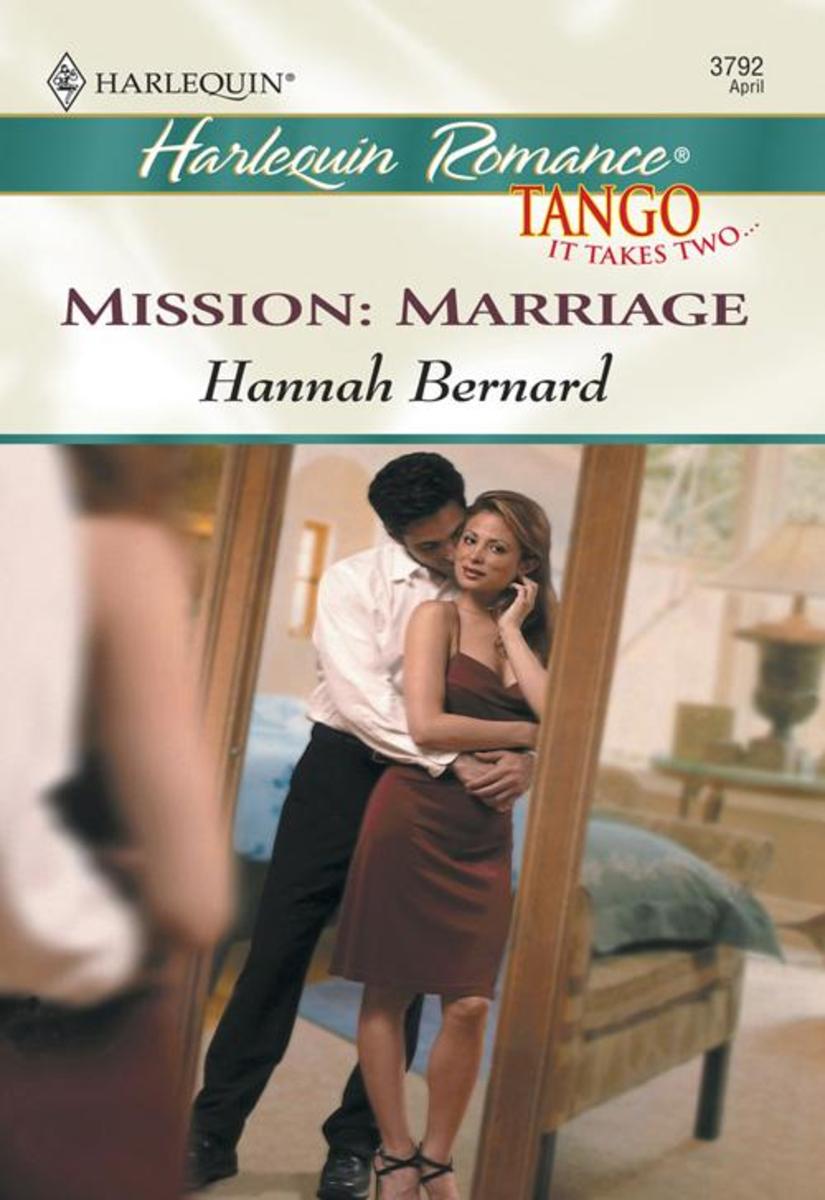
Mission: Marriage (Mills & Boon Cherish)
¥20.01
Lea is turning thirty, and the alarm is ringing on her biological clock. But how does a woman with just one ex-boyfriend under her belt learn to find Mr. Right? Tom may be a serial dater with no interest in settling down, but he's perfect as a dating consultant to help Lea find her flirting feet! Only, when their "practice date" leads to more than one "practice kiss," Lea and Tom find they have to look again at what they really want…
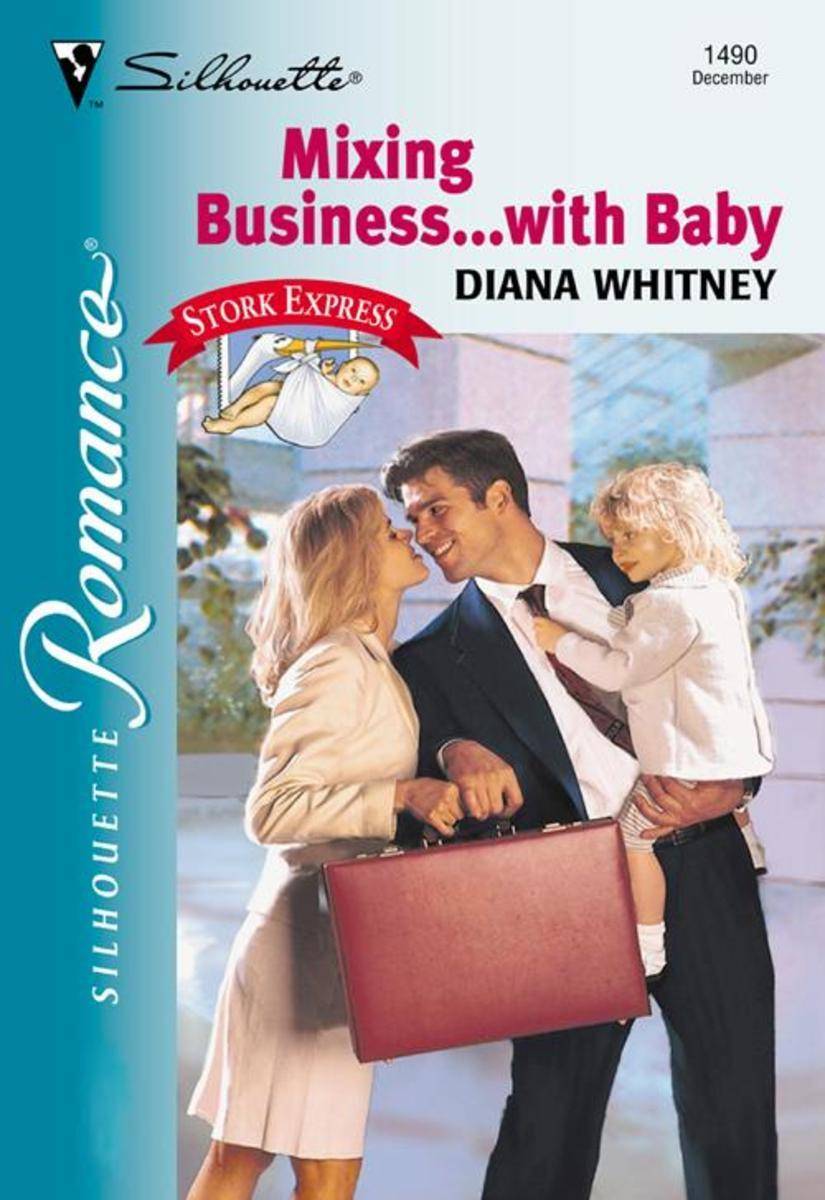
Mixing Business...With Baby (Mills & Boon Silhouette)
¥31.10
Successful, handsome Rick Blaine wanted to know everything about his lovely new employee Catrina Mitchell. What did she like? What made her laugh? But when Rick learned Catrina's daughter was the source of joy in Catrina's luscious brown eyes, his racing heart came to a screeching halt. Having a little girl look up at him with hopeful eyes scared him to death. Children were a lifetime commitment–and he was a confirmed bachelor. But Catrina wasn't so easy to forget…. Should Rick start mixing business with romance–and both with a baby?
Moonlight Magic (Mills & Boon Silhouette)
¥25.60
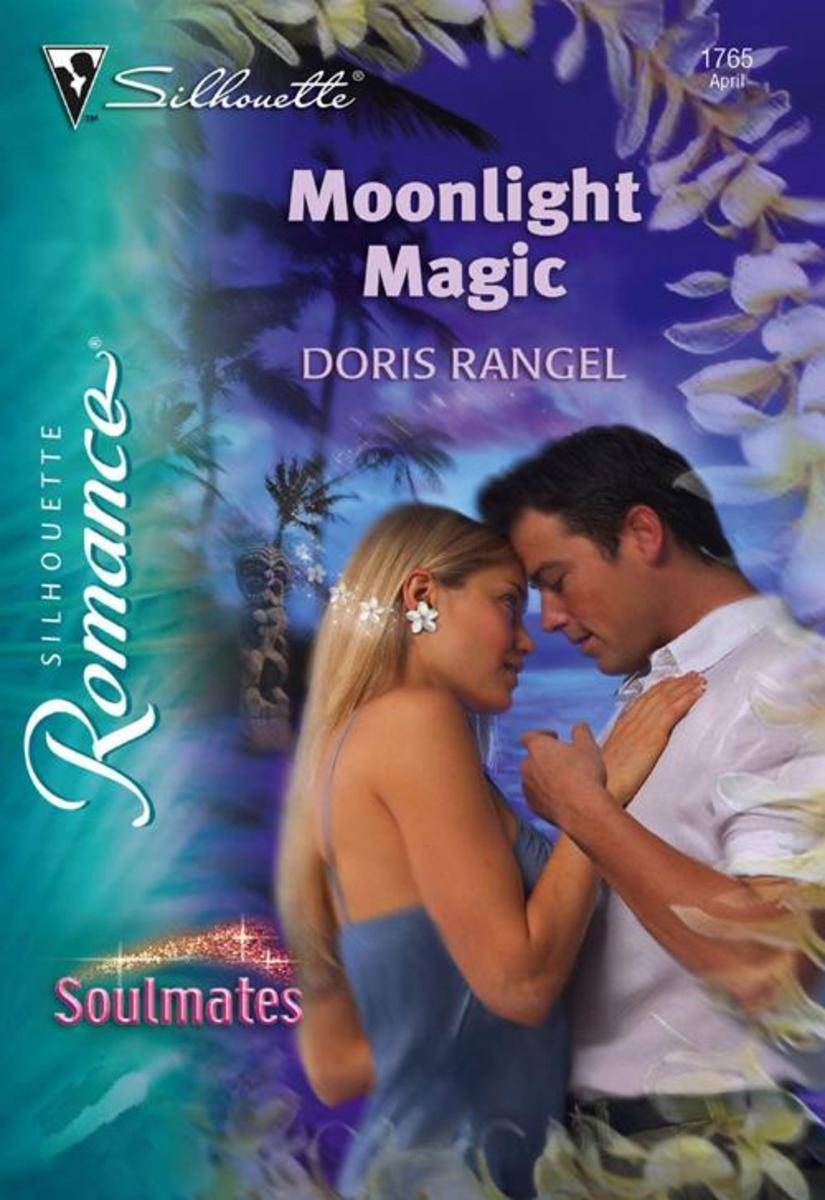
TO: Grammie Simms FROM: Eliza Ann Re.: My mysterious stranger Gram, Hawaii is even more beautiful than I imagined! I thank my lucky stars the medical ^conference is in paradise this year. ? This Ptropical air is making me rethink my vow ,to never love again. I know you'll be happy to hear I've met someone. Handsome Daniel Morgan has hula-ed into my life and shows no signs of leaving. He has a knack for popping up out of nowhere and vanishing just as quickly, like magic. But you know what? There's something about the moonlit nights that is starting to make me believe in destiny. Or maybe it's Daniel's heart-fluttering kisses that are changing my mind….
No Place Like Home (Mills & Boon Silhouette)
¥31.10
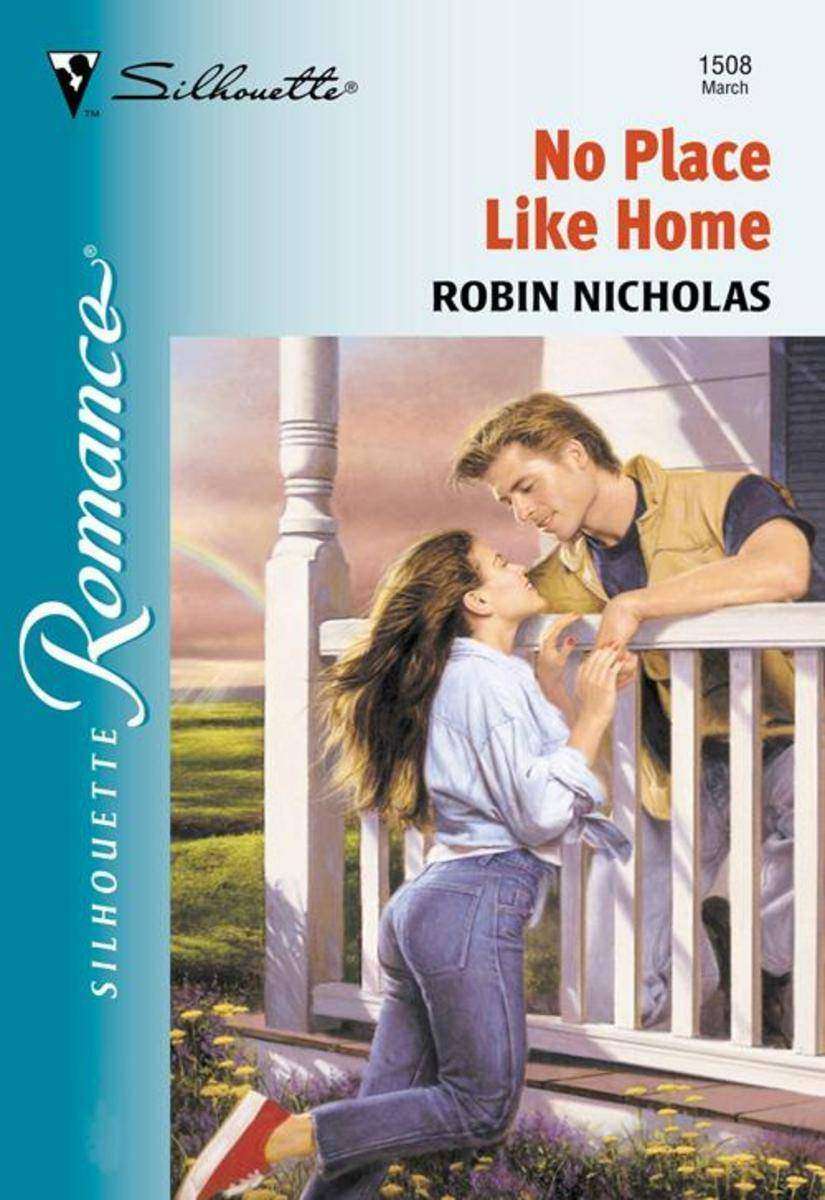
Mariah knew why she wasn't sleeping at night, why her work was lackluster, why she noticed children everywhere. She wanted a child, and a dependable man to love her. She strode to Rafe, who was nothing like her dear old dad or her brother. "Take me home. And don't worry–I want nothing to do with writing your story." She gave him no chance to reply, stomping to his truck before turning. Her breath caught. Rafe stood on the highway, the incessant breeze tugging his hair, his clothes. He stared after the departing storm, clearly craving to give chase again. He was crazy. And she was crazy for wanting him.

One Night with the Best Man (Mills & Boon Cherish)
¥26.78
A BRIDE FOR THE BEST MAN? Running into his first love at his brother’s wedding isn’t the homecoming Dr Luke Ward imagined. Bridesmaid Penny Montgomery should have been his bride. And now, the former bad girl has made him an offer he’d be foolish to refuse. Eight years ago, Penny lost the only man she ever loved. Spending the weekend together is risky – and the only way to see if she’s really over Luke. But a family emergency turns their passionate reunion fling into a deeper attachment. Does Penny have the courage to say “I do” to her best man?


