


 购物车
购物车 个人中心
个人中心

Snowbound with Her Hero (Mills & Boon Cherish)
¥25.41
The best Christmas gift of all is approaching and a holiday in the snowy Alps with her young son should be a pleasure for single mum Crystal. But it means facing the one man who affects her like no other: brooding Frenchman Raoul Broussard.
Parents in Training (Mills & Boon Romance)
¥23.45
She’s going to be a mum! Discovering she’s pregnant fills Annalise with joy! She doesn’t have a clue about babies, but with her husband by her side they can learn the ropes together… But Dominic feels shell-shocked by the news. The truth is that he’s still reeling from an unhappy experience of parenthood from his past – a fact he’s kept secret from everyone, even his beloved Annalise. So, even while he longs to share her pleasure and excitement, the fear that history might repeat itself is keeping him from the one person he loves most – his wife. Now it’s up to her to prove that he really can be a daddy in a million! Unexpectedly Expecting!

Invisible Girl
¥34.14
Gabriella Midwinter used to have a home. She wasn't invisible back then. . .For fans of Cathy Cassidy and Jacqueline Wilson, a stunning new novel from the author of Shine, Glitter, Sea Of Stars and A Million Angels. "What's strange is that the day it actually happened, everything seemed so normal." Caught between arguing parents and moving house, twelve-year-old Gabriella somehow slips through the cracks. Now she's more alone than ever before. The city streets are no place for young girls but they're all she's got. Unless she can find her brother Beckett. Unless she can find her home.
A Perfectly Good Man
¥37.57
The new novel from Patrick Gale, author of Richard & Judy-bestseller ‘Notes from an Exhibition’, returning readers to his beloved Cornish coastline. "Do you need me to pray for you now for a specific reason?” “I’m going to die.” “We’re all going to die. Does dying frighten you?” “I mean I’m going to kill myself.” When 20-year-old Lenny Barnes, paralysed in a rugby accident, commits suicide in the presence of Barnaby Johnson, the much-loved priest of a West Cornwall parish, the tragedy's reverberations open up the fault-lines between Barnaby and his nearest and dearest. The personal stories of his wife, children and lover illuminate Barnaby's ostensibly happy life, and the gulfs of unspoken sadness that separate them all. Across this web of relations scuttles Barnaby's repellent nemesis – a man as wicked as his prey is virtuous. Returning us to the rugged Cornish landscape of Notes from an Exhibition, Patrick Gale lays bare the lives and the thoughts of a whole community and asks us:what does it mean to be good?
Driving Jarvis Ham
¥45.62
A brilliantly witty story of unconventional, unwavering, and regularly exasperating friendship. Meet Jarvis Ham:tea-room assistant, diarist, lift-cadger, Princess Di fan, secret alcoholic, and relentless seeker of fame. Jarvis may be an all-round irritant, but he’s harmless, and deep down, you know, he’s got a heart of gold. Hasn’t he? As his oldest (and only) friend reflects on his life with Jarvis Ham – infatuations, questionable hairstyles, home-made charity singles, reality TV auditions, paedophile alerts at the local swimming baths – he wonders what it would have been like if they had never met. But what are you going to do? He’s a mate. DRIVING JARVIS HAM is a novel for anyone who has ever found themselves looking across at a childhood friend, and wondering why they still know them.
A Seaside Affair
¥58.86
The new wonderfully warm and witty novel from Fern Britton, the bestselling novelist and TV personality. Perfect for fans of Katie Fforde and Jill Mansell. When the residents of the Cornish seaside town of Trevay discover that their much-loved theatre is about to be taken over by coffee chain, Café au Lait, they are up in arms. It is up to Penny Leighton, hotshot producer and now happily married Cornish resident, to come up with a rescue plan. Armed with only her mobile phone and her contacts book, she starts to pull in some serious favours. The town is soon deluged by actors, all keen to show their support and take part in a charity season at the theatre. One of the arrivals is Jess Tate, girlfriend to TV heartthrob Ryan Hearst. His career is on the rise while hers remains resolutely in the doldrums. But when opportunity comes calling, it isn’t just her career prospects that are about to change. Trevay is about to put on the show of its life – but can the villagers, and Jess, hold on to the thing they love the most?
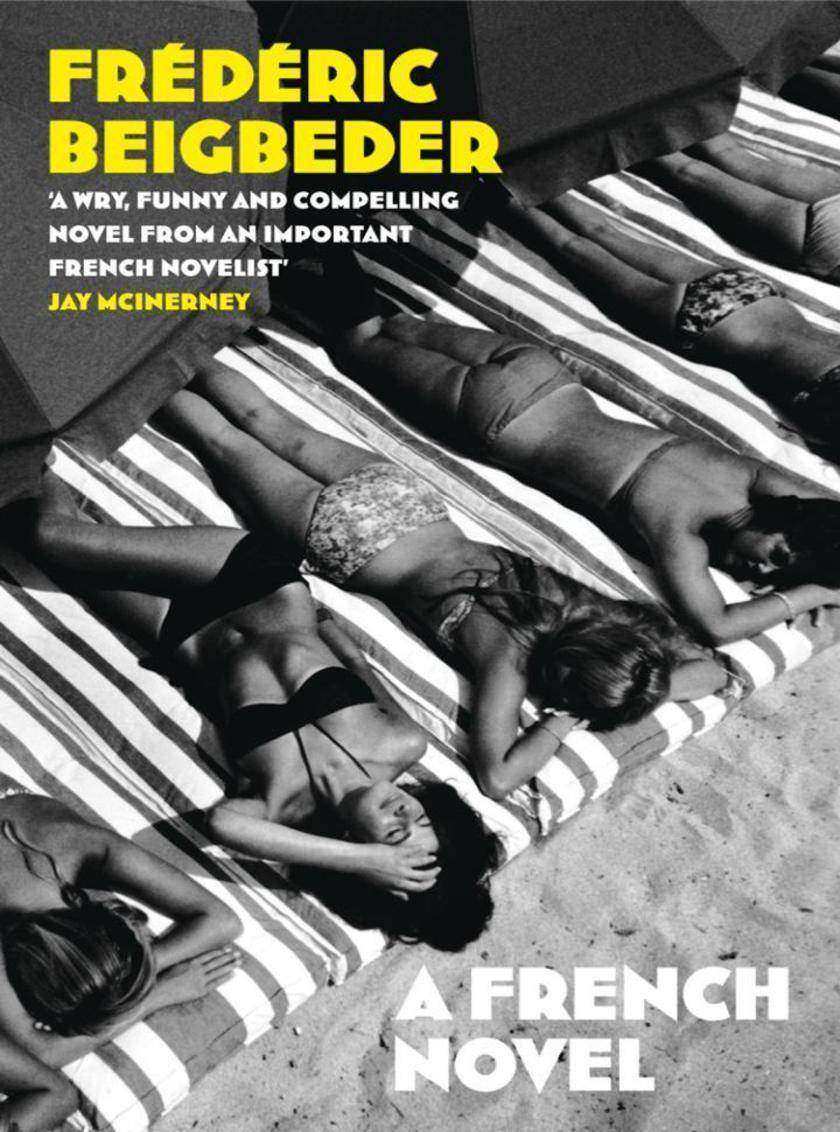
A French Novel
¥73.58
Arrested for snorting cocaine off a car bonnet, award-winning author and quintessential dilettante Frederic Beigbeder reflects on his troubled childhood, while spending a night in the cells. In his most autobiographical book to date, the author of the award-winning ‘Windows on the World’ recounts his stay in police custody, when in January 2008 he was arrested for snorting cocaine outside a Paris nightclub. As he lies in his cell, he revisits his childhood, from the carefree days when his grandfather taught him to skim pebbles at the beach in Cénitz, to his parents’ divorce; the conflicting influences of his hedonistic father and his studious, seemingly conventional brother. And then Beigbeder recalls his first, unrequited loves. This patchwork of memories is as much a portrait of the era as it is the story of a fragile, self-critical man who has finally dropped the mask. Witty, sharp, with a pitiless, self-deprecating irony, and yet tender and true, ‘A French Novel’ is a gem. Beigbeder’s search for answers in the lost country of his childhood will speak to a whole generation searching for its soul.
Every Single Minute
¥69.26
‘Not only haunted by death, but also by beauty and the strangeness of being alive. A deeply memorable novel’ Colm Tóibín ‘… I have friends and family, I am in this wonderful country, I have money, there is nothing much wrong with me except I am dying.’ ?na has little over a week left to live and wants to see Berlin for the first and last time. Her friend Liam accompanies her. As the city streets open up to them, so too do their pasts. ?na recalls her life – her lovers, her famous father, her alcoholic mother and the death of her younger brother. For Liam the weekend becomes a lesson in true living from a friend he is about to lose.
The Sleepover Club on the Beach (The Sleepover Club, Book 42)
¥27.27
Join the Sleepover Club:Frankie, Kenny, Felicity, Rosie and Lyndsey, five girls who want to have fun – but who always end up in mischief! A long weekend of camping by the seaside offers a few surprises for the Sleepover Club. Their first surprise is that there are no funfairs or arcades near the campsite – boring! But then they find a mysterious message in a bottle, washed up by the tide… Roll up your combats and paddle on over! AGE 7-9
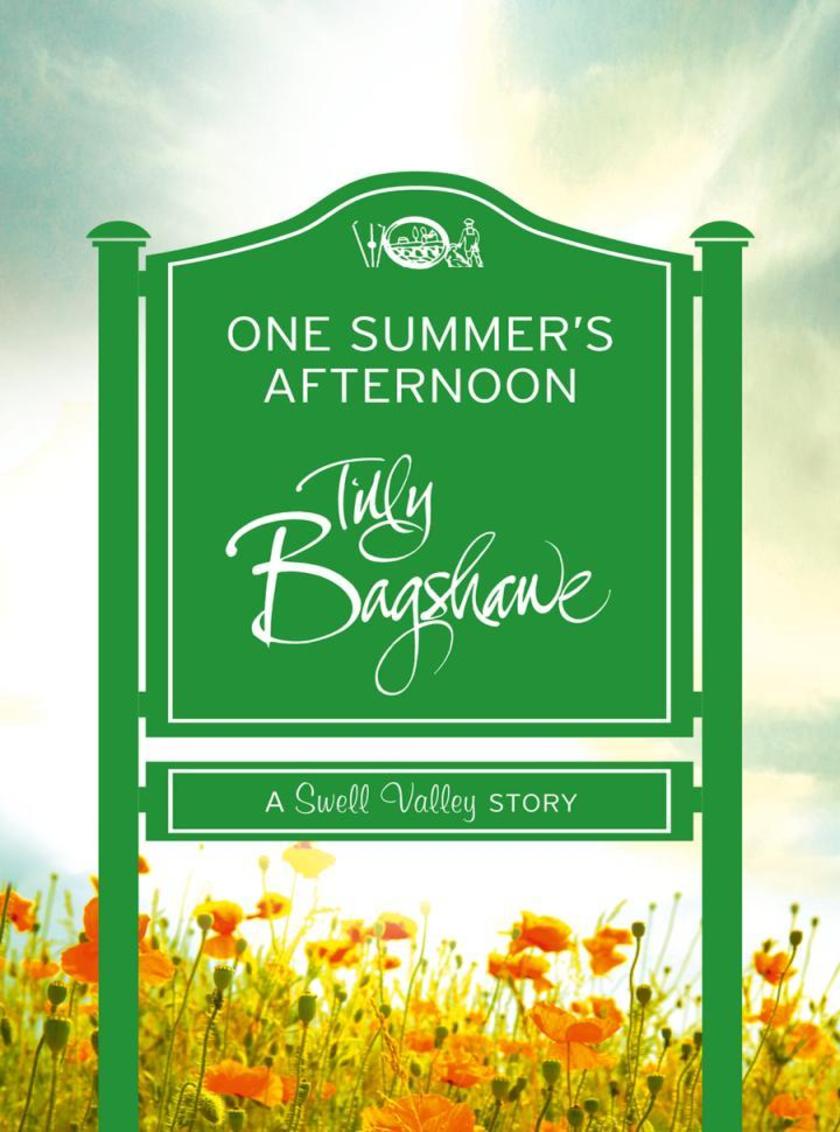
One Summer’s Afternoon:A perfect summer treat!
¥34.14
This is no ordinary cricket match. This is the Swell Valley One Day Match… More exclusive than the Buckingham Palace Summer Garden Party, and more star-studded than Cartier Polo, the annual Fittlescombe vs Brockhurst cricket match is older than the Ashes, and every bit as hotly contested. The Fittlescombe team have their hopes pinned on local boy Will Nuttley, but 24 year-old Will has his heart set on winning back the love of his life, Emma Harwich. As the champagne goes on ice and the sandwiches are being cut, little do the Swell Valley residents know that Emma has got wind of Brockhurst’s newly arrived ‘secret weapon’, the Argentine heartthrob Santiago de la Cruz. She’s intent on sleeping with the enemy, and it’s throwing Will into a spin…
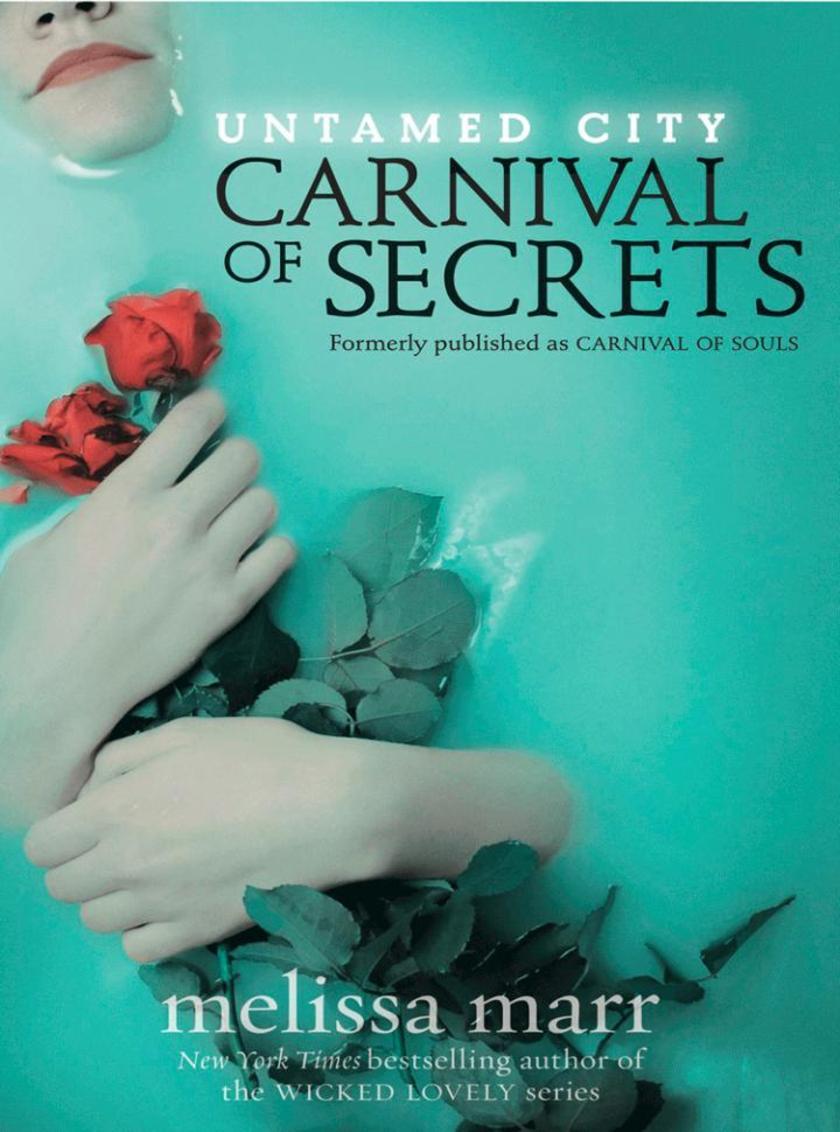
Untamed City:Carnival of Secrets
¥51.50
An extraordinary new world, from the New York Times bestselling author of the Wicked Lovely series. Warriors Kaleb and Aya will stop at nothing to destroy their competition. But when Kaleb finds his fate entwined with that of Mallory, a seventeen-year-old human girl, he can't seem to separate the vicious Carnival contest he's entered from his sudden devotion to her. He and Aya may be prize fighters from the otherworldly Untamed City, but his strange, obsessive connection makes staying away from the witch-ruled human world, and Mallory, harder every day. All Mallory knows of the Untamed City is what her elders have told her – that it's full of debauchery and daimons looking to destroy her. But she knows she's being pulled toward Kaleb with an emotion so fierce that it's utterly foreign. The two are forced apart by Mallory's overprotective witch father, stranded by necessity between warring populations that can't coexist. But when The City's ruler raises the stakes of the Carnival's prize, there's nothing Mallory, Kaleb, or Aya can do to stop the two worlds colliding. Mallory's about to discover her true identity – and stumble into a fate she'd die to avoid. Fans of The Hunger Games will devour this tale of lush secrets, dark love, and the struggle to forge one's own destiny from the bestselling author of Wicked Lovely, Melissa Marr.
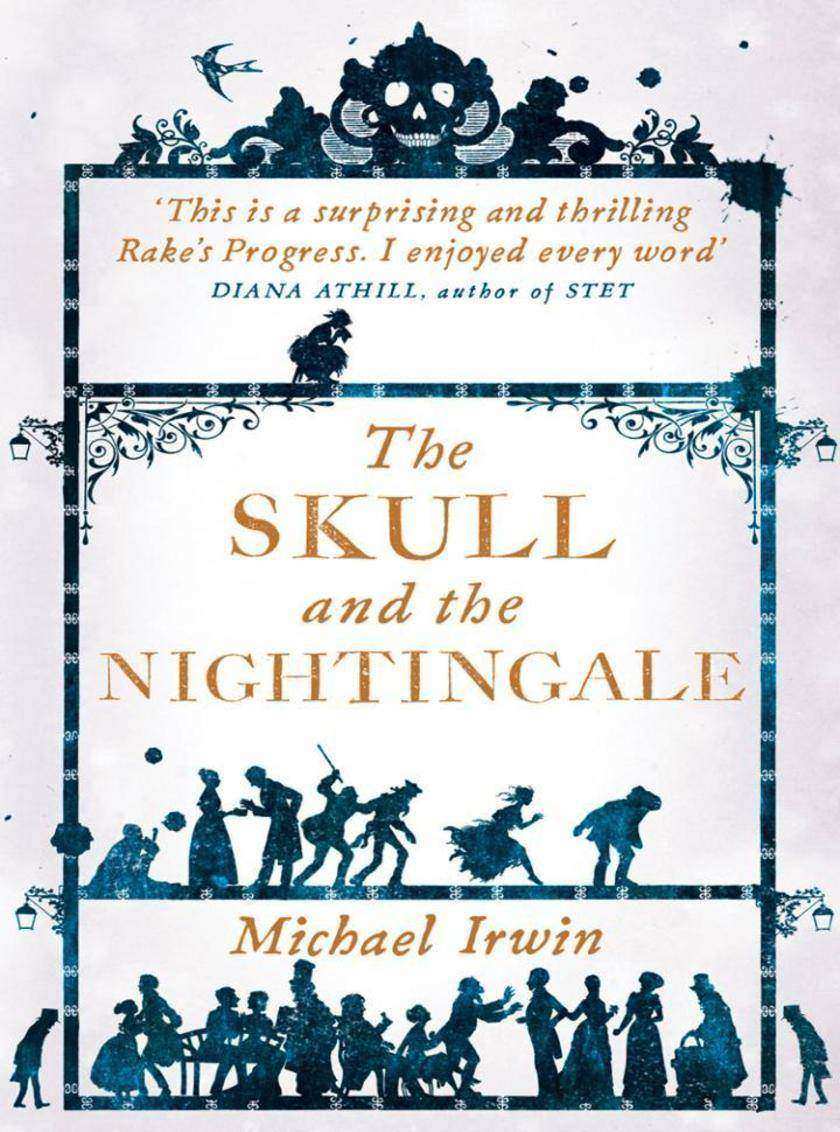
The Skull and the Nightingale
¥66.22
Set in England in the early 1760s, this is a chilling and deliciously dark tale of manipulation, sex, and seduction. When Richard Fenwick, a young man without family or means, returns to London from the Grand Tour, his wealthy godfather, James Gilbert, has an unexpected proposition. Gilbert has led a fastidious life in Worcestershire, but now in his advancing years, he feels the urge to experience, even vicariously, the extremes of human feeling—love and passion, adultery and deceit—along with something much more sinister. He has selected Fenwick to be his proxy, and his ward has no option but to accept. But Gilbert’s elaborate and manipulative “experiments” into the workings of human behaviour drag Fenwick into a vortex of betrayal and danger where lives are ruined and tragedy is always one small step away. And when Fenwick falls in love with one of Gilbert’s pawns and the stakes rise even higher – is it too late for him to escape the Faustian pact?

Angel Rock
¥72.99
A beautiful, haunting, engrossing, terrifying, enchanting novel destined to win prizes and storm the bestseller lists. To read this book is a total immersion experience. Since it was first acquired in a hot auction, Darren Williams’ novel has attracted comparisons – Picnic at Hanging Rock, To Kill a Mockingbird, Stand By Me, to name but a few (and no coincidence that all three have been made into major movies, because Angel Rock is a feast for all the senses) – but it is also a completely unique and original novel. The setting is Australia, 1969. Two half-brothers get lost in the wild wooded countryside around the small town of Angel Rock. Only the eldest, 13-year-old Tom, finds his way home. At about the same time, a 16-year-old girl goes missing from the town and is found in Sydney. She has killed herself. The policeman who gets the case in the city follows the trail back to Angel Rock. In searching for a meaning in this tragic death, he is searching for nothing less than a meaning in his own troubled life. The tales of the policeman, Gibson, and the boy, Tom, converge in the mystical back-country of Angel Rock, in a story that is part coming-of-age, part detective thriller, of redemption both individual and communal, and altogether one story that you will never forget.

The Yips
¥66.22
The hilarious Man Booker-longlisted novel from the author of ‘Darkmans’ and ‘The Burley Cross Postbox Theft’. 2006 is a foreign country; they do things differently there. Tiger Woods' reputation is entirely untarnished and the English Defence League does not exist. But storm-clouds are gathering above the bar of Luton's less-than-exclusive Thistle Hotel. Among those caught up in the unfolding drama are a man who's survived cancer seven times, a woman priest with an unruly fringe, the troubled family of a notorious local fascist, an interfering barmaid with three E's at A-level but a PhD in bullshit, a free-thinking Muslim sex therapist and his considerably more pious wife. But at the heart of every intrigue and the bottom of every mystery is the repugnantly charismatic Stuart Ransom – a golfer in free-fall.
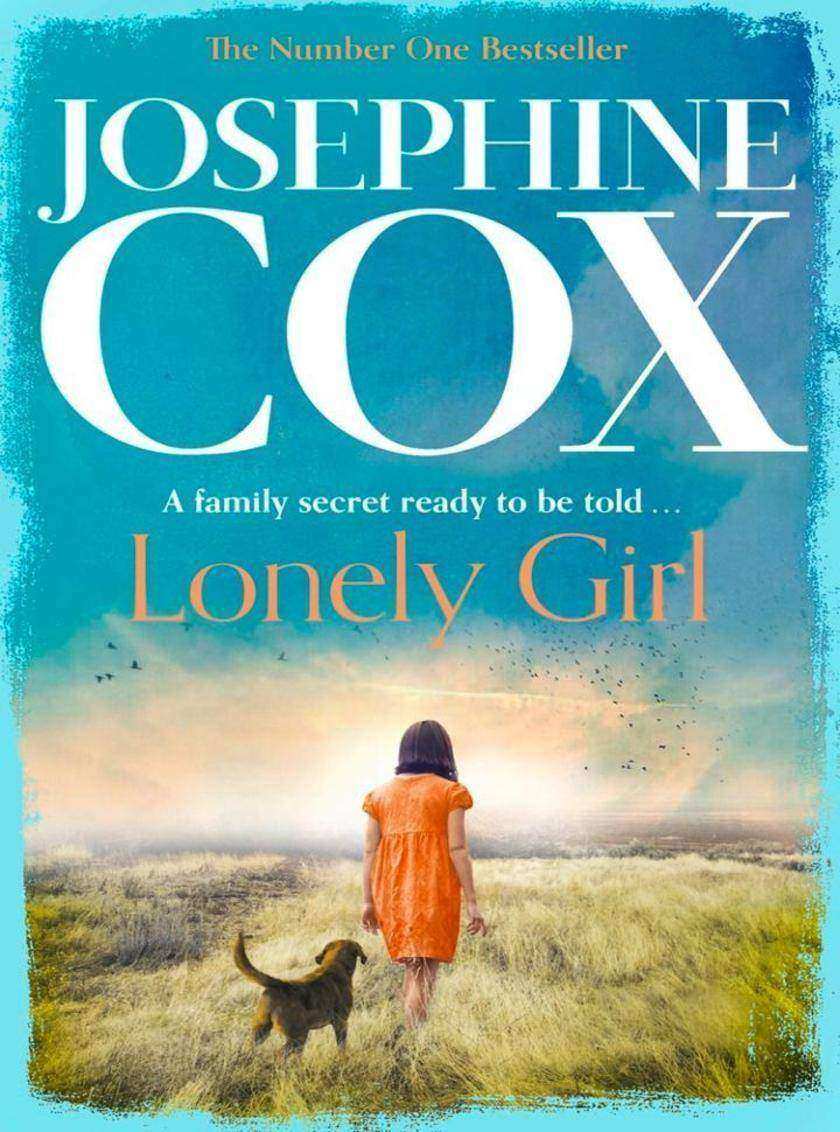
Lonely Girl
¥58.86
The new novel from Sunday Times bestselling author Josephine Cox gets straight to the hope and heartbreak of family drama. One fateful night changes the course of a child’s life forever… Rosie’s mother is a cruel woman and has Rosie’s kind and loving father wrapped around her finger. Though John Tanner does his best to protect her, Rosie often bears the brunt of her mother’s rage. And his protection can’t last forever. In one tragic moment Rosie’s fragile world is shattered. Grieving and alone, Rosie is thrust into a harsh reality, and she must face the obstacles that fate has set in her path. But secrets will out, and Rosie must uncover the shocking truth behind her mother’s cruelty before she can hope for the love and happiness she deserves.

The General Danced at Dawn
¥46.11
From the author of the Flashman series. For the first time in ebook format, a collection of short stories by the bestselling author George MacDonald Fraser.
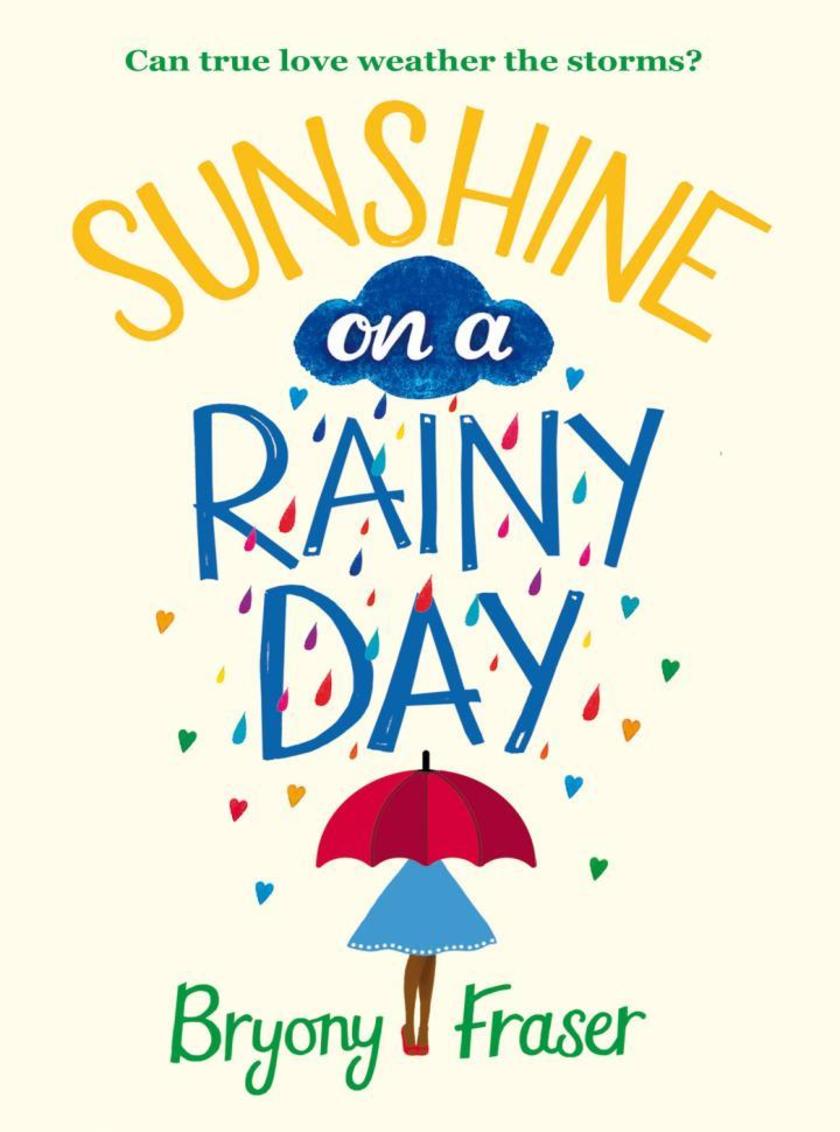
Sunshine on a Rainy Day:A funny, feel-good romantic comedy
¥44.44
A hilarious and heartbreaking read, for anyone whose life hasn’t quite gone to plan… The only book that fans of BRIDGET JONES and MARIAN KEYES need. ‘If you enjoyed One Day, you’ll love this.’ Reader review It’s Zoe and Jack’s first wedding anniversary party. They’ve got an announcement! They’re getting divorced… Marriage isn’t for everyone – something that Zoe and Jack discovered only after they’d walked down the aisle. Bad timing, huh? So now they’re stuck together in their once harmonious marital home, neither one of them willing to move out of their lovely house. With Zoe’s three sisters always wanting a say, and Jack’s best friend trying his best to fix things between them, misunderstandings arise. Tempers flare. ‘Accidents’ happen… Zoe and Jack are going to be lucky if they’re still alive when the twelve months are up. But maybe things aren’t quite as final as they seem? What readers are saying about Sunshine on a Rainy Day: ‘A refreshingly hilarious read that has the power to pull at your heartstrings…it brought sunshine to my soul.’ The Writing Garnet ‘If you enjoyed One Day, you’ll love this.’ Reader review ‘I laughed and cried all the way through…a fantastic, laugh-out-loud feel-good book.’ Reader review ‘An engaging and entertaining story!’ Rae Reads ‘Funny and moving…it will make you laugh and cry, and wish you knew some of the characters in real life.’ Reader review ‘Funny story…highly entertaining.’ Reader review
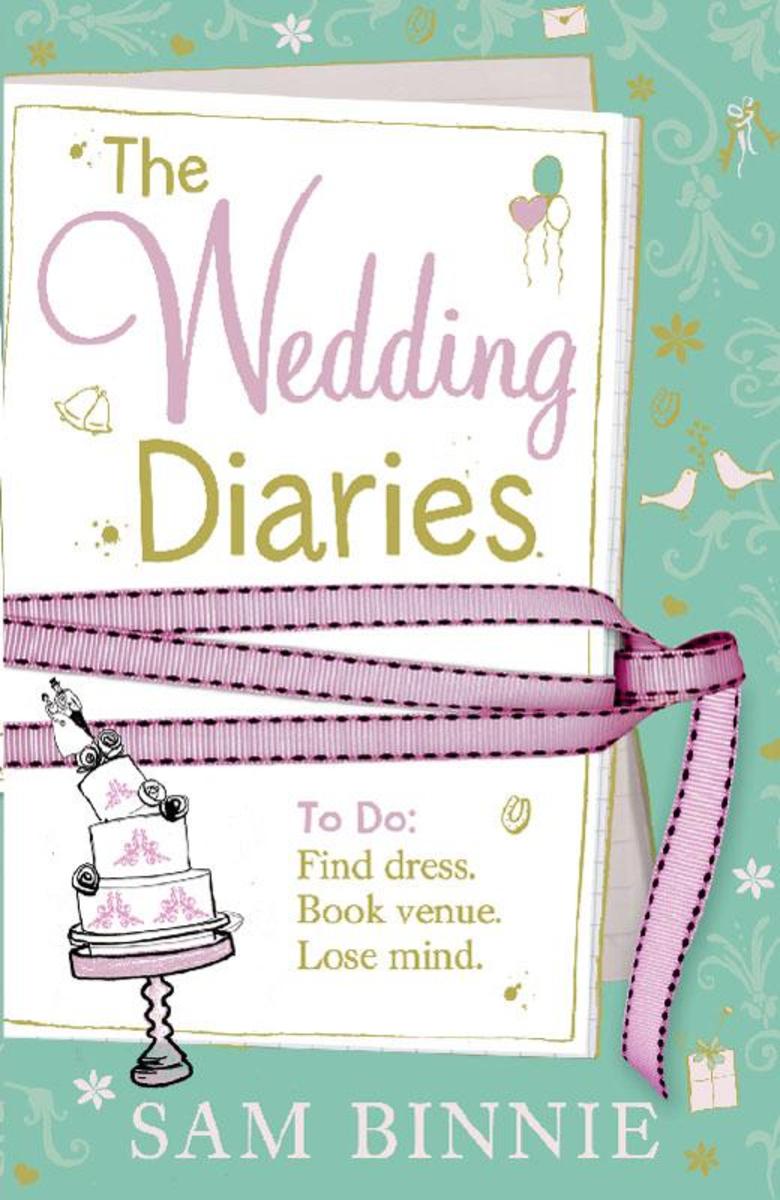
The Wedding Diaries
¥34.14
The first novel in an entertaining and hilarious new series introduces Kiki Carlow, a woman on a mission to create her perfect wedding. Kiki Carlow is shocked but delighted when boyfriend Thom proposes. Planning a wedding is easy, right? That’s as long as you ignore: 1. The utterly bankrupting price of the only dress you’ll ever truly love. 2. Your suddenly pregnant sister – surprise! 3. The celebrity wedding you’re covering for work which is devouring your every waking thought. 4. The Mother of the Bride. Entirely. Kiki soon discovers that planning the perfect wedding might just bring total chaos to the rest of her life. Can she stop being a Bridezilla in time to marry the man she loves? Heart-warming and hilarious, The Wedding Diaries will make you laugh, cry, and want to watch Bridesmaids all over again…

A Family At Last (Mills & Boon M&B)
¥9.71
Can Izzy’s dreams of finding peace with her beautiful baby girl and new man Diego really come true? Especially when family troubles threaten to tear them apart… St Pirans: Part 1 - The Secret Son Part 2 - The Big Move Part 3 - Too Much At Stake Part 4 - The Wedding Part 5 - Pregnant Cinderella Part 6 - Just Friends? Part 7 - Baby Emergency Part 8 - Staying the Night Part 9 - A Family At Last Stay tuned for more in the St Pirans series!
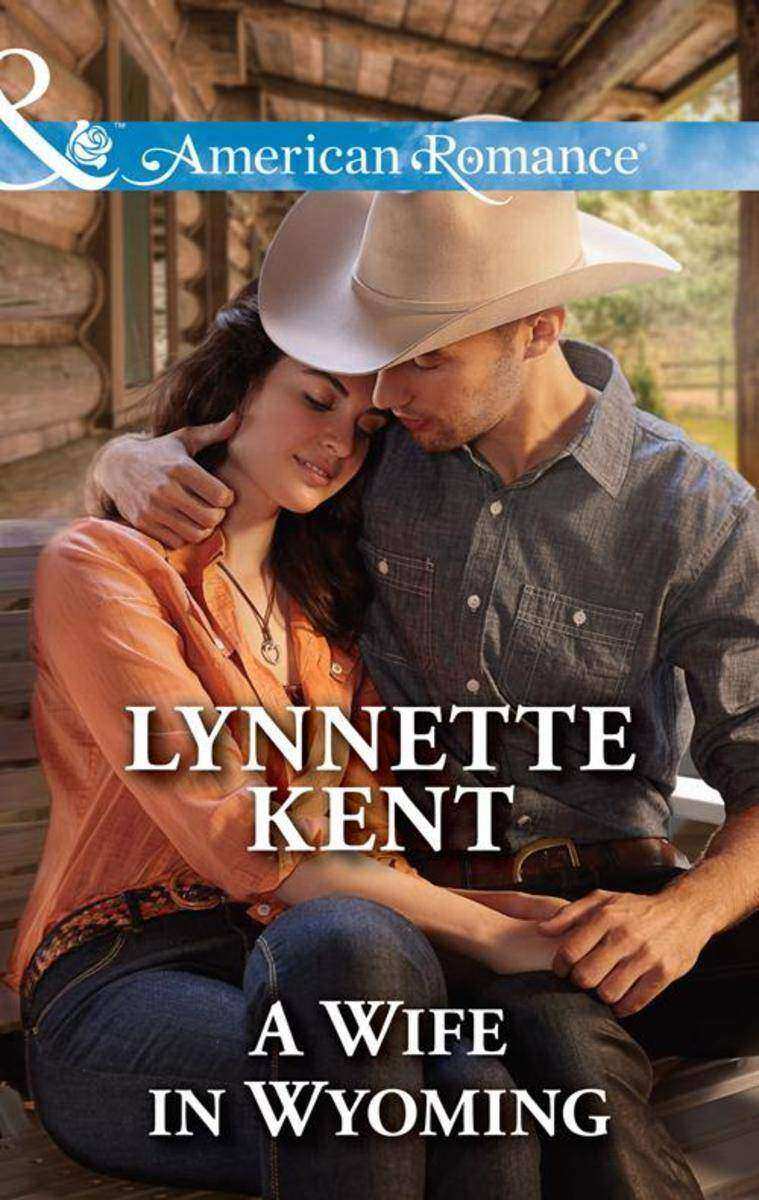
A Wife in Wyoming (Mills & Boon American Romance) (The Marshall Brothers, Book 1
¥31.10
RANCH RESCUE Ford Marshall returns to Wyoming temporarily to help his brothers run the Circle M. He's looking forward to some hard work, but also peace and quiet–until Caroline Donnelly hijacks his ranch for her program to help troubled teens. Now he's got unruly kids to deal with, a thousand chores and a growing attraction to Caroline that he isn't sure he wants to deny. But Ford has nothing to offer a hometown girl. He has to return to his job in the city at some point soon–his brothers depend on that outside income to keep the ranch afloat. So why can't Ford get the idea of a Wyoming wife, and coming home for good, off his mind?
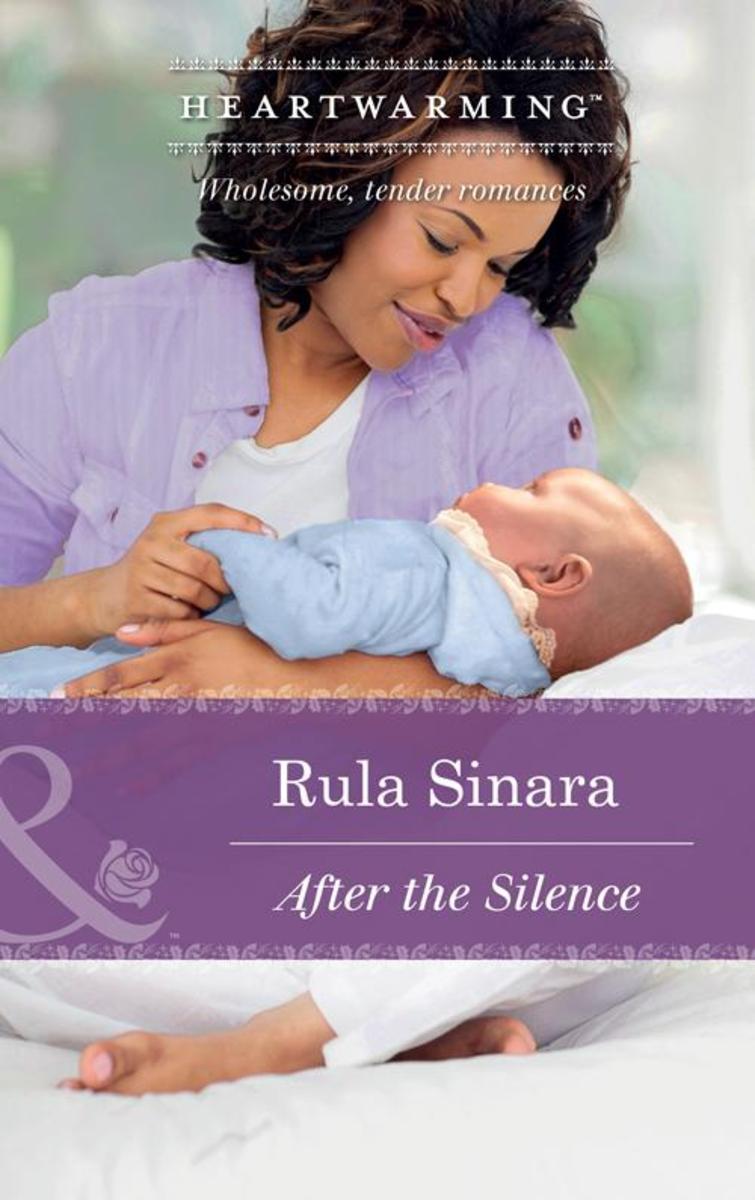
After the Silence (Mills & Boon Heartwarming)
¥31.10
Does following her passion mean losing her way? Marine Ben Corallis is an expert at facing death, but nothing comes close to the terror that grounds him when his wife is killed in a car accident the day he returns from duty. He's left to raise an infant, a toddler and a ten-year-old girl who hasn't uttered a word since her mother's death. It's hard not to care for the widowed marine with three young children. Yet he's still grieving, too burdened with guilt to fall in love again. And Hope Alwanga's future as a doctor awaits her on the other side of the world, in Nairobi. If two such opposites can't agree on a common country, how can they ever create a safe place to call home?


