


 购物车
购物车 个人中心
个人中心

Death on the Air:and other stories
¥34.14
The only collection of Ngaio Marsh short stories, first published in 1995 to celebrate her centenary, now with two additional stories. A man dies with his hand on a radio dial. A disguised aristocrat finds murder at the opening night of a play. A cryptogram produces death in an English churchyard. These are the short cases of Scotland Yard’s Inspector Roderick Alleyn who, with his lovely wife Agatha Troy, charmed his way through more than thirty novels. The book concludes with a * written for the television series Crown Court, in which the lead was played by Joan Hickson who later became famous as Agatha Christie’s Miss Marple. Death on the Air and Other Stories serves both as the perfect introduction to Ngaio Marsh and as a nostalgic journey for the aficionado, each story echoing the themes explored in her detective novels.

A World Without Princes (The School for Good and Evil, Book 2)
¥58.86
It’s all happy ever after in the School for Good and Evil… or is it? The second title in the NYT bestselling fantasy adventure series – perfect for girls who prefer their fairy tales with a twist. After saving themselves and their fellow students from a life pitched against one another, Sophie and Agatha are back home again, living happily ever after. But life isn't exactly a fairy tale… When Agatha secretly wishes she’d chosen a different happy ending with Prince Tedros, the gates to the School for Good and Evil open once again. But everything has changed and a happy ending seems further away than ever…

Black Bread White Beer
¥30.41
OBSERVER BOOKS OF THE YEAR 2012 LONGLISTED FOR THE DSC PRIZE FOR SOUTH ASIAN LITERATURE Amal is driving his wife Claud from London to her parents’ country house. In the wake of Claud’s miscarriage, it is a journey that will push their relationship – once almost perfect – towards possible collapse. In this, his latest novel, Govinden casts a critical eye on a society in which, in spite of never-ending advances in social media communications, the young still find it difficult to communicate. A devastatingly passionate and real portrait of a marriage, ‘Black Bread White Beer’ keenly captures the abandon, selfishness, hazards and pleasures that come with giving your life to another.

Dinner with a Vampire (The Dark Heroine, Book 1)
¥54.84
The addictive, enthralling debut by online sensation Abigail Gibbs. The sexiest romance you’ll read this year. One moment can change your life forever… For Violet Lee, a chance encounter on a darkened street draws her into a world beyond her wildest imaginings, a timeless place of vast elegance and immeasurable wealth – of beautiful mansions and lavish parties – where a decadent group of friends live for pleasure alone. A place from which there is no escape… no matter how hard Violet tries. Yet all the riches in the world can’t mask the darkness that lies beneath the gilded surface, embodied in the charismatic but dangerous Kaspar Varn. Violet and Kaspar surrender to a passion that transcends their separate worlds – but it’s a passion that comes at a price. As featured on BBC Breakfast, Sky News, Sunday Times, Guardian, Mail Online, Huffington Post and Sugarscape.
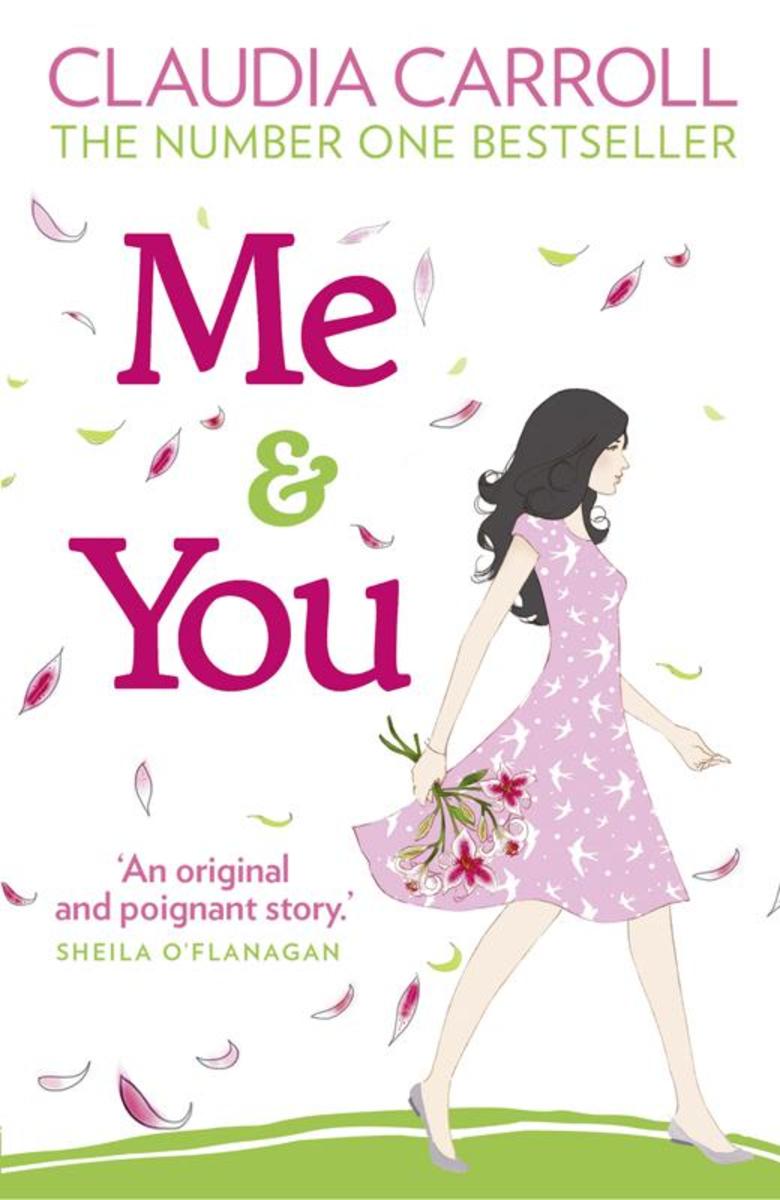
Me and You
¥45.62
Heartbreaking and uplifting, Me and You is a story about how hard it is to leave our old selves behind, the tough choices we sometimes have to make and how love and friendship can heal the most damaged of hearts. “I’m fine. I’m sorry. Please take care of him for me. And maybe one day I’ll get to explain.” Angie knows a lot about her best friend Kitty. She knows Kitty is mad and wild and loves to wear clashing colours. She knows she’s incredibly funny and generous but also very unreliable. And she knows that there is a perfect explanation for Kitty standing her up on her birthday. She thinks she knows everything about Kitty, except she doesn’t. Kitty knows that she is the happiest she has ever been. She knows she’s so lucky to have a lovely boyfriend, Simon and a best friend like Angie. But what she doesn’t know is that on this night, her past is finally going to catch up with her and change everything. If you love Marian Keyes and Melissa Hill you’ll adore Claudia Carroll’s Me and You.
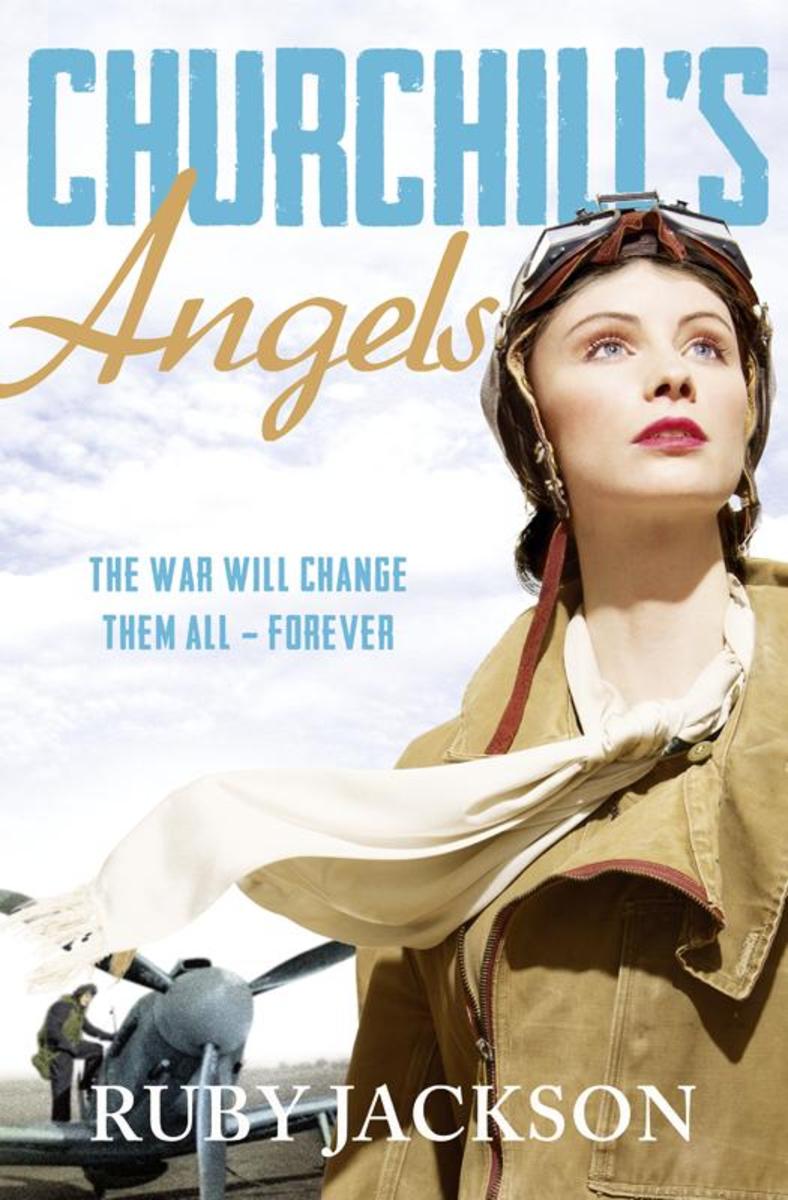
Churchill’s Angels
¥45.62
The first in a series of books featuring four young women whose lives will be forever changed by WWII. Perfect for fans of Katie Flynn. It is 1939 and in the town of Dartford, Grace, Sally and twins Daisy and Rose, are determined to do their bit when war is declared. Grace, desperate to get away from her sad home life, signs up for the Land Army. Sally’s dream of stage school is thwarted by the war, but she finds hope in an unexpected place. For the twins, nothing has prepared them for the shock of the blitz and the nightly raids on their hometown. Rose signs on at the local munitions factory, but with her brothers away fighting, Daisy is needed at home in her father’s greengrocer shop. When she unwittingly trespasses on a wealthy estate and meets the aristocratic flying ace, Adair, Daisy initially dismisses him as a ‘toff’. But they become friends and Adair encourages Daisy to indulge her passion for aeroplanes. Could Daisy’s dream of being a pilot be closer than she thinks? And in these uncertain times, a girl would have to be crazy to fall in love, wouldn’t she?

On a Wing and a Prayer
¥51.50
The fourth in a series of books featuring four young women whose lives will be forever changed by WWII. Perfect for fans of Katie Flynn. Rose Petrie is desperate to do something for the war effort. Despite the daily hardships and the nightly bombing raids, her sister, Daisy, and their friends all seem to be thriving in their war work. Rose is doing her best down at the munitions factory, but she is dealt a blow when her childhood sweetheart, Stan, tells her he doesn’t feel the same way about her. Determined to get away and make a new start, Rosie decides to put her mechanical skills, learned from her father and brothers, to good use and signs up for the Women’s Auxiliary Service, or ATS. But Rose discovers that delivering fruit and veg in her father’s greengrocer’s van is very different to driving trucks for the army in a country under seize. While learning the ropes, Rose will learn that things never go according to plan, either in love or war. But with grit, determination and a bit of luck, Rose is determined that she, and the rest of the country, will keep shining through…

The Commodore: Aubrey/Maturin series, book 17
¥70.44
Patrick O’Brian’s Aubrey-Maturin tales are widely acknowledged to be the greatest series of historical novels ever written. Now, for the first time, they are available in electronic book format, so a whole new generation of readers can be swept away on the adventure of a lifetime. This is the seventeenth book in the series. Jack Aubrey’s long service is at last rewarded: he is promoted to the rank of Commodore and given a squadron of ships to command. His mission is twofold – to make a large dent in the slave trade off the coast of Africa and, on his return, to intercept a French fleet set for Bantry Bay with a cargo of weapons for the disaffected among the Irish. Invention and surprise follow at every turn in this tale of nineteenth-century seamanship, as rich, as compelling, as masterly as any of its predecessors.
The Hundred Days: Aubrey/Maturin series, book 19
¥66.22
Patrick O’Brian’s Aubrey-Maturin tales are widely acknowledged to be the greatest series of historical novels ever written. Now, for the first time, they are available in electronic book format, so a whole new generation of readers can be swept away on the adventure of a lifetime. This is the nineteenth book in the series. Following the extraordinary success of The Yellow Admiral, this latest Aubrey-Maturin novel brings alive the sights and sounds of North Africa as well as the great naval battles in the days immediately following Napoleon’s escape from Elba. Aubrey and Maturin are in the thick of the plots and counterplots to prevent his regaining power. Coloured by conspiracies in the Adriatic, in the Berber and Arab lands of the southern shores of the Mediterranean, by night actions, fierce pursuits, slave-trading and lion hunts, The Hundred Days is a masterpiece. ’O’Brian is far and away the best of the Napoleonic storytellers and The Hundred Days is one of the best of the series: a classic naval adventure, crammed with incident, superbly plotted and utterly gripping…This is O’Brian at his brilliant, entertaining best and when he is on this form the rest of us who write of the Napoleonic conflict might as well give up and try a new career. Fans of the series will need no encouragement to buy this book, but if you are new to Aubrey and Maturin then this is as splendid an introduction as you could wish for.’ Bernard Cornwell

The Final, Unfinished Voyage of Jack Aubrey: Aubrey/Maturin series, book 21
¥66.22
At the time of his death, Patrick O'Brian had begun to write a novel to follow on from Blue at the Mizzen, the twentieth book in the classic series. These are the chapters he had completed of the final voyage of Jack Aubrey and Stephen Maturin. Now they are available for the first time in electronic book format. The story picks up from the end of ‘Blue at the Mizzen’ when Jack Aubrey receives the news, in Chile, of his elevation to flag rank: Rear Admiral of the Blue Squadron, with orders to sail to the South Africa station. This novel, unfinished and untitled at the time of O’Brian’s death, would have been a chronicle of that mission, and much else besides. The chapters left on O’Brian’s death are presented here both in printed version – including his corrections to the type* – and a facsimilie of his manu*, which goes several pages beyond the end of the type* and includes marginal notes by O’Brian. And so this great ‘roman fleuve’ comes to an end with Jack, with his ‘sacred blue flag’, sailing through fair, sweet days – Stephen with his dissections and new love, Killick muttering darkly over the toasted cheese… Of course, we would rather have had the whole story; instead we have this proof that O’Brian’s powers of observation, his humour and his understanding of his characters were undiminished to the end.
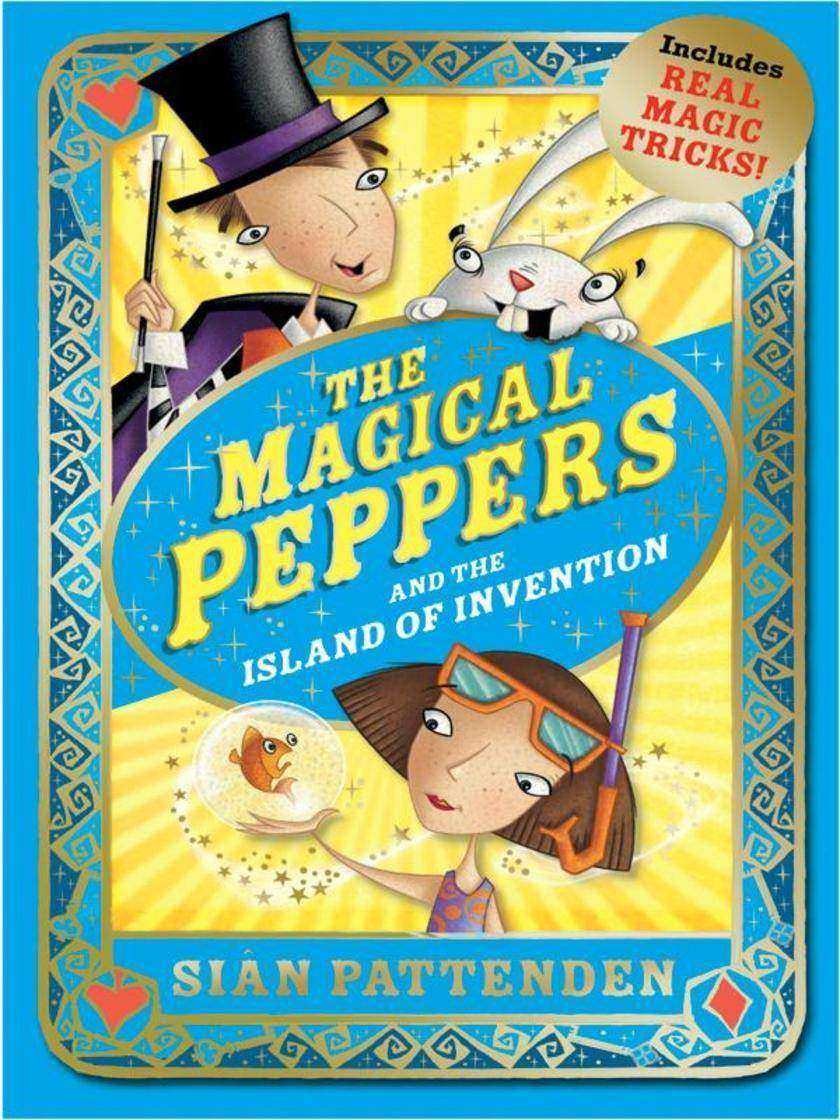
The Magical Peppers and the Island of Invention
¥46.11
A strange old theatre at the end of the pier is the setting for the next fantastic adventure full of magic and mayhem with unbeatable double act, Esme & Monty Pepper, and their madcap Uncle Potty… The Pepper twins, Esmé and Monty and their uncle Potty have been summoned to the Sea Spray Theatre on the end of Crab Pie Pier. They’re on a mission to keep the old theatre from closing and must perform the show of a lifetime to reel in the crowds. But not everyone wants the theatre to survive and a certain someone is determined to sabotage the show, whatever the cost… Add a strange island hideaway full of zany inventions (including the Great Crab Pie flytrap and the Banana-Powered Test Your Strength machine), a hair-raising helicopter rescue-mission, some dodgy fortune-telling and the world’s biggest goldfish bowl and the Peppers are in for an unforgettable summer.

Wedding Fever
¥51.50
Finding Mr Right and saying ‘yes’ was just the beginning. A delightfully romantic read for fans of Trisha Ashley and Chris Manby. After listening to her friends’ latest travails in love, parenting, and careers, superstitious bride-to-be Nicole sets to work planting silver charms into her wedding cake, each of which will bring its recipient the magical assistance needed to change her destiny. There is one for Melissa, still ringless after dating the same man for six years. Another for Seema, who is in love with her best male friend Scott. And recently laid off journalist Nic should get one too, to help her get her career back on track. Nicole does everything she can to control who gets which silver keepsake, but when the place settings are mysteriously shifted around, mayhem ensues! *Please note that this is the UK edition - in the US, the title of this book is ‘There’s Cake in My Future’*

Mother’s Ruin
¥34.14
You can’t choose your family… When Sally and her family have to move back to Candle Lane to look after her grandmother, the cracks in their family soon begin to show. Another compelling family drama from the Sunday Times bestselling author of Lost Angel and Nobody's Girl. CRUEL When her beloved Gran has a stroke, Sally and her family move back home in order to look after her. But Sadie's illness has made the wise woman they once knew bigoted and bad-tempered. Sadie is testing everyone's patience, including Sally's mum Ruth, and her husband Arthur. CALLOUS Their problems are nothing compared with Tommy, the little ruffian next door. With an absentee father and an alcoholic mother, Tommy has a hard life. However, Ruth sees the good in him and takes him under her wing, but his unpredictable and violent mother has other ideas. CRISIS Meanwhile, the stress of living cheek-by-jowl with Sally's family is starting to push Arthur away. As cracks in their marriage begin to appear, both Sally and Arthur must work out where their priorities lie before it's too late… Another compelling family drama from the Sunday Times bestselling author of Lost Angel and Nobody's Girl.
Riding Star (Pony Club Rivals, Book 3)
¥51.50
There’s more backstabbing and drama as loyalties are tested to the limit in the third episode of the high life at elite riding school, Blainford Academy. Georgie tests her skills on the polo field in the latest from the author of the Uk’s bestselling pony series ‘Pony Club Secrets’. Georgie Parker has come out on top after her first term at Blainford ‘All-Stars’ Academy. But after excelling in the showjumping ring can Georgie outclass her rivals on the polo pitch too? And is Kennedy Kirkwood out to cause trouble again? Find out in the latest instalment of Blainford gossip, drama and horse-riding hijinks!
Wild
¥58.86
The third part of Aprilynne Pike’s extraordinary faerie tale of magic and mystery, romance and danger, described by Stephenie Meyer as ‘a remarkable debut’. On the first day of Laurel’s senior year there are two new arrivals. Tamani — the electrifying faerie with whom she shares an undeniable connection — appears, posing as a foreign exchange student. And even more disturbing is another foreign exchange student named Yuki whom Laurel quickly realises is a faerie, though the new girl doesn’t seem to have any idea who or what she really is. Laurel is determined to figure out how Yuki fits into the picture, and what connection she may have to the ever-increasing threats to her family and Avalon. Meanwhile, Laurel struggles to maintain a balance between her human boyfriend David and Tamani, with whom she shares a passionate past. But balancing two worlds is becoming more and more complicated. When the threat to Avalon grows ever stronger, Laurel’s illusion of control of the situation shatters and she must confront a danger even greater than the trolls.
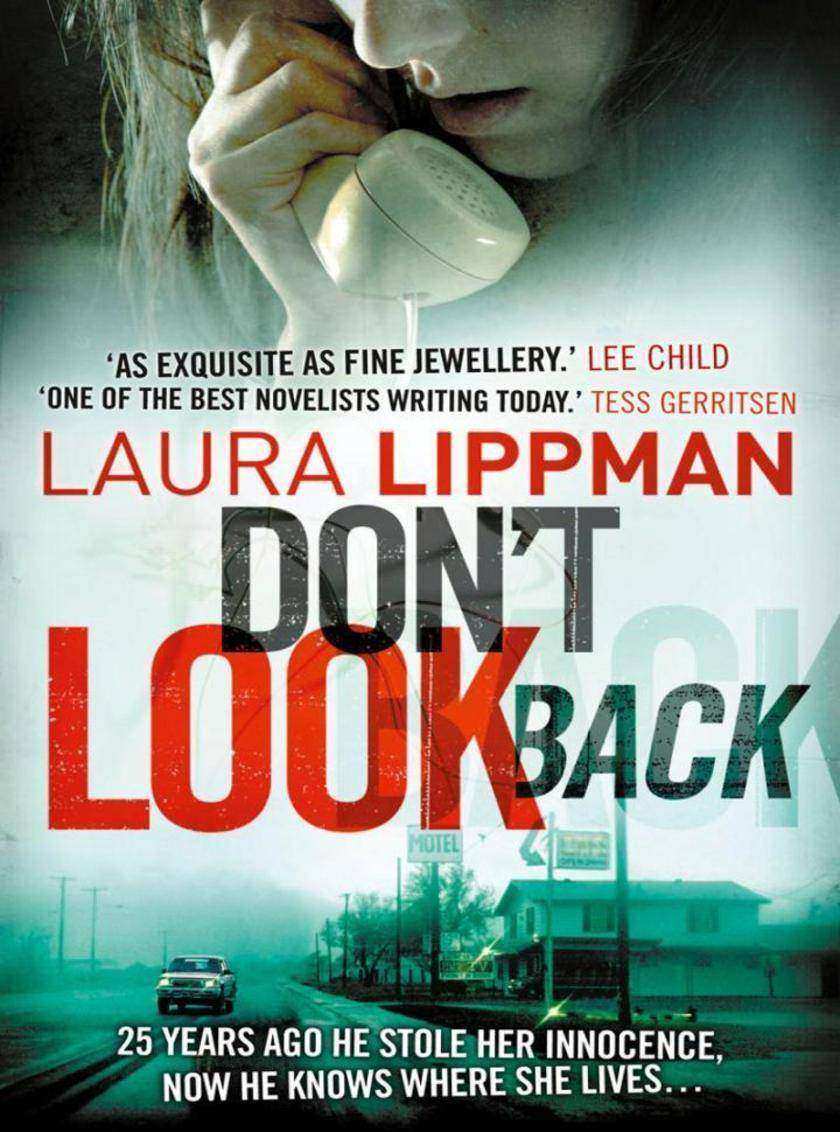
Don’t Look Back
¥51.50
Eliza Benedict’s past returns to haunt her when the serial killer she escaped from as a young girl walks back into her life. The nail-shredding novel from New York Times bestseller, Laura Lippman. 25 years ago, he stole her innocence. Now he wants to get in touch. Eliza Benedict cherishes her quiet existence with her successful husband and children in the leafy suburbs of suburban Washington. But her tranquillity is shattered when she receives a letter from the last person she ever expects – or wants – to hear from: Walter Bowman. In the summer of 1985 when she was fifteen-years-old, Eliza was kidnapped by serial killer Walter Bowman, who targeted young girls like Eliza in a sexually motivated killing spree. Now facing lethal injection on death row, Walter is keen to make contact with Eliza, seemingly motivated by a desire to atone for his sins before he finally meets his maker. Carefully, with some reluctance, she lets Walter enter her life, first by letter, then in person. Walter is keen to convince Eliza that he has changed but it becomes clear that Walter has more of an agenda than he first revealed. Cunning and manipulative, Walter is never more dangerous than when he can't get what he wants, and he wants something very badly. Disturbingly, he seems to have an ally working in the outside, one who seems to know everything about Eliza's life – including where she lives. As Walter once again manages to exert his malign influence, Eliza must draw on all of her reserves of wisdom and strength as the battle of predator and prey once more plays out and she must face the past head on if she is to survive. A taut and mesmerizing novel by the highly-acclaimed author of Life Sentences and Every Secret Thing.
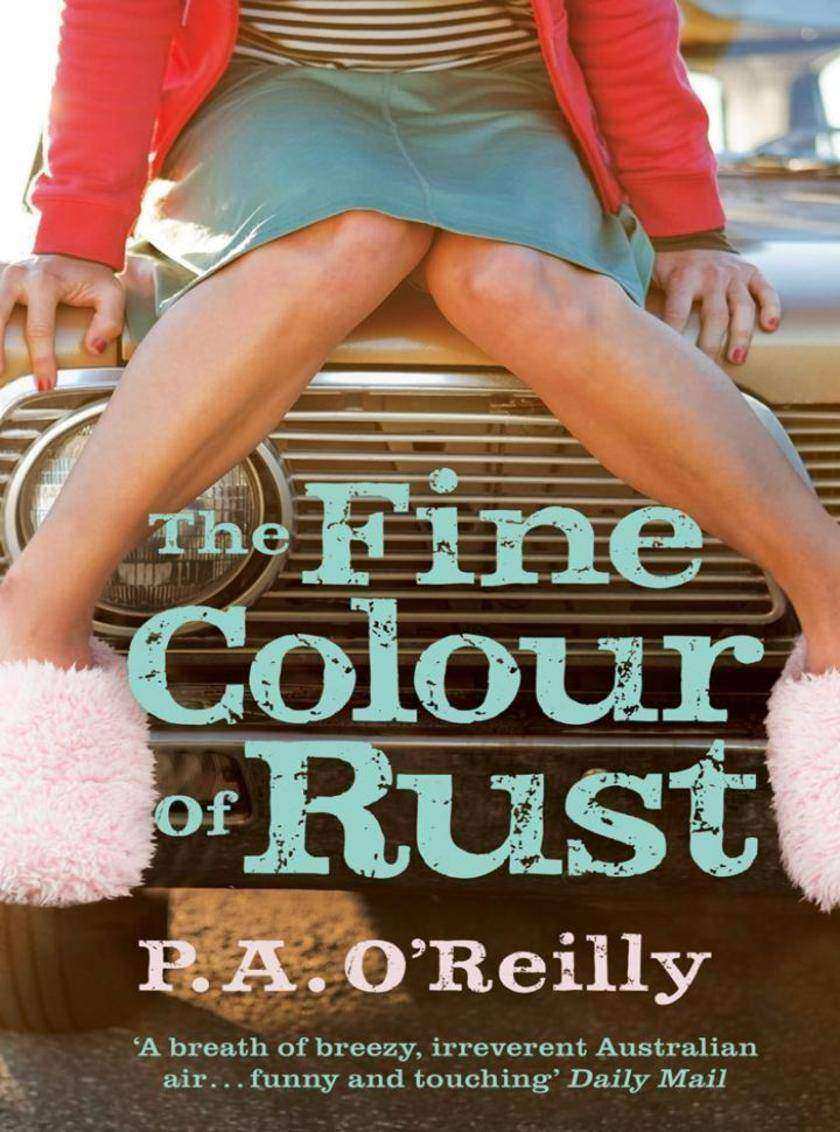
The Fine Colour of Rust
¥63.18
If you loved A Short History of Tractors in Ukrainian, you’ll love The Fine Colour of Rust. Single mother Loretta Boskovic may have fantasies about dumping her two kids in the orphanage and riding off on a Harley with her dream lover, but her reality is life in a dusty country town called Gunapan. A self-dubbed ‘old scrag’, Loretta’s got a big heart and a strong sense of injustice. So, when Gunapan’s primary school is threatened with closure, and there’s a whiff of corruption wafting through the corridors of the local council, she stirs into action. She's short of money, influence and a fully functioning car, but she does have loyal friends who’ll do whatever it takes to hold on to the scrap of world that is home. The Fine Colour of Rust is a wryly funny, beautifully observed, life-affirming novel about friendship, love and fighting for things that matter. In Loretta Boskovic, Paddy O’Reilly (writing as P A O'Reilly) has created a truly endearing heroine who gives us all permission to dream.
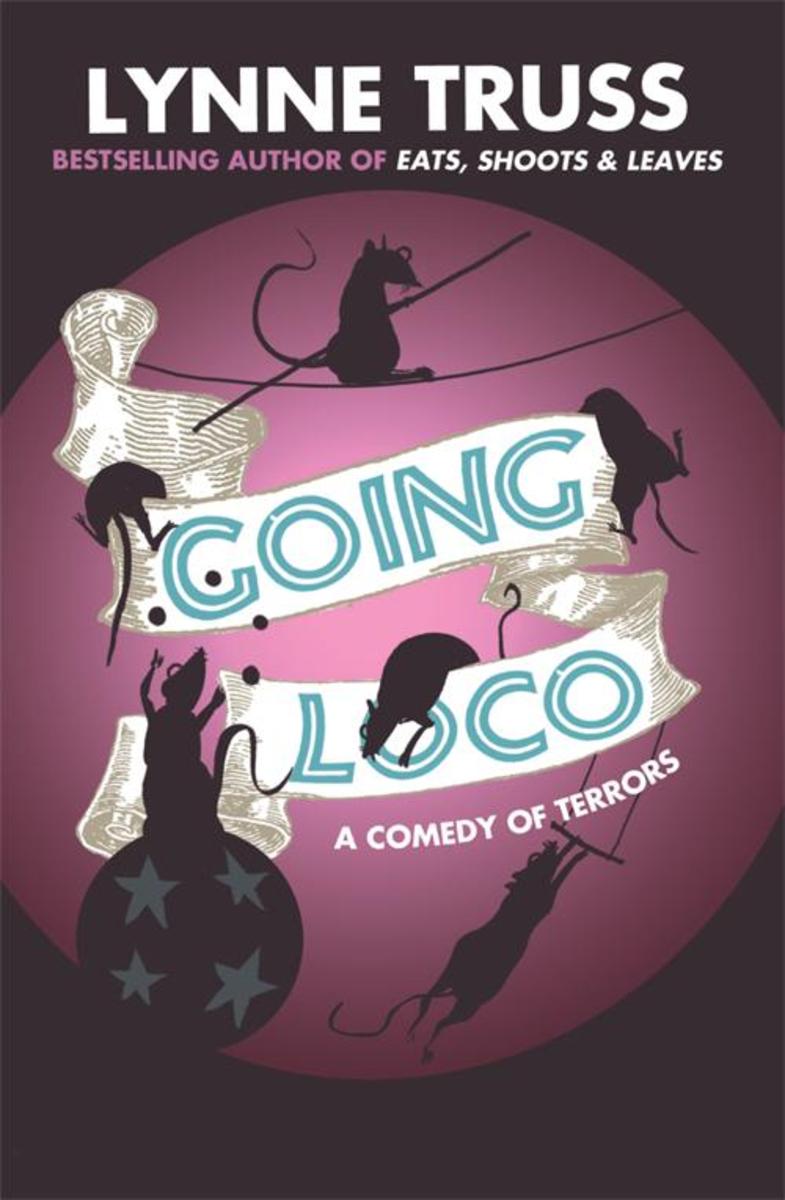
Going Loco
¥45.62
A wonderful comic novel from the bestselling author of ‘Eats Shoots & Leaves’. Belinda Johansson is a woman frantic, overwhelmed by the demands of work and home. Having it all? Pah. Belinda doesn't want any of it. Deep in research for her magnum opus - a definitive account of the doppelg?nger in classic gothic fiction - she fails to notice the echoes of these ghoulish tales disturbingly close at hand. For not only is the cleaning lady taking over her life, but the identity of her husband, Stefan, is also in question. Is he a harmless geneticist from Sweden, or actually a cunning clone? Why is the cleaning lady's previous employer having a breakdown, and what on earth has the rat circus got to do with any of this?
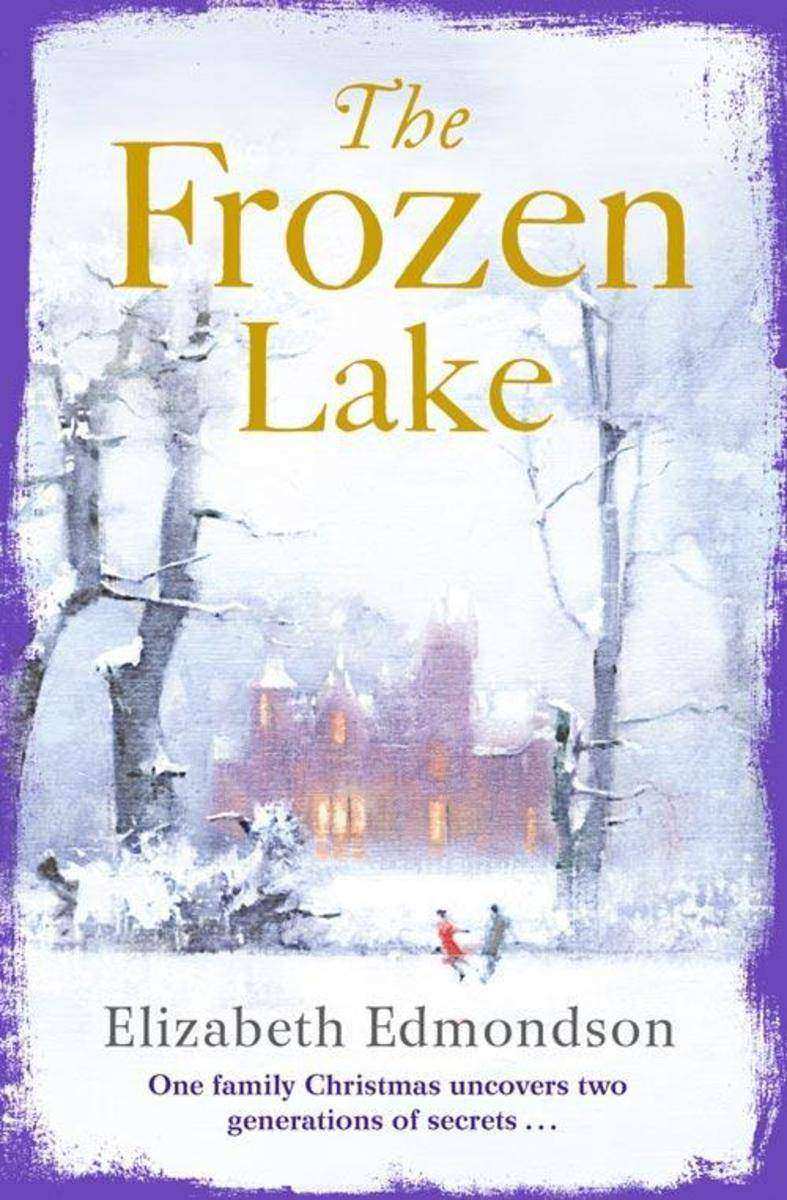
The Frozen Lake
¥49.74
A novel of family secrets hidden through two generations, set against the stunning backdrop of the Lake District in midwinter. From the author of The Villa in Italy. One family Christmas uncovers two generations of secrets… The year of 1936 is drawing to a close. Winter grips Wetmoreland and causes a rare phenonmenon: the lakes freeze. For two local families, the Richardsons and the Grindleys, the frozen lake entices long-estranged siblings and children to return home for Christmas. Some are aware of the storm clouds of war gathering over Europe, yet everyone wants to put troubles aside, however personal, to enjoy a frozen Christmas. But one visitor carries a seed of violence and not even the matriarch of the Richardson clan can prevent the carefully buried secrets of the past from erupting to change everything. A compelling blend of family closeness and strife, dazzling passion and the dark influence of history, this is an enthralling read to curl up and savour.
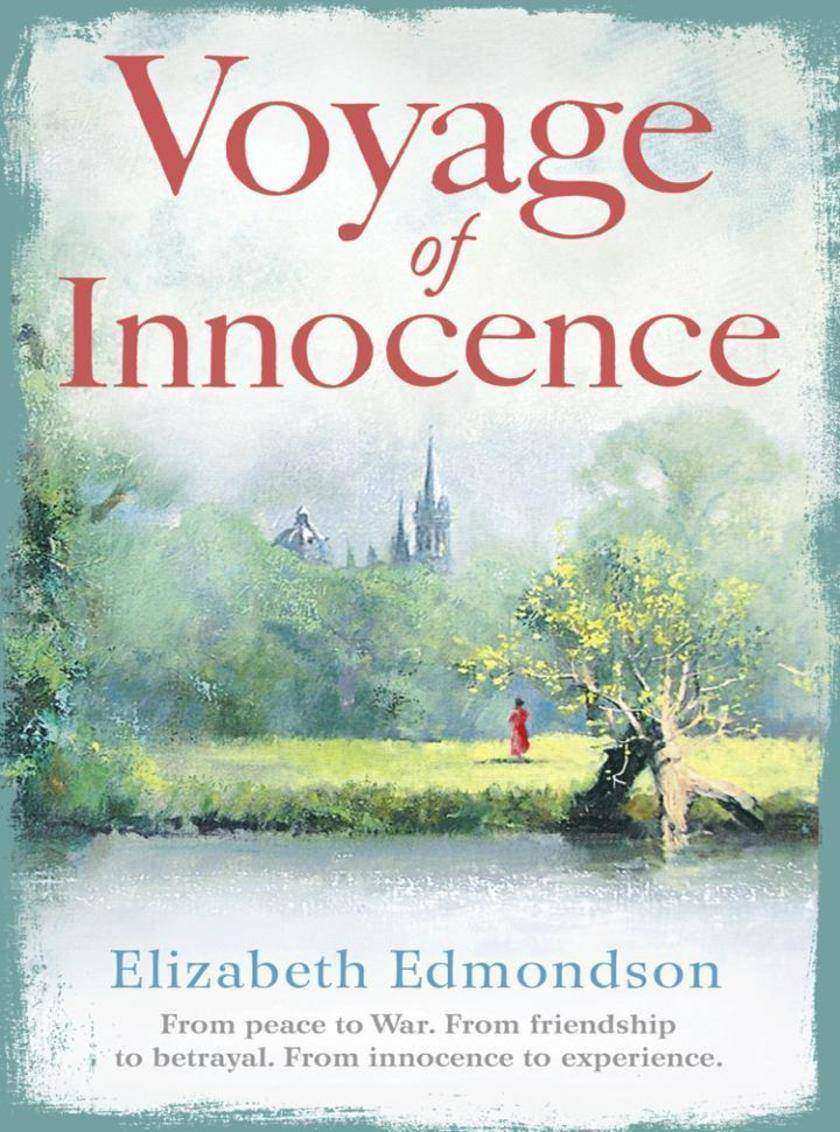
Voyage of Innocence
¥36.50
From the author of THE FROZEN LAKE comes an enthralling novel of love, betrayal and idealism, as three very different young women go up to Oxford in the years immediately before World War Two. Vee – the clergyman’s daughter. Boyish, alluring, she plans to use her time at Oxford to put right everything that went wrong in her loveless childhood. Her friendship with Alfred introduces her to politics and the subversive attractions of secret societies; it will lead to her career as a secret agent, but at what cost to old loyalties and her true feelings? Claudia, radiant, intense, aristocratic, is equally drawn to the secret society and one member in particular; his dazzling influence will see her travel to Berlin and come under the spell of Fascism as war looms. And Lally, glamorous daughter of an Irish-American senator, is sceptical of the society and the arguments from both sides. Her own choices will bring her into Vee’s new life, with all its dangers and betrayals. As the world becomes embroiled in the events of war, what price personal values, losses and loves?

The Underside of Joy
¥66.22
What if the only way to keep your children is to let them go? Perfect for all fans of Jodi Picoult. Losing a husband is unbearable. But losing her children too would be one heartbreak too many... Ella is happily settled in family life with her husband Joe and their two young children, Zach and Annie. Then the unthinkable happens - Joe is killed in a tragic accident. Distraught, Ella's only solace is the children, who she clings to for dear life. But she can't help feeling that the happiness she took for granted is over for good. Her worst fears are realised when Joe's beautiful ex-wife Paige, who deserted her family three years earlier, turns up at his funeral, determined to reclaim her children. Struggling with her own grief, Ella is now forced to battle for her family and the life which she loves. And when pushed to the limits, Ella must decide who is the best mother for her children.


