


 购物车
购物车 个人中心
个人中心
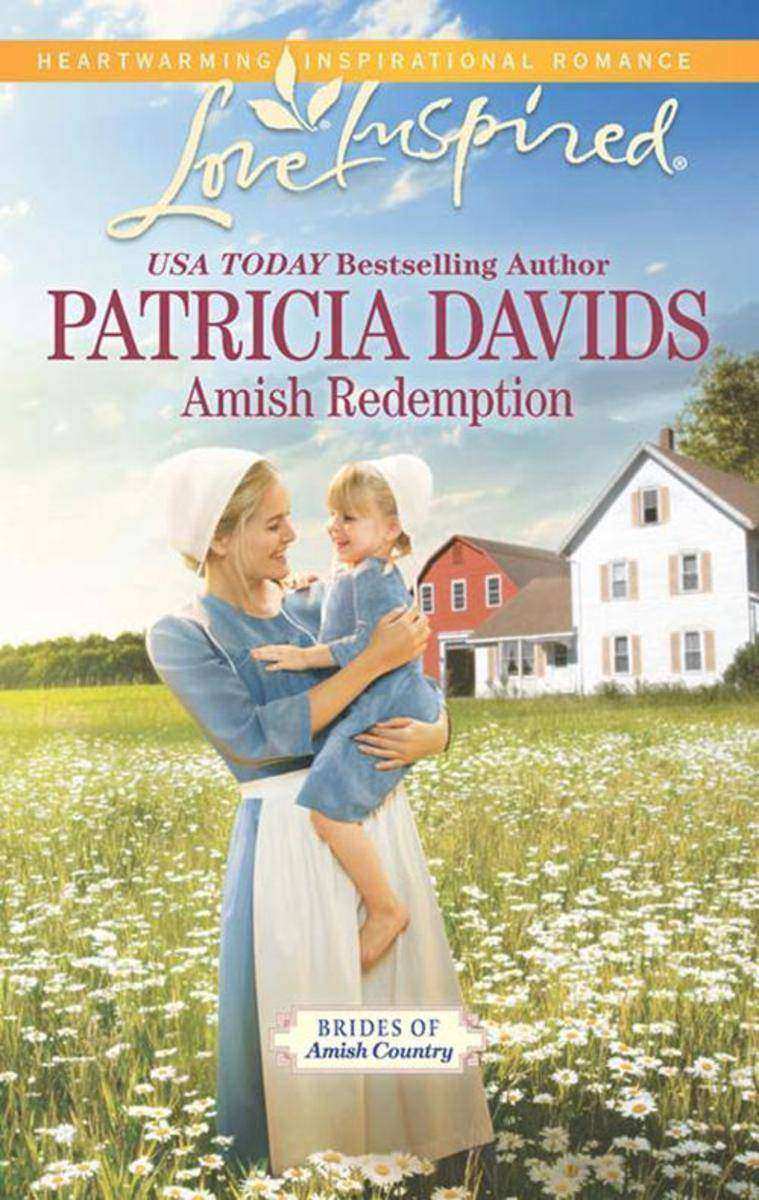
Amish Redemption (Mills & Boon Love Inspired) (Brides of Amish Country, Book 14)
¥31.10
An Amish Homecoming Bowman is ready to go home. After spending time in prison for a crime he didn't commit, he's putting everything behind him and reconciling with his fractured family. When a devastating tornado throws him unexpectedly into the path of Mary Kaufman and her daughter, Hannah, he feels the first spark of life after months. But Mary's adoptive dad is the Englisch sheriff–and he'd never trust her care to a man with 's past. Plus the lovely single mom has a secret of her own, one that she's spent years running from. Together they survived the storm, but are they strong enough to shed the shadows of their past? Brides of Amish Country: Finding true love in the land of the Plain People.
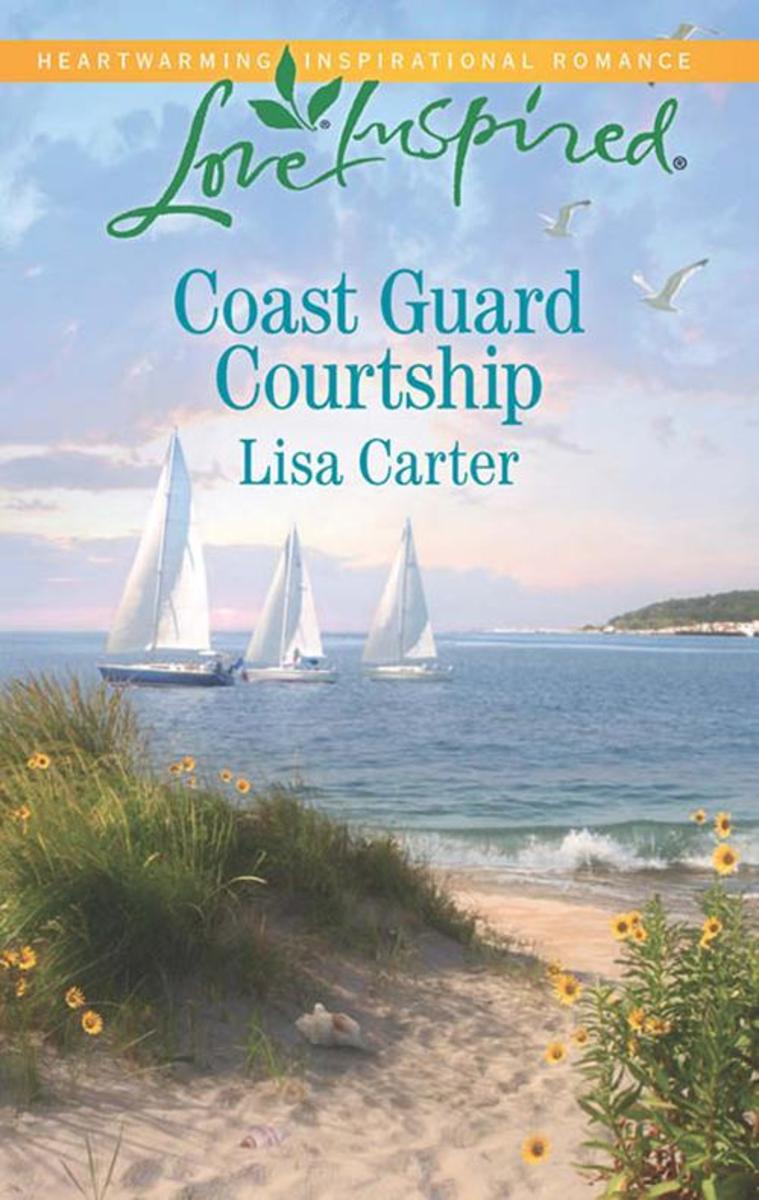
Coast Guard Courtship (Mills & Boon Love Inspired)
¥25.60
A Seaside Romance Coast Guard Officer Braeden Scott's life is all about freedom and adventure. Being assigned to a tiny Virginia coastal village is the last thing he wants. But thanks to a feisty redhead, he's soon discovering the charms of a small-town life. Amelia Duer is all about home and hearth. Taking care of others is her whole world. As Braeden spends more time with her and her nephew, his hopes for a family begin to resurface. Could Amelia prove to be the anchor this charming Coastie needs to stop wandering and create a home for good? Coast Guard Officer Braeden Scott's life is all about freedom and adventure. Being assigned to a tiny Virginia coastal village is the last thing he wants. But thanks to a feisty redhead, he's soon discovering the charms of a small-town life. Amelia Duer is all about home and hearth. Taking care of others is her whole world. As Braeden spends more time with her and her nephew, his hopes for a family begin to resurface. Could Amelia prove to be the anchor this charming Coastie needs to stop wandering and create a home for good?

Small-Town Bachelor (Mills & Boon Love Inspired)
¥31.10
A Place to Call Home When Reed Hamilton arrives in Lake Endwell for a family wedding, he expects to do his part as best man then head back to the big city. But when a a tornado postpones the wedding, the town is in shambles and Reed is injured. Thankfully maid of honor Claire Sheffield offers him one of her cottages to recuperate in. Dedicated to her family and her dream job at the zoo, Claire is all about roots. She's this city slicker's opposite, yet as they help the town rebuild, Reed is captivated by her stunning looks and caring ways. He can't ask Claire to leave the life she loves for him, but he also can't imagine ever leaving her behind… When Reed Hamilton arrives in Lake Endwell for a family wedding, he expects to do his part as best man then head back to the big city. But when a tornado postpones the wedding, the town is in shambles and Reed is injured. Thankfully maid of honor Claire Sheffield offers him one of her cottages to recuperate in. Dedicated to her family and her dream job at the zoo, Claire is all about roots. She's this city slicker's opposite, yet as they help the town rebuild, Reed is captivated by her stunning looks and caring ways. He can't ask Claire to leave the life she loves for him, but he also can't imagine ever leaving her behind…
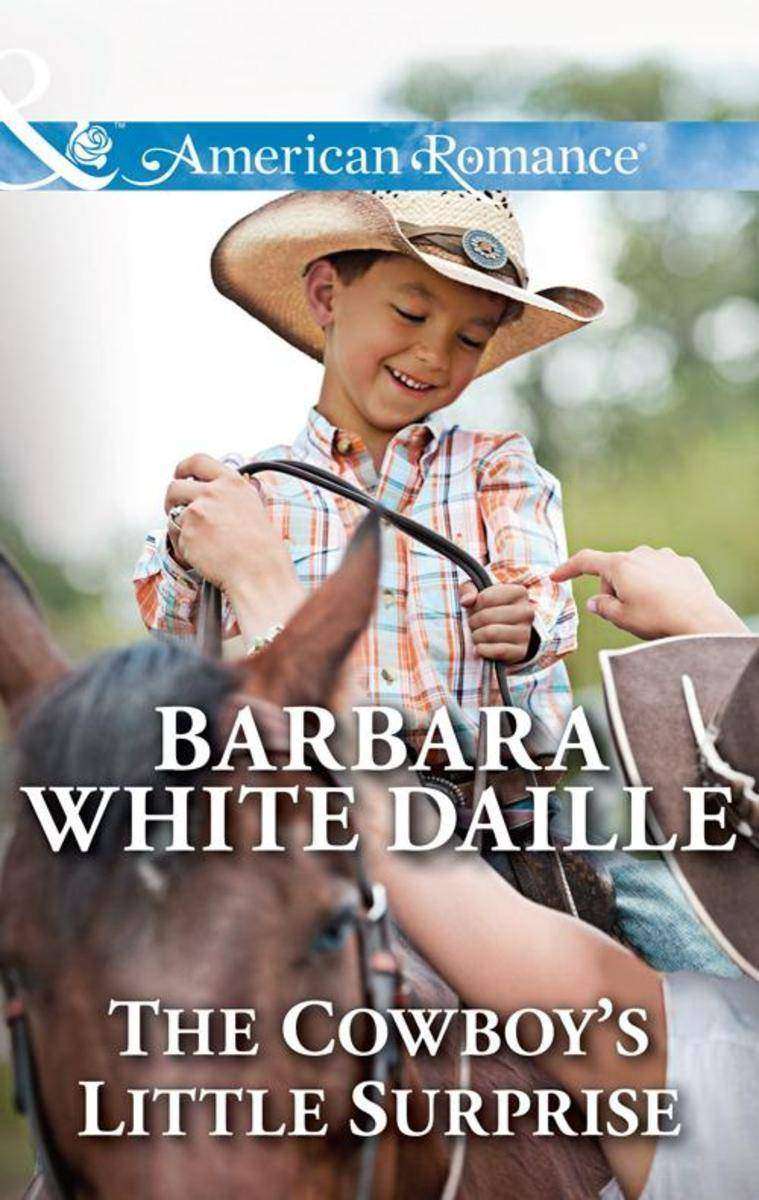
The Cowboy's Little Surprise (Mills & Boon American Romance) (The Hitching Post
¥31.10
THE LONG WAY HOME A guy like Cole Slater is hard to forget. Tina Sanchez should know–for years since high school she's tried to bury the pain of Cole's cruel betrayal. But it's impossible to ignore the man she sees reflected in her young son's eyes now that Cole is back in her life–and about to meet the child he never knew he had. Returning home to New Mexico, Cole is determined to put his playboy reputation to rest. Especially now that he knows there's a little boy looking up to him. And seeing Tina again reignites all the feelings Cole ran from as a teen. Despite his fear that he can't be the man Tina deserves, he's determined to try. For his son's sake–and his own.
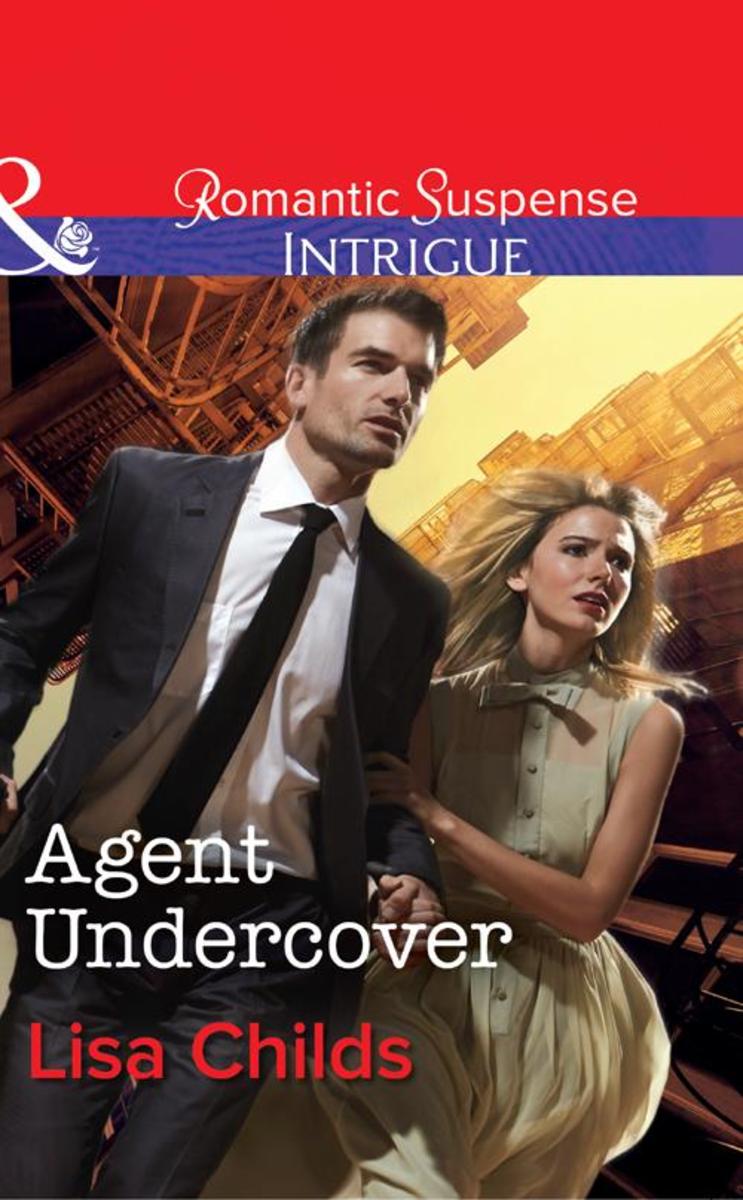
Agent Undercover (Mills & Boon Intrigue) (Special Agents at the Altar, Book 2)
¥31.10
She’s wanted by unknown assailants, the government…and the man sworn to protect her. A man like FBI Special Agent Ash Stryker would never be caught dead at a speed-dating event. But that’s where he tracks down Claire Molenski, a computer programmer suspected of selling government information. When he rescues her from a botched kidnapping, he realizes not only that she’s innocent, but also the only way to protect her is to pose as her boyfriend. Claire knows that their relationship is a ruse. Once the case is closed, she’ll never see Ash again, and that scares her almost as much as the abduction attempts. But the way he acts towards her makes her wonder just how much of an act their relationship really is. And if she'll be able to survive long enough to find out.

Expecting the Earl's Baby (Mills & Boon Cherish) (Summer Weddings, Book 1)
¥31.10
Claiming his heir! It was the most incredible night of her life, but Daisy Huntingdon-Cross never expected to see her Valentine’s fling again. Except six weeks later Daisy’s world has turned upside-down – she’s pregnant! She just needs to tell the father… Yet the man she knew as ‘Seb’ has a few revelations of his own. He’s Sebastian Beresford, Earl of Holgate – he doesn’t just work at Hawksley Castle where they met, he owns it! And with Daisy’s news, Seb’s determined to claim his heir…starting with a wedding!
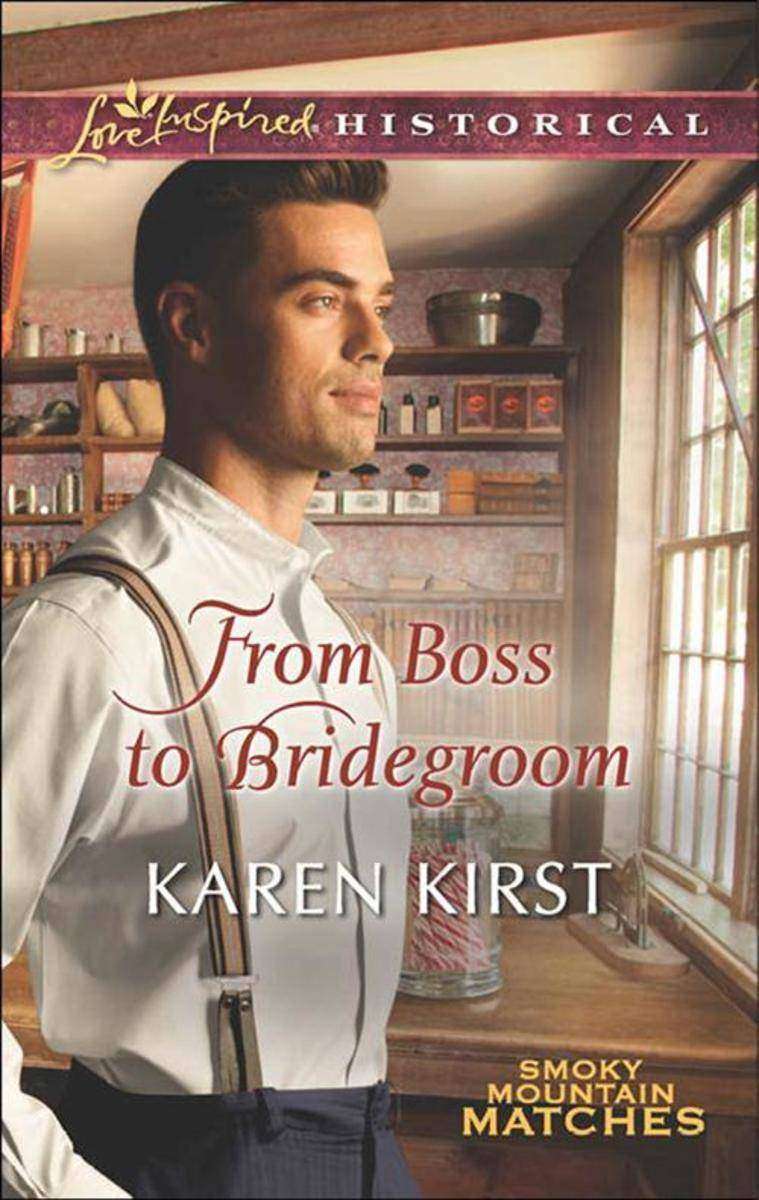
From Boss to Bridegroom (Mills & Boon Love Inspired Historical) (Smoky Mountain
¥31.10
Falling for the Boss Being tied up and delivered to the sheriff was not how Nicole O'Malley expected to meet her new boss. Quinn Darling had the audacity to mistake her for a burglar! Now she's counting the days until she can leave small-town life behind to open her own boutique. But as long as she's helping two runaways escape their vindictive stepdad, she can't leave town. Quinn's determined to triumph in his first business venture without the support of his wealthy family. He can't succeed without assistant Nicole, a beauty as prickly as she is captivating. As Quinn adjusts to the tight-knit community, he's soon set on another goal: breaking through Nicole's reserve to capture the love hidden in her heart. Smoky Mountain Matches: Dreams of home and family come true in the Smoky Mountains

One Perfect Year (Mills & Boon Heartwarming) (A Harmony Valley Novel, Book 4)
¥31.10
He's coming up on her blind side How can Shelby Hawkley forgive Gage Jamero for bailing on her when she needed him most? He and her husband, Nick, were the best part of her life. Now her former best friend is back, shaking up the widowed wine harvester's world. The safest bet is to protect herself. Except Gage is awakening feelings that are decidedly unfriend-like. Shelby is the woman Gage has secretly loved since high school. Starting over–together–could be the best dream he's ever had. If only he can find the courage to say what he should have said all those years ago.
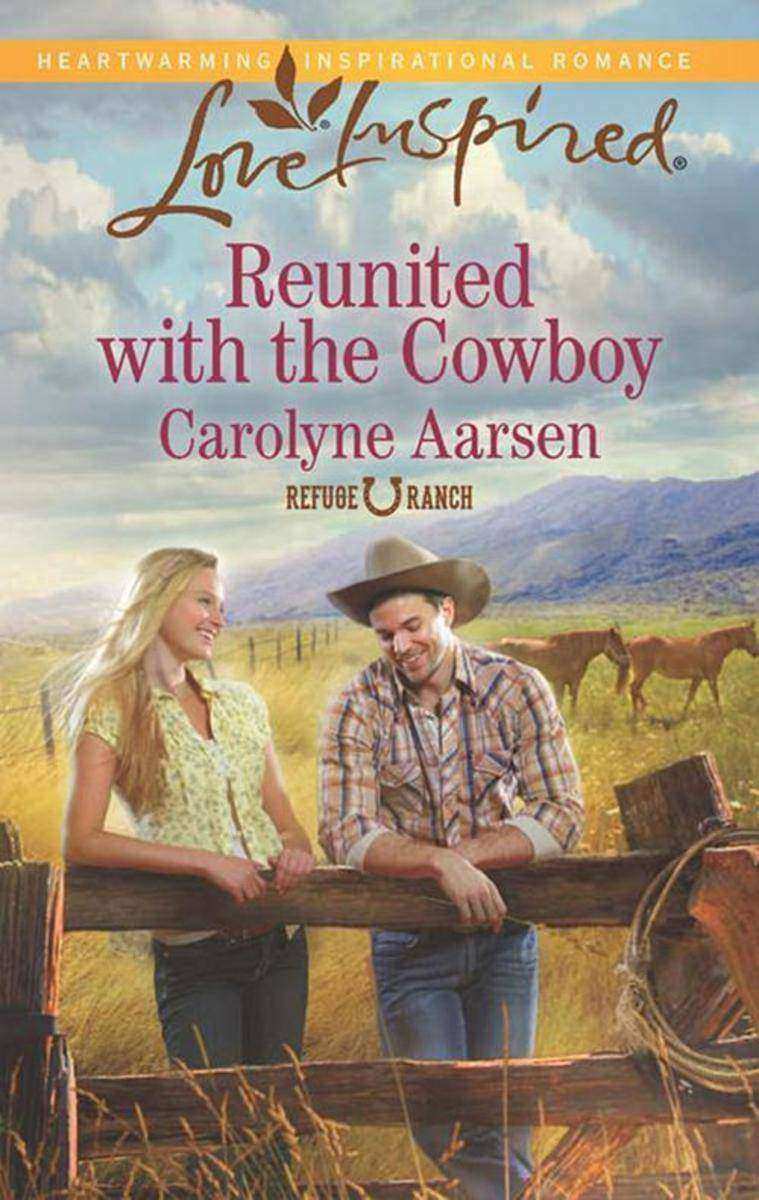
Reunited with the Cowboy (Mills & Boon Love Inspired) (Refuge Ranch, Book 2)
¥31.10
Second Chance at Love Heather Bannister is back in Montana for her sister's wedding. But returning to Refuge Ranch brings her face-to-face with a past best forgotten–including high school sweetheart John Argall. Now a single dad, John simply wants to provide for his daughter's future. And Heather's reappearance may be an obstacle to his plans to buy into her family's ranch. Yet when Heather agrees to babysit his sweet little girl, the old feelings come flooding back. And John realizes that Heather may have left town years ago, but his love for her has endured. Could this be their second chance at a future together? Refuge Ranch: Where a Montana family comes home to love.
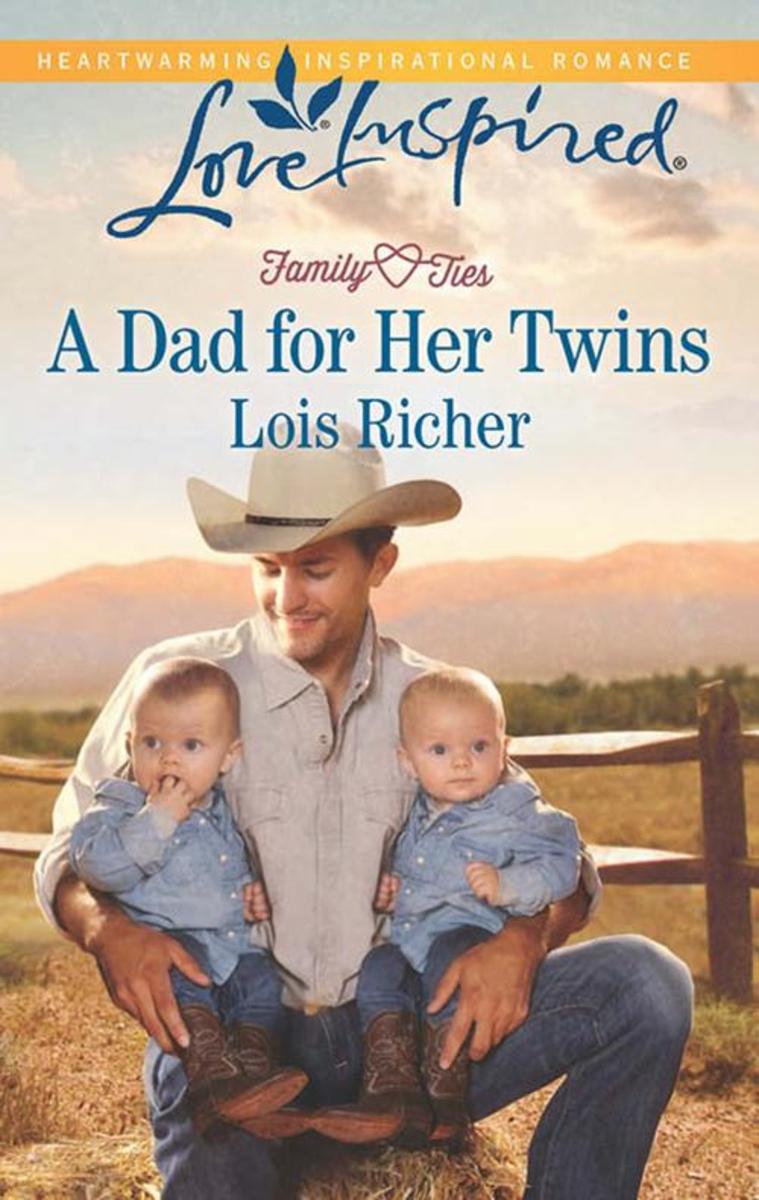
A Dad for Her Twins (Mills & Boon Love Inspired) (Family Ties (Love Inspired), B
¥31.10
The Cowboy's New Family Widow Abby McDonald is pregnant with twins, suddenly homeless and has nowhere to go. When her late husband's army buddy offers her a temporary haven at his family ranch in Buffalo Gap, Abby accepts the handsome cowboy's hospitality. She knows that Cade Lebret, an honorable man with a complicated life on the Double L, is just "doing the right thing." But when a needy foster child joins their makeshift family, Abby begins to see what a kind, loving father figure Cade is. Suddenly she's dreaming of making the Lebret family ranch her home forever. Family Ties: Bundles of joy bring couples together. Family Ties flash to come Widow Abby McDonald is pregnant with twins, suddenly homeless and has nowhere to go. When her late husband's army buddy offers her a temporary haven at his family ranch in Buffalo Gap, Abby accepts the handsome cowboy's hospitality. She knows that Cade Lebret, an honorable man with a complicated life on the Double L, is just "doing the right thing." But when a needy foster child joins their makeshift family, Abby begins to see what a kind, loving father figure Cade is. Suddenly she's dreaming of making the Lebret family ranch her home forever. Family Ties: Bundles of joy bring couples together.
The Lady Tree
¥54.65
A magnificent novel that vividly evokes the atmosphere of a seventeenth century English country estate, and the seething intrigue of Rembrandt’s Amsterdam where the population is in the grip of a fever of tulip trading. It is the Summer of 1636. In England botanist John Nightingale hides from his dangerous past at Hawkridge House, deep in the tranquillity of the countryside. In Holland, the population is gripped by a fever of speculation. Fortunes are gambled on the commodity markets, trading in spices, grain and even rare tulips. Blackmailed into leaving Hawkridge to join an elaborate money-making scheme in Amsterdam, a city of frenzied greed and luxury, haunted by the ever-nearer demons of his past, and falling in love with two very different women, John Nightingale must learn quickly the ways of the world.

The Third Kingdom:A Richard and Kahlan Novel
¥60.33
From the internationally bestselling author of the Sword of Truth series, comes a new Richard and Kahlan novel, sequel to The Omen Machine. The bloodthirsty Jit is dead, and against all odds Richard and Kahlan have survived. But a new menace has attacked them in the Dark Lands. Infected with the essence of death itself, robbed of his power as a war wizard, Richard must race against time to uncover and stop the infernal conspiracy assembling itself behind the wall far to the north. His friends and allies are already captives of this fell combination, and Kahlan, also touched by death's power, will die completely if Richard fails. Bereft of magic, Richard has only his sword, his wits, his capacity for insight – and an extraordinary companion, the young Samantha, a healer just coming into her powers. Compelling, fast-moving, and intense, The Third Kingdom is a powerful tale that welcomes new readers to Terry Goodkind's world, while opening up new vistas of worldbuilding for longtime readers of the adventures of Richard Rahl and Kahlan Amnell.

Partners in Crime:Two Logan and Steel Short Stories (Bad Heir Day and Stramash)
¥11.77
Two bloody brilliant short stories from No. 1 bestselling crime writer Stuart MacBride, featuring DS Logan McRae and his boss DI Steel STRAMASH: Something fishy is happening on the isle of Jura. DS Logan McRae gets a phone call from DI Steel ordering him to come to the island at once. One freezing night’s sleep in a hatchback and two storm-battered ferries later, Logan arrives – but there’s no sign of Steel. She's lumped him in the middle of a policing nightmare, with bodies, and bullets, and tiny wee boats. And a dangerous hard man who’s meant to be dead… DI STEEL’S BAD HEIR DAY: Why is DI Steel in an even worse mood than usual? Is it because it’s Christmas? Or maybe it's because the missing persons case she’s just caught looks like a hoax from a mile off? Or is it because she’s just been left a huge amount of money…? One thing’s for certain: Steel’s having a bad day, and she’s hell bent on making sure Constable Guthrie has one too.
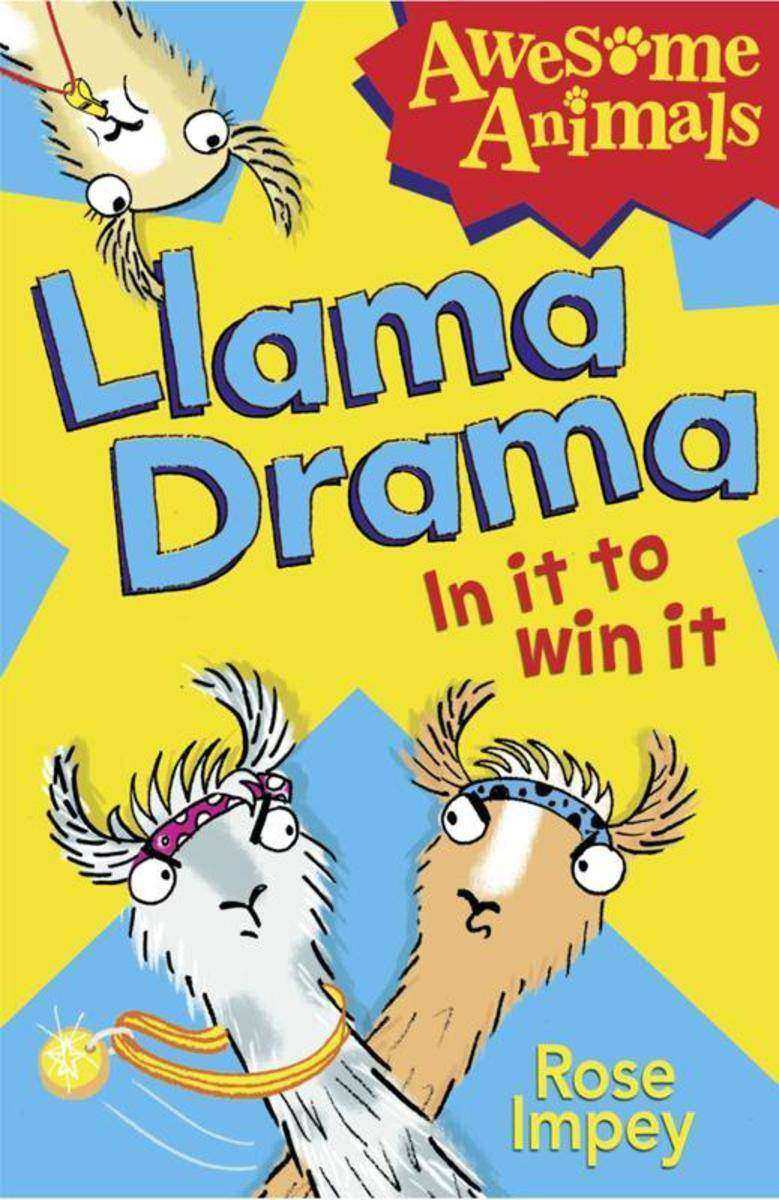
Llama Drama - In It To Win It! (Awesome Animals)
¥46.99
The seventh animal in the hilarious AWESOME ANIMALS series – awesome adventures with the wildest wildlife. Lewie the llama and his flock of lambs are off to the County Fair! Farmer Palmer hopes that Lewie and the lambs will win Best in Show with their amazing acrobatic display! But then Lewie and his flock go missing… Have they run away? Have they been kidnapped? And can they be found in time to bring home a medal?
Enemy Attack! (Bug Buddies, Book 2)
¥16.87
Even bugs can be heroes! Join the Bug Buddies on bug-tastic adventures, as they pit their wits against the dreaded spider Spinner, creepiest of all creepy crawlies… Spinner's Wood is full of sticky mud, tall trees and long grass. But most of all, it's full of bugs! Meet the Bug Buddies – four best friends called Zap, Buzz, Lurch and Crunch. Their life would be perfect if it weren't for Spinner, who has eight legs and one mission: to trap the whole wood in his evil web. But even bugs can be heroes… Spinner’s Wood is under attack! The Bug Buddies think a certain spider is up to his old tricks. But is a new enemy on the prowl?
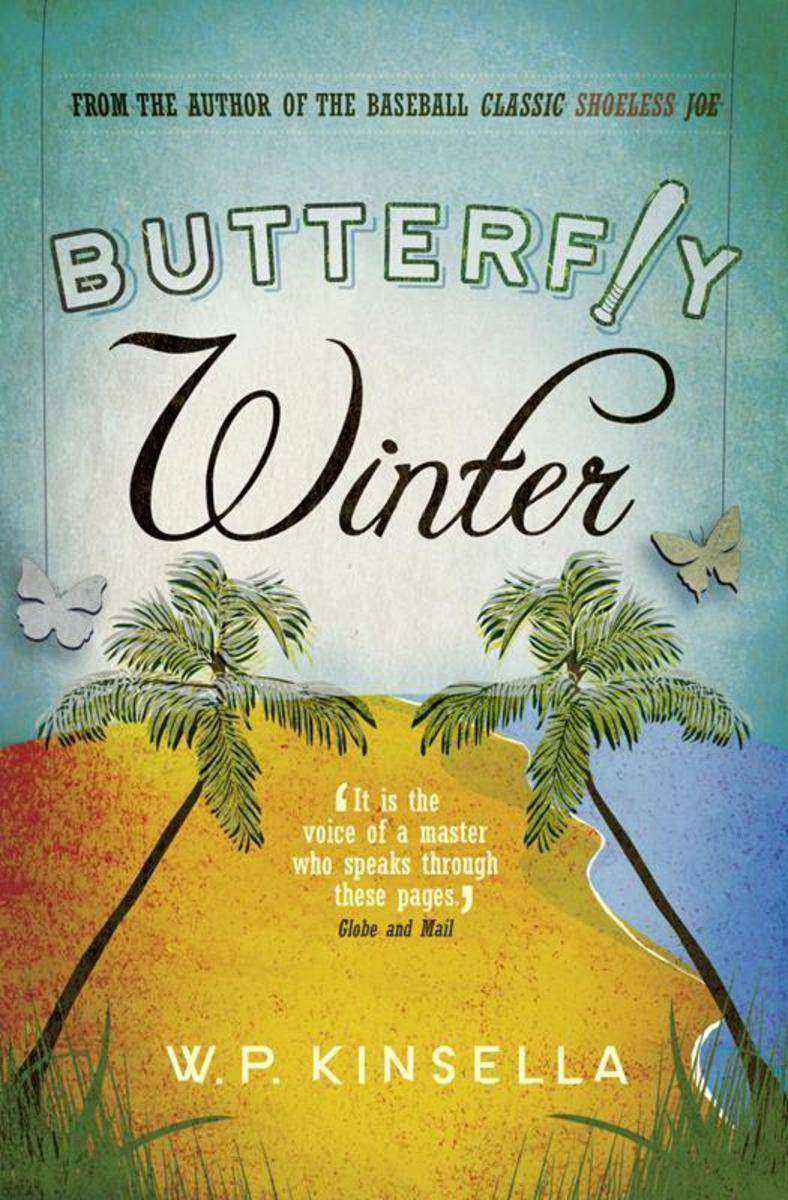
Butterfly Winter
¥39.83
The final novel from legendary Canadian author WP Kinsella. Butterfly Winter, W.P. Kinsella's first novel in 15 years, is the story of Julio and Esteban Pimental, twins born in the Caribbean country of Courteguay, an enchanted but impoverished enclave on the border between Haiti and the Dominican Republic where time moves at its own pace and reality is open to question. The brothers are born to play baseball, they even played catch in the womb, and at the age of ten they leave home for the American Major Leagues. Julio proves to be a winning pitcher who, much to the frustration of any team that signs him, will only throw to his catcher brother, who is a very weak hitter.

Space
¥76.91
2020. Fueled by an insatiable curiosity, Reid Malenfant ventures to the far edge of the solar system, where he discovers a strange artifact left behind by an alien civilization: A gateway that functions as a kind of quantum transporter, allowing virtually instantaneous travel over the vast distances of interstellar space. What lies on the other side of the gateway? Reid decides to find out. Yet he will soon be faced with an impossible choice that will push him beyond terror, beyond sanity, beyond humanity itself. Meanwhile on Earth the Japanese scientist Nemoto fears her worst nightmares are coming true. Startling discoveries reveal that the Moon, Venus, even Mars once thrived with life. Life that was snuffed out not just once but many times, in cycles of birth and destruction. And the next chilling cycle is set to begin again . . .

A Model World
¥18.74
In this compelling collection of short stories, bestselling author Michael Chabon explores adolescent desire, love, friendship and fatherhood, moving subtly and incisively across this powerful emotional ground. Wry and whimsical, but also with intellectual depth, A MODEL WORLD is a collection of eleven wonderful stories about growing up and growing wise. In ‘S Angel’ a group of wedding guests is hijacked by a fast-talking real estate agent, but not before the bride herself disappears. ‘Smoke’ takes us to a baseball catcher’s funeral, where one of the mourners – a has-been pitcher – confronts the ruins of his career. In the hilarious title story, a graduate student plagiarizes a dissertation on the movement of clouds, only to find himself and his faculty advisor in a parlour game where each player must confess the worst thing he or she has ever done. The second part of the book, ‘The Lost World’, is a series of stories about a young boy, Nathan Shapiro, who must face the wrenching emotions caused by his parents’ bitter divorce. Serious, yet shot through with wit, humour and compassion, these are unforgettable stories from one of America’s most celebrated writers.
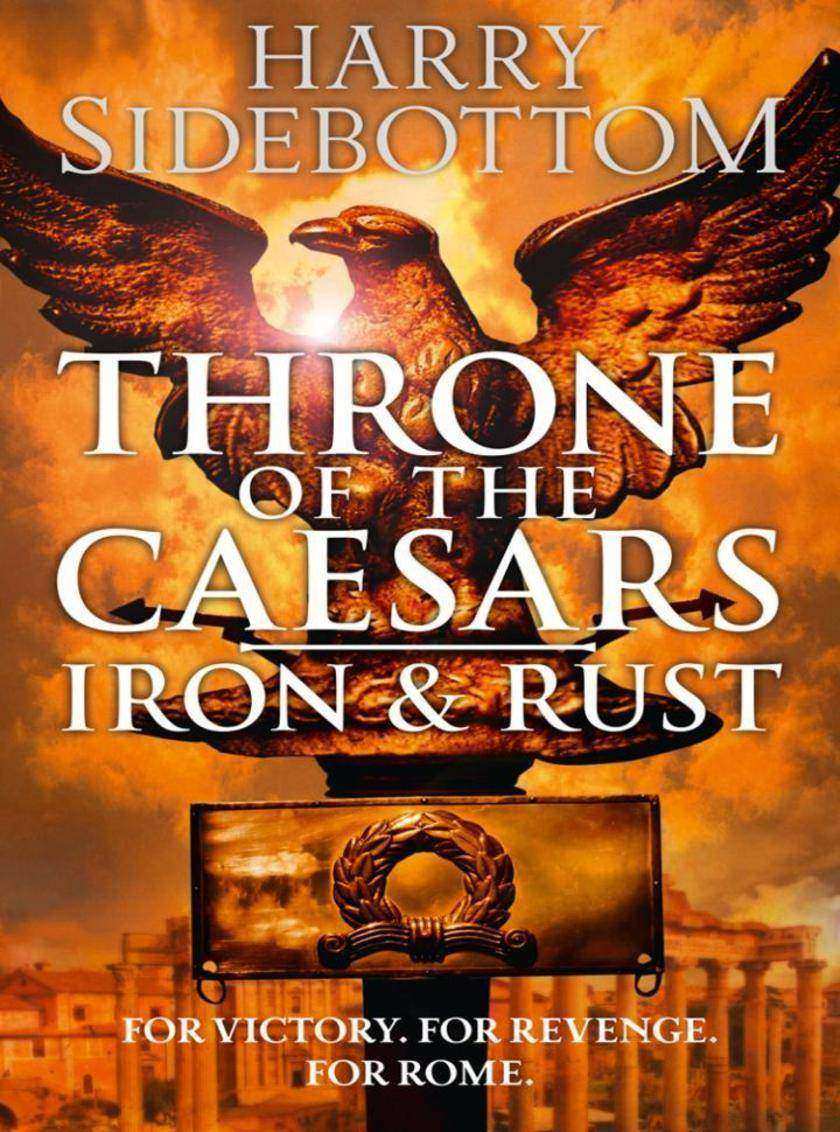
Iron and Rust (Throne of the Caesars, Book 1)
¥58.86
From the bestselling author of WARRIOR OF ROME comes the first book in a new series set in third century Rome, a dramatic era of murder, coup, counter-rebellions and civil war. In a single year six Emperors will lay claim to the Throne of the Caesars… SPRING AD235 Dawn on the Rhine. A surprise attack and the brutal murder of the Emperor Alexander and his mother ends the Severan dynasty and shatters four decades of Roman certainty. Military hero Maximinus Thrax is the first Caesar risen from the barracks. A simple man of steel and violence, he will fight for Rome. The Senators praise the new Emperor with elaborate oratory, but will any of them accept a Caesar who was once a shepherd boy? And in the streets of the eternal city, others merely pray to escape imperial notice. In the north, as the merciless war against the barbarians consumes men and treasure, rebellion and personal tragedy drive Maximinus to desperate extremes, bloody revenge and the borders of sanity. Iron & Rust, the first book in a major new series, creates a world both sophisticated and brutal, yet firmly rooted in history; a world of intrigue, murder, passion and war, a world where men will kill to sit on the Throne of the Caesars.

Shadow and Dust (A Short Story):A Throne of the Caesars Story
¥59.94
A tense and brilliantly dramatic 30-page short story from the bestselling author of The Throne of the Caesars Series. This thrilling short story opens at the end of BLOOD AND STEEL and is the perfect trailer for Harry Sidebottom’s new novel FIRE AND SWORD. AD 238. When Gordian the Younger is brutally cut down at the battle of Carthage, his ally Phillyrio and a centurion from his army must make for the hills of northern Africa, to escape Maximinus’s army. But their enemy, led by Capelianus, is determined to hunt them down.

Indiscretion
¥45.62
The Great Gatsby meets The Secret History in this torrid novel of love, lust and deception. Harry and Madeleine Winslow are blessed with talent, money, and charm. Harry is an award–winning author on the cusp of greatness. Madeleine is a woman of sublime beauty and grace whose elemental goodness belies a privileged upbringing. Bonded by deep devotion, their marriage is both envied and admired by friends who spend summers at their East Hampton idyll. When a holiday fling turns disastrously wrong, 26-year-old Claire falls into the Winslows’ welcoming orbit. They are enchanted by her youth and intelligence. In turn, Claire is entranced by Harry and Maddy. The love that exists between them is something of which, until now, she could only dream. Seen through the omniscient eyes of Maddy's childhood friend Walter, a narrator akin to Nick Carraway in The Great Gatsby, Indiscretion is a story about the complexities of love, the dangerous nature of desire and how obsession can tear apart even the most perfect of worlds.


