


 购物车
购物车 个人中心
个人中心

Killing Orders
¥70.10
V.I.'s battleaxe Aunt Rosa is under investigation by the FBI and SEC after counterfeit stock certificates were found at St. Albert's Priory, where she serves as treasurer. As malicious as her aunt is, V.I. knows she's not dishonest, so V.I. vows to protect her from taking the fall. But V.I. starts questioning the strength of her family ties when a menacing voice on the phone threatens to throw acid into her eyes if she doesn't butt out. The stakes are high as she begins to sniff out a connection between Chicago's most powerful institutions: the Church and the Mob.
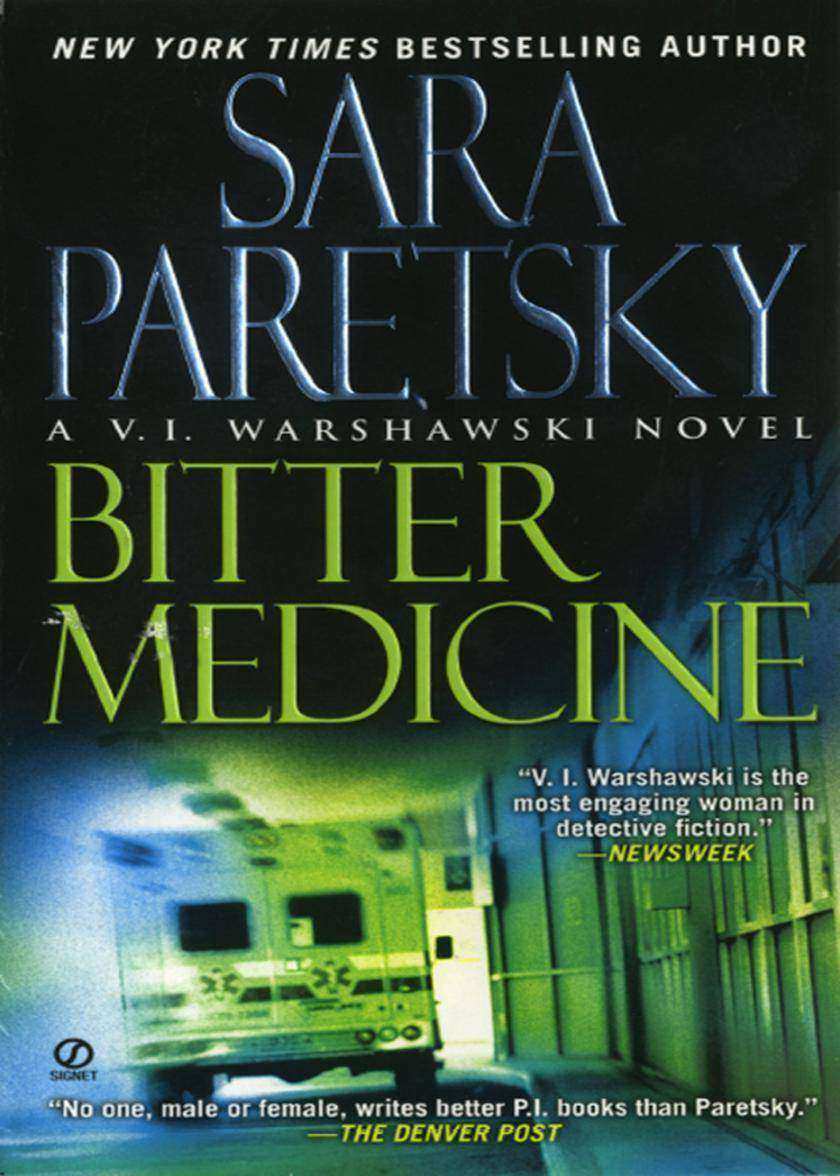
Bitter Medicine
¥109.31
Private eye V.I. Warshawski knows her friend Consuelo's pregnancy is already risky-she's sixteen and diabetic. Despite V.I.'s efforts to provide Consuelo with proper care, both mother and daughter die in the local hospital. Suspecting malpractice, V.I. begins an investigation- and a reluctant romance with an ER doctor. But deadly complications arise when a series of vicious murders and an attack on a women's clinic lead her to suspect a cold-blooded cover-up. And if V.I. isn't careful, she just might have delivered her final case...

Snow-walker
¥44.25
Since Gudrun came from the frozen mists beyond the edge of the world, the Jarl's people have obeyed her in hatred andterror. But the enchantress has one weakness: a son, Kari, banished to a forbidding fortress in the north, never seen by the Jarl's people. In secret they wonder: Are the rumors trueWas he born a monster?Now Jessa and her cousin Thorkil have been exiled to the north, and if they survive the journey, they will find the truth: Is Kari a beastOr the means to stop the sorceress?
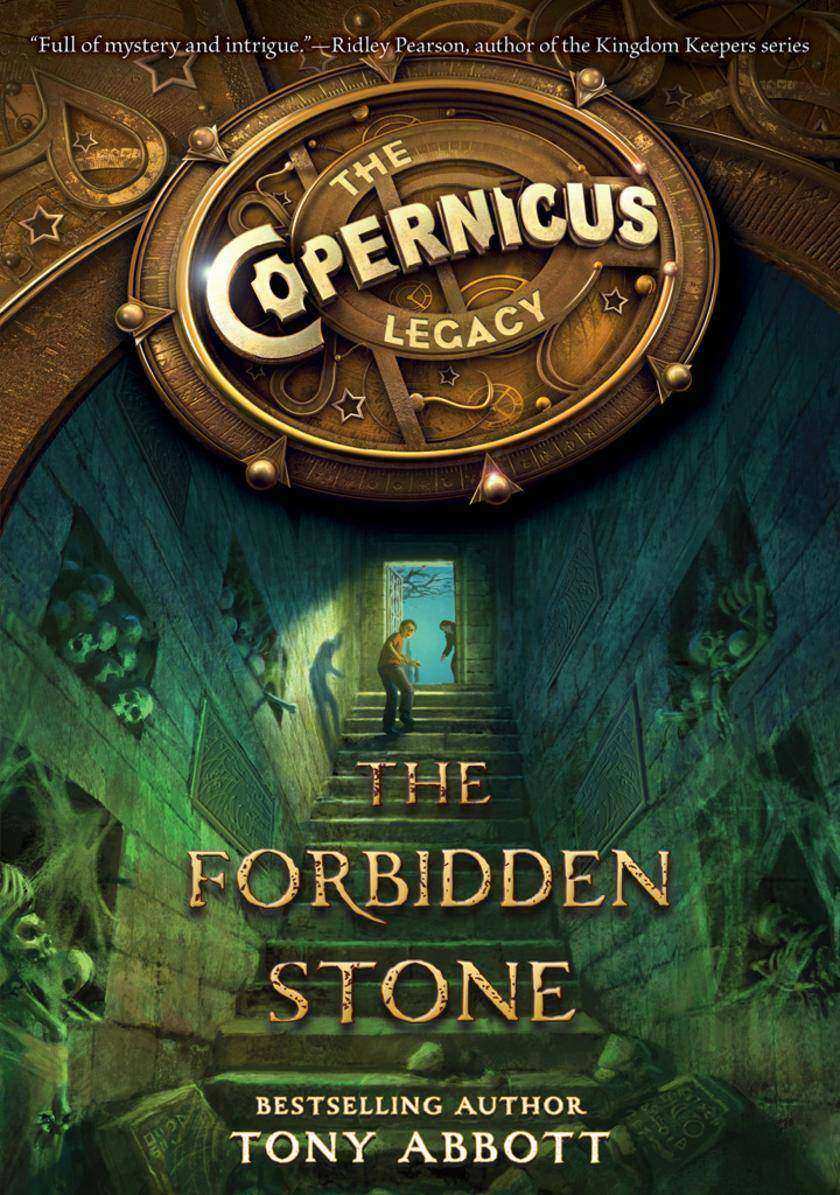
The Copernicus Legacy: The Forbidden Stone
¥39.13
Bestselling author Tony Abbott's epic new middle grade series, the Copernicus Legacy, begins with The Forbidden Stone, a thrilling adventure packed with puzzles, intrigue, and action. Fans of Rick Riordan and Ridley Pearson will love this first book in an exciting series that takes the reader all over the globe in a race to find pieces of a mysterious hidden past—before it's too late.Wade, Lily, Darrell, and Becca fly from Texas to Germany for the funeral of an old family friend. But instead of just paying their respects, they wind up on a dangerous, mind-blowing quest to unlock an ancient, guarded secret that could destroy the fate of the world.Supports the Common Core State Standards

The Copernicus Legacy: The Serpent's Curse
¥39.13
Bestselling author Tony Abbott returns with the next full-length book in the Copernicus Legacy series, a globe-trotting adventure packed with more riddles, puzzles, and secret histories. The hunt for Copernicus's first relic sent Wade, Darrell, Lily, and Becca to the far reaches of the world and put them in serious danger. But they never imagined Sara Kaplan—Darrell and Wade's mother—would be kidnapped by the conniving Galina Krause. Now they must race the evil Teutonic Order to find the Serpens relic and rescue Sara before it's too late.Fans of Rick Riordan and Ridley Pearson will love this epic series, which is filled with suspense and action.Correlates to the Common Core State Standards in English Language Arts
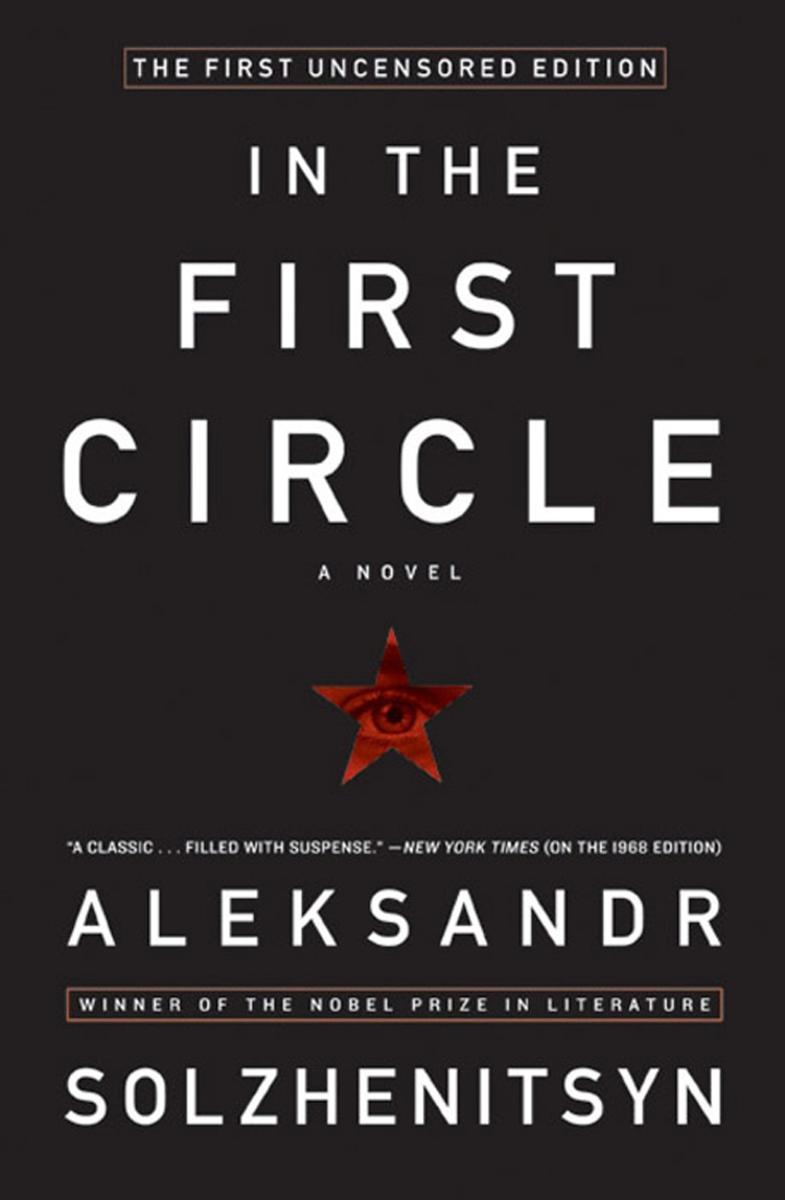
In the First Circle
¥121.80
The thrilling cold war masterwork by the nobel prize winner, published in full for the first timeMoscow, Christmas Eve, 1949.The Soviet secret police intercept a call made to the American embassy by a Russian diplomat who promises to deliver secrets about the nascent Soviet Atomic Bomb program. On that same day, a brilliant mathematician is locked away inside a Moscow prison that houses the country's brightest minds. He and his fellow prisoners are charged with using their abilities to sleuth out the caller's identity, and they must choose whether to aid Joseph Stalin's repressive state—or refuse and accept transfer to the Siberian Gulag camps . . . and almost certain death.First written between 1955 and 1958, In the First Circle is Solzhenitsyn's fiction masterpiece. In order to pass through Soviet censors, many essential scenes—including nine full chapters—were cut or altered before it was published in a hastily translated English edition in 1968. Now with the help of the author's most trusted translator, Harry T. Willetts, here for the first time is the complete, definitive English edition of Solzhenitsyn's powerful and magnificent classic.
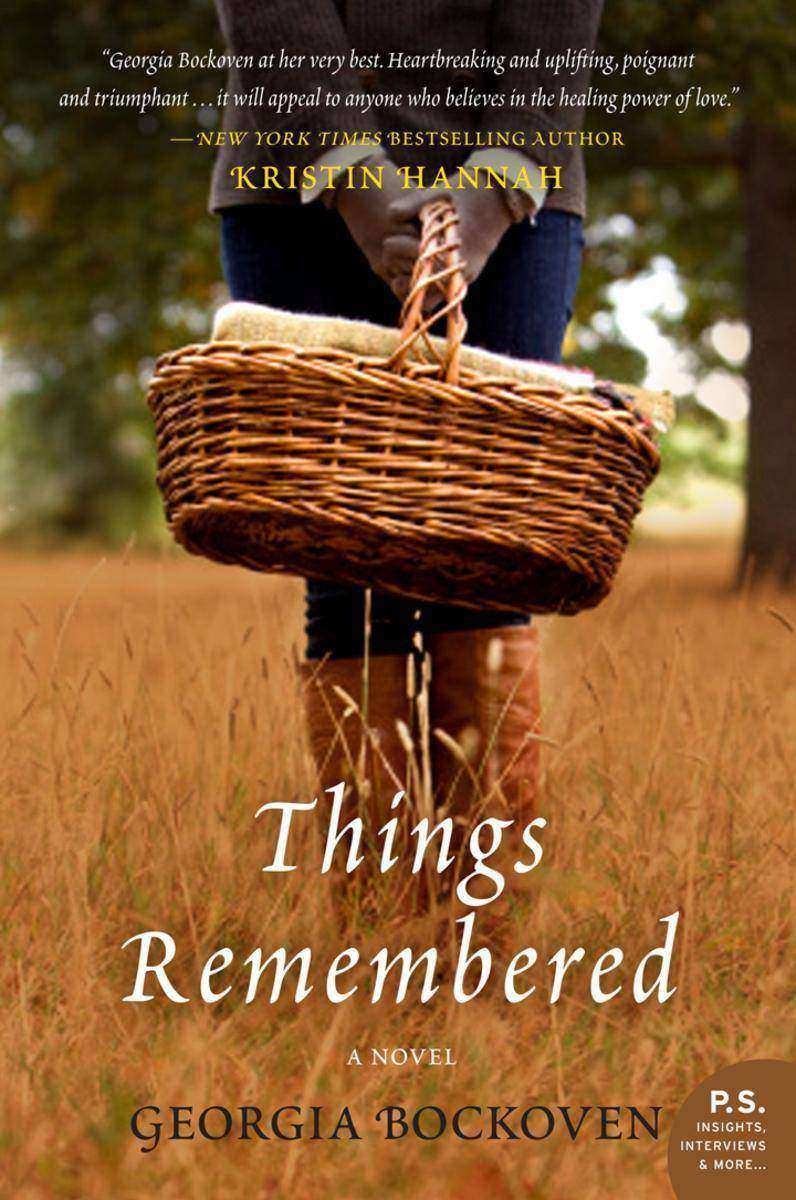
Things Remembered
¥84.16
To face the future, a woman must let go of the past. . . .Returning to her childhood home in the golden hills of Northern California means regret and pain for Karla Esterbrook. Yet she can’t refuse when her ailing grandmother, Anna, asks her to help settle her affairs. After all, Anna raised Karla and her younger sisters after their parents’ death twenty years before. But from the beginning a powerful clash of wills separated Karla and her grandmother, leaving them both bitter and angry.Little does Karla know that a very determined Anna will do everything in her power to bridge the chasm between them. But can the wounds of the past truly be healedFor Karla, opening her heart could lead to more hurt—or perhaps to reconciliation . . . and a love the likes of which she has never known.
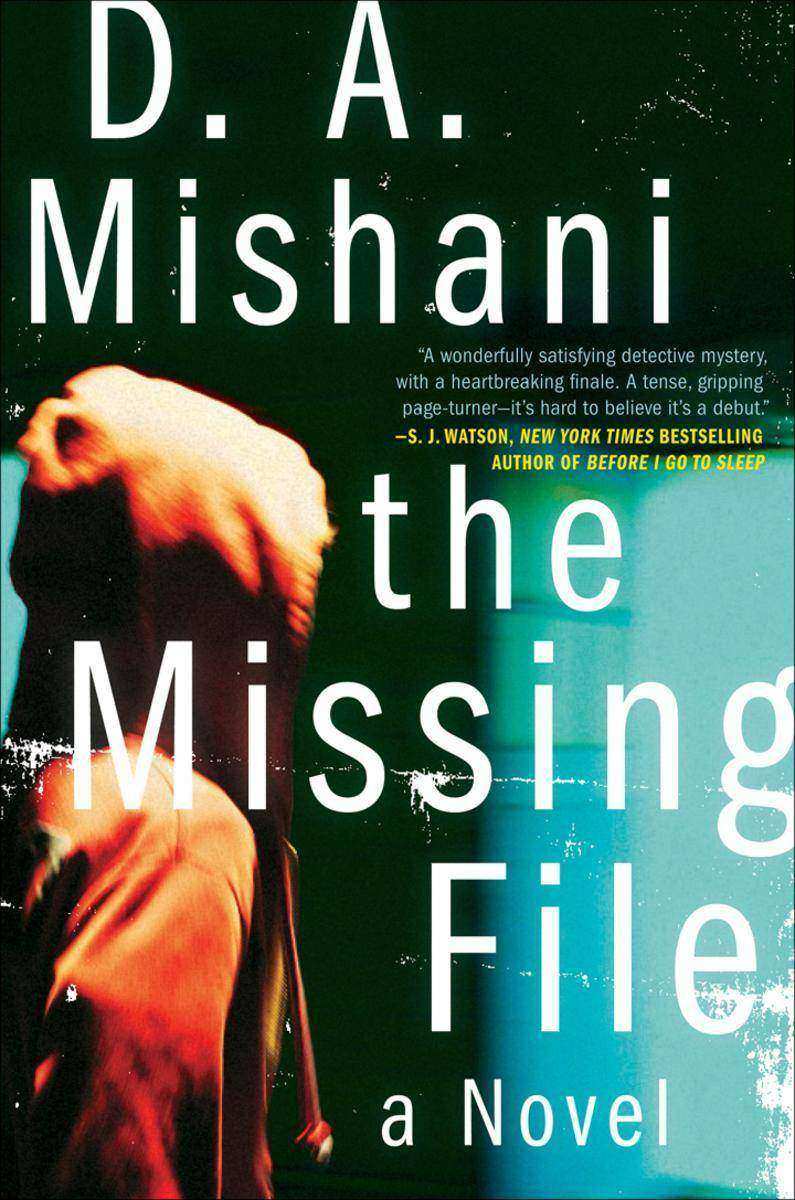
The Missing File
¥83.92
Detective Avraham Avraham must find a teenage boy who has vanished from his quiet suburban neighborhood.Police detective Avraham Avraham knows that when a crime is committed in his sleepy suburb of Tel Aviv, there is little need for a complex investigation. There are no serial killers or kidnappings here. The perpetrator is usually the neighbor, the uncle, or the father. As he has learned, the simplest explanation is always the answer.But his theory is challenged when a sixteen-year-old boy named Ofer Sharabi disappears without a trace while on his way to school one morning. There is no simple explanation, and Avraham's ordered world is consumed by the unimaginable perplexity of the case. The more he finds out about the boy and his circumstances, the further out of reach the truth seems to be. Avraham's best lead is Ofer's older neighbor and tutor, Ze'ev Avni. Avni has information that sheds new light on the case—and makes him a likely suspect. But will the neighbor's strange story save the investigation?Told through dual perspectives, The Missing File is a crisp, suspenseful tale that introduces an indelible new detective and offers an evocative portrait of suburban life and tension with a universal reach. As it draws to its startling conclusion, D. A. Mishani's twisting mystery will have readers questioning notions of innocence and guilt, and the nebulous nature of truth.
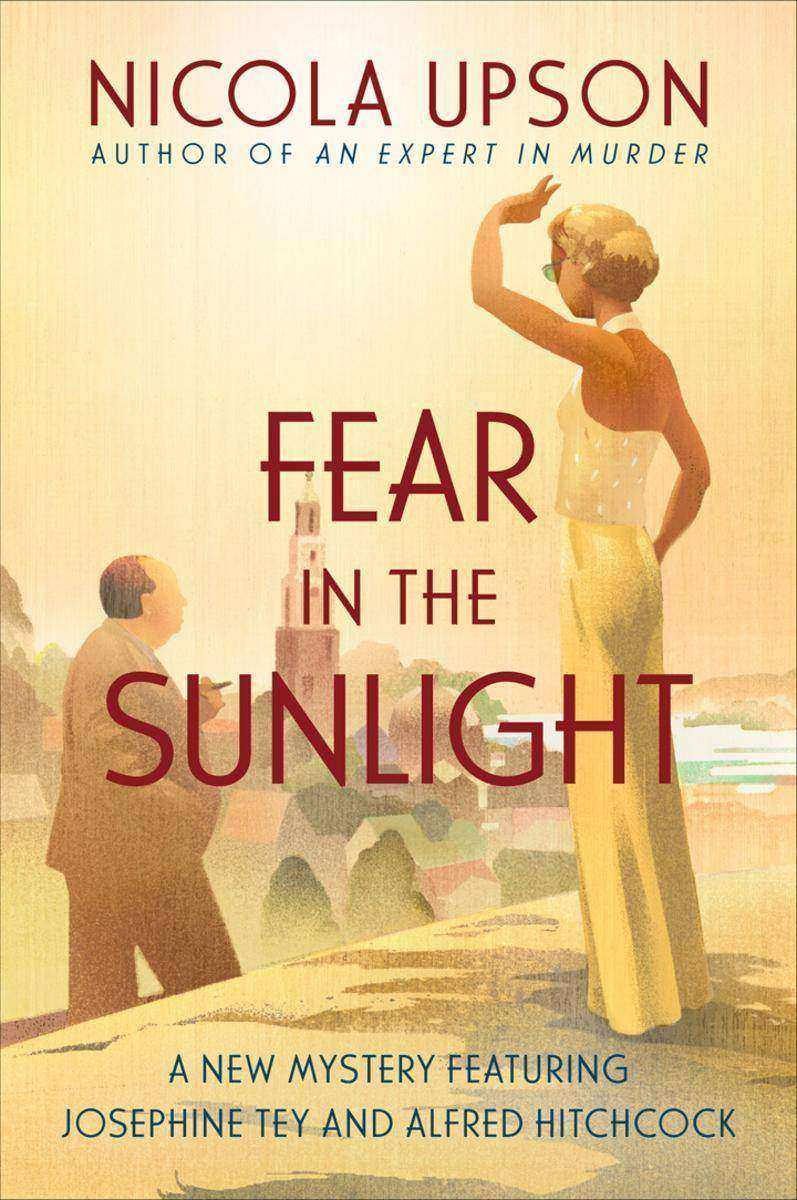
Fear in the Sunlight
¥90.77
Summer 1936. Mystery writer Josephine Tey joins her friends in the resort village of Portmeirion, Wales, to celebrate her fortieth birthday. Alfred Hitchcock and his wife, Alma Reville, are there to sign a deal to film Josephine's novel, A Shilling for Candles. But things get out of hand when one of Hollywood's leading actresses is brutally slashed to death in a cemetery near the village. The following day, as fear and suspicion take over in a setting where nothing—and no one—is quite what it seems, Chief Inspector Archie Penrose becomes increasingly unsatisfied with the way the investigation is ultimately resolved. Several years later, another horrif?ic murder, again linked to a Hitchcock movie, drives Penrose back to the scene of the original crime to uncover the shocking truth.
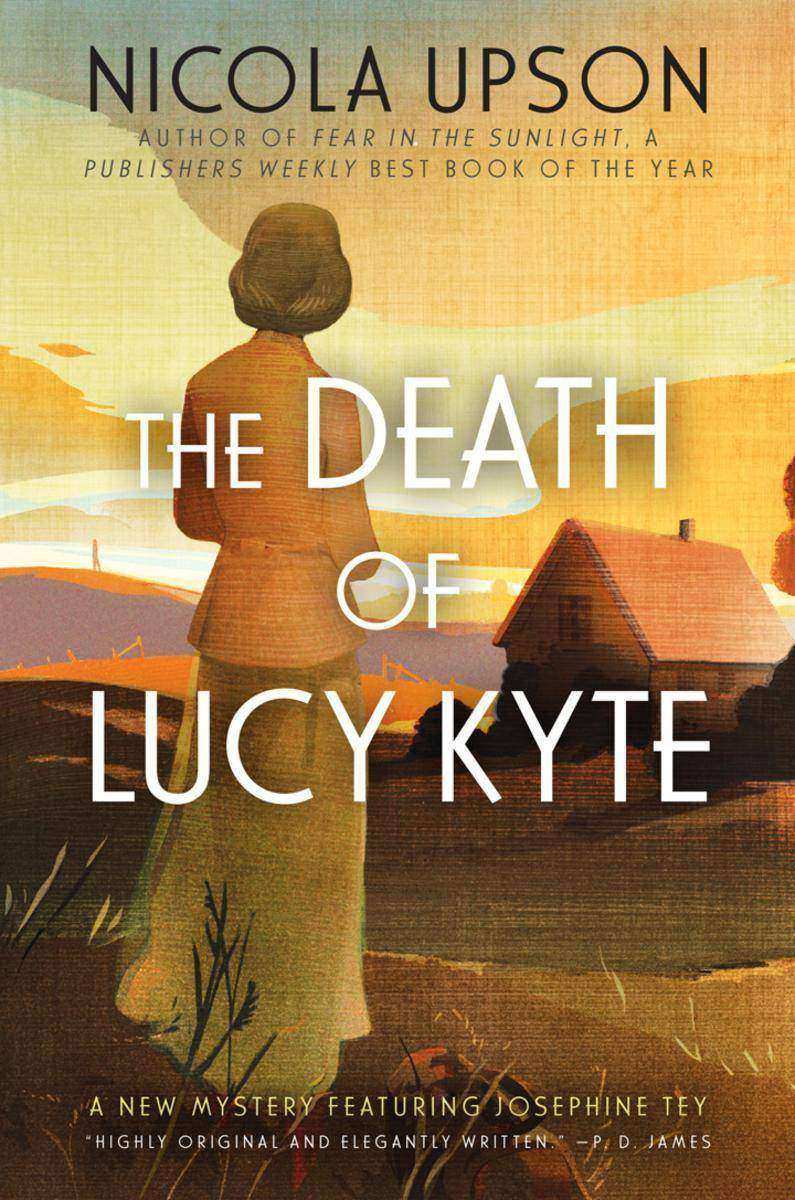
The Death of Lucy Kyte
¥88.56
An unexpected inheritance plunges beloved British mystery author Josephine Tey into a disturbing puzzle of dark secrets connecting the present and the past in this intriguing historical mystery brimming with psychological tension.When Josephine Tey unexpectedly inherits Red Barn Cottage from a godmother she barely knows, the will stipulates that she must personally claim the house in the Suffolk countryside. But Josephine is not the only benefactor—a woman named Lucy Kyte is also in Hester's will. Sorting through the artifacts of her godmother's life, Josephine is intrigued by an infamous murder committed on the cottage's grounds a century before. This old crime—dubbed the Red Barn murder—still haunts the tight-knit village and its remote inhabitants. Is it superstition, or is there a very real threat that is frightening the localsAnd is the truth related to the mysterious Lucy Kyte, whom no one in the village admits to knowingSurrounded by the shadows of obsession, abuse, and deceit, with a palpable sense of evil thickening around her, Josephine must untangle historic tragedy from present danger to prevent a deadly cycle from beginning once again.?
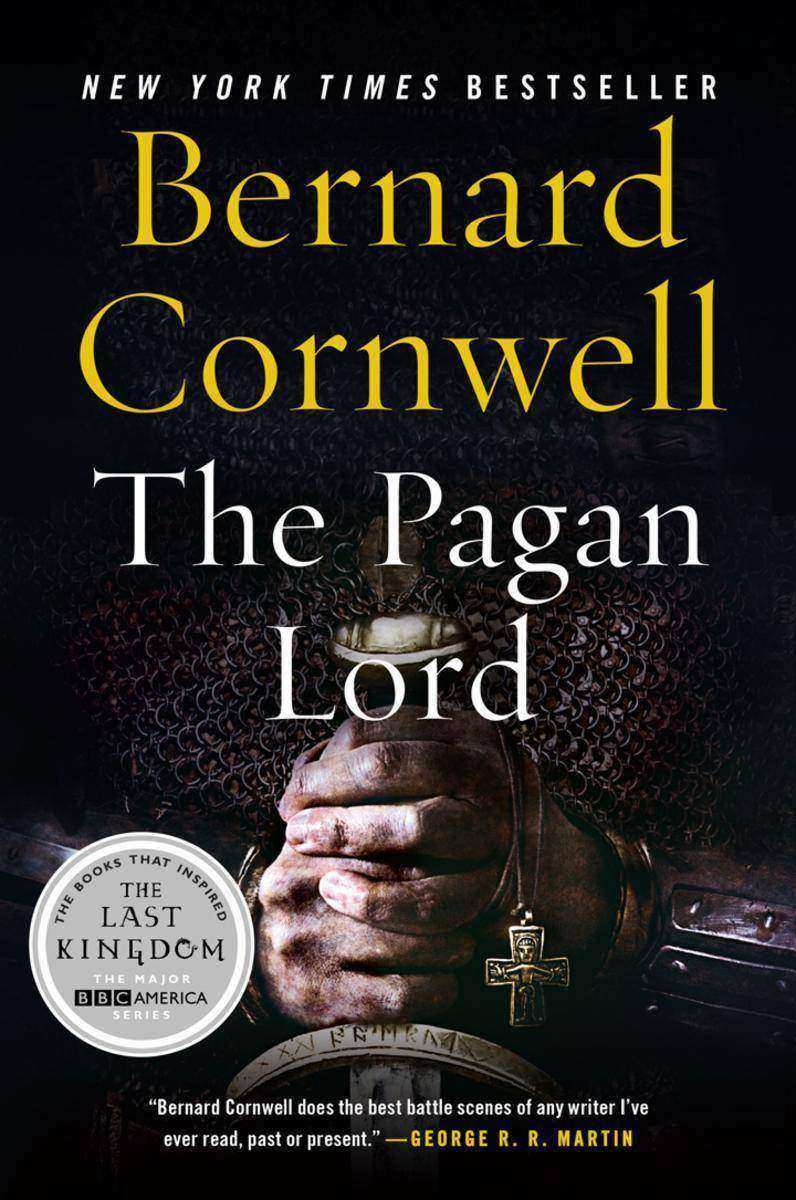
The Pagan Lord
¥94.10
Bernard Cornwell—"the most prolific and successful historical novelist in the world today" (Wall Street Journal)—returns to his Saxon Tales saga with the epic story of divided loyalties, bloody battles, and the struggle to unite Britain.At the onset of the tenth century, England is in turmoil. Alfred the Great is dead and his son Edward reigns as king. Wessex survives but peace cannot hold: the Danes in the north, led by Viking Cnut Longsword, stand ready to invade and will never rest until the emerald crown is theirs.Uhtred, once Alfred's great warrior but now out of favor with the new king, must lead a band of outcasts north to recapture his old family home, the impregnable Northumbrian fortress Bebbanburg.Loyalties will be divided and men will fall as each Saxon kingdom is drawn into the bloodiest battle yet with the Danes—a war that will decide the fate of every king, and the entire English nation.With The Pagan Lord, New York Times bestselling author Bernard Cornwell, "the reigning king of historical fiction" (USA Today), continues his magnificent epic of the making of England during the Middle Ages, vividly bringing to life the uneasy alliances, violent combat, and deadly intrigue that gave birth to the British nation.
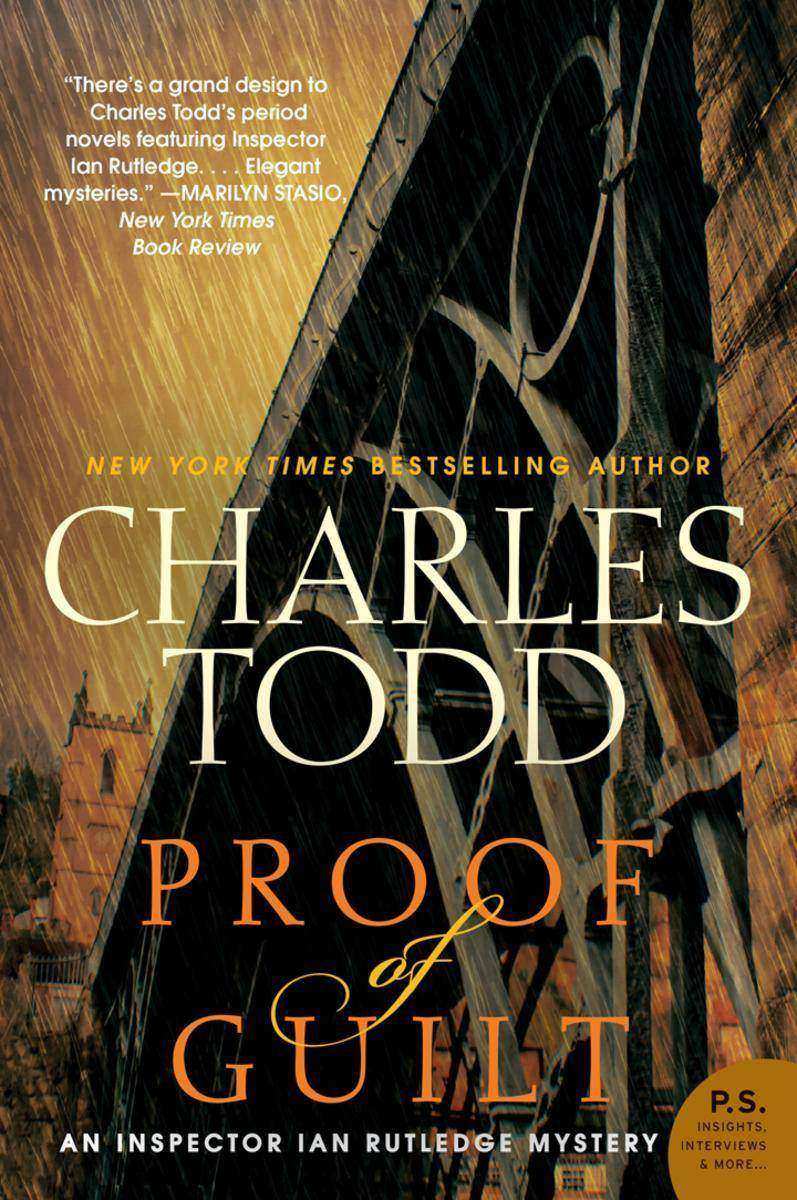
Proof of Guilt
¥90.51
Scotland Yard's Ian Rutledge must contend with two dangerous enemies in this latest complex mystery in the New York Times bestselling seriesLondon, summer 1920. An unidentified body appears to have been run down by a motorcar and Ian Rutledge is leading the investigation to uncover what happened. While the signs point to murder, vital questions remain: Who is the victimAnd where, exactly, was he killed?One small clue leads Rutledge to a firm built by two families, famous for producing and selling the world's best Madeira wine. Lewis French, the current head of the English enterprise, is missing. But is he the dead manAnd does either his fiancée or his jilted former lover have anything to do with his disappearance—or possible deathWhat about his sisterOr the London office clerkIs Matthew Traynor, French's cousin and partner who heads the Madeira office, somehow involved?The experienced Rutledge knows that suspicion and circumstantial evidence are not proof of guilt, and he's going to keep digging for answers. But that perseverance will pit him against his supervisor, the new acting chief superintendent. When Rutledge discovers a link to an incident in the French family's past, the superintendent dismisses it, claiming the information isn't vital. He's determined to place the blame on one of French's women despite Rutledge's objections. Alone in a no-man's-land rife with mystery and danger, Rutledge must tread very carefully, for someone has decided that he, too, must die so that cruel justice can take its course.

Fountain of St. James Court; or, Portrait of the Artist as an Old Woman The
¥88.56
"Is it a crime to liveTo create happiness for yourself through your own work?"How do writers and painters get their ideasAnd what are the hard realities of such seemingly glamorous and romantic livesIn her groundbreaking new novel, New York Times bestselling author Sena Jeter Naslund explores the transformative power of art, history, and love in the lives of creative women.It's midnight on St. James Court, at the heart of which is a beautiful fountain sculpture of Venus rising from the sea. Kathryn Callaghan has just finished the first draft of her novel about renowned painter ?lisabeth Vigée-Le Brun, a survivor of the French Revolution who was hated for her sympathetic portraits of Marie Antoinette. Although the manu* is complete, its author remains haunted by ?lisabeth's experiences, which are revealed in Sena Jeter Naslund's ingenious novel-within-a-novel interleaved with the chronicle of a day in the life of Kathryn Callaghan. Despite being separated by time, place, and culture, Kathryn and ?lisabeth possess similar gifts and burdens: uncompromising aesthetic codes, fierce pride in their artistic expression, and unwavering love and sacrifice for their children. And before the next midnight rolls around, Kathryn will have confronted personal danger as frightening as the butchery that ?lisabeth faced during the Reign of Terror. Each woman will be called upon and tested; each will, like Venus, rise triumphantly above the expectations of her world.In this, her compelling and intimate ninth book, Sena Jeter Naslund presents the reader with an eye-opening alternate vision of The Artist: not an angry young man but a woman of age and hard-won experience who has created for herself, against enormous odds, a fulfilling life of thoroughly realized achievement.

The Wonder Bread Summer
¥83.03
It's 1983 in Berkeley, California. Twenty-year-old Allie Dodgson is a straitlaced college student working part-time at a dress shop to make ends meet. But when the shop turns out to be a front for a dangerous drug-dealing business, Allie finds herself on the lam, speeding toward Los Angeles in her best friend's Prelude with a Wonder Bread bag full of cocaine riding shotgun and a hit man named Vice Versa on her tail. You can't find a more thrilling summer read!
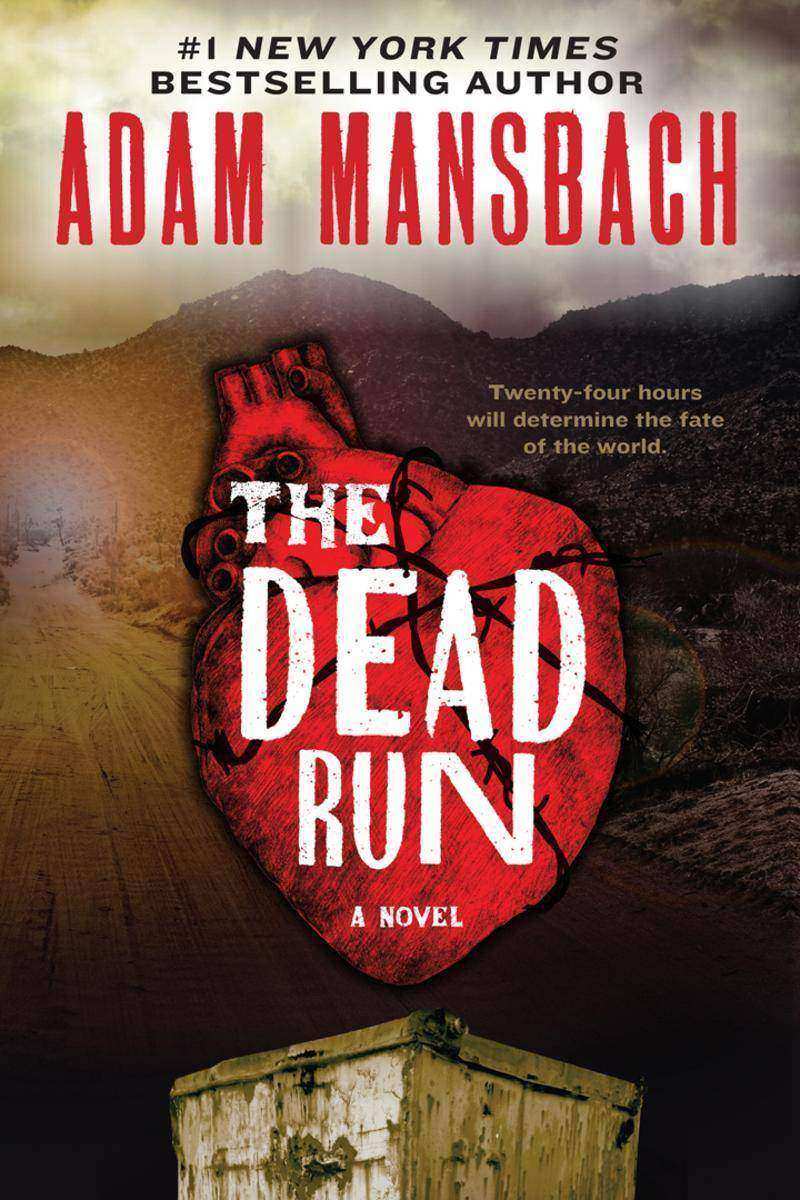
The Dead Run
¥56.07
Adam Mansbach, the acclaimed #1 New York Times bestselling author of Go the F**k to Sleep and Rage Is Back, turns to a new tale of suspense, horror, and supernatural actionWrongfully imprisoned in a Mexican jail, outlaw-with-a-conscience Jess Galvan accepts a devil's bargain: transport a sinister package across the border in twenty-four hours for the jail's mythical—and terrifying—bogeyman El Cucuy. If Jess can make it across alive and give the iron box to cult leader Aaron Seth, he will be free and able to regain custody of his estranged daughter.But as Jess navigates a blighted desert full of deadly surprises, girls go missing on both sides of the border and bodies begin to surface. It's a deadly epidemic of crime that plunges small-town sheriff Bob Nichols into a monster of an investigation he's not equipped to handle, especially when sixteen-year-old Sherry disappears.An ancient evil has awoken in the empty wastelands along the border and now everyone—the innocent and the guilty alike—must face their deepest fears as epic myth and human malice combine to bring forth the end of the world as we know it.With The Dead Run, acclaimed author Adam Mansbach mixes horror, the supernatural, and suspense to deliver a chilling, high-octane adventure.

The Devil's Bag Man
¥55.31
From Adam Mansbach, the acclaimed #1 New York Times bestselling author of Go the F**k to Sleep, comes an electrifying and horrifying action-adventure tale set in the dangerous terrain of the Tex-Mex borderlandIn The Dead Run, outlaw with a conscience Jess Galvan made a devil's bargain with El Cucuy, a fearsome, five-hundred-year-old Aztec priest and major crime kingpin determined to bring about hell on earth. Now, months later, Galvan is trapped in his own personal hell, his mind infested with the soul of this ancient monster. No longer able to trust his own judgment, he is estranged from his daughter, Sherry—and from his own body. His every moment is a battle to keep the evil priest at bay. But there is a silver lining—Cucuy's presence has endowed Galvan with superhuman strength and endurance.Meanwhile, separated from Galvan and shell-shocked by her confrontation with Cucuy, Sherry is living with Sheriff Bob Nichols and his now girlfriend, psychologist Ruth Cantwell. The only bright spot in her life is her dashing new-to-town boyfriend. And in the bowels of Ojos Negros prison, a territory once controlled by the ancient priest, the drug cartels are at war with one another and on the hunt for Galvan—who must find a way to exorcise his inner demon in time to save the world from annihilation.In this chilling sequel to The Dead Run, #1 New York Times bestselling author Adam Mansbach mixes horror, the supernatural, and gritty suspense to create a high-concept adventure filled with nasty bad guys, fearsome magic, and an unlikely hero who is caught between worlds but determined to save this one.

Parallel
¥56.08
A romantic, mind-bending novel about parallel worlds, soul mates, destiny, and the big-time consequences of even our smallest choices, perfect for fans of The Future of Us and Before I Fall.Abby Barnes had it all planned out—high school, college, career—but one decision made in her senior year of high school changed her carefully mapped-out future.When Abby wakes up the morning of her eighteenth birthday, it's as though her past has been rewritten. Abby discovers that a cosmic collision of parallel universes has erased her old reality. Now Abby is falling in love with a boy from her Parallel's memories—a boy she's never even met. She's living the life she always wanted, but what if living her Parallel's life means she loses her soul mate?
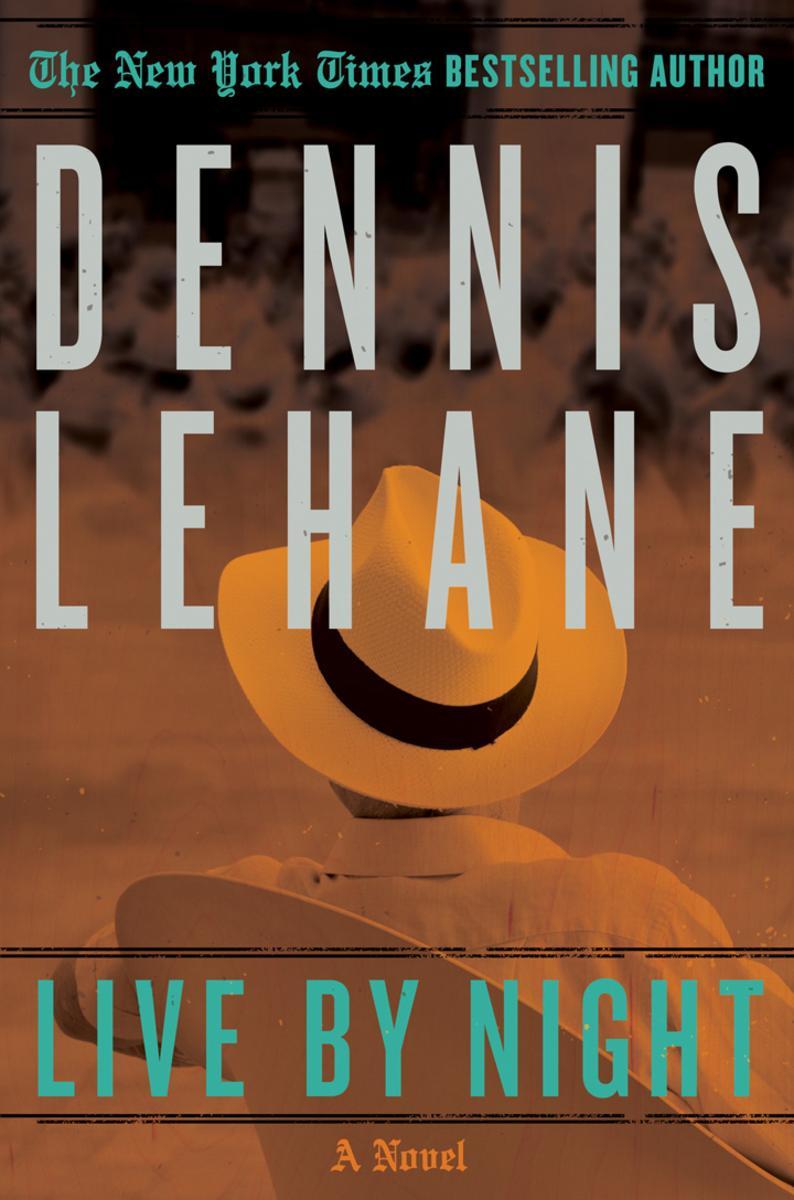
Live by Night
¥94.10
Boston, 1926. The '20s are roaring. Liquor is flowing, bullets are flying, and one man sets out to make his mark on the world.Prohibition has given rise to an endless network of underground distilleries, speakeasies, gangsters, and corrupt cops. Joe Coughlin, the youngest son of a prominent Boston police captain, has long since turned his back on his strict and proper upbringing. Now having graduated from a childhood of petty theft to a career in the pay of the city's most fearsome mobsters, Joe enjoys the spoils, thrills, and notoriety of being an outlaw.But life on the dark side carries a heavy price. In a time when ruthless men of ambition, armed with cash, illegal booze, and guns, battle for control, no one—neither family nor friend, enemy nor lover—can be trusted. Beyond money and power, even the threat of prison, one fate seems most likely for men like Joe: an early death. But until that day, he and his friends are determined to live life to the hilt.Joe embarks on a dizzying journey up the ladder of organized crime that takes him from the flash of Jazz Age Boston to the sensual shimmer of Tampa's Latin Quarter to the sizzling streets of Cuba. Live by Night is a riveting epic layered with a diverse cast of loyal friends and callous enemies, tough rumrunners and sultry femmes fatales, Bible-quoting evangelists and cruel Klansmen, all battling for survival and their piece of the American dream. At once a sweeping love story and a compelling saga of revenge, it is a spellbinding tour de force of betrayal and redemption, music and murder, that brings fully to life a bygone era when sin was cause for celebration and vice was a national virtue.
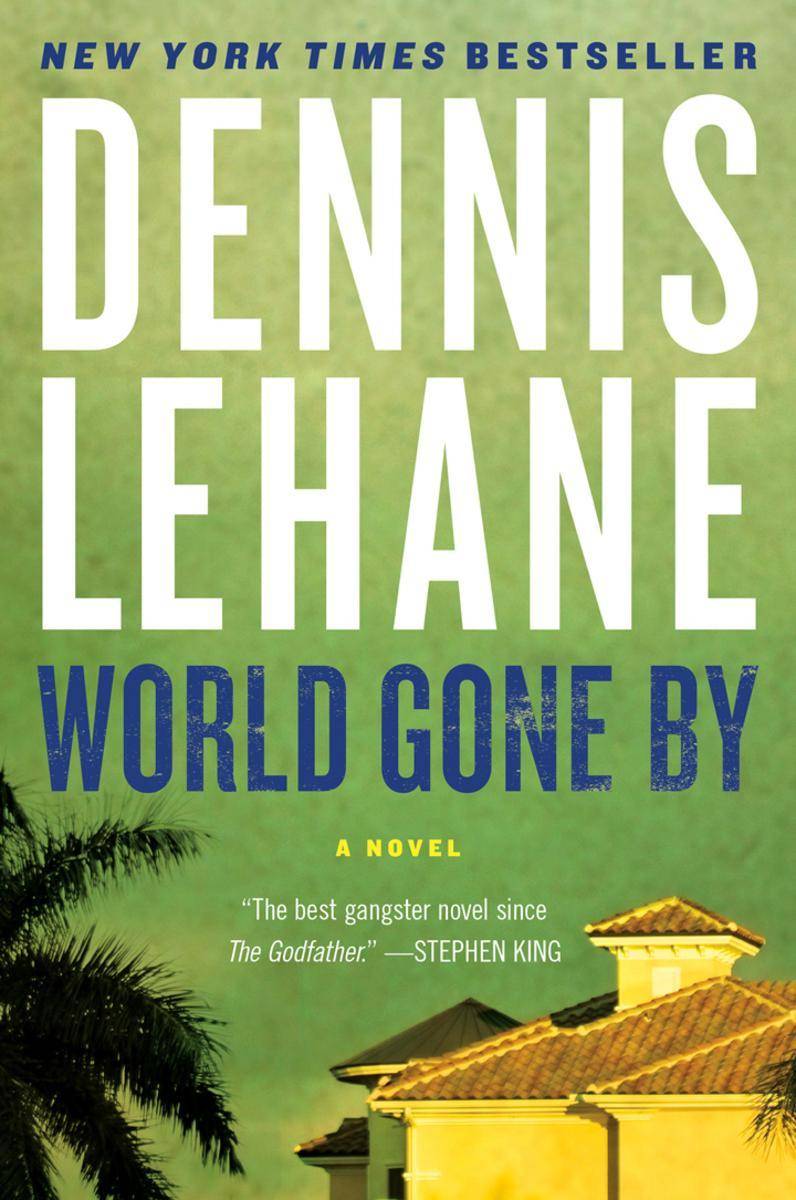
World Gone By
¥155.02
Late spring, 1943. The world is at war but the American mob is in its heyday. Former crime boss Joe Coughlin now works as a consigliere to the infamous Bartolo Crime Family, effortlessly handling its interests in Tampa, Boston, and Cuba. In the decade since he lost his wife in a cascade of bullets, Joe has made a home for himself and his son, and once again forged everything out of nothing: money, power, a relationship with a beautiful woman, and a privileged place in Tampa's shadowy underworld.But a rumor surfaces that someone wants Joe dead. And he has only days to figure out who, or he will die. And then there's the ghost—a young boy who appears on the fringes of Joe's vision and seems to be trying to tell him something. Racing against time and fate, Joe hurtles through a violent yet intoxicating world on the brink of total collapse or epic triumph, a world on the cusp of reinvention and rebirth—where the old codes, the old sins, and the old dreams may soon be swept away once and for all.
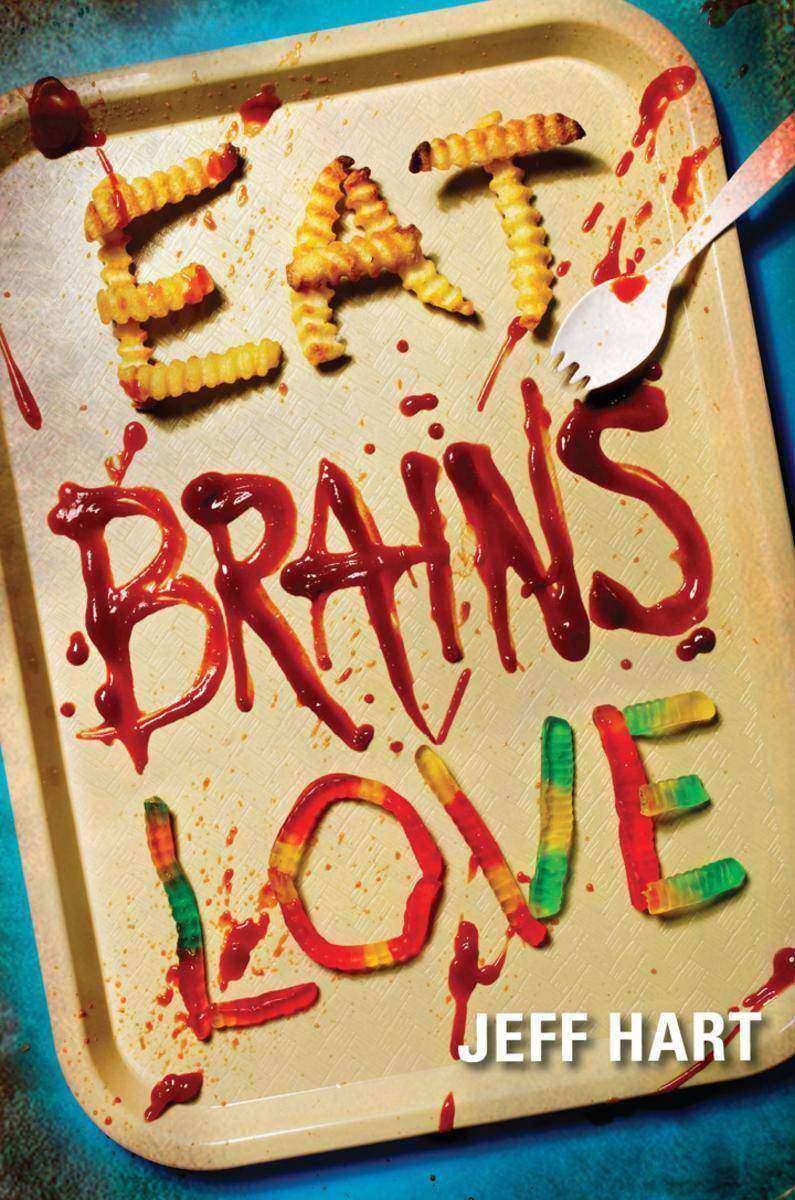
Eat, Brains, Love
¥55.33
A laugh-out-loud funny, surprisingly romantic, zombie road trip novel filled with heart—and brains. Eat, Brains, Love is perfect for fans of Isaac Marion's Warm Bodies.The good news: Jake's dream girl, Amanda Blake, finally knows his name.The bad news: it's because they both contracted a mysterious zombie virus and devoured the brains of half their senior class. Now Jake and Amanda are on the run from Cass, a teen psychic sent by the government's top-secret Necrotic Control Division to track them down. As Jake and Amanda deal with the existential guilt of eating their best friends and set off in search of a cure for the zombie virus, Cass struggles with a growing psychic dilemma of her own—one that will lead all three of them on an epic journey across the country and make them question what it means to truly be alive. Or undead.

Undead with Benefits
¥56.08
With its heartwarming blend of guts, romance, and humor, this road trip–ready sequel to Eat, Brains, Love is The Walking Dead meets John Hughes.Jake and Amanda are in love, on the run—and undead. They've picked up a new psychic friend, ex-government-zombie-hunter Cass, and are making a break for Iowa, where a cure for the rapidly spreading zombie virus is rumored to be waiting. But in order to find it, they have to contend with an unlikely undead warlord, ghoul-infested cornfields, a psycho psychic out for blood, and their own super-awkward love triangle—all before Iowa goes up in flames.Every reader with a pulse (or without one) will devour Jeff Hart's surprisingly romantic and laugh-out-loud funny take on friendship, love, and finding the meaning of (un)life in an eat-or-be-eaten world.


