


 购物车
购物车 个人中心
个人中心

Chasing Mavericks: The Movie Novelization
¥48.54
Based on the inspirational true story of surfing icon Jay Moriarity, Chasing Mavericks tells the story of a young man's quest to surf Northern California's most dangerous waves, and the local legend who takes him under his wing. What begins as a mentorship turns into a unique bond, as the two unlikely friends discover that there is nothing more powerful than pushing your limits and chasing a nearly impossible dream.
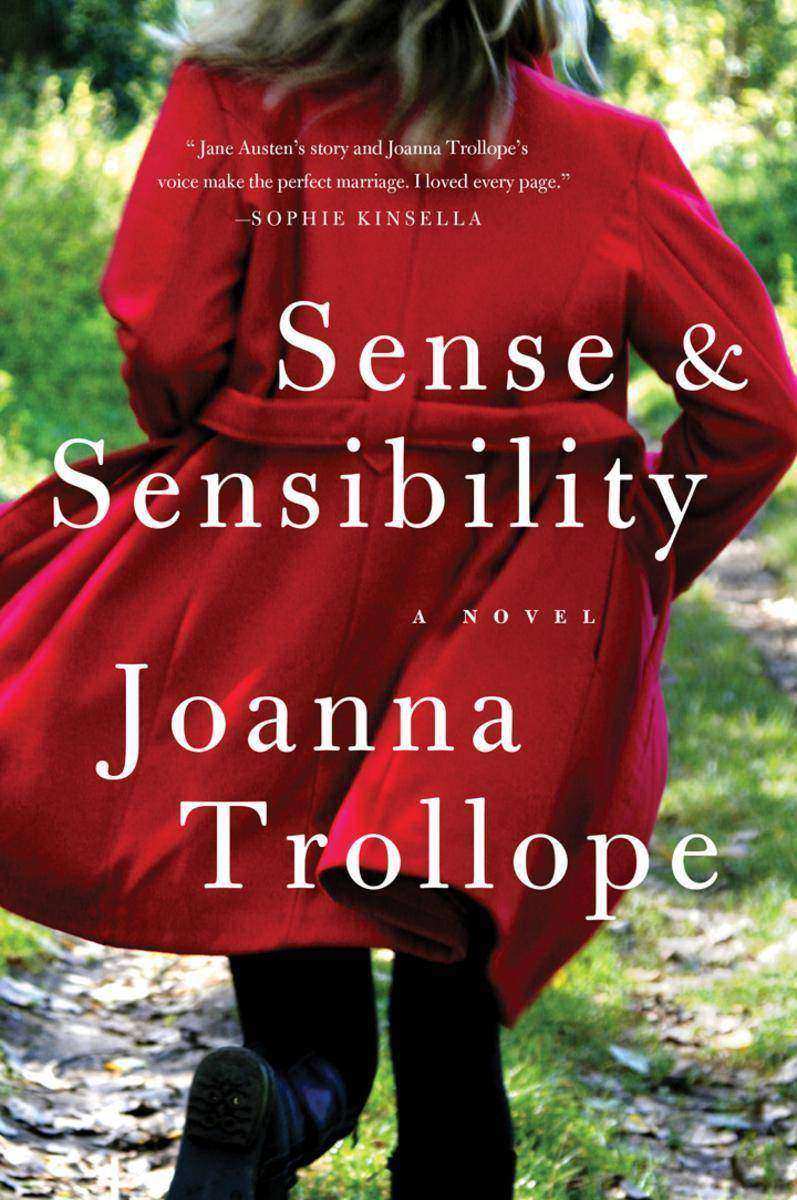
Sense & Sensibility
¥90.51
Two sisters could hardly be more different . . . Elinor Dashwood, an architecture student, values patience and reliability. Her impulsive sister, Marianne, takes after their mother, Belle, and is fiery and creative, filling the house with her dramas and guitar playing while dreaming of going to art school.But when their father, Henry Dashwood, dies suddenly, his whole family finds itself forced out of Norland Park, their beloved home for twenty years. Without the comfort of status, they discover that their values are severely put to the test.Can Elinor remain stoic and restrained knowing that the man she really likes has already been ensnared by another girlWill Marianne's faith in a one-and-only lifetime love be shaken by meeting the hottest boy in the county, John WilloughbyAnd in a world where social media and its opinions are the controlling forces at play, can love ever triumph over conventions and disapproval?With her wit and eye for social nuance, Joanna Trollope casts Jane Austen's Sense & Sensibility in a fresh new light to retell a wonderful coming-of-age story about young love and heartbreak, and how, when it comes to money especially, some things never change. . . .
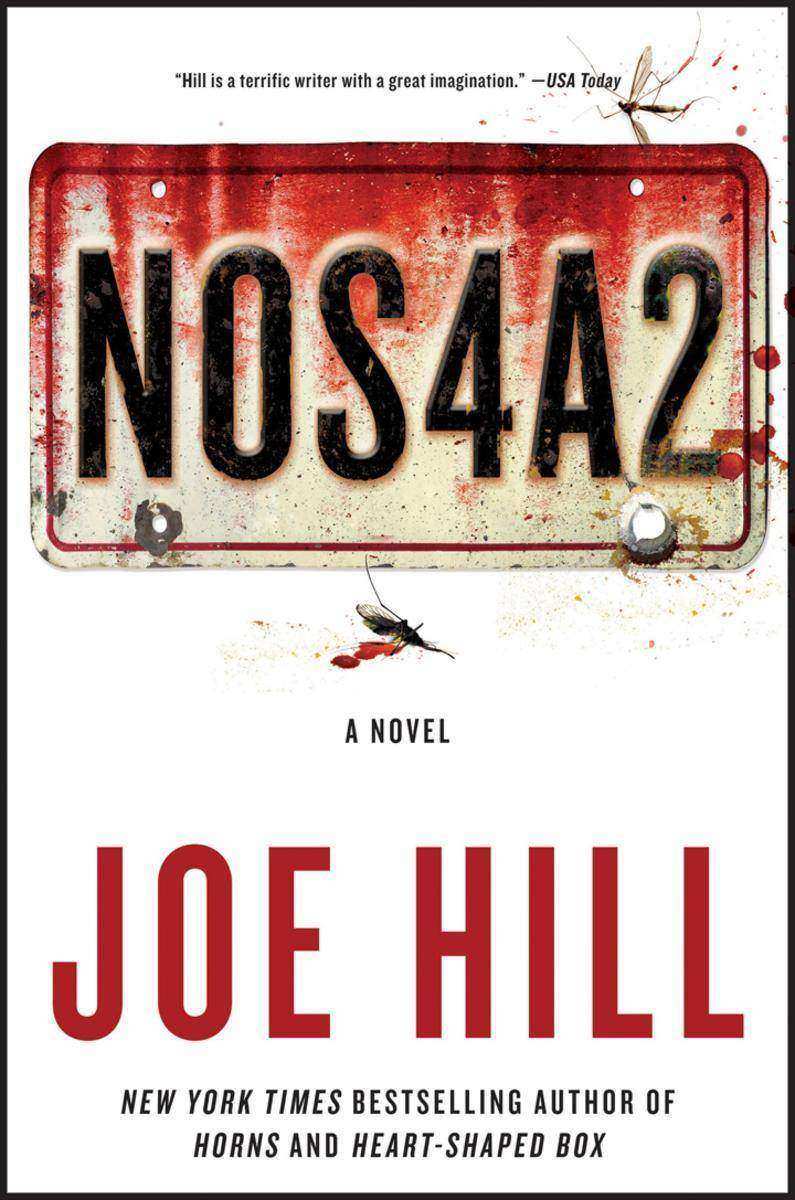
NOS4A2
¥106.61
Joe Hill, the acclaimed, award-winning author of the New York Times bestsellers Heart-Shaped Box and Horns, plunges you into the dark side of imagination with a thrilling novel of supernatural suspense that will have you flinching at shadows and checking the rearview mirror again and again. . . .NOS4A2Don't slow downVictoria McQueen has an uncanny knack for finding things: a misplaced bracelet, a missing photograph, answers to unanswerable questions. When she rides her bicycle over the rickety old covered bridge in the woods near her house, she always emerges in the places she needs to be. Vic doesn't tell anyone about her unusual ability, because she knows no one will believe her. She has trouble understanding it herself.Charles Talent Manx has a gift of his own. He likes to take children for rides in his 1938 Rolls-Royce Wraith with the vanity plate NOS4A2. In the Wraith, he and his innocent guests can slip out of the everyday world and onto hidden roads that lead to an astonishing playground of amusements he calls Christmasland. Mile by mile, the journey across the highway of Charlie's twisted imagination transforms his precious passengers, leaving them as terrifying and unstoppable as their benefactor.And then comes the day when Vic goes looking for trouble . . . and finds her way, inevitably, to Charlie.That was a lifetime ago. Now, the only kid ever to escape Charlie's unmitigated evil is all grown up and desperate to forget.But Charlie Manx hasn't stopped thinking about the exceptional Victoria McQueen. On the road again, he won't slow down until he's taken his revenge. He's after something very special—something Vic can never replace.As a life-and-death battle of wills builds—her magic pitted against his—Vic McQueen prepares to destroy Charlie once and for all . . . or die trying. . . .Joe Hill's acclaimed works of fiction, Horns, Heart-Shaped Box, and 20th Century Ghosts, have already earned him international acclaim. With NOS4A2, this outstanding novelist—"one of America's finest horror writers" (Time magazine); "a major player in 21st-century fantastic fiction" (Washington Post)—crafts his finest work yet. Disturbing, mesmerizing, and full of twisting thrills, Hill's phantasmagoric, devilishly playful masterpiece is a terrifying high-octane ride.
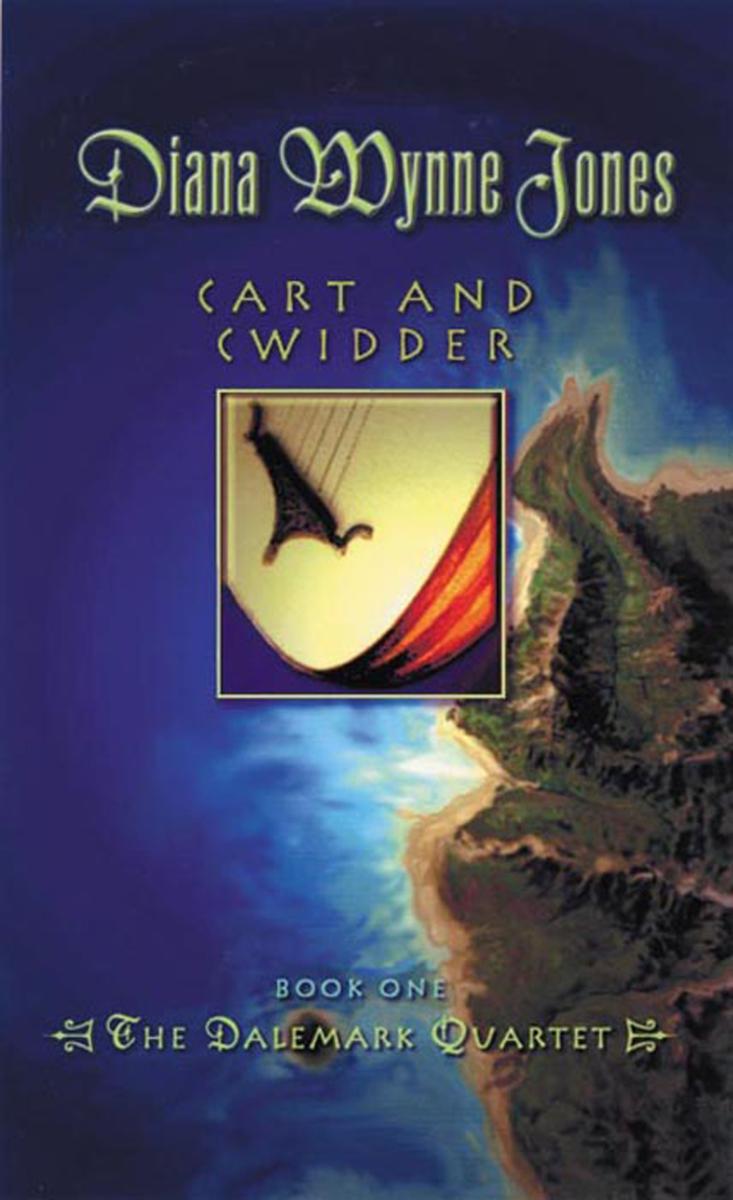
Cart and Cwidder
¥65.65
Cart and Cwidder is the first in the best-selling Dalemark Quartet of books and tells the story of Moril and his brother and sister who are travelling musicians journeying through Dalemark, until one day they pick up a mysterious passenger. Somehow Moril's family and the stranger are becoming bound together in terror, flight, and music.
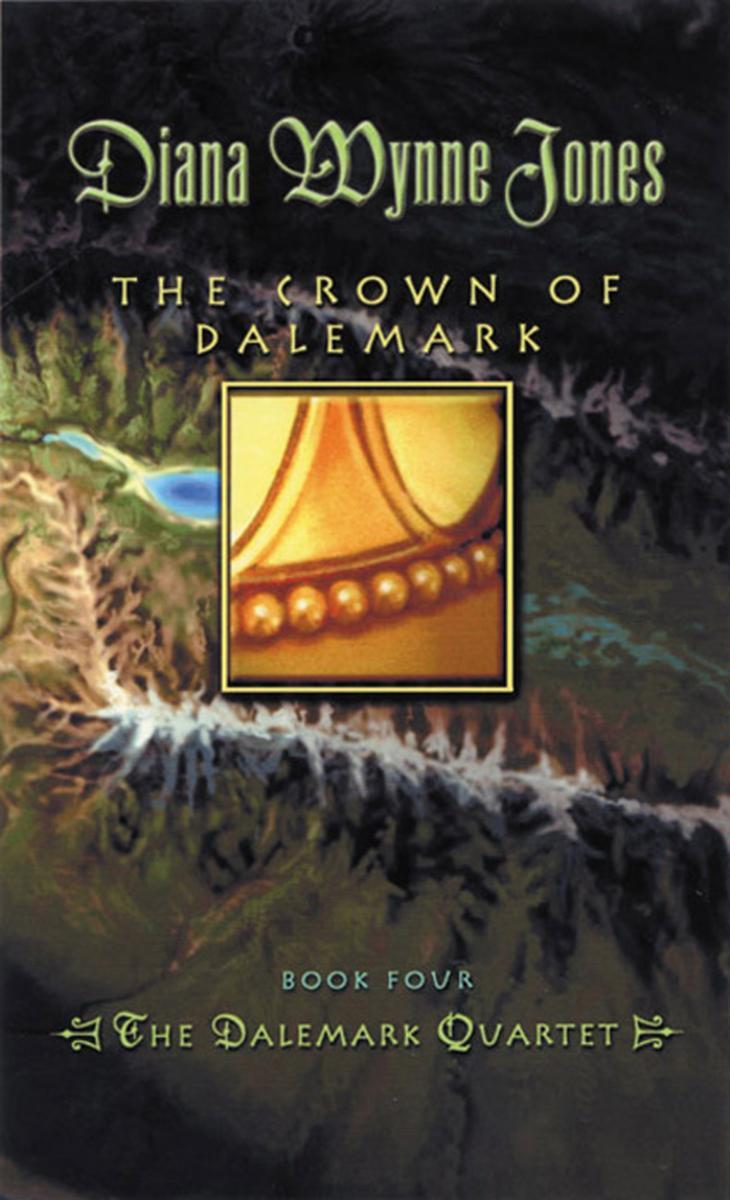
The Crown of Dalemark
¥76.27
When this final book of Diana Wynne Jones's quartet of novels about the mythical kingdom of Dalemark was published in 1995, it earned the Mythopoeic Fantasy Award for Children's Literature.The Crown of Dalemark continues the adventures of Mitt after his flight from Holand as a fugitive accused of attempted murder. Since his arrival in the North of Dalemark, Mitt has become disillusioned. The North seems no more free than the South from which he came. And now he has been given an order to kill someone he doesn't even know, or else risk the lives of his friends.Forced once more to flee, Mitt is joined by Moril, the quietly powerful musician, and Maewen, out of her time but mysteriously fated to play a part in their quest. For the evil powers of the mage Kankredin are re-assembling, and only the Adon's gifts-the ring, sword, and cup-can reunite Dalemark.The Countess and Lord Keril send Mitt to kill a young woman Noreth Onesdaughter, who claims to know where the lost crown is hidden.

Drowned Ammet
¥65.37
The people of Holand in South Dalemark are bitterly oppressed by the tyrannical earl Hadd. Informers, secret police, and cruel rent-collectors terrorize the countryside, and Mitt has grown up with more than enough reasons for joining the freedom fighters.When his protest against the tyrannical government fails, a young boy escapes, with two other children, to the mysterious Holy Islands where they learn the identity and the power of two folk figures celebrated by their countrymen.
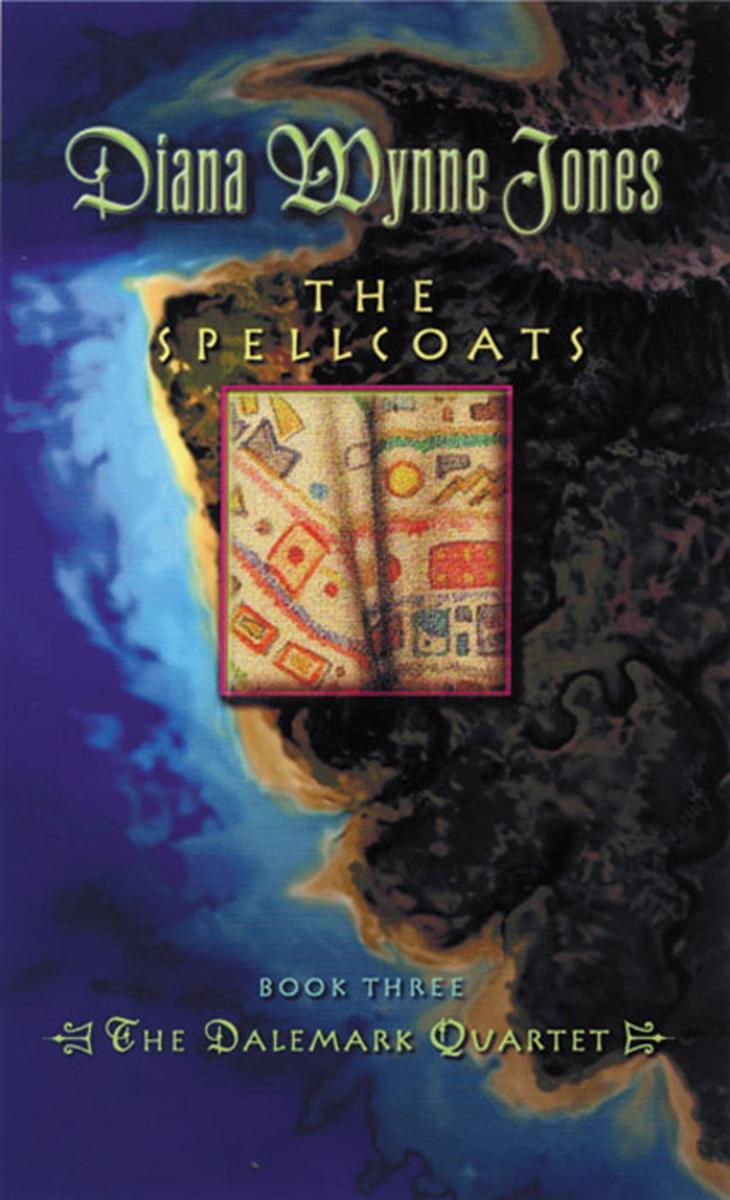
The Spellcoats
¥108.96
Tanqui discovers she has the only means to conquer the evil Kankredin who threatens her own people and the Heathens who have invaded prehistoric Dalemark.Tanaqui discovers she has the means to conquer the evil Kankredin who threatens her own people and the Heathens who have invaded prehistoric Dalemark.

Steadfast
¥56.08
The second book in the dazzling Spellcaster series from New York Times bestselling author Claudia Gray is perfect for fans of the Beautiful Creatures and Hex Hall series.Nadia, Mateo, and Verlaine saved Captive's Sound from the dark Sorceress Elizabeth…or so they thought. Despite their best efforts, a greater evil has arisen, and its dark magic has begun to call Nadia.With her Steadfast, Mateo, and her best friend, Verlaine, Nadia must fight the black magic that tempts her, and stop the One Beneath before He comes to claim her power as His own.
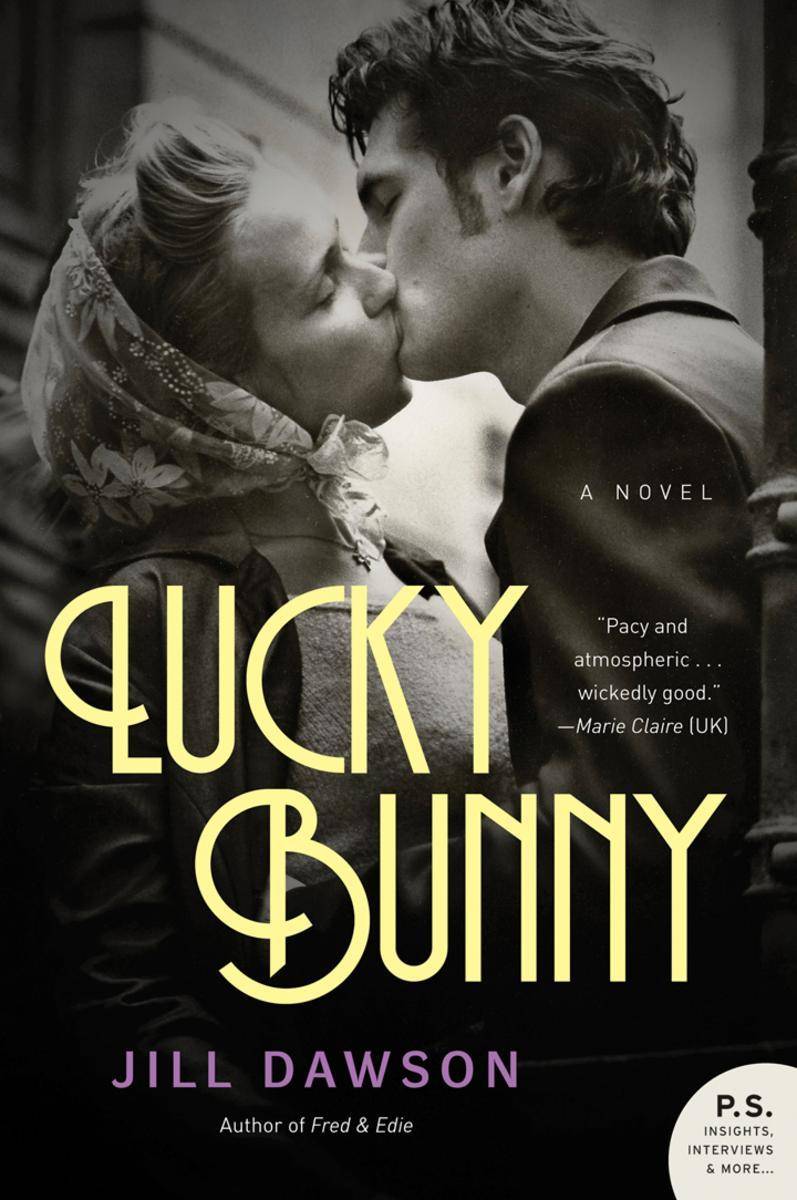
Lucky Bunny
¥83.03
Daring, clever, and alluring, Queenie Dove has spent a lifetime developing the skills of an accomplished thief. Born into a criminal family in London's East End during the Great Depression, and trained by a group of women shoplifters during the Blitz, Queenie soon graduates from petty street crime to far more lucrative heists and the seedy glamour of the city's underworld. But giving birth to a daughter will make Queenie finally try to go straight . . . until the opportunity to take part in one last, audacious robbery tempts her back to the life of danger and excitement she once lived to the fullest.Told in Queenie's captivating and singular voice, Lucky Bunny is a richly colorful tale of trickery, adventure, and heart.
Playing Days
¥88.56
“Excellent.” ?—The Times (London)Growing up in Texas, Ben experienced basketball as a mostly solitary pursuit, one he gave up after riding the bench in high school. But as his college classmates prepare for the real world, Ben is seized by an idea. All he needs is a video camera, an empty court, and his mother’s German citizenship.Improbably, he lands a roster spot on a lower division pro team in Landshut, forty-five minutes outside Munich. It’s Ben’s first taste of competition in years, not to mention his first job. And like most jobs, it’s defined by repetition, boredom, and gossip. There’s Charlie, the trash-talking mercenary from Chicago; the coach, Herr Henkel, a recently retired player anxious to justify his paycheck; and Karl (based on the author’s real life encounters with Dirk Nowitzki), a gangly teenage prodigy flashing the raw talent that will make him an NBA star. As a group of men learn how to navigate one another, Ben falls in love with the young mother of a teammate’s child, and begins an affair that will change his life.“Markovits draws [himself] with exceptional delicacy. . . . This is the territory of the rites-of-passage novel, but it is territory that the author navigates with subtlety and poignancy.”—The Guardian (London)

Carcass Trade
¥55.91
Carcass Trade by Noreen Ayres has de*ive copy which is not yet available from the Publisher.

The Linwoods
¥90.51
The epic tale of two families wrestling with questions of loyalty, liberty, and love during the American RevolutionAt the dawn of the American Revolution, young Isabella Linwood is poised to marry a well-to-do English nobleman. Meanwhile her true love, Eliot Lee, has just joined George Washington's army. In Catharine Maria Sedgwick's classic tale of two families torn apart by war, the loyalist Linwoods and revolutionary Lees must reckon with their beliefs and desires in a young republic still defining itself. Over the course of her conversion from proud Tory to ardent rebel, Isabella fosters a growing sense of independence, systematically questioning the institutions taken for granted all around her—from colonialism to slavery, patriarchy to aristocracy. Will her rebellious behavior free her from society's shackles, or only confirm the power of the status quo?
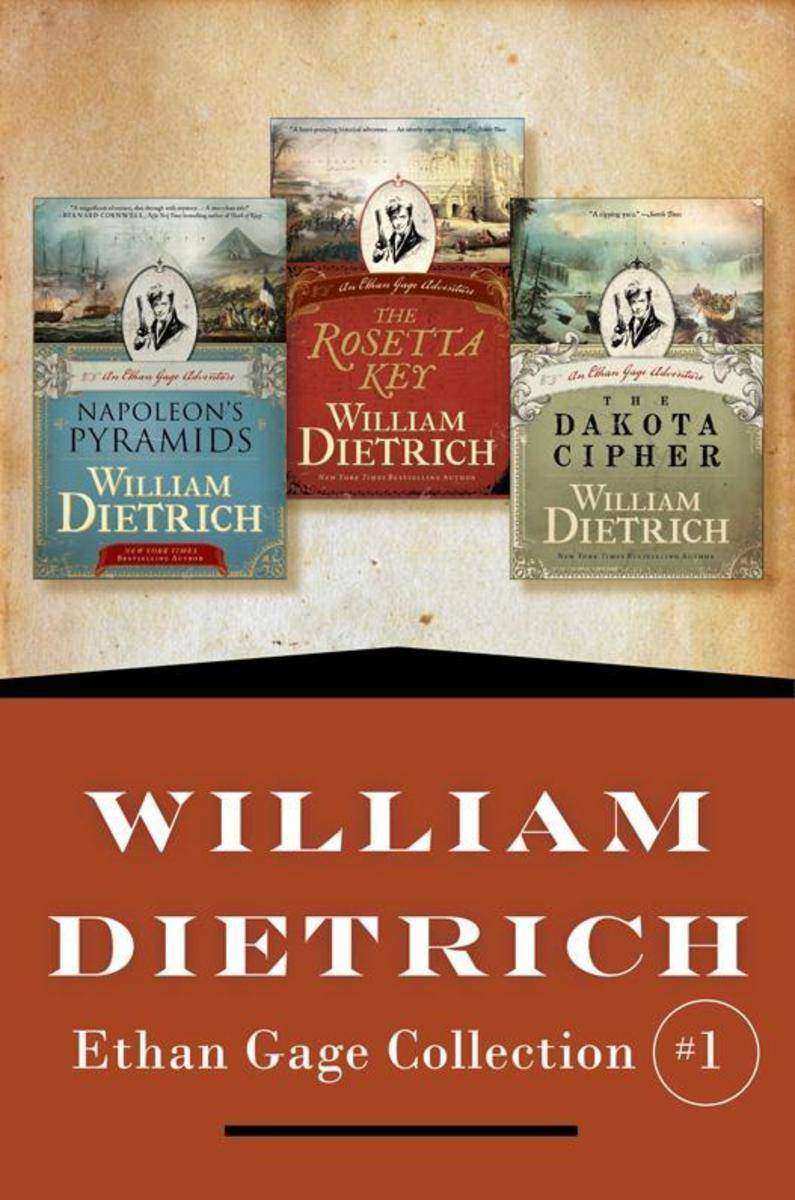
William Dietrich's Ethan Gage Collection #1
¥309.45
From master storyteller William Dietrich come books 1-3 in his bestselling Ethan Gage adventure series: Napoleon's Pyramids, The Rosetta Key, and The Dakota Cipher.

The Andrew Gross
¥305.30
Get three electrifying thrillers from #1?New York Times?bestselling author Andrew Gross in one e-book, including:?The Dark Tide,?Don't Look Twice, and?Reckless. Thriller readers will love Ty Hauk, the Greenwich, Connecticut detective who finds himself caught in a deadly maze of cover-up and corruption involving?frightening?financial conspiracy.?
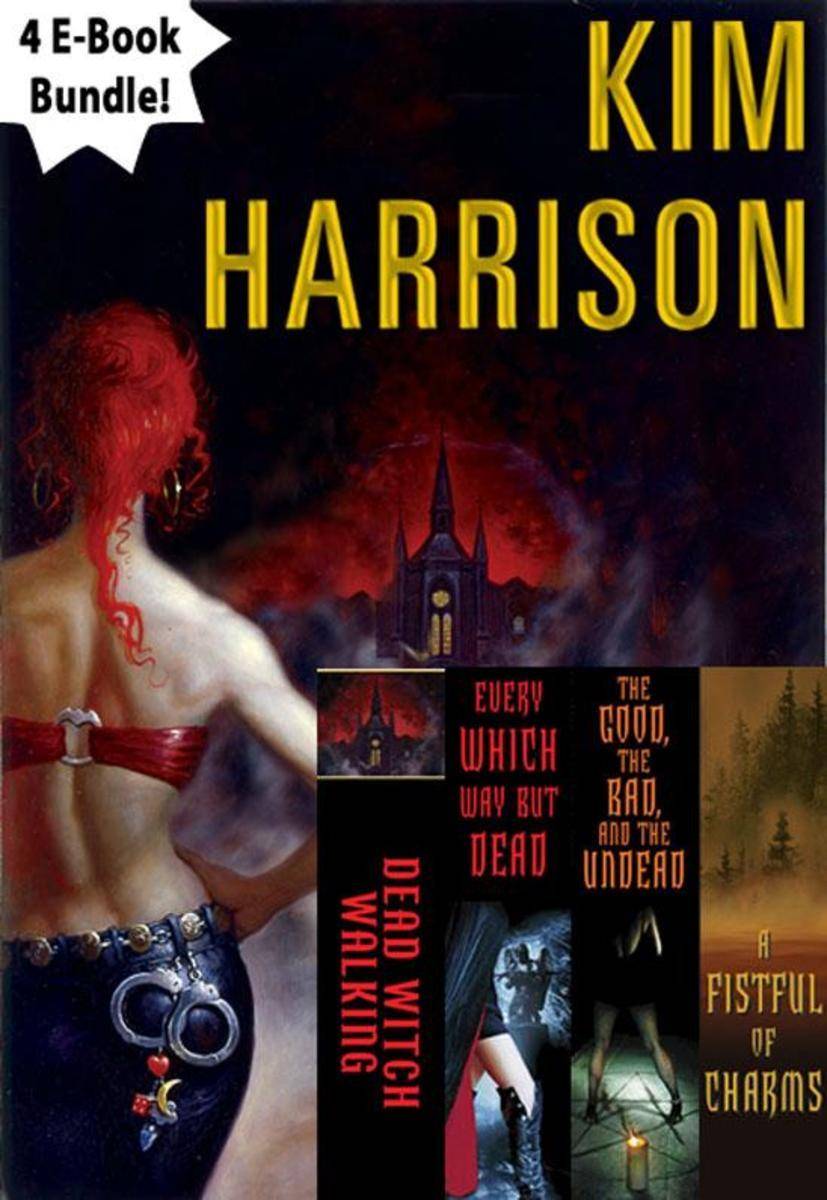
Kim Harrison Bundle #1
¥237.28
Get the first four novels in Kim Harrison's #1 New York Times bestselling Hollows series as one e-book! This bundle includes Dead Witch Walking, The Good, the Bad, and the Undead, Every Which Way But Dead, and A Fistful of Charms. Discover this great series at a special price!Dead Witch WalkingAll the creatures of the night gather in "the Hollows" of Cincinnati, to hide, to prowl, to party ... and to feed.?Vampires rule the darkness in a predator-eat-predator world rife with dangers beyond imagining — and it’s Rachel Morgan'sjob to keep that world civilized.?A bounty hunter and witch with serious sex appeal and an attitude, she'll bring 'em back alive, dead ... or undead.The Good, the Bad, and the UndeadIt's a tough life for witch Rachel Morgan, sexy, independent bounty hunter, prowling the darkest shadows of downtown Cincinnati for criminal creatures of the night.?She can handle the leather-clad vamps and even tangle with a cunning demon or two. But a serial killer who feeds on the experts in the most dangerous kind of black magic is definitely pressing the limits.?Confronting an ancient, implacable evil is more than just child's play — and this time, Rachel will be lucky to escape with her very soul.Every Which Way But DeadRachel Morgan's back! Bestselling author Kim Harrison returns with a new supernatural adventure that fans of Laurell K. Hamilton and Charlaine Harris won't want to miss.?Some days, you just can't win. Witch and former bounty hunter Rachel Morgan's managed to escape her corrupt company, survive living with a vampire, start her own runner service, and face down a vampire master.?But her vampire roommate Ivy is off the wagon, her human boyfriend Nick is out of town indefinitely and doesn't sound like he's coming back while the far-too-seductive vampire Kisten is looking way too tempting, and there's a turf war erupting in Cincinnati's underworld.?And there's a greater evil still. To put the vampire master behind bars and save her family, Rachel made a desperate bargain and now there's hell to pay—literally. For if Rachel cannot stop him, the archdemon Algaliarept will pull her into the sorcerous ever-after to forfeit her soul as his slave. Forever.A Fistful of CharmsThe evil night things that prowl Cincinnati despise witch and bounty hunter Rachel Morgan. Her new reputation for the dark arts is turning human and undead heads alike with the intent to possess, bed, and kill her — not necessarily in that order.?Now a mortal lover who abandoned Rachel has returned, haunted by his secret past. And there are those who covet what Nick possesses — savage beasts willing to destroy the Hollows and everyone in it if necessary.?Forced to keep a low profile or eternally suffer the wrath of a vengeful demon, Rachel must nevertheless act quickly. For the pack is gathering for the first time in millennia to ravage and to rule. And suddenly more than Rachel's soul is at stake.

The Obsidian Temple
¥48.39
After a harrowing escape to the desert, Sulis Hasifel finds her calling is not yet fulfilled. Traveling to the Obsidian Temple—the site of an ancient divine battle—Sulis is tasked with mentoring Ava, a young girl with a troubled past. Together, they join a group of magically gifted warriors to re-make the very fabric of the universe. But the fate of the world hinges on whether Ava can harness her power, and some trials cannot be overcome.Returning to Illian, Sulis's twin Kadar finds that his lover, Farrah, has abandoned their newborn daughter for the revolutionary cause. Not willing to give up his dream of a family, Kadar vows to stay by Farrah's side. But when he finds that Farrah is willing to anger the gods to aid the Forsaken caste's uprising, and as she steps farther down a violent and dark path, Kadar must decide if he will help her…or let the world spin out of control.In this mesmerizing sequel to Desert Rising, Kelley Grant brings us back to the cities of Illian and Shpeth, drawing her epic fantasy tale closer to the trilogy's stunning conclusion.
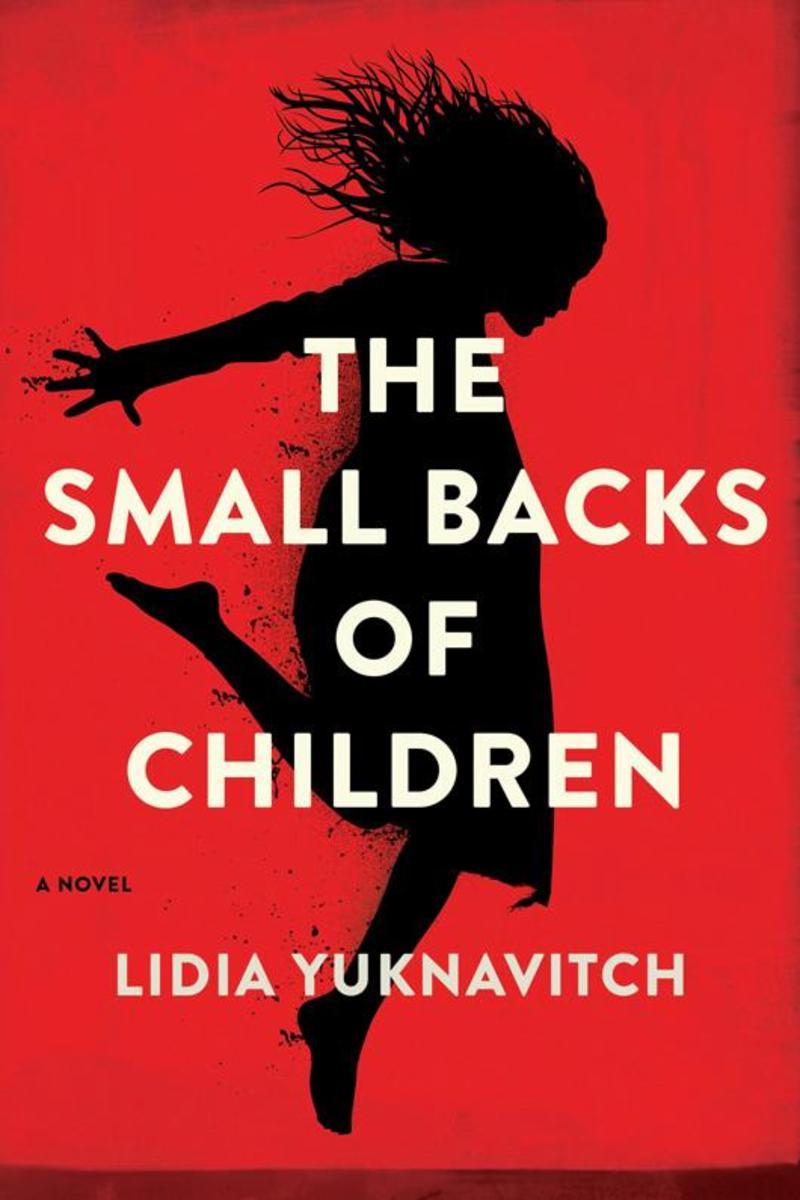
The Small Backs of Children
¥90.51
In a war-torn village in Eastern Europe, an American photographer captures a heart-stopping image: a young girl flying toward the lens, fleeing a fiery explosion that has engulfed her home and family. The image, instantly iconic, garners acclaim and prizes—and, in the United States, becomes a subject of obsession for one writer, the photographer's best friend, who has suffered a devastating tragedy of her own.In a bid to save the writer from a spiraling depression, her filmmaker husband enlists a group of friends—including a fearless bisexual poet, an ingenuous performance artist, and the writer's playwright brother and painter ex-husband—to rescue the unknown girl and bring her to the United States. And yet, as their plot unfolds, everything we know comes into question: What does the writer really wantWho is controlling the actionAnd what will happen when these two worlds—East and West, real and virtual—collide?A fierce, provocative, and deeply affecting novel exploring the often violent borders between war and sex, love and art, The Small Backs of Children is a major step forward from one of our most avidly watched writers.
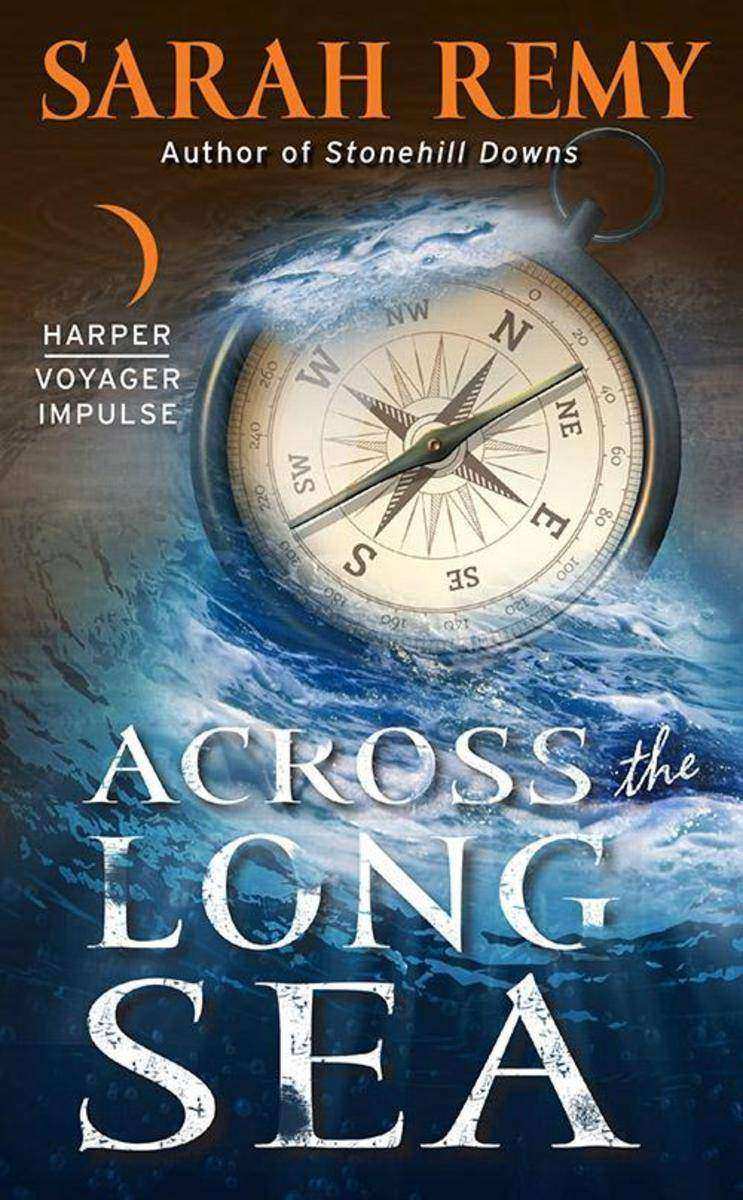
Across the Long Sea
¥49.05
The gripping follow-up to Stonehill DownsAs the most valuable asset in the kingdom of Wilhaiim, Malachi Doyle has many responsibilities—protector, assassin, detective, and King Renault's right-hand man. And until he met Avani in the cursed village of Stonehill Downs, he believed he was the last of his kind: a magus who can communicate with the dead.But Wilhaiim is left vulnerable when Mal and his page, Liam, are kidnapped and ferried across the Long Sea to a warring kingdom in search of its own magus. To make matters worse, a springtime plague is rapidly spreading, and beneath the earth the sidhe are preparing for war. With Mal missing and presumed dead, Avani reluctantly takes his place as Wilhaiim's magus. But her powers are unreliable and untested, her many allies are treacherous, and she is certain Mal is alive. Will she be able to keep Wilhaiim—and herself—safe?
Deadly Shaker Spring
¥42.03
We have frightening enemies living among us, known by their strange dress. These so-called Shakers are shrewd and canny. . .a scourge; a tumor that must be sliced from our side . .Sister Rose Callahan read the printed flyer and shivered. Its message terrified her. She was aware that Believers had sometimes been objects of resentment from the outside world, but nothing like this. Who could write such thingsAnd who could be responsible for recent acts of violence directed against the peaceful Shaker community?A sister had suffered a mysterious wound to the head; a sackful of rats were set loose in the schoolroom, food had been stolen -- and now a hate-filled message points to continued mischief. Sister Rose, recently honored with the position of Eldress despite her youth, seeks clues in the journals of her aged predecessor. She discovers a shocking similarity to outrages perpetrated years before, as well as a scandalous secret about a present-day sister. Now Rose must look both outside and within the cloistered religious community to find clues that link an old murder, a recent death, and an unknown enemy whose thirst for revenge overrides the ultimate sin...of murder.
Killing Gifts
¥42.48
The Depression's winter gloom has crept into the summerhouse of the Hancock Shaker Village in Massachusetts. The dead body of a woman "of dubious reputation" -- a lost soul befriended by many of the brothers and sisters -- sits at a table in an evening gown, snow swirling around her frozen ankles, her lifeless arms stretched out before her. A frantic call goes out to Kentucky, begging Eldress Rose Callahan to brave the February cold and come East, where her keen eye and peerless deductive powers are needed to help lift a terrible weight from the bereft and dwindling community of Believers. But Sister Rose's arrival is greeted with local suspicion and spreading terror when murder once again scars the gentle village. And as the fury of winter further isolates the small village from its suspicious neighbors, Sister rose and her dear friend Gennie Malone must race to unmask a killer who may be mad enough to keep killing throughout this frigid season of dying.

The Ian Rutledge Starter
¥377.59
Get four mystery novels from?New York Times?bestselling author Charles Todd's Inspector?Ian Rutledge Mysteries series in one e-book, including:?A Test of Wills,?A Long Shadow,?A False Mirror,?and?A Pale Horse.?Set in England in 1919, each story features war-damaged Scotland Yard inspector Ian Rutledge in?mysteries?brilliantly evoking post-World War?I?Great Britain?and introduces readers to one of crime fiction's most compelling?protagonists.A Test of Wills—It is 1919, and the War to End All Wars has been won. But for Scotland Yard Inspector Ian Rutledge, recently returned from the battlefields of France, there is no peace. Suffering from shell shock, Rutledge plunges into his work to save his sanity. But his first assignment is a case certain to spell both personal and professional disaster.A Long Shadow—A story that immerses readers in the sights and sounds of post-war Great Britain, as the damaged policeman pursues answers to a constable’s slaying and the three-year-old mystery of a young girl’s disappearance in a tiny Northamptonshire village.A False Mirror—A love triangle turned deadly sends Scotland Yard Inspector Ian Rutledge to a small town simmering with secrets.A Pale Horse—A body found in the ruins of an ancient abbey sends Scotland Yard Inspector Ian Rutledge off to find a killer, in another superb atmospheric mystery by Charles Todd.


