


 购物车
购物车 个人中心
个人中心
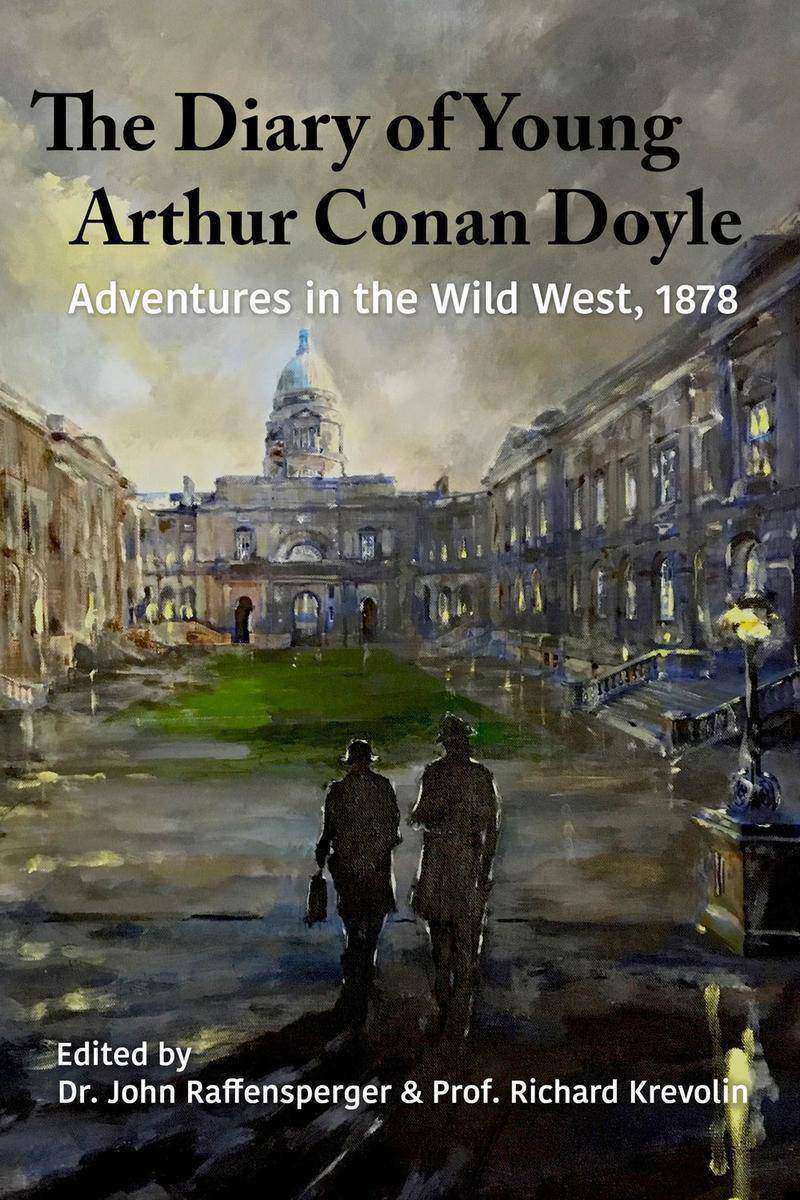
Adventures in The Wild West, 1878
¥63.67
Here is the first of the "e;lost"e; diaries of Sir Arthur Conan Doyle, written in 1878 while he was a nineteen-year-old student at the University of Edinburgh Medical School. This rollicking story of high adventure begins with Sir Arthur Conan Doyle as the clerk for the legendary Doctor Joseph Bell-who became the real-life inspiration for the world's most famous literary detective, Sherlock Holmes. This diary details how Doyle and Dr. Bell journey to America on a secret forensic mission to solve a string of grisly and mysterious murders. Peopled with Doyle's real-life contemporaries-including JM Barrie and Robert Louis Stevenson, both of whom attended the University of Edinburgh with Doyle, it is an exciting mix of murder, mystery, literary history, and humor sure to please Sherlock Holmes fans everywhere!
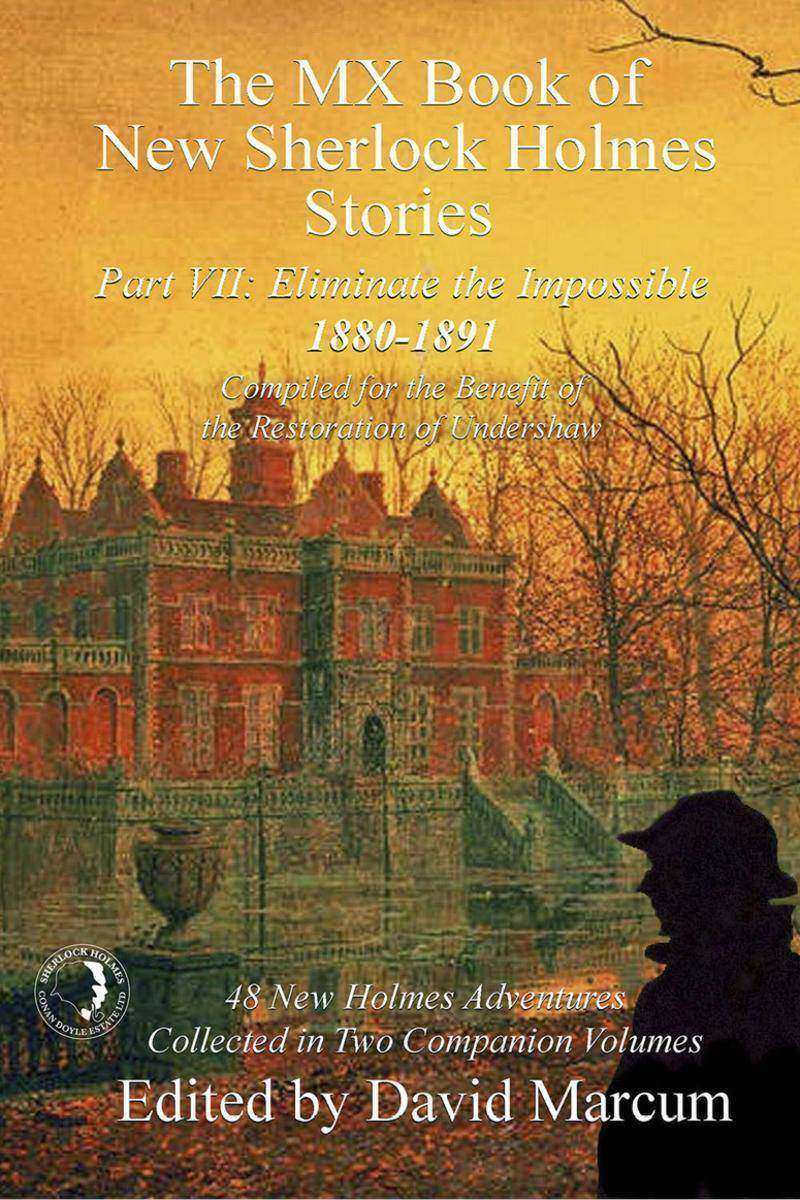
MX Book of New Sherlock Holmes Stories - Part VII
¥132.34
Part VII - Eliminate the Impossible: 1880-1891 features contributions by: Mark Mower, Jan Edwards, Daniel D. Victor, James Lovegrove, Gayle Lange Puhl, Thomas Fortenberry, Mike Hogan, Thomas A. Turley, Adrian Middleton, James Moffett, Hugh Ashton, Geri Schear, S. Subramanian, John Hall, Jayantika Ganguly, S.F. Bennett, Steven Philip Jones, Jim French, John Linwood Grant, Mike Chinn, Robert V. Stapleton, Charles Veley and Anna Elliott, and Shane Simmons, with a poem by Jacquelynn Bost Morris, and forewords by David Marcum, Lee Child, Rand Lee, Michael Cox, and Melissa Farnham.In 2015, The MX Book of New Sherlock Holmes Stories burst upon the scene, featuring adventures set within the correct time period, and written by many of today's leading Sherlockian authors from around the world. Those first three volumes were overwhelmingly received, and there were soon calls for additional collections. Since then, their popularity has only continued to grow, with six volumes already released, and now two more, Eliminate the Impossible, featuring tales of Holmes's encounters with seemingly impossible events - ghosts and hauntings, curses and mythical beasts, and more.In "e;The Sussex Vampire"e;, Holmes tells Watson: "e;This agency stands flat-footed upon the ground, and there it must remain. The world is big enough for us. No ghosts need apply."e; In each of the stories presented in this massive two-volume collection, Holmes approaches the varied problems with one of his favorite maxims firmly in place: "e;... when you have eliminated the impossible whatever remains, however improbable, must be the truth..."e; But what, exactly, is the truth?2017 is the 130th anniversary of the publication of A Study in Scarlet, the first recorded adventure of Sherlock Holmes and Dr. John H. Watson. What an amazing journey it's been! In addition to the pitifully few sixty tales originally presented in The Canon, published between 1887 and 1927, there have been literally thousands of additional Holmes adventures in the form of books, short stories, radio and television episodes, movies, manuscripts, comics, and fan fiction. And yet, for those who are true friends and admirers of the Master Detective of Baker Street, where it is always 1895 (or a few decades on either side of that!) these stories are not enough. Give us more!The forty-eight stories in these two companion volumes represent some of the finest new Holmesian storytelling to be found, and honor the man described by Watson as "e;the best and wisest... whom I have ever known."e;All royalties from this collection are being donated by the writers for the benefit of the preservation of Undershaw, one of the former homes of Sir Arthur Conan Doyle.

Ghost Trails of Yorkshire
¥29.33
Tried and tested ghosthunting trails - mainly in the rural areas of Yorkshire.Discerning ghosthunters will enjoy following the trails - many published for the first time in any form - and enjoying Yorkshire at its spooktacular best.

Sherlock Holmes and The Shadows of St Petersburg
¥68.57
"e;A psychological account of a crime"e; - that's how Fyodor Dostoyevsky described his novel Crime and Punishment, which tells of two horrific axe murders in St. Petersburg. It becomes much more than a mere "e;account,"e; however, when a pair of dead bodies turn up in London's East End, their heads split open by an axe-blade. To Scotland Yard, the crimes are murders to solve. To Sherlock Holmes, they present an intriguing puzzle. But to the literary man, Dr. John H. Watson, they seem a deliberate re-staging of the brutal murders depicted in Dostoyevsky's narrative. If Watson is right, what can be the purpose behind an actual recreation of the fictional killings? Blocking the answer to that question is a mysterious assortment of English and Russian eccentrics, and one can only wonder if the startling revelation at the end will be dramatic enough to set matters straight.
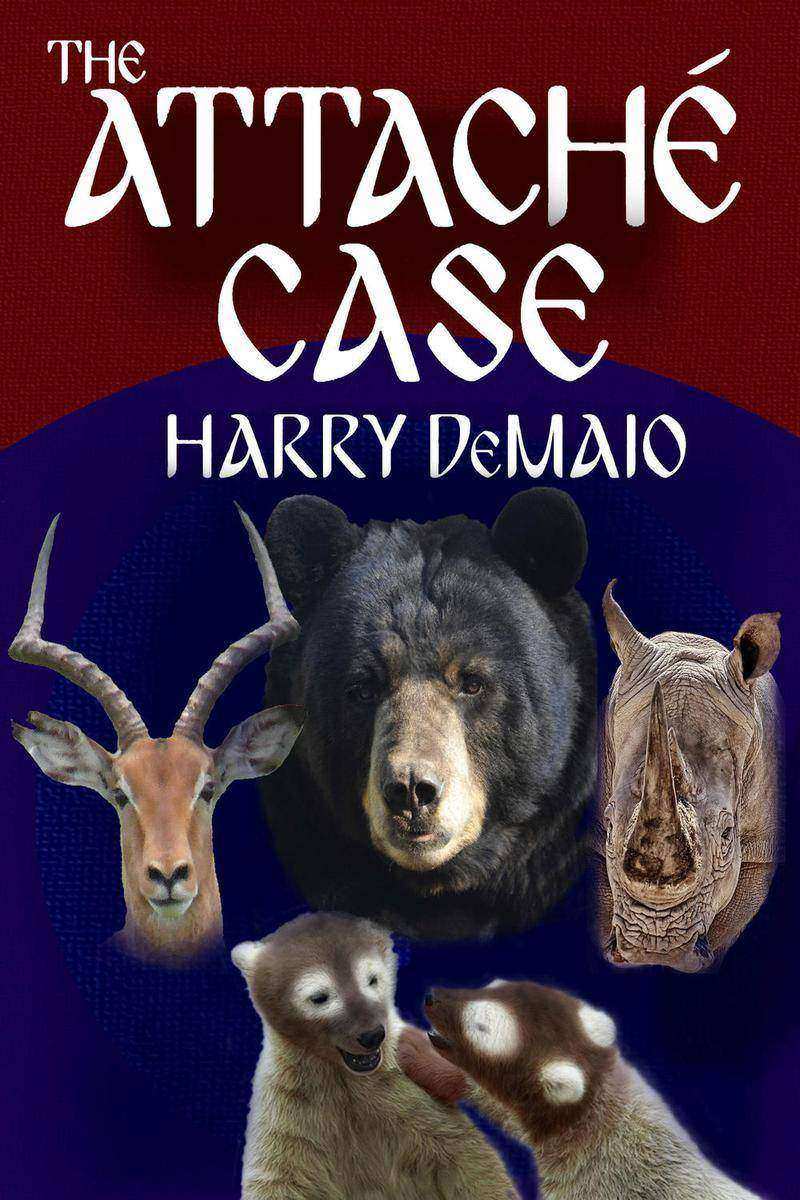
Attache Case
¥48.95
More exploits of super sleuth Octavius Bear and his cohorts. Just for fun, this series swaps anthropomorphic animals for humans in a world very similar to our own 21st century Earth minus Homo Sapiens. Are there other alternate universes? Could be! Never known for his diplomacy, Octavius and his team are called upon to investigate the violent death of an Impala, the Commercial Attache for an African embassy in Washington DC. Was he killed or was it an accident? That is the question! As usual, complications arise. Was the Impala engaged in illicit activities leading to his death? If so, who did him in? Bearoness Belinda and the Cubs arrive with Octavius on a very expensive and exclusive helicopter for a tour of "e;Washing-Tub"e; but soon uncover some very interesting evidence bearing on the case. Chita makes another cameo appearance via Skype. Is the Ambassador, a mysterious Rhino, hiding something? All of these questions and more unravel leading to a rather unusual conclusion. The Great Bear is involved once again in international intrigue.
Adventure of the Flying Blue Pidgeon
¥48.95
Lestrade panted, getting to his feet as the gang of Cheathams fell back. "e;Right now I can think of worse things than rescue by an amateur detective."e;"e;My dear Lestrade, we're simply ensuring the fight is fair."e; Sherlock Holmes somehow dissuaded the truth of that by the way his lips were coiling up at the edges (without letting go of the pipe in his teeth). Perhaps it was because he was clearly in disguise as a seedy deckhand in Dutchman's sailing clothes. From behind him the little professional could see Dr. Watson, tarred like a sailor and armed with a wicked-looking blackthorn. "e;Well, then!"e; Lestrade crowed with his fist up and parallel to the looming swarm over the tavern. "e;Who is next?"e; "e;Marcia Wilson has discovered Scotland Yard's Tin Dispatch Box."e;David Marcum, Pasticheur, Editor, and Creator of The MX Book of New Sherlock Holmes Stories
Adam Smith
¥107.81
Adam Smith (1723-90) studied under Francis Hutcheson at the University of Glasgow, befriended David Hume while lecturing on rhetoric and jurisprudence in Edinburgh, was elected Professor of Logic, Professor of Moral Philosophy, Vice-rector, and eventually Lord Rector of the University of Glasgow, and, along with Hutcheson, Hume, and a few others, went on to become one of the chief figures of the astonishing period of learning known as the Scottish Enlightenment.He is the author of two books: The Theory of Moral Sentiments (1759) and An Inquiry into the Nature and Causes of the Wealth of Nations (1776). TMS brought Smith considerable acclaim during his lifetime and was quickly considered one of the great works of moral theory. It deeply impressed Immanuel Kant, for example, who called Smith his 'Liebling' or 'favourite', and Charles Darwin, who in his Descent of Man (1871) endorsed and accepted several of Smith's 'striking' conclusions. TMS went through fully six revised editions during Smith's lifetime.Since the nineteenth century, Smith's fame has largely rested on his Wealth of Nations, which must be considered one of the most important works of the millennium: its argument for free trade, its explanation of the price mechanism and the division of labor, its qualified defense of market economies, and its powerful criticisms of mercantilist economic theories are now standard fare in economics courses, not to mention the basis of a large portion of today's worldwide economic policy. And its account of human nature is now classic.Both The Theory of Moral Sentiments and the Wealth of Nations reveal Smith's impressively broad learning, but he wrote and lectured on a number of other subjects as well. This anthology collects, for the first time in one volume, not only generous selections from each of Smith's books but also substantial selections from his other work, including his lectures on jurisprudence, his history and philosophy of science, his criticism and belles lettres, and his philosophy of language. It also includes two important letters from Hume, as well as Smith's account of Hume's death.
Phantom Killer
¥39.14
A visit from a young woman with a guilty conscience causes Sherlock Holmes and Doctor Watson to investigate the arrest of her ex-fiance. Imprisoned while awaiting trial for the murder of the lover of his wife-to-be, he seems certain to receive the ultimate punishment.
Twisted Blackmailer
¥58.76
Nothing's ever easy when Sherlock Holmes is involved. Joanna Watson needs sports and academic scholarships if she is going to make it all the way to med school. That means keeping out of trouble, and her school record squeaky clean. But upon befriending the mysterious New Girl, Joanna has her perfect record ruined, skips school for the first time in her life, and finds a blackmailer aiming a gun in her direction. All she knows is that she's going to get grounded... if they get out of this alive.
Upon a Nation's Honour
¥48.95
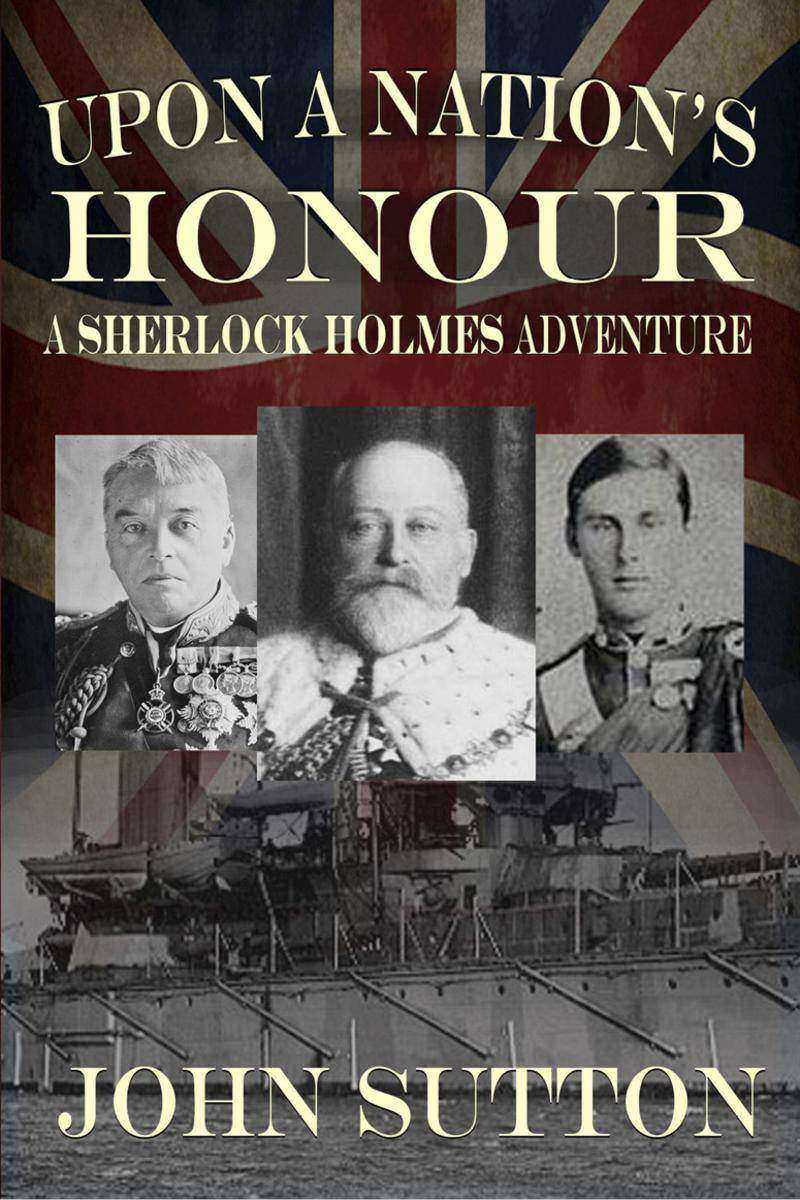
1906. HMS Dreadnaught, Britain's latest Battleship lies in her moorings in a Portsmouth dockyard awaiting her Sea Trials. Her design and armament renders the current warships of other Nations obsolete. Secret items of novel yet vital radio detection equipment are stolen from her hold by agents of a foreign power. Holmes is requested by Military Intelligence to determine the perpetrators and trace the existence of the stolen items before they may successfully be removed out of the country. His investigations reveal the existence of an old and implacable enemy. Secrecy is paramount. Public knowledge of the crime would possibly result in a European war of disastrous consequences.
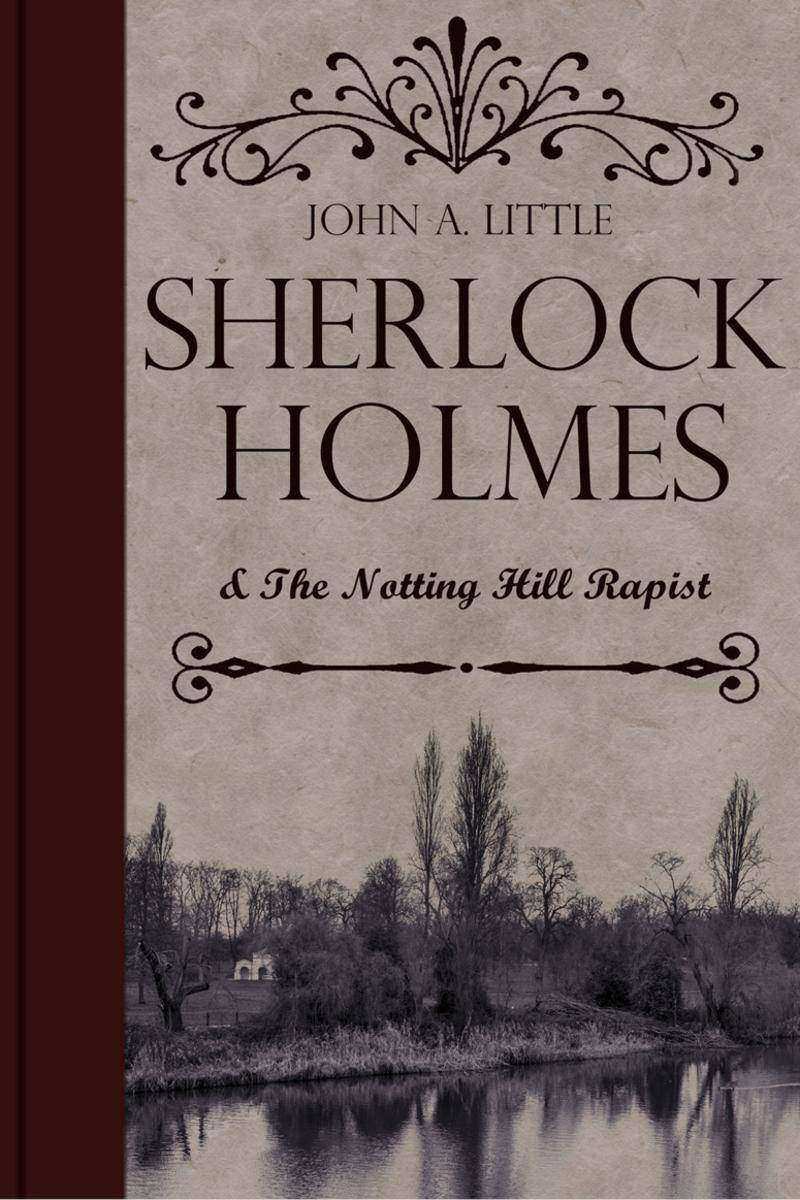
Sherlock Holmes and the Notting Hill Rapist
¥19.52
In this enjoyable and twisted Sherlockian short story, we find pregnant women being stripped of their babies in Kensington Gardners. On further investigation, Holmes and Jasper Lestrade uncover a plot which threatens the very throne of England - but can they act in time to save the Windsors? This intriguing tale was first published in 2016 in the third collection of the Final Tales of Sherlock Holmes.
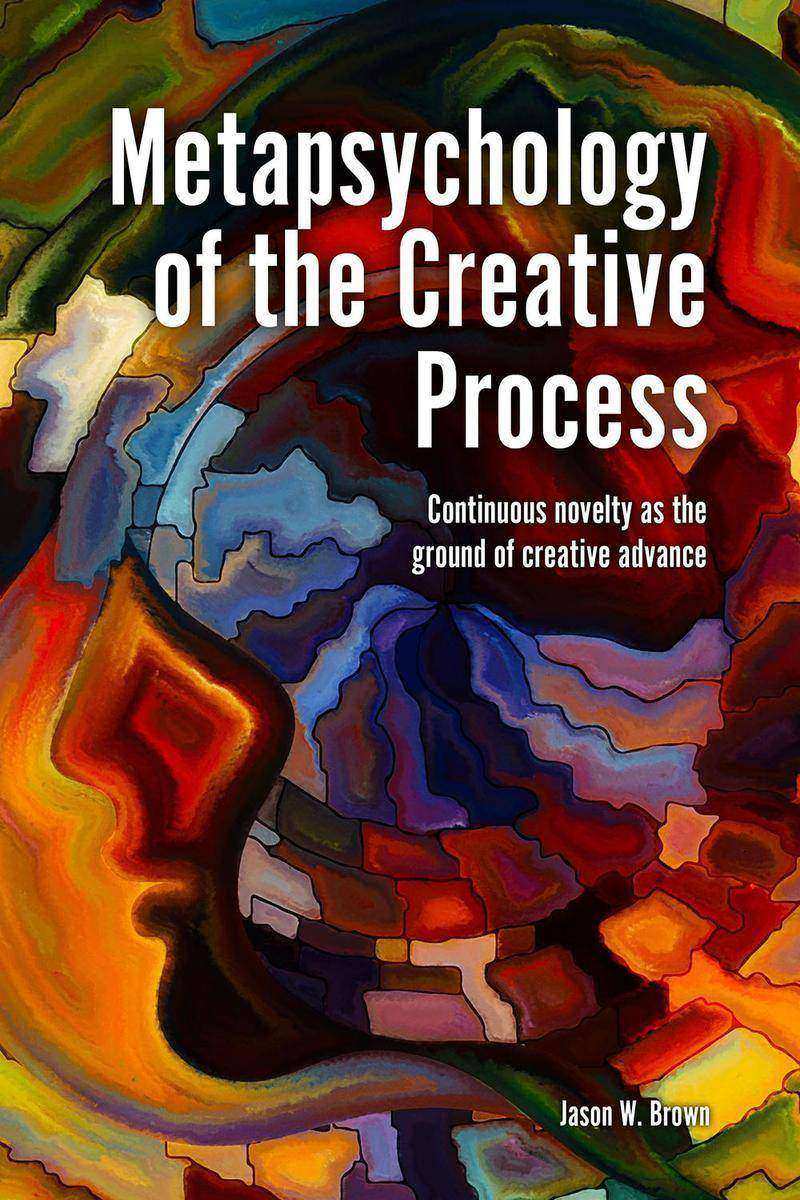
Metapsychology of the Creative Process
¥107.81
Many are fascinated by the phenomenon of genius and search for an understanding of its nature. Modern research is not especially helpful in elucidating the inner process or its relation to ordinary thought. The present work comes from clinical studies of focal brain injuries that dissect unconscious cognition to reveal sub-surface lines of processing. The outcome is a process (microgenetic) theory of the mental state that differs markedly from mainstream (cognitive) psychology, but with the potential to clarify many features of thought and imagery, normal and exceptional. Creativity is not an isolated problem but touches many central issues in philosophical psychology.
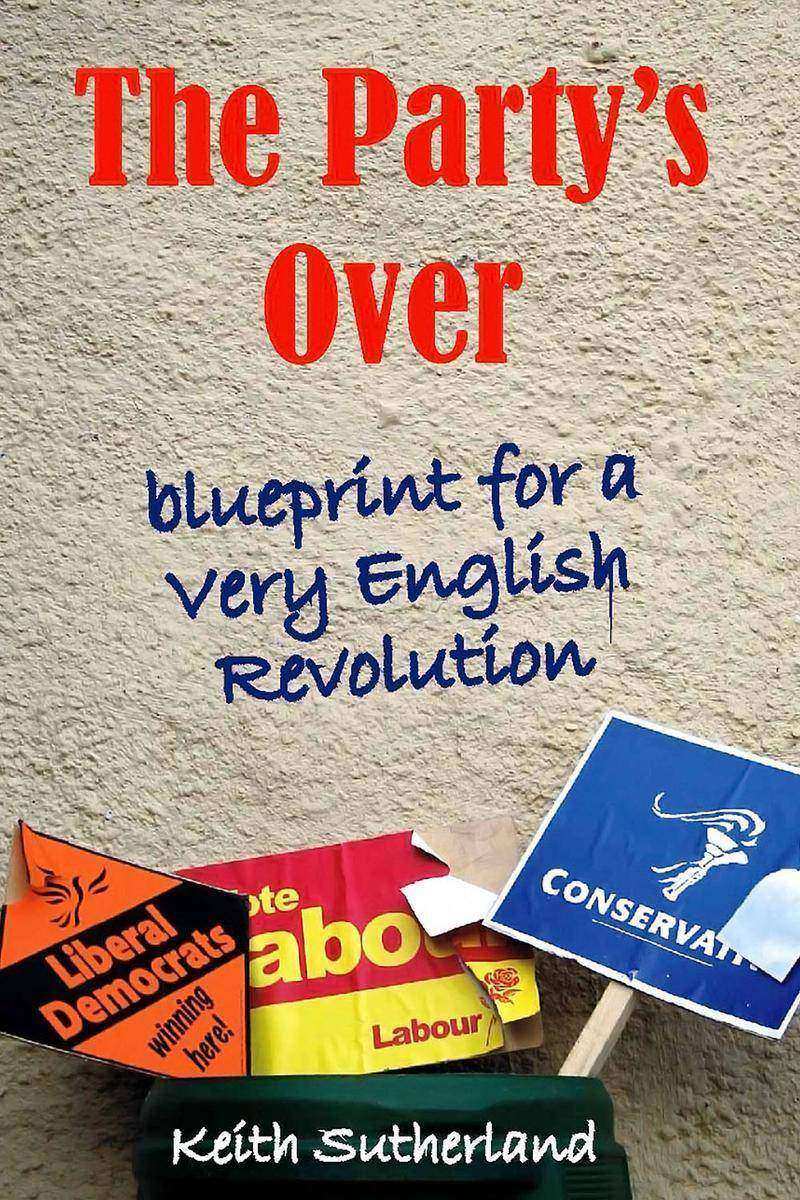
Party's Over
¥63.67
Consider the following paradox: As the leaders of both of the main British political parties subscribed to the neoconservative doctrine on Iraq, everybody else in the birthplace of parliamentary democracy was effectively disenfranchised. Yet one of the rationales supporting the deployment of UK forces in Iraq was the wish to export democracy to the Middle East. The Emperor would appear to have mislaid his clothes (see Gordon Graham's Case Against the Democratic State).Judging from the lack of ministerial resignations in the wake of the Butler enquiry, Britain is no longer a parliamentary democracy. The classical doctrine of joint and several ministerial responsibility is revealed to be a fiction, and Lord Hailsham's verdict of 'elective dictatorship' is a better assessment of the British constitution. By contrast unelected bodies like the BBC are now far more accountable for their actions. The reason of this paradox is the monopoly power of the ruling party, controlled by the Prime Minister.The UK political party started off as a loose association of like-minded MPs. However, in recent years the tail has been wagging the dog - politicians now have no alternative but to choose and then fall in line behind a strong leader with the charisma to win elections. This book examines the historical forces that gave rise to the modern political party and questions its role in the post-ideological age. If we all now share the liberal market consensus, then what is the function of the party?Parties in America are a lot weaker, so the book considers Graham Allen's argument to emulate the US system of checks and balances, but concludes that we would be better off reinterpreting our own constitution more literally. When the Chancellor really was a minister of the crown, every line of the budget was meticulously scrutinized. The key to the changes advocated in the book is the replacement of the Victorian ballot-box with a modern system of representation, based on the jury-selection principle.
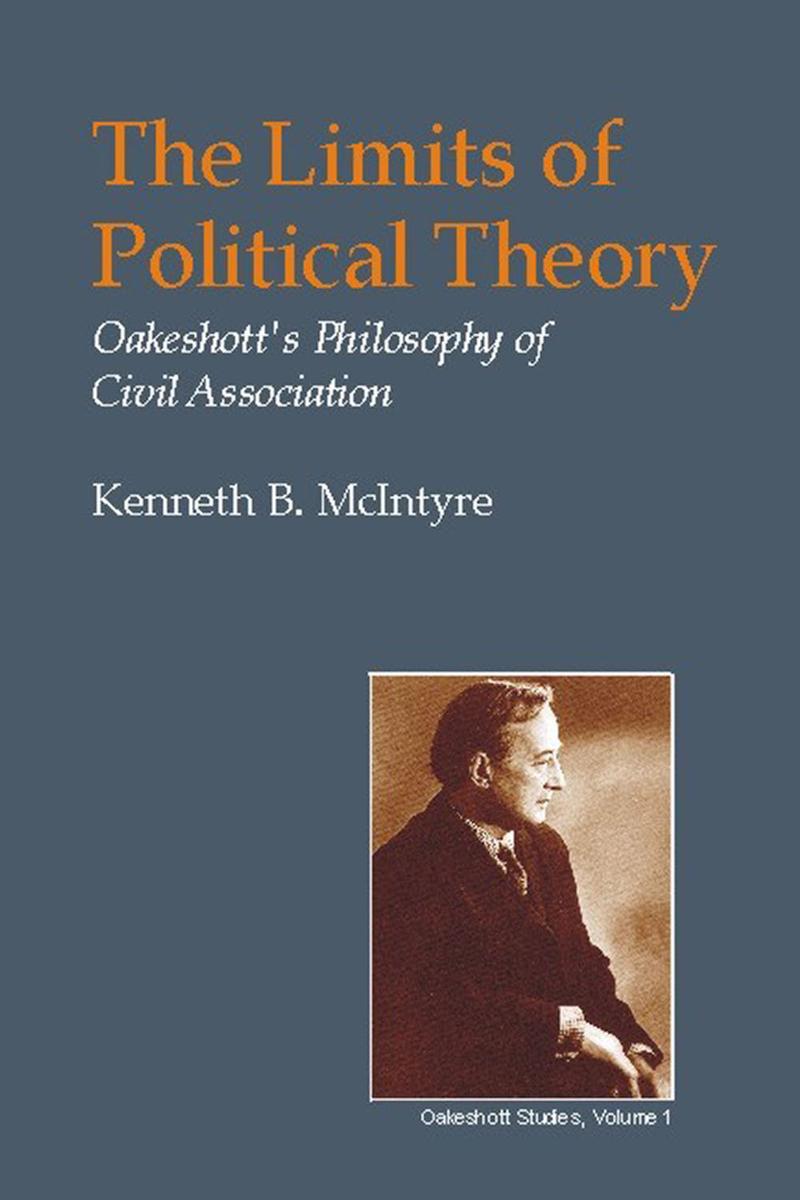
Limits of Political Theory
¥220.63
This book examines Oakeshott's political philosophy within the context of his more general conception of philosophical understanding. The book stresses the underlying continuity of his major writings on the subject and takes seriously the implications of understanding the world in terms of modality. The book suggests strongly that Oakeshott's philosophy of political activity cannot be reduced to a branch of conservatism, liberalism, or postmodernism or a theory or set of doctrines which fit neatly into any conventional school, like that of Idealism or Skepticism. Rather, Oakeshott's philosophy of political activity is a provocation to all of the currently dominant schools of political theory and political practice. It questions their presuppositions and exposes as ambiguous, arbitrary, or confused all of the supposed certainties which they take for granted. It does all this by offering profound insights into the character and limits of both political activity and political theory in the modern world.

Mission
¥58.76
Michael, a missionary priest in Kenya, has just killed Munyasya, a retired army officer. It might have been an accident, but Mulonzya, a politician resentful of the power of foreign churches, tries to exploit the tragedy for his own ends. Boniface, a young church worker, and his wife, Josephine, have just lost their child. They did not make it to the hospital in time, possibly because Michael made a detour to retrieve a letter from the Mission, a letter from Janet, a former volunteer teacher who was the priest's neighbour for two years. It is Munyasya who has the last laugh, however, when he reveals that he was probably in control of events all along. Thirty years on, the same characters find their lives still influenced by his memory.
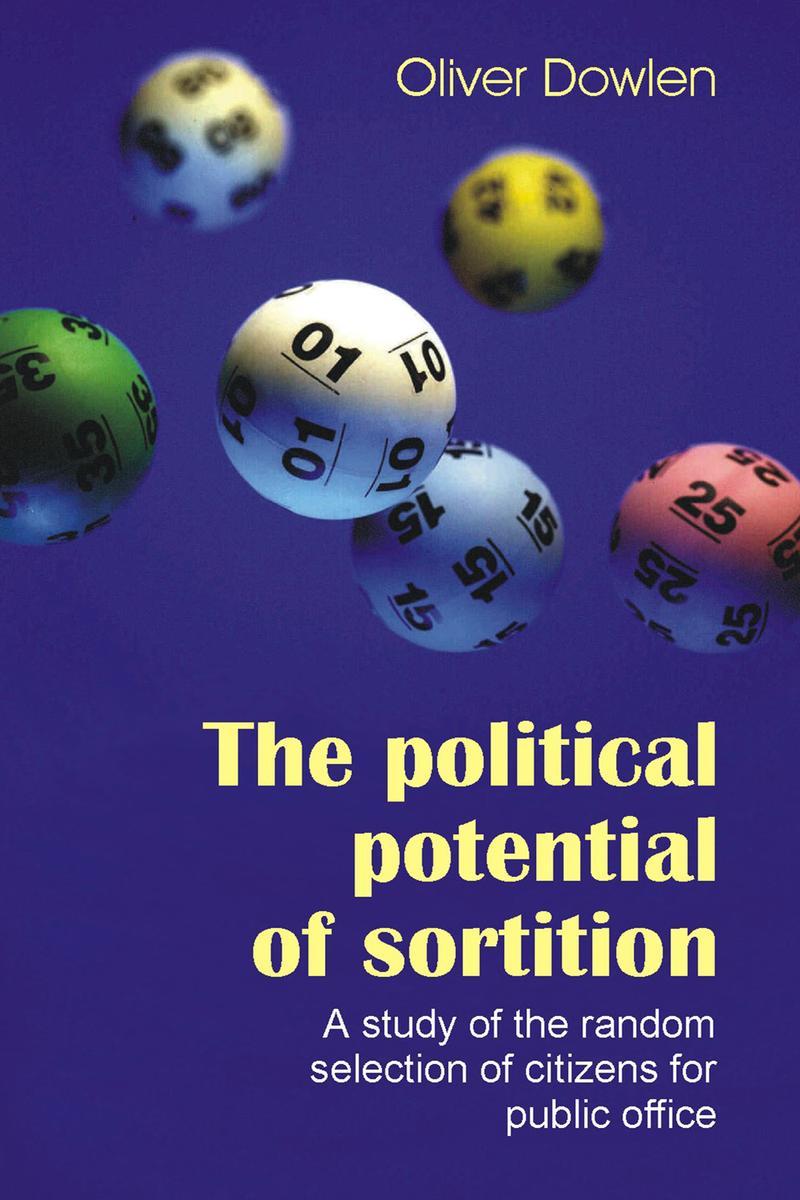
Political Potential of Sortition
¥107.81
The central feature of every true lottery is that all rational evaluation is deliberately excluded. Once this principle is grasped, the author argues, we can begin to understand exactly what benefits sortition can bring to the political community. The book includes a study of the use of sortition in ancient Athens and in late medieval and renaissance Italy. It also includes commentary on the contributions to sortition made by Machiavelli, Guicciardini, Harrington and Paine; an account of the history of the randomly-selected jury; and new research into lesser-known examples from England, America and revolutionary France.
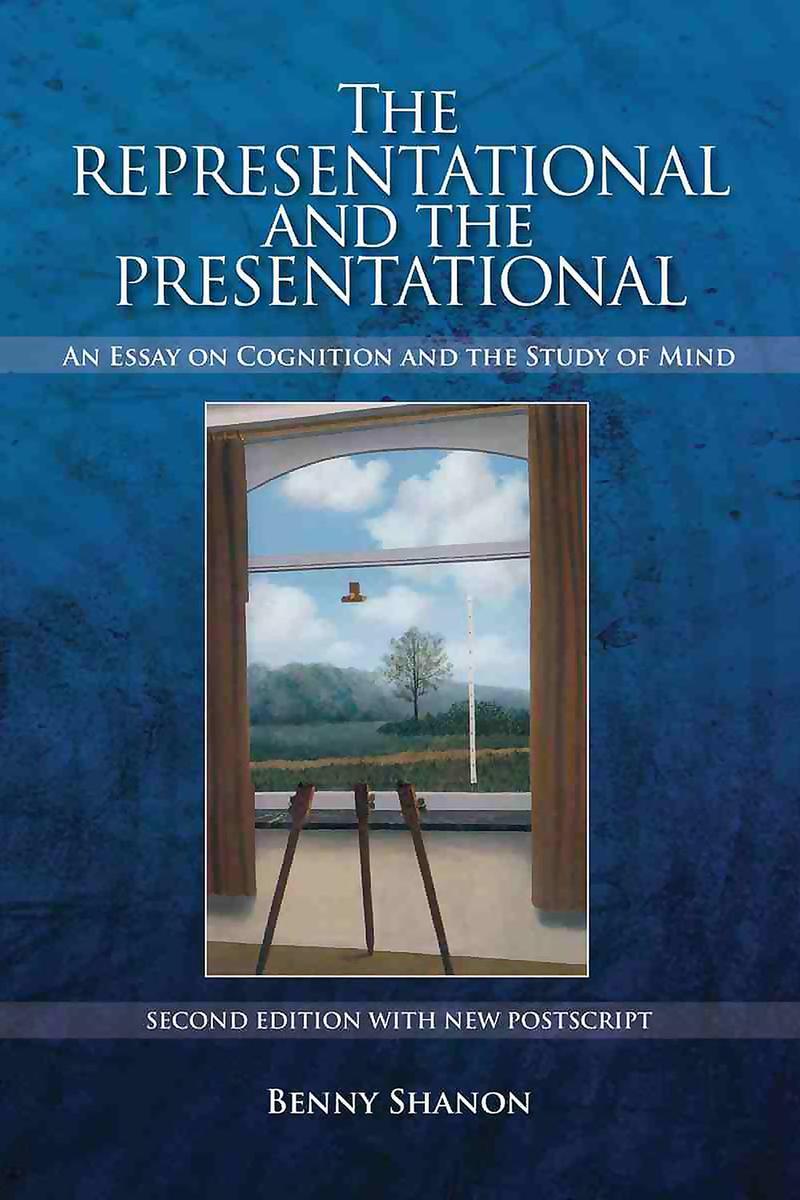
Representational and the Presentational
¥147.05
In this wide-ranging book the author presents his critique of the contemporary portrayal of cognition, an analysis of the conceptual foundations of cognitive science and a proposal for a new concept of the mind. Shanon argues that the representational account is seriously lacking and that far from serving as a basis of cognitive activity, representations are the products of such activity. He proposes an alternative view of the mind in which the basic capability of the cognitive system is not the manipulation of symbols but rather action in the world. His book offers a different outlook on the phenomenon of consciousness and presents a new conception of psychological theory and explanation. This revised second edition includes a new Postscript.
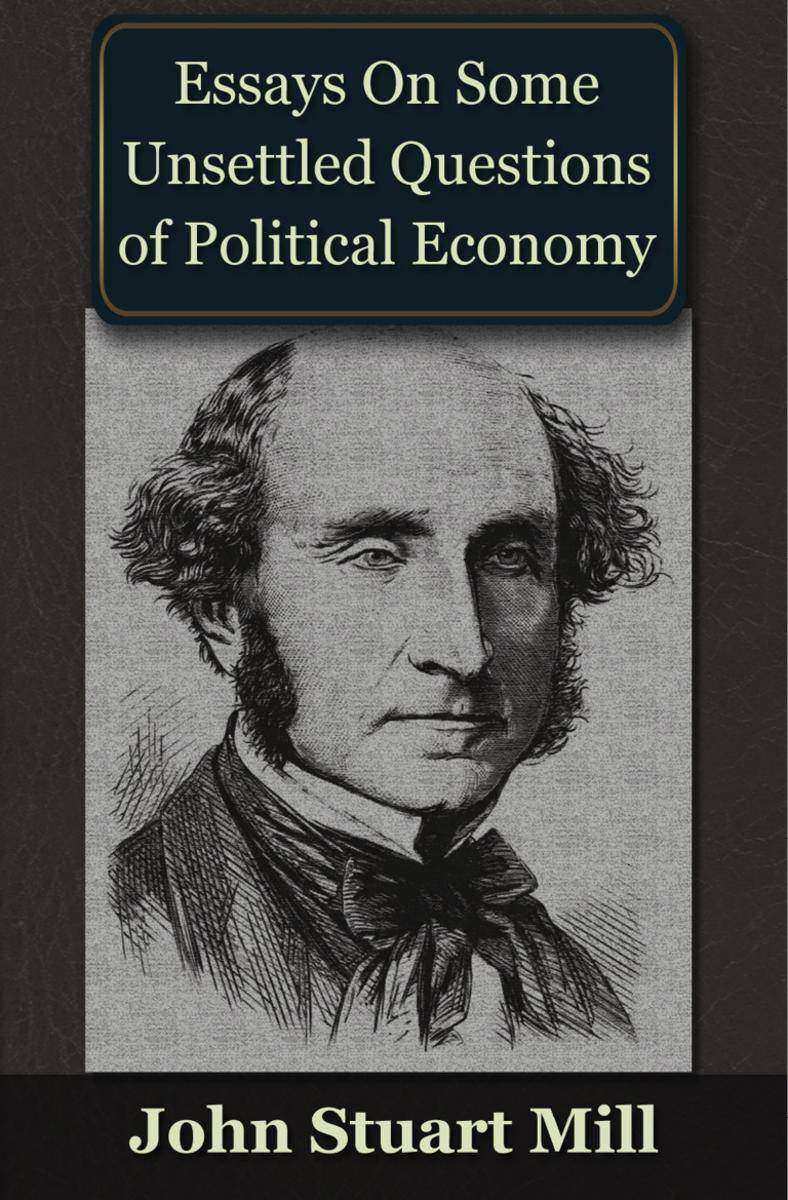
Essays on some Unsettled Questions of Political Economy
¥58.76
This volume includes five essays on the subject of political and sociological philosophy, including 'Of the Laws of Interchange between Nations', 'On the Influence of Consumption upon Production', 'Of the Words Productive and Unproductive', 'Of Profits and Interest' and 'Of the Definition of Political Economy; and of the Method of Investigation Proper to It'. This version has been carefully formatted for today's e-readers by Andrews UK, and includes original footnotes and an easy-to-navigate table of contents.
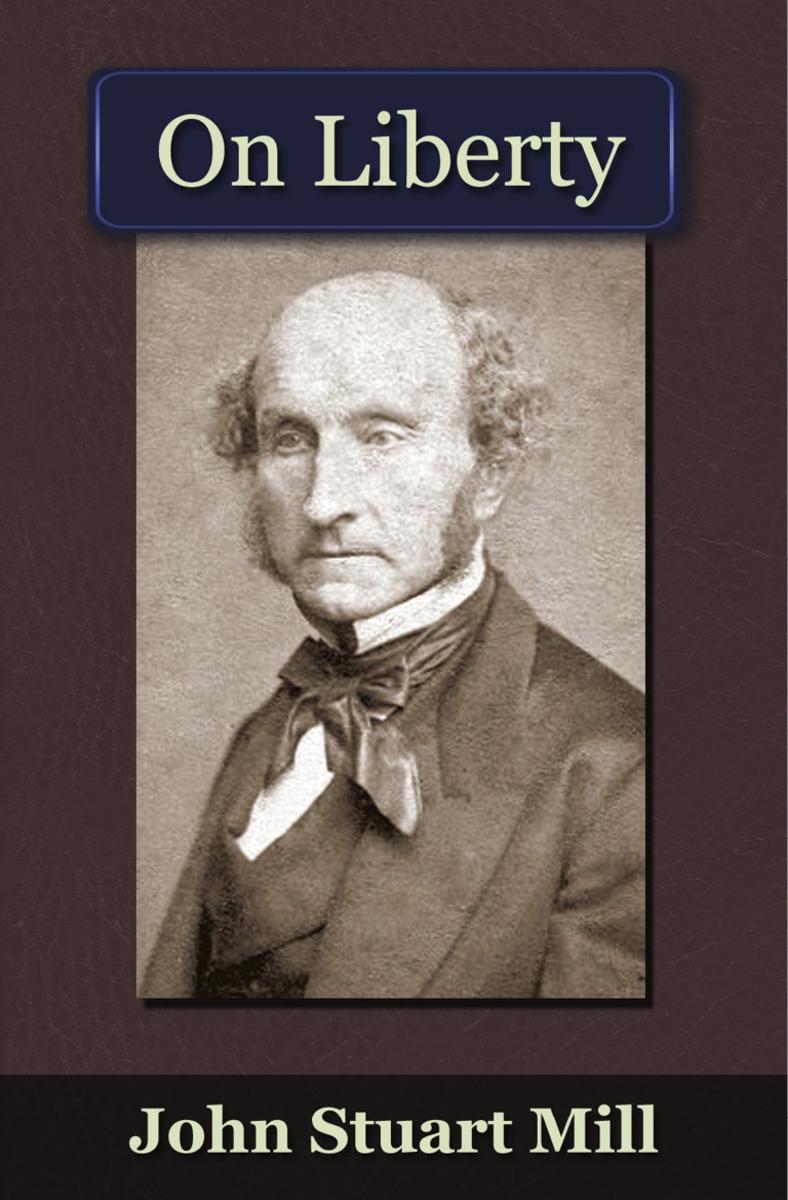
On Liberty
¥68.57
This book is a philosophical work by British philosopher John Stuart Mill. It was a radical work to the Victorian readers of the time, as it supported individuals' moral and economic freedom from the state. This edition has been specially formatted by Andrews UK for today's e-reading devices, and features an easy-to-navigate table of contents.
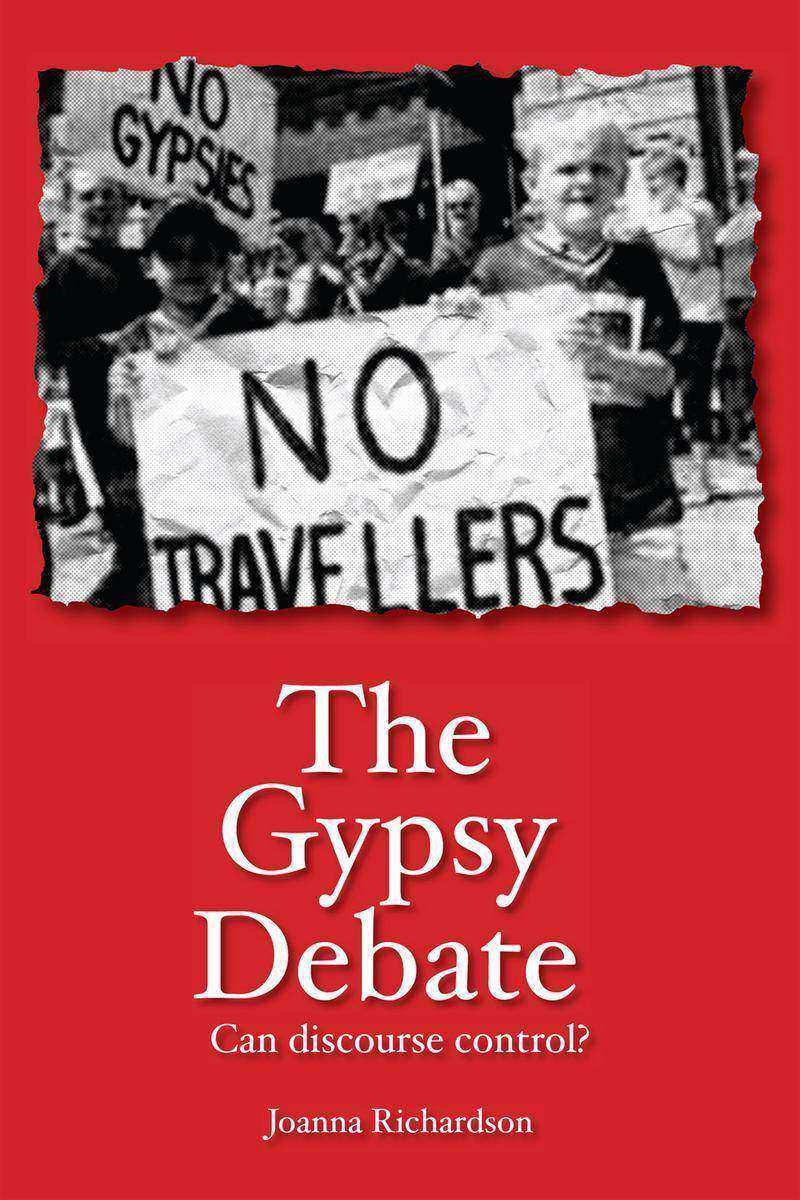
Gypsy Debate
¥132.34
Jo Richardson explores the extent to which modes of discourse reflect antipathy towards gypsies and travellers, and control and shape the treatment of this minority group by the rest of society. The focus is housing policy, but her discussion has a wide application.
Apolysis
¥19.52
Armageddon breaks out. Then an Apocalypse of nuclear fire rains down from the sky. The Second Coming of the Lord is at hand& but Angels, Demons and Men have different plans and murder in their hearts. God is assassinated in a coup that shatters the balance of the universe. And yet& this is just the beginning. A world ravaged by atomic fallout, the Scorched Earth, is now mankind's only home and they have to share it with all the once immortal beings that fell from the spiritual realm. Heaven and Hell raise their mighty citadels and offer protection from the horrors of the post-apocalyptic wilderness to those who would worship them unquestioningly in return. Archangel Michael, now a renegade expelled from the kingdom of Heaven, will join forces with an unlikely ally: Lucifer, the ex-lord of Hell, who lost his throne to one of his captains and was exiled. Together, these two outcasts of the Tyrannical New Order will embark on a quest to open a dimensional portal to a New Promised Land, a place that holds the promise of a new beginning for all the orphaned creations of God. Guided by an eerily familiar-looking old man who comes and goes as he pleases, they will set out to free all of mankind from slavery to fear. Little do they know that the battle to end all battles is about to begin.


