


 购物车
购物车 个人中心
个人中心
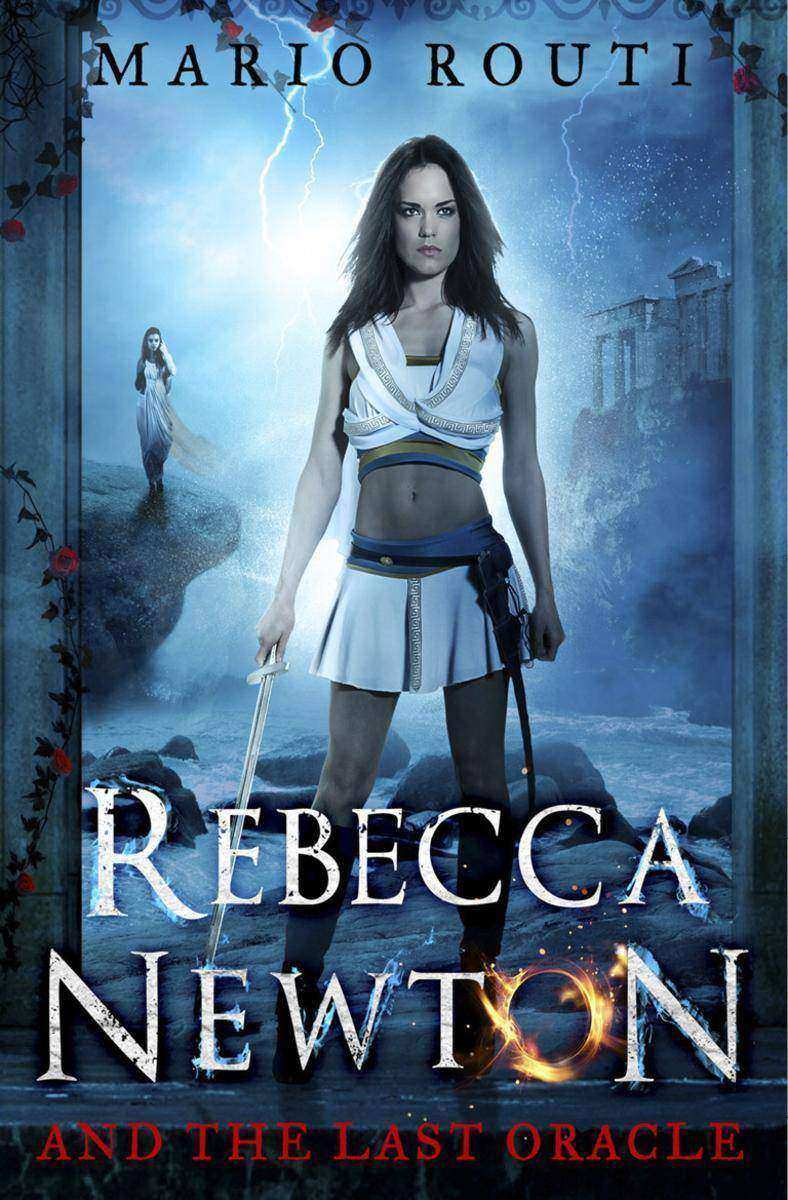
Rebecca Newton and the Last Oracle
¥48.95
The Epic tale continues and Rebecca's limits are tested to the max!Princess Leylah, daughter of Rebecca Newton and King Turgoth, is growing up and so is her power to foresee future events as she has the greatest gift imaginable: She is the Oracle! While trying to come to terms with her unique powers, she finds herself nurturing deep feelings for Alexander, Lady Felicia and Lord Leiko's son. But how does he feel about her? Meanwhile, Cronus and the Titans are preparing a master plan to take over Earth with the help of the Sartani and they are calling on the armies of ancient evil entities to assist them in seizing control of the Sacred Flame in order to free themselves.At the same time in the Elysian Fields, Zeus and the other Gods are struggling to figure out what their enemies are planning since they cannot interfere unless the Titans are released.Rebecca, Bull the Minotaur and their friends, face their greatest challenges ever in the Land of the White Sun and Tartarus, where they will need to go on a perilous quest - a matter of life and death for their loved ones.Will the newly discovered Oracle of Utopia be able to uncover the plans in time to save all the worlds?An explosive collision between Good and Evil... A never-ending conflict... A romance that becomes lethal... A duel that will determine the future of all the worlds!
Harry Styles - The Ultimate Quiz Book
¥19.52
Are you the world's biggest Harry Styles fan? This excellent quiz book contains 200 questions to test anyone's knowledge, from questions a total newbie should know all the way through to trivia that would challenge even the ultimate Directioner, this is a fantastic addition to any bookshelf. With easy navigation between each question and answer section, you are sure to love this amazing quiz. Play it yourself or test your friends!

Speeches
¥19.52
As well as being one of the greatest authors of all time, Charles Dickens was also a prolific orator. This is a collection of some of his most famous speeches, given from 1841 to 1870.
Spiritual Life and the Word of God
¥19.52
Taken from his 1766 work 'Apocalypsis Revelata' (The Apocalypse Explained), this is a fascinating look at the theologies of Swedish scientist, philosopher, Christian mystic and theologian Emanuel Swedenborg.

Protect Your Family Against Terrorism
¥48.95
Today we are all living under a credible terrorist threat, yet many people remain unprepared. Would you and your family know how to react if you were caught up in a terrorist attack? Do you take the necessary steps to protect your family from potential atrocities whenever you leave home?This book delivers the advice you need to help you and your family stay safe. Written in an easy-to-understand format by security experts with many years of field experience in both military and civilian scenarios, it describes how best to prepare for the possibility of an attack, how to react should an incident occur close to you, and what to do in the immediate aftermath.With sections that cover a range of scenarios from an attack on the subway or on public transport to an incident at a beach hotel or even on a cruise ship, you will find straight-talking, no-nonsense advice based on real scenarios that helps you and your loved ones to make decisions and take action that could mean the difference between life and death.In addition to the various specific scenarios, you are also provided with advice on how to enhance your situational awareness in any situation, enabling you to protect your family from the next inevitable attack. Also included is a comprehensive checklist detailing actions to take prior to travelling away from home.Terrorist atrocities are becoming more frequent. Don't let your family find themselves in a dangerous situation without the knowledge of how best to react - Protect Your Family Against Terrorism.
Two Sides of the Shield
¥19.52
A fantastic novel by English writer Charlotte Mary Yonge, a sequel to her earlier work 'Scenes and Characters; or Eighteen Months at Beechcroft'.
Woodland Ghosts
¥39.14
Does malevolence exist beyond the grave? An extract from the diary of Eleanor Harmsworth, governess at Waldegrave Hall, dated Wednesday 11 October 1899: At first, I was utterly transfixed, but as I summoned the courage to move, so the presence hurriedly glided past me and, similar to a heated knife slicing through a block of cold butter, went straight through the closed door of my bedchamber and disappeared. If ever an event were created to determine the mettle of an individual, then exposing a person to a chilling spectacle such as this would surely test the nerve of any mortal.In this extraordinary novel, author Gordon Punter, delivers a story about courage, risk, change and hope, and a love that never dies.
Umbrella Graveyard
¥44.05
Paddy Jones' ordinary life as a young architect in York is suddenly transformed when, while travelling home from his parents' house in Hepby after his traditional Christmas visit, his ardent curiosity leads him to follow a mysterious beam of light and he finds himself catapulted into the parallel universe of Tunnelton. Why was he there? How did he get there? And, most importantly, how would he get back home? As he travels around his new and unusual environment, which is to be his home for the next seven days, his imagination is stretched to the limit as he searches for the answers to his questions, meeting a whole host of engaging and intriguing characters, and gradually uncovering the mysteries of this strange and enchanting place. One thing's for sure, this would turn out to be the most fascinating, thought-provoking and awesome New Year of his life, and he would never be able to look at a duck or an umbrella in the same way again!
Violent Sunflowers
¥39.14
A parody of Europe's current immigration, security, and identity crisis, as told through the misadventures of insects migrating to the affluent sunflower field.
Water Babies
¥19.52
Written by the Rev Charles Kingsley in 1863 it quickly became a classic child's story. Tom, a young chimney sweep, falls into a river after encountering a girl named Ellie and being chased out of her house. There he dies and is transformed into a "e;water baby"e;, and begins his moral education.
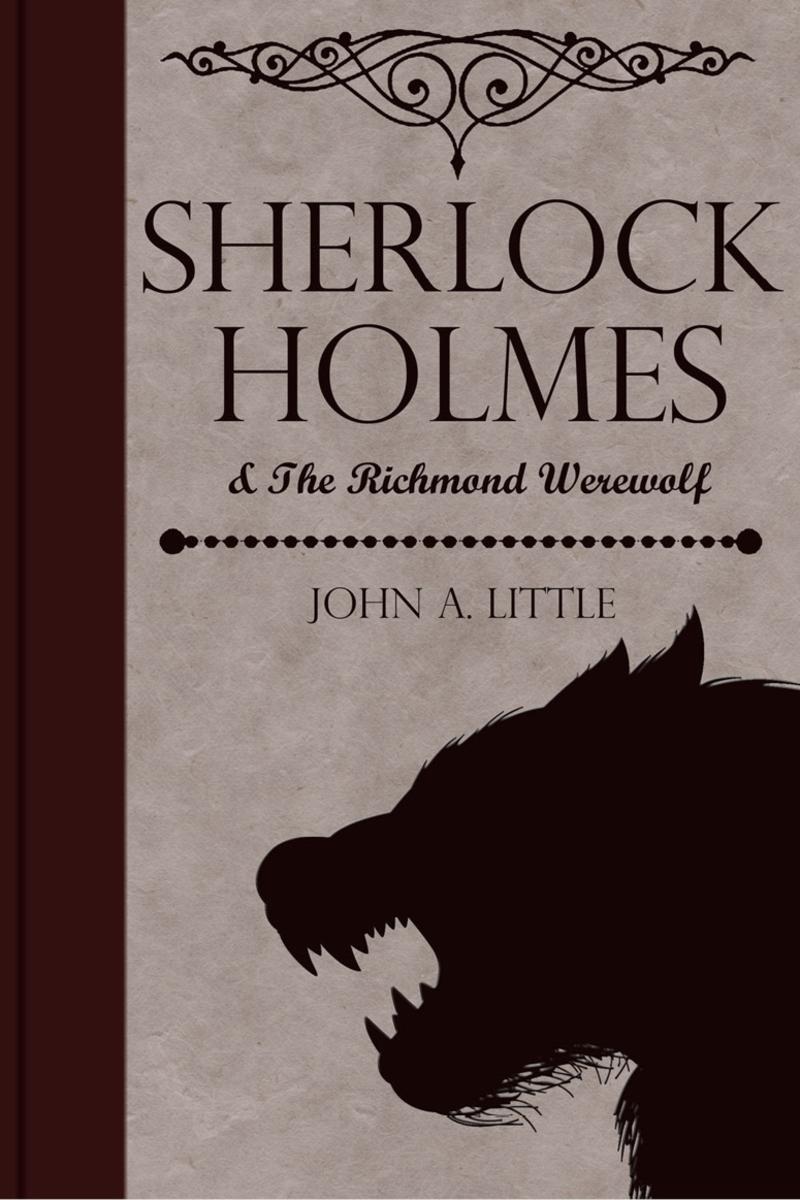
Sherlock Holmes and the Richmond Werewolf
¥19.52
In this enjoyable and rather quirky Sherlockian short story, Holmes' addiction to cocaine causes somewhat of a rift between the two friends. But can this, along with the possibility of an ancient nemesis returning from the grave, inspire Holmes to discover his inner animal and solve yet another perplexing case? This intriguing tale was first published in 2015 in the second collection of the Final Tales of Sherlock Holmes.
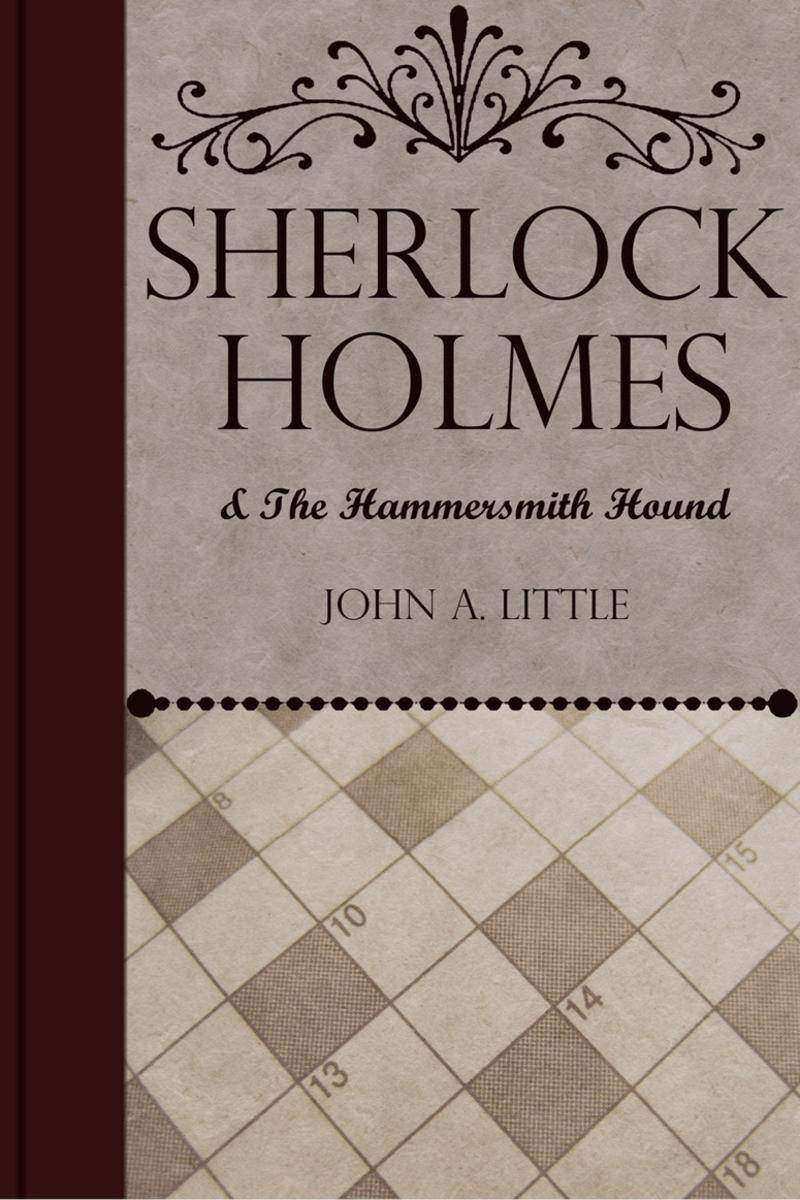
Sherlock Holmes and the Hammersmith Hound
¥19.52
In this compelling short story, the grandson of a university friend provides a crossword puzzle for Holmes, which leads to his meeting the ghost of an old love. But can he solve an important final problem for her? This enjoyable Sherlockian tale was first published in 2015 in the second collection of the Final Tales of Sherlock Holmes.
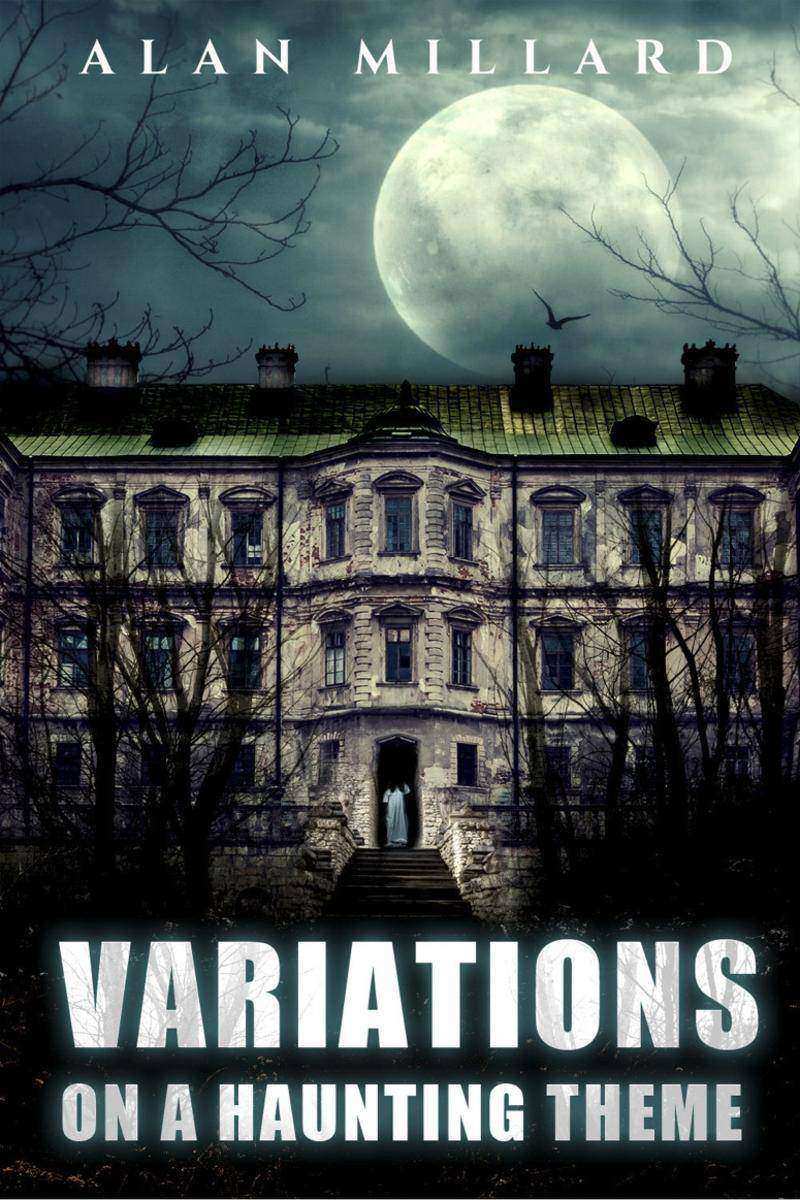
Variations on a Haunting Theme
¥39.14
What begins as a seemingly innocent invitation to dinner from a relative stranger turns into something more sinister. Persuaded to stay for three days in the stranger's isolated house, the guest hears six bizarre stories of people known to the host. The last of these chilling tales concerns the host himself and has an alarming ending. When the guest returns to his own home, the tales he's heard continue to haunt him and where they lead makes his own story the strangest of all.
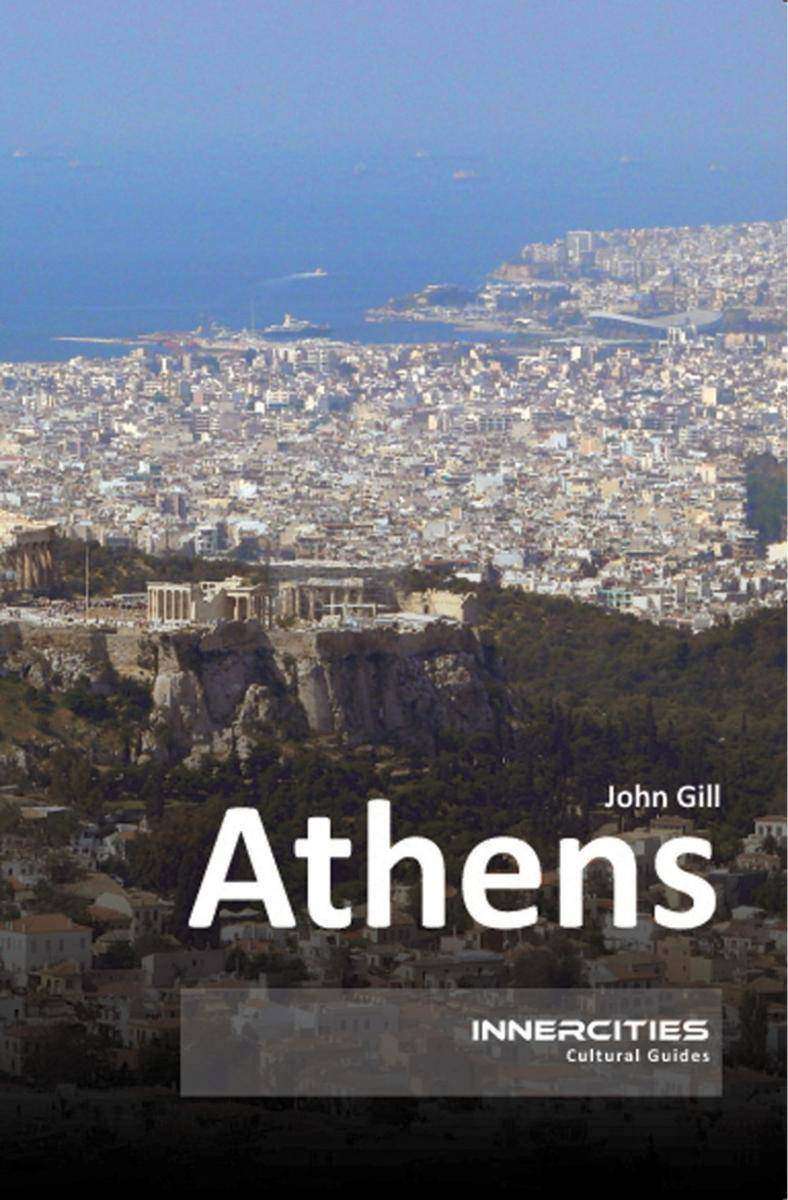
Athens
¥73.48
Athens is an historical anomaly. Excavations date its first settlement to over seven thousand years ago, yet it only became the capital of Greece in 1834. During the intervening centuries it was occupied by almost every mobile culture in Europe: from its earliest likely settlers, tribes from what is now Albania, to Nazi forces during the second World War, and in between by successive waves of Persians, Macedonians, Romans, Slavs, Goths, Venetians, French, Catalans, Turks, Italians, Bulgarians and the clans of various kings and tyrants of the region's early city-states.There has been a structure on its 'high city', the acropolis, since at least the bronze age, although it was subsequently altered by successive occupiers, becoming a fort, castle, temple, mosque, church and even a harem. its 'Golden age' peaked in the fifth century BCE, with the great building projects of Pericles and Themistocles, and its later history is one of a city already nostalgic for its past, although at a time when other European cities had yet to begin constructing a past. Its standing as the birthplace of democracy and western civilisation, while based in fact, is largely a romantic fantasy dreamt up by nineteenth-century north European artists and intellectuals: democracy has a checkered history in Athens, and 'western civilisation' was an amalgam of many cultures. The city now is a jigsaw of pieces from its past, where you can still walk along streets laid by Romans and Ottoman Turks, and where the city's population is almost constantly refreshed by newer waves of arrivals.John Gill's cultural guide explores the origins, development and contemporary face of Athens, offering an accessible analysis of its social history, architecture and representation in painting, literature and film. Looking at the role of religion, migration and popular culture, its in-depth coverage of the city, past and present, goes beyond conventional guidebooks to provide a fresh insight into its living identity.

Out of Essex
¥98.00
Beyond the brash modern stereotypes of Essex there exists a landscape that has inspired some of England's finest writing. This book tracks the paths of those literary figures who have ventured into the wilder parts of Essex. Some are illustrious names: Shakespeare, Defoe, John Clare, Joseph Conrad, H. G. Wells, Arthur Ransome. Others may be lesser known but here are well remembered: Samuel Purchas, Sabine Baring-Gould, Margery Allingham, J. A. Baker. In ten chapters James Canton crosses five centuries into the furthest reaches of the county in search of writers and what can be seen of their work today. J. A. Baker follows the peregrines along the Chelmer valley to the Blackwater estuary at Maldon. John Clare wanders the hidden pathways of Epping Forest scribbling poetry while Arthur Ransome sails around the islands of the Hamford Waters. William Shakespeare appears in the woody glades beside Castle Hedingham, Joseph Conrad stares across the Essex marshes at Tilbury to the Thames, while Sabine Baring-Gould's Gothic heroine Mehalah lives upon a lone muddy stretch beside Mersea Island, where Margery Allingham sets her first tale of smuggling and murder; Daniel Defoe recounts the horror of the ague on the Dengie Peninsula; H. G. Wells writes a tale of the First World War from his home at Little Easton. Samuel Purchas tells such seafaring tales from his Southend vicarage as to inspire Samuel Taylor Coleridge to write Kubla Khan. Combining detailed literary detective work with personal responses to landscapes and their meanings, James Canton offers a fresh vision of Essex, its cultural history and its living legacy of wilderness and imagination.
Feather
¥48.95
Elliott endures a long, fraught journey to Scotland with his family. Arriving at a loch-side holiday park, some things are familiar and others not quite right. He and his brother argue over different girls, one of whom has a strange request. A riddle leads the brothers into unexpected adventure, and a calamity from the past comes back to haunt them.
Distraction
¥39.14
Part mystery, part love story, this Cold War thriller sees the enigmatic PK, the faithless son of a clergyman, seemingly involved in the disappearance of a schoolgirl. His close friend, Frank, certain that PK holds the key to the missing girl, is determined to find her. But Frank, a former soldier in Northern Ireland, is unaware that he is being targeted by a terrorist with a personal vendetta. Meanwhile, the nuclear countdown continues...This excellent, thoughtful and darkly comic page-turner is set in the decade before the end of the Cold War, and focuses on the twelve days leading up to a potential Armageddon. Will the schoolgirl be found and PK exonerated? Can Frank escape the terrorist's revenge? And, ultimately, what is the distraction that causes a US pilot to hesitate in his defence of the UK?Based on real-life events, finely crafted and realistic, Distraction will appeal to mystery and thriller enthusiasts alike.
Twisted Tales from Hamburg and Other Stories - Volume 1
¥39.14
'The room was spinning. Thoughts were pulsing from one vein to the next'.Twisted Tales takes us through scenes of familiar human conditions.From complete inebriation through a marriage without love via a gambling addiction ruining lives past the sometimes mean streets of Hamburg then onto to the sunshine of Thailand.Characters in each story must battle with their own minds and outside influences in order for them to make the right decision which is all too seldom in what we call modern life and in some cases Part 1 is only the beginning of their journey....
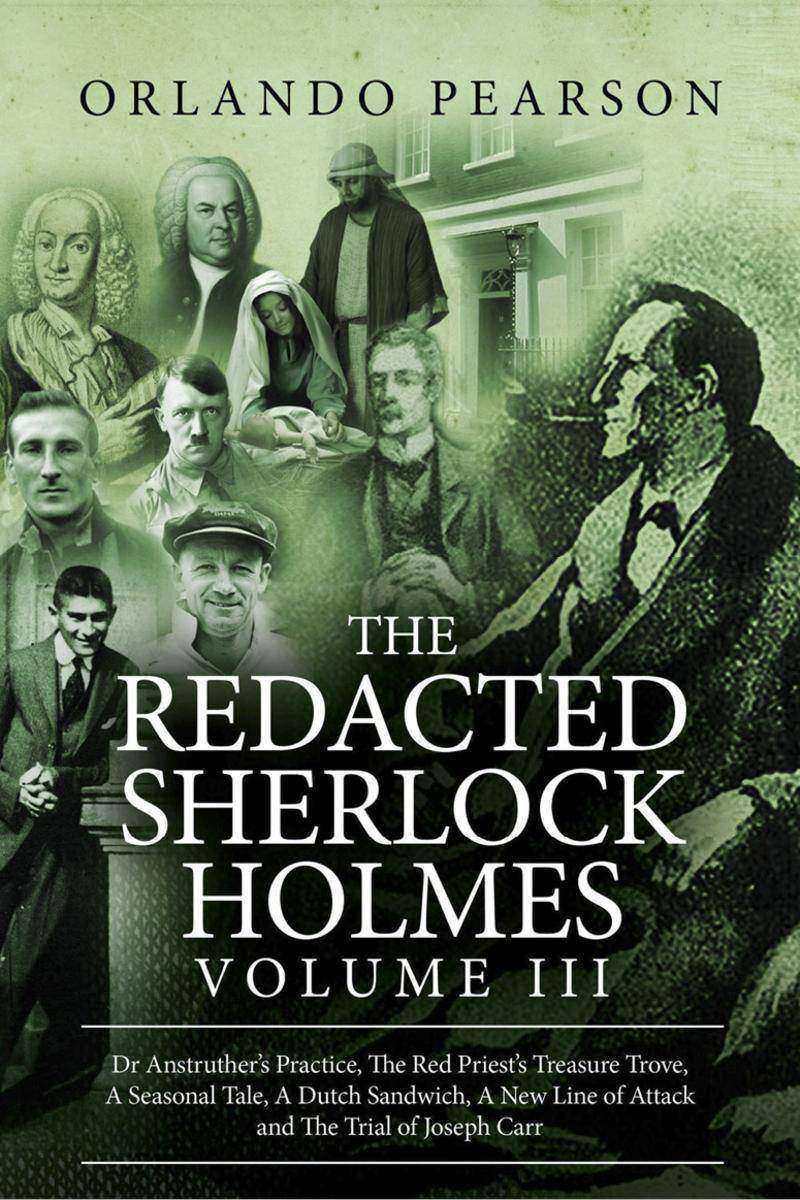
Redacted Sherlock Holmes - Volume 3
¥48.95
VOLUME III of THE REDACTED SHERLOCK HOLMES presents six more scintillating stories from the pen of Orlando Pearson about the great Baker Street detective. Holmes investigates:- Alarming events at the medical practice next door to Dr Watson;- Missing autograph manuscripts in Fascist Italy;- Climate change and a mysterious birth in London in 1894/95;- Tax evasion by the London Softwear Company;- The role of cricket in the rise of Hitler; and - A Kafkaesque plot which foreshadows the banking crash of 2007/08Mr Pearson mixes the Canon with events from history both very recent and from earlier epochs to show-case the talents of the Baker Street sleuth. In this latest volume:- Dr Anstruther's Practice;- The Red Priest's Treasure Trove;- A Seasonal Tale;- A Dutch Sandwich;- A New Line of Attack; and- The Trial of Joseph Carr
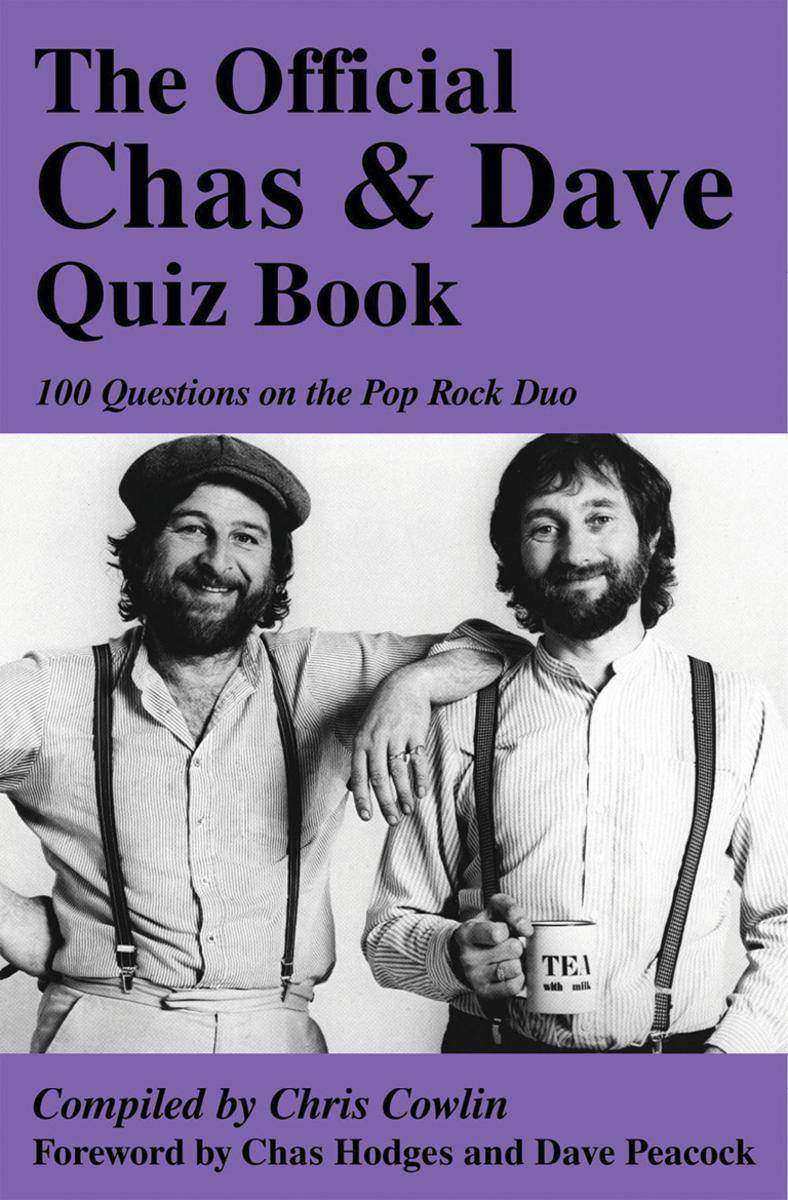
Official Chas & Dave Quiz Book
¥24.43
Do you enjoy the music of Cockney rock duo Chas & Dave? Maybe you know the lyrics to all their songs and can name their albums? Then what better way to pay tribute to the 'Rockney' singers than with this quiz book?The 100 questions in The Official Chas & Dave Quiz Book are designed to test your memory of the events that have shaped the lives and music of two of the most popular musical entertainers to emerge from the '70s and '80s. Chas & Dave have a string of hits to their credit all injected with their own particular brand of humour. This book covers the early years, career highlights and all those unforgettable best-selling songs bringing the Chas & Dave story right up to the present day. Packed with so much information, you are certain to find out something you never knew about the popular entertainers. This book will appeal to Chas & Dave fans of all ages and anyone who has ever sung along to one of their songs.
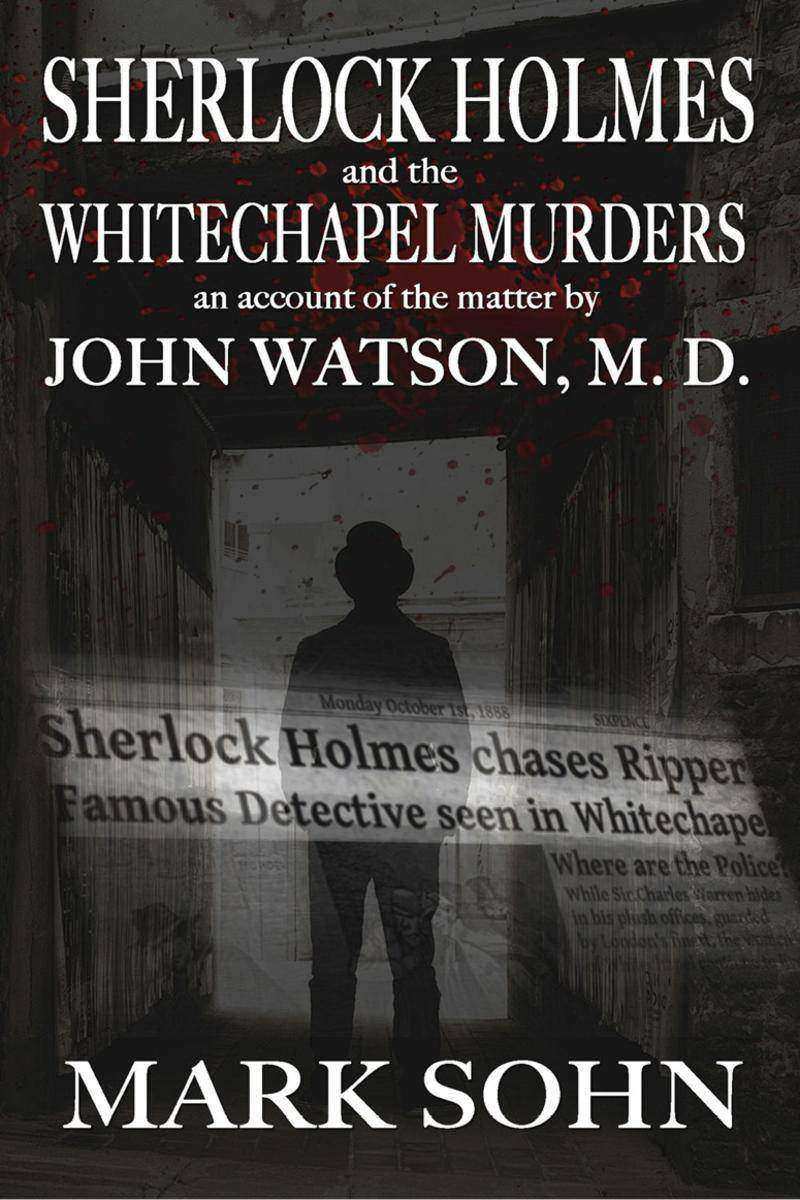
Sherlock Holmes and the Whitechapel Murders
¥58.76
It is the year 1888. A madman stalks the East End of London and only Sherlock Holmes and his trusted colleague and scribe Dr. John Watson stand between him and the women he preys upon. However, the World's first Consulting Detective is plunged into a web of intrigue and deceit. Is Jack the Ripper acting alone? Is there a conspiracy to murder fallen women in Whitechapel? How far must Holmes go to stop it? Add a plot to steal the most famous jewels in existence and a sinister figure known only as 'The Professor' and you have more than one mystery to be solved...


