


 购物车
购物车 个人中心
个人中心
Niebla
¥9.00
No es una novela. Es una "nivola", según su autor. Nuevo género creado por Unamuno, no tuvo mucho arraigo, pero aún así Niebla es una de las obras de ficción más importantes del escritor vasco. El libro aborda la inseguridad del hombre moderno que se preocupa por su destino y su mortalidad. El título está cargado de significado, dado que el libro difumina la línea entre la ficción y la realidad. También son nebulosas las descripciones físicas de los personajes y lugares, y hasta pone en duda la naturaleza de la existencia humana.
La tía Tula
¥9.00
La tía Tula, es, según su autor, ?la historia de una joven que, rechazando novios, se queda soltera para cuidar a unos sobrinos, hijos de una hermana que se le muere. Vive con el cu?ado, a quien rechaza para marido, pues no quiere manchar con el débito conyugal el recinto en que respiran aire de castidad sus hijos. Satisfecho el instinto de maternidad, ?para qué perder su virginidad? Es virgen madre?. Pero sobre este ca?amazo argumental teje Unamuno una obra cargada de sentidos plurales: Tula, la protagonista, que encarna la concepción tradicional de la familia y de la mujer y que es, a al vez, víctima de ella, ejemplifica la figura del agonista unamuniano dividido en mil contradicciones.
Disparitia din Silver Water
¥65.32
Autorul bestsellerurilor interna?ionale CAP?TUL CERCULUI ?i PAZNICII LEG?M?NTULUI ?n 1970, Silvana, fiica lui Giovanni Nobile, profesor de teologie la Vatican, este r?pit? din ordinul unei secte religioase ?i ?ncuiat? ?ntr-un sicriu. Dac? Nobile nu le pred? un pergament vechi de mii de ani, numit Manuscrisul lui Lucifer, r?pitorii amenin?? c? o vor l?sa pe Silvana ?n co?ciug p?n? la moarte. Patruzeci de ani mai t?rziu, arheologul Bj?rn Belt? descoper? ceea ce pare s? fie un fragment din misteriosul manuscris ?i se treze?te din nou ?inta unor atacuri inexplicabile. Singura cale de a sc?pa de urm?ritori este s? dezlege taina manuscrisului ?i s? aduc? la lumin? un secret uluitor, p?zit cu str??nicie de mai bine de patru milenii. ?Scriu c?r?ile pe care mi-ar pl?cea s? le citesc – c?r?i care m? intrig?, m? entuziasmeaz?, m? provoac?, m? ?nva?? lucruri noi, dar ?i c?r?i care m? sperie...“ Tom Egeland ?Manuscrisele str?vechi, miturile din jurul lor ?i impactul pe care l-au avut asupra omenirii ar p?rea de interes numai pentru erudi?i, dar ?n m?inile lui Egeland iau foc ca praful de pu?c?.“ Dagsavisen ?Romanul creeaz? suspans nu numai la suprafa?a evenimentelor, ci ?i ?n ad?ncime, prin viziunea tulbur?toare pe care o propune asupra ?ngerilor, a demonilor, a lui Dumnezeu ?i a Satanei.“ Aftenposten

Dear Darlin'. Namor
¥32.62
E la mijloc un mister negru. erpuitor. Cu femei puternice, regsindu-se n albia nopilor. Cu brbai pierdui n hiurile existenei. Cu adolesceni care asist gur-casc la felul n care morii dau buzna n existena de zi cu zi. Sunt pagini dense, pe mari poriuni memorabile, de un erotism subtil, nvalnic, mpuns de botul fraged al morii care-este-pretutindeni. Madeleine Davidsohn are lejeritatea i familiaritatea lucrurilor artate la lumina zilei de creatorii obiectelor artizanale, confecionate cu o art motenit din tat n fiu, ce-i transmit reciproc secretele meseriei, trucurile tiute exclusiv de membrii clanului de meseriai.“ – Aura Christi

Regulile creierului
¥65.32
Un nou bestseller interna?ional de la creatorii seriei ?Pisicile r?zboinice” Lumea nu va mai fi niciodat? la fel dup? Marele M?r?it - a?a s-ar numi un cutremur devastator v?zut prin ochii unui c??el. P?m?ntul s-a despicat pe de-a ?ntregul ?i au disp?rut toate labele-lungi – a?a s-ar numi semin?ia omeneasc? prin ochii aceluia?i c??el. Hrana a devenit aproape imposibil de g?sit, apa este otr?vit?, iar du?manii mi?un? la tot pasul. ?n aceast? situa?ie, c?inii se v?d nevoi?i s? deprind? toate aptitudinile unor supravie?uitori. A venit vremea lor s? domine lumea. Norocel, un C?ine Singuratic obi?nuit s? tr?iasc? pe cont propriu, s-a integrat ?n Haita C?inilor Lega?i pentru a face fa?? condi?iilor dure de via?? de dup? Marele M?r?it. C?nd un atac puternic ?i pune ?n pericol nu numai pe C?inii Lega?i, ci ?i pe inamicii lor, C?inii S?lbatici, Norocel ??i d? seama c? singura lor ?ans? de supravie?uire este s? se uneasc?. Tocmai aceast? decizie ?i va provoca probleme, iar ?n cele din urm? va fi alungat din haita unit?. Cartea a IV-a prilejuie?te ?mp?carea dintre Norocel ?i Alfa, conduc?torul Haitei S?lbatice. Dar ?ntre ei r?m?ne ?n continuare o tensiune mocnit?: Alfa las? de ?n?eles c? nu va fi niciodat? dispus s? accepte compania anumitor c?ini. Haita recent unit? se afl? ?n c?utarea unui nou c?min, c?t mai ?ndep?rtat de Tab?ra C?inilor Fioro?i. C?inii descoper? treptat c? niciun teritoriu nu este complet lipsit de pericole. Atunci c?nd ?nt?lnesc un alt grup de c?ini care a supravie?uit Marelui M?r?it, Norocel sper? ca cele dou? haite s? se alieze. ?ns?, aceast? nou? Hait?, condus? de Teroare, laba dreapt? a C?inelui-Spaim?, s-ar putea s? se transforme ?n cel mai periculos inamic pe care l-au ?nt?lnit vreodat?... ?O carte plin? de ?nt?mpl?ri palpitante ?i minunate.“ - Kirkus Reviews ?Tinerii cititori vor g?si o mul?ime de lucruri fascinante ?n aceast? carte de aventuri, de la intriga palpitant? p?n? la caracteriz?rile fiec?rui c??el ?n parte. O lectur? ideal? pentru fanii ?Pisicilor r?zboinice?.” – Booklist ?S? vezi lumea prin ochii unui c??el ??i poate schimba viziunea asupra vie?ii. Ac?iunea ?i pericolul ?i vor ?ine pe cititori ?n suspans, iar finalul pe muchie de cu?it ?i va determina s? deschid? ner?bd?tori urm?toarea carte din serie.” - Jennifer Rummel, VOYA Din aceea?i serie: Supravie?uitorii. Cartea I - Ora?ul pustiu Supravie?uitorii. Cartea a II-a - Du?manul ascuns Supravie?uitorii. Cartea a III-a – C?derea ?ntunericului
Cuv?ntul care st? s? m? nasc?. The word poised to birth me
¥24.44
Hamburger cu m?m?lig? este un pamflet cinic ?i incisiv care descrie fidel ?i realist dou? popoare: rom?n ?i american. Le descrie nu din auzite, nu din ziare ?i nu din vizionarea programelor de televiziune, ci din experien?a autorului. O carte acid? care condamn? prostia, arogan?a ?i incultura ?elitei“ societ??ii rom?ne?ti de ast?zi, dar ?i prostia americanilor care habar nu au unde se afl? Rom?nia ?i poporul ei. O carte care dezv?luie f?r? rezerve ?i f?r? ascunzi?uri adev?rata fa?? a societ??ii rom?ne?ti contemporane. O carte ?n care personajele principale sunt politicienii, protipendada, ?baronii locali“, potenta?ii vremii, biserica, media aservit? politic ?i cea declarativ ?liber? ?i independent?“, trafican?ii ajun?i vedete. O carte despre cum suntem noi cu adev?rat ?i despre cum sunt americanii de fapt. Ve?i citi o carte r?z?nd ?n hohote, dar ?i pl?ng?nd cu lacrimi amare. Ve?i citi ?i ve?i cunoa?te adev?rul. Iar adev?rul v? va face liberi! Pentru c? un popor care nu mai r?de este condamnat s? fie ve?nic sclavul celor care ??i bat joc de el. Revolta?i-v? ?i r?de?i! ?i v? ve?i sim?i liberi!...
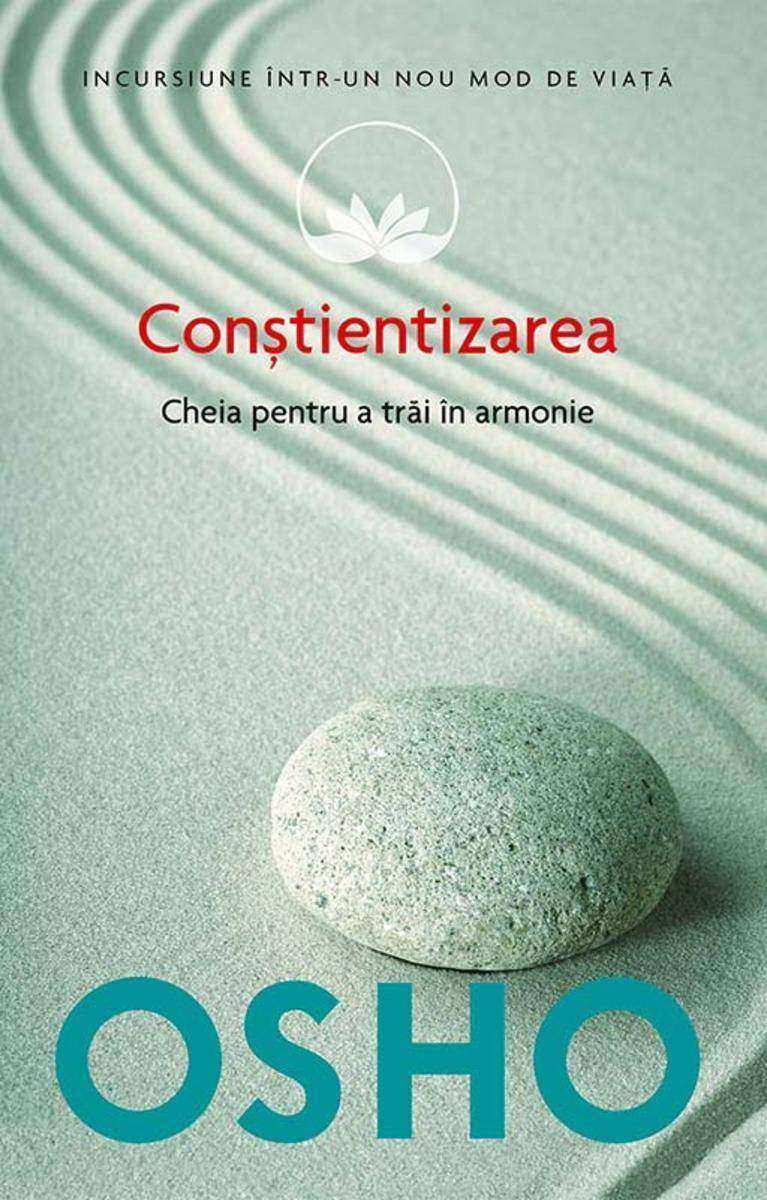
Con?tientizarea. Cheia pentru a tr?i ?n armonie
¥49.62
Da-da, ?i noi, martorii fl?m?nzi de auto-construc?ie, ridicoli ?i glorio?i pasageri ai ?nceputului de mileniu precoce ?mb?tr?nit, precoce obosit de existen??!, fl?m?nzi – ?ntr-un mod dizgra?ios, strident, dep??it – de idealuri – oho!, ce cuv?nt cu miros de alt secol cultural! –, a?tept?m, vis?nd, Povestea, spus? cu o jum?tate de gur?, ?n ritmuri lente, neb?nuit de ?ncete, cu digresiuni multiple, savant-priceput inserate ?n corpul ei masiv ?i cumva greoi, aparent greoi, cu ac?iune – nu foarte mult?, totu?i! –, cu eroi care au aerul de – ?i, deci, sunt de fapt, ?ntr-o m?sur? mai mare – antieroi, cu personaje problematice, cu dialoguri lungi-lungi ?n perimetrul generos-calculat al c?rora personajele se livreaz?, gr?bite s? se consume, definitiv, se precipit?, se nelini?tesc, prinse de un etern neast?mp?r rapace, de pofta – ca s? nu zicem setea – de a spune totul-totul, ?ncol?i?i de spaima venirii bru?te a unei Apocalipse.
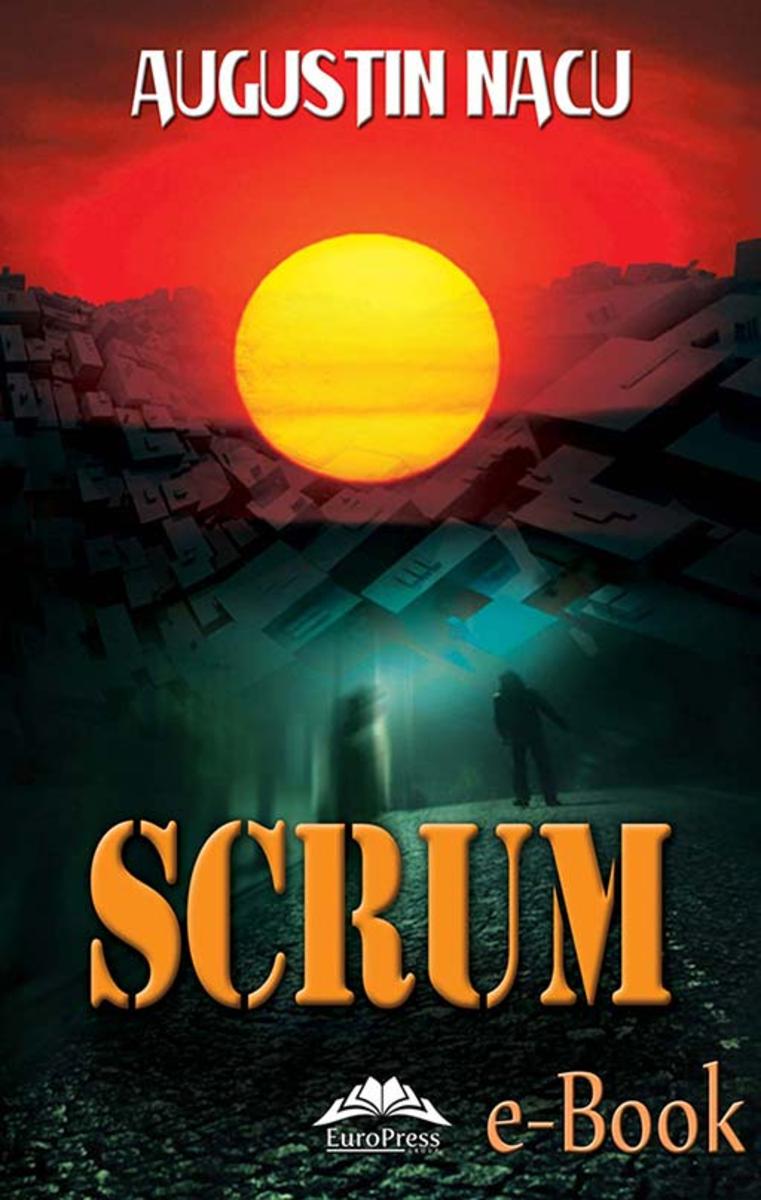
Scrum
¥48.97
Romanul Condamnat s? ucid? este o ?ncercare de a reda realit??ile ?epocii de aur“, dar ?i cele din perioada impunerii de c?tre ru?i a comunismului ?n Rom?nia. Personajul central, arhitectul Tudor Gur?u, s?tul de lipsa de perspectiv? a meseriei sale, ca proiectant de garduri de prefabricate, cote?e de porci ?i blocuri de garsoniere pentru nefamili?ti, realizeaz? c? locul s?u nu este ?ntr-un institut de proiect?ri f?r? perspective. Se ?ntreab? dac? nu a venit momentul s? fug? peste grani??, sper?nd c? ?n Apus ??i poate valorifica aptitudinile... Trebuie s? dispar? pentru a nu pl?ti cu via?a o crim? pe care n-a ?nf?ptuit-o. Fur? ma?ina celor veni?i la locuin?a lui s?-l aresteze ?i str?bate cu ea jum?tate de ?ar?, apoi cealalt? jum?tate cu bicicleta. Trece, ?n cele din urm?, Dun?rea ?n Iugoslavia.
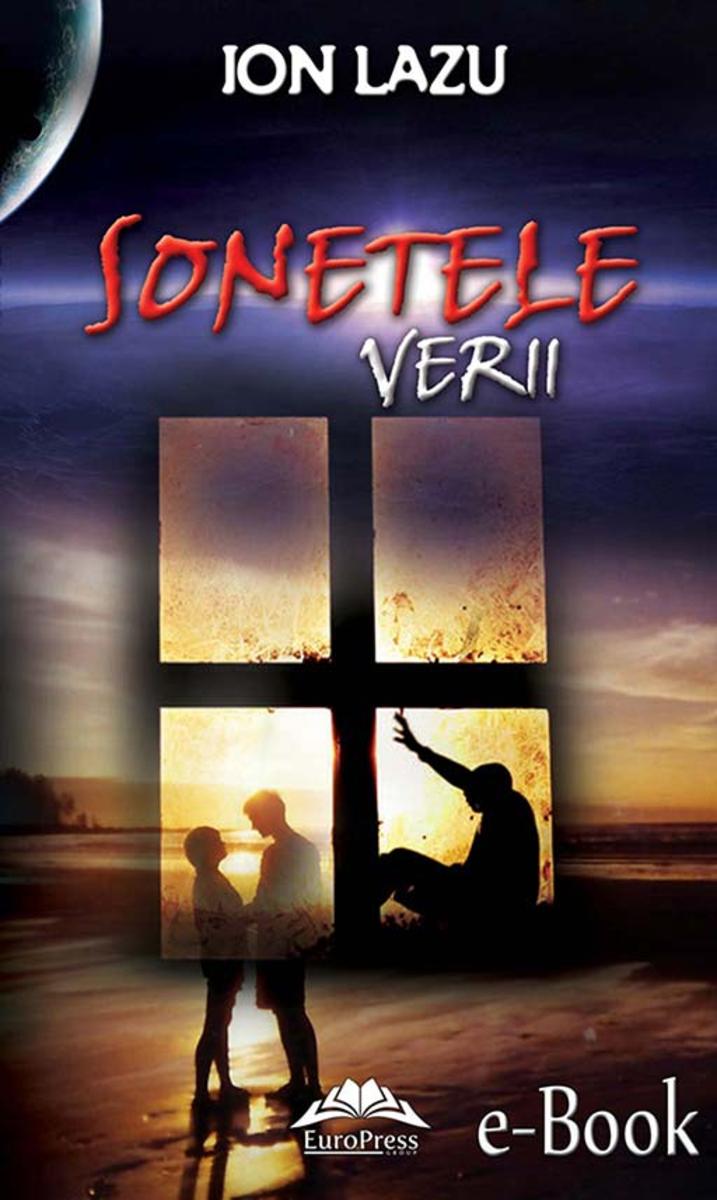
Sonetele verii
¥24.44
Televiziunea, v?zut? din interior, a?a cum ar?ta ?nainte de 1989, merita atunci ca ?i acum porecla folosit? ca titlu al romanului, o fiin?? demn? de tot dispre?ul. Este un roman cu coloratur? istoric?, de?i ?n ansamblul s?u pare o fic?iune istoric? a unei genera?ii de naivi.
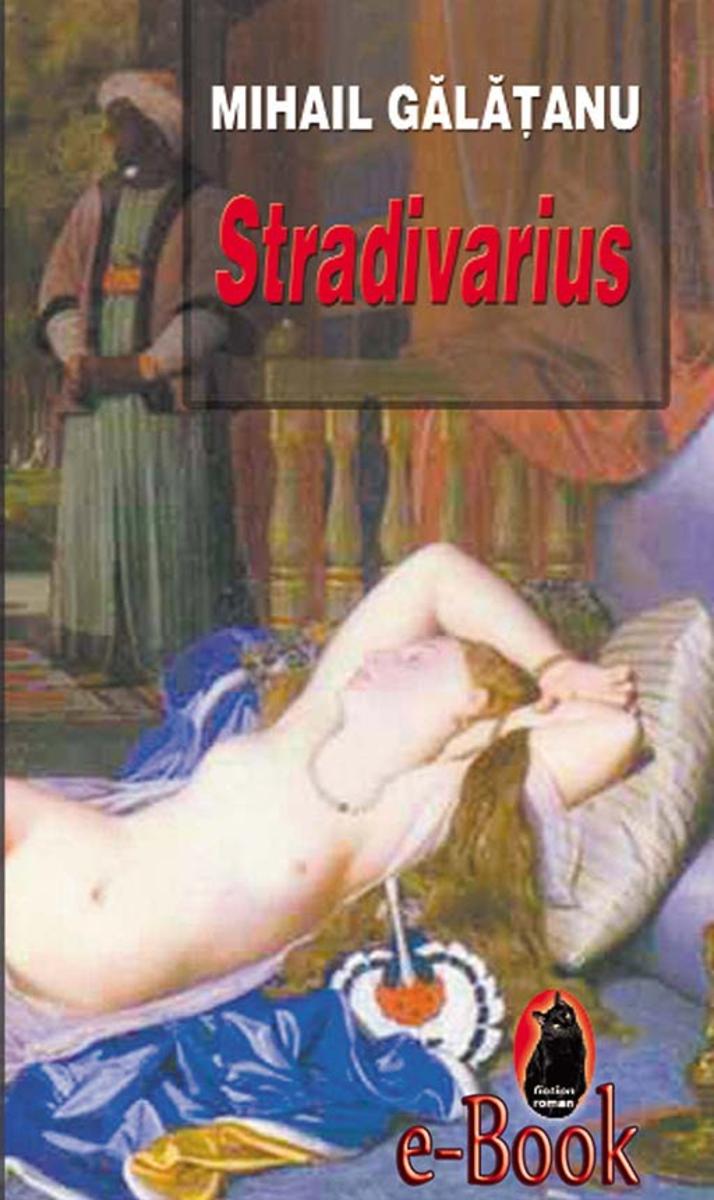
Stradivarius
¥48.97
Proza scurt? scris? de t?n?rul scriitor, originar din Timi?oara, se distinge printr-un stil ?ngrijit, expresiv, ?n mod cert, situat ?n siajul lui Matei Caragiale. O carte incitant? despre lumea pestri?? ?i sugestiv? a tranzi?iei autohtone. Cartea este destinat? publicului larg ?i va constitui un succes de libr?rie.
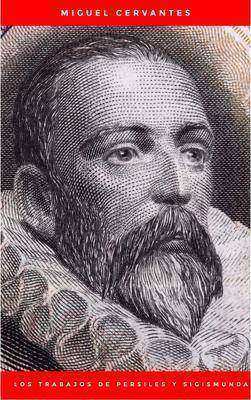
Los Trabajos de Persiles y Sigismunda
¥8.82
Los trabajos de Persiles y Sigismunda es la última obra de Miguel de Cervantes. Pertenece al subgénero de la novela bizantina. El propio autor la consideró su mejor obra; sin embargo la crítica da este título unánimemente a Don Quijote de la Mancha. En ella escribió la dedicatoria al Conde de Lemos el 19 de abril de 1616, cuatro días antes de morir, donde se despide de la vida citando estos versos: Puesto ya el pie en el estribo, con las ansias de la muerte, gran se?or, esta te escribo.

Grasping at Water
¥48.97
When a young, unidentified woman is pulled alive and well from Sydney Harbour in 2013, the connections to another woman - found in similar circumstances forty years earlier - present psychiatrist Kathryn Brookley with a terrible decision as the events of the present and past begin to mirror each other and the gap between truth and illusion shrinks. When the young woman goes further and declares that she has lived continuously since coming to 'understanding' in the 14th century, her vivid accounts of life, love, childbirth, and loss in the Middle Ages seem so authentic that they test Kathryn's scientific objectivity to the limit. As Kathryn delves she discovers that she is not the only one whose habitual assumptions about life have been torn asunder by an apparent experience of the miraculous in connection with the mystery woman.
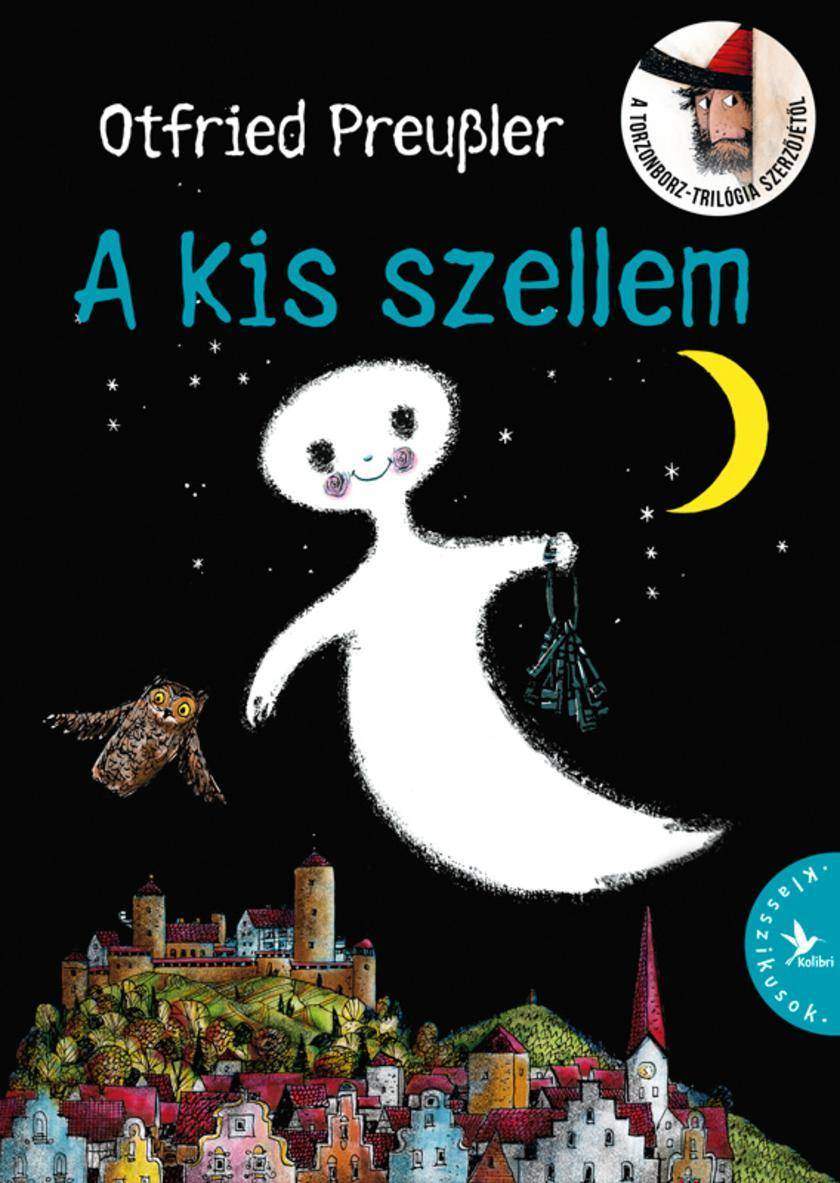
A kis szellem
¥58.78
Defoe's novel Robinson Crusoe (1719) tells of a man's shipwreck on a deserted island and his subsequent adventures. The author based part of his narrative on the story of the Scottish castaway Alexander Selkirk, who spent four years stranded on the island of Juan Fernandez. He may have also been inspired by the Latin or English translation of a book by the Andalusian-Arab Muslim polymath Ibn Tufail, who was known as "Abubacer" in Europe. The Latin edition of the book was entitled Philosophus Autodidactus and it was an earlier novel that is also set on a deserted island. "One day, about noon, going towards my boat, I was exceedingly surprised with the print of a man's naked foot on the shore, which was very plain to be seen on the sand."— Defoe's Robinson Crusoe, 1719 The novel has been variously read as an allegory for the development of civilisation, as a manifesto of economic individualism and as an expression of European colonial desires but it also shows the importance of repentance and illustrates the strength of Defoe's religious convictions. It is also considered by many to be the first novel written in English. Early critics, such as Robert Louis Stevenson admired it saying that the footprint scene in Crusoe was one of the four greatest in English literature and most unforgettable; more prosaically, Dr. Wesley Vernon has seen the origins of forensic podiatry in this episode. It has inspired a new genre, the Robinsonade as works like Johann David Wyss's The Swiss Family Robinson (1812) adapt its premise and has provoked modern postcolonial responses, including J. M. Coetzee's Foe (1986) and Michel Tournier's Vendredi ou les Limbes du Pacifique (in English, Friday, or, The Other Island) (1967). Two sequels followed, Defoe's The Farther Adventures of Robinson Crusoe (1719) and his Serious reflections during the life and surprising adventures of Robinson Crusoe: with his Vision of the angelick world (1720). Jonathan Swift's Gulliver's Travels (1726) in part parodies Defoe's adventure novel. ? About Author: Daniel Defoe (1660 – 24 April 1731), born Daniel Foe, was an English trader, writer, journalist, pamphleteer, and spy, now most famous for his novel Robinson Crusoe. Defoe is notable for being one of the earliest proponents of the novel, as he helped to popularise the form in Britain, and, along with others such as Samuel Richardson, is among the founders of the English novel. A prolific and versatile writer, he wrote more than 500 books, pamphlets and journals on various topics (including politics, crime, religion, marriage, psychology and the supernatural). He was also a pioneer of economic journalism. ? Early lifeDaniel Foe (his original name) was probably born in the parish of St. Giles Cripplegate, London. Defoe later added the aristocratic-sounding "De" to his name and on occasion claimed descent from the family of De Beau Faux. His birthdate and birthplace are uncertain: sources offer dates of anywhere between 1659 to 1662; considered most likely to be 1660. His father, James Foe, was a prosperous tallow chandler and a member of the Butchers' Company. In Defoe's early life he experienced firsthand some of the most unusual occurrences in English history: in 1665, 70,000 were killed by the Great Plague of London and the Great Fire of London (1666) left standing only Defoe's and two other houses in his neighborhood. In 1667, when he was probably about 7, Dutch fleet sailed up the Medway via the River Thames and attacked Chatham. His mother Annie had died by the time he was about 10.
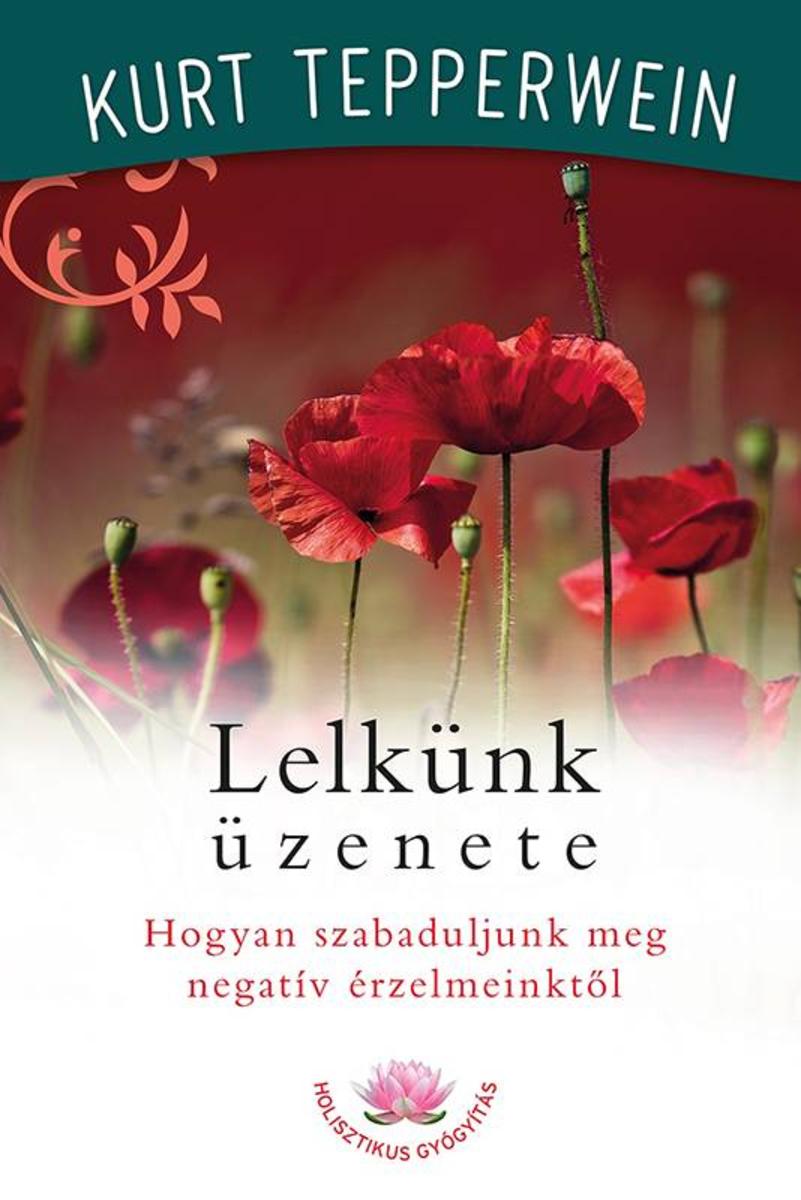
Lelkünk üzenete
¥81.26
Elég egy váratlan hajnali telefonhívás és egy rég nem hallott a hang a vonal másik végén, hogy Myron Bolitar, a kemény?kl? játékosügyn?k ismét egy els? ránézésre megoldhatatlan rejtély kell?s k?zepén találja magát. Nyolc éve, hogy utoljára találkozott a gy?ny?r? Terese Collinsszal, aki most arra kéri, utazzon Párizsba. Myron sejti, hogy nem csupán egy romantikus randevú várja a szerelem városában, ám amikor a repül?térre érve rend?r?k fogadják, majd hamarosan kiderül, hogy Terese az els? számú gyanúsítottja egy gyilkosságnak, úgy érzi, zsákutcába került. Nem ismeri sem a nyelvet, sem a szokásokat, így aligha tud bármit is kinyomozni. De miel?tt alaposabban végiggondolhatná a helyzetet, t?rténik valami, ami új megvilágításba helyezi az ügyet... ?Ekkor borítottam rá az asztalt. Amint leült mellém, azonnal végiggondoltam a lehet?ségeket. Már tudtam, mir?l van szó: emberrablás. Ha beszállok a furgonba, nekem l?ttek. Hallották már azt a nagy b?lcsességet, hogy az emberrablásoknál mindig az els? negyvennyolc óra a legkritikusabb? Amit nem szoktak hozzátenni - talán mert annyira nyilvánvaló -, hogy minden másodperccel cs?kken az esélye annak, hogy valaha is megtalálják az áldozatot. Itt ugyanez volt a helyzet. Ha beszállok abba a kocsiba, túlélési esélyeim a minimumra cs?kkennek. Ha felállok, és elindulok a furgon felé, szintén romlanak a kilátásaim. Ráadásul Sebhelyes Fej nem számít korai ellencsapásra. Azt hiszi, szépen begyakorolt kis monológját hallgatom. Nem jelentek fenyegetést. ?gy hát a meglepetés erejére építettem. Egy pillanatra ? is odanézett, hogy meggy?z?dj?n, valóban ott áll-e a kocsi. Ennyi elég is volt. Az asztal peremét már korábban megmarkoltam. Lábizmaim megfeszültek. ?gy pattantam f?l, mintha dobbantóról ugranék. Az asztallap egyenesen az arcába csapódott." Harlan Coben napjaink egyik legnépszer?bb krimiírója. Regényeit a m?faj gy?ngyszemeiként tartják számon, eddig negyven kül?nb?z? nyelvre fordították le, és k?zel 50 millió (!) példányt adtak el bel?lük világszerte.

Te salut, fericire!
¥53.14
Prix Médicis ?tranger, Fran?a, 2010Premi Llibreter, Spania, 2011California Book Award, 2008Grace Paley Price, 2007Dac? ideea de ?eliberare prin scris“ are ?n ea o s?m?n?? de adev?r, povestirile cvasiautobiografice din acest volum reprezint? cea mai bun? exemplificare. Obsedat de imaginea unui tat? ciudat, greu de ?n?eles, care pare s? nu-?i fi g?sit nic?ieri locul potrivit, David Vann ?ncearc? s? ?i traseze traiectoria de via??, pentru a-l ?n?elege mai bine ?i pentru a reu?i s? se ?mpace cu el. ??i rememoreaz? mai ?nt?i copil?ria, momentele dureroase sau senine petrecute al?turi de tat?l s?u ori cu g?ndul la el. ??i imagineaz? apoi o c?l?torie cu el ?n Alaska, unde se retrag am?ndoi ?ntr-o regiune nelocuit?, ?n mijlocul naturii s?lbatice, ?ncerc?nd parc? s? transforme ?n realitate atrac?ia dintotdeauna a tat?lui fa?? de ?spiritul de frontier?“, nostalgia unei austerit??i care ar fi putut s? compenseze via?a tr?it? p?n? atunci ?n dezordine, egoism ?i ?n?el?ciune. Cu o intransigen??, dar ?i o ingenuitate remarcabile, b?iatul merge p?n? la cap?t al?turi de tat?l s?u ?i rezolv? ?n mod radical nu at?t enigma acestuia, c?t raporturile sale filiale cu el ?i conflictul moral devastator din via?a tat?lui.Volum tradus ?n 19 limbi
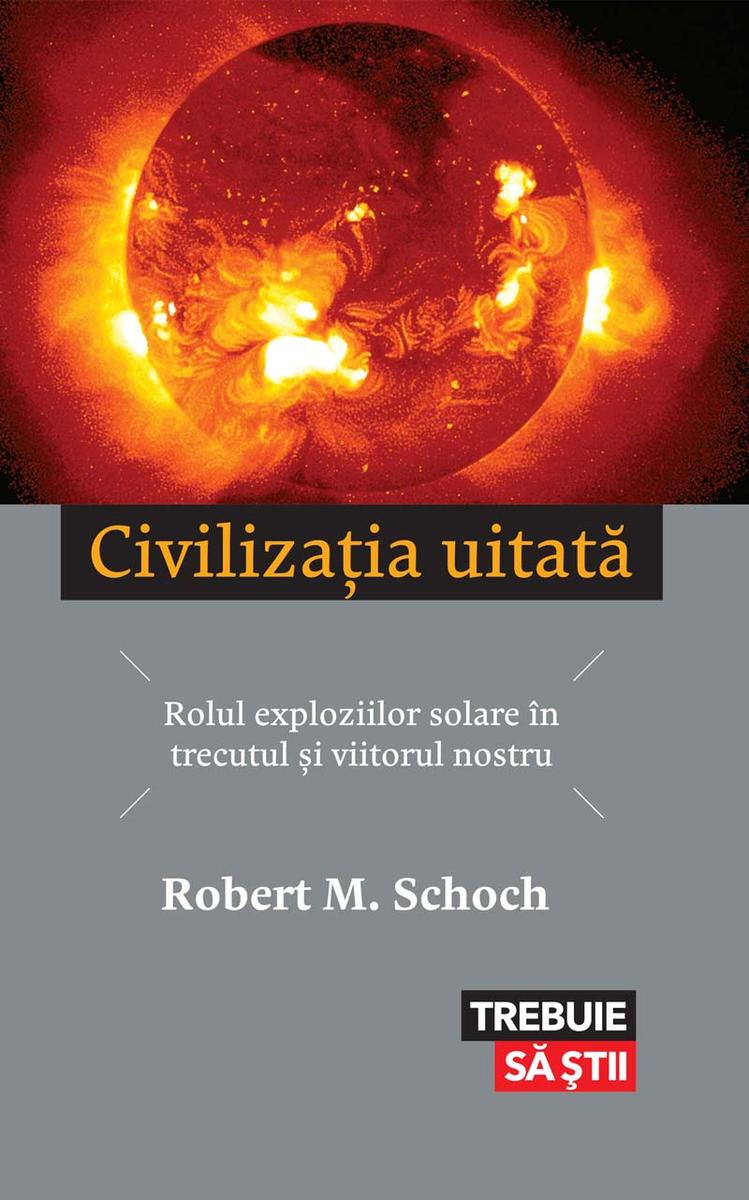
Civiliza?ia uitat?. Rolul exploziilor solare ?n trecutul ?i viitorul nostru
¥73.49
Marina ?vetaieva se distinge printr-o scriitur? accentuat personal?, nu numai ?n poezie, dar ?i ?n proz?. Este vorba de stilistica ei nervoas?, abrupta, sincopata, chiar ?i ortografic inconfundabil?, cu multiple linii de pauz? ori intercal?ri neuzuale de paranteze, exclama?ii ?i altele. Care s? fie, deci, cuv?ntul nimerit pentru a surprinde particularitatea acestei crea?ii? I-am spus: stare patetic?. ?i pot spune: stare febril?. I-am spus: radicalitate. ?i pot spune: frenezie. ?i via?a, ?i opera ?vetaievei febriciteaz?. Ele repudiaz?, f?r? ?ncetare, situa?iile medii, mediocre, cotidiene, cumin?i. ...Dac? excesul poate periclita via??, excesivul poate salva arta. Excesivul e aici o supralicitare a d?ruirii, o hipertrofie a ata?amentului. ?vetaieva smulge arta din str?mtor?rile ei, ale ?vetaievei ?i ale artei. E ca o hiperbola a omului, ca o dovada a demnit??ii rec??tigate: prin arta subumanul trece ?n sublim. Crez?nd ?n art?, ?vetaieva crede ?n umanitate, ?n ?ansa nemuririi ei palpabile. Dar transgresarea mor?ii ea o stoarce din vecin?tatea mor?ii; dintr-o via?? ne?ncetat periclitat? de absolutismele ei. Via?a nu e tr?it? pe m?sura artei, s-o oblig?m la nem?surare! – ar putea fi deviza ei, ultimul ei mesaj.
Tema la insomnie
¥32.62
Constat c literatura mare n-au scris-o, dup 1989, cei care ctigaser puterea, n cultur, sub eticheta biruitoare de postmodernism, ci scriitorii singuratici, indiferent de generaie, indiferent dac unora li s-au pus stigmatul de expirai. Nicolae Breban, o spun de la bun nceput, a dat una dintre marile cri ale literaturii romne moderne i transmoderne, aproape o carte-testament. (...) Singura cale este una dintre cele mai lucide cri care s-au scris vreodat, capodopera-sintez a operei lui Nicolae Breban, susinut la o tensiune narativ excepional. (...) Singura cale este unul dintre marile romane transmoderne, n varianta cinic/kynic.“ – Theodor CodreanuCred c un mare scriitor cum este Nicolae Breban ar merita mult mai mult atenie de ct a avut parte n ultimii douzeci de ani, cnd s-a ncpnat s fac ceea ce a fcut dintotdeauna, indiferent de epoca pe care a traversat-o, indiferent de situaia social pe care a avut-o: s scrie. Ca orice mare creator, Breban a avut mereu puterea de a institui prin scrisul su, n pofida evidenelor, normalitatea.“ – Bogdan Creu)Nicolae Breban, nscut n 1934, continu, de la debutul su literar din 1957 i de la publicarea primului su romn, Francisca, n 1965, s fie o prezen de vrf n literatura romn contemporan. (...) Autorul attor volume a probat, de asemenea, un singular curaj civic, atunci cnd, la nici doi ani de la alegerea sa, exclusiv pentru merite culturale, ca membru supleant al Comitetului Central al Partidului Comunist Romn (august 1969), a dezavuat, la Paris, n mod public, regimul Ceauescu, pentru tezele culturale dogmatice din iulie 1971. Cu acel prilej, i-a dat i demisia din funcia de redactor-ef al principalei reviste literare autohtone, Romnia literar. El a refuzat, totui, exilul i s-a ntors n Romnia, suportnd cu demnitate urmrile gesturilor sale de nesupunere n numele unei contiine scriitoriceti libere...“ – Ion IanoiN. Breban este mai ales unul dintre marii romancieri ai literaturii romne dintotdeauna, cel mai important dintre romancierii notri actuali, sincron, prin formele i substana ficiunii, celei mai semnificative literaturi contemporane universale.“ – Marian Victor Buciu
A tó úrn?je
¥102.27
These tales are translated from a variety of authors. The translator has been chiefly led to the task by the hope of composing an entertaining volume out of materials not generally accessible. The works in which many of them are found, are by no means common, and the indelicacy with which almost all collections of Italian tales are polluted, deservedly excludes them from general perusal. Such care has, however, been employed in the following selection, and such liberties taken with the originals, when they appeared objectionable on this account, that it is hoped this little book will escape the censure too justly cast upon Italian works of humour, in general—a censure which falls heavily upon many of the otherwise admirable tales of Boccaccio. While, however, such trifling alterations have been made as appeared necessary, these tales may still justly be considered as fair specimens of the Italian Novella, and like the celebrated collection already alluded to, furnish us with a very lively idea of the early manners of the Italians. Those tales, from which our great dramatist borrowed parts of his plots, and some of his incidents, have a double interest, both from their own nature, and as they illustrate the process by which his genius, "by happy alchemy of mind," turned all the materials which fell in his way to gold. Two or three of this kind have been purposely selected. ITALIAN TALES: THE TEACHER TAUGHT. THE UNEXPECTED REPLY. WHO AM I? THE DEAD RIDER. THE SKILFUL PHYSICIAN THE POMEGRANATE SEED THE FATAL MISTAKE THE DEAD ALIVE THE FALSE CHAMPION THE MERCHANT OF VENICE THERE IS A SKELETON IN EVERY HOUSE. THE ELOPEMENT. THE FRIAR ENTRAPPED ANTONIO AND VERONICA. BELPHAGOR. THE SLEEPING DRAUGHT THE COUNTERPARTS
Lecturi ?n filigran
¥44.15
Biblioteca pentru toi copiii“ cuprinde cele mai preuite opere ale scriitorilor clasici ai literaturii romne i universale. Crile de neuitat ale copilriei sunt disponibile astzi si in format e-book.Capodoper a literaturii pentru copii i adolesceni, Robinson Crusoe rmne i astzi o carte fundamental a primelor lecturi. Creat n 1719, ea a legnat copilria multor generaii, fiind rspndit pe toate meridianele lumii. Jean-Jaques Rousseau considera romanul un excelent tratat de educaie, iar André Malraux l aaz pe nlimile atinse de Cervantes i de Dostoievski. Mereu vie, cartea lui Daniel Defoe ne nva s fim nelepi i curajoi, s sperm i s nvingem.“

Little Women
¥18.74
In offering this study to a public accustomed only to the unquestioning acceptance of the home as something perfect, holy, quite above discussion, a word of explanation is needed. First, let it be clearly and definitely stated, the purpose of this book is to maintain and improve the home. Criticism there is, deep and thorough; but not with the intention of robbing us of one essential element of home life—rather of saving us from conditions not only unessential, but gravely detrimental to home life. Every human being should have a home; the single person his or her home; and the family their home. The home should offer to the individual rest, peace, quiet, comfort, health, and that degree of personal expression requisite; and these conditions should be maintained by the best methods of the time. The home should be to the child a place of happiness and true development; to the adult a place of happiness and that beautiful reinforcement of the spirit needed by the world's workers. We are here to perform our best service to society, and to find our best individual growth and expression; a right home is essential to both these uses. The place of childhood's glowing memories, of youth's ideals, of the calm satisfaction of mature life, of peaceful shelter for the aged; this is not attacked, this we shall not lose, but gain more universally. What is here asserted is that our real home life is clogged and injured by a number of conditions which are not necessary, which are directly inimical to the home; and that we shall do well to lay these aside. As to the element of sanctity—that which is really sacred can bear examination, no darkened room is needed for real miracles; mystery and shadow belong to jugglers, not to the truth. The home is a human institution. All human institutions are open to improvement. This specially dear and ancient one, however, we have successfully kept shut, and so it has not improved as have some others.
Lords of the Stratosphere
¥9.24
It is a cumulative tale that does not tell the story of Jack's house, or even of Jack who built the house, but instead shows how the house is indirectly linked to other things and people, and through this method tells the story of "The man all tattered and torn", and the "Maiden all forlorn", as well as other smaller events, showing how these are interlinked. Origins: It has been argued that the rhyme is derived from an Aramaic hymn Chad Gadya (lit., "One Young Goat") in Sepher Haggadah, first printed in 1590; but although this is an early cumulative tale that may have inspired the form, the lyrics bear little relationship. It was suggested by James Orchard Halliwell that the reference to the "priest all shaven and shorn" indicates that the English version is probably very old, presumably as far back as the mid-sixteenth century. There is a possible reference to the song in The Boston New Letter of 12 April 1739 and the line: "This is the man all forlorn, &c". However, it did not appear in print until it was included in Nurse Truelove's New-Year's-Gift, or the Book of Books for Children, printed in London in 1755. It was printed in numerous collections in the late eighteenth and early nineteenth centuries. Randolph Caldecott produced an illustrated version in 1878. Cherrington Manor, a handsome timber-framed house in North East Shropshire, England, is reputed to be the actual house that Jack built. There is a former malt house in the grounds. Syntactic structure: Each sentence in the story is an example of an increasingly deeply nested relative clause. The last version, "This is the horse...", would be quite difficult to untangle if the previous ones were not present. See the Noun Phrase for more details about postmodification of the noun phrase in this manner. References in popular culture: The rhyme continues to be a popular choice for illustrated children's books, with recent examples by Simms Taback and Quentin Blake showing how illustrators can introduce a fresh angle and humour into a familiar tale. The popularity of the rhyme can be seen in its use in a variety of other cultural contexts..


