


 购物车
购物车 个人中心
个人中心

Holló, a hollónak
¥81.34
Rejt? Jen? 1941 táján írhatta életm?vének eme kevéssé ismert darabját. Az Afrikában játszódó kisregény f?h?se egy orvos-kalandor: az abszurdba hajló alaphelyzet, illetve Morbicer és a bennszül?ttek kulturális kül?nbségei számos komikus helyzetet eredményeznek. Az elbeszélés azonban jóval mélyebb üzenetet is hordoz: a humoron túl a hagyományos életrend és a modern civilizáció ütk?zésének tragédiájáról is szól. Mindez nem meglep?, hisz a II. világháború idején Rejt? maga is megtapasztalhatta a 20. század technikai fejl?désének zsákutcáit, a szilárdnak hitt értékek amortizálódását, a morális értékek morzsálódását (fegyverkezés, az államhatalom túlburjánzása, jogfosztottság stb.). A nyersanyag-lel?helyeket hajszoló, szerelmi csalódásában verg?d?, a bennszül?ttek szemében mitikus lénnyé váló Morbicer azonban gyógyít is - teszi ezt annak dacára, hogy nem jár érte k?sz?net. Figuráját Rejt? részben Albert Schweitzerr?l mintázta: a világhír? orvos és humanista afrikai kórházépítésér?l és gyógyító tevékenységér?l szóló k?nyve magyarul is olvasható volt, Rejt? innét vette az alap?tletet. A kisregény 75 évig lappangott az író szétzilált hagyatékában: annak idején vélhet?en az elbeszélésb?l kiolvasható háborúellenesség miatt nem jelenhetett meg. Kül?nleges annyiban is, hogy számos, egymástól markánsan eltér? változatban maradt f?nn, miáltal szinte egyedülálló módon nyílik rálátás a rejt?i sz?vegalakítás dzsungelkonyhájára, az általa teremtett figurák alakulására. A kisregény most el?sz?r jelenik meg ?nálló k?tetben - ráadásul r?gt?n 3 változatban! - Konzílium j?n. Nekünk kell megállapítani, hogy mi baja van a f?n?knek. - De uram, akkor csak róla állapítsuk meg a betegség okát. Rólam az egész világ tudja, hogy még sohasem loptam. - Bejártam az egész világot, és mindenütt tisztában vannak azzal, hogy te vagy a legnagyobb tolvaj. - Uram, te nemcsak rossz szív? vagy, hanem okos is, de most megtévesztett az egész világ. Kül?nben sem értem, hogy egy konzíliumon miért kell az én betegségeimr?l beszélni, hála Balongának, nem fáj semmim, tehát nem fontos, hogy loptam-e. Ha reméljük, r?videsen meghalsz, ezt a konzílium nev? gyógyítást én nem fogom csinálni. - Te is orvos vagy, tehát tudnod kell szintén, hogy vannak ragályos betegségek, ami azt jelenti, hogyha az egyik ember lop, akkor a másiknak sokszor olyan lesz a gyomra, mint a nadrág. - Vagy a b?r lábszárvéd?. Ezzel tisztában vagyok. De itt senki se beteg, csak a f?n?k. - Mi, orvosok tudjuk jól, hiszen magunk k?z?tt vagyunk, T?kász: hogy vannak úgynevezett bacilusgazdák, ez annyit jelent, hogy valaki lop, nem lesz semmi baja, és egy másiknak a k?zelében olyan lesz a gyomra, mint a b?r lábszárvéd?. Ezért te mint a t?rzs varázslója elmondod, hogy kit?l és mit loptatok, addig nem tudom meggyógyítani a f?n?k?t, mert gondolhatod, hogy más betegség lesz, ha valaki egy négert?l ellopja a halászózsákját, vagy egy misszionáriustól a hosszú cs?vet, amin keresztül befolynak a távoli fák és hegyek, egészen az ember szemébe. Vagy más betegsége lesz valakinek, akit megrúgok, mert elvitte házam el?l a f?lf?z?tt szárított húst...

The Man in the Iron Mask
¥28.04
Jonas Lie is sufficiently famous to need but a very few words of introduction. Ever since 1870, when he made his reputation by his first novel, "Den Fremsynte," he has been a prime favourite with the Scandinavian public, and of late years his principal romances have gone the round of Europe. He has written novels of all kinds, but he excels when he describes the wild seas of Northern Norway, and the stern and hardy race of sail-ors and fishers who seek their fortunes, and so often find their graves, on those dangerous waters. Such tales, for instance, as "Tremasteren Fremtid," "Lodsen og hans Hustru," "Gaa Paa!" and "Den Fremsynte" are unique of their kind, and give far truer pictures of Norwegian life and character in the rough than anything that can be found elsewhere in the literature. Indeed, Lie's skippers and mates are as superior to Kjelland's, for instance, as the peasants of Jens Tvedt (a writer, by the way, still unknown beyond his native land) are superior to the much-vaunted peasants of Bj?rnstjerne Bj?rnson. But it is when Lie tells us some of the wild legends of his native province, Nordland, some of the grim tales on which he himself was brought up, so to speak, that he is perhaps most vivid and enthralling. The folk-lore of those lonely sub-arctic tracts is in keeping with the savagery of nature. We rarely, if ever, hear of friendly elves or companionable gnomes there. The supernatural beings that haunt those shores and seas are, for the most part, malignant and malefic. They seem to hate man. They love to mock his toils, and sport with his despair. In his very first romance, "Den Fremsynte," Lie relates two of these weird tales (Nos. 1 and 3 of the present selection). Another tale, in which many of the superstitious beliefs and wild imaginings of the Nordland fishermen are skilfully grouped together to form the background of a charming love-story, entitled "Finn Blood," I have borrowed from the volume of "Fort?llinger og Skildringer," published in 1872. The re-maining eight stories are selected from the book "Trold," which was the event of the Christmas publishing season at Christiania in 1891. Last Christmas a second series of "Trold" came out, but it is distinctly inferior to the former one. TALES: THE FISHERMAN AND THE DRAUGJACK OF SJOHOLM AND THE GAN-FINNTUG OF WAR."THE EARTH DRAWS"THE CORMORANTS OF ANDVAERISAAC AND THE PARSON OF BRONOTHE WIND-GNOMETHE HULDREFISHFINN BLOODTHE HOMESTEAD WESTWARD IN THE BLUE MOUNTAINS"IT'S ME."
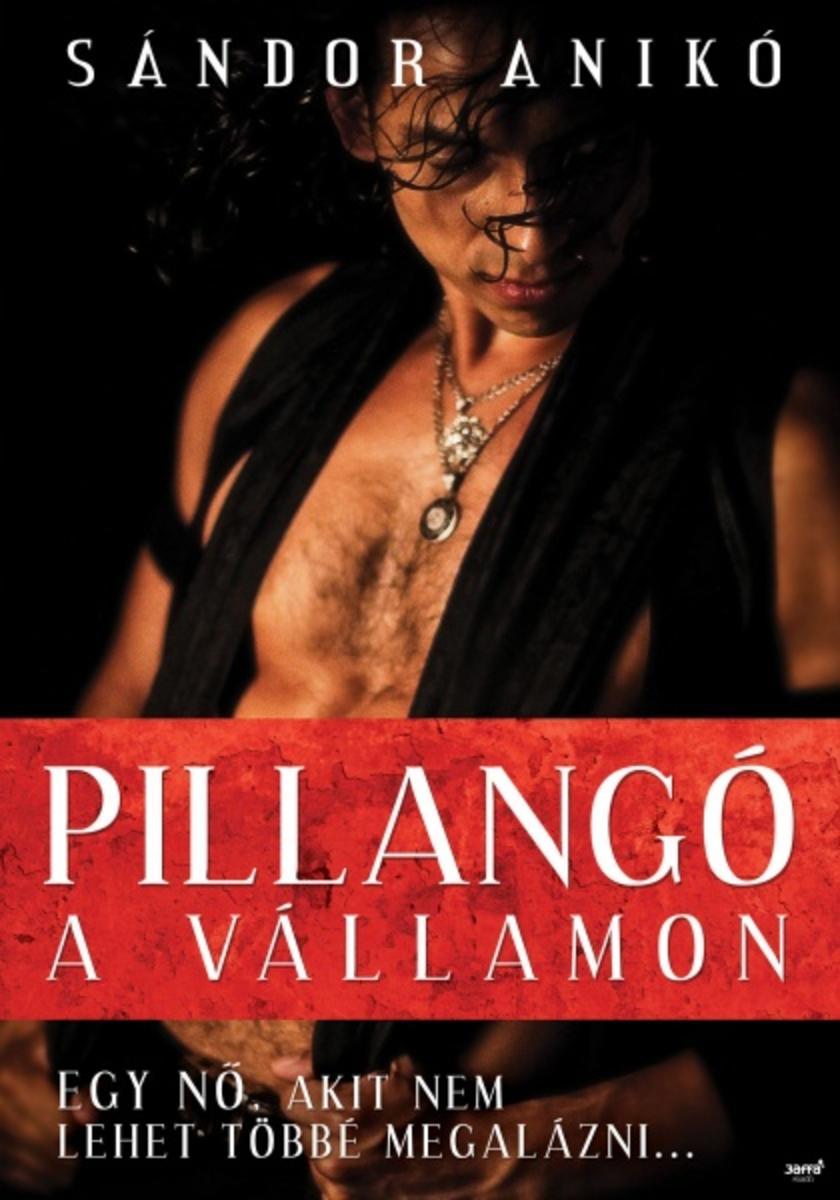
Pillangó a vállamon
¥57.31
Míg Tompa Andrea el?z? k?nyve, A hóhér háza egy magányos leány huszadik századvégi bildungsromanja, addig az új regény egy magányos férfi és egy magányos leány kül?n?s kett?sét rajzolja meg száz évvel kés?bb. Felváltva beszélnek hozzánk: a Brassó k?zeli aljegyz? fia és az enyedi zsidó keresked? lánya. Lehetne e k?nyv romantikus példázat, de nem az. H?seink els? találkozásának emlékét kiradírozza az ?sszeomlás, az új id?számításban mellékesen, véletlenszer?en sodródnak megint egymás mellé. Az igazi nagy, szenvedélyes találkozás a tudásra és hasznos m?k?désre szomjas lelkeké Kolozsvárral, a polgári Erdély kultúrájával, szellemi potenciáljával, a fejl?dés igézetével.
Don Quijote
¥8.82
"Don Quijote de la Mancha" es una novela escrita por el espa?ol Miguel de Cervantes Saavedra. Publicada su primera parte con el título de "El ingenioso hidalgo don Quijote de la Mancha" a comienzos de 1605, es la obra más destacada de la literatura espa?ola y universal, además de ser la más publicada y traducida de la historia después de la Biblia. Su segunda parte apareció en 1615 con el título de "El ingenioso caballero don Quijote de la Mancha". Es la primera obra genuinamente desmitificadora de la tradición caballeresca y cortés por su tratamiento burlesco. Representa la primera novela moderna y la primera polifónica; como tal, ejerció un enorme influjo en toda la narrativa europea. Miguel de Cervantes Saavedra (Alcalá de Henares, 29 de septiembre de 1547 - Madrid, 22 de abril de 1616) fue un soldado, novelista, poeta y dramaturgo espa?ol. Es considerado la máxima figura de la literatura espa?ola y es universalmente conocido por haber escrito "Don Quijote de la Mancha".
La última fada
¥9.00
Novela basada en dos leyendas artúricas: "Tristán e Isolda" y "Merlín y Viviana", entreteje textos conocidos con versiones nuevas con el objetivo de moralizar a un público lector, presumiblemente de fe única, poseedor de prejuicios religiosos arraigados en la cultura de la época.
El cisne de Vilamorta
¥9.00
EL CISNE DE VILAMORTA : Leocadia, la maestra de Vilamorta, ama apasionadamente al joven y apuesto Segundo ( el cisne ) al que recibe en su casa y de vez en cuando hace algún obsequio, ya que Segundo aunque estudió derecho , no trabaja. Leocadia tiene un hijo deficiente producto de una violación incestuosa de un tío con el que vivía en Ourense. Segundo aspira a conseguir una colocación en Madrid que le permita darse a conocer en el mundo literario de la capital. Llega a Vilamorta un político influyente ( don Victoriano ). Viene a curarse con las aguas del balneario. El poeta se enamora de la joven mujer del político ( Nieves ) y ella coquetea con él , pero el marido muere y la viuda marcha a Madrid sin querer saber nada de Segundo ...
El tesoro de Gastón
¥9.00
Una novela que sigue siendo de actualidad. Gastón,un joven adinerado que despilfarra gran parte de la fortuna que le ha heredadosu madre, descubre que puede vivir de una manera distinta, recuperar lo que ha perdido y de paso, encontrarse con el amor y honestidad que no había experimentado antes. Escrita de forma sencilla y accesible, "El tesoro de Gastón" es una de las muchas fabulosas obras escritas por la condesa Emilia Pardo Bazán.
The Brown Owl: "A Fairy Story"
¥18.56
ONCE upon a time, a long while ago—in fact long before Egypt had risen to power and before Rome or Greece had ever been heard of—and that was some time before you were born, you know—there was a king who reigned over a very large and powerful kingdom. Now this king was rather old, he had founded his kingdom himself, and he had reigned over it nine hundred and ninety-nine and a half years already. As I have said before, it was a very large kingdom, for it contained, among other things, the whole of the western half of the world. The rest of the world was divided into smaller kingdoms, and each kingdom was ruled over by separate princes, who, however, were none of them so old as Intafernes, as he was called.
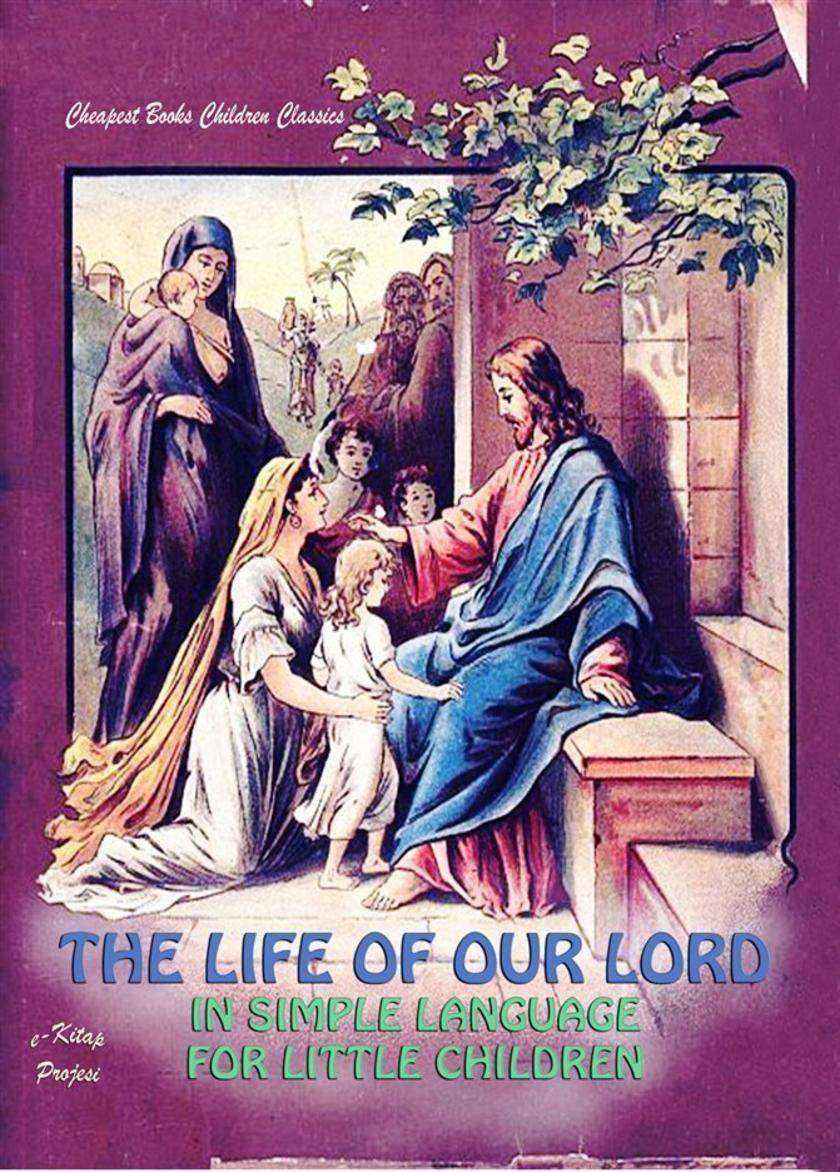
The Life of Our Lord in Simple Language for Little Children
¥9.24
In preparing this brief account of the chief incidents in Our Lord's Life, the writer has endeavoured to keep as close as possible to the sacred text; its divine simplicity being far preferable to any other style of writing the story. The easiest words and those most familiar to children have generally been used and every effort has been made to adapt the volume to the intelligence of the young with the view of instilling into their minds the love of our Saviour for mankind as shown in the beautiful story of His life. ? KING DAVID. In ages past God made the world: the earth, the sea, the hills, the streams, the trees; the fish, birds and beasts; last of all He made Adam, the first man, and Eve his wife, and they lived in the Garden of Eden. They were quite good at first, but tempted by Satan they ate the fruit of a tree God told them not to eat, and that brought sin into the world; they could not live for ever now, they must die; but that their souls might go to heaven, God's own Son said He would come down on earth and die to save them. God said His Son should be born of Abraham's nation, and should be one of the sons of the line of King David, who sang the sweet psalms in praise of God. Abraham was a good man, so good that God called him His friend; and from him came the people called Jews. David was one of their kings. God always keeps His word, but He makes men wait till it is His time to do as He says; and it was a long, long time after Abraham and David that our Lord came to live among men. At last God sent His angel Gabriel to a young maiden, named Mary, who lived at a town called Nazareth, to tell her that God loved her, and that she should have God's Son for her own son. Our Lord would be her little babe. When Mary saw the angel she was at first afraid, but he said to her, "Fear not, Mary," and he told her that she must call the child's name Jesus—that means Saviour—for He would save the people from their sins. Then Mary must have been glad. She said, "I am God's servant; may His will be done." Mary was to be the wife of her cousin Joseph—they were both of David's family—so the angel went and told him too, that Mary should have God's Son for her own, and that he must call the child Jesus.
El saludo de las brujas
¥8.82
Un amor apasionado que se vuelve imposible. La historia de un príncipe que no amaba a su esposa la cual termina yéndose con un plebeyo. Las calles de París están en esta novela invadidas de intrigas, conspiraciones e ambiciones...
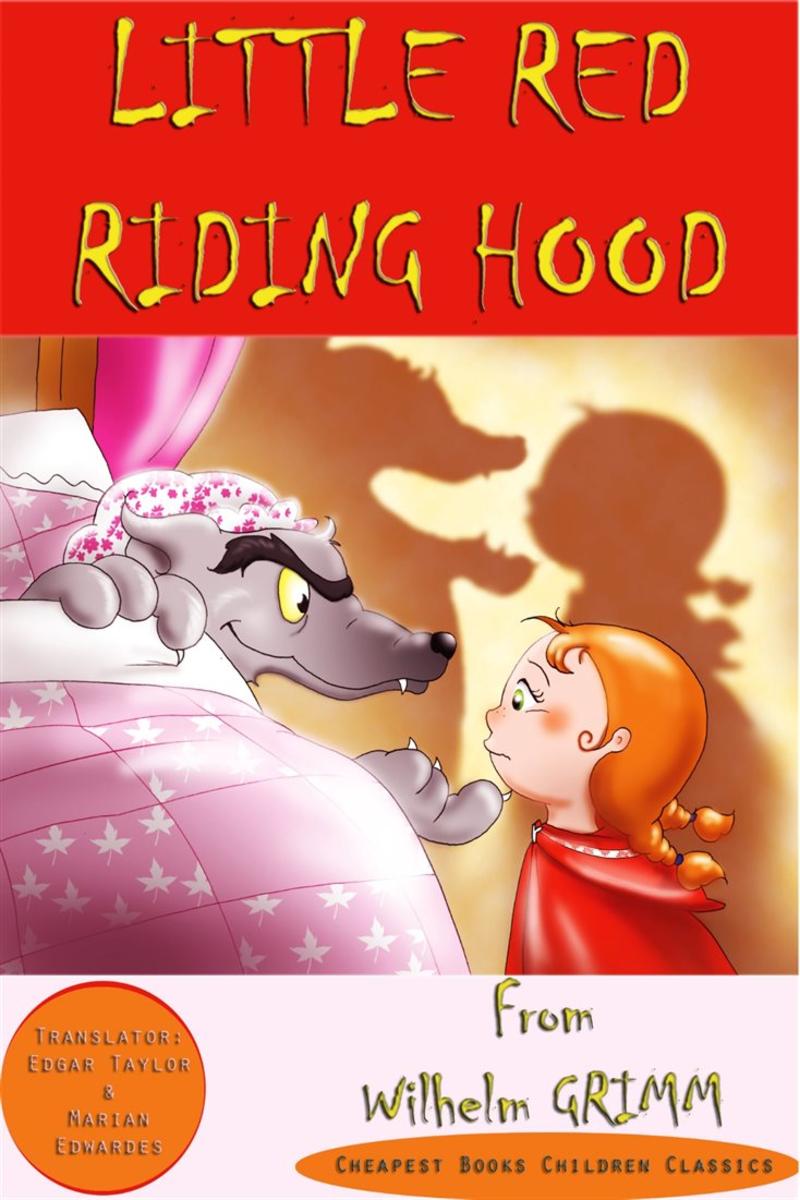
Little Red Riding Hood
¥9.24
LITTLE RED RIDING HOOD from "Brothers Grimm" ONCE upon a time... in the middle of a thick forest stood a small cottage, the home of a pretty little girl known to everyone as Little Red Riding Hood. One day, her Mummy waved her goodbye at the garden gate, saying, "Grandma is ill. Take her this basket of cakes, but be very careful. Keep to the path through the wood and don't ever stop. That way, you will come to no harm." Little Red Riding Hood kissed her mother and ran off. "Don't worry", she said, "I'll run all the way to Grandma's without stopping". Full of good intensions, the little girl made her way through the wood, but she was soon to forget her mother's wise words. "What lovely strawberries! And so red..."
Une nichée de gentilshommes
¥8.82
Après un bonheur incomplet, mensonger, qu'il vécut avec sa femme, et la séparation douloureuse qui s'en suivit, Lavretzky apprend la mort de celle-ci. Il rencontre Lise. Trouvera t-il enfin le bonheur auprès d'elle? Ce roman figure parmi les plus achevés de l'auteur sur le plan esthétique. Les personnages y sont traités avec justesse et poésie.
![Code Name: [Grey Class]](https://platform-permanent.ddimg.cn/pt-media-info-soa-resource/digital/product/47/58/1901164758_ii_cover.jpg?version=ff194c7b-cd9b-496d-a5de-1d78ae016a71)
Code Name: [Grey Class]
¥18.56
"White House, June 1st, 1789"? ? ? The president was a little bit nervous for days on end; and he was bemused because of his thoughts which he abstained to confess to himself, but it was requiring that his ideas should become reality for the future of America.He was in conscious of this but he had definitely made a decision; just at that moment, he summoned his staff Andy who he loves very much.? ? ? ?Andy had understood that somethings went wrong; he was being able to see President's nervous situation; they caught each other's eyes; and the President notified that he assigned Andy for a new duty; he said that it is not possible to be unsuccessful in his new duty; and congratulated him.? ? ? ?No longer, Andy was the teacher of the Grey Class; Andy's apprehension had started to increase, and he was trying to attribute meanings to those what had been, and on the other hand he was also carefully hearing the President.The president was telling Andy the Grey Class, its departments, his duties; and was not hiding his excitement; Andy was being the more surprised the more hear him; and also getting excited as well.? ? ? ?Andy was carefully examining the file which had put before him; departments for the Gray Class and their responsible staffs, and also his students and sidekicks were written in the file.? ? ? ?The President had submitted to his staff his program which will create the strategy, will design the strategy of the world, and will transfer America into world emperorship.
Rudin
¥8.82
Rudin, by Ivan Turgenev, is a Russian fiction classic and a nostalgic story of a man in his late twenties, torn between his much loved but barbaric homeland and a comfortable but unsatisfactory life in Europe. Translated by Constance Garnett, 1894 edition. The novel begins with the introduction of three of the characters – Aleksandra, Lezhnev, and Pandalevskii. Pandalevskii relates to Aleksandra Dar’ya Mikhailovna’s invitation to come and meet a Baron Muffel’. Instead of the Baron, Rudin arrives and captivates everyone immediately with his intelligent and witty speeches during the argument with Pigasov.
Dream Days
¥8.82
The further adventures of five brothers and sisters growing up in the English countryside in the late nineteenth century. Sequel to "The Golden Age."
Du Sang sur la Néva: Les Ténébreuses - Tome II
¥8.82
Gaston Leroux est un romancier fran?ais, né le 6 mai 1868 à Paris (10e arr.) et mort le 15 avril 1927 à Nice (Alpes-Maritimes). Il est surtout connu pour ses romans policiers empreints de fantastique.
Mo?tenitorii
¥41.37
„Romanele ?i povestirile lui Golding nu sunt numai parabole morale sobre ?i mituri întunecate despre for?ele distrug?toare ?i perfide ale r?ului, ci ?i istorii aventuroase, pline de farmec, ce pot fi citite ca atare, debordând de pl?cerea de a povesti, de inventivitate ?i suspans.“ – Comitetul Nobel „Compact ?i plin de vigoare… O poveste captivant?.“ – The New York Times Book Review „Golding a fost un scriitor […] cu o minunat? voca?ie epopeic?. [S-a priceput s? spun?] pove?ti originare, despre cum a înv??at omul s? vorbeasc?, despre izvoarele r?ului, despre straniile surse ale artei.“ – Malcom Bradbury Clasici moderni Litera pune laolalt? scriitori moderni ale c?ror opere au devenit deja repere clasice. Cele mai importante, mai provocatoare, mai emo?ionante, mai revolu?ionare opere din ultimii 125 de ani – c?r?i care vor continua s? fie citite de la o genera?ie la alta.
Portretul lui Dorian Gray
¥41.37
Kafka se pricepe s dezvluie pretutindeni lumina tinuit. Ai impresia c descoperi o mare nsorit, cu valuri ce sunt niri de lumin i n faa creia trebuie s nchizi, orbit, ochii, pentru a te adposti la umbr.“ (Max Brod) Kafka este cel mai mare scriitor de limb german al timpului nostru. Poei precum Rilke, romancieri precum Mann par fies pleasc n comparaie cu el, fie s radieze o lumin puternic, dar artificial.“ (Vladimir Nabokov) Poate cel mai interesant scriitor al generaiei sale... Un geniu straniu i deconcertant.“ (Edwin Muir) Cu ct opera e mai desvrit, cu att mai puin ne trimite ea spre autorul ei. [...] Franz Kafka este scriitorul care i-a consumat experiena de via n asemenea msur, nct referirea la biografie devine superflu.“ (Martin Walser)
La Reine du Sabbat
¥8.82
L’action se passe dans un pays que l’auteur nomme Austrasie par pure convenance, car sa capitale est Vienne, on y parle allemand et la famille impériale est décimée par des deuils, dont une double mort à Mayerling. C’est dire que l’on est en Autriche et que l’auteur donne sa version très personnelle des drames qu’a réellement connus la dynastie des Habsbourg. Le livre a été écrit en 1911, alors que l’empereur Fran?ois-Joseph (Fran?ois tout court dans le texte) régnait encore et que ces deuils étaient tout récents, ce qui expliquerait la très relative pudeur de l’auteur. Il n’est pas possible de résumer ce roman sans en donner les clés et par là en g?cher irrémédiablement la lecture. Disons que c’est une histoire de vengeance et de mort, une histoire terriblement sanglante. L’assassinat qui constitue le prologue du livre n’est qu’un aspect, presque secondaire, de l’intrigue. Mais si le feuilleton ne compte plus les invraisemblances, si l’auteur a recours à tous les artifices les plus classiques du genre : sosies, portes secrètes, déguisements, talents extraordinaires des héros, il faut reconna?tre que l’histoire est remarquablement construite, se développe de fa?on à soutenir constamment l’intérêt du lecteur et que les épisodes s’embo?tent parfaitement les uns à la suite des autres.
The Magic World
¥8.82
This collection includes, "The Cat-hood of Maurice", "The Mixed Mine", "Accidental Magic", "The Princess and the Hedge-Pig", "Septimus Septimusson", "The White Cat", "Belinda and Bellamant", "Justnowland", "The Related Muff", "The Aunt and Anabel; "Kenneth and the Carp" and "The Magician's Heart"
Persuasion
¥18.74
Holmes decodes a warning from Porlock, an informant against arch-criminal Moriarty, for "Douglas" resident five years at "Birlstone". Scotland Yard's MacDonald asks them to investigate a corpse with the same look and circle-in-triangle brand on the forearm as Birlstone owner Douglas. The head was blown off by an American-style sawed-off shotgun. Apparently, an intruder dropped a card with VV341, and left across a shallow moat. Watson observes the bereaved English wife and best male friend in unusually good spirits. When Holmes pretends the moat will be drained, the conspirators retrieve a missing dumb-bell weighting down the visitor's clothes beneath the water. Douglas comes from hiding, to explain he killed the assassin Baldwin in self-defence; the plan was to save him from more attacks by criminal survivors of Vermissa Valley. He hands Dr. Watson the following account. Young McMurdo gains reputation as tough counterfeiter, Freemen Lodge member fleeing murder charges in Chicago. In the Vermissa coal mine area, McGinty rules Scowrers branded by a circle in square, the local Lodge 341 who extort, murder, and exchange vicious deeds with nearby Lodges. Pretty Ettie prefers McMurdo to nasty Baldwin, and wants to flee, but will wait some months. When word comes that Pinkerton sent Edwards, McMurdo gathers ringleaders in one room, and springs his trap on them, surrounded by the law. Although the worst were hanged, after ten years, villains were freed, and chased McMurdo-Edwards-Douglas, despite changes of name, location, and wife. He married Ettie, then she died in California, where he made a fortune. The Valley of Fear, notable for Professor Moriarty's involvement, is set before "The Final Problem", the short story in which Moriarty was introduced. This introduces a logical difficulty, as in "The Final Problem" Dr. Watson has never heard of Moriarty, whereas by the end of The Valley Of Fear he is, or should be, familiar with his name and character. The "Moriarty" element in the story is tied into the fate of the informer in the story. It ties the Molly Maguire background to another event of that period: the murder of James Carey, an informer who was shot on board a ship off the coast of Natal, South Africa in 1883 by Patrick O'Donnell, an Irish republican who had relatives in the Mollies and briefly visited the Pennsylvania coal mining district, supposedly looking for the suspected informer among them.


