


 购物车
购物车 个人中心
个人中心

Peter Cotterell's Treasure
¥13.98
The Mole had been working very hard all the morning, spring-cleaning his little home. First with brooms, then with dusters; then on ladders and steps and chairs, with a brush and a pail of whitewash; till he had dust in his throat and eyes, and splashes of whitewash all over his black fur, and an aching back and weary arms. Spring was moving in the air above and in the earth below and around him, penetrating even his dark and lowly little house with its spirit of divine discontent and longing. It was small wonder, then, that he suddenly flung down his brush on the floor, said 'Bother!' and 'O blow!' and also 'Hang spring-cleaning!' and bolted out of the house without even waiting to put on his coat. Something up above was calling him imperiously, and he made for the steep little tunnel which answered in his case to the gavelled carriage-drive owned by animals whose residences are nearer to the sun and air. So he scraped and scratched and scrabbled and scrooged and then he scrooged again and scrabbled and scratched and scraped, working busily with his little paws and muttering to himself, 'Up we go! Up we go!' till at last, pop! his snout came out into the sunlight, and he found himself rolling in the warm grass of a great meadow. 'This is fine!' he said to himself. 'This is better than whitewashing!' The sunshine struck hot on his fur, soft breezes caressed his heated brow, and after the seclusion of the cellarage he had lived in so long the carol of happy birds fell on his dulled hearing almost like a shout. Jumping off all his four legs at once, in the joy of living and the delight of spring without its cleaning, he pursued his way across the meadow till he reached the hedge on the further side. 'Hold up!' said an elderly rabbit at the gap. 'Sixpence for the privilege of passing by the private road!' He was bowled over in an instant by the impatient and contemptuous Mole, who trotted along the side of the hedge chaffing the other rabbits as they peeped hurriedly from their holes to see what the row was about. 'Onion-sauce! Onion-sauce!' he remarked jeeringly, and was gone before they could think of a thoroughly satisfactory reply. Then they all started grumbling at each other. 'How STUPID you are! Why didn't you tell him——' 'Well, why didn't YOU say——' 'You might have reminded him——' and so on, in the usual way; but, of course, it was then much too late, as is always the case. It all seemed too good to be true. Hither and thither through the meadows he rambled busily, along the hedgerows, across the copses, finding everywhere birds building, flowers budding, leaves thrusting—everything happy, and progressive, and occupied. And instead of having an uneasy conscience pricking him and whispering 'whitewash!' he somehow could only feel how jolly it was to be the only idle dog among all these busy citizens. After all, the best part of a holiday is perhaps not so much to be resting yourself, as to see all the other fellows busy working.
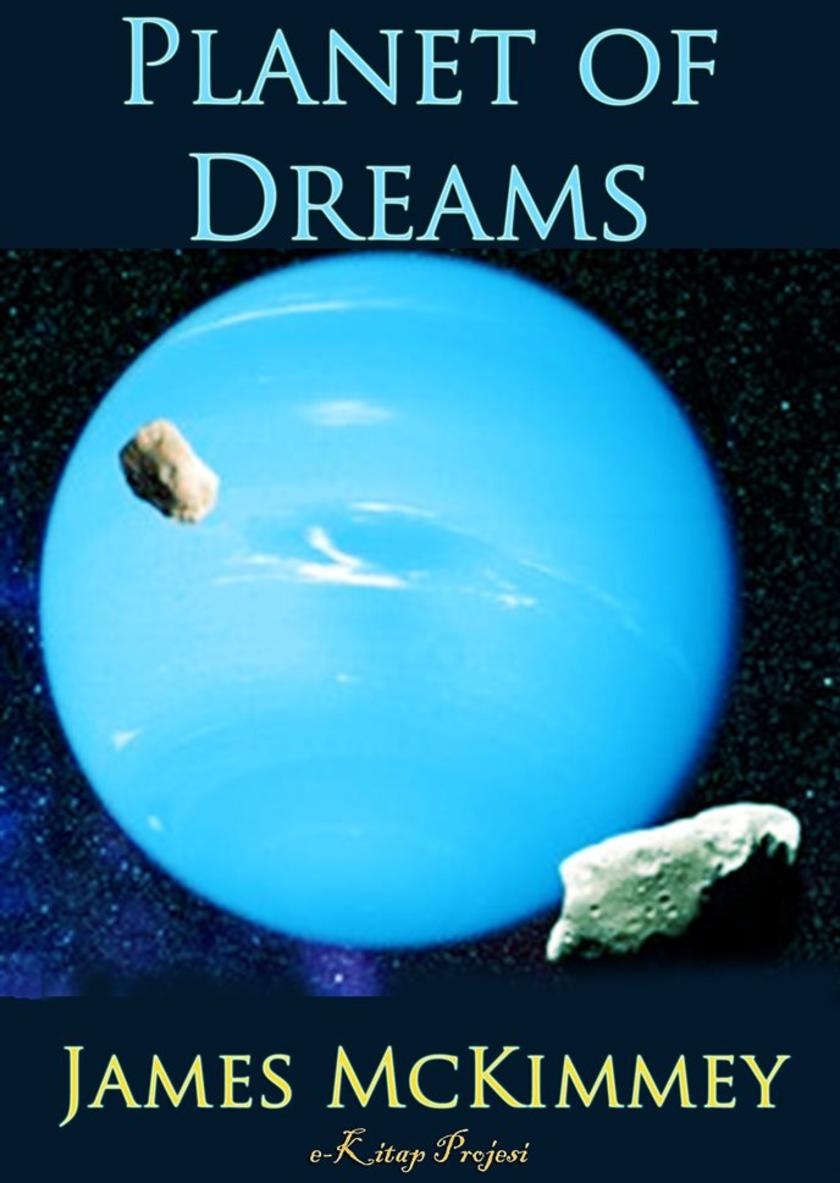
Planet of Dreams
¥4.58
Strumming a harp while floating on a white cloud might be Paradise for some people, but it would bore others stiff. Given an unlimited chance to choose your ideal world, what would you specify—palaces or log cabins? I'll take beer, son, and thanks again for the offer. As you can see, I'm kinda down on my luck. I know what you're thinking, but I'm not really on the bum. I usually make out all right—nothing fancy, mind you, but it's a living. Odd jobs in the winter and spring, follow the harvests in the summer and fall. Things are slack right now.You? Electronics, huh? Used to know a fellow in electronics.... His name was Joe Shannon, used to work for Stellar Electric up in Fremont. Young fellow, not more'n twenty-five or so. Rail thin, wispy hair, serious look—you know, the one suit, absent-minded type. Joe was a brain. A triple-A, gold-plated, genuine genius. Had a wife named Marge. Not beautiful but pretty and a nice figure and a cook you never saw the likes of. Like I say, she was married to Joe but Joe was married to his work and after you'd been around a while, you could tell there was friction. But that ain't the beginning.
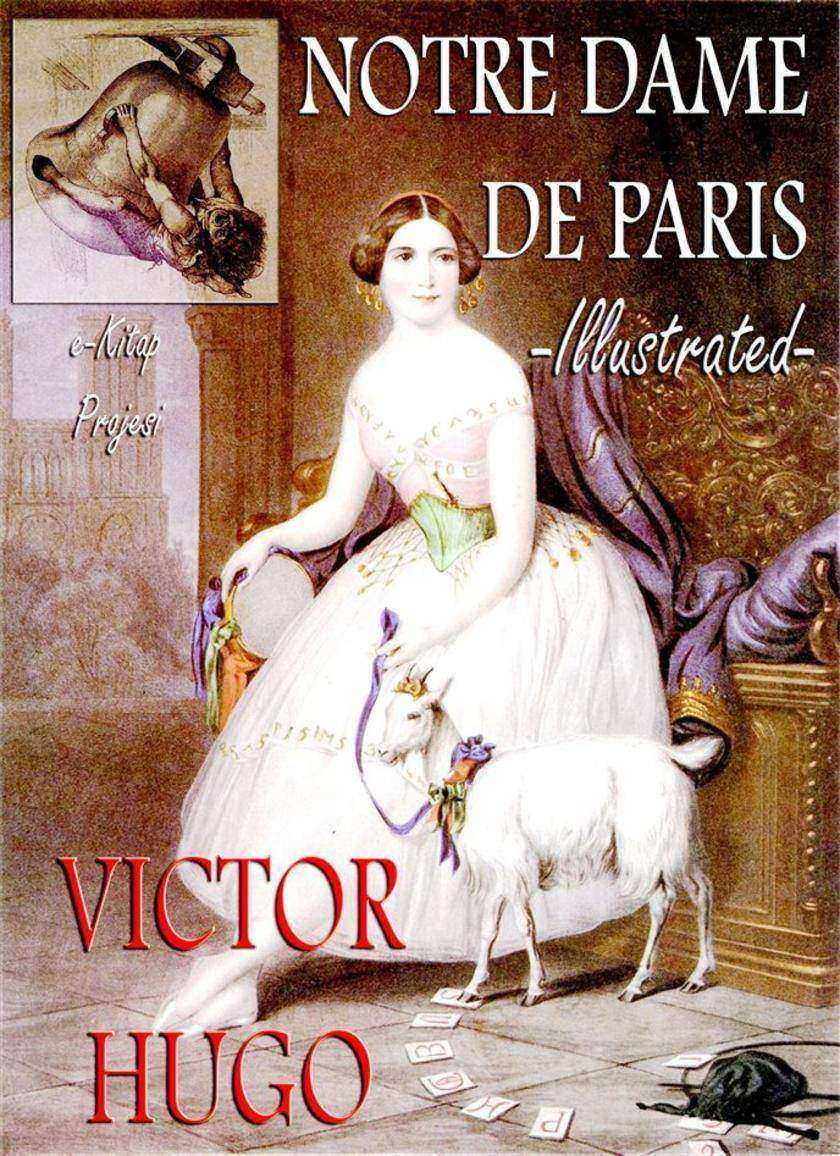
Notre-Dame de Paris
¥28.04
An afternoon of a cold winter’s day, when the sun shone forth with chilly brightness, after a long storm, two children asked leave of their mother to run out and play in the new-fallen snow. The elder child was a little girl, whom, because she was of a tender and modest disposition, and was thought to be very beautiful, her parents, and other people who were familiar with her, used to call Violet. But her brother was known by the style and title of Peony, on account of the ruddiness of his broad and round little phiz, which made everybody think of sunshine and great scarlet flowers. The father of these two children, a certain Mr. Lindsey, it is important to say, was an excellent, but exceedingly matter-of-fact sort of man, a dealer in hardware, and was sturdily accustomed to take what is called the common-sense view of all matters that came under his consideration. With a heart about as tender as other people’s, he had a head as hard and impenetrable, and therefore, perhaps, as empty, as one of the iron pots which it was a part of his business to sell. The mother’s character, on the other hand, had a strain of poetry in it, a trait of unworldly beauty—a delicate and dewy flower, as it were, that had survived out of her imaginative youth, and still kept itself alive amid the dusty realities of matrimony and motherhood. So, Violet and Peony, as I began with saying, besought their mother to let them run out and play in the new snow; for, though it had looked so dreary and dismal, drifting downward out of the gray sky, it had a very cheerful aspect, now that the sun was shining on it. The children dwelt in a city, and had no wider play-place than a little garden before the house, divided by a white fence from the street, and with a pear-tree and two or three plum-trees overshadowing it, and some rose-bushes just in front of the parlor windows. The trees and shrubs, however, were now leafless, and their twigs were enveloped in the light snow, which thus made a kind of wintry foliage, with here and there a pendent icicle for the fruit. “Yes, Violet,—yes, my little Peony,” said their kind mother; “you may go out and play in the new snow.”
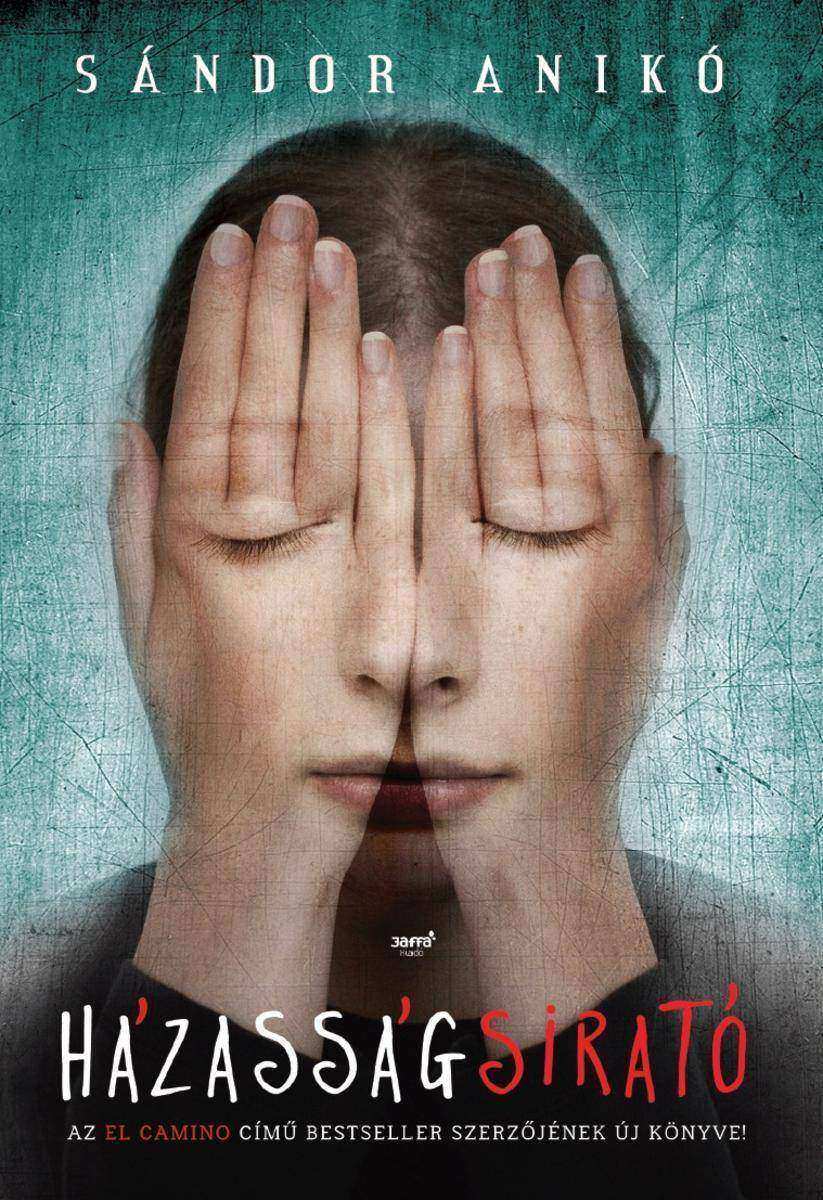
Házasságsirató
¥57.31
Clipele vie?ii mele sunt pentru mine la fel de importante ca primele clipe ale Universului.Clipesc, aud, respir, m? mi?c… deci exist!Pentru cei ce nu mai au r?bdare. Pentru cei care caut? mereu sf?r?itul ?nc? de la ?nceput. Pentru cei ce nu mai au timp…Acum se termin? ?nceputul ?i, cum suntem pe punctul de a disp?rea definitiv, nu v?d de ce am mai c?uta care este motivul ?i dac? s?ar mai fi putut face ceva. (Ciprian Vestemean)
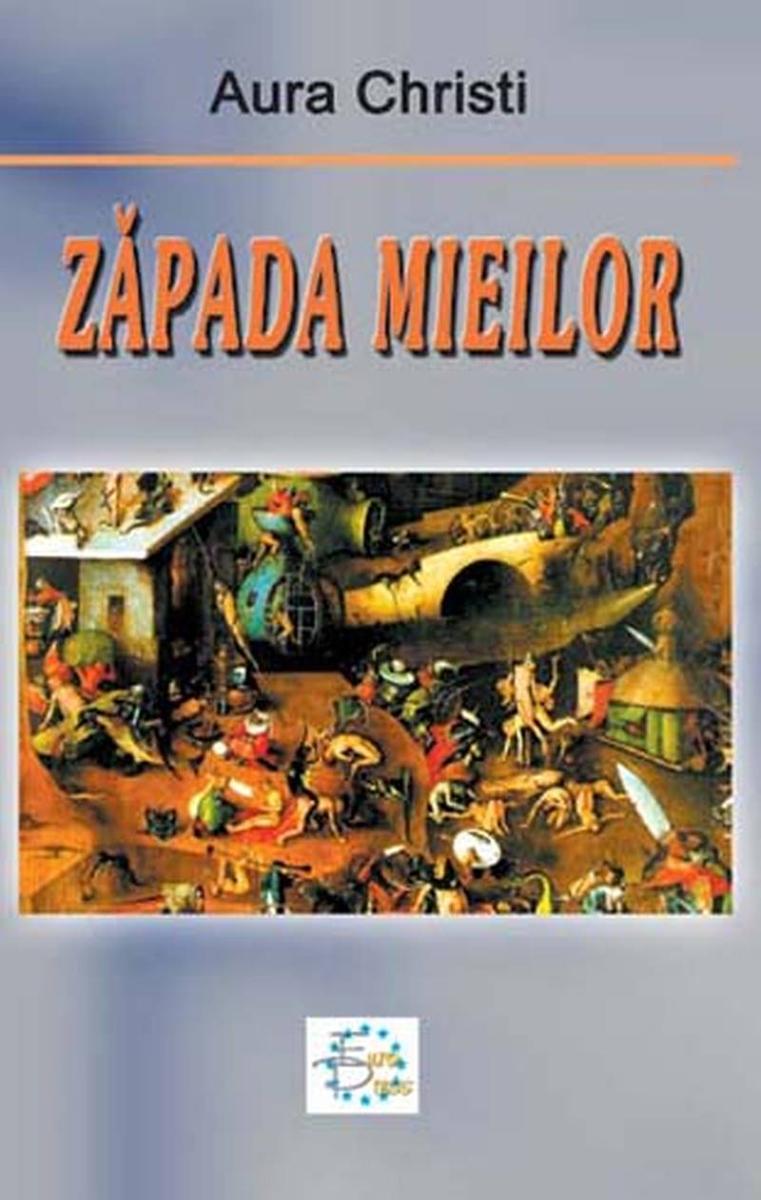
Z?pada mieilor
¥90.84
De ce, oare, ne ?ntreb?m, ?i ?nlesnise Gra?ian Porumb omului pe care-l dispre?uia aceast? fapt?, aceast? grav? injusti?ie? Nu ?tim, d?m din umeri, privim ?n st?nga, privim ?n dreapta, dar de nic?ieri nu ne vine un ajutor c?t de c?t, un r?spuns. ?i nu ne r?m?ne atunci, insisten?i cum suntem, dec?t s? ghicim: trebuia oare, ?n imagina?ia ?nfierb?ntat? de nou? ?i ciudat? aventur? a t?n?rului – trebuia oare ca prietenul s?u Bizoniu, s? ?coboare" ?i ?n ?lumea cealalt?" care, ha, ha, se afla tot ?n lumea noastra, ?n lumea ?celor nev?zu?i?" A, nu, ei nu sunt nev?zu?i dec?t pentru simplul motiv ca ?i ?nl?turam din calea, din drumurile noastre ?i ?i ascundem, ?i ??nchidem" ?n subteranele lor care se cheam? sau temni?e, sau case de nebuni! Oricum, ?n ?subteranele nebunilor" Gra?ian consider? c? "micul pop?" ??i plimbase deja pa?ii ?i f?ptura, urma doar sa ?accead?" ?i la "ceilal?i", cei ne?n?ele?i ?i ?pedepsi?i" care, vii ?i fiin?e fiind, ca ?i noi, aveau la r?ndul lor dreptul de a-L ?nt?lni. A?a cum ?i ?el", omul viu ?i ?n?eleg?tor – de?i, cum am v?zut, el nu ?abuz?" de ?n?elegerea sa, nu se gr?bea defel ?s? ?n?eleag?", ci mai ales s? aud?, s? vad?, s? stea al?turi, s? fie, adic?, s?-?i d?ruiasca din merindea timpului s?u ?i nou?, s? fie ?cu noi" – deci, a?a cum ?i ?el" avea ?dreptul" de a fi cu ?ei". Cine ?tie? (Nicolae Breban)Puterea nev?zut? este cel de-al treilea volum din tetralogia Ziua ?i noaptea, care are ca supratem? rela?ia maestru-ucenic.
?r?kké
¥87.74
Az escseppek fenn születnek az égen, egy hatalmas felhpalotában. Annak is a belsejében. Puha fehérség veszi ket krbe. A csecsem escseppek azonban gyorsan fejldnek. Megszületésük után már egy-két órával vidáman ugrándoznak, hancúroznak. Ha megszomjaznak, finom páralevet isznak, ha megéheznek, ízletes felhcipót majszolnak. Gyorsan nnek. s gondtalan életük tele van mókával, meglepetéssel. Ugyanis a felhkastély, ami lassan úszik a kék égen, nem olyan, mint az emberek által épített házak, várak, kastélyok – merthogy a szobák nem maradnak ugyanott, hanem folyton vándorolnak, de még a feladatuk is állandóan változik. Az, ami reggel még a konyha volt, délidre hálószobává alakul át, estére pedig már fürdszoba lesz. Ezért az escsepp gyerekek élete csupa izgalmas kaland. Amikor egyik helyiségbl átfutnak a másikba, még nem tudják, hogy mi vár rájuk a kvetkez szobában. Ennek az az oka, hogy maga a palota is percrl percre arrébb mozdul az égen, a szél fújja tovább, az egész épület szüntelenül gomolyog. A legkisebbek ezért a palota kzepén cseperednek fel, mert a szélek, ahol a nagyobbak és a felnttek élnek, sokszor leszakadoznak, amikbl es hull a fldre.”

?sszeomlás: A Zárt ajtók m?g?tt szerz?jének legújabb bestsellere (Minden kis apr
¥119.27
A hatalmas sikert aratott Marokkói szerelem szerz?jének új k?nyve Yasmine magyar származású édesanyjával, Lillával, és muzulmán édesapjával, Abd ar-Rashid Gibrannal él az Egyesült Arab Emírségekben. A fiatal lány minden vágya, hogy megismerhesse gy?kereit, és anyja szül?hazájában tanulhasson. Apja nem támogatja a lány külf?ldi útját, de felesége unszolására végül, szigorú feltételeket szabva, elengedi ?t. Yasmine az egyetemen szoros barátságot k?t Larával. A lány bátyjával viszont k?lcs?n?s ellenszenv alakul ki, de végül kiderül számukra, hogy milyen keskeny a határ a gy?l?let és a szenvedélyes szerelem k?z?tt. Lehet-e esélyük a fiataloknak a hith? muzulmán apa támogatása nélkül? Kiállhatja-e szerelmük az id? és megannyi akadály próbáját? Dee Dumas a nagy siker? Marokkói szerelem cím? k?tete után ezúttal a mesés Emírségekbe varázsolja olvasóit, ahol kiderül, hogy mire képes egy szerelmes szív, hogy beteljesítse legh?bb vágyait.
Pávatollak
¥8.83
A nem túl távoli j?v?ben az emberek látszólag t?kéletes társadalomban élnek. A mindent és mindenkit irányító politikai elit a média, illetve kül?nféle pszichoaktív szerek segítségével mossa át az emberek tudatát. A vezet? elit és a hadsereg k?z?tti ellentét a hatalom birtoklásáért kiélesedik. A konfliktus polgárháborúhoz, majd a rendszer teljes ?sszeomlásához vezet. A hadsereg által kidolgozott terv, az Armageddon-teória, mely az új társadalmi berendezkedést hivatott volna megszervezni, kudarcba fulladt. A harcokban milliók pusztulnak el és visszafordíthatatlan károkat szenved a F?ld is. A túlél?k reménytelensége egyre csak n?, persze tudják, hamarosan az embereknél egy sokkal kegyetlenebb ellenséggel kell szembenézniük... Novák Andor poszt-apokaliptikus t?rténetének els? k?tete a Háborút megel?z? eseményekr?l szól. Egy olyan kegyetlen, nyomasztó világot ábrázol, mely talán már a mi életünkben elj?het. Vagy észre sem vettük, de mi magunk is már ebben a világban élünk?

Meztelenül
¥63.03
Mit ér az emlékezés, ha senki nem kíváncsi arra, ami elmúlt? B?n-e a hallgatás, ha védeni akarjuk szeretteinket a múlt sz?rny?ségeit?l? Mit tehetünk, ha a t?rténelem megismételni látszik ?nmagát?? Egy újságíró és egy sokat megélt nyolcvannégy éves h?lgy találkozása régi sebeket tép fel. Mélyen eltemetett emlékek kerülnek felszínre: A remény és a hit a kegyetlenséggel szemben, emberek az embertelenségben, és üzleti érdekek, melyek a pokol káoszát irányítják. Mi k?ti ?ssze egy kislány, egy náci tiszt, egy szovjet ezredes és egy m?fordító sorsát hetven év távlatából? ?Ez a t?rténet...

?ntoarcerea: Am murit, din fericire 1
¥36.79
45.538 de cuvinte. At?tea stau str?nse ?n cartea asta. A?a ?mi indic? un contor al softului ?n care am editat textul. Ceea ce ?nseamn? c? ?n aceast? prezentare a ei, a c?r?ii, trebuie s? m? comport ca un gospodar care ar ?ncerca s? hr?neasc? toat? p?s?rimea satului cu o singur? m?n? de gr?un?e. N-am cum. ?i nici n-a? vorbi despre ea a?a cum o facem despre copiii no?tri, care sunt mereu ?i mai de?tep?i, mai frumo?i sau m?car mai ?nal?i dec?t ai altora. ?n momentul ?sta, tot programul de editare m? salveaz?. Observ c? are posibilitatea de a rezuma textul meu ?n numai zece sentin?e: De riduri. De paradigm?. Nu de om, ci de m?gar [...] De necur??ie. De ?coal?. De efeminat. De care uitasem. De munc?. De butie. De p?reri. ?mi dau seama ?ns? c? posibilul cititor interesat, ori librarul care ar dori s? v?nd? cartea, nu are cum s? ?n?eleag? prea multe din asta. Nu pricep nici eu de unde apeten?a programului pentru prepozi?ia de. Sunt singur ?n cas?, nimeni nu-?i poate da cu p?rerea despre volumul ?sta, editorii m? sun? rug?nd s? le trimit acest sinopsis. ?n clipa aia, Cimbru, c?inele meu, cel care m? ?n?elege mereu at?t de bine, ??i f?lf?ie coada pe l?ng? cracii pantalonilor mei. ?i pun manuscrisul ?n fa?? ?i-l rog s? m? ajute cumva. ?l miroase curios, de dou?, trei ori, p?n? ??i d? seama c? nu-i bun de m?ncat. E clar, cartea asta nu este bun? de m?ncat! Poate o fi bun? la altceva. Nu ?tiu, m?car ca palet? de ping-pong.

Jókedvet adj!
¥57.31
A regény Jókai munkásságának ahhoz a Fekete gyémántokkal megkezdett irányzatához kapcsolódik, melyben a modern ?nagyvilági” életet kívánta ábrázolni. A m? szerkezetileg két lazán ?sszefügg? részre tagolódik. Az els?, A ?tegnap” 1848-49-ben játszódik. F?h?se Illavai Ferenc, igazi Jókai alak: csúnya, de rettenthetetlenül bátor, m?velt, szerény, okos és jóságos. Gyámfiát és egyben unoka?ccsét, Opatovszky Kornélt t?bbsz?r kimenti kül?nféle halálos veszedelmekb?l, noha méltatlan rá, hogy ?r?k?séül megtartsa. Nagy szolgálatot tesz a gróf Tarnaváry családnak, életüket és vagyonukat is megmenti…. A második rész, A ?ma”: az 1860-as évek eleje, a Schmerling-korszak. Mind az Opatovszky-, mind a Tarnaváry-birtok t?nkrement az oktalan spekulációban és az egymással vívott harcban… A regény b?velkedik az izgalmas fordulatokban, ezért szerkezeti és jellemzési gyengéi ellenére kit?n? olvasmány.

Spitalul manechinelor
¥8.09
Snt fericit de aceast regsire n literatur a lui InimRea, cum snt bucuros c, din ntmplare, i-am fost cumva un martor privilegiat, publicnd acum aproape patru ani n Timpul primele pagini din Cas pe pmnt i susinnd publicarea celor Cteva idei despre fericire la Editura T. Iar acum, Adenium i reediteaz unul din romanele deja publicate, care va fi, cum am scris deja c sper, urmat de altele. Cum nc mai trim n era Navigatorului, i urez lui InimRea vnt bun la pup!“ – Liviu Antonesei

Az árny csábítása
¥43.41
Karinthy legismertebb, legnépszer?bb m?ve mindmáig az ?gy írtok ti. Ez a m? hozta meg számára az ismertséget, ezzel a k?nyvével aratta els? igazi, nagy sikerét. A kávéházi játékokból, nemzedéktársainak kigúnyolásából alakult karikatúrasorozat id?vel tudatos enciklopédiává b?vült, s nemcsak a magyar szerz?k arcképcsarnoka teljesedett ki, hanem világirodalmi és m?faji tematikával is gazdagodott. Máig ható sikerének titka, hogy Karinthy a célba vett írói egyéniség egész karakterét, az alkotói modor és modorosság torzképét rajzolta meg. K?tetünk a Még mindig így írtok ti méltán híres gy?jteményén túl a korabeli lapokban megjelent k?zlések legjobb gúnyrajzait is tartalmazza.
A vér éneke
¥81.18
After the publication of "The Wonderful Wizard of OZ" I began to receive letters from children, telling me of their pleasure in reading the story and asking me to "write something more" about the Scarecrow and the Tin Woodman. At first I considered these little letters, frank and earnest though they were, in the light of pretty compliments; but the letters continued to come during succeeding months, and even years. Finally I promised one little girl, who made a long journey to see me and prefer her request,—and she is a "Dorothy," by the way—that when a thousand little girls had written me a thousand little letters asking for the Scarecrow and the Tin Woodman I would write the book, Either little Dorothy was a fairy in disguise, and waved her magic wand, or the success of the stage production of "The Wizard of OZ" made new friends for the story, For the thousand letters reached their destination long since—and many more followed them. ? ?And now, although pleading guilty to long delay, I have kept my promise in this book. L. FRANK BAUM., Chicago, June, 1904 To those excellent good fellows and comedians David C. Montgomery and Frank A. Stone whose clever personations of the Tin Woodman and the Scarecrow have delighted thousands of children throughout the land, this book is gratefully dedicated by THE AUTHOR Chapter 1 Tip Manufactures a Pumpkinhead ??In the Country of the Gillikins, which is at the North of the Land of Oz, lived a youth called Tip. There was more to his name than that, for old Mombi often declared that his whole name was Tippetarius; but no one was expected to say such a long word when "Tip" would do just as well. This boy remembered nothing of his parents, for he had been brought when quite young to be reared by the old wom-an known as Mombi, whose reputation, I am sorry to say, was none of the best. For the Gillikin people had reason to suspect her of indulging in magical arts, and therefore hesi-tated to associate with her. Mombi was not exactly a Witch, because the Good Witch who ruled that part of the Land of Oz had forbidden any oth-er Witch to exist in her dominions. So Tip's guardian, how-ever much she might aspire to working magic, realized it was unlawful to be more than a Sorceress, or at most a Wizardess. ? Tip was made to carry wood from the forest, that the old woman might boil her pot. He also worked in the corn-fields, hoeing and husking; and he fed the pigs and milked the four-horned cow that was Mombi's especial pride... ? ABOUT AUTHOR: Lyman Frank Baum (May 15, 1856–May 6, 1919) was an American author, actor, and independent filmmaker best known as the creator, along with illustrator W. W. Denslow, of one of the most popular books ever written in American children's literature, The Wonderful Wizard of Oz, better known today as simply The Wizard of Oz. He wrote thirteen sequels, nine other fantasy novels, and a plethora of other works, and made numerous attempts to bring his works to the stage and screen.? Other Books of Author: The Wonderful Wizard of Oz (1900) Dorothy and the Wizard in Oz (1908) American Fairy Tales (1901) The Emerald City of Oz (1910) Ozma of Oz (1907) The Lost Princess of Oz (1917) Glinda of Oz (1920) The Road to Oz (1909) Tik-Tok of Oz (1914)
A sors k?nyve
¥82.00
Virág harminc elmúlt, de sem az álommeló, sem az álomotthon, sem az álompasi nem akar valósággá válni. ?nbizalma, optimizmusa mégis t?retlen. Pedig van kivel ?sszemérnie magát. Alig pár évvel id?sebb n?vére, Judit már régen révbe ért. Jókép? férj, három gyerek, anyagi gondokról nem is hallott, de még rettenetes f?n?k sem igyekszik pokollá tenni az életét. Aztán váratlanul Juditot elhagyja a férje egy fiatalabb n? miatt... Hogyan tud újra magára találni a n?vér? ?s hogyan tud ebben segítségére lenni a kelekótya húg? Talán els? lépésként azzal, hogy pici albérletébe k?lt?zteti n?vérét a z?r?s kamaszlánnyal, az iskolát kezd? k?zéps?vel, és az épp járni tanuló egy éves unoka?ccsel. ?s míg a két testvér azon van, hogy Judit szívét ?sszeragasszák, Virág élete is a feje tetejére áll.
Deliruri. Via?a este cotidian?
¥40.79
Perechi ?n formare este romanul unei iubiri ai c?rei protagoni?ti, desp?r?i?i timp de ?aisprezece ani, ajung s? se reg?seasc? ?n ?mprejur?ri dramatice. Andreas Lüscher este un psiholog care ?ncearc? s? p?streze o distan?? profesionist? fa?? de pacien?ii s?i. Dar c?nd destinul i-o aduce ?n cale pe Meret, fosta lui iubire din tinere?e, b?rbatul descoper? c?t de fragile ?i imperfecte sunt cuvintele atunci c?nd ?ncearc? s? refac? o leg?tur? pierdut?, acum mai puternic? dec?t a fost vreodat?.
Inima mea e sora lui Dumnezeu
¥32.62
Umorul, absurdul ?i tenta?ia suprarealist? sunt aduse aici la rang de repere pentru fic?iune. Blues pentru o pisic? neagr? este o colec?ie de povestiri ?n care Boris Vian ??i m?rturise?te pe spa?ii mici pasiunea pentru firescul r?sturnat cu susul ?n jos ?i pentru jocurile infinite cu limbajul ?i literatura. Pe fondul celui de-al doilea R?zboi Mondial, lumea a luat-o razna, dar toate personajele se lupt? pentru a salva aparen?ele. Protagoni?tii sunt dintre cei mai ciuda?i, iar ac?iunile lor ?n acord cu lumea ?n r?sp?r. Pescari de timbre, sculptori de pietre de morminte, motani-negri-vorbitori-englezi iubitori de b?uturi fine sunt reprezentativi pentru stilul lui Boris Vian.
A Téli Palota
¥80.44
Két év telt el ,,a nap", vagyis a világ t?bb országát egyszerre sújtó ?sszehangolt, elektromágneses hullámokat (EMP) gerjeszt? támadás óta. ?ramszolgáltatás híján az Egyesült ?llamok kontinentális területeinek nagy részén k?zépkori állapotok uralkodnak, s becslések szerint az offenzívát, valamint az azt k?vet? káoszt az ország lakosságának csupán húsz százaléka élte túl. Az észak-karolinai Black Mountain városa - lakóinak h?sies helytállása folytán - nem semmisült meg teljesen, de a halál és az emberfeletti megpróbáltatások ?ket sem kímélték. Vezet?jük, John Matherson otthona porig égett, és az inzulinkészletek kiapadása miatt a férfi elveszítette egyik lányát, a cukorbeteg Jennifert is. A Bluemontban újjászervez?d?tt amerikai kormány látszólag mindent megtesz annak érdekében, hogy feltartóztassa az országba humanitárius segítségnyújtásra hivatkozva benyomuló idegen katonai er?ket. Az új vezetés tervének részeként John egyetlen életben maradt lánya, a tizennyolc éves Elizabeth is megkapja a katonai behívóját...
A Journal of the Plague Year: "Illustrated"
¥8.09
A háború el?szele már mindenütt érezhet?: az utakat másfajúak renegát csapatai tartják rettegésben, a városok utcáin rejtélyes halálesetek t?rténnek. A királyok nem bíznak t?bbé a varázslókban, akik azt képzelik, varázshatalmuk feljogosítja ?ket, hogy beleártsák magukat a politikába. Némelyikük a szabad országok javáért cselekszik, mások ?n?s érdekb?l, de a varázslók álságos mosolya és felszínes csevegése m?g?tt sorsd?nt? játszmák zajlanak. Ríviai Geralt mindig is büszke volt semlegességére. A vaják korábban úgy gondolta, elegend?, hogy a saját sorsáról d?nts?n… csakhogy akkor még nem kellett mások miatt aggódnia. Egyedül k?nny? semlegesnek maradni, de ha egy kislány élete a tét, már nem annyira. Geralt igyekszik mindent megtenni Ciri védelmében.
Emma
¥23.30
A few years ago, while visiting or, rather, rummaging about Notre-Dame, the author of this book found, in an obscure nook of one of the towers, the following word, engraved by hand upon the wall:— ? ? ? ? ? ? ? ANArKH. These Greek capitals, black with age, and quite deeply graven in the stone, with I know not what signs peculiar to Gothic caligraphy imprinted upon their forms and upon their attitudes, as though with the purpose of revealing that it had been a hand of the Middle Ages which had inscribed them there, and especially the fatal and melancholy meaning contained in them, struck the author deeply. He questioned himself; he sought to divine who could have been that soul in torment which had not been willing to quit this world without leaving this stigma of crime or unhappiness upon the brow of the ancient church. Afterwards, the wall was whitewashed or scraped down, I know not which, and the inscription disappeared. For it is thus that people have been in the habit of proceeding with the marvellous churches of the Middle Ages for the last two hundred years. Mutilations come to them from every quarter, from within as well as from without. The priest whitewashes them, the archdeacon scrapes them down; then the populace arrives and demolishes them. Thus, with the exception of the fragile memory which the author of this book here consecrates to it, there remains to-day nothing whatever of the mysterious word engraved within the gloomy tower of Notre-Dame,—nothing of the destiny which it so sadly summed up. The man who wrote that word upon the wall disappeared from the midst of the generations of man many centuries ago; the word, in its turn, has been effaced from the wall of the church; the church will, perhaps, itself soon disappear from the face of the earth. It is upon this word that this book is founded.
Csillagpuszta
¥22.97
A kosaras srácok t?rténete folytatódik! Valaki felgyújtja Sédar klubját. Nyolcszornyolc, az edz? kizártnak tartja, hogy a Sharks csapatának k?ze legyen a dologhoz. A gyanúsítottak k?re azonban egyre b?vül, el?veszik a játékosokat is: Tunyát, aki mindig kül?nck?dik, Levet, aki visszahúzódó és félénk, Grimaszt, aki a legkisebb provokációból is balhét csinál. ?s ha mindez nem volna elég, Stifti, aki a szép szál Sédar iránti féltékenységét soha sem titkolta, ezúttal Szilviával is ?sszekap. Ráadásul Porto Vecchio hárompontosakat szóró királyn?je is eltitkol valamit. A Sharksnak a nagy izgalmak k?zepette is meg kell ?riznie higgadtságát, hogy legy?zhessék a Templomosokat.


