


 购物车
购物车 个人中心
个人中心
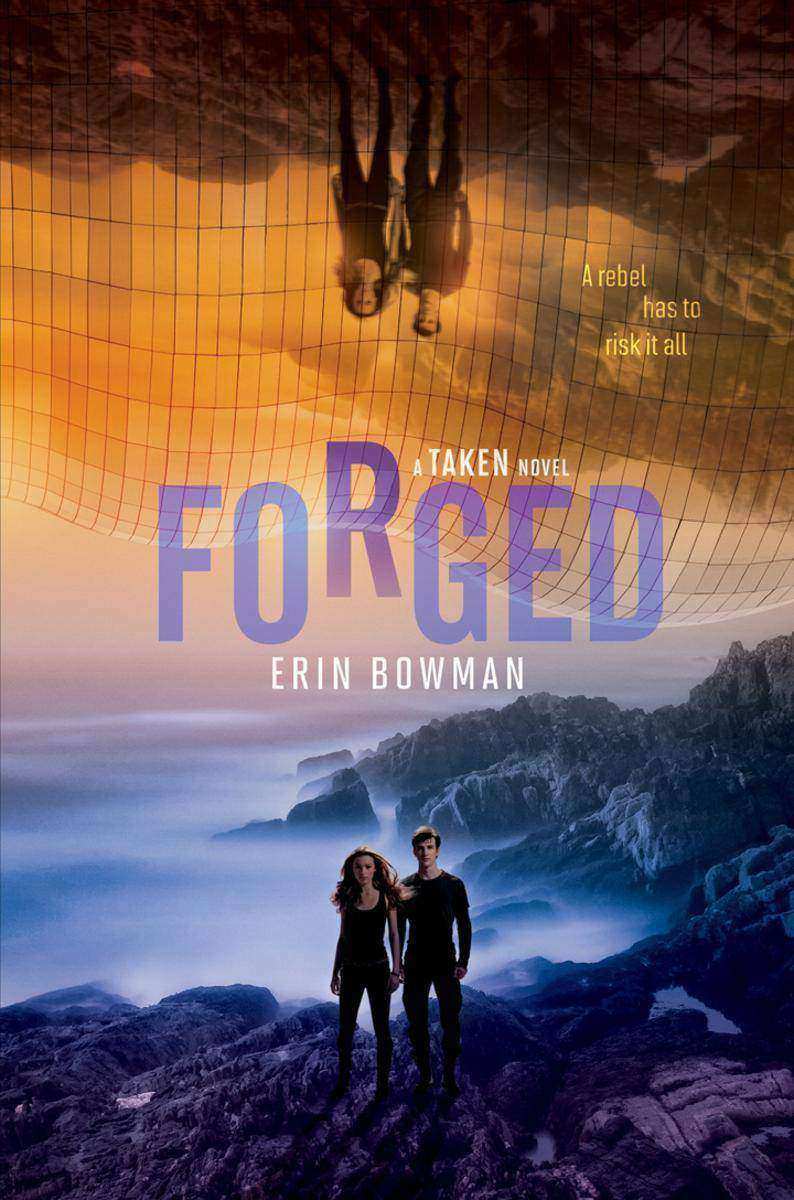
Forged
¥61.52
New York Times bestselling author Marie Lu called Taken, Erin Bowman's debut novel, "an action-packed thrill ride from beginning to end." The action and suspense rise to explosive new heights in Forged, the epic conclusion to the Taken trilogy—and the perfect next read for fans of The Maze Runner and Gone.Gray Weathersby knows the truth about the Laicos Project, the Order, and the Forgeries—and he knows they must be stopped. But each generation of Forgeries is deadlier than the one before, and now even the most familiar faces—including the girl Gray loves—can't be trusted. To make a stand against the Order, Gray will have to risk it all.

Beastly: Lindy's Diary
¥54.42
See the #1 New York Times bestselling story Beastly through Lindy's eyes! This is her diary, kept while living in captivity with the beast. Lindy's Diary captures all the romance and edgy mystery of the original!Diary,I am locked away . . . with no one to confide in but you . . . and him. His fur, those claws—they caught me off guard at first, but now I'm noticing something else about him—something deeper. It's the look in his eye. It tells me he's got a secret to keep. That's okay—I've got one, too. I think I'm falling in love with him. . . .Lindy
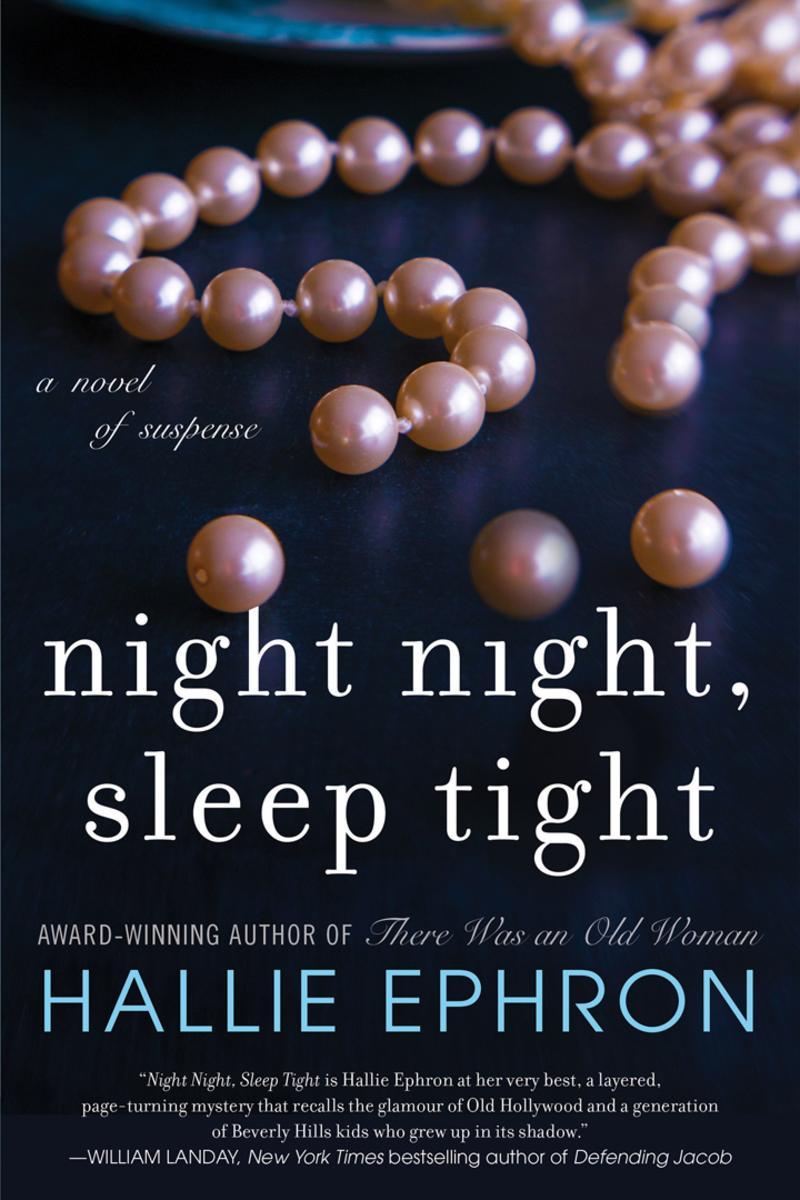
Night Night, Sleep Tight
¥84.16
From the award-winning author of There Was an Old Woman comes a mystery tinged with Hollywood glamour, set in a town where fame and infamy are often interchangeableLos Angeles, 1985. When Deirdre Unger makes the drive from San Diego to Beverly Hills to help her father put his dilapidated house on the market, she's expecting to deal with his usual kvetching and dark moods. But she gets a lot more than she expected. . . . In a cruel Sunset Boulevard–in a twist, Deirdre arrives home to find her father facedown in his too-small swimming pool—dead.At first, Deirdre assumes her father's death was a tragic accident. But the longer she stays in town, the more Deirdre begins to suspect that everything isn't as open-and-closed as she first presumed. The sudden resurfacing of Deirdre's childhood BFF Joelen Nichol—daughter of the famous and infamous Elenor "Bunny" Nichol—seems like more than a coincidence. Back in 1963, Joelen confessed to killing her movie-star mother's boyfriend. Deirdre was at the Nichols' house the night of the murder, which was also the night she suffered her own personal tragedy. Could all these events be connected?As Deirdre digs deeper into the past, she becomes increasingly convinced that her father's death is merely the deadly third act in a story that has long been in development. And if she isn't careful, she might be its final victim.
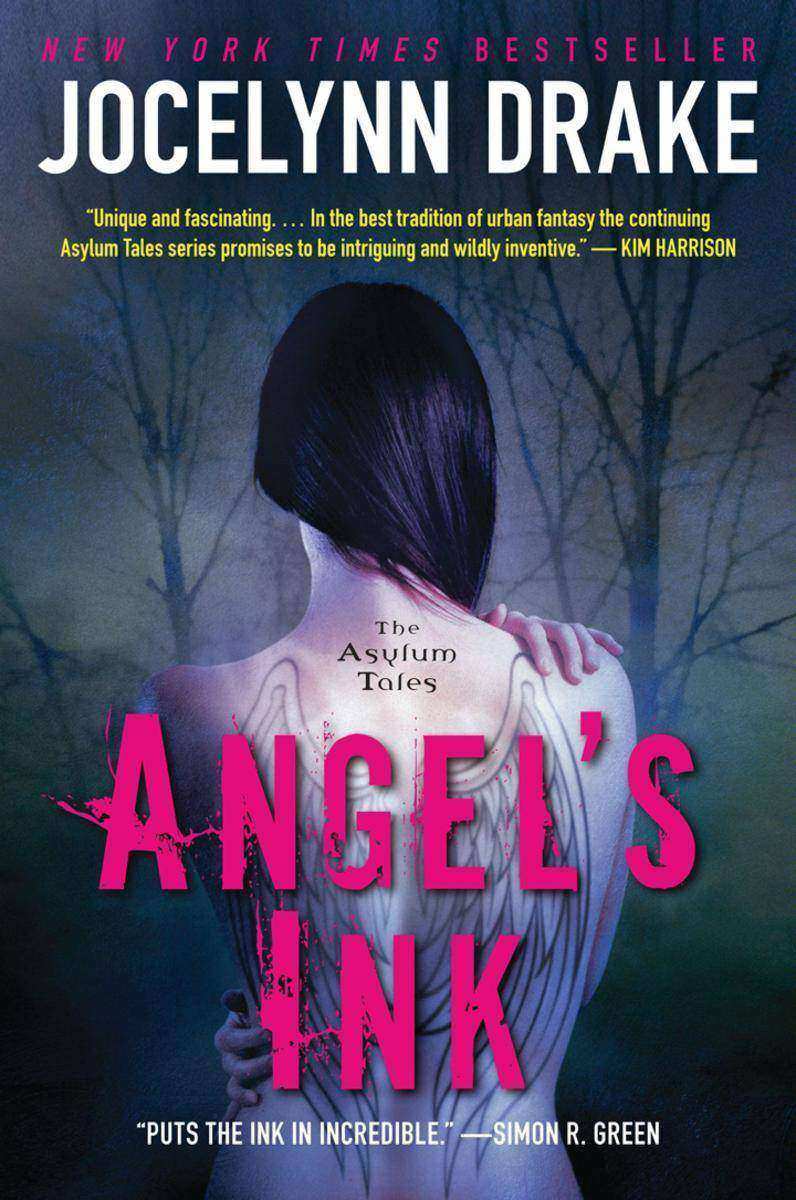
Angel's Ink
¥83.03
Buyer beware . . .Looking for a tattoo—and maybe a little something extra: a burst of good luck, a dollop of true love, or even a hex on an exHead to the quiet and mysterious Gage, the best skin artist in town. Using unique potions—a blend of extraordinary ingredients and special inks—to etch the right symbol, he can fulfill any heart's desire. But in a place like Low Town, where elves, faeries, trolls, werewolves, and vampires happily walk among humanity, everything has its price. No one knows that better than Gage. Turning his back on his own kind, he left the magical Ivory Tower where cruel witches and warlocks rule, a decision that cost him the right to practice magic. And if he disobeys, his punishment—execution—will be swift.Though he's tried to fly under the radar, Gage can't hide from powerful warlocks who want him dead—or the secrets of his own past. But with the help of his friends, Trixie, a gorgeous elf who hides her true identity, and a hulking troll named Bronx, Gage might just make it through this enchanted world alive.
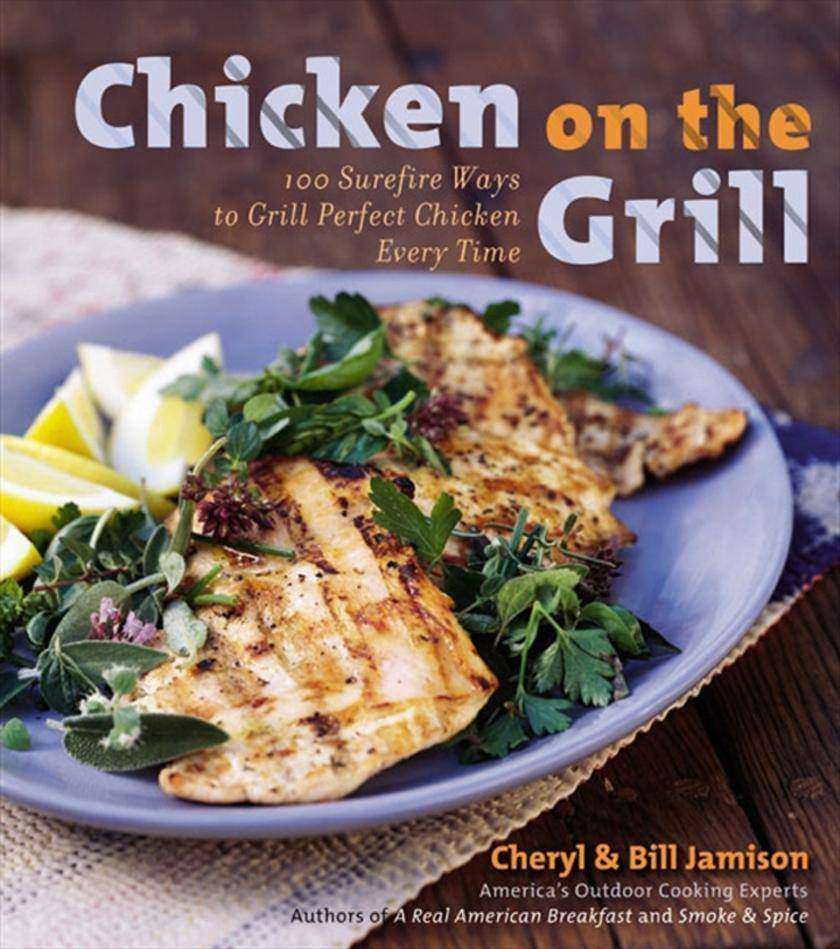
Chicken on the Grill
¥140.08
The aroma should be irresistible. The outside should be crisp, the inside juicy. We're talking about one of America's most popular foods -- grilled chicken. But how many times does the outside look perfect while the inside is perfectly rawOr you're simply left with a smoldering, charred mess?Award-winning cookbook authors and America's outdoor grilling experts, Cheryl and Bill Jamison come to the rescue in Chicken on the Grill. The Jamisons identify the most common mistakes in grilling chicken and, most important, teach you how to correct them. Learn how to tend to the fire, how to time the grilling process, and how to check for doneness. Their advice and expertise make it easy to enjoy perfectly tender, juicy chicken that is bursting with true flavor only grilling over a fire can impart.With more than 50 color photographs throughout, Chicken on the Grill is as much a feast for the eyes as it is for the table. The 100-plus recipes include everything from classic Grill-Roasted Chicken and Grilled Chicken Caesar on a Skewer to exotic new dishes like Tequila-Lime Chicken Tacos with Charred Limes and Curried Chicken Roti. There are 50 inspiring ideas for boneless, skinless breasts, plus recipes for wings, sandwiches, and satays. Since man can't really live by chicken alone, there are recipes for sides and sweets such as Rockin' Guac, Grilled Asparagus with Orange Zest, and Frozen Margarita Pie.Chicken is economical, rich in protein and nutrients, and can be prepared in a wide variety of ways to suit a wide variety of tastes. From everyday family meals to entertaining a crowd, you can't beat a great grilled chicken. And you can't beat Chicken on the Grill for showing you just how to do it.

In the Hands of A Chef
¥196.21
How do great chefs make their food taste betterIs it the ingredients they useTheir cooking techniques and equipmentThat's part of the answer. But the real secret is that truly great chefs follow their instincts -- the kitchens in their heads. Now, in her first cookbook, Jody Adams, the award-winning chef/co-owner of Boston's Rialto, teaches you how to follow your own instincts and make the transition from passionate eater to passionate cook.In the Hands of a Chef shares Jody's favorite dishes, those she prepares for family and friends in her home kitchen. By teaching the basics of artisanal cooking, or making good food from scratch, she gives cooks a solid foundation for cooking like a chef. She tells readers what to look for when buying ingredients, what equipment is essential, and how a dish should look and taste while being prepared.Above all, Jody encourages readers to trust their instincts and follow them to create a cooking style that feels right, using recipes as the building blocks for their own creations.From starters, seasonal soups, salads, and main courses to desserts, Jody reinvents Mediterranean foods using unconventional ingredients, many from New England. For a boost of summer flavor, grilled tomatoes add depth to gazpacho. To vary the flavor of simple salads -- from a Minted Romaine Salad with Grapes, Ricotta Salata, and Toasted Almonds to Arugula and Portobella Mushroom Salad-one or two seasonal ingredients are added to the usual recipes. Drawing inspiration from Italian tradition, Jody offers up innovative pasta and grains dishes. Ravioli, pappardelle, gnocchi, and linguine are served up with Mediterranean flavors and ingredients -- tomatoes, olives, figs, chestnuts, fresh greens, wild mushrooms, Parmesan cheese -- for home-style meals any time of the year. Yet much of Jody's cooking is pure American in flavor. Dessert classics are reinvented with new twists, such as Super-Creamy Rice Pudding with Passion Fruit Sauce and Heather's Cranberry Chocolate Pecan Tart. Here, too, are Jody's signature dishes, including Roasted Marinated Long Island Duck with Green Olive and Balsamic Vinegar Sauce and Soupe de Poisson, which Jacques Pépin calls the best version outside of France.Intended to make you wish you had more time to spend in the kitchen, In the Hands of a Chef is an inspiration as well as an essential resource for every cook. Why be just a good cook when you can be a great onePut yourself in the hands of Jody Adams with In the Hands of a Chef.

Fallen Angel
¥50.33
Heaven-sent?Ellie was never particularly good at talking to boys—oranyone other than her best friend and fellow outcast, Ruth.Then she met Michael.Michael is handsome, charming, sweet. And totallyinto Ellie. It’s no wonder she is instantly drawn to him.But Michael has a secret. And he knows Ellie is hidingsomething, too. They’ve both discovered they have powersbeyond their imagining. Powers that are otherworldly.Ellie and Michael are determined to uncover what theyare, and how they got this way . . . together. But the truth hasrepercussions neither could have imagined. Soon they findthemselves center stage in an ancient conflict that threatensto destroy everything they love. And it is no longer clearwhether Ellie and Michael will choose the same side.In this electrifying novel, Heather Terrell spins agripping supernatural tale about true love, destiny, and thebattle of good versus evil.

Once in a Full Moon
¥55.33
Beware of a kiss under the full moon. It will change your life forever.Celeste Parker is used to hearing scary stories about werewolves—Legend's Run is famous for them. She's used to everything in the small town until Brandon Maddox moves to Legend's Run and Celeste finds herself immediately drawn to the handsome new student. But when, after an unnerving visit with a psychic, she encounters a pack of wolves and gorgeous, enigmatic Brandon, she must discover whether his transformation is more than legend or just a trick of the shadows in the moonlight. Her best friends may never forgive her if she gives up her perfect boyfriend, Nash, for Brandon, who's from the wrong side of town. But she can't deny her attraction or the strong pull he has on her. Brandon may be Celeste's hero, or he may be the most dangerous creature she could encounter in the woods of Legend's Run. Psychic predictions, generations-old secrets, a town divided, and the possibility of falling in love with a hot and heroic werewolf are the perfect formula for what happens . . . once in a full moon.
Irish Eyes
¥95.39
Ex-cop Callahan Garrity was more than happy to leave the Atlanta P.D. behind her to start her own business -- the House Mouse cleaning service -- and to indulge in a bit of freelance private investigation on the side. However, she owes too much to her former partner, Bucky Deavers, to refuse his request that she accompany him to the department's annual St. Patrick's Day bash. But the celebrating ends abruptly -- and badly -- when Bucky is shot during an apparent liquor store robbery while they're on the way home.Callahan is devastated -- and the talk that perhaps Bucky was "dirty" only intensifies her pain. Now, with the help of her feisty "Mice," she's determined to find the culprit and clear her friend's name, even if it means piercing the veil of secrecy surrounding an Irish fraternal police organization that might be brewing up something far more lethally potent than green beer.
See What I See
¥43.55
Kate Tapert sees her life in paintings. She makes sense of the world around her by relating it to what she adores—art. Armed with a suitcase, some canvases, and a scholarship to art school in Detroit, Kate is ready to leave home and fully immerse herself in painting. Sounds like heaven. All Kate needs is a place to stay.That place is the home of her father, famous and reclusive artist Dalton Quinn, a father she hasn't seen or heard from in nearly ten years. When Kate knocks on his door out of the blue, little does she realize what a life-altering move that will turn out to be. But Kate has a dream, and she will work her way into Dalton's life, into his mind, into his heart . . . whether he likes it or not.

The Herbal Kitchen
¥193.57
The secret to transforming easy dishes into extraordinary mealsFresh herbs. In The Herbal Kitchen, IACP award-winning cookbook author and acclaimed Herbfarm Restaurant chef Jerry Traunfeld presents simple dishes using herbs straight from the market, windowsill, or garden.Until recently, the fresh herbs available in supermarkets were limited to parsley and maybe dill. Today, thyme, rosemary, basil, cilantro, mint, and sage are among the many fresh herbs as close as the produce section or the farmer's market. Not to mention marjoram, lovage, tarragon, lavender, shiso, and so many others.Jerry shows you how to incorporate these fresh herbs into your everyday home meals. So whether preparing a workday supper for the family, a special dinner for two or four, or a feast for a table of guests, using fresh herbs in your cooking will result in fresh and vibrant food.The Herbal Kitchen includes some recipes that are home variations of the innovative dishes Jerry prepares at the Herbfarm, while others are fresh takes on familiar classics such as Herb Garden Lasagna or Shrimp in Garlic-Sage Butter. All are uncomplicated and prep time is minimal -- with the emphasis on spontaneity and the unmistakable flavors of fresh herbs.Start off with Asparagus and Lemon Thyme Soup, Spicy Verbena Meatballs, or Rye-Thyme Cheese Straws before moving on to Cinnamon Basil Chicken, Side of Salmon Slow-Roasted in Dill, and Root Ribbons with Sage. Delectable desserts include Warm Lavender Almond Cakes, Rhubarb Mint Cobbler, and a sinful Chocolate Peppermint Tart.Once you're hooked on cooking with fresh herbs, you'll want to grow them yourself. The Herbal Kitchen is filled with important tips for growing, harvesting, and handling each of the herbs used in the recipes. Valuable information on the varieties of each herb is also highlighted, such as how to tell the difference between Greek oregano and Italian oregano, why you always want to choose bay laurel over California bay, and what type of lavender is best for cooking.Filled with stunning photos of the herbs, the techniques for handling them, and the finished dishes, Jerry's definitive guide is sure to be a classic, reached for again and again.
The Sisters Brothers
¥95.11
Shortlisted for the Booker PrizeHermann Kermit Warm is going to die. The enigmatic and powerful man known only as the Commodore has ordered it, and his henchmen, Eli and Charlie Sisters, will make sure of it. Though Eli doesn't share his brother's appetite for whiskey and killing, he's never known anything else. But their prey isn't an easy mark, and on the road from Oregon City to Warm's gold-mining claim outside Sacramento, Eli begins to question what he does for a living–and whom he does it for.With The Sisters Brothers, Patrick deWitt pays homage to the classic Western, transforming it into an unforgettable comic tour de force. Filled with a remarkable cast of characters–losers, cheaters, and ne'er-do-wells from all stripes of life–and told by a complex and compelling narrator, it is a violent, lustful odyssey through the underworld of the 1850s frontier that beautifully captures the humor, melancholy, and grit of the Old West and two brothers bound by blood, violence, and love.
The Proposal at Siesta Key
¥71.94
Beloved bestselling author Shelley Shepard Gray returns with the second book in her Amish Brides of Pinecraft series— a story of finding the strength to follow your dreams . . . and your heartPenny Troyer never disobeys her parents. But tonight she's bending the rules because Michael Knoxx—the most famous member of the Knoxx Family, a traveling Mennonite evangelical family—is scheduled to speak. Penny has heard of Michael—how he lost part of his leg in a terrible accident and uses the experience to inspire others—and knows she must meet him . . . even if it means challenging her parents' strict rules and taking the first step toward her own independence.Though he speaks about living life to the fullest, Michael knows he needs to take his own advice. Life on the road is grueling and Michael wants to slow down, to rest . . . to perhaps meet someone who sees him as a man, not just a celebrity. So when a twist of fate allows him the chance to stay a little longer in Pinecraft, Michael knows God is showing him a new path, especially when he discovers that Penny has also survived a terrible ordeal.But as Michael's time in Pinecraft comes to an end, Michael and Penny are left to wonder what kind of future they could possibly have together. Are they brave enough to take the chance given to themOr will they choose to cling to what is familiar, even if it pushes away their dream of happiness?

Chasing Mavericks: The Movie Novelization
¥48.54
Based on the inspirational true story of surfing icon Jay Moriarity, Chasing Mavericks tells the story of a young man's quest to surf Northern California's most dangerous waves, and the local legend who takes him under his wing. What begins as a mentorship turns into a unique bond, as the two unlikely friends discover that there is nothing more powerful than pushing your limits and chasing a nearly impossible dream.
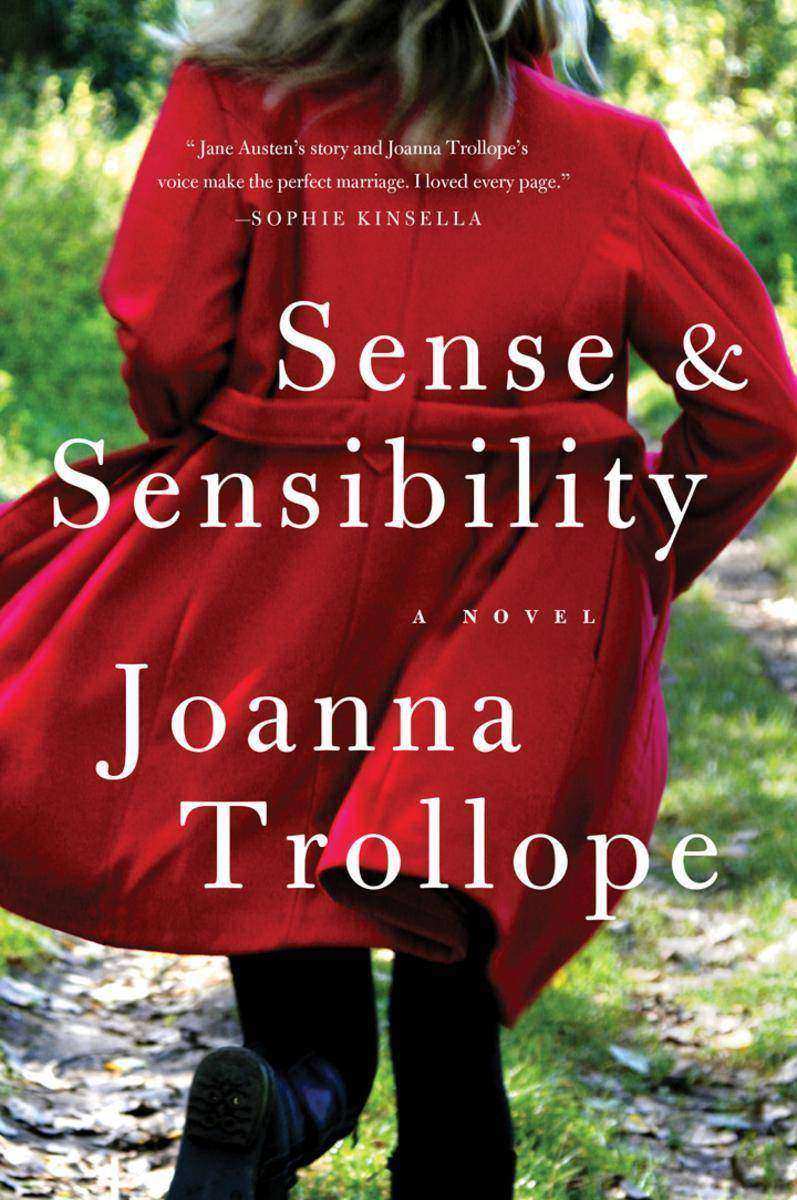
Sense & Sensibility
¥90.51
Two sisters could hardly be more different . . . Elinor Dashwood, an architecture student, values patience and reliability. Her impulsive sister, Marianne, takes after their mother, Belle, and is fiery and creative, filling the house with her dramas and guitar playing while dreaming of going to art school.But when their father, Henry Dashwood, dies suddenly, his whole family finds itself forced out of Norland Park, their beloved home for twenty years. Without the comfort of status, they discover that their values are severely put to the test.Can Elinor remain stoic and restrained knowing that the man she really likes has already been ensnared by another girlWill Marianne's faith in a one-and-only lifetime love be shaken by meeting the hottest boy in the county, John WilloughbyAnd in a world where social media and its opinions are the controlling forces at play, can love ever triumph over conventions and disapproval?With her wit and eye for social nuance, Joanna Trollope casts Jane Austen's Sense & Sensibility in a fresh new light to retell a wonderful coming-of-age story about young love and heartbreak, and how, when it comes to money especially, some things never change. . . .
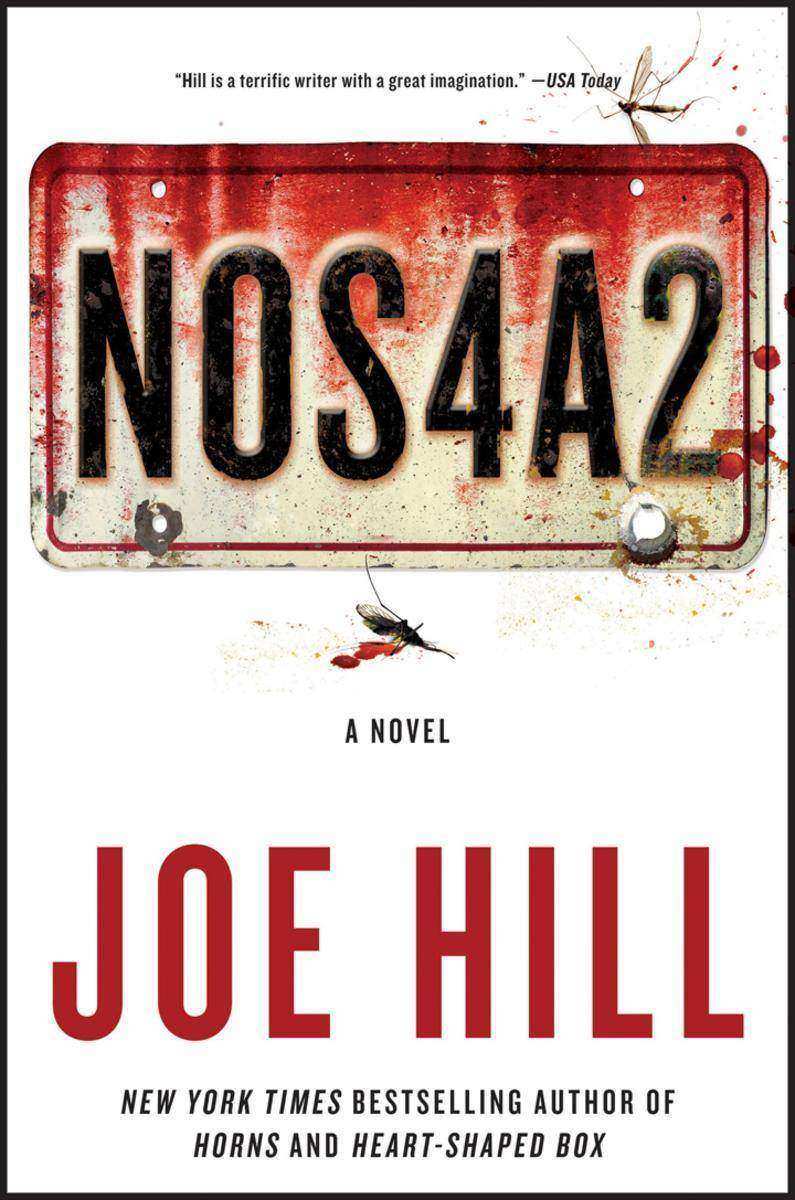
NOS4A2
¥106.61
Joe Hill, the acclaimed, award-winning author of the New York Times bestsellers Heart-Shaped Box and Horns, plunges you into the dark side of imagination with a thrilling novel of supernatural suspense that will have you flinching at shadows and checking the rearview mirror again and again. . . .NOS4A2Don't slow downVictoria McQueen has an uncanny knack for finding things: a misplaced bracelet, a missing photograph, answers to unanswerable questions. When she rides her bicycle over the rickety old covered bridge in the woods near her house, she always emerges in the places she needs to be. Vic doesn't tell anyone about her unusual ability, because she knows no one will believe her. She has trouble understanding it herself.Charles Talent Manx has a gift of his own. He likes to take children for rides in his 1938 Rolls-Royce Wraith with the vanity plate NOS4A2. In the Wraith, he and his innocent guests can slip out of the everyday world and onto hidden roads that lead to an astonishing playground of amusements he calls Christmasland. Mile by mile, the journey across the highway of Charlie's twisted imagination transforms his precious passengers, leaving them as terrifying and unstoppable as their benefactor.And then comes the day when Vic goes looking for trouble . . . and finds her way, inevitably, to Charlie.That was a lifetime ago. Now, the only kid ever to escape Charlie's unmitigated evil is all grown up and desperate to forget.But Charlie Manx hasn't stopped thinking about the exceptional Victoria McQueen. On the road again, he won't slow down until he's taken his revenge. He's after something very special—something Vic can never replace.As a life-and-death battle of wills builds—her magic pitted against his—Vic McQueen prepares to destroy Charlie once and for all . . . or die trying. . . .Joe Hill's acclaimed works of fiction, Horns, Heart-Shaped Box, and 20th Century Ghosts, have already earned him international acclaim. With NOS4A2, this outstanding novelist—"one of America's finest horror writers" (Time magazine); "a major player in 21st-century fantastic fiction" (Washington Post)—crafts his finest work yet. Disturbing, mesmerizing, and full of twisting thrills, Hill's phantasmagoric, devilishly playful masterpiece is a terrifying high-octane ride.
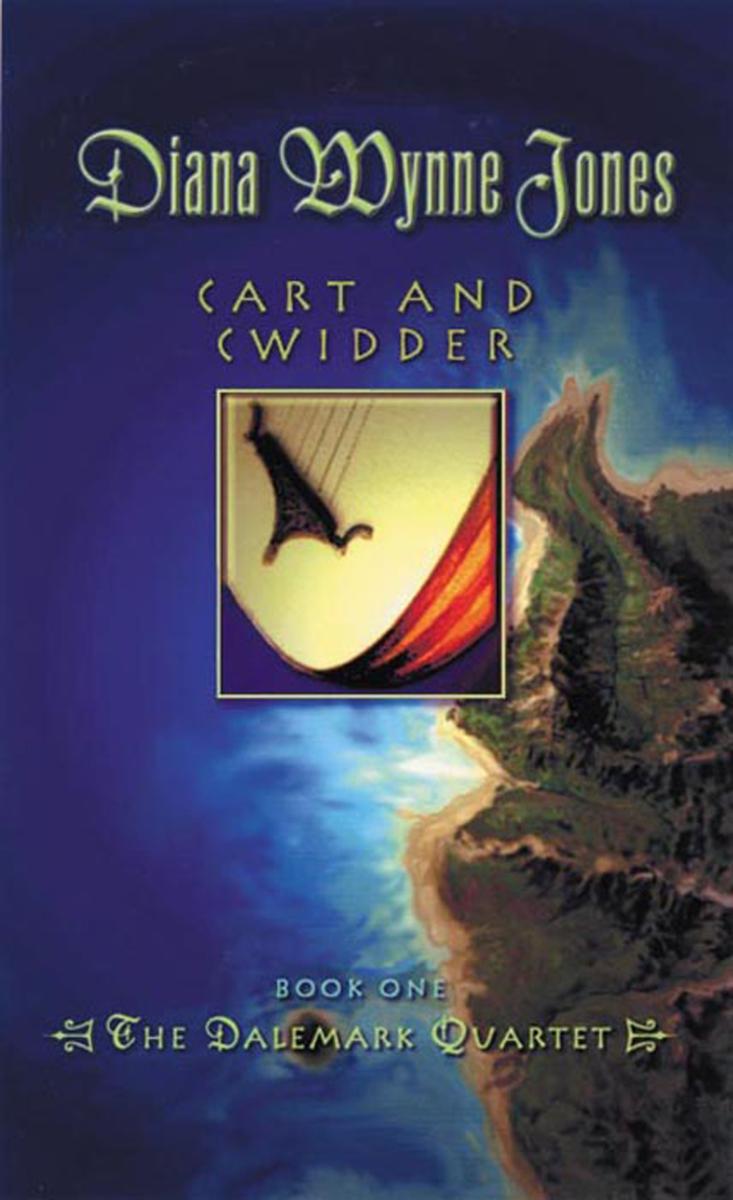
Cart and Cwidder
¥65.65
Cart and Cwidder is the first in the best-selling Dalemark Quartet of books and tells the story of Moril and his brother and sister who are travelling musicians journeying through Dalemark, until one day they pick up a mysterious passenger. Somehow Moril's family and the stranger are becoming bound together in terror, flight, and music.

The Crown of Dalemark
¥76.27
When this final book of Diana Wynne Jones's quartet of novels about the mythical kingdom of Dalemark was published in 1995, it earned the Mythopoeic Fantasy Award for Children's Literature.The Crown of Dalemark continues the adventures of Mitt after his flight from Holand as a fugitive accused of attempted murder. Since his arrival in the North of Dalemark, Mitt has become disillusioned. The North seems no more free than the South from which he came. And now he has been given an order to kill someone he doesn't even know, or else risk the lives of his friends.Forced once more to flee, Mitt is joined by Moril, the quietly powerful musician, and Maewen, out of her time but mysteriously fated to play a part in their quest. For the evil powers of the mage Kankredin are re-assembling, and only the Adon's gifts-the ring, sword, and cup-can reunite Dalemark.The Countess and Lord Keril send Mitt to kill a young woman Noreth Onesdaughter, who claims to know where the lost crown is hidden.

Drowned Ammet
¥65.37
The people of Holand in South Dalemark are bitterly oppressed by the tyrannical earl Hadd. Informers, secret police, and cruel rent-collectors terrorize the countryside, and Mitt has grown up with more than enough reasons for joining the freedom fighters.When his protest against the tyrannical government fails, a young boy escapes, with two other children, to the mysterious Holy Islands where they learn the identity and the power of two folk figures celebrated by their countrymen.
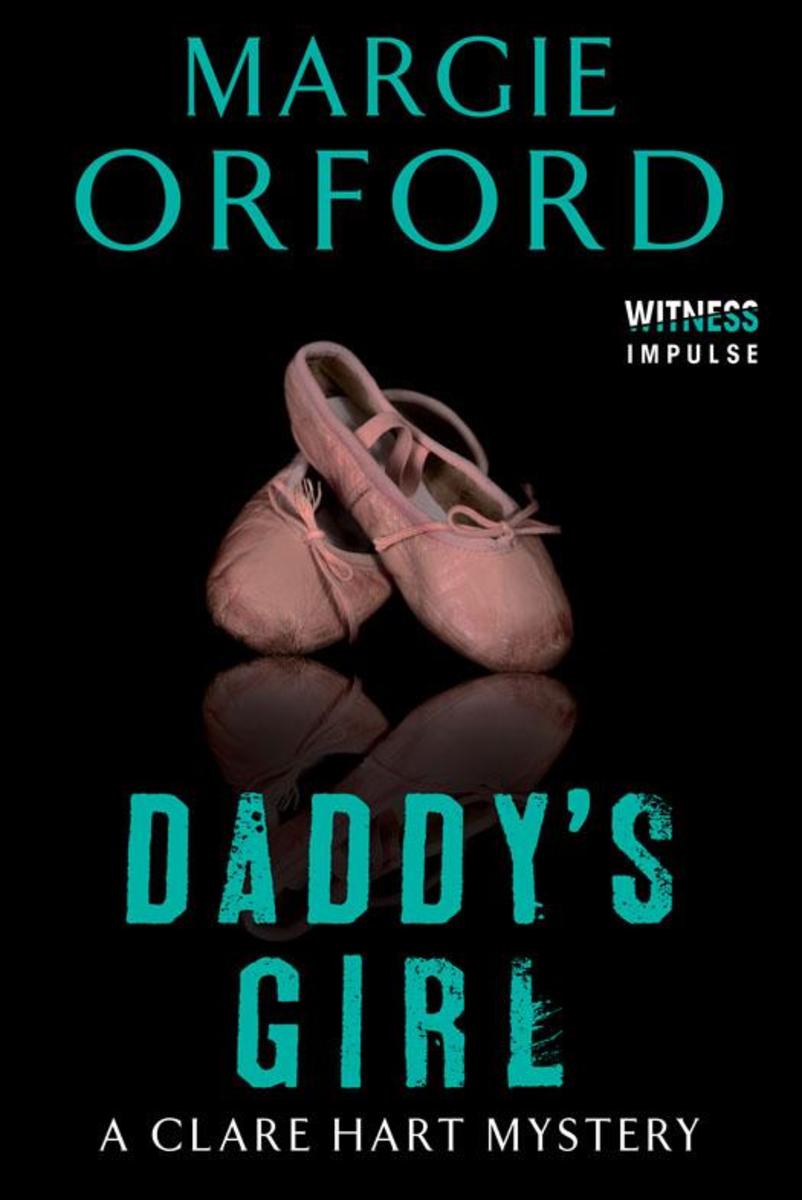
Daddy's Girl
¥67.32
How far would you go?A little girl waits alone to be picked up after ballet class—until an unmarked car approaches, and she is gone.But this little girl is the daughter of Police Captain Riedwaan Faizal. He is desperate to rescue her, but, suspended from the squad, he finds himself powerless.With nobody on his side, the captain turns to investigative journalist and criminal profiler Dr. Clare Hart, whose documentary about Cape Town's missing young girls has made her a local celebrity. Clare knows that the odds of a child's survival dwindle with each passing minute. She knows that hiding her investigation from the police has its own dangers. But she will do anything to help a heartbroken father … even if it puts all their lives at risk.Daddy's Girl is a dark and compelling crime story that will thrill fans of Deon Meyer and Tess Gerritsen.

The Darkest Hour
¥83.03
In this crackling, highly imaginative thriller debut in the vein of W.E.B. Griffin and Philip Kerr, set in German-occupied London at the close of World War II, a hardened, dispirited British detective jeopardizes his own life to save someone else and achieve the impossible—some kind of redemptionLondon, 1946. The Nazis have won the war and now occupy Great Britain, using brutality and fear to control its citizens. They even use it to control those who work for them. John Henry Rossett, a decorated British war hero and former police sergeant, is one of those unlucky souls. He's a man accustomed to obeying commands, but he's now assigned a job he didn't ask for and knows he cannot refuse: rounding up Jews for deportation, including men and women he's known his whole life. Robbed of his family by a Resistance bomb, and robbed of his humanity by the work he is forced to do, fate suddenly presents Rossett with an unexpected challenge that could change everything. He finds a boy hiding in an abandoned building and is faced with a momentous decision—to do something or to look the other way. Yet whatever Rossett does, he will be pushed into a place where he could endanger all he holds dear.Played out against a city in ruin, a place divided between the conquered and the conquerors, The Darkest Hour is a tense, driving adventure thriller, a fascinating alternate history, and the unforgettable story of a man who will be broken—or be given a completely new lease on life.


