


 购物车
购物车 个人中心
个人中心
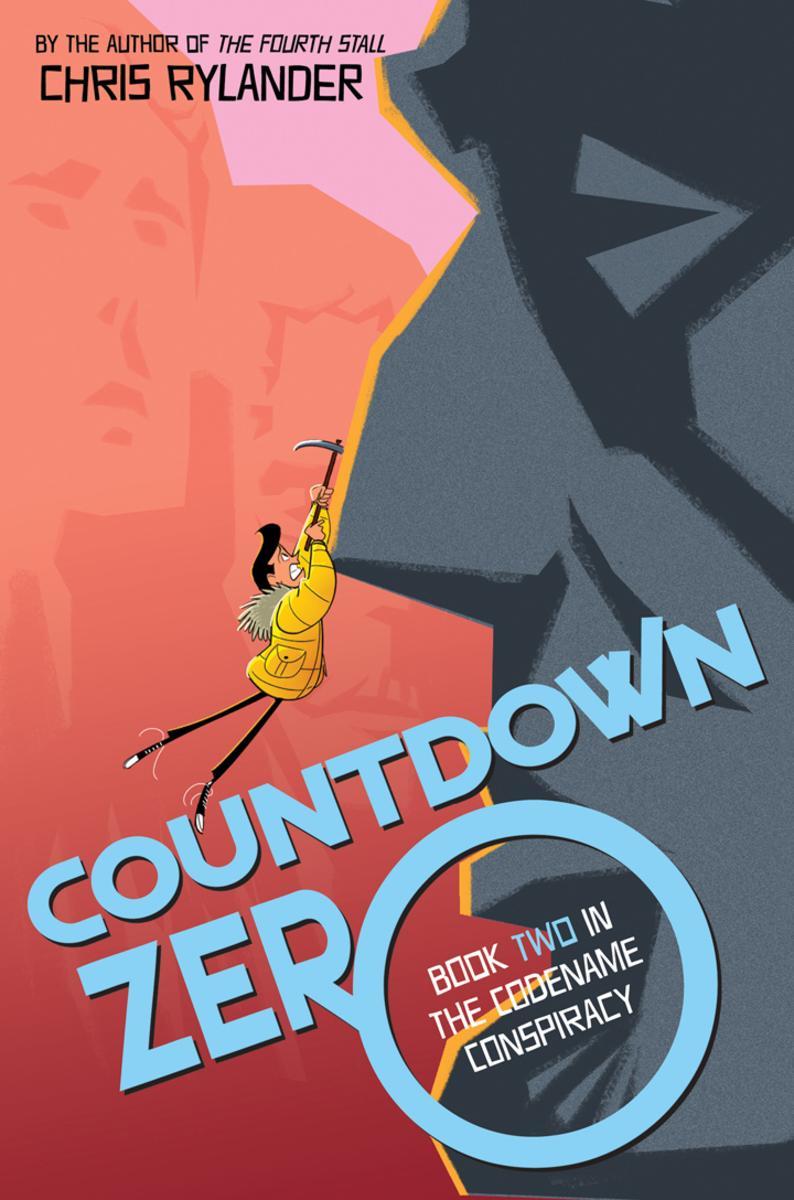
Countdown Zero
¥39.24
From Chris Rylander, author of the breakout hit the Fourth Stall saga, comes the second book in the Codename Conspiracy series, a funny and clever mash-up of middle grade school story and spy adventure.Ever since Carson Fender was let go by the secret agency that had enlisted his services to help foil a nefarious plot perpetrated by one of their former agents, he's been back to hanging with his friends, pulling pranks, and not having to lie to everyone about how he's spending his days. And that's for the best, isn't it?Of course, this was all before a note showed up in his school lunch, informing him that Agent Nineteen had three days left to live, and that there might still be someone inside the Agency working against them. Carson has always been able to rely on his friends—but what happens when there's no one left to trust?
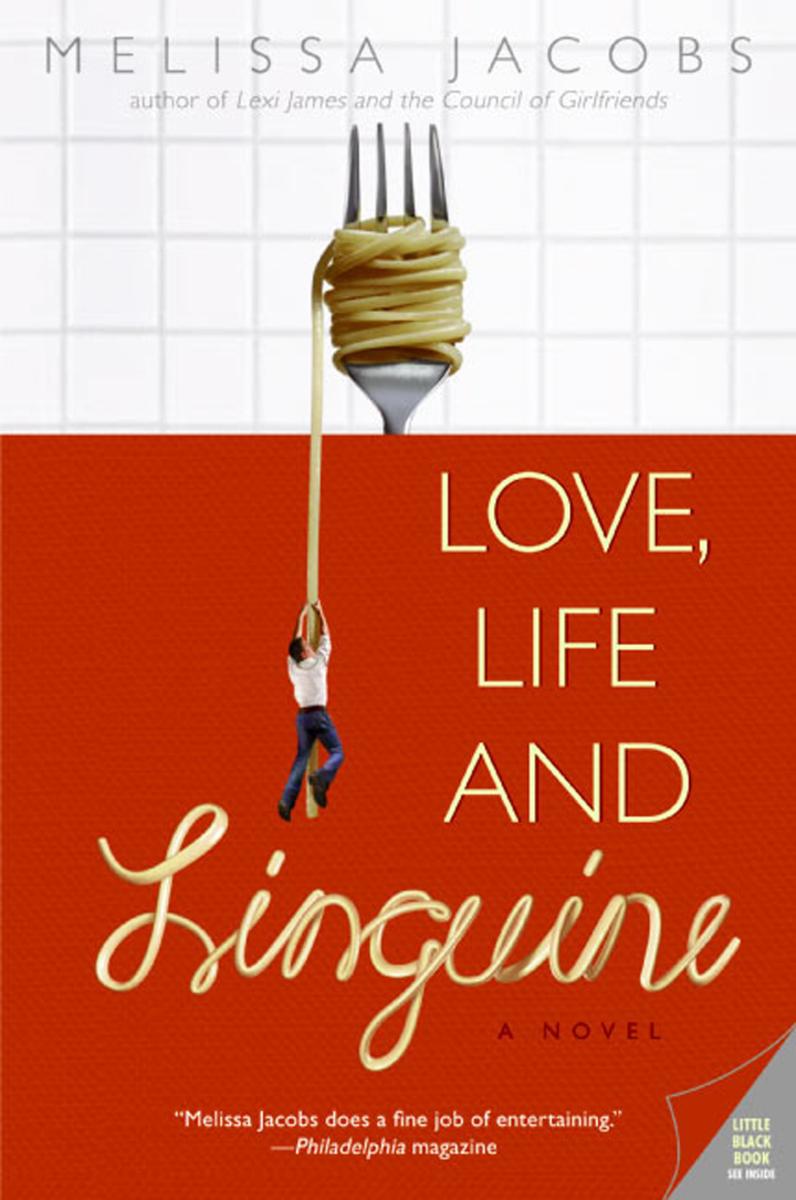
Love, Life and Linguine
¥78.55
A unique voice, Melissa Jacobs delivers a second fun–filled, food–filled novel. Mimi's life is an open book, or rather, an open menu. A restaurant consultant, she's helped launch some of the best restaurants in Philly and around the world. And she even managed to turn her boyfriend Nick into the nation's hottest celebrity chef. But when she comes home and discovers that Nick's got a secret tongue–pierced girl on the side, Mimi realizes she doesn't have the secret to success after all. Needing a change of pace, Mimi heads home to New Jersey. The family restaurant is failing and her brother, unknown to anyone, has made plans to sell. The ultimate Restaurant Diva, Mimi sets out to save the family business––a decision thatt leads her to two potentially perfect new men. All her life Mimi has believed that everyone has one true Soul Mate, but now she's thinking that idea should be tossed out with last night's leftovers. Maybe it's time to select her men the way she selects pastries and produce and sample all there is to offer.
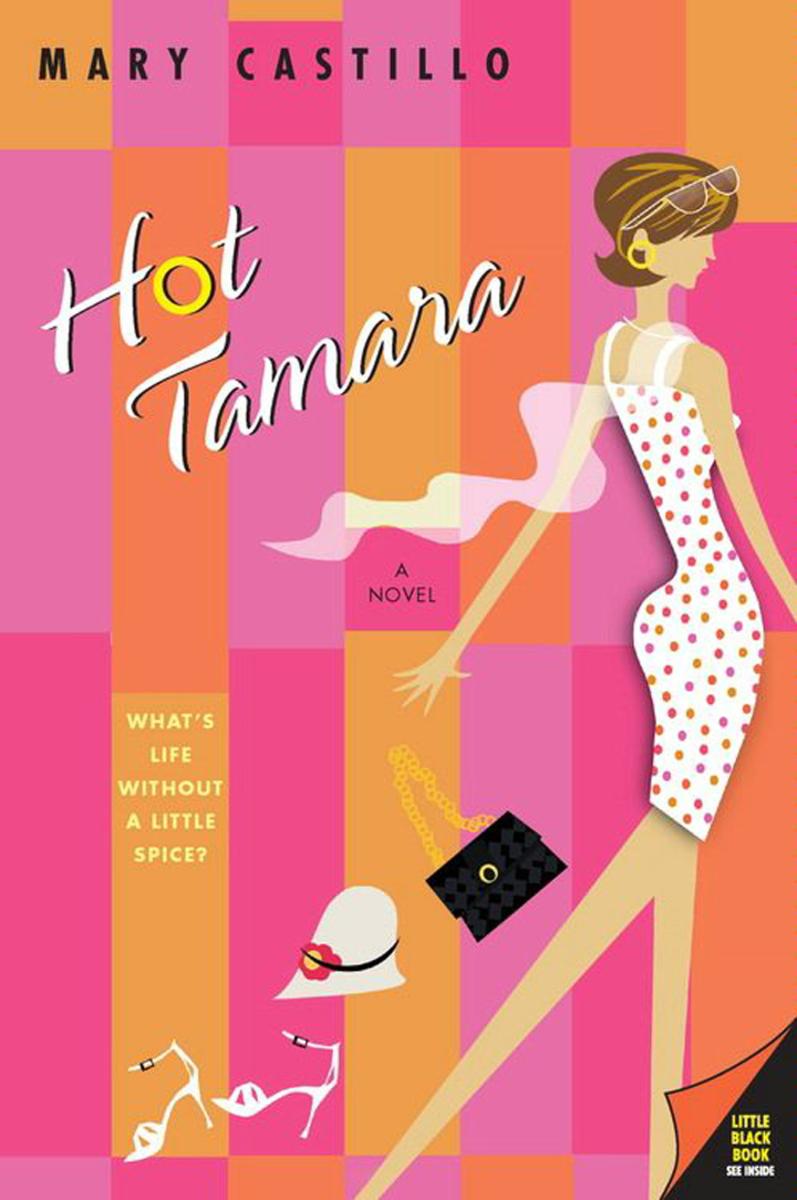
Hot Tamara
¥71.72
Tamara Contreras will never again settle for unmemorable sex. Her long-time boyfriend may look perfect to her traditional Mexican-American parents -- something Tamara has never been -- but at twenty-six she wants more from life than marriage and motherhood. So in front of everyone, Tamara does the unthinkable: She turns down her boyfriend's unexpected marriage proposal and leaves home for L.A.Tamara thinks she's got the single-girl-in-the-city thing down, until she runs into Will Benavides, the former high school bad boy turned firefighter. If Tamara's parents had known how Will lit up her teenage fantasies, she'd have been shipped off to the nuns for sure! Now Will wants to make those fantasies come true permanently.When an unexpected opportunity lands in her lap and Tamara has to choose between the career and the man of her dreams, she wonders if maybe la familia was right after all . . .
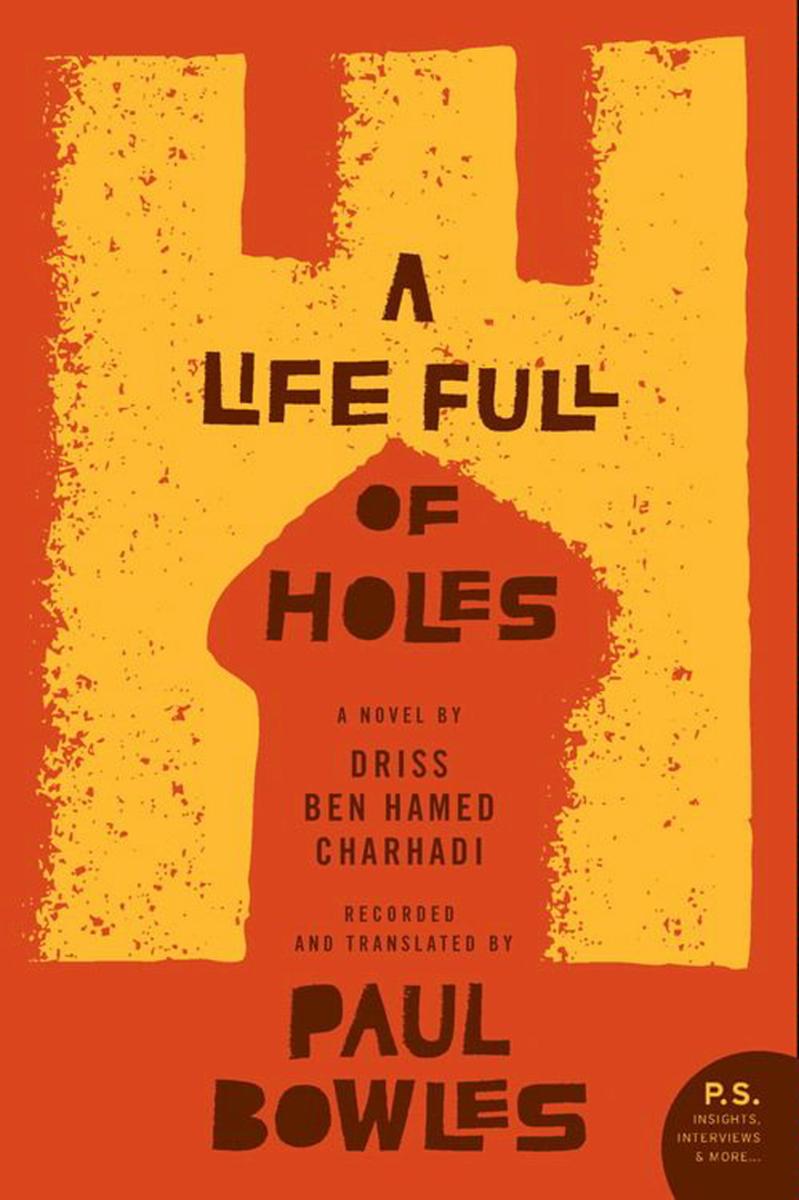
A Life Full of Holes
¥94.10
One of the most unusual literary innovations ever produced, A Life Full of Holes is the result of a singular collaboration between two remarkable individuals: Driss ben Hamed Charhadi, an illiterate North African servant and street vendor, and legendary American novelist and essayist Paul Bowles. The powerful story of a shepherd and petty trafficker struggling to maintain hope as he wrestles with the grim realities of daily life, it is the first novel ever written in the Arabic dialect Moghrebi, faithfully recorded and translated into English by Bowles. Straightforward yet rich in complex emotions, it is a fascinating inside look at an unfamiliar culture—harsh and startling, yet interwoven with a poignant, poetic beauty.
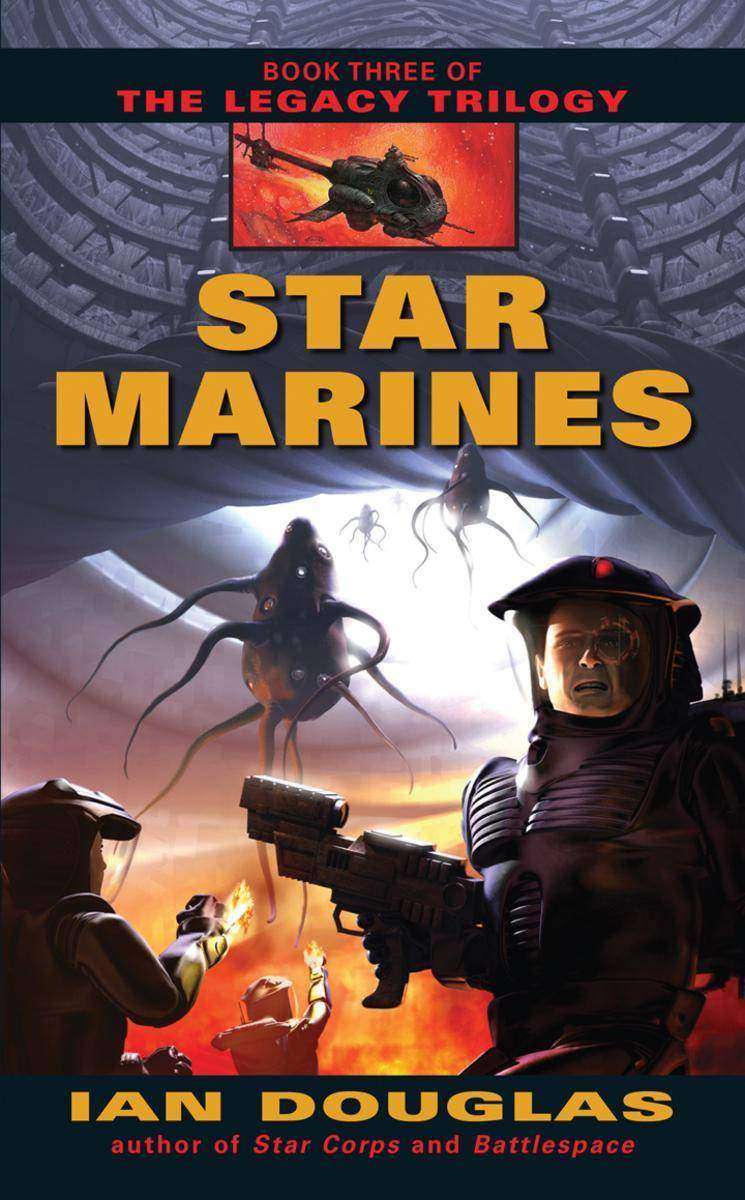
Star Marines
¥55.91
With the planet's fighting men and women deployed across the galaxy—battling in the noble cause of enslaved humanity—the insidious Xul have reached across space to devastate the unsuspecting Earth with asteroid fire. Without warning, a once majestic world is reduced to near-rubble—and the very future of humankind is in dire jeopardy. Interplanetary leaders are on the brink of abandoning Earth and its colonies to an overwhelming enemy. But Brigadier General Garroway of the Marine Interstellar Expeditionary Unit is unwilling to concede defeat—not as long as there's a single marine willing to give his or her life in defense of their embattled homeworld. The ultimate battle is about to be waged—with breathtaking new attack technology, an ancient code of courage, and the help of an ally race that once inhabited the Earth—in a war that will alter the universe forever . . .

Endgame
¥55.91
Ever since contact was first made between humans and the alien idomeni, tensions between the two races have been frequent and bloody. As the first genetically altered human-idomeni hybrid, former Captain Jani Kilian serves as a lightning rod for the anger, outrage, and hatreds of both sides. And now the ex-soldier finds herself in the unwanted role of diplomat—serving the interests of her hybrid enclave, Thalassa, the only place in the universe that welcomes renegade humans, hybrids, and aliens alike.But the all-powerful Commonwealth intends to bring Thalassa to its knees, and the time for diplomacy is at an end. With death surrounding her, Jani Kilian must return to where her nightmare began and once again take on her most powerful persona: warrior. For as the game approaches its inevitable conclusion, she knows only two options remain: victory . . . or extermination.
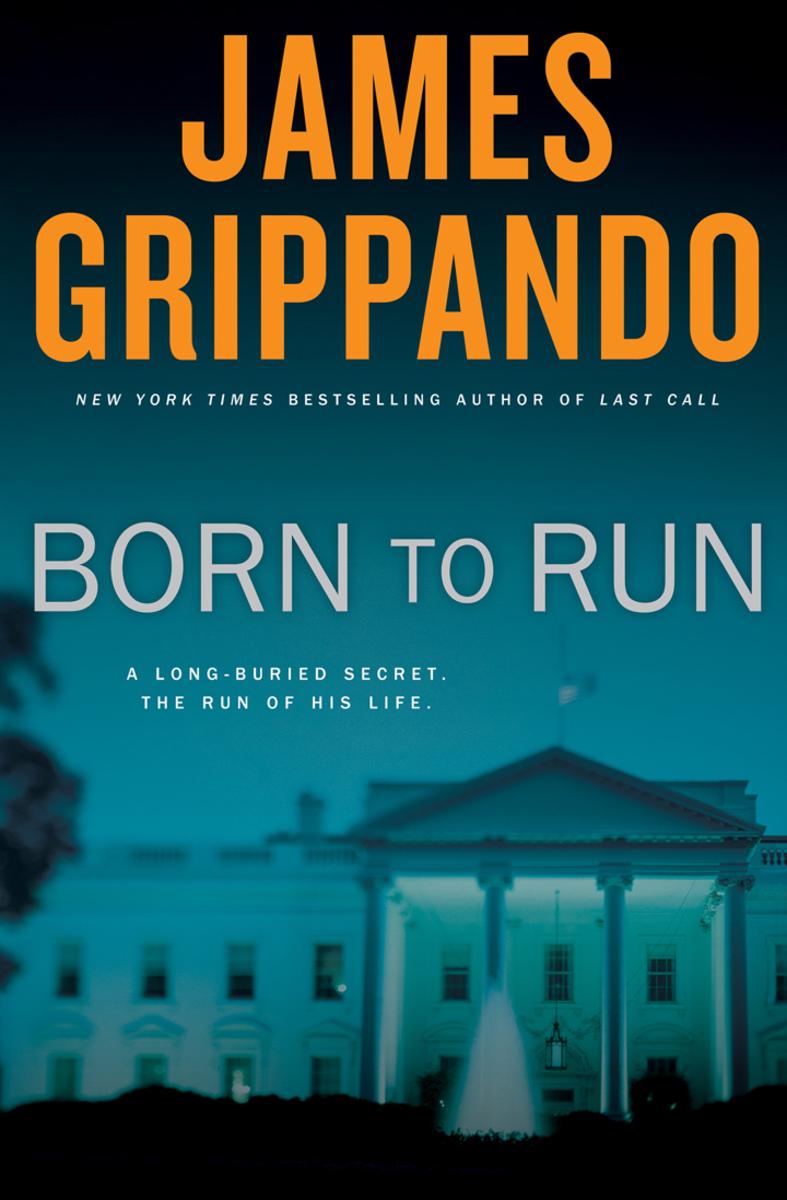
Born to Run
¥69.16
Bestselling author James Grippando is back with another innovative and action-packed thriller featuring his ever-popular hero. Jack Swyteck gets caught in a dangerous web of intrigue and murder at the top levels of the United States government in his most high-profile and disturbing case yet.Miami criminal defense lawyer Jack Swyteck guards his own family secrets closely, after his father's two terms as Florida's governor made some personal rifts public. Things between the two men are finally better, and whenever Harry Swyteck asks for Jack's help he gets it. Suddenly, Harry needs it more than ever before.When Harry's friend, the vice president of the United States, goes hunting for alligators in the Everglades and winds up dead, the president positions Harry to be his new VP. Harry immediately asks Jack to be his lawyer. The prestige that comes from the job turns lethal, however, when Jack finds himself at the heart of a complicated cover-up that spans nearly fifty years and the globe. Before hostages can be released, an old secret must be revealed, one that could threaten the life of the president of the United States himself.
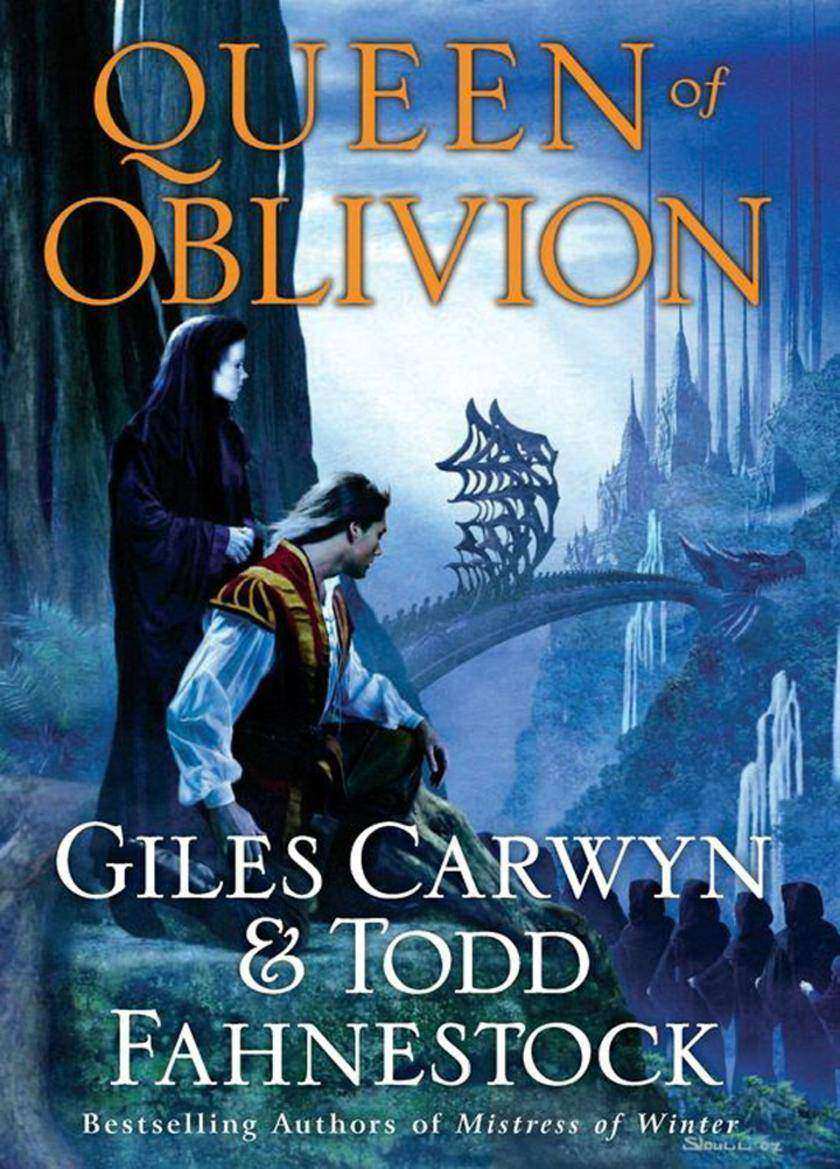
Queen of Oblivion
¥147.25
Journey beyond Ohndarien to the fallen city of Efften in the stunning conclusion to the epic Heartstone TrilogyA fallen hero defies his destiny . . . A scarred sorceress fights for love . . . A vindictive lover clings to hope . . .And a father of lies calls his family home . . ."You must teach a lost child how to love." With his dying words, the Opal Emperor leaves Brophy, the Heir of Autumn, with an impossible choice: betray his heart by seducing the enchantress Arefaine Morgeon, or watch her ruthless ambitions destroy the world.As Brophy fights to stop Arefaine from unleashing the ancient menace trapped within the silver towers of Efften, the sorceress-concubine Shara returns to her beloved city of Ohndarien to find its people enslaved by the same sinister voice leading Arefaine to her doom. Shara and Brophy rush to bring the truth to Arefaine before the horrors of Efften are reborn, but the darkness within their own hearts may prove the greatest threat . . .
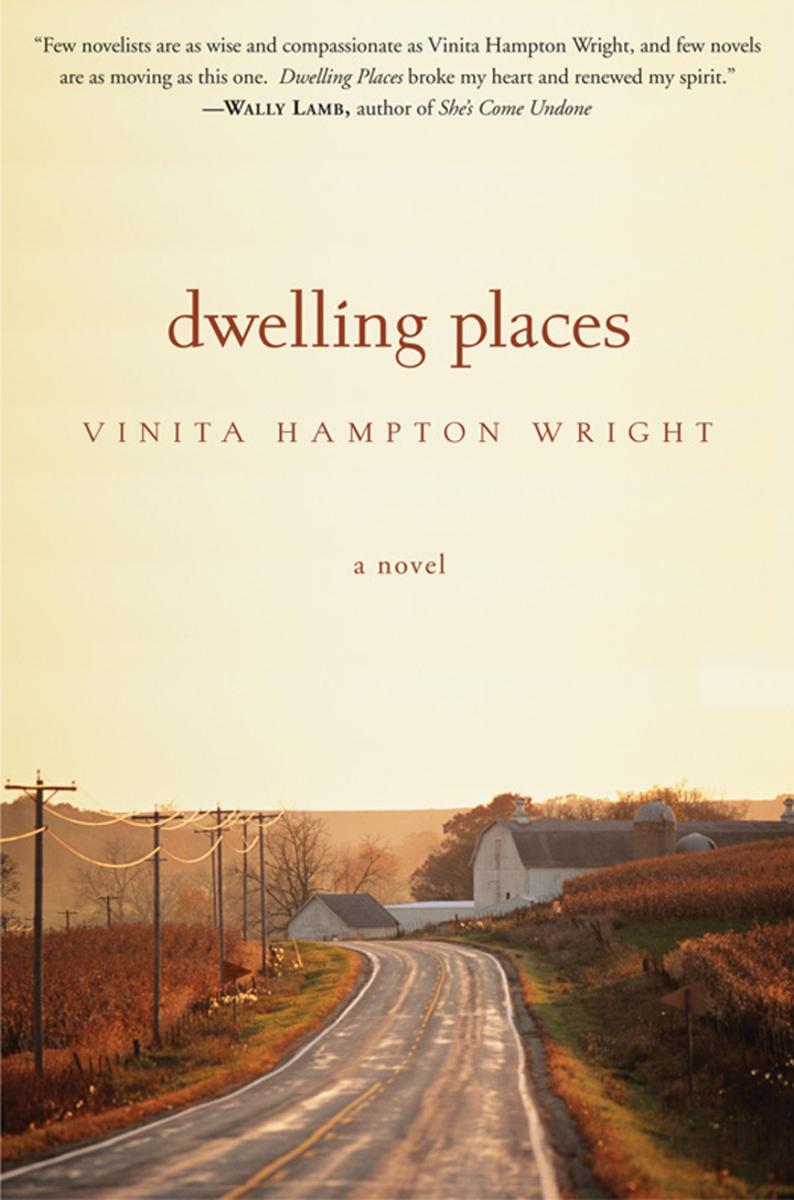
Dwelling Places
¥84.16
Mack and Jodie have no idea how much their lives are going to change when they decide to give up farming. Mack is hospitalized with depression, Jodie finds herself tempted by the affections of another man, and their teenage children begin looking for answers outside the family—Kenzie turns to fundamentalist Christianity, and Taylor starts cavorting with Goths. Told in the unforgettable voices of each family member, this powerful story of family life reveals the stubborn resilience of love and how sometimes the very thing we're looking for has been waiting at home all along.

One Night Stands and Lost Weekends
¥83.93
In the era before he created moody private investigator Matthew Scudder, burglar Bernie Rhodenbarr, sleepless spy Evan Tanner, and the amiable hit man Keller—and years before his first Edgar Award—a young writer named Lawrence Block submitted a story titled "You Can't Lose" to Manhunt magazine. It was published, and the rest is history.One Night Stands and Lost Weekends is a sterling collection of short crime fiction and suspense novelettes penned between 1958 and 1962 by a budding young master and soon-to-be Grand Master—an essential slice of genre history, and more fun than a high-speed police chase following a bank job gone bad.

The Hour I First Believed
¥90.51
When high school teacher Caelum Quirk and his wife, Maureen, a school nurse, move to Littleton, Colorado, they both get jobs at Columbine High School. In April 1999, while Caelum is away, Maureen finds herself in the library at Columbine, cowering in a cabinet and expecting to be killed. Miraculously, she survives, but at a cost: she is unable to recover from the trauma. When Caelum and Maureen flee to an illusion of safety on the Quirk family's Connecticut farm, they discover that the effects of chaos are not easily put right, and further tragedy ensues.
Vicki Pettersson/Signs of the Zodiac Collection #2
¥215.73
Vicki Pettersson/Signs of the Zodiac Collection #2 by Vicki Pettersson has de*ive copy which is not yet available from the Publisher.

Willy Vlautin Collection
¥328.06
Willy Vlautin Collection by Willy Vlautin has de*ive copy which is not yet available from the Publisher.
Villette
¥95.39
"A still more wonderful book than Jane Eyre." –George Eliot?"Her best novel." –Virginia Woolf?Charlotte Bronte’s final and most autobiographical novel—even more critically acclaimed than Jane Eyre during its time—is a brilliant story of repressed passion and unrequited love in the fictional city of Villette.Lucy Snowe is a young woman alone in the world. Running from a dark past, with no home, no family, and no prospects, Lucy trades her English homeland for the French-speaking city of Villette. She finds work at a boarding school for girls, where she encounters both intrigue and isolation. When a handsome man from her past appears in Villette, Lucy believes she may at last be free of loneliness—if her rigorous self-control doesn’t thwart her true hopes.?Based on Charlotte Bronte’s own experiences at a boarding school in Belgium, Villette is an intense psychological portrait of its heroine, a woman who so strenuously tries to hide her passions that she cannot help but reveal them.
Chelsea Girls
¥95.11
A groundbreaking and candid novel-in-real-time, considered a cult classic, from one of America's most celebrated poetsIn this breathtakingly inventive autobiographical novel, Eileen Myles transforms her life into a work of art. Told in her audacious and singular voice made vivid and immediate in her lyrical language, Chelsea Girls cobbles together memories of Myles's 1960s Catholic upbringing with an alcoholic father, her volatile adolescence, her unabashed "lesbianity," and her riotous pursuit of survival as a poet in 1970s New York.Suffused with alcohol, drugs, and sex; evocative in its depictions of the hardscrabble realities of a young artist's life; with raw, flickering stories of awkward love, humor, and discovery, Chelsea Girls is a funny, cool, and intimate account of a writer's education, and a modern tale of how one young female writer managed to shrug off the chains of the rigid cultural identity meant to define her.
The Nameless Dead
¥66.50
The small isle of Islandmore was once an avenue for smugglers and a burial place for unbaptized babies.When a cold case leads Inspector Devlin to the desolate island in an attempt to locate the bodies of a group of people who have been presumed dead for over thirty years, he uncovers a horrifying secret: the body of a baby who appears to have been murdered. Every fiber of the inspector's being tells him he should find justice for this child, but he is prohibited from investigating further.Devlin is torn. He has no desire to dredge up painful events of the past, but neither can he let a murderer go unpunished. Devlin must follow his conscience—even when it puts those closest to him at risk.
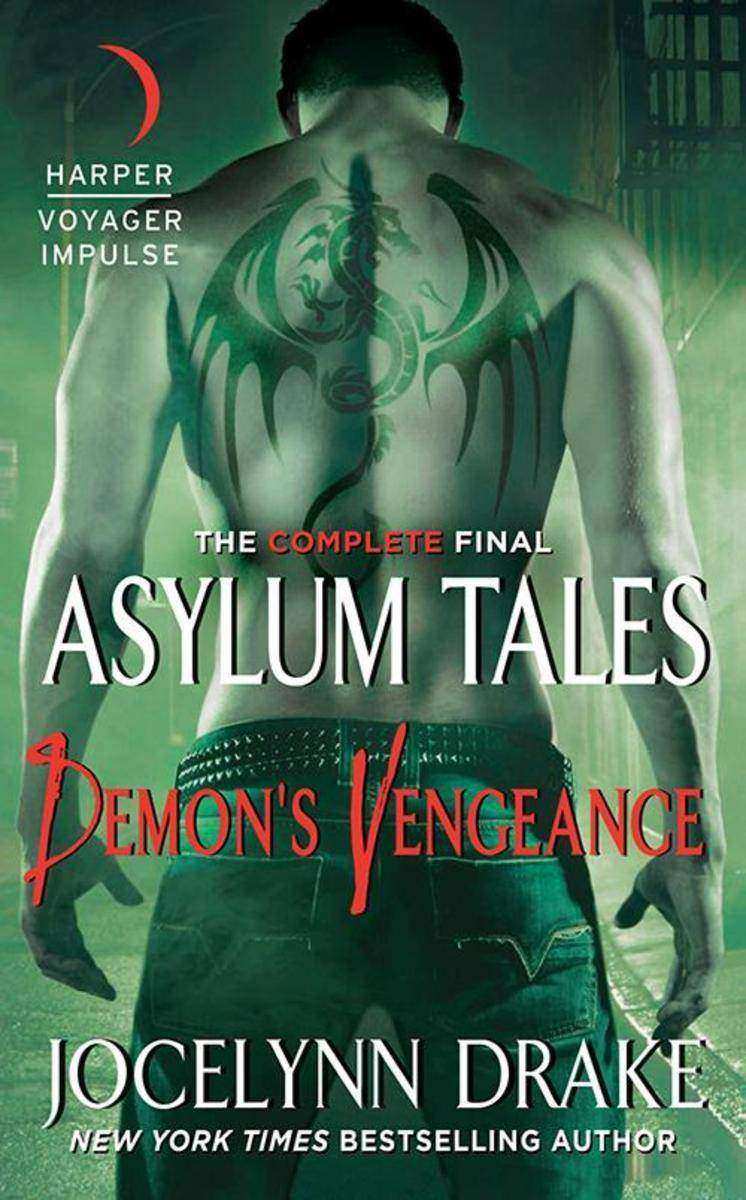
Demon's Vengeance
¥48.39
The complete novel that comprises Demon's Fury, Demon's Vow and Inner Demon.Powerful warlock and tattoo artist Gage has managed to escape the magical Ivory Towers who terrorize the rest of humans and monsters—but at a price. Now he must join forces with his nemesis, Gideon, to stop an entity that is using forbidden Death Magic to commit gruesome murders across the nation. And if that's not keeping him busy enough, an investigator recruits Gage to help her track a killer … who might be targeting tattoo artists.When Gage discovers a demon locked away, it offers him access to dark magic in exchange for its freedom—a dangerous opportunity, but one that could save his loved ones. Gage must choose between what is right and what is easy.
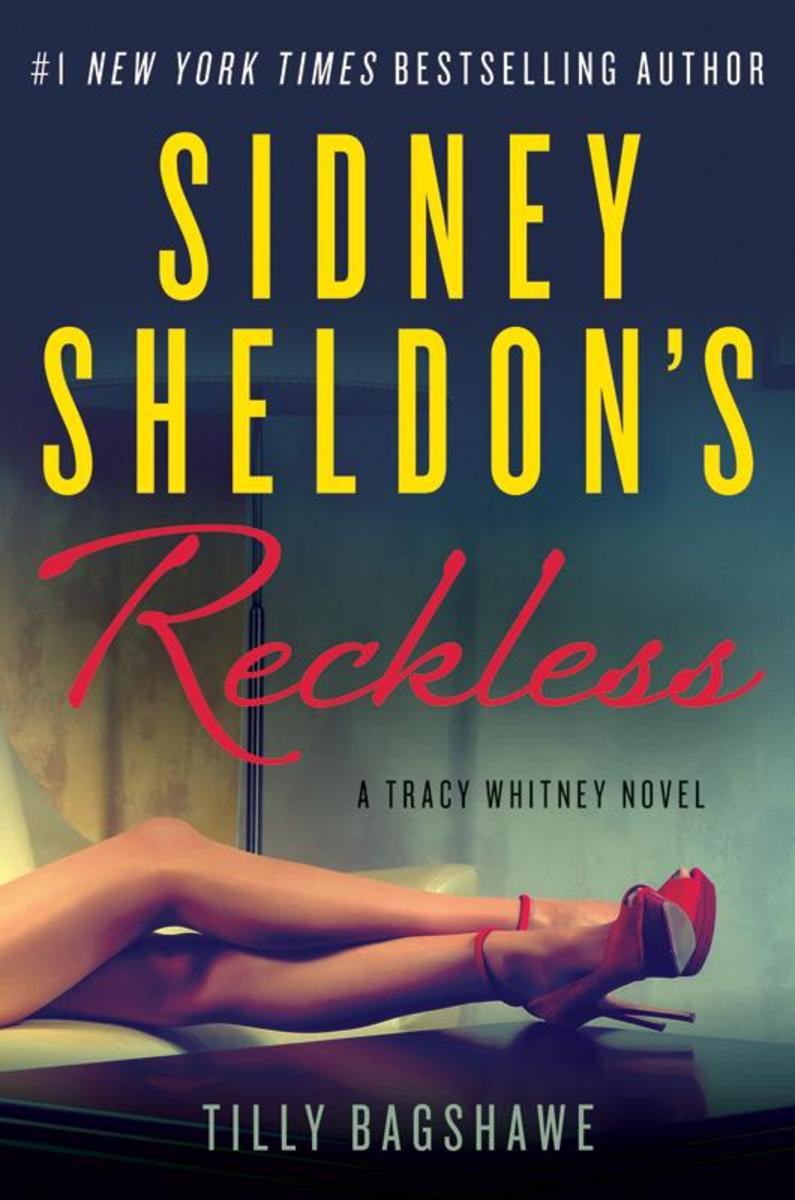
Sidney Sheldon's Reckless
¥55.31
#1 New York Times bestselling author Sidney Sheldon’s most popular and enduring heroine—Tracy Whitney of If Tomorrow Comes and Sidney Sheldon’s Chasing Tomorrow—finds herself caught in a nefarious and far-reaching scheme involving international terrorism and corruption in this compelling thriller packed with heart-stopping twists and breathtaking actionOnce upon a time, Tracy Whitney was one of the best thieves in the business. Then she settled down and had a child—a beautiful, bright, mischievous boy who was the center of her life. Tracy planned to spend the rest of her days quietly, living anonymously deep in the stunning Colorado mountains, devoted to raising her son. But tragedy forces her to face her greatest nightmare. Now, with nothing left to protect, this superb con artist, jewel thief, computer wizard, and cat burglar returns to the hunt, more dangerous, ruthless, and reckless than ever.The world faces a new terror threat from Group 99, a diverse collection of global hackers intent on thecollapse of capitalism and private wealth and the creation of a new world order. When the group turns to violence—kidnapping an American investigative journalist, shooting a British military hostage, and blowing up an international industrialist—the mysterious woman pulling their strings, a wily and wealthy American known only as Althea, becomes the CIA’s most sought criminal.But their only hope of finding her is a woman with a dark and dangerous past of her own. A woman who has also successfully evaded detection by the authorities around the world: Tracy.Convinced that Althea is behind the deadly act that shattered her life, Tracy sets out on a global hunt to flush out her prey. But as she soon discovers, the truth is as elusive as her target. Hampered by corruption, lies, and enemies masked as allies, Tracy will be pushed to the brink, where she must face her darkest demons. All of her experience tells Tracy that the answers are right in front of her—if only she can look at the clues in the right way.Propelled by an unquenchable thirst for revenge, and with the fate of so many resting in her hands, just how reckless will Tracy become when she has nothing left to lose?An addictive tale of espionage, mystery, passion, greed, betrayal, and vengeance that takes you from the beautiful Rocky Mountains to Europe’s oldest and grandest cities, filled with a cast of intriguing characters both new and familiar, Sidney Sheldon’s Reckless is a glamorous thrill ride that will leave you breathless until its shocking end.

The Playroom
¥66.50
An unforgettable psychological thriller reminiscent of Emma Donoghue's Room and V. C. Andrews' Flowers in the AtticKatherine and David have the perfect life: they are beautiful, rich, debonair, and gifted. But cracks begin to form beneath the smooth exterior when David suspects that one of their two children is not his. There is no other reason why chubby, petulant Jeanetta does not conform to David's standards of perfection and order.Soon, David's mood swings become more violent and irrational. In an attempt to exercise some control over his world, he sends Jeanetta to the playroom . . . and locks the door. With harrowing precision, Fyfield tells the story of a family's descent into madness.

The Damage
¥68.04
Power has its price.David Blake should be enjoying the high life now that he's top dog, controlling everything in the city that's worth controlling.But when it becomes clear that someone wants him dead, Blake struggles to maintain his restraint. From the heroin-laced high-rises of Newcastle to the seedy back streets of Bangkok, in a world of contract killers, corrupt politicians, bent detectives, fast women, and dangerous men, Blake is in a race against time to find—and stop—his potential assassin.Packed with action and attitude, The Damage is a gripping gangland thriller for fans of the hit films The Town and Goodfellas.
Harper
¥147.48
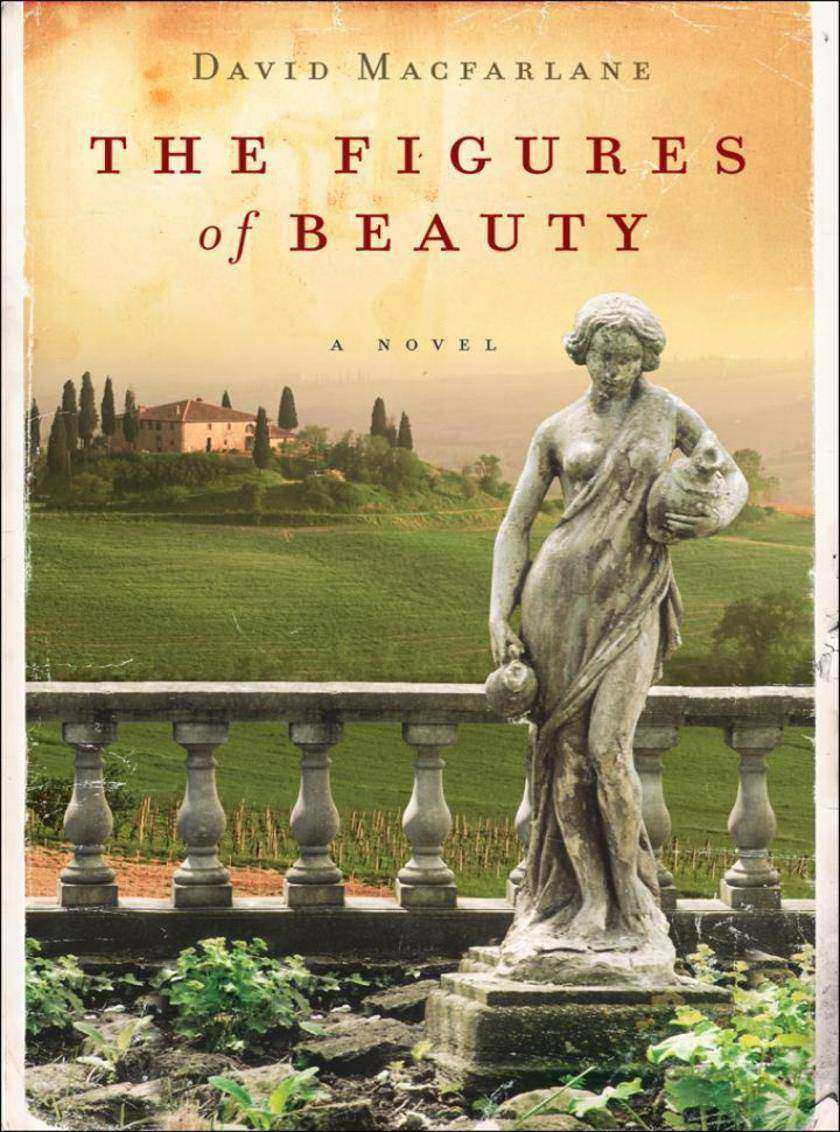
A sensuous, heartbreaking novel about art, beauty, and the choices we make that define us for lifeIn 1968 a young man travels to Paris, where a series of unlikely events take him to a tiny village in Italy—and to the one great love of his life. A marble merchant meets a couple on their honeymoon, introducing them to the sensual beauty of Carrara. An Italian woman arrives in Canada to find the father she never knew. A terrible accident in a marble quarry changes the course of a young boy's life and, ultimately, sets in motion each of these stories, which David Macfarlane masterfully shapes into a magnificent whole.Oliver Hughson falls in love with wild, bohe-mian Anna over the course of one glorious summer in Italy. Bound by a sense of responsibility to his adoptive parents back home in Canada, however, he leaves her, an act he will regret for the rest of his life. Narrated by the daughter he never knew he had, The Figures of Beauty is a love story of mythic proportions. Through luck, fate, and great good fortune, Oliver found the one place and the one woman he should never have left. This is the story of his trying to find his way back.


