


 购物车
购物车 个人中心
个人中心
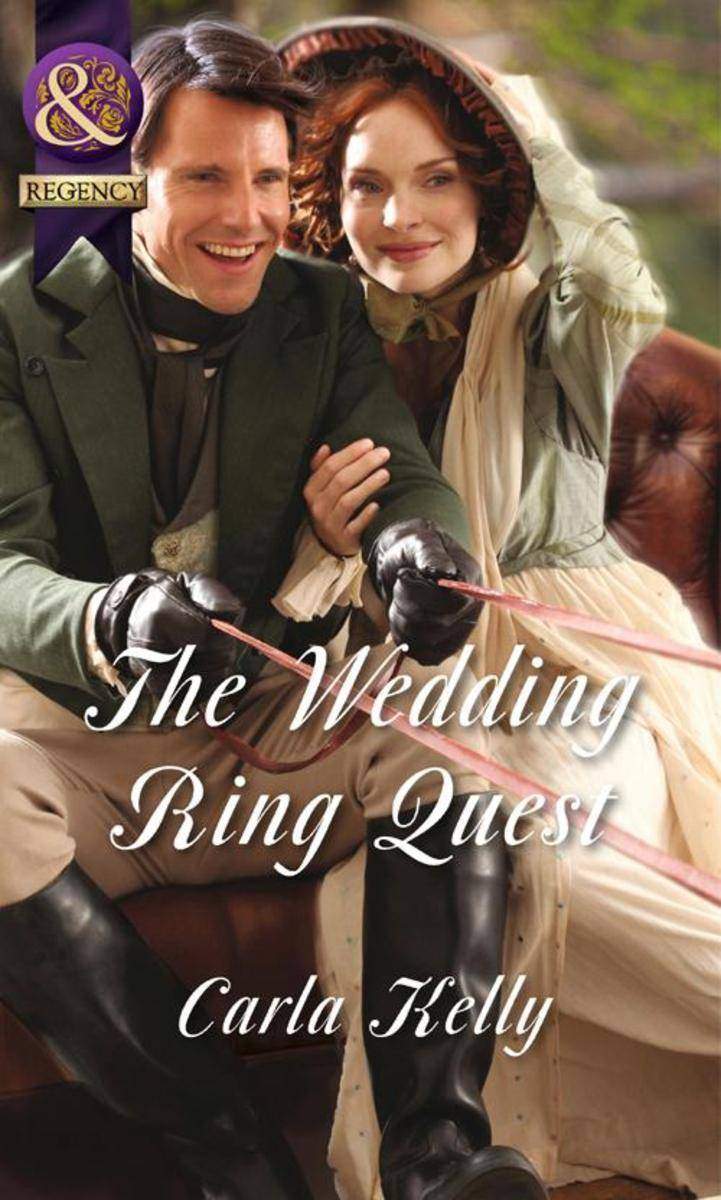
The Wedding Ring Quest (Mills & Boon Historical)
¥38.36
SEARCHING FOR A RING… FINDING A FAMILY! Penniless Mary Rennie knows she’s lucky to have a home with relatives in Edinburgh, but she does crave more excitement in her life. So when her cousin’s ring is lost in one of several fruitcakes heading around the country as gifts Mary seizes the chance for adventure. When widowed Captain Ross Rennie and his son meet Mary in a coaching inn they take her under their wing. After years of battling Napoleon, Ross finds his soul is war-weary, but Mary’s warmth and humour touch him deep inside. Soon he’s in the most heart-stopping situation of his life – considering a wedding ring quest of his own!
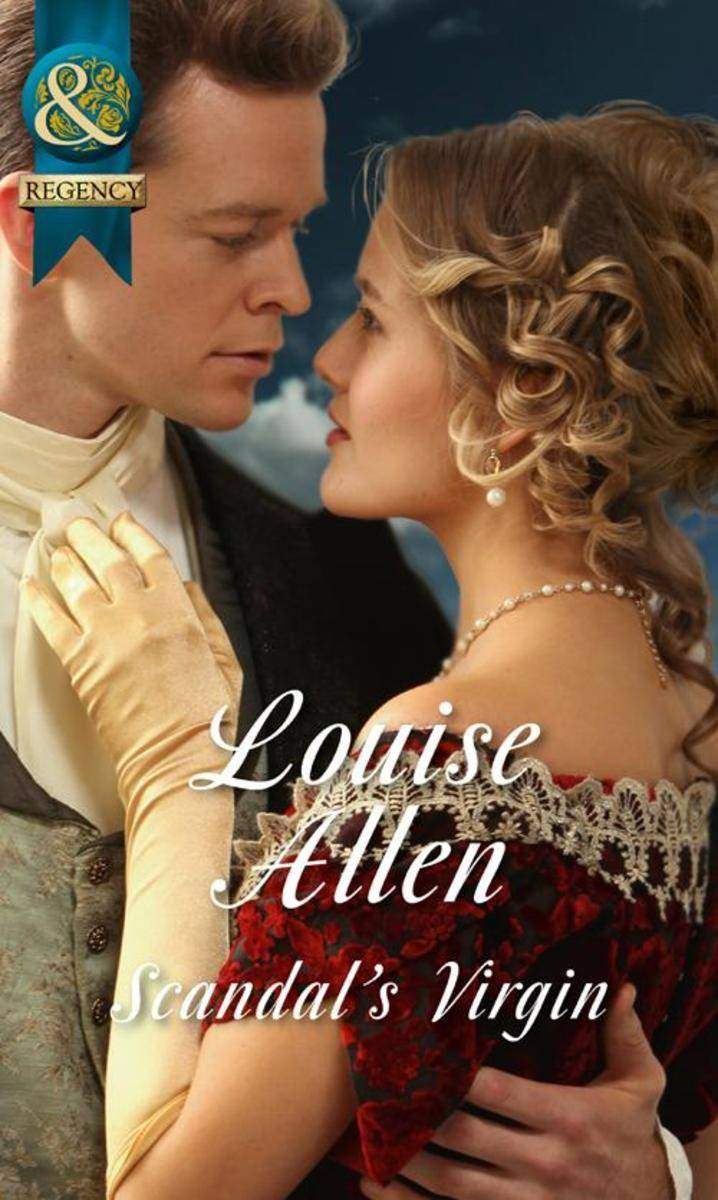
Scandal's Virgin (Mills & Boon Historical)
¥11.77
A LADY WITH A SECRET SORROW Reeling from heartbreak, Lady Laura Campion has transformed herself into the infamous Scandal’s Virgin of high society – flirtatious, alluring and utterly shocking – and yet she has always stopped short of absolute ruin. But now she has new hope. The daughter she thought lost is alive, and under the guardianship of the powerful Avery Falconer, Earl of Wykeham. Going into battle against Lord Wykeham might be her only option to win little Alice back, but she doesn’t expect the irresistible attraction that simmers between her and the formidable Earl. Laura finally has a chance at happiness – but can she persuade Avery to forgive her past?

An Ideal Companion (Mills & Boon Historical)
¥38.36
HER QUIET WORLD OVERTURNED When an unseasonable snowstorm brings an assortment of stranded travellers to Lady Beatrice Lindley’s door, companion Miss Ruth Harrington welcomes them in, flustered though she is by the towering presence of Colonel Hugo Prentiss. But the next morning Ruth’s quiet existence on the moor is shattered – Lady Beatrice is dead! Convinced there’s more to her employer’s demise than meets the eye, Ruth seeks the one man who can help her uncover the truth – the enigmatic Colonel. But, in a world where nothing is what it seems, can Ruth and Hugo come to put their trust in each other?

No Place For An Angel (Mills & Boon Historical) (The Gryphon)
¥38.36
‘I AM NOT AN ANGEL…ONLY A FALLEN WOMAN FORCED TO TURN TO THE STAGE’ In the eyes of society famous actress Catherine Jones is the virginal Angel of London. Her spotless reputation is essential if she’s ever to get her son back from his overbearing grandparents. But her secret desire for the dashing Lord Valbourg could threaten to destroy everything she’s worked so hard for… The moment he heard Catherine sing Valbourg was intoxicated. But he is guardian to his newly orphaned nephew, so a dalliance with an actress is out of the question. With so much at risk, can these two burdened hearts find happiness with each other…?

Rescued by the Viscount (Mills & Boon Historical) (Regency Brides of Convenienc
¥38.36
CHARLOTTE STEVENS HAS ONE SEASON TO FIND A HUSBAND Her father’s fortune squandered, it’s up to Charlotte to secure a match and save her family from ruin. But nobody could be more surprised than her when Captain Viscount Delsey – whose reputation for breaking hearts is only exceeded by his wealth – proposes marriage. Recognising Charlotte as the urchin he rescued late one night, Jack finds his interest piqued by this captivating adventuress. He makes an impulsive offer: he’ll clear her father’s debts if she’ll give him heirs! Regency Brides of Convenience: Deals made at the altar!

Soul Possessed (The Life After trilogy, Book 2)
¥42.48
Life after Life Now Maggie has been given the chance of her after-life to become a Guard, nothing will stand in her way. Not even the undeniable attraction she feels for her trainer and past love—Jackson. But when the battle between Shadowed and Guard begins again which side will she choose? When her boss, Felix, partners Jackson and Maggie up with Ally and Cooper to investigate terrifying Shadowed activity in a small New England town, she doesn’t think it could get any worse. Jackson and Cooper barely tolerate each other and this time, Maggie isn’t just proving her loyalty to the Guard during one mission...she has a side mission too. One so secret and so dangerous she can’t tell a soul... Praise for Katlyn Duncan ‘I loved every page of SOUL POSSESSED. ... I’m truly blown away by this series and can’t wait for book three to hit my Kindle. ONE of the best I’ve read this year!’ – Dark Novella 'The plot was original and I did not see some things coming. The writing was spectacular... There was the perfect amount of angst, tension, and passion all blended together.’ – Tween 2 Teen Books 'Soul Possessed takes this story to a whole new level. In this book, the stakes have been raised, extra layers have been added to a story that will keep you glued to its pages...’ – Realm of the Shappired Dragon The Life After series: 1. Soul Taken 2. Soul Possessed 3. Soul Betrayed - out 27 Feb 2014

Man With A Message (Mills & Boon Vintage Superromance) (The Men of Maple Hill,
¥31.10
LIVE WELL. LAUGH OFTEN. LOVE MUCH. Although Mariah Mercer designs and sells plaques with her favorite motto, she's having a hard time following it herself. At least, the LOVE MUCH part. In fact, she's given up on loving at all after a painful divorce. No, her quiet life as a dorm mother at the local boarding school in Maple Hill, Massachusetts, is enough for her. And her relationships with the children there give her all the emotional satisfaction she needs. No stranger to rejection, Cameron Trent has found a haven in the people and town of Maple Hill. He'd rather not take risks in the love department, either. So imagine his surprise–not to mention Mariah's–at what pops out of his mouth during a local spring fair. A message that changes their lives forever.
Spinsters in Jeopardy (The Ngaio Marsh Collection)
¥38.36
A classic Ngaio Marsh mystery thriller combining drugs and sacrifice. High in mountains stands the magnificent Saracen fortress, home of the mysterious Mr Oberon, leader of a coven of witches. It is not the historic castle, however, that intrigues Roderick Alleyn, on holiday with his family, but the suspicion that a huge drugs ring operates from within its ancient portals. But before the holiday is over, someone else has stumbled upon the secret. And Mr Oberon decides his strange and terrible rituals require a human sacrifice…

Off With His Head (The Ngaio Marsh Collection)
¥40.02
Pagan revelry and morris dancing in the middle of a very cold winter set the scene for one of Ngaio Marsh’s most fascinating murder mysteries. When the pesky Anna Bünz arrives at Mardian to investigate the rare survival of folk-dancing still practised there, she quickly antagonizes the villagers. But Mrs Bünz is not the only source of friction – two of the other enthusiasts are also spoiling for a fight. When the sword dancers’ traditional mock beheading of the Winter Solstice becomes horribly real, Superintendent Roderick Alleyn finds himself faced with a case of great complexity and of gruesome proportions…

Singing in the Shrouds (The Ngaio Marsh Collection)
¥38.36
With this novel of mounting tension among apparently normal people, Ngaio Marsh achieved a triumph on a level with her most famous detective novels Surfeit of Lampreys, Scales of Justice and Off With His Head. On a cold February night the police find the third corpse on the quayside in the Pool of London, her body covered with flower petals and pearls. The killer walked away, singing. When the cargo ship, Cape Farewell, sets sail, she carries nine passengers, one of whom is known to be the murderer. Which is why Superintendent Roderick Alleyn joins the ship at Portsmouth on the most difficult assignment of his professional career…

False Scent (The Ngaio Marsh Collection)
¥38.36
Another classic Ngaio Marsh novel reissued. Mary Bellamy, darling of the London stage, holds a 50th birthday party, a gala for everyone who loves her and fears her power. Then someone uses a deadly insect spray on Mary instead of the azaleas. The suspects, all very theatrically, are playing the part of mourners. Superintendent Alleyn has to find out which one played the murderer…

Dead Water (The Ngaio Marsh Collection)
¥53.76
A quirky Roderick Alleyn mystery about faith, greed – and murder. Times are good in the Cornish village of Portcarrow, as hundreds of unfortunates flock to taste the miraculous waters of Pixie Falls. Then Miss Emily Pride inherits the celebrated land on which Portcarrow stands and wants to put an end to the villagers’ thriving trade in miracle cures, especially Miss Elspeth Costs’s gift shop. But someone puts an end to Miss Cost herself, and Miss Pride’s guardian angel, Superintendent Roderick Alleyn, finds himself on the spot in both senses of the word…

Black As He’s Painted (The Ngaio Marsh Collection)
¥51.50
One of Ngaio Marsh’s most popular novels, this time featuring one of her best creations – Lucy Lockett, the crime-solving cat. When the exuberant president of Ng’ombwana proposes to dispense with the usual security arrangements on an official visit to London, his old school mate, Chief Superintendent Alleyn, is called in to persuade him otherwise. Consequently, on the night of the embassy’s reception the house and grounds are stiff with police. Nevertheless, an assassin does strike, and Alleyn finds he has no shortage of help, from Special Branch to a tribal court – and a small black cat named Lucy Lockett who out-detects them all…

Photo-Finish (The Ngaio Marsh Collection)
¥86.52
Murder and mayhem strike when a small group of people are confined to an island in the middle of a New Zealand lake in one of Ngaio Marsh’s last – and best – novels.

Citizen
¥51.50
From former top trainer Charlie Brooks comes a thriller of horseracing, dirty dealing, big business and a test of loyalty under extreme pressure… General Shalakov, brutal Russian oligarch, has business interests across many continents. Yet he craves prestige in the West. His ambition is to corner the thoroughbred stallion market in Europe. Massively rich, he is prepared to bribe, torture and murder to achieve his goal. Tipper O’Reilly, apprentice jockey, learns the hard way that survival is as much about what happens off the track as in the saddle. And he’s about to be drawn into a whole different world. Coerced into working at Shalakov’s state-of-the-art training complex miles from Moscow, Tipper has no concept of what's really going on behind the efficient facade. There'll be only one survivor of the final race.
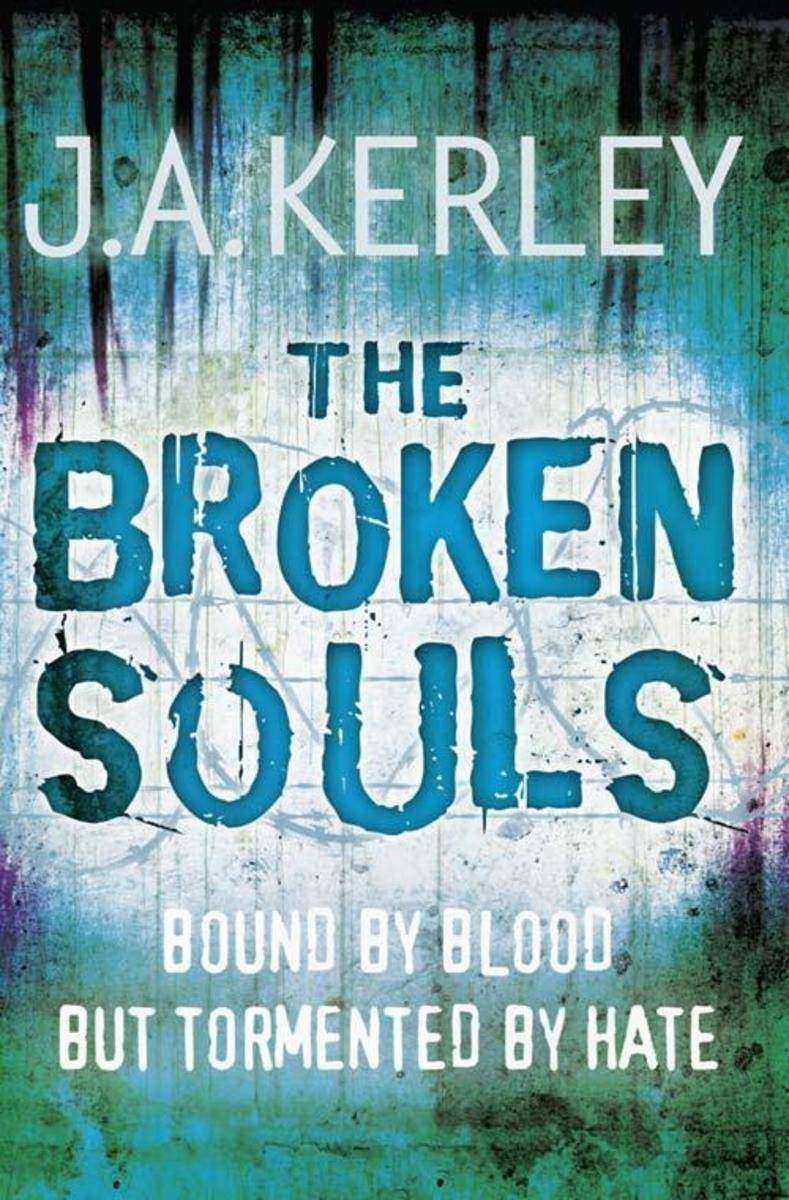
The Broken Souls (Carson Ryder, Book 3)
¥63.18
A brilliant new psychological serial killer thriller featuring homicide detective Carson Ryder, hero of the bestselling ‘The Hundredth Man’ and ‘Her Last Scream.’ Blood was everywhere, like the interior had been hosed down with an artery … The gore-sodden horror that greets homicide detective Carson Ryder on a late-night call out is enough to make him want to quit the case. Too late. Now he and his partner Harry are up to their necks in a Southern swamp of the bizarre and disturbing. An investigation full of twists and strange clues looks like it's leading to the city's least likely suspects – a powerful family whose philanthropy has made them famous. But behind their money and smiles is a dynasty divided by hate. Their strange and horrific past is about to engulf everyone around them in a storm of violence and depravity. And Ryder's right in the middle of it …
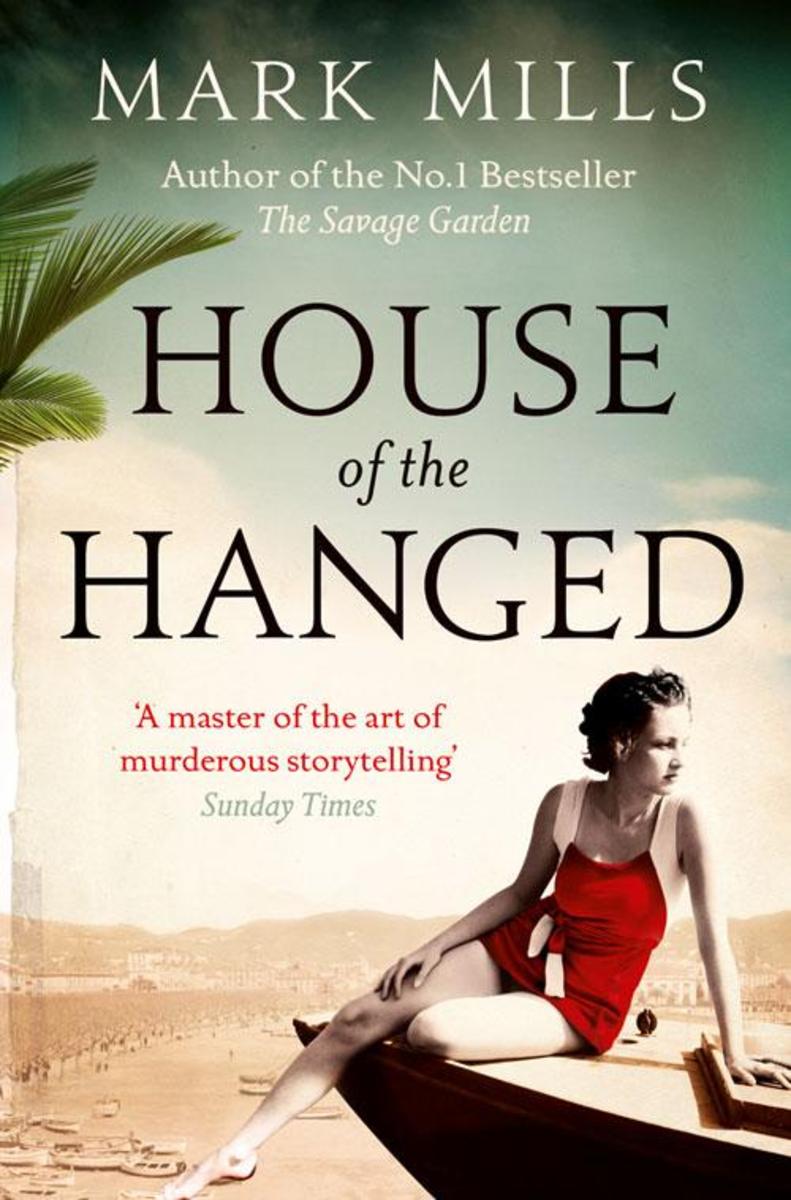
House of the Hanged
¥45.62
From the No. 1 bestseller and author of Richard & Judy pick The Savage Garden: a riveting tale of passion and murder set on the French Riviera in the 1930s for fans of Carlos Ruiz Zafon and Jed Rubenfeld France, 1935: At the poor man’s end of the Riviera sits Le Rayol, a haven for artists, expatriates and refugees. Here, a world away from the rumblings of a continent heading towards war, Tom Nash has rebuilt his life after a turbulent career in the Secret Intelligence Service. His past, though, is less willing to leave him behind. When a midnight intruder tries to kill him, Tom knows it is just a matter of time before another assassination attempt is made. Gathered at Le Rayol for the summer months are all those he holds most dear, including his beloved goddaughter Lucy. Reluctantly, Tom comes to believe that one of them must have betrayed him. If he is to live, Tom must draw his enemy out, but at what cost to himself and the people he loves…?
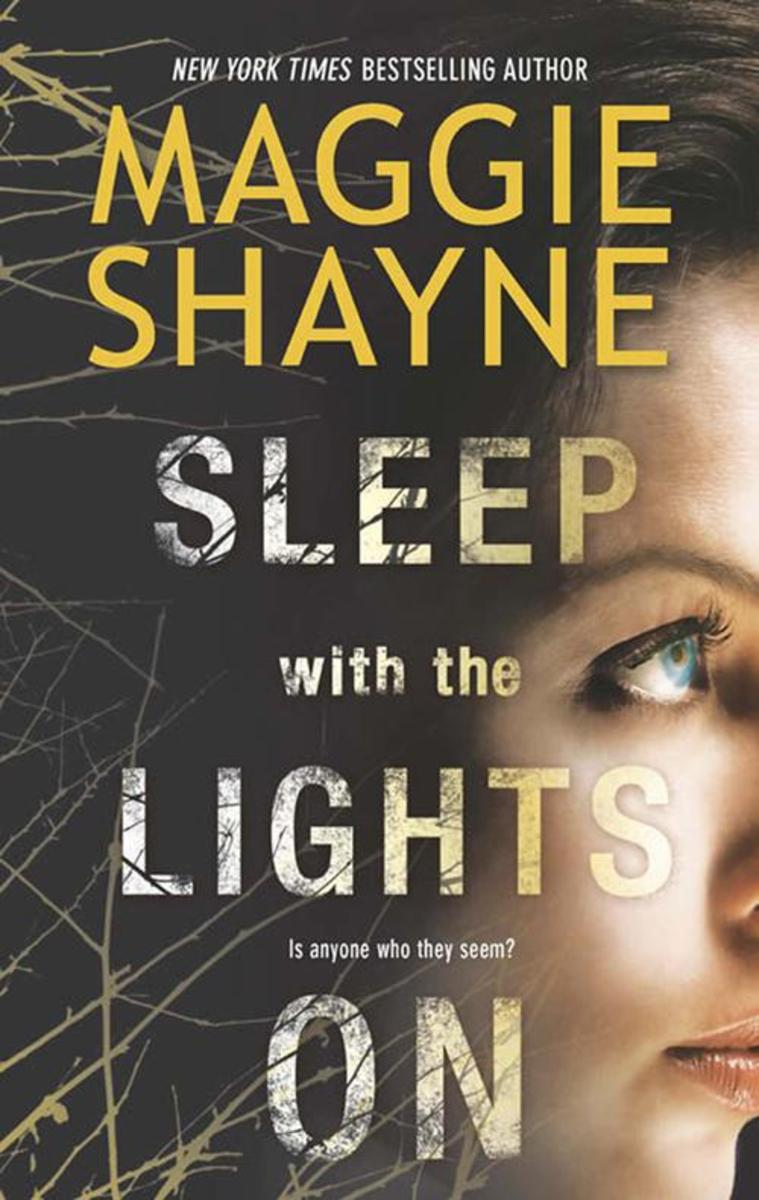
Sleep with the Lights On (A Brown and De Luca Novel, Book 1)
¥54.74
Through the eyes of a killer… Rachel de Luca has found incredible success writing self-help books. But her own blindness and the fact that her troubled brother has gone missing have convinced her that positive thinking is nothing but bull. Her cynicism wavers when a cornea transplant restores her sight. The new eyes seem to give her new life, until they prove too good to be true and she starts seeing terrifying visions of brutal murders—crimes she soon learns are all too real. Detective Mason Brown’s own brother recently died, leaving behind a horrific secret. In atonement, Mason donated his organs, though he’s kept the secret quiet. Now he wants to help Rachel find her brother, but when he discovers the shocking connection between her visions and his own brother, he suddenly has to do everything in his power to save her from a predator who is somehow still hunting from beyond the grave.

A Seaside Christmas (A Chesapeake Shores Novel, Book 10)
¥51.50
As the only child of a single mom, Jenny Collins wanted nothing more than to be part of a large, rambunctious family like the O'Briens. Ironically, though, when her mother married into that family, Jenny found herself feeling more like an outsider than ever. Now, after years in Nashville as an established songwriter, Jenny's drawn back to Chesapeake Shores to collaborate on a Christmas production… and to make peace with the past. As if that’s not challenging enough, Caleb Green, the singer who broke her heart, has followed her to town, determined to win her back. With the help of a little O'Brien holiday magic, will Jenny and Caleb find a way to make sweet music forever?
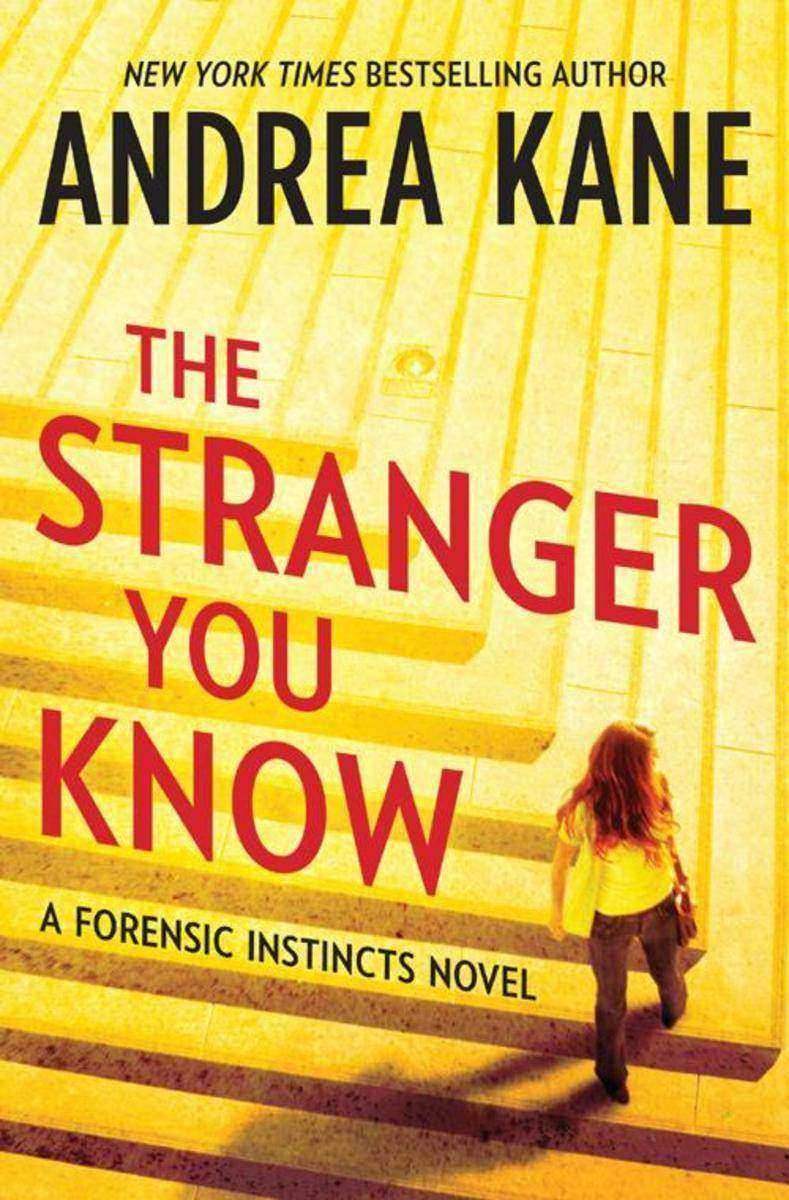
The Stranger You Know (Forensic Instincts, Book 3)
¥12.75
College-age girls with long red hair are being brutally murdered, posed like victims in a film noir. Each crime scene is eerily similar to the twisted fantasy of a serial offender now serving thirty years to life – a criminal brought to justice with the help of Casey Woods and her investigative team, Forensic Instincts. Call. Kill. Repeat. But the similarities are more than one psychopath’s desire to outdo another. As more red-haired victims are added to the body count, it becomes clear that each one has been chosen because of a unique connection to Casey… Now the Forensic Instincts team must uncover the identity of a serial killer before his ever-tightening circle of death closes in on Casey, the ultimate target. As the stalker methodically moves in on his prey, his actions make two things clear: He knows everything about Casey. And he won't stop until she’s dead.

Pregnancy Surprise: Parents in Training / Her Pregnancy Surprise / Expecting a M
¥38.65
Parents in Training Discovering she’s pregnant fills Annalise with joy, but her husband, Dominic, feels shell-shocked! He’s still reeling from an unhappy experience of parenthood from his past – a fact he’s kept secret from everyone, even Annalise.


