


 购物车
 个人中心


A Rainbow of Birds
¥24.44
Papa Cardinal and his chicks huddled in a rose bush. Raindrops splish-sploshed all around them.
Hello, How Are You
¥24.44
"Hello. How are you?" "I am fine. How are you?"

This Old Man
¥24.44
This old man, he played one . He played knick knack on my thumb .
A Summer in '69
¥24.44
After living in the Midwest most of my fifty-plus years, I moved to the beautiful northwest state of Washington. My son and his wife lived in the Seattle area, and they were expecting my first grandchild. Despite the fact that I left my friends in Colorado by choice, it was no less difficult making new friends in the town in which I was residing.
Class War?
¥141.26
Recent battles in Washington over how to fix America's fiscal failures strengthened the widespread impression that economic issues sharply divide average citizens. Indeed, many commentators split Americans into two opposing groups: uncompromising supporters of unfettered free markets and advocates for government solutions to economic problems. But such dichotomies, Benjamin Page and Lawrence Jacobs contend, ring false. In Class Warthey present compelling evidence that most Americans favor free enterprise and practical government programs to distribute wealth more equitably.At every income level and in both major political parties, majorities embrace conservative egalitarianism-a philosophy that prizes individualism and self-reliance as well as public intervention to help Americans pursue these ideals on a level playing field. Drawing on hundreds of opinion studies spanning more than seventy years, including a new comprehensive survey, Page and Jacobs reveal that this worldview translates to broad support for policies aimed at narrowing the gap between rich and poor and creating genuine opportunity for all. They find, for example, that across economic, geographical, and ideological lines, most Americans support higher minimum wages, improved public education, wider access to universal health insurance coverage, and the use of tax dollars to fund these programs.In this surprising and heartening assessment, Page and Jacobs provide our new administration with a popular mandate to combat the economic inequity that plagues our nation.
Lawyers of the Right
¥200.12
A timely and multifaceted portrait of the lawyers who serve the diverse constituencies of the conservative movement, Lawyers of the Right explains what unites and divides lawyers for the three major groups-social conservatives, libertarians, and business advocates-that have coalesced in recent decades behind the Republican Party. Drawing on in-depth interviews with more than seventy lawyers who represent conservative and libertarian nonprofit organizations, Ann Southworth explores their values and identities and traces the implications of their shared interest in promoting political strategies that give lawyers leading roles. She goes on to illuminate the function of mediator organizations-such as the Heritage Foundation and the Federalist Society for Law and Public Policy-that have succeeded in promoting cooperation among different factions of conservative lawyers. Such cooperation, she finds, has aided efforts to drive law and the legal profession politically rightward and to give lawyers greater prominence in the conservative movement. Southworth concludes, though, that tensions between the conservative law movement's elite and populist elements may ultimately lead to its undoing.
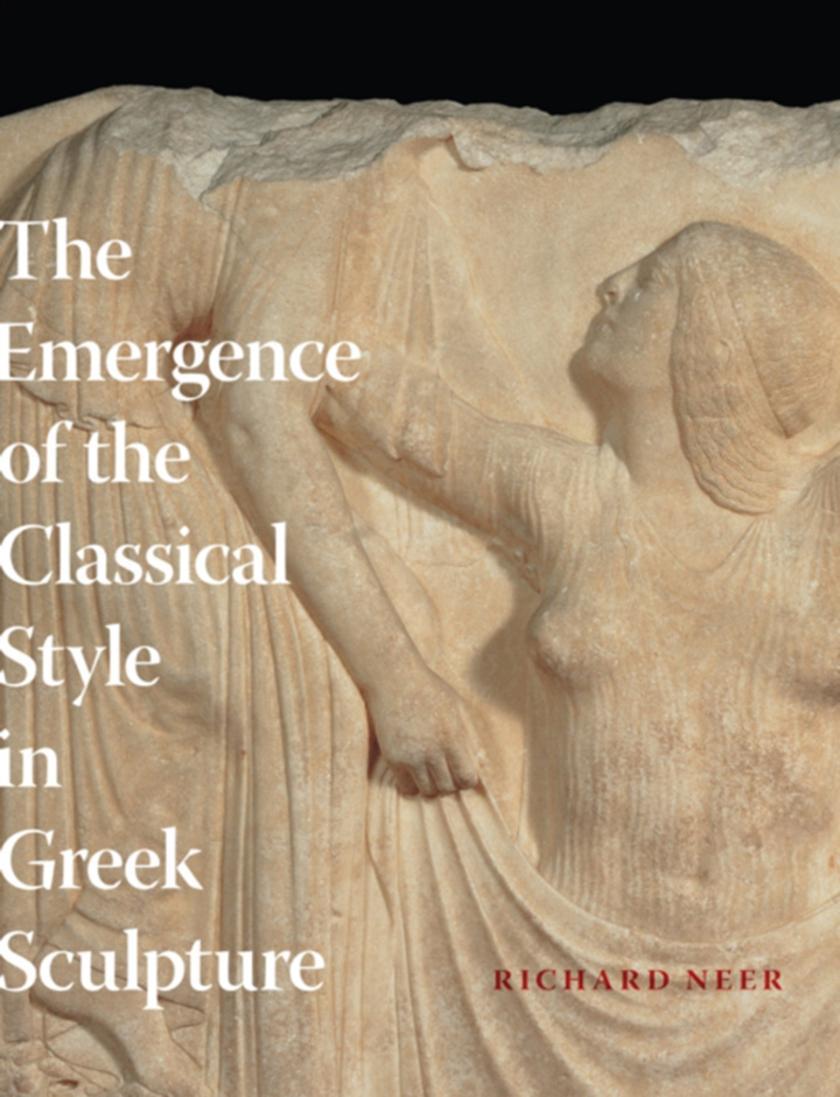
The emergence of the Classical Style in Greek Sculpture
¥353.16
This book was written in Chicago and Rome during the years 2002-2005.Difficulties in obtaining photographs (some insurmountable) delayed publication; the bibliography is reasonably up to date through early 2006 but later additions have been unsystematic.
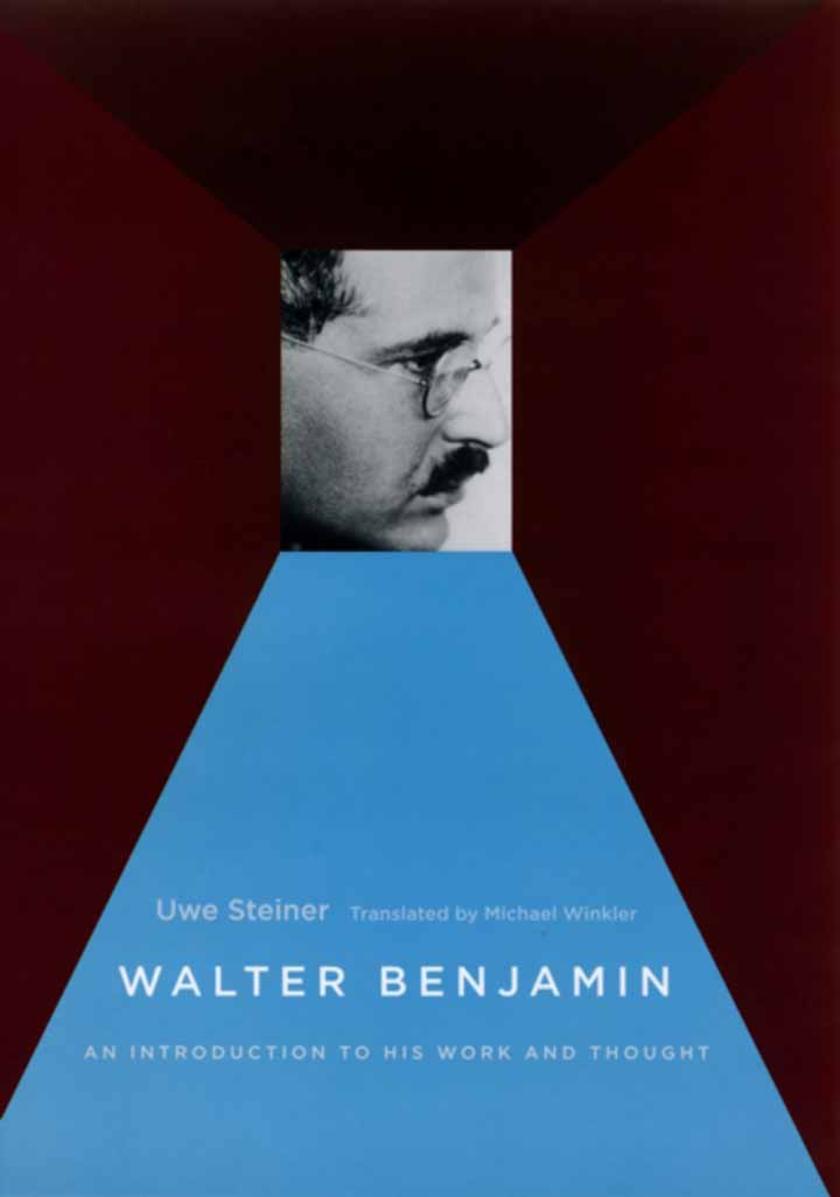
Walter Benjamin
¥188.35
Seven decades after his death, German Jewish writer, philosopher, and literary critic Walter Benjamin (1892-1940) continues to fascinate and influence. Here Uwe Steiner offers a comprehensive and sophisticated introduction to the oeuvre of this intriguing theorist.Acknowledged only by a small circle of intellectuals during his lifetime, Benjamin is now a major figure whose work is essential to an understanding of modernity. Steiner traces the development of Benjamin's thought chronologically through his writings on philosophy, literature, history, politics, the media, art, photography, cinema, technology, and theology. Walter Benjamin reveals the essential coherence of its subject's thinking while also analyzing the controversial or puzzling facets of Benjamin's work. That coherence, Steiner contends, can best be appreciated by placing Benjamin in his proper context as a member of the German philosophical tradition and a participant in contemporary intellectual debates.As Benjamin's writing attracts more and more readers in the English-speaking world, Walter Benjamin will be a valuable guide to this fascinating body of work.
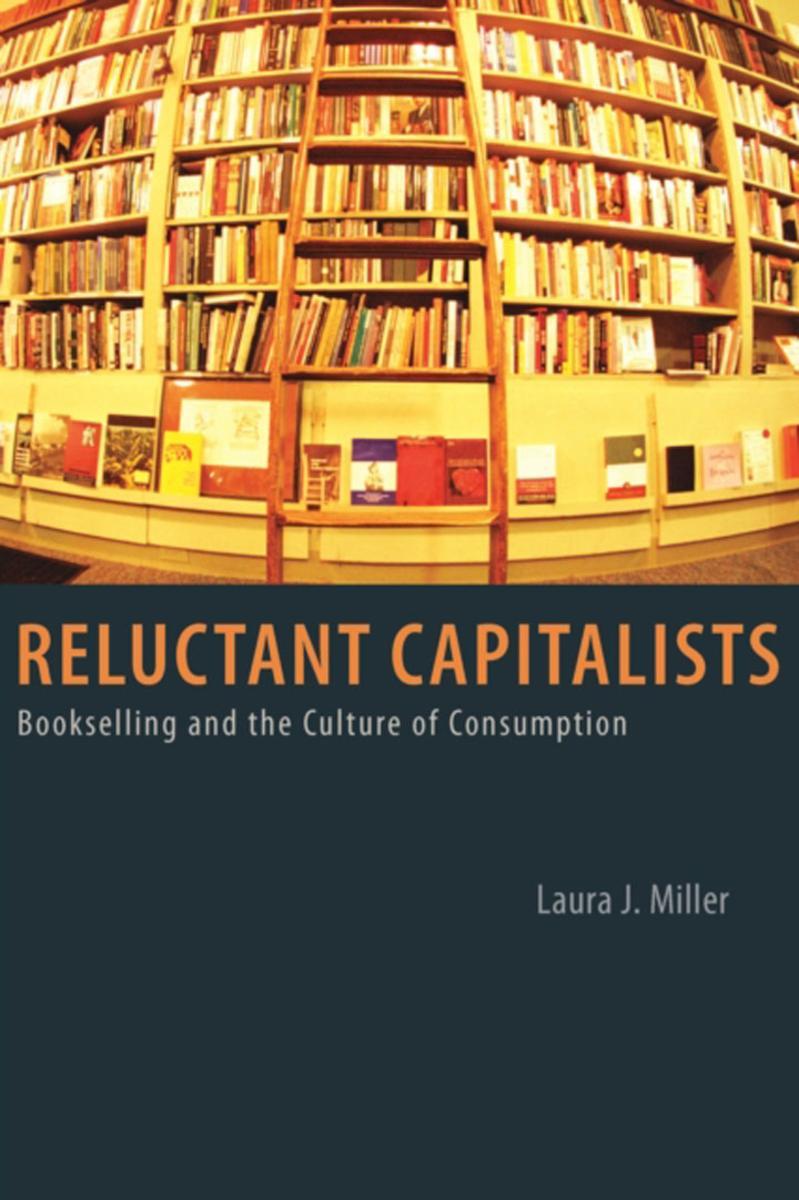
Reluctant Capitalists: Bookselling and the Culture of Consumption
¥229.55
Over the past half-century, bookselling, like many retail industries, has evolved from an arena dominated by independent bookstores to one in which chain stores have significant market share. And as in other areas of retail, this transformation has often been a less-than-smooth process. This has been especially pronounced in bookselling, argues Laura J. Miller, because more than most other consumer goods, books are the focus of passionate debate. What drives that debateAnd why do so many people believe that bookselling should be immune to questions of profit?In Reluctant Capitalists, Miller looks at a century of book retailing, demonstrating that the independent/chain dynamic is not entirely new. It began one hundred years ago when department stores began selling books, continued through the 1960s with the emergence of national chain stores, and exploded with the formation of "e;superstores"e; in the 1990s. The advent of the Internet has further spurred tremendous changes in how booksellers approach their business. All of these changes have met resistance from book professionals and readers who believe that the book business should somehow be "e;above"e; market forces and instead embrace more noble priorities.Miller uses interviews with bookstore customers and members of the book industry to explain why books evoke such distinct and heated reactions. She reveals why customers have such fierce loyalty to certain bookstores and why they identify so strongly with different types of books. In the process, she also teases out the meanings of retailing and consumption in American culture at large, underscoring her point that any type of consumer behavior is inevitably political, with consequences for communities as well as commercial institutions.
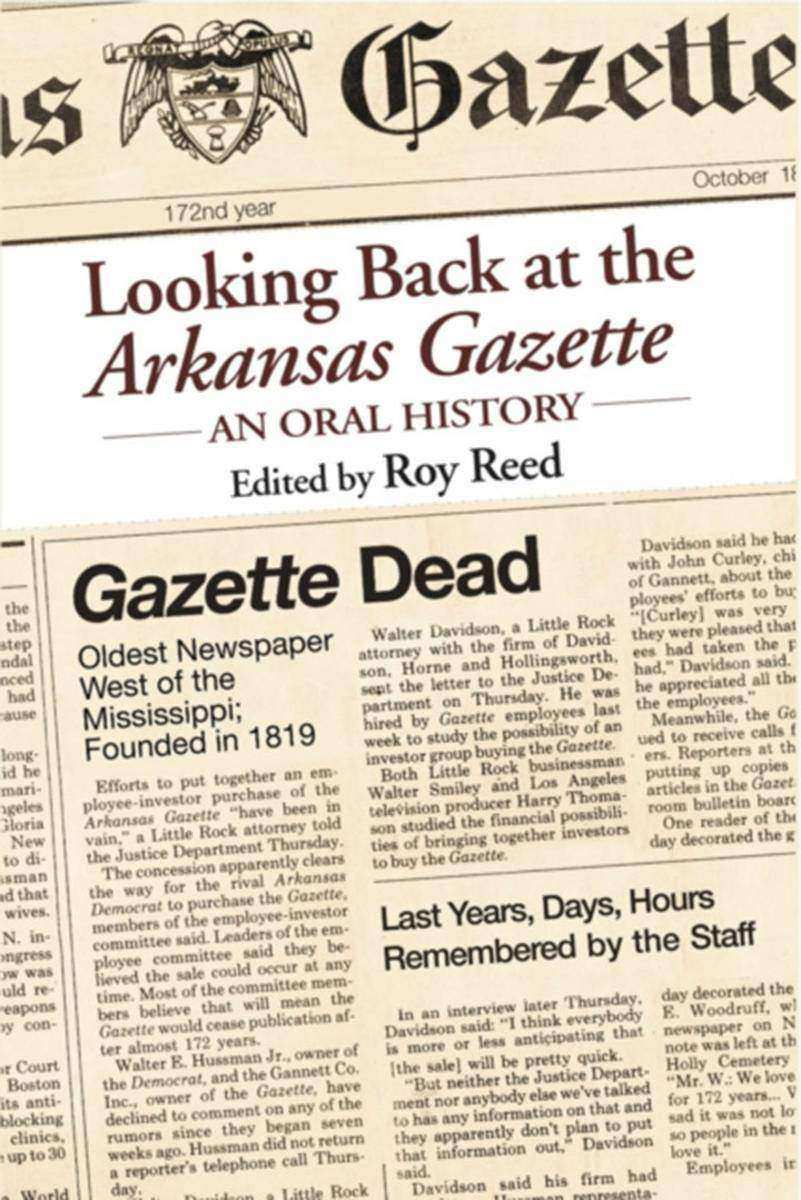
Looking Back at the Arkansas Gazette
¥260.75
The Arkansas Gazette was born in a log cabin November 20, 1819, on a bank of the Arkansas River. A local establishment donated a barrel of whiskey to celebrate the event. The first issue carried a complaint from a citizen that the town had too many lawyers. When the paper died 167 years later, the problem was not lawyers but corporate executives who had found themselves, to their confusion, in charge of the oldest newspaper west of the Mississippi and not knowing what to do with it.
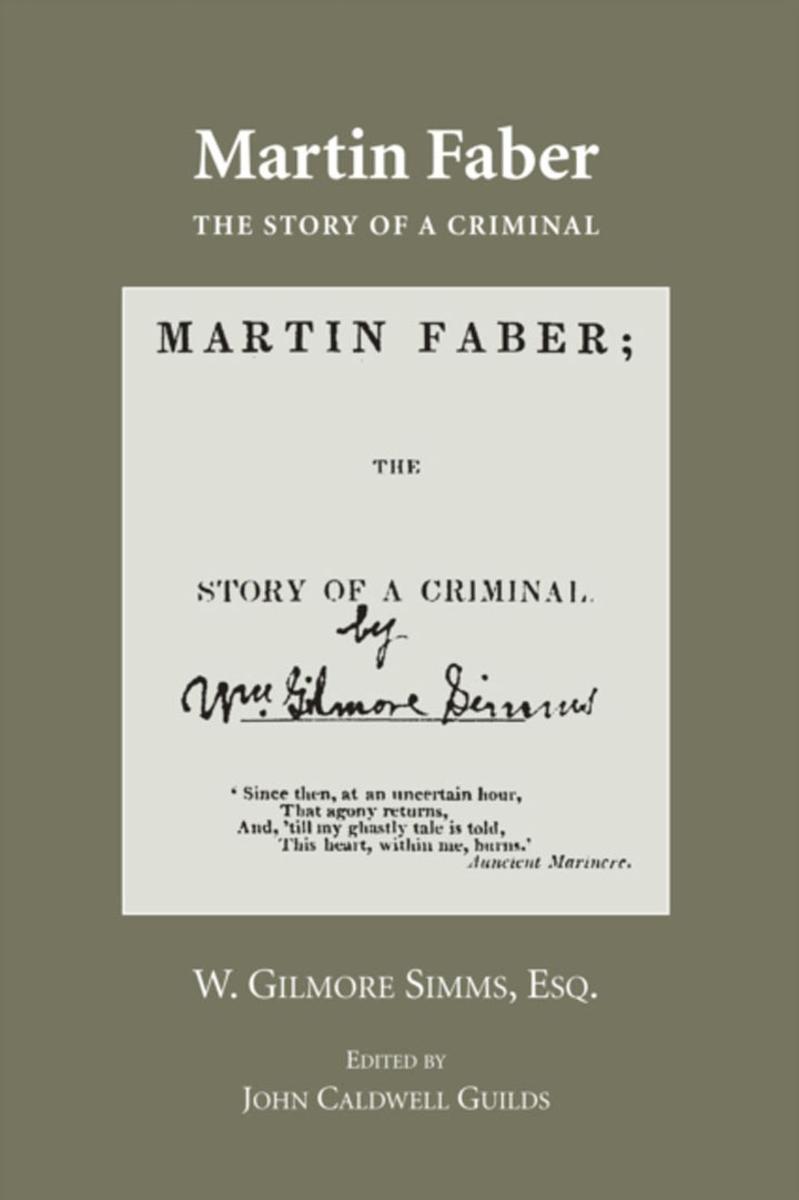
Martin Faber: The Story of a Criminal
¥260.85
William Gilmore Simms's (1806-1870) body of work, a sweeping fictional portrait of the colonial and antebellum South in all its regional diversity, with its literary and intellectual issues, is probably more comprehensive than any other nineteenth-century southern author. Simms's career began with a short novel, Martin Faber, published in 1833. This Gothic tale is reminiscent of James Hogg's Confessions of a Sinner and was written four years before Edgar Allan Poe's "e;William Wilson."e; Narrated in the first person, it is considered a pioneering examination of criminal psychology. Martin seduces then murders Emily so that he might marry another woman, Constance. Martin confesses to his friend and is killed after attempting to stab Constance when she visits him in jail. The book was immediately successful and was well received by the northern media, thus starting Simms's successful career as a writer, one that would rank him as the only major southern literary figure besides Poe before the Civil War. As with other volumes in the Arkansas Edition of Simms's work, this volume includes a critical introduction by the editor and a Simms chronology, as well as appendices dealing with textual matters. This edition also includes Simms's 1829 story, "e;Confessions of a Murderer,"e; which was the germ for his first book of fiction.

Worthy of the Cause for Which They Fight
¥263.30
Worthy of the Cause for Which They Fight chronicles the experiences of a well-educated and articulate Confederate officer from Arkansas who witnessed the full evolution of the Civil War in the Trans-Mississippi Department and western theater. Daniel Harris Reynolds, a community leader with a thriving law practice in Chicot County, entered service in 1861 as a captain in command of Company A of the First Arkansas Mounted Rifles. Reynolds saw action at Wilson's Creek and Pea Ridge before the regiment was dismounted and transferred to the Army of Tennessee, the primary Confederate force in the western theater. As Reynolds fought through the battles of Chickamauga, Atlanta, Nashville, and Bentonville, he consistently kept a diary in which he described the harsh realities of battle, the shifting fortunes of war, and the personal and political conflicts that characterized and sometimes divided the soldiers. The result is a significant testimonial offering valuable insights into the nature of command from the company to brigade levels, expressed by a committed Southerner coming to grips with the realities of defeat and the ultimate demoralization of surrender.
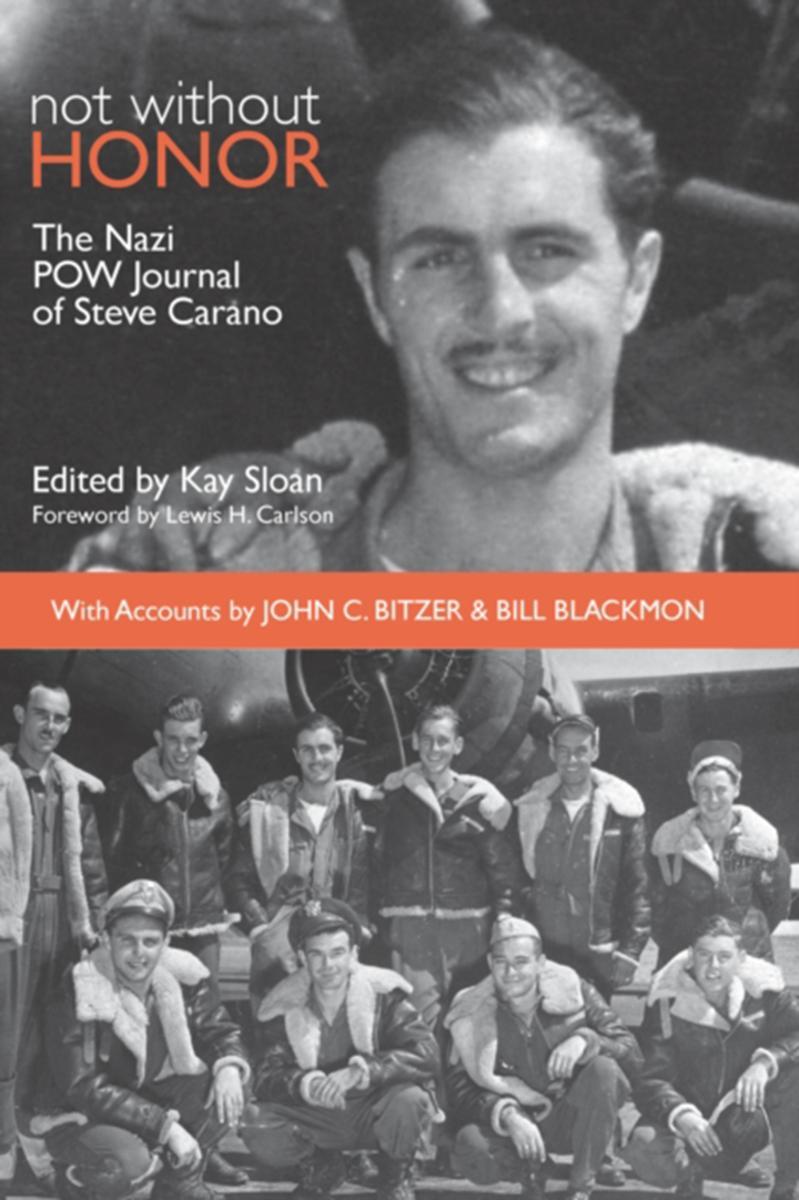
Not Without Honor
¥223.57
Not Without Honor threads together the stories of three American POWs-Carano; his buddy Bill Blackmon, who was also at Stalag 17 b; and John C. Bitzer, who survived the brutal "e;Death March"e; from northern Germany to liberation in April 1945. At times the journal reads like a thriller as he records air battles and escape attempts. Yet in their most gripping accounts, these POWs ruminate on psychological survival. The sense of community they formed was instrumental to their endurance. This compelling book allows the reader to journey with these young men as they bore firsthand witness to the best and worst of human nature.
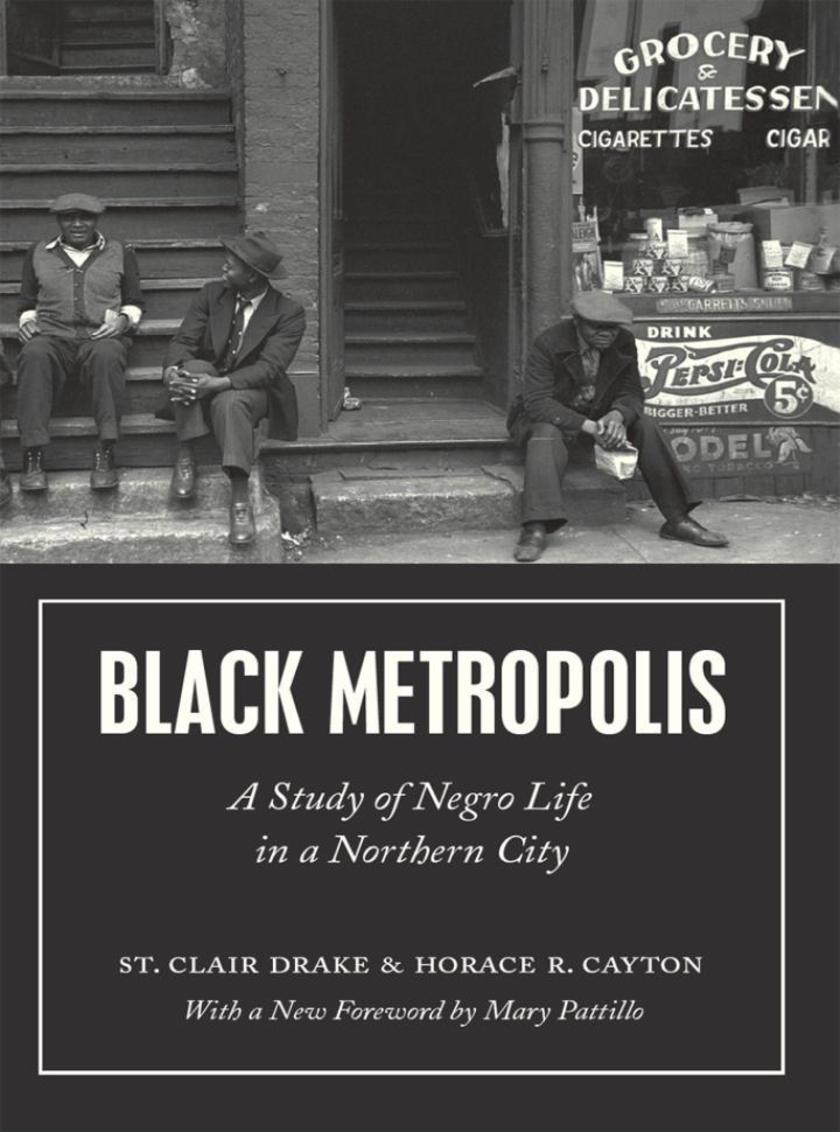
Black Metropolis
¥329.62
Ground-breaking when first published in 1945, Black Metropolis remains a landmark study of race and urban life. Few studies since have been able to match its scope and magnitude, offering one of the most comprehensive looks at black life in America. Based on research conducted by Works Progress Administration field workers, it is a sweeping historical and sociological account of the people of Chicago's South Side from the 1840s through the 1930s. Its findings offer a comprehensive analysis of black migration, settlement, community structure, and black-white race relations in the first half of the twentieth century. It offers a dizzying and dynamic world filled with captivating people and startling revelations.A new foreword from sociologist Mary Pattillo places the study in modern context, updating the story with the current state of black communities in Chicago and the larger United States and exploring what this means for the future. As the country continues to struggle with race and our treatment of black lives, Black Metropolis continues to be a powerful contribution to the conversation.
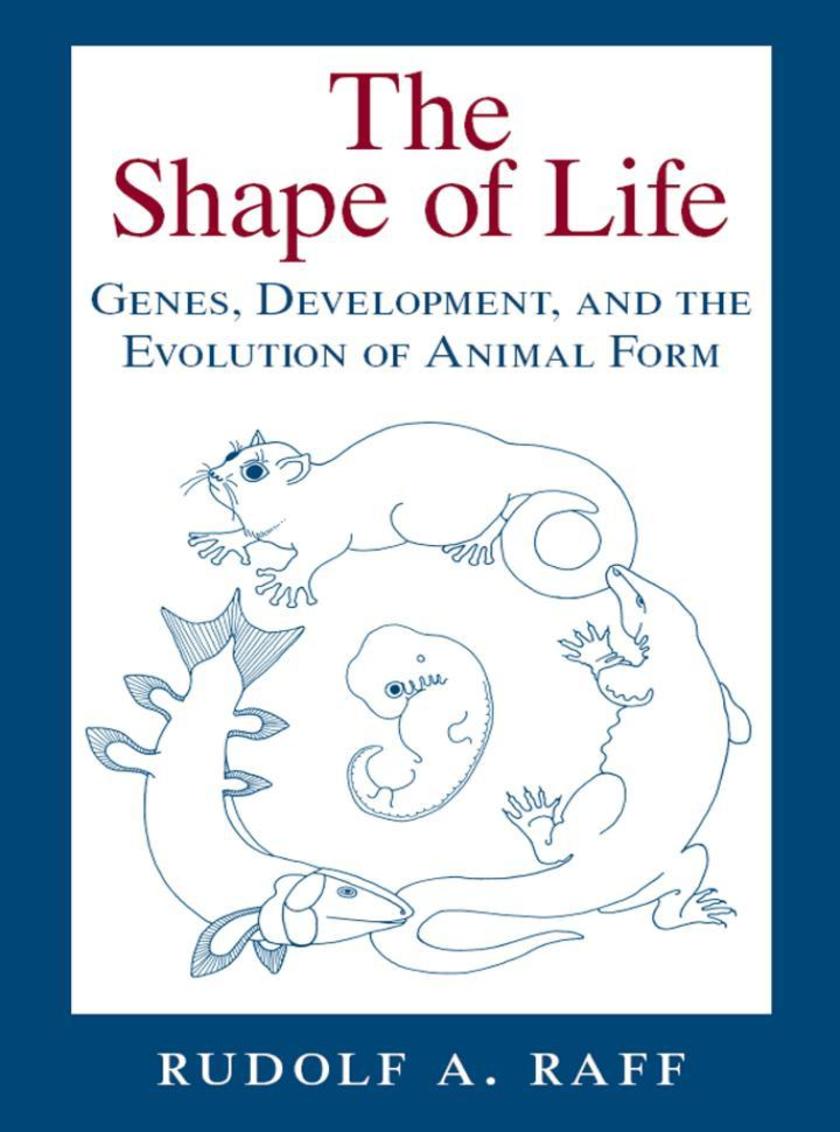
Shape of Life
¥329.62
Rudolf Raff is recognized as a pioneer in evolutionary developmental biology. In their 1983 book, Embryos, Genes, and Evolution, Raff and co-author Thomas Kaufman proposed a synthesis of developmental and evolutionary biology. In The Shape of Life, Raff analyzes the rise of this new experimental discipline and lays out new research questions, hypotheses, and approaches to guide its development.Raff uses the evolution of animal body plans to exemplify the interplay between developmental mechanisms and evolutionary patterns. Animal body plans emerged half a billion years ago. Evolution within these body plans during this span of time has resulted in the tremendous diversity of living animal forms.Raff argues for an integrated approach to the study of the intertwined roles of development and evolution involving phylogenetic, comparative, and functional biology. This new synthesis will interest not only scientists working in these areas, but also paleontologists, zoologists, morphologists, molecular biologists, and geneticists.
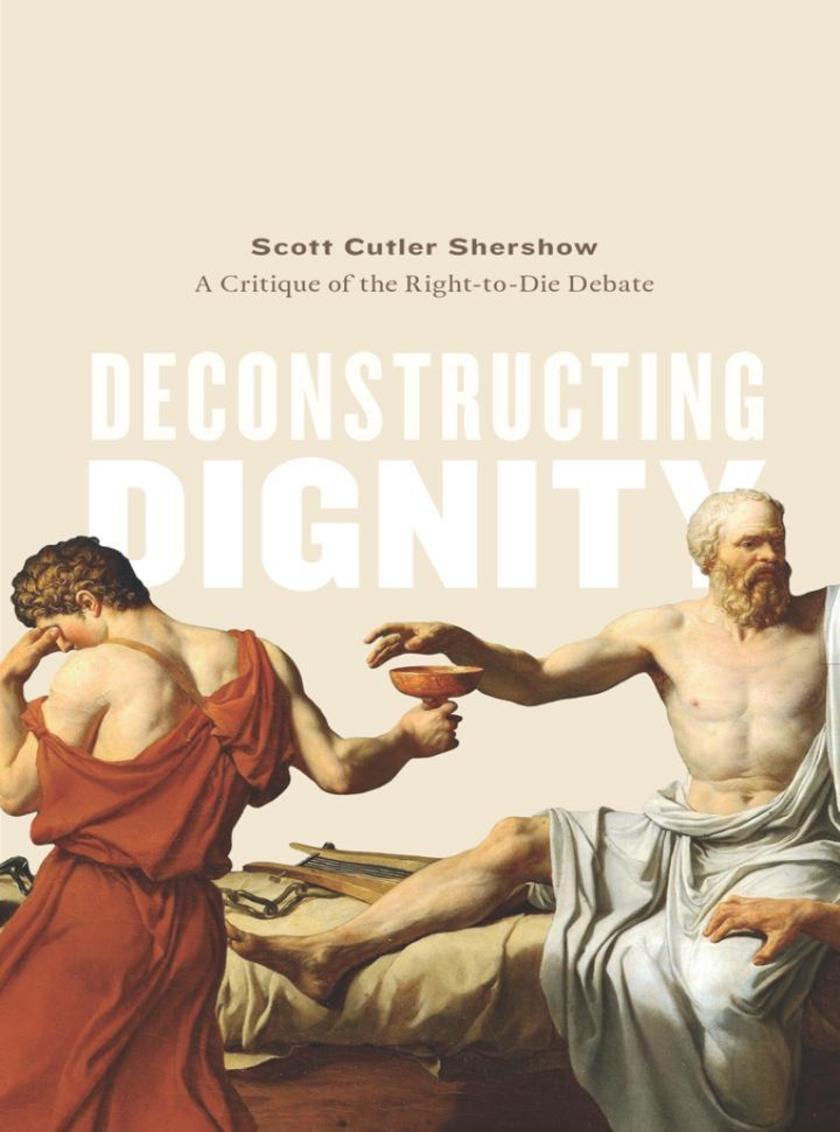
Deconstructing Dignity
¥311.96
The right-to-die debate has gone on for centuries, playing out most recently as a spectacle of protest surrounding figures such as Terry Schiavo. In?Deconstructing Dignity, Scott Cutler Shershow offers a powerful new way of thinking about it philosophically. Focusing on the concepts of human dignity and the sanctity of life, he employs Derridean deconstruction to uncover self-contradictory and damaging assumptions that underlie both sides of the debate.Shershow examines texts from Cicero's?De Officiis?to Kant's?Groundwork of the Metaphysics of Morals?to court decisions and religious declarations. Through them he reveals how arguments both supporting and denying the right to die undermine their own unconditional concepts of human dignity and the sanctity of life with a hidden conditional logic, one often tied to practical economic concerns and the scarcity or unequal distribution of medical resources. He goes on to examine the exceptional case of self-sacrifice, closing with a vision of a society-one whose conditions we are far from meeting-in which the debate can finally be resolved. A sophisticated analysis of a heated topic,?Deconstructing Dignity?is also a masterful example of deconstructionist methods at work.?
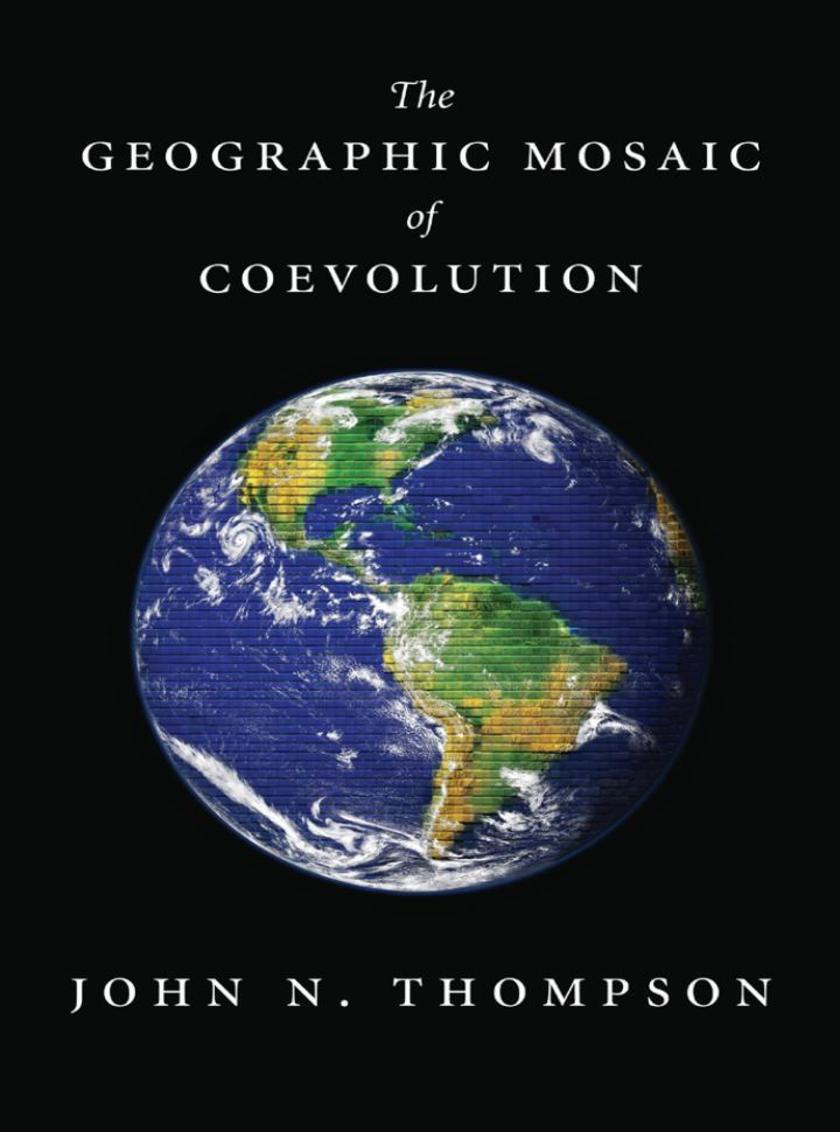
Geographic Mosaic of Coevolution
¥311.96
Coevolution-reciprocal evolutionary change in interacting species driven by natural selection-is one of the most important ecological and genetic processes organizing the earth's biodiversity: most plants and animals require coevolved interactions with other species to survive and reproduce. The Geographic Mosaic of Coevolution analyzes how the biology of species provides the raw material for long-term coevolution, evaluates how local coadaptation forms the basic module of coevolutionary change, and explores how the coevolutionary process reshapes locally coevolving interactions across the earth's constantly changing landscapes.Picking up where his influential The Coevolutionary Process left off, John N. Thompsonsynthesizes the state of a rapidly developing science that integrates approaches from evolutionary ecology, population genetics, phylogeography, systematics, evolutionary biochemistry and physiology, and molecular biology. Using models, data, and hypotheses to develop a complete conceptual framework, Thompson also draws on examples from a wide range of taxa and environments, illustrating the expanding breadth and depth of research in coevolutionary biology.
Why We Need Ordinary Language Philosophy
¥288.41
Sandra Laugier has long been a key liaison between American and European philosophical thought, responsible for bringing American philosophers such as Ralph Waldo Emerson, Henry David Thoreau, and Stanley Cavell to French readers-but until now her books have never been published in English. Why We Need Ordinary Language Philosophy rights that wrong with a topic perfect for English-language readers: the idea of analytic philosophy.?Focused on clarity and logical argument, analytic philosophy has dominated the discipline in the United States, Australia, and Britain over the past one hundred years, and it is often seen as a unified, coherent, and inevitable advancement. Laugier questions this assumption, rethinking the very grounds that drove analytic philosophy to develop and uncovering its inherent tensions and confusions. Drawing on J. L. Austin and the later works of Ludwig Wittgenstein, she argues for the solution provided by ordinary language philosophy-a philosophy that trusts and utilizes the everyday use of language and the clarity of meaning it provides-and in doing so offers a major contribution to the philosophy of language and twentieth- and twenty-first-century philosophy as a whole.
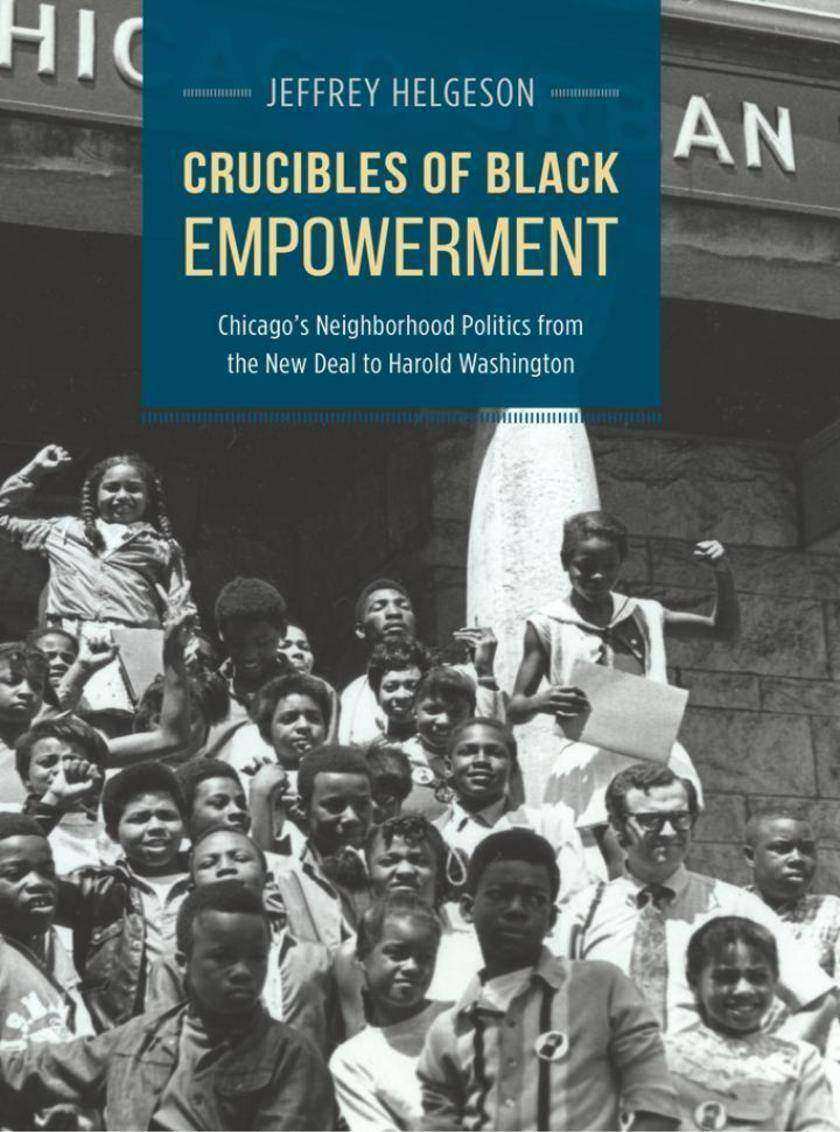
Crucibles of Black Empowerment
¥288.41
The term "e;community organizer"e; was deployed repeatedly against Barack Obama during the 2008 presidential campaign as a way to paint him as an inexperienced politician unfit for the presidency. The implication was that the job of a community organizer wasn't a serious one, and that it certainly wasn't on the list of credentials needed for a presidential?resume.?In reality, community organizers have played key roles in the political lives of American cities for decades, perhaps never more so than during the 1970s in Chicago, where African Americans laid the groundwork for further empowerment as they organized against segregation, discrimination, and lack of equal access to schools, housing, and jobs.In?Crucibles of Black Empowerment, Jeffrey Helgeson recounts the rise of African American political power and activism from the 1930s onward, revealing how it was achieved through community building. His book tells stories of the housewives who organized their neighbors, building tradesmen who used connections with federal officials to create opportunities in a deeply discriminatory employment sector, and the social workers, personnel managers, and journalists who carved out positions in the white-collar workforce. ?Looking closely at black liberal politics at the neighborhood level in Chicago, Helgeson explains how black Chicagoans built the networks that eventually would overthrow the city's seemingly invincible political machine.
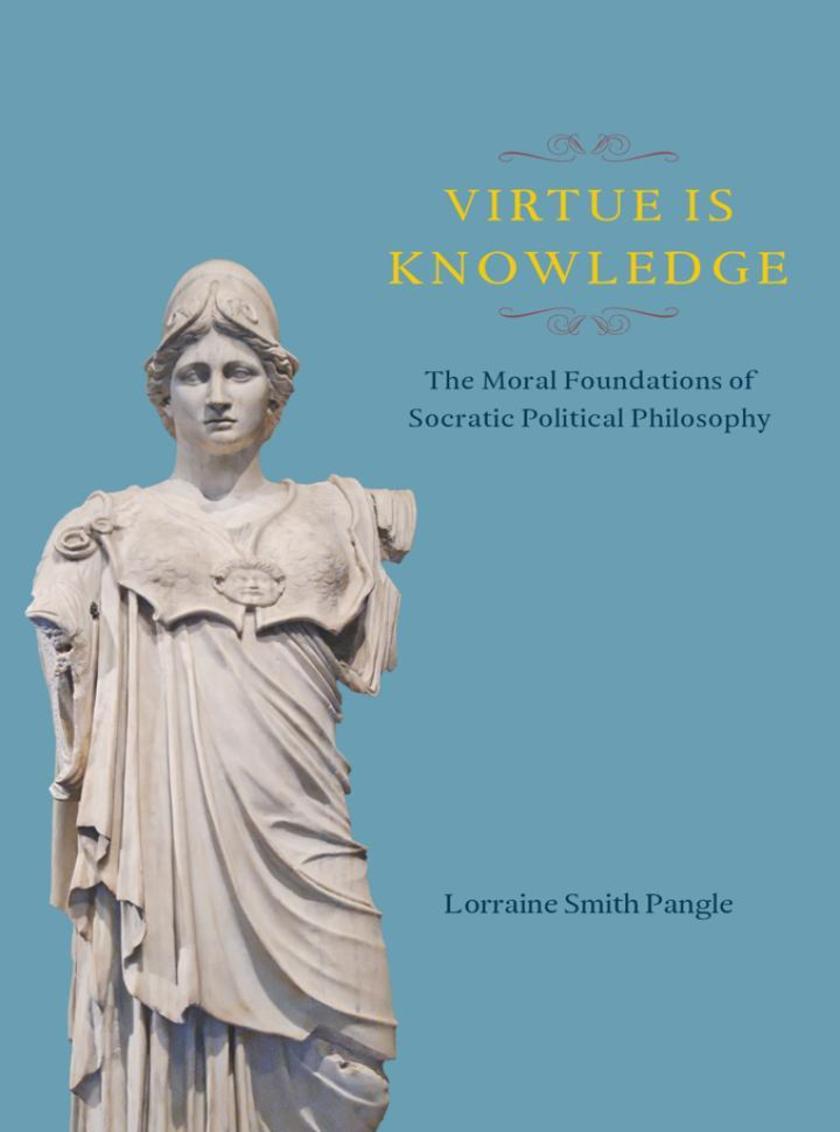
Virtue Is Knowledge
¥288.41
The relation between virtue and knowledge is at the heart of the Socratic view of human excellence, but it also points to a central puzzle of the Platonic dialogues: Can Socrates be serious in his claims that human excellence is constituted by one virtue, that vice is merely the result of ignorance, and that the correct response to crime is therefore not punishment but educationOr are these assertions mere rhetorical ploys by a notoriously complex thinker?Lorraine Smith Pangle traces the argument for the primacy of virtue and the power of knowledge throughout the five dialogues that feature them most prominently-the Apology, Gorgias, Protagoras, Meno, and Laws-and reveals the truth at the core of these seemingly strange claims. She argues that Socrates was more aware of the complex causes of human action and of the power of irrational passions than a cursory reading might suggest. Pangle's perceptive analyses reveal that many of Socrates's teachings in fact explore the factors that make it difficult for humans to be the rational creatures that he at first seems to claim. Also critical to Pangle's reading is her emphasis on the political dimensions of the dialogues. Underlying many of the paradoxes, she shows, is a distinction between philosophic and civic virtue that is critical to understanding them.Ultimately, Pangle offers a radically unconventional way of reading Socrates's views of human excellence: Virtue is not knowledge in any ordinary sense, but true virtue is nothing other than wisdom.
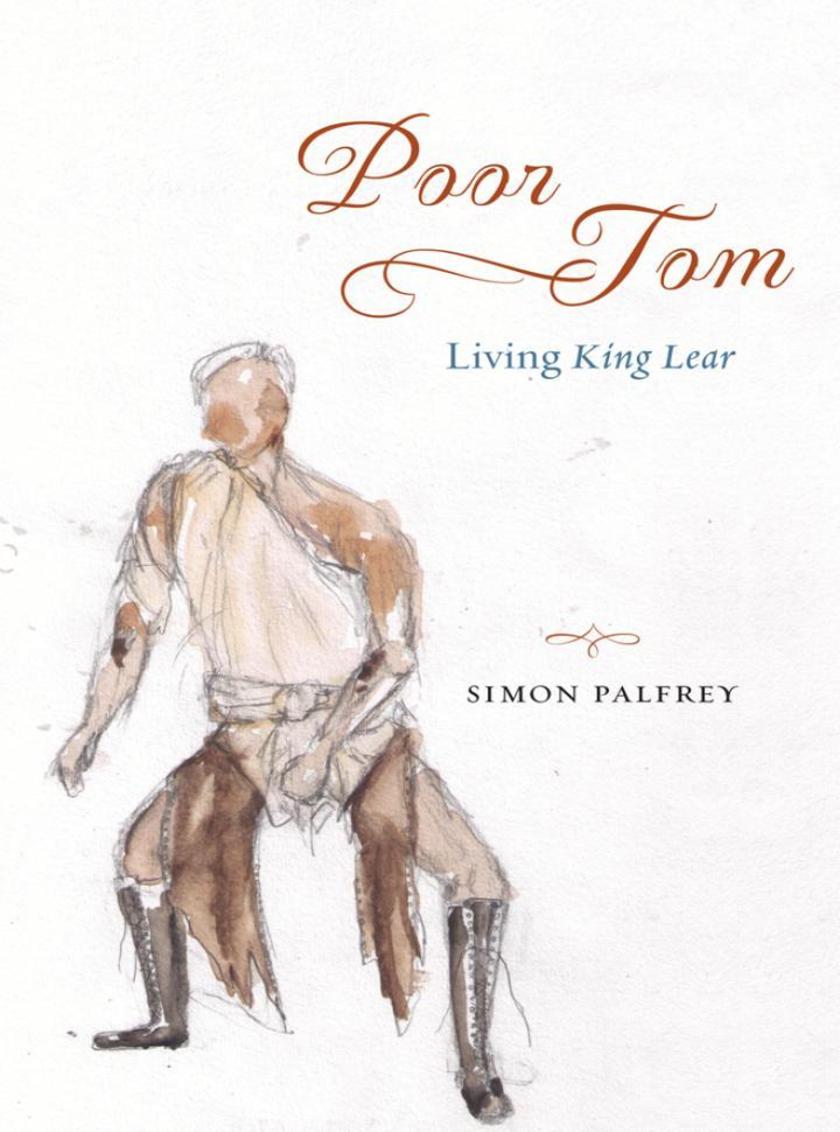
Poor Tom
¥288.41
King Lear is perhaps the most fierce and moving play ever written. And yet there is a curious puzzle at its center. The figure to whom Shakespeare gives more lines than anyone except the king-Edgar-has often seemed little more than a blank, ignored and unloved, a belated moralizer who, try as he may, can never truly speak to the play's savaged heart. He saves his blinded father from suicide, but even this act of care is shadowed by suspicions of evasiveness and bad faith.In Poor Tom, Simon Palfrey asks us to go beyond any such received understandings-and thus to experience King Lear as never before. He argues that the part of Edgar is Shakespeare's most radical experiment in characterization, and his most exhaustive model of both human and theatrical possibility. The key to the Edgar character is that he spends most of the play disguised, much of it as "e;Poor Tom of Bedlam,"e; and his disguises come to uncanny life. The Edgar role is always more than one person; it animates multitudes, past and present and future, and gives life to states of being beyond the normal reach of the senses-undead, or not-yet, or ghostly, or possible rather than actual. And because the Edgar role both connects and retunes all of the figures and scenes in King Lear, close attention to this particular part can shine stunning new light on how the whole play works.The ultimate message of Palfrey's bravura analysis is the same for readers or actors or audiences as it is for the characters in the play: see and listen feelingly; pay attention, especially when it seems as though there is nothing there.


