


 购物车
购物车 个人中心
个人中心

Communication (Collins Business Secrets)
¥51.50
The communication secrets that experts and top professionals use. Get results fast with this quick, easy guide to the fundamentals of Communication. Includes how to: ? Use body language to build rapport with anyone ? Deal with clients and colleagues at all levels ? Get what you want in sales or negotiation ? Excel in meetings and presentations ? Master email and written communication
Interview (Collins Business Secrets)
¥51.50
The interview secrets that experts and top professionals use. Get results fast with this quick, easy guide to the fundamentals of Interviews. Includes how to: ? Research the needs of the employer ? Focus the interview on your strengths ? Use body language to impress ? Deal with difficult questions ? Negotiate the perfect package
The Little Prisoner: How a childhood was stolen and a trust betrayed
¥45.62
An inspirational true story of a 4 year old girl who fell into the power of a man whose evil knew no bounds. She encountered terrifying mental and physical torture from her psychopathic stepfather for a period of 17 years until she managed to break free, her spirit still unbroken Jane Elliott fell into the hands of her sadistic and brutal stepfather when she was 4 years old. Her story is both inspiring and horrifying. Kept a virtual prisoner in a fortress-like house and treated to daily and ritual abuse, Jane nonetheless managed to lose herself in a fantasy world which would keep her spirit alive. Equally as horrifying as the physical abuse Jane suffered, were the mental games her tormentor played – getting his kicks from seeing Jane humiliated, confused, crushed and defeated at every turn. Her family and neighbourhood were all terrified of Jane’s stepfather so no-one held out a rescuing hand. So Jane had to help herself. When she was 21 she ran away with her baby daughter and boyfriend to start a new life in hiding. Several years on she found the courage to go to the police. A court case followed where Jane bravely stood up against the unrepentant aggressor she so feared. He was jailed for 17 years. Jane’s family took his side.
The First-Time Cook
¥95.75
Setting up home for the first time and feel lost in the kitchen? ‘The First-time Cook’ is a one-stop guide which shows you not only how to cook delicious food but also how to understand ingredients and techniques so you can feel completely confident cooking on your own. Assuming no prior knowledge,'First-time Cook' takes you through the basics of shopping and cooking equipment. Sophie Grigson then covers each essential cooking technique and food in turn, moving step-by-step through the basics with lots of incredibly useful advice on the possible pitfalls and showing variations and alternatives once you have mastered the essentials. From the perfect roast chicken to twenty variations on the quick-and-easy omelette and pasta of all de*ions, the recipes have been chosen not only to show core techniques but also to provide a fantastic collection of dishes that cover everything from quick (and cheap) supper ideas for one, to coping with Sunday lunch for six for the first time Interest in cookery has never been greater but the number of people actually able to cook continues to decline. Sophie Grigson's TV experience has given her a natural ability to teach cookery in an informal and friendly way and, with this book, she fills the gap left by conventional cookbooks which assume a knowledge most people don't possess.
The Ultimate PCOS Handbook: Lose weight, boost fertility, clear skin and restore
¥125.18
With this practical handbook you can start to see PCOS symptoms improve in as little as 2 weeks. Based on the latest scientific research and the authors' first-hand experience, it will empower you to take back control of your body- and your life. Packed with all the essential information to naturally beat the symptoms of polycystic ovary syndrome. PCOS authorities and fellow sufferers Colette Harris and Theresa Cheung will empower you to take back control of your body and beat naturally the often embarrassing symptoms of this syndrome, including weight gain, acne, excess body hair, mood swings, depression and exhaustion. Packed full of the latest science, up-to-date nutrition and the best in self-help and natural therapies, their comprehensive book shows you how to: ? Take control of your body with simple dietary changes ? Reduce spots and excess hair ? Boost body confidence and self-esteem ? Choose the right supplements and best natural self-help remedies ? Protect yourself from high blood pressure, heart disease and diabetes
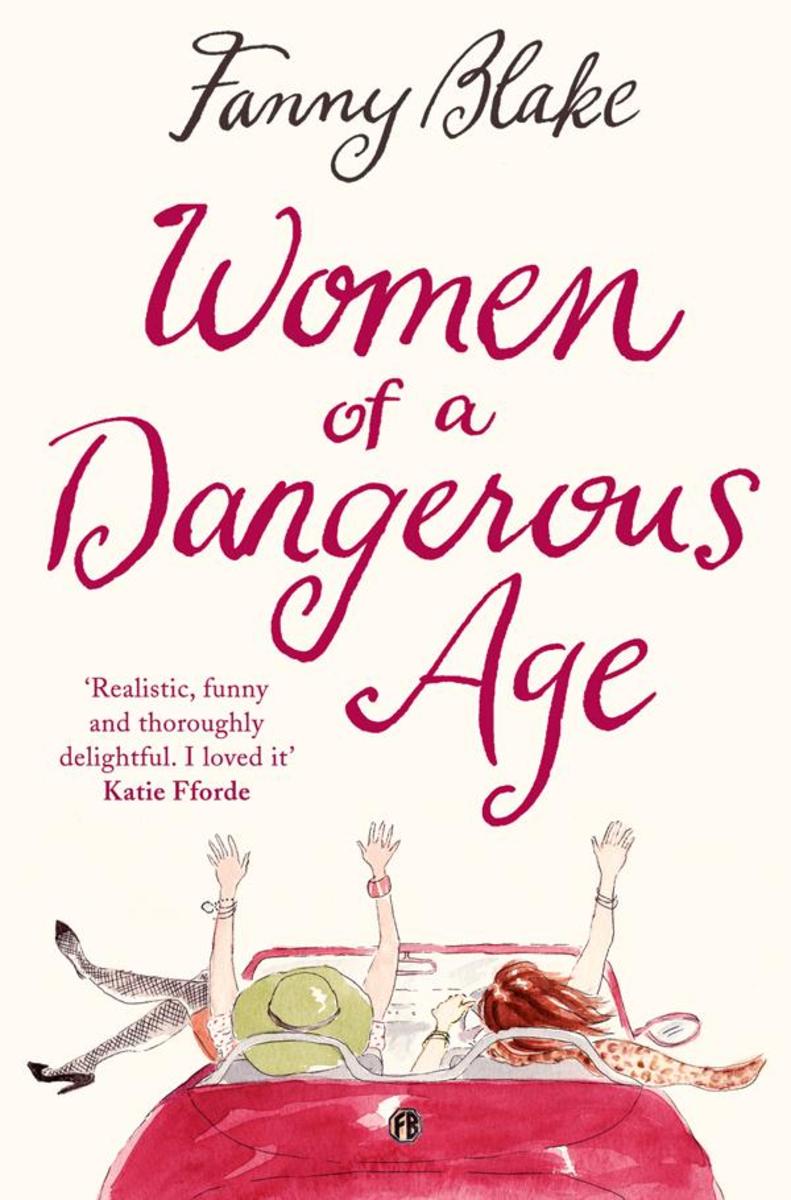
Women of a Dangerous Age
¥45.62
Perfect for fans of Elizabeth Buchan and Katie Fforde, this is a warm novel about women, relationships and why it’s never too late to change. Lou is married to a man who no longer loves her. It’s time to move on, to begin a new business venture and to start her life over. To celebrate her new-found freedom, she travels to India, where, in front of the Taj Mahal, she befriends Ali after taking each other’s photographs on ‘that’ bench. Ali is a serial mistress. But when she returns home, she discovers her latest lover is not the man she took him for. She too needs a new beginning. As Lou and Ali put their pasts behind them, they start to discover new possibilities for life and for love, until the shocking realisation that they have far more in common than they thought.
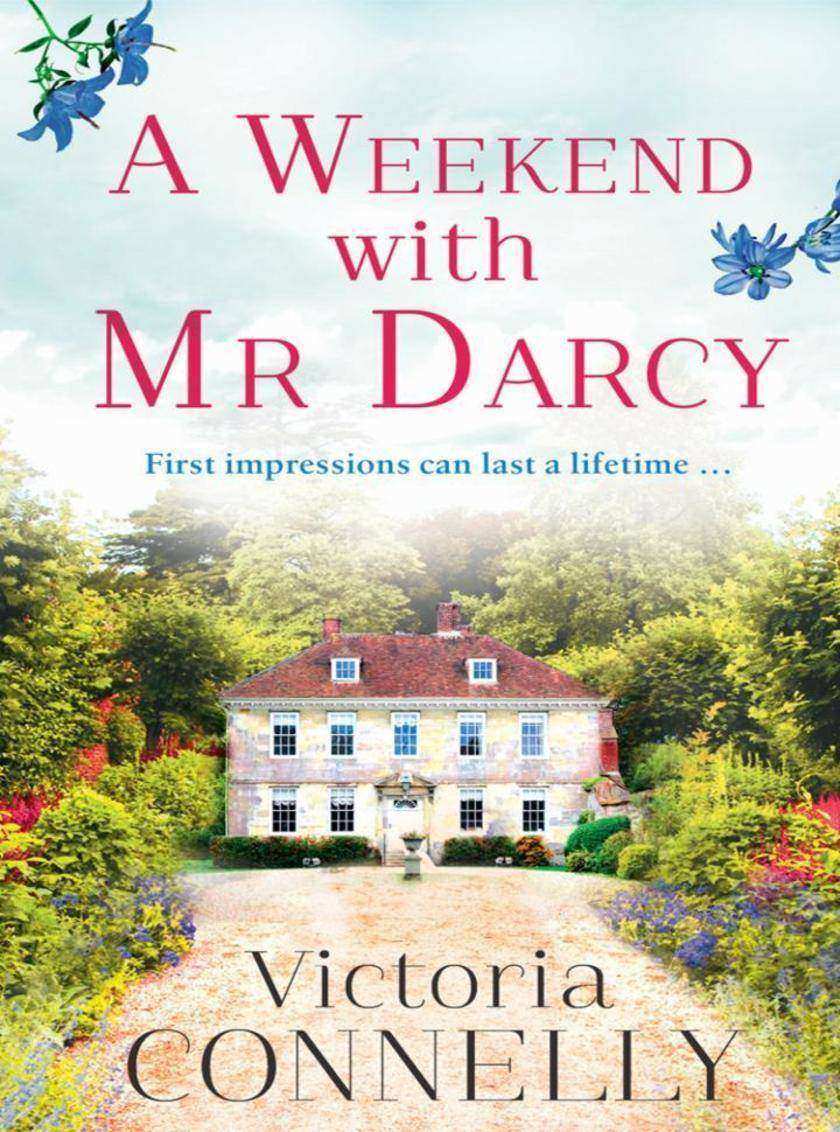
A Weekend with Mr Darcy (Austen Addicts)
¥57.09
A romance-filled page-turner for any Austen fanatic who’s ever dreamt of spending a weekend with Mr Darcy… Katherine Roberts is fed up with men. As a lecturer specialising in the works of Jane Austen, she knows that the ideal man only exists within the pages of Pride & Prejudice and that in real life there is no such thing. Determined to go it alone, she finds all the comfort she needs reading her guilty pleasure – regency romances from the pen of Lorna Warwick – with whom she has now struck up an intimate correspondence. Austen fanatic, Robyn Love, is blessed with a name full of romance, but her love life is far from perfect. Stuck in a rut with a bonehead boyfriend, Jace, and a job she can do with her eyes shut – her life has hit a dead end. Robyn would love to escape from it all but wouldn't know where to start. They both decide to attend the annual Jane Austen Conference at sumptuous Purley Hall, overseen by the actress and national treasure, Dame Pamela Harcourt. Robyn is hoping to escape from Jace for the weekend and indulge in her passion for all things Austen. Katherine is hoping that Lorna Warwick will be in attendance and is desperate to meet her new best friend in the flesh. But nothing goes according to plan and Robyn is aghast when Jace insists on accompanying her, whilst Katherine is disappointed to learn that Lorna won't be coming. However, an Austen weekend wouldn't be the same without a little intrigue, and Robyn and Katherine are about to get much more than they bargained for. Because where Jane Austen is concerned, romance is never very far away…
The Queen of Subtleties
¥63.18
A tremendously vivid, page-turning and plausible novel that depicts the rise and fall of Anne Boleyn, the most spirited, independent and courageous of Henry’s queens, as viewed from both the bedrooms and the kitchens of the Tudor court. Everyone knows the story of Anne Boleyn. Henry VIII divorced his longstanding, long-suffering, older, Spanish wife for a young, black-eyed English beauty, and, in doing so, severed England from Rome and indeed from the rest of the western world. Then, when Henry had what he wanted, he managed a mere three years of marriage before beheading his wife for alleged adultery with several men, among them his own best friend and her own brother. This is the context for Suzannah Dunn's wonderful new novel, which is about – and told by – two women: Anne Boleyn, king's mistress and fated queen; and Lucy Cornwallis, the king's confectioner, an employee of the very highest status, who made the centrepiece of each of the feasts to mark the important occasions in Anne's ascent. There's another link between them, though: the lovely Mark Smeaton, wunderkind musician, the innocent on whom, ultimately, Anne's downfall hinged… Suzannah Dunn has all the equipment needed for literary-commercial success: wit, a mastery of dialogue, brilliant characterization, lack of pretence, and good humour. The Queen of Subtleties adds to that mix a wonderfully balanced, strong story; Dunn has plumped for a fascinating retelling of one of the most often-told, most compelling stories of our islands' history. In doing so, she's turning from contemporary stories to historical fiction. The result is sensational.

David Beckham: My Side
¥82.01
David Beckham is one of the world's foremost media icons, his popularity transcending sport and cultural divides. This is his own in-depth account of his career to date, for Manchester United and England, and of his childhood, family and personal life. This is Beckham's fascinating life story in his own words. His rise through the ranks at the biggest club side in the world. His complex relationship with United boss Alex Ferguson. The England story, from being vilified by the nation before returning as the prodigal son to eventually captaining his country. His acrimonious falling-out with his manager and departure from Old Trafford in June 2003. And starting a new chapter of his life on foreign soil in the glare of the world’s press. Now from Beckham himself, we gain a vivid and eye-opening insight into the family man behind the famous footballer, the international model and fashion leader. He describes how he first met and then married ex-Spice girl Victoria Adams, and the upbringing of their two children Brooklyn and Romeo. How his family's every step is monitored by a posse of newshounds and paparazzi. Also, the influence of his parents, growing up as a shy youngster in the family home, and how their subsequent split affected him. Intimate and soul-searching, this is the real David Beckham like we have never seen before.
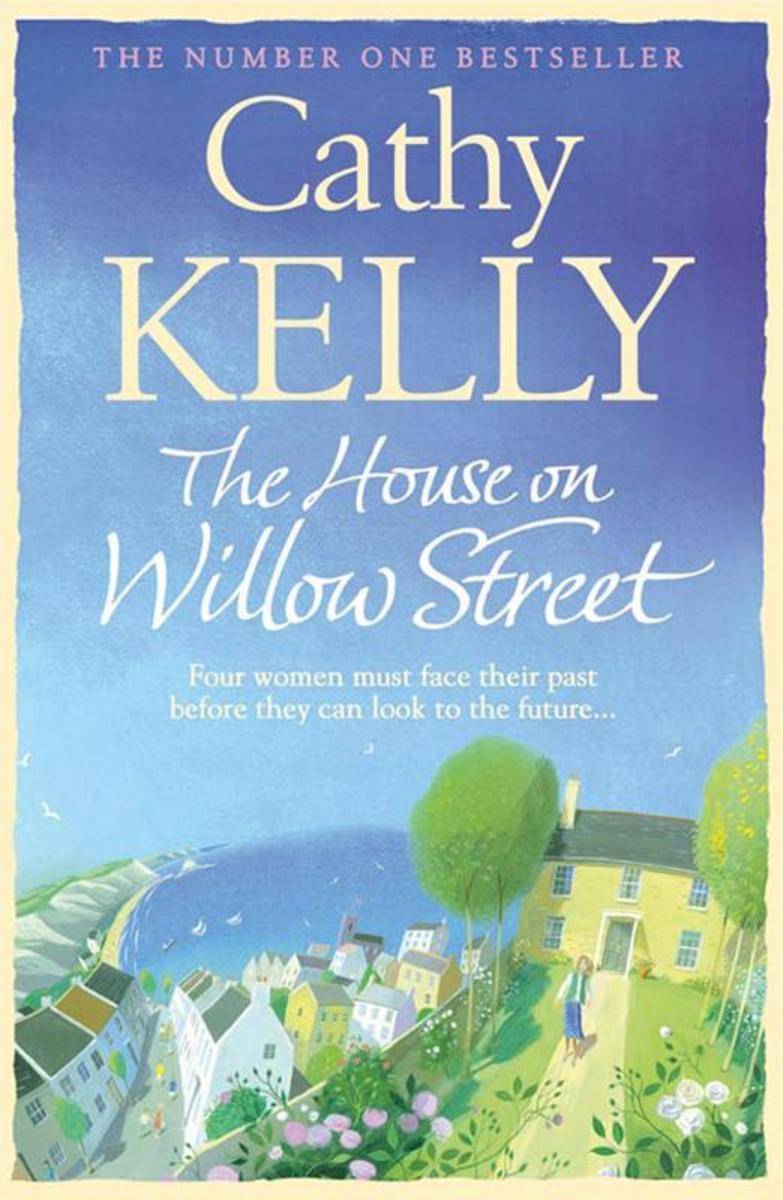
The House on Willow Street
¥45.62
The warm, engrossing new novel from the No. 1 bestseller, Cathy Kelly. Welcome to Avalon: a quaint, sleepy town on the Irish coast. Nothing has changed here for generations – least of all the huge mansion on Willow Street; the house in which sisters Tess and Suki Power grew up. Now, years later, Tess is trying to save her marriage protect her glamorous sister Suki who has come back home, dreams shattered. Similarly, Mara Wilson is seeking refuge from a broken heart at her Aunt Danae’s house. And Danae, the inscrutable postmistress, is hiding some dark memories of her own. Now that the big house is up for sale, change is blowing on the cold sea wind. But before they can look to the future, these four women must face up to the past…
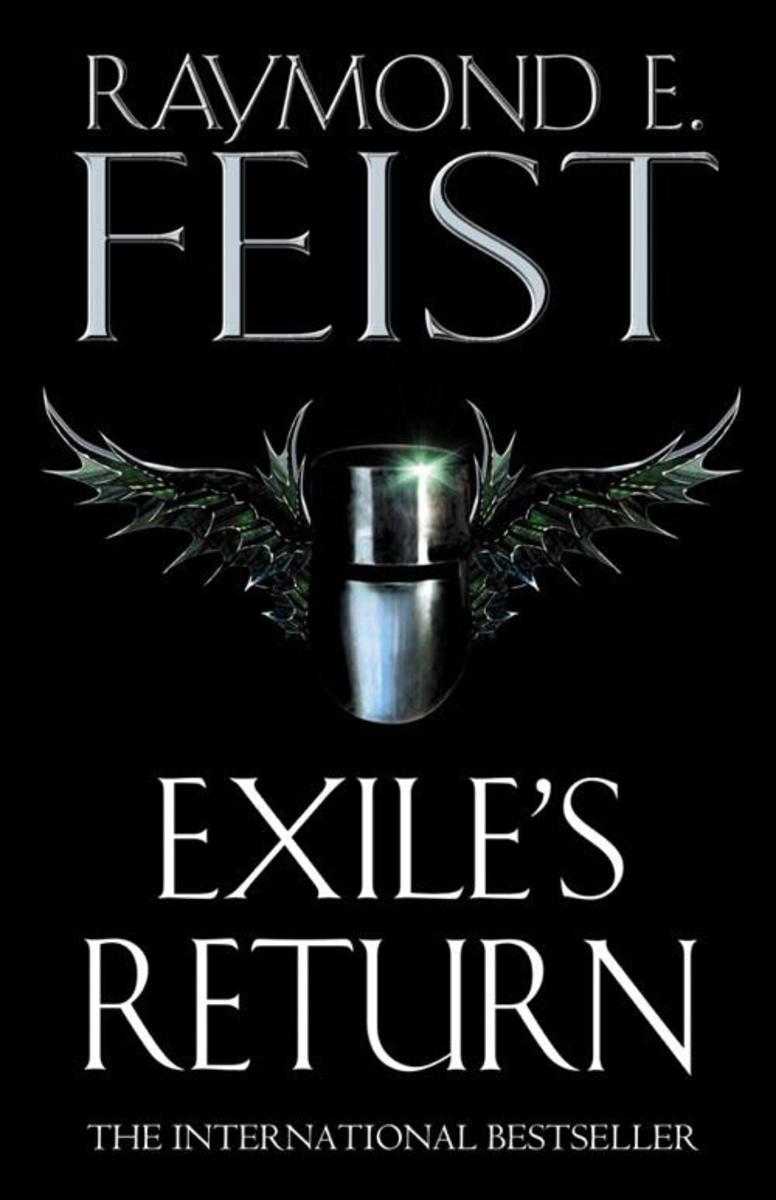
Exile’s Return (Conclave of Shadows, Book 3)
¥69.26
The whole of the magnificent Riftwar Cycle by bestselling author Raymond E. Feist, master of magic and adventure, now available in ebook Kaspar, former Duke of Olasko and once absolute ruler of his nation, has been cast into exile. Abandoned in the wilds of a continent on the other side of the world and left with nothing but his wits and determination, he must fight merely to survive. Armed with guile, cunning and an iron will, he starts his odyssey with a single goal: to return to his home and revenge himself upon the man who cast him down, Talwin Hawkins. But fate has other plans for Kaspar, and as he struggles against adversity, he encounters dangers greater than any he had imagined. More is at stake than he realised and Kaspar is but a single player in a far greater game than he imagined, for pitted against the Conclave of Shadows are the agents of the Dark Empire, a looming menace that threatens not only Kaspar's homeland, but the entire world of Midkemia. Exile’s Return is the third and concluding book in the Conclave of Shadows trilogy.
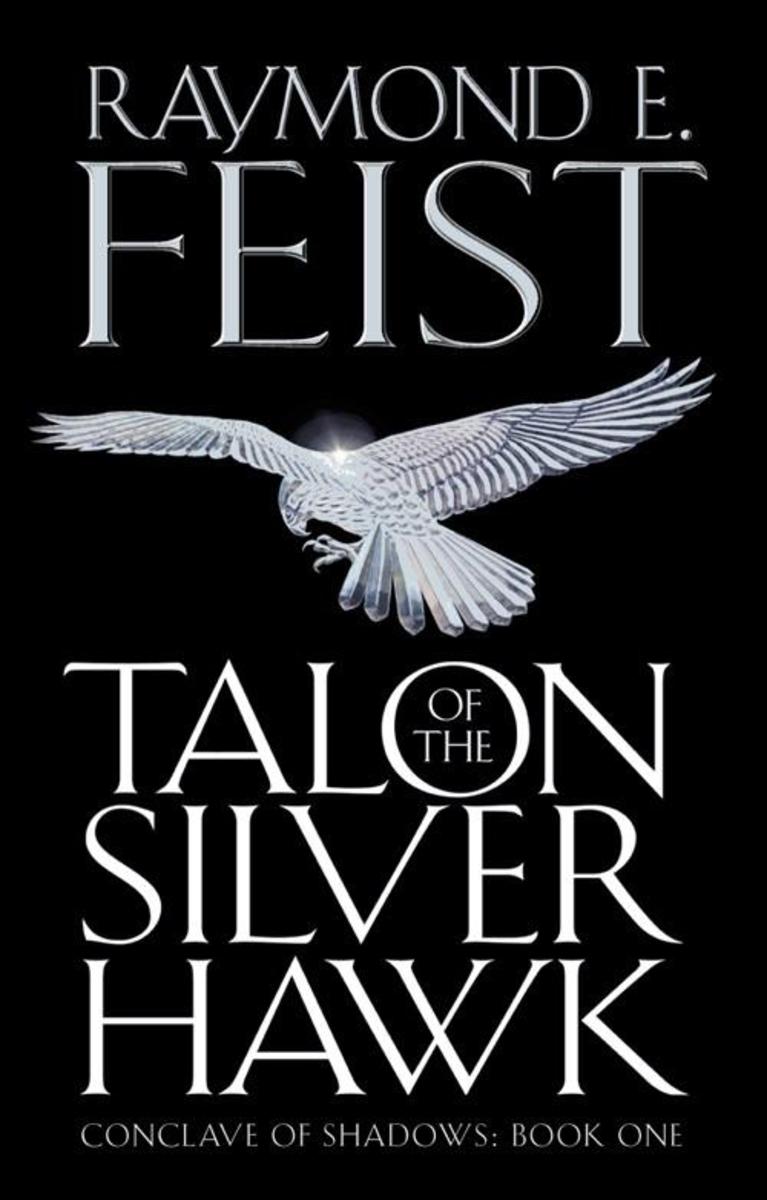
Talon of the Silver Hawk (Conclave of Shadows, Book 1)
¥40.52
The whole of the magnificent Riftwar Cycle by bestselling author Raymond E. Feist, master of magic and adventure, now available in ebook For four days and nights Kieli has waited upon the remote mountain peak of Shatana Higo, for the gods to grant him his manhood name. Exhausted and despairing, he is woken by the sharp claws of a rare silver hawk piercing his arm, though later he is not sure if it ever happened. Devastation greets Kieli on his return home. His village is being burned, his people slaughtered. Although it means certain death, Kieli throws himself into the battle… and survives. A distant voice echoes in his mind: Rise Up and be a talon for your people… Now he is Talon of the Silver Hawk, and he must avenge the murder of his people, at whatever cost… Talon of the Silver Hawk is the first book in the Conclave of Shadows trilogy. The second book in the trilogy is King of Foxes.
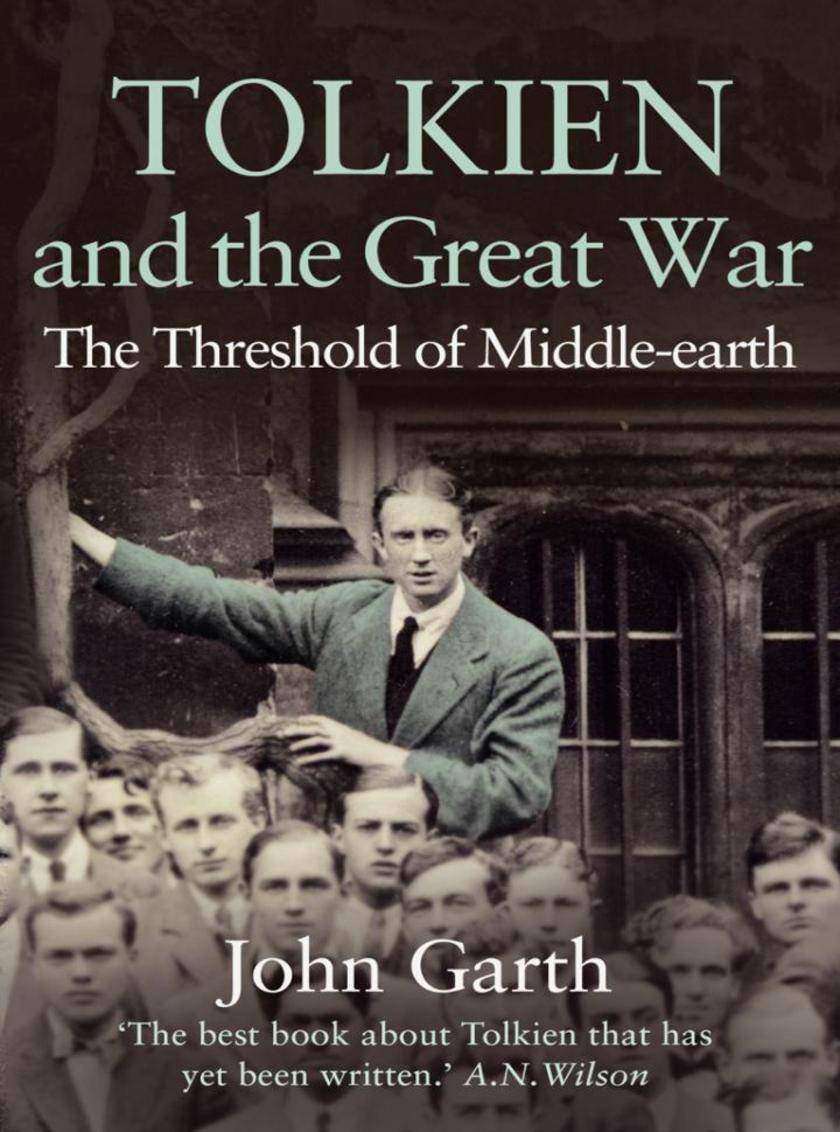
Tolkien and the Great War: The Threshold of Middle-earth
¥73.58
A biography exploring J.R.R. Tolkien’s wartime experiences and their impact on his life and his writing of The Lord of The Rings. “To be caught in youth by 1914 was no less hideous an experience than in 1939 … by 1918 all but one of my close friends were dead.” So J.R.R. Tolkien responded to critics who saw The Lord of the Rings as a reaction to the Second World War. Tolkien and the Great War tells for the first time the full story of how he embarked on the creation of Middle-earth in his youth as the world around him was plunged into catastrophe. This biography reveals the horror and heroism that he experienced as a signals officer in the Battle of the Somme and introduces the circle of friends who spurred his mythology to life. It shows how, after two of these brilliant young men were killed, Tolkien pursued the dream they had all shared by launching his epic of good and evil. John Garth argues that the foundation of tragic experience in the First World War is the key to Middle-earth’s enduring power. Tolkien used his mythic imagination not to escape from reality but to reflect and transform the cataclysm of his generatuion. While his contemporaries surrendered to disillusionment, he kept enchantment alive, reshaping an entire literary tradition into a form that resonates to this day. This is the first substantially new biography of Tolkien since 1977, meticulously researched and distilled from his personal wartime papers and a multitude of other sources.
A Witch Alone: Thirteen moons to master natural magic
¥80.25
This book carries on the tradition of the solo village witch emphasizing white rather than black magic. It is a practical manual of instruction for those who choose the solo path of study and particularly stresses the importance of being in tune with nature. As there are approximately 13 moons each year – the book is divided into 13 parts. Each section is aimed at lasting from the new moon to the dark to make the student fully aware of the changing power in the tides of the sea and the tides of the self. The moon-long sections deal with a variety of traditional arts, skills and mental exercises which enables the aspiring witch to discover the inner world of magic inside him/herself. Note that it has not been possible to include the same picture content that appeared in the original print version.
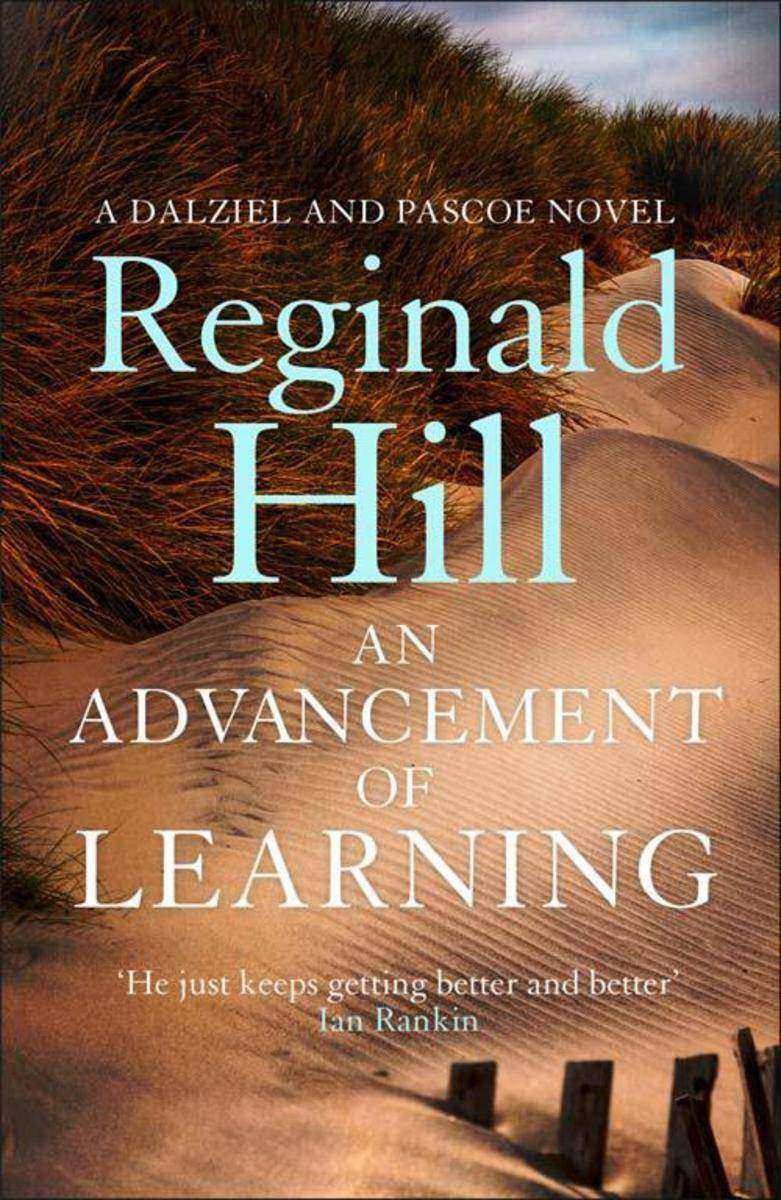
An Advancement of Learning (Dalziel & Pascoe, Book 2)
¥59.35
All is not well at Holm Coultram College. All is not well at Holm Coultram College: lecturers having affairs with students, witches’ sabbaths, a body buried under a statue. Detective Superintendent Dalziel, despite his cynical view of academics, doesn’t feel murder fits in here – let alone a rash of killings. But when he and DS Pascoe are sent to investigate a disinterred corpse at Holm Coultram College, that’s exactly what they find…
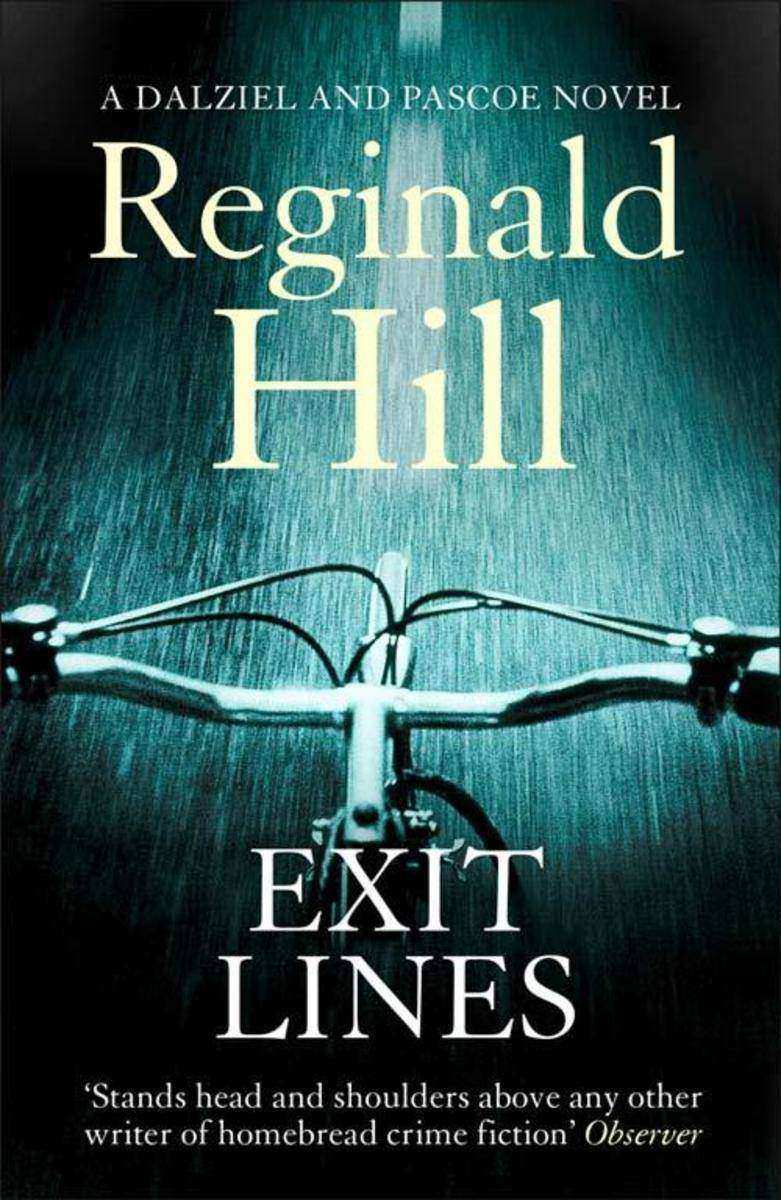
Exit Lines (Dalziel & Pascoe, Book 8)
¥56.11
Another excellent Dalziel and Pascoe story from the master of the British crime novel Three old men die on a stormy November night: one by deliberate violence, one in a road accident and one by an unknown cause. Inspector Pascoe is called in to investigate the first death, but when the dying words of the accident victim suggest that a drunken Superintendent Dalziel had been behind the wheel, the integrity of the entire Mid-Yorkshire constabulary is called into question. Helped by the bright but wayward DC Seymour, hindered by ‘Maggie’s Moron’, the half-witted Constable Hector, Peter Pascoe enters the twilight and vulnerable world of the senior citizen – to discover that the beckoning darkness at the end of the tunnel holds few comforts.
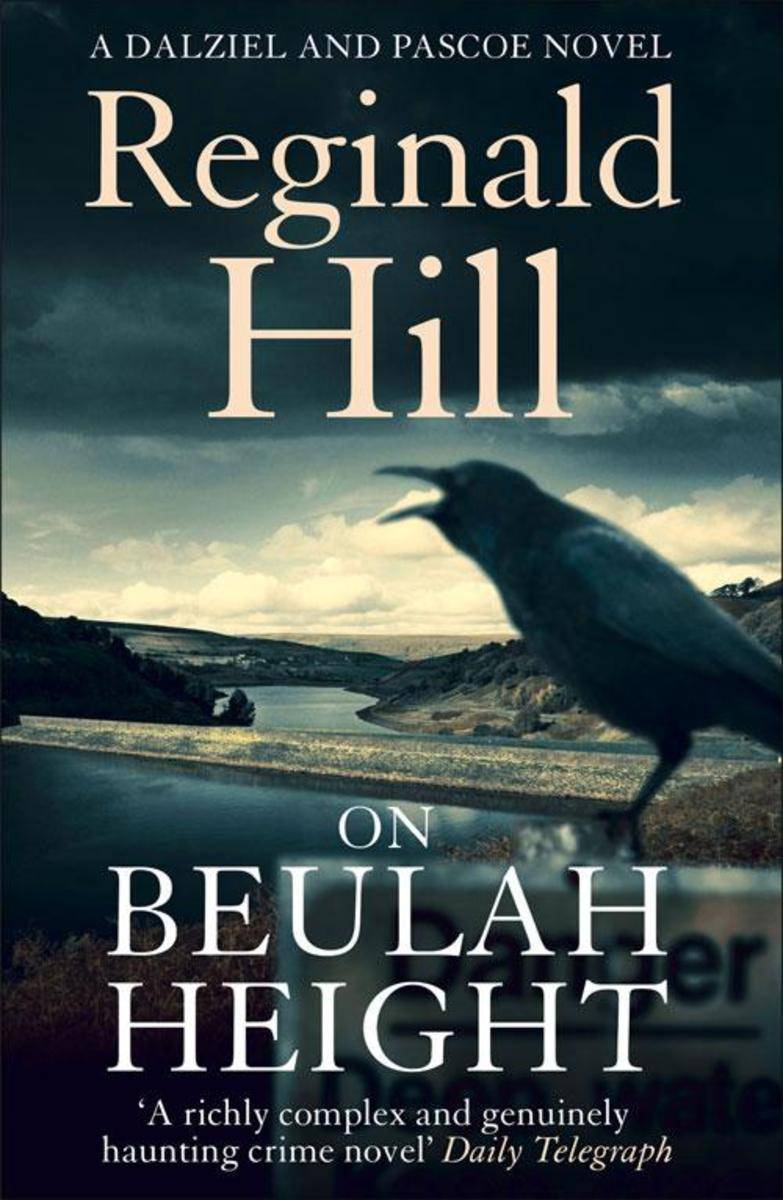
On Beulah Height (Dalziel & Pascoe, Book 15)
¥59.35
‘Hill is an instinctive and complete novelist who is blessed with a spontaneous storytelling gift’ Frances Fyfield, Mail on Sunday Fifteen years ago they moved everyone out of Dendale. They needed a new reservoir and an old community seemed a cheap price to pay. But four inhabitants of the valley could not be moved, for nobody knew where they were: three little girls who had gone missing, and the prime suspect in their disappearance, Benny Lightfoot. This was Andy Dalziel’s worst case and now he looks set to relive it. Another child goes missing in the next valley, and old fears arise as someone sprays the deadly message on Danby bridge: BENNY’S BACK!
Redcoat: The British Soldier in the Age of Horse and Musket
¥80.25
Redcoat is the brilliant story of the common British soldier from 1700 to 1900, based on the letters and diaries of the men who served and the women who followed them. Delving into the history of the period – charting events including Wolfe's victory and death at Quebec, Wellington's Peninsular War, Waterloo, the retreat from Kabul and the Sikh wars – celebrated military historian Richard Holmes provides a comprehensive portrait of a fallible but extraordinarily successful fighting force.
Amedeo: The True Story of an Italian’s War in Abyssinia
¥80.25
War-time love story set in Abyssinia, Eritrea and the Yemen 1935-1945. Amedeo Guillet is still alive and living in County Meath, Ireland. Khadija is lost. This is the story of Amedeo Guillet – an Italian calvary officer who was sent out to Abyssinia as part of Mussolini’s army to establish and command a troupe of 2,000 Spahis – or Arabic calvary. He met and fell in love with Khadija – a beautiful Ethiopian Muslim. Together they held up the British lorries heaving up the mountain road to Asmara and blew up the important Ponte Aosta. Eventually captured, Amedeo went on the run disguised as an Arab, eventually making it to Yemen, only to be thrown in jail. This is a rare view of the Second World War from an Italian perpective; particularly valuable are the chapters that tell the story of Italian resistance to the Nazis, and their subsequent withdrawal from Italy in 1943. There are few stories more cinemagraphic than this – Fascist Italy, his early years in Ethiopia commanding the Cossack-like Spahis, the brutal Abyssinian war waged by the Duce, Italian and British colonial rivalry; Amedeo led the last ever cavalry charge the British army faced (Eritrea 1941 – they were massacred by tanks and sub-machine guns), defeat and guerrilla warfare against the British; then flight, disguised as an Arab, imprisonment in the Yemen and a great love lost as he leaves his beloved Khadija behind to face her future alone and returns to Italy, to his fiancée and a career as a distinguished Italian diplomat and Arabist. Amedeo is still alive and living in County Meath, Ireland. Sebastian O’Kelly is a journalist for the Mail and Telegraph and has Amedeo’s full co-operation in writing this book. This is a very valuable and absolutely stunning story, beautifully told by O’Kelly.

The Fussy Baby Book: Parenting your high-need child from birth to five
¥76.91
The best-selling authors of The Baby Book (Dr William and Martha Sears) have created a supportive and practical guide to coping with difficult and fussy children. The book contains proven methods for dealing with a multitude of difficulties you may encounter. Parents of fussy or difficult children, take heart, best-selling childcare experts William and Martha Sears have written a book just for you. Drawing on more than twenty years of paediatric practice and their experiences with their own high-need children, they provide: - Creative ways to soothe a fussy baby - Information on medical causes of infant fussiness – from infections to food sensitivities - Effective ways of coping with common high-need personality traits and behaviour - Proven strategies for discipline – getting connected to your child early, providing structure, setting limits, knowing when to say yes and when to say no - Tips on learning how to talk and listen - Real-life stories and advice from parents of high-need children In The Fussy Baby Book Dr. William and Martha Sears acknowledge the difficulties you face but show you how responsive parenting can turn these challenges into advantages for both you and your child. The Searses prove that difficult children can provide the most rewarding parenting experiences of all.
Zita West’s Guide to Getting Pregnant
¥91.43
A pioneer in the field of fertility, Zita West’s programme is invaluable for couples trying to conceive. Harley Street’s most popular fertility expert, and favourite consultant to celebrity clients, guides the reader through a process of vital physical and mental preparation. The book is for every couple trying to conceive and has fascinating advice taken from Zita’s 20 years of experience as midwife and 7 years as an acupuncturist. It provides a structured, easy-to-follow step-by-step programme, complete with case studies and and enormously detailed questionnaire. The guide includes details on: - when and how often to have sex - what can prevent fertilisation and conception - everything you need to know about sperm and ovulation - nutrition, supplements and herbs - complementary therapies such as acupressure, lymphatic massage and hypnotherapy - how to overcome stress and other emotional blocks to pregnancy - PCOS, endometriosis and other health issues - tests and procedures if there is a problem - and much much more.


