


 购物车
购物车 个人中心
个人中心

Secure & Simple – A Small-Business Guide to Implementing ISO 27001 On Your Own
¥326.92
Secure Simple Dejan Kosutic, an author and experienced information security consultant, is giving away all his practical know-how on successful ISO 27001 implementation. Whether you’re new or experienced in the field, this book gives you everything you will ever need to implement ISO 27001 on your own. Dejan provides examples of implementing the standard in small and medium-sized organizations (i.e. companies with up to 500 employees). It is written primarily for beginners in the field and for people with moderate knowledge of ISO 27001. Even if you do have experience with the standard, but feel that there are gaps in your knowledge, you’ll find this book very helpful. Secure Simple is the definitive guide for implementing and maintaining the most popular information security standard in the world. The author leads you, step-by-step, from an introduction to ISO 27001 to the moment your company passes the certification audit. During that journey you will learn: The most common ISO 27001 myths, like “The standard requires xyz;” “We’ll let the IT department handle it;” “We’ll implement it in a couple of months;” and others.How to convince your top management to implement ISO 27001. “If you think that your management loves to listen to your great idea about a new firewall, or the perfect tool you've discovered for handling incidents, you're wrong – they just don't care.” This book will help you speak the language they want to hear.How to write the Risk Assessment Methodology plus other policies and procedures.How to identify potential risks.“Employees (and the organization as a whole) are usually aware of only 25 to 40% of risks – therefore, a thorough and systematic process needs to be carried out…” Learn how to identify all potential risks that could endanger the confidentiality, integrity, and availability of organization’s information.What are the most important steps in order to prepare a company for the certification, and much more. Written in plain English with a lot of practical examples, charts and diagrams, it is the only book you’ll need on the subject of ISO 27001 implementation.
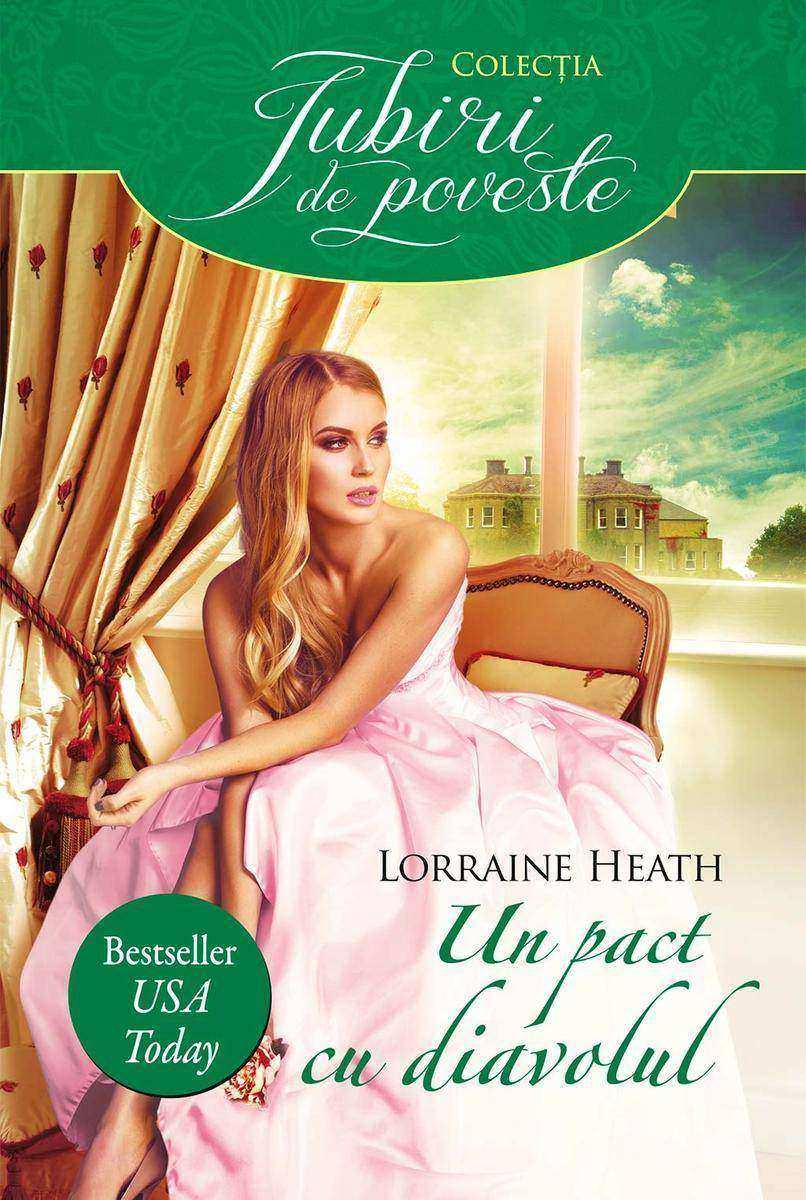
Un pact cu diavolul
¥7.36
A fost poreclit Contele Diavol – un b?rbat cu spirit nesupus, acuzat de crim?, crescut pe str?zile periculoase ale Londrei ?i care nu-?i mai aminte?te nimic despre trecutul lui. Orice domni?oar? bine educat? ?tie c? risc? mai mult dec?t reputa?ia atunci c?nd ??i asociaz? numele cu frumosul Lucian Langdon, ?ns? Lady Catherine Mabry nu are alt? solu?ie. Ar face orice pentru a-i proteja pe oamenii pe care ?i iube?te… chiar ?i s? ajung? la o ?n?elegere cu ?nsu?i diavolul. Lucian vrea s? fie respectat ?i, mai presus de asta, ??i dore?te o so?ie. Problema este c? aleasa lui nu cunoa?te eticheta pe care trebuie s? o respecte ?n mijlocul aristocra?iei ?i nu e acceptat? de ?nalta societate. Catherine ?l poate ajuta pe Lucian s? dob?ndeasc? tot ce-?i dore?te. Dar pre?ul pe care ?l cere ea ?n schimb le poate pune chiar vie?ile ?n pericol. Atunci c?nd primejdia le d? t?rcoale, cei doi se descoper? cu adev?rat: Lucian se dovede?te a fi un b?rbat incredibil de pasional, iar Catherine, o femeie de un curaj nem?surat. Pe m?sur? ce ies la iveal? secrete din trecutul lui ?ntunecat, Lucian ajunge s? pun? sub semnul ?ntreb?rii toate lucrurile pe care le considera adev?rate, inclusiv dorin?ele propriei inimi.

Cuando el amor es una mala palabra
¥15.18
Cuando el amor es una mala palabra es una antología poética que reúne setenta y cinco expresiones de sentimiento escritas por mí desde los inicios del a?o 2008.En Cuando el amor es una mala palabra he plasmado diversas situaciones, reales o imaginarias. Mi única intención es que el lector se transporte a un mundo de muchas historias, en el cual tendrá una total libertad para interpretarlas.Las palabras incluidas en cada una de estas letras no pretenden discriminar. Están ordenadas de la manera como el amor hace lo suyo, con picos y abismos, cuando empieza, cuando se cruza con la desilusión y el dolor, y cuando termina con el deseo de renacer e intentarlo una vez más.Entonces, mejor es dejar que ellas mismas se presenten con su historia.

罗生门·芥川龙之介短篇作品选
¥9.99
日暮时分,颓败的罗生门下,一位被解雇的家仆在等待雨停。正当他为前途感到迷茫,挣扎于靠偷窃苟活和充满道德地饿死之间时,他看见城楼上一位老妪正在拔取一具无名尸的长发,准备编成假发卖钱。眼前的骇人情景促使他做出了决断……当被推向生死边缘时,家仆的选择是否理所当然?人性中善良的部分是否总是不堪一?善恶抉择的尽头是否只有无路可去的绝望?精选芥川龙之介11篇短篇小说,囊括《罗生门》《鼻子》《山药粥》等代表作。

Конёк-горбунок - Иллюстрированная сказка - Веселые сказки для детей
¥15.18
Конёк-Горбунок — сказка в стихах Петра Ершова с великолепными красочными иллюстрациями Виктории Дунаевой. Являясь классикой русской детской литературы, Конёк-Горбунок за многие десятилетия обрёл признание и популярность не только среди детей, но и среди взрослых. Издательство Animedia Company желает вам приятного чтения.
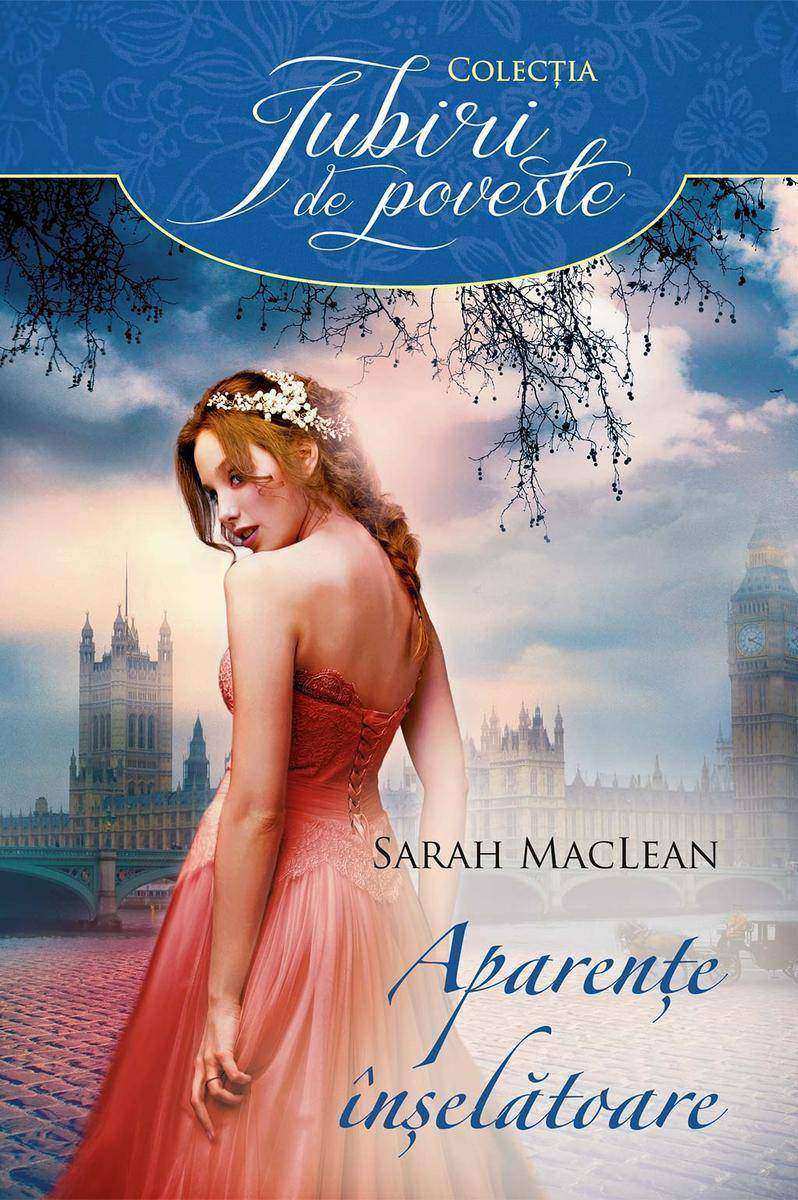
Aparen?e ?n?el?toare
¥7.36
P?n? ?i cea mai puternic? femeie din Anglia are un punct slab… Pentru ?nalta societate, este doar Lady Georgiana, sora unui duce, cu reputa?ia distrus? ?n urma celui mai groaznic scandal posibil, ?nainte de debutul ?n primul ei sezon. Dar adev?rul este mult mai ?ocant – ?n lumea ?ntunecat? a jocurilor de noroc din Londra, ea este enigmaticul Chase, unul dintre fondatorii ?ngerului C?zut, cel mai vestit cazinou din ora?. Ani la r?nd, a r?mas un mister pentru toat? lumea ?i niciodat? nu i-a fost descoperit? dubla identitate… p?n? acum. Sclipitor, tenace, tulbur?tor de chipe?, Duncan West este intrigat de frumoasa femeie cu reputa?ia p?tat? care are leg?turi de ne?n?eles cu aceast? lume a promiscuit??ii ?i p?catului. ?tie c? ea este mai mult dec?t pare ?i jur? s? descopere secretele Georgianei, dezv?luindu-i trecutul, amenin??ndu-i prezentul ?i pun?nd ?n pericol tot ce are mai drag… inclusiv inima ei. ?Aparen?e ?n?el?toare“ ?ncheie incredibila serie a lui Sarah MacLean, aflat? pe lista de bestselleruri din The New York Times, spun?nd povestea ultimului dintre fondatorii clubului ??ngerul C?zut“.
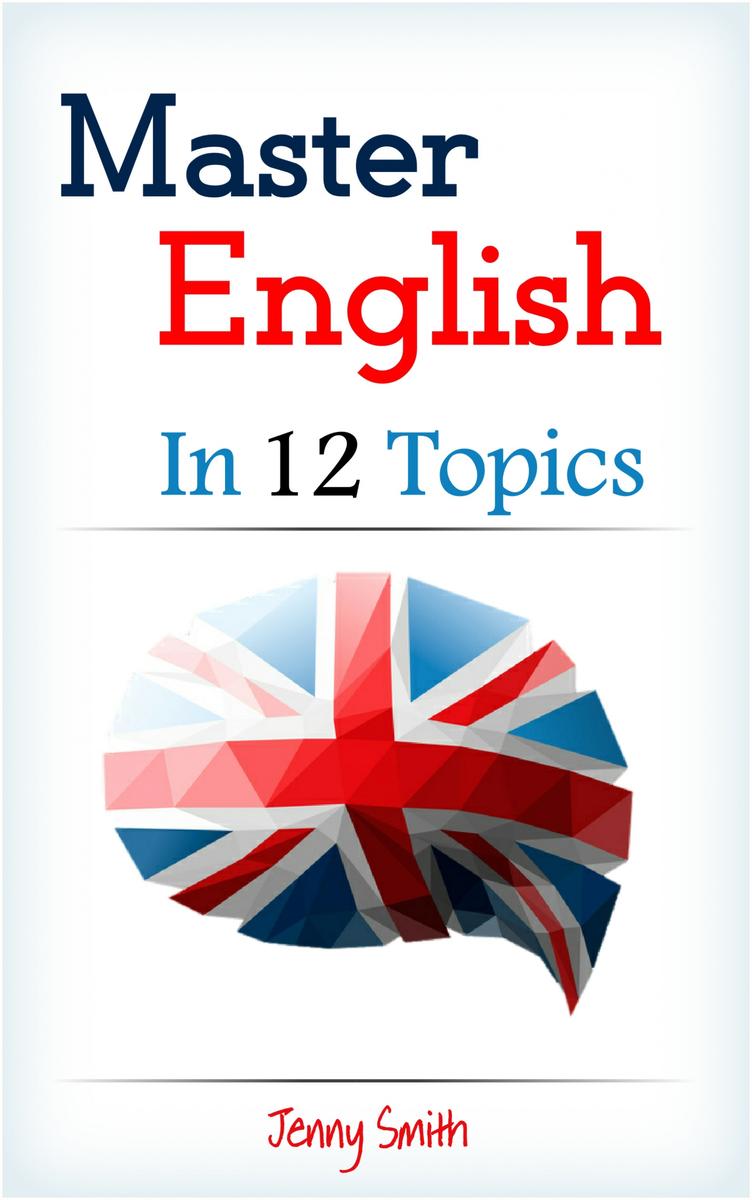
Master English in 12 Topics: Over 200 intermediate words and phrases explained
¥0.01
How to master English Lots of intermediate English speakers tend to get trapped using the same vocabulary over and over again. They often only speak about subjects they know the words for and avoid anything outside of their ???comfort zone???. The problem with this is that even though they sound ok, they never really get any better. If you really want to improve, you need to be able to speak about a wide range of topics. For this, you will need to learn the special vocabulary connected to these topics. What are the benefits of using this book? You will learn 235 useful words and phrases. You will be able to speak about 12 new topics with confidence. This will greatly improve your English conversational ability. All new words and phrases are introduced in fun and interesting articles and stories. So you will learn naturally. Everything is explained in easy to understand English, so you can get used to ???thinking in English???. There are 100???s of example sentences to help you understand how these words and phrases are used in everyday language. For each topic I have listed useful television shows and YouTube channels to help you practice your new vocabulary.

Cei care pleac? ?i cei ce r?m?n. Al treilea volum din tetralogia napolitan?
¥73.49
Al treilea volum din Tetralogia Napolitan? ?n lini?tea cea mai deplin? sau ?n mijlocul evenimentelor tumultuoase, atunci c?nd ne sim?im ?n siguran?? sau ?n pericol, c?nd suntem nevinova?i sau imorali, suntem o mul?ime format? din ceilal?i. Iar aceast? mul?ime e cu siguran?? o binecuv?ntare pentru literatur?.?Elena Ferrante ?n al treilea roman al Tetralogiei Napolitane, Elena ?i Lila, cele dou? fete cu care cititorii au f?cut cuno?tin?? ?n Prietena mea genial?, au devenit femei.Lila ?i-a p?r?sit so?ul ?i confortul material, iar acum munce?te ?n condi?ii foarte dure. Elena a studiat la ?coala Normal? din Pisa ?i a publicat un roman de succes, care i-a deschis u?ile saloanelor selecte. Am?ndou? au refuzat s? se complac? ?ntr-o via?? plin? de nefericire, ignoran?? ?i supunere, ?mbr??i??nd ?n schimb numeroasele oportunit??i ale anilor ’70. ?n continuare le leag? o prietenie profund?, de nezdruncinat.?nc? de la apari?ia romanului?Prietena mea genial?, care deschide?Tetralogia Napolitan?, faima Elenei Ferrante a crescut enorm. Este considerat? una dintre autoarele contemporane cele mai conving?toare, o stilist? des?v?r?it?, cu o intui?ie artistic? ie?it? din comun, care a c??tigat admira?ia mai multor scriitori celebri – Jhumpa Lahiri, Elizabeth Strout, Claire Messud – ?i a unor critici importan?i: James Wood, John Freeman, Eugenia Williamson etc. Dar f?r? ?ndoial?, primirea cea mai c?lduroas? a avut-o din partea cititorilor, care au descoperit o autoare care vorbe?te ?ntr-un stil plin de frumuse?e ?i for?? despre sentimentul de apartenen?? la un loc, despre rela?iile umane, dragoste, familie ?i prietenie.

How to Market a Book:Third Edition
¥73.49
Do you want to sell more books and reach more readers? Do you want to discover how to build an author career for the long-term as well as spike your book sales right now? If you don’t know much about marketing, don’t worry. We all start with nothing. I’m Joanna Penn and back in 2008, I had no book sales, no audience, no website, no social media, no podcast, no email list. No nothing. Now I’m a New York Times and USA Today bestselling author of thrillers and non-fiction. My books have sold over 500,000 copies in 83 countries, and I’m an award-winning creative entrepreneur and international speaker, making a multi-six-figure income with my writing. Learning how to market my books and my personal brand changed my life. Yes, you need to write an awesome book, but you also need to know how to get it in front of the right readers. How to Market a Book is for authors who want to sell more books, but it's also for those writers who want to think like an entrepreneur and build a long-term income. It's for traditionally published authors who want to take control of their future, and for self-published authors who want to jump-start a career. There are short-term tactics for those who want to boost immediate sales, but the focus of the book is more about instilling values and marketing principles that will help your long-term career as a writer. It's also about going beyond just the book, because these methods can take you from being an author into making money from other products, professional speaking, and creating opportunities that you can't even imagine yet. In this completely updated Third Edition, you’ll discover: Part 1: Marketing Principles Book marketing myths, how discoverability works, and the polarities of marketing that will determine what you choose to implement Part 2: Your Book Fundamentals Prerequisites for success, how to optimise your book for online sales, categories and keywords, exclusivity, pricing and use of free, box-sets and bundling, and writing series Part 3: No Platform Needed. Short-term Marketing How to get customer reviews and find book bloggers, paid advertising with email blasts, paid advertising with Facebook, Amazon Ads and ad stacking, algorithm hacking, big data, and production speed Part 4: Your Author Platform. Long-term Marketing Building an author brand, author website, list-building and email marketing, content marketing, blogging, audio and podcasting, video and book trailers, social networking, professional speaking, marketing audiobooks, PR and publicity, TV, radio and traditional media Part 5: Launching Your Book Why launching is different for indie authors, soft launch, launch spikes, post-launch, how to relaunch backlist books. Includes an example book marketing strategy and launch plan checklist. Other books for authors by Joanna Penn. Available in ebook, print and audiobook. How to Make a Living with your Writing How to Write Non-Fiction: Turn your Knowledge into Words Business for Authors: How to be an Author Entrepreneur The Successful Author Mindset: A Handbook for Surviving the Writer's Journey The Healthy Writer Public Speaking for Authors, Creatives and Other Introverts Co-writing a Book: Collaboration and Co-Creation for Writers Successful Self-Publishing Career Change: Stop hating your job, discover what you really want to do with your life, and start doing it! Joanna’s website for authors, The Creative Penn, has been voted one of the Top 100 websites for writers by Writers Digest several years running, and The Creative Penn podcast is one of the top podcasts for writers and indie authors.

A félelem íze
¥82.57
关于A félelem íze这本书的详细讲解

Como deixar um homem aos seus pés
¥8.18
Que mulher n?o gosta de ter o homem aos seus pés? De manipulá-lo, de fazê-lo de gato e sapato?Quanto mais o homem estiver sob o nosso controle, melhor para a nossa vaidade e auto-estima, e claro: menores as chances do safado nos fazer sofrer.
Возвращение к здоровью - Руководство по основам исцеления - Психология. НПСИ. Зд
¥0.01
Книга всемирно известного российского психотерапевта и психолога посвящена здоровью. А точнее, системе нейропрограммирования психосоматических исцелений (системе НПСИ), разработанной не просто психотерапевтом высшей в Европе и мире квалификации, но человеком, который сам себя излечил от сонма как бы неизлечимых современной медициной болезней. Для психотерапевтов, практических психологов, консультантов, коучей, врачей, педагогов, а также всех, кто хотел бы сделать свою жизнь полноценной, цельной, осмысленной, неизбывно интересной и просто приятной… Издательство Animedia Company желает вам приятного чтения.
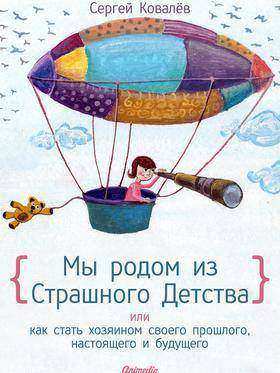
Мы родом из Страшного Детства или как стать хозяином своего прошлого
¥0.01
В этой книге – второй из новой серии ?Коды вашей судьбы? – известного психолога, одного из лидеров отечественного и мирового нейролингвистического программирования, психотерапевта высшей в Европе квалификации, описывается то, что смело можно назвать основополагающей теорией и практикой нейропрограммирования своей судьбы и жизнедеятельности. Подробно, в доступной и популярной форме рассказывается о сценариях и сценаристах наших судеб о психопатологиях прошлого и возможного будущего, а также о психологическом времени нашей судьбы. Детально описываются психотехнологии преодоления патологических последствий трудного детства, психотерапии Внутреннего ребенка, избавления от импринтов и психотравм, экологизации собственного будущего, оптимизации психологических временных ориентаций и улучшения Линий Времени. Для психологов, психотерапевтов, консультантов, коучеров и педагогов, но более всего – для всех, кто интересуется психотехнологиями личностных изменений и действительно желает исправить собственную (пока еще Хромую) судьбу, избавиться от последствий Страшного детства и стать хозяином своего прошлого, настоящего и будущего.
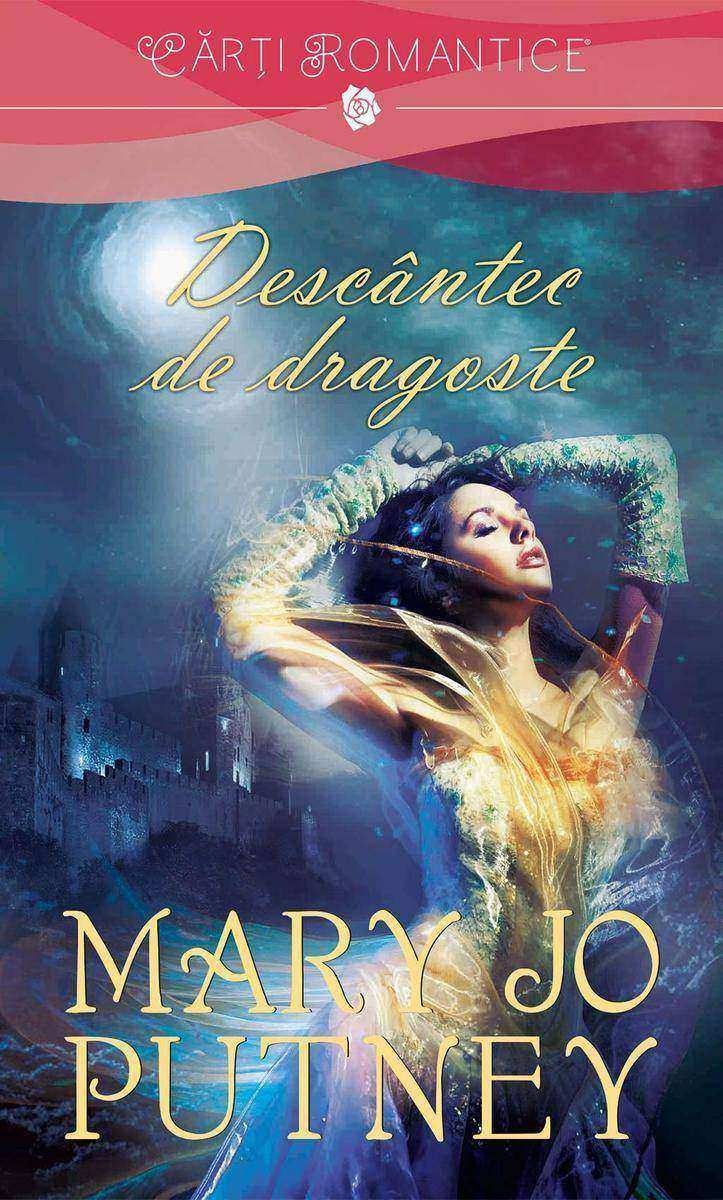
Desc?ntec de dragoste
¥7.36
Jack Langdon, Lord Frayne, trateaz? cu foarte mult? seriozitate onoarea str?vechii sale familii ?i,icircn acela?i timp, ascunde un secret pe care icircl consider? ru?inos: darul de vr?jitor, pe care a fost icirc nv??at s?-l reprime ?i s?-l resping?. Cacirc nd un accident icirc;l aduce pe Jack icirc;n pragul mor?ii, unica lui ?ans? de supravie?uire este Abigail Barton, o vindec?toare talentat?. Abigail trebuie s? icirc;?i asume un mare risc pentru a-i salva via?a lordului Frayne, a?a c? va cere icircn schimb un pre? pe m?sur?: c?s?toria cu Jack. Acesta nu icirc nt acirc rzie s? accepte ?i curacirc;nd se simte atras de sincera lui so?ie, al c?rei farmec este la fel de puternic ca ?i trezirea propriilor abilit??i magice la racirc;ndul ei, Abigail este impresionat? de sensibilitatea ?i bl acirc nde?ea lui Jack. Cunoscacirc nd icirc ns? prea bine ura acestuia fa?? de magie, hot?r??te s? tr?iasc? desp?r?it? de el dup? conceperea copilului pe care ?i-l dorise at acirc;t de mult, pentru ca Jack s? icirc ?i poat? p?stra reputa?ia, iar ea s? icirc ?i poat? îndeplini menirea de vindec?toare. Cu toate acestea, iubirea care se na?te icirc;ntre ei se dovede?te a fi cea mai misterioas? ?i mai seduc?toare for?? pe care au cunoscut-o vreodat?.
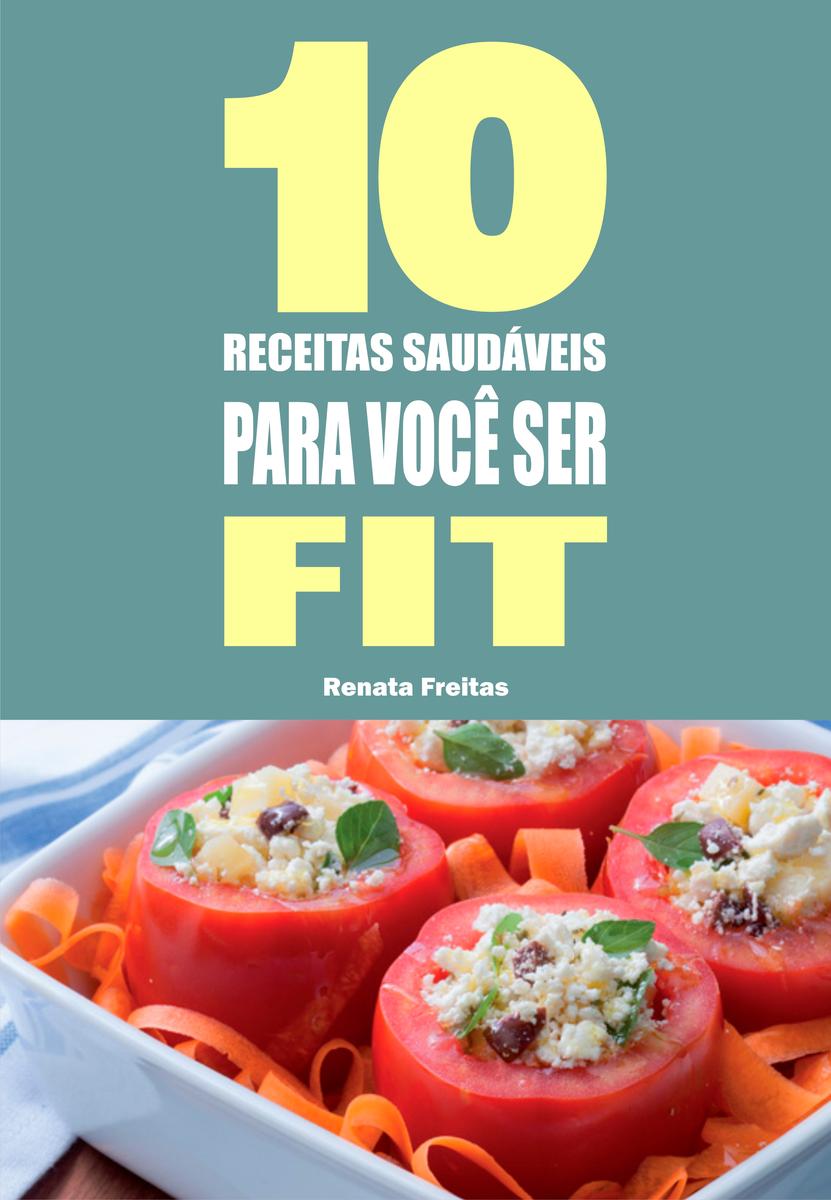
10 Receitas saudáveis para você ser fit
¥8.18
Quer entrar na academia e conquistar aquele corpito jóia?Muito bom! Exercícios físicos s?o fundamentais para alcan?ar a boa forma; mas, se você n?o se alimentar direito, vai gastar tempo (e dinheiro!) à toa na academia.Aprenda a preparar 10 receitas saudáveis para você ter uma alimenta??o leve e nutritiva; e assim, otimizar a sua vida fitness.

Вдох-выдох:Сборник рассказов
¥15.18
Вдох-выдох — это второй сборник рассказов Ирены Яновой. Первый сборник,Магические книги Невилов, вышел под псевдонимом Ирина Иванова в 2014 году. Знаете ли вы, кто такие энергетические вампиры и что они делают с накопленной энергией В рассказе Вдох-выдох, который дал название сборнику, автор предложила свою версию жизни такого человека. Рассказ Посылка поведает вам о том, что судьбу иногда определяет случай, а 23 реальность о любви. Причем о любви в другой реальности, где ты проживаешь иную жизнь, с другим человеком, с другой любовью. Эхо вселенной — лирический рассказ о космосе и о зарождении чувства на громадном расстоянии. Как помочь девушке, если знаешь, что с ней может приключиться беда Необычный герой, необычный способ помощи и судьба, которая не оставляет влюбленных. А что может произойти, если ваше сознание случайно осталось в вашем клоне Рассказ Человек, которого нет раскроет возможный вариант развития событий. Издательство Animedia Company желает вам приятного чтения.

His First His Second:An Alicia Friend Investigation: An Alicia Friend Investigat
¥0.01
Meet Detective Sergeant Alicia Friend. She’s nice. Too nice to be a police officer, if she’s honest. Now assigned to DI Donald Murphy’s team, the annoyingly-perky detective finds herself in the grip of a northern British winter, investigating the kidnap-murders of two young women - both strikingly similar in appearance. When a third is taken, they have less than a week to chip away the secrets of a high-society family, and uncover the killer’s objective. But Richard - the father of the latest victim - believes the police are not moving quickly enough, so launches a parallel investigation, utilising skills honed in a dark past that is about to catch up with him. As Richard’s secret actions hinder the police, Alicia remains in contact with him, and even starts to fall for his charms, forcing her into choices that will impact the rest of her life. For a chilling serial killer thriller with a quirky main character, pick up His First His Second today! ??? Reviews CrimeFictionLover.com “An intriguing mix of police procedural and serial killer thriller, that will tease, involve and unnerve you. An entertaining and intriguing debut.” Undercover Book Reviews: “Want a book with twists and turns? This is the one. It will not disappoint.” AUTHOR Q&A Q: Alicia Friend is kind of an oddball, isn’t she? A: I’d say she’s unique. She knows who she wants to be and she doesn’t compromise, but most police officers she meets are dour and grumpy, and she sees how that impacts their personal lives. She doesn’t want to be as hard-nosed as many women sleuths in fiction, so radiates the sort of perkiness that sometimes grates on her fellow officers. But it’s who she is. Q: Despite having a quirky woman sleuth as main character, the novel goes to some dark places. A: Yes. I found that at one point I was trying to include ALL my research, and I’m really aiming for a thrill ride as much a straight police procedural. I originally included the sort of forensic details you get with Patricia Cornwell or Kathy Reichs, but it wasn’t right for this book. I keep it as accurate as possible, but it’s about the characters and how they uncover secrets, both externally and within the police. Q: So who is your ideal reader? A: Fans of serial killer books in general. If you like James Patterson, PJ Tracy or Steven James, Mark Billingham or Ian Rankin, Alicia Friend’s series could be worth checking out. Q: What levels of violence and bad language are there? A: Some of the violence is graphic, but the language … that goes as strong as references to one’s posterior and some faecal synonyms, if you get my meaning. No “F” or “C” words, as I don’t think Alicia’s audience appreciates that. Q: And how, exactly, do you come up with a character like Alicia? A: She is based on a real person. But very loosely. The essence is there, although I had to invent certain aspects for dramatic effect. The parts from real life are: a ditzy, perky outer shell, yet possesses a fierce intelligence, true dedication, and being brilliant at her job. Q: So the real Alicia Friend isn’t a serving police officer? A: No, she isn’t. And if she was, I certainly wouldn’t say so here. Alicia Friend Books In Order: His First His Second In Black In White With Courage With Fear A Friend in Spirit To Hide To Seek (novella for summer 2018)

Rebel Faerie
¥40.79
The fae world’s biggest secret has been revealed … Having escaped an Unseelie prince and a world of shadows, Emerson and Calla are now hunted by the Guild of Guardians. On the run, constantly trying to remain one step ahead, they must figure out how to find and rescue everyone the Guild has taken from them. Then, in an unprecedented move, Unseelie Prince Roarke breaks the fae realm’s most important rule. Now two worlds stand on the brink of war. Caught in the middle between guardians and Prince Roarke’s forces, Em knows her Griffin Ability is powerful enough to stop them both. But as she masters control of her unique magic, Em is confronted with a question: how far is too far when you possess the kind of power she was born with? Can she step back from the line that shouldn’t be crossed, or will she end up losing herself before finding those she loves? Join Emerson and her companions in this race to save two worlds and the people they love in the final Creepy Hollow adventure!

Сказки про детей. Продолжение Иллюстрированное издание
¥15.18
Представляем вам второй том полюбившихся многим ?Сказок про детей? от Алексея Лукшина, автора, уже известного вам по ?Сказкам Дружного леса?. Главные герои книги — дети, которые попадают в иногда забавные, а иногда и сложные ситуации, делая из них правильные выводы и усваивая важные жизненные уроки. Издательство Animedia Company желает вам приятного чтения.
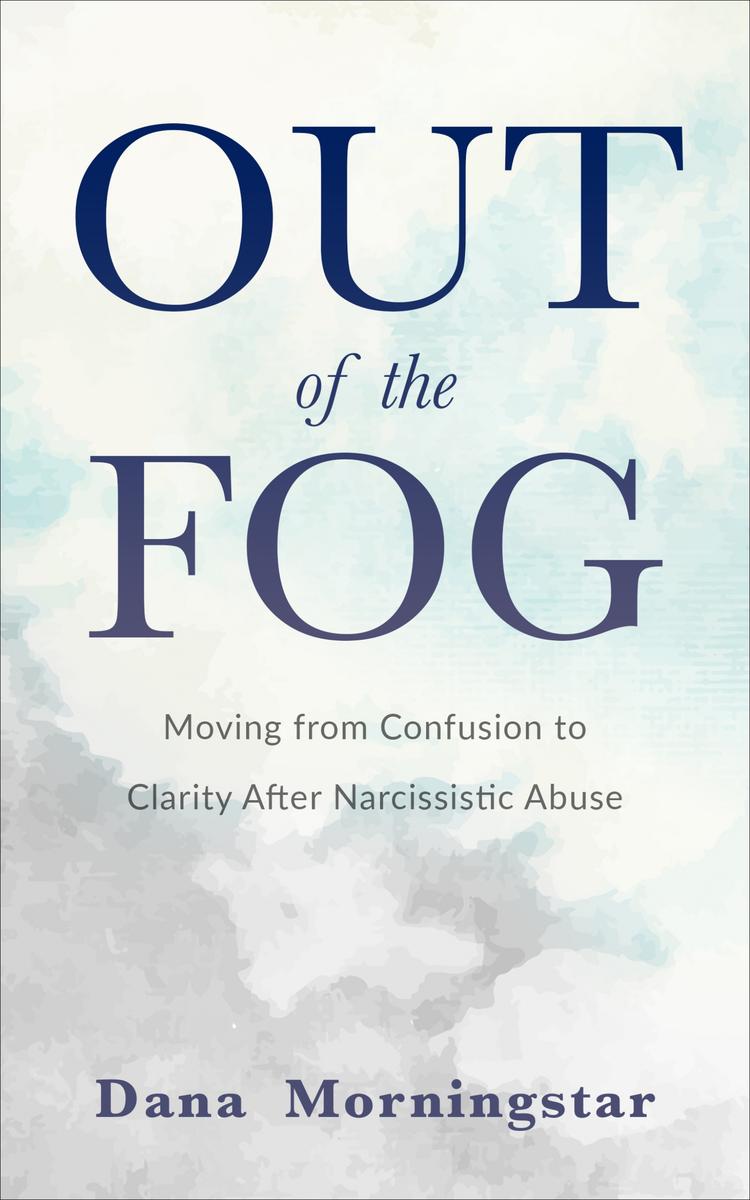
Out of the Fog Moving from Confusion to Clarity After Narcissistic Abuse
¥81.67
Lying. Cheating. Manipulating.?Will they ever change??What will it take to get through to them??They apologized, but will this time be different...or will they just get better at hiding what they are up to??This book will help you get out of the fog of confusion and into the clarity that you are looking for.?FOG is an acronym that stands for "Fear, Obligation, and Guilt." These three emotions are often at the core of manipulation, and are often how narcissists, sociopaths, and other types of emotional manipulators go about controlling their targets.?However, this type of destructive manipulation isn't just limited to narcissists and sociopaths.?There is no shortage of people with well-intended bad advice out there who unintentionally fall into the FOG as well, and push targets of abuse into keeping the relationship going.?The FOG is one of the main reasons that people stay "stuck" in abusive relationships for so long, why they continue to get involved with abusive people, why they feel that they are the problem, and why they tend to feel that the abuse is somehow their fault.?When a person is being manipulated they have a hard time figuring out who has the problem, what is normal, what is problematic, and if their wants, needs, and feelings are valid. The disasterous effects of being lost in the FOG are confusion, crazymaking, people pleasing, and an erosion of boundaries.?What makes this well-intended bad advice so damaging is that, on the surface, it seems like good advice--especially if it's coming from people who seem to have our best interests in mind, such as friends, family, church members, support group members, or a therapist.?Some examples of this well-intended bad advice that comes from other people is:?"Who are you to judge?" "No one is perfect." "You need to forgive them." "She's your mother, you need to have a relationship with her...she's not getting any younger you know." "Commitment is forever."?What can be so crazymaking for targets is that they are often getting two very different messages. On one hand, they are told that they need to work towards a solution, and on the other, they are told that need to leave a partner who lies, cheats, steals, hits, yells, or belittles them.?This book compares and contrasts of these concepts so that targets of any type of manipulation and abuse can make a more empowered decision.?Some of the concepts covered are:?Who are You to Judge vs. Being DiscerningNo One is Perfect vs. Tolerating AbuseYou Need to Forgive Them vs. Keeping Yourself SafeA Parent vs. A PredatorCommitment vs. CodependencySelf-love vs. SelfishnessA Person Acting the Part vs. A Person Actually ChangingGut Instincts vs. HypervigilanceA Friend vs. Someone Being FriendlyCaring vs. CaretakingBeing in Love With Them vs. Being in Love With Who They Pretended to BeWorkable Behavior vs. Deal BreakersAcceptance vs. AllowanceGoing Through So Much Together vs. Being Put Through So Much By ThemSincerity vs. IntensityHealthy Bonding vs. Trauma BondingInsincere Remorse vs. Sincere RemorseReacting vs. Responding...and many more.

Uma prova de amor
¥8.99
Até onde você iria por quem você ama?Um casal de noivos vai ao cinema no shopping. Na saída, o casal é seqüestrado por um estranho homem que n?o pede dinheiro e nem outro tipo de resgate. Ele apenas deseja fazer um jogo!E para salvar o seu noivo, Melissa terá que dar a maior prova de amor de sua vida.


