


 购物车
购物车 个人中心
个人中心

British Game (Collins New Naturalist Library, Book 2)
¥456.66
British Game ranges beyond the strict legal interpretation of game and is full of interesting details about the birds and beasts that should interest sportsmen. Collins are delighted to announce the republication in facsimile form of the first editions of the very first volumes in the New Naturalist Library. Originally planned in the darkest days of World War II and first published in 1945, this series is the longest running nature series in the world. It is a reflection of the quality of the authors and the books they wrote, that they are still sought after 73 years later. The books will be identical in every way to the original first editions, including the iconic jackets by Clifford and Rosemary Ellis.
Natural History in the Highlands and Islands (Collins New Naturalist Library, Bo
¥456.66
The Highlands and Islands of Scotland are rugged moorland, alpine mountains and jagged coast with remarkable natural history. Collins are delighted to announce the republication in facsimile form of the first editions of the very first volumes in the New Naturalist Library. Originally planned in the darkest days of World War II and first published in 1945, this series is the longest running nature series in the world. It is a reflection of the quality of the authors and the books they wrote, that they are still sought after 73 years later. The books will be identical in every way to the original first editions, including the iconic jackets by Clifford and Rosemary Ellis. The Highlands and Islands of Scotland are rugged moorland, alpine mountains and jagged coast with remarkable natural history, including relict and specialised animals and plants. Here are animals in really large numbers: St. Kilda with its sea-birds, North Rona its seals, Islay its wintering geese, rivers and lochs with their spawning salmon and trout, the ubiquitous midges! This is big country with red deer, wildcat, pine marten, badger, otter, fox, ermine, golden eagle, osprey, raven, peregrine, grey lag, divers, phalaropes, capercaillie and ptarmigan. Off-shore are killer whales and basking sharks. Here too in large scale interaction is forestry, sheep farming, sport, tourism and wild life conservation.
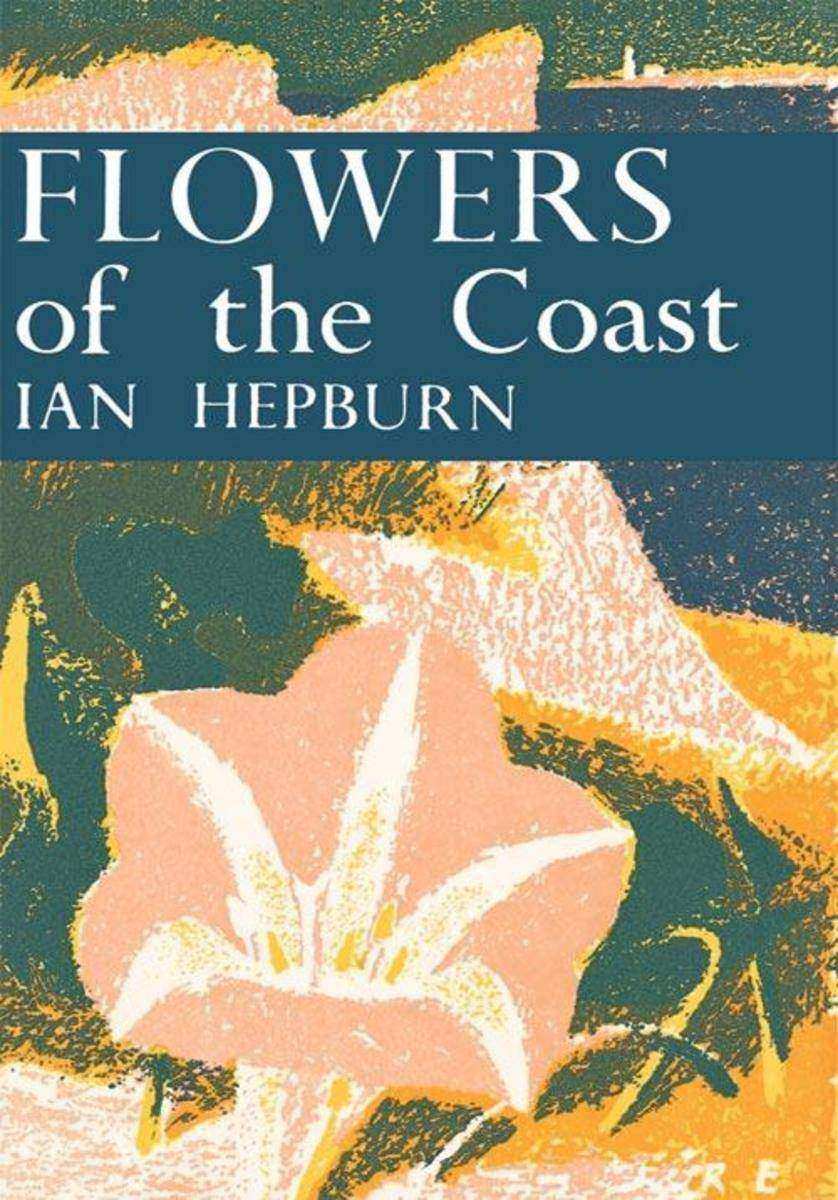
Flowers of the Coast (Collins New Naturalist Library, Book 24)
¥456.66
Few parts of our British islands can compare with our sea coasts as plant hunting ground. Flowers of the Coast takes us on a search across sand dune, cliff, shingle and rock. This edition is produced from an original copy by William Collins.
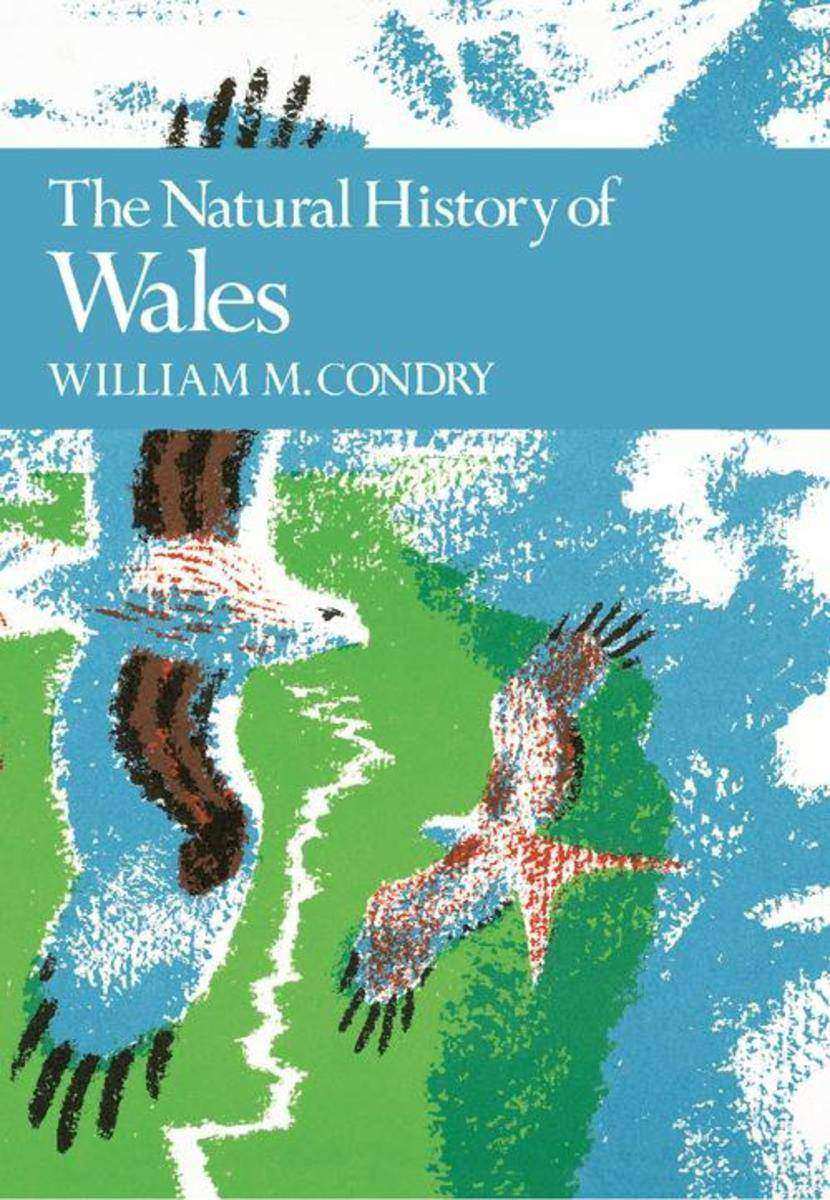
The Natural History of Wales (Collins New Naturalist Library, Book 66)
¥456.66
This book is an attempt to survey the natural history of the whole of Wales. It therefore covers such areas as Snowdonia and the Brecon Beacons as well as the spectacularly beautiful Pembrokeshire coast and the less well-known but no less interesting areas of mid-Wales. Wales is a country of great geographical and biological diversity, a largely mountainous land whose eastern scarps overlook the richer plains of Mercia. William Condry is an acute observer of the potentialities of terrain, and particularly in respect of wildlife habitats. The author of the distinguished volume on Snowdonia in the New Naturalist series, he is the ideal person to write about one of the best-known and best-loved parts of Great Britain. This book is an attempt to survey the natural history of the whole of Wales. It therefore covers such areas as Snowdonia and the Brecon Beacons as well as the spectacularly beautiful Pembrokeshire coast and the less well-known but no less interesting areas of mid-Wales. Describing each kind of terrain in turn, William Condry has explored and surveyed the face of this unique land as few others have done. Beginning with corries, crags and summits, he goes on to consider moorlands, mires and conifers. There then follow rivers, lakes and marshes; the native woodlands; limestone flora; farmlands, villages and estates; the industrial scene; and finally perhaps the most striking terrain of all, the coast. This encompasses polders, peatlands, beaches, dunes and estuaries as well as cliffs, headlands and island. Within each of these areas William Condry brings a wealth of experience to bear on the more obvious aspects of wildlife - flowering plants and ferns, mammals, birds, fish, reptiles and amphibians. Important rarities such as the Snowdon lily or the red kite are, of course, included, but always with the intention of establishing a proper respect for their conservation. Affectionate and thoroughly informative, full of insights into local history and always a delight to read, this is a magnificent introduction to Wales and its countryside.
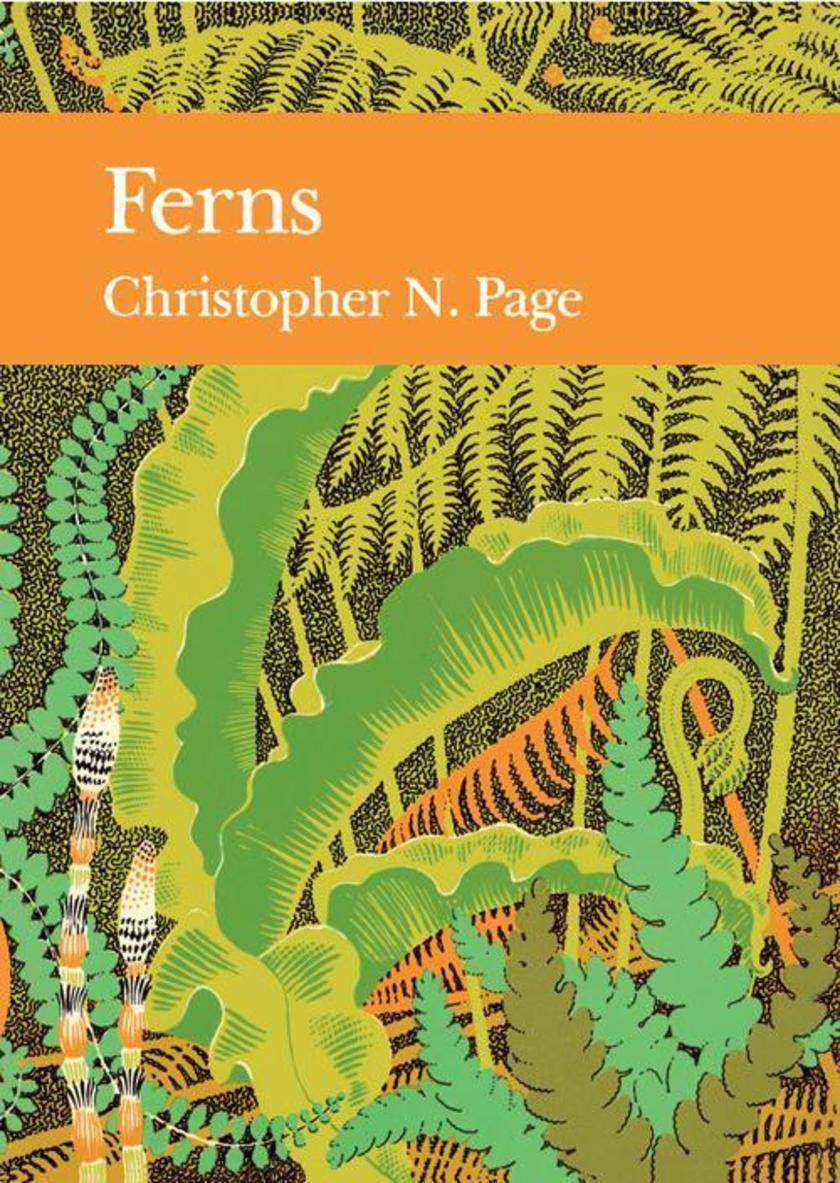
Ferns (Collins New Naturalist Library, Book 74)
¥456.66
Ferns gives the reader an introduction to the reasons for the variety of ferns in the British Isles, as well as the history of their development within this landscape and their use by man. This edition is exclusive to newnaturalists.com Ferns, horsetails and clubmosses, or to use their technical term the Pteridophyta, are a fascinating area of the British flora that ranged from the prehistoric-looking horsetails to the delicate beauty of the Aspleniaceae family (otherwise known as the spleenworts and familiar inhabitants of many a conservatory). Ferns are ubiquitous on this damp island, but often overlooked, overshadowed by the interest in the technicolour of our flowering plants. This book gives the reader an introduction to the reasons for the variety of ferns in the British Isles, as well as the history of their development within this landscape and their use by man. Taking each major habitat, Dr Page details which species of ferns are most likely to be encountered and why. Using numerous examples, he also shows how some species have become highly adapted to their environment using a whole range of strategies varying from the ordinary to the bizarre. Ferns follows in the distinguished New Naturalist series tradition of investigative natural history, drawing from the latest field studies and research, and is the most authoritative, up-to-date and in-depth survey of this part of the British flora available.
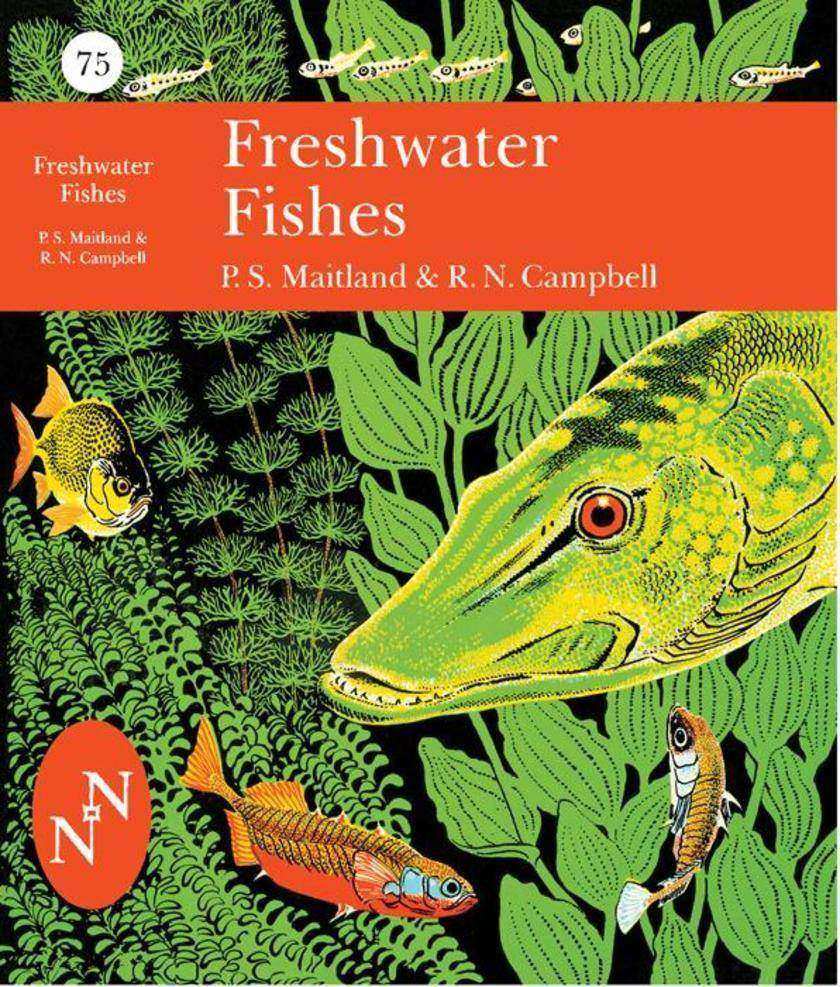
British Freshwater Fish (Collins New Naturalist Library, Book 75)
¥456.66
An in-depth look at the fish that inhabit the fresh waters of Britain and Ireland. These include famous members of the salmon family, such as the Atlantic Salmon and the Brown Trout, and the obscure whitefish, species of which are confined to just a few lakes. This edition is exclusive to newnaturalists.com Fish have been a highly sought after part of the British fauna since Dame Juliana Berners wrote the first fishing book in 1486, but have long been overlooked by naturalists as a part of the British countryside. In this new volume in the New Naturalist series, Dr Peter Maitland and Niall Campbell, who have both spent a lifetime studying and catching fish, take an in-depth look at the fish that inhabit the fresh waters of Britain and Ireland. These include famous members of the salmon family, such as the Atlantic Salmon and the Brown Trout, and the obscure whitefish, species of which are confined to just a few lakes. The information that the authors uncover gives a comprehensive overview of the life cycle of fish, whether mundane spawning or the complex migrations of the Eel and Sea Trout, as well as details on diet, behaviour and ecology. The book also contains the most up to date identification key to both the families and individual species of fish, allowing every species of freshwater fish to be conclusively identified. As well as detailed de*ions of each family, there are also seven chapters on more general subject. These include chapters on fish conservation and the future of the fish fauna in our country: a sign of the change in status of fish from the pursued to the studied.
Lichens (Collins New Naturalist Library, Book 86)
¥447.14
Lichens are fascinating and beautiful organisms able to colonise a vast range of habitats, including seemingly impossible places such as bare icy mountain tops and sun-scorched coastal rocks. This book discusses all aspects of British lichens, revealing the secrets of their success. This edition is exclusive to newnaturalists.com Lichens are fascinating and beautiful organisms able to colonise a vast range of habitats, including seemingly impossible places such as bare icy mountain tops and sun-scorched coastal rocks. This book discusses all aspects of British lichens, revealing the secrets of their success. The book begins by looking at how lichens have been used throughout history in medicines, dyes, food and perfumes. It then goes on to describe what lichens are, and how they grow and reproduce. A detailed survey is given of the range of habitats in which lichens can be found: on trees, rocks, heaths and moors, chalk and limestone, mountains, rivers, lakes, the coast, walls and buildings, most famously on churches and in churchyards. Gilbert also discusses the susceptibility of lichens to air pollution, and how they can be used to detect environmental pollution. The comprehensive, reader-friendly text, over 150 illustrations and 16 pages of colour, combine to make Lichens the definitive work on this subject of great natural history interest.
A History of Food in 100 Recipes
¥114.48
The ingredients, cooks, techniques and tools that have shaped our love of food. We all love to eat and most of us have a favourite ingredient or dish. In today's world we can get the food we want, when we want it, but how many of us really know where our much-loved recipes come from, who invented them and how they were originally cooked? In this book William Sitwell, culinary expert on BBC2's 'A Question of Taste' and editor of Waitrose Kitchen magazine, takes us on a colourful, whirlwind journey as he explores the fascinating history of cuisine. This book is a celebration of the great dishes, techniques and above all brilliant cooks who have, over the centuries, created the culinary landscape we now enjoy. Any lover of fine food who has ever wondered about the origins of the methods and recipes we now take for granted will find A History of Food in 100 Recipes required reading. As well as shining a light on food's glorious past, there are contributions from a glittering array of stars of British cuisine, including Marco Pierre White, Delia Smith, Heston Blumenthal, Nigella Lawson and Jamie Oliver. In an incisive and humorous narrative, Sitwell enters an Egyptian tomb to reveal the earliest recipe for bread and discovers the greatest party planner of the Middle Ages. He uncovers the extraordinary and poetic roots of the roast dinner and tells the heart-rending story of the forgotten genius who invented the pressure cooker. And much, much more.
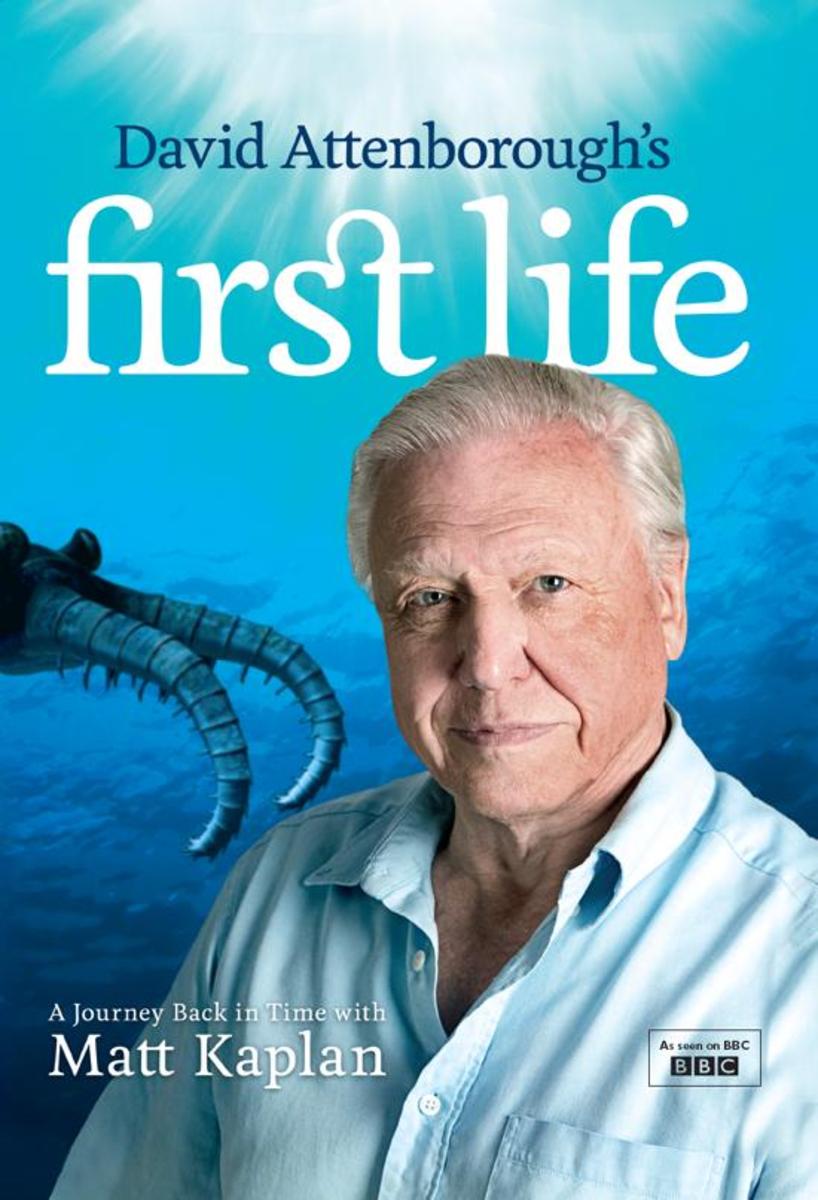
David Attenborough’s First Life: A Journey Back in Time with Matt Kaplan
¥184.23
The epic story of the beginning of life on Earth from the much loved and respected naturalist, writer and broadcaster, Sir David Attenborough. Spanning billions of years, Attenborough's time-travelling narrative brings the reader face to face with the first animals that ever existed. By using the latest technology, we are finally able to see for ourselves how these early animals would have looked like and how they would have lived. Attenborough also shows us how some of the evolutionary features of these most primitive creatures are alive today in modern animals, including us humans. Attenborough shows us how the evolution of the first eyes, the first solid body parts and the first feet and backbones came to be. Looking at global ice ages and volcanic eruptions he also shows how evolution is heavily connected with the history of the planet. In this groundbreaking investigation, Attenborough travels the world, from Canada to Australia and Morocco to unearth the secrets hidden in prehistoric fossils, providing a deeper understanding of the first living creatures and the origins of our evolutionary traits.
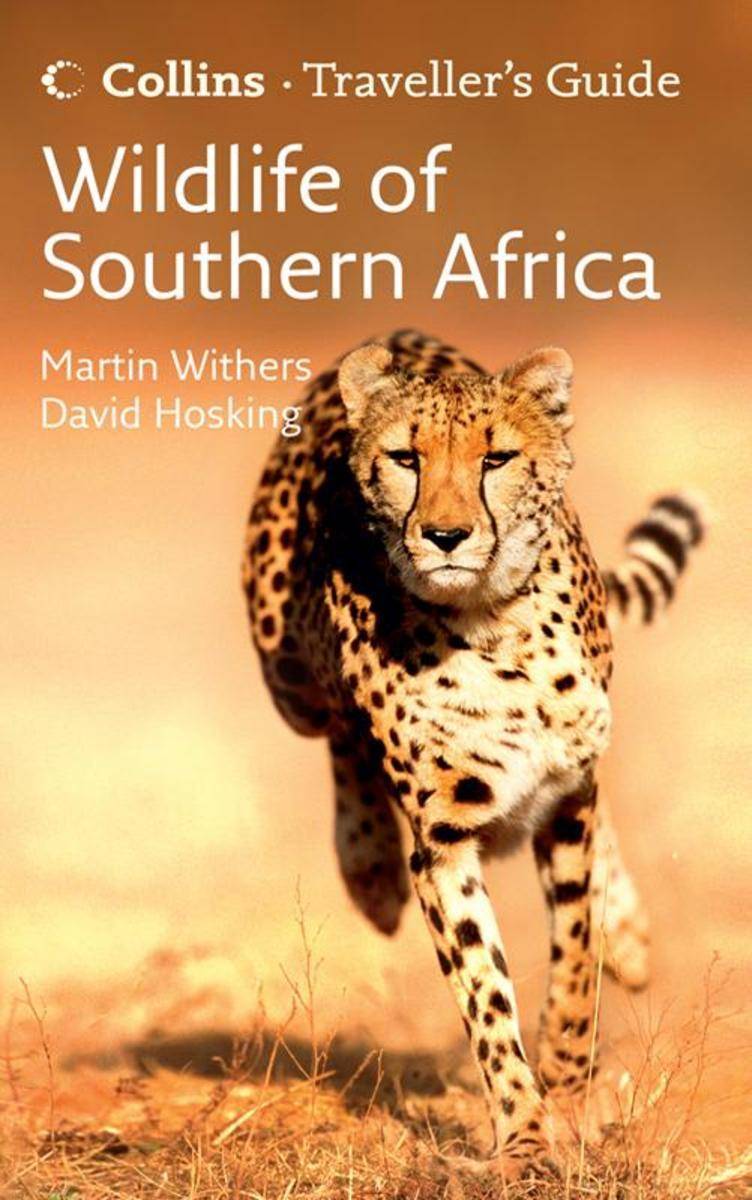
Wildlife of Southern Africa (Traveller’s Guide)
¥91.43
The perfect companion for the safari enthusiast, this complete traveller’s guide to the wildlife of Namibia, Botswana, Zimbabwe, South Africa and Malawi is a must-have for all those considering a trip to the game reserves of this highly popular region. Written and illustrated by wildlife experts who have been leading safaris in the region for over 20 years, and featuring over 400 species of bird, mammal, reptile, amphibian and insect, this informative guide makes the perfect companion for all those considering a trip to the game reserves of southern Africa. Each species is illustrated with a full-colour photograph and features a full species de*ion. Key information on wildlife photography is also included, such as the best type of camera, film and lenses to use, along with information on techniques and codes of conduct.
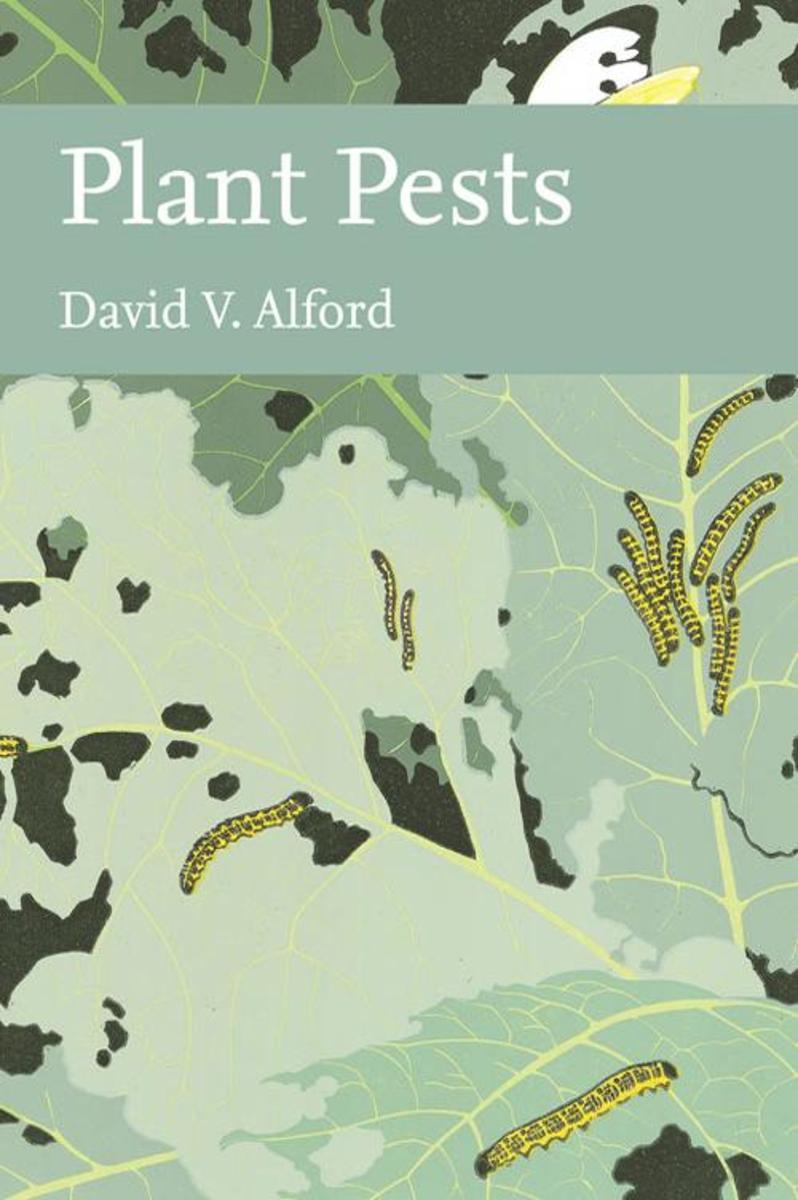
Plant Pests (Collins New Naturalist Library, Book 116)
¥273.90
Ever since man first cultivated plants and grew crops, insects, mites and other creatures have risen to prominence as pests, but it is only throughout the last two centuries that we have come to study them in any detail. Whereas in the past, emphasis has mainly been placed on ways to protect cultivated plants from attack or damage, nowadays our over-reliance on pesticides has been replaced by a far more enlightened approach to plant protection. Though chemical pesticides still have a role to play, environmental aspects and non-chemical means of pest control have become equally, if not more, important. This requires a greater appreciation of ecosystems, coupled with a greater understanding of individual pests, including their habits and their role in the environment. Drawing on a lifetime of experience, David V. Alford provides a fascinating account of the natural history of the insects and mites that inhabit our farms and gardens, and feed on our cultivated plants. He shows how and why the different operations of cultivation affect their world, and why plant pests should not be viewed as different from other wildlife. Coverage of pests includes aliens, and although emphasis is placed mainly on arable and horticultural field crops, pests of protected crops - both edible and non-edible - are also included. Details of pest life cycles, status, distribution and the damage they cause are given, and natural enemies of pests are examined. The author also explores the impact of pesticides, climate change and evolving crop management practices.
Nightwalk: A journey to the heart of nature
¥66.22
Chris Yates, one of Britain’s most insightful and lyrical writers, raises his gaze from his beloved rivers and ponds and takes us on a mesmerizing tour of the British countryside. “Last November, the sudden appearance of a hundred wintering ravens in a wood in Cranborne Chase, where I have lived for twenty-five years without seeing more than a few solitary specimens, reminded me that there is always something ready to flame up again in the landscape, just when it seemed the fire had gone out.” In Nightwalk we accompany Chris Yates on the most magical of journeys into the very heart of the British countryside. His acute observation of the natural world and ability to transcend it exquisitely sets Chris apart from his contemporaries. Time slows down for a deeper intimacy with nature, and through Chris’s writing we hear every rustle of a leaf, every call of a bird. He widens the power of our imagination, heightening our senses and revealing beauty in the smallest details.
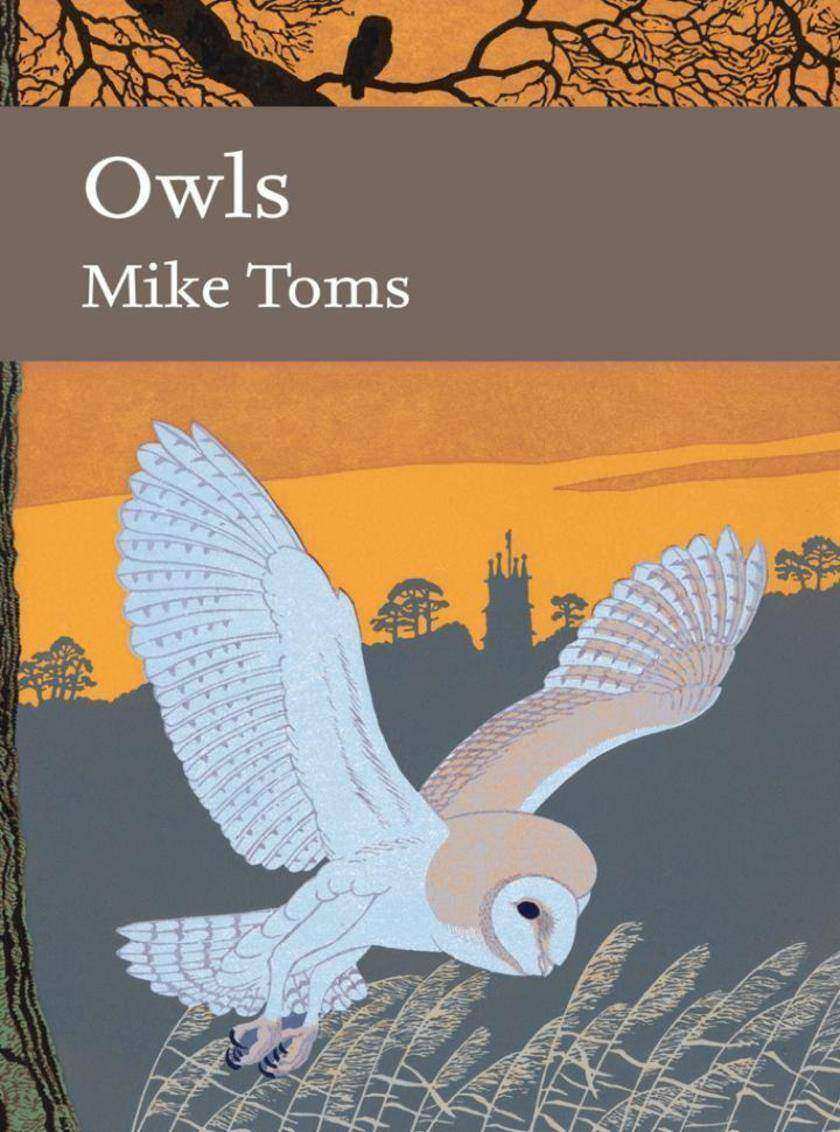
Owls (Collins New Naturalist Library, Book 125)
¥257.90
Owls have always featured prominently in the mythology and folklore of a variety of cultures. These mysterious nocturnal creatures are thought to be symbols of wisdom, omens of death, and bringers of prophecy. In fact, owls are one of the oldest species of vertebrate animal, with fossils dating back 60 million years. Owls have been a source of inspiration to writers, artists, historians and naturalists alike. In a much-anticipated volume on one of Britain’s most fascinating group of birds, Mike Toms draws on a wealth of experience and research, providing a comprehensive natural history of British owls. The first part of the book covers various aspects of owl taxonomy, origins, anatomy, behaviour and ecology and looks across the British owl species, drawing comparisons and highlighting differences. The second part takes each species in turn to provide a more detailed perspective, fleshing out relevant conservation issues, behaviour and status. Toms explores Britain’s beloved Barn Owl, Tawny Owl and Snowy Owl amongst several others. He uses the vast database and latest research from his work with the British Trust for Ornithology (BTO) to focus particularly on the specifics of owls’ breeding ecology, their dispersal patterns, diet, vocalisations, de*ion, population changes and mortality. He addresses conservation issues, changes in legislation and potential changes in the status of one of Britain’s most iconic birds, providing a fascinating overview of the biology and history of British owls.
Books and Naturalists (Collins New Naturalist Library, Book 112)
¥231.22
Natural history, perhaps more than any other pursuit or study, has always relied heavily on books. Without their basic function of enabling the different kinds of animals and plants to be described in adequate detail, the subject could never have come into being and gone on to thrive as it does today. In displaying nature's colourful diversity, books have stimulated attempts to capture the wonders of the natural world with the pencil or in paint. They have challenged their readers to seek out and record what the countryside has to offer, and they have enabled naturalists to convey to unknown fellow spirits the excitements of 'the chase' and of unexpected discoveries. In this latest book in the highly-acclaimed New Naturalist series, David Elliston Allen explores the often complicated ways in which books on the flora and fauna of these islands have been published through the years, from the earliest days of printing through to the era of the computerised distribution atlas and the giant multinational compendium. Difficult to free from market constraints, publication in book form would have remained an elusive aim for all too many naturalists but for the regular trickle of individual publishers who have shared their delight in the subject and leant over backwards to assist it. The important role played by these allies, the colourful backgrounds of many of the authors and the sometimes fraught relationship between the partners in a process in which the aims of business and learning do not necessarily coincide are among the many themes woven together into a fascinating account, which also breaks new ground.
Dragonflies (Collins New Naturalist Library, Book 106)
¥192.67
Dragonflies are among the most ancient of living creatures – few insect groups fascinate as much or are more immediately recognisable. In this seminal new work, Philip Corbet and Stephen Brooks examine the behaviour, ecology and distribution of dragonflies in Britain and Ireland, placing emphasis on the insects' habitats and also on measures needed to conserve them. Published in 1960 – with Philip Corbet as contributing author – volume 41 of the New Naturalist series provided the first in-depth study of the biology of British dragonflies, helping to inspire many people to take an interest in these intriguing insects. In this new volume, Corbet has teamed up with Stephen Brooks, offering a fascinating new outlook on the natural history of dragonflies. The authors have combined their knowledge and experience to help illuminate the relevance of British dragonfly species, placing them in the overall context of natural history from a broader, worldwide perspective. Illustrated with beautiful photography throughout, New Naturalist Dragonflies explores all aspects of the biological significance of dragonfly behaviour, thus revealing the beauty and hidden complexity of these powerful, agile, flying predators.
The Perfect Storm: A True Story of Men Against the Sea
¥66.22
The worst storm in history seen from the wheelhouse of a doomed fishing trawler; a mesmerisingly vivid account of a natural hell from a perspective that offers no escape. The ‘perfect storm’ is a once-in-a-hundred-years combination: a high pressure system from the Great Lakes, running into storm winds over an Atlantic island – Sable Island – and colliding with a weather system from the Caribbean: Hurricane Grace. This is the story of that storm, told through the accounts of individual fishing boats caught up in the maelstrom, their families waiting anxiously for news of their return, the rescue services scrambled to save them. It is the story of the old battle between the fisherman and the sea, between man and Nature, that awesome and capricious power which can transform the surface of the Atlantic into an impossible tumult of water walls and gaping voids, with the capacity to break an oil tanker in two. In spare, lyrical prose ‘The Perfect Storm’ describes what happened when the Andrea Gail looked into the wrathful face of the perfect storm.
Ancient Greece (Collins Gem)
¥36.79
From theatre to politics, no other single civilisation has influenced the Western world more profoundly than that of ancient Greece. From the roots of democracy to philosophy and mathematics, it’s fascinating to learn how much western civilisation has stemmed from that of ancient Greece. This book offers an introduction to the lives of the ancient Greeks, their mythologies and traditions and their culture and learning. With colour illustrations supporting a clear, informative and engaging text, this guide is a perfect companion for both adults and children alike. Includes: ? Geography – map of Greece ? History – the different civilizations from the Minoans through to the Hellenistic period ? Religion – gods, festivals, oracles and muses ? Mythology – Homer's Odyssey, the Minotaur, Icarus ? Daily life in Ancient Greece – everyday life for all levels of society; the jobs, family life, leisure activities ? Politics – democracy and the Athenian council ? Learning and knowledge – philosophy, science, mathematics, medicine and literature ? War – important wars; the army and navy ? Greece Today – temples, archaeology and the monuments that can still be seen today
Ancient Rome (Collins Gem)
¥38.36
From the Colosseum to Hadrian’s Wall, Gem Ancient Rome shows us how Rome’s vast empire laid the foundations of today’s civilisation. From aqueducts to baths, from gladiators to emperors, the fascinating history of and mythology of ancient Rome are brought to life in this entertaining and highly-readable guide. With their sophisticated army, monuments and roads, the Romans literally paved the way to modern Europe. Learn about the hand-to-hand combat at gladiatorial shows, rediscover the myths and legends of the Roman gods and find out how and why Rome became the conquering superpower that it did. History will come to life in this engaging and comprehensive introduction to one of the most fascinating and influential places the world has ever known. Includes: ? Geography – map of the Roman Empire ? History – a timeline with the accomplishments of the emperors ? Culture – what the Romans did for us ? Religion – Gods and Festivals ? Mythology – Virgil's Aeneid, Romulus and Remus ? Daily life in Ancient Greece – different levels in society, the jobs, family life, leisure activities ? Politics – transition from Republic to Dictatorship ? Learning and knowledge – Law, Science, Architecture, Literature, Art ? War – important wars, the Empire, the army and navy ? Rome Today – temples, archaeology, and modern tourist sites
Mussolini: History in an Hour
¥18.05
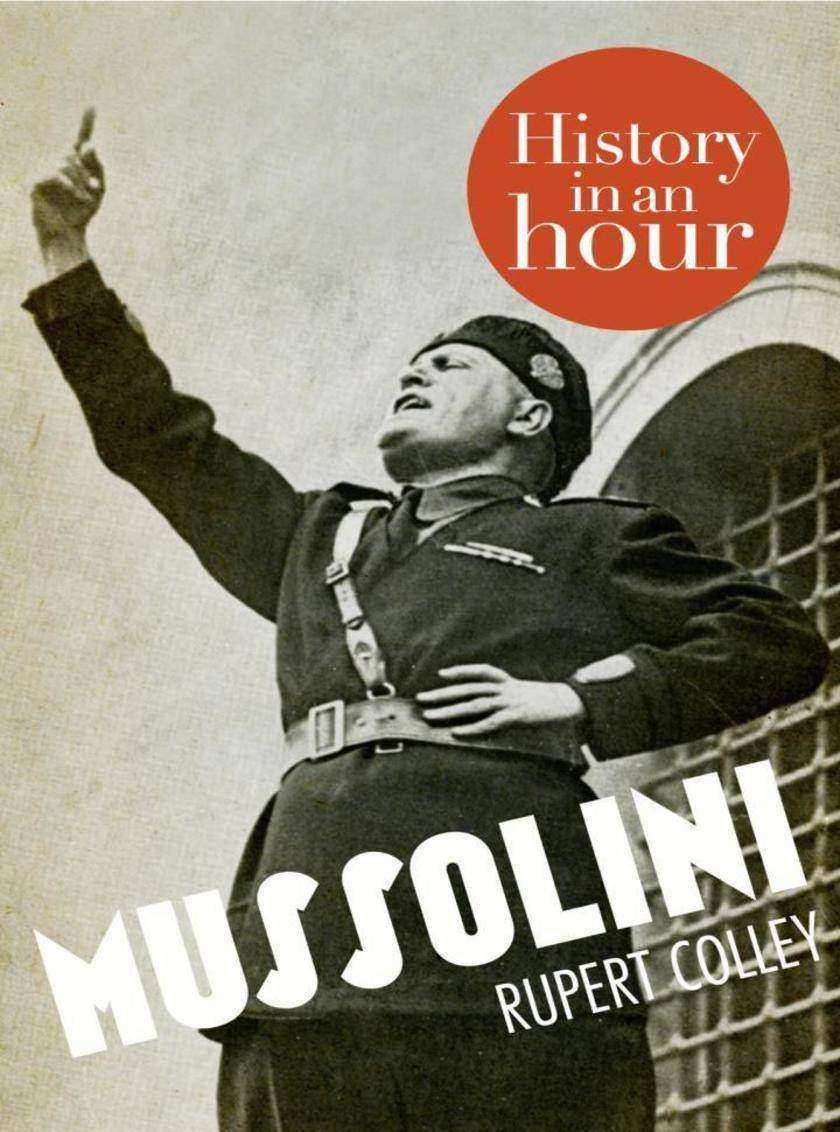
Love history? Know your stuff with History in an Hour. ‘Il Duce’, Benito Mussolini, was one of the key figures in the creation of fascism. Famed for his dictatorial style, his political cunning and admired – initially – by Hitler, Mussolini led the National Fascist Party and ruled Italy as Prime Minister from 1922 until his ousting in 1943. In so doing, he paved the way towards Italy’s defeat in World War Two, and some of the 20th century’s most destructive ideologies and practices. Following expulsion from Italian Socialist Party, Mussolini denounced all efforts of class conflict, and instead later commanded a Fascist March on Rome to become the youngest Prime Minister in Italian history. Thereafter he set about dismantling the apparatus of democracy and initiated what would become known as the one-party totalitarian state. With World War II came defeat, humiliation and his bloody deposing. Explaining his ideologies, policies, actions and flaws, ‘Mussolini: History in an Hour’ is the concise life of the man whose ideas helped create some of the worst horrors of the modern history. Love history? Know your stuff with History in an Hour…
3 Para
¥68.67
Afghanistan in the summer of 2006. In blazing heat in remote outposts the 3 Para battlegroup is pitted against a stubborn enemy who keep on coming. Until now, the full story of what happened there has not been told. This is it. In April 2006, the elite 3 Para battlegroup was despatched to Helmand Province in southern Afghanistan. They were tasked with providing security to reconstruction efforts, a deployment it was hoped would pass off without a shot being fired. In fact, over the six months they were there, the 3 Para battle group saw near continuous combat – one gruelling battle after another – in what would become one of the most extraordinary campaigns ever fought by British troops. Around parched, dusty outposts reliant on a limited number of helicopters for food and ammunition resupply, troops were subjected to relentless Taliban attacks, as well as energy-sapping 50 degree heat and spartan conditions. At the end of the tour, the Taliban offensive aimed at driving the British and Afghan Government troops out of Helmand had been tactically defeated. But 3 Para paid a high price: fourteen soldiers and one interpreter were killed, and 46 wounded. ‘3 Para’ will tell the stories of the men and women who took part in this extraordinary and largely unreported saga. Best-selling author Patrick Bishop has been given exclusive access to the soldiers whose tales of courage and endurance provide an unforgettable portrait of one of the world's finest and most fascinating fighting regiments, and a remarkable band of warriors. Their bravery was reflected in the array of gallantry medals that were bestowed on their return, including the Victoria Cross awarded to Corporal Bryan Budd and the George Cross won by Corporal Mark Wright, both of whom were killed winning their awards. 3 Para’s saga of comradeship, courage and fortitude is set to become a classic.

Americans in Paris: Life and Death under Nazi Occupation 1940–44
¥95.75
An elegantly written and highly informative account of a group of Americans living in Paris when the city fell to the Nazis in June 1940. In the early hours of 14 June 1940, Nazi troops paraded through the streets of Paris, marking the beginning of the city’s four-year occupation. French troops withdrew in order to avoid a battle and the potential destruction of their capital. It wasn't long before German tanks rumbled past the Arc de Triomphe and down the Champs Elysees to the Place de la Concorde. The American community in Paris was the largest in Continental Europe, totalling approximately 30,000 before the Second World War. Although Ambassodor Bullitt advised those without vital business in the city to leave in 1939, over half of the Americans in Paris chose to stay. Many had professional and family ties to the city; the majority, though, had a peculiarly American love for the city, rooted in the bravery of the Marquis de la Fayette and the 17,000 Frenchmen who volunteered to fight for American independence in 1776. An eclectic group, they included black soldiers from the Harlem Hellfighters, who were determined not to return to the racial segregation that they faced at home, rich socialites like Peggy Guggenheim and Florence Jay Gould, as well as painters, musicians, bankers and businessmen. There were those whose lives went on as if the Germans were ephemera, those who collaborated and those, like Dr Sumner Jackson and Etta Shiber, who worked underground for the resistance movement. This is a book about adventure, intrigue, passion and deceit, and one which follows its characters into the Maquis, the concentration camps and overseas. Filled with a huge amount of new analysis on the Second World War, ‘Americans in Paris’ is a fascinating, revealing and moving read.


