


 购物车
购物车 个人中心
个人中心
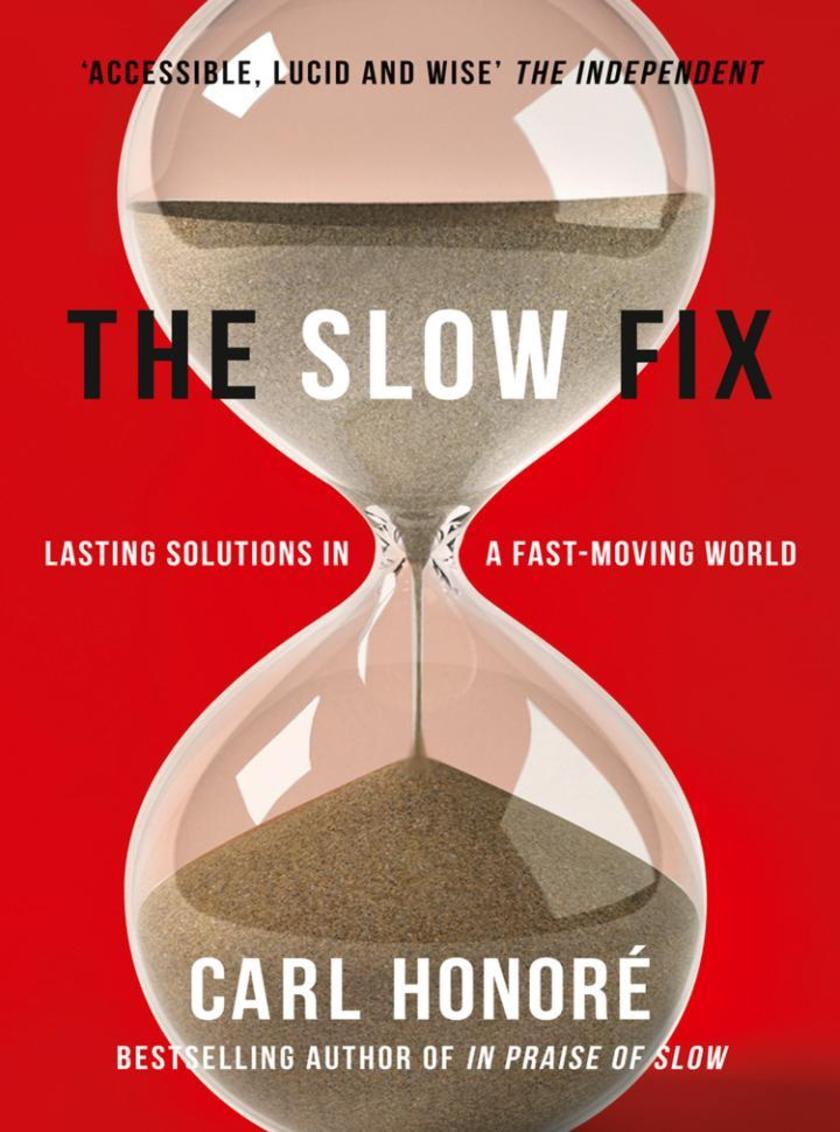
The Slow Fix: Solve Problems, Work Smarter and Live Better in a Fast World
¥68.67
What do we do when things go wrong in a fast world? Many of us go for the quick fix that delays the problem rather than solving it. To make real progress we need real solutions – we need to take time for THE SLOW FIX. People have long been in search of a quick fix. Truth is, it doesn’t work. The problems facing us today are bigger and more urgent than ever before and we need to learn to start fixing things properly, rather than settling for short-term solutions. The Slow Fix offers real, life-changing solutions to tackling these problems and extends the movement defined by Carl Honore in his global bestseller, In Praise of Slow, to offer a recipe for problem-solving that can be applied to every walk of life, from business and politics to relationships, education and health reform.
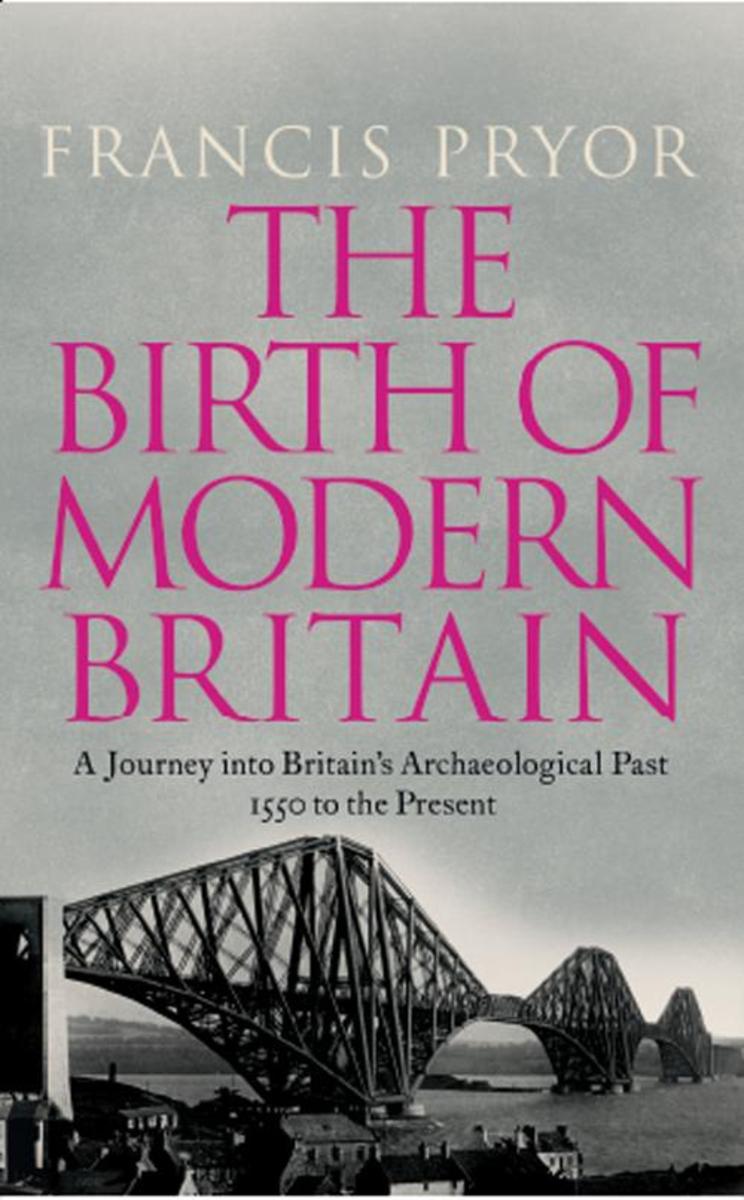
The Birth of Modern Britain: A Journey into Britain’s Archaeological Past
¥76.91
From the author of ‘Britain BC’, ‘Britain AD’ and ‘Britain in the Middle Ages’ comes the fourth and final part in a critically acclaimed series on Britain's hidden past. The relevance of archaeology to the study of the ancient world is indisputable. But, when exploring our recent past, does it have any role to play? In ‘The Birth of Modern Britain’ Francis Pryor highlights archaeology’s continued importance to the world around us. The pioneers of the Industrial Revolution were too busy innovating to record what was happening around them but fortunately the buildings and machines they left behind bring the period to life. During the Second World War, the imminent threat of invasion meant that constructing strong defences was much more important than keeping precise records. As a result, when towns were flattened, archaeology provided the only real means of discovering what had been destroyed. Surveying the whole post-medieval period, from 1550 until the present day, Francis Pryor takes us on an exhilarating journey, bringing to a gripping conclusion his illuminating study of Britain’s hidden past.

Twenty-One: Coming of Age in World War II
¥72.99
World War II affected the lives of ordinary men and women more directly than any other conflict before or since. This is an unprecedented look at the lives of twenty-one young men who answered their country’s call to arms and left their homes to fight in unfamiliar and far-reaching corners of the globe. Many never returned, and those who did found their homes and countries much changed by long years of war. Most discovered they had become different people: having seen death and destruction on a scale they had never imagined they would witness, the return to civilian life was often far from easy. Now, more than sixty years on, this remarkable generation is fading. Most are now over eighty and around the world more than two thousand veterans of the war are passing away every day. In this new book ‘Sunday Times’ bestselling author James Holland recounts the real-life stories of twenty-one young men from around the world who served in different services and theatres of the war. Whether it be the Byers brothers from Canada or Bill Laity from Cornwall, Wlad Rubnikowicz from Poland or Tom Finney from Preston, each began the war with little idea of what lay in store; and yet, each displayed astonishing courage, fortitude and resilience, united by a sense of honour and duty, and bound by the fellowship of their comrades. Often reacting in very different ways to the strange and frequently terrifying situations in which they found themselves, they each suffered hardships and loss, making sacrifices that have ensured a lasting peace amongst the warring nations; and if some of these survivors are perplexed by how the world has developed, none doubts the value of what they did all those years ago. Moving, poignant, and conveying all the drama, tension and fear experienced in war, ‘Twenty-One’ is an uplifting tribute to a passing generation, describing the wide range of experiences and extremes these remarkable men and women witnessed during World War II. Note that it has not been possible to include the same picture content that appeared in the original print version.
Fifty Great Things to Come Out of the Midlands
¥9.71
Celebrate the heart of Britain in this fun and informative mini-ebook. Rugby, Walkers Crisps, Conkers. These are just a handful of the many great things to have come out of the Midlands. In this celebratory list, journalist and loyal Midlander Robert Shore counts down fifty of the best gifts the Midlands has given the world. Knowledge no Midlander – nay, Brit! – should be without. From the author of Bang in the Middle.

The Forgotten Soldier (Part 1 of 3)
免费
Bestselling author Charlie Connelly returns with a First World War memoir of his great uncle, Edward Connelly, who was an ordinary boy sent to fight in a war the likes of which the world had never seen. But this is not just his story; it is the story of all the young forgotten soldiers who fought and bravely died for their country The Forgotten Soldier tells the story of Private Edward Connelly, aged 19, killed in the First World War a week before the Armistice and immediately forgotten, even, it seems, by his own family. Edward died on exactly the same day, and as part of the same military offensive, as Wilfred Owen. They died only a few miles apart and yet there cannot be a bigger contrast between their legacies. Edward had been born into poverty in west London on the eve of the twentieth century, had a job washing railway carriages, was con*ed into the army at the age of eighteen and sent to the Western Front from where he would never return. He lies buried miles from home in a small military cemetery on the outskirts of an obscure town close to the French border in western Belgium. No-one has ever visited him. Like thousands of other young boys, Edward’s life and death were forgotten. By delving into and uncovering letters, poems and war diaries to reconstruct his great uncle’s brief life and needless death; Charlie fills in the blanks of Edward’s life with the experiences of similar young men giving a voice to the voiceless. Edward Connelly’s tragic story comes to represent all the young men who went off to the Great War and never came home. This is a book about the unsung heroes, the ordinary men who did their duty with utmost courage, and who deserve to be remembered.

The Forgotten Soldier (Part 3 of 3)
¥47.48
Bestselling author Charlie Connelly returns with a First World War memoir of his great uncle, Edward Connelly, who was an ordinary boy sent to fight in a war the likes of which the world had never seen. But this is not just his story; it is the story of all the young forgotten soldiers who fought and bravely died for their country The Forgotten Soldier tells the story of Private Edward Connelly, aged 19, killed in the First World War a week before the Armistice and immediately forgotten, even, it seems, by his own family. Edward died on exactly the same day, and as part of the same military offensive, as Wilfred Owen. They died only a few miles apart and yet there cannot be a bigger contrast between their legacies. Edward had been born into poverty in west London on the eve of the twentieth century, had a job washing railway carriages, was con*ed into the army at the age of eighteen and sent to the Western Front from where he would never return. He lies buried miles from home in a small military cemetery on the outskirts of an obscure town close to the French border in western Belgium. No-one has ever visited him. Like thousands of other young boys, Edward’s life and death were forgotten. By delving into and uncovering letters, poems and war diaries to reconstruct his great uncle’s brief life and needless death; Charlie fills in the blanks of Edward’s life with the experiences of similar young men giving a voice to the voiceless. Edward Connelly’s tragic story comes to represent all the young men who went off to the Great War and never came home. This is a book about the unsung heroes, the ordinary men who did their duty with utmost courage, and who deserve to be remembered.

A History of Television in 100 Programmes
¥76.91
An entertaining and illuminating celebration of televisual history by cultural historian Phil Norman For decades, television occupied a unique position in the national imagination. By today’s standards the ‘box’ was tiny, but it dominated the living room in a way its technically superior descendants never quite manage. Has the television lost its power in the internet age? Cultural historian Phil Norman goes in search of such questions as he tells the history of TV through 100 ground-breaking programmes. He celebrates the joy of the TV schedule which, in the days of just a few channels, threw up dizzy juxtapositions on a daily basis: an earnest play might be followed by a variety spectacular; a horror anthology that drove children behind furniture followed a sketch show that chewed the carpet. This riotous mix, now slowly disappearing as themed channels and on-demand services take over, gave television a sense of community that no other media could compete with. The wonderful variety of programmes in the book includes overlooked gems and justly wiped follies, overcooked spectaculars and underfunded experiments – just as much a part of TV history as the national treasures and stone-cold classics. A History of Television in 100 Programmes revels in the days when television was at the most exciting, creative stage of any medium: a cottage industry with the world at its feet.
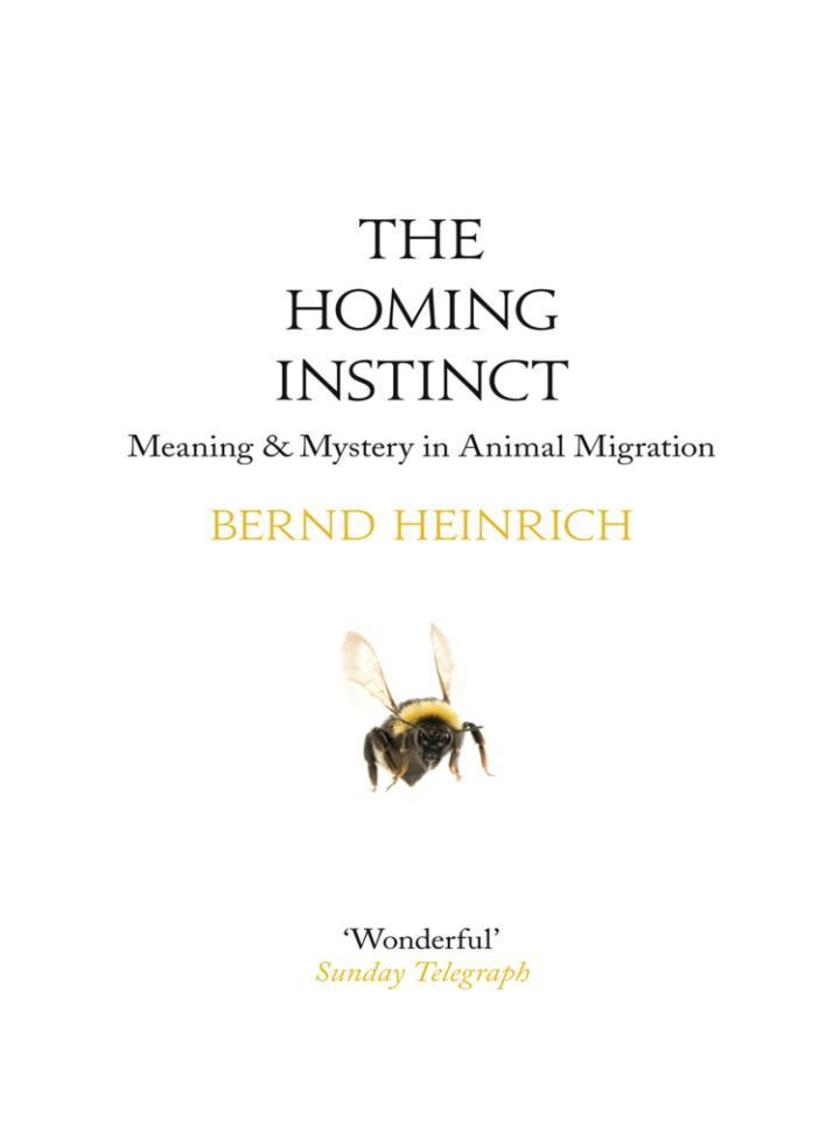
The Homing Instinct: Meaning and Mystery in Animal Migration
¥73.58
The story and science of how animals find their way home. Home is the place we long for most, when we feel we have travelled too far, for too long. Since boyhood, acclaimed scientist and author Bernd Heinrich has returned every year to a beloved patch of woods in his native western Maine. But while it’s the pull of nostalgia that informs our desire to go back, what is it that drives the homing instinct in animals? Heinrich explores the fascinating science behind the mysteries of animal migration: how geese imprint true visual landscape memory over impossible distances; how the subtlest of scent trails are used by many creatures, from fish to insects to amphibians, to pinpoint their home; and how the tiniest of songbirds are equipped for solar and magnetic orienteering over vast distances. Most movingly, Heinrich chronicles the spring return of a pair of sandhill cranes to their pond in the Alaska tundra. With his marvellously evocative prose, Heinrich portrays the psychological state of the newly arrived birds, articulating just what their yearly return truly means, to the birds and to those fortunate enough to witness this transcendently beautiful ritual. The Homing Instinct is an enchanting study of this phenomenon of the natural world, reminding us that to discount our own feelings toward home is to ignore biology itself.

The Last Veteran: Harry Patch and the Legacy of War
¥73.58
This moving and timely book explores the way the First World War has been thought about and commemorated, and how it has affected its own, and later, generations. On 11 November 1920, huge crowds lined the streets of London for the funeral of the Unknown Warrior. As the coffin was drawn on a gun carriage from the Cenotaph to Westminster Abbey, the King and Ministers of State followed silently behind. The modern world had tilted on its axis, but it had been saved. Armistice Day was born, the acknowledgement of the great sacrifice made by a whole generation of British men and women. Now, almost a century later, Harry Patch, the last British veteran who saw active service, has died. Our final link with the First World War is broken. Harry Patch was born in 1898 and was con*ed in 1916. He served with a Lewis gun team at the Battle of Passchendaele and in September 1917 was wounded by a shell that killed three of his comrades. After the war, Patch returned to Somerset to work as a plumber, a job he continued to do until his retirement. The First World War was fought not by a professional army but by ordinary civilians like Patch, who epitomised Edwardian Britain and the sense, now lost, of what Britain stood for and why it was worth fighting for. The Last Veteran tells Patch's story, and explores the meaning of the war to those who fought in it and the generations that have followed. Peter Parker's illuminating and timely book is a moving tribute to a remarkable generation.
The Nineties: When Surface was Depth
¥72.99
the first clear anatomy of a confused decade, the 1990s – ‘Bracewell, with great verve and style, animates the cultural conversation’, Greil Marcus 'Michael Bracewell is the most adroitly gifted writer of his generation.' Morrissey Michael Bracewell is now clearly established as one of the most subtle, penetrating, amusing and far-sighted of all observers of the contemporary scene in Britain. His writing on culture high and low is coveted by every broadsheet, every stylish glossy monthly magazine and on radio and TV punditry platforms. His book, England Is Mine, about the distinctive Englishness of these islands’ twentieth-century popular culture, earned him incredible reviews and an unchallenged position as the first person any right-minded arts producer/editor turns to when they need a definitive opinion about how English or otherwise some new-fangled cultural phenomenon is. With this book Bracewell gives us the first consideration of that still-warm, still-bizarre, still-confused and confusing decade. He talks to and talks about a host of representative Nineties figures, some already forgotten, some absolutely emblematic of their times – from Hanson to Alexander McQueen, from Tracey Emin to Ulrika Jonsson, from the Spice Girls to Duran Duran (yes, Duran Duran). Painstakingly, sometimes painfully, he puts all the pieces together and starts to make sense of it all…

A Touch Of Love
¥24.44
After her young nephew and two nieces’ parents are drowned in a tragic sailing accident off the coast of Cornwall, the beautiful red-headed Tamara is devastated by their loss and realises almost at once that she is the only person who can look after the three children as she loves them so much. She speaks to the local Solicitor, who tells her that there is no money left in her brother-in-law’s estate and so she has no choice but to take the three children to their uncle, the Duke of Granchester, who lives in splendid isolation in a vast sprawling but intimidating Castle in Gloucestershire. The prospect at once appals Tamara. Firstly because she despises the Duke for the way he had cut off all contact with her sister and brother-in-law as he disapproved of their marriage, thinking that she was an actress when in fact she was a renowned opera singer. Worse still, Tamara has written a somewhat scurrilous novel portraying the Duke as the vile character she believes him to be! And the novel is just about to be published in London! Arriving at Granchester Castle in the guise of the children’s Governess, she finds the Duke to be as arrogant, high-handed and annoyingly handsome as her fictional portrayal of him and she hates him even more bitterly. Until a touch of love intervenes and changes everything forever.
Real Time Analytics with SAP HANA
¥71.93
Enhance your SAP HANA skills using this step-by-step guide to creating and reporting data models for real-time analyticsAbout This BookThis book will help you to process analytical and transactional data in real time with the help of SAP HANA.Walk through the steps of the data modeling process and build various data models and artifacts in SAP HANA Studio.Packed with rich examples and use cases that are closely focused on developing real-time applications. Who This Book Is For If you are a SAP HANA data modeler, developer, implementation/migration consultant, project manager, or architect who is responsible for implementing/migrating to SAP HANA, then this book is for you.What You Will LearnGet to grips with the basic building blocks of Analytics/Data models in the SAP HANA environment.Discover various schemas, modeling principles, Joins, and the architecture of the SAP HANA engine.Build data models and artifacts in Sap HANA Studio.Design decision tables and understand the concept of transport management in the SAP HANA landscape.Work with the different views in SAP HANA Studio.Explore full-text search and fuzzy search in SAP HANA.Create your own scenarios and use cases using sample data and code. In Detail SAP HANA is an in-memory database created by SAP. SAP HANA breaks traditional database barriers to simplify IT landscapes, eliminating data preparation, pre-aggregation, and tuning. SAP HANA and in-memory computing allow you to instantly access huge volumes of structured and unstructured data, including text data, from different sources. Starting with data modeling, this fast-paced guide shows you how to add a system to SAP HANA Studio, create a schema, packages, and delivery unit. Moving on, you’ll get an understanding of real-time replication via SLT and learn how to use SAP HANA Studio to perform this. We’ll also have a quick look at SAP Business Object DATA service and SAP Direct Extractor for Data Load. After that, you will learn to create HANA artifacts—Analytical Privileges and Calculation View. At the end of the book, we will explore the SMART DATA access option and AFL library, and finally deliver pre-packaged functionality that can be used to build information models faster and easier.Style and approach This is an easy-to-follow, step-by-step, rapid guide to help you learn analytics in SAP HANA through ample hands-on exercises and use case scenarios.
Apache Mahout Clustering Designs
¥63.21
Explore clustering algorithms used with Apache MahoutAbout This BookUse Mahout for clustering datasets and gain useful insightsExplore the different clustering algorithms used in day-to-day workA practical guide to create and evaluate your own clustering models using real world data sets Who This Book Is For This book is for developers who want to try out clustering on large datasets using Mahout. It will also be useful for those users who don’t have background in Mahout, but have knowledge of basic programming and are familiar with basics of machine learning and clustering. It will be helpful if you know about clustering techniques with some other tool.What You Will LearnExplore clustering algorithms and cluster evaluation techniquesLearn different types of clustering and distance measuring techniquesPerform clustering on your data using K-Means clusteringDiscover how canopy clustering is used as pre-process step for K-MeansUse the Fuzzy K-Means algorithm in Apache MahoutImplement Streaming K-Means clustering in MahoutLearn Spectral K-Means clustering implementation of Mahout In Detail As more and more organizations are discovering the use of big data analytics, interest in platforms that provide storage, computation, and analytic capabilities has increased. Apache Mahout caters to this need and paves the way for the implementation of complex algorithms in the field of machine learning to better analyse your data and get useful insights into it. Starting with the introduction of clustering algorithms, this book provides an insight into Apache Mahout and different algorithms it uses for clustering data. It provides a general introduction of the algorithms, such as K-Means, Fuzzy K-Means, StreamingKMeans, and how to use Mahout to cluster your data using a particular algorithm. You will study the different types of clustering and learn how to use Apache Mahout with real world data sets to implement and evaluate your clusters. This book will discuss about cluster improvement and visualization using Mahout APIs and also explore model-based clustering and topic modelling using Dirichlet process. Finally, you will learn how to build and deploy a model for production use.Style and approach This book is a hand's-on guide with examples using real-world datasets. Each chapter begins by explaining the algorithm in detail and follows up with showing how to use mahout for that algorithm using example data-sets.

Cocos2d-x Cookbook
¥80.65
Over 50 hands-on recipes to help you efficiently administer and maintain your games with Cocos2d-xAbout This BookBuild exciting games, apps, and other cross-platform GUI based interactive programs with Cocos2d-xExplore the nitty-gritty of the latest Cocos2d-x on the block, version 3.6A step-by-step guide that shows you the functionalities of Cocos2d-x followed by an explanation of how they work Who This Book Is For If you are a game developer and want to learn more about cross-platform game development in Cocos2d-x, then this book is for you. Knowledge of C++, Xcode, Eclipse, and how to use commands in the terminal are prerequisites for this book.What You Will LearnInstall and set up Cocos2d-x for your development environmentBuild, test, and release game applications for iOS and AndroidDevelop your games for multiple platformsCustomize Cocos2d-x for your gamesUse a physical engine in your gamesSave and load text, JSON, XML, or other formatsExplore the brand new features of Cocos2d-x In Detail Cocos2d-x is a suite of open source, cross-platform game-development tools used by thousands of developers all over the world. Cocos2d-x is a game framework written in C++, with a thin platform-dependent layer. Completely written in C++, the core engine has the smallest footprint and the fastest speed of any other game engine, and is optimized to be run on all kinds of devices. You will begin with the initial setup and installation of Cocos2d before moving on to the fundamentals needed to create a new project. You will then explore and create the sprites, animations, and actions that you will include in the game. Next you will look at strings and create labels, including a label with True Type Font (TTF) font support. Later, you will learn about layer and scene creation and transition. Then you will create the GUI parts essential for a game, such as buttons and switches. After that, you will breathe life into the game with background music and sound effects using the all new Cocos2d-x audio engine. You will then discover how to manage resource files and implement processes that depend on the operating system. Finally, you will polish your game with physics such as gravity and elevation, learn about tools that will help you make games more robust and stable, and get to know best practices to improve the game you have developed.Style and approach This book is an easy-to-follow guide with ample recipes to help you better understand Cocos2d-x.

Infusionsoft Cookbook
¥99.18
Over 88 recipes for effective use of Infusionsoft to mitigate your CRM needs, marketing automation, conducting online business optimallyAbout This BookMaximize client engagement by automating lead capture and follow-upCollect information and set up lead scoring in Infusionsoft to enhance your marketing interactions to build more clientsSet up online shopping carts, manage your online store, and enhance user experience Who This Book Is For If you want to excel in the use of Infusionsoft to develop a set of common applications or project types and solutions effectively, this book is perfect for you. This book will empower you to provide better results for your clients, faster! It is assumed that you are familiar with and use Infusionsoft.What You Will LearnSet up and configure features that will enhance new user creation using InfusionsoftAttract leads and build your list efficientlyUnderstand the different strategies to sell and get paidCreate amazing customer experiences by following up and automating messagesMaster techniques to use Infusionsoft for internal administrative functionsMake better business decisions by mastering the reporting functionalitySave time and simplifying day-to-day usage using InfusionsoftGet to know the Ninja hacks while working with Infusionsoft efficiently. In Detail Infusionsoft is an all-in-one software-as-a-service (SaaS) for small business sales and marketing. It empowers businesses with the same level of automation and personalization that were previously only available to large corporate enterprises with deep pockets. You can easily manage customer relationships, target communications in an automated manner, and sell their products/services online effectively. Starting with recipes on the general setup and core competencies related to Infusionsoft, you will then learn about tools to enhance user experience. Further on, you'll dive deep into different strategies to attract, sell, and wow your customers. You’ll also explore different ways to manage administrative tasks and reporting, which are crucial to perform better workflow management. Later, you will become proficient in lead generation and lead management, referral management, report generation, and working with the campaign builder. Finally, the book closes with unsupported ninja hacks to take your business strategies into the stratosphere!Style and approach A recipe-based guide that covers real-life scenarios on optimising marketing automation, lifecycle management, lead generation, inventory management, and adding ecommerce functionality
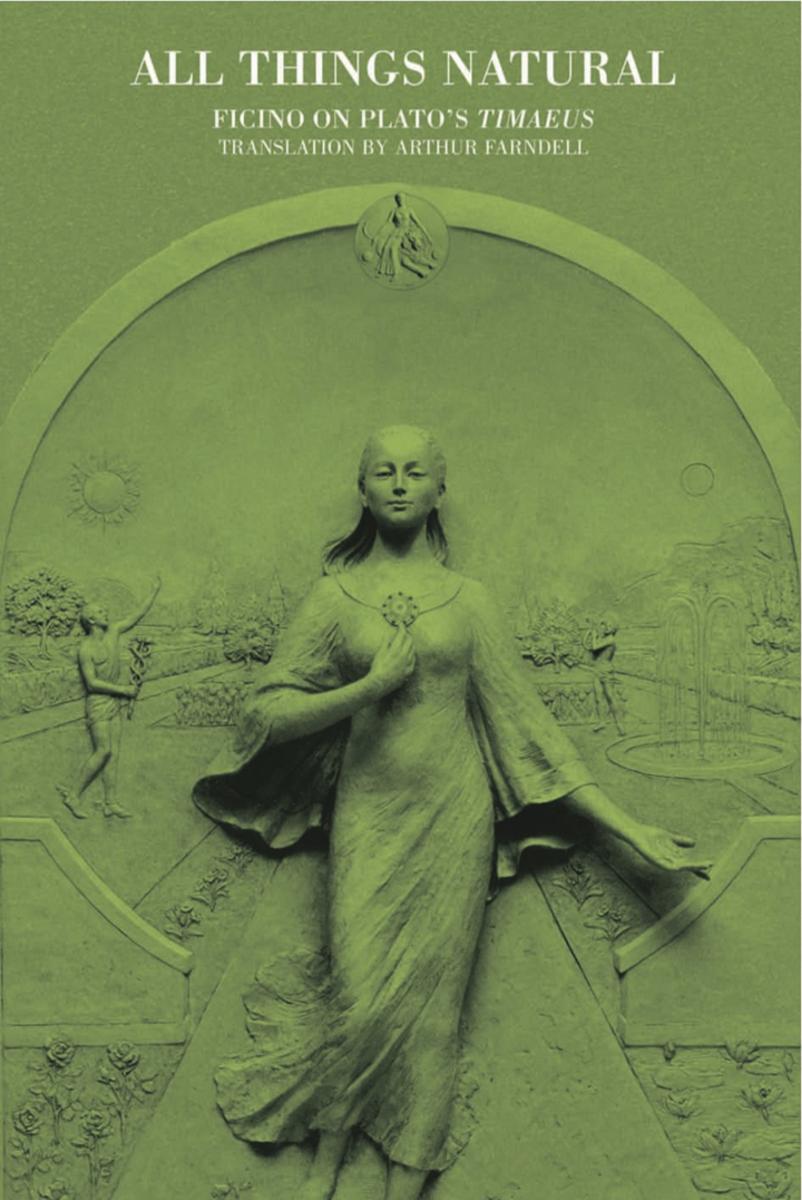
All Things Natural
¥24.44
Ficino's commentary on Plato?s Timaeus offers the English reader, for the first time, an opportunity to share the insights of this highly influential Renaissance philosopher into one of Plato's most important and controversial works. Here are discussed the perennial questions which affect us all: What is the nature of the universeHow did it beginDoes it have a cause outside itselfWhat is our place in itWhat is the nature of mind, soul, matter and timeThe central portion of the work, focusing on number, harmony, and music, has exerted a strong influence on the history of Western musical theory. Ficino added an appendix which amplifies and elucidates Plato?s meanings and reveals fascinating detail about Ficino himself. This volume provides rich source material for all who are interested in philosophy, the history of cosmic theory, and Platonic and Renaissance studies. This completes the four volume series, including Gardens of Philosophy, 2006 (ISBN 9780856832406), Evermore Shall Be So, 2008 (9780856832567) and When Philosophers Rule, 2009 (9780856832574), which contain all Ficino?s commentaries not previously translated into English.
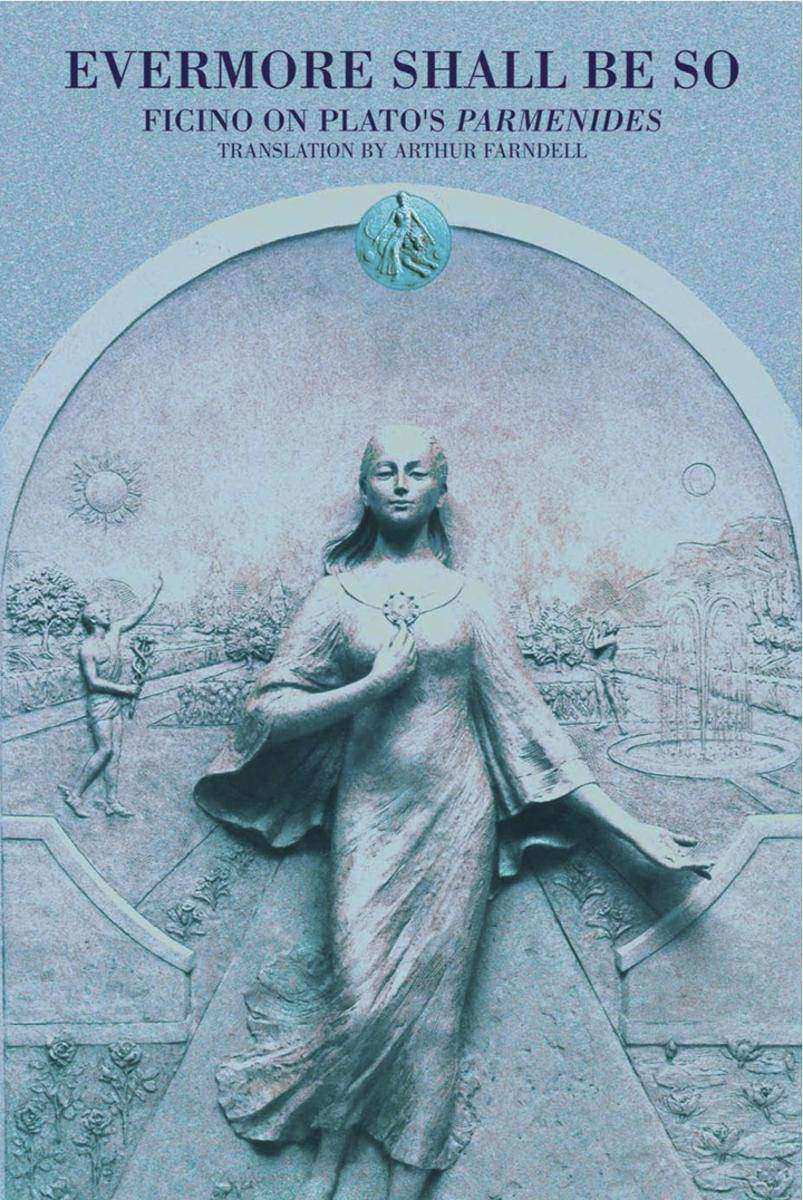
Evermore Shall Be So
¥24.44
With the publication of Arthur FWith the publication of Arthur Farndell’s Gardens of Philosophy (Shepheard Walwyn 2006), there remained only four of Ficino’s commentaries on Plato’s dialogues which had not yet been translated into English. With the publication of this volume there remain only three. Farndell’s translation of the commentaries on the Republic and the Laws will comprise the third volume under the title When Philosophers Rule (9780856832574 – due 2009) and the fourth, All Things Natural (9780856832581 – due 2010), will contain the Timaeus. As Carol Kaske of Cornell University wrote when reviewing Gardens of Philosophy in Renaissance Quarterly, these translations fill ‘a need. Even those Anglophone scholars who know Latin still need a translation in order to read quickly through a large body of material’ The central message of Parmenides, that everything depends on the One, resonates with the growing awareness around the world of the interrelatedness of all things, be it in the biosphere, the intellectual or spiritual realms. Philosophers in ancient Greece appreciated this unity and employed reason and dialectic to draw the mind away from its preoccupation with the material world and attract it towards contemplation of the soul, and ultimately of that Oneness which embraces, but is distinct from, the multifarious forms of creation. Thus Parmenides carefully instructed the young Socrates, and Plato recorded their dialogue in this work which he named after the elderly philosopher. Nearly 2000 years later, Marsilio Ficino made Parmenides available to the West by translating it into Latin, the language of scholars in his time. Ficino added a lengthy commentary to this translation, a commentary which Evermore Shall Be So puts into English for the first time, more than 500 years after its original composition. Ficino’s crucial influence upon the unfolding of the Renaissance and his presentation of Plato’s understanding of the One and the socalled Platonic Ideas or Forms make Evermore Shall Be So an important work in the history of thought. Though it will be an essential buy for Renaissance scholars and historians, its freshness of thought and wisdom are as relevant today as they ever were to inspire a new generation seeking spiritual and philosophical direction in their lives. ‘This is philosophy with a mystical dimension – one that is crucial to the original Socratic and Platonic teaching’ Tony Cross in Faith and Freedomarndell’s Gardens of Philosophy ( 2006), there remained only four of Ficino’s commentaries on Plato’s dialogues which had not yet been translated into English. With the publication of this volume there remain only three. Farndell’s translation of the commentaries on the Republic and the Laws will comprise the third volume under the title When Philosophers Rule (9780856832574 – due 2009) and the fourth, All Things Natural (9780856832581 – due 2010), will contain the Timaeus.As Carol Kaske of Cornell University wrote when reviewing Gardens of Philosophy in Renaissance Quarterly, these translations fill ‘a need. Even those Anglophone scholars who know Latin still need a translation in order to read quickly through a large body of material’ The central message of Parmenides, that everything depends on the One, resonates with the growing awareness around the world of the interrelatedness of all things, be it in the biosphere, the intellectual or spiritual realms. Philosophers in ancient Greece appreciated this unity and employed reason and dialectic to draw the mind away from its preoccupation with the material world and attract it towards contemplation of the soul, and ultimately of that Oneness which embraces, but is distinct from, the multifarious forms of creation.Thus Parmenides carefully instructed the young Socrates, and Plato recorded their dialogue in this work which he named after the elderly philosopher. Nearly 2000 years later, Marsilio Ficino made Parmenides available to the West by translating it into Latin, the language of scholars in his time. Ficino added a lengthy commentary to this translation, a commentary which Evermore Shall Be So puts into English for the first time, more than 500 years after its original composition. Ficino’s crucial influence upon the unfolding of the Renaissance and his presentation of Plato’s understanding of the One and the socalled Platonic Ideas or Forms make Evermore Shall Be So an important work in the history of thought. Though it will be an essential buy for Renaissance scholars and historians, its freshness of thought and wisdom are as relevant today as they ever were to inspire a new generation seeking spiritual and philosophical direction in their lives. ‘This is philosophy with a mystical dimension – one that is crucial to the original Socratic and Platonic teaching’ Tony Cross in Faith and Freedom
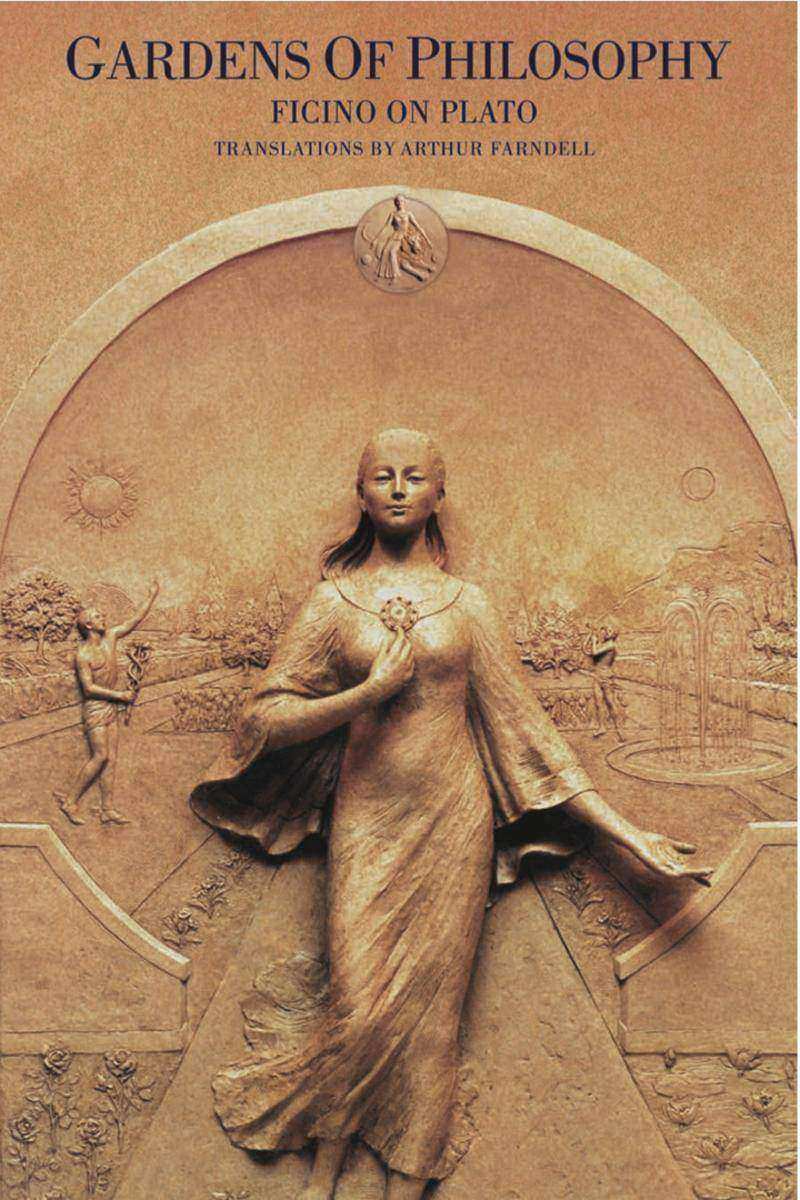
Gardens of Philosophy
¥24.44
What made the Renaissance tickWhy had it such a force that its thinking spread from a small group of scholars in Florence, working in their own brilliant ways but coming together in a small villa on the Florentine hillside where Marsilio Ficino (143399) lived, to affect the thinking of the whole of Europe, and eventually of America, for five hundred years and is continuing to do soCosimo de?Medici, the virtual ruler of Florence, had been attracted to the philosophy of Plato by Gemistos Plethon during the Council Florence in 1439 and had instructed his agents to gather together Plato?s works before Constantinople fell to the Turks in 1453. In 1462 he commissioned Marsilio Ficino to translate them from Greek into Latin for the benefit of the Latin speaking world, a task he completed in under five years according to his biographer Giovanni Corsi. This, the first volume in a four volume series, provides the first English translation of the 25 short commentaries on the dialogues and the 12 letters traditionally ascribed to Plato. Later volumes will provide translations of his longer commentaries on the Parmenides (2008), the Republic and Laws (2009) and Timaeus (2010). Though this book will be an essential buy for Renaissance scholars and historians, its freshness of thought and wisdom are as relevant today as they ever were to inspire a new generation seeking spiritual and philosophical direction in their lives.
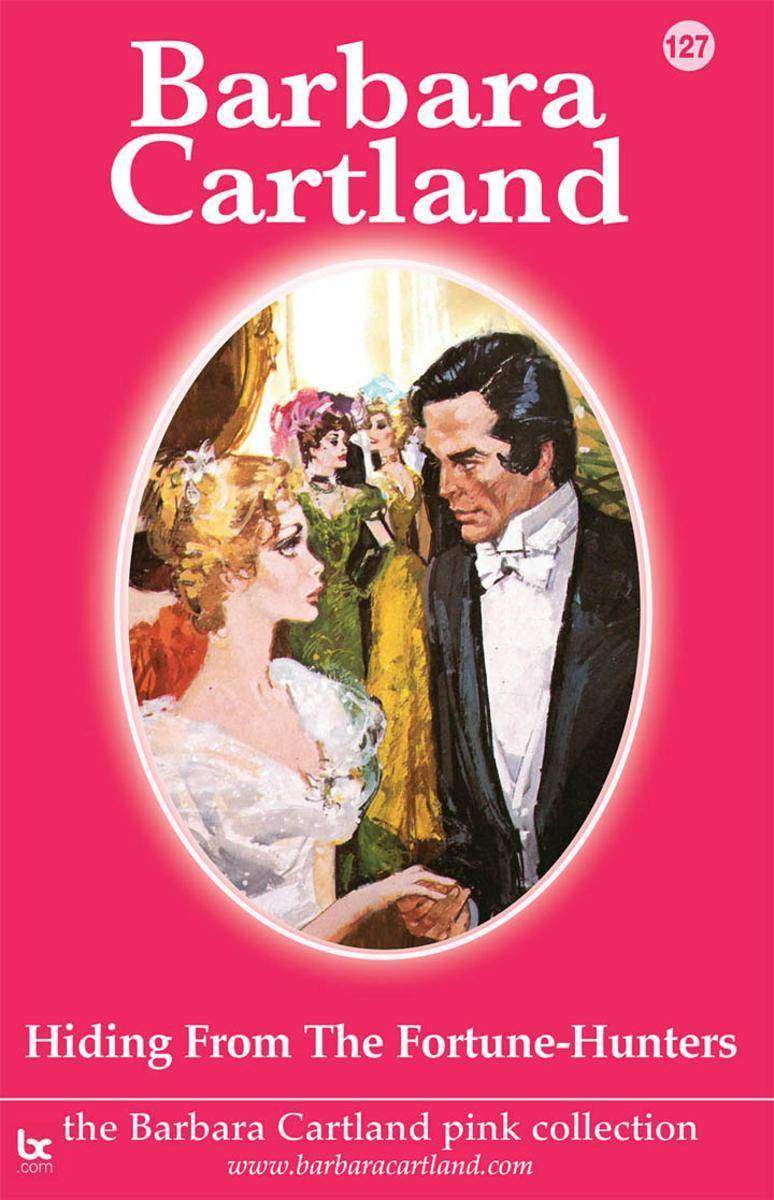
Hiding from the Fortune-
¥24.44
The beautiful Colena Dalton has inherited a great fortune following the untimely death of her enormously rich father, Sir Arthur Dalton, in Paris after a long illness. After overhearing the Comtesse de Lyons telling her charmless son, Pierre, that he must propose to Colena as they need the money, she decides that she wants to marry a man who really loves her for herself and not for her money It is then that she and her cousin, Elizabeth, who has been living with Colena and her father in France, decide to change places. The two girls return to London where they join the Social world and are at once invited to endless parties as Sir Arthur’s death has been widely reported in all the newspapers. And immediately the fortune-hunters start circling. One of them called Oliver Stone becomes particularly persistent and bombards Elizabeth, thinking that she is Colena, with attention and invitations, while ignoring Colena. As expected he proposes marriage and will not be shaken off whatever the girls try and in order to escape him they drive of Colena’s father’s house in the country. There they find they find that two famous paintings have been stolen and hearing that there is to be a sale of pictures and other treasures nearby, the girls go there to try to replace the pictures. It is then that they meet up again unexpectedly with the unpleasant Oliver Stone who tries to abduct Elizabeth and force into marrying him. Then an unfortunate accident occurs that changes everything. How Colena and Elizabeth meet the men of their dreams, who love them for themselves and not for their money, is told in this intriguing story by BARBARA CARTLAND.

The Verdict
¥24.44
Born and raised in Algeria with an active political life in the 70’s leading to his eventual emigration as a political refugee Elias Adam is the father of a family deeply affected by the new reality for economic and political migrants in Western Europe, victims of the new face of politics and some would say of Fear. This is his Book Of natural Rebellion
Learning Shiny
¥71.93
Make the most of R’s dynamic capabilities and implement web applications with ShinyAbout This BookPresent interactive data visualizations in R within the Shiny frameworkConstruct web dashboards in a simple, intuitive, but fully flexible environmentApply your skills to create a real-world web application with this step-by-step guide Who This Book Is For If you are a data scientist who needs a platform to show your results to a broader audience in an attractive and visual way, or a web developer with no prior experience in R or Shiny, this is the book for you.What You Will LearnComprehend many useful functions, such as lapply and apply, to process data in RWrite and structure different files to create a basic dashboardDevelop graphics in R using popular graphical libraries such as ggplot2 and GoogleVisMount a dashboard on a Linux ServerIntegrate Shiny with non-R-native visualization, such as D3.jsDesign and build a web application In Detail R is nowadays one of the most used tools in data science. However, along with Shiny, it is also gaining territory in the web application world, due to its simplicity and flexibility. Shiny is a framework that enables the creation of interactive visualizations written entirely in R and can be displayed in almost any ordinary web browser. It is a package from RStudio, which is an IDE for R. From the fundamentals of R to the administration of multi-concurrent, fully customized web applications, this book explains how to achieve your desired web application in an easy and gradual way. You will start by learning about the fundamentals of R, and will move on to looking at simple and practical examples. These examples will enable you to grasp many useful tools that will assist you in solving the usual problems that can be faced when developing data visualizations. You will then walk through the integration of Shiny with R in general and view the different visualization possibilities out there. Finally, you will put your skills to the test and create your first web application!Style and approach This is a comprehensive, step-by-step guide that will allow you to learn and make full use of R and Shiny’s capabilities in a gradual way, together with clear, applied examples.


