


 购物车
购物车 个人中心
个人中心
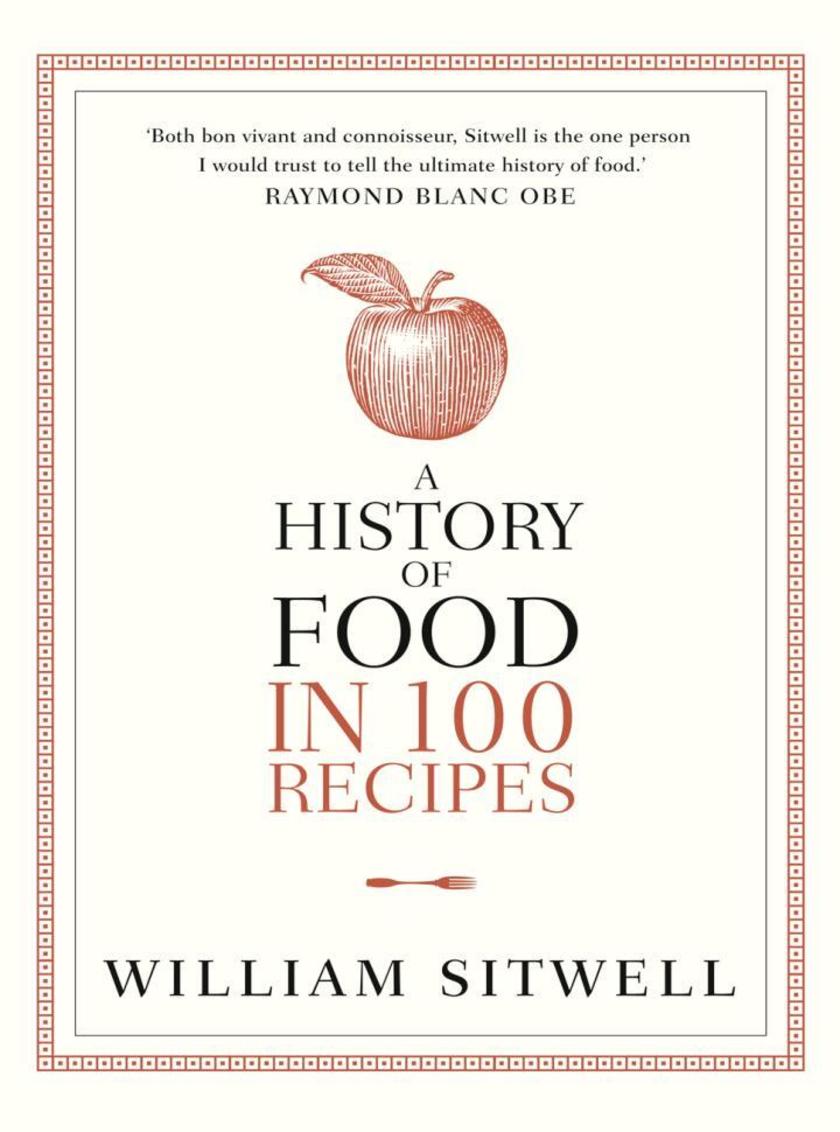
A History of Food in 100 Recipes
¥114.48
The ingredients, cooks, techniques and tools that have shaped our love of food. We all love to eat and most of us have a favourite ingredient or dish. In today's world we can get the food we want, when we want it, but how many of us really know where our much-loved recipes come from, who invented them and how they were originally cooked? In this book William Sitwell, culinary expert on BBC2's 'A Question of Taste' and editor of Waitrose Kitchen magazine, takes us on a colourful, whirlwind journey as he explores the fascinating history of cuisine. This book is a celebration of the great dishes, techniques and above all brilliant cooks who have, over the centuries, created the culinary landscape we now enjoy. Any lover of fine food who has ever wondered about the origins of the methods and recipes we now take for granted will find A History of Food in 100 Recipes required reading. As well as shining a light on food's glorious past, there are contributions from a glittering array of stars of British cuisine, including Marco Pierre White, Delia Smith, Heston Blumenthal, Nigella Lawson and Jamie Oliver. In an incisive and humorous narrative, Sitwell enters an Egyptian tomb to reveal the earliest recipe for bread and discovers the greatest party planner of the Middle Ages. He uncovers the extraordinary and poetic roots of the roast dinner and tells the heart-rending story of the forgotten genius who invented the pressure cooker. And much, much more.
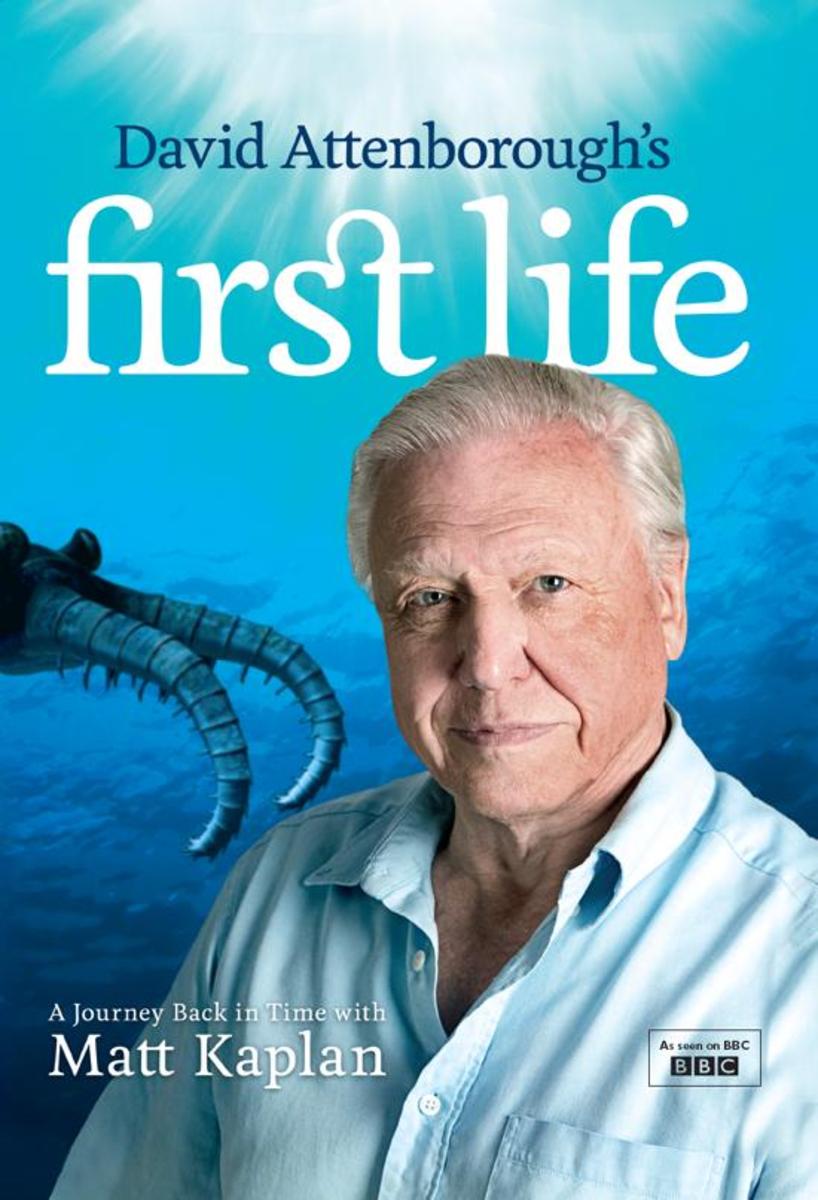
David Attenborough’s First Life: A Journey Back in Time with Matt Kaplan
¥184.23
The epic story of the beginning of life on Earth from the much loved and respected naturalist, writer and broadcaster, Sir David Attenborough. Spanning billions of years, Attenborough's time-travelling narrative brings the reader face to face with the first animals that ever existed. By using the latest technology, we are finally able to see for ourselves how these early animals would have looked like and how they would have lived. Attenborough also shows us how some of the evolutionary features of these most primitive creatures are alive today in modern animals, including us humans. Attenborough shows us how the evolution of the first eyes, the first solid body parts and the first feet and backbones came to be. Looking at global ice ages and volcanic eruptions he also shows how evolution is heavily connected with the history of the planet. In this groundbreaking investigation, Attenborough travels the world, from Canada to Australia and Morocco to unearth the secrets hidden in prehistoric fossils, providing a deeper understanding of the first living creatures and the origins of our evolutionary traits.
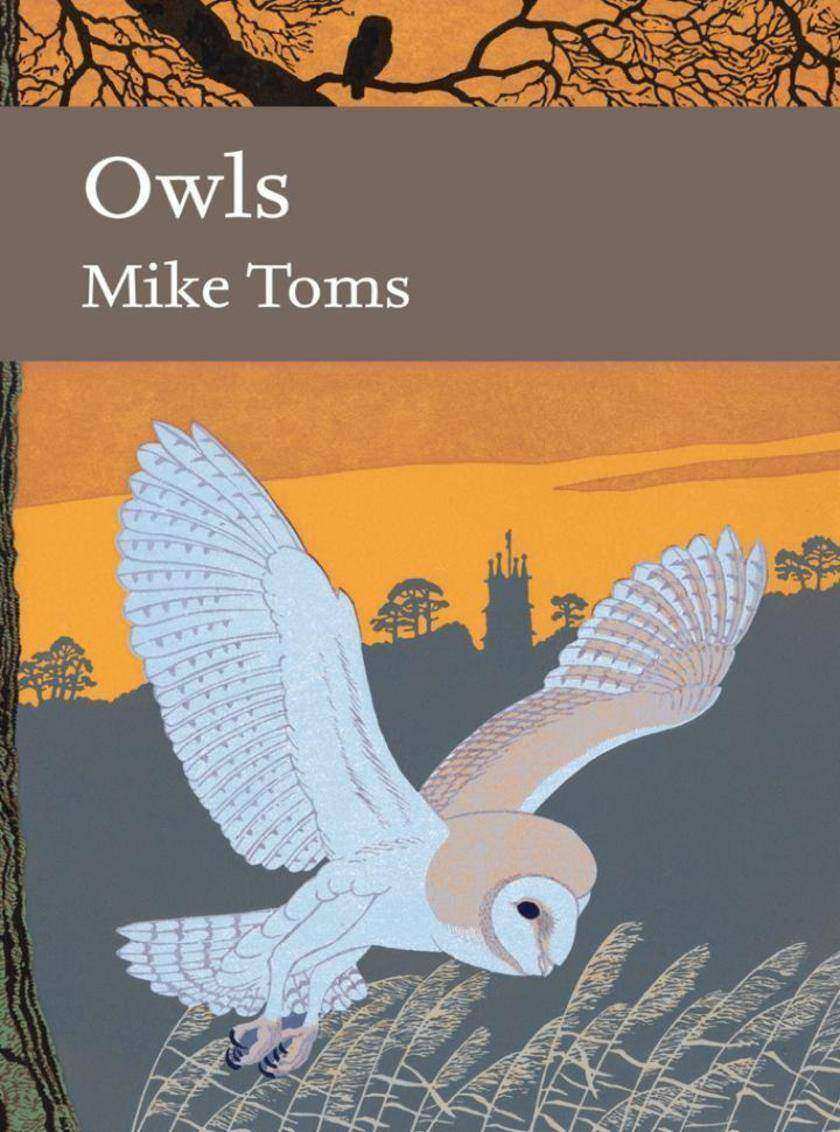
Owls (Collins New Naturalist Library, Book 125)
¥257.90
Owls have always featured prominently in the mythology and folklore of a variety of cultures. These mysterious nocturnal creatures are thought to be symbols of wisdom, omens of death, and bringers of prophecy. In fact, owls are one of the oldest species of vertebrate animal, with fossils dating back 60 million years. Owls have been a source of inspiration to writers, artists, historians and naturalists alike. In a much-anticipated volume on one of Britain’s most fascinating group of birds, Mike Toms draws on a wealth of experience and research, providing a comprehensive natural history of British owls. The first part of the book covers various aspects of owl taxonomy, origins, anatomy, behaviour and ecology and looks across the British owl species, drawing comparisons and highlighting differences. The second part takes each species in turn to provide a more detailed perspective, fleshing out relevant conservation issues, behaviour and status. Toms explores Britain’s beloved Barn Owl, Tawny Owl and Snowy Owl amongst several others. He uses the vast database and latest research from his work with the British Trust for Ornithology (BTO) to focus particularly on the specifics of owls’ breeding ecology, their dispersal patterns, diet, vocalisations, de*ion, population changes and mortality. He addresses conservation issues, changes in legislation and potential changes in the status of one of Britain’s most iconic birds, providing a fascinating overview of the biology and history of British owls.
Forces of Nature
¥66.22
Professor Brian Cox, OBE is a particle physicist, a Royal Society research fellow, and a professor at the University of Manchester as well as researcher on one of the most ambitious experiments on Earth, the ATLAS experiment on the Large Hadron Collider in Switzerland. He is best known to the public as a science broadcaster and presenter of the popular BBC Wonders trilogy. Andrew Cohen is Head of the BBC Science Unit and the Executive Producer of the BBC series Human Universe. He has been responsible for a wide range of science documentaries including Horizon, the Wonders trilogy and Stargazing Live. He lives in London with his wife and three children.

Northumberland (Collins New Naturalist Library, Book 95)
¥476.96
A native of Northumberland, Angus Lunn is a geographer and ecologist who, until he took early retirement, was Head of Adult Education at the University of Newcastle. He now lectures there part-time. He served for several years on the Northumberland National Park Committee and is currently Chairman of the Council for National Parks and of the Conservation Committee of the Northumberland Wildlife Trust. He has contributed to several published works, including the Flora of Northumberland, Geology of North East England and the Red Data Book for Northumberland.
Care for your Gerbil (The Official RSPCA Pet Guide)
¥25.21
Mongolian gerbils have been kept as pets in Britain only since 1964. The first breeding pairs arrived in that year, intended as laboratory animals, but their qualities as delightful pets soon became obvious. They rapidly became established as one of the most successful pets ever introduced into this country, especially for families living in homes which are not suitable for larger animals.

World Religions: The esential reference guide to the world’s major faiths (Colli
¥69.26
As far back as we can discover, people have asked questions that still trouble us today, both practical questions about how to live, how to treat other people, how to avoid unhappiness, and transcendental questions such as What is the meaning of life? How did the universe come into being? Why does suffering exist? What happens after death?Religion in its many different forms sets out to answer these and other questions.As far back as we can discover, people have asked questions that still trouble us today, both practical questions about how to live, how to treat other people, how to avoid unhappiness, and transcendental questions such as What is the meaning of life? How did the universe come into being? Why does suffering exist? What happens after death?Religion in its many different forms sets out to answer these and other questions.
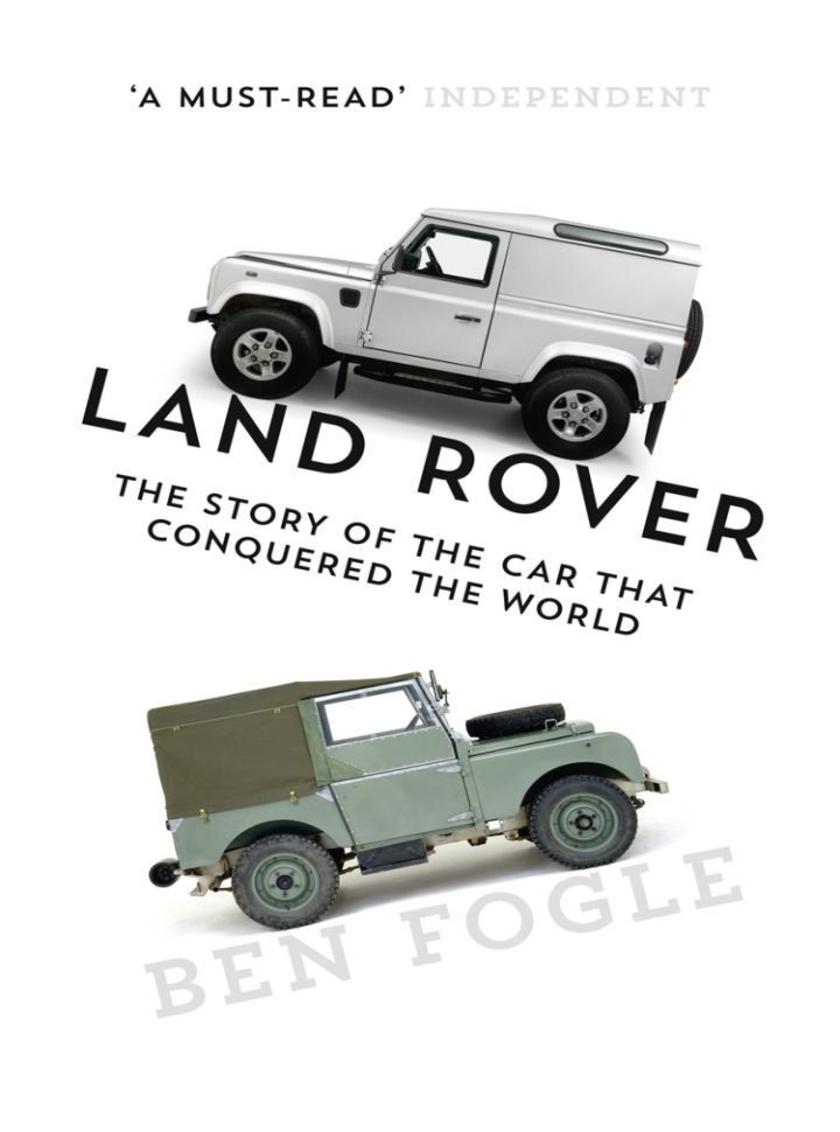
Land Rover: The Story of the Car that Conquered the World
¥66.22
In 1973, Ben Fogle was collected from hospital in a Honda Acty camper van converted into an Animal Ambulance, complete with green flashing lights (he is not a dog). He learnt to drive in a Toyota Space Cruiser and his first car was a Nissan Micra because his father is obsessed with all things Japanese. Ben finally got his first Land Rover Defender in 2001. It was a short wheel base blue 90. In a moment of madness he traded it in for an American Jeep before coming to his senses and getting a silver short wheel base Land Rover. Marriage obligations necessitated a swap to the more luxurious Land Rover Discovery, before being seduced back to another short wheel base Land Rover Defender. He currently lives in London with the love of his life, a Land Rover Defender, and his mistress a Land Rover Series 1. Ben quite likes Land Rovers.
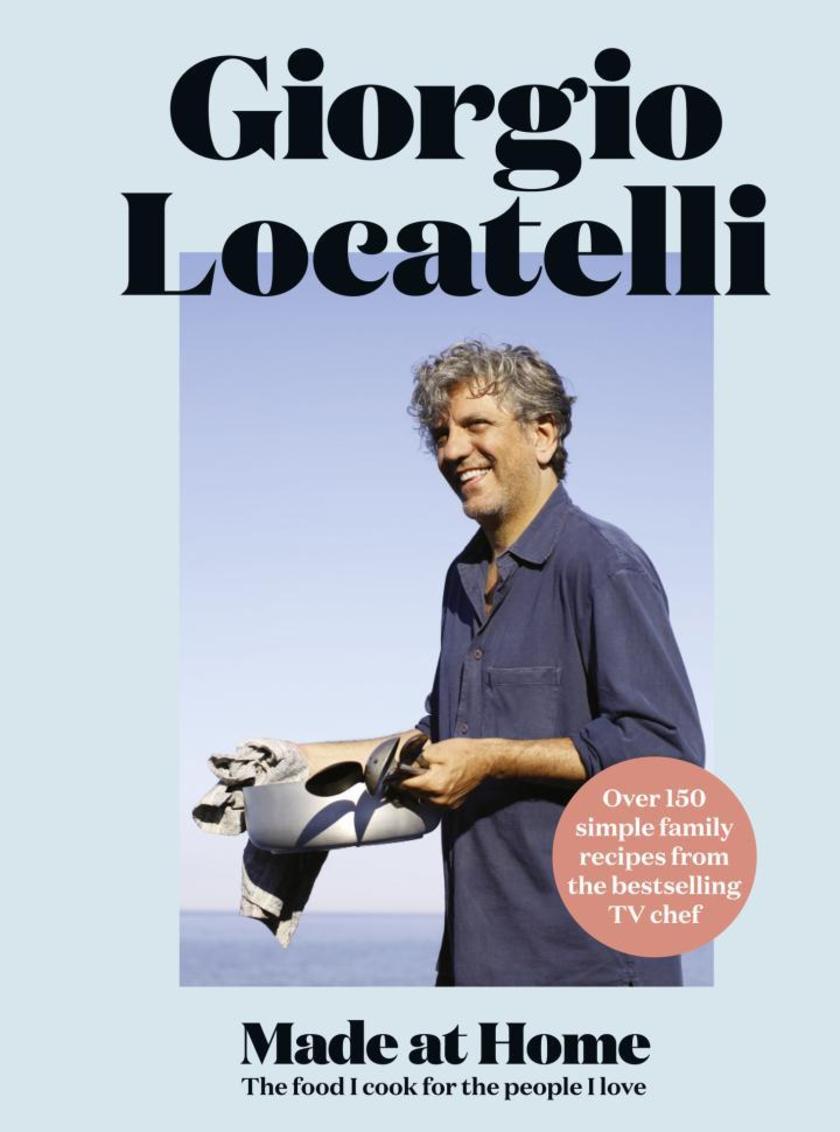
Made at Home: The food I cook for the people I love
¥191.59
Michelin-starred Giorgio Locatelli is one of Britain's best known Italian chefs. Giorgio began his career at his family's restaurant in Italy before coming to London. He was head chef at Zafferano in London from its opening to a storm of praise and press coverage in 1994, before moving in 2002 to open Locanda Locatelli, where he remains chef-patron.
Insect Natural History (Collins New Naturalist Library, Book 8)
¥476.96
THE name insect is very commonly given to any small creeping animal with a ringed or segmented body and several pairs of legs. Not many people, excepting entomologists and trained biologists, could give a proper definition of an insect that would distinguish it from its near relatives. In the first place it needs to be borne in mind that insects belong to the great group of invertebrate animals known as the Arthropoda. These creatures have the body divided into more or less separate rings or segments, of which a variable number bear jointed limbs. Their whole body and the limbs are covered with a specially hardened cuticle forming an external skeleton. Between the segments, and at the joints of the limbs, there is flexible connecting membrane which allows of freedom of movement. An arthropod, in fact, is encased in a tubular outer skeleton, in striking contrast with a vertebrate animal whose skeleton lies within the body. The functions of the skeleton, whether it be an inner or an outer one, is to give attachment to the muscles and general support to the body. The word insect is derived from the Latin insectum, meaning “cut into,” and refers to the way in which its body is made up of a series of ring-like pieces.
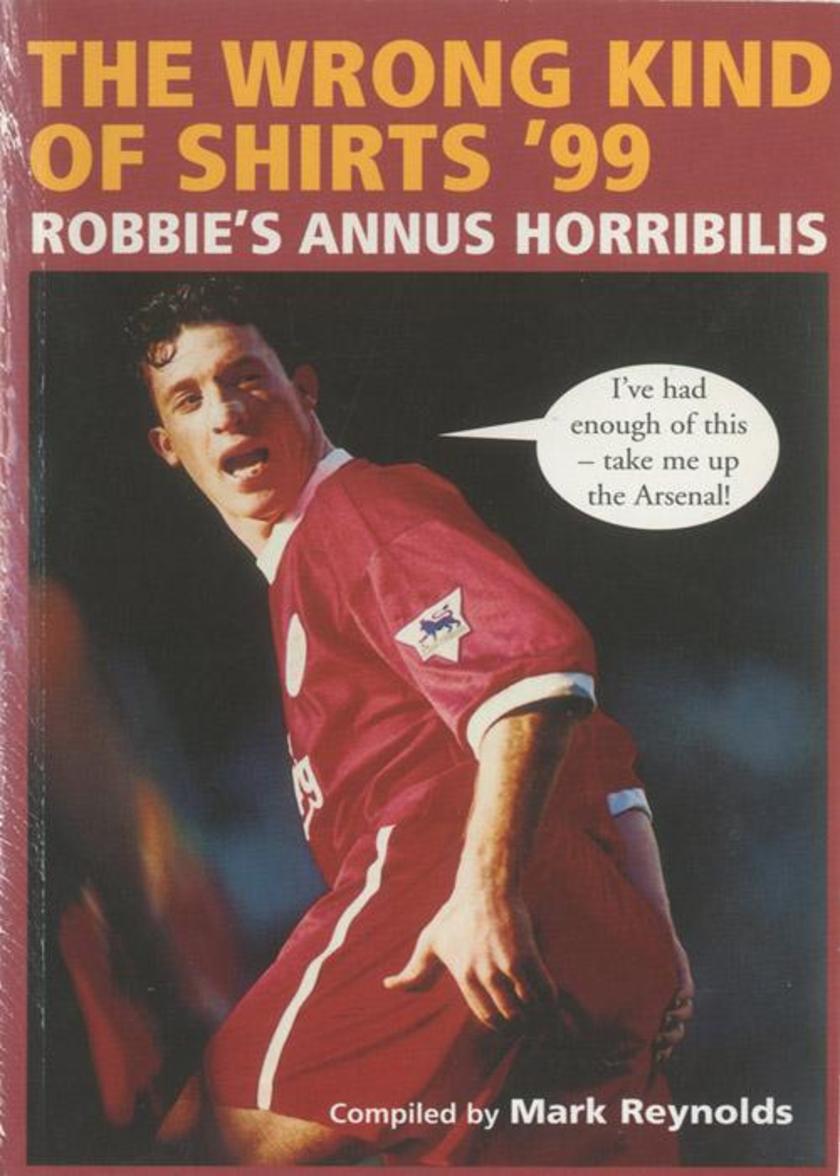
The Wrong Kind of Shirts 1999 (TEXT ONLY)
¥25.21
Mark Reynolds is a freelance writer and designer. A lifelong Aston Villa fan, he still believes the current Stoke City manager is God.
Care for your Dog (The Official RSPCA Pet Guide)
¥25.21
The diversity of dogs is enormous. In height, they range from the gigantic Irish Wolfhound to the tiny Yorkshire Terrier. They include both the massive Newfoundland, weighing as much as a full-grown man, and the Chihuahua which, at 1 kg/2 lb in weight, is the smallest breed of dog in the world. Their coats vary too, from the smooth satin of the Boxer to the silky plumes of the Maltese and the long ‘cords’ of the Hungarian Komondor. At the other extreme, the warm, smooth-skinned Mexican Hairless Dog is almost completely bald.
101 Ways to Win at Scrabble: Top tips for Scrabble success (Collins Little Books
¥51.50
Barry Grossman is one of the UK's best Scrabble players, and former chairman of the influential London Scrabble League. Barry also writes for radio; his best-known work is the Radio 4 comedy “The Attractive Young Rabbi”, which ran for three series between 1999 and 2002.

BANANAGRAMS? Secrets: The Inside Track on Becoming Top Banana (Collins Little Bo
¥51.50
Writer and magician Deej Johnson is aBANANAGRAMS? fanatic! Deej serves asa creative consultant at BANANAGRAMS? and claims that hisformer high-school teacher, Janise Marillat, summed him upbest in an annual report that said: “Deej’s cheerful smile oftengets him out of difficult situations… Unfortunately, these areusually situations that he creates himself.”
Zen in the Art of Writing
¥67.49
One of the greatest science fiction and fantasy writers of all time, Ray Bradbury was born in Waukegan, Illinois, in 1920. He moved with his family to Los Angeles in 1934. Since his first story appeared in Weird Tales when he was twenty years old, he published some 500 short stories, novels, plays, scripts and poems. Among his many famous works are Fahrenheit 451, The Illustrated Man and The Martian Chronicles. Ray Bradbury died in 2012 at the age of 91.

King Dong
¥53.76
A pseudonym for an established comedy author who is trying their hand at something more risquè than normal…
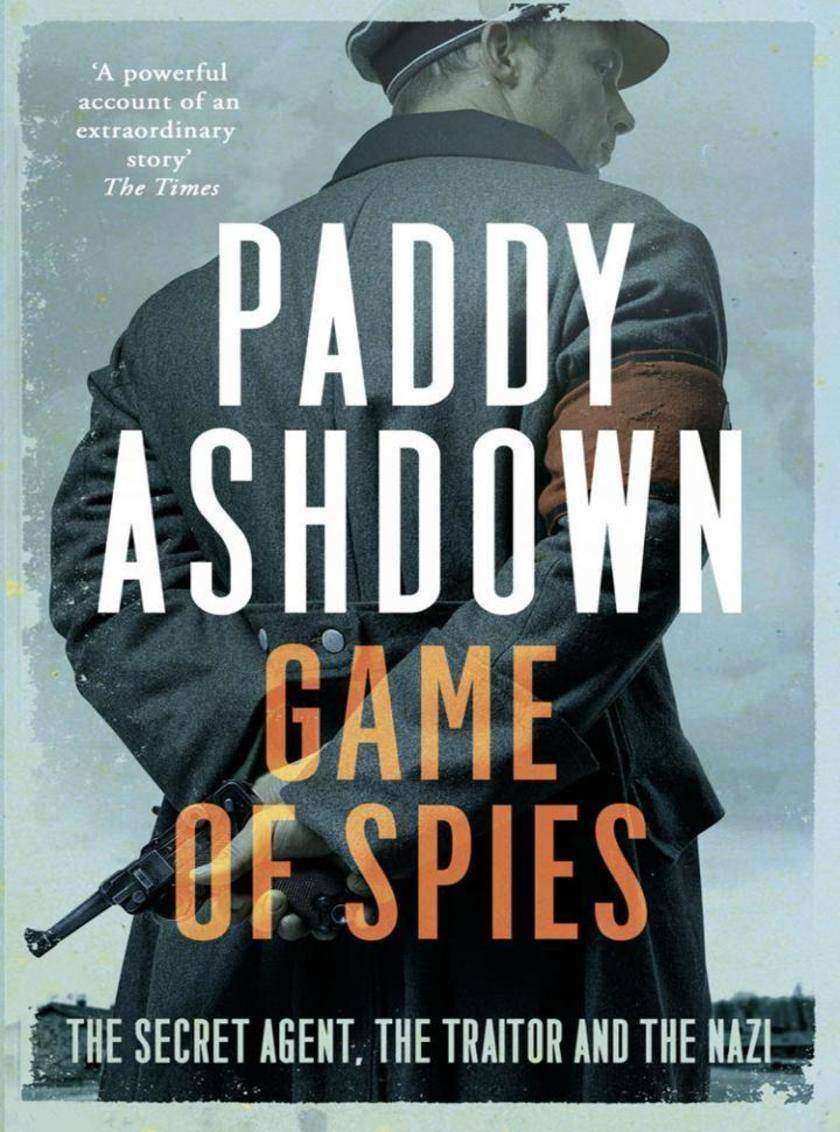
Game of Spies: The Secret Agent, the Traitor and the Nazi, Bordeaux 1942-1944
¥73.58
After service as a Royal Marine and as an intelligence officer for the UK security services, Paddy Ashdown was a Member of Parliament for Yeovil from 1983 to 2001, and leader of the Liberal Democrats from 1988 until 1999. Later he was the international High Representative for Bosnia and Herzegovina from 2002 to 2006. He was made a Knight Grand Cross of the Most Distinguished Order of Saint Michael and Saint George in 2006.
Collins Scrabble Hints and Tips
¥44.24
Pioneers in dictionary publishing since 1819

The Mills & Boon Modern Girl’s Guide to:Happy Endings:Dating hacks for femin
¥51.50
Ada has been married eight times, including on one occasion in the early 90’s to a rock – a full twenty years, you’ll note, before Tracy Emin came up with the same idea. Unlucky in love, all of Ada’s partners have died in tragic circumstances, mostly unexplained fires. Ada’s interests include life insurance policies, petrol and topical poisons.
Is Shane MacGowan Still Alive?
¥53.76
TIM BRADFORD is a freelance writer and illustrator. He has written for the NME, When Saturday Comes, Empire and Amateur Photographer. His drawings have appeared in the Observer and the Express. He lives in London and is an enthusiastic trainee Celt.

Tom’s Daily Plan: Over 80 fuss-free recipes for a happier, healthier you. All da
¥125.18
Tom Daley is an Olympic athlete and TV presenter.


