


 购物车
购物车 个人中心
个人中心
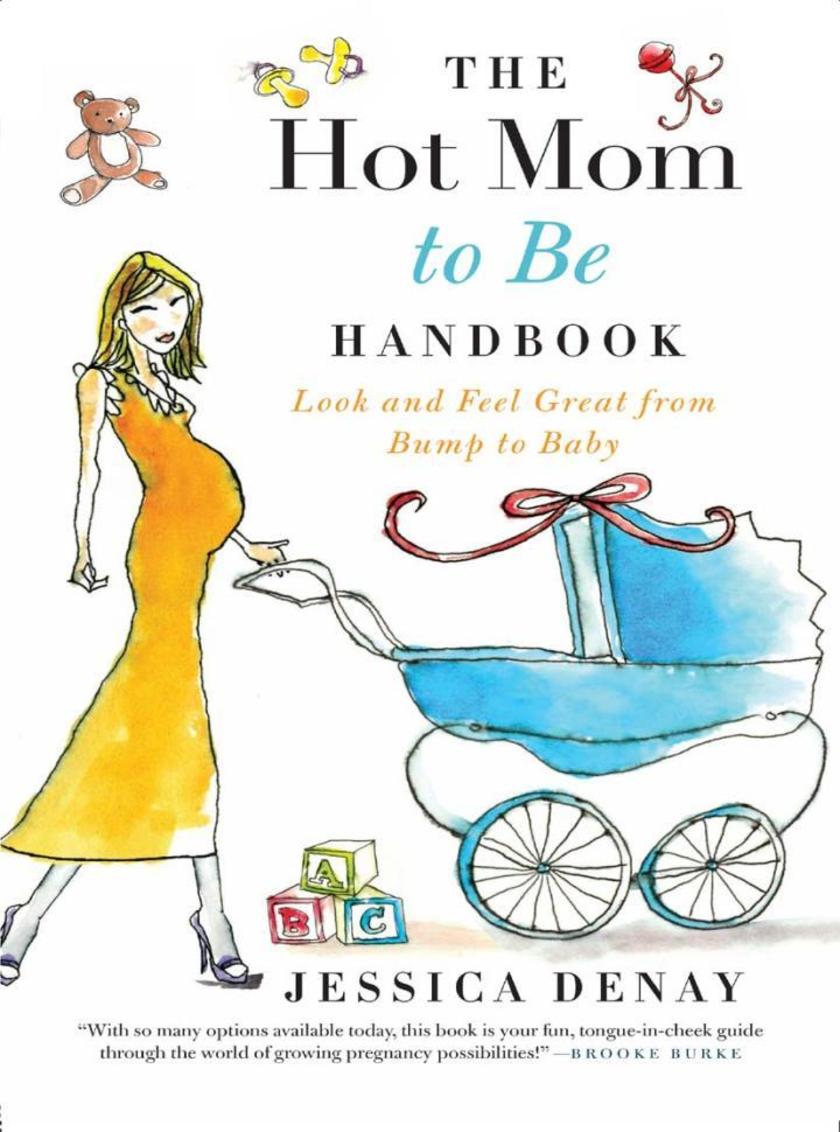
The Hot Mom to Be Handbook
¥111.91
Are you simply "pregnant" . . . or a Hot Mom to Be?A Hot Mom to Be is confident and empowered. She's a woman who meets the needs of her family but refuses to get lost in the madness of motherhood. And she will never sacrifice her sense of style or self.Founder of the Hot Moms Club, and monthly "Mommywood" columnist for Pregnancy magazine, Jessica Denay is on the pulse of Hollywood mom trends and baby products. The Hot Moms Club has coordinated nurseries and hosted star-studded baby showers for dozens of celebrities including Brooke and Charlie Sheen, Trista Sutter, Alison Sweeney, Ana Ortiz, and Angie Everhart to name a few. And now Jessica Denay offers the very best advice, products, and stories for moms-to-be everywhere. Wise and funny, helpful and hip, The Hot Mom to Be Handbook contains a wealth of information on: Avoiding McSteamy or McDreamy ob-gyns Working the perks of pregnancy and playing the "I've Gotta Pee" card to your best advantage Bump on a Budget money saving tips that won't cramp your style Creating decoy baby names and coping with Dad's "Post-Party" Depression Earth-friendly tips for the Eco-Minded Mama . . . and more! Chock-full of Hot Mom bare necessities as well as $tuff to Drool Over sections here's how to do it, how to strut it, and where to buy it. Plus thousands of dollars' worth of discounts inside!
Because I Said So
¥78.32
In June 1997, Camille Peri and Kate Moses launched the daily website Mothers Who Think on Salon.com for women who, like themselves, were starved for smart, honest stories about motherhood -- personal and intimate stories that went beyond tantrum control and potty training to grapple with the profound issues that affect women and their children. Like the online site, their bestselling, American Book Award-winning anthology Mothers Who Think struck a nerve across the country not just with mothers, but with all those who shared a vested interest in the raising of the next generation.Because I Said So gives readers even more to think about. This new collection of fiercely honest essays edited by Peri and Moses captures the challenges of motherhood in the twenty-first century as no other book has. Writers such as Janet Fitch, Mariane Pearl, Mary Roach, Susan Straight, Margaret Talbot, Rosellen Brown, Beth Kephart, Ariel Gore, and Ana Castillo delve into the personal and the political, giving passionate expression to their relationships with their children and to their evolving sense of themselves. Provocative, candid, witty, and wise, their stories range from the anguish of giving up child custody to the guilt of having sex in an era of sexless marriages; from learning to love the full-speed testosterone chaos of boys to raising girls in a pervasively sexualized culture; from facing racial and religious intolerance with your children to surviving cancer and rap simultaneously.Told in prose that is as unabashedly frank as it is lyrical, this is the collective voice of real mothers -- raised above the din -- in all their humor, anger, vulnerability, grace, and glory.
A Gift Of Miracles
¥90.06
This treasury of all-new true miracle stories from the bestselling authors of Christmas Miracles, The Magic of Christmas Miracles, and Mothers' Miracles offers the real-life wonder their readers have come to love. Some highlights:A disk jockey's selection of music has an astounding unintended effect a comatose Polish woman begins to softly sing along with a song from her childhood.While body surfing, a man is slammed by a wave and hears his neck snap. Unable to move, he begins to swallow water to hasten death. Instead, he feels himself lifted from the water, gliding safely to shore.A school janitor befriends a student, only to learn that she is the daughter of his long-lost son and his very own granddaughter.A Gift of Miracles, like its predecessors, will remind readers and their families that in the midst of our hectic and sometimes frightening world, magic, mystery, and miracles happen. And that if we look hard enough in the corners of our own lives, we, too, can find miracles.
The Best Year of Your Life
¥77.49
No. 1 New York Times bestselling author Debbie Ford's The Best Year of Your Life is a call to action to stop pretending that the future will bring you the life of your dreams and to instead start living your dreams in this moment and for the rest of your life. Many of us spend our days thinking, talking and dreaming about what our lives could be like 'if only ...'. We make resolutions, we follow a new diet, we start exercise routines we begin working on our lifelong goals and then we give up, get too busy and forget about what's truly important to us. Another year passes by and our dreams remain out of reach. But what if today you discovered that the life you've always wanted is right in front of you, well within your graspAre you ready to live itDebbie Ford not only answers these questions but offers a proven, practical blueprint for making today this moment the beginning of the best year of your life.
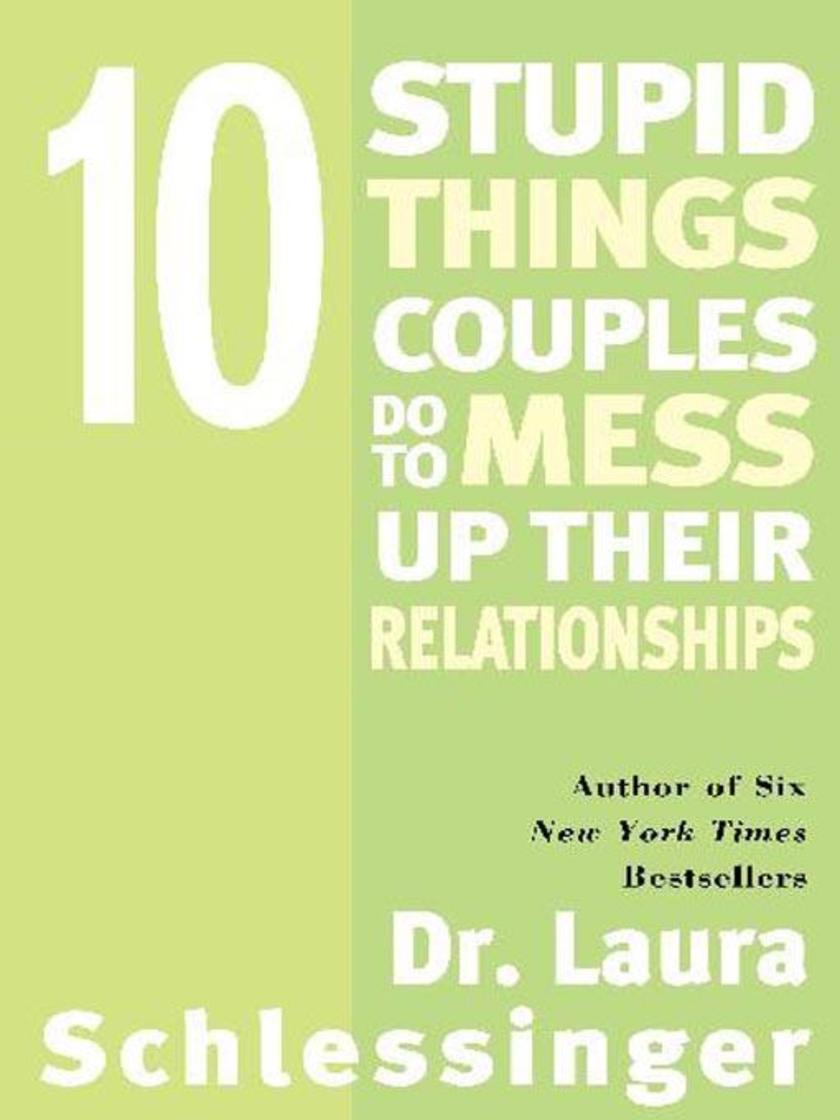
Ten Stupid Things Couples Do to Mess Up Their Relationships
¥88.56
1. Stupid Secrets Withholding important information for fear of rejection2. Stupid EgotismAsking not what you can do for the relationship but only what the relationship can do for you3. Stupid Pettiness Making a big deal out of the small stuff4. Stupid PowerAlways trying to be in control5. Stupid Priorities Consuming all your time and energies with work, hobbies, errands, and chores instead of focusing on your relationship6. Stupid Happiness Seeking stimulation and assurance from all the wrong places to satisfy the immature need to feel good7. Stupid ExcusesNot being accountable for bad behavior 8. Stupid LiaisonsNot letting go of negative attachments to friends and relatives who are damaging to your relationship9. Stupid Mismatch Not knowing when to leave and cut your losses10. Stupid Breakups Disconnection for all the wrong reasons
Your Sacred Self
¥94.10
Bestselling author Wayne W. Dyerreveals a three-step plan for finding joyand taking strength from ourselves. In this liberating and enriching book, Wayne W. Dyer teaches us:To tap into the power of our higher selves To live each day, regardless of what we do, with a greater sense of peace and fulfillment To develop a sense of satisfaction with ourselves and others To move from our insatiable need for more to an awareness of abundance Step by step, Your Sacred Self will help you understand your place in the world and develop a sense of satisfaction with yourself and others.
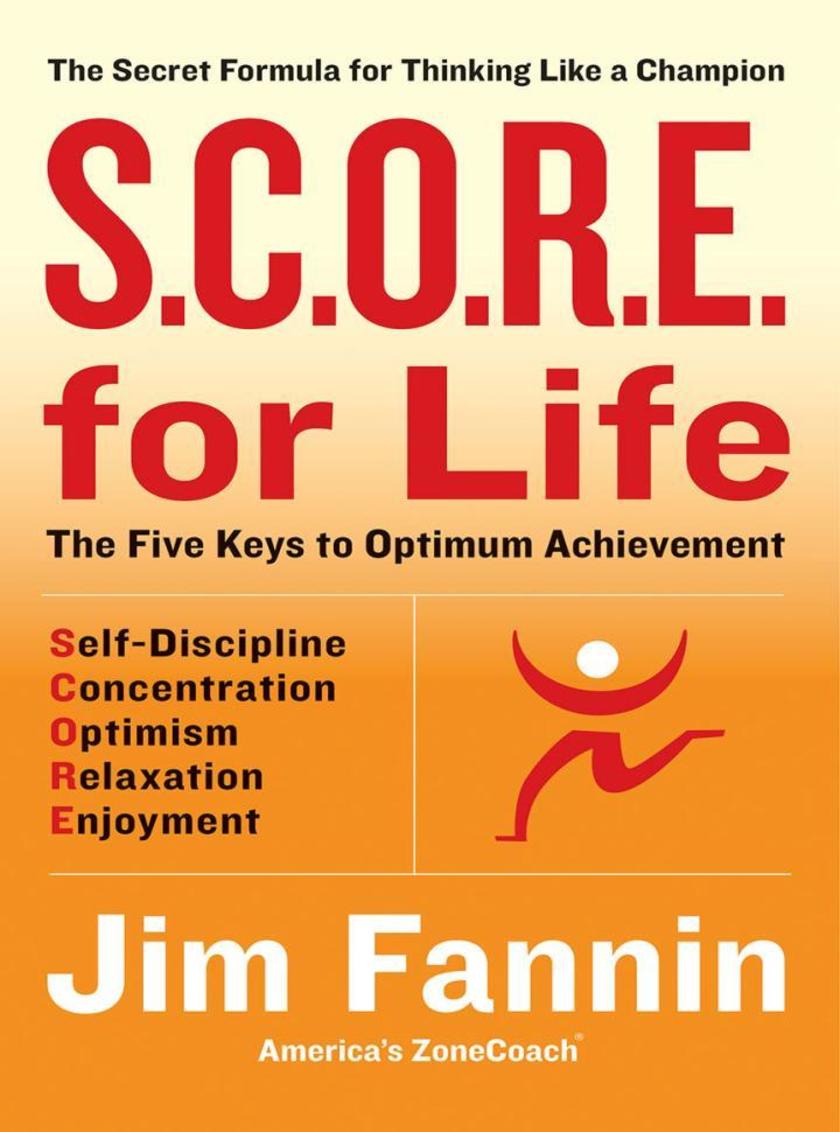
S.C.O.R.E. for Life
¥134.68
Have you ever choked during a performanceHave you ever been told how much talent you have, yet you're not reaching itAre you self-conscious or doubtful during performancesDoes your level of concentration fluctuate wildlyDo you feel overwhelmed at timesWe all dream of overcoming our challenges. We dream of the perfect job, achieving new wealth, of living the life we choose in harmony with the people we love. For many of us, the dream stops there. We wonder what leads some extraordinary people to confront and exceed their goals and compete at the highest level, while others run in place, distracted by fears and a sense of intimidation. We seek the insights that will liberate us from anxiety and self-doubt. In this book, Jim Fannin shares a collection of ideas and daily exercises that transform everyday performers into true champions. Using the secrets of Fannin's time-tested S.C.O.R.E. System (Self-Discipline, Concentration, Optimism, Relaxation, and Enjoyment), S.C.O.R.E. for Life shows you how to balance and apply these five principles in every arena of life. The result: more moments, days, and years performing and thinking in the state of flow we call the "Zone," and more of the results and success that matter. Every chapter includes reader-friendly tests and exercises, like the "90-Second Rule" (a lesson in discipline) and "The Palm Tree Versus the Oak Tree" (a lesson in adaptability). For more than thirty years, Jim Fannin has coached hundreds of top-performing athletes and business leaders, who testify to what the S.C.O.R.E. System can do. It is a tried and proven blueprint for realizing our extraordinary human potential and overcoming the fears and worries that hold us back. With commitment and consistent use of this success formula, you will blaze new paths to personal and professional achievement.
The Magic Of Christmas Miracles
¥90.79
Last holiday season, Christmas Miracles touched the hearts of thousands with its inspiring true stories of real people and their miraculous encounters. With The Magic of Christmas Miracles we have a second collection of amazing true stories of people whose lives were forever changed by small, yet wondrous, Yuletide events. Among them are:The Red Cap: Santa leaves behind a calling card to convince a doubting child.Epiphany: A walk in the woods with an angel gives a lonely woman new hope.Lost at Sea: Two racing yachtsmen put aside rivalry in a dramatic Christmas Day rescue in the Indian Ocean.Fly Away Home: A private plane carrying an unconscious pilot lands safely in an empty field.. . . and many more to brighten the spirit. The Magic of Christmas Miracles will uplift readers' hearts for this and many future holiday seasons.
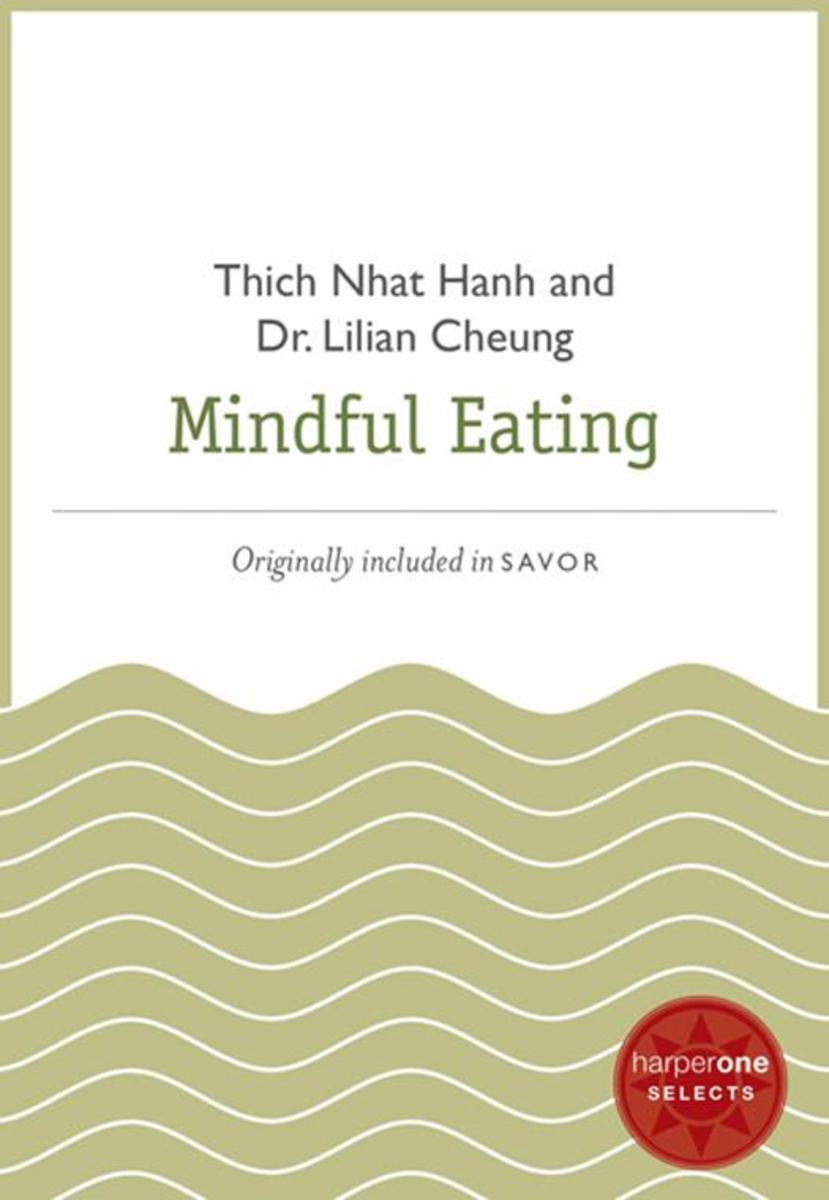
Mindful Eating
¥21.73
Common sense tells us that to lose weight, we must eat less and exercise more. But somehow we get stalled. We start on a weight loss program with good intentions but we cannot stay on track. Neither the countless numbers of fad diets, nor the annual spending of $50 billion on weight loss efforts are helping us feel better or lose weight. With Mindful Eating, world-renowned Zen master Thich Nhat Hanh and Harvard nutritionist Dr. Lilian Cheung join together to show us how to end our struggles with weight once and for all.
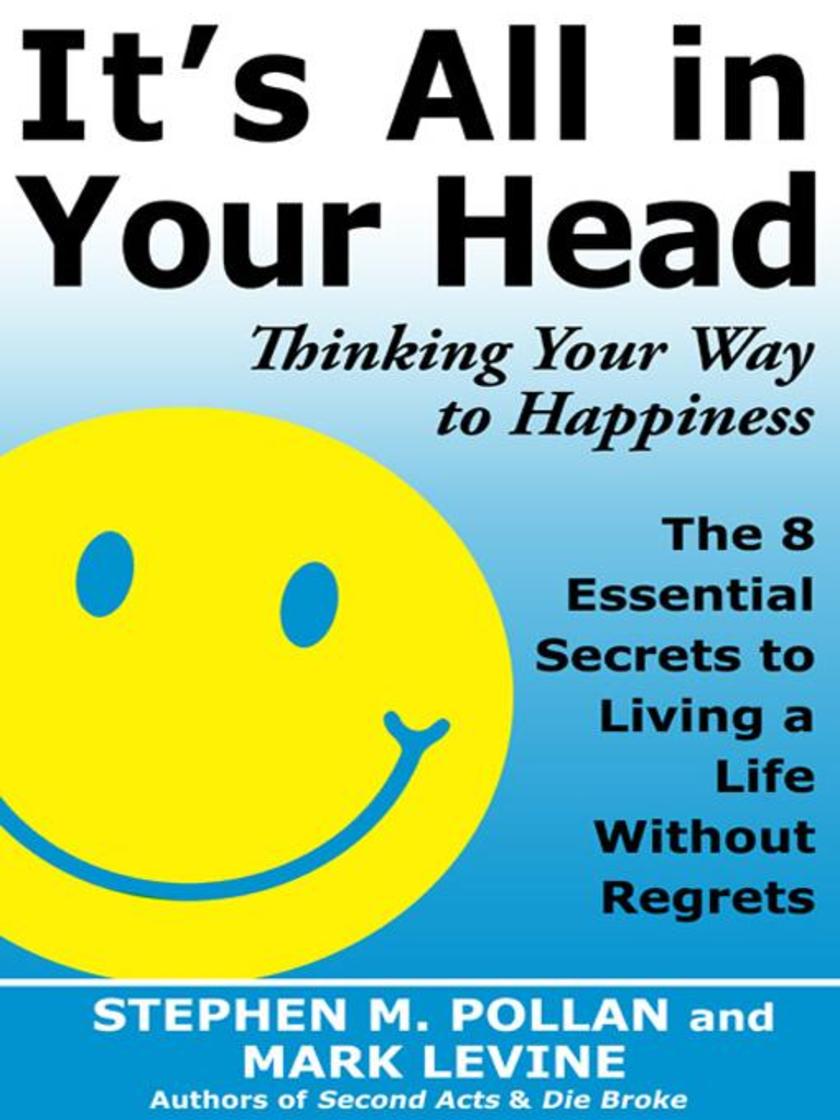
It's All in Your Head
¥90.77
Here are the simple truths that motivate people of any age to find and accept lasting happiness, illustrated with the stories of real people, and illuminated with the observations of spiritual leaders and great philosophers. For more than three decades, attorney, financial consultant, and life coach Stephen M. Pollan has been advising clients and readers on the business of living everything from home buying and employment contracts to marriage and parenting. He has taught his clients and readers to Die Broke (use assets rather than build up an estate), to stage Second Acts (reinvent their lives), and, most recently, to Fire Your Boss (take charge of their own work lives).Throughout these books, Pollan stresses that attitudes as well as actions are essential to success. Indeed, over the years he realized that the happiest and most successful people he'd met were also those who were the most energetic and exuberant, regardless of their age. By noting these attributes and incorporating them in his own life, Pollan came to understand that our attitudes are not just one element of succeeding at the business of living, they are in fact the foundation of leading a happy life. Attitude is everything.Those attitudes most essential to our deepest satisfaction and happiness reflect what our spiritual leaders and philosophers from every major tradition have taught us. We don't have to look to external forces to validate us and give us self-worth. We already have within us all we need to find fulfillment and lead happy, satisfying lives lives without regrets. To finally be happy we need to accept responsibility for our own happiness. When we know the secrets are already inside us, all we have to do is start living them. With this book, we can begin now.

CONNECT
¥140.08
It doesn't take long to understand why The Wall Street Journal calls Keith Harrell "a star with attitude." Keith Harrell, a.k.a. Dr. Attitude, helps you along on your path to success. Keith is a bestselling author, performance coach, and nationally acclaimed motivational speaker recognized for his innovative and enlightening presentations to Fortune 500 companies like Coca-Cola, IBM, Microsoft, and Southwest Airlines. His bestselling book, Attitude is Everything, helped readers improve their attitudes to impact the bottom line.In Attitude is Everything, Keith taught readers to gain control of their careers and their lives by turning positive attitudes into successful actions. But attitude is only half the equation. Once you have super motivated employees, you need them to CONNECT to the company's goals and its mission to achieve maximum success. Success is built on connections we make with people and ideas. Whether it's connecting with customers to improve their service experience, or connecting with the strategic business plan and objectives for the coming year, the foundation for success starts with CONNECT. Here in Connect, Keith Harrell and Hattie Hill reveal the seven core competencies needed to connect individuals and organizations in order to heighten productivity and to maximize personal and professional success.Commit to win Open up to opportunities Notice what's needed and do what's necessary Navigate by your purposeExecute ethicallyChallenge your challenges Transcend beyond your best

Snobs
¥61.70
In this classic work by the renowned wit and pundit whom the New York Times has lauded as "one of America's foremost arbiters of taste and mores . . . an acclaimed expert on what was highbrow, what was lowbrow, and what was no brow at all," the inimitable Russell Lynes flaunts (rather snobbishly, perhaps) his unparalleled expertise on all things snobbish. Since the Social Snob with his raised nostrils and air of intolerable intolerance has long since gone underground, it falls to a true connoisseur to identify the myriad faces of snobbery. Whether it be the Regional, Political, or Moral Snob, the Sensual or Sex Snob, or that most virulent of genus, the Reverse or Anti-Snob Snob, Lynes shines an illuminating light that will enable us to more easily recognize the pervasive pretentiousness surrounding us . . . and perhaps within us as well.

Date Like A Man
¥72.93
Do you get depressed every time a date turns out to be a dud?Are you devastated when you don't get "the call" from a guy you likeDo you constantly check your dates out for marriage potentialChances are you're taking dating way too seriously. According to Myreah Moore -- "America's Dating Coach" -- women need to start dating to have fun, which is what men have been doing for ages! In fact, Moore says, dating is a lot like a science. And with any scientific experiment, it's trial and error. In Date Like a Man, she steals dating secrets from men (the masters of dating) and transforms them into a personal training program that will boost your dating prospects -- and increase your chances of finding a soul mate.Clear, candid, and empowering, Date Like a Man makes the manhunt fun -- the way it should be. Even if you think you're a dating expert, you'll devour this manual -- the new bible for surviving and thriving in today's world.
A Book of Psalms
¥71.94
Psalm 93God acts within every momentand creates the world with each breath.He speaks from the center of the universe,in the silence beyond all though.Mighter than the crash of a thunderstorm,mighter than the roar of the sea,is God's voice silently speakingin the depths of the listening heart.
The Sistah's Rules
¥73.71
The RulesPuhleeze! Any real black woman can tell you that when it comes to African-American men, The Rules is about as good as Monopoly money in Macy's. Waiting three days to return a brother's phone call will get a black woman nothing more than a warm spot on the couch by herself with an empty bag of corn chips and the remote.A sister needs her own special set of rules for finding a brother even when it seems that there just aren't that many good ones to go around. Millner says they are out there but sistahs need to drop their materialistic, brother-in-the white-Benz fantasies and pick up the right vibes for finding a genuine brother who's worth keeping around. The Sistahs' Rules gives black women commonsense guidelines for landing in a healthy relationship with a makes-your-toes-curl brother, including: Get to know his mama, get to know him Use what you got to get what you want Girlfriends are everything, but they don't know it all With warm stories and practical advice from black mamas and papas who've been there and done that, and sistahs and brothers in the mix, The Sistahs' Rules is a sassy, hip, step-by-step guide to finding Brother Mr. Rightand having fun in the process.
A Spiritual Formation Workbook -
¥88.56
This beginning workbook for Spiritual Formation Groups features guidelines for starting a group, study plans for the first nine sessions, and a questionnaire that helps map the way ahead. Based upon six major dimensions of the spiritual life found in the life of Christ and Christian tradition: The Contemplative Tradition - The Holiness Tradition - The Charismatic Tradition - The Social Justice Tradition - The Evangelical Tradition - and The Incarnational Tradition, this workbook program provides all the necessary ingredients to start and maintain a Spiritual Formation Group. Successfully used by thousands of Spiritual Formation Group participants, A Spiritual Formation Workbook has been completely revised to correlate with Richard J. Foster's Streams of Living Water. Its new and updated exercises and teachings offer fresh perspectives on Christian faith and practice.Christian in perspective and ecumenical in breadth, RENOVAR? (from the Latin, meaning "to renew") is an effort committed to the renewal of the Church. Founded by bestselling writer Richard J. Foster, RENOVAR? provides individual churches with a balanced, practical, effective small-group strategy for spiritual growth.
Ministry
¥72.93
This highly praised handbook on ministry is an essential resource for clergy and laity alike--clear, readable, theologically sound, and pastorally wise. Traces the development of ministry from New Testament times through Vatican II to provide pastoral guidance for priests, nuns, teachers, and others who are called to the ministry.
The First Christmas
¥94.10
In The First Christmas, two of today's top Jesus scholars, Marcus J. Borg and John Dominic Crossan, join forces to show how history has biased our reading of the nativity story as it appears in the gospels of Matthew and Luke. As they did for Easter in their previous book, The Last Week, here they explore the beginning of the life of Christ, peeling away the sentimentalism that has built up over the last two thousand years around this most well known of all stories to reveal the truth of what the gospels actually say. Borg and Crossan help us to see this well-known narrative afresh by answering the question, "What do these stories mean?" in the context of both the first century and the twenty-first century. They successfully show that the Christmas story, read in its original context, is far richer and more challenging than people imagine.
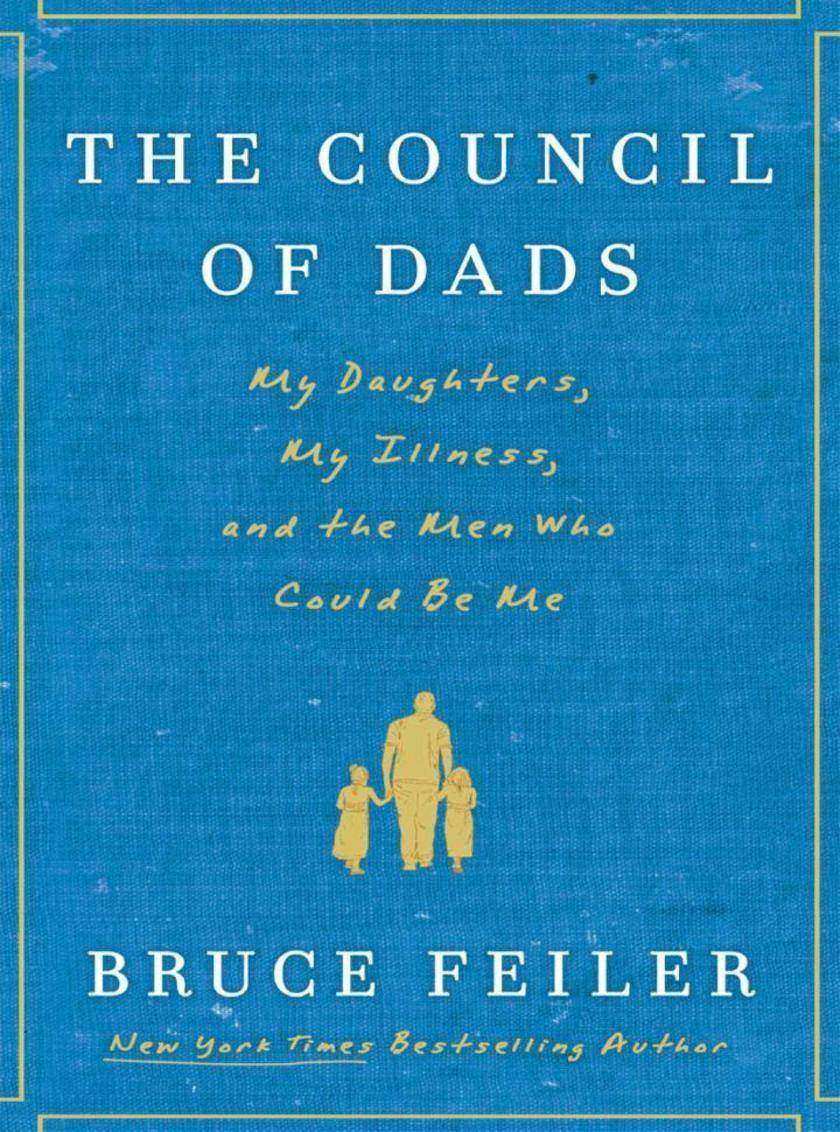
The Council of Dads
¥88.56
Bestselling author Bruce Feiler was a young father when he was diagnosed with cancer. He instantly worried what his daughters' lives would be like without him. "Would they wonder who I wasWould they wonder what I thoughtWould they yearn for my approval, my love, my voice?" Three days later he came up with a stirring idea of how he might give them that voice. He would reach out to six men from all the passages in his life, and ask them to be present in the passages in his daughters' lives. And he would call this group "The Council of Dads." "I believe my daughters will have plenty of opportunities in their lives," he wrote to these men. "They'll have loving families. They'll have each other. But they may not have me. They may not have their dad. Will you help be their dad?" The Council of Dads is the inspiring story of what happened next. Feiler introduces the men in his Council and captures the life lesson he wants each to convey to his daughters how to see, how to travel, how to question, how to dream. He mixes these with an intimate, highly personal chronicle of his experience battling cancer while raising young children, along with vivid portraits of his father, his two grandfathers, and various father figures in his life that explore the changing role of fathers in America. This is the work of a master storyteller confronting the most difficult experience of his life and emerging with wisdom and hope. The Council of Dads is a touching, funny, and ultimately deeply moving book on how to live life, how the human spirit can respond to adversity, and how to deepen and cherish the friendships that enrich our lives.
Making Sense of Adoption
¥78.55
When to tell, What to tell, and How to tell Children who are adopted have predictable and often unspoken concerns about themselves and how they joined their families. In this wise and timely guide, Lois Melina, author of the classic manual Raising Adopted Children, helps parents anticipate and respond to those concerns in ways that build self-esteem. Through sample conversations, reassuring advice, and age-specific activities parents will find answers to such questions as:-- When should I give my child the letter her birthmother wrote?-- How do I share information that might upset my child?-- How can I know when my child is wondering about adoption?-- What should I tell school personnel about my child's historyWhat about family and friends?-- How can I be sure we talk about adoption enough, but not too muchWhether parents adopted traditionally, as stepparents, or through donor insemination, surrogacy, or in vitro fertilization, Making Sense of Adoption will open the door to a lifetime of growth and understanding for adoptive families.

The Big Leap
¥99.65
Most of us believe that we will finally feel satisfied and content with our lives when we get the good news we have been waiting for, find a healthy relationship, or achieve one of our personal goals. However, this rarely happens. Good fortune is often followed by negative emotions that overtake us and result in destructive behaviors. "I don't deserve this," "this is too good to be true," or any number of harmful thought patterns prevent us from experiencing the joy and satisfaction we have earned. Sound familiarThis is what New York Times bestselling author Gay Hendricks calls the Upper Limit Problem, a negative emotional reaction that occurs when anything positive enters our lives. The Upper Limit Problem not only prevents happiness, but it actually stops us from achieving our goals. It is the ultimate life roadblock. In The Big Leap, Hendricks reveals a simple yet comprehensive program for overcoming this barrier to happiness and fulfillment, presented in a way that engages both the mind and heart. Working closely with more than one thousand extraordinary achievers in business and the arts from rock stars to Fortune 500 executives whose stories are featured in these pages, the book describes the four hidden fears that are at the root of the Upper Limit Problem.The Big Leap delivers a proven method for first identifying which of these four fears prevents us from reaching our personal upper limit, and then breaking through that limitation to achieve what Hendricks refers to as our Zone of Genius. Hendricks provides a clear path for achieving our true potential and attaining not only financial success but also success in love and life.


